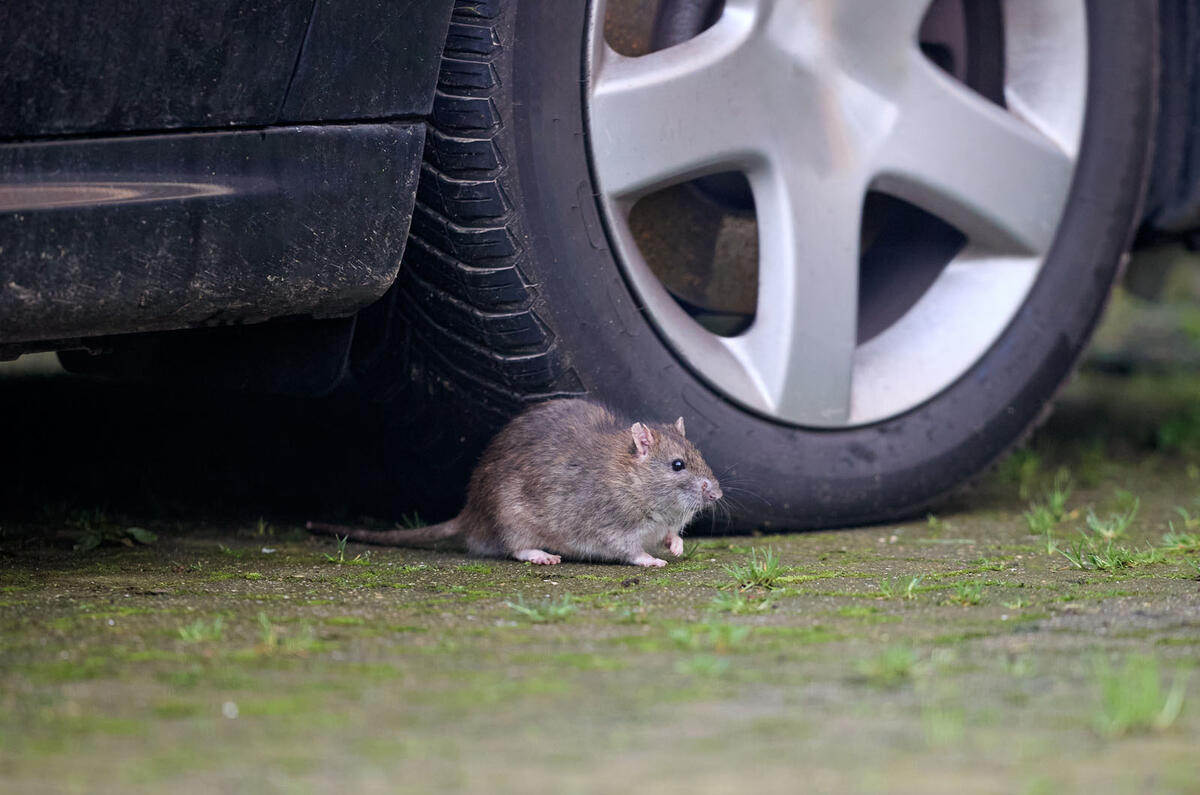

Growing numbers of rodent infestations are causing thousands of pounds in damage to cars across the UK, and the pain for motorists is mounting.
Between 2023 and 2024, insurer Aviva noted a 28% increase in the number of reports it received of damage to vehicles caused by mice and rats. Meanwhile, the value of rodent-related claims the company dealt with rose by 11%, to an average of £2494.
James Driscoll, manager of motor claims at Aviva, said: "In the winter months, mice and rats look for warmer places to nest and can squeeze into the tiniest of gaps, including the grilles, vents or open windows of vehicles. Once inside a car, rodents can cause significant damage, from chewing wires and gnawing at interiors to nesting in engines."
The UK's rat population is "out of control", according to Tony Smith of Reading-based All Aspects Pest Control. He told Autocar that he receives up to four calls per week from motorists whose cars' have been damaged by pests.
Smith attributes the growing problem to the bioplastics used in modern wiring looms, believing they are attractive to rats.
The ensuing damage can trigger huge repair costs, he said: "Earlier this year, I was called out to a customer whose Porsche Cayenne had been damaged by rats. It needed a new wiring loom and, including diagnosis, cost him £7000 to repair."
Garages are also now fixing lots of pest damage.
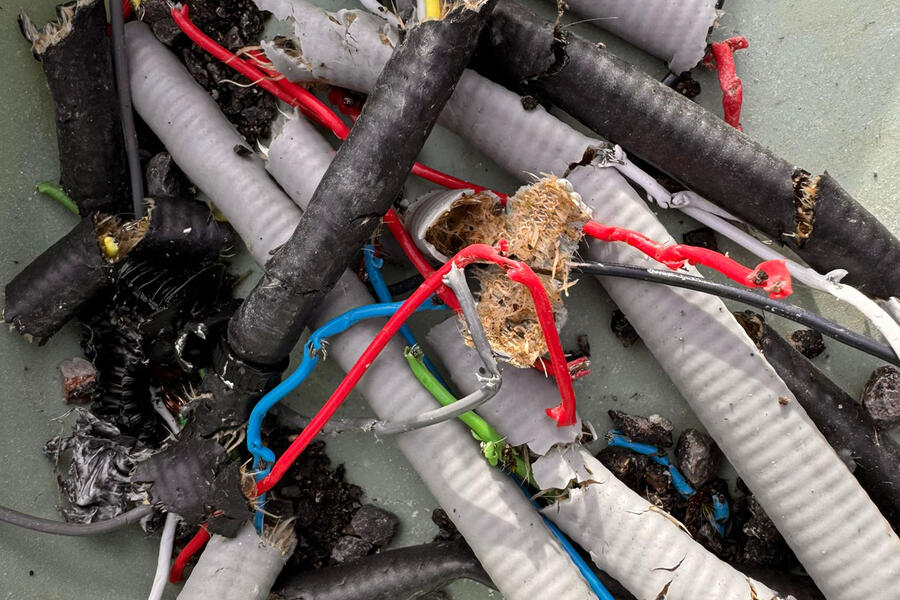
Lewis Devin of Ravenscroft Motors in Fleet, Hampshire, said: "A Ford Ranger had its gearbox wiring loom partially chewed by rodents and cost £200 to repair. The following week, the customer brought it back after it happened again. We have also repaired cars with their foam engine covers chewed through, while one car had an interior fan blocked with nuts that had been stored between the blades by a squirrel."
Between 2023 and the middle of 2025, half a million rodent infestations were reported to UK councils.
Trade body the British Pest Control Association said more than half of its members experienced an increased number of rat-related callouts over the past five years.
Smith said there's little he and other pest controllers can do to help motorists concerned about rodent damage to their vehicles: "We're not allowed by law to put down poisoned bait permanently. Among other things, we risk killing field mice, which are endangered. In any case, rats are clever and very cautious around unfamiliar substances."