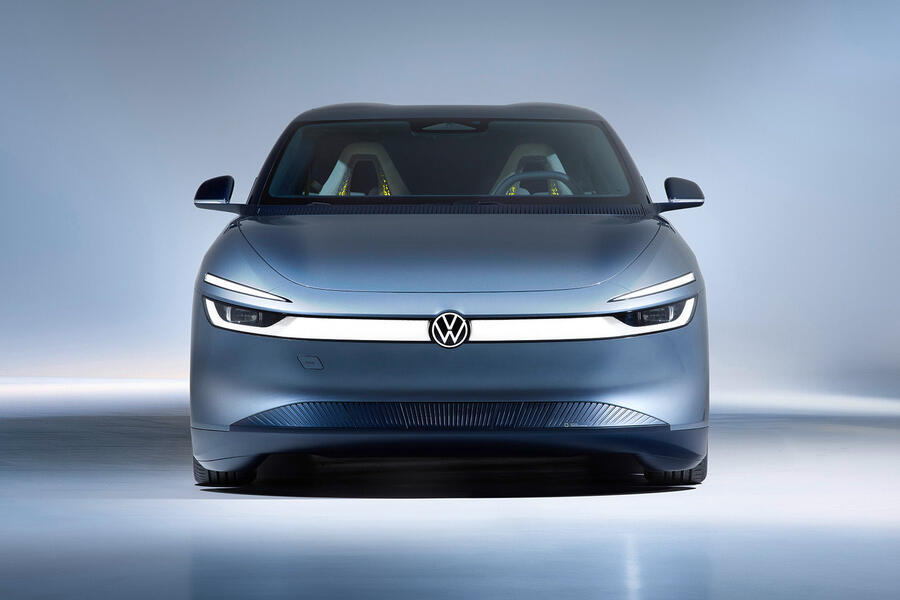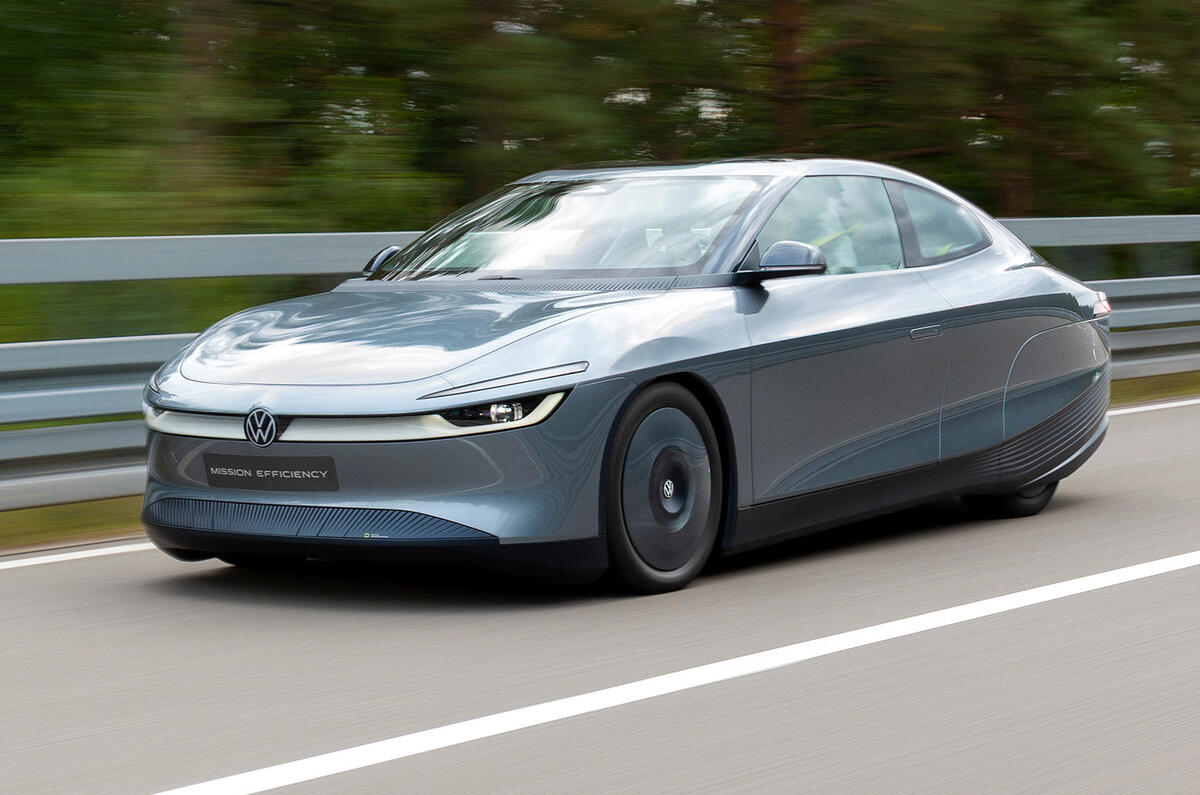
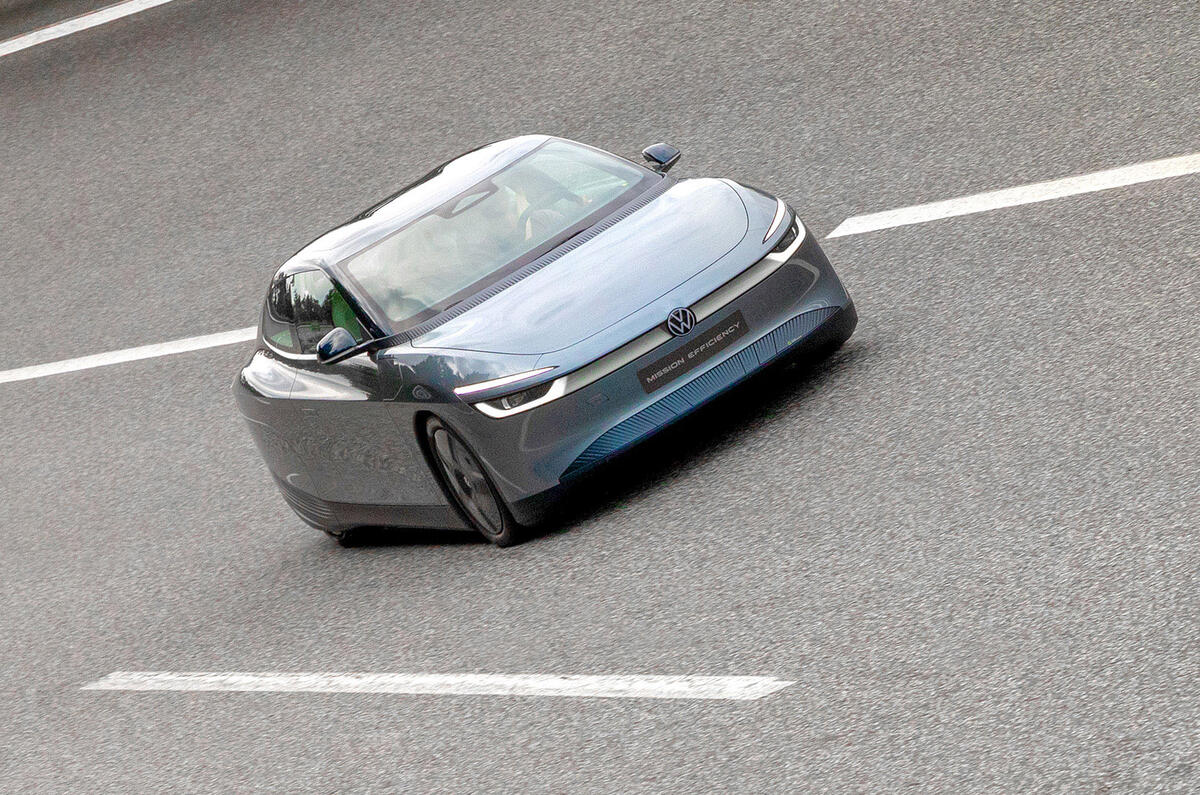
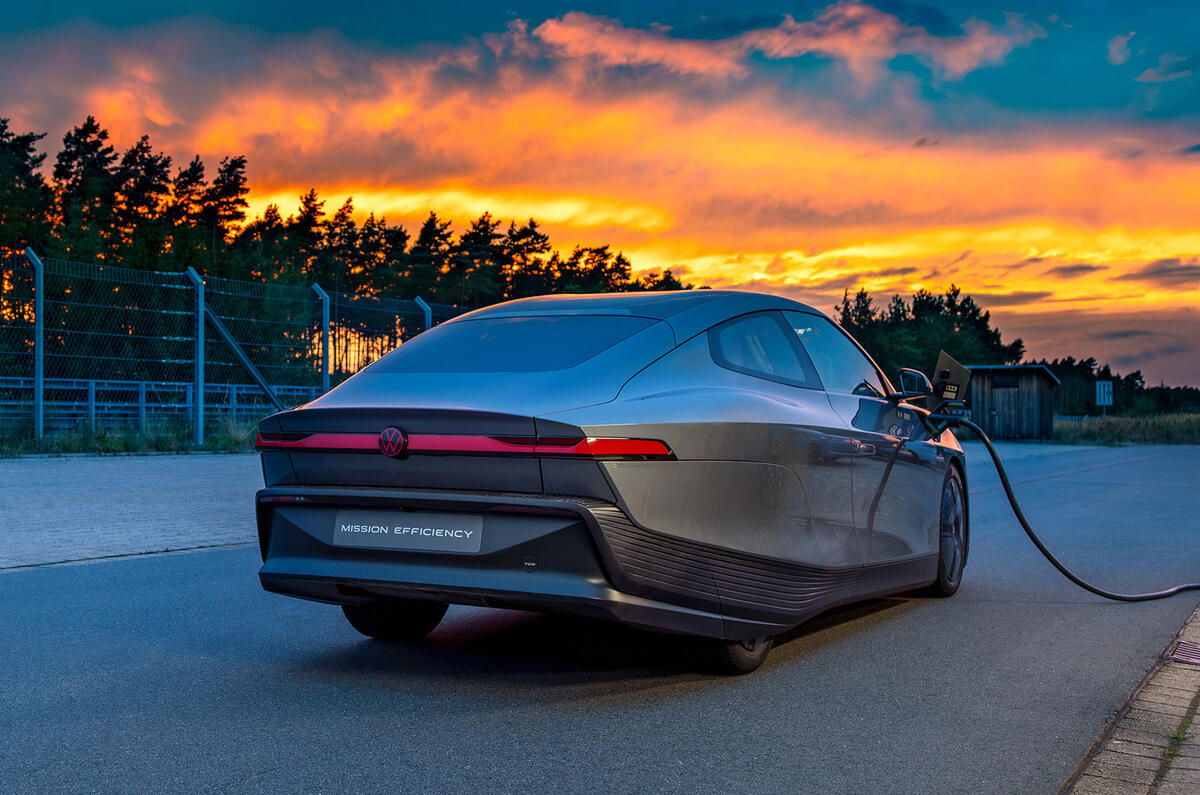
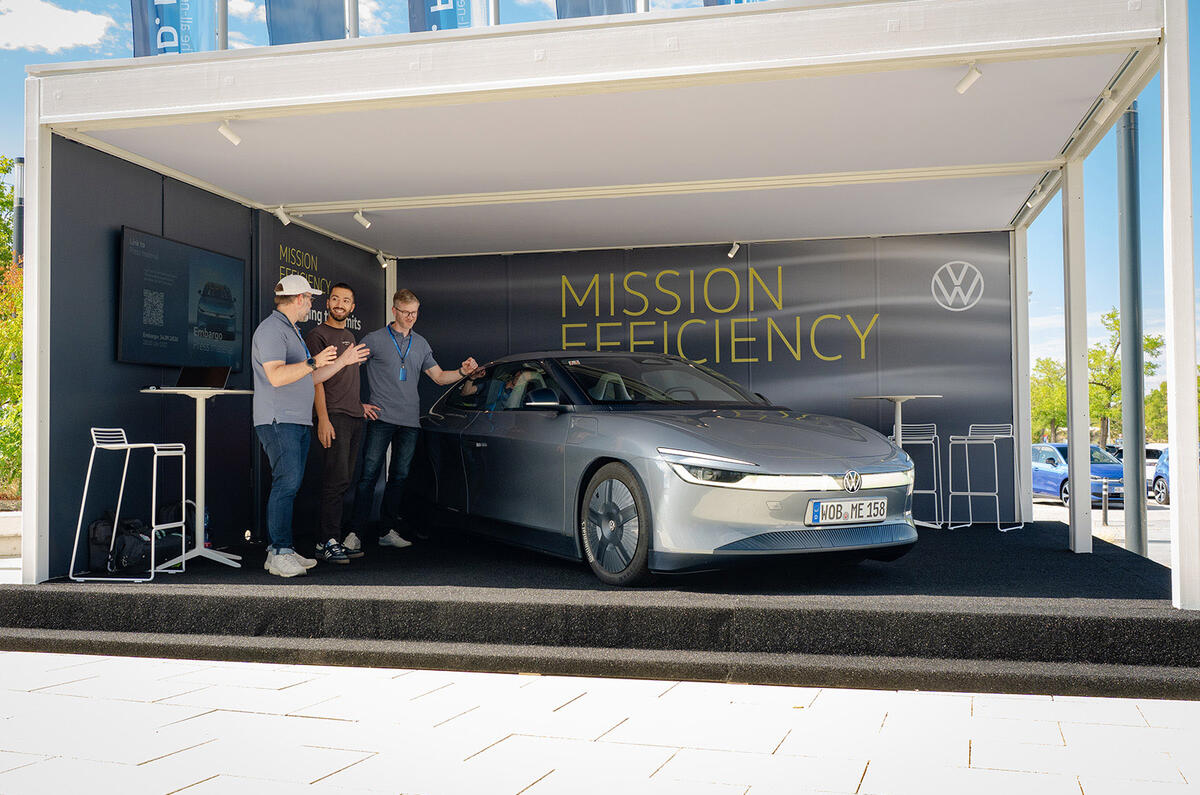

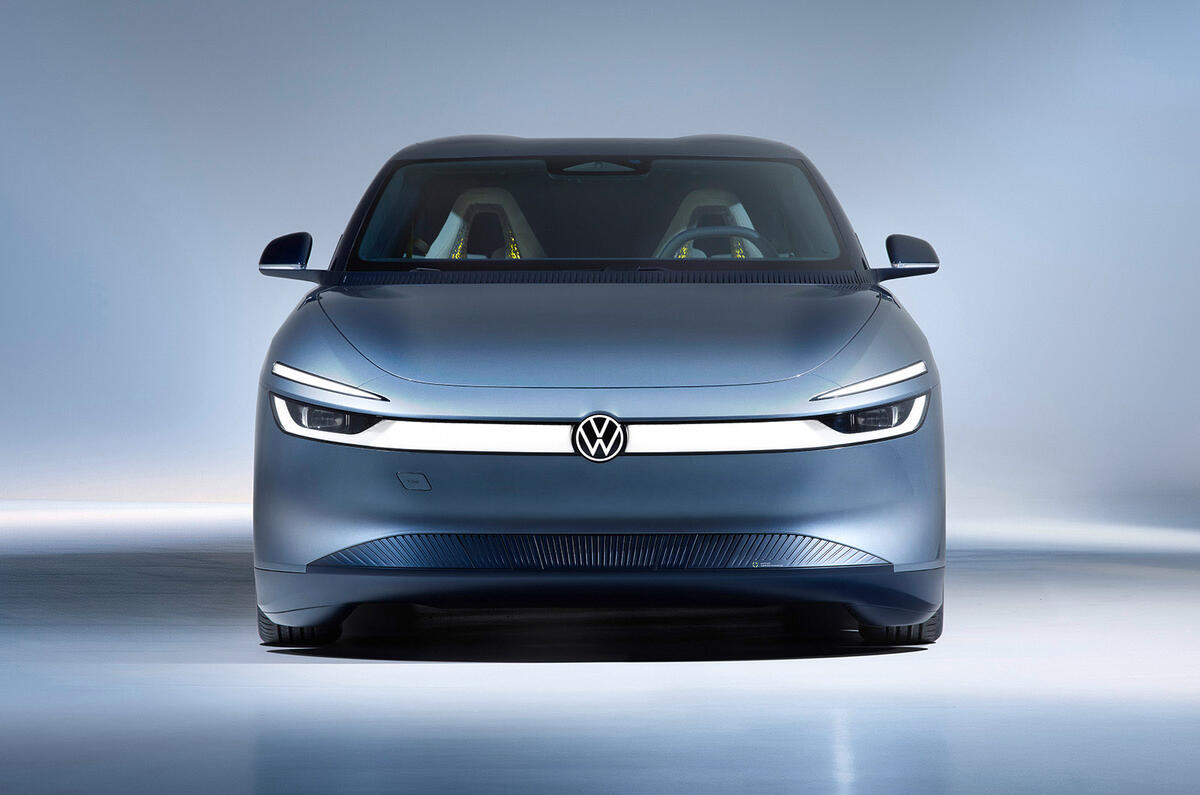
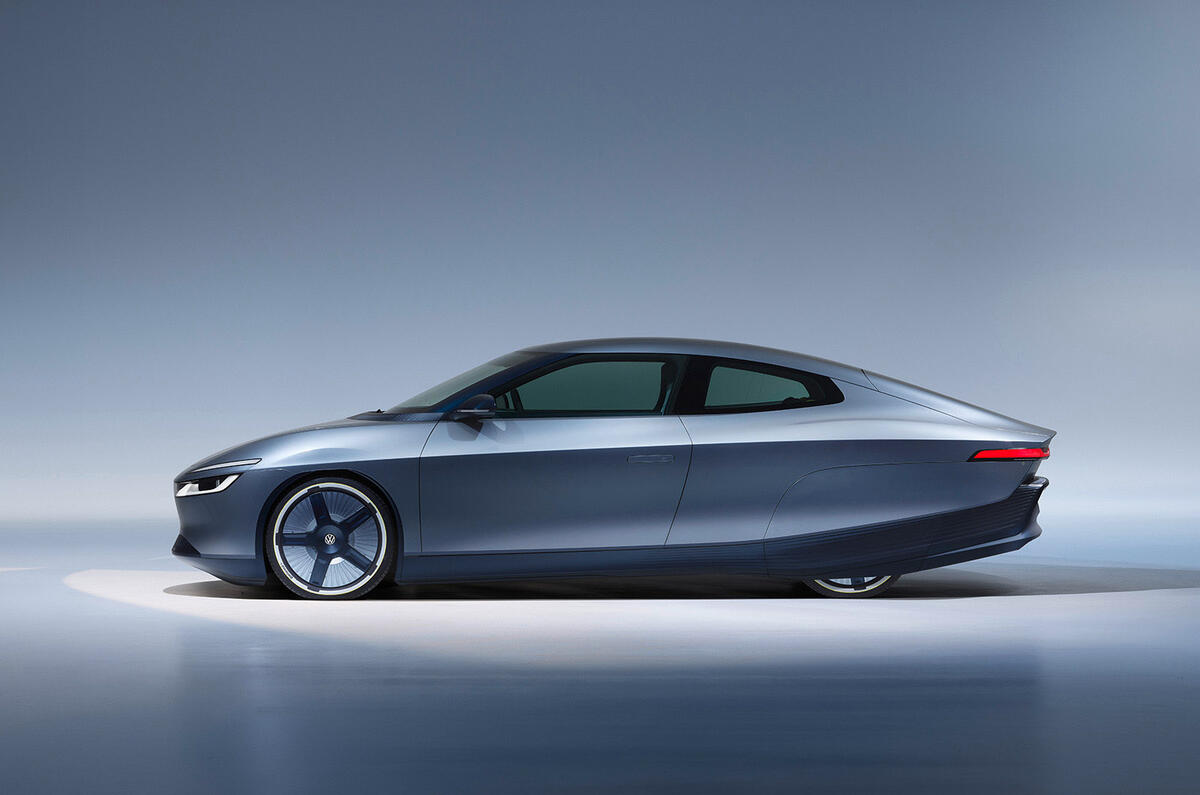
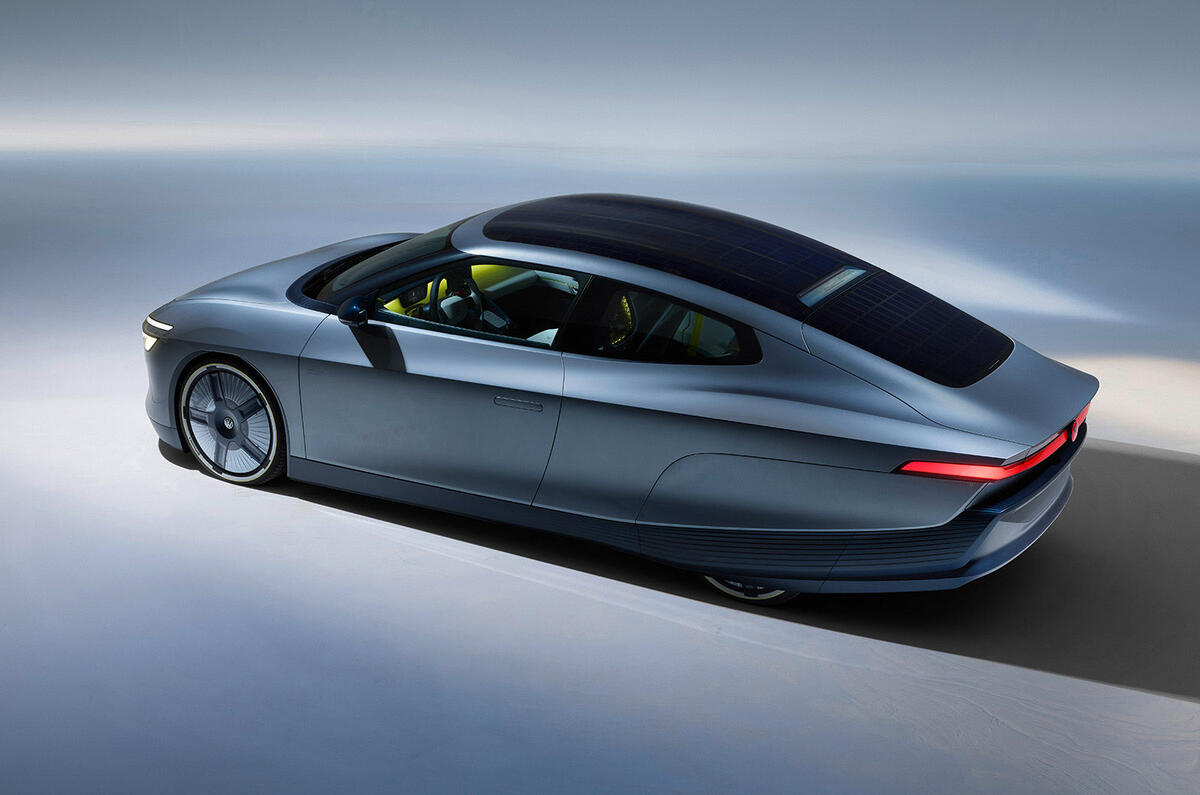
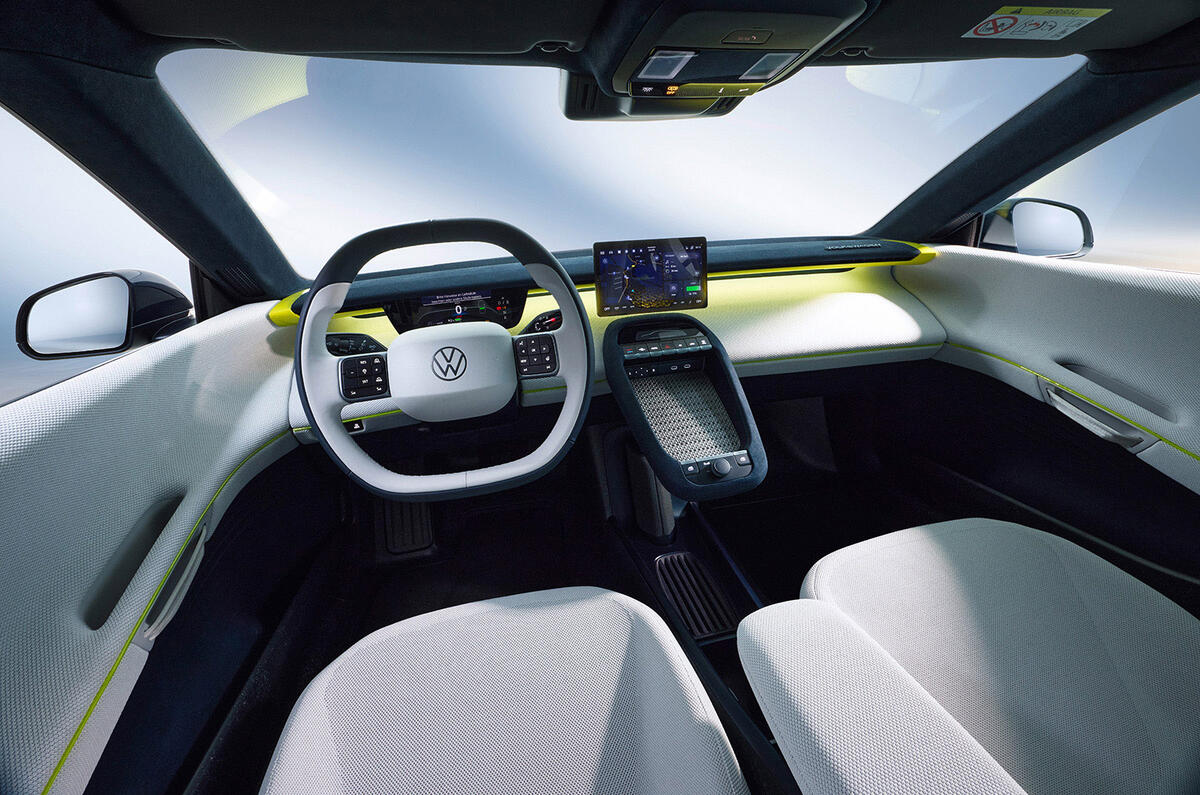
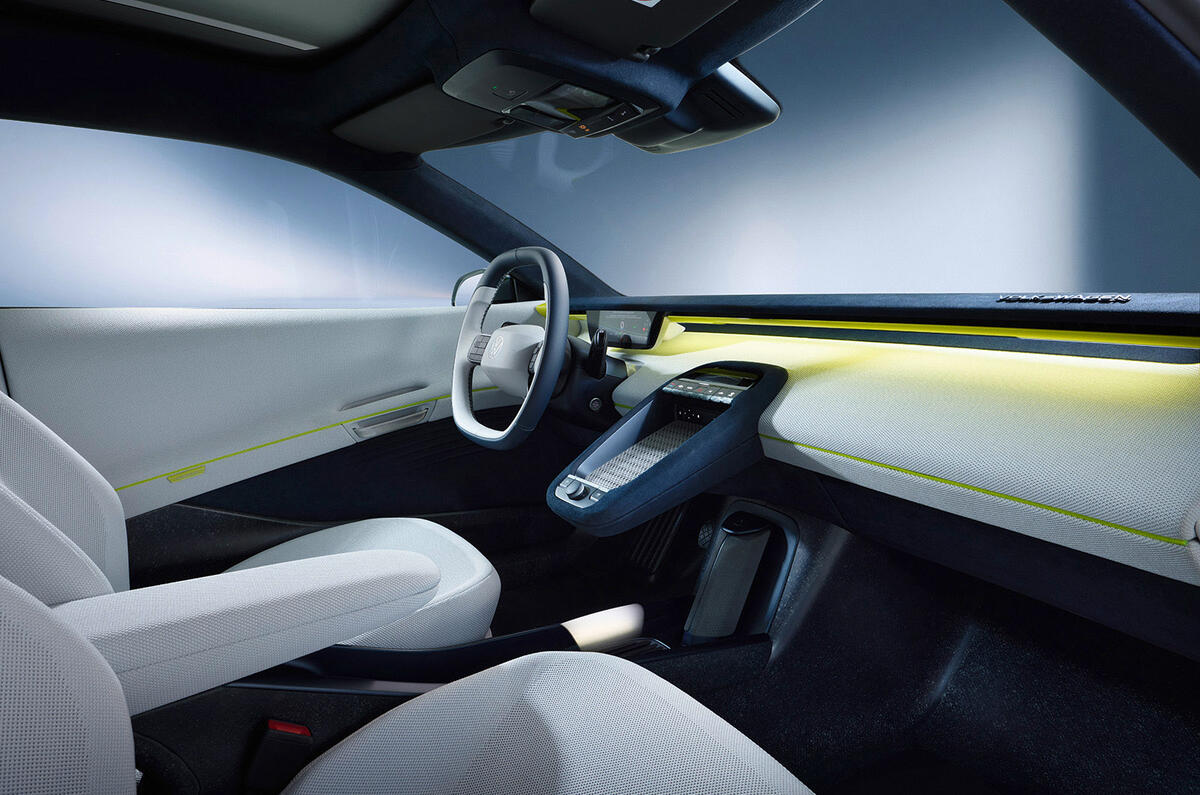
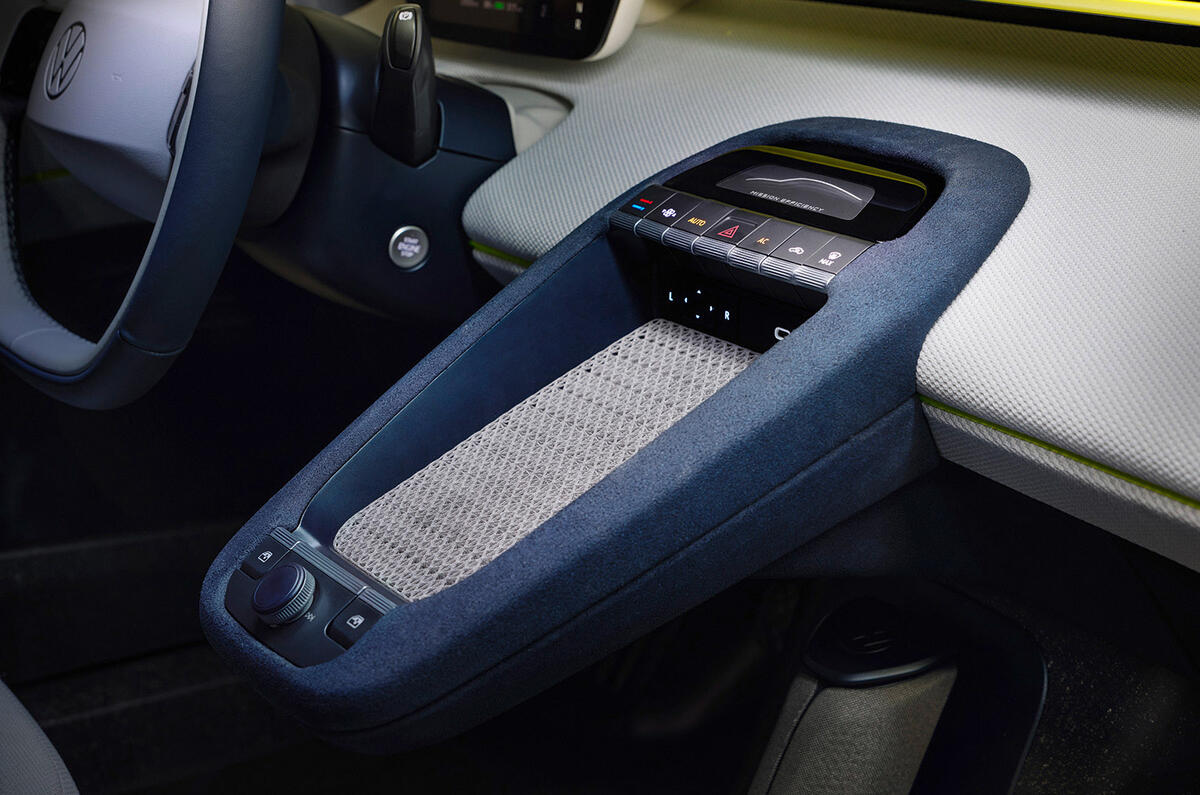
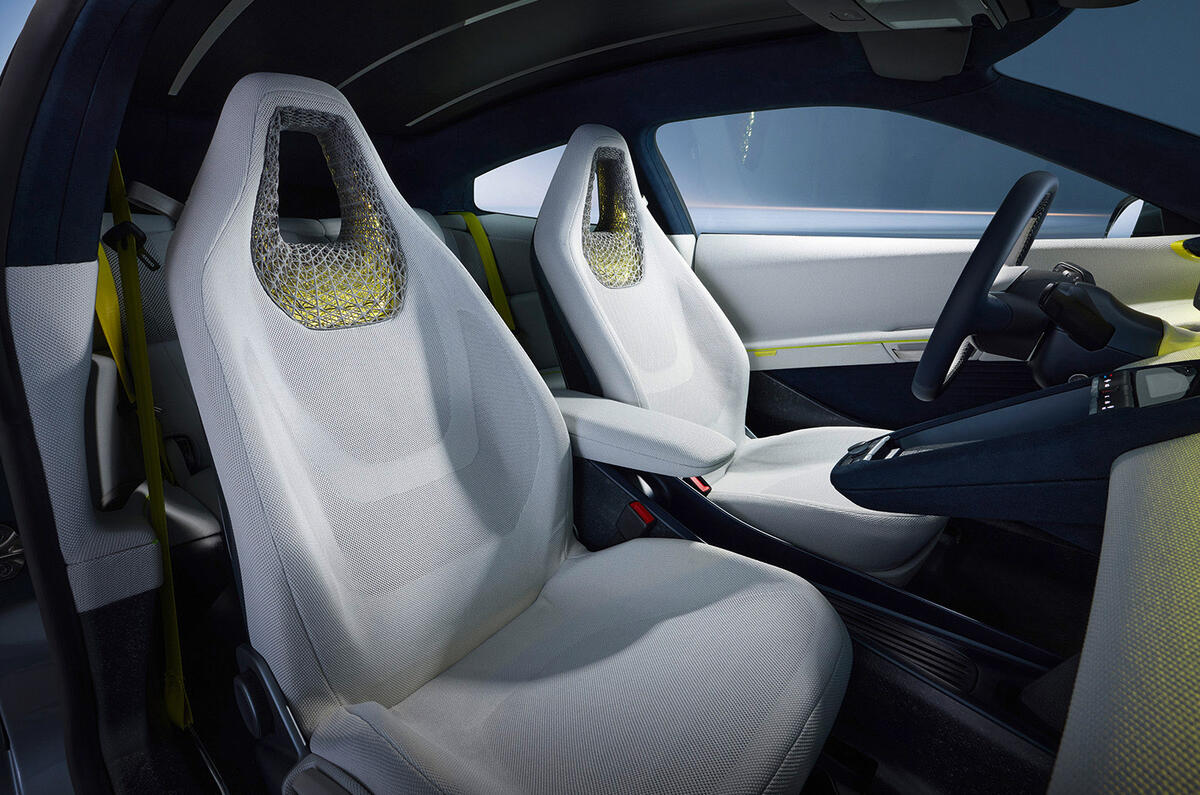
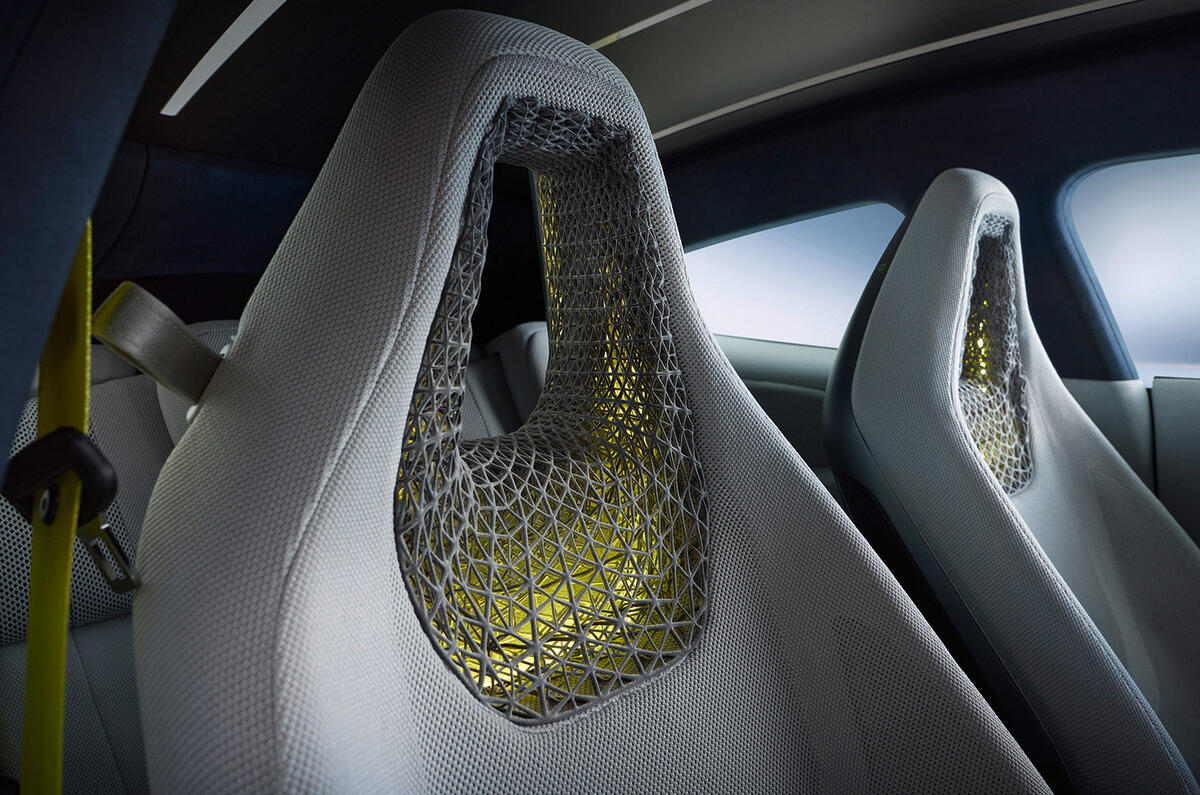
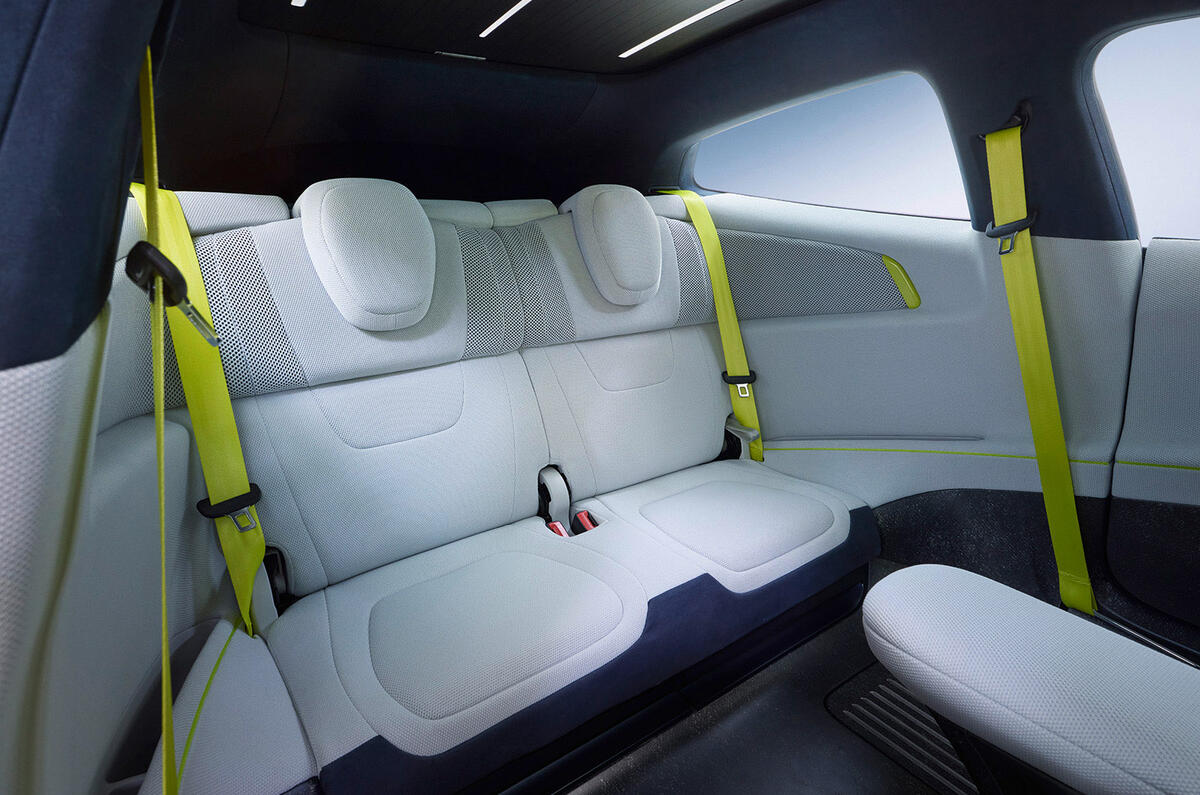
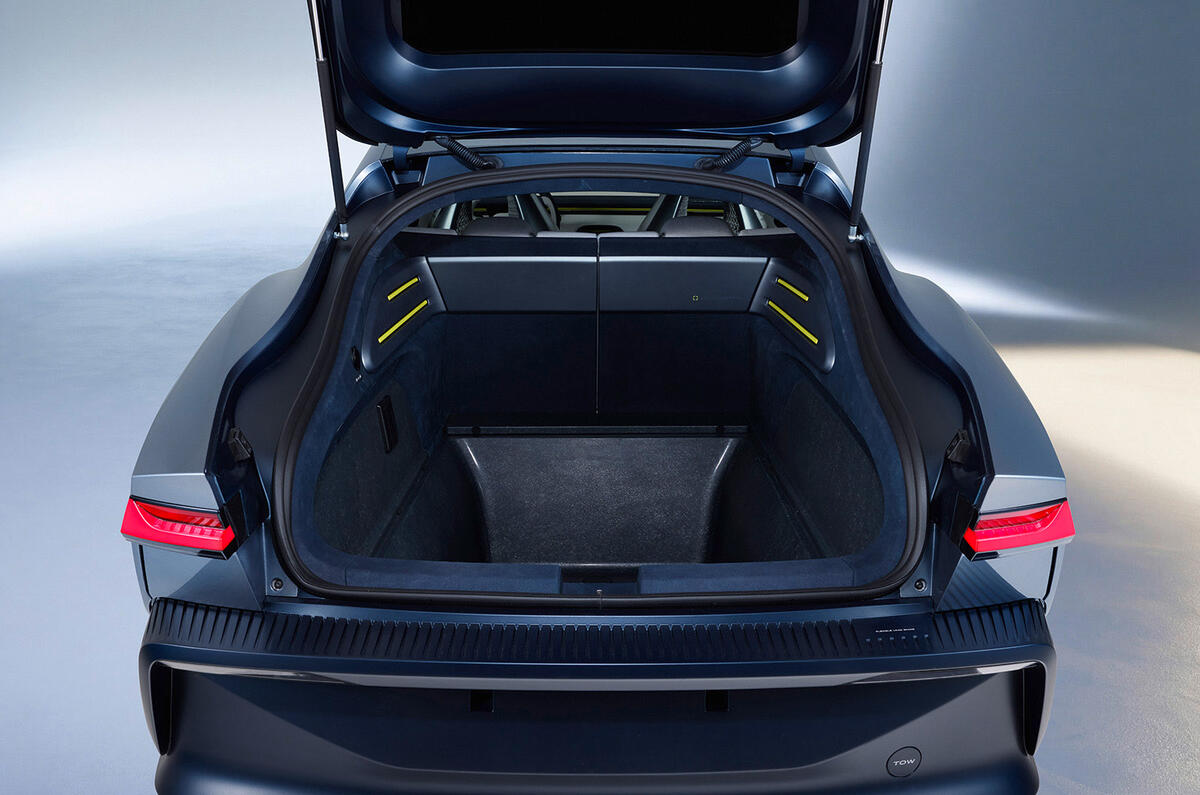
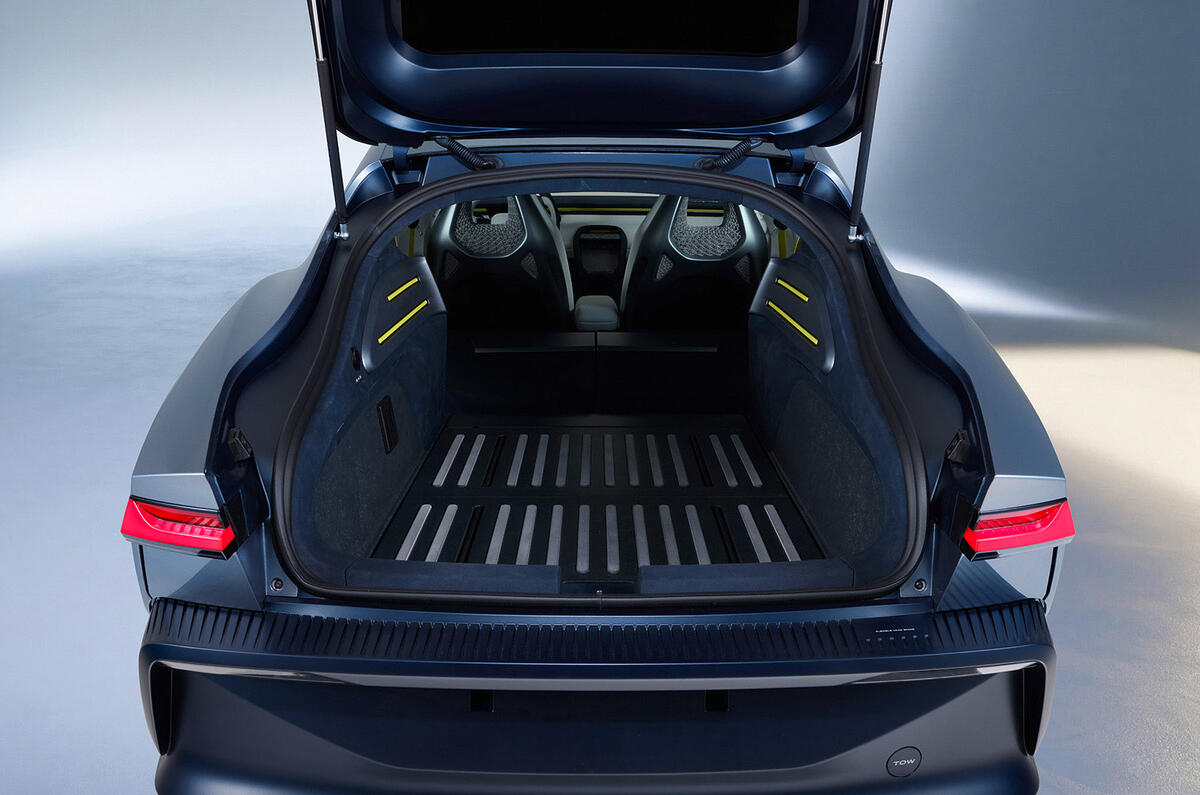
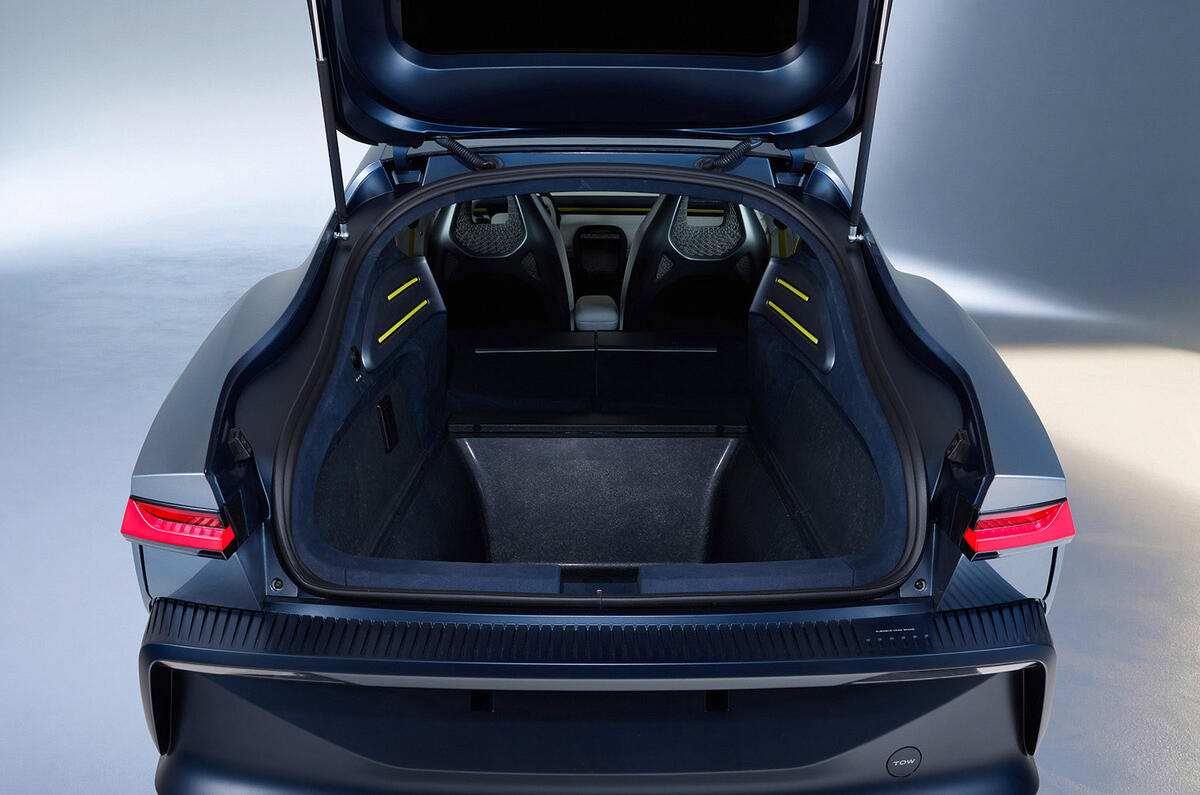
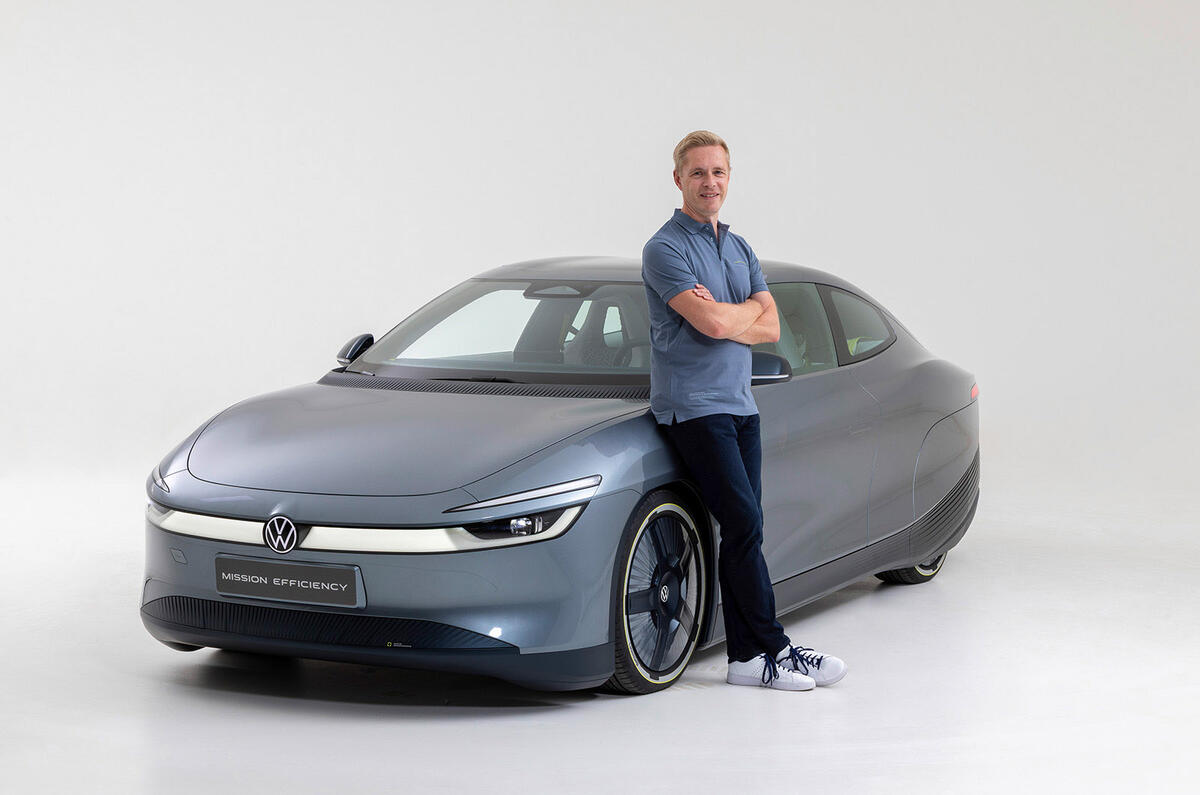
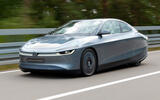
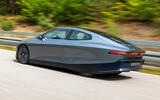

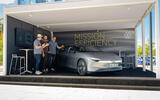

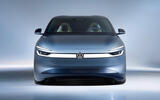
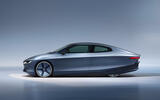
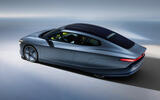

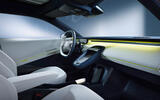


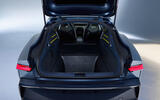


Volkswagen has channelled the spirit of the 313mpg XL1 hypermiler for a new long-range EV concept that will influence future production cars - and it has already set a new benchmark for efficiency.
Based on the same MEB+ architecture as the new ID Polo, the Mission Efficiency prototype has achieved a new high for efficiency, having clocked 8.27mpkWh over a 794-mile drive from Wolfsburg to Vienna – and up to 9.02mpkWh discounting the energy lost while charging.
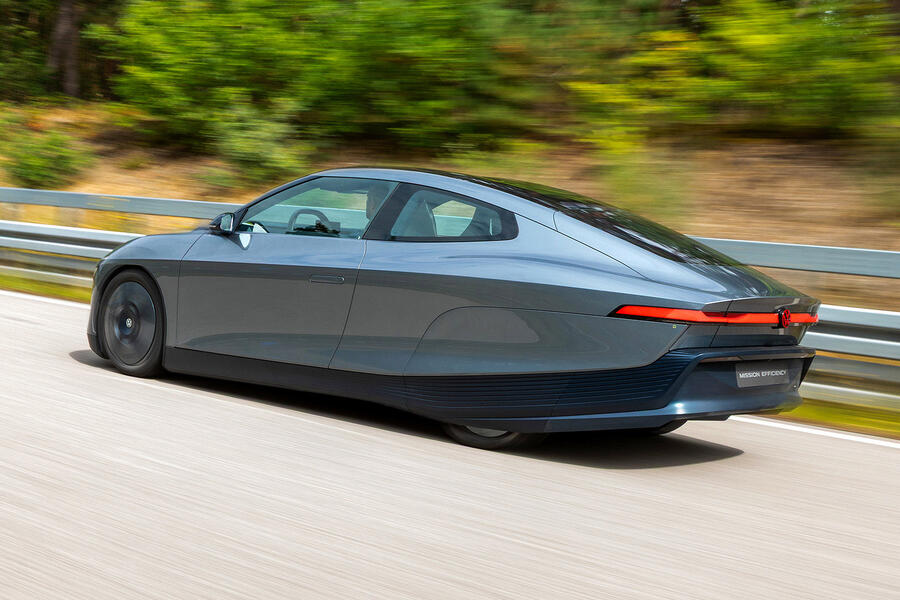
For reference, the ID Polo's claimed maximum is around 5.4mpkWh. During the test run, the Mission Efficiency achieved a 406-mile real-world range from one charge of its 52kWh battery - an increase of 124 miles on the ID Polo's WLTP range.
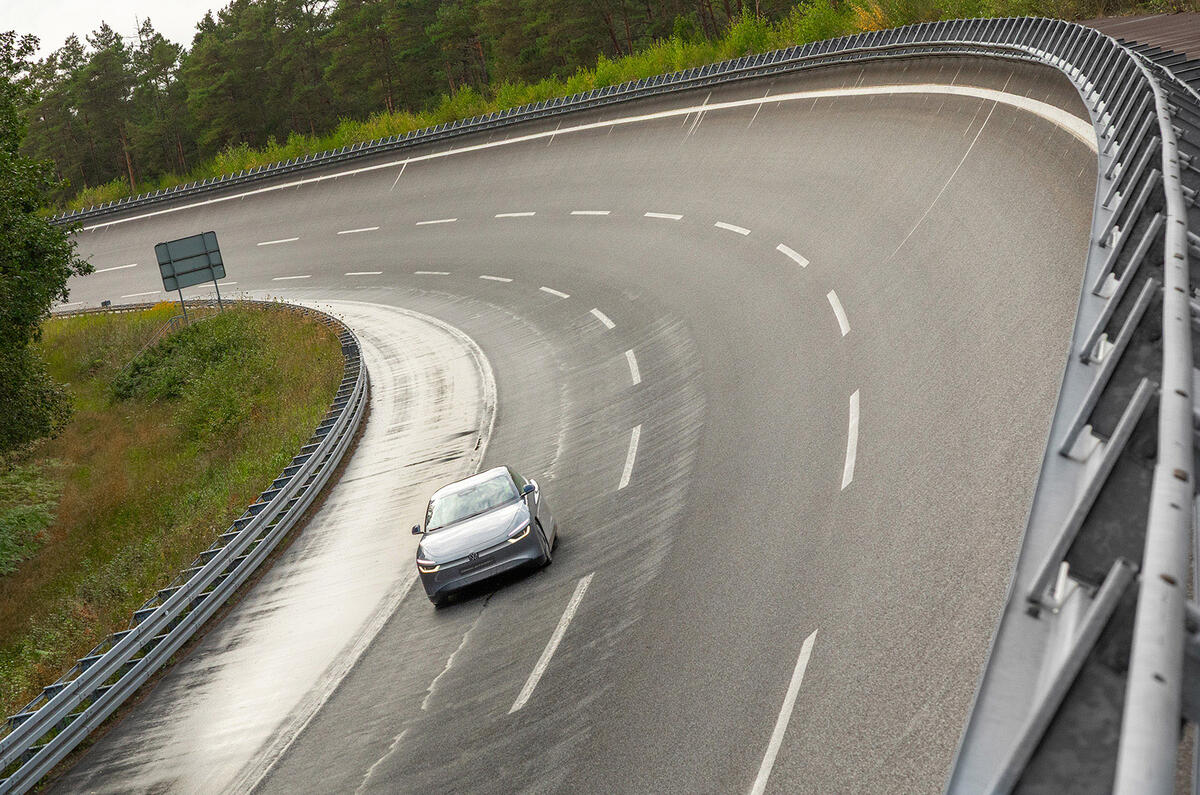
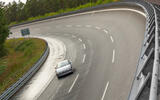
The drive, which routed via Poland and Berlin, included speeds of up to 86mph on the autobahn and averaged 42mph, but a separate test at constant speeds in controlled conditions pushed the concept car north of 500 miles without stopping.
To minimise the energy required to cover ground, the Mission Efficiency combines the entry-level ID Polo's 114bhp front-mounted motor with the top-spec version's battery. By reducing the 52kWh pack's 'safety' buffer - a common feature used to ensure a battery's performance is sustained over decades - VW boosted its usable capacity to 54kWh.
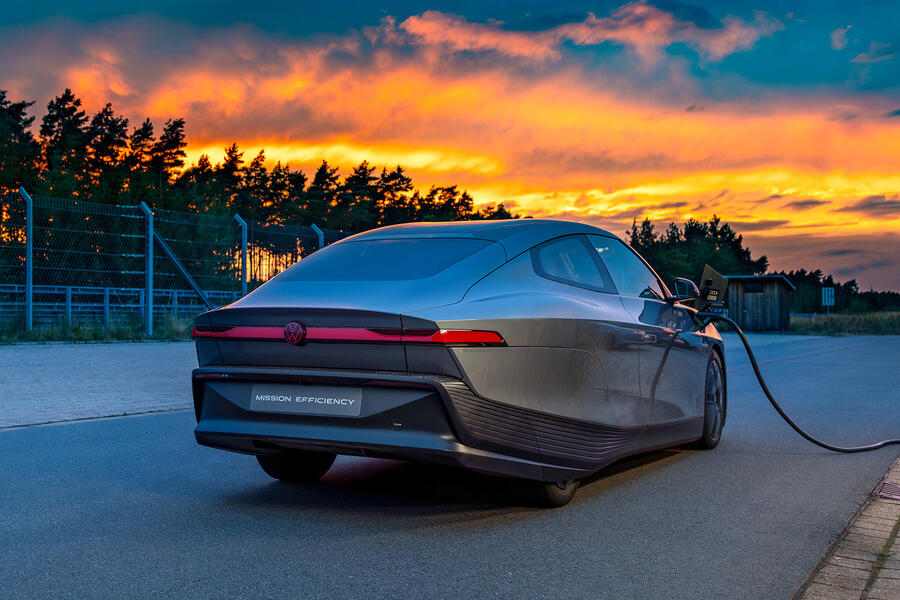
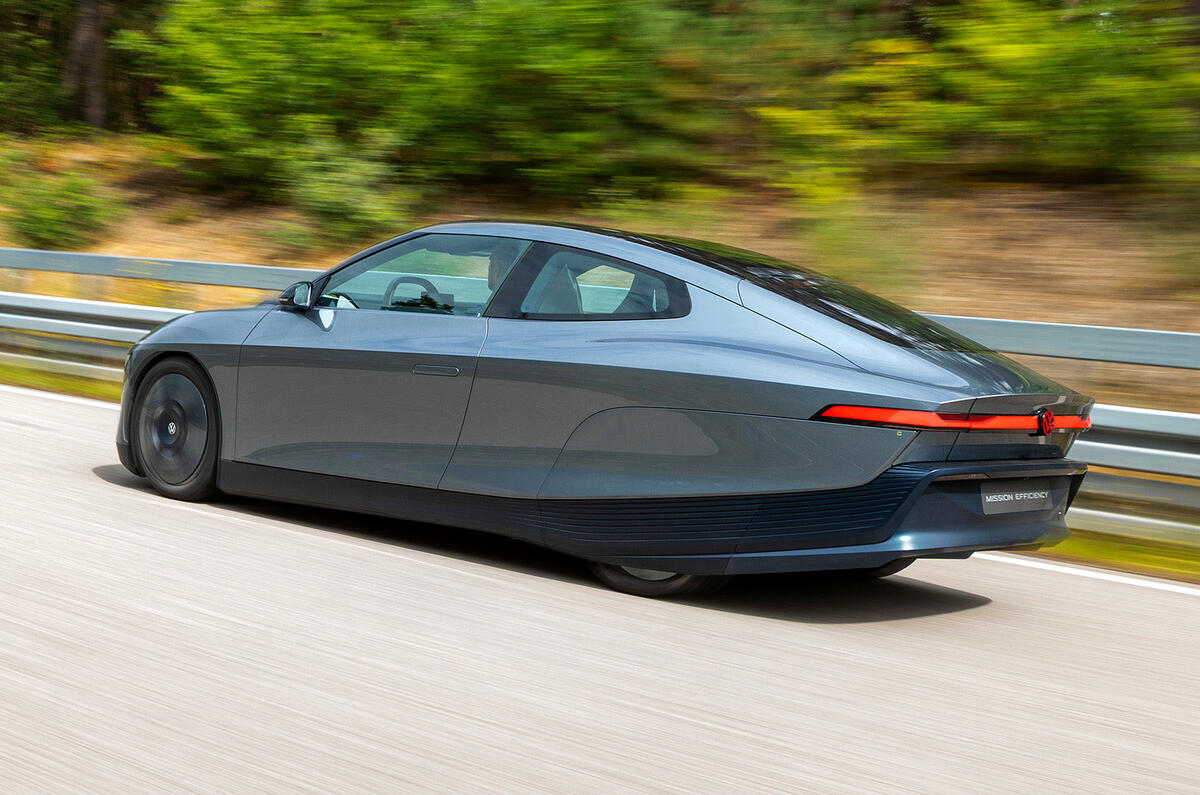
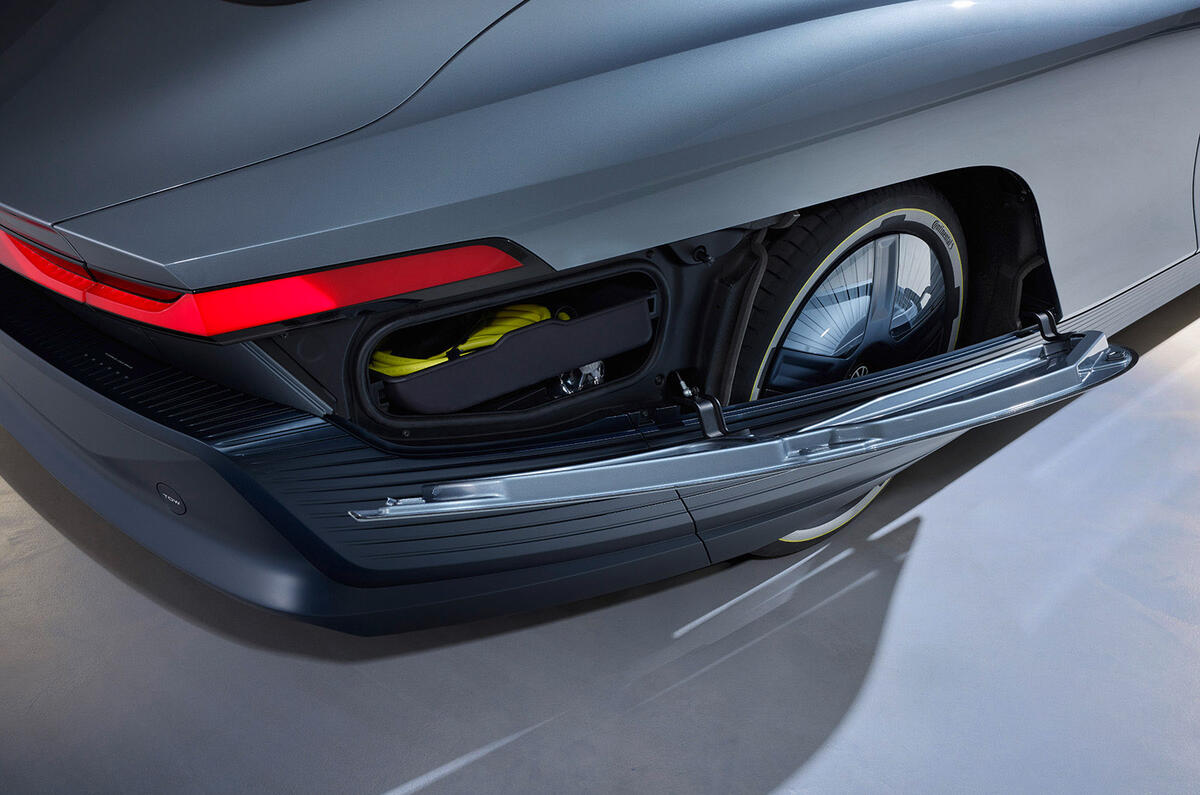
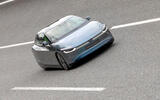
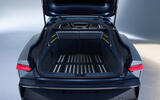
Along with its energy-focused drivetrain set-up, the Mission Efficiency reshapes the MEB+ underpinnings - also used for the Cupra Raval, VW ID Cross and Skoda Epiq - to allow for a lower and longer body, which narrows at the rear so much that the back axle is 17cm slimmer.
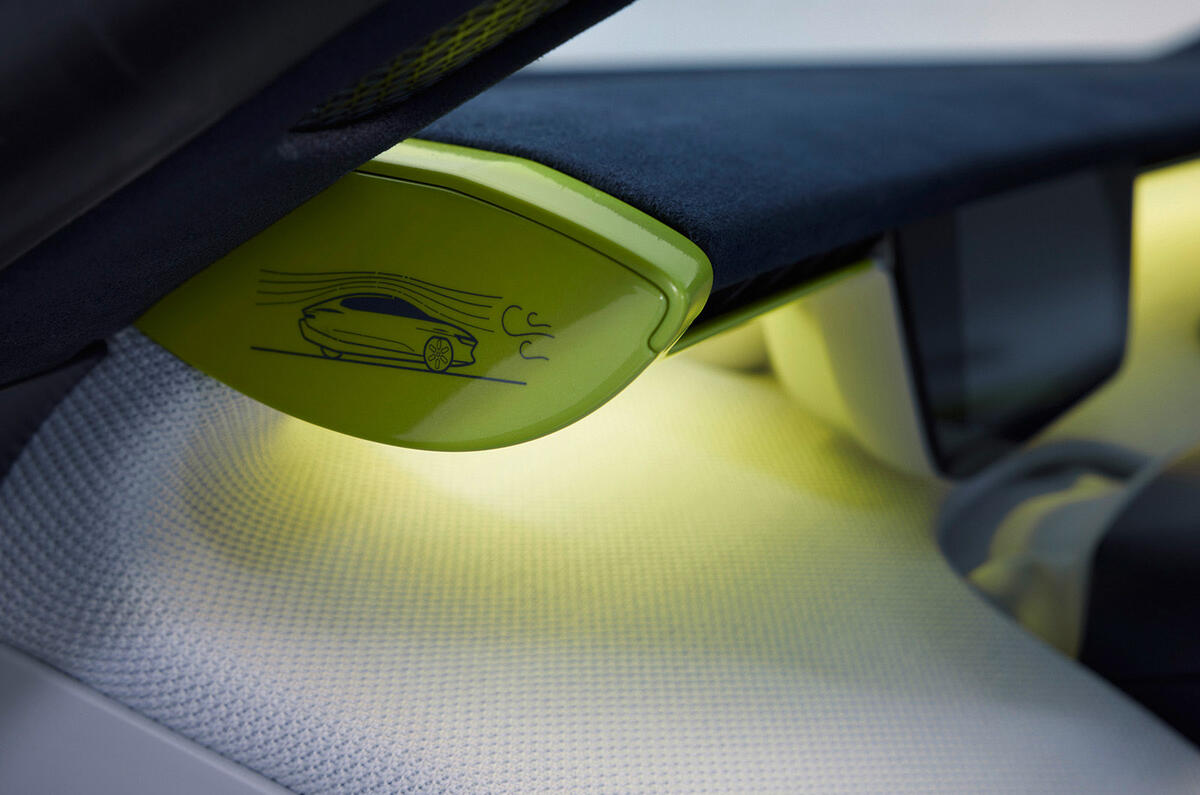
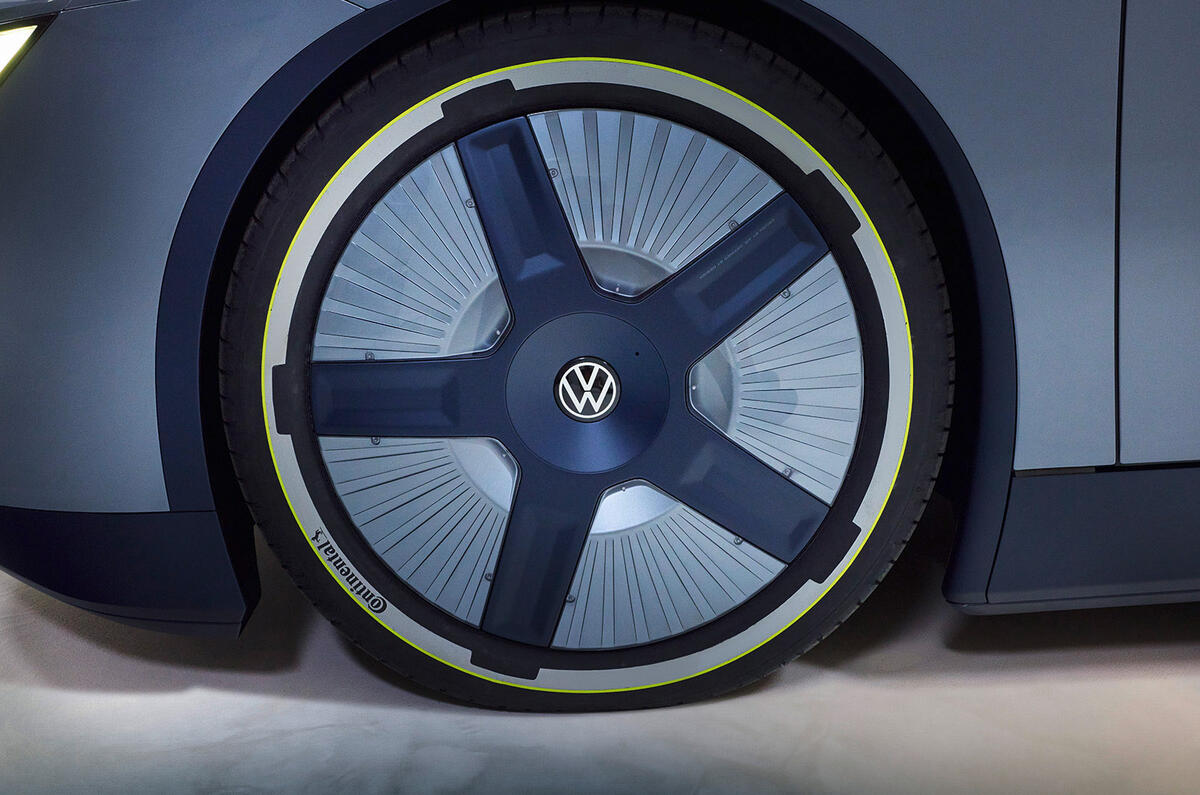
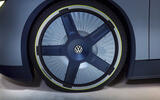
The suspension is standard ID Polo hardware, but the underside of the body has been completely covered for improved aerodynamics, helping - along with active intakes on the nose and wheel covers - to make the car slippery enough for a 0.158 drag coefficient. The similarly shaped XL1 - a diesel hybrid designed to travel 62 miles using just one litre of fuel - had a coefficient of 0.189 and today's sleekest production EV, the Mercedes EQS, achieves a Cd of 0.20.