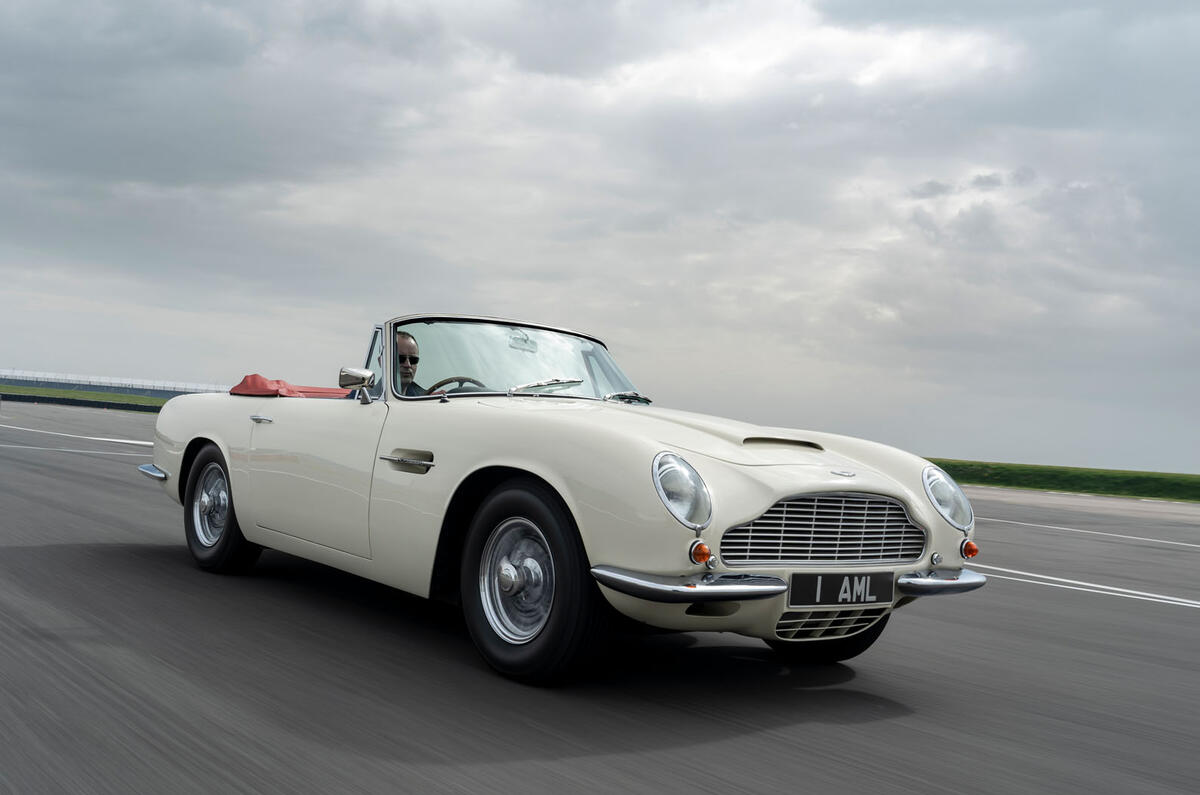
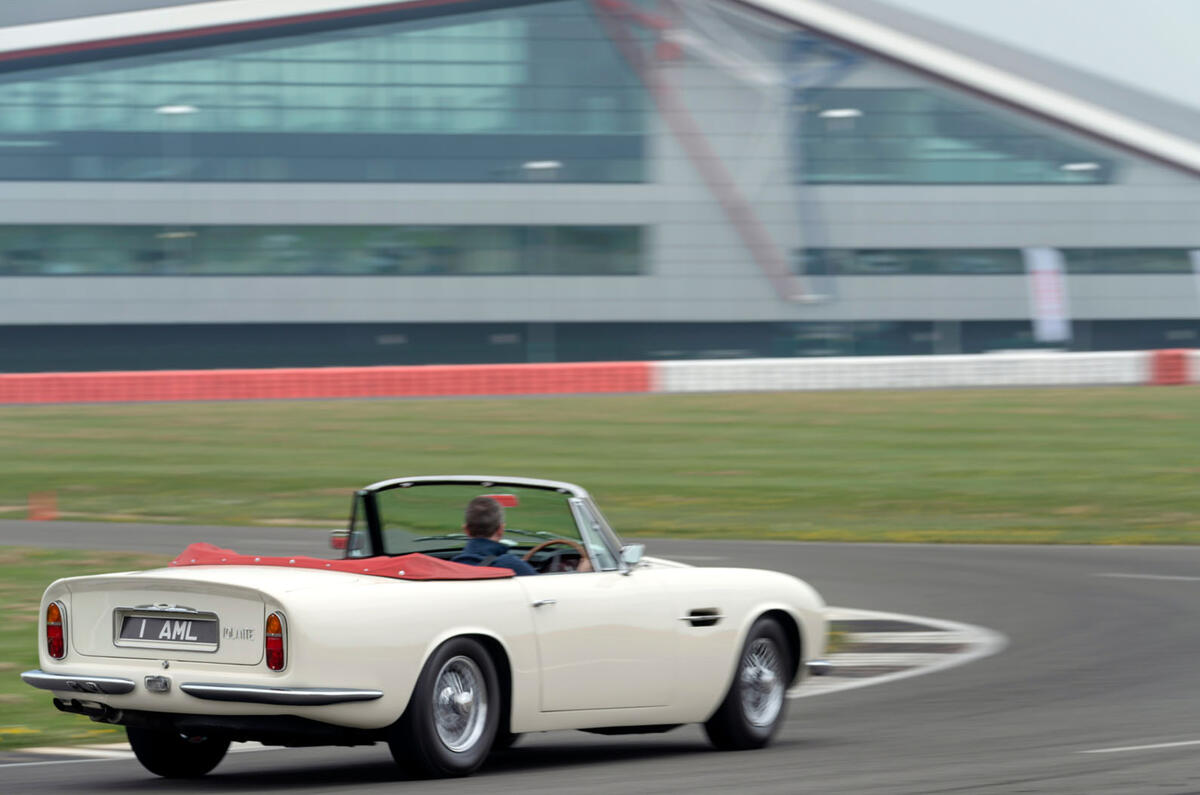
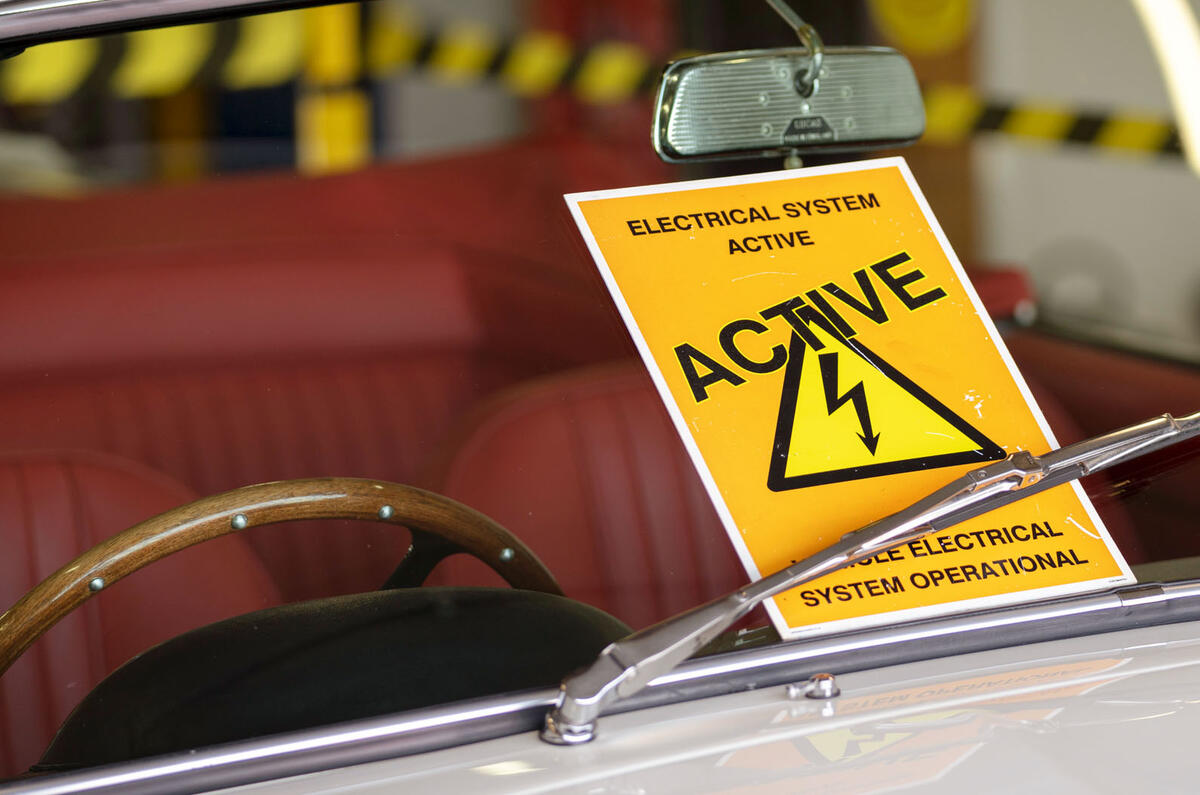
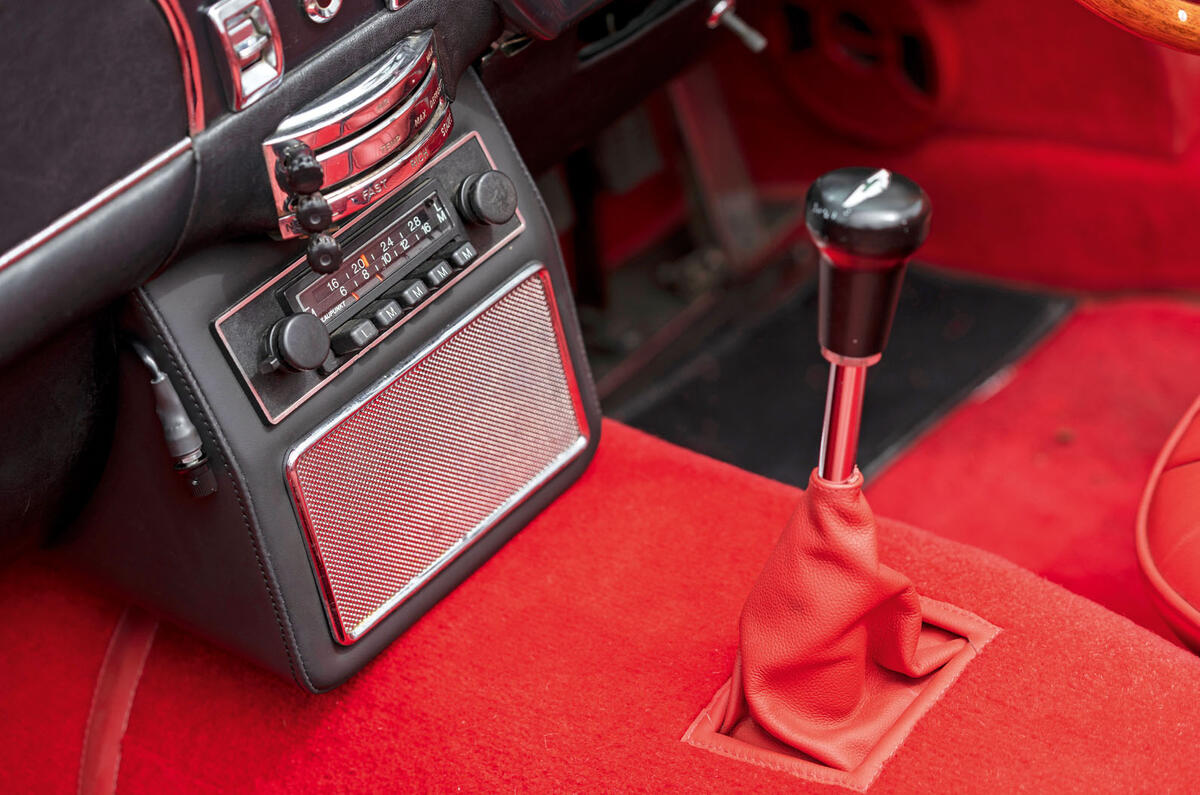
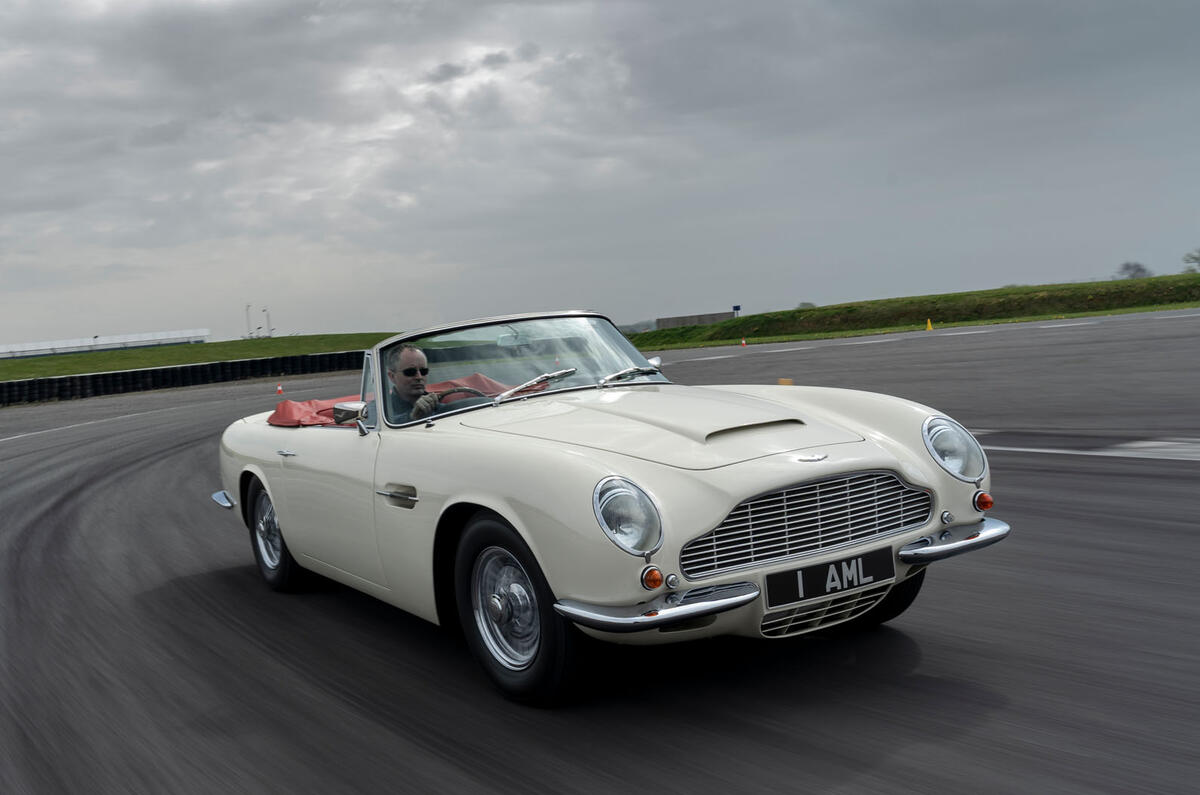
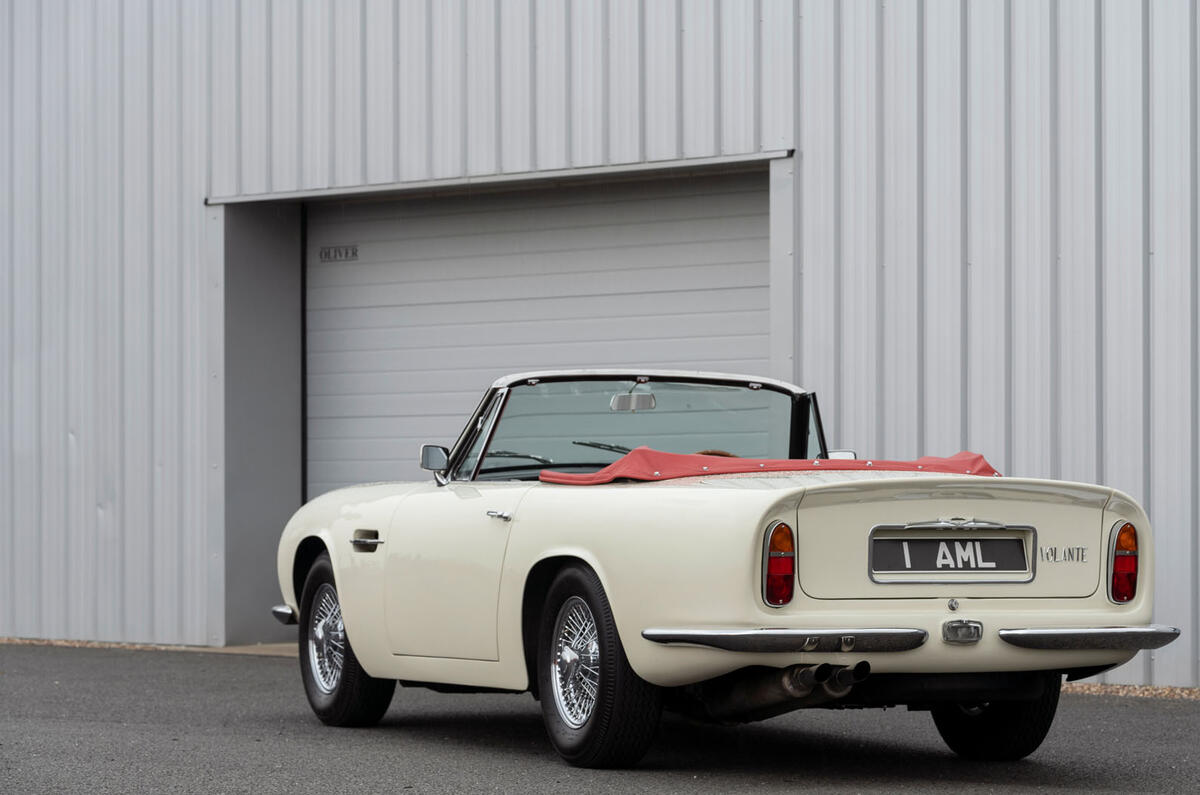
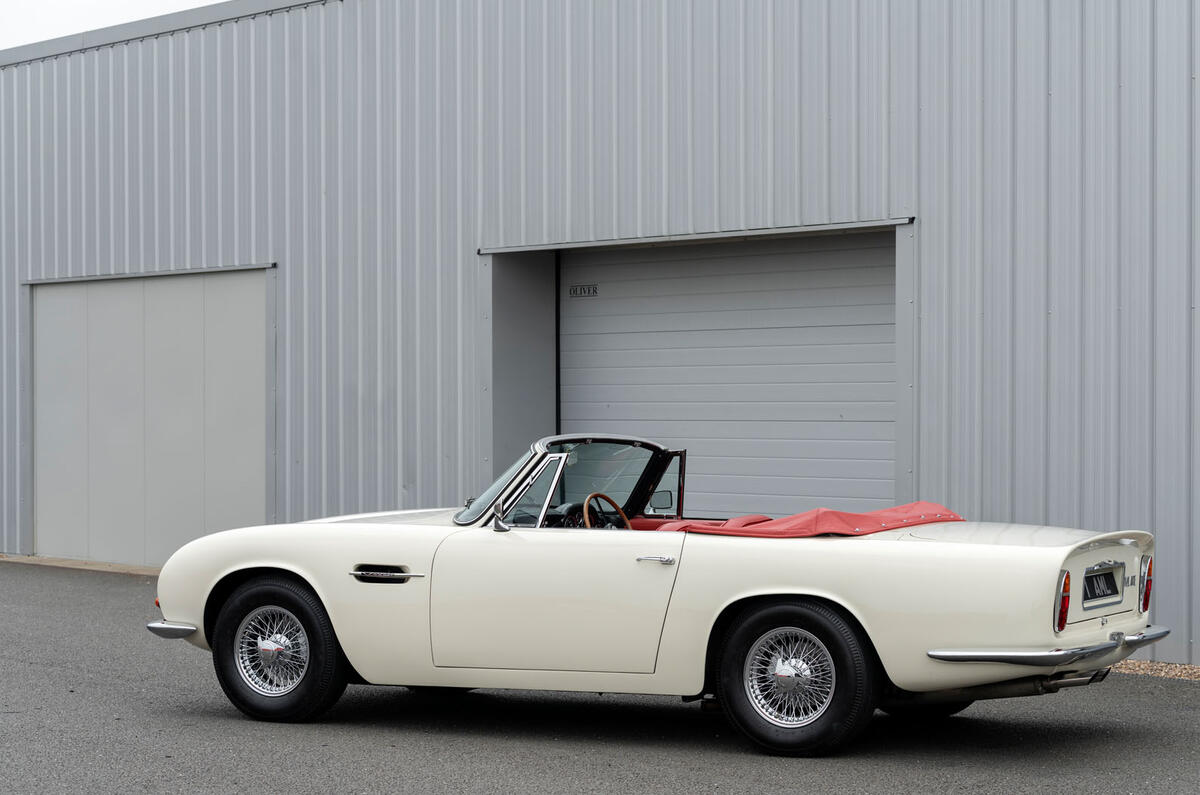
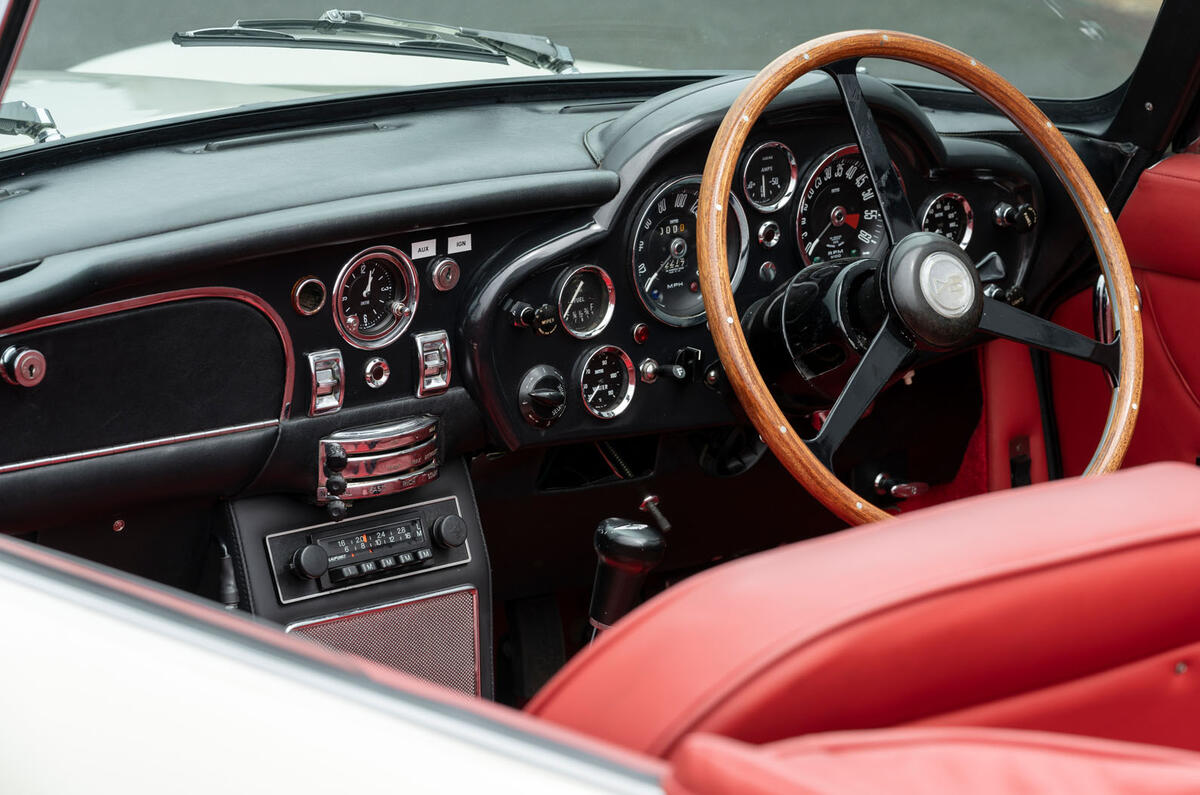
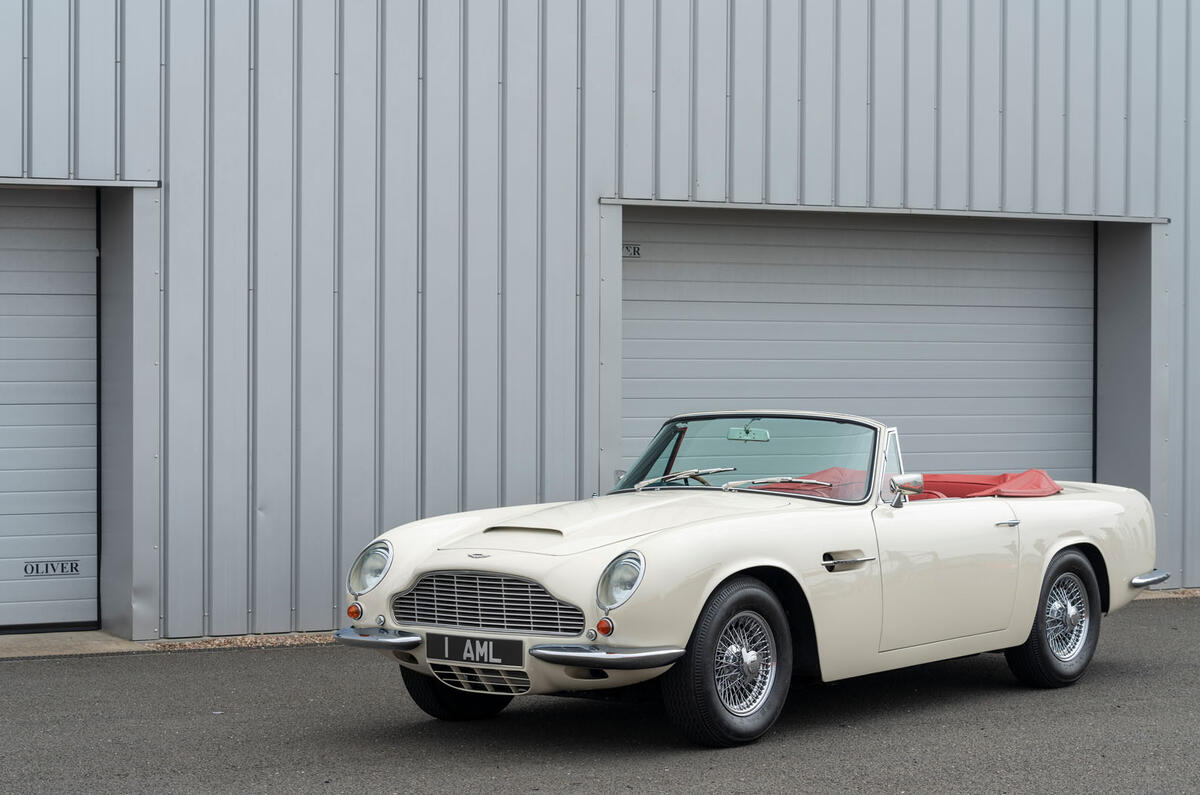
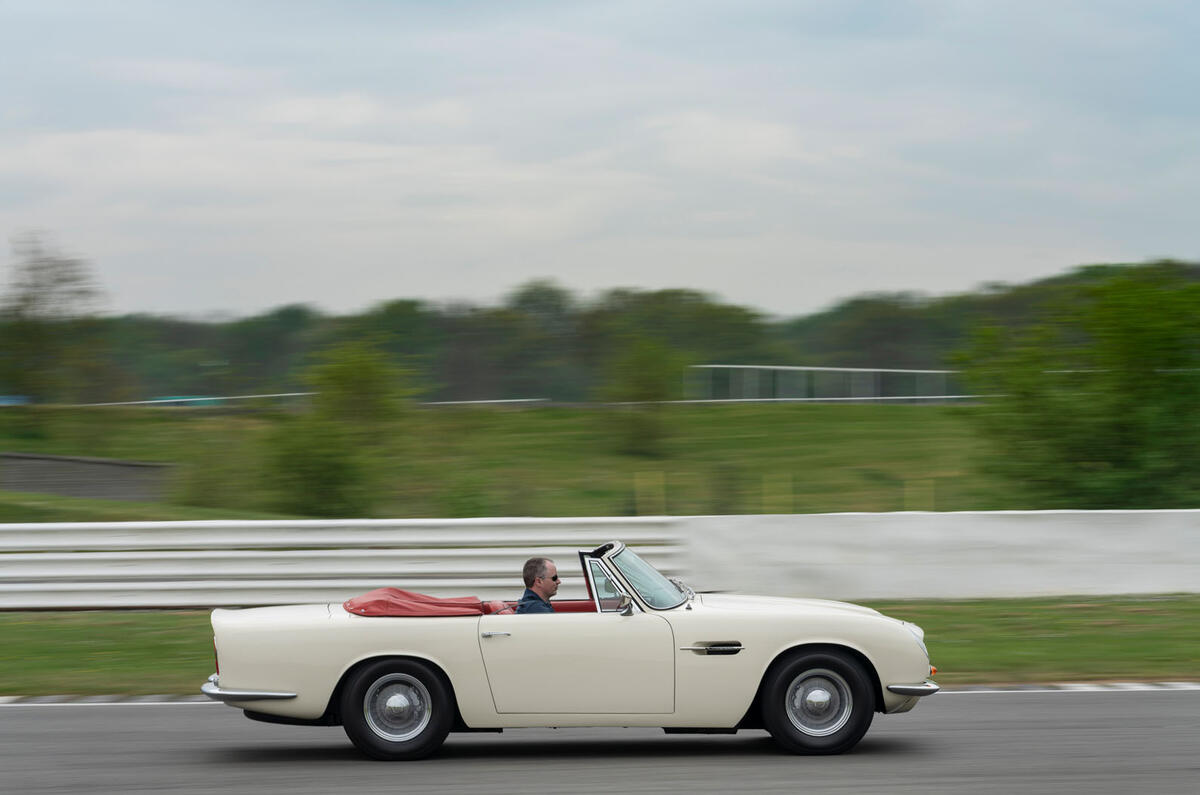
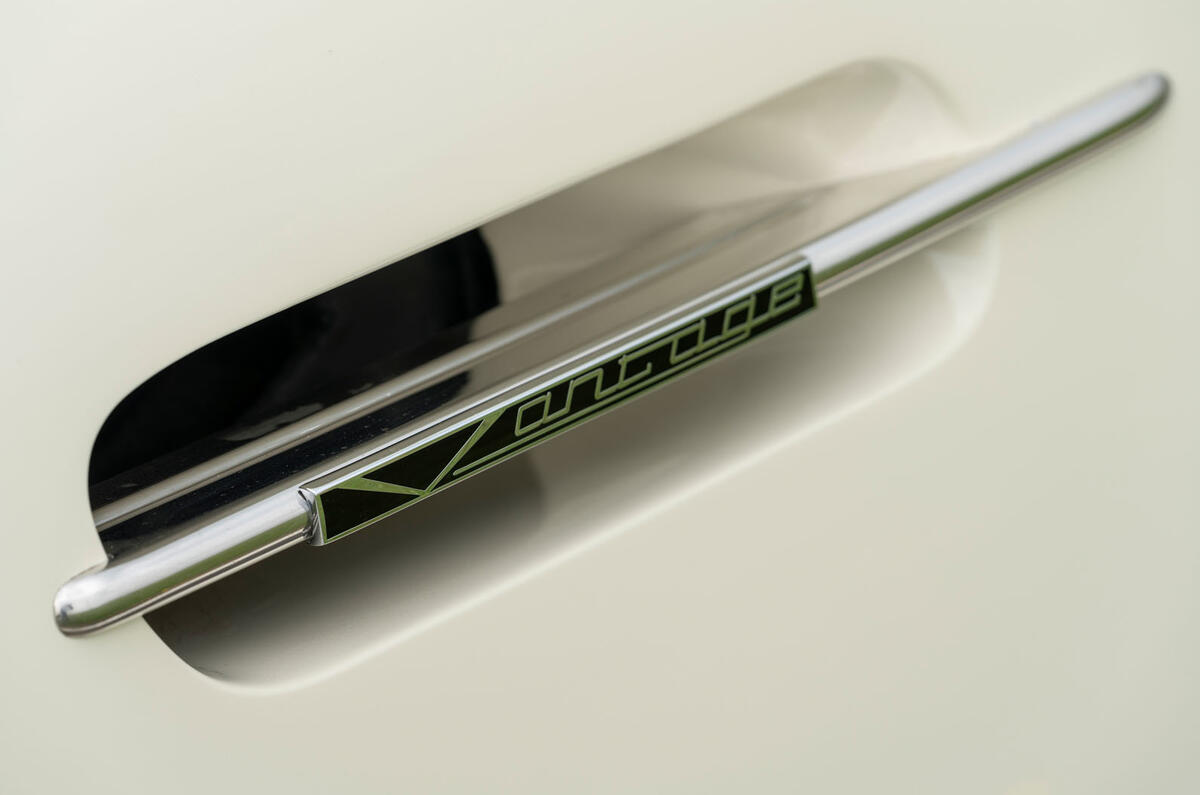
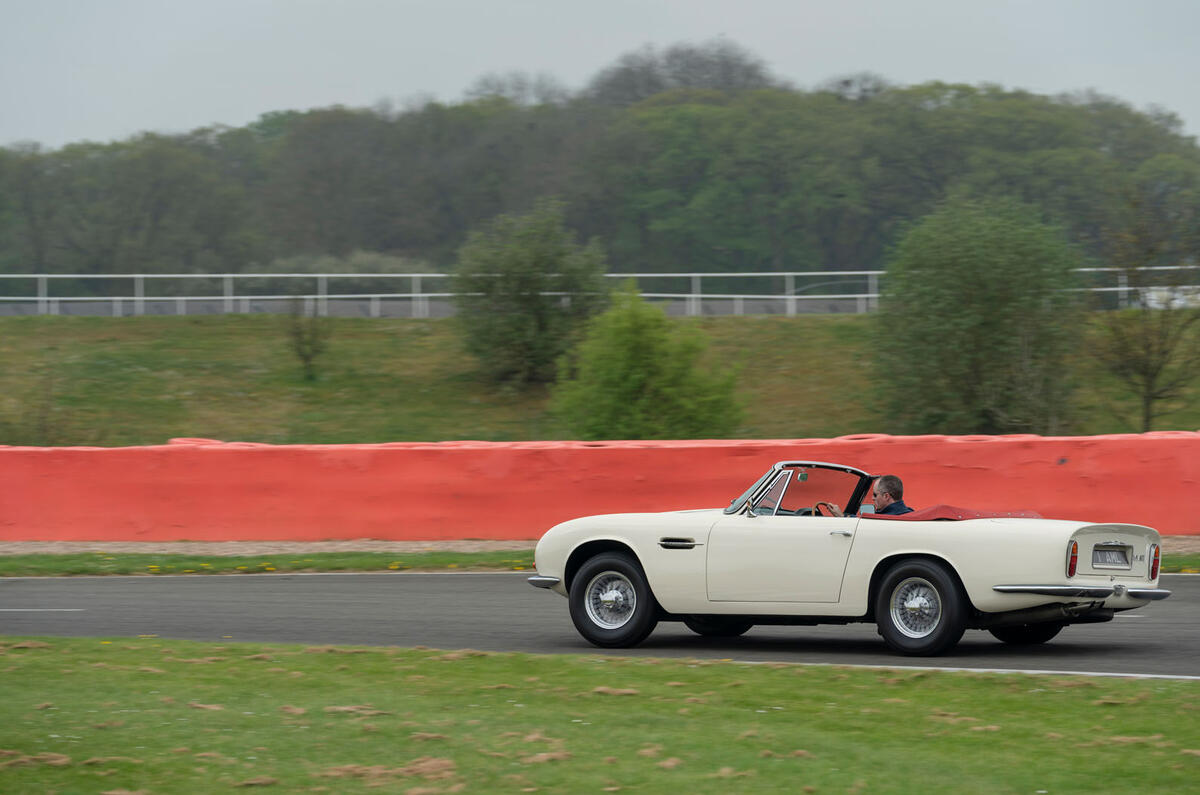
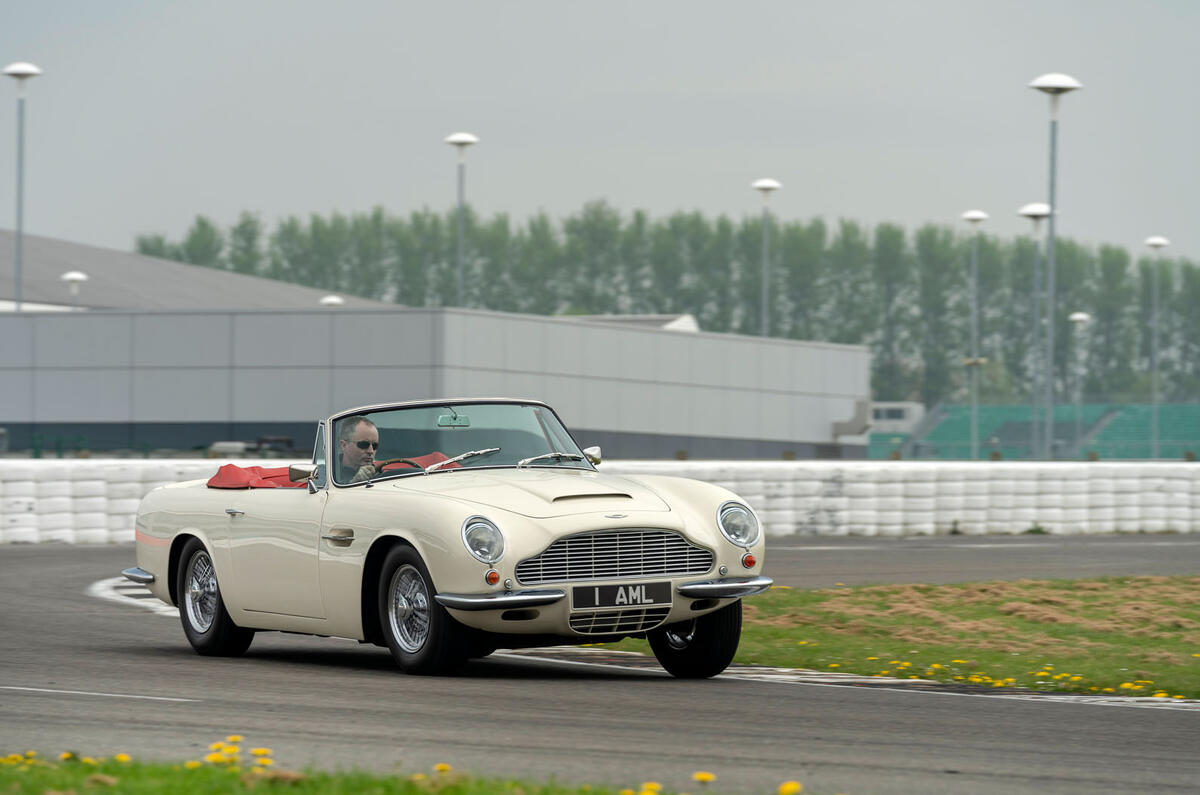
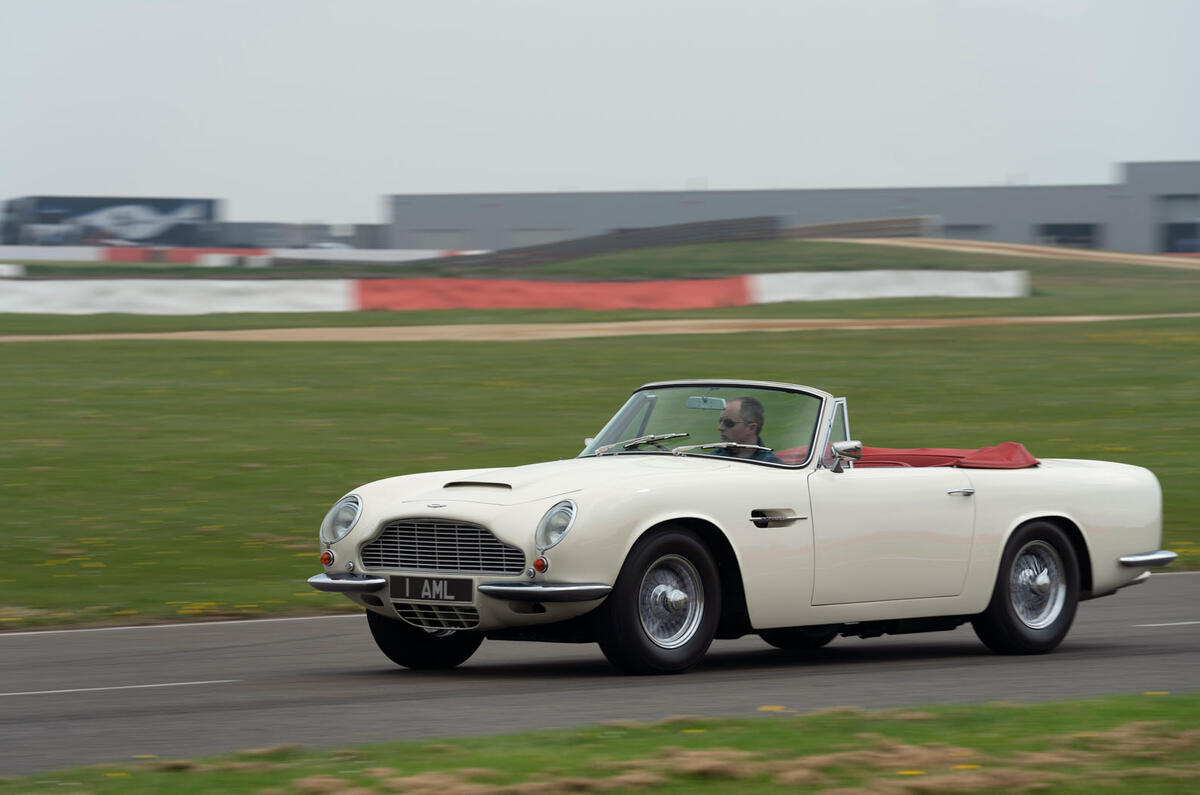
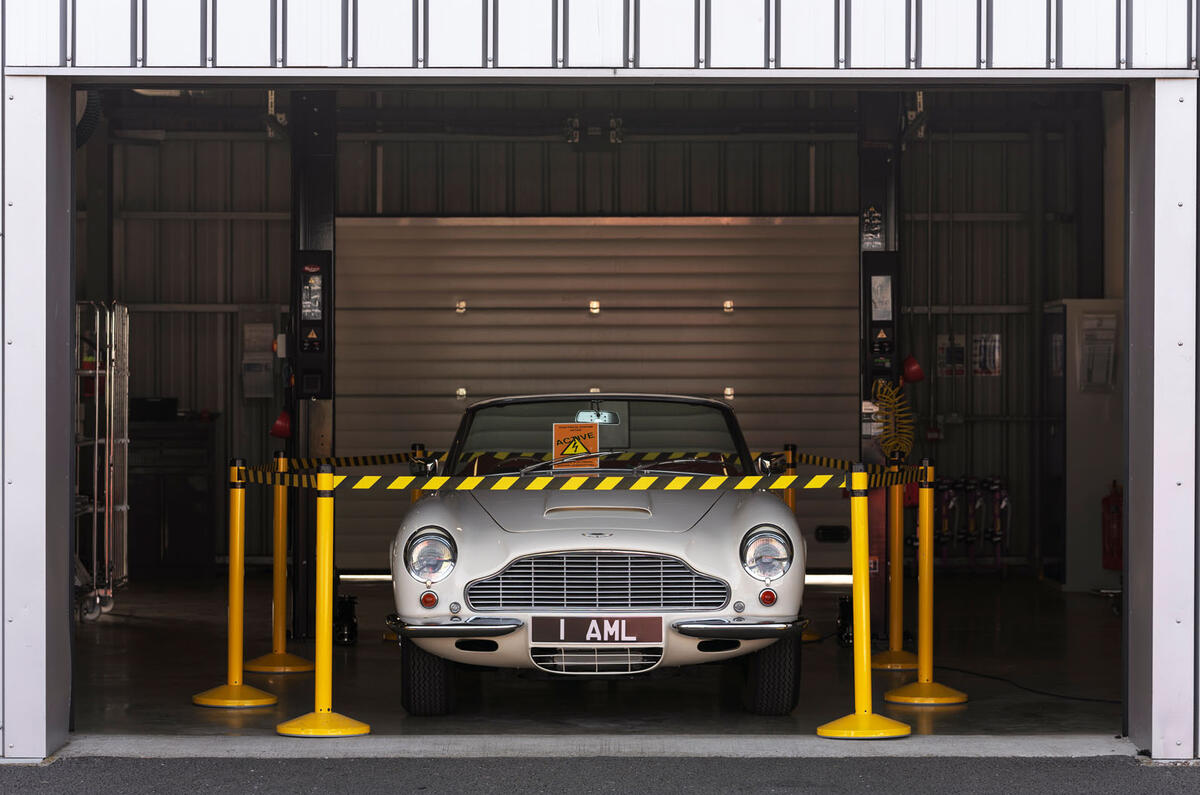
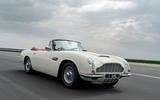
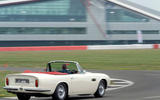

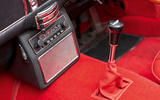





Manufacturers keep telling us that electrification is part of our future, but what about our past?
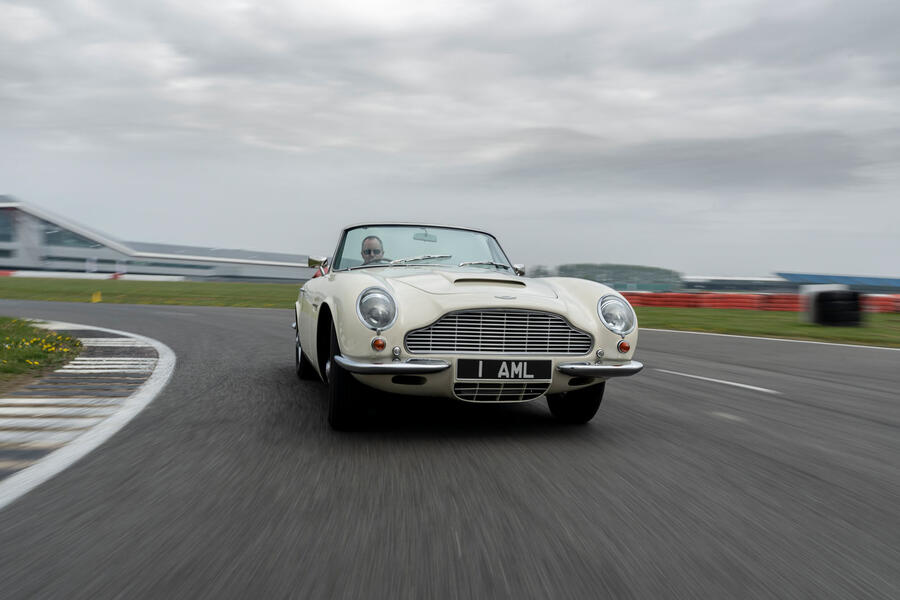
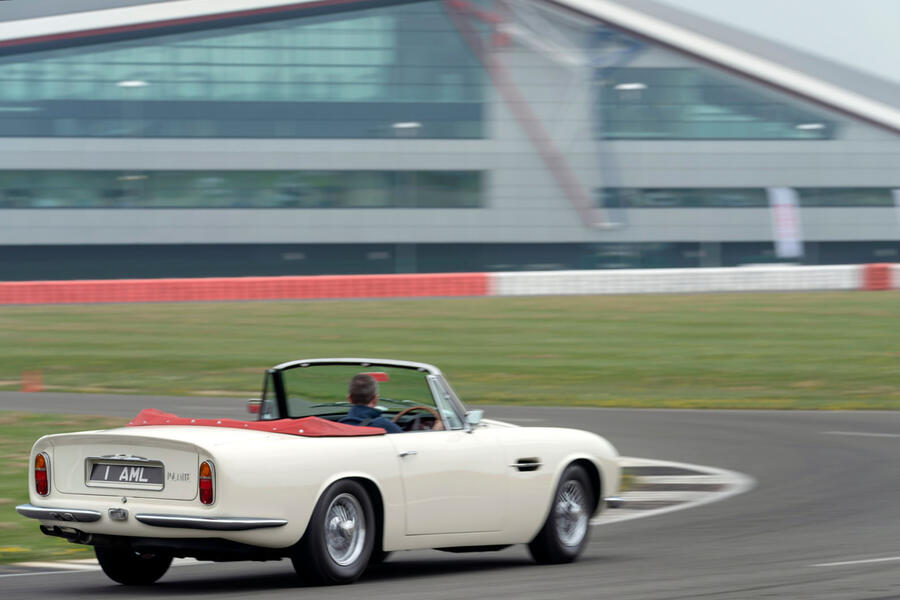
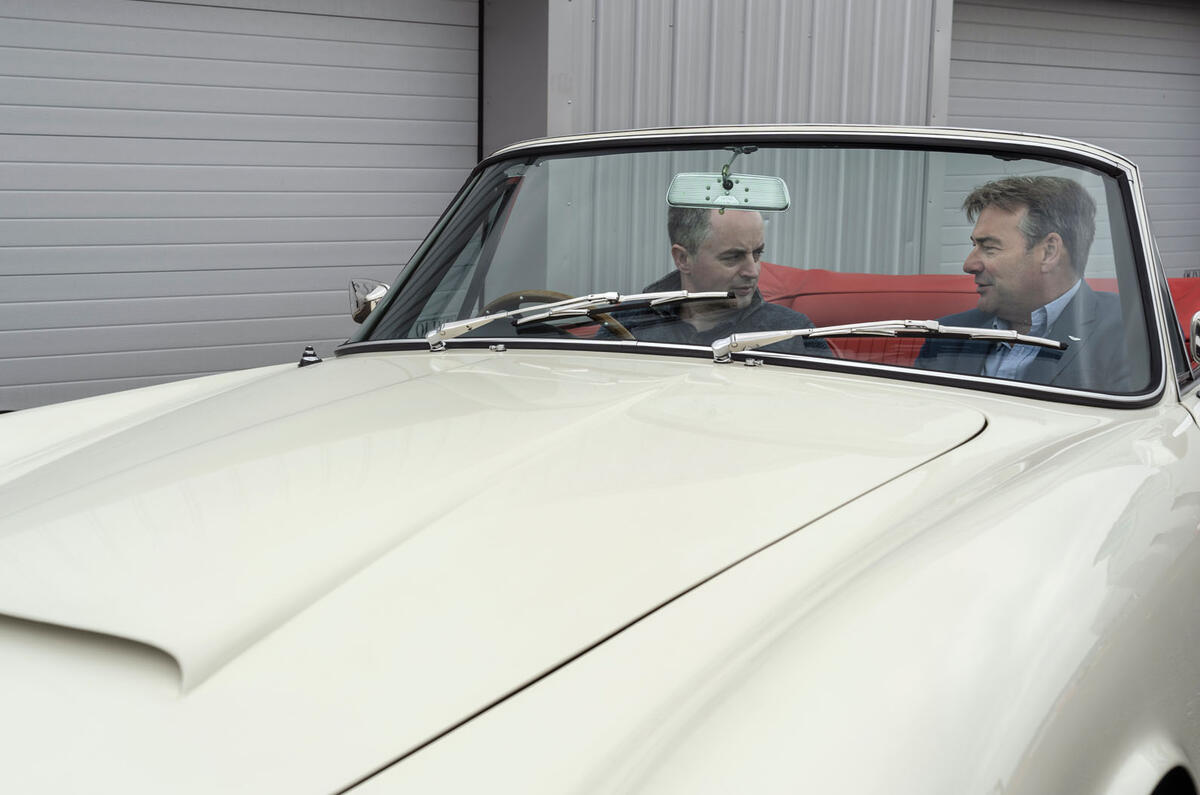
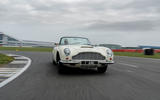
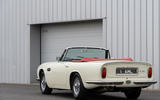
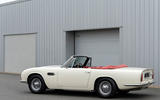
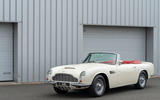
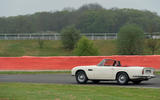
A near-silent, ion-fuelled DB6 might seem like the answer to an unasked question, but Paul Spires, president of Aston Martin Works and the man who signed the car off, is adamant it’s the right call. “We need to make sure that we’ve got the next 100 years covered,” he says, “to make sure these vehicles don’t become museum pieces.”
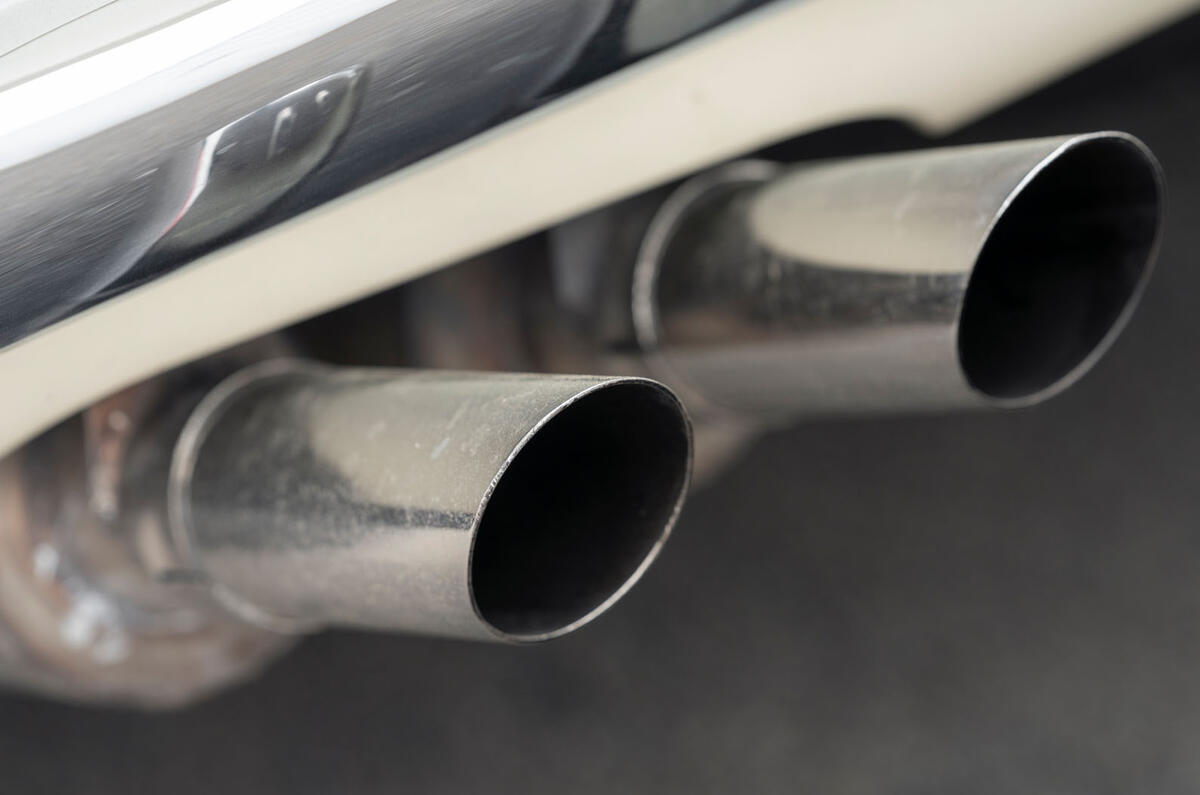
This isn’t about legislation – there are no current plans to ban internal-combustion classics in any major market – but rather what Spires describes as social pressure. First from the affluent tech-savvy buyers who are already shifting to EVs en masse, but also from a future generation who will grow up without experiencing the sounds and smell of internal combustion.
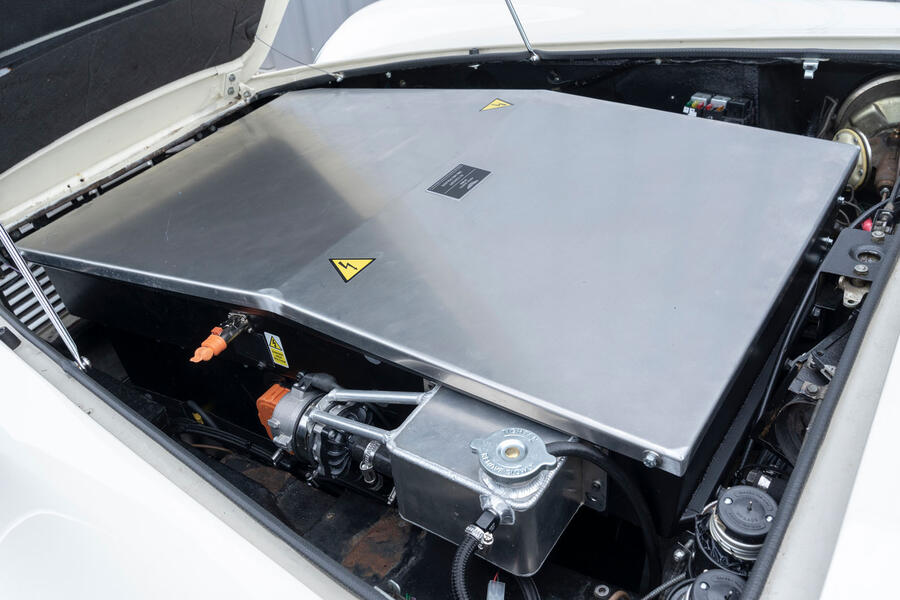
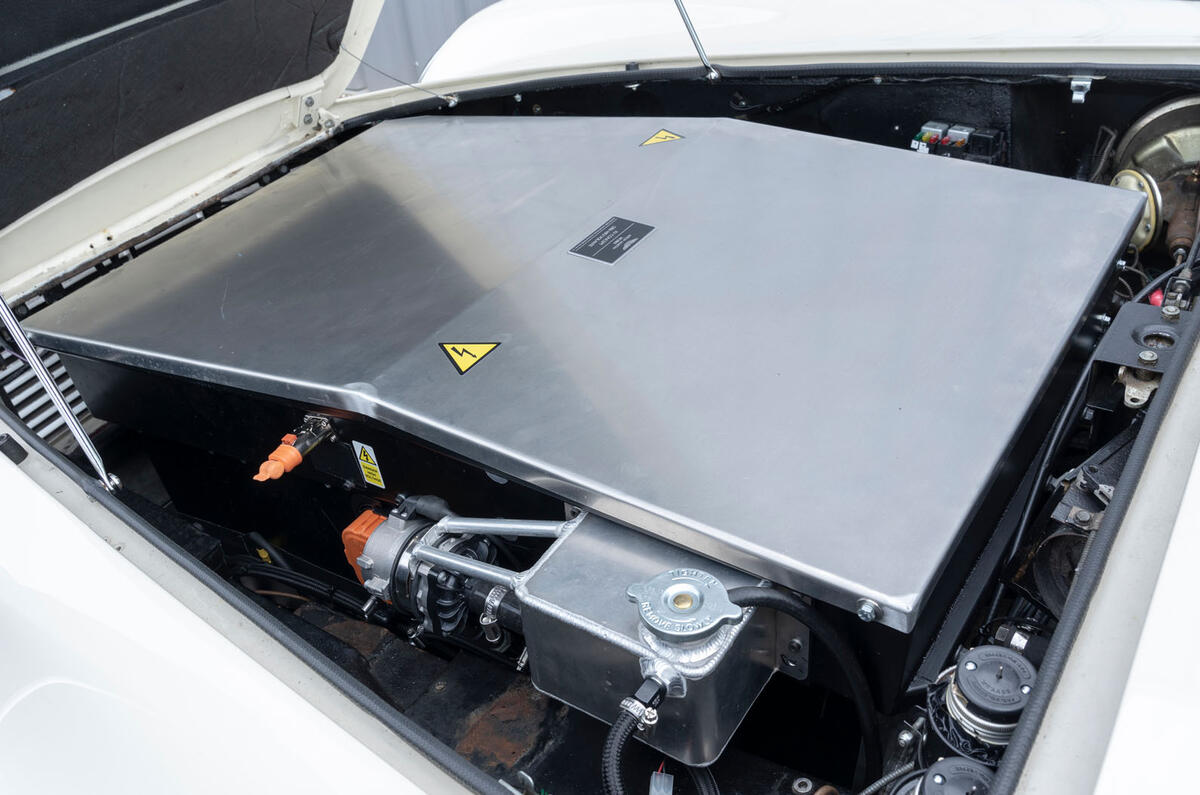
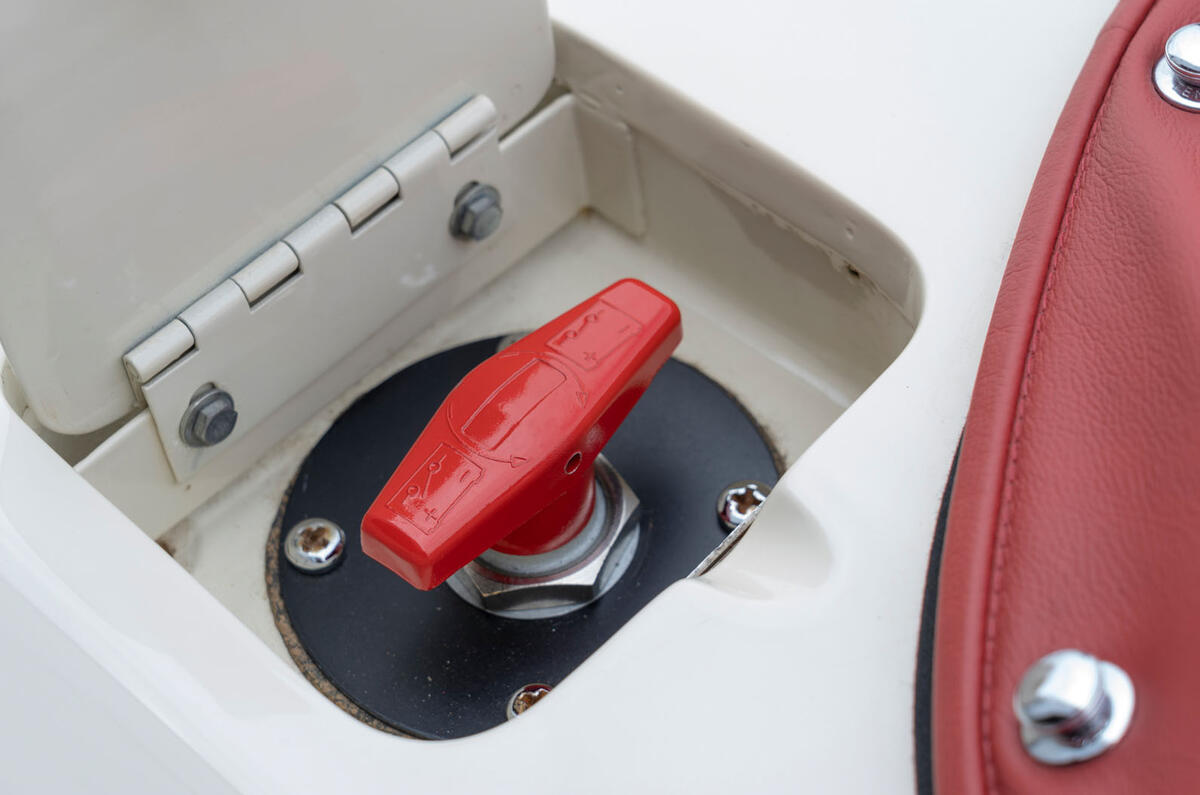
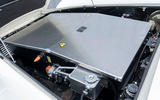
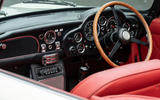
The idea is for what Spires calls a heart transplant: fully reversible electrification that keeps the core structure of a car unchanged. “I said to the development team: ‘Don’t make a single extra hole in the bodywork,’” Spires says. “They haven’t.”
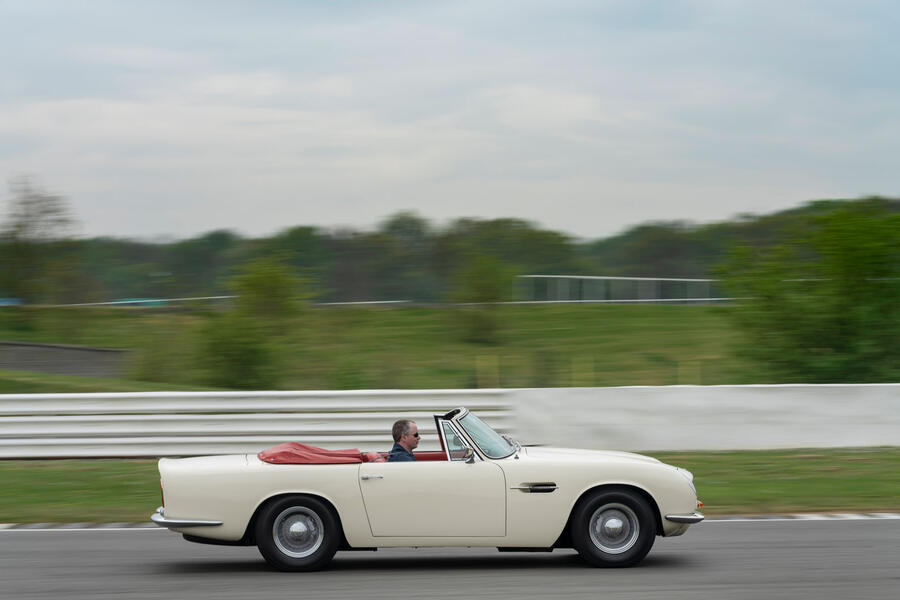
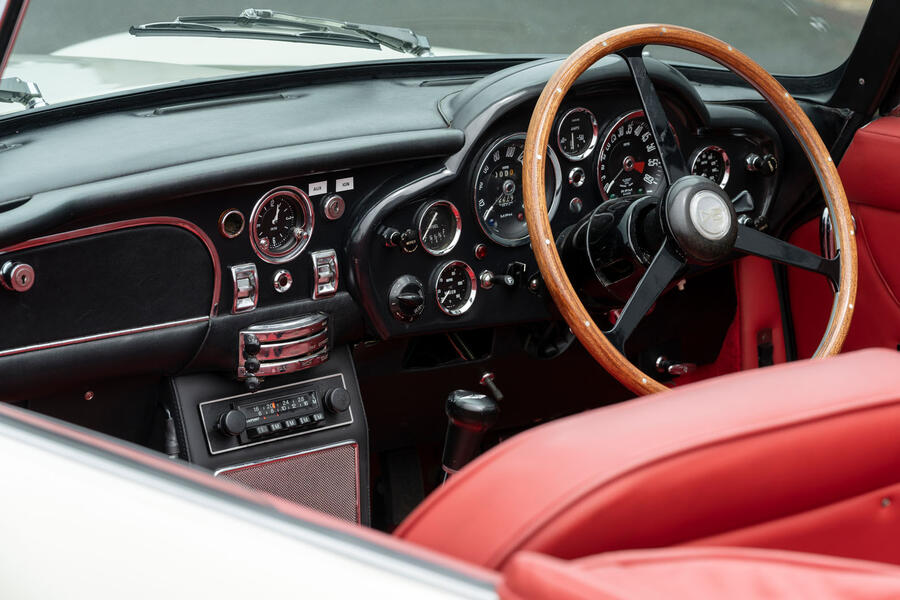
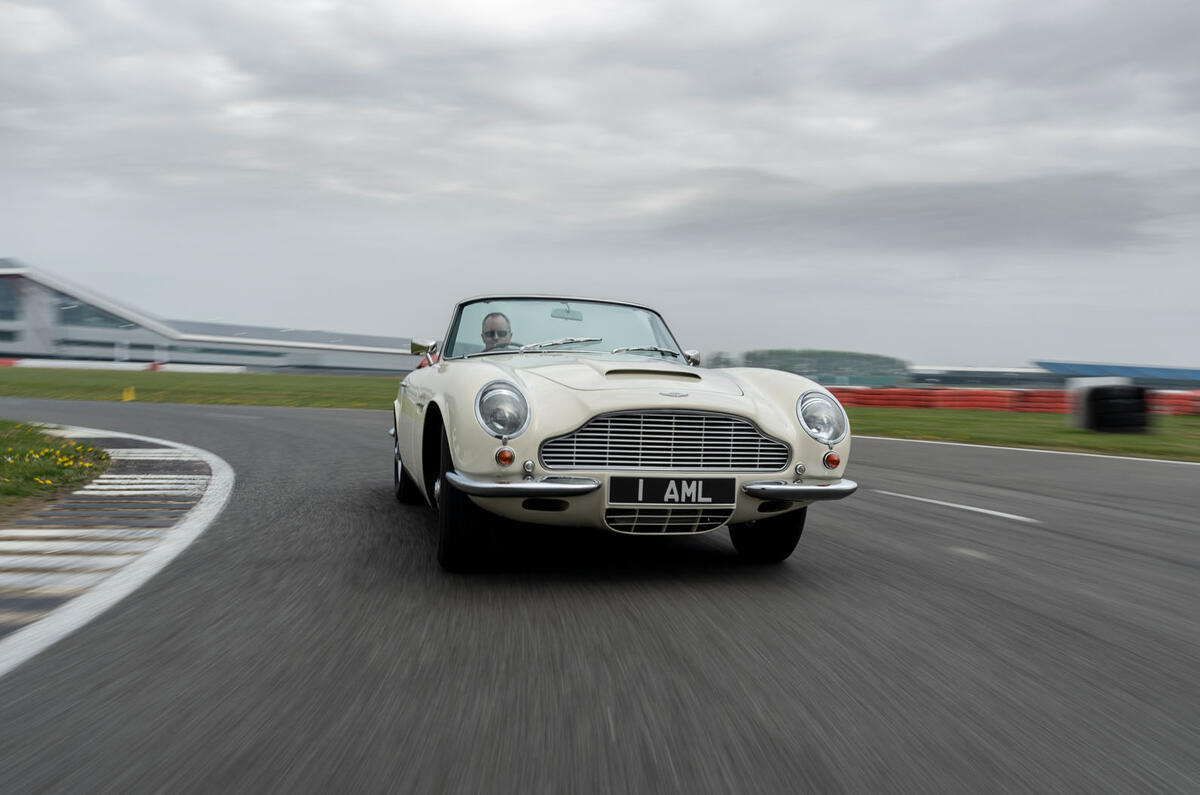
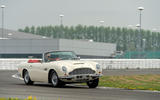
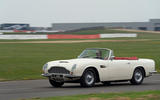
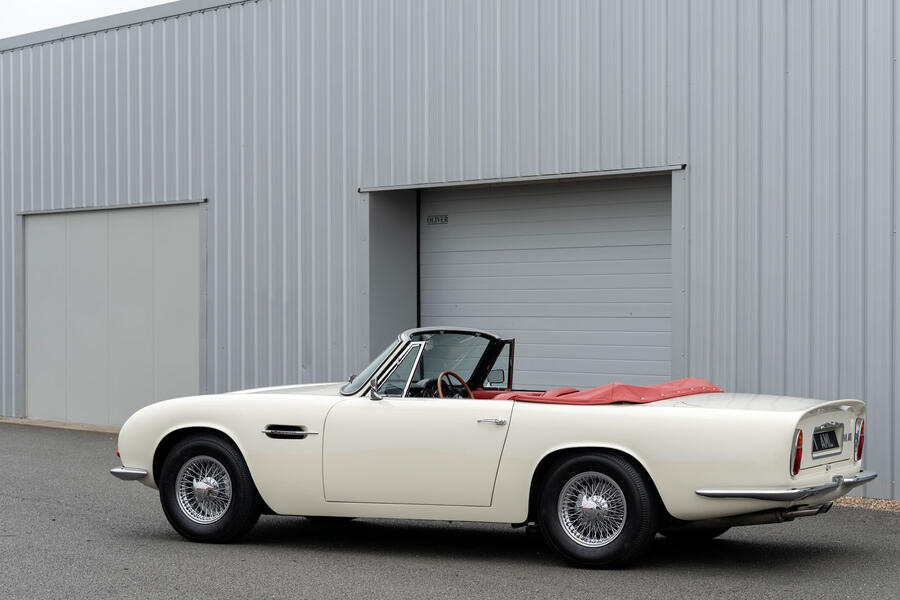
In place of the straight-six engine that it left Newport Pagnell with 49 years ago, this DB6 Volante has a module containing battery, motor and control software that fits in the same space formerly occupied by the engine. We’re not given any technical details – a production version would change specs – but we’re told it weighs almost exactly the same as the original engine and produces similar power. If it sounds familiar, it’s because Jaguar did something similar with the E-Type Zero last year, although Spires insists Aston started work before Jaguar did.