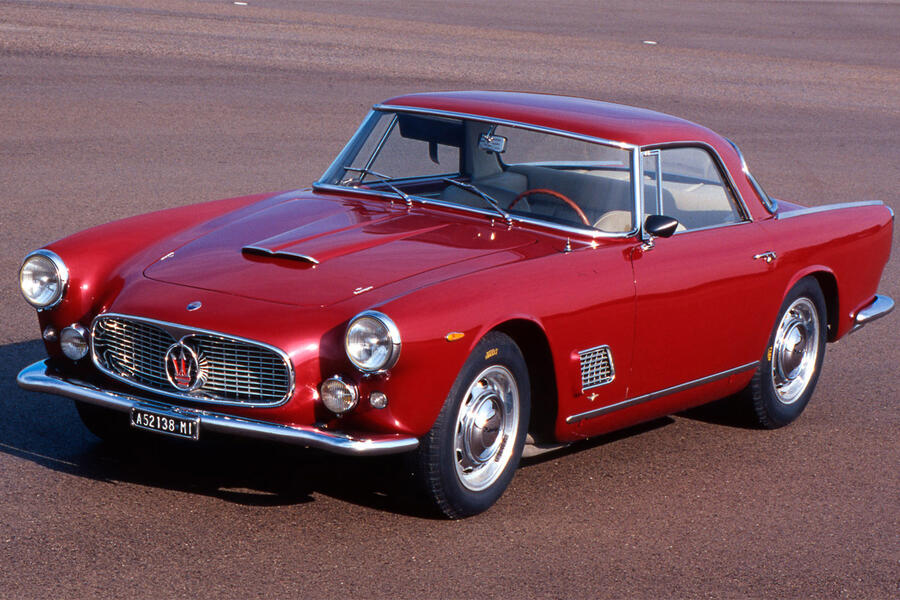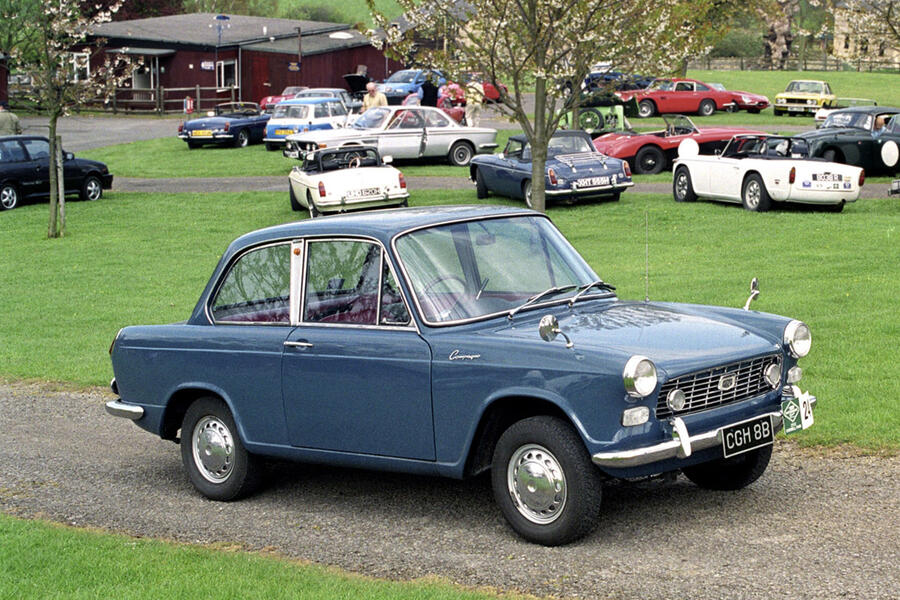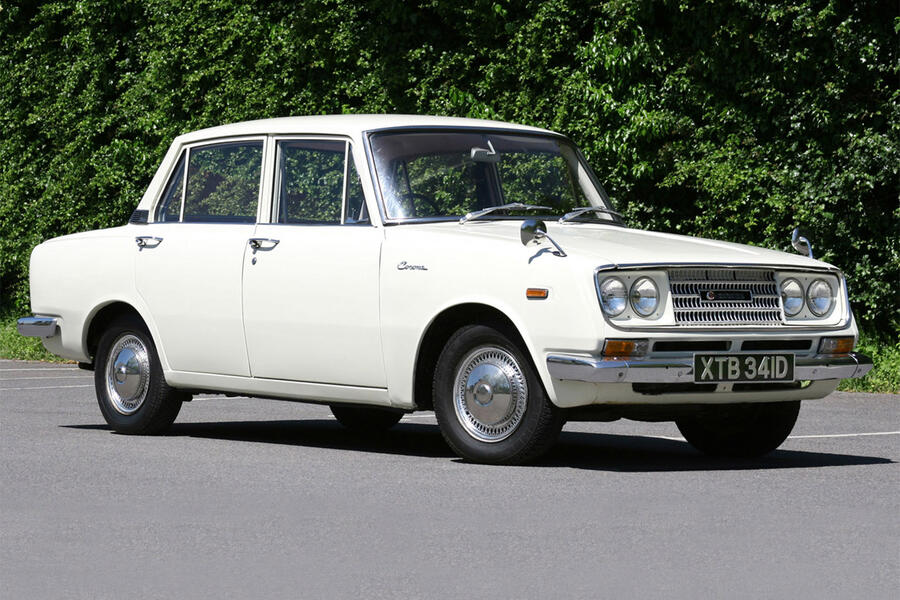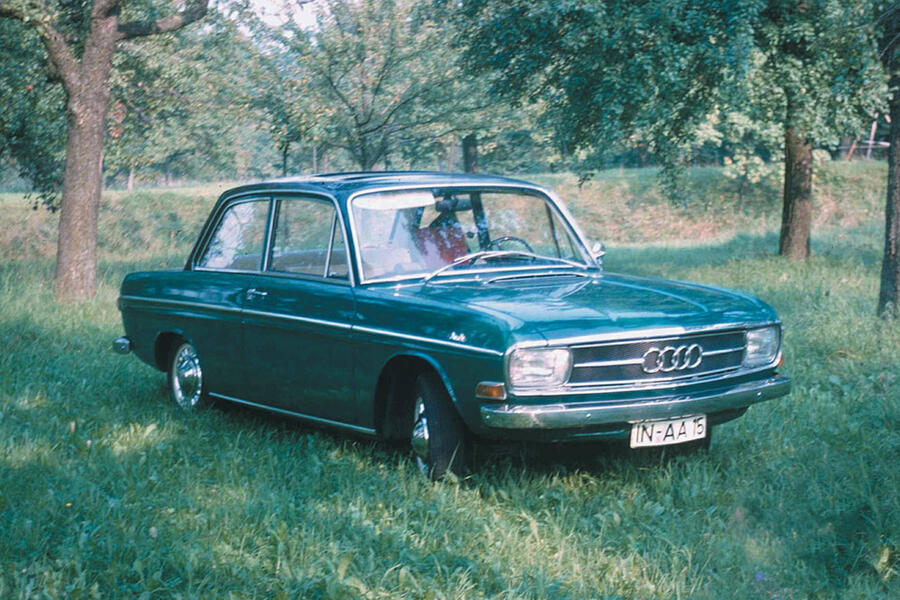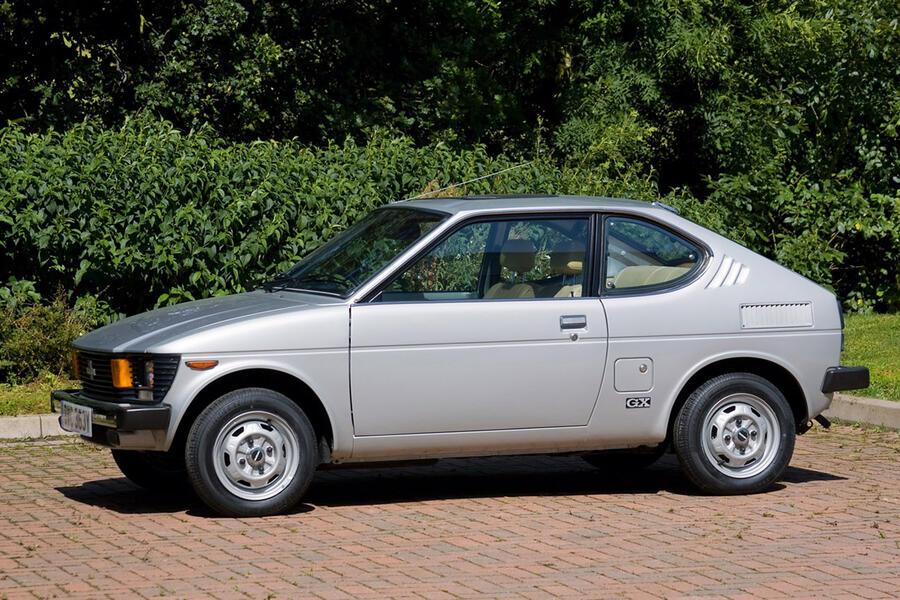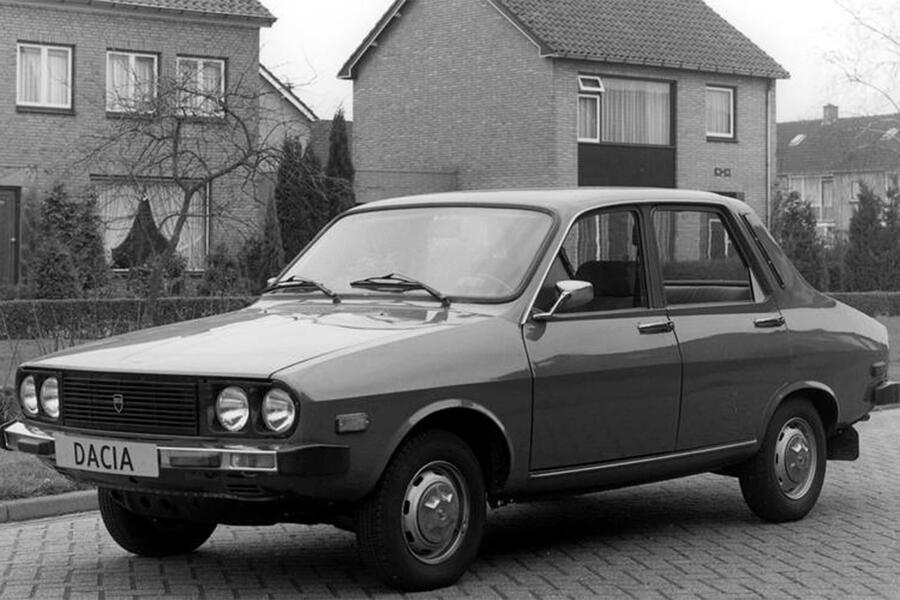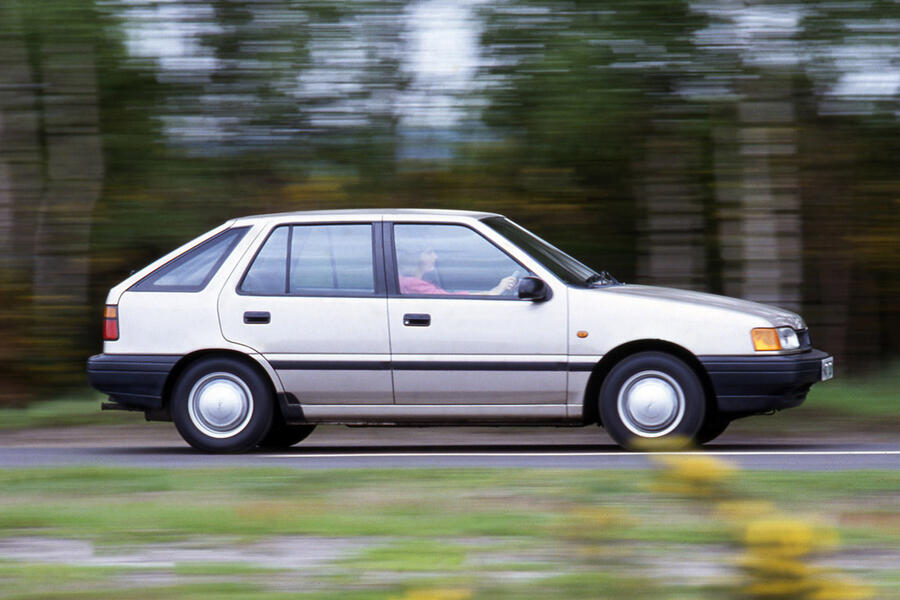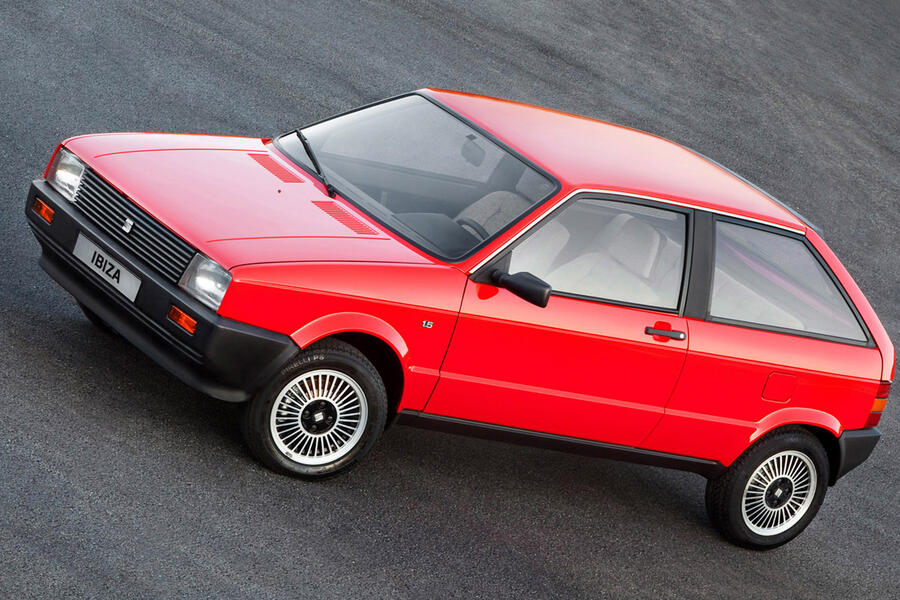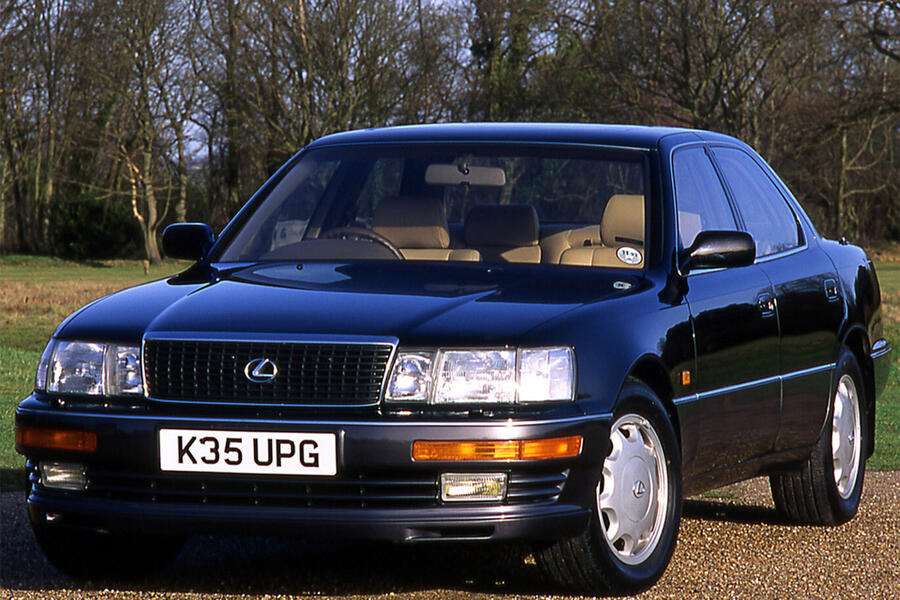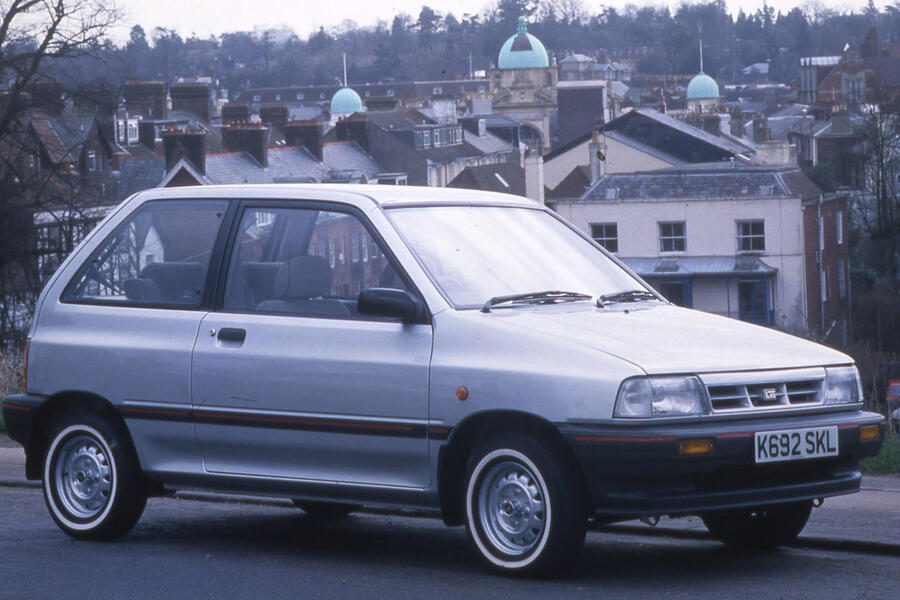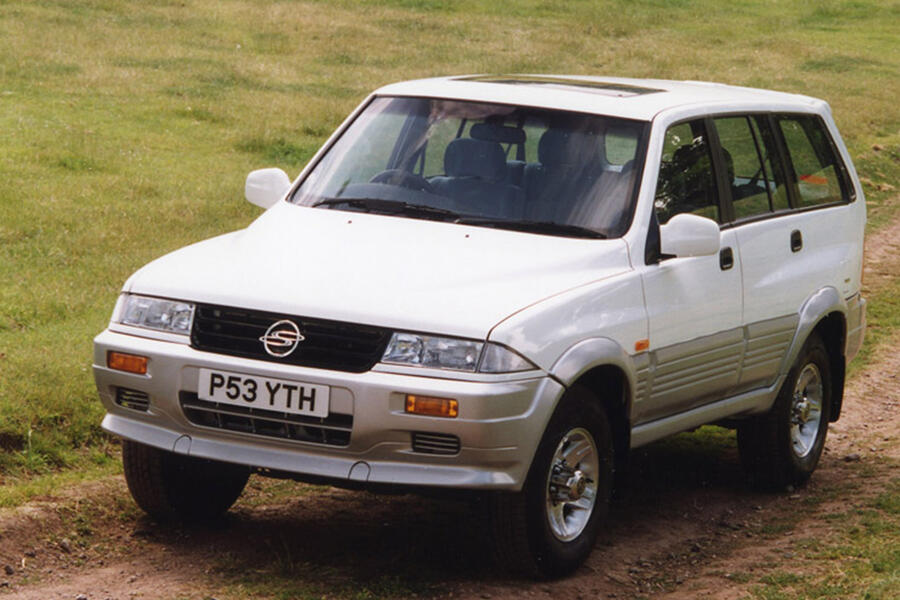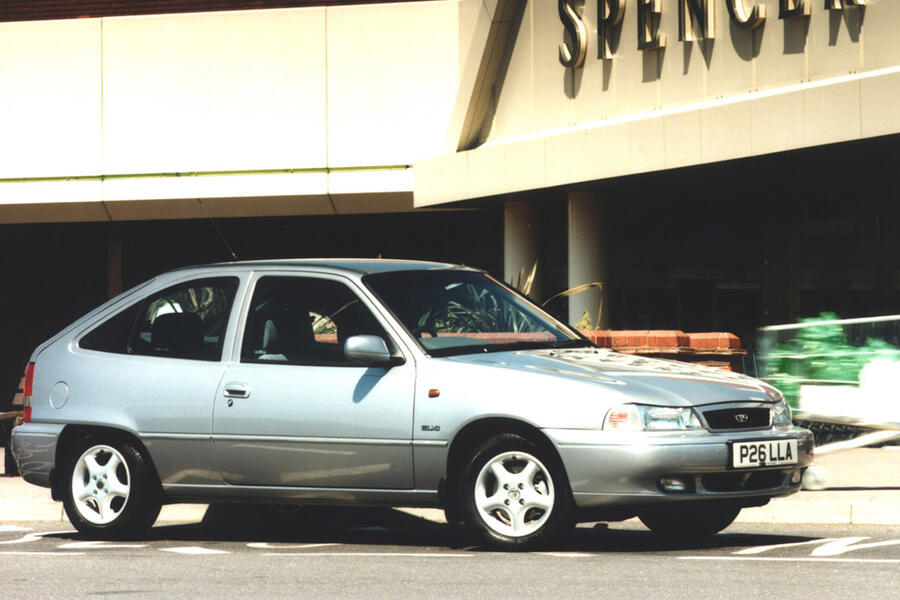
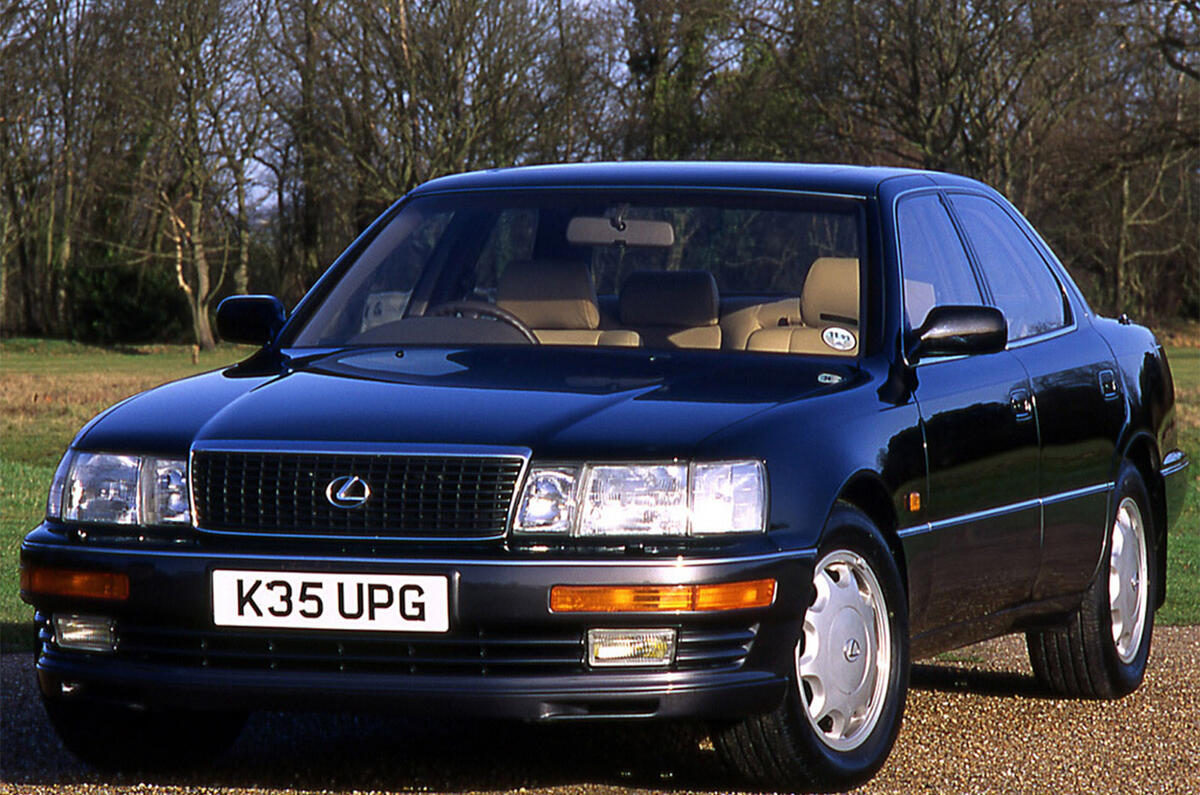
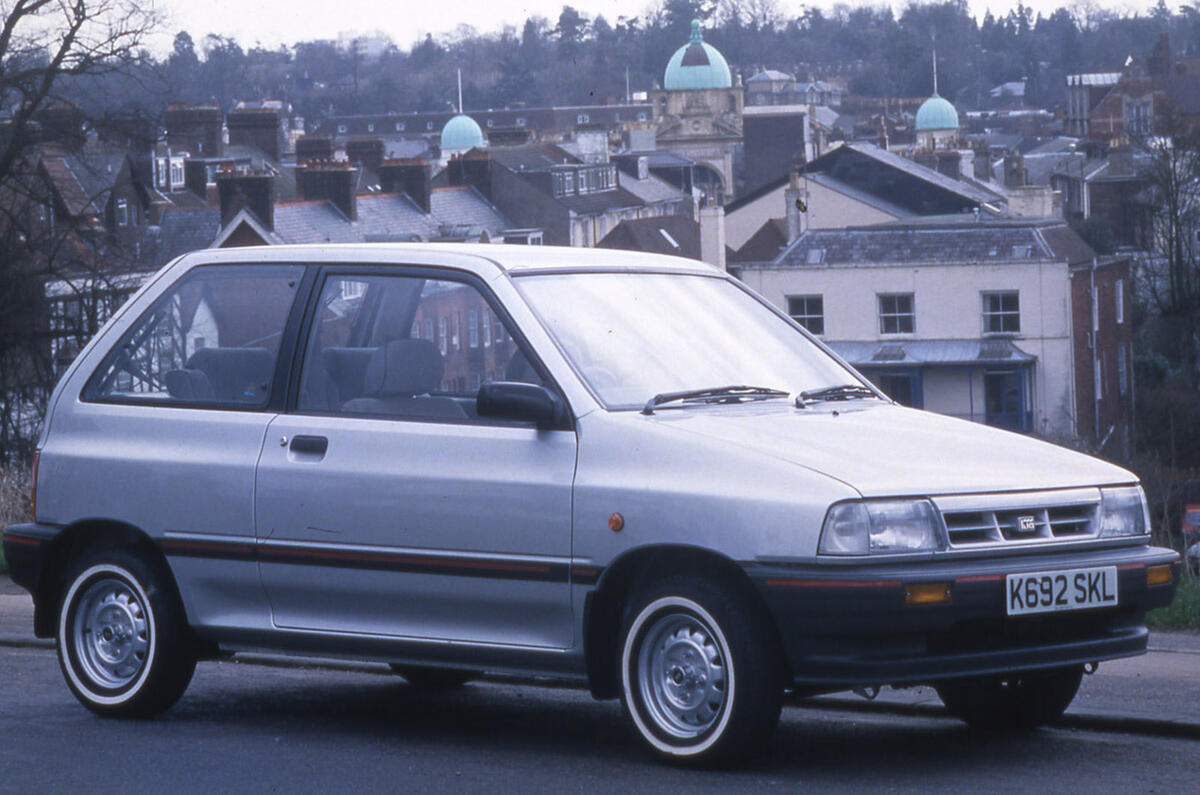
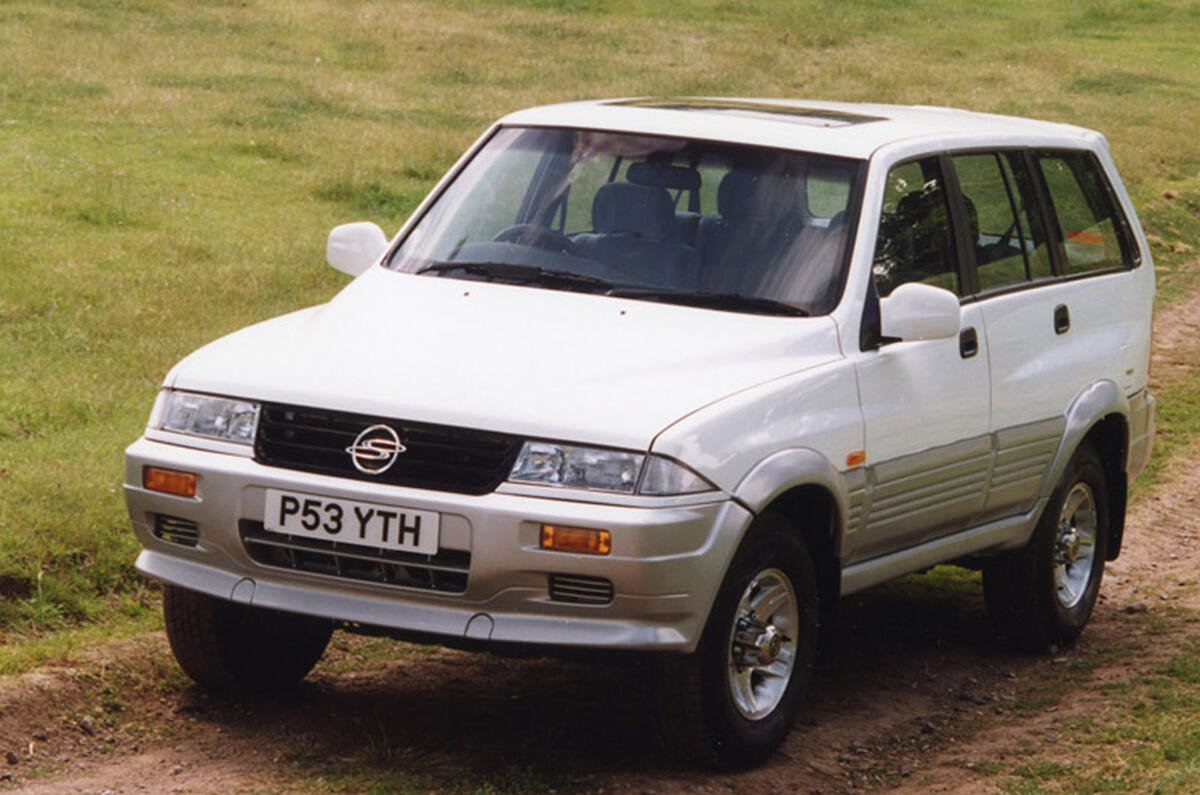
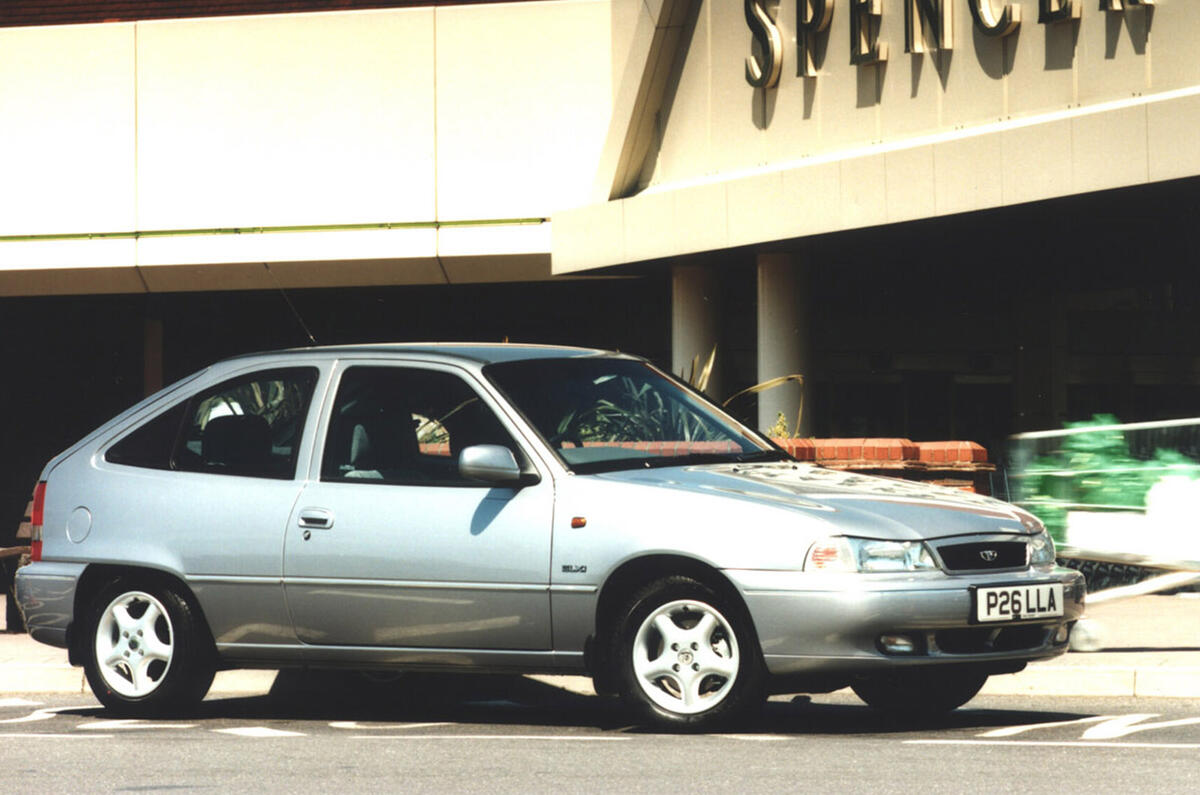

Many readers will remember the arrival of the Korean cohort of car companies in the 1990s and, before that, the genesis of the Japanese. The latter’s excellent products played a significant role in the downfall of Britain’s own car manufacturing industry, which had once accounted for almost every vehicle sold here.
But many of the foreign brands you see represented out on the streets today have been peddling their wares on these shores since a time when most homes didn’t even have a supply of electricity – and it’s pretty doubtful that any of you are old enough to recall that.
So here we detail exactly when and how each non-British brand that’s still relevant today (because there are literally hundreds that aren’t) bravely stepped into this new territory. You might well be in for some surprises.
1895
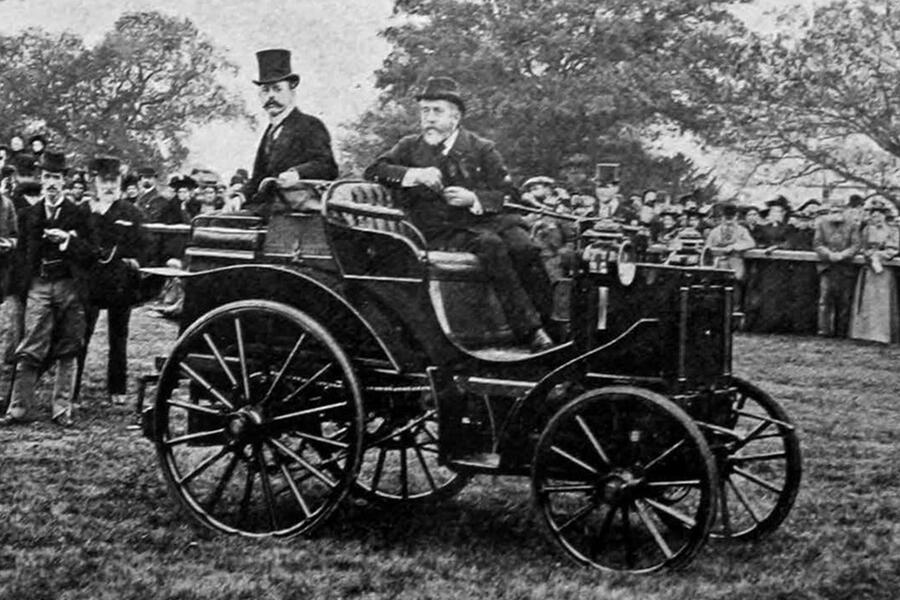
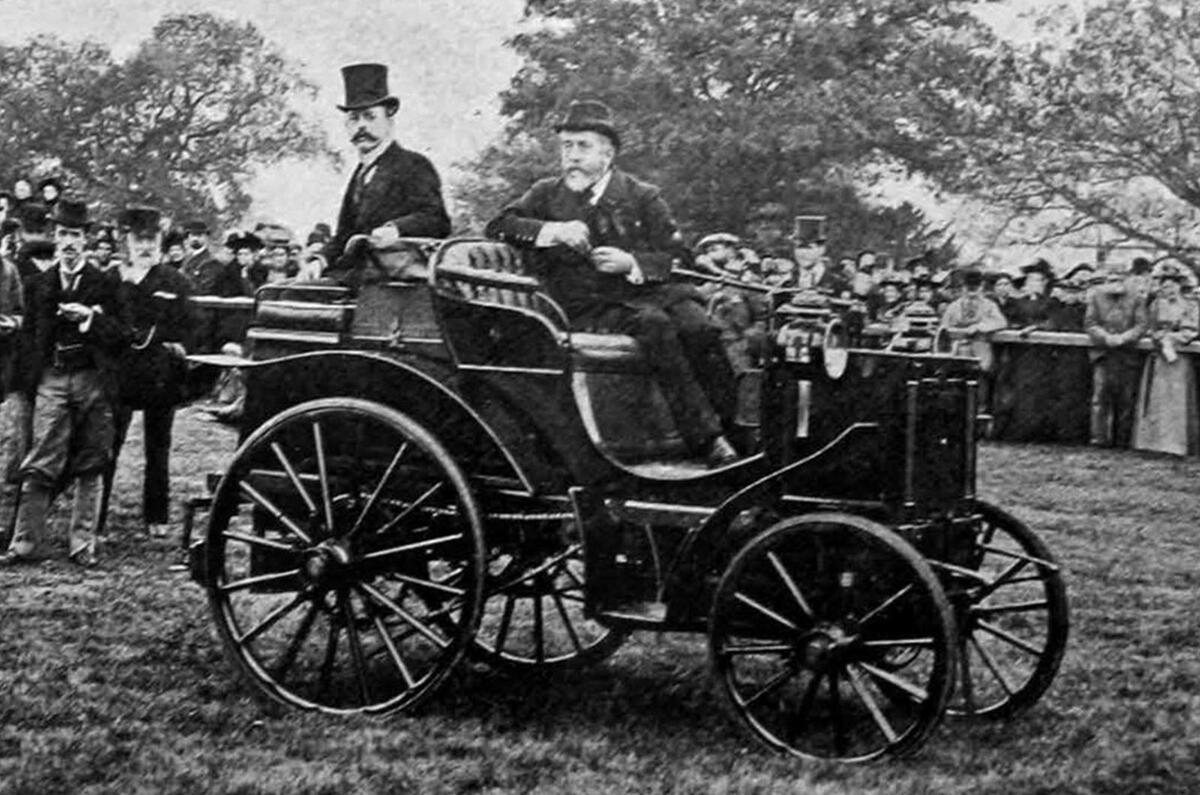
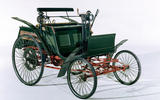
Panhard 3.75hp: What was the very first car to land in Britain? A Panhard et Levassor, powered by a 3¾hp Daimler engine, on the 4th or 5th of July 1895. Its buyer was the Honourable Evelyn Ellis; he purchased it in Paris, from where it was driven to Le Havre, shipped to Southampton, loaded onto a train to Micheldever and illegally driven home to Datchet. Panhard was formed in 1887 and made its first car in 1890. It would produce several key innovations, achieved sporting success and made cars for the president of France. It was sold to Citroën in 1967 and has since made military vehicles. It moved to Renault in 2012.
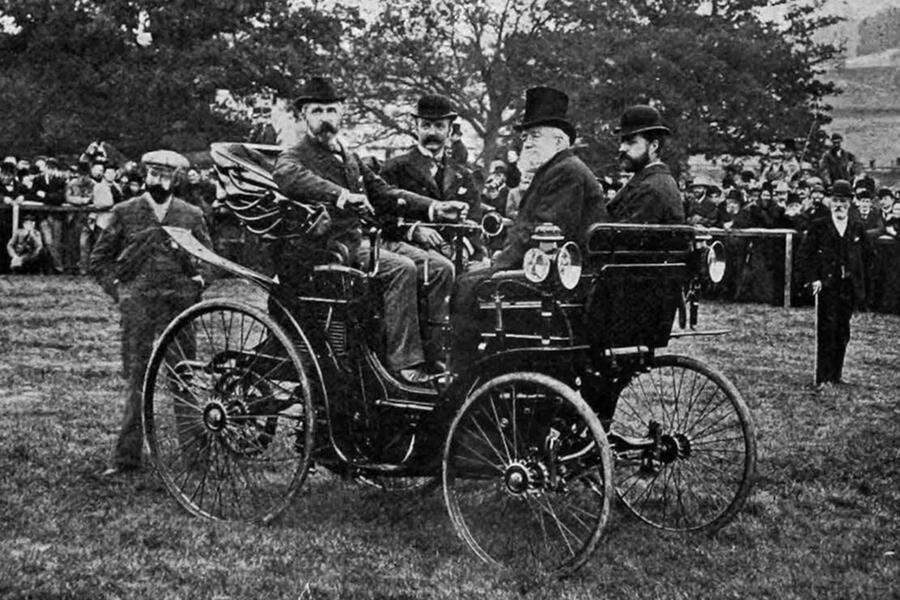
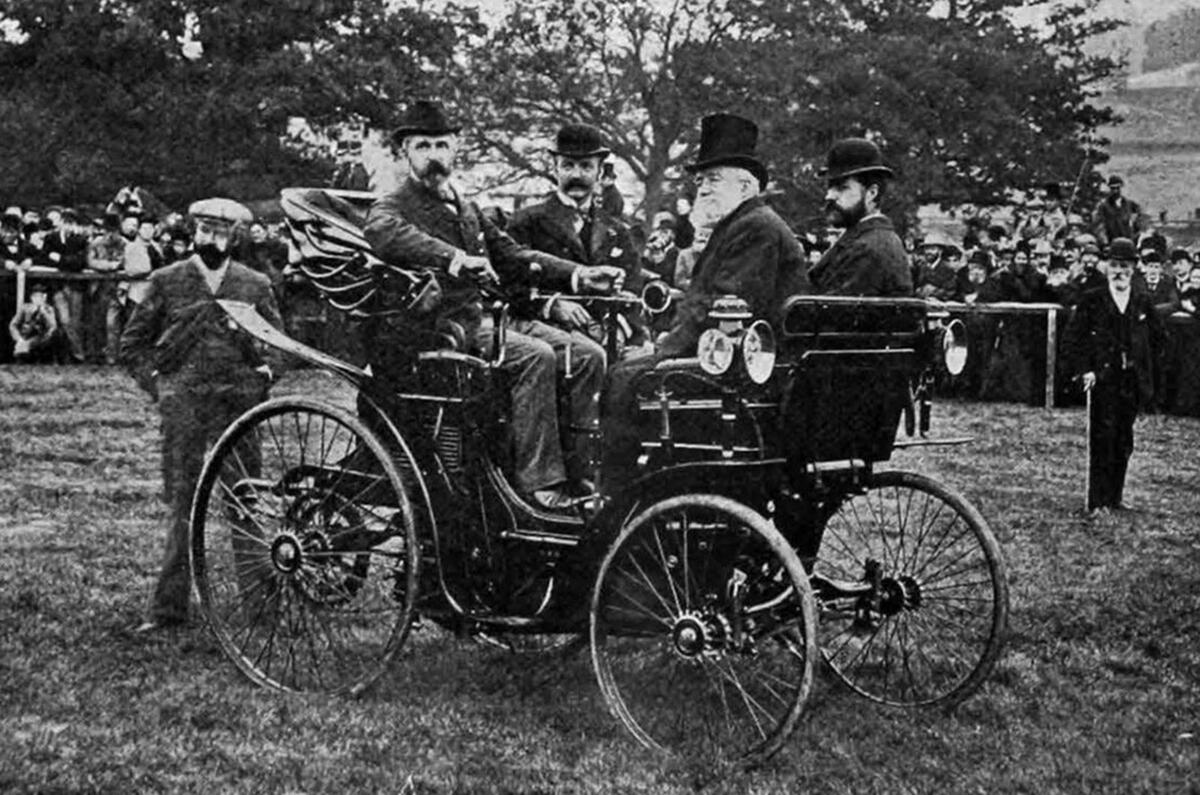
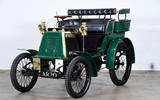
Peugeot 3.75hp: In September of the same year, a second car of French origin arrived: a Peugeot, also with a 3¾hp Daimler engine, and vis-Ã -vis bodywork. It was owned by the influential engineer Sir David Salomons and, alongside the 1895 Panhard, was the first car publicly demonstrated in this country, at a special event in Kent. Within just a few years, a sales agent for Peugeot had set up shop in London.