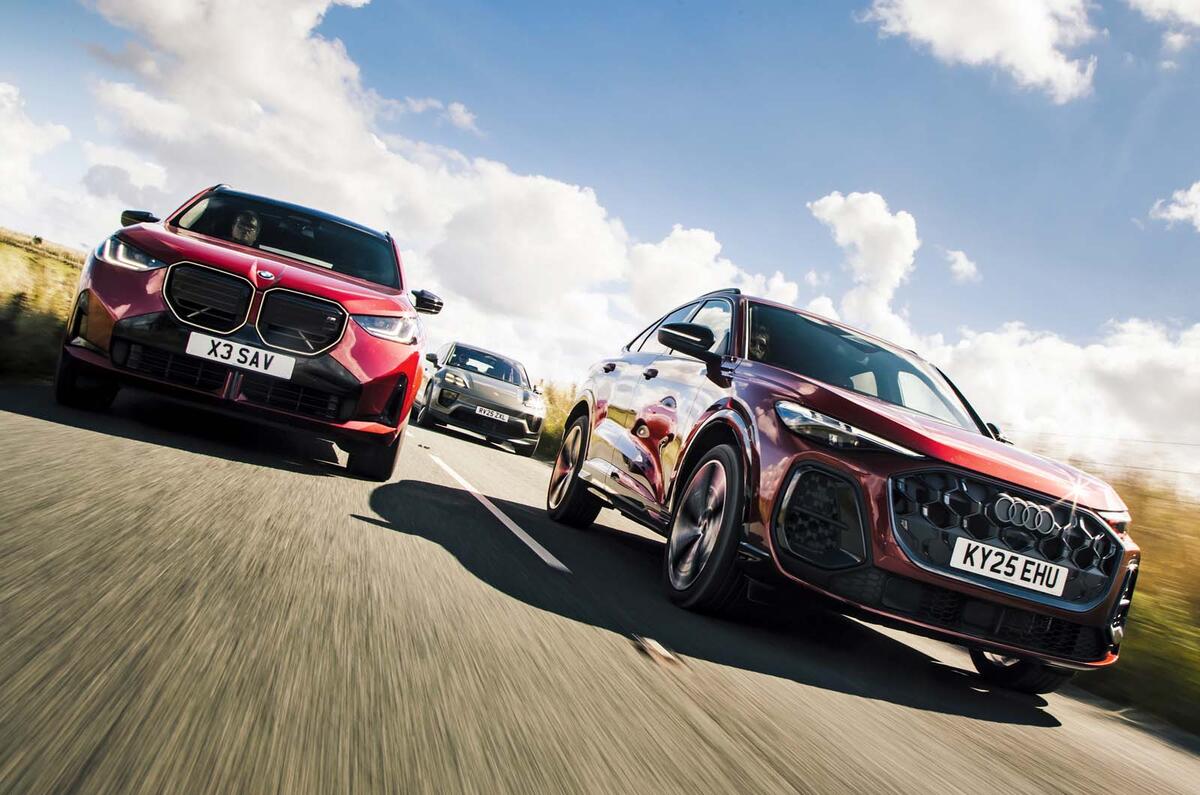

The ‘profit warning’ is a counterintuitive concept in the modern corporate world. Seems a bit like the idea of a well-signed, buried treasure-related trip hazard, or the threat of sudden and unexpected happiness.
But it means the opposite of all that: and, as we now know, even the most ‘bankable’ of automotive brands can be vulnerable to one. Few brands in the automotive industry have flexed quite as much profit-making power since the turn of the 21st century as Porsche.
The choppier waters it has hit of late have been attributed to the decline of the Chinese market and the impact of North American tariffs. And it has all been reported – rather a lot – because the idea of a Porsche that isn’t making lorry loads of cash is clearly a tough concept for the market to wrap its head around.
But let’s put these ‘troubled times’ into proper perspective. In 2022, Porsche hit the stock market, and it was a move that made its cash-generating capacities a matter of public concern.
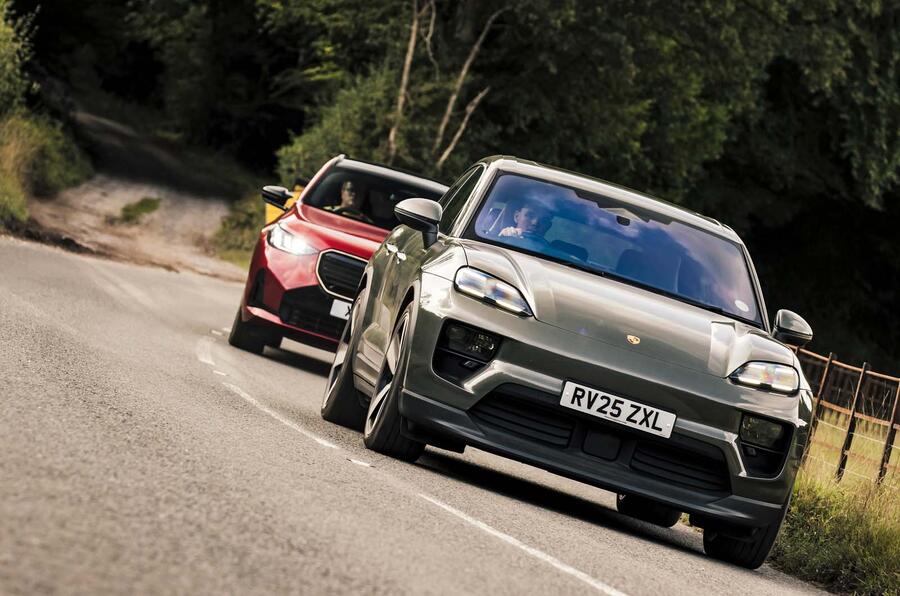
And since then the brand has made – wait for it – €14 billion for its shareholders.So what has caused all the teeth-gnashing and hand-wringing among the financial press? The ‘problem’, such as it is, is that the company might only manage to make a paltry €1 billion in 2025.
Violins at the ready, then. In 2024 – the year in which the Porsche Macan Electric was launched – Porsche declared roughly 40% more profit than JLR (although these figures are accounted for over different time periods in the UK than in Europe, so that’s not an exact comparison) and more than twice as much money as Ferrari.
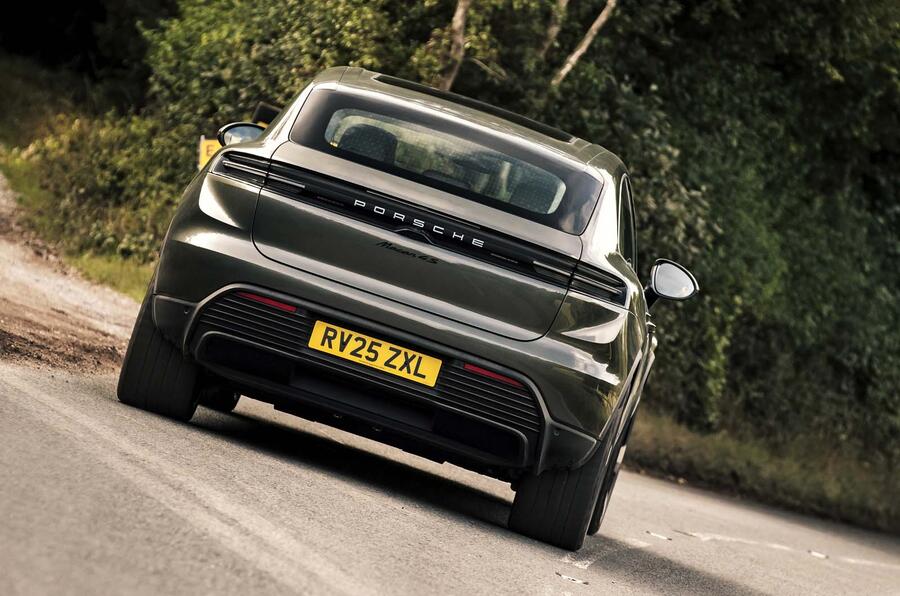
Perhaps most importantly of all, the sales performance of Zuffenhausen’s newest all-electric product now seems to be picking up. The Macan was the most popular of all of Porsche’s models in the first half of this year, when ICE and electric model sales are combined.
Sales of the electric version exceeded those of the petrol-fuelled version – as well as those of the 911 sports car. Not bad going, then, and quite contrary to what you might have heard.