





Last month, Autocar published its response to the UK government’s call for public views on its proposed 2035 ban on the sale of new cars powered only by an internal combustion engine (ICE). While this is undoubtedly a transition that the country must make posthaste, the plan for achieving it struck us as rather poorly thought through.
We also encouraged you to submit your own views, so here we summarise some readers’ manifestos for Britain’s entry into the age of electrification.
George Koopman, Devon
â— Battery production is far from carbon-neutral. This must be honestly quantified, and we must make certain that global demand can be met by 2035.
â— Battery disposal on the scale necessitated by an all-electric fleet will produce vast recycling problems. To suggest old batteries can all be used for static storage is disingenuous. We need realistic proposals.
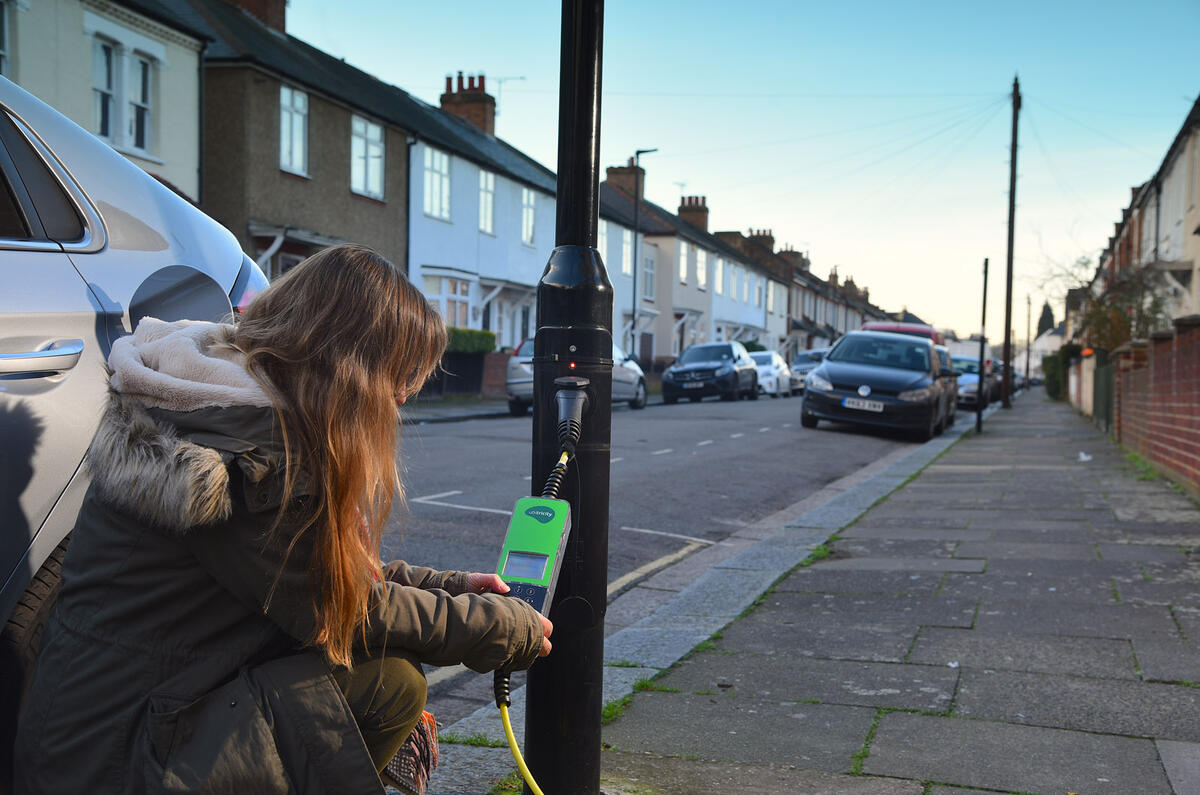
â— Until there are adequate charging facilities for all EVs, plug-in hybrids must not only be allowed to continue but also not be penalised.
â— The proposed ban should be phased: firstly in large urban areas and then in less densely populated areas.
â— Hydrogen fuel cell EVs are likely to be a better long-term solution than battery EVs. Thus incentives must encourage production of hydrogen using renewable energy.
â— Total honesty is required as to how the near-£40 billion currently raised annually through fuel duty, VAT and VED will be replaced.
Richard Smith, Cheshire
â— There doesn’t need to be an ICE ban. When the economics work and there’s sufficient infrastructure, people will buy EVs. The government should concentrate on setting standards and ensuring the infrastructure is in place.

â— Current taxes are already big enough to deter people from buying a new car, and the tax advantages for EVs are already big enough.
â— Hybrids are part of the transition and possibly the only solution for long-distance motoring, so their development should be encouraged rather than discouraged.
â— Older cars should be allowed to continue on our roads. Less well-off people shouldn’t be priced out of personal mobility.