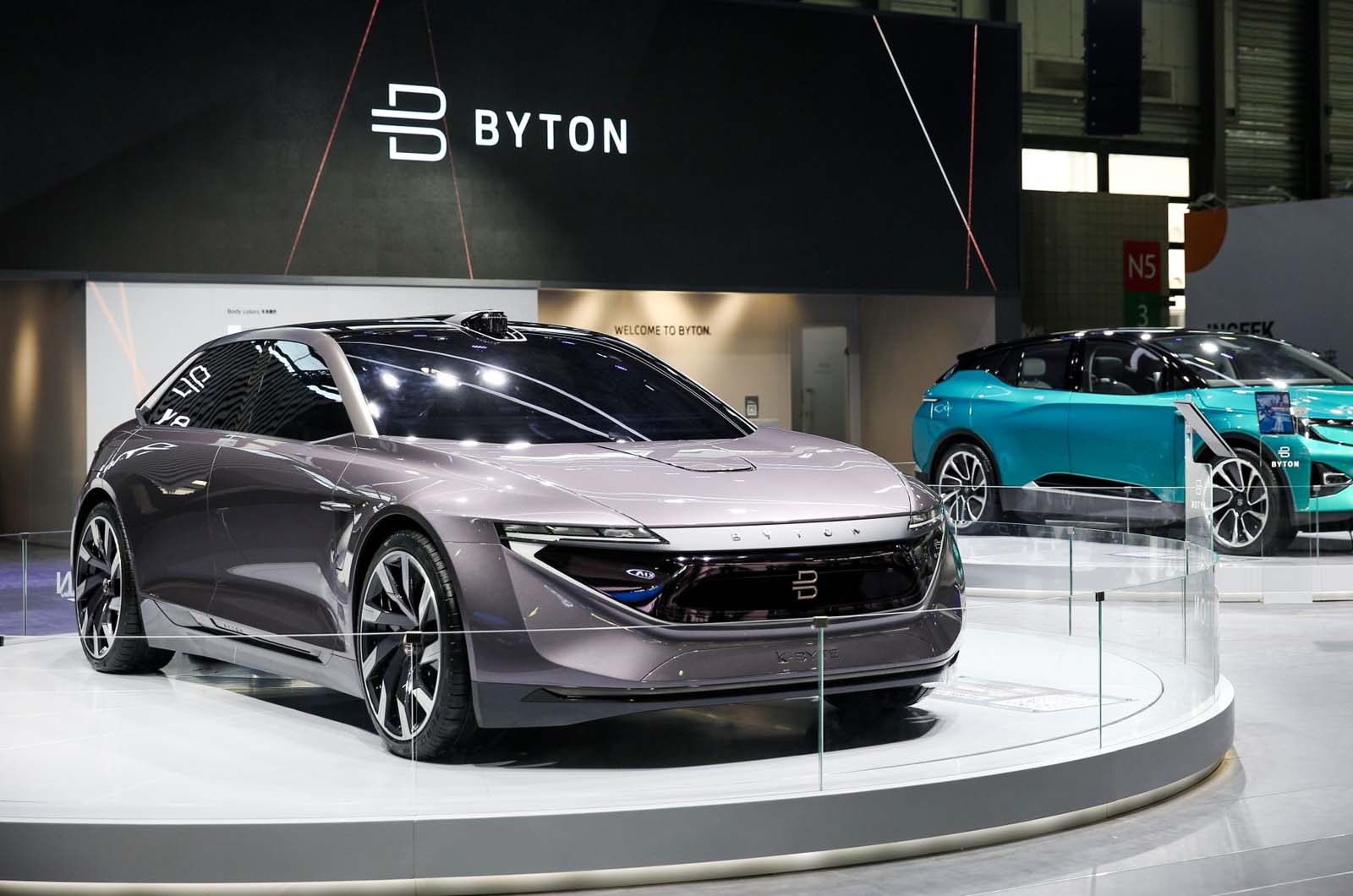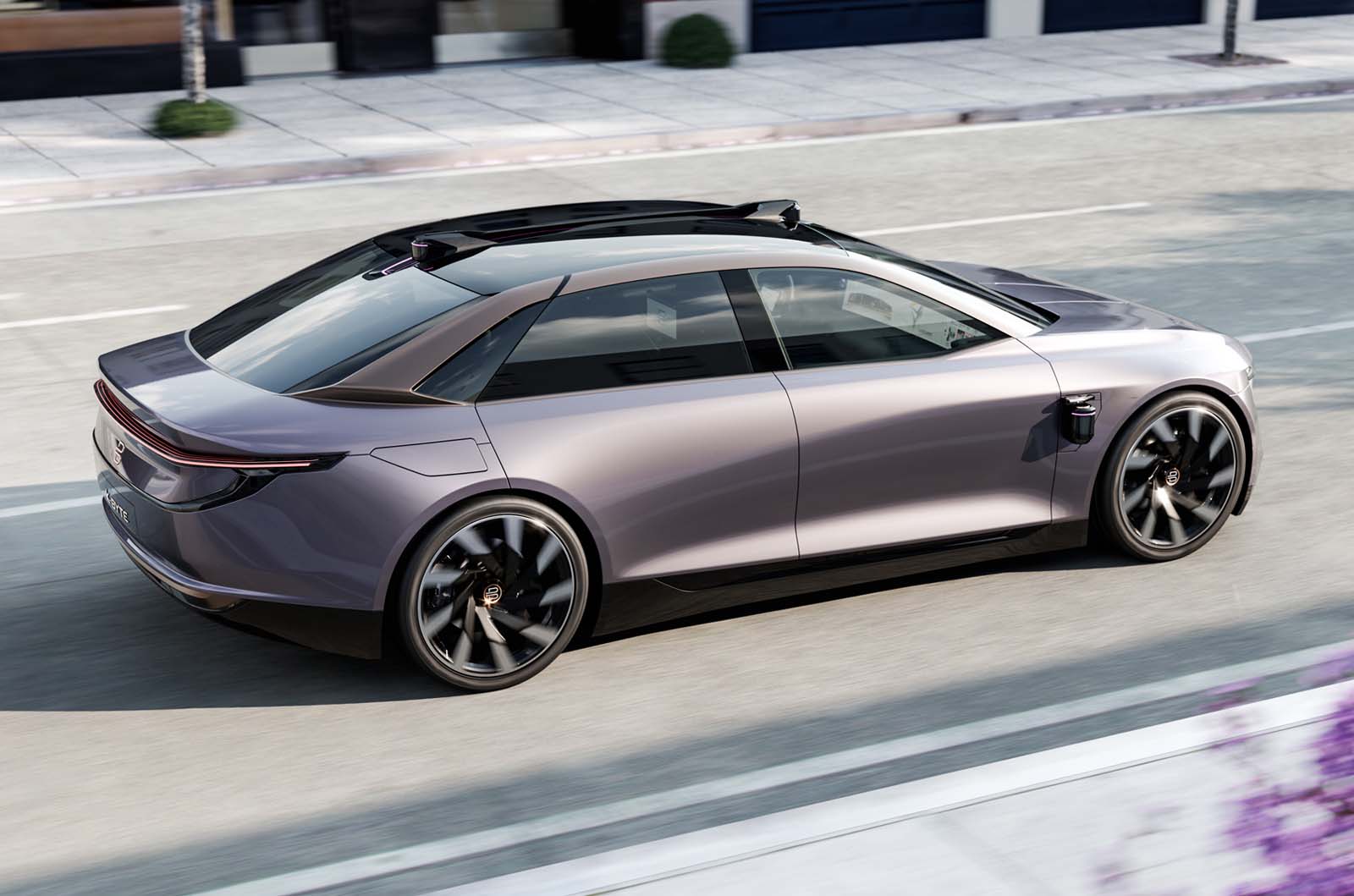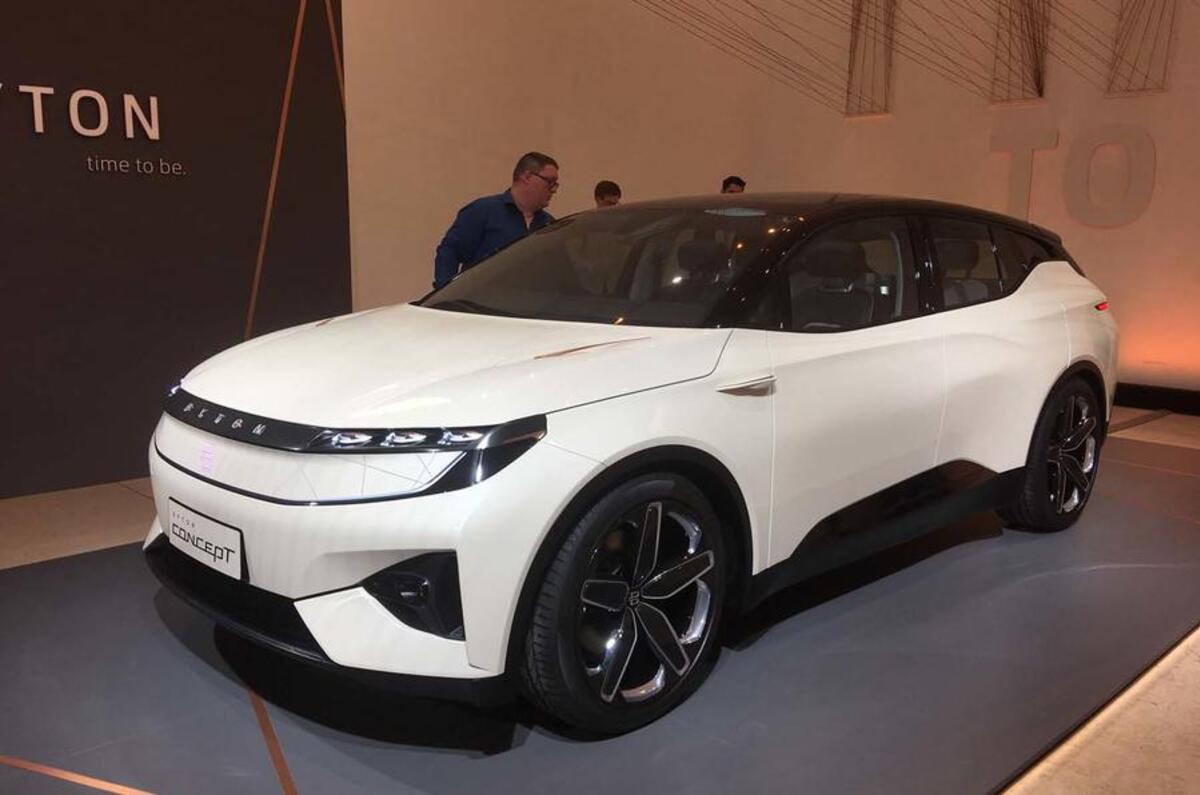
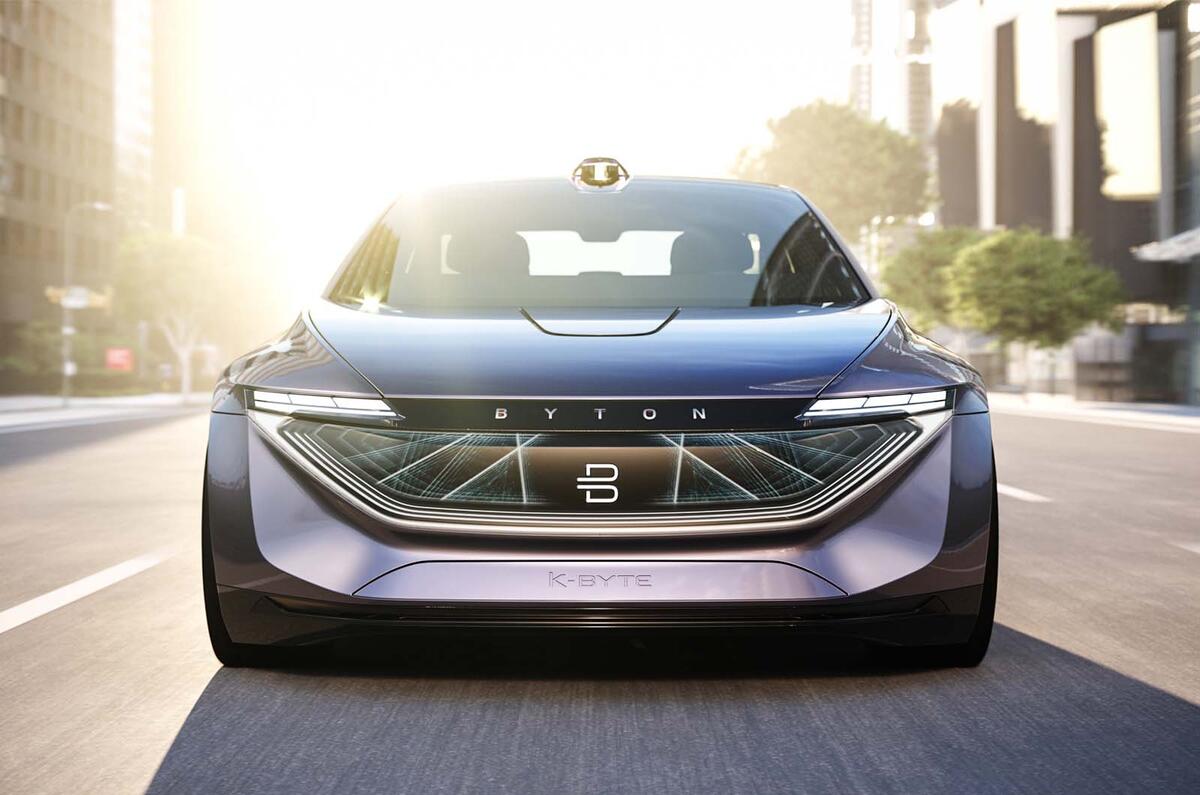
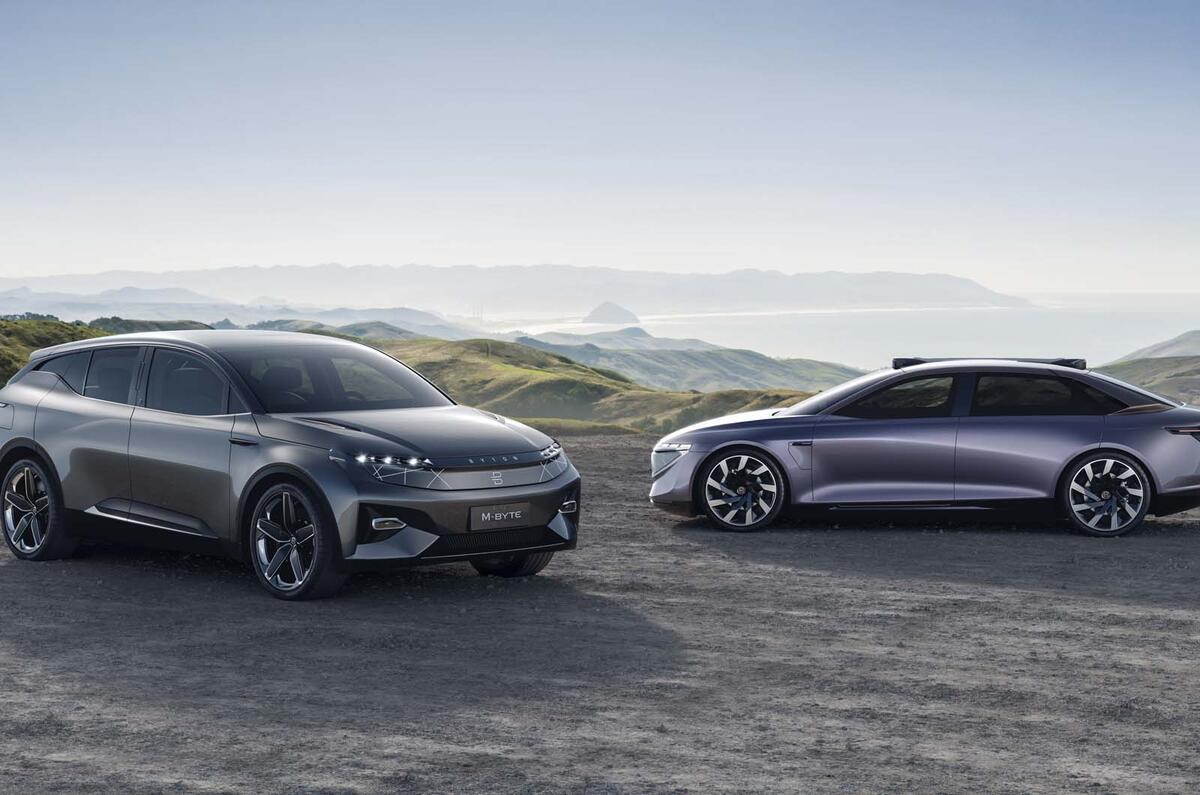

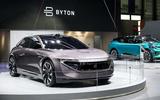

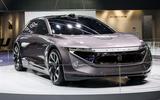
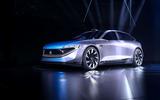

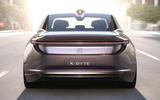
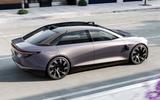



Chinese electric start-up Byton will begin initial production of its M-Byte SUV this summer, ahead of volume manufacturing by the end of 2019 - but will do without company co-founder Carsten Breitfeld.
The former BMW i-division boss is set to step down as Byton CEO for a new, undisclosed role within the start-up industry.
“Carsten helped build a strong Byton brand and bring in the right people to take our start-up to the next level,” Byton co-founder and CEO Dr. Daniel Kirchert. “Now we are focusing on our main goal to achieve the on-time-start-of-production of the first Byton series production model in 2019 with our strong team and partners.
“Thanks to our founding team and all employees we’re well on track and looking forward to delivering the M-Byte this year to customers in China, followed by the US and Europe in 2020.”
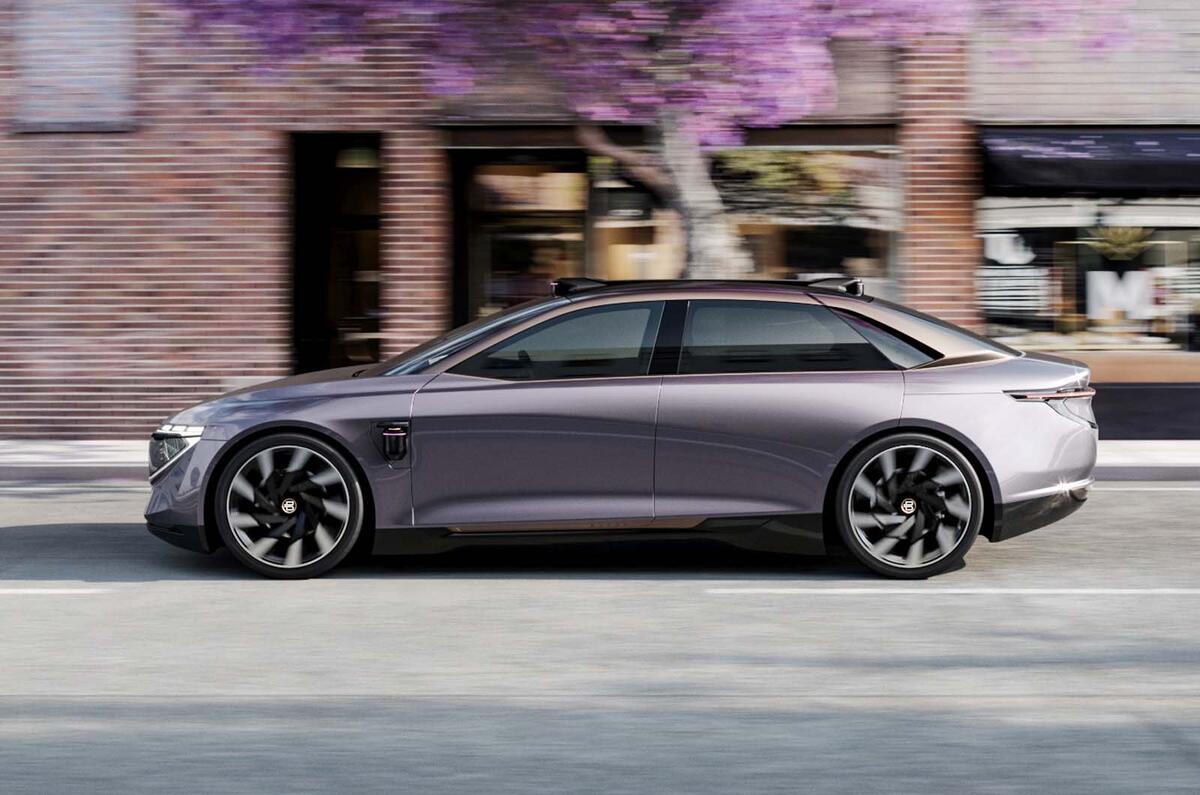
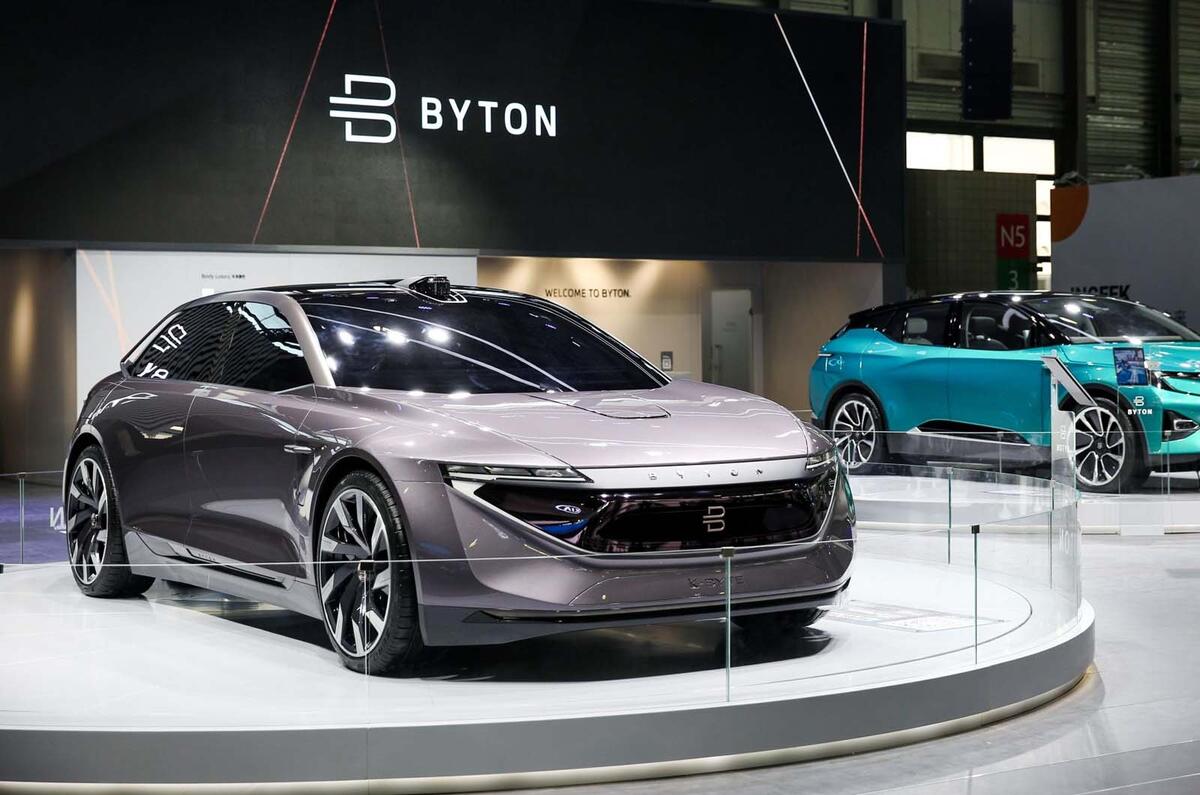
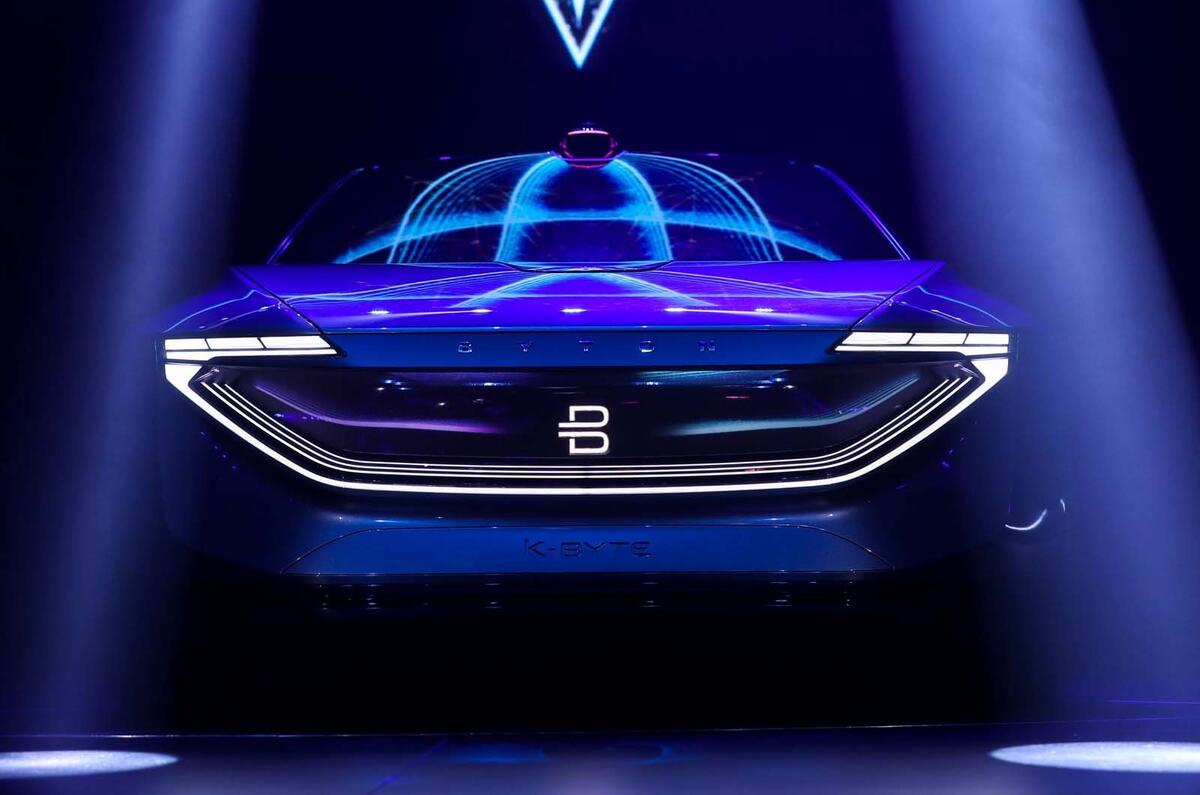
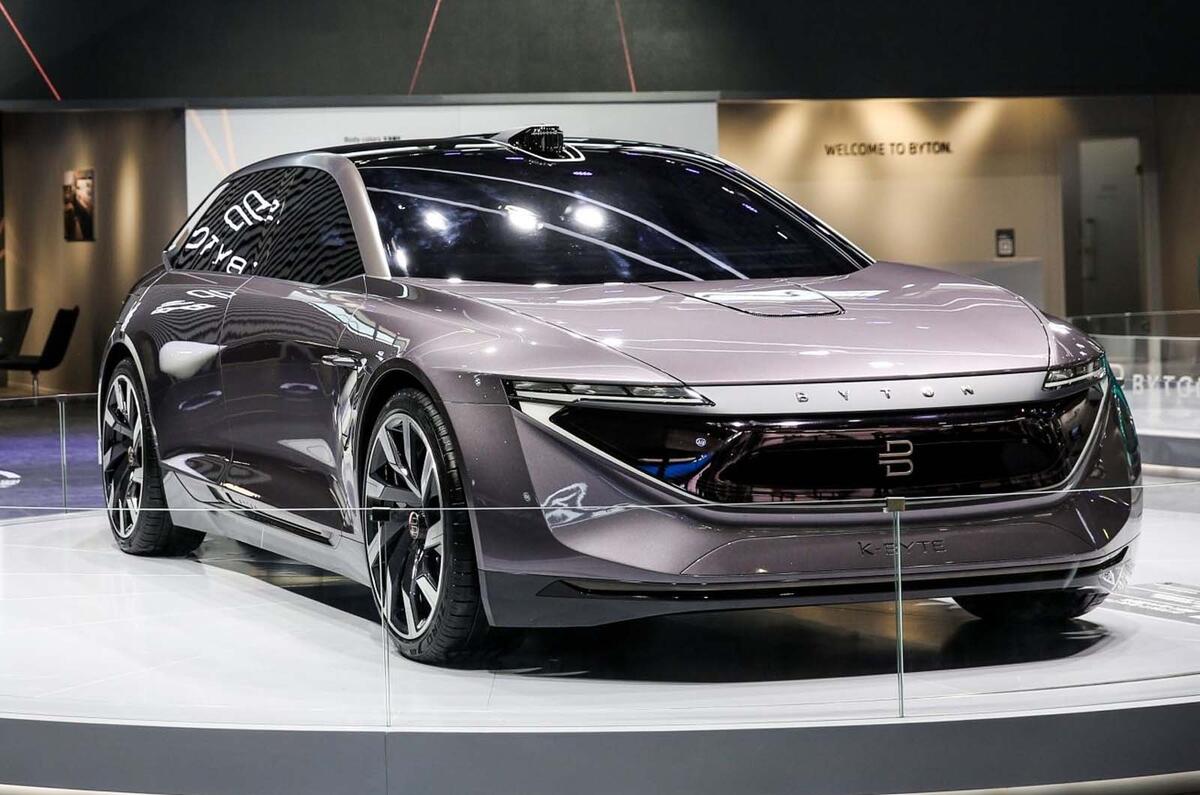
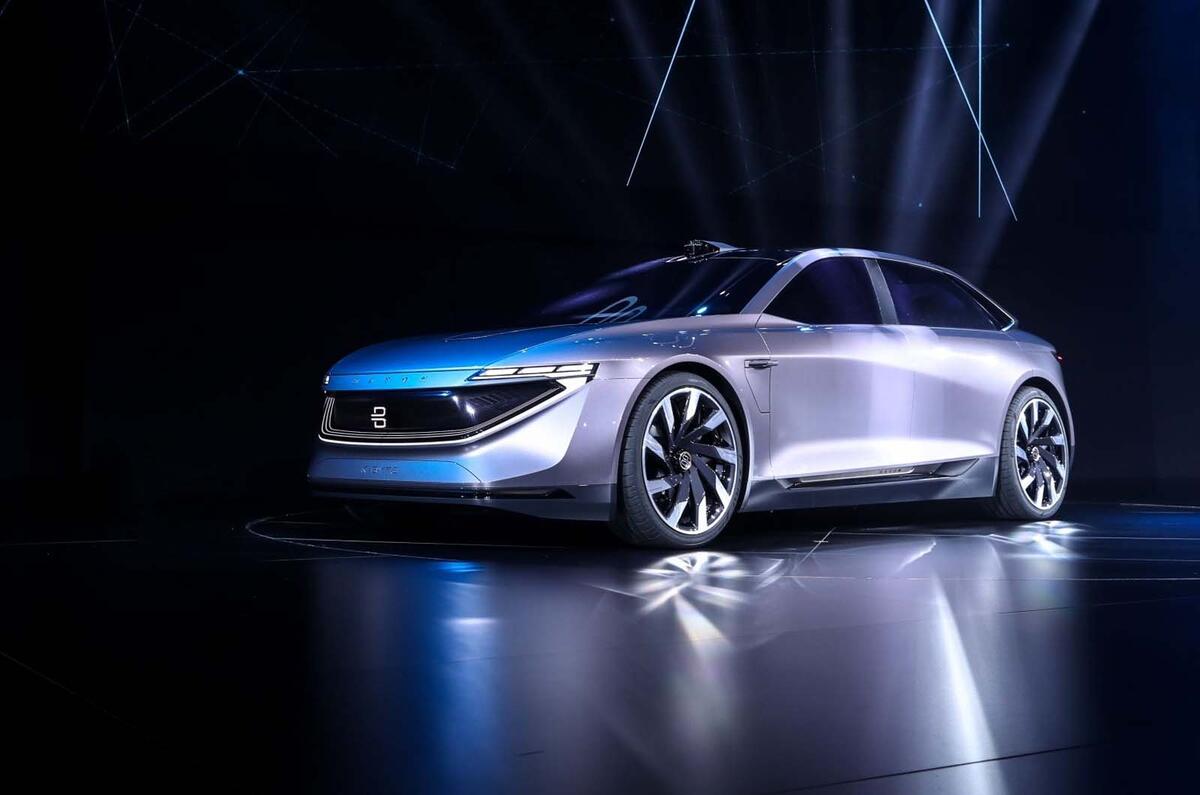
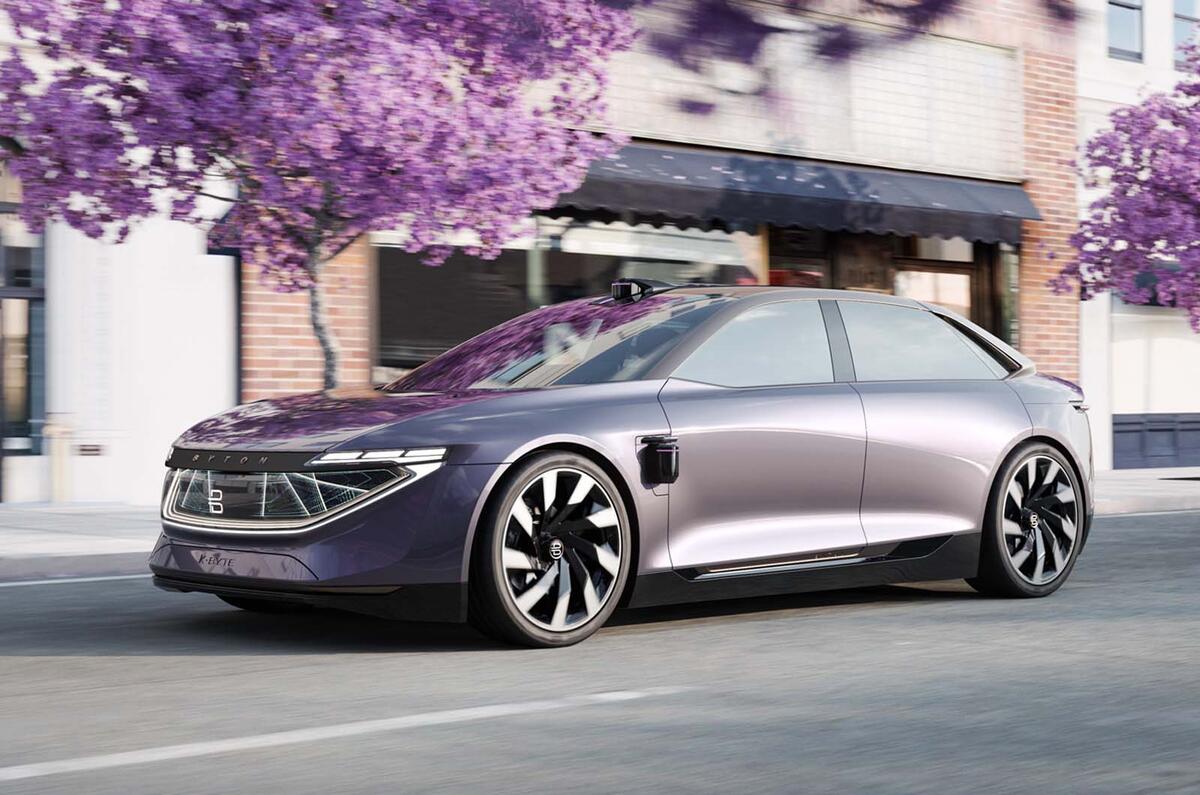
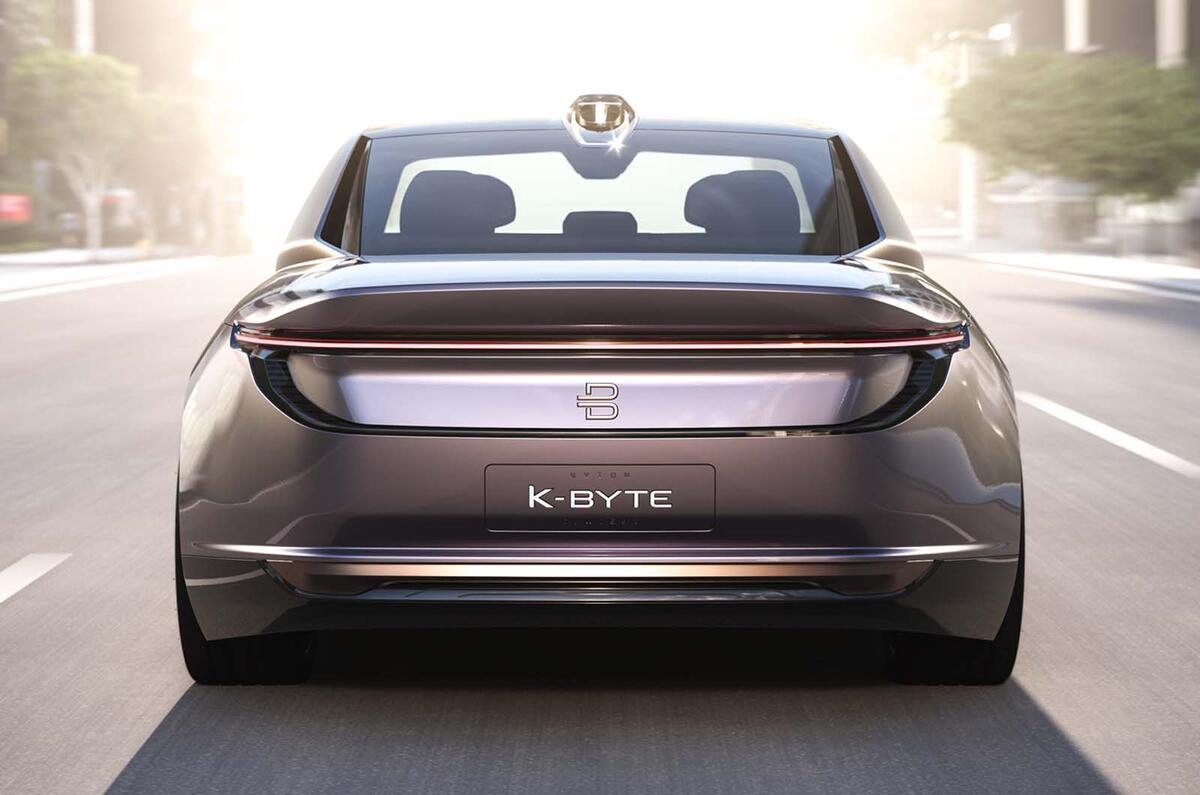
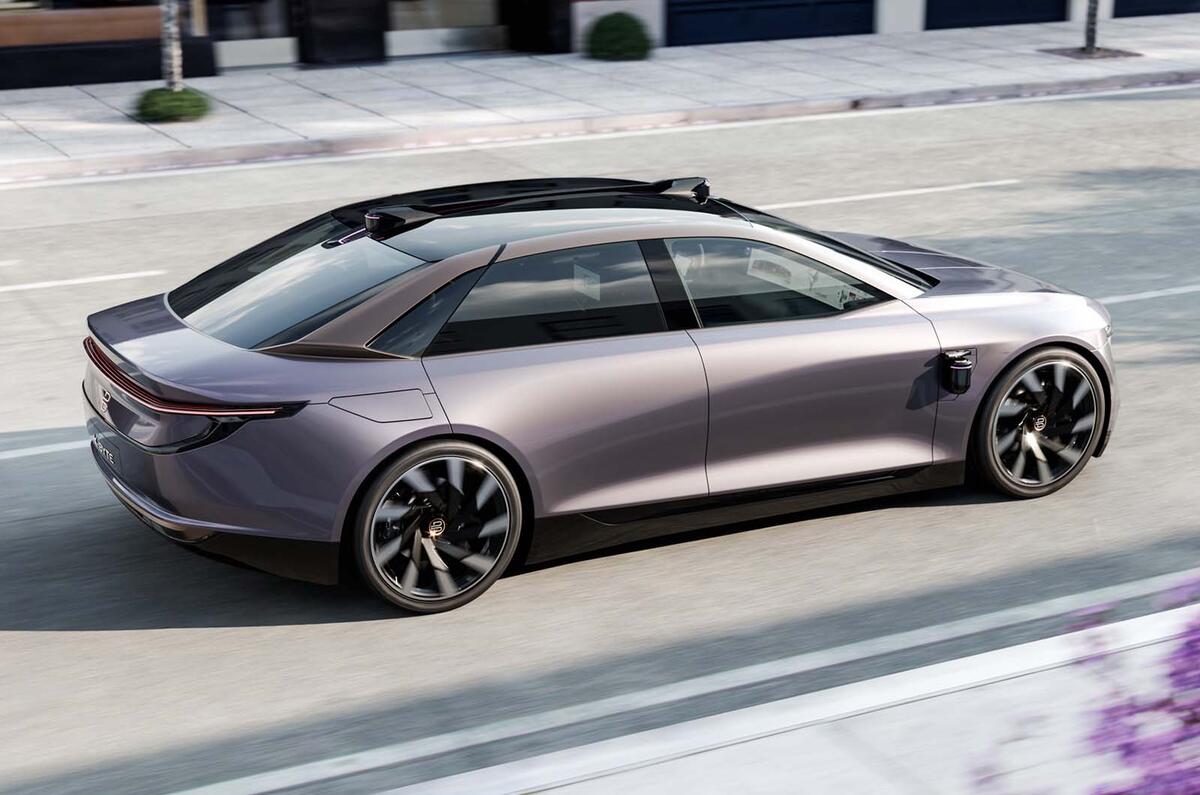
The production version of the M-Byte will be built at the company’s Nanjing facility, which is on schedule to open within the next three months. The car will then debut in the Chinese market towards the end of the year, ahead of the introduction of the K-Byte saloon in 2022.
Byton will appoint a new CTO shortly, as it prepares to close its final round of investment funding. It recently secured £385 million to help it take on established players such as Tesla.
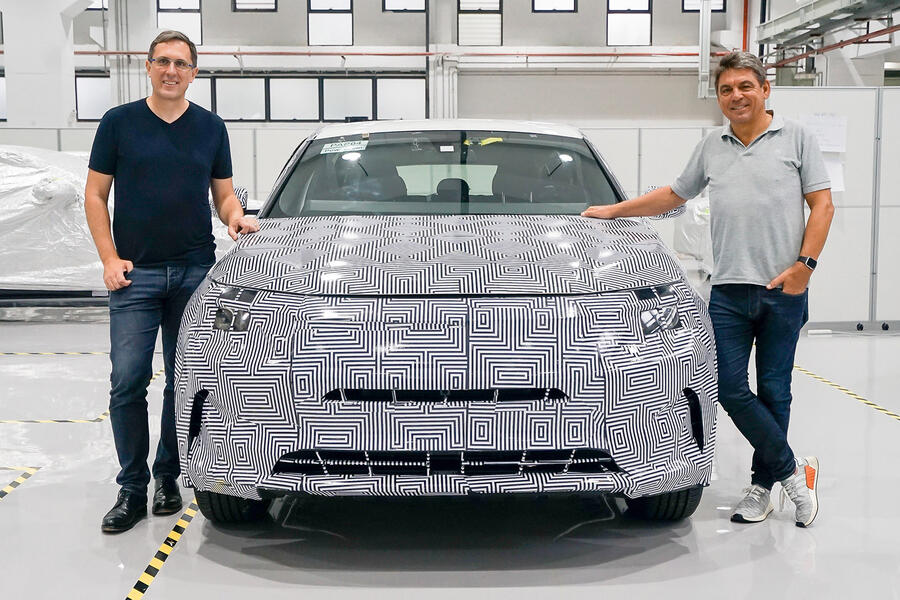
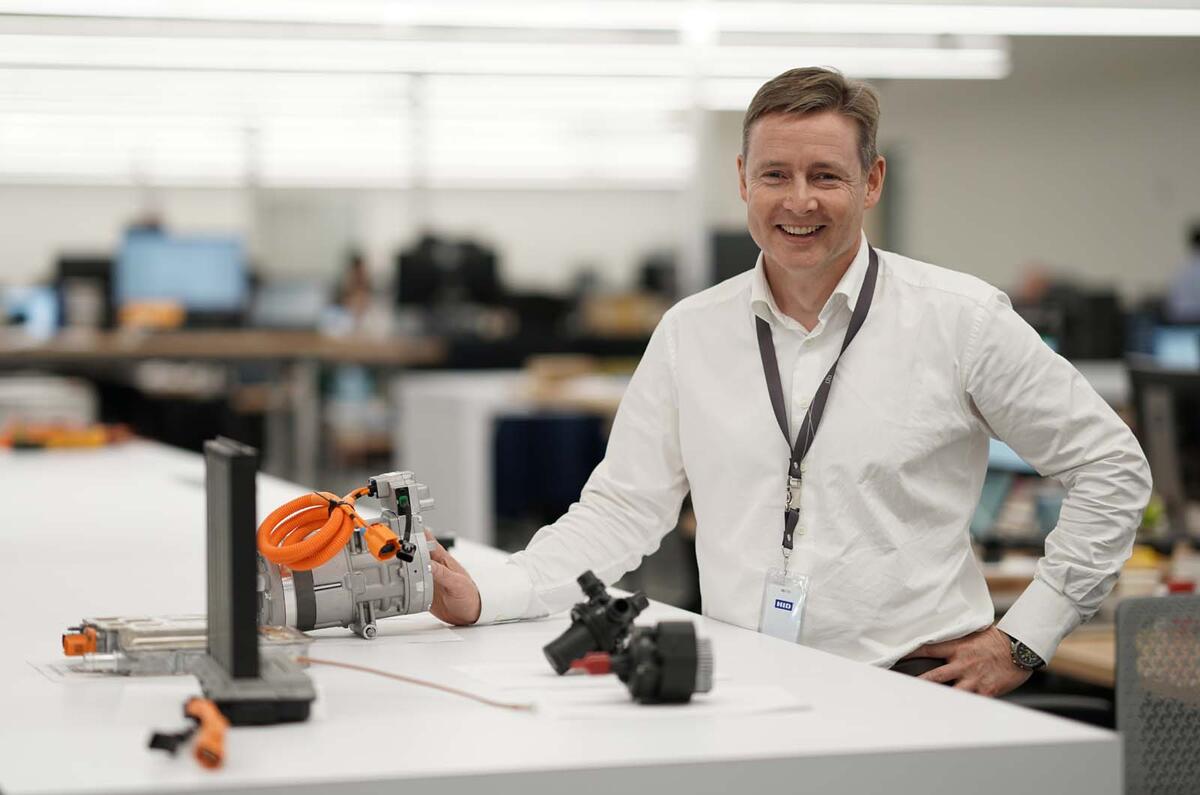
Byton's chief vehicle engineer is Irishman David Twohig, who formerly worked for the Renault-Nissan Alliance and won the Mundy Award for Engineering at the 2018 Autocar Awards for his work on the Alpine A110. We caught up with Twohig at the Pebble Beach Concours event to find out more about Byton’s ambitious plans.
Where is Byton in terms of products?
“Getting close. Launch is committed for China in 2019, we’ll do North America a few months later and we’ll be in Europe at the back end of 2020. The plant at Nanjing is going ahead at a speed I’ve never seen in 26 years in the car industry. We’ll be building the first off-tool prototypes early next year.”
Will all Byton vehicles sit on the same platform?
“Yes. It’s not a sandwich construction like the Chevrolet Bolt, for example. We are very much leaning on established technologies — that’s why they hired guys like me, an old soldier from existing OEMs. We’re relying on technology you can scale with minimum investment, and the plant in Nanjing is set up to do that, to do different wheelbases with all vehicles built on a single line.”