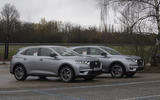


For its second-generation attempt at a full hybrid powertrain, the PSA Group, which comprises Peugeot, Citroën, DS and Vauxhall/Opel, will switch from diesel-electric to plug-in hybrid petrol-electric technology.
The aim is to increase performance, refinement, zero-emissions driving range and design modularity for the group’s next wave of hybrid models, while simultaneously improving their CO2 emissions.
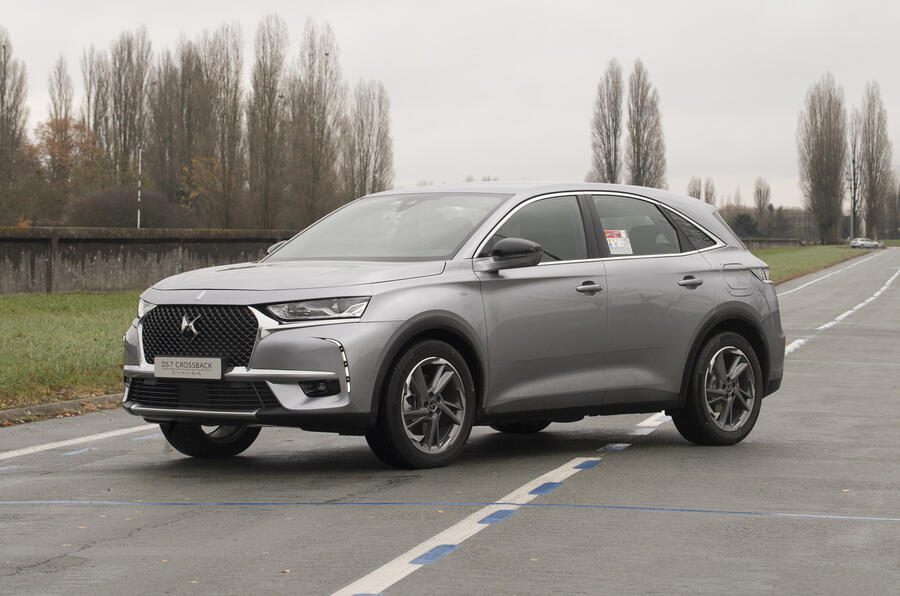
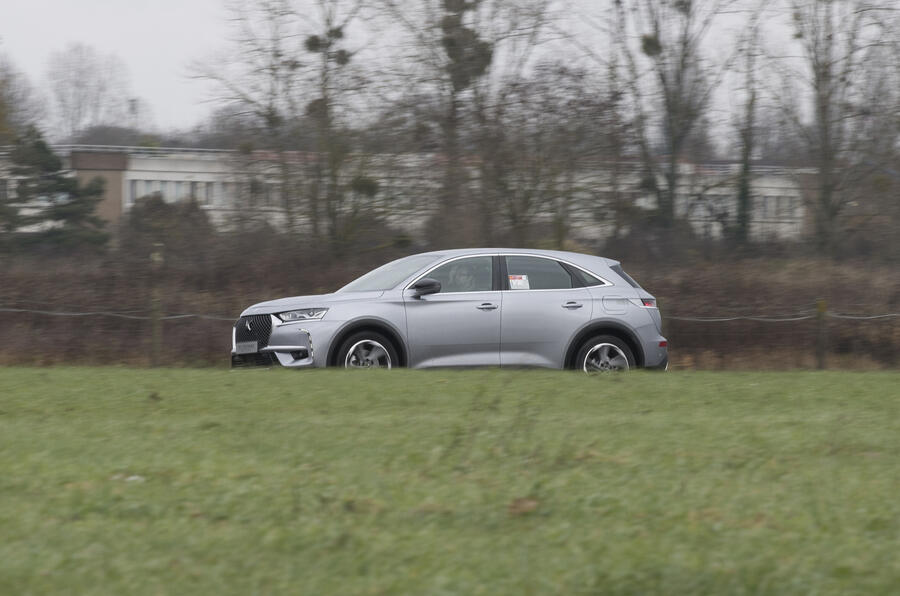
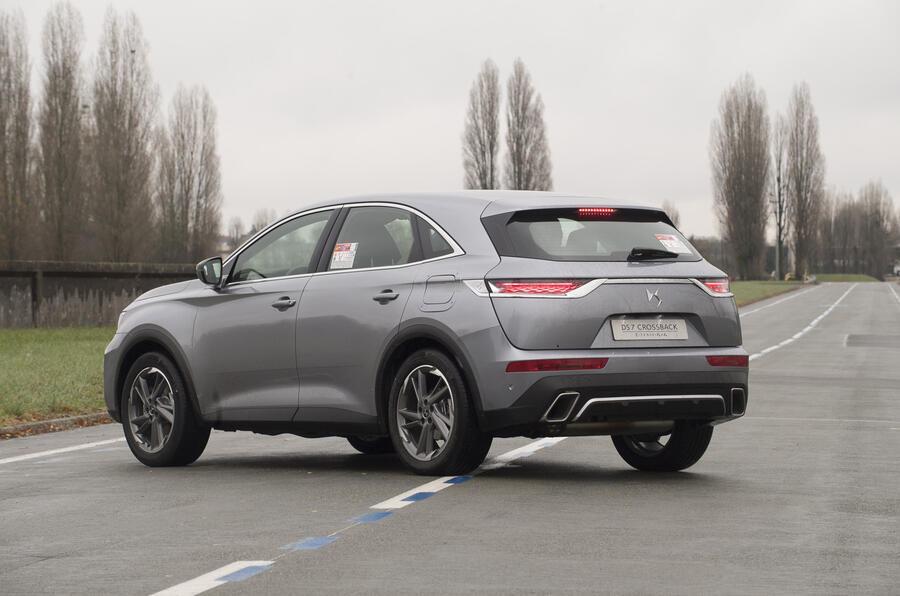
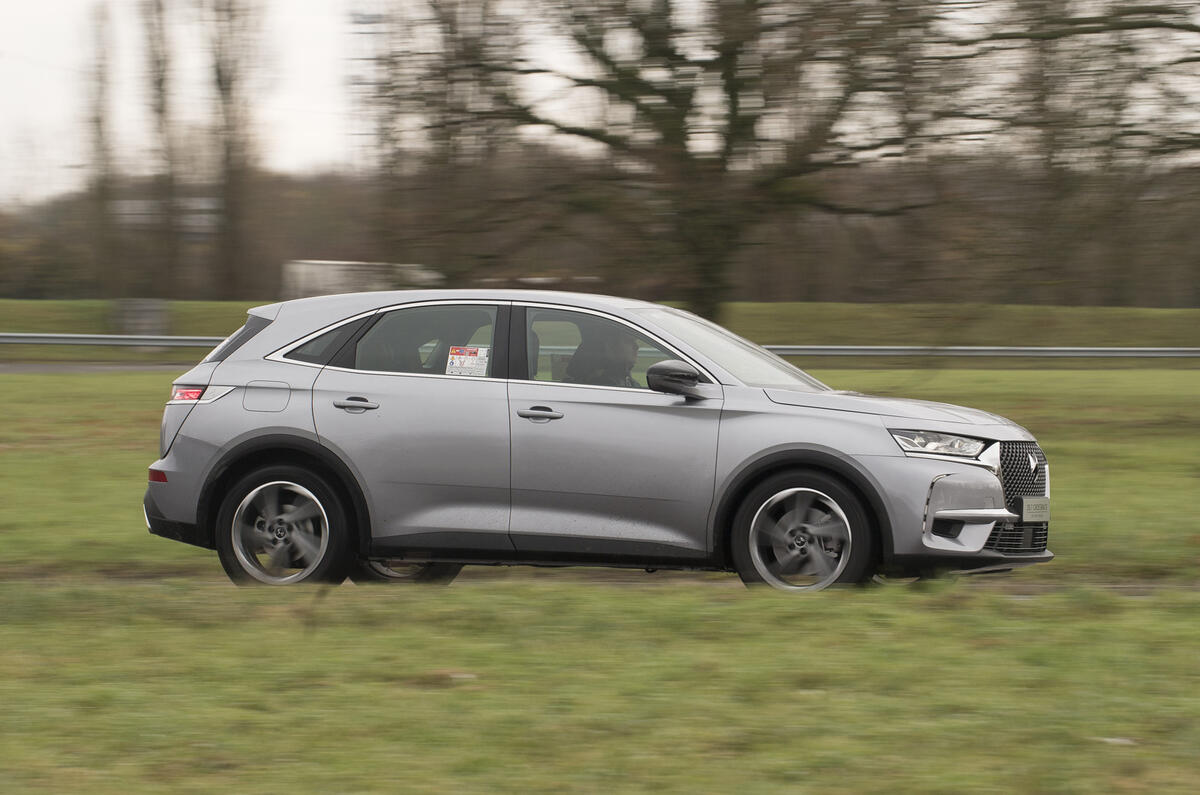
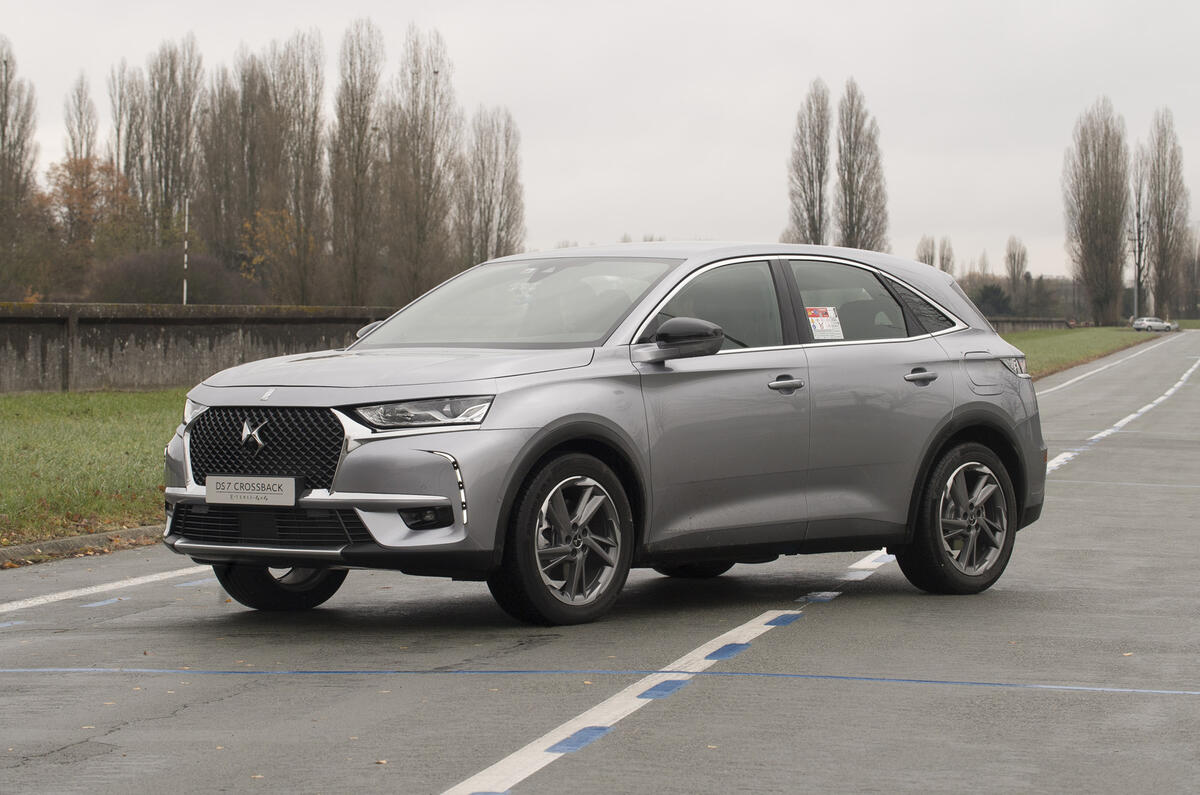
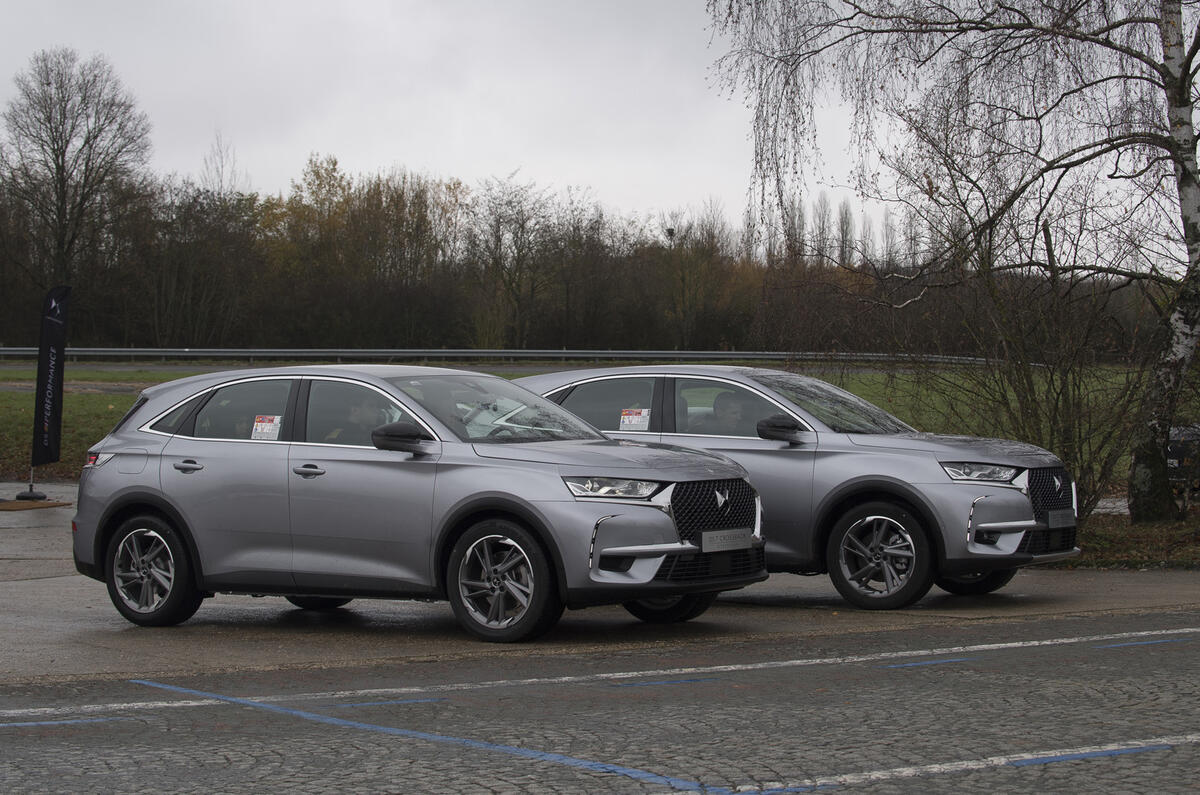
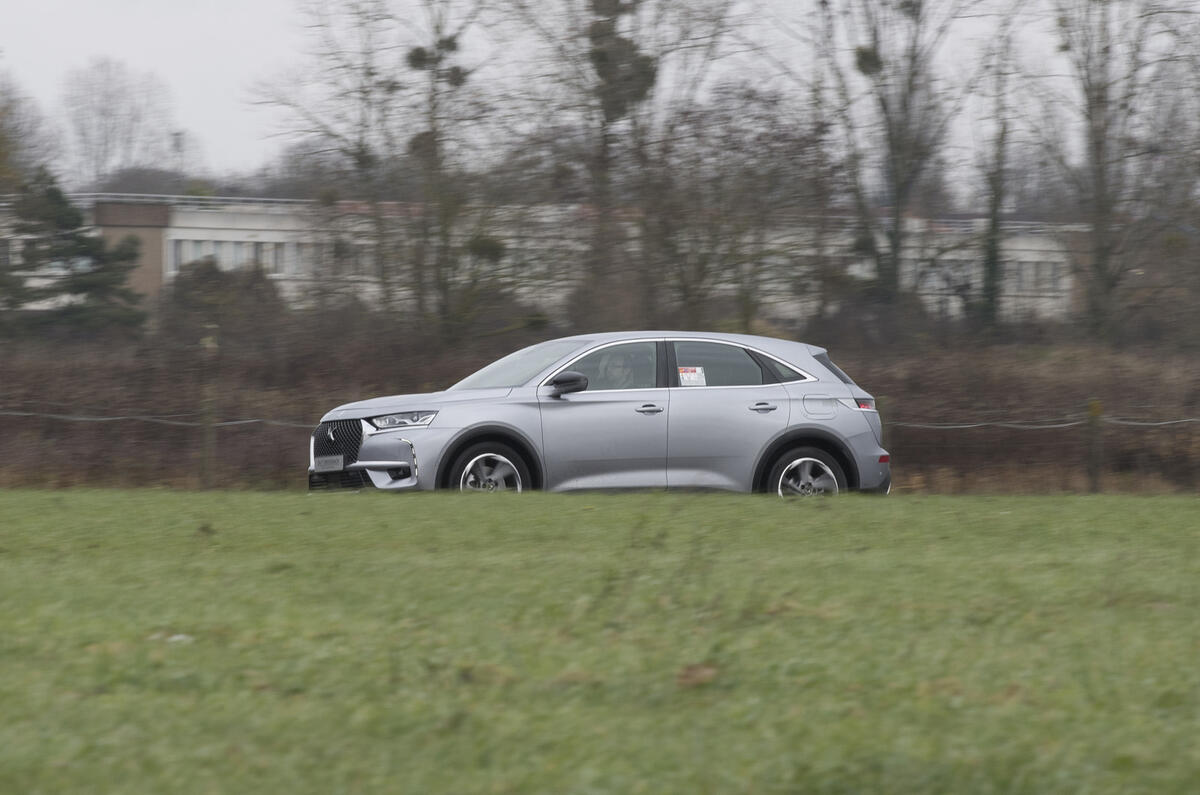
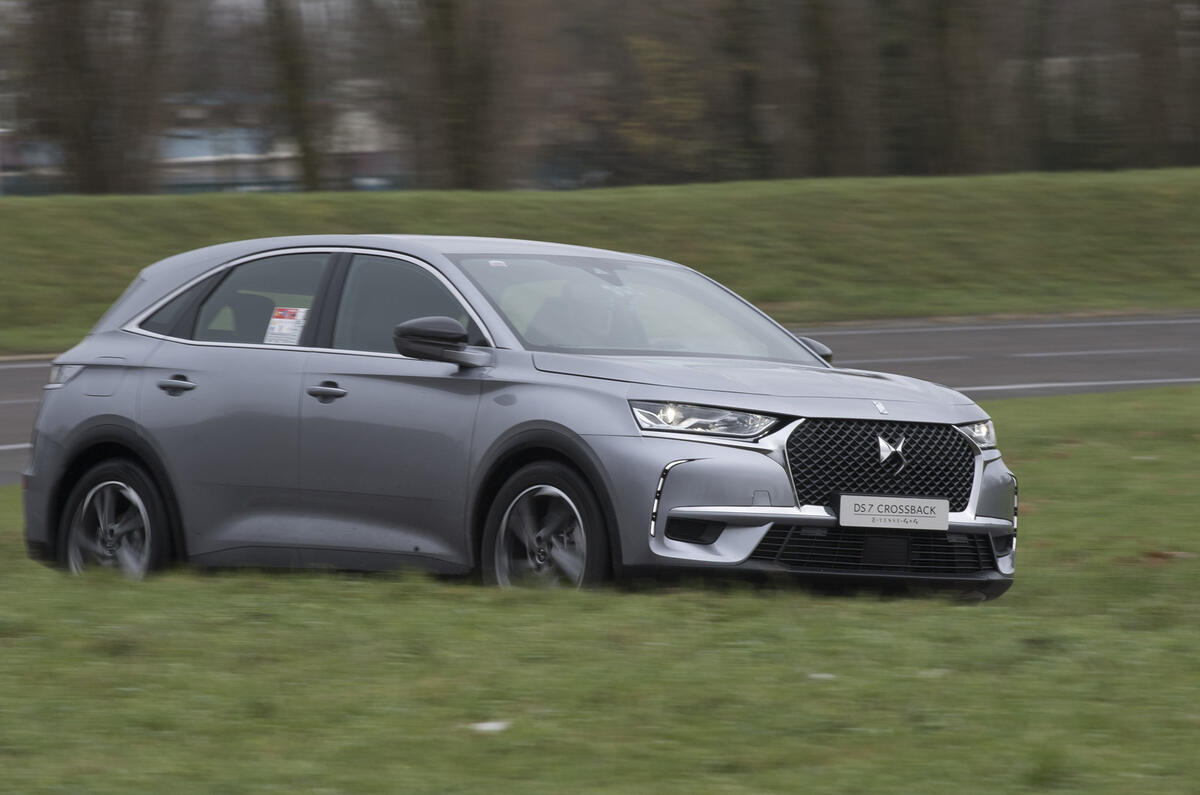
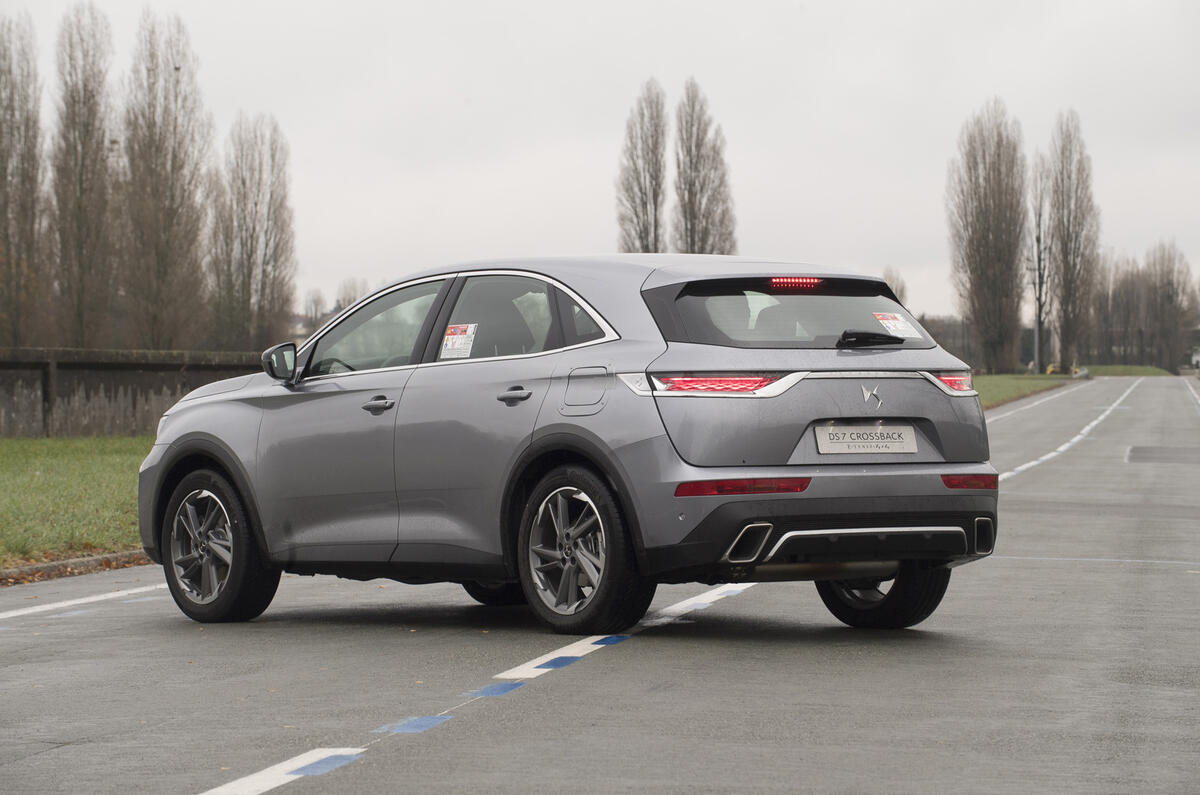
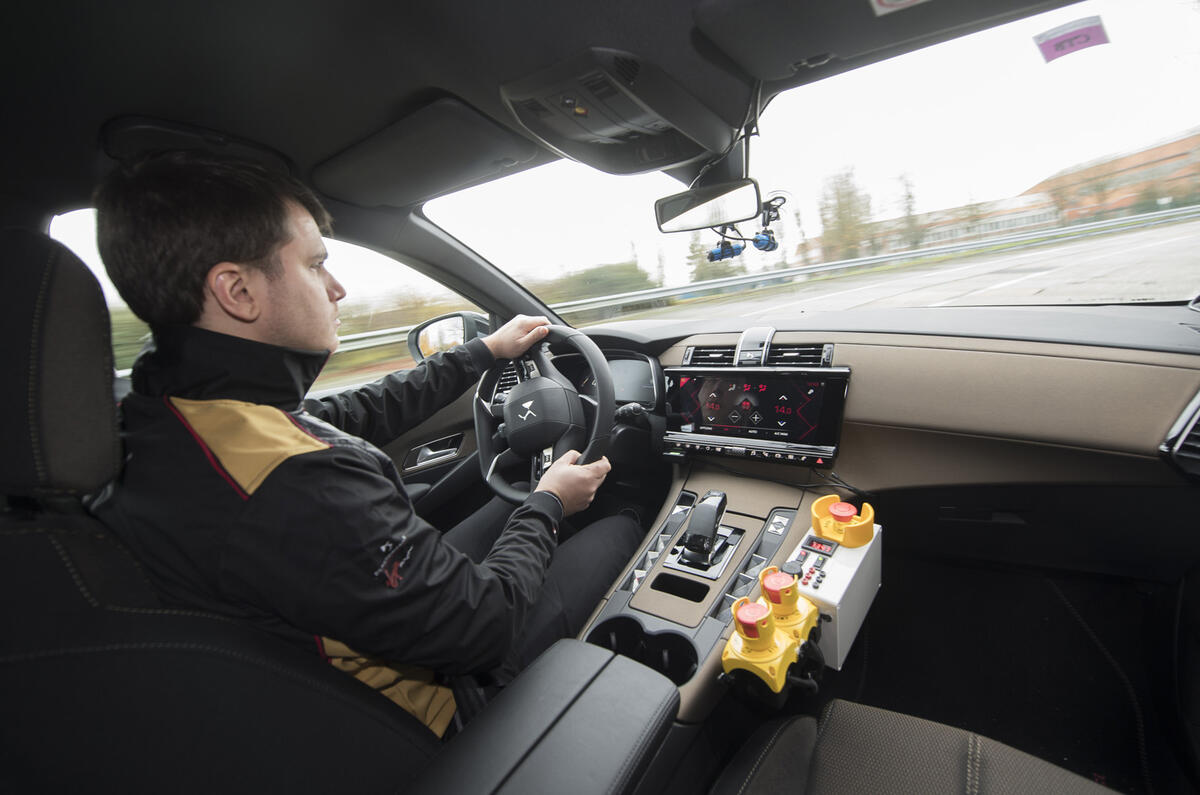
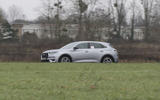
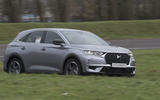
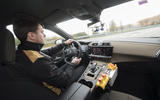
The first model in this new crop of PHEV models will be the DS 7 Crossback E-Tense 4x4, due on the market in early 2019, and DS gave us an early taste of what to expect from the driver’s seat of a prototype at a proving ground near Paris this week.
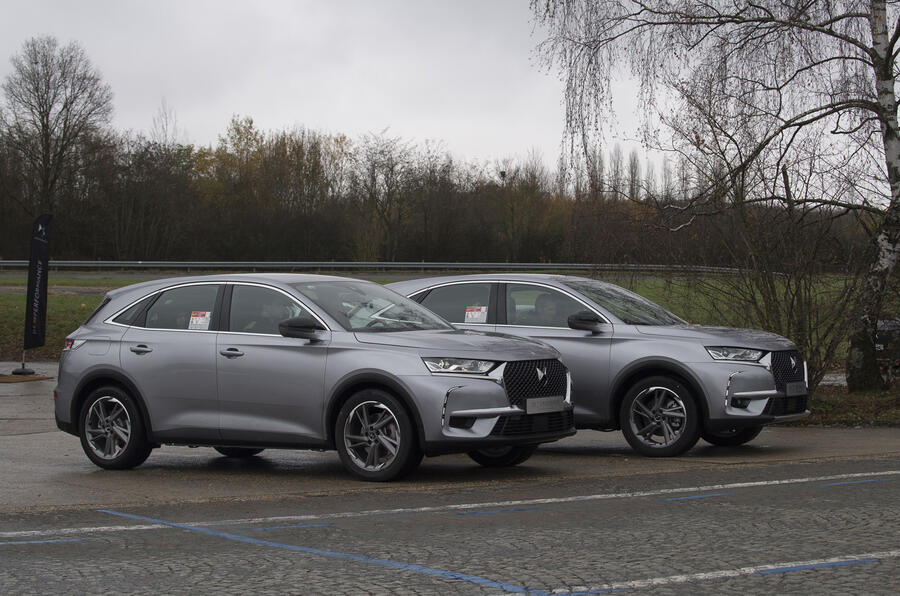
DS 7 E-Tense 4x4 powertrain and design
Named after DS’s electric supercar concept first shown in 2016, the 7 Crossback E-Tense 4x4 has a powertrain consisting of a 200bhp 1.6-litre turbocharged petrol engine up front and a 110bhp electric motor on each axle. The front-mounted motor doubles as an engine starter-generator and transmits power to the front wheels via the car’s eight-speed automatic gearbox, while the rear one drives the rear wheels via ‘direct drive’ reduction gearing.
2015: Peugeot kills off diesel hybrid
Both motors draw power from a 13kWh lithium ion drive battery capable of a peak power supply equivalent to 125bhp, mounted next to a fuel tank of reduced size compared with that of the regular 7 Crossback. The battery will not be DC fast-charge compatible but will charge on a ‘Type 3’ 32-amp AC mains charger from flat to full in two hours. A home charge from a three-pin plug will take seven hours.
Zero-emissions battery range for the car is expected to be between 30 and 40 miles.