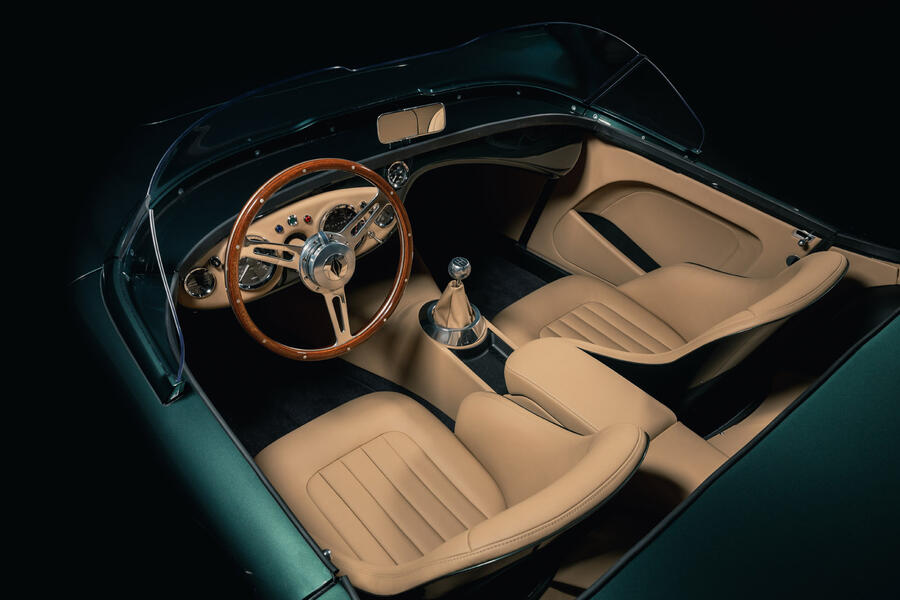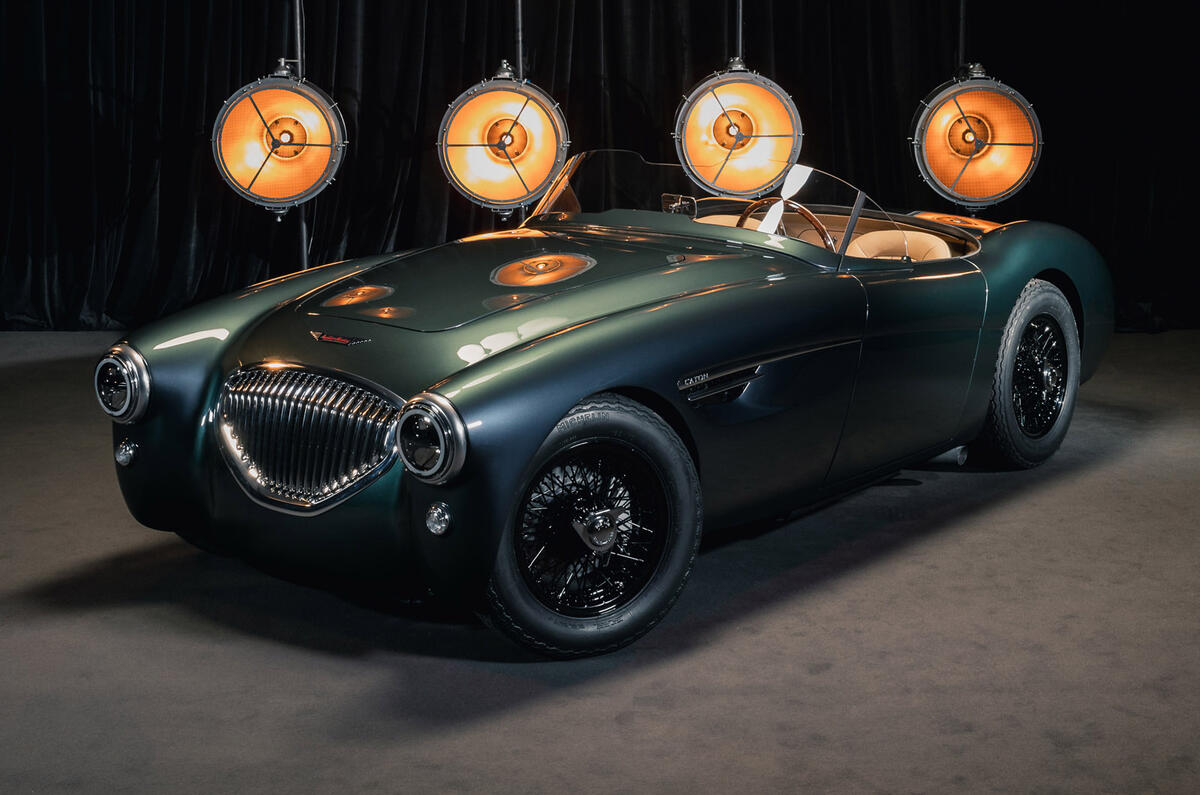

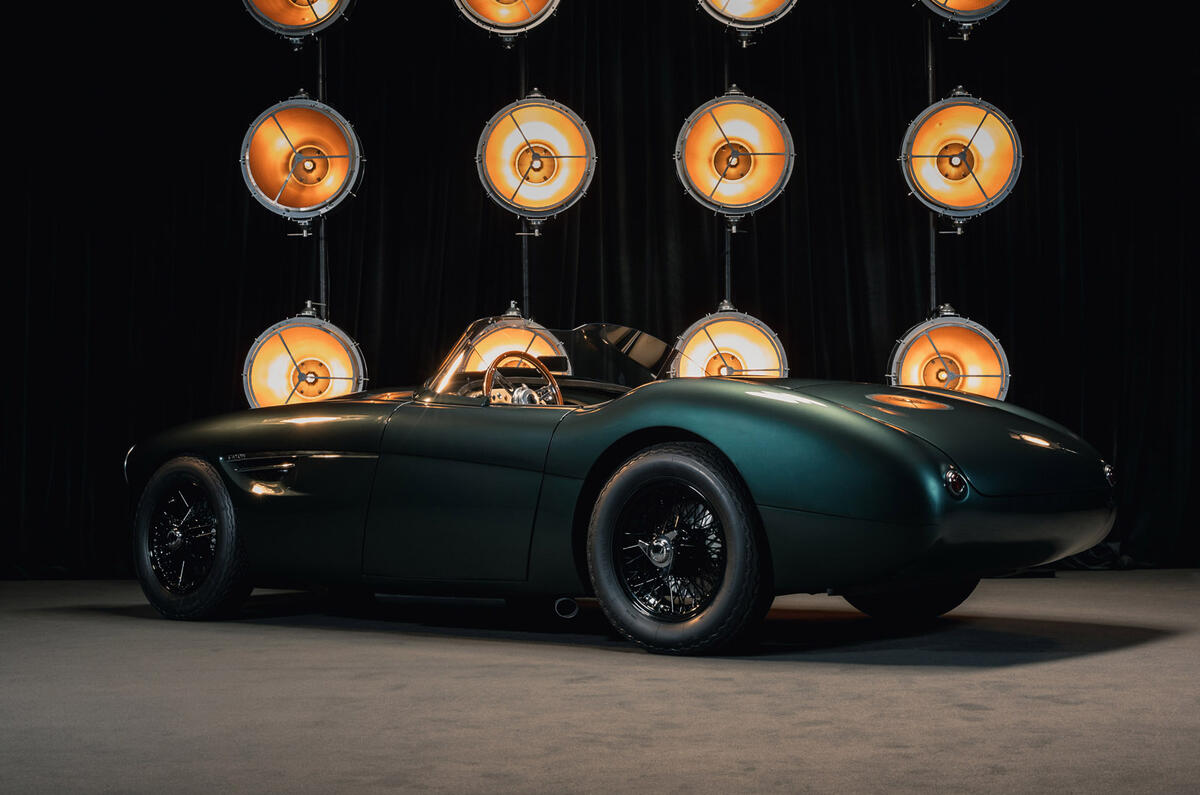
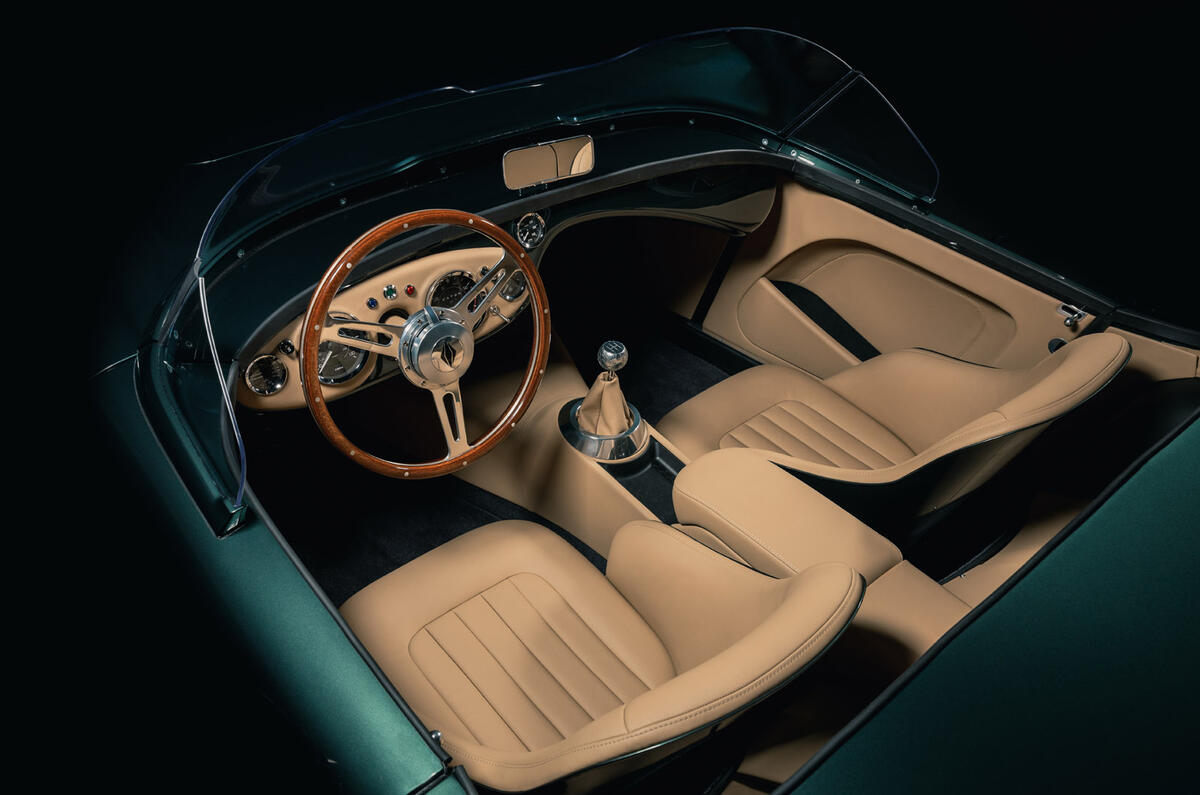
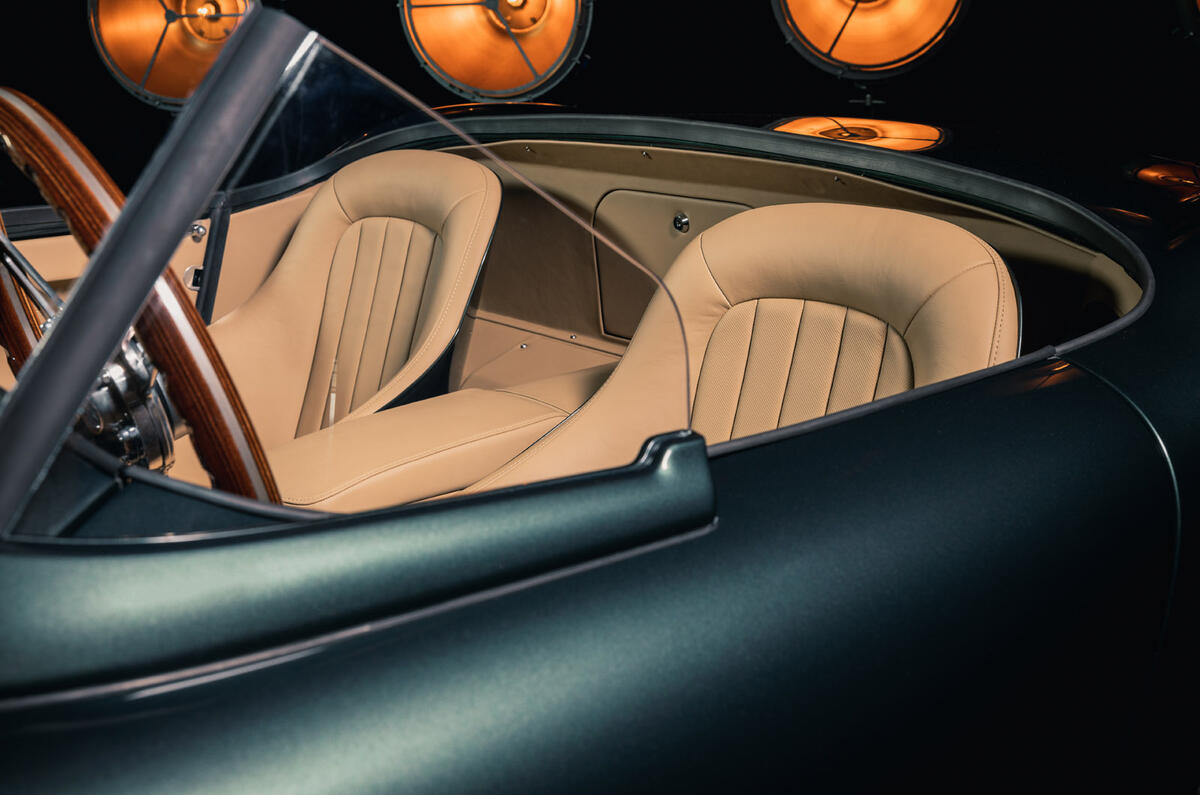





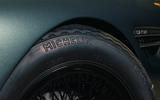



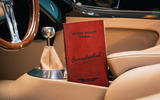

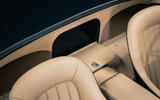
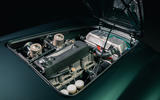



Coventry-based bespoke engineering company Envisage Group has launched its first restomod – under a new brand, Caton – based on an early Austin Healey.
The Healey by Caton will be limited to 25 examples and draws on Envisage’s vast experience in the one-off, specialist and classic car fields – as reported by Autocar as recently as July last year.
As well as creating concept cars for manufacturers and coachbuilding specials for single customers, Envisage is the company that made the body shells and panels for Jaguar’s recent D-Type and XKSS Continuation models.
The Healey, though, is the company’s first vehicle to wear its own branding. Caton is an amalgam of the group’s parent company, Cattrell Hudson.
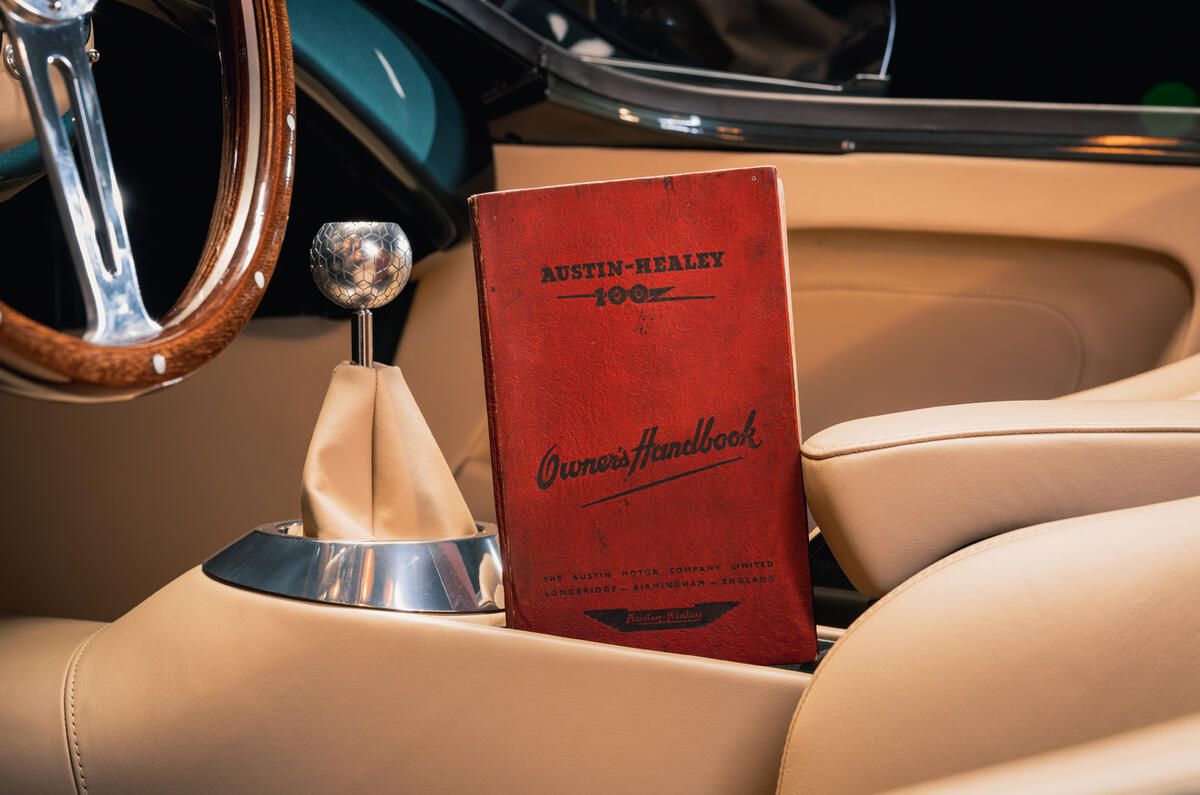
The base car is the Austin Healey 100/4 BN1, made between 1953 and 1955.
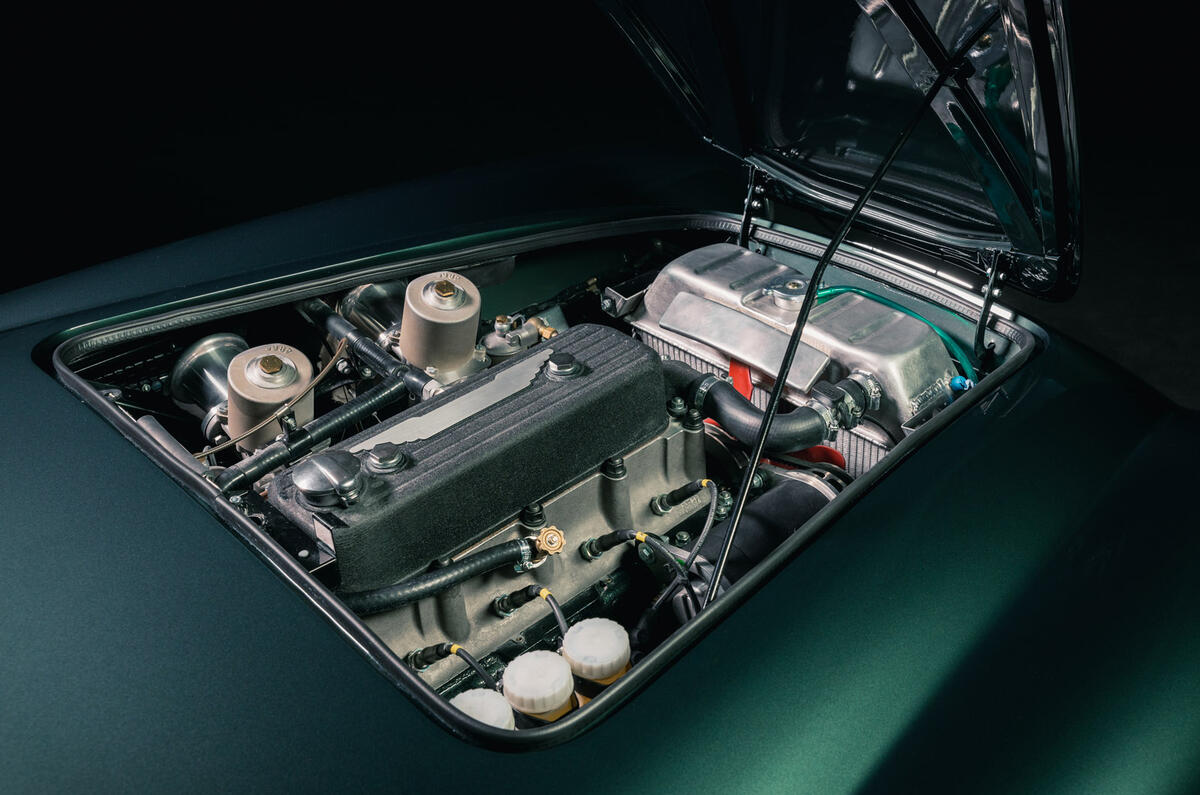
Caton sends the engine off to JME Healeys, a model specialist, in Warwick, and turns its attention to the rest of the car for restoration and modification.
“The mechanical platform is now as capable as it can be,” said Envisage CEO Tim Strafford.
The chassis is lightly strengthened and has known weaknesses and corrosion points addressed, but is mostly just restored as is – important because the car needs to retain its original identity.
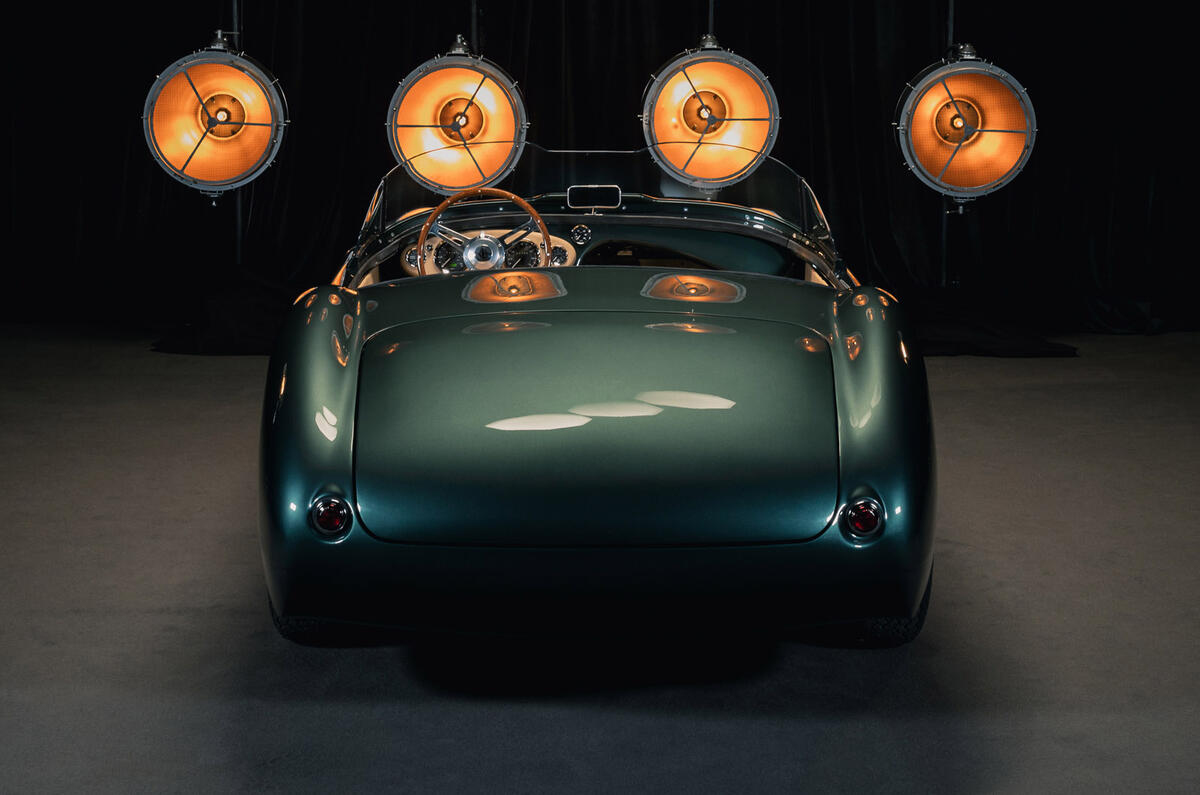
The most notable change takes advantage of Envisage’s coachbuilding experience by reworking and subtly altering every body panel or creating new ones.
The finish and shape is one that Caton’s designers and engineers think the Healey’s creators would have liked to give the production car first time around – something now made possible by tighter tolerances and better production and design techniques, plus the fact that the Caton car is such a high-end, low volume product.
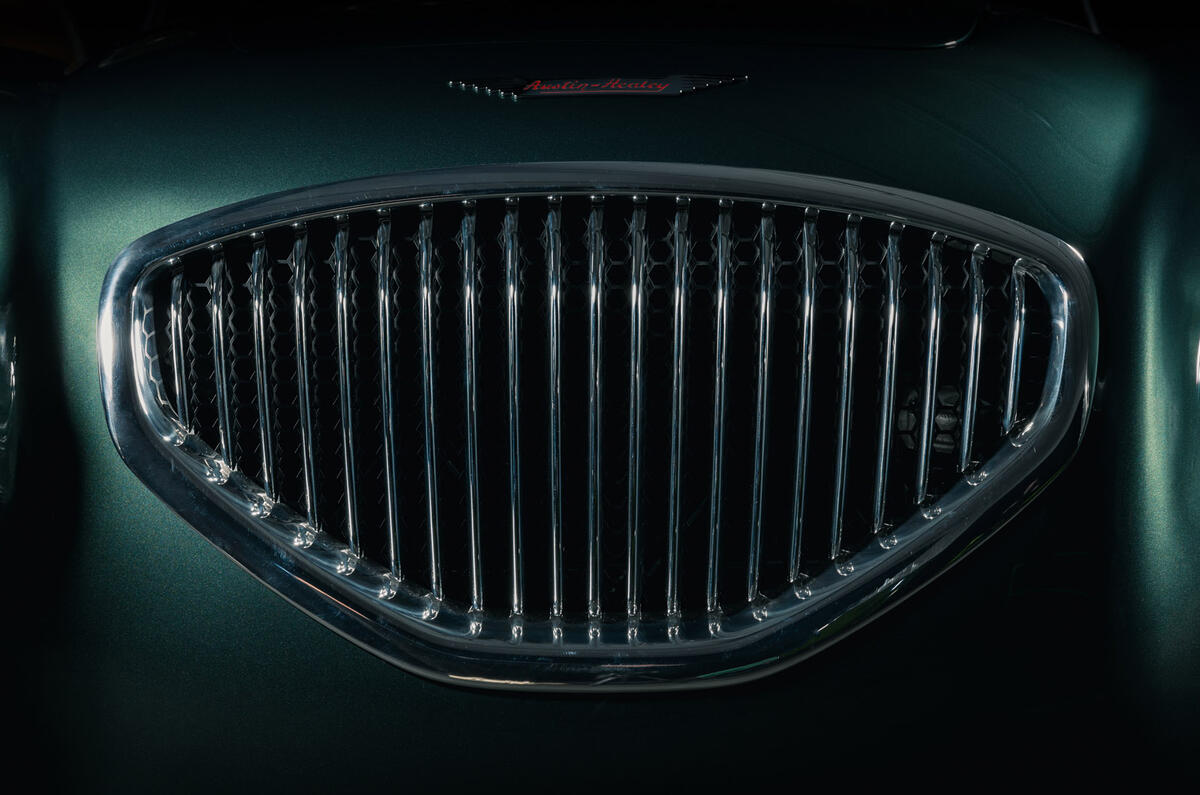
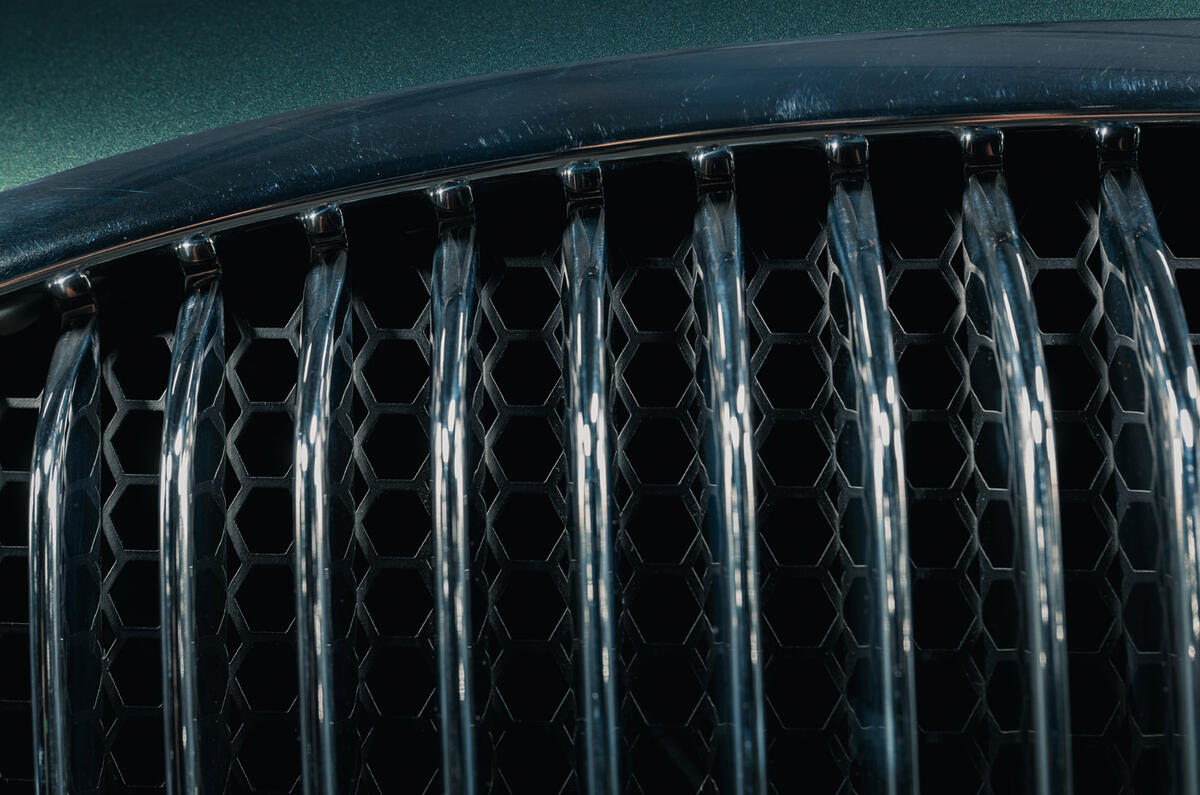
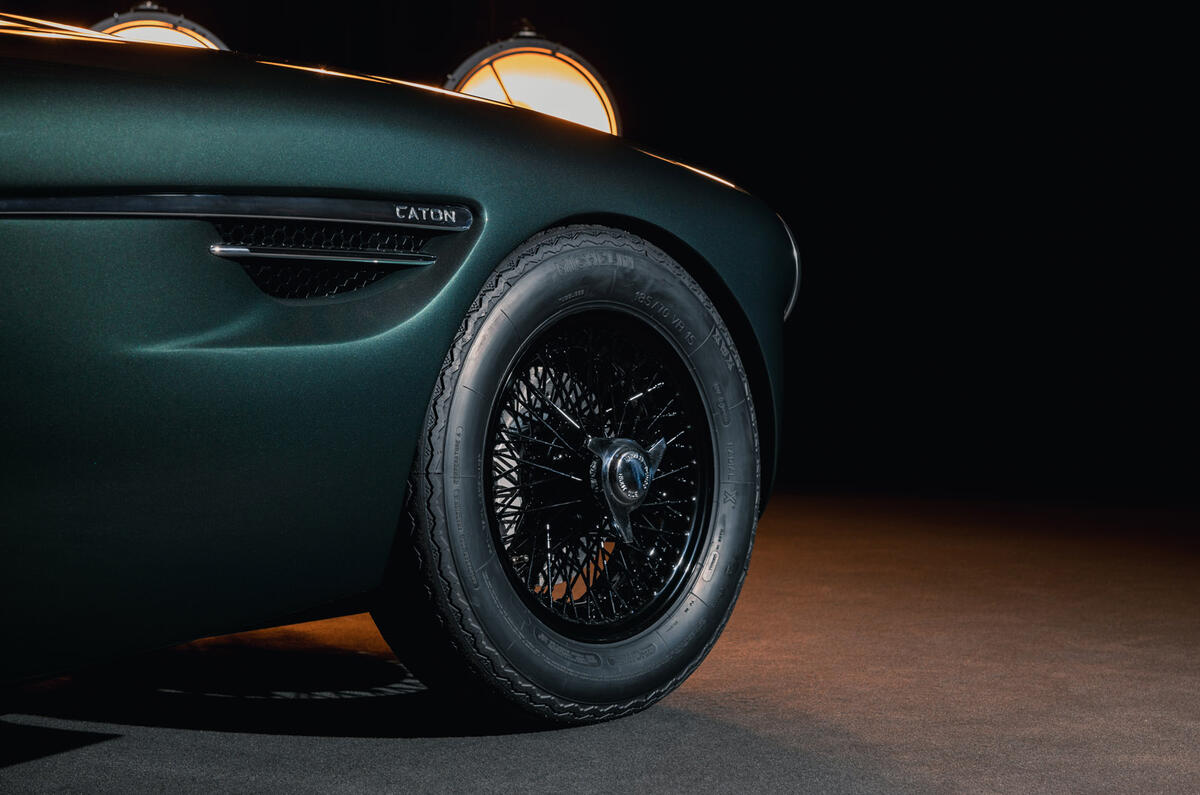
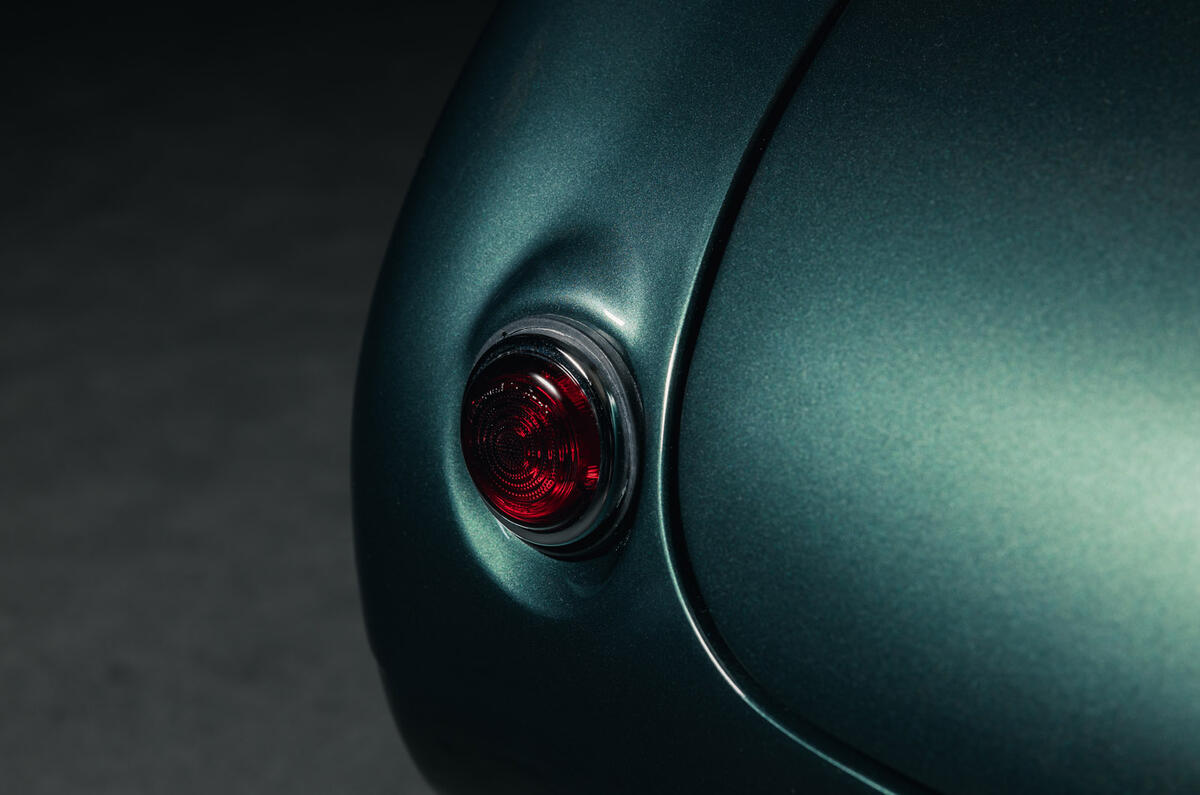
Seams that ran along the front and rear wing tops on the original Healey have been eliminated, as have door and boot handles, while the front grille is new, with vanes that appear to sweep under the bonnet, and there’s a new finishing panel on the side vent. Panel gaps are tight and consistent.

“The concept was to clean the car without changing the proportions,” said Darryl Scriven, who oversaw the design. “It takes the car in its purest form and takes away elements that could have been seen as compromises.”