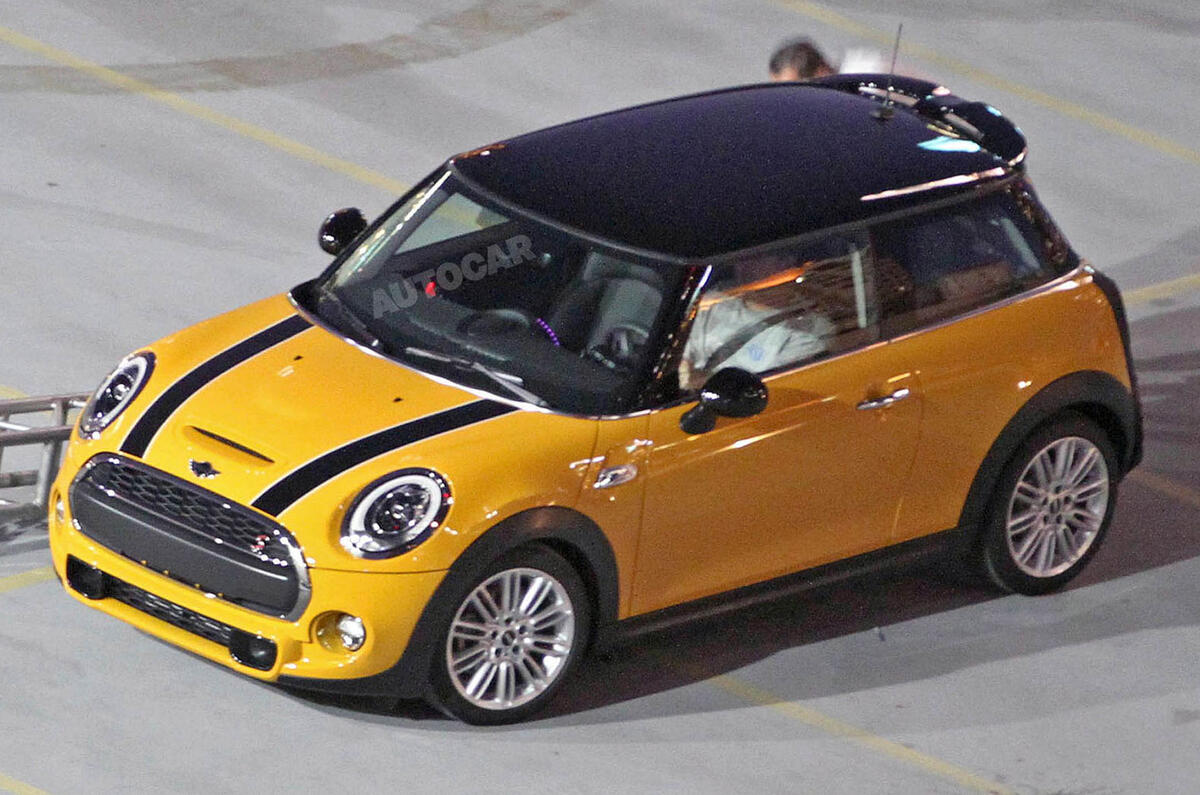
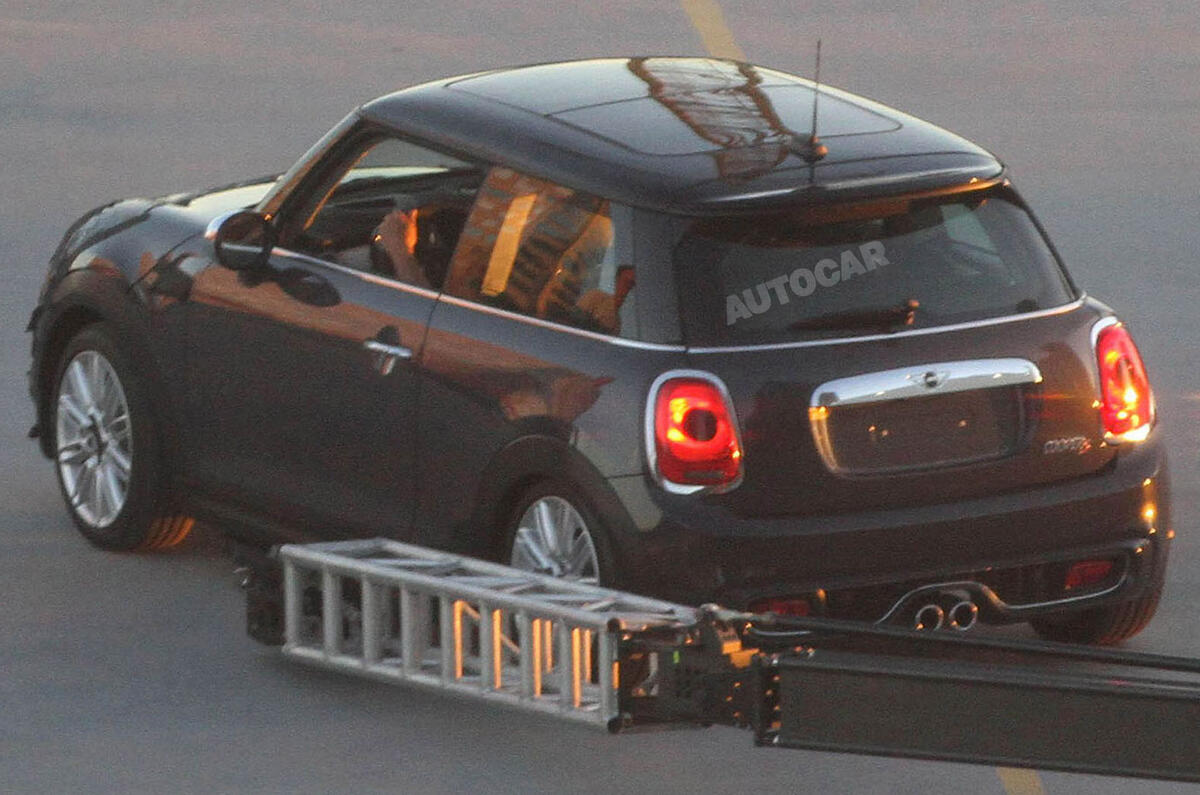





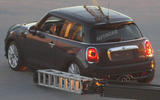




Could Mini have survived to a third-generation model without the involvement of BMW?
There are cold-eyed City analysts who will tell you that although Mini made a profit on every car it sold — often quite a healthy profit — it probably did not fully pay back the big industrial investment.
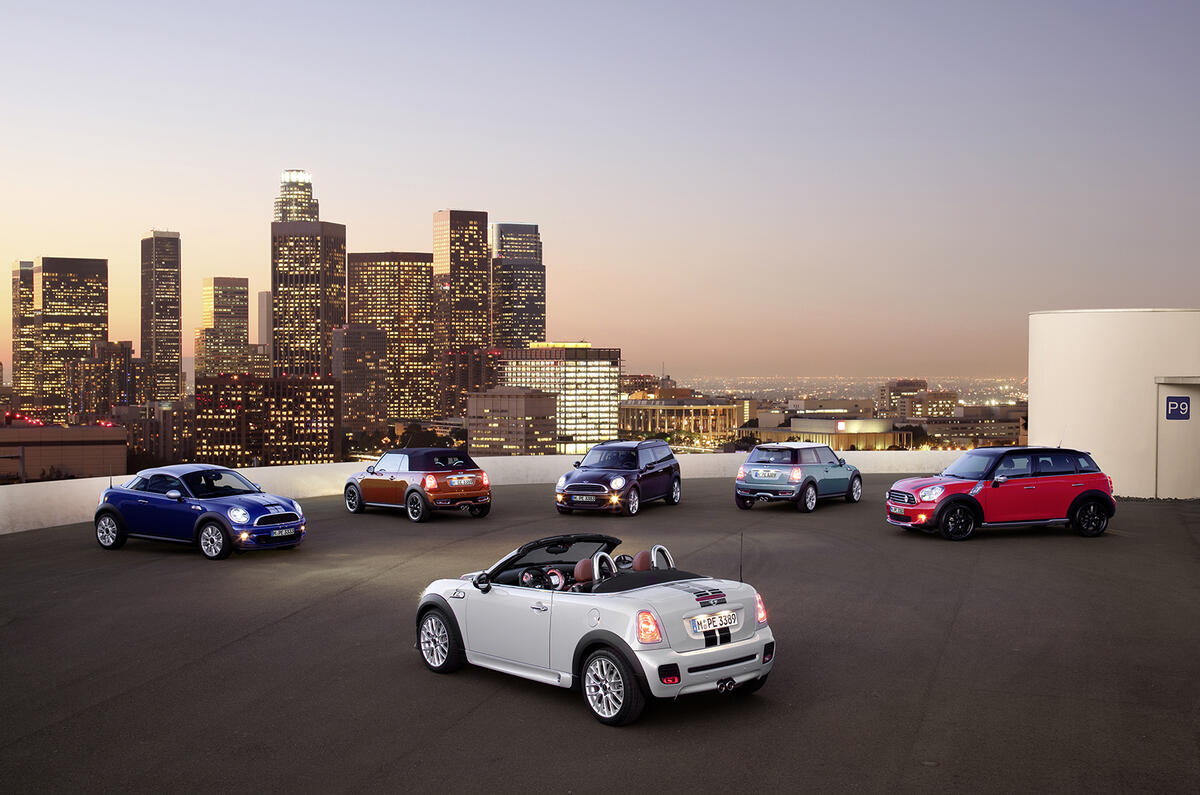
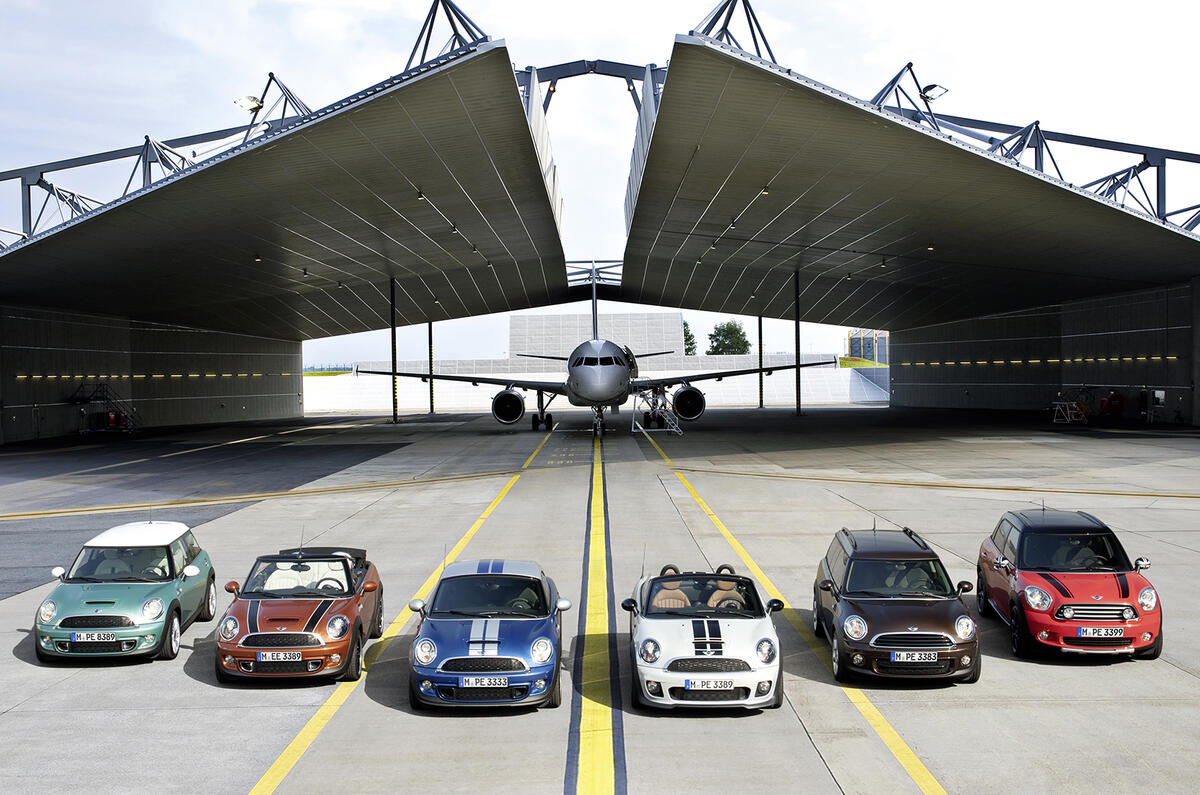
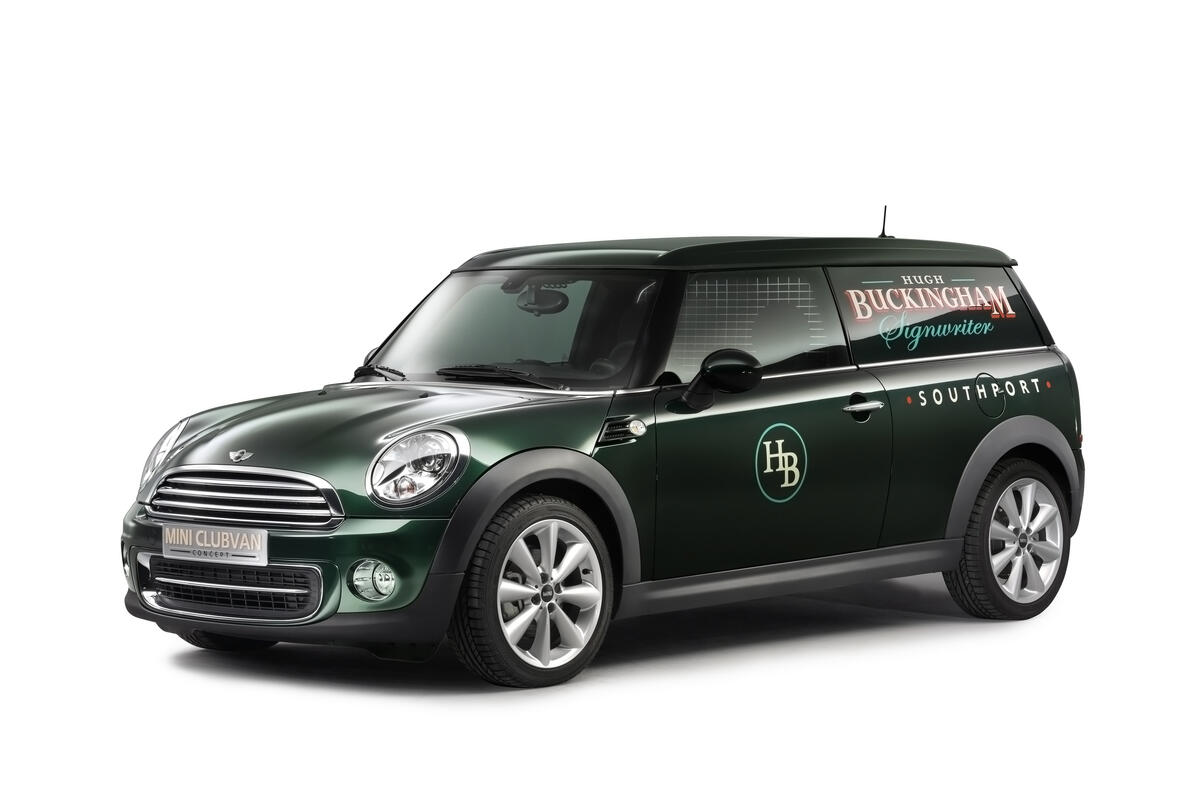
Indeed, until the launch of the Mini Countryman, Mini was only selling just over 200,000 cars a year across five model lines. Could BMW have sensibly invested in a new platform, new tooling and a range of five models on sales of 200k? Probably not. The Countryman helped the case for Mini by adding 100,000 sales a year.
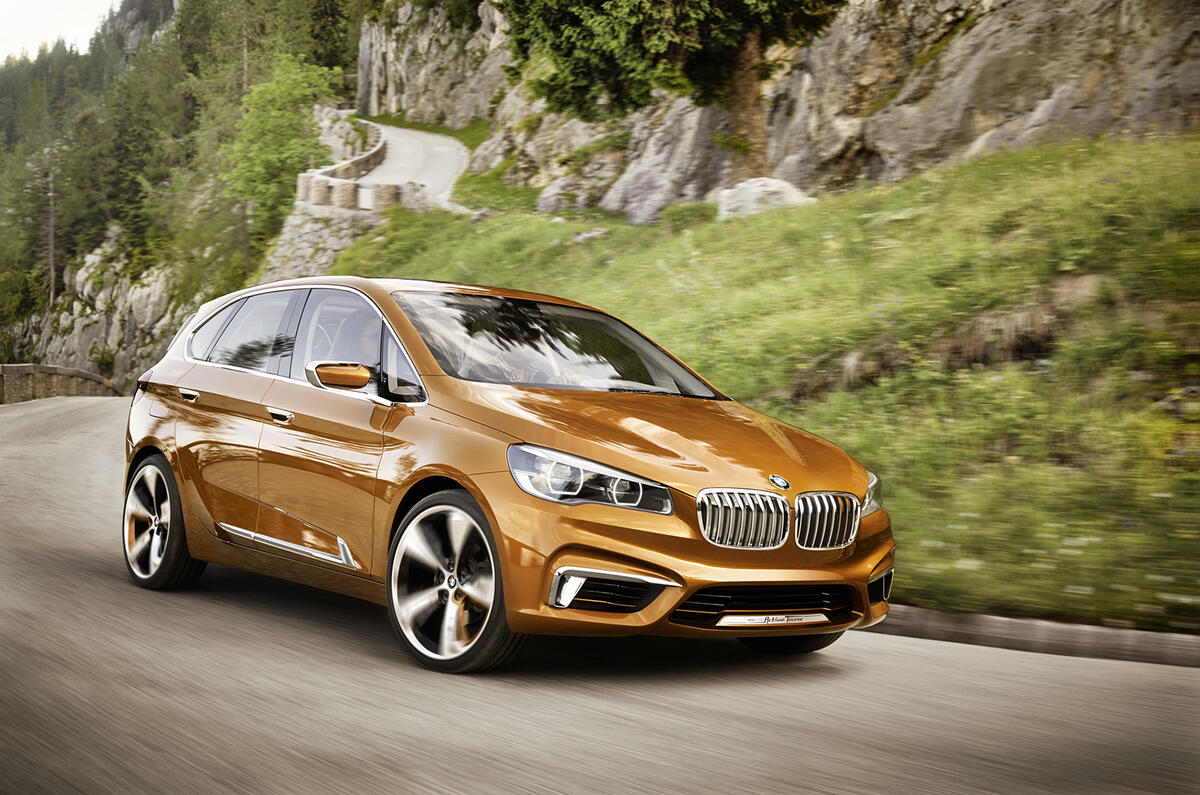
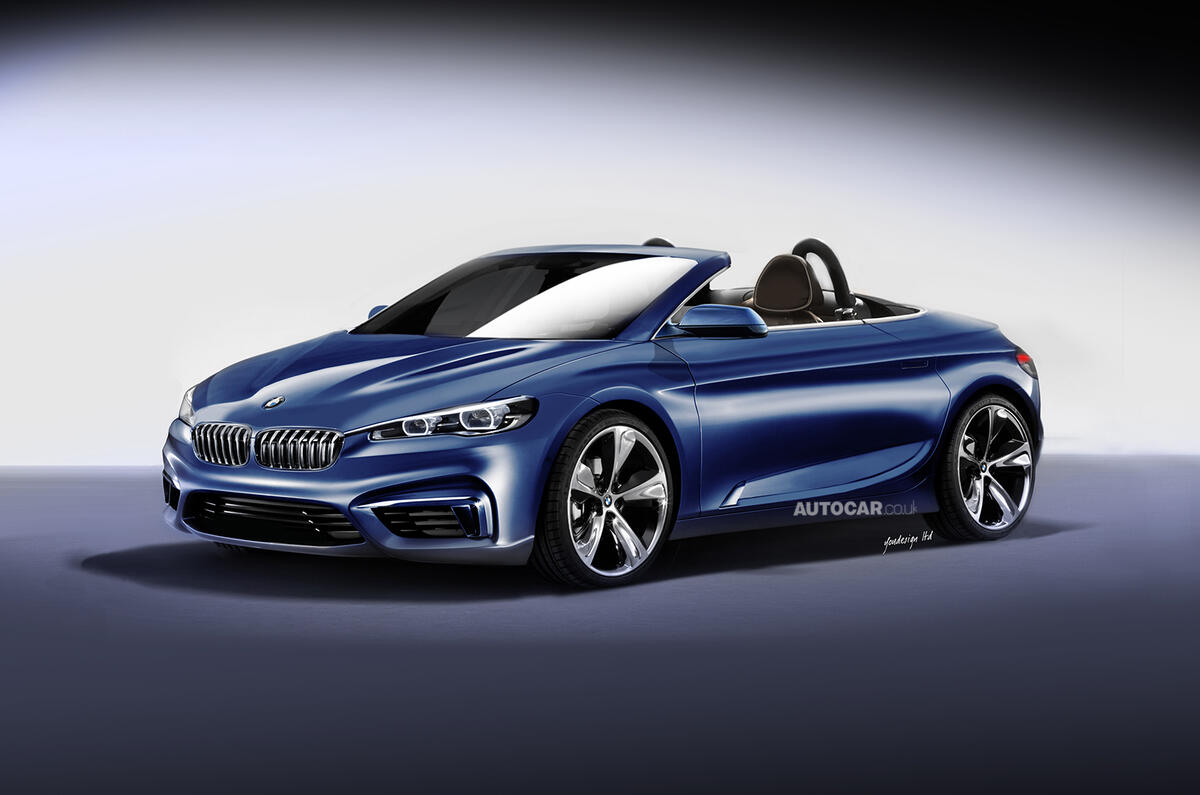
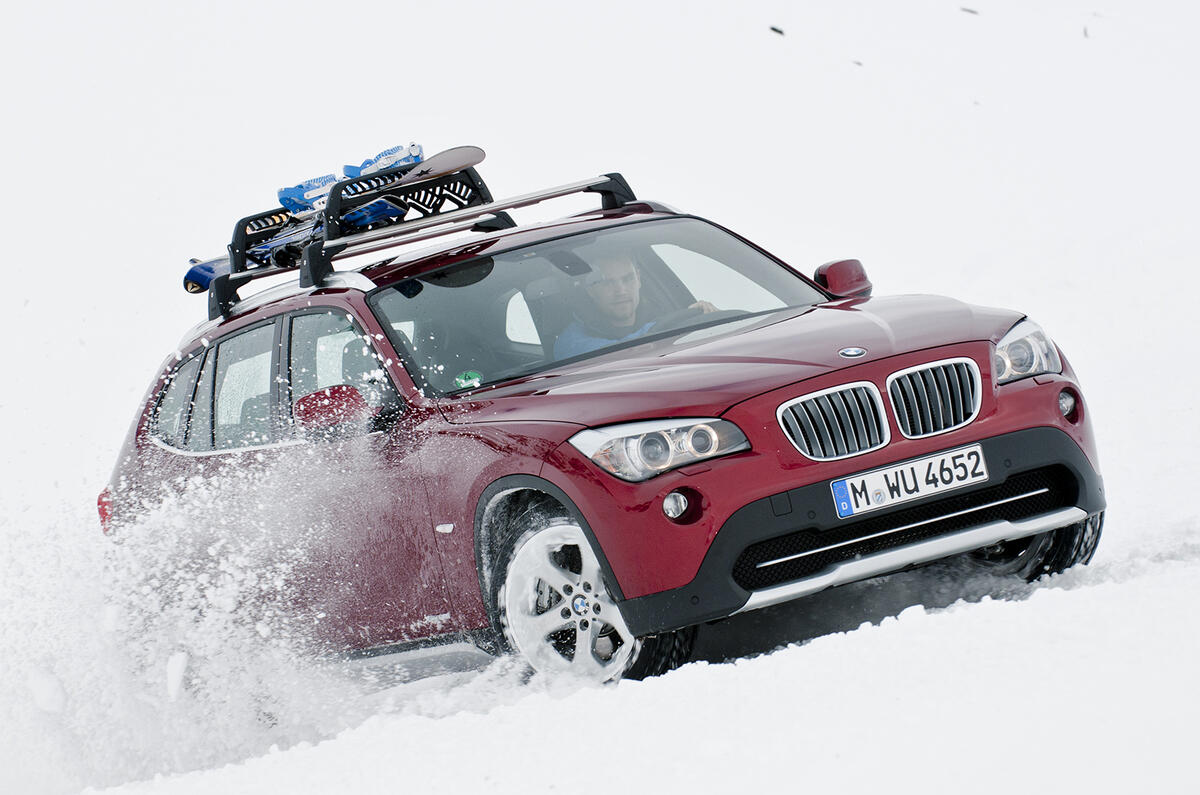
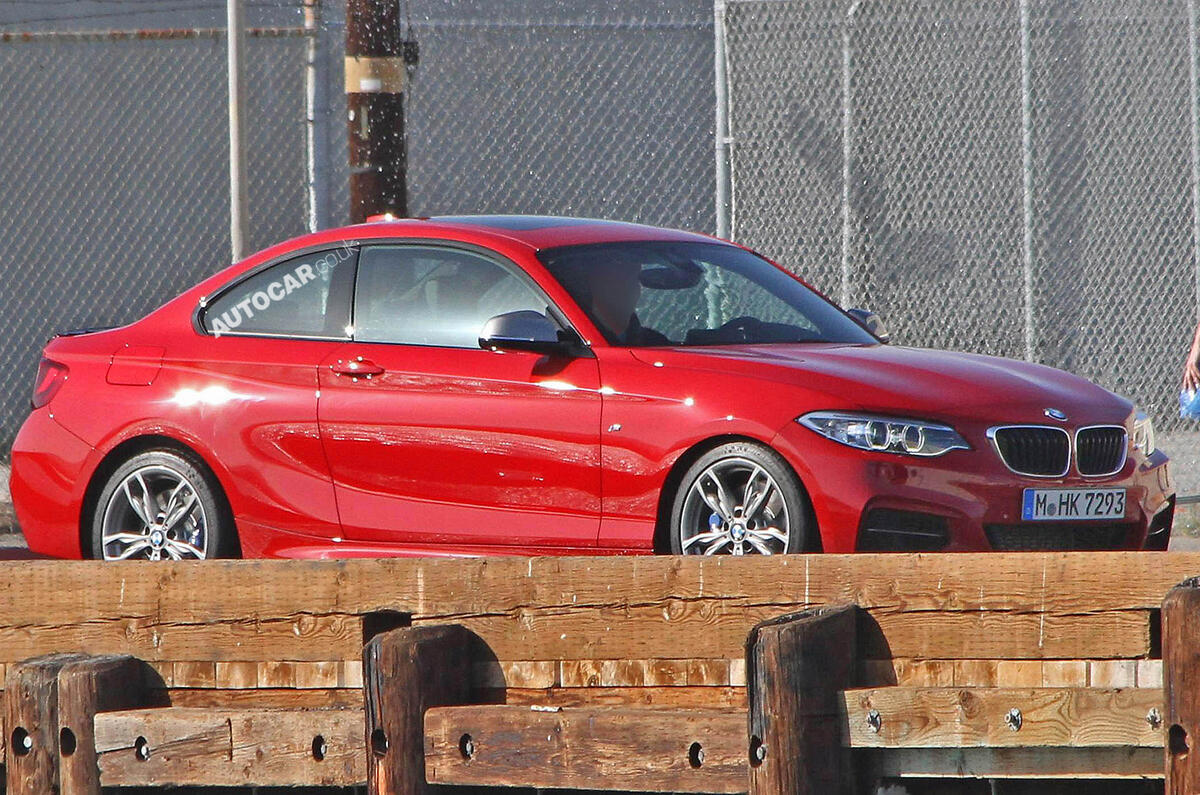
About four years ago, BMW decided to start building front-drive cars under its own badge. By building two ranges of front-wheel-drive (and all-wheel-drive) cars, BMW can dramatically improve the profitability of the Mini range.
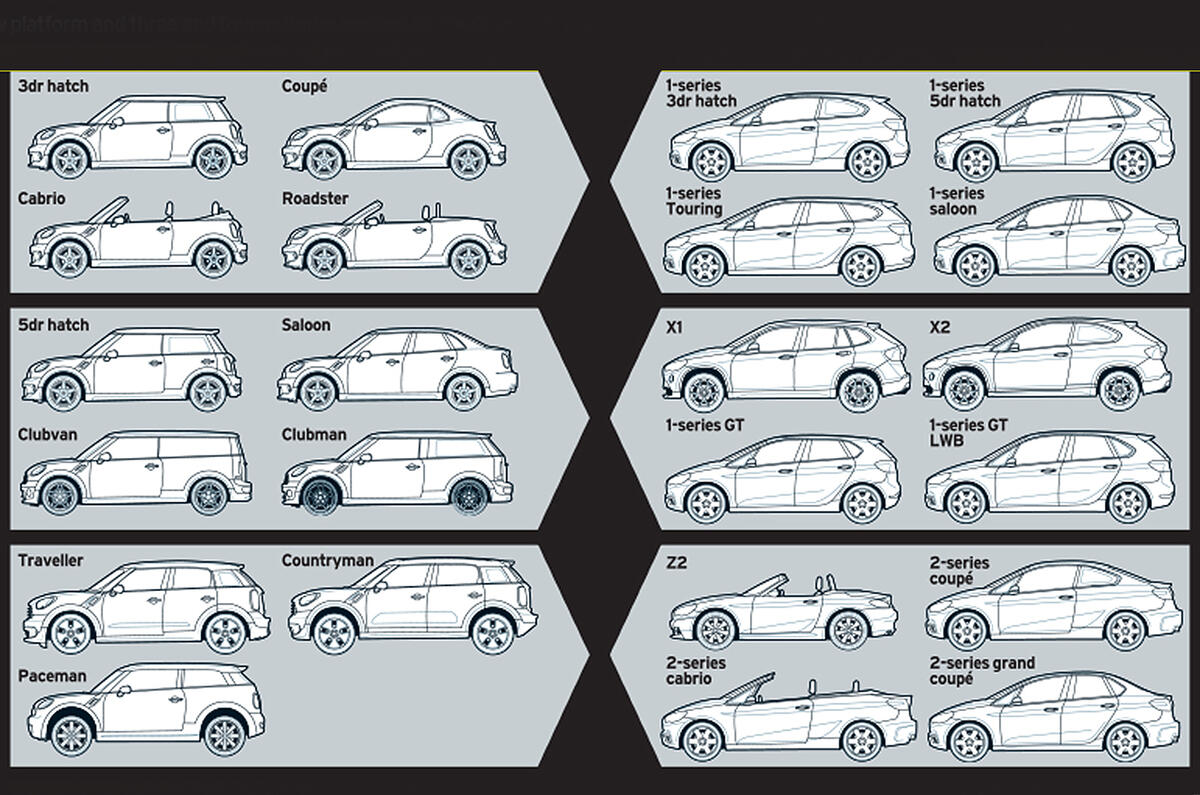
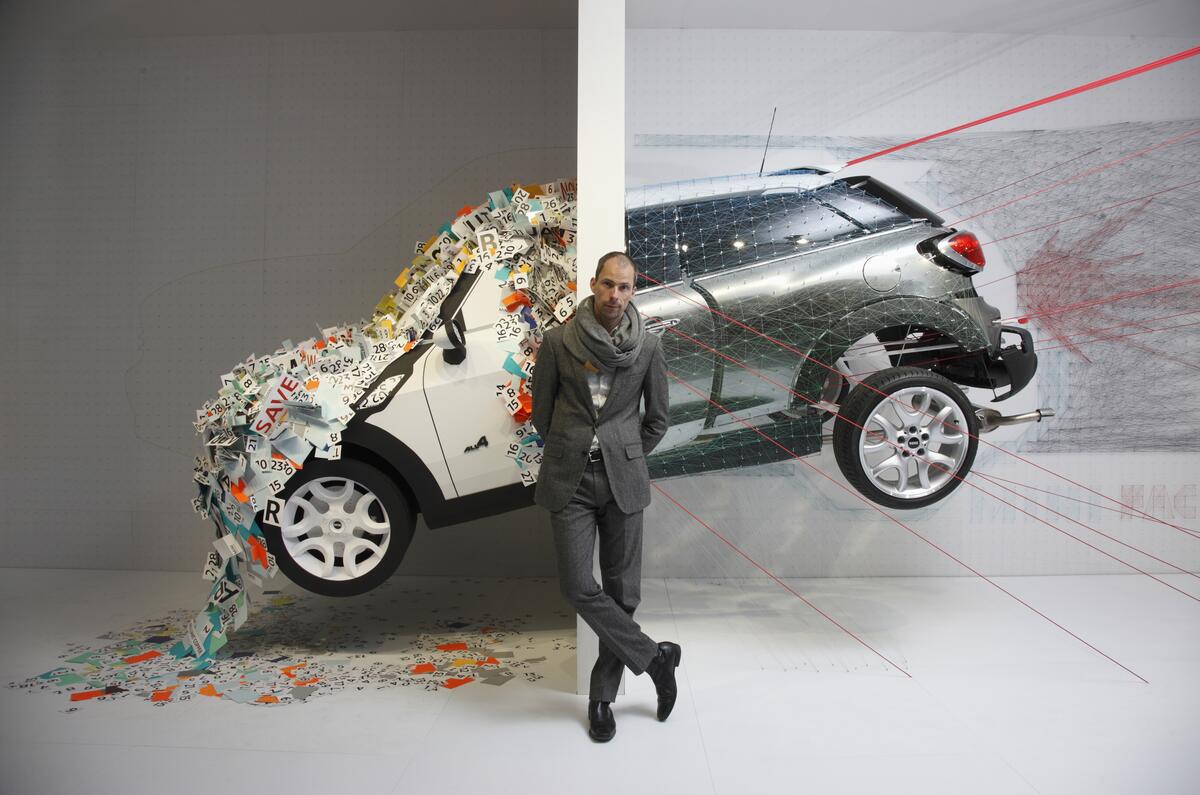
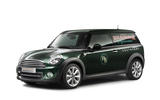
So now it’s time for Mini to get serious. Design is under the control of Anders Warming, who will have overseen all of the new Mini designs that will come after the new three-door hatch. Mini plans to add at least three new body styles. The saloon will be primarily aimed at booming Asian cities. Mini will also get a proper baby MPV, and in turn the Countryman will become more of a true compact SUV and less of an oddly proportioned supermini.
Perhaps the model that will do most to drive Mini sales up will be the new five-door hatchback. It is not much longer than the three-door, but BMW has squeezed in a pair of conventionally hinged rear doors primarily designed to accommodate children. Three-door superminis are slowly being dropped because of tiny sales, so it shows the potential for a five-door Mini.
Later this month Mini will reveal its new marketing line ‘Not Normal’ on a series of three posters. This campaign is understood to push the idea that Mini owners are strongly individual and creative.
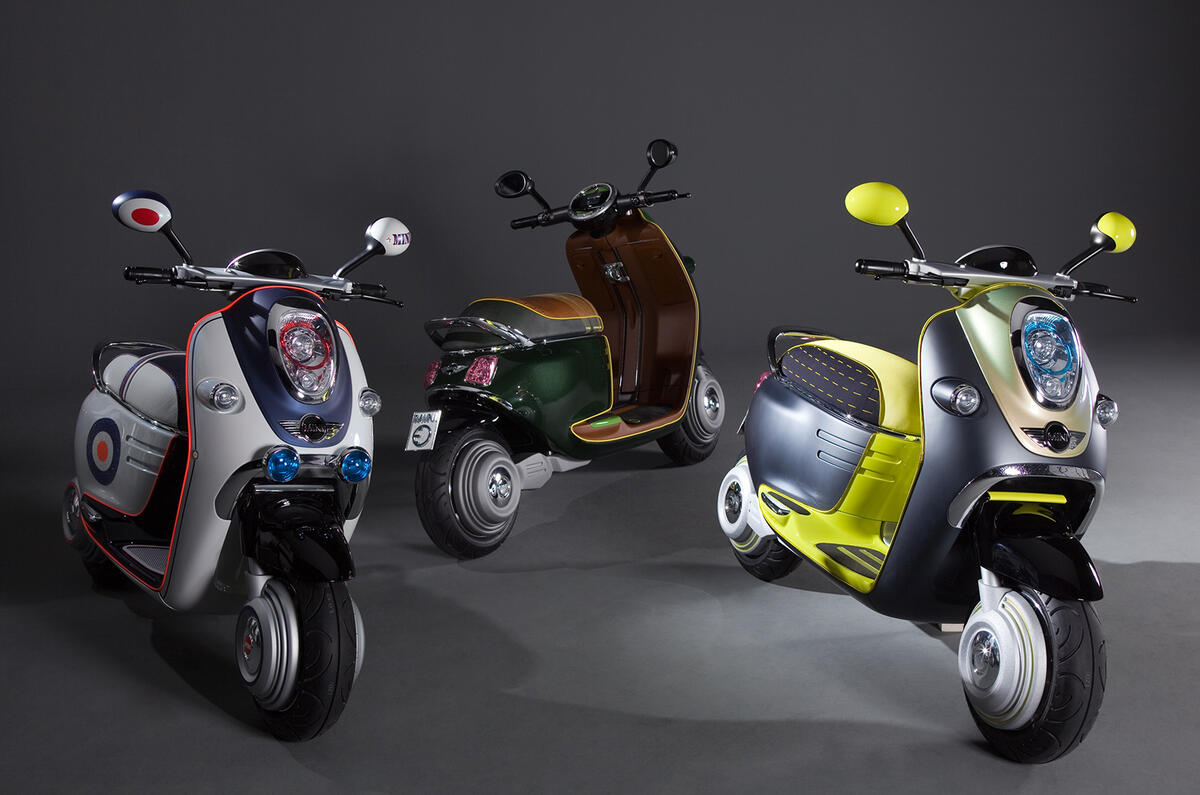
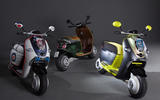
There’s also a more radical decision to be made by Mini in the near future: will it piggyback the BMW electric scooter project and build a two-wheeled Mini to exploit the massive Asian market for such city transport?
UKL1: BMW’s massive investment
THE UKL1 platform is a massive investment for BMW, but it is one that could, according to analysts, eventually allow BMW to produce more than 900,000 cars per year. So far, the company has remained tight-lipped about the amount it has invested, but an all-new platform and the equipment needed for four different production sites won’t have been cheap.
UKL1 is a typically modern modular architecture that is expected to come in three wheelbases and at least two different seat heights. As these future product plans show, UKL1 will underpin a very wide range of compact vehicles, from 3.8m to about 4.4m in length.
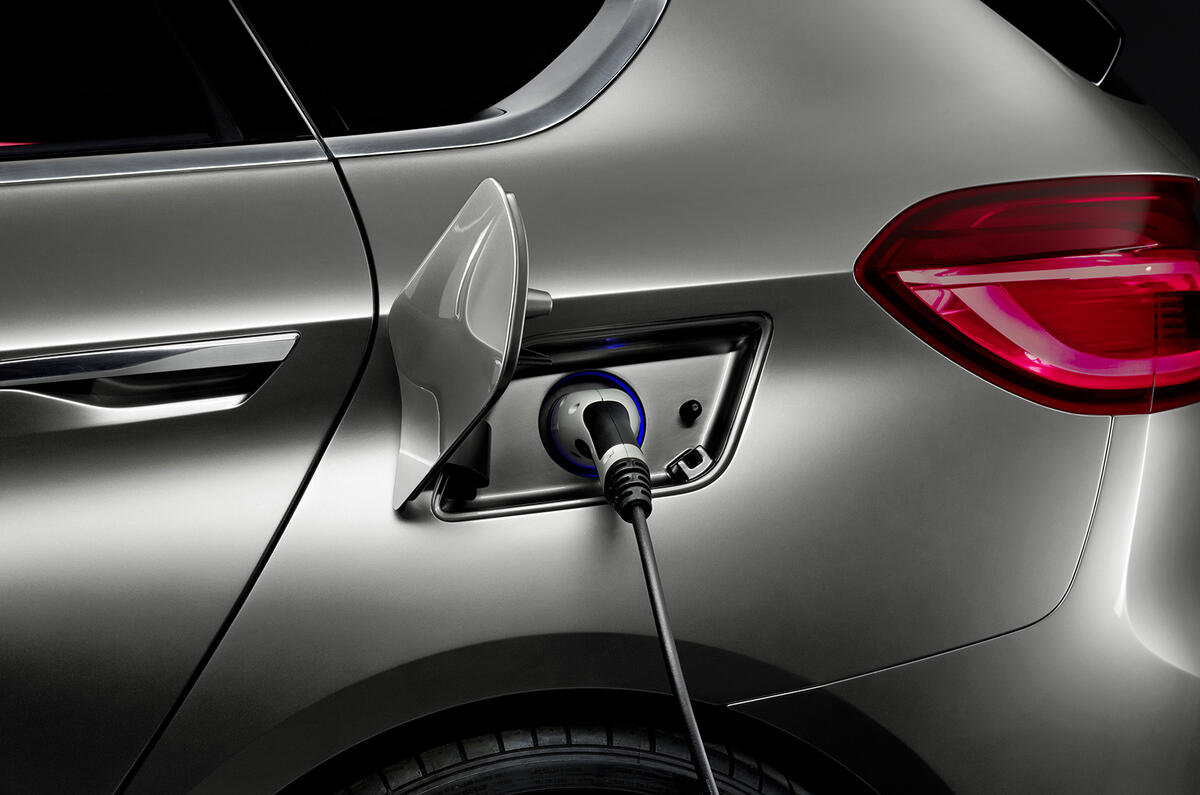
While the Mini has used a mix of engines over the past 12 years (BMW, Chrysler, Toyota and PSA), BMW has ensured that its new corporate engine range can be mounted both longitudinally and transversely. There will also be a plug-in hybrid drivetrain for the UKL1 cars, but while BMW has built 3-series prototypes with three-cylinder engines, it says it has no production plans for the cars.
UKL1 Minis will be produced at Oxford alongside models from the current Mini range. That will require considerable logistics expertise because the factory will be producing two entirely different model lines. BMW has already said it will also be building the Mini Mk3 at the Nedcar factory in the Netherlands, because sources expect ìa big leap in demandî. BMW will produce the 1-series in Germany and China.