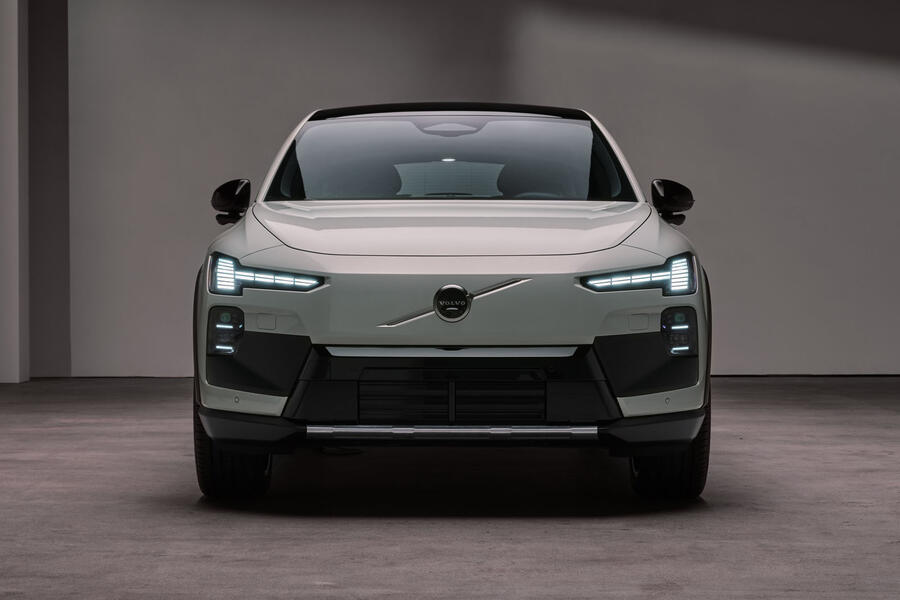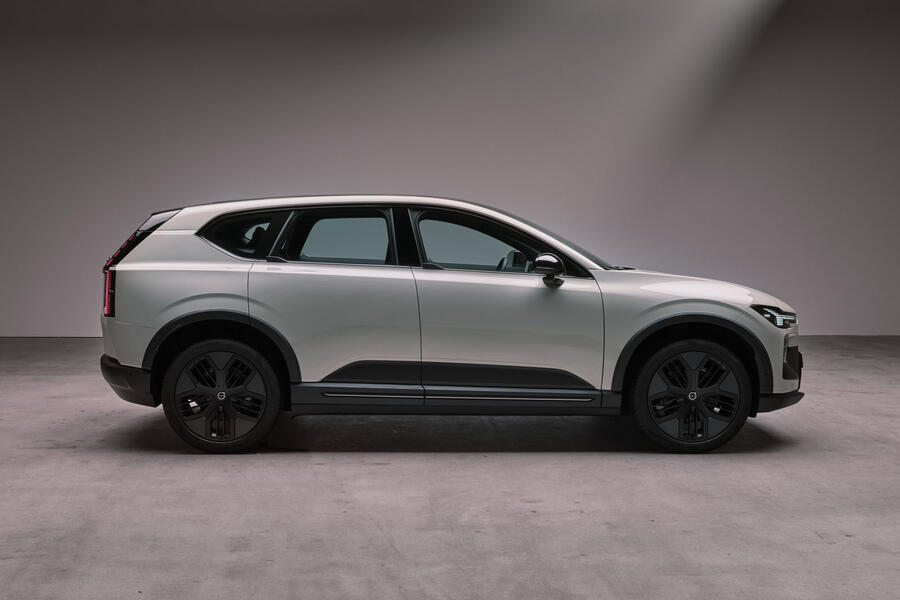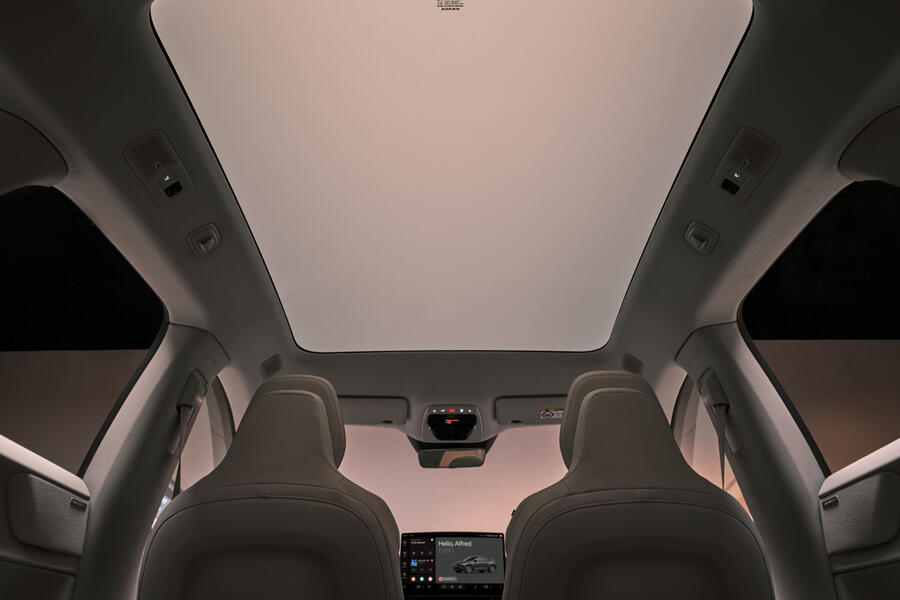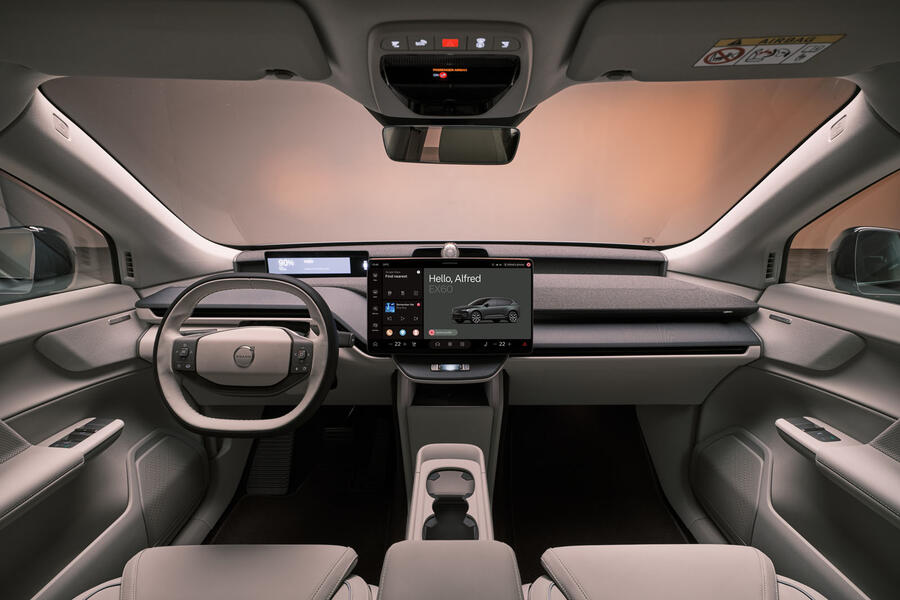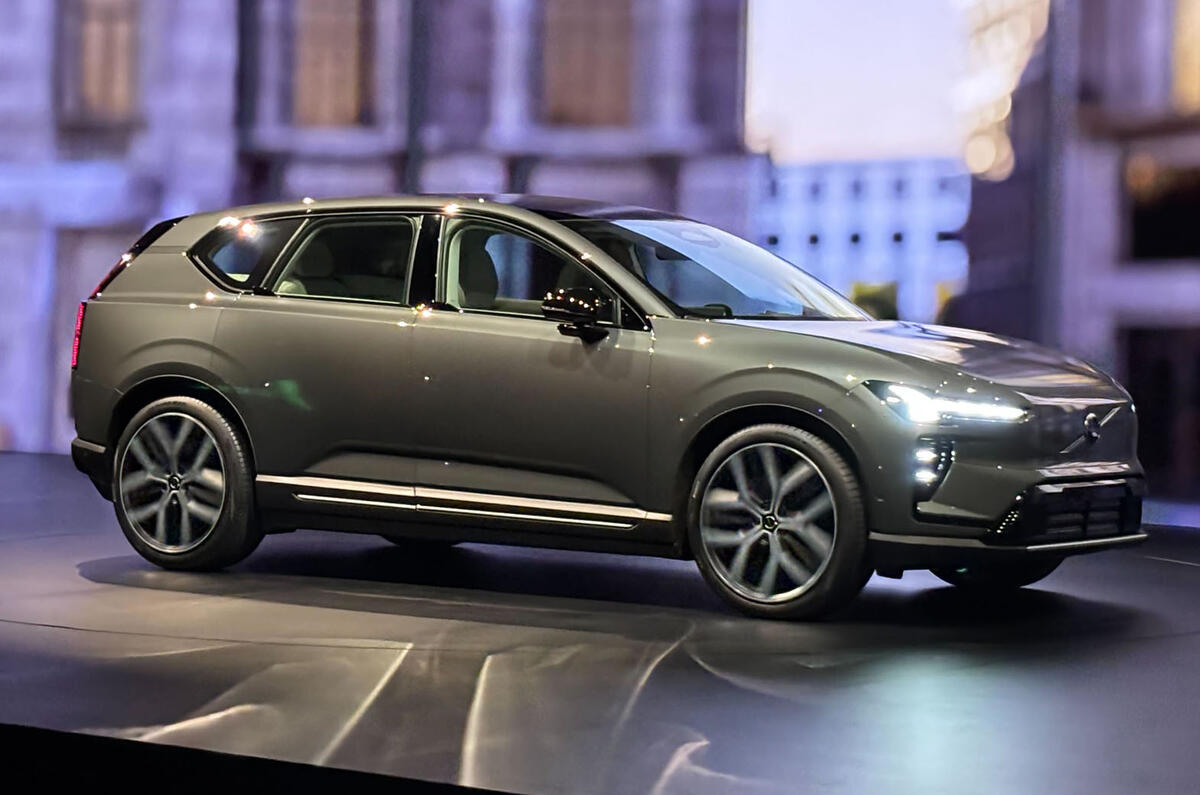
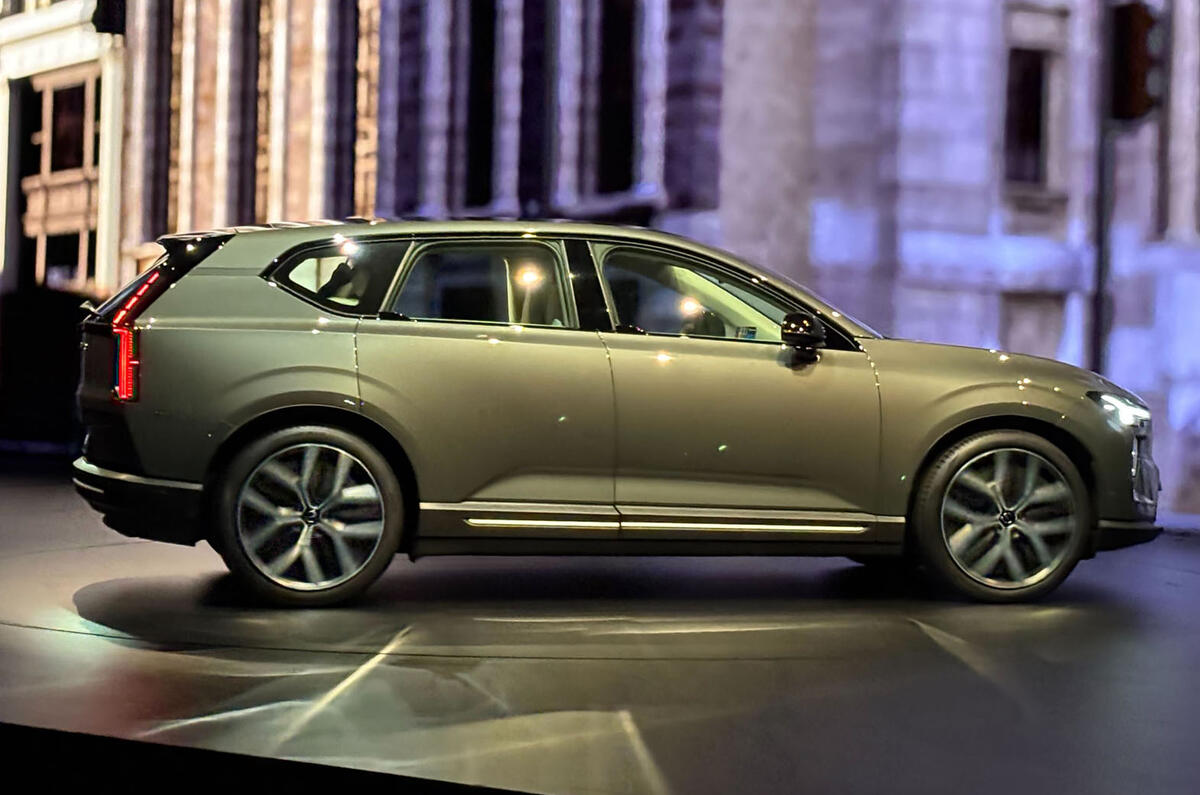
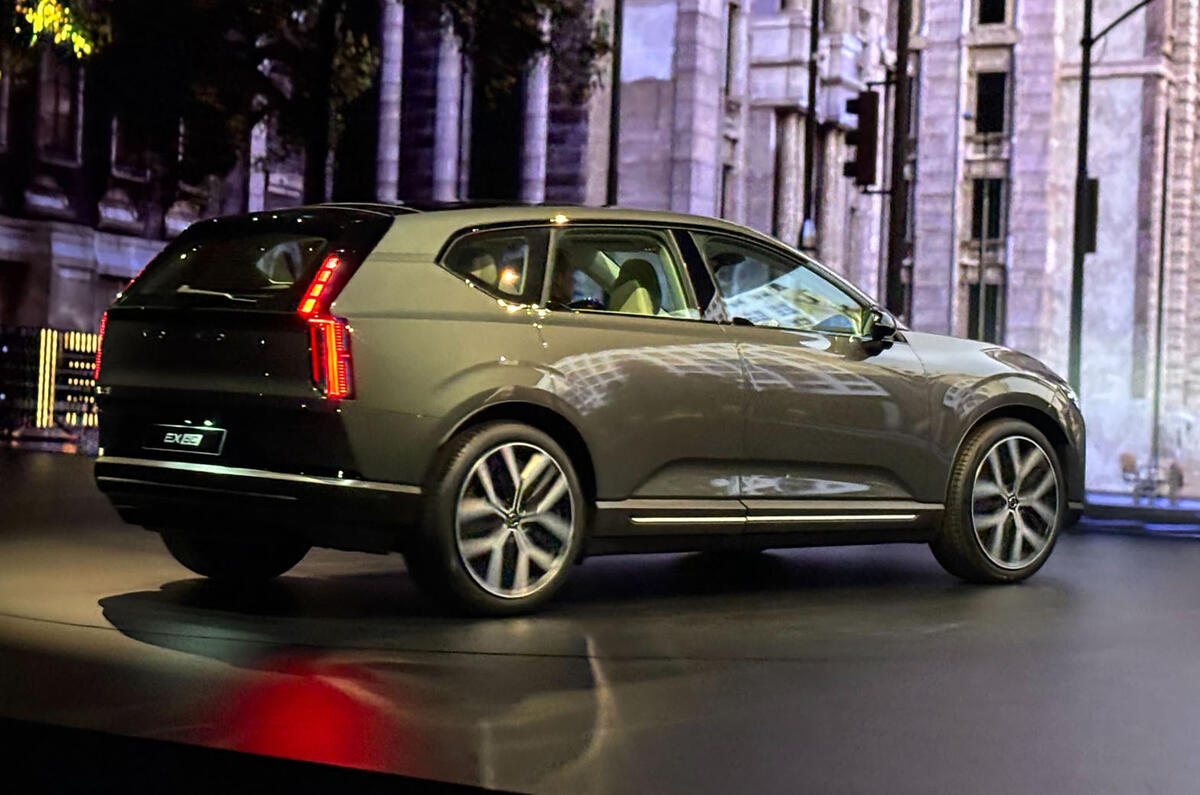
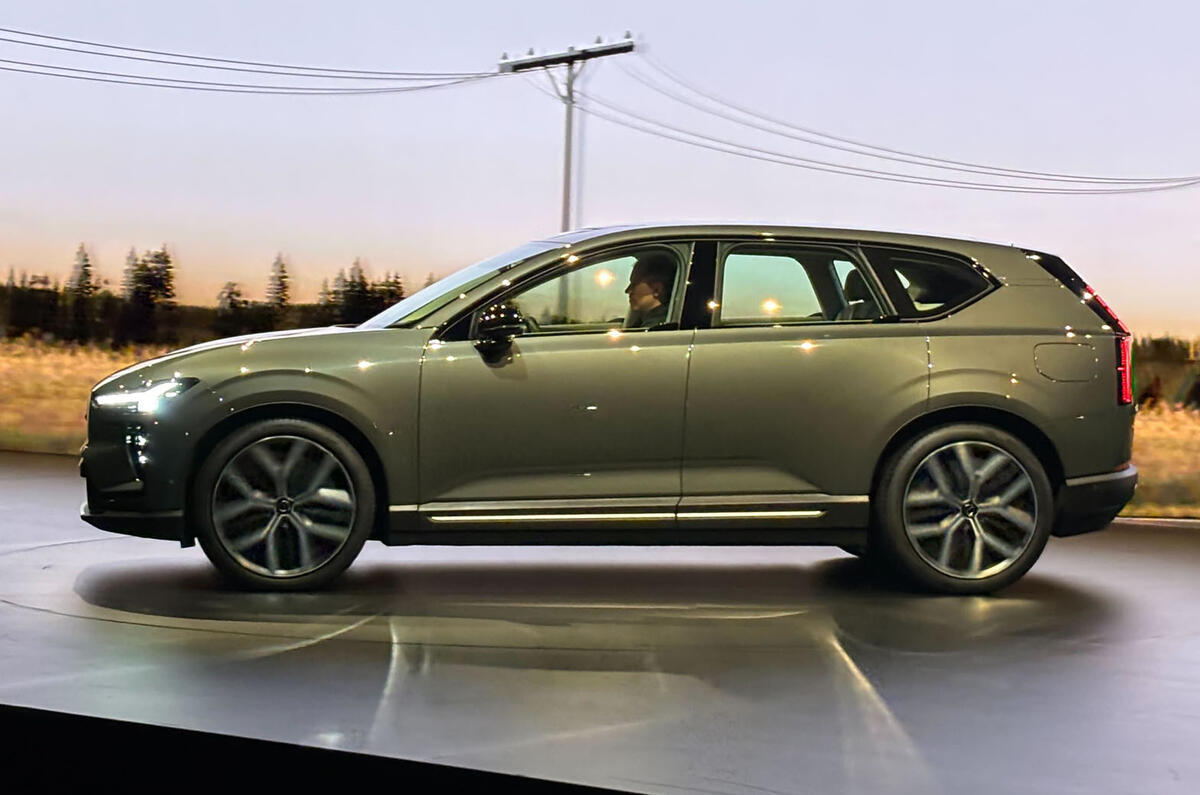
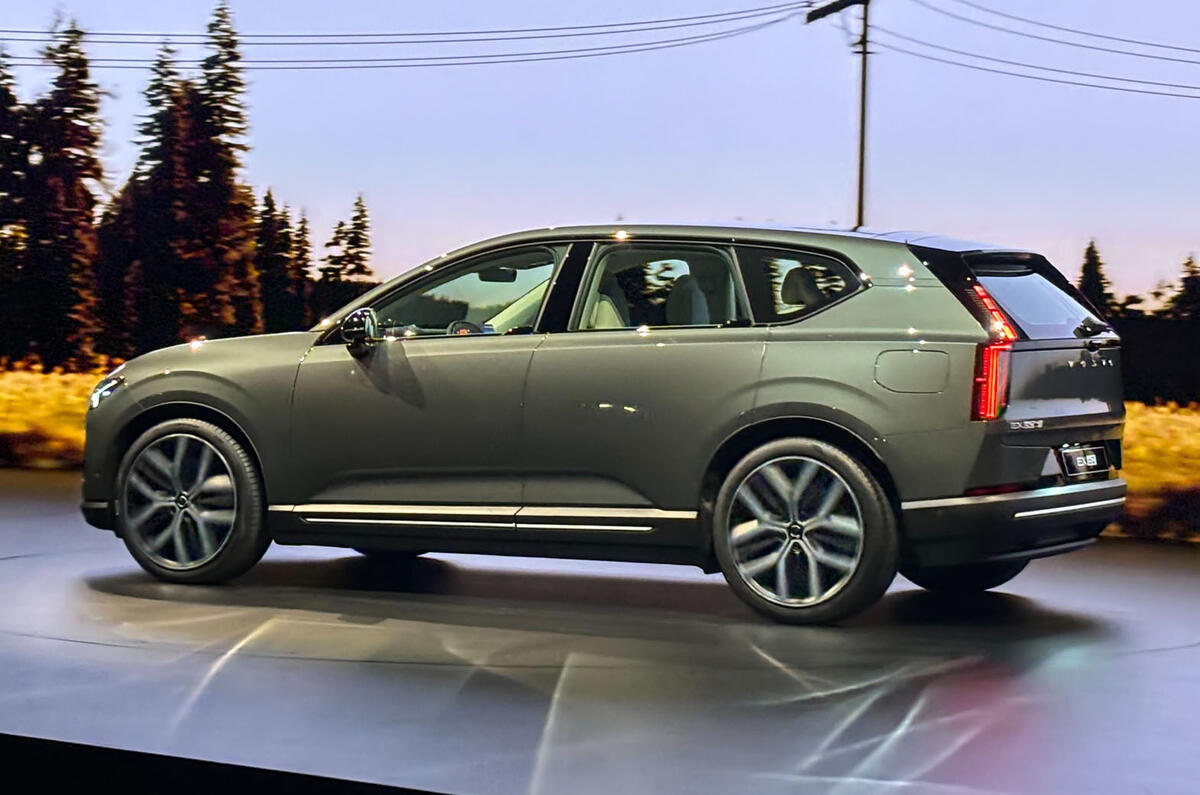
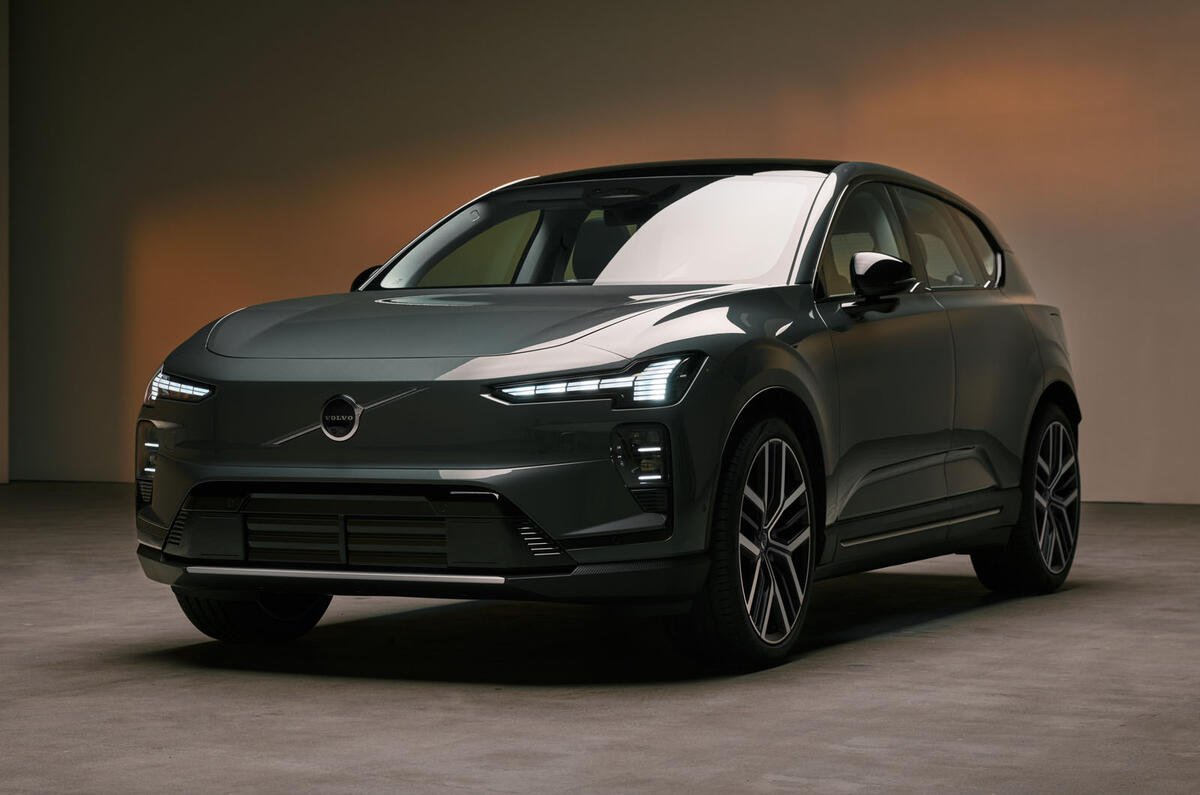
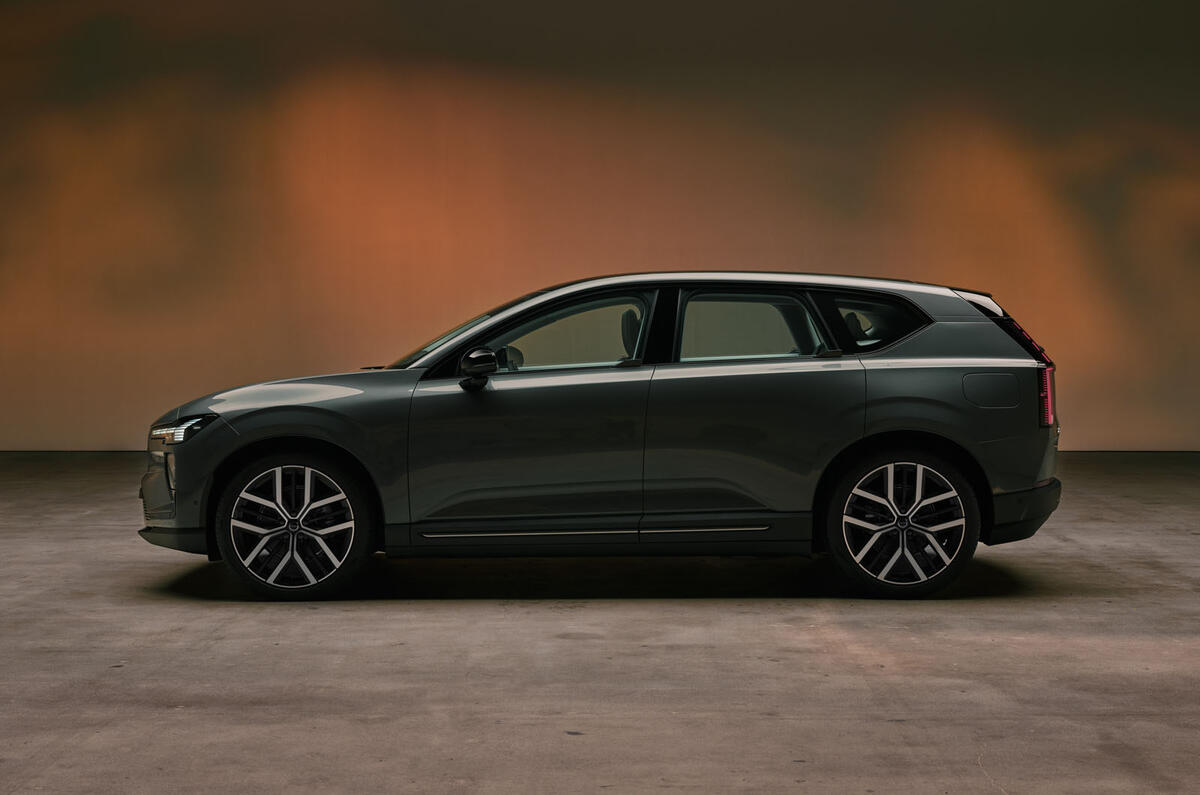
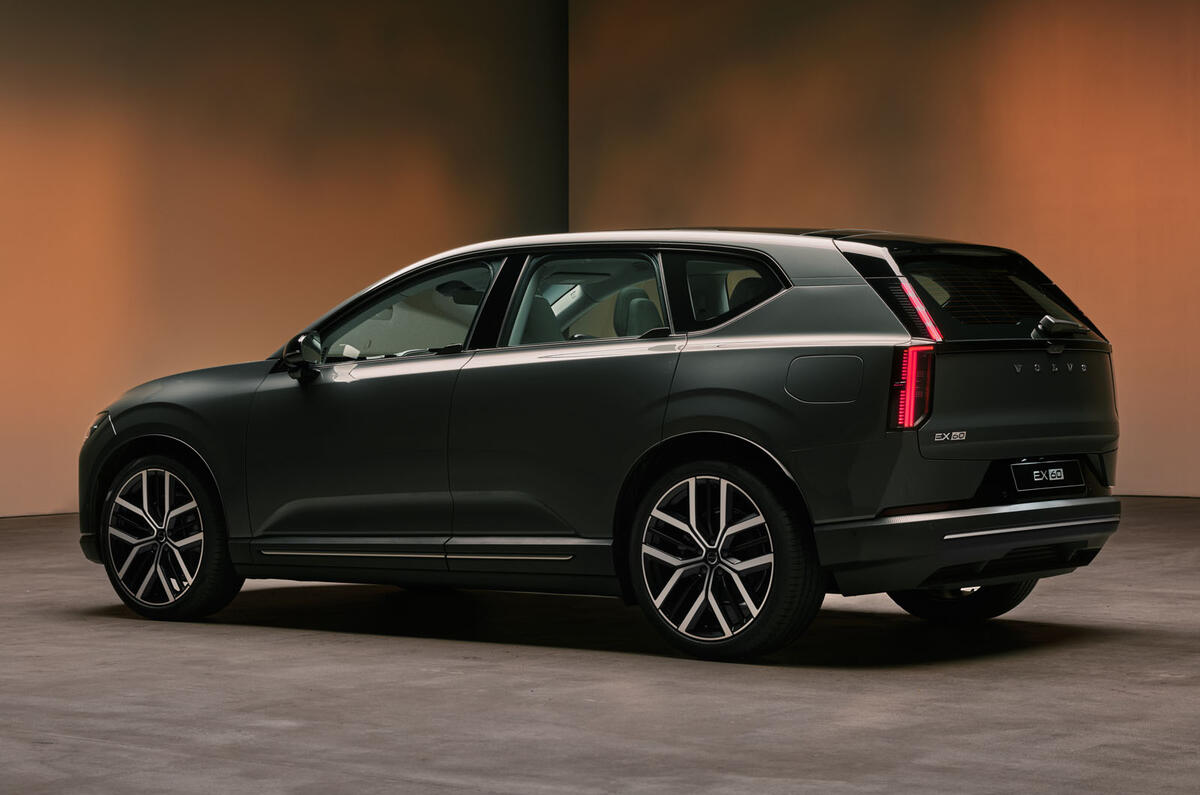
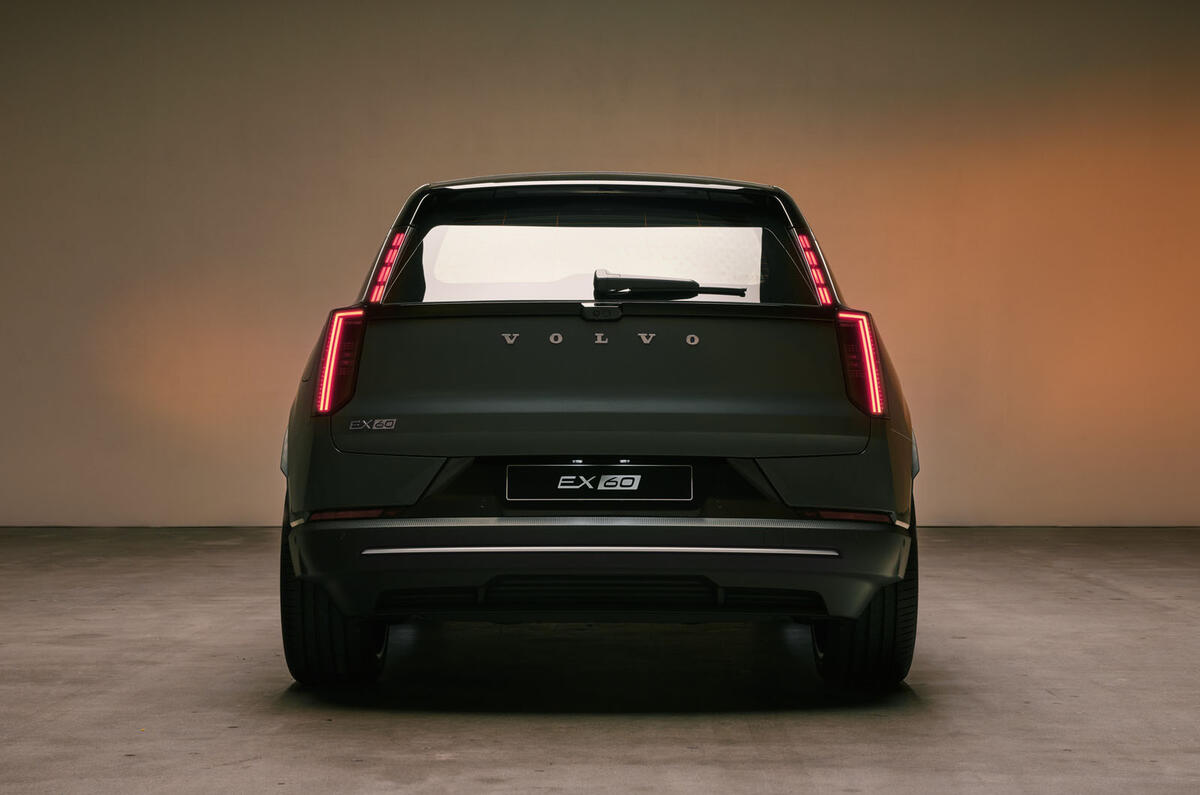
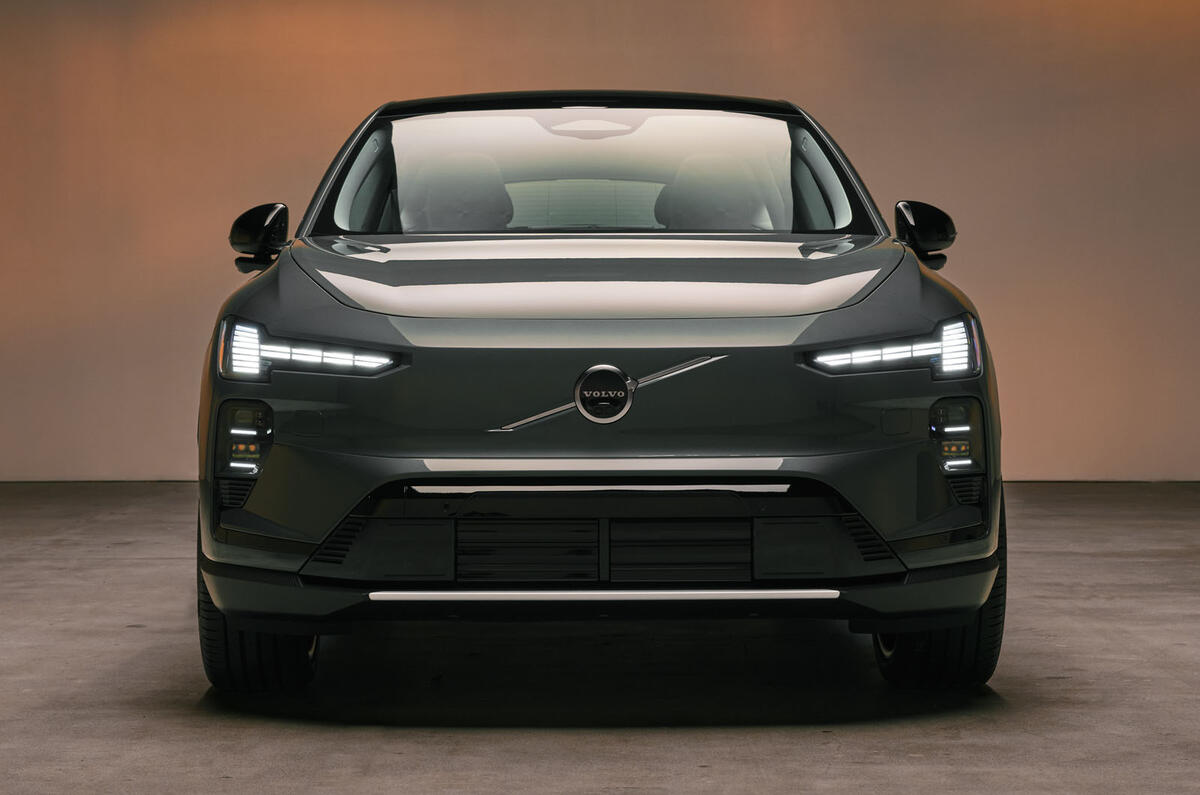
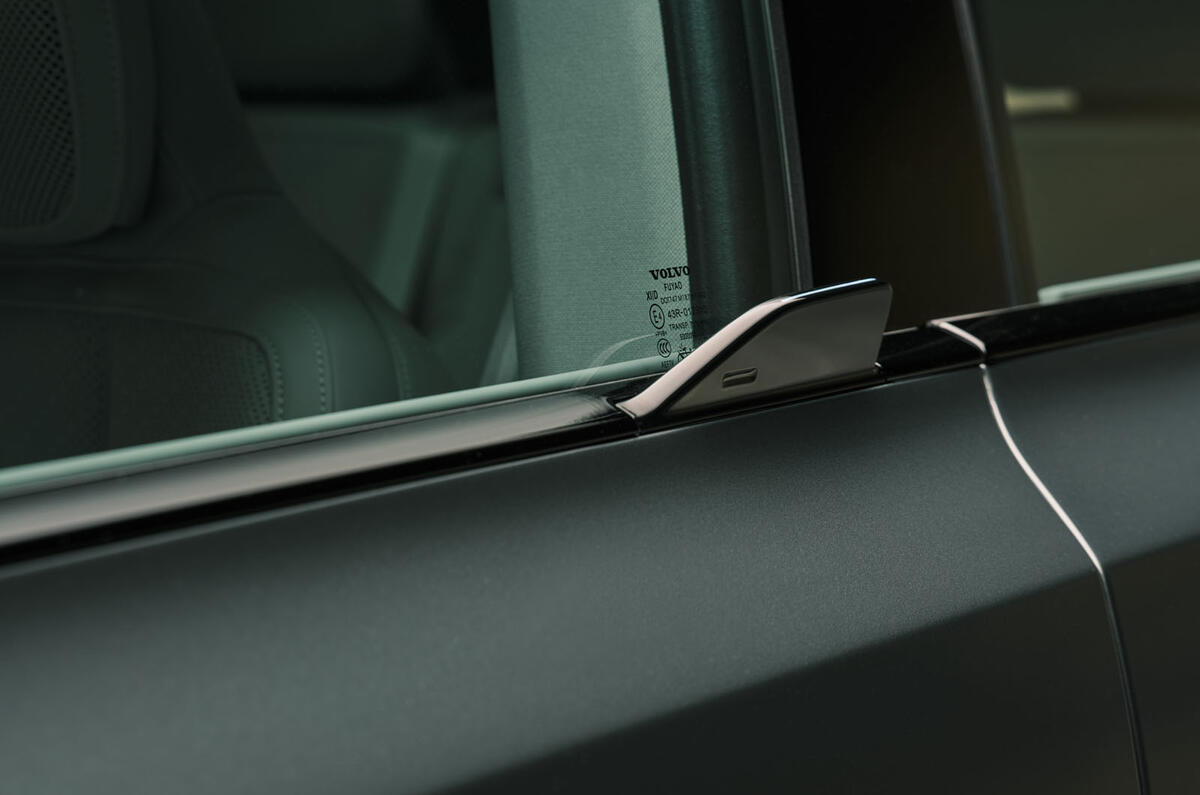
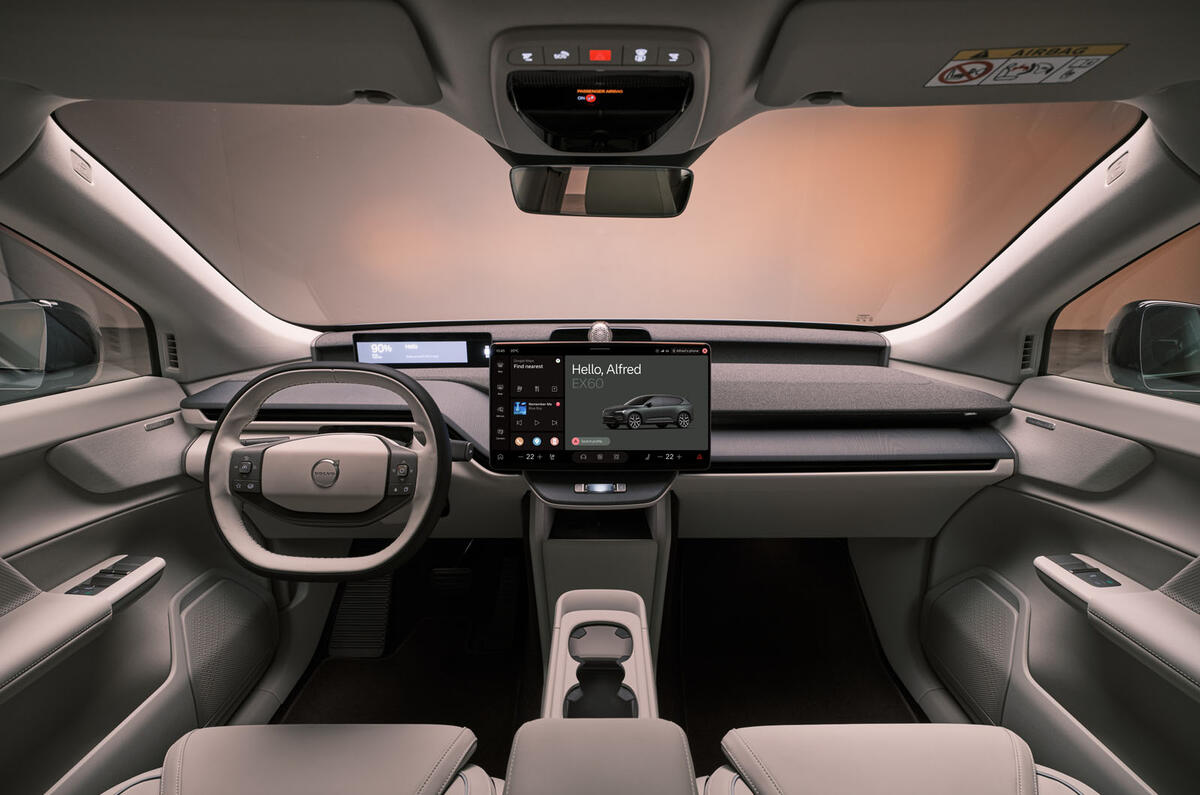
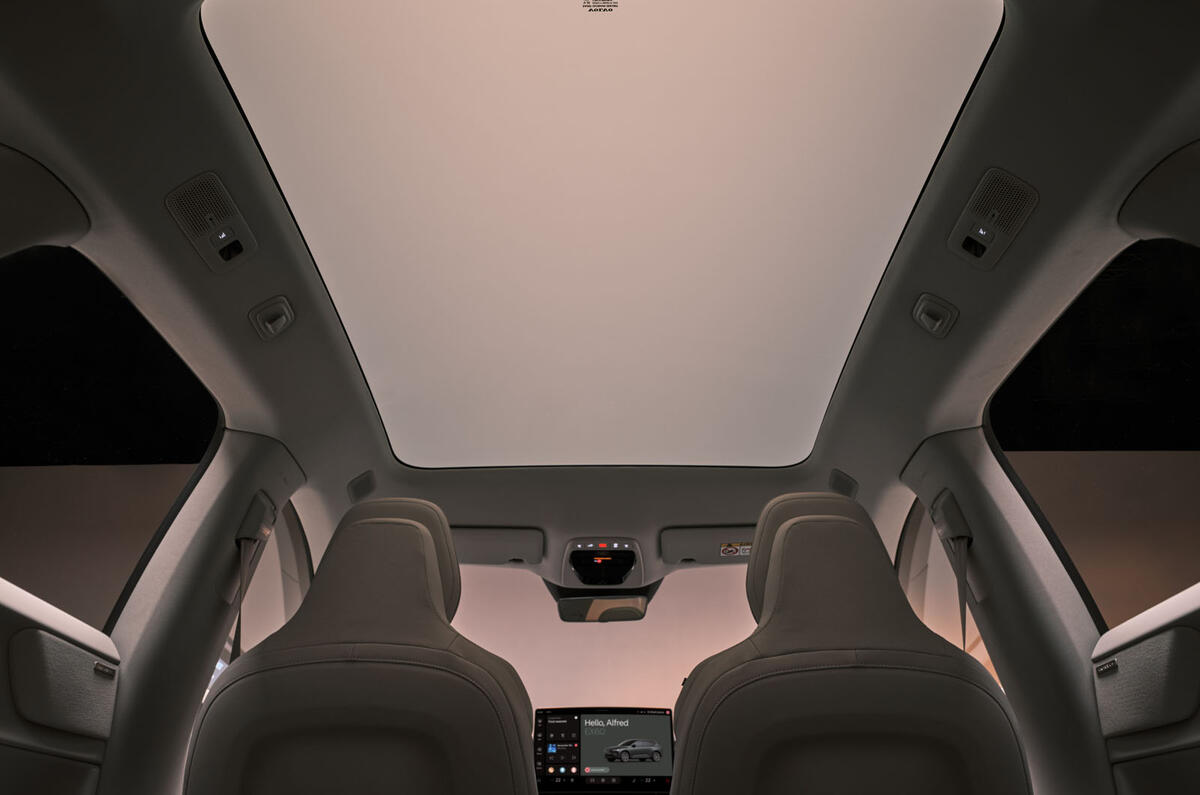
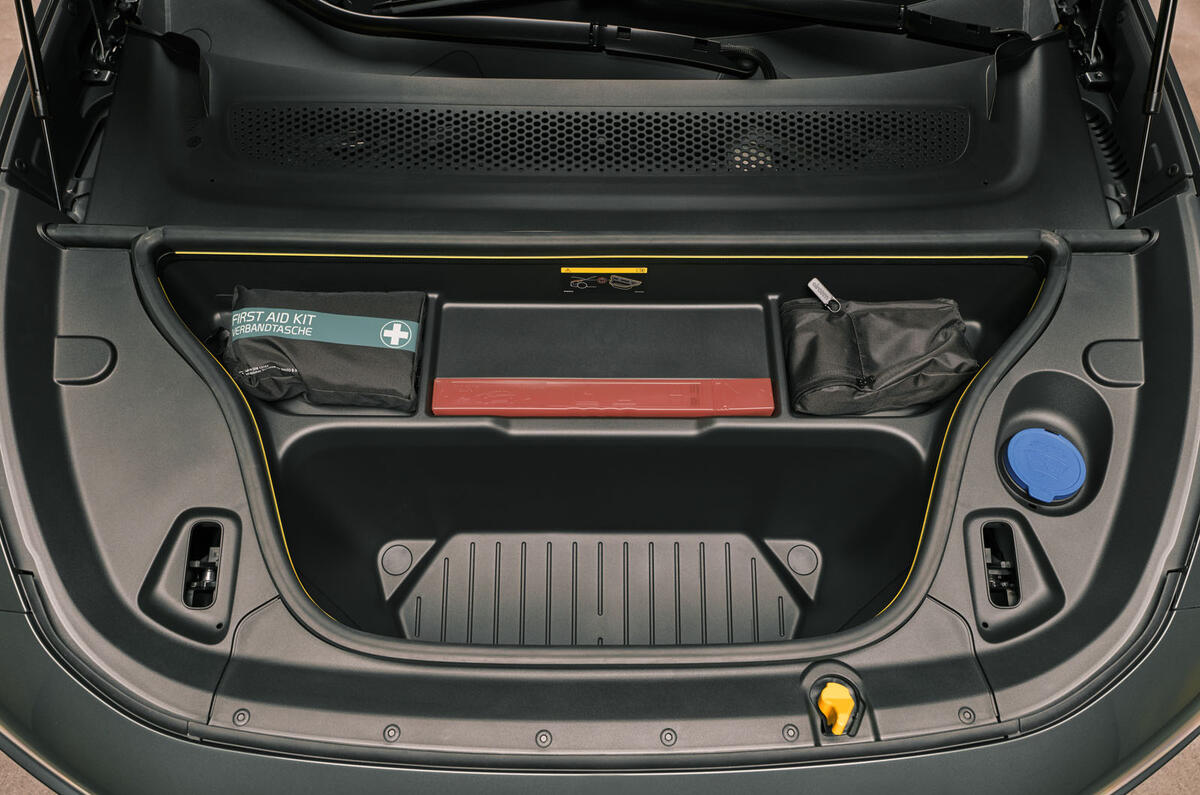
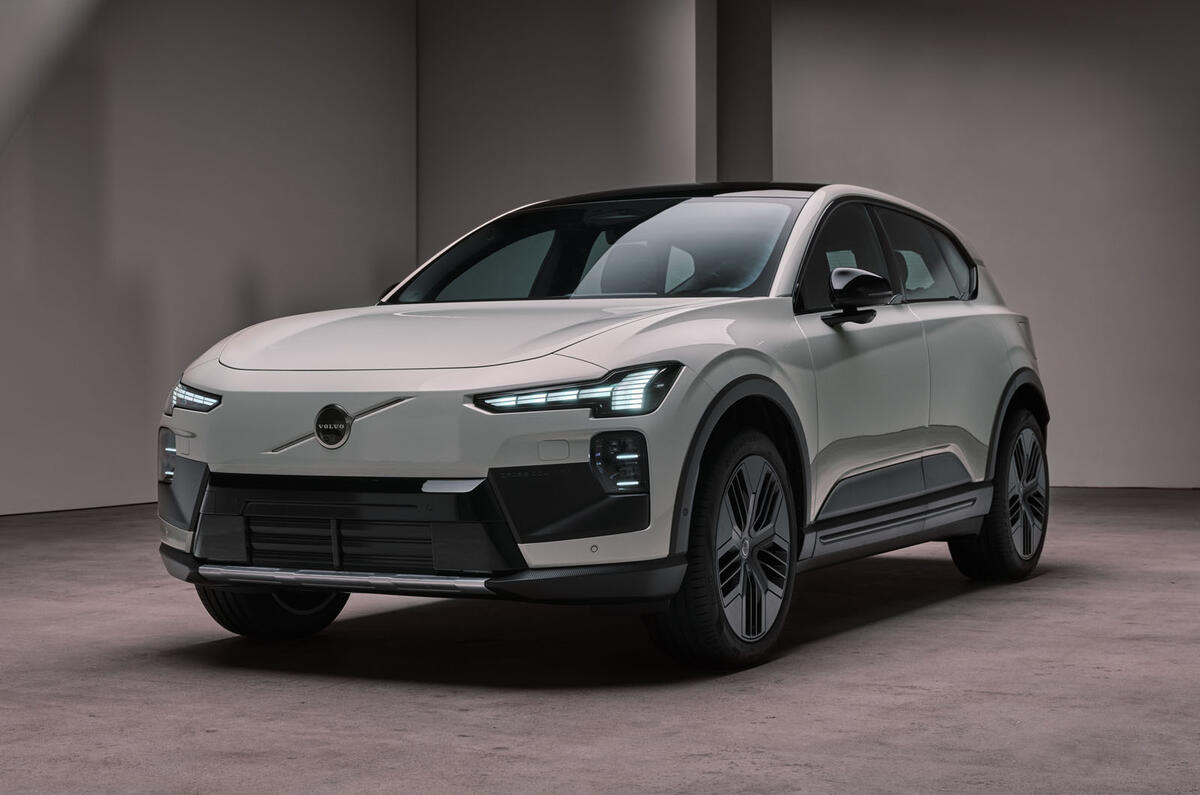
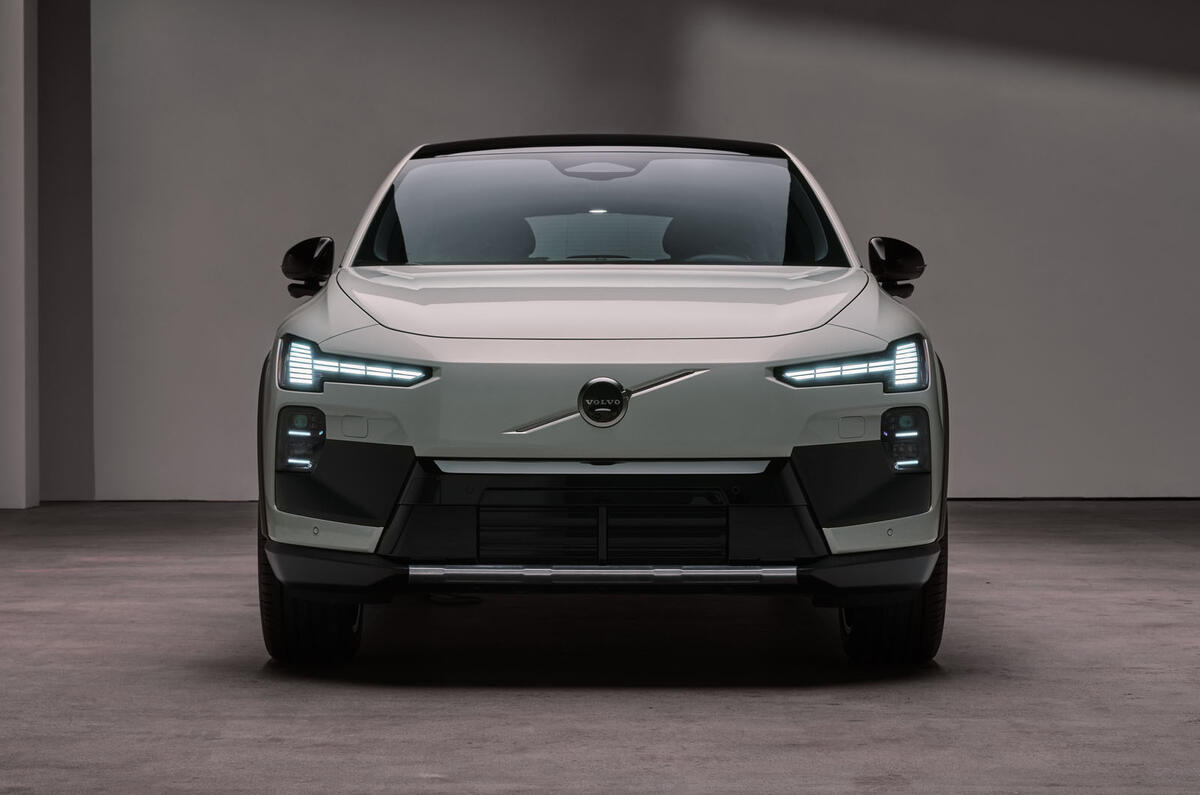
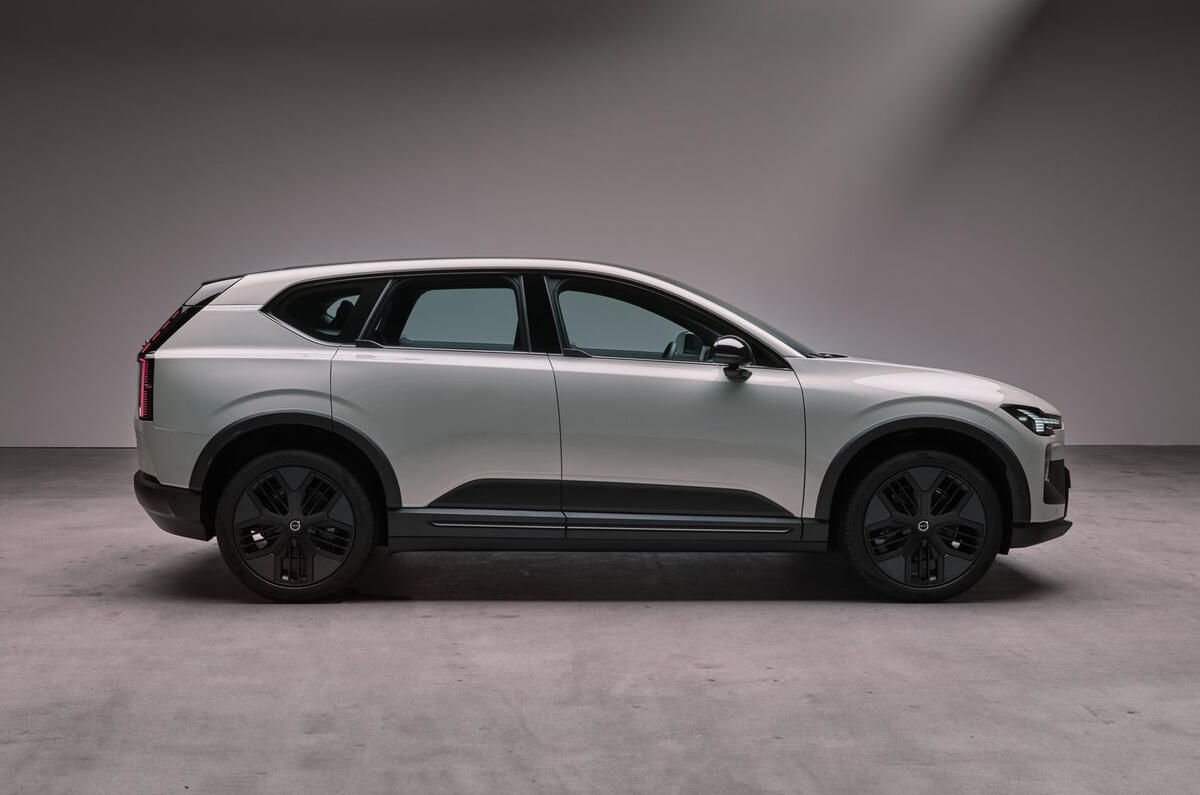
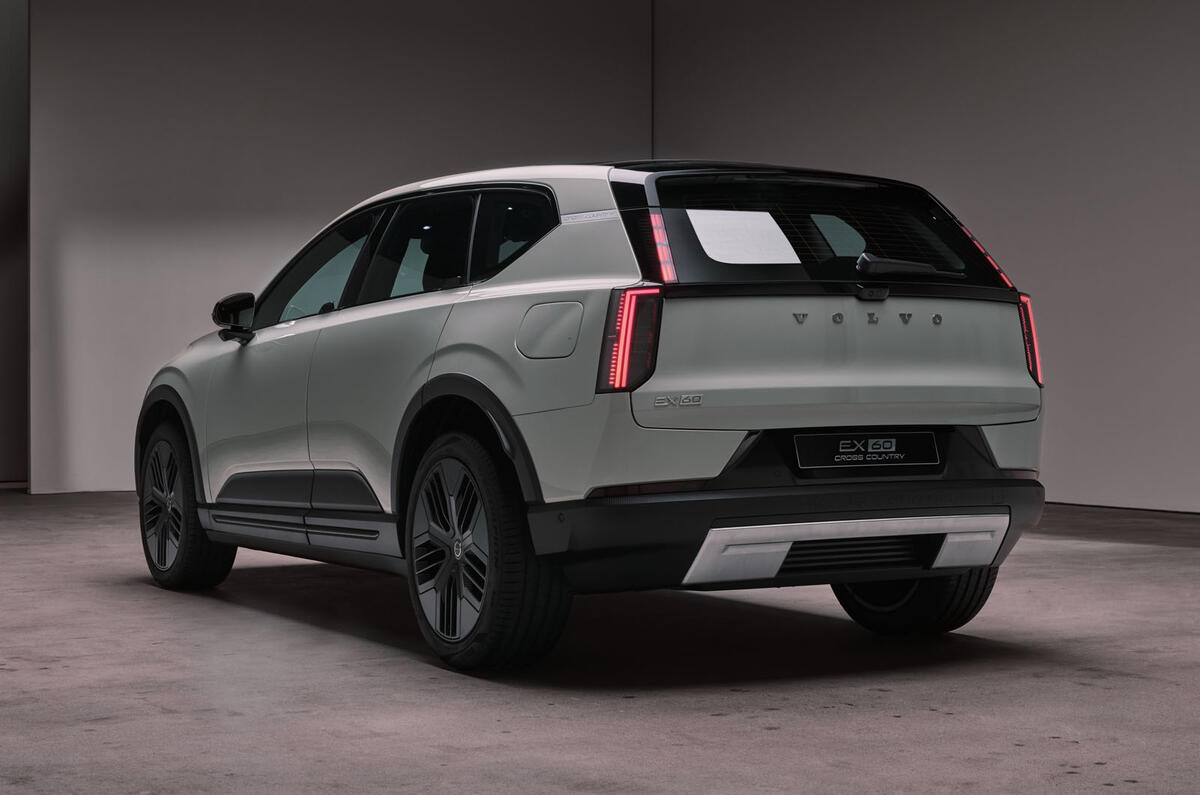
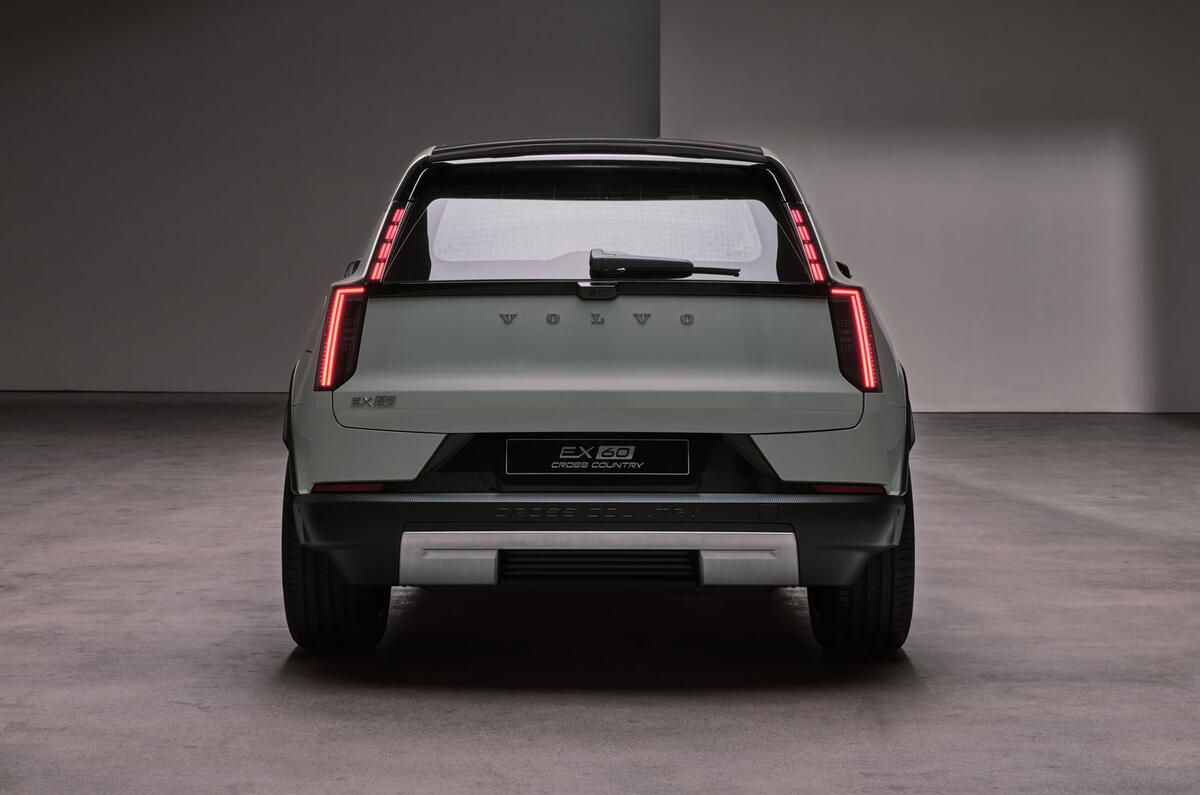





















The new Volvo EX60 has been revealed as the Swedish firm's most important model in years, introducing a 'game-changing' new platform, a suite of radical in-car technology and the capacity to "end range anxiety" with a colossal, class-leading range of up to 503 miles.
The EX60 is Volvo's fourth bespoke EV, and marks the firm's entry into the crucial premium electric SUV segment - in which its main rivals will be the recently revealed BMW iX3 and Mercedes-Benz GLC EQ.
Due in the UK from September, with prices ranging from £56,850 to £70,360, the EX60 is the first car to use Volvo’s crucial new SPA3 platform, which revolutionises not just the way the firm builds its cars but also the technology they contain and what that technology can do.
It will serve as the electric equivalent to Volvo's long-time best-seller, the XC60, which has recently been updated and will remain on sale with a choice of mild-hybrid and and plug-in hybrid powertrains alongside its new EV sibling - mirroring the relationship between the larger XC90 and EX90.
Volvo CEO Håkan Samuelsson said the petrol car “will stay on the market as a sort of bridge solution as long as it's needed, because that's where we are less dogmatic".
"We are dogmatic about going full speed with all-electric cars, and the new platform is a foundation for that, but we are less dogmatic in setting a date when we really will close down and abandon our customers," he continued.
"If they still want the plug-ins, no problem. And we can now be very neutral, because these have margin parity. So if people want to go 'EX', no problem: it's the same margin for us. And if they stay ['XC'], let them stay."
New-age, lightweight platform
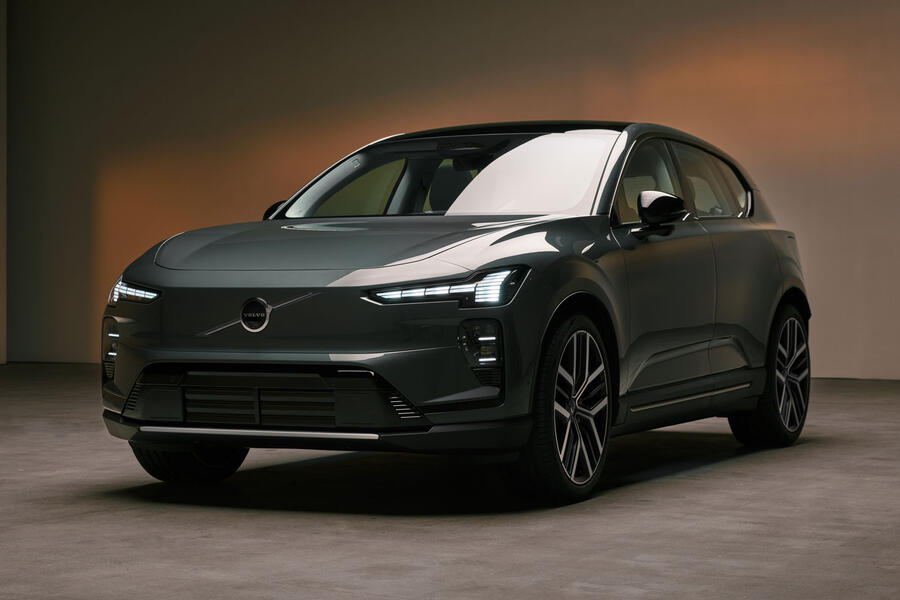
The EX60 is the first car to use Volvo's new SPA3 platform for EVs, which – as with the new Neue Klasse and MB.EA platforms that underpin its BMW and Mercedes rivals respectively – introduces new construction methods, a family of next-generation motors and advanced battery technologies that boost range, cost-efficiencies, dynamics and safety.
The SPA3 is described as highly modular – it can be used for cars ranging in size from the EX30 (4.2m long) to the EX90 (5.0m) – and will be used for all upcoming bespoke Volvo EVs, as well as some cars from other brands in the Geely group (including the Polestar 7 crossover in 2028, for example).
Despite its designation, the SPA3 is completely different from the SPA2 underneath the EX90 and ES90 EVs. "It's very different from SPA2," Samuelsson told Autocar. "I would have preferred another name which indicates that it's totally new."
The chief difference is that, unlike those older platforms, the SPA3 is engineered exclusively for EVs, which Samuelsson said makes it a “no compromise” structure that allows the EX60 to match or beat its rivals in several key metrics.
It's “born electric, fully scalable and introduces key technologies to lower cost and improve performance”, he added.
One of these crucial advancements is the use of a radical new ‘mega-casting’ production method, whereby sections of the car's structure are formed from molten metal in a die-cast mould, enabling large parts to be produced as single pieces rather than composed of numerous individual components being welded or bolted together.