

Currently reading: Sub-£25k Kia EV2 goes after Renault 4 with 278-mile range

Supermini-sized electric crossover, intended to make Kia EVs more accessible, draws on bigger siblings

The new Kia EV2 will take on the Renault 4 and forthcoming Volkswagen ID Cross in the fast-growing electric crossover segment – and it is set to offer the longest range in its class.

Revealed at the Brussels motor show on Friday, the B-segment model is the sixth – and smallest – car in Kia’s line-up of bespoke electric models built on the E-GMP platform. It will be produced at the firm’s Zilina factory in Slovakia alongside the EV4, potentially making it eligible for the UK’s electric car grant.

The EV2 was developed with a target price of €30,000 (£25,000), and although final pricing has yet to be confirmed, Alex Papapetropolous, the firm’s product and pricing chief, told Autocar: “We want to be below that with certain trims.” He added: “When you look at Europe, more than 25% of the market sits below that €30,000 threshold. So it’s very important for us to be there.”

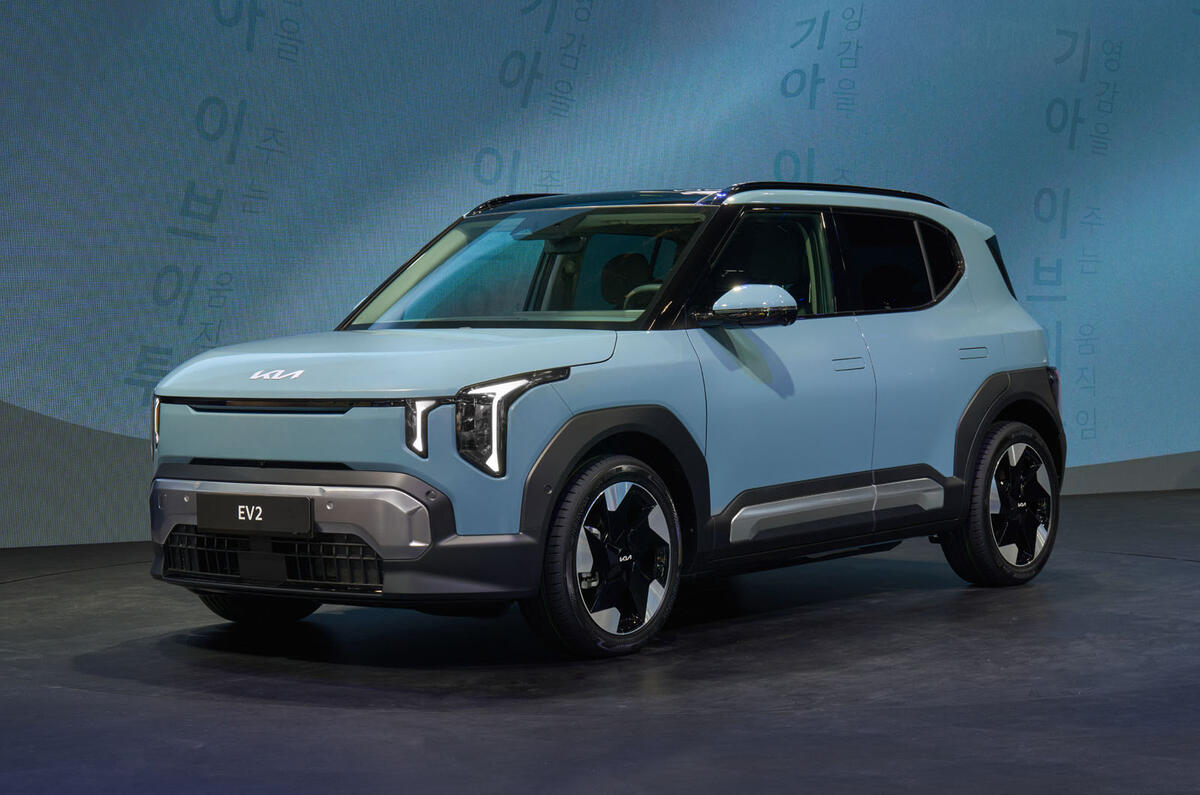
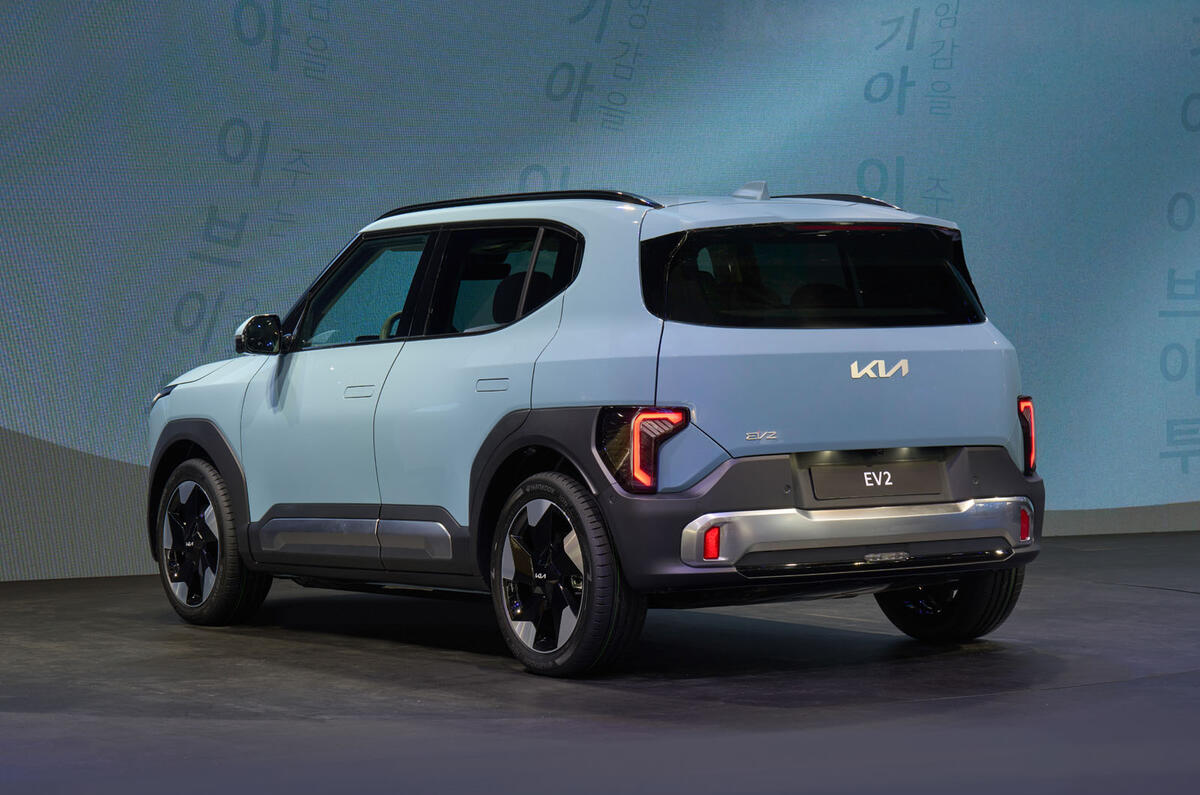
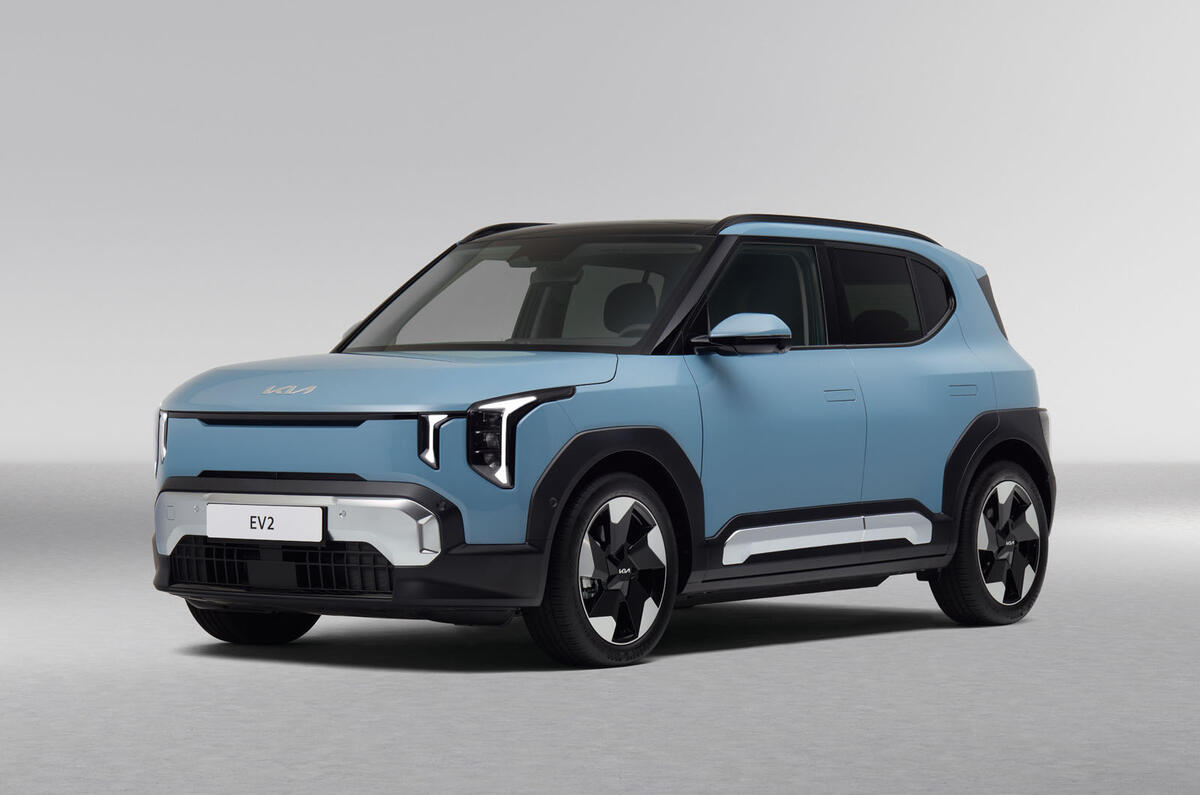
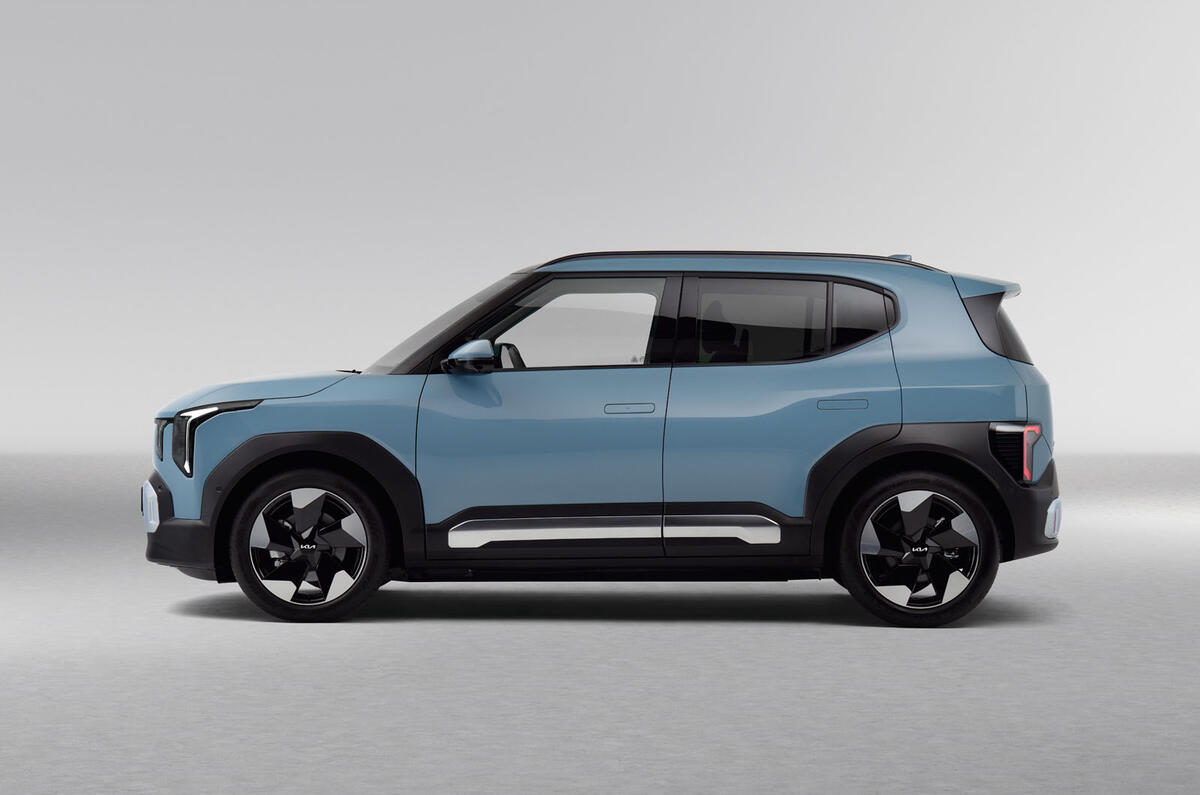
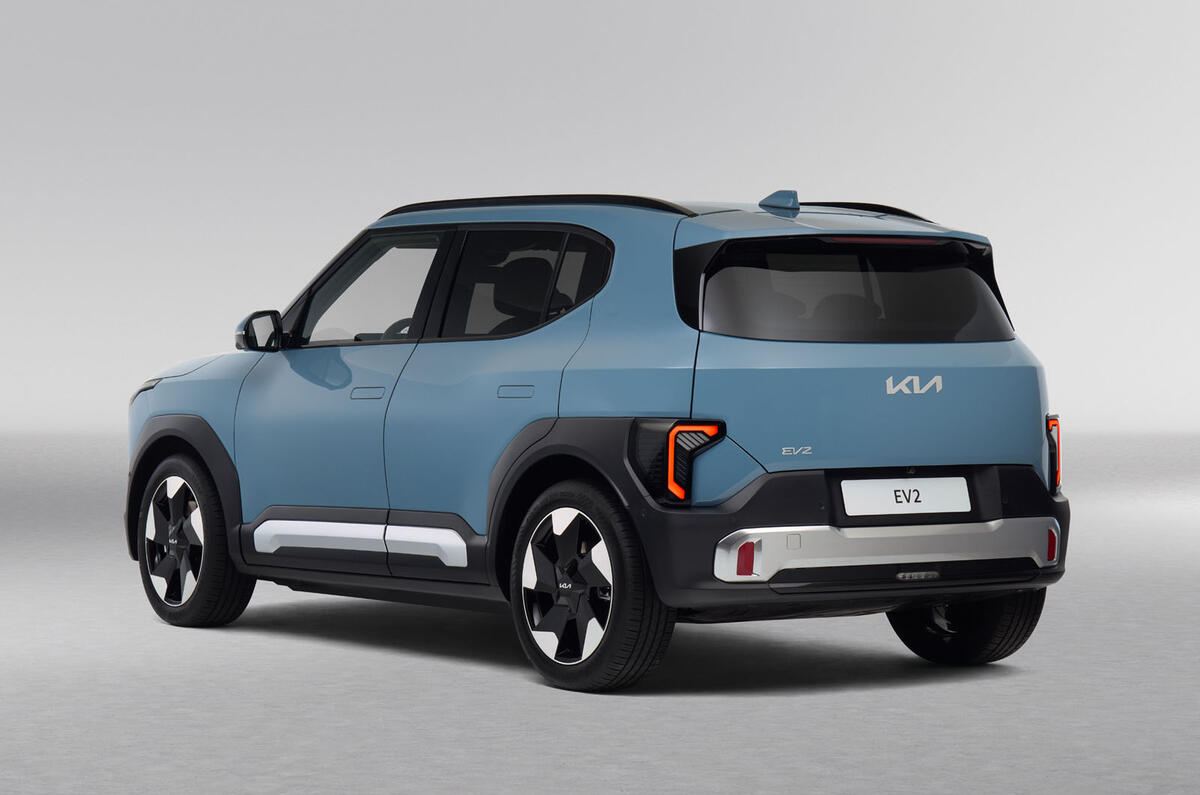
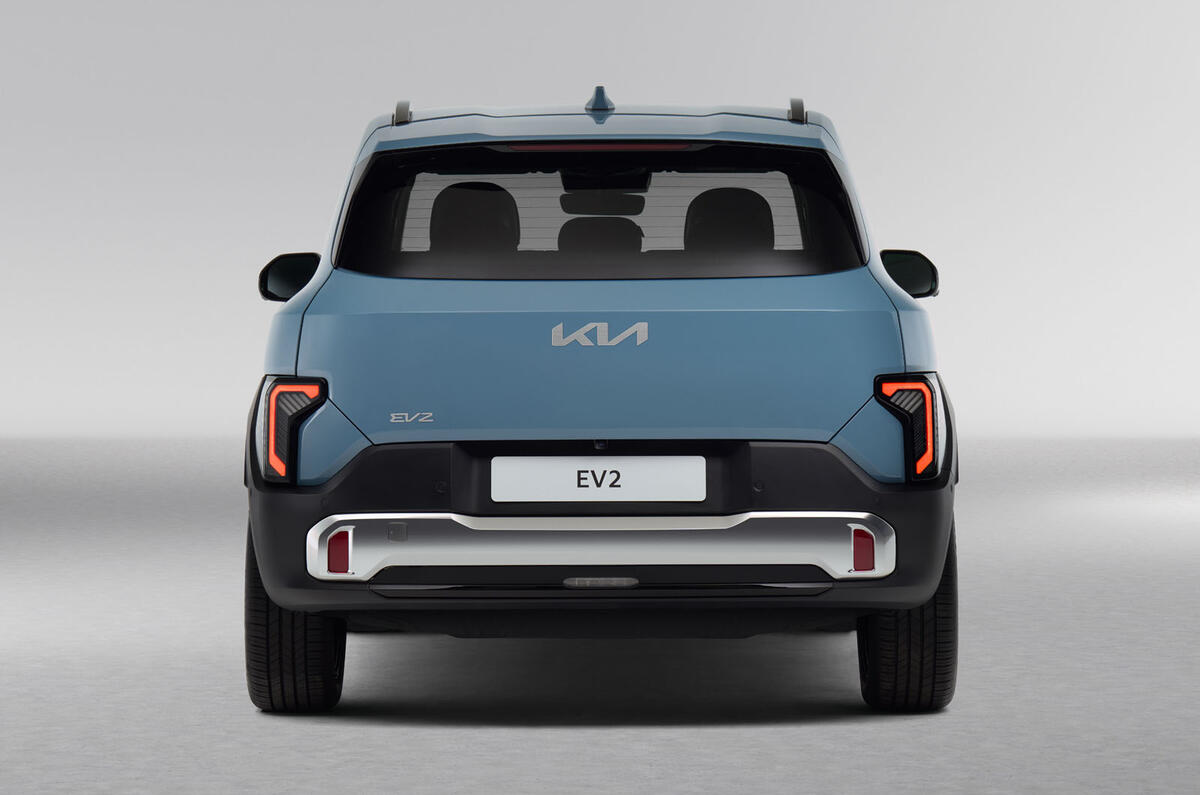
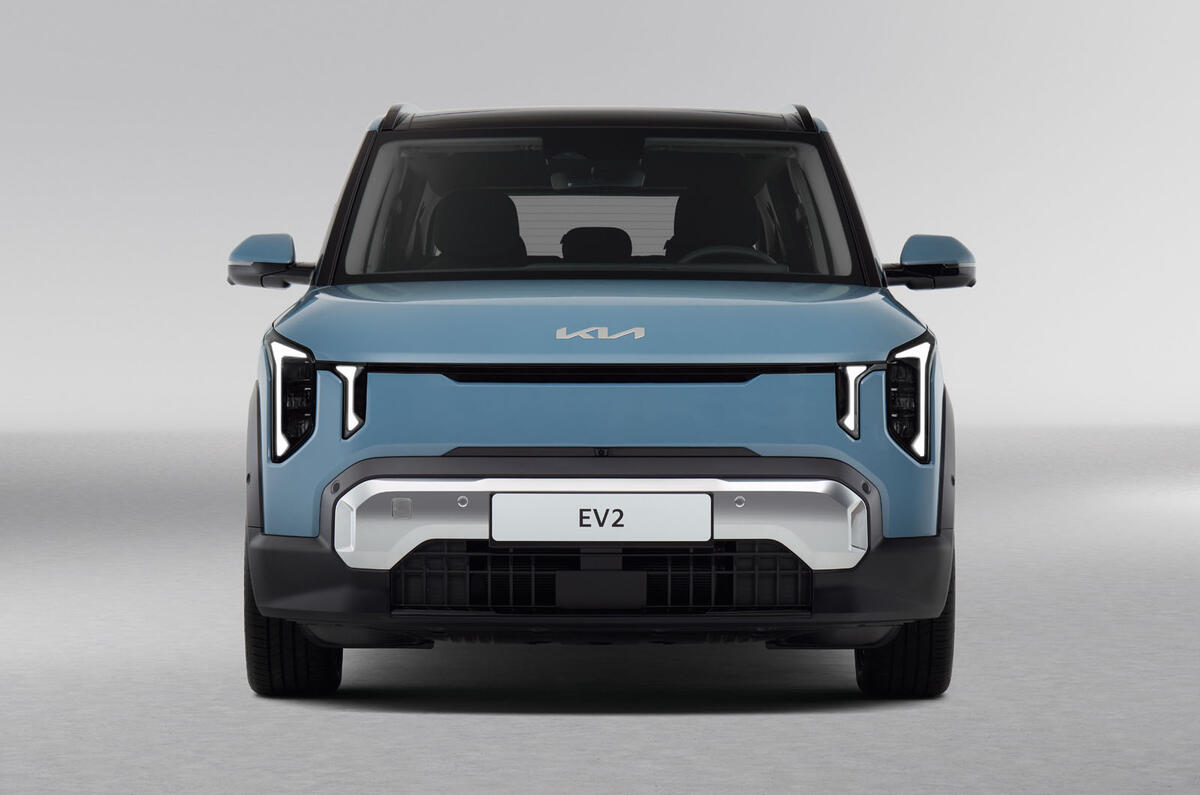
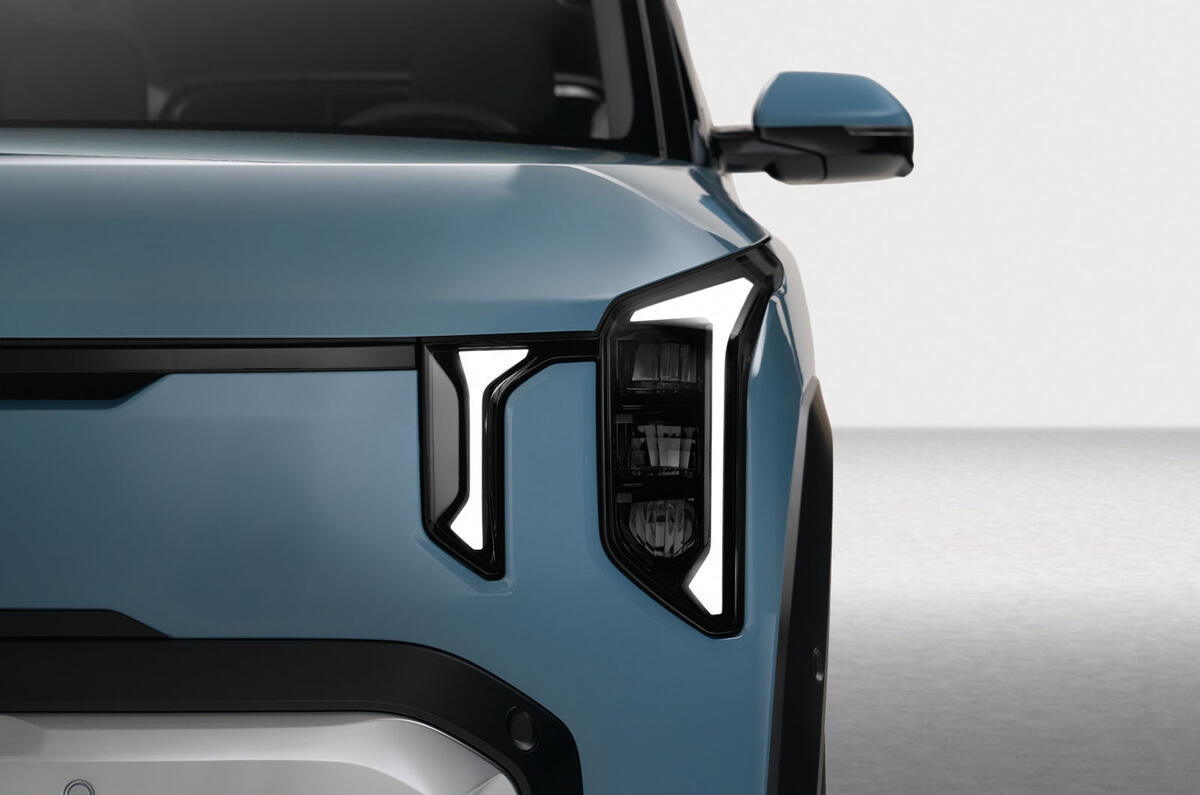
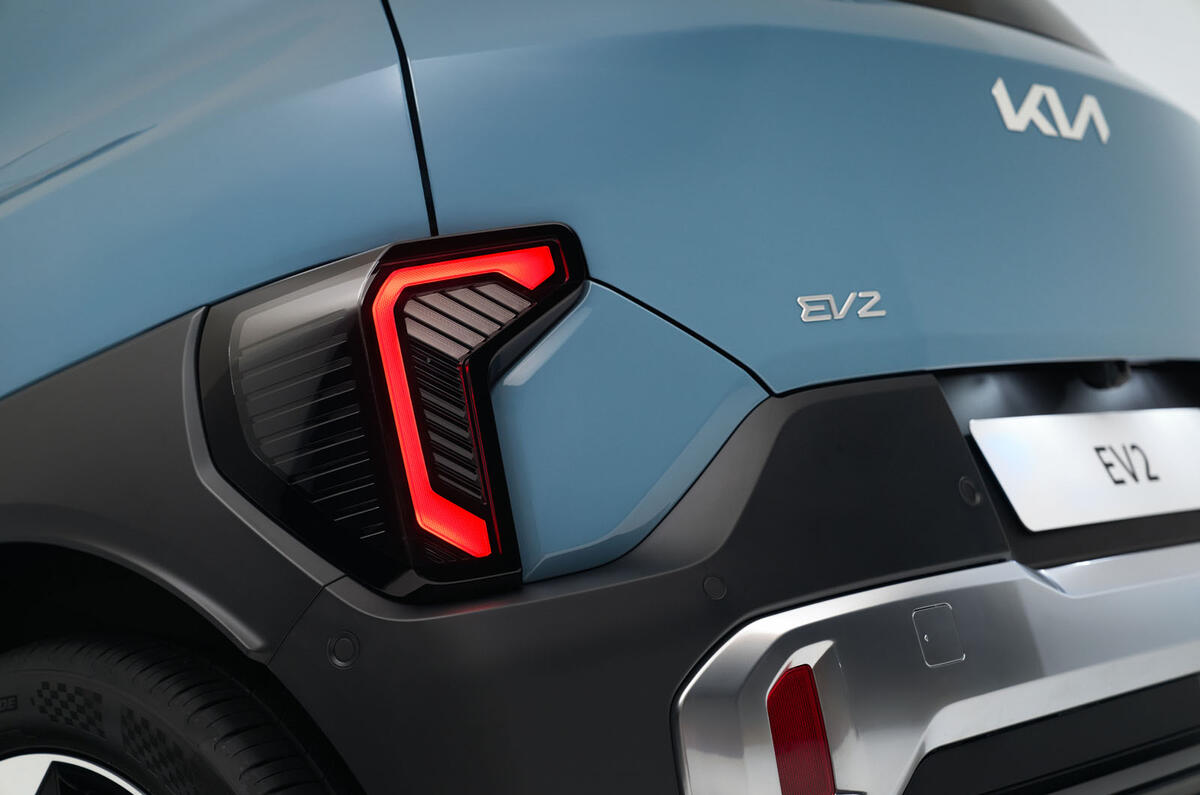
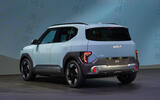
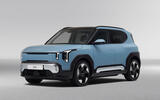
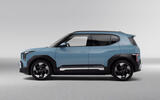
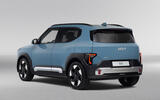
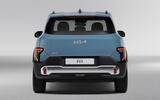
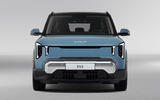
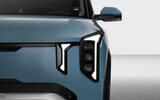
Taking clear styling cues from larger siblings in Kia’s line-up of electric SUVs, the EV2 has a revised version of Kia’s ‘tiger face’ front end and a boxy shape that’s designed to maximise interior room. It is 4060mm long – slightly shorter than the Renault 4 – and 1800mm wide, with a wheelbase of 2565mm.

The EV2 will be offered with a choice of two battery sizes. Production will start in February with Standard Range models, which feature a 42.2kWh (total) LFP battery for a range of 196 miles. Long Range versions – offering up to 278 miles from a 61.0kWh (total) NMC pack – will enter production in June. For reference, the Renault 4's maximum range is 254 miles.

Standard Range variants will be equipped with a 145bhp front-mounted motor, while Long Range models are set to use a smaller 134bhp motor.
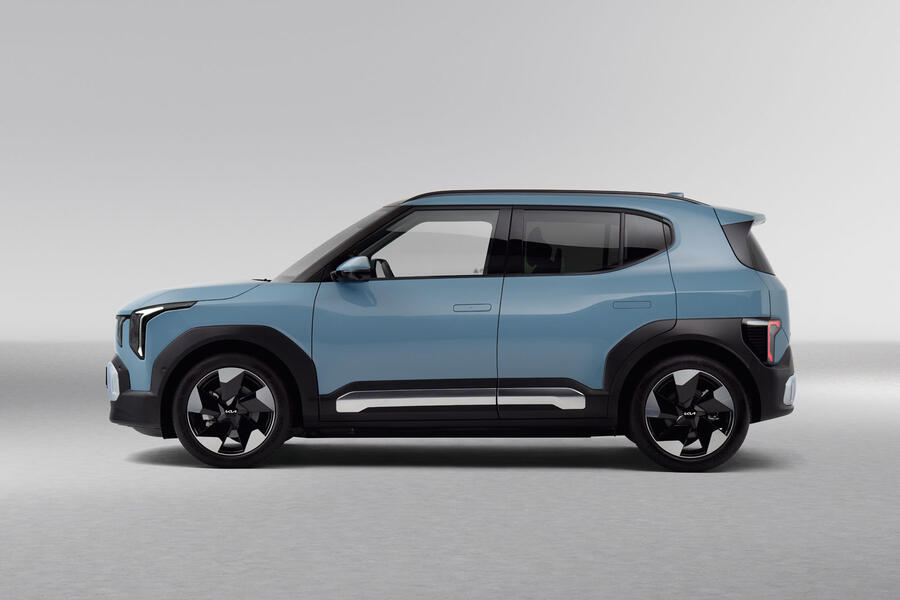
Kia EV2 side

Back to top

Notably, the EV2 is not offered with a twin-motor AWD version due to the constraints of its version of Kia’s E-GMP platform. Whereas other Kia EV models use a multi-link rear suspension to allow for a rear motor, the EV2 instead features a torsion beam.

As with the EV4, the EV2’s platform uses a 400V charging system, while the larger EV6 and EV9 get 800V hardware. Kia has yet to reveal official maximum charging speeds but says it will take 30 minutes to charge both batteries from 10-80%. Because of its urban focus, the EV2 will be the first Kia to be offered with 11kW and 22kW AC charging.

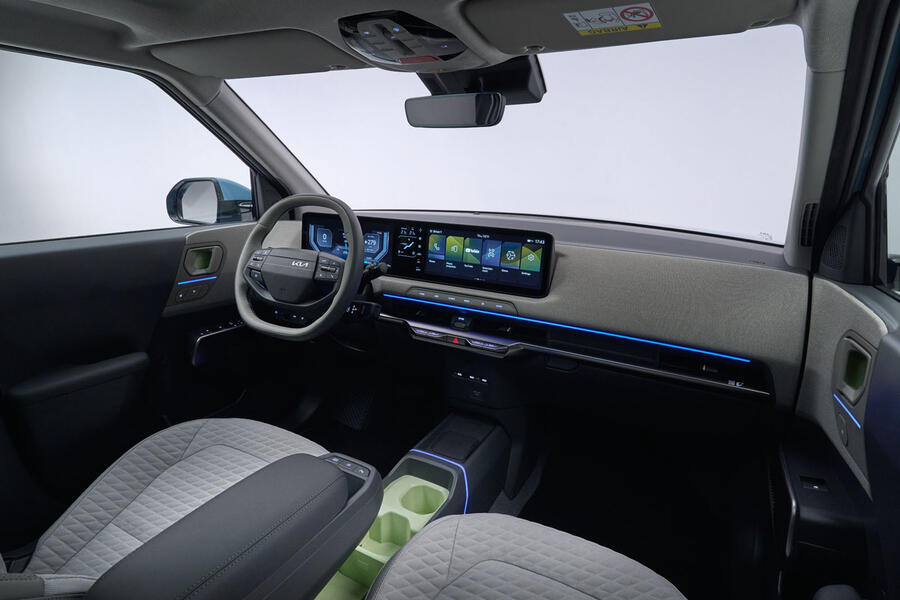
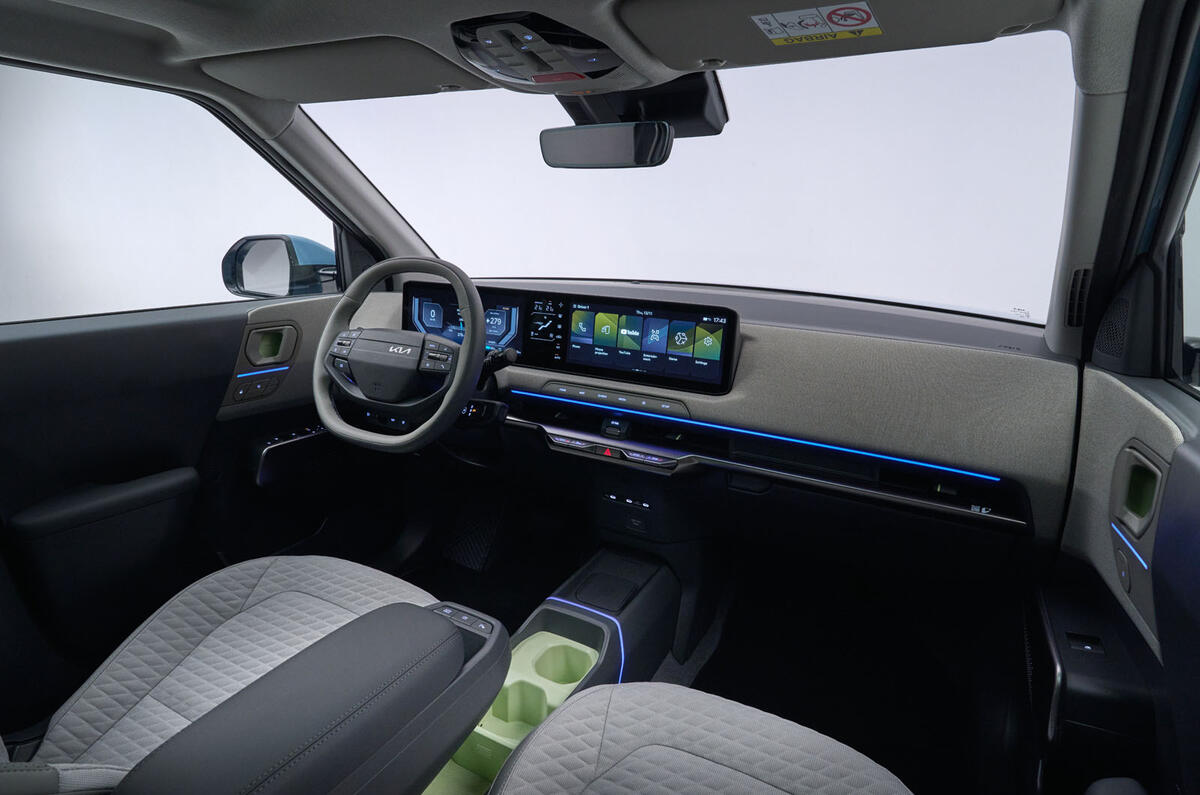
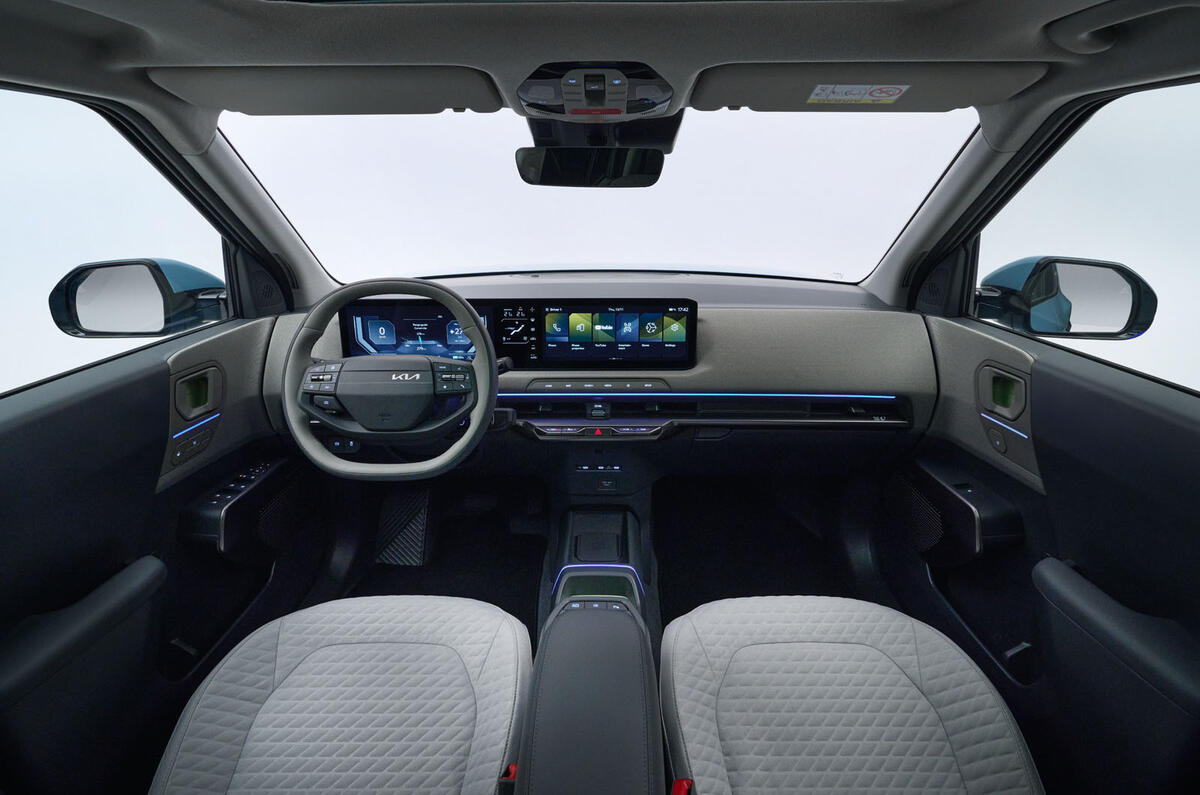
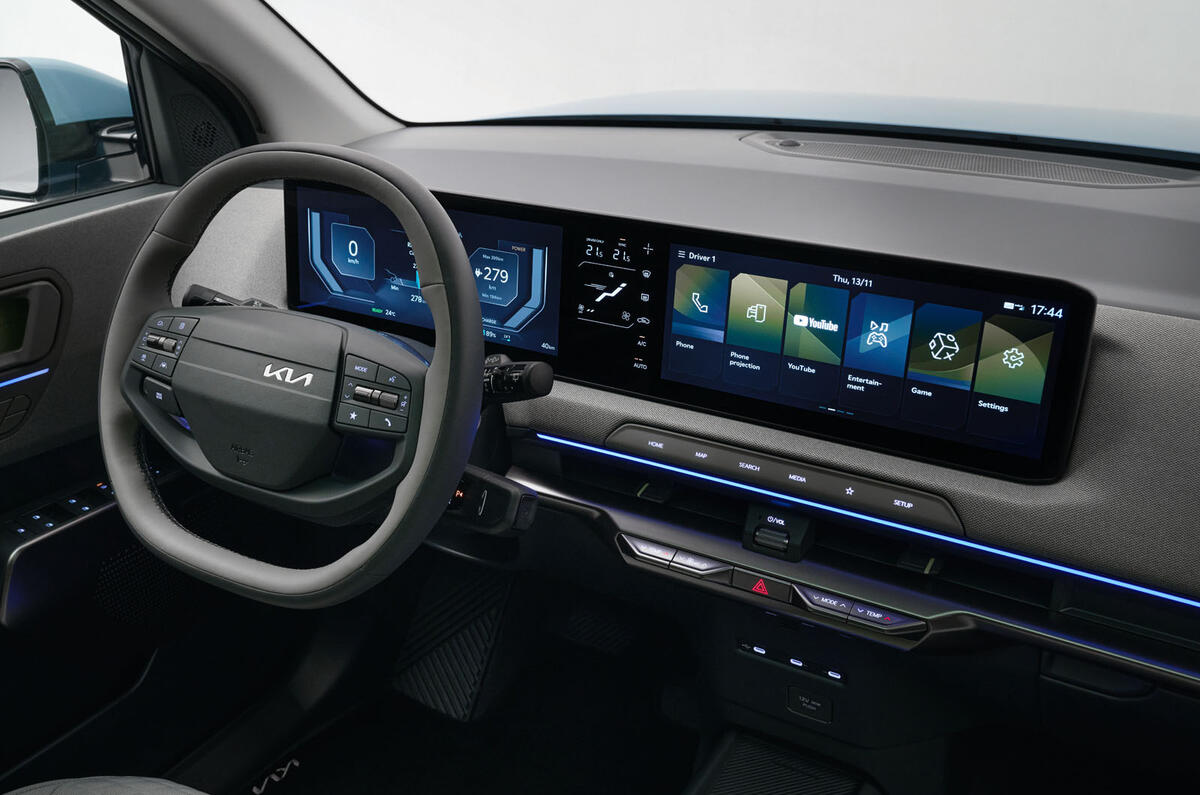
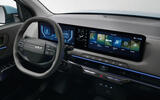
Inside, the EV2 gets Kia’s digital dashboard centred around three digital screens: a 12.3in instrument cluster, 5.3in climate controller and 12.3in central touchscreen. While that set-up is familiar from other Kia models, the EV2 uses a new ‘lite’ version of the firm’s infotainment system that, Kia says, helps lower the cost. It remains capable of over-the-air updates.

Kia EV2 dashboard

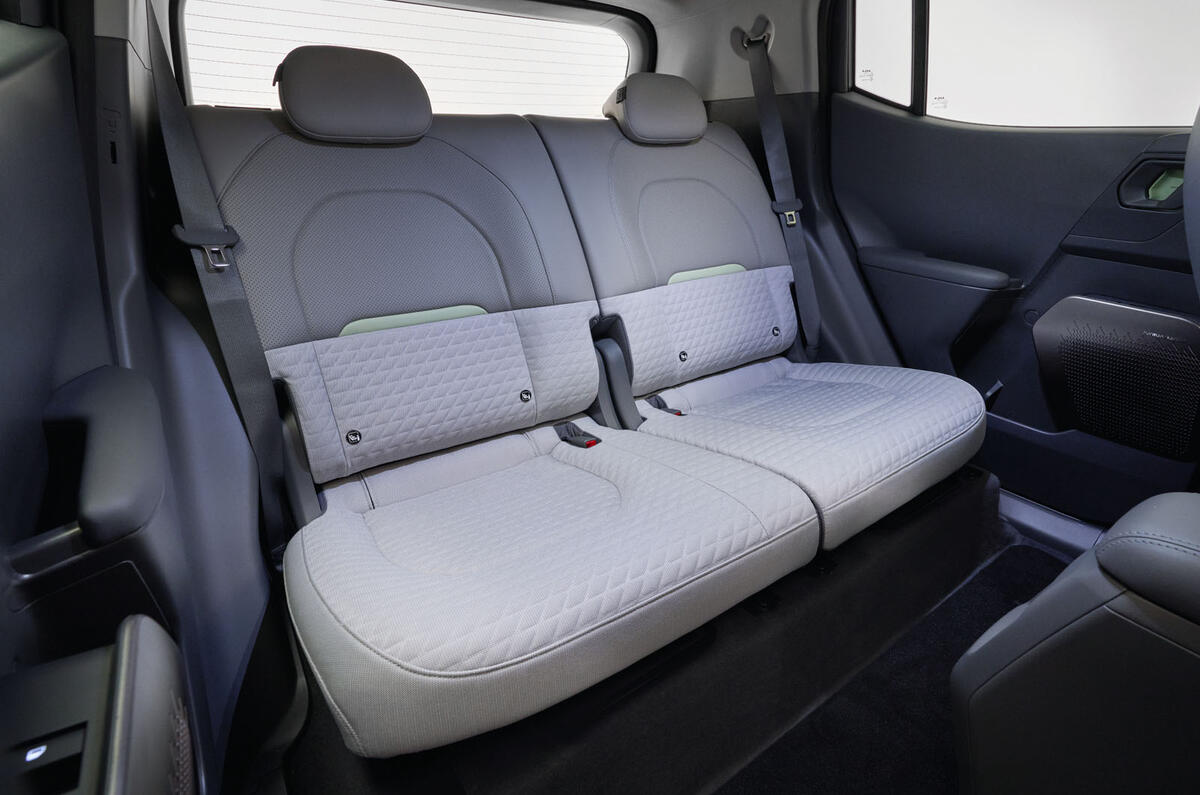
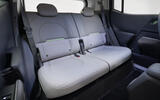
Both four- and five-seat versions of the EV2 will be available. The four-seater features two independent reclining seats that can slide forward, creating up to 403 litres of boot space.

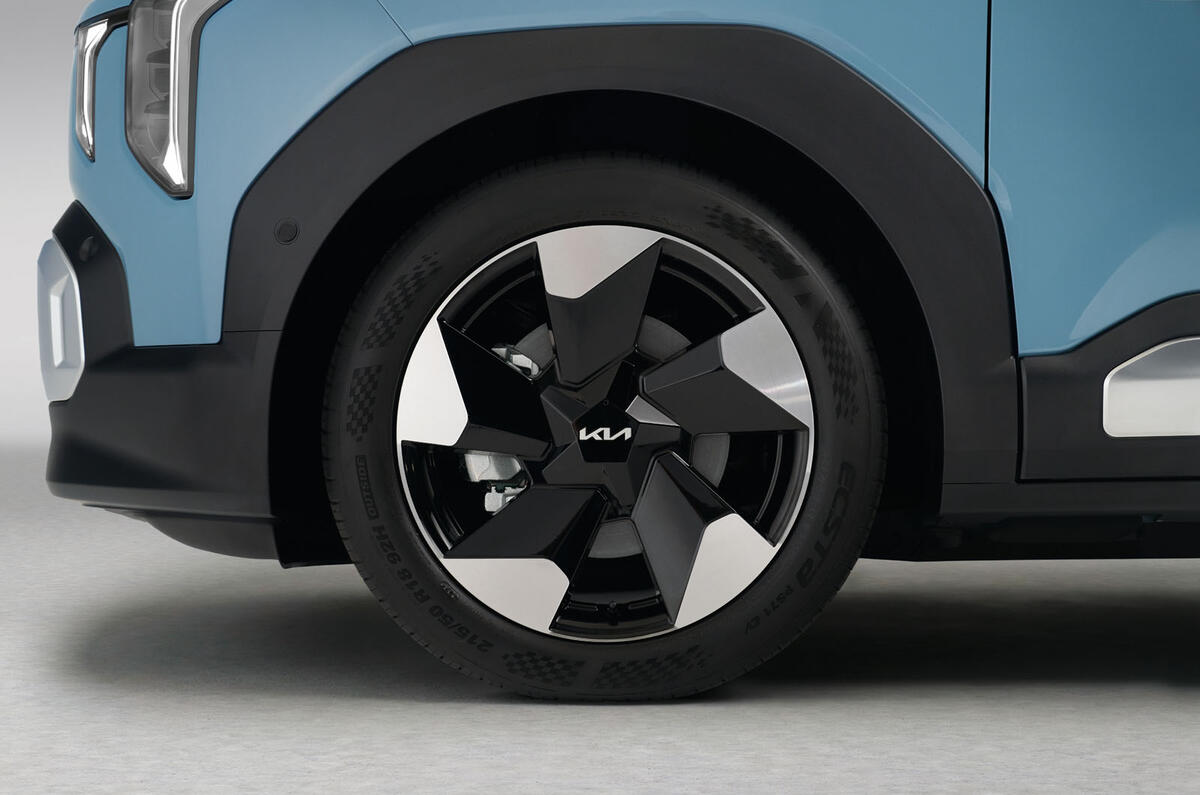
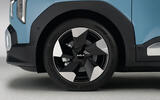
The five-seater offers 362 litres of capacity. Both versions have a 15-litre frunk. UK trim levels have yet to be confirmed but a top-level GT-Line trim with 19in wheels and bespoke styling details will be offered. Wheel sizes for other models will be 16in or 18in.

Join our WhatsApp community and be the first to read about the latest news and reviews wowing the car world. Our community is the best, easiest and most direct place to tap into the minds of Autocar, and if you join you’ll also be treated to unique WhatsApp content. You can leave at any time after joining - check our full privacy policy here.

James Attwood

James Attwood, digital editor
Title: Associate editor

James is Autocar’s associate editor, and has more than 20 years of experience of working in automotive and motorsport journalism. He has been in his current role since September 2024, and helps lead Autocar's features and new sections, while regularly interviewing some of the biggest names in the industry. Oh, and he once helped make Volkswagen currywurst. Really.

Before first joining Autocar in 2017, James spent more than a decade in motorsport journalist, working on Autosport, autosport.com, F1 Racing and Motorsport News, covering everything from club rallying to top-level international events. He also spent 18 months running Move Electric, Haymarket's e-mobility title, where he developed knowledge of the e-bike and e-scooter markets. 

Join the debate

Comments
10
Add a comment…
alessandro 9 January 2026

Aside from this car's looks (quite ugly in my opinion), I notice that a vehicle designed for urban mobility is now usually around 4000+ mm long and 1800 mm wide. Here in Italy, where I live, roads and parking lots were designed with a very different type of small car in mind. Urban spaces didn't stretch in the meantime—quite the opposite! I guess it's no different in the UK. It's curious that, while we're more and more concerned about environmental sustainability, cars on offer are increasingly bulky and heavy. Sarcastically, I'm tempted to say: thank goodness they've also become (much) more expensive—£25k being the low-cost threshold now. Hopefully, fewer and fewer people will be able to afford them.

Will86 9 January 2026
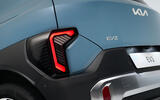
Agree with the other comments about the styling. The front and side are good, as are the proportions but the rear is challenging. Plus looks like it's got a high load lip. As for the price, I doubt you'll get a 278 mile range for £25k.
inkpen 9 January 2026

Is this derived from the Hyundai Inster or is it completely different?

superstevie 9 January 2026

Completely different. The Inster in based on an ICE version sold in Asia, whereas this is based on a dedicated EV platform that forms the basis of the EV3/EV4/EV5