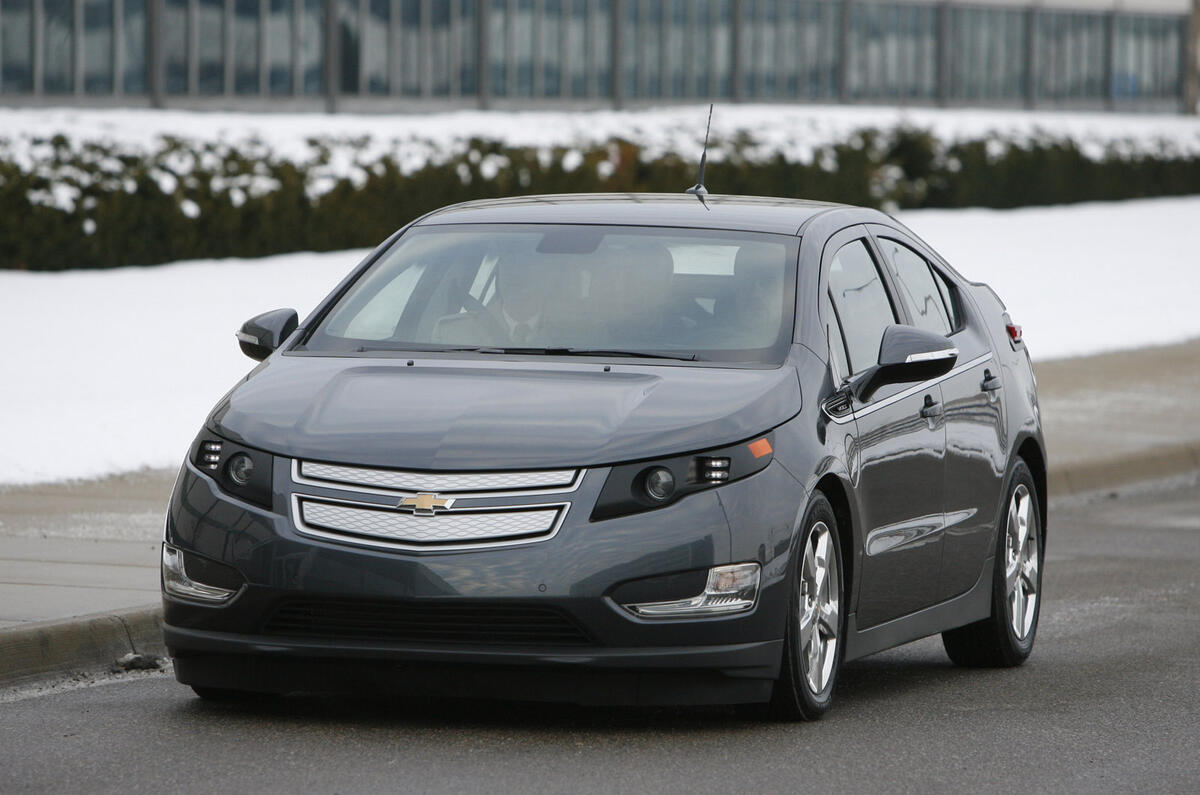
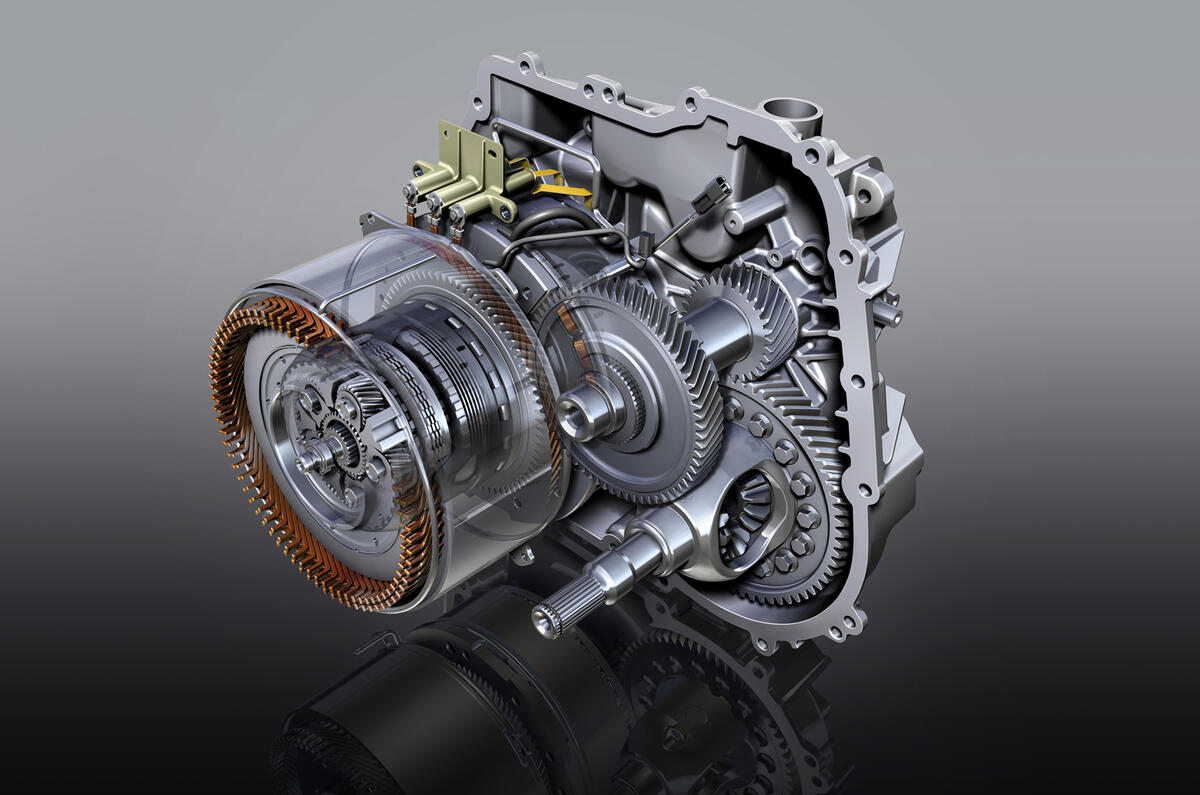
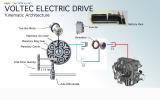
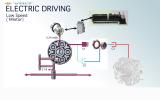
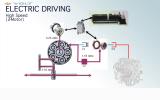
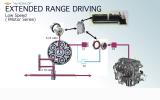

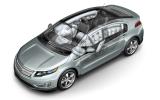

General Motors has revealed that the Chevrolet Volt/Vauxhall Ampera extended-range electric vehicle (E-REV) can be powered by no less than three motors in certain circumstances – and as a result, has struck controversy with its claim that the Volt is always electrically driven and not a hybrid.
It has previously concealed the inner detail of the Volt’s propulsion arrangements because, it says, it has been seeking a patent for its Voltec drive system.
According to GM’s director of hybrid powertrain engineering Barry Nitz, the system is “patent-protected now, so we can talk about it”.
Read Autocar's first drive of the Chevrolet VoltEd Keohane blog: Chevrolet Volt - are we missing the point?
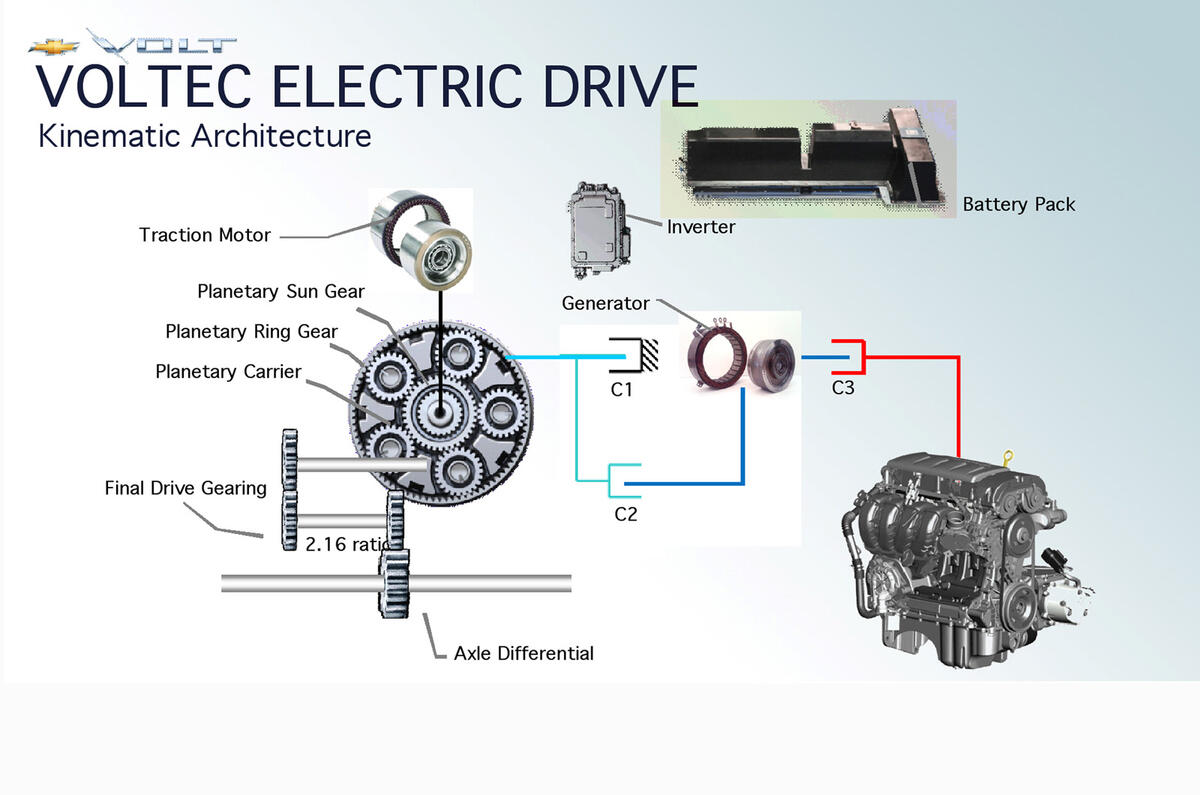
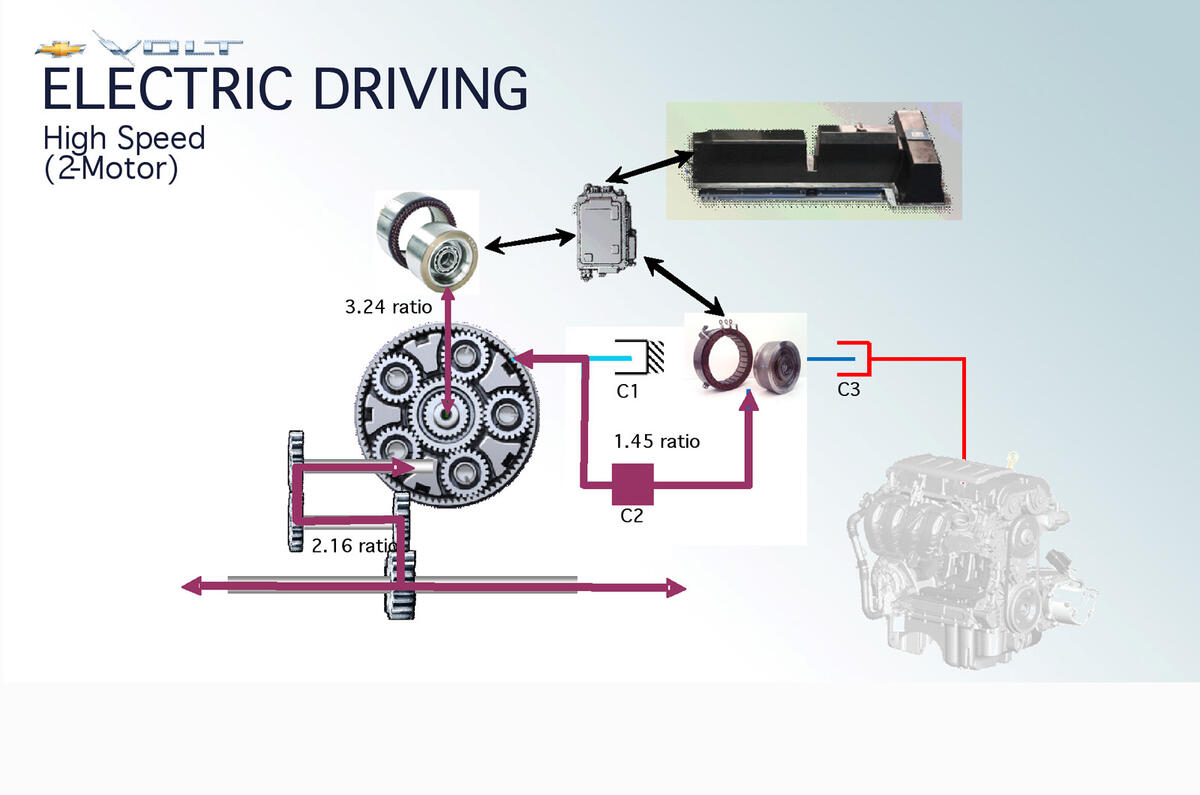
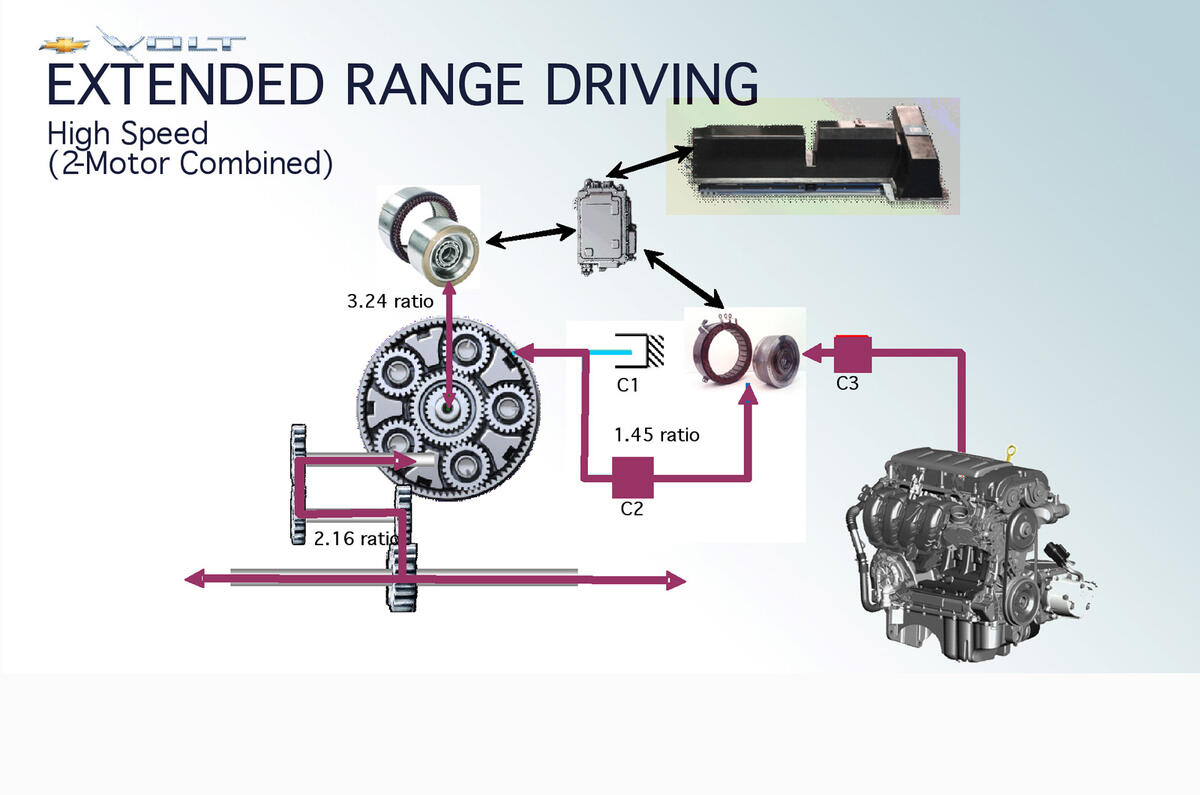
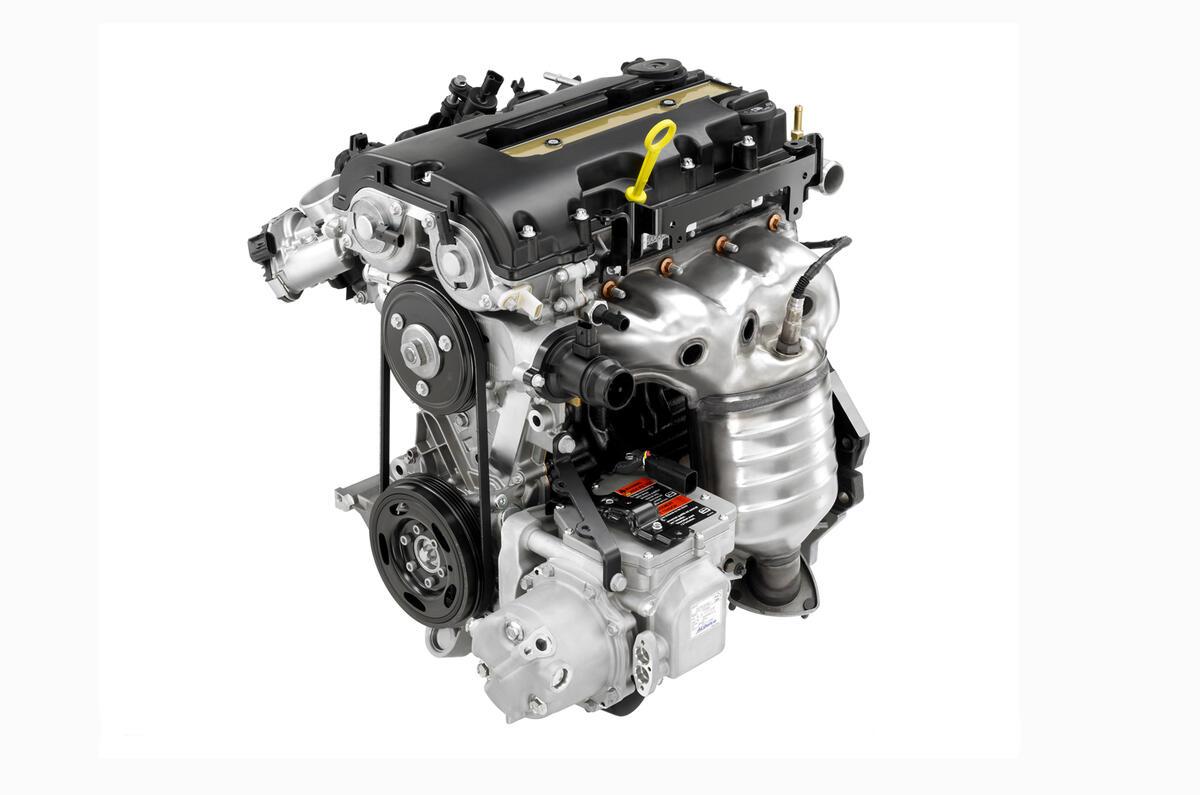
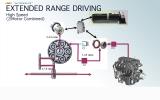
The additional motor in the system is the Volt’s generator, which can also become a motor and operate in tandem with the petrol engine under the heavy demands of high-speed cruising, assisting the main traction motor that always drives the car.
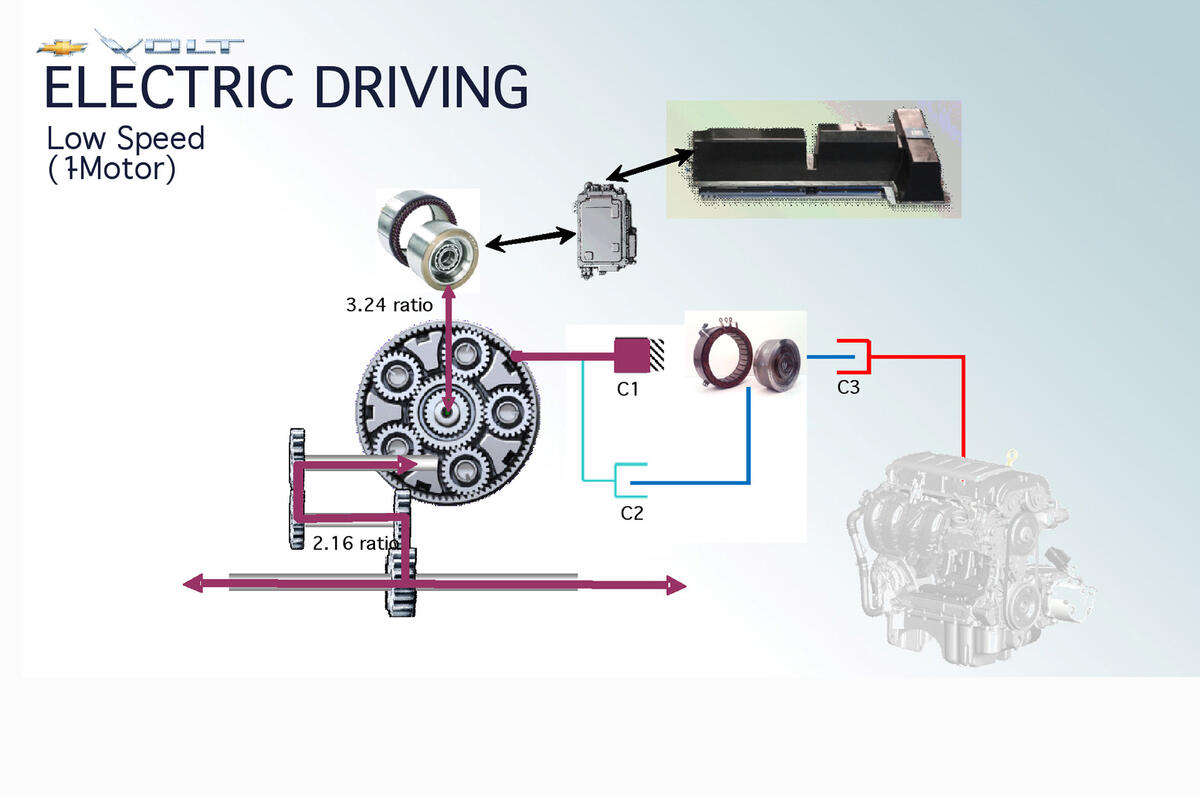
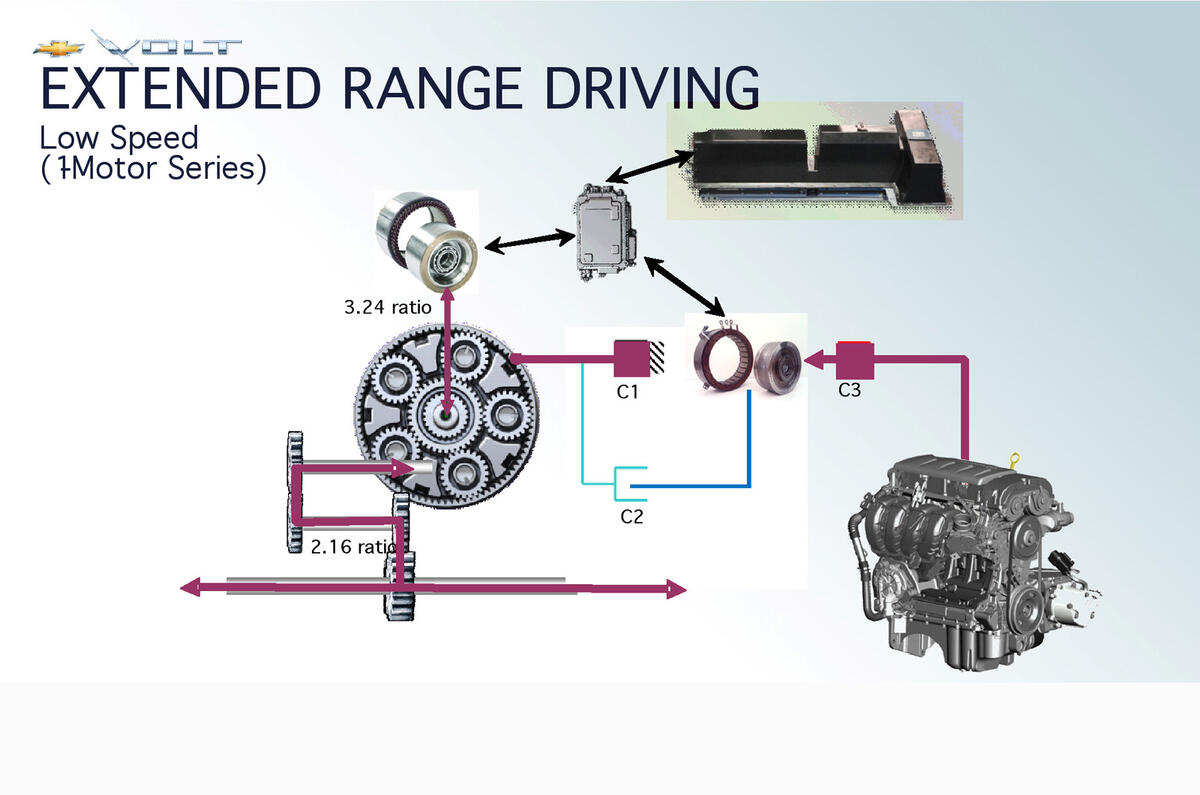
The reason for bringing in a second electric motor is energy consumption – at high cruising speeds, the efficiency of an electric motor drops off, placing heavier demands on the battery. To overcome this, a planetary gearset blends the outputs of both the combined generator/motor and the petrol engine, and the tractive motor. GM describes this as ‘indirect electro-mechanical drive'.
As proof that it is not the combined generator and petrol engine that are directly driving the wheels, it points out that if the tractive motor were removed from the system, the Volt would not drive. On this basis, it argues that the main tractive motor is always the driver of the wheels, and for this reason its claim that the Volt and Ampera are extended-range EVs holds good.
See pics pics of the Chevrolet Volt's controversial new tech
Whatever the semantics of the argument – which has lead to GM being accused of lying in some quarters – the result, says Nitz, is a “10-15 per cent improvement in fuel economy, and a mile or two of extra range” in pure EV mode when the petrol engine is dormant.
The planetary gearset blends the outputs of the two electric motors, allowing the main motor’s revs to drop from the 6500rpm needed to maintain the Volt’s maximum speed of 100mph to 3200rpm, where it operates more efficiently, while the generator/motor runs at 1500rpm.
It’s this ingenious arrangement that brings about the fuel savings, and it’s these drive kinematics, says GM, that it described in a patent application made in autumn 2007. The desire to hide this system from competitors is why it has not explained more about the system up to now.
Read Autocar's first drive of the Vauxhall Ampera
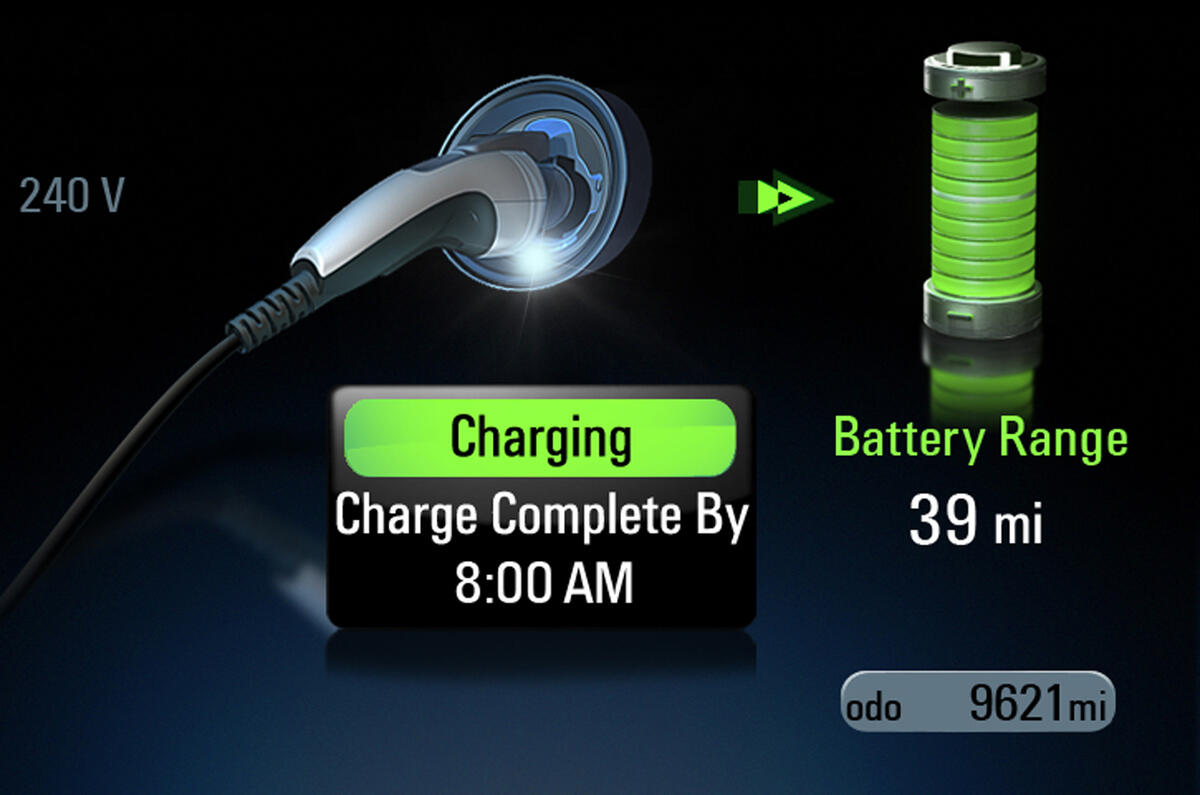
GM has also revealed that the efficiency of the battery, developed in partnership with LG Chem, now allows the pack to be depleted by 65 per cent rather than the 50 per cent originally planned, this allowing an improved electric-only range of “25 to 50 miles,” says Micky Bly, GM’s director of global electrical systems.
Up to now, GM has been claiming a maximum range of 40 miles for the Volt. GM’s eight-year, 100,000-mile battery warranty is unaffected by the increased battery depletion.