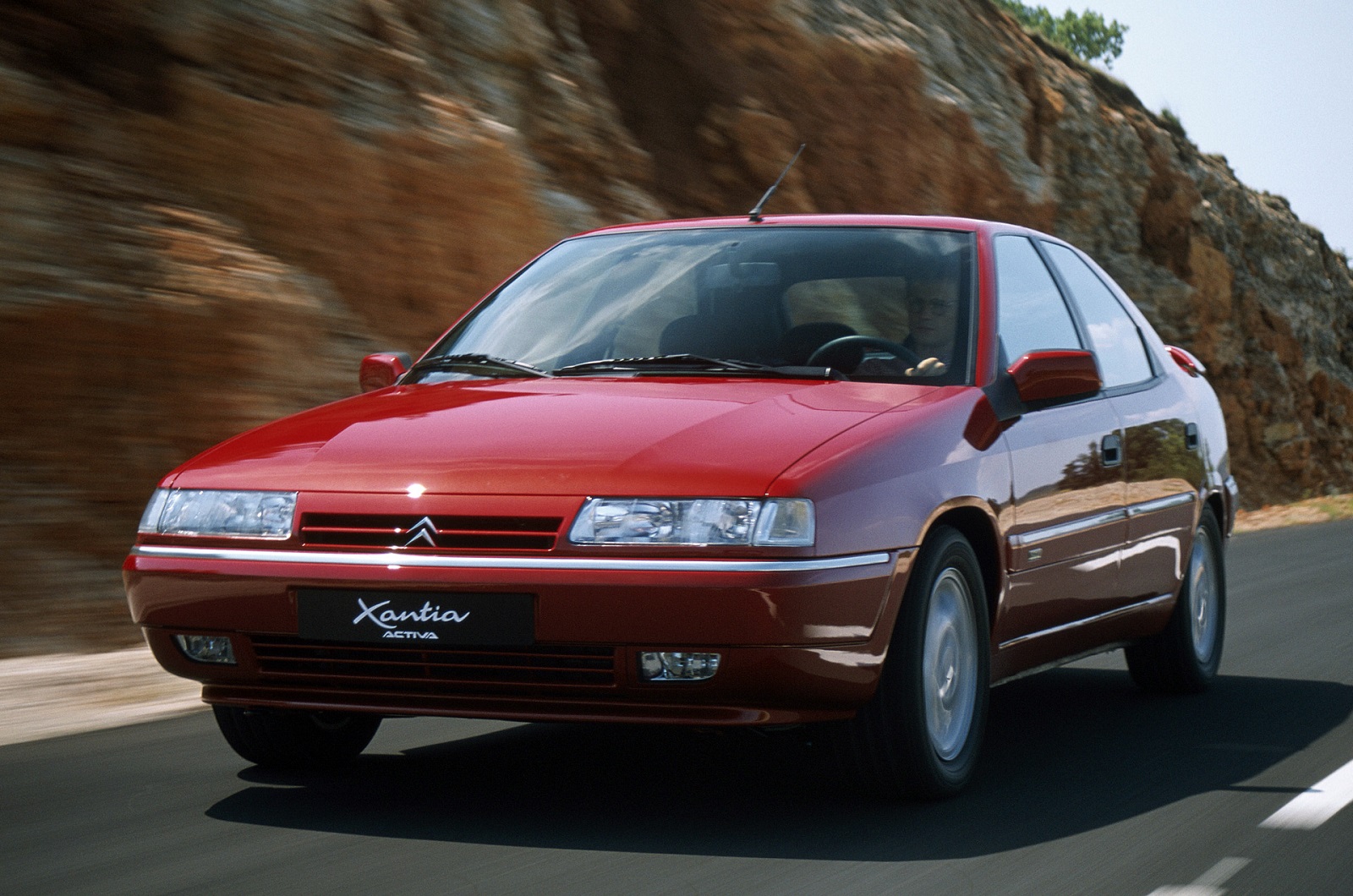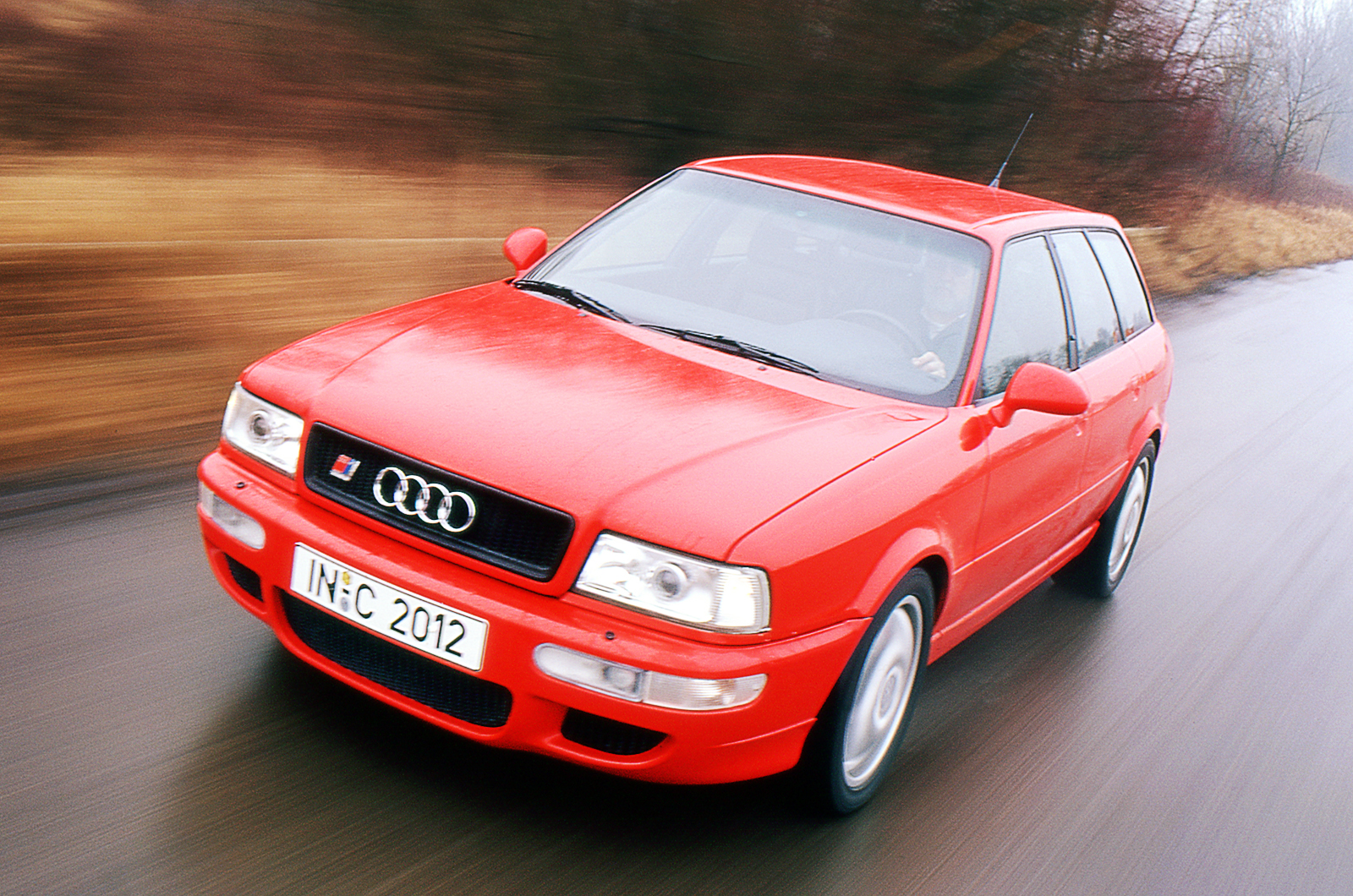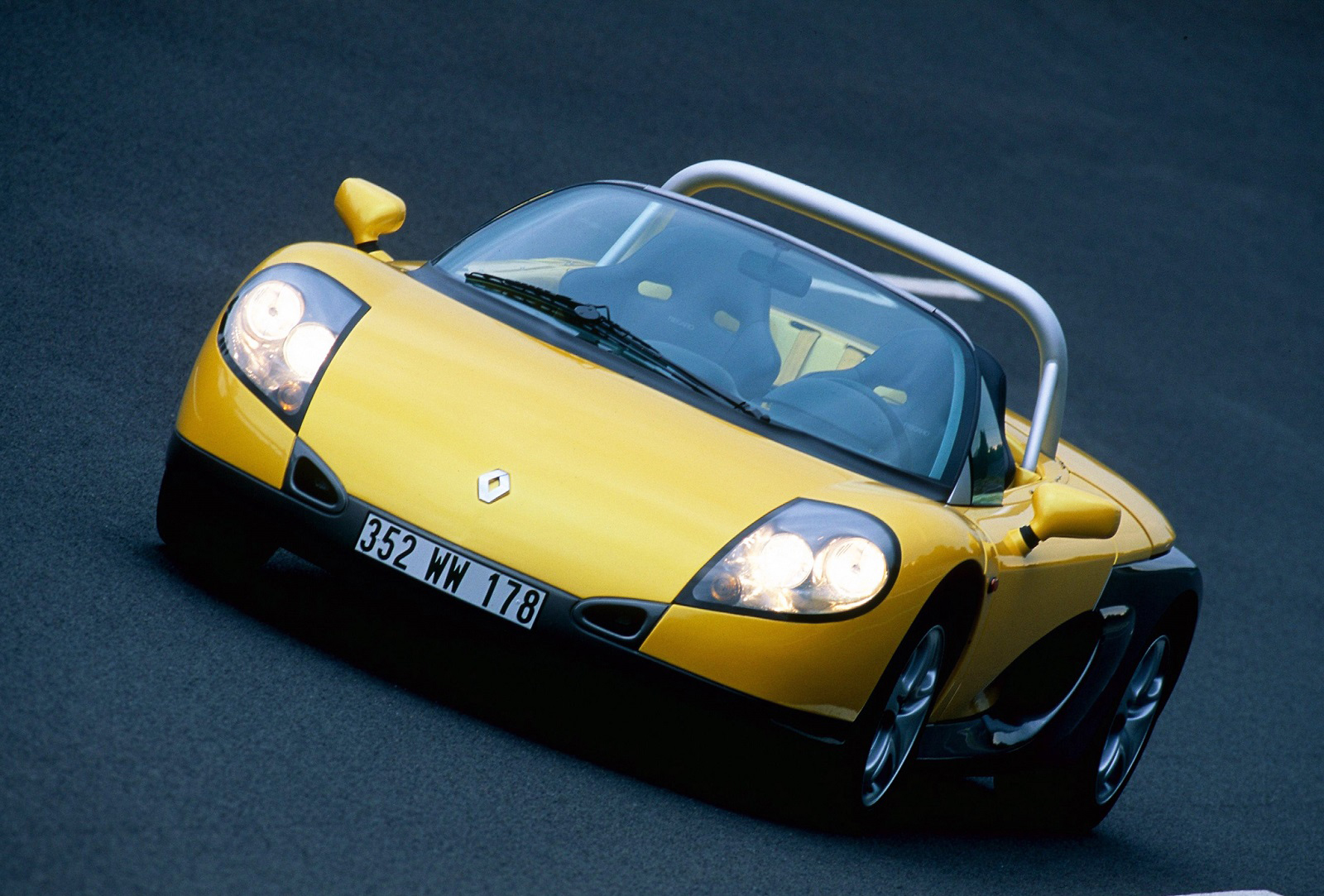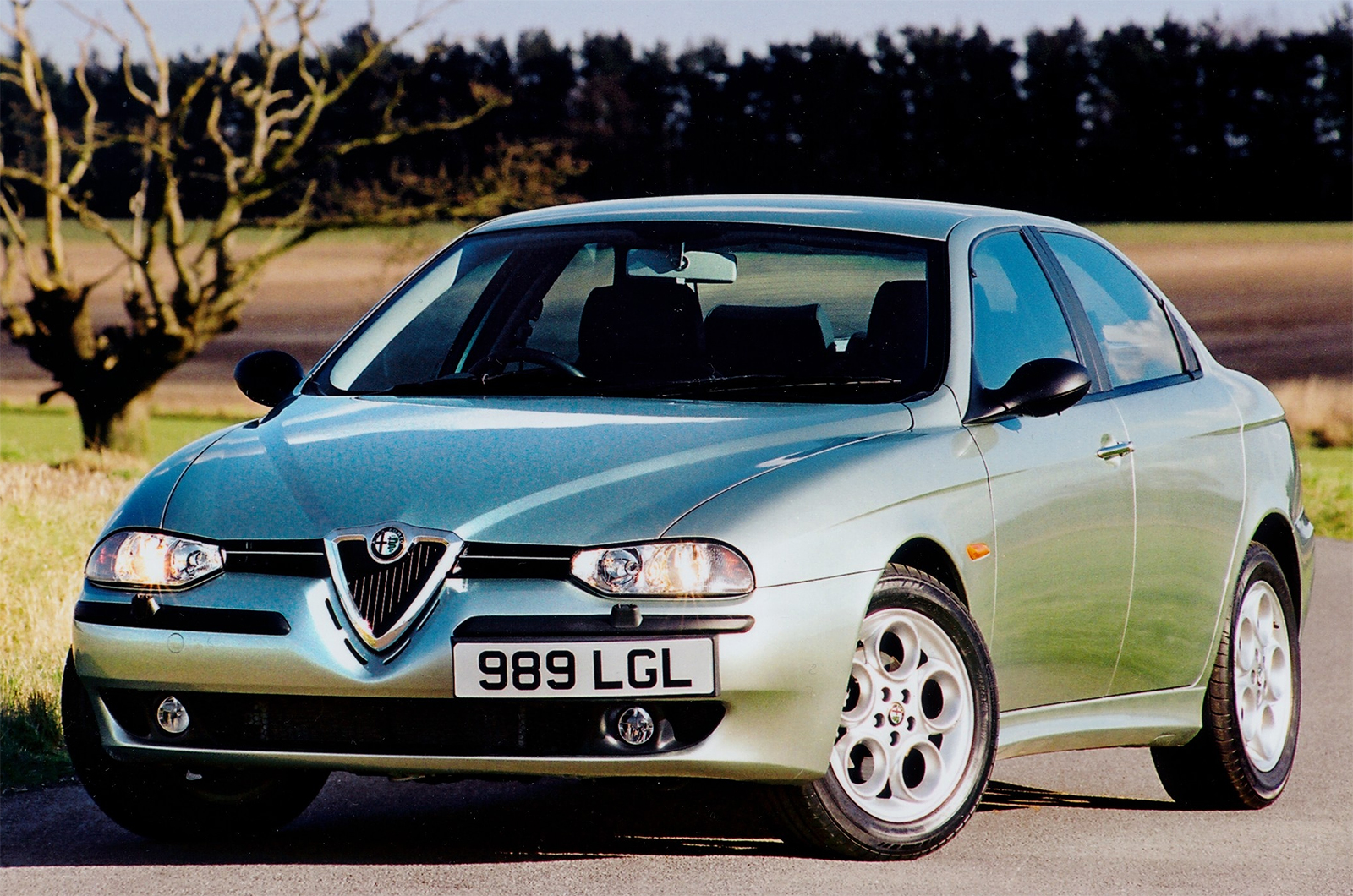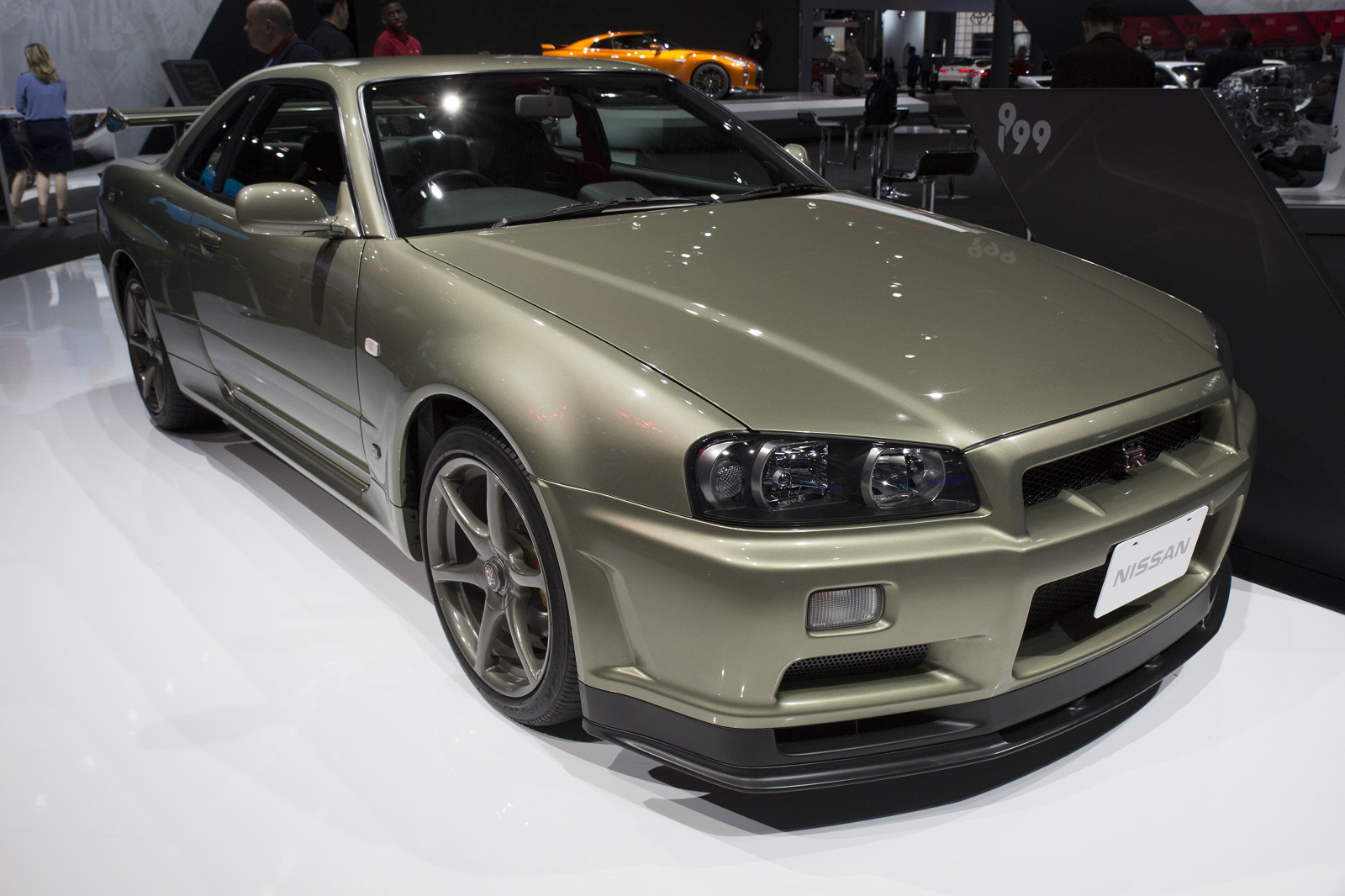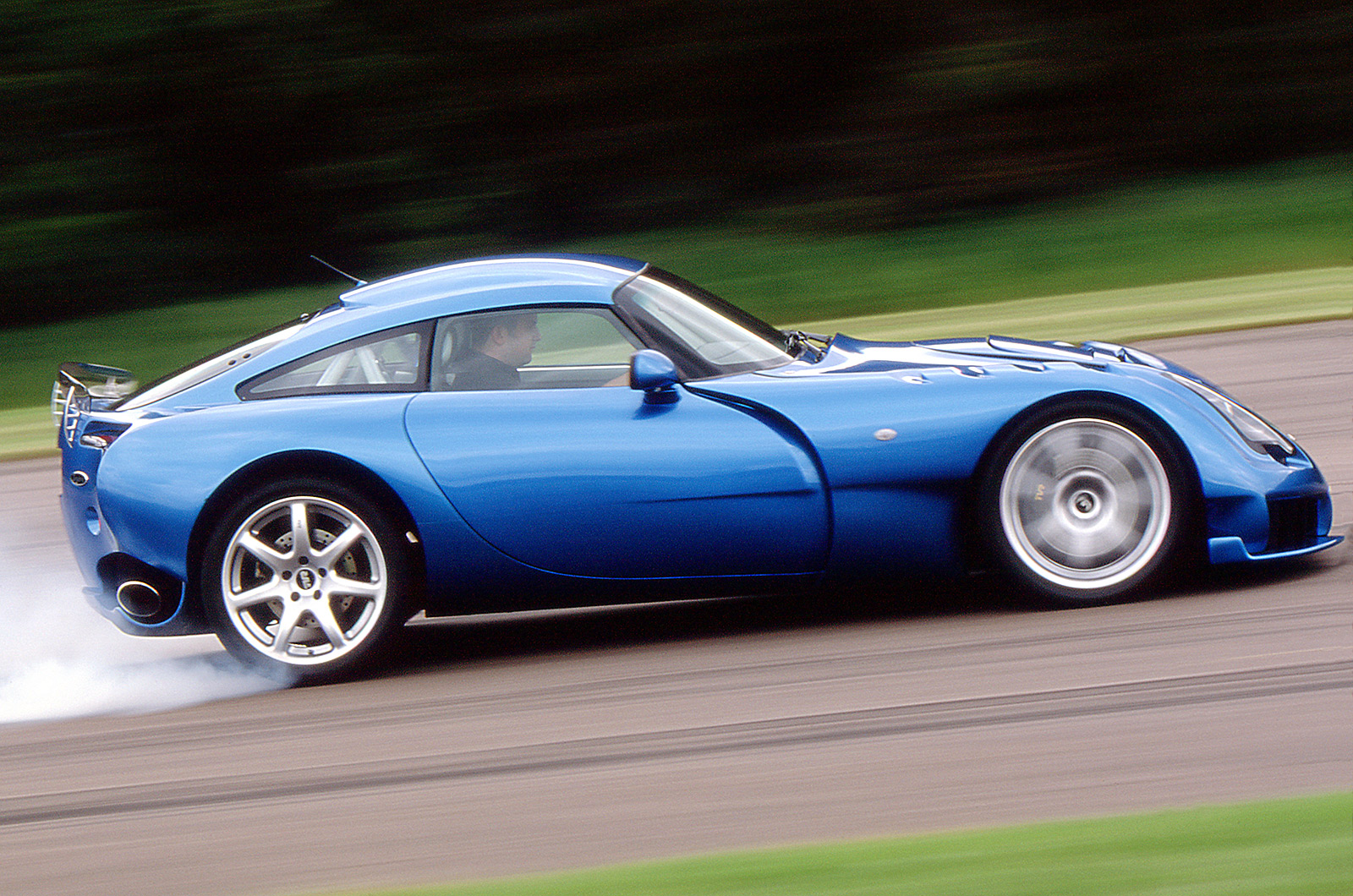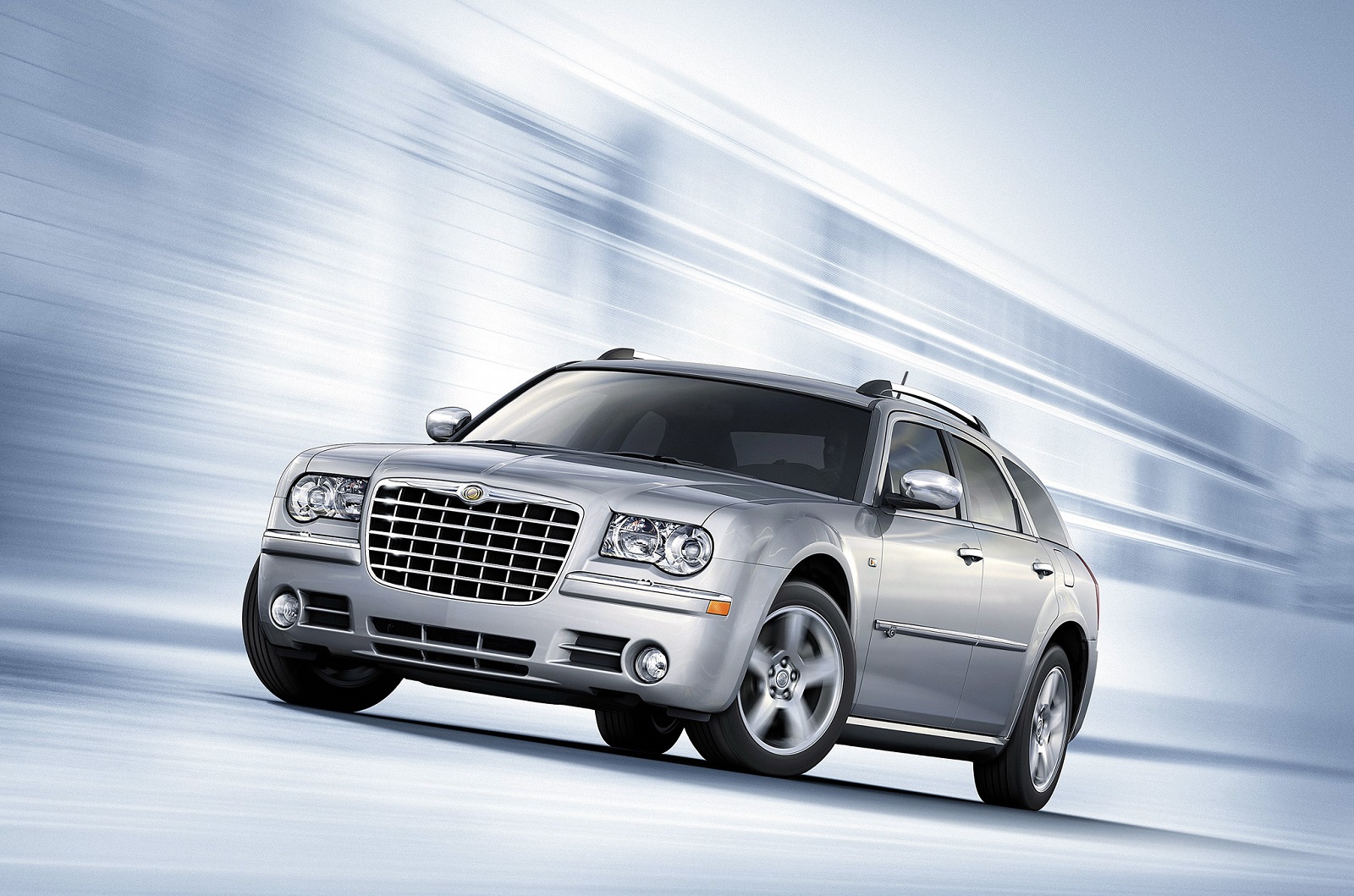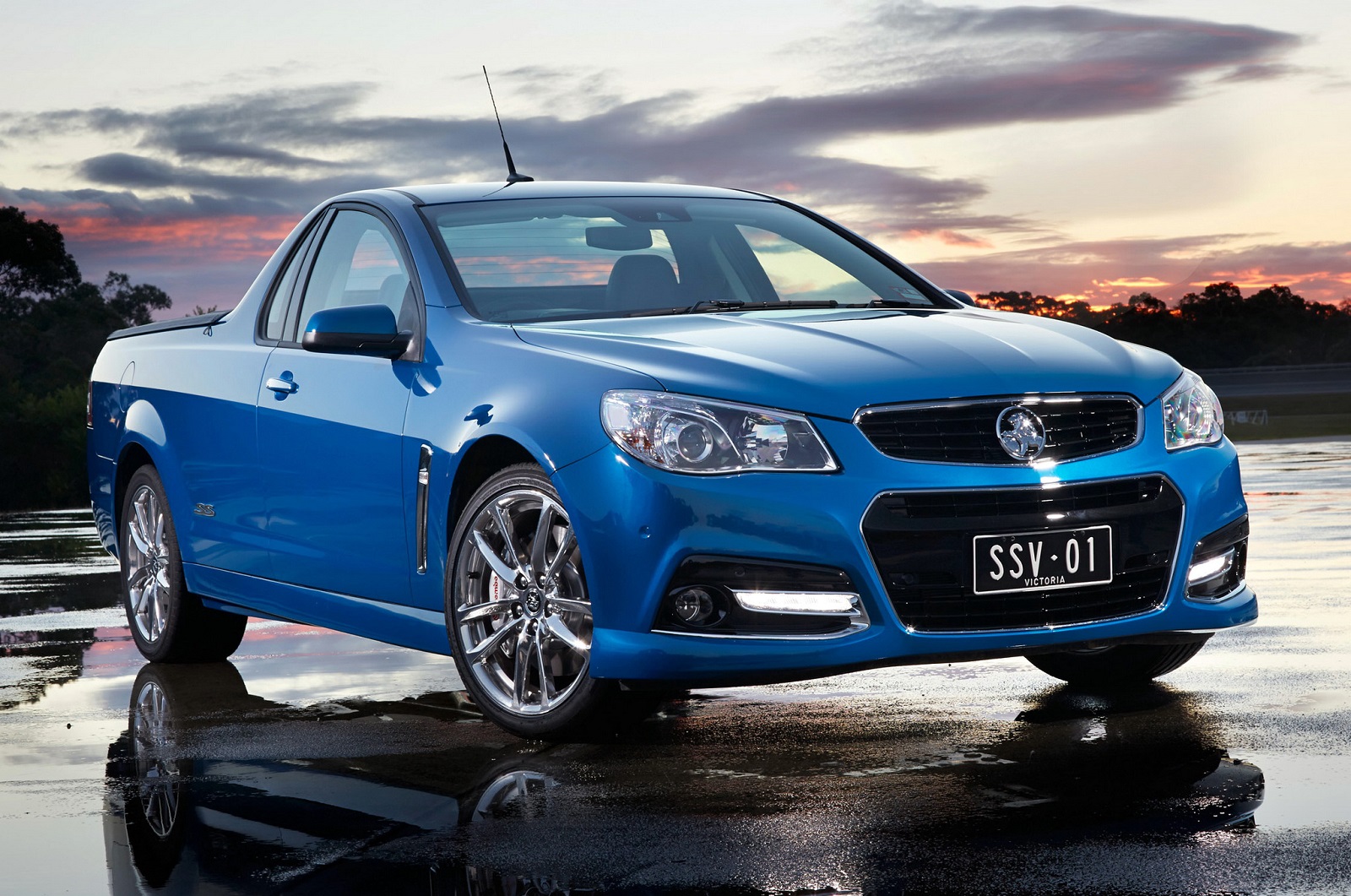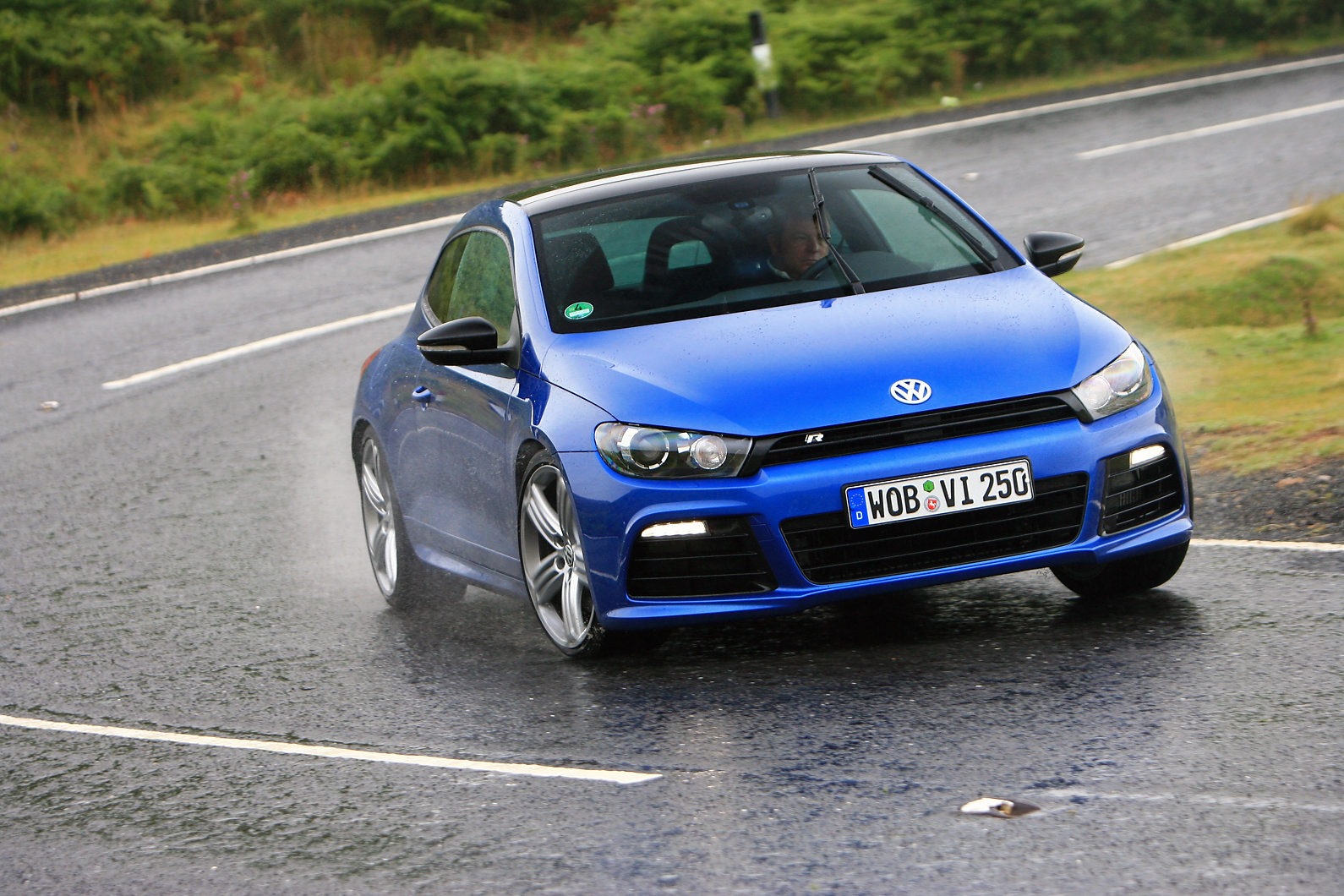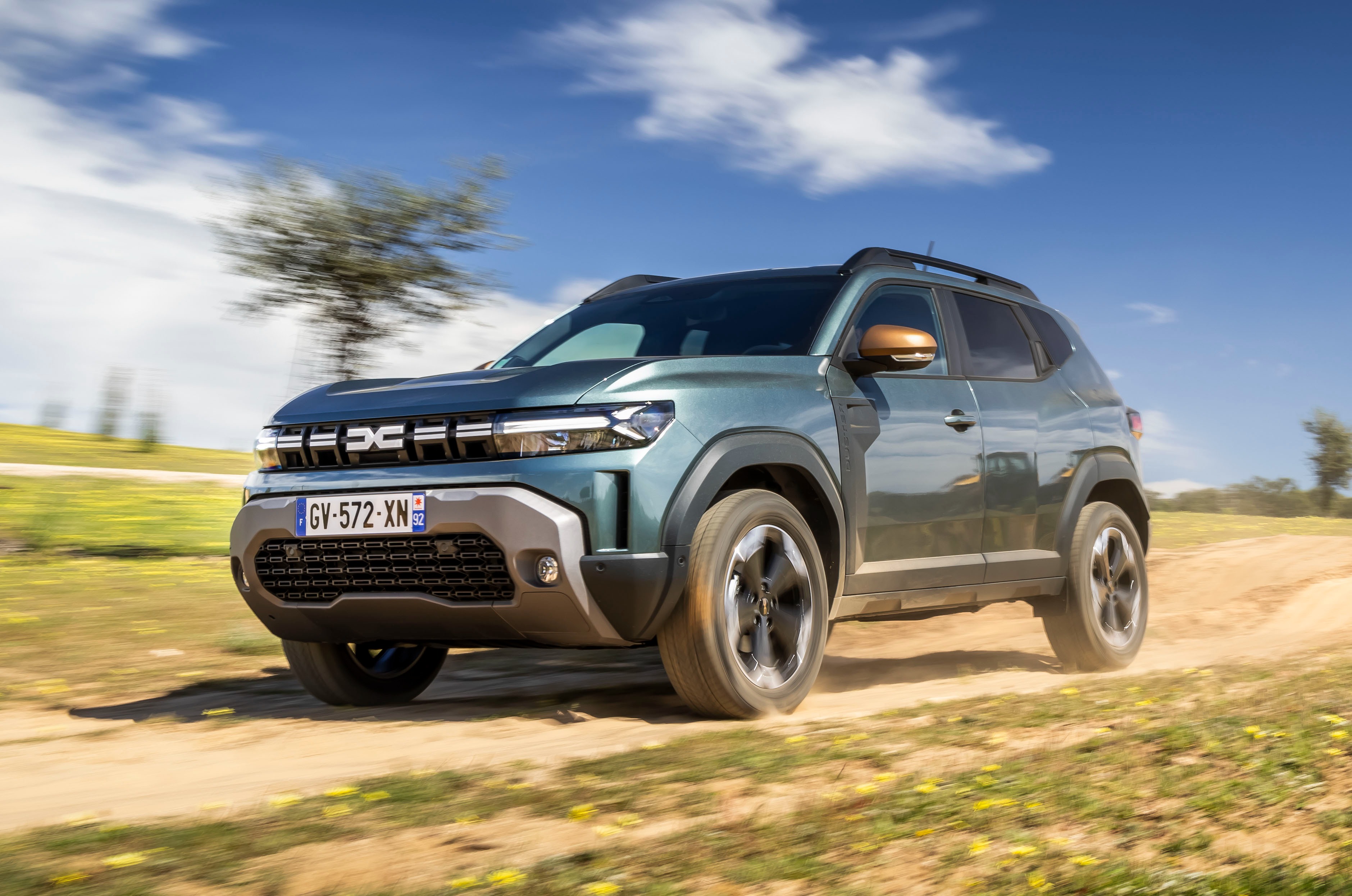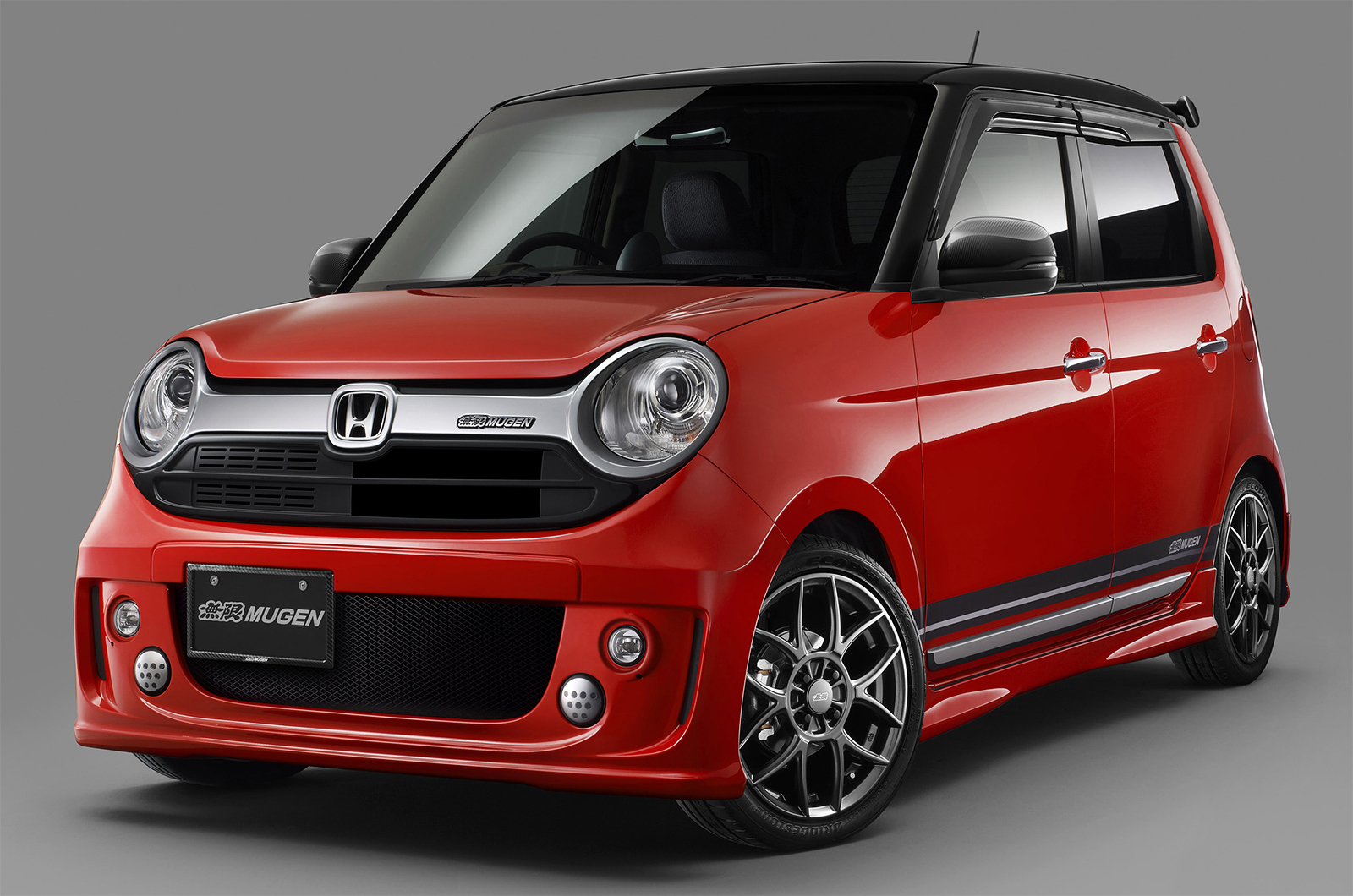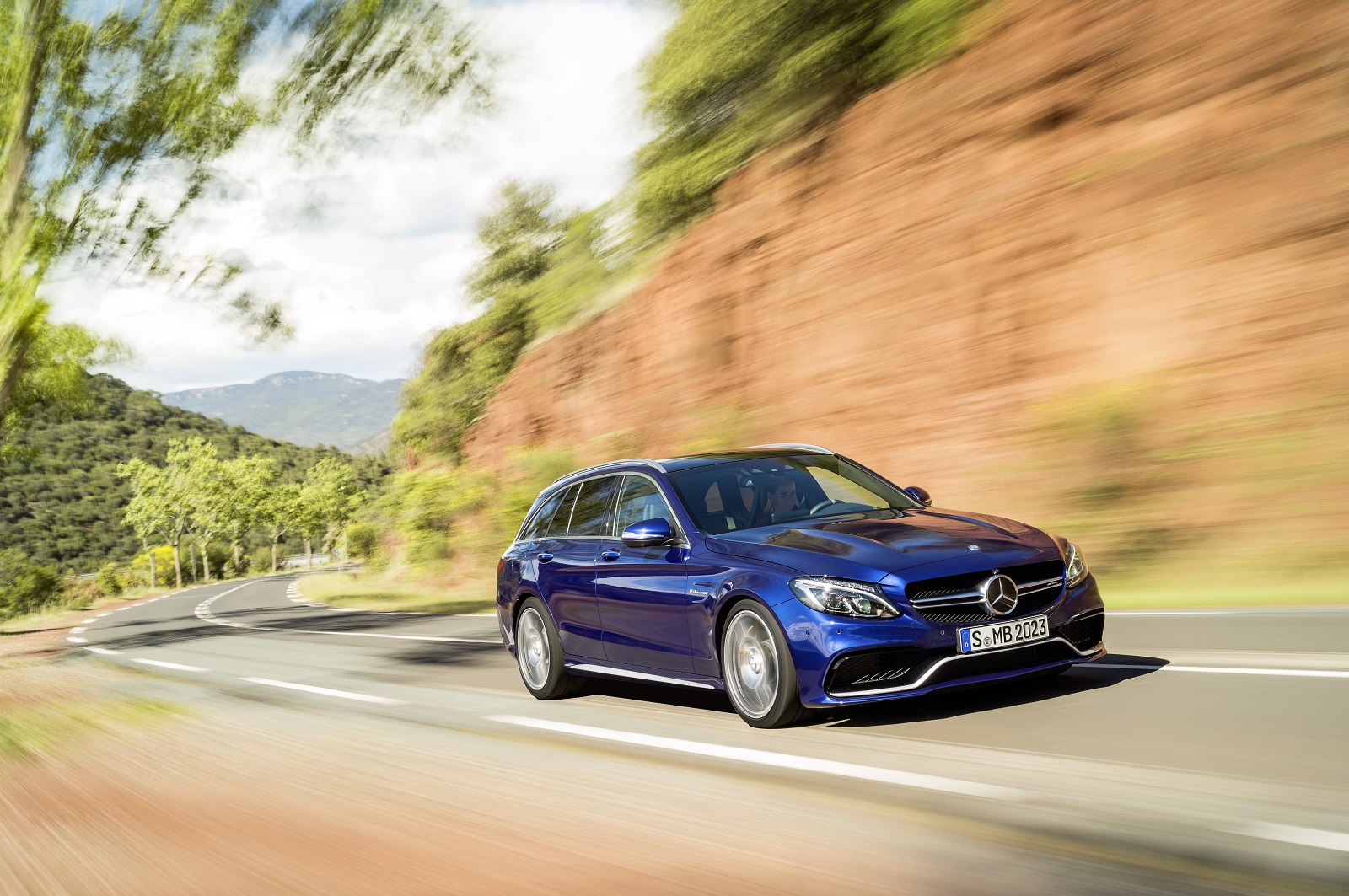

Until China took over in 2009, America was the world’s largest car market.
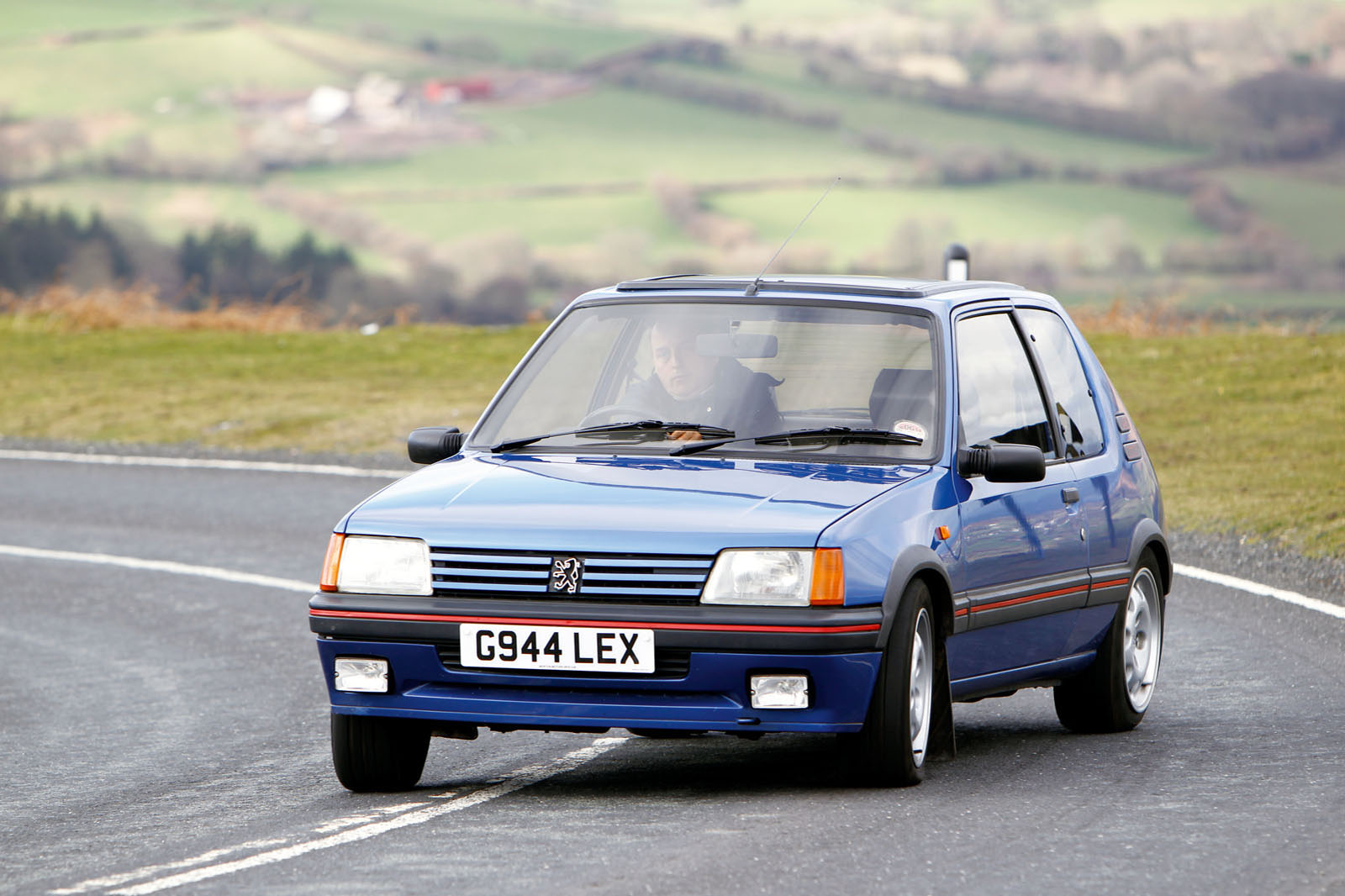
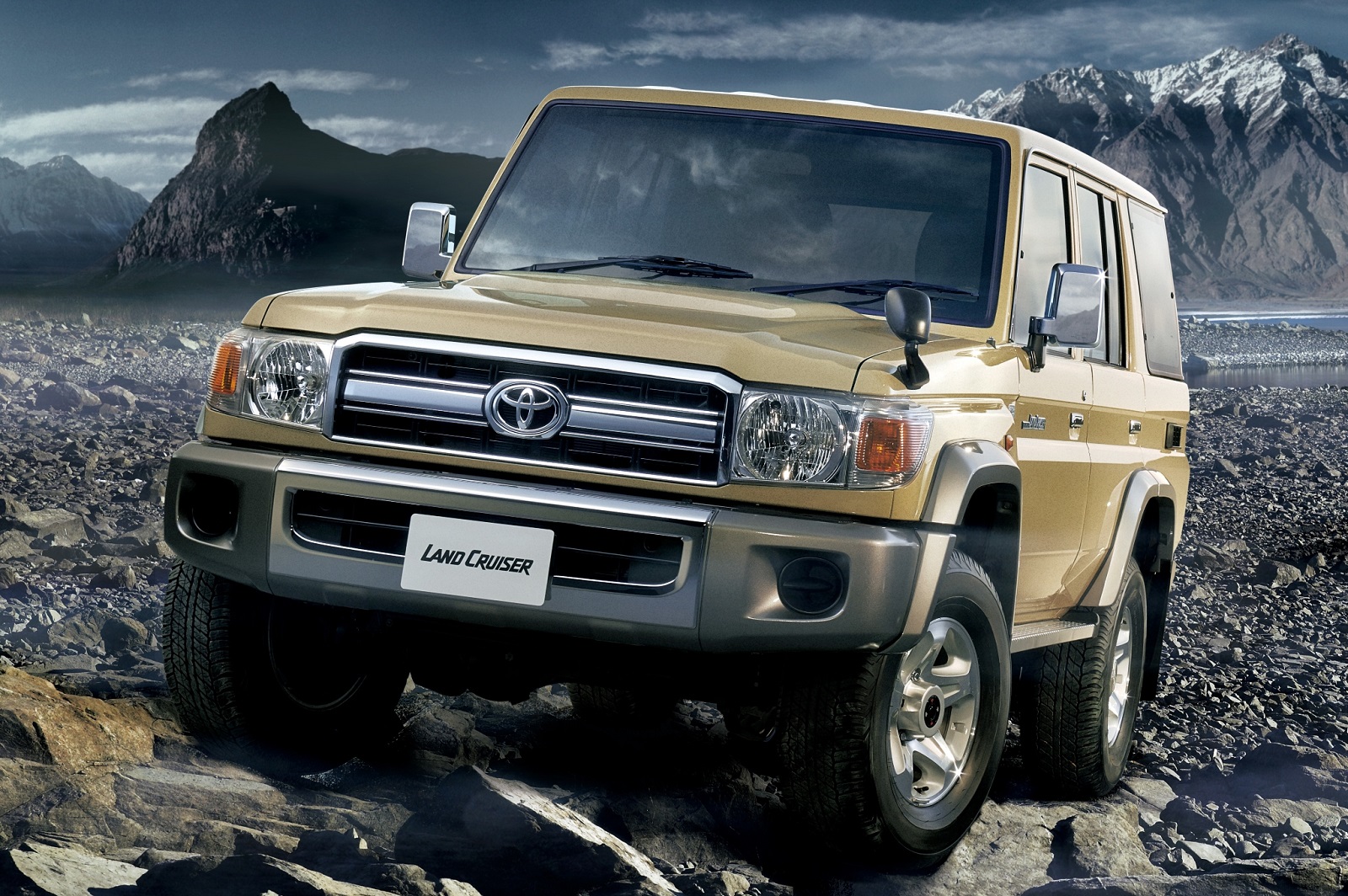
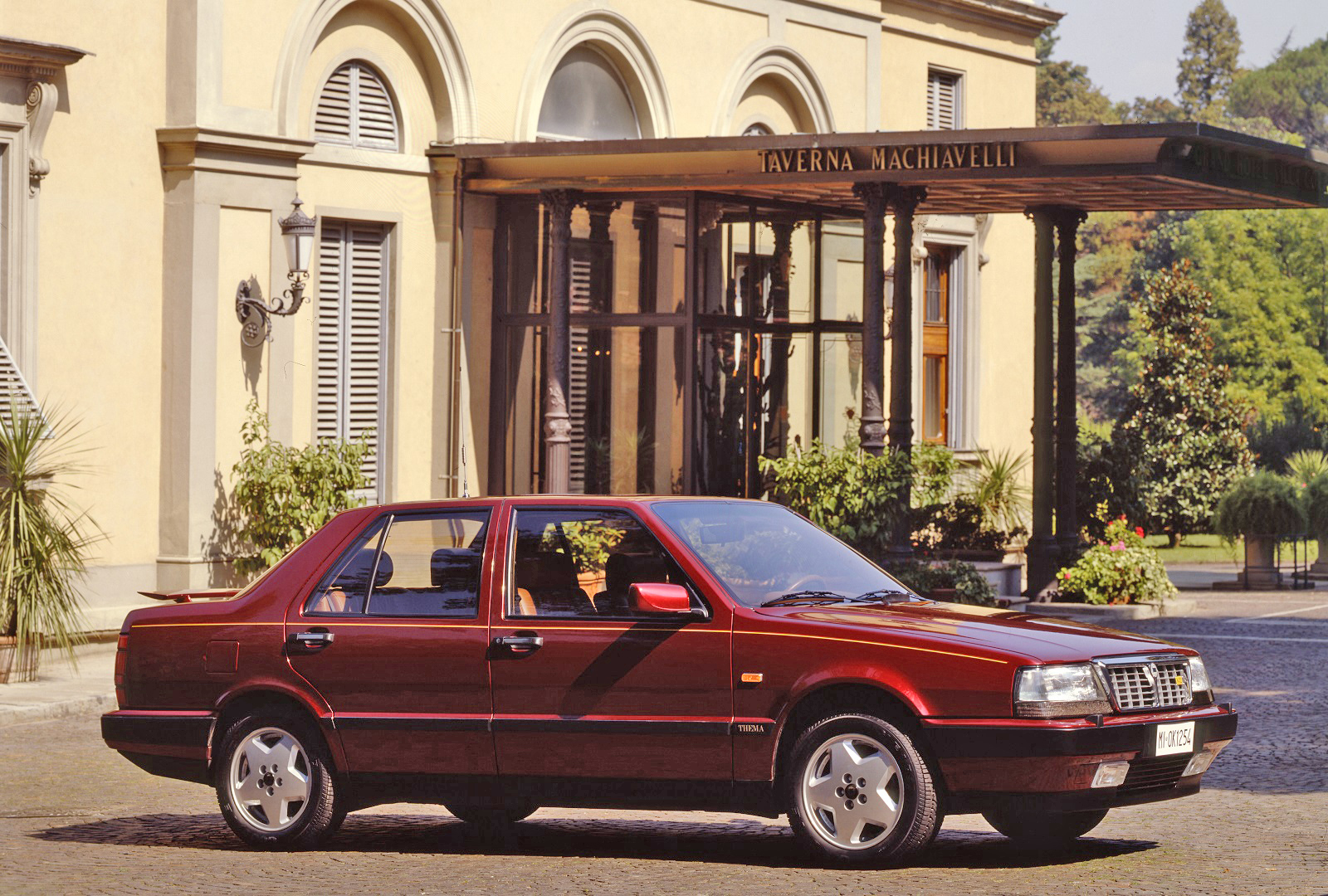
This meant that all car makers did their level best to get a piece of the action. But there have long been substantial differences between the American market and those in Europe and Asia. And those differences tend to account for why certain models were never sold there.
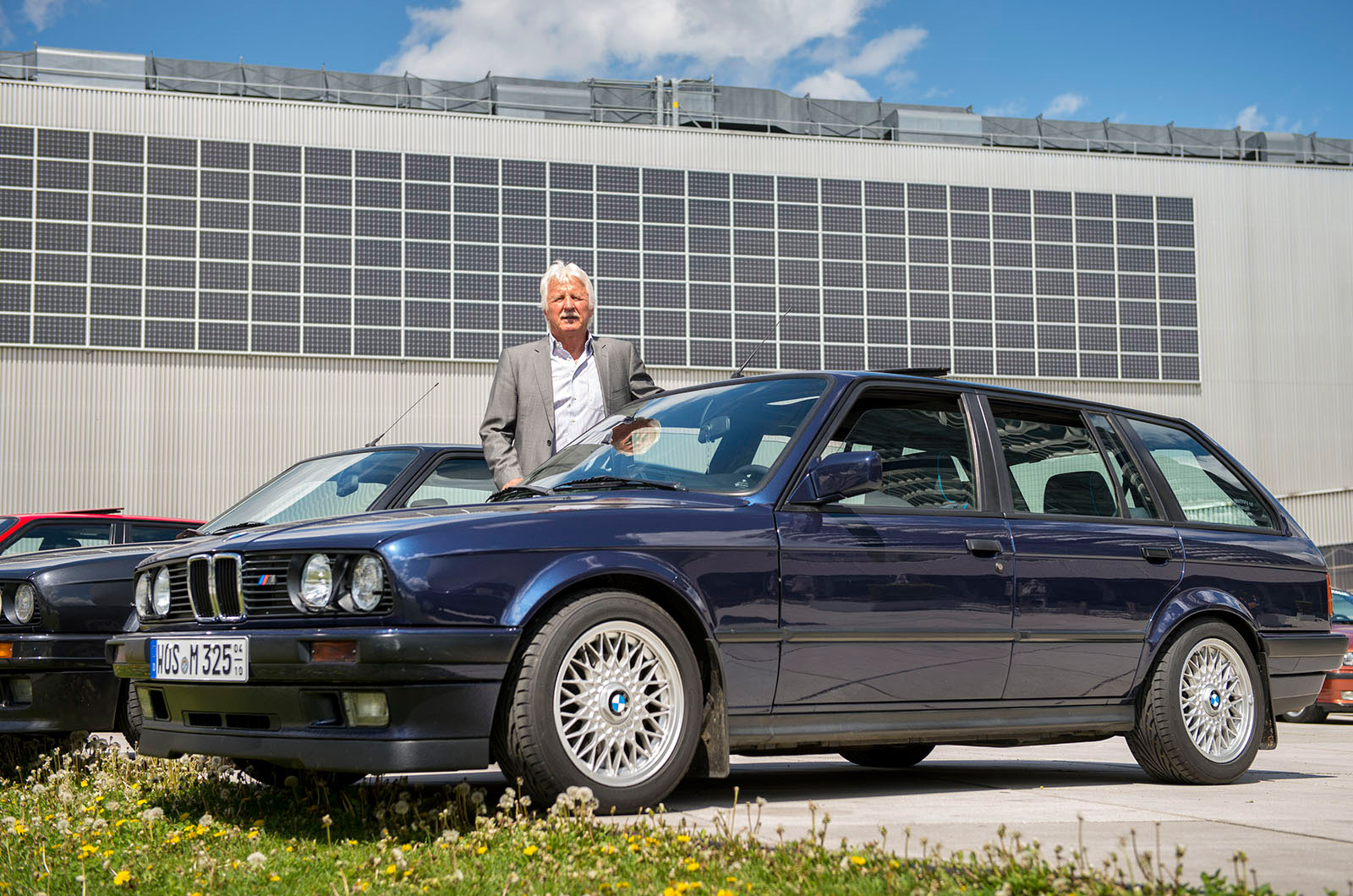
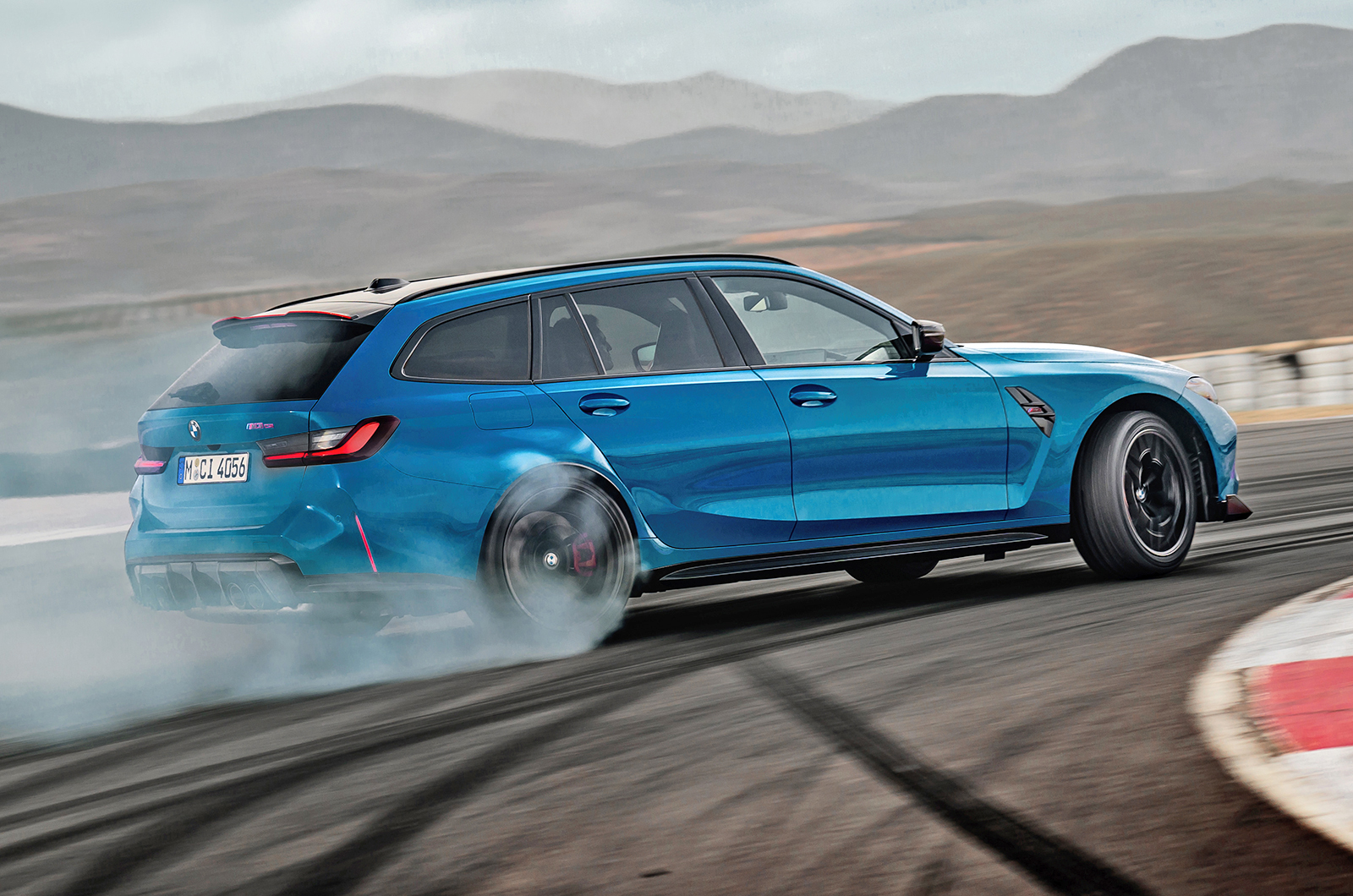
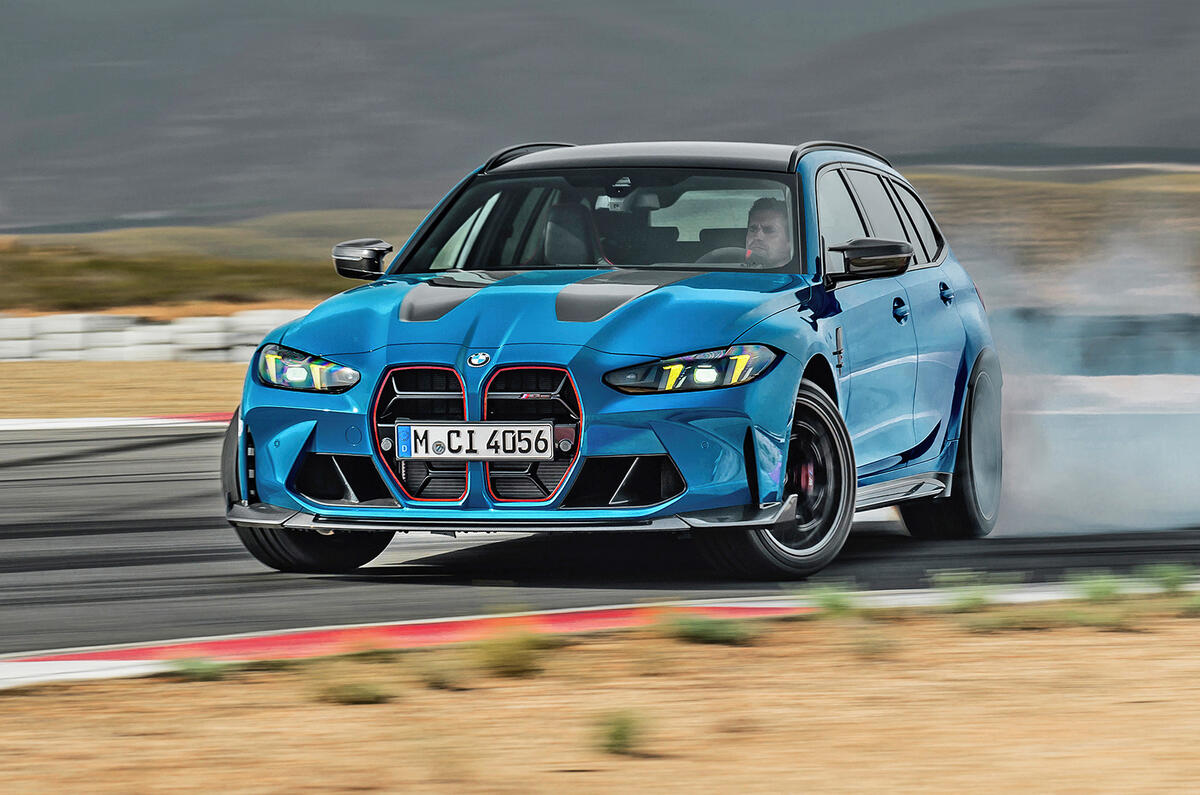
But it does mean that America misses out on great vehicles like the BMW M3 Touring (pictured), a hot wagon that got rave reviews from most people. Take a look at all the other cars America never officially sold in America, in chronological order:
Renault 4 (1961)
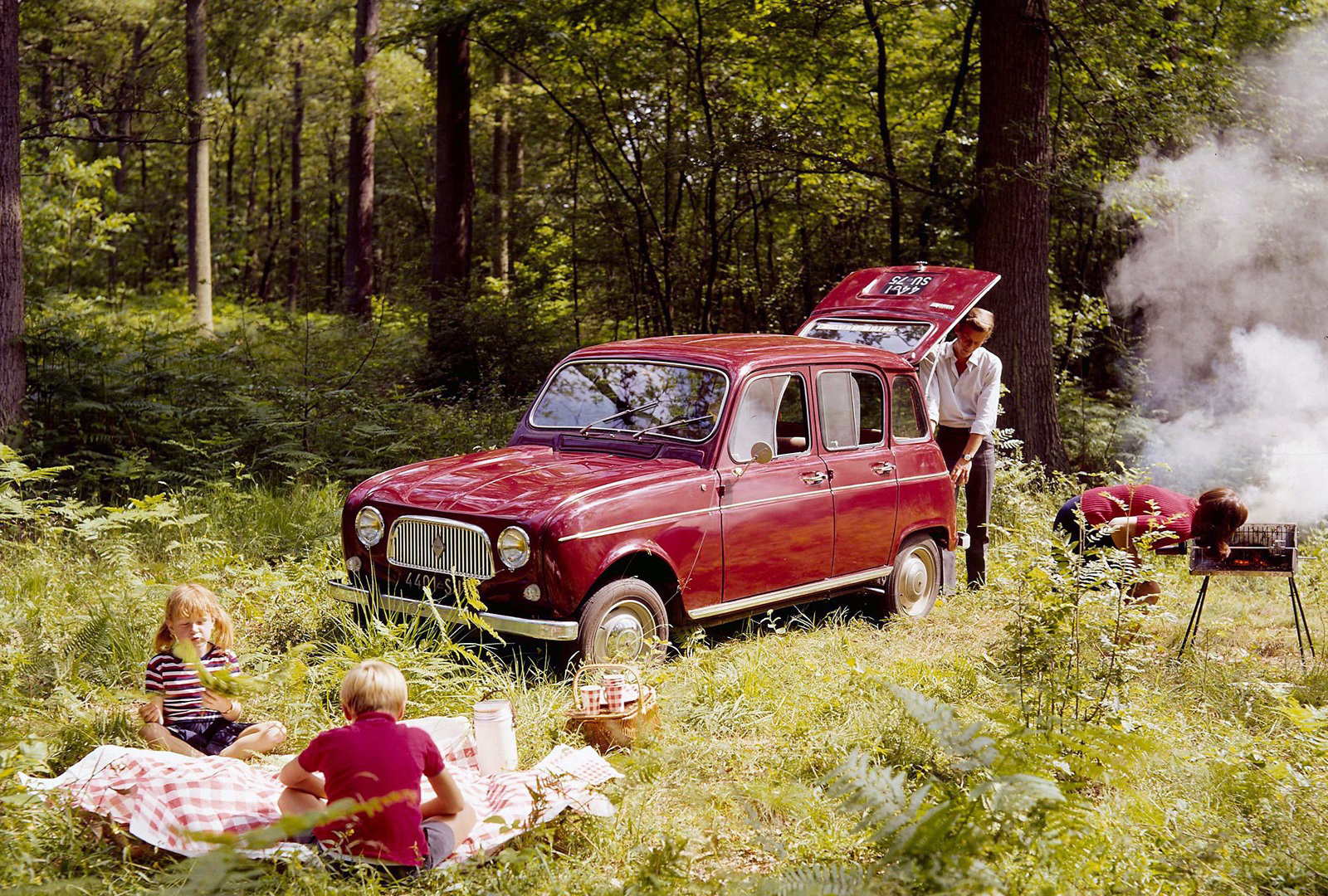
The 4 isn’t the pettiest or the fastest Renault ever to grace European roads, but it was an honest, humble car that ticked every box of basic transportation. Renault’s entry-level model offered winter-friendly front-wheel drive and a functional hatch well before either became common. Admittedly, the dash-mounted manual gear-change might have intimidated a few motorists, but this was good honest motoring.
Toyota Century (1967)
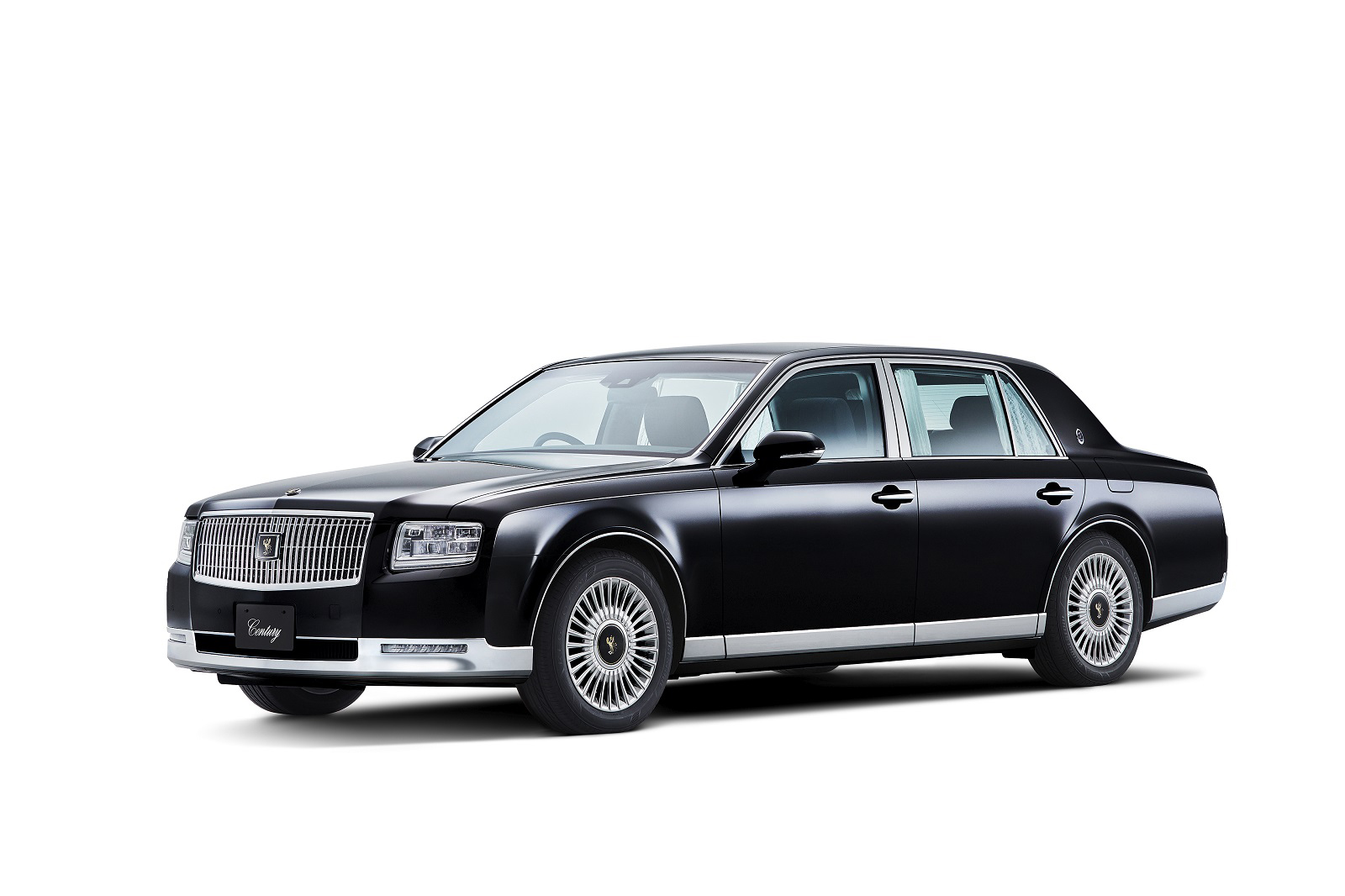
Toyota created the Lexus brand in 1989 to vie for a slice of America’s ever-growing luxury car market. Lexus was new to every class it entered, but Toyota had learned valuable lessons in building an opulent car from manufacturing the Century, its flagship saloon in Japan, for over two decades.
The second-generation of this car was powered with a V12 engine and lasted all the way from 1997 to 2017; it is the official state car of the emperor of Japan. A third-generation model arrived in 2017 (pictured), now powered by a V8 engine, and is still on sale.
Renault Rodeo (1970)
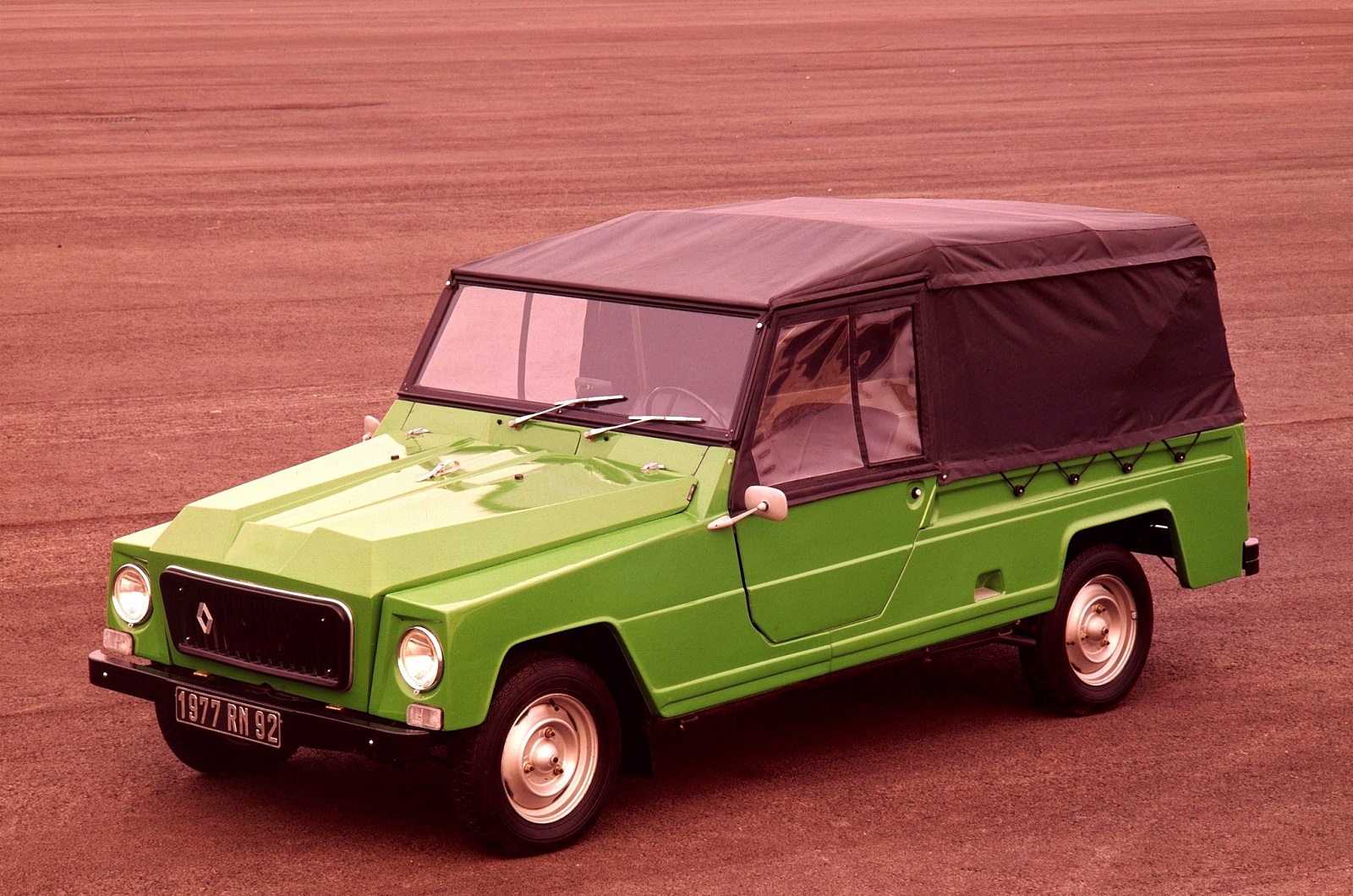
Utilitarian beach cars never caught on in the US, partly because the cars they were based on often weren’t sold there to begin with. Citroën made a half-hearted attempt to market the Mehari but stopped after just one year when American regulators made seatbelts mandatory.
We think the Renault Rodeo would have fared a lot better; it was more usable than the Mehari, and Renault had a better grasp on the American market than Citroën.
Volkswagen SP2 (1972)
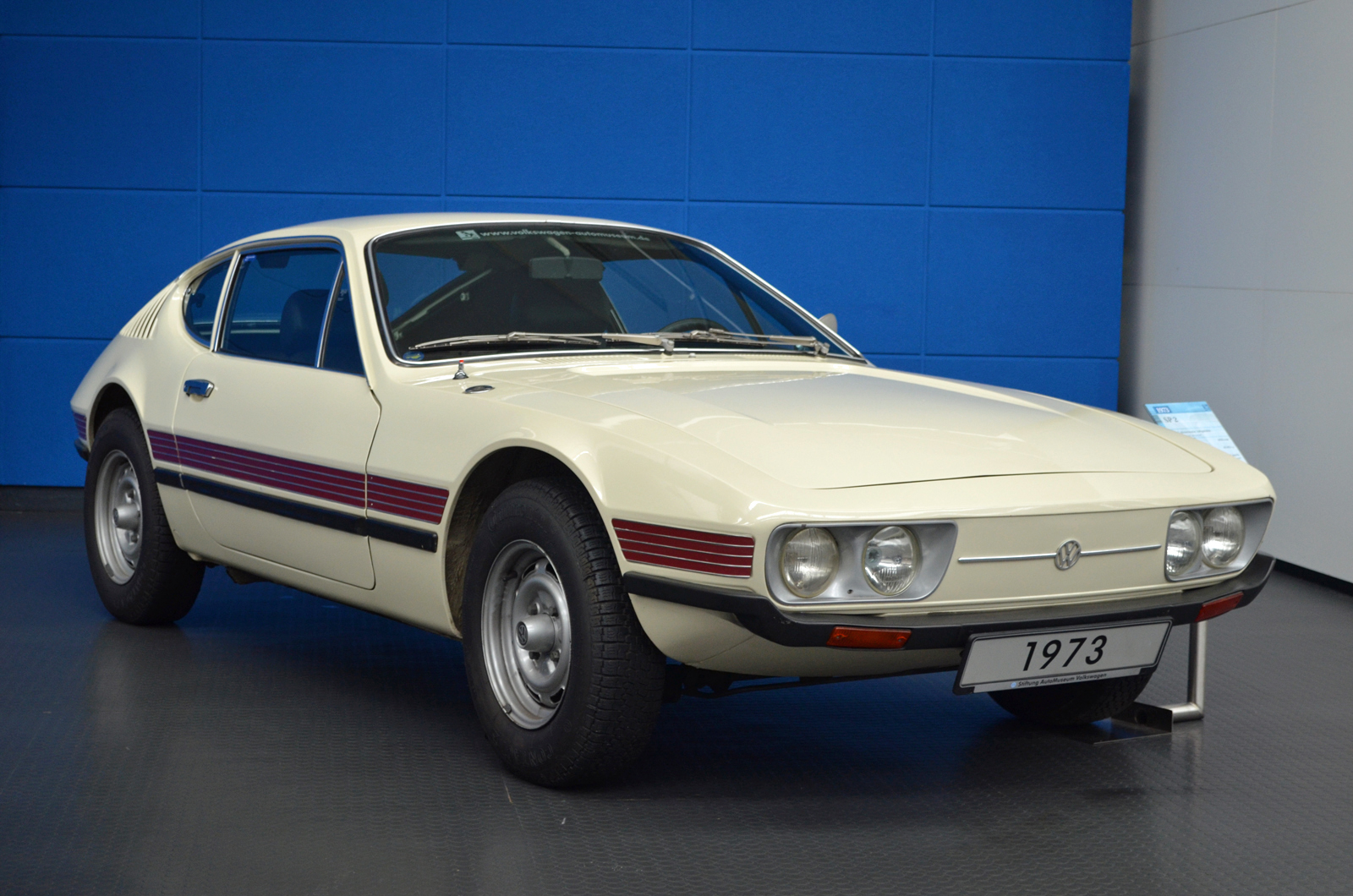
Volkswagen’s Brazilian division enjoyed a significant amount of independence from headquarters in Germany. The SP2 was designed in Brazil solely for the Brazilian market, using mostly off-the-shelf components like a chassis borrowed from the 412 and a 1.7-litre air-cooled flat-four engine. Its fastback-like design secured the SP2’s spot as one of the most handsome cars ever to wear a Volkswagen badge.
Lancia Stratos (1973)
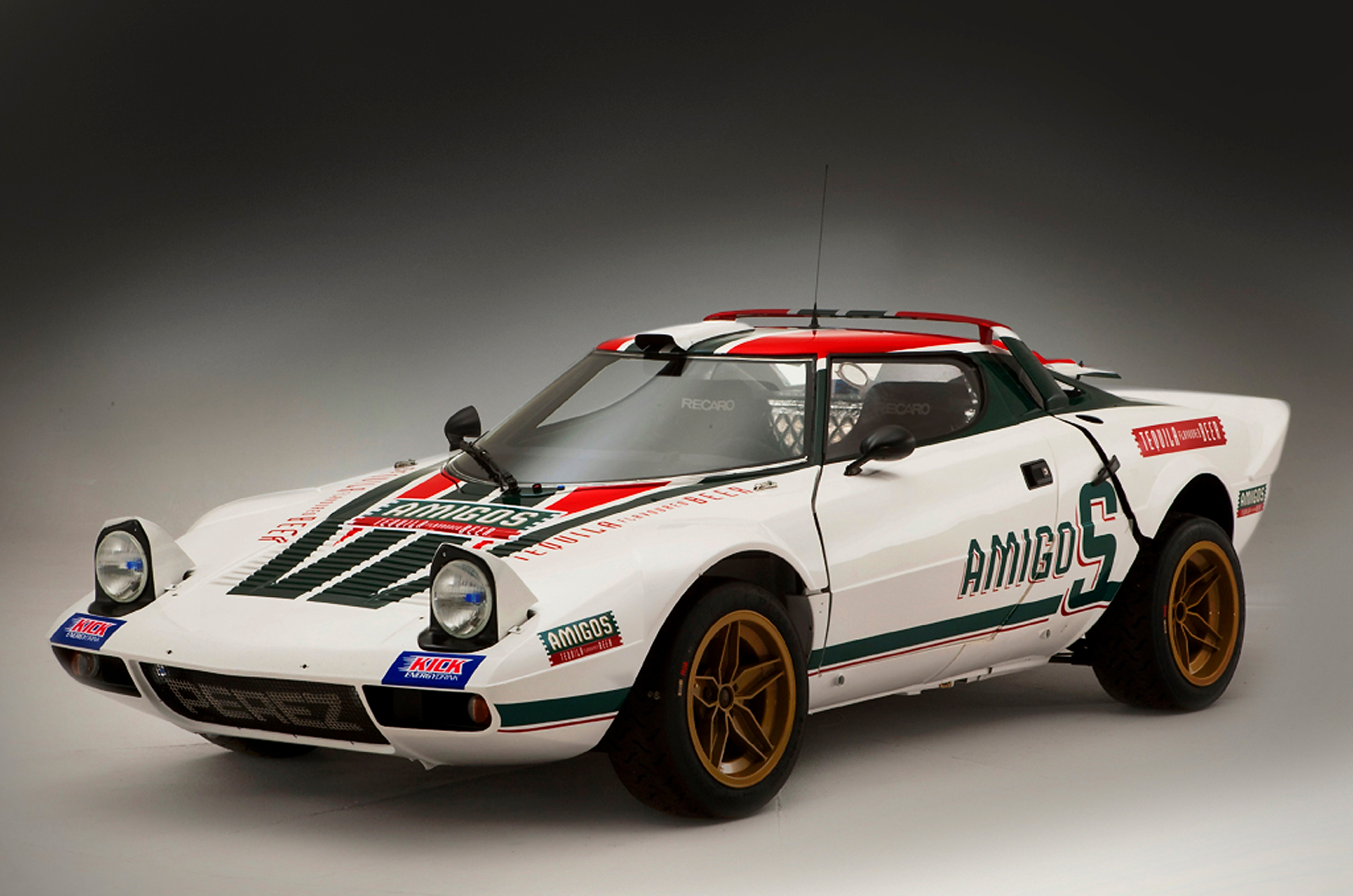
Lancia built the Stratos for homologation reasons. Developing and building a small series of high-performance cars was an immensely expensive project, especially for a company like Lancia that has often found itself in financial trouble. So trying to sell the car to Americans was ruled out. It’s a shame; a car like the Stratos could have helped salvage the brand’s sinking image.
Citroën GS/GSA (1979)
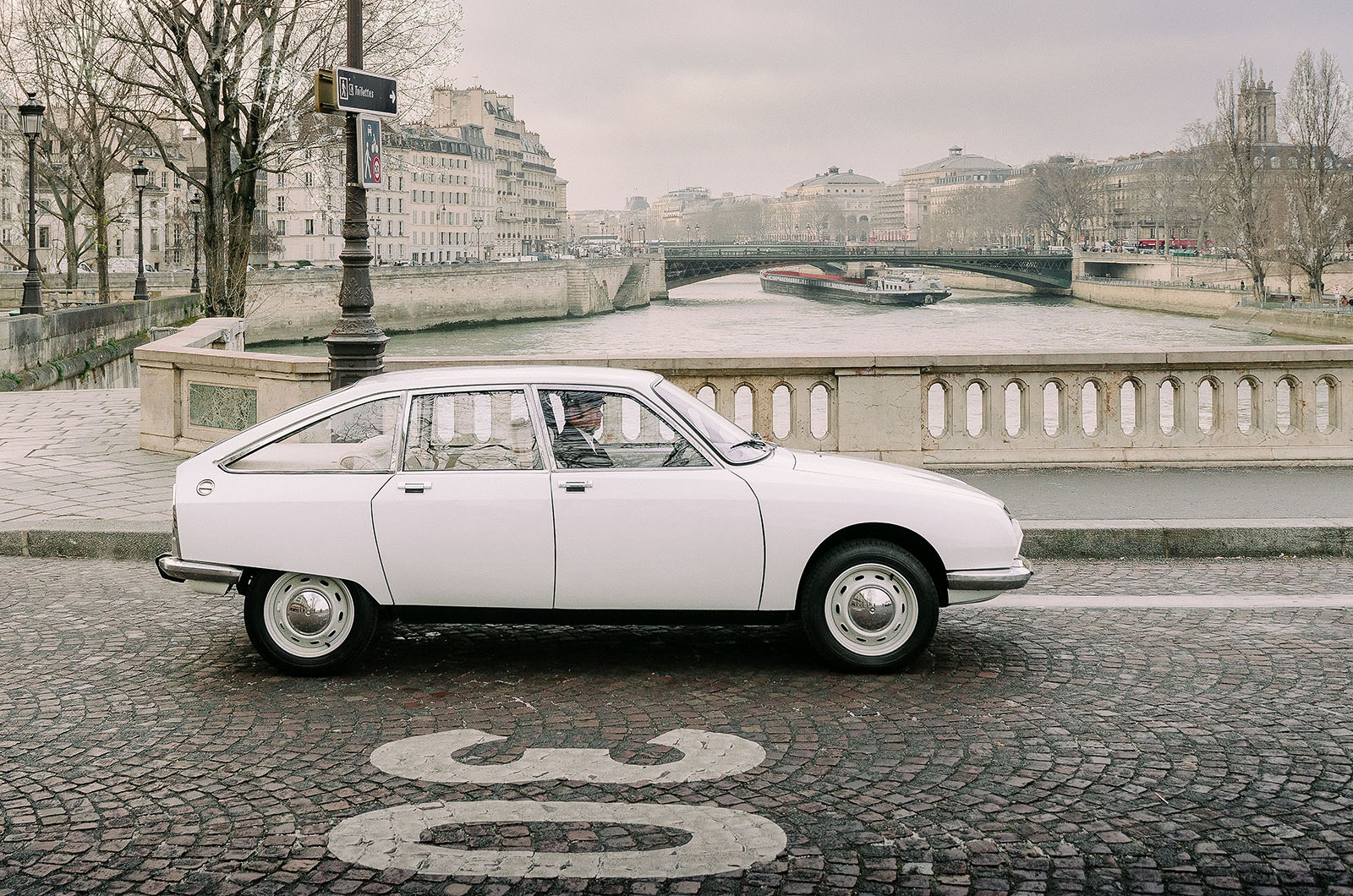
Citroën was ready to launch the GS in the US. It sent a small batch of cars to its dealers in preparation for the launch, but it changed its mind when it became aware of new safety regulations mandating a fixed ride height.