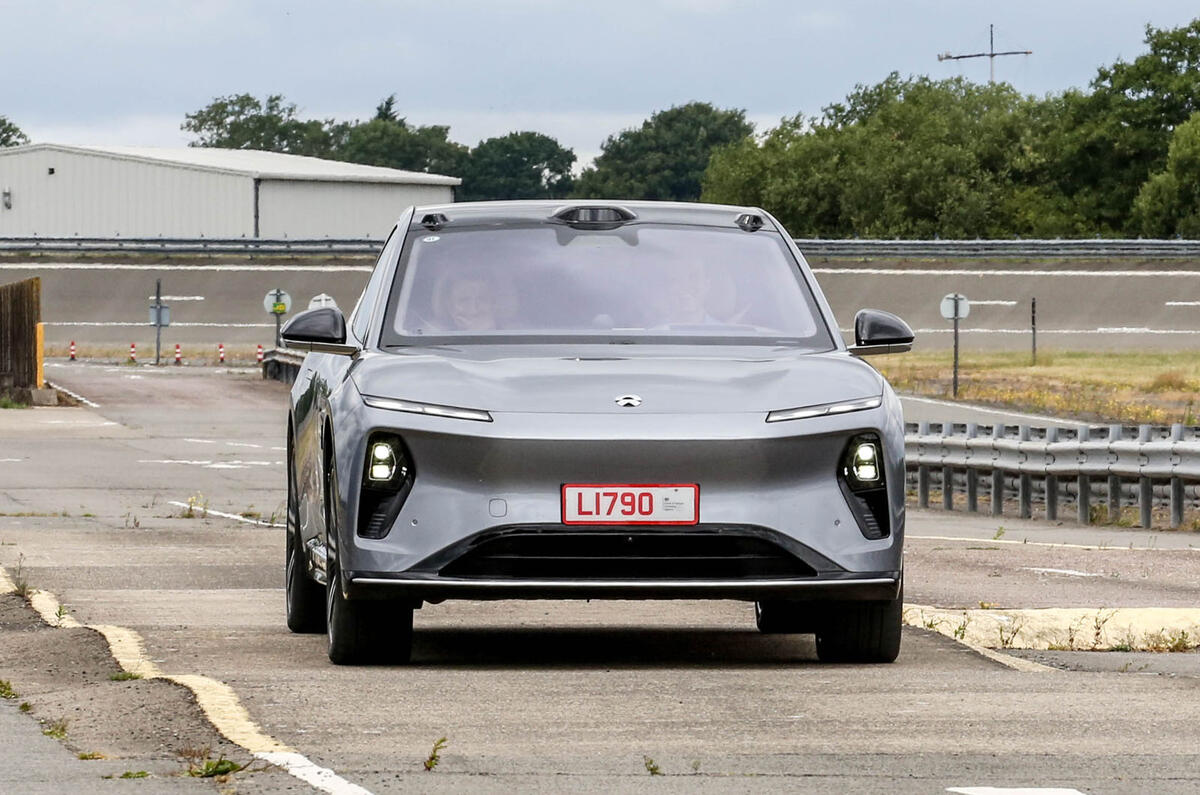

US-based start-up Clearmotion has developed a fully active suspension system that could be fitted to almost any car – and it is set to appear in future Porsches.
Fully active suspension – where the car can control both the extension and compression strokes using an actuator or motor – has been the stuff of dreams for chassis engineers for a long time.
Whereas passive or semi-active suspension (adaptive dampers and/or air suspension) can only ever react to inputs from the road, an active system can effectively pull the wheel up for a bump and push it back down when the road dips, as well as compensate for body pitch and roll in order to keep the car’s body perfectly level. In this way, it can theoretically isolate occupants from what is going on underneath. It can also control the load on the four contact patches individually to improve roadholding without compromising the ride.
In a lineage that includes Citroën’s hydropneumatic suspension, Mercedes’ Active Body Control and the Ferrari Purosangue’s Multimatic set-up, active systems have always had compromises, such as cost, reliability, functionality or all of the above.
Porsche’s Active Ride is arguably the best seriesproduction system so far, but it is very expensive and power-hungry, which means it can only be fitted to cars with a high-voltage electrical system (plug-in hybrids and EVs).
Clearmotion’s solution, as demonstrated on Chinese EV maker Nio’s ET9 flagship, looks remarkably similar to a normal combination of a spring (either air or coil, depending on the application) with a remote-reservoir damper. This compactness and relative simplicity allows it to be installed in many existing cars with minimal modification. It runs on 48V, but a converter allows 12V cars to use it too.
Clearmotion technical fellow Marco Giovanardi said: “We are a different kind of supplier from the ZFs of this world. We didn’t already have a mature product, so we couldn’t wait for someone to design a vehicle for us.”
Key to the system is a rotary electric motor with its own control unit, which powers a hydraulic pump that forces fluid in or out of the damper. There’s one for each corner of the car, rather than a central one, thus eliminating metres of pipework.
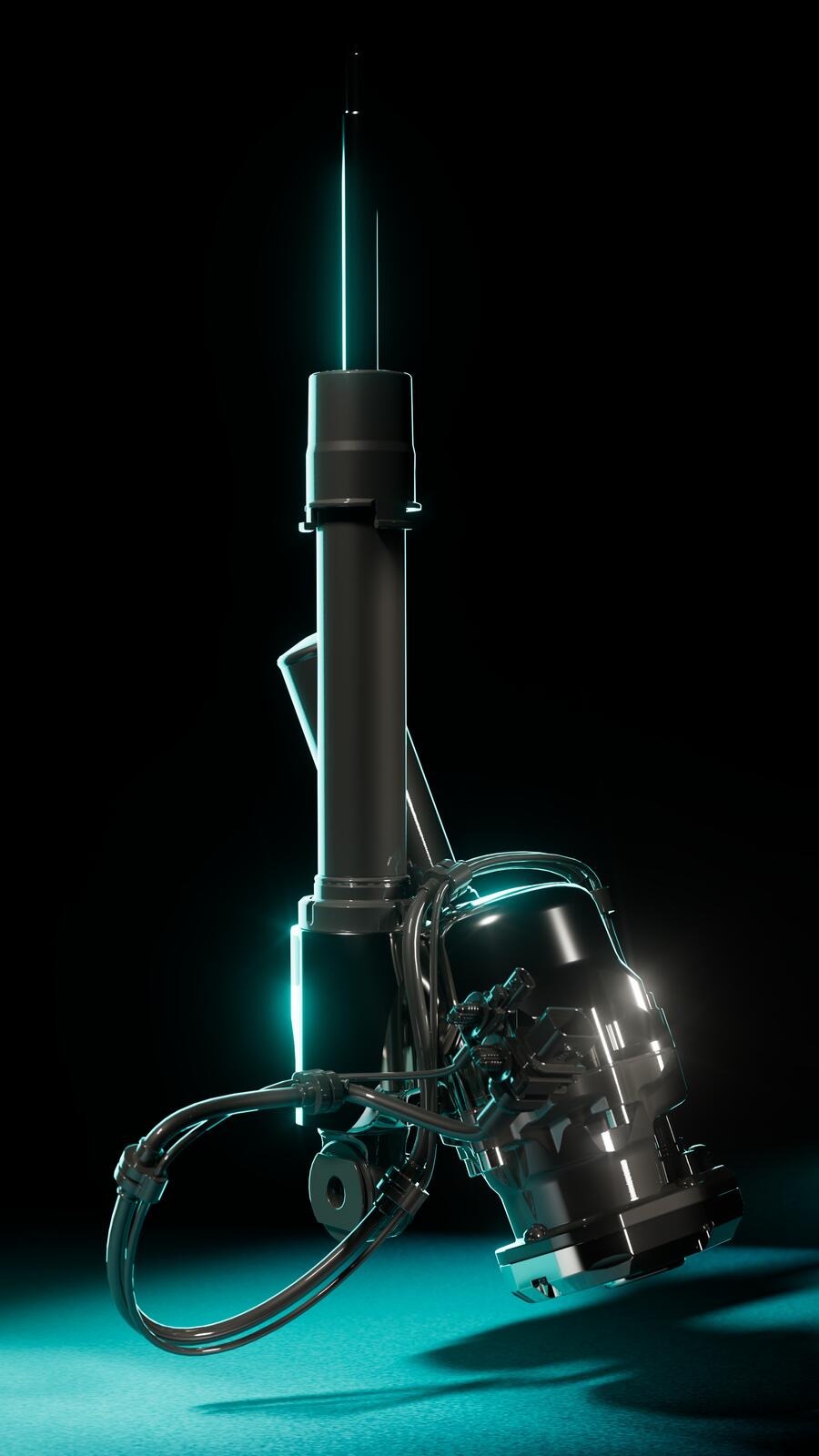
This all plugs into a central control unit, which uses data from the car’s various sensors to decide what each suspension corner unit should do. Clearmotion doesn’t use cameras because they are unreliable in less than perfect conditions, and lidar sensors are expensive and create too much data.