
'One life. Live it' goes the popular Camel Trophy and unofficial Land Rover slogan. It's often associated with old, tooled-up Defenders and Discoverys, but why not with Freelander 2s as well?
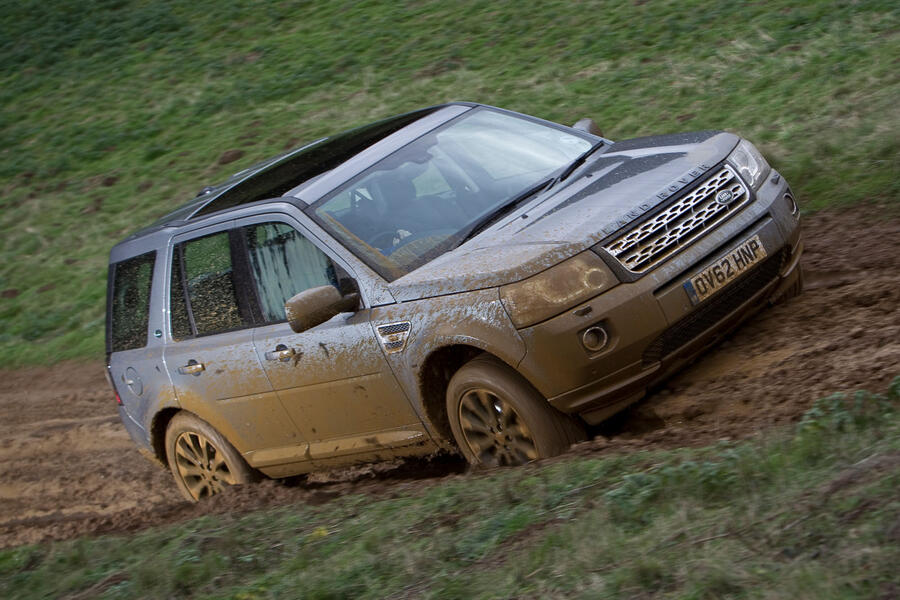
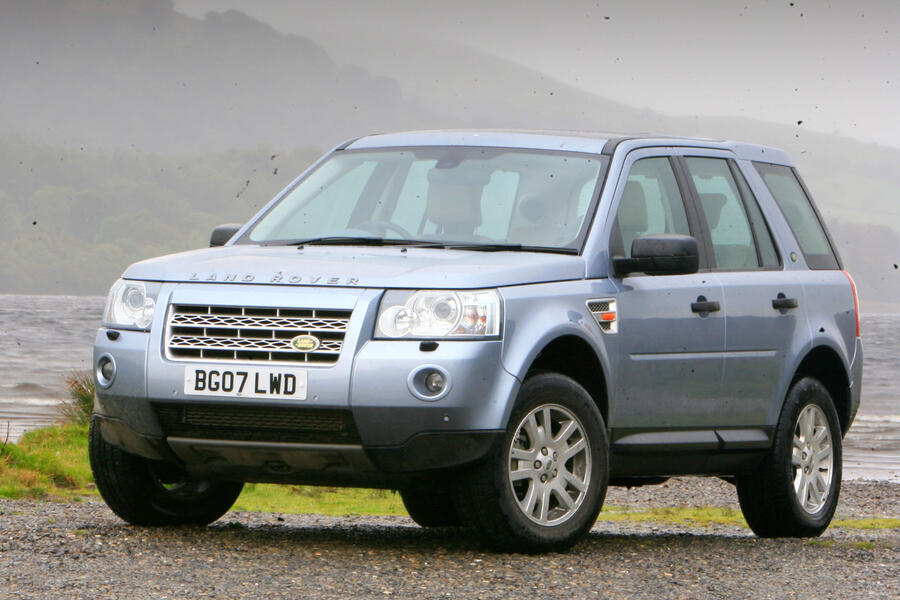
After all, this family-size, five-door SUV of 2006-14 has proper off-road chops and a rugged 'constructed look' (its designer's description) that emphasises its practical purpose, anchors it in the Landie family and sets it apart from softer mid-size SUVs of the time.
It followed the Freelander 1 of 1997-2006, a car that pioneered groundbreaking features such as hill descent control. It sold well and readied the market for the Freelander 2: larger, roomier, better equipped and more powerful. More expensive, too. Back in 2006, prices ranged from £21,000 for the entry-level Freelander 2 TD4 S to £34,000, before options, for the 3.2 i6 HSE. Today, cared-for 2011-reg TD4s with 60,000 miles still go for around £10,000, and there's talk of the model approaching collector status.
It came in just one bodystyle but was powered by a choice of two engines: a short-lived 3.2-litre Volvo-sourced six-pot petrol producing 230bhp and mated to an automatic gearbox for especially awful economy, or the mainstay of the range, a Peugeot-sourced 2.2-litre diesel. Called the TD4, this engine produced a modest 158bhp but a mighty 295lb ft at 2000rpm. An economy-oriented version with stop-start, badged the TD4e, was offered from 2009-10.
With the Freelander's 2010 facelift, the TD4 engine lost 10bhp but torque rose still higher to 310lb ft and it gained stop-start as standard (the 'e' designation was dropped). That cleared the way for a more powerful version of the engine producing 190bhp and called the SD4. It was no torquier but had a six-speed Aisin automatic gearbox, which has since proved reliable. This version did not have stop-start.
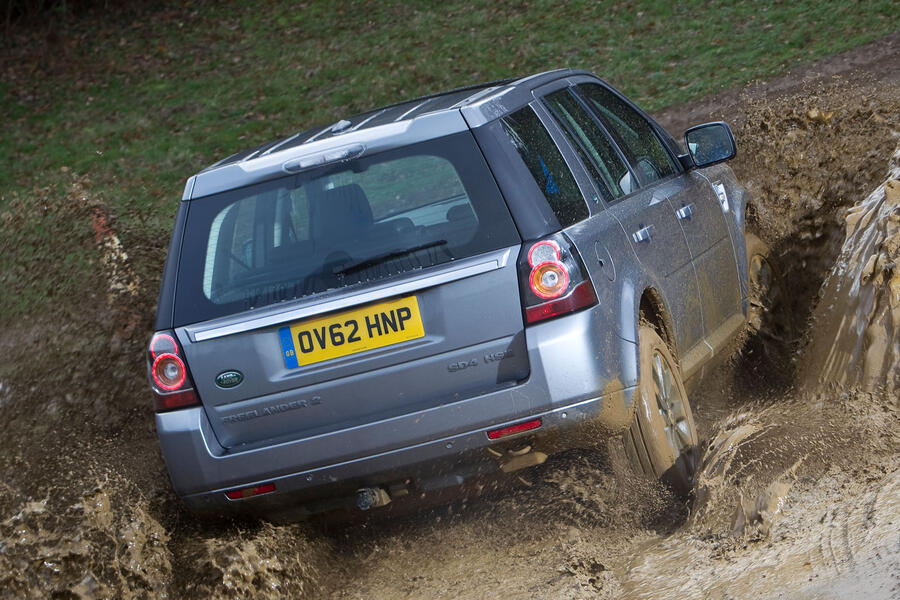
In a radical move, in 2011 a two-wheel-drive, 148bhp Freelander arrived badged eD4. Although it was more economical (47.2mpg), very few found homes.
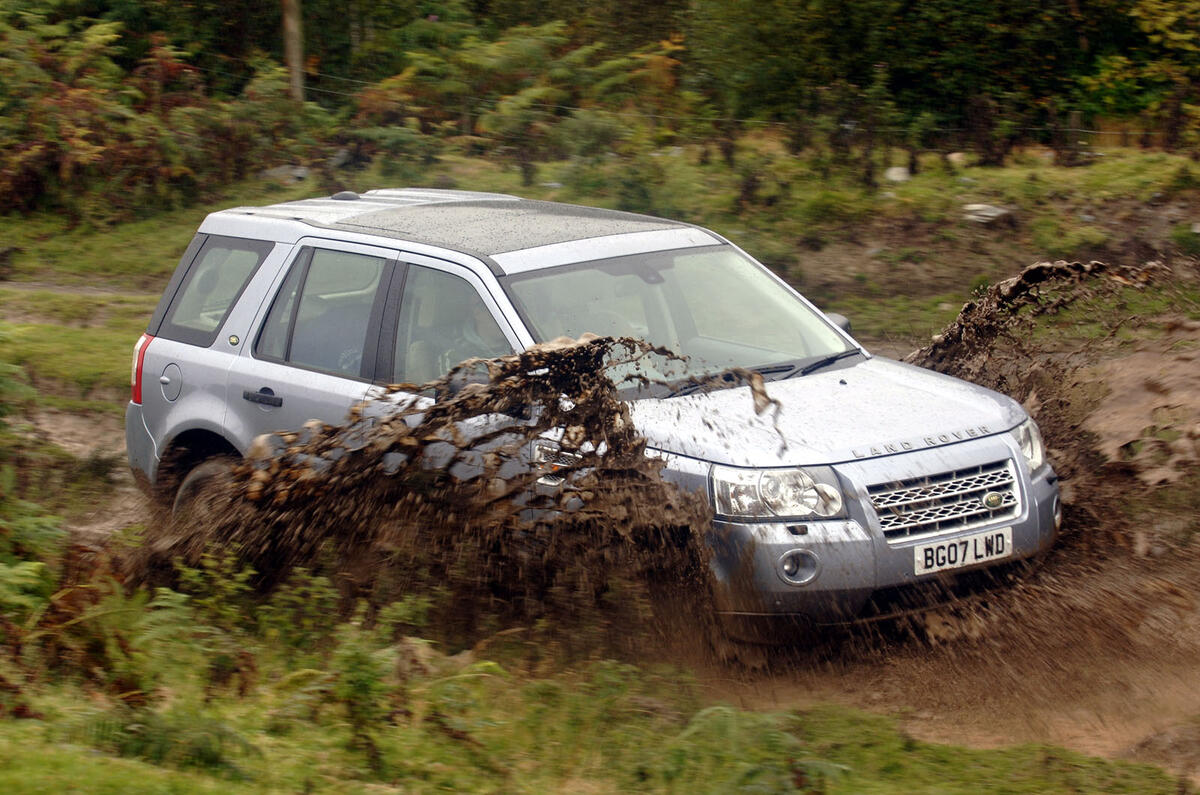
Speaking of the eD4 reminds us that all other Freelanders had intelligent four-wheel drive, their Haldex central coupling sending power to the rear wheels at the first hint of trouble. In addition, from 2009 all but the entry-level S version gained Land Rover's Terrain Response system. This adjusts torque, drive and traction control systems as determined by a range of driving modes. Off road, the Freelander is as capable as you would expect; on the road, it leans heavily in corners but grips well and is comfortable.
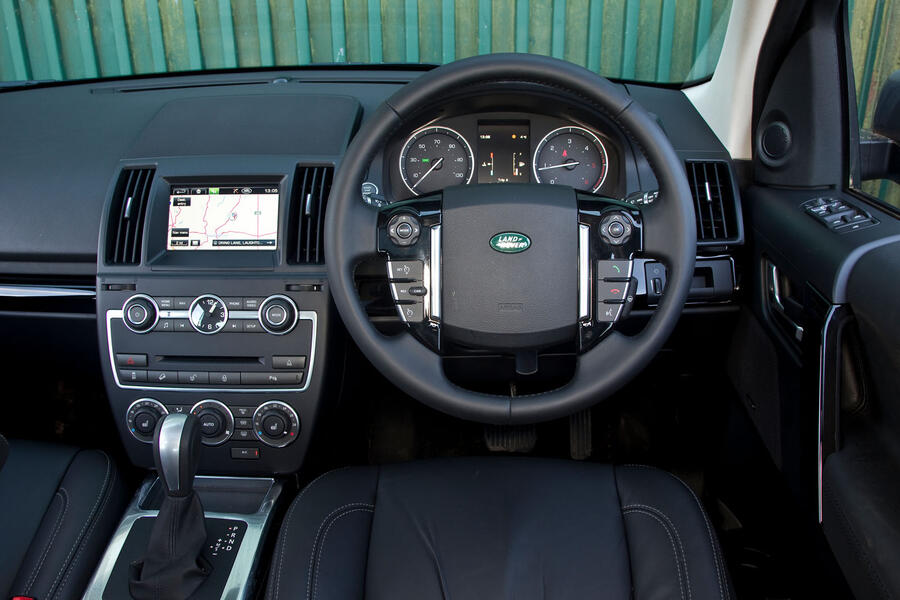
The interior looks impressive but isn't quite as well finished as contemporary BMWs and Audis. Front-seat occupants sit high up and have plenty of room, but the rear cabin is a little cramped. The boot is well shaped but not that large.