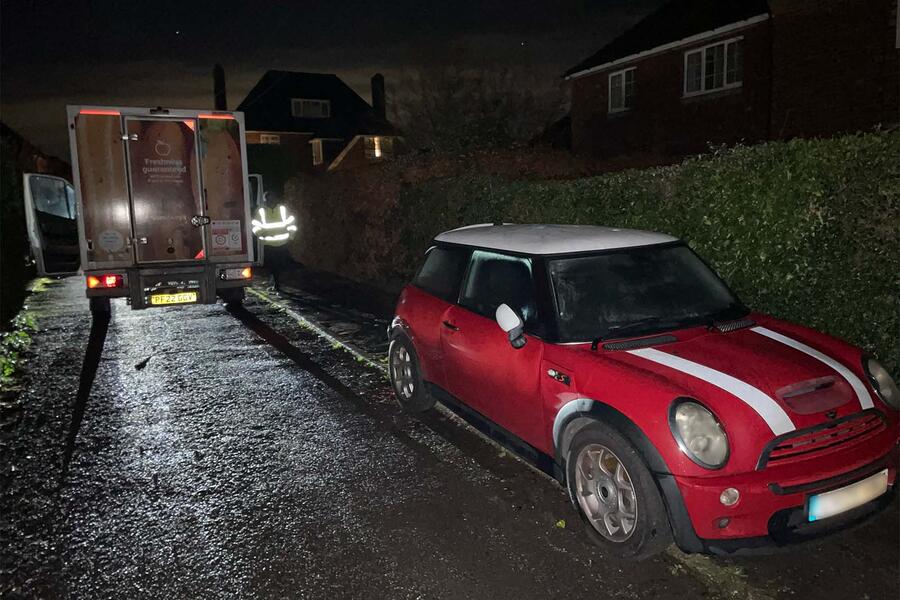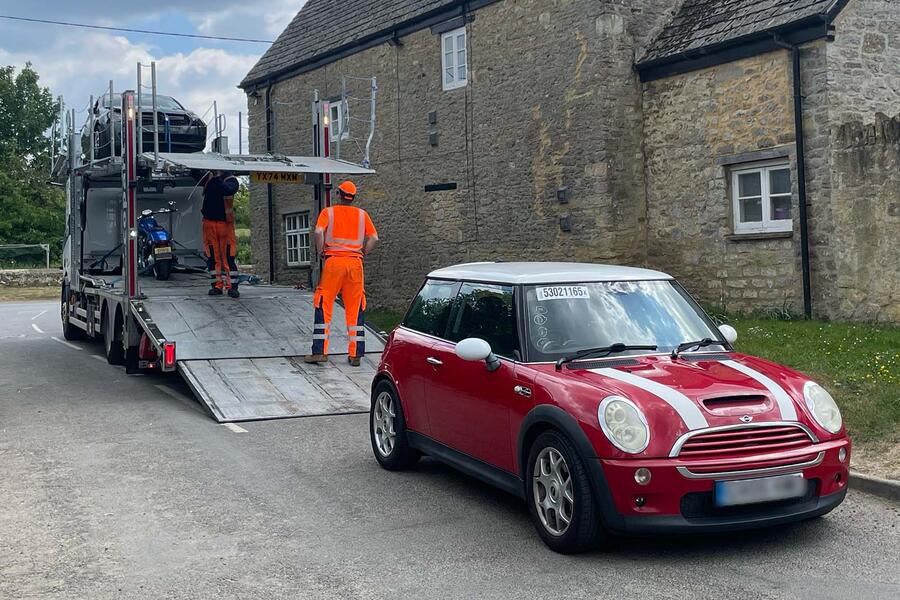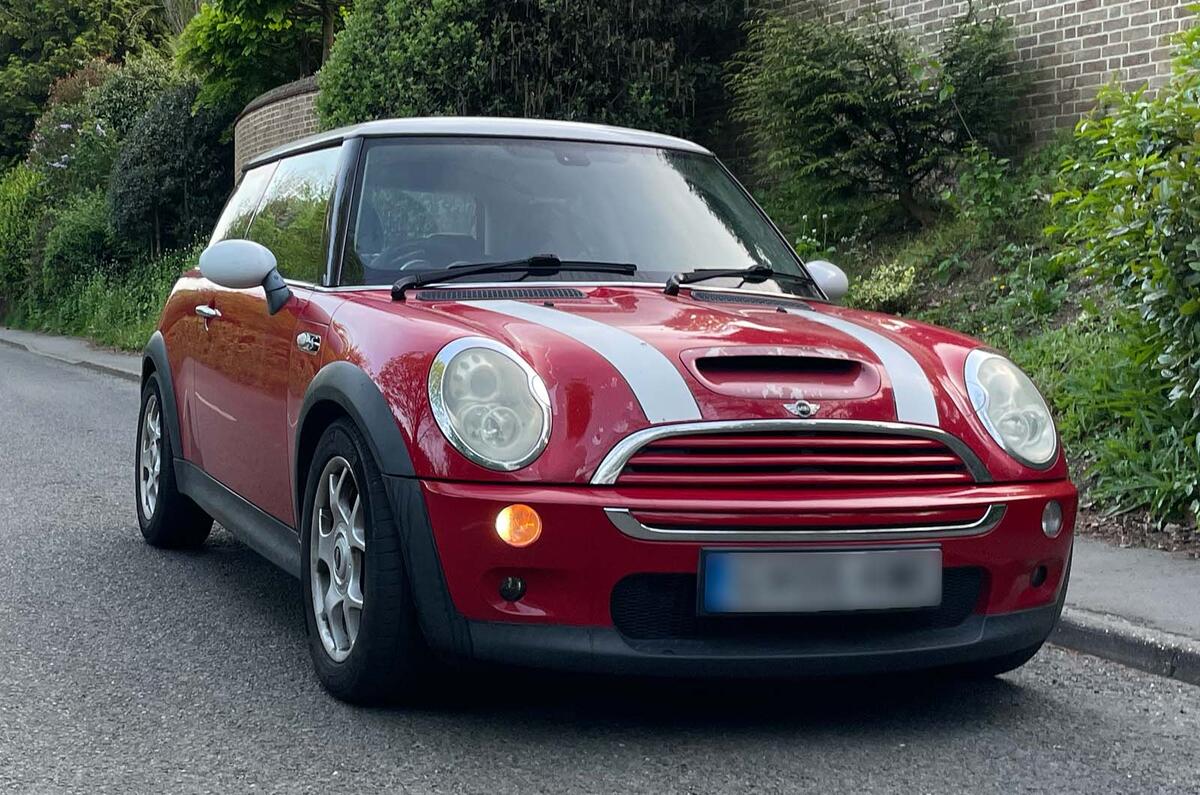

I’ve had my 2005 Mini Cooper S – an ‘R53’ for the chassis code fans – for almost six years now. I didn’t think it would be a keeper when I bought it, but despite quite a few life changes in that time, it still fits very well.
It’s gone from being my only car – a sort of combined daily driver and fun car – to being on standby for when I don’t have a test car, or simply for when I get tired of the assorted tech nonsense in modern cars.
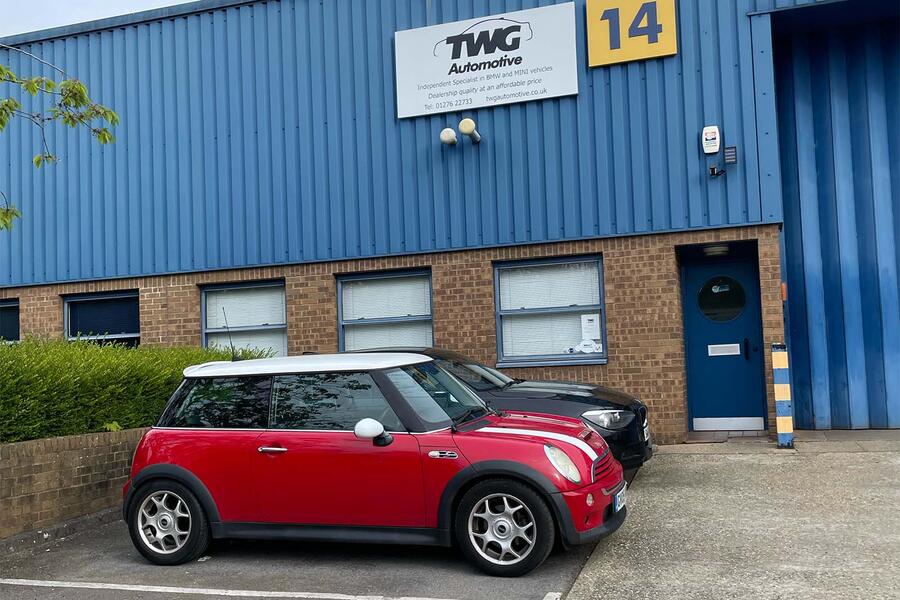
In that time, it’s had the odd bit done to it, mainly on an ad-hoc basis of keeping a cheap car going. Compared with all the brand-new cars I’m exposed to, the 105,000-mile, 19-year-old Mini was starting to feel a bit baggy, so I booked it in to my trusted BMW/Mini specialist, TWG Automotive in Camberley, to go through it with a fine-tooth comb.

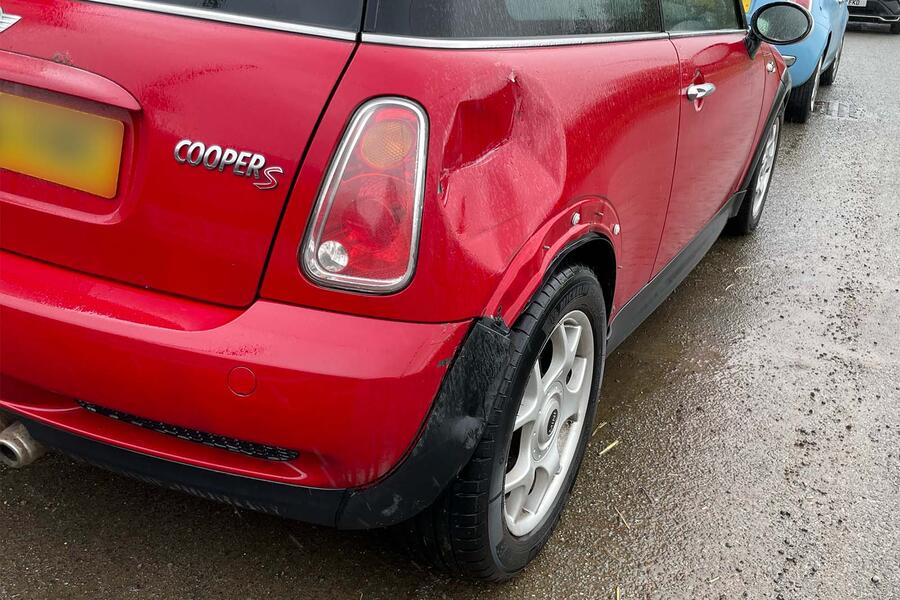
The result was an A4 sheet of recommendations, going from the obvious (milky headlights, tired suspension) to the unseen but unsurprising (various oil leaks, a torn intake pipe, rusty front subframe).
R53s are modern classics by now, but there are still too many around for them to be valuable. Any money invested in getting it up to scratch is, well, not an investment. But then I really like the car and would find its combination of smallness, driving fun and long-distance ability hard to replace. Also, I’m a sentimental sucker.
In it for the long haul
I’m rather fond of the Mini and don’t want to be that person who buys a car, runs it into the ground and then dumps it, so I decided to start addressing some of the issues. The garage suggested doing the chassis bits first, because the rusty springs and brake pipes would be needed for the MOT, rather than be just nice-to-haves.