From £30,4957

Citroën pushes the boat out to make its new SUV a flagship, not just a big C3 Aircross. Has it succeeded?

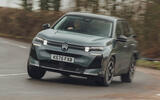
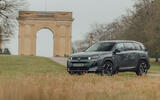
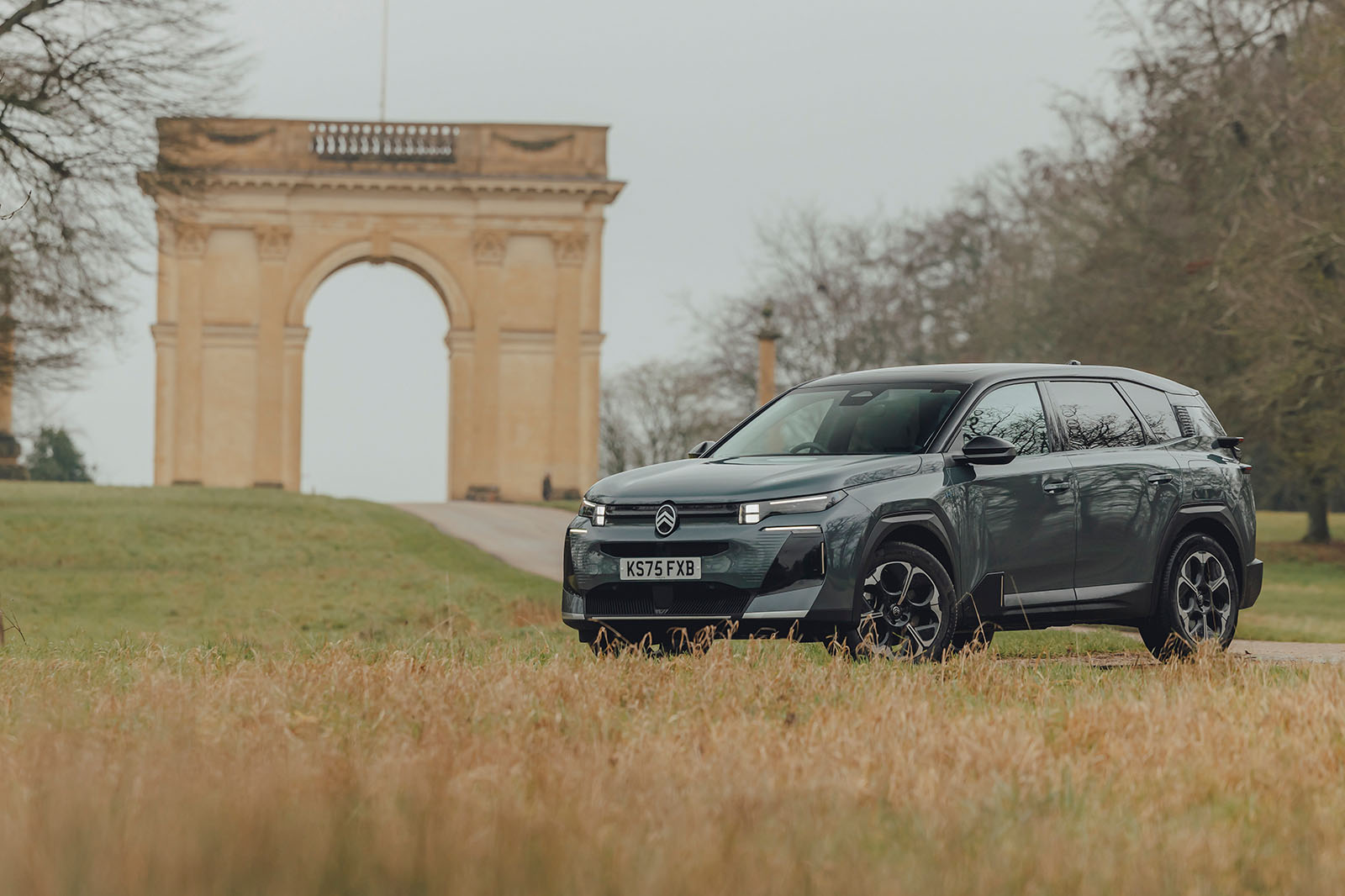
The second-generation Citroën C5 Aircross continues the French brand's quest to define itself within the extended Stellantis family and the wider car market.

Ever since it merged with Peugeot in the 1980s, Citroën has flip-flopped in terms of what it has tried to offer. It clung to its off-the-wall character for a while but had to attack the mainstream in the 2000s. Latterly, it has landed on cars that are quirky but not too weird, because that just doesn’t fly any more in the conservative, finance-led market that we have. There has been a half-hearted focus on comfort but, mostly, Citroën’s strength has been value.

Probably the best expression of that direction has been the outgoing C5 Aircross. Citroën’s Kia Sportage competitor came into its own after a thorough mid-life facelift brought some attractive price drops.

The all-new Mk2 builds on that with fresh looks, more space and better tech. Even so, it’s a somewhat vulnerable position, because the good-value mainstream field is being flooded with new offerings from China that are nearly impossible to beat on price.

To see if the made-in-France C5 Aircross can still cut it, we’re road testing the plug-in hybrid, which has a new drivetrain that will be rolled out across the Stellantis group.

Advertisement

DESIGN & STYLING

7
Citroen C5 Aircross review 2026 002

The new C5 Aircross is a product of Stellantis’s well-worn modus operandi, so mechanically there’s not much here that we haven’t already seen in other cars on the STLA Medium platform such as the Peugeot 3008 and 5008Vauxhall Grandland and Jeep Compass. That means it’s geared up for a range of electrified powertrains, primarily driving the front wheels. A dual-motor EV would be possible but isn’t currently offered. For now there’s a choice of two electric versions, a three-cylinder hybrid and the PHEV that we’re testing here. The old C5 Aircross was available with a diesel until the end, but unsurprisingly that has been dropped for the new generation.

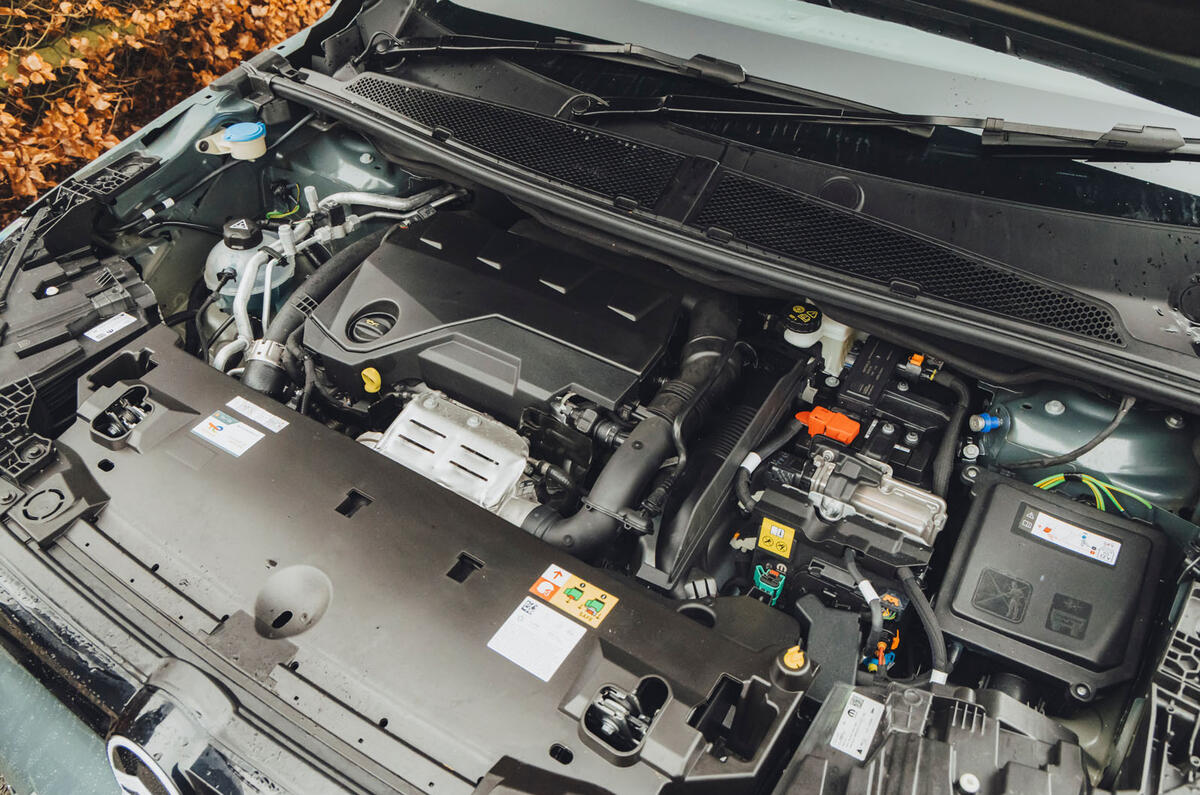
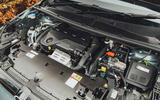
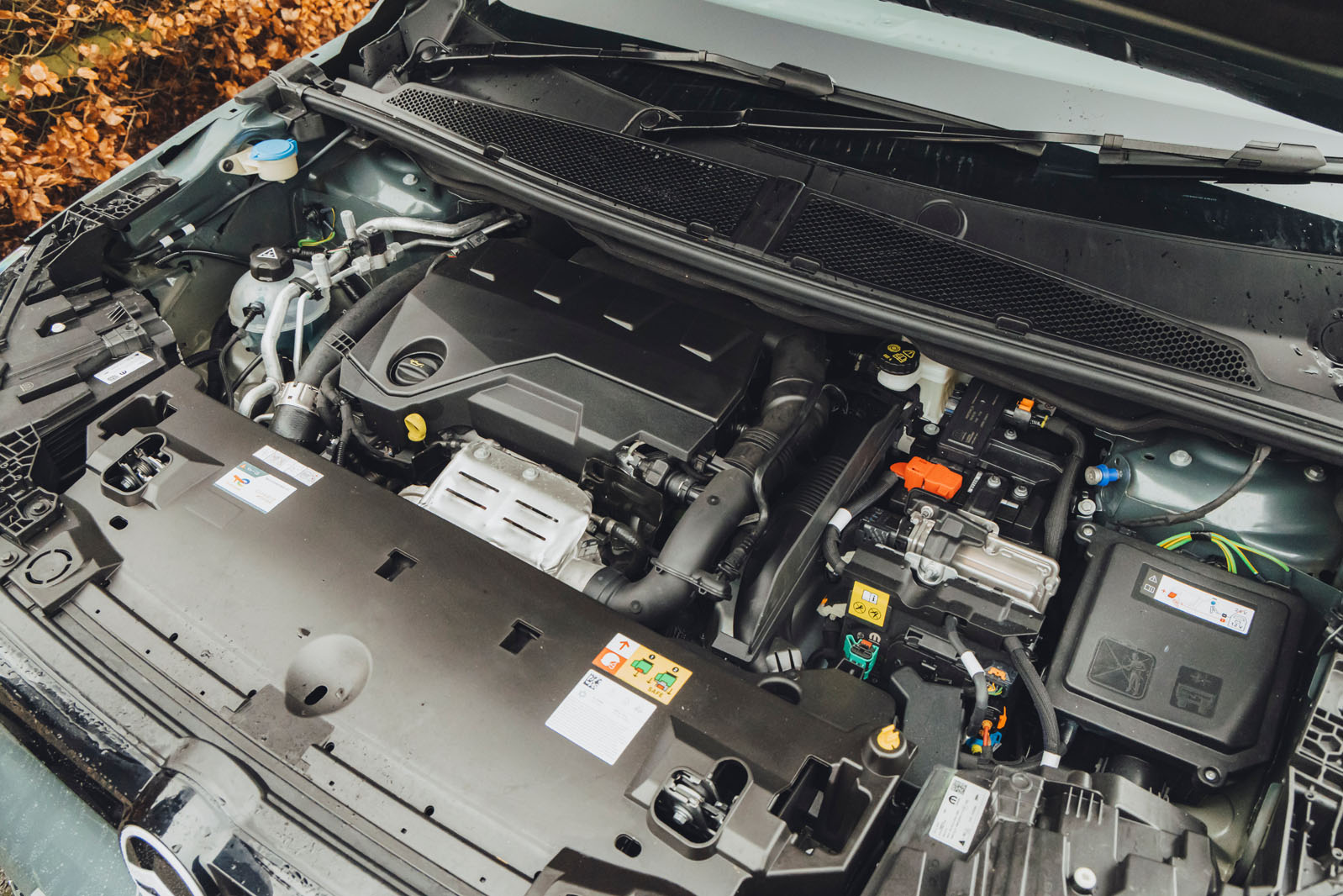
This is our first full test of the new Hybrid 195 powertrain, with the number referring to the system output in PS (192bhp). It’s an evolution of the one in the old C5 Aircross, using the same 1.6-litre turbocharged engine. This four-cylinder unit puts out 148bhp, as in the old Hybrid 180. There used to be a 225 version where the engine had 178bhp, but that never used to feel like the upgrade it seemed on paper, so it’s no real shame that the new car keeps the engine in a lower state of tune. The electric element has had a big upgrade, though. The battery has grown from 14.2kWh to 17.8kWh for 53 miles of electric range. Mind you, that is still down on the Skoda Kodiaq’s 71 miles from a 19.7kWh pack. Meanwhile, the old eight-speed automatic is swapped out for a seven-speed dual-clutch ’box. The electric motor contained within now puts out 123bhp instead of 107bhp.

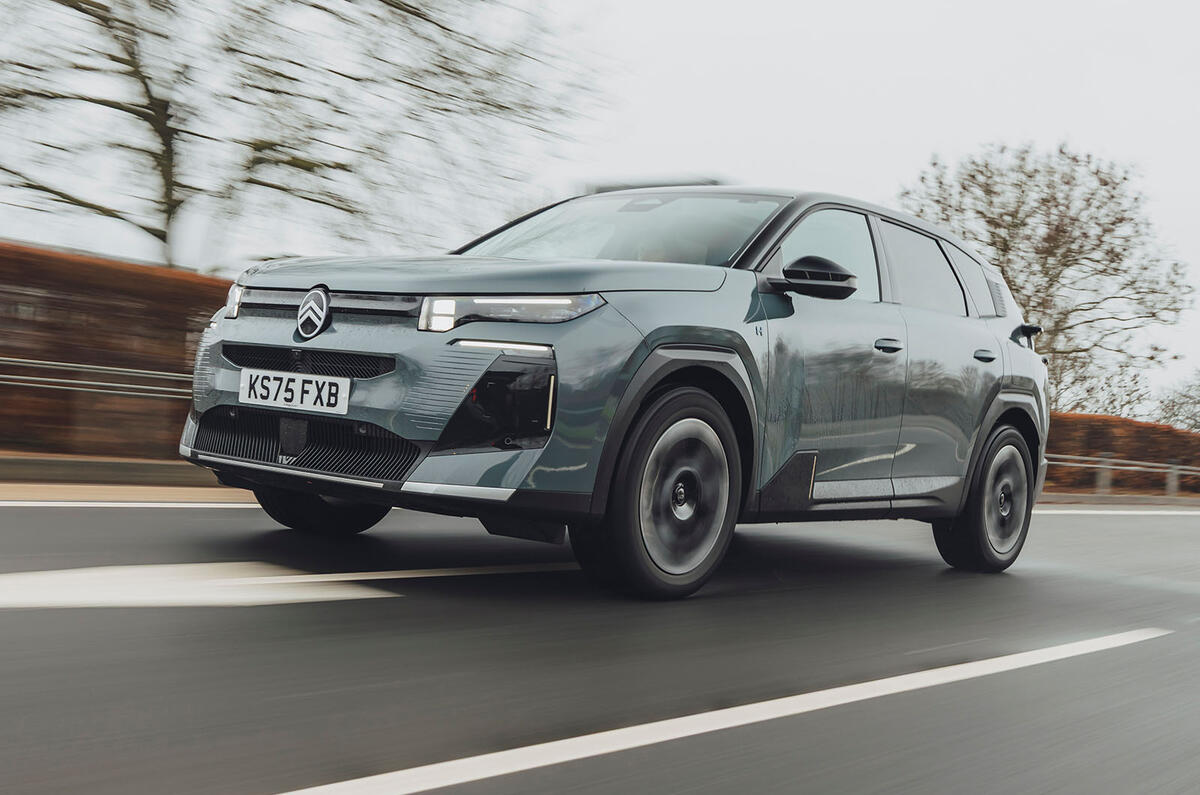
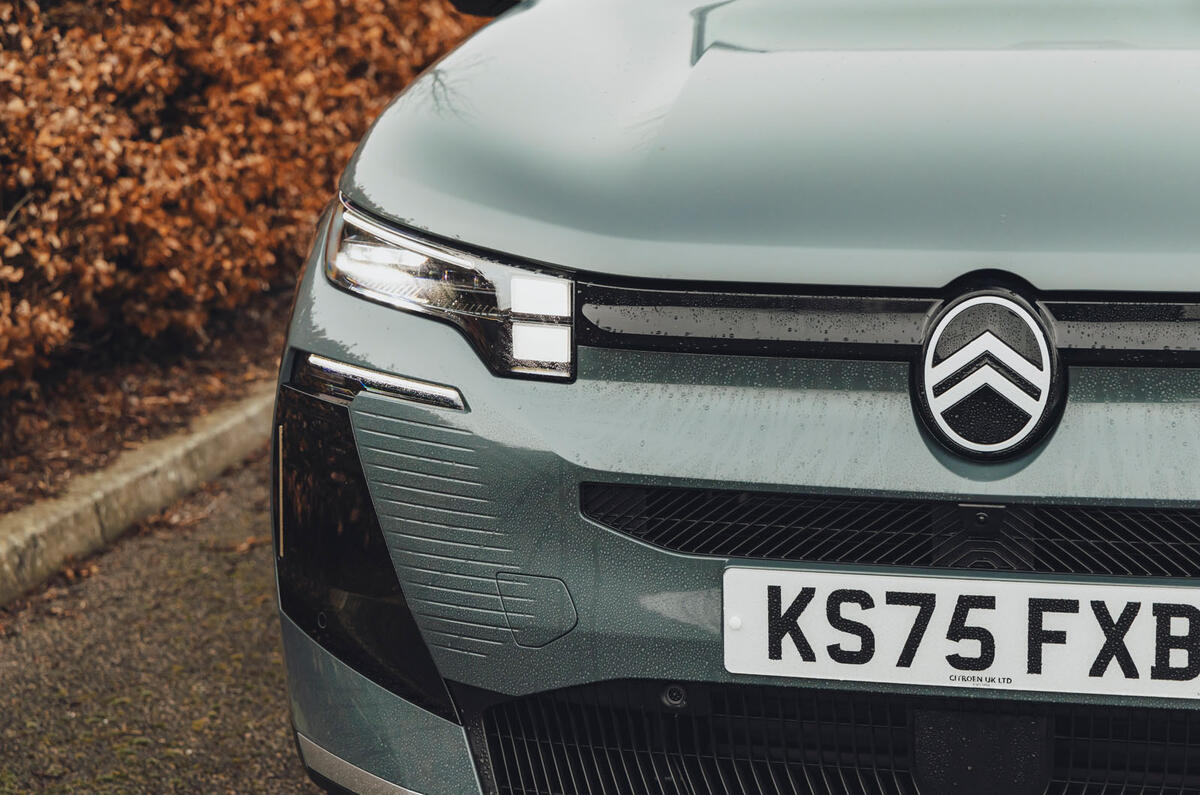
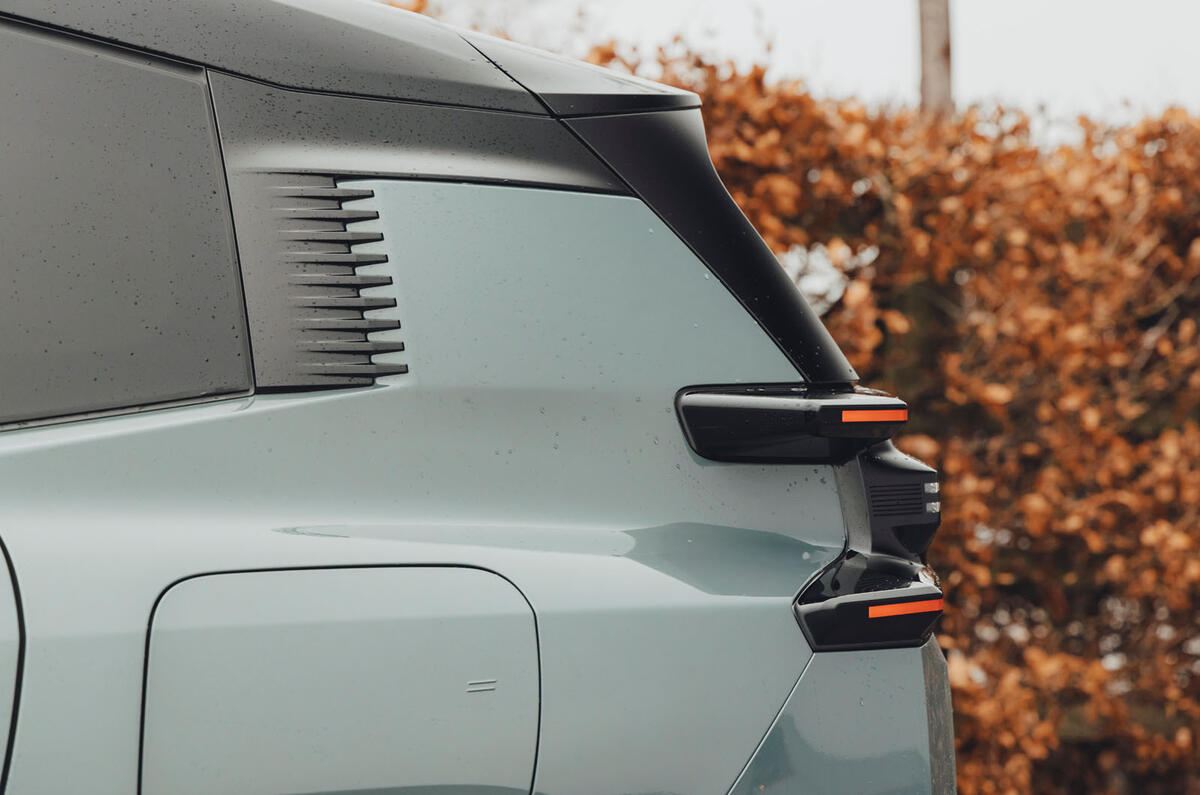
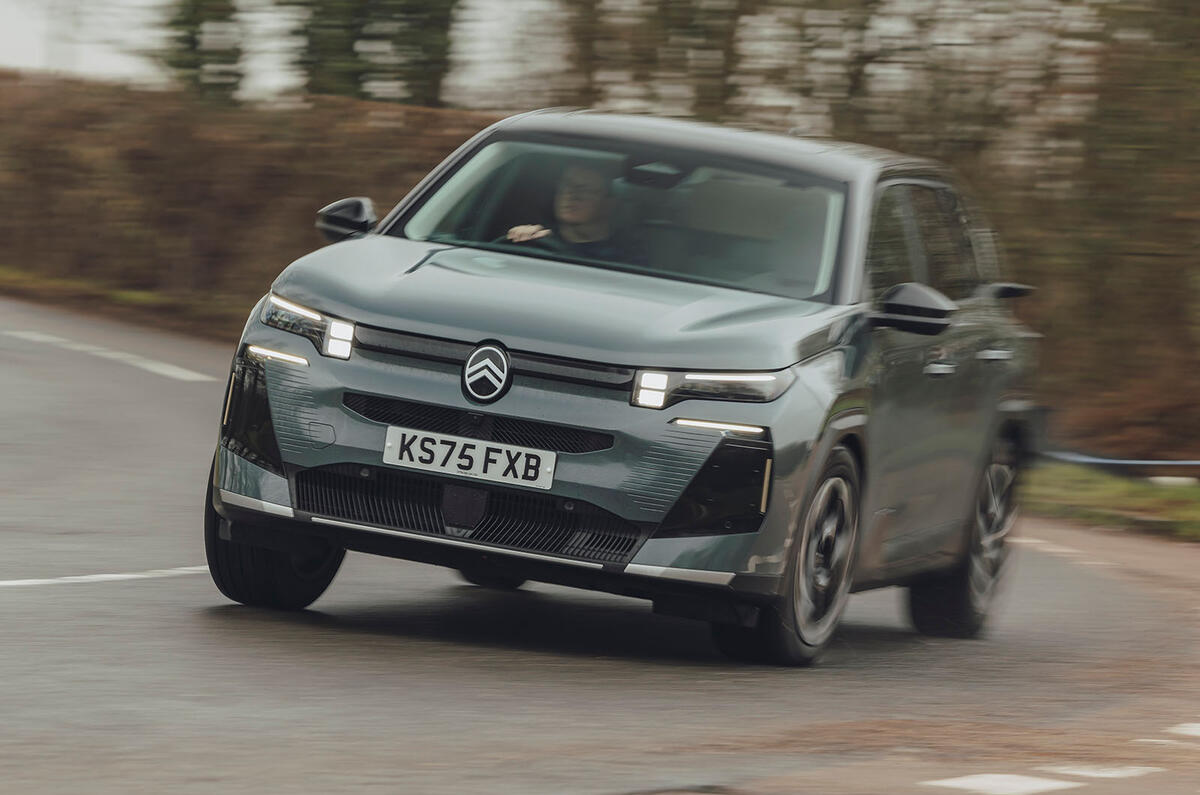
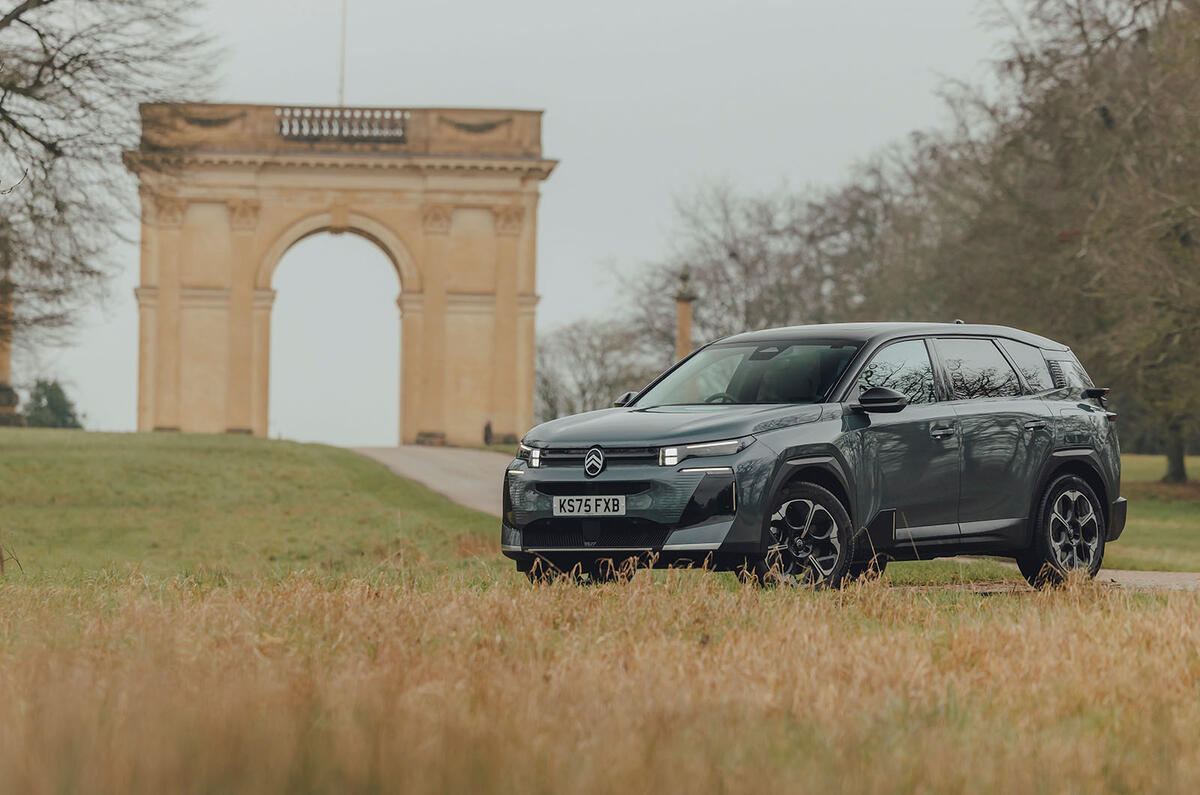
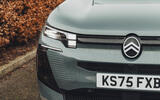
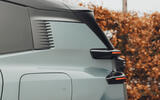
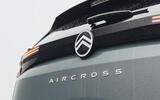
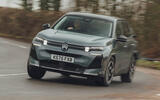
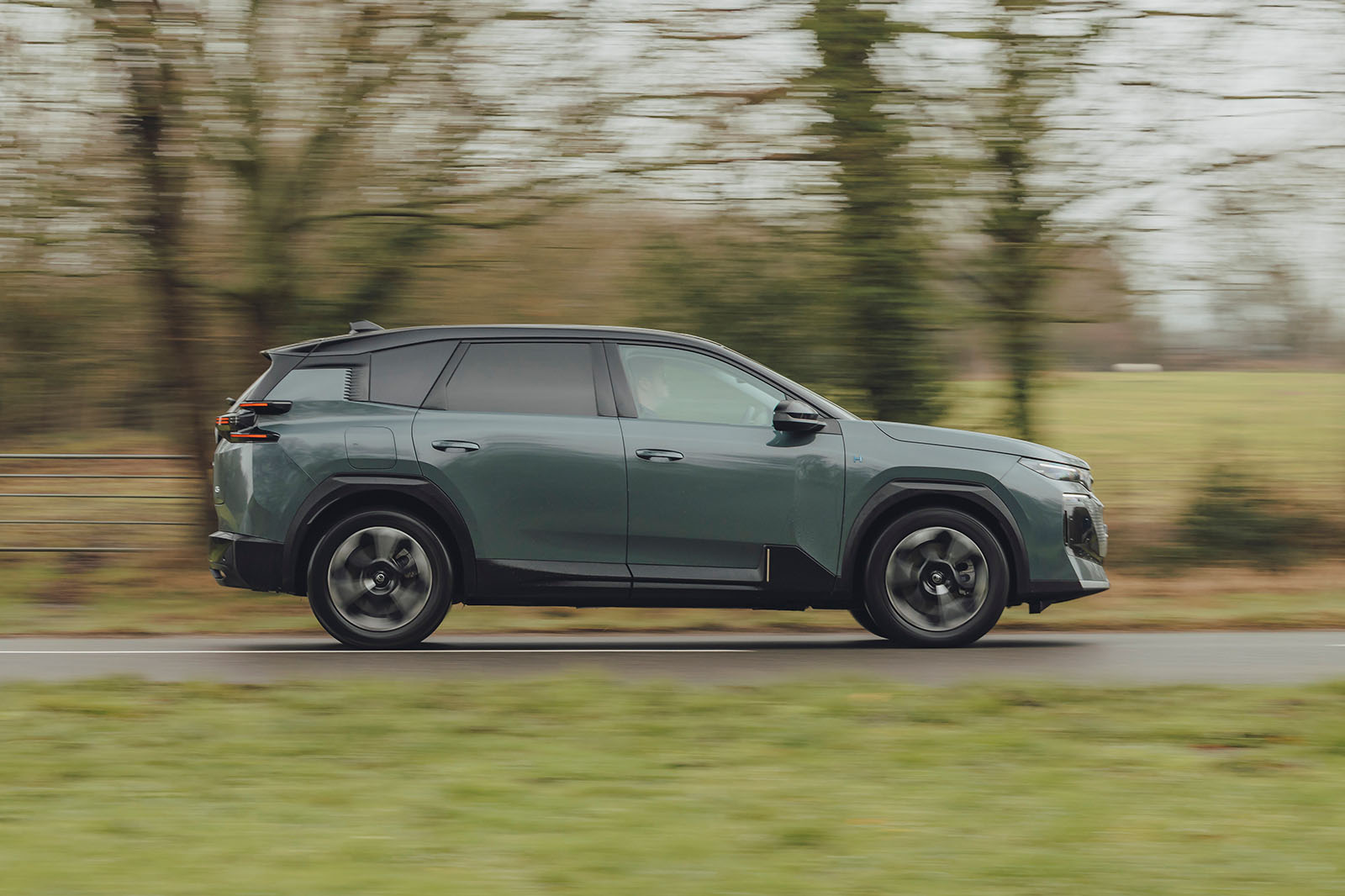
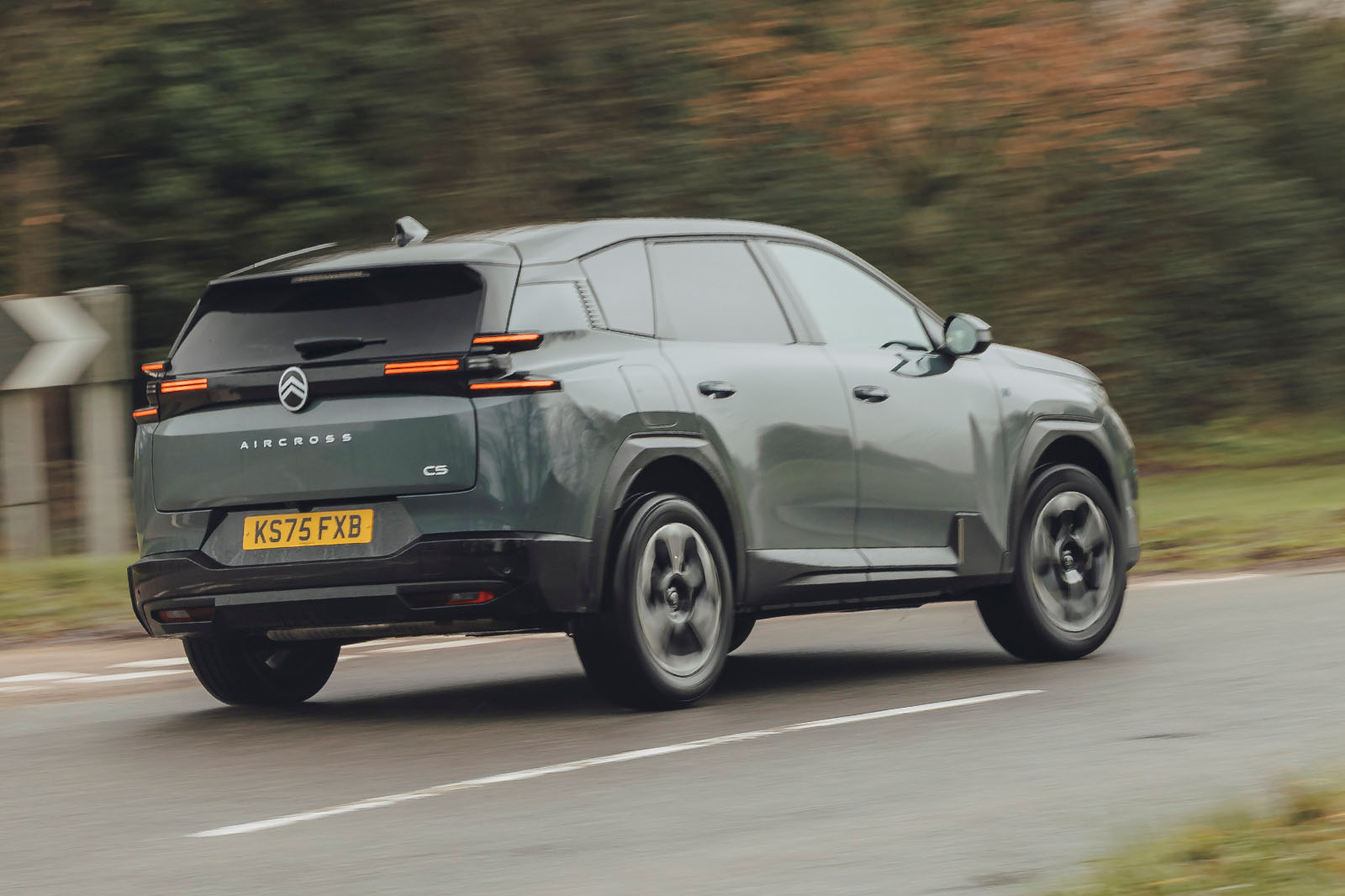
The ‘light wings’ don’t do anything but are a distinctive styling element that’s carried over from the concept car.

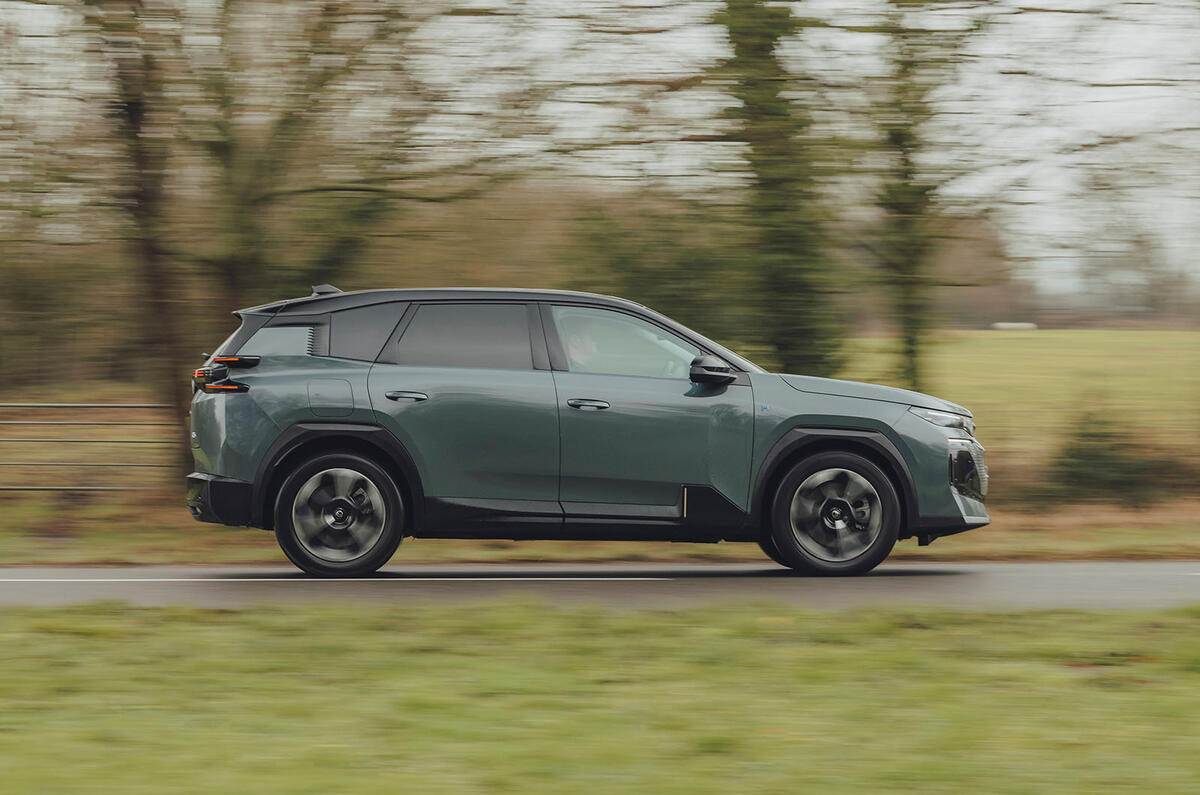
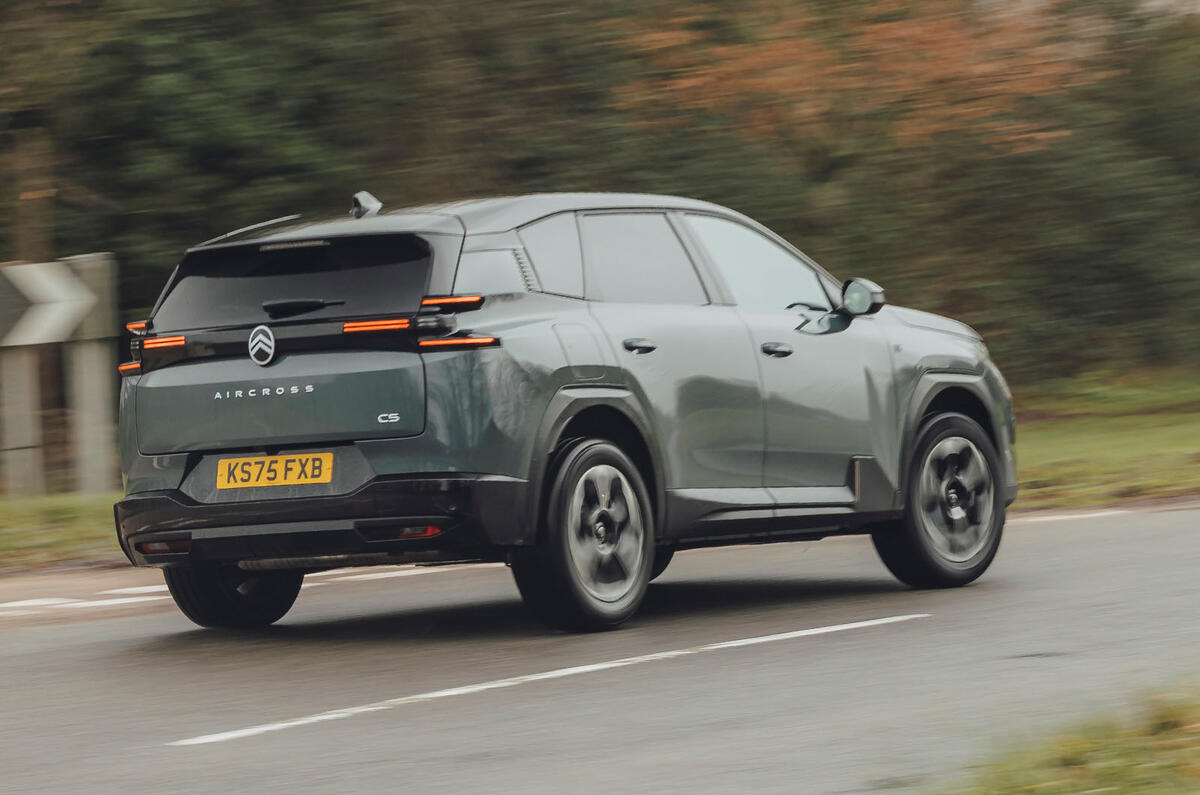
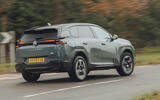
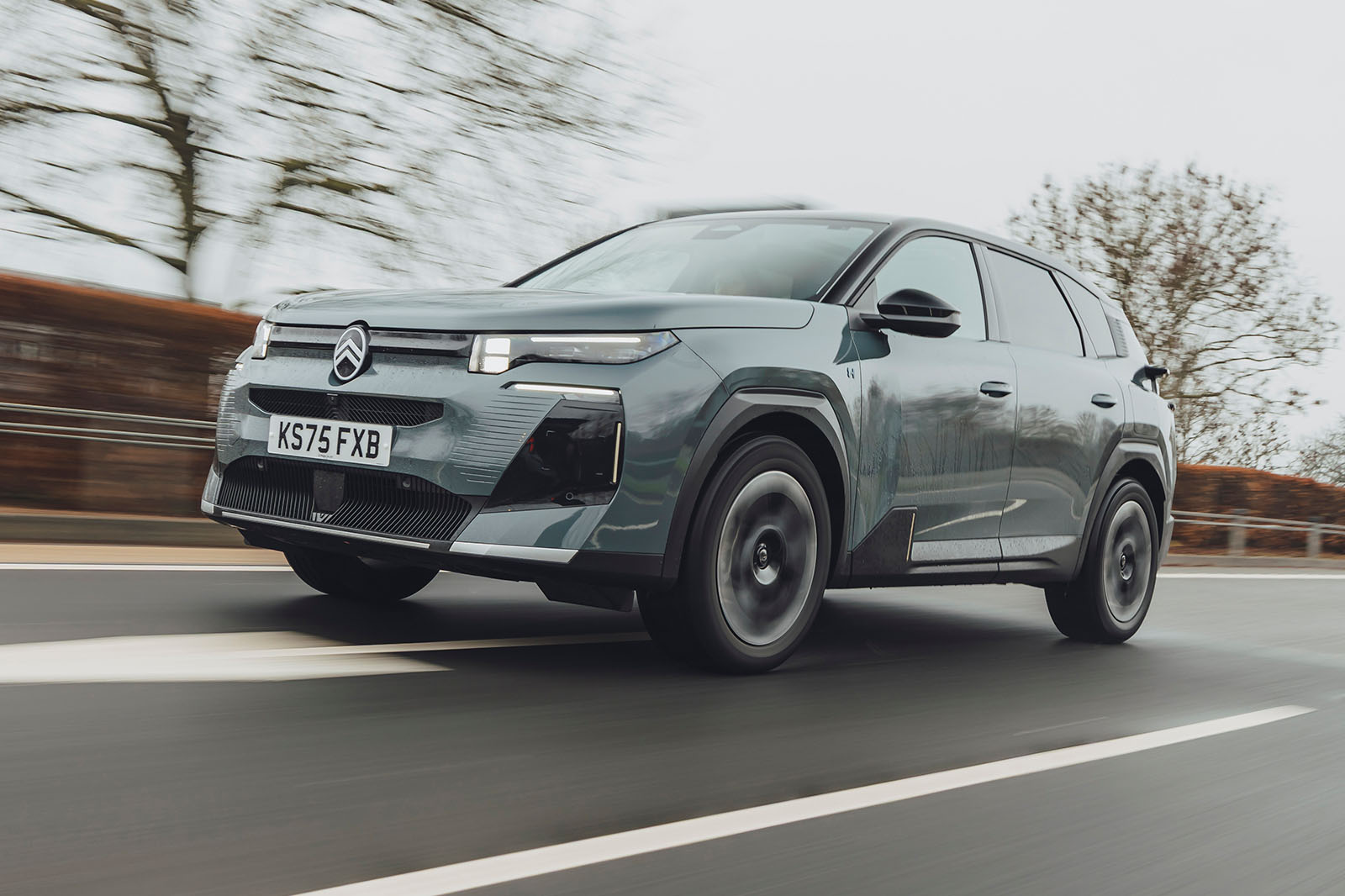
The platform change comes with quite a growth spurt for the C5 Aircross. The new car is 152mm longer than the old one, which makes it one of the biggest five-seat options in the class. At 4652mm long, it’s roughly midway between the Volkswagen Tiguan (4439mm) and seven-seat Tayron (4792mm). Width has increased by only a few millimetres but, as we have seen with the C5 Aircross’s siblings, the STLA platform bones are very heavy.

The quoted kerb weight for the PHEV is up from 1770kg to 1874kg. That turned out to be quite the understatement, because our test car tipped the scales at 1962kg. All that weight is managed by relatively simple suspension. All versions with a combustion engine use a rear torsion beam, and only the EVs get a multi-link. Dampers are always passive, though the suspension does include Citroën’s usual hydraulic bump stops.

INTERIOR

8
Citroen C5 Aircross review 2026 009

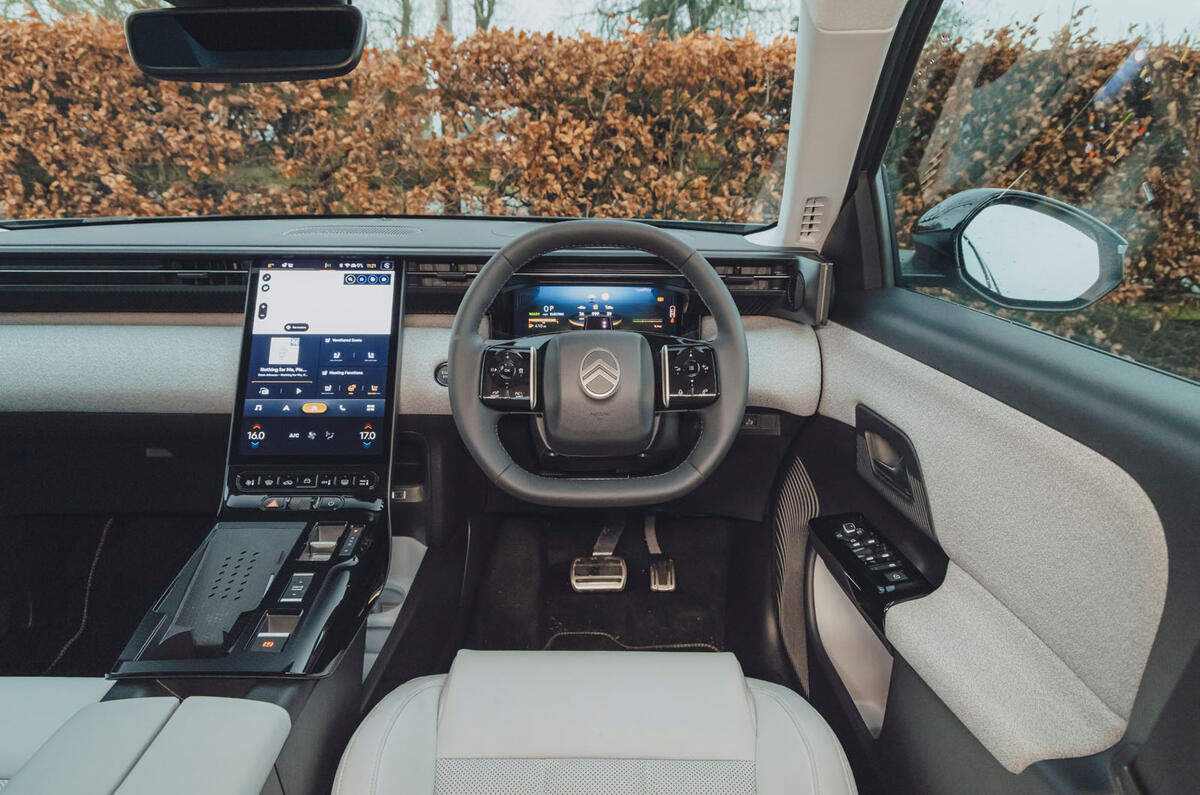
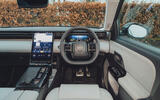
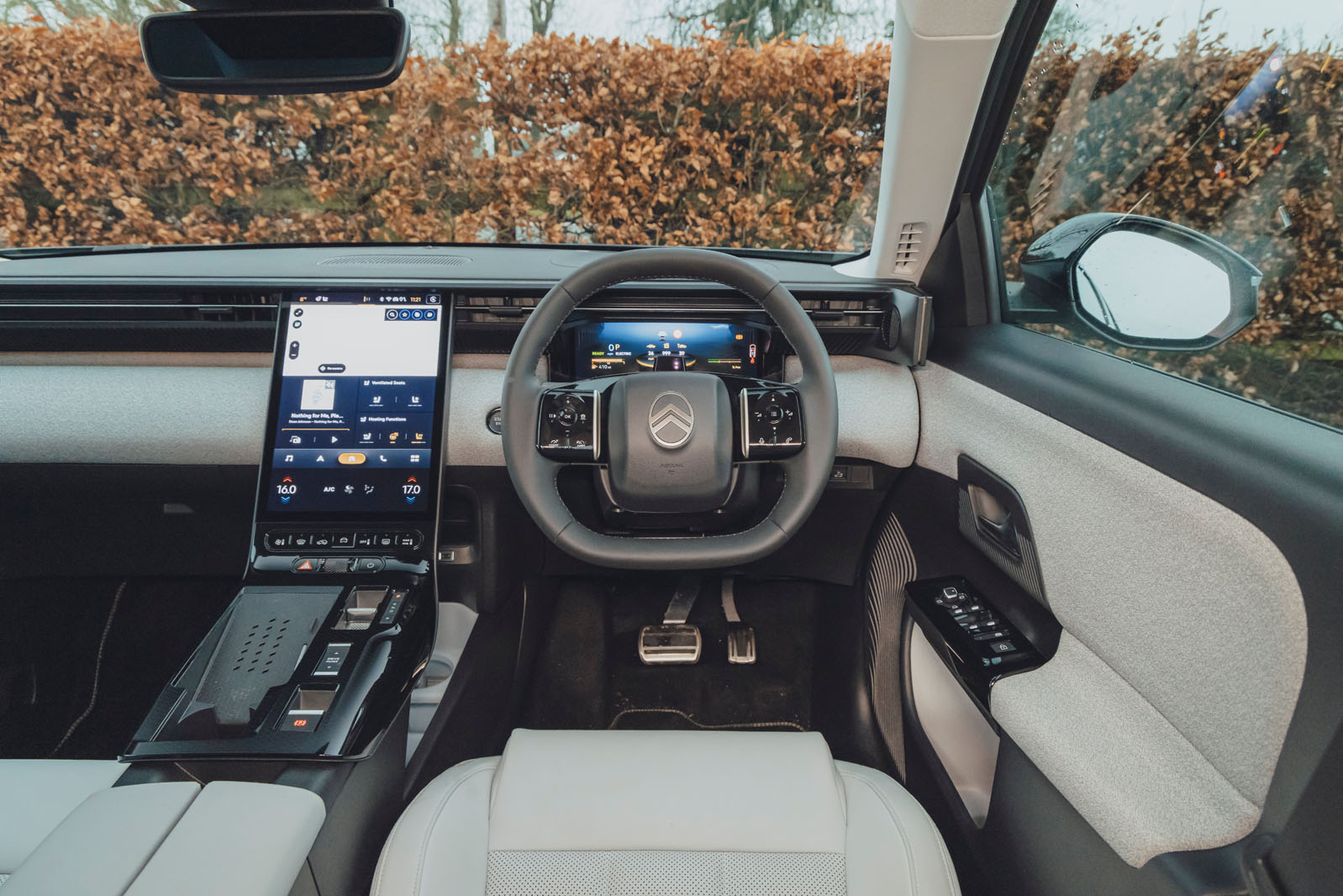
If there is one easy win against the flood of attractively priced Chinese PHEVs coming on the market, it’s to display a shred of originality in terms of interior design. And although the C5 Aircross has the obligatory dual screens, it doesn’t subscribe to the philosophy of extreme minimalism.

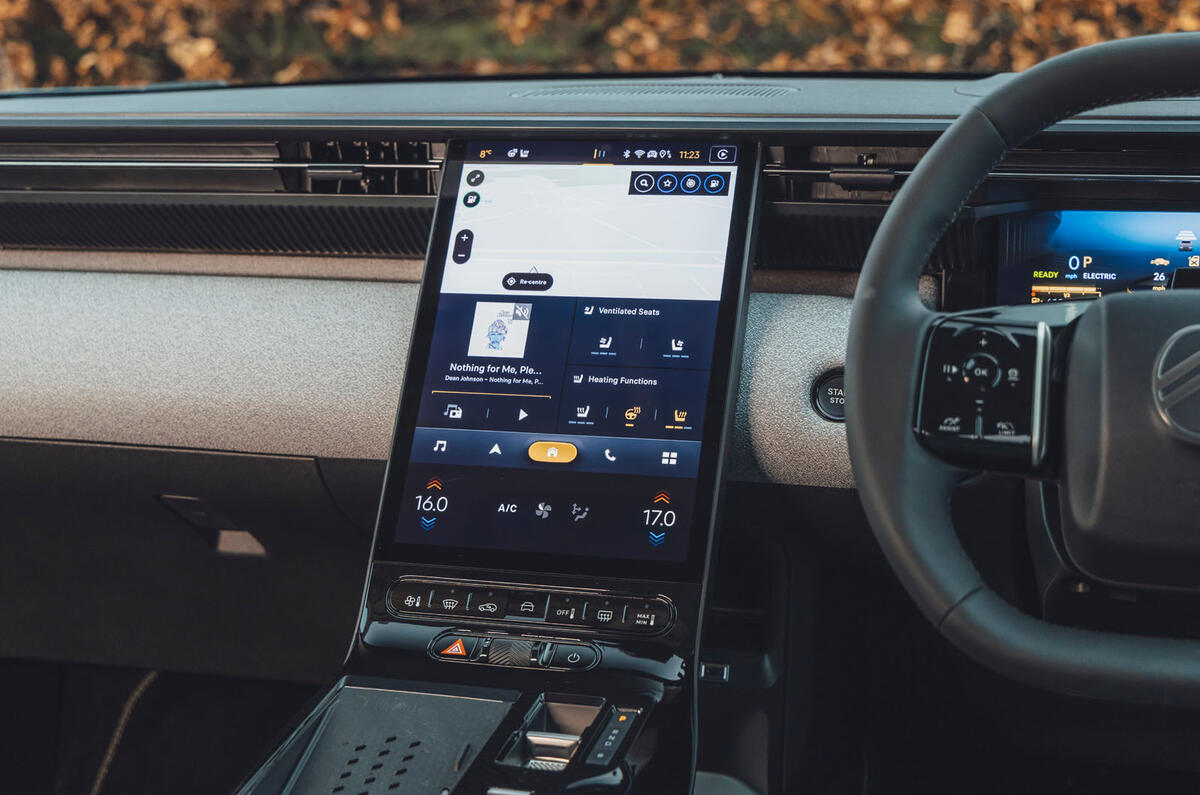
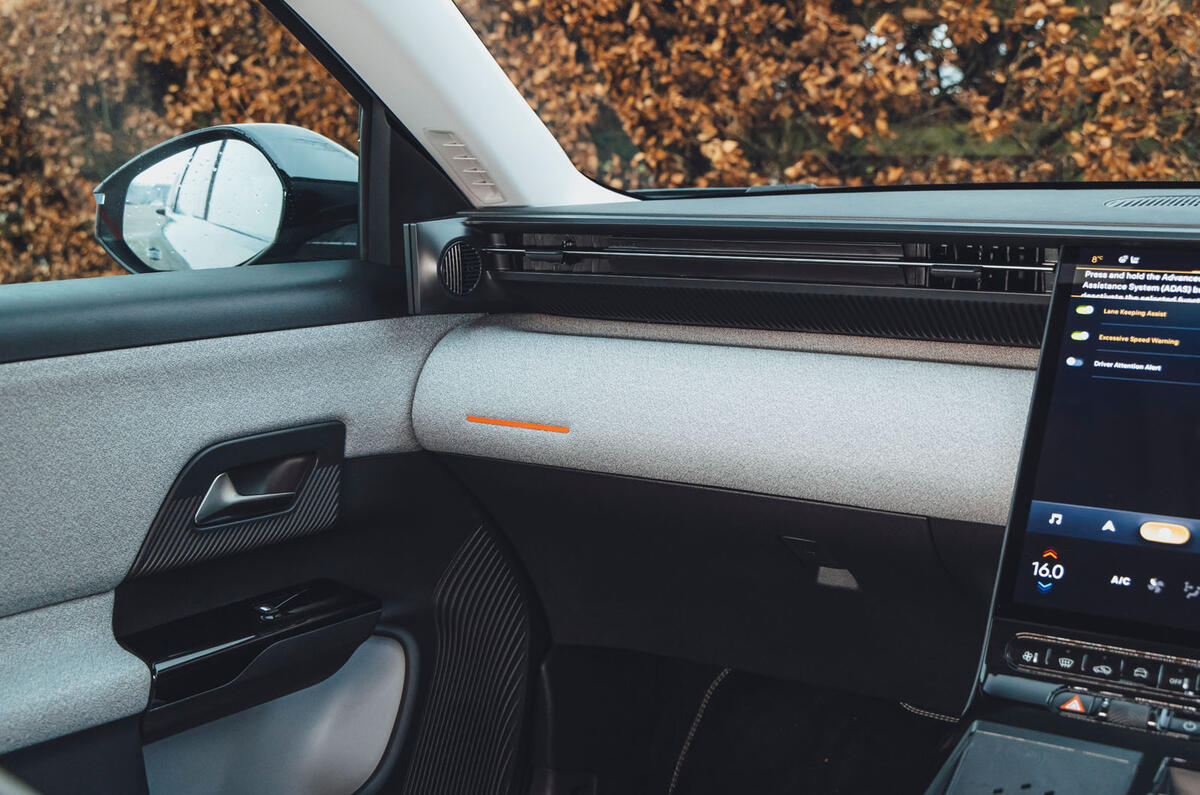
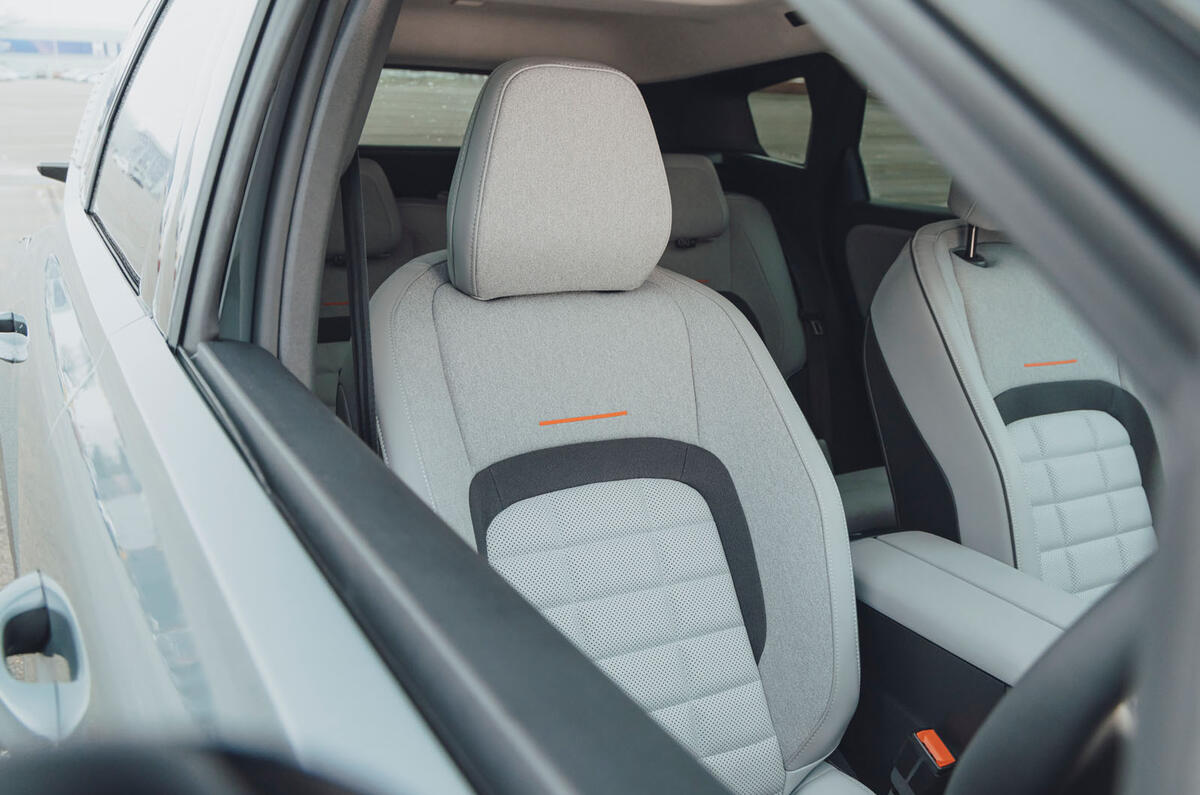
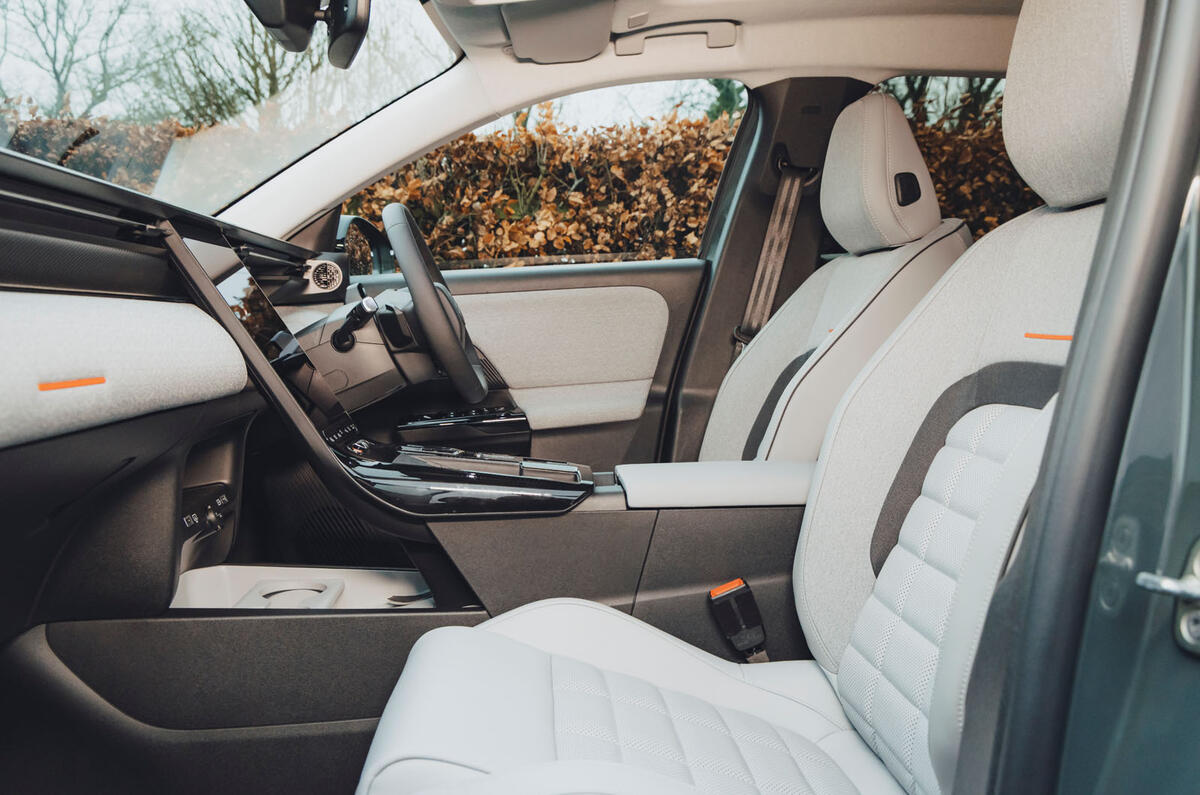
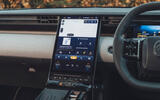
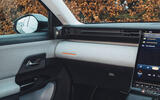
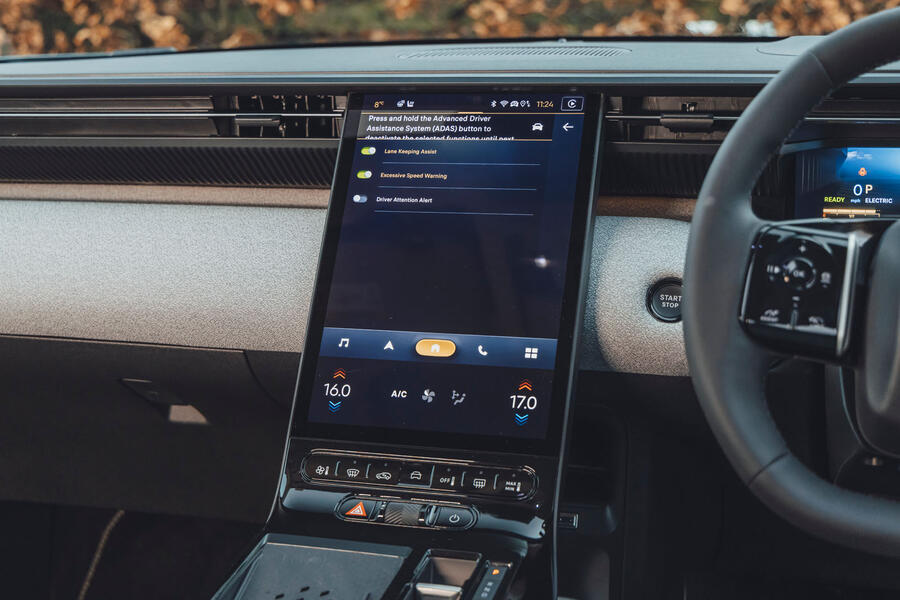
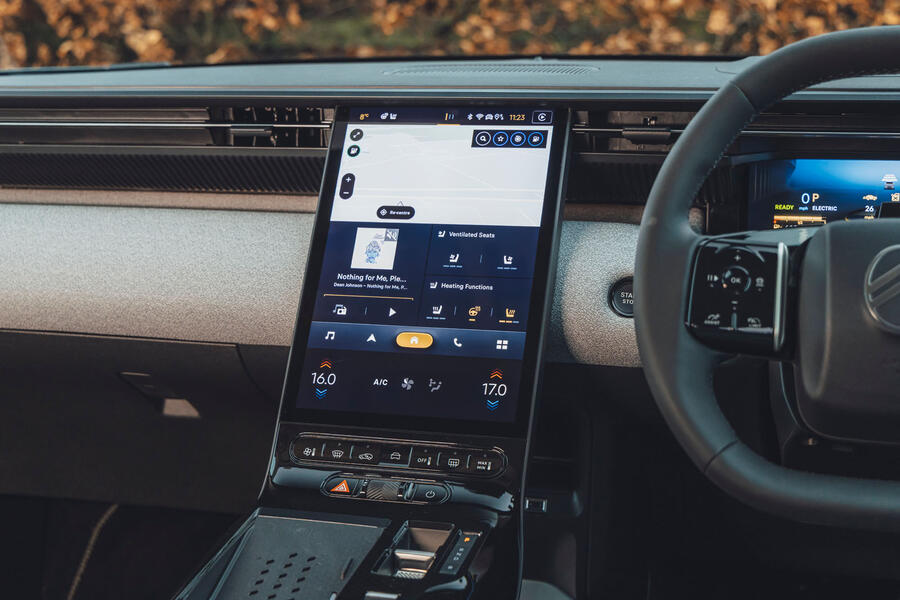
The main central touchscreen has a portrait orientation and flows into the centre console. Citroën calls this the ‘waterfall’ screen. The whole surface is gloss black plastic, so does attract fingerprints, but feels solid enough and is livened up with a neat pattern. Citroën has had some fun with the colours and materials too. To find hard plastic atop the dashboard and doors is a bit disappointing in this segment, but lower down the light grey fabric brightens up the cabin and is pleasant to the touch. As standard, Max trim gets dark blue faux leather and lower trims get black. The light-coloured plastic in the very practical centre console and door bins is made with offcuts from grapevines.

The 'waterfall' touchscreen allows for a large storage area underneath and behind it, between the footwells of the front seats. It's quite a handy tray, where two cupholders are also sited, although the screen makes them annoyingly hard to access, it must be said.

Citroën has so far been a relative sceptic of touchscreen-based controls, the C3, C4 and C5 X all retaining a good selection of physical controls. But like in the old C5 Aircross, many frequently used functions in the new car require use of the touchscreen. The temperature controls are permanently on the screen but the heated and cooled seats and the fan speed require you to either dive into a sub-menu or configure the home screen to display the relevant widgets. The latter works well, so long as you use the built-in navigation system. Once you open Apple CarPlay or Android Auto, those disappear. Given how big the screen is, you would think the software engineers could have come up with a way of integrating the phone mirroring into just the top third of the screen, but such an outbreak of common sense has yet to hit Poissy. Apart from that, the infotainment works fairly quickly and logically, with a good degree of customisation.

Every C5 Aircross is equipped with what Citroën calls ‘Advanced Comfort Seats’, which means little more than thick, soft padding, because on the entry-level versions they lack cushion tilt and adjustable lumbar support. Our Max trim test car with the optional ventilated and massaging seats was not lacking in features. Apart from the squab being a little short, they were quite supportive and widely adjustable.

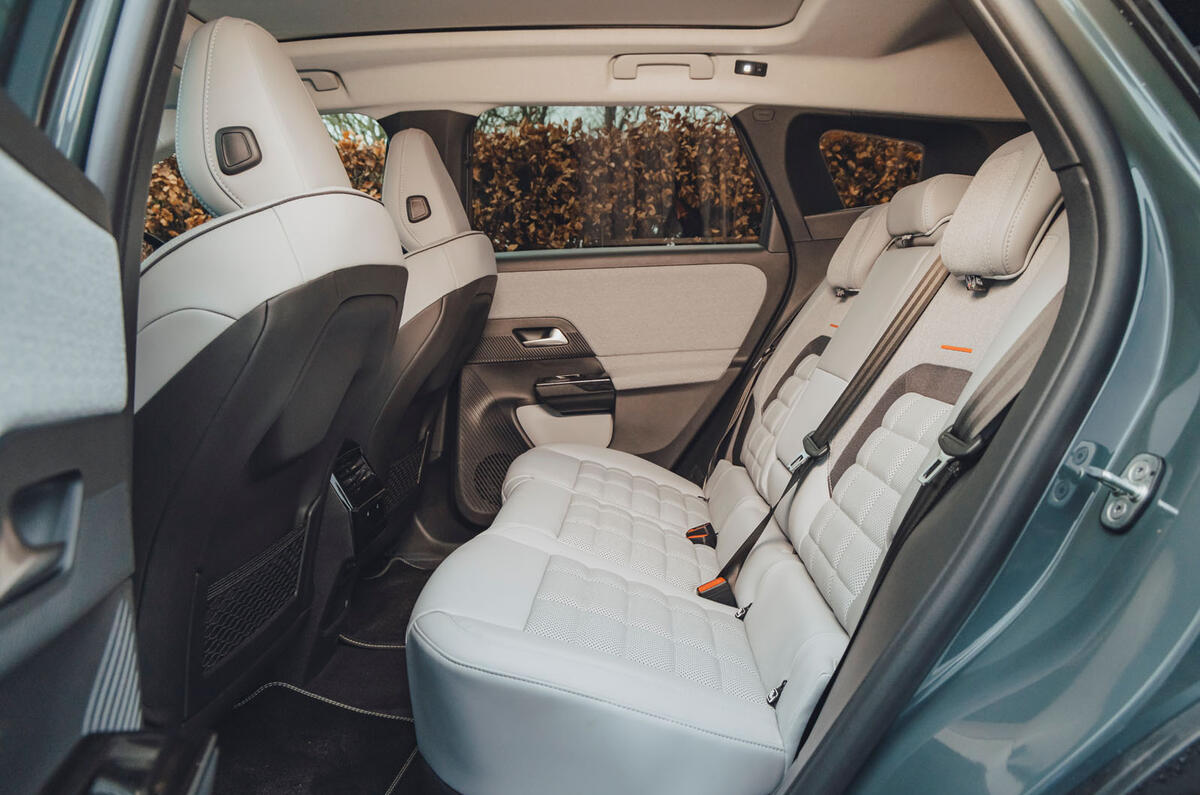
With 720mm of rear leg room, the new C5 Aircross is one of the more spacious options in the class, beating the Tiguan and getting very close to the Jaecoo 7 and Kia Sportage. Returning buyers may be disappointed by the loss of the old car’s three separate seats, however. There's now a more conventional bench with the middle seat clearly the least desirable. It doesn’t slide, either: only the backrest has limited adjustment.

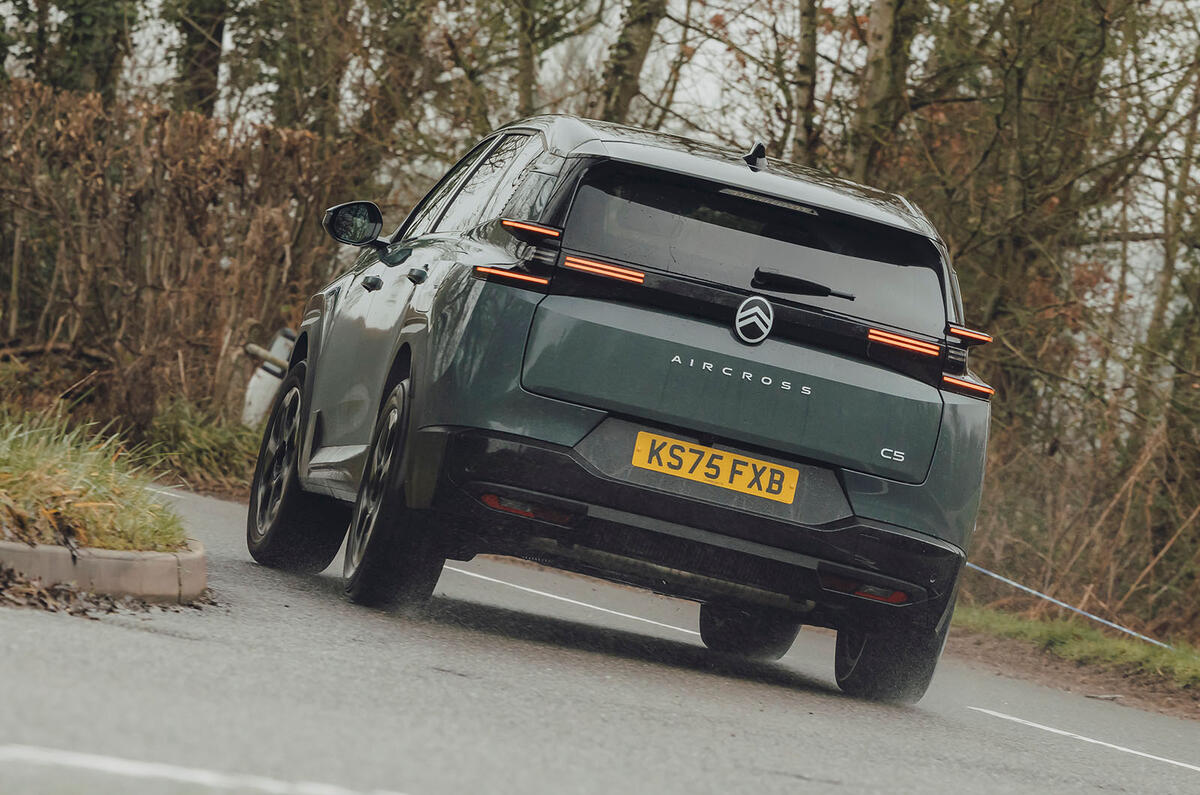
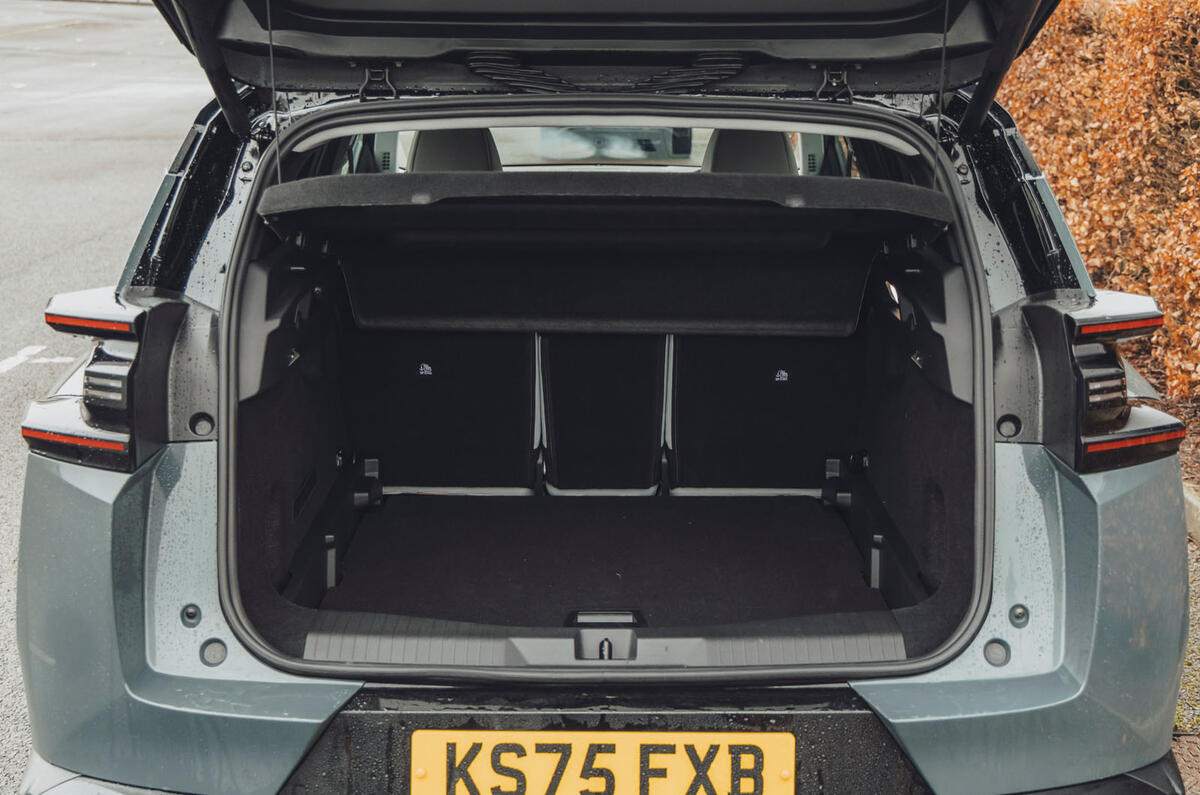
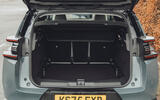
Similarly, the C5 Aircross has one of the biggest boots of the class: 565 litres trumps the PHEV versions of the Jaecoo 7 (412), Tiguan (490) and Hyundai Tucson (558) and matches the Chery Tiggo 7. (The boot in the Skoda Kodiaq is bigger still, at 745 litres.) It could be more practical, though. There are no remote releases for the rear seatbacks and the parcel shelf is complicated and bulky; it’s difficult to remove and it robs some rearward visibility.
ENGINES & PERFORMANCE

6
Citroen C5 Aircross review 2026 017

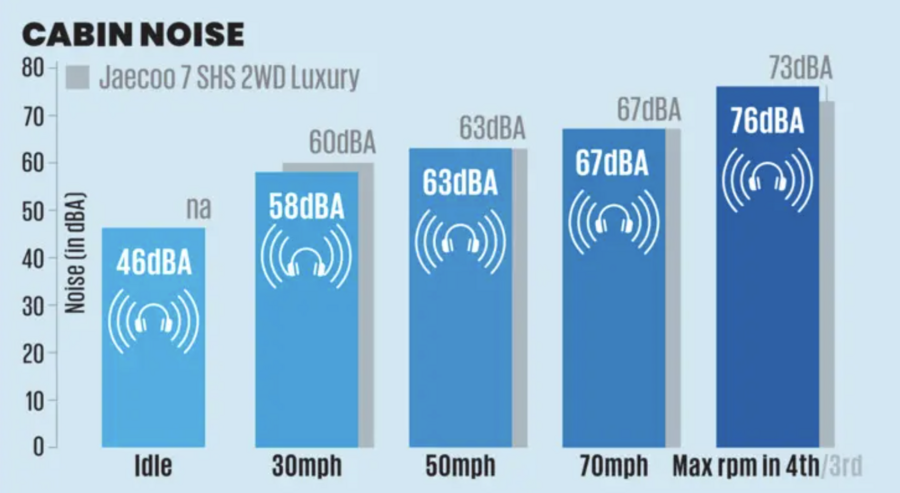
With its new gearbox, additional battery capacity and more powerful electric motor, this new PHEV system promises tangible gains in performance and smoothness compared with its predecessor. They are there, sure enough, but the C5 Aircross still can’t match the best rivals. It’s not susceptible to jolting as the motor and engine divide tasks and is smooth enough at low speeds, but as soon as you demand anything more than leisurely performance, it all gets quite noisy.

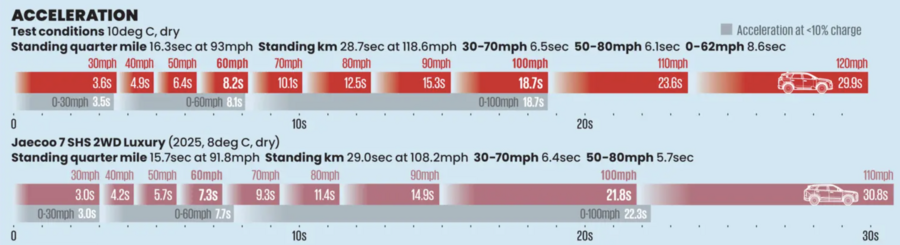
Even with plenty of charge in the battery, it often feels like it’s the coarse petrol engine that’s doing most of the work. This sensation is not helped by the vibrations it sends through the car’s structure, as if it’s due for a set of fresh motor mounts. The silver lining is that the performance doesn’t really deteriorate when the battery is flat. Subjectively it feels the same, and that’s confirmed by our objective measurements.

The C5 Aircross still feels quite narrow on the road and thus easy to place, all without it feeling like your front passenger is on your lap.

Although there are steering wheel paddles to control the gears, there’s no locked-in manual mode, and the car will automatically kick down even before you reach the end of the accelerator pedal travel. In EV mode, it took 12.2sec to reach 60mph and 16.4sec for 70mph, topping out at around 85mph. Although it maintains motorway speeds effortlessly, merging with busy traffic requires some planning.

Selecting the powertrain mode is a little unintuitive. The physical drive mode switch on the centre console gives you quick access to self-explanatory Electric, Hybrid and Sport modes, although we found little use for Sport. The car always defaults to Electric on start-up, providing there’s enough battery charge. You need the touchscreen to access the battery hold mode. The brake pedal feels rather soft but blends regen and friction braking intuitively, and there is a ‘B’ button by the gear selector to max out the regen, which is fairly strong but doesn’t bring the car to a complete halt. Emergency stopping distances in the dry were good, and 51.5m from 70mph in the wet is an excellent result.

We have also tried the conventional 48V hybrid, albeit more briefly. It makes 143bhp, from a combination of a 1.2-litre three-cylinder petrol engine, a 28bhp electric motor and a 0.9kWh battery. That’s not much power for a car of this size – and, sure enough, if you want to make hurried progress, the lesser hybrid sounds like it’s being thrashed and can make the car feel underpowered. This engine does its best work around town, where it is quieter and calmer and able to run only on electric power, and just melts away into the background if you’re happy to simply bimble along. Even so, the limited performance levels and general asthmatic unwillingness of this expected best-selling powertrain serves as a good advert for the quietness and refinement of the all-electric drivetrain options.

RIDE & HANDLING

7
Citroen C5 Aircross review 2026 028

It is tempting to wonder why more mainstream cars, particularly SUVs with no sporty ambitions, don’t ride better than they do. The difficulty is that with no sophisticated dampers or air suspension to depend on, softly sprung cars can become floaty and uncontrolled, as demonstrated by some Chinese offerings.

Citroën has in recent years been trying to rekindle its reputation for ride comfort, so the C5 Aircross is extremely softly sprung. Being up to 550kg lighter than their all-electric siblings, hybrid C5 Aircrosses manage to make more of a virtue of this set-up than the EVs or, say, the Jaecoo 7. 

Very occasionally, at low speed, the gearbox can clunk in the way that is harder to feel than it is to hear, making you wonder whether a piece of trim has fallen off.

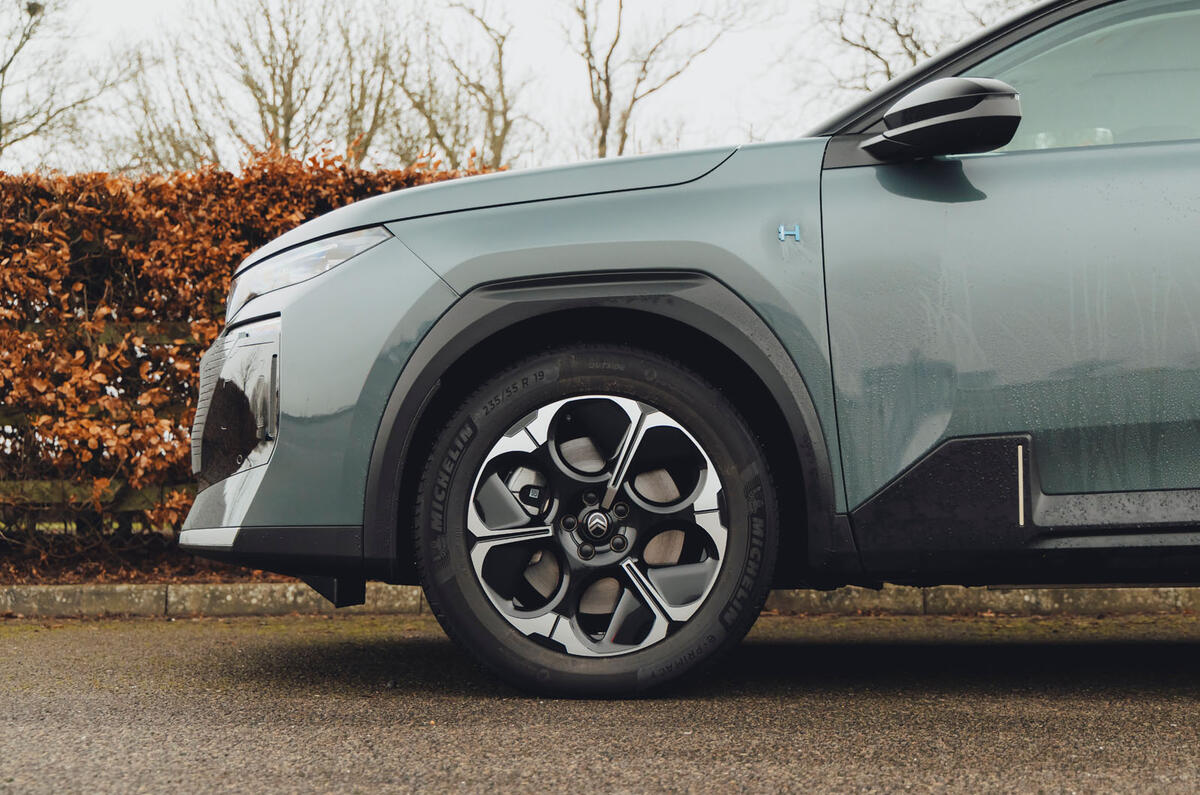
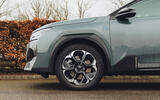
The C5 glides over moderately well-surfaced roads with at least a modicum of control. Big bumps and undulations are smoothed out quite competently without the body starting to wallow. Mid-corner jolts, which can really rattle a badly located axle, are dealt with well too. Inevitably, however, wheel control can feel rather loose over potholes and the like, causing some clunking. We can imagine this suspension set-up working well with small wheels and tall tyre sidewalls, but modern fashions dictate that the PHEV C5 Aircross will be offered only with 20in wheels in the UK (our early-build test car ran on 19s). The secondary ride can’t help piercing the bubble of comfort to an extent.

Given its comfort-focused remit, the C5 Aircross is a surprisingly competent handler. The latest generation of Michelin ePrimacy tyres is a lot grippier than earlier iterations, particularly when there’s 235mm of width per corner. There are copious amounts of body roll, of course, but it builds progressively and isn’t really an impediment to fast cornering. The traction and stability control only intervene when they need to and reacted smoothly and competently when provoked on the test track.

The steering is typically light, albeit with artificially boosted self-centring. This is quite convenient in town or when manoeuvring, but can feel a little unnatural at higher speeds. Even so, there’s some weight build-up as you load up the chassis, so the C5 is not entirely unsatisfying to drive quickly. Even if the C5 Aircross doesn’t exactly set new ride and handling standards, it does at least try to do something different from the norm, and with some success. This makes it much more distinctive – and likeable, to the right driver – than its rather forgettable platform siblings.

Assisted driving

The driver assistance features on Stellantis cars tend to be a fair bit less sophisticated than those from the Volkswagen Group but miles better than those on some of the Chinese brands. The C5 Aircross is no different, with adaptive cruise control that’s overly cautious and slow, and can’t be switched to standard cruise control. The lane following does a decent enough job but is fiddly to turn on and off. Compared with previous Citroëns, the C5 has sprouted a driver monitoring camera on the dash.

This system never piped up during our time with the car, but as we don’t tend to drive distracted it’s impossible to say whether it was working perfectly or not at all. Although we never experienced a braking intervention, the collision avoidance did flash up a few false warnings of imminent accidents.

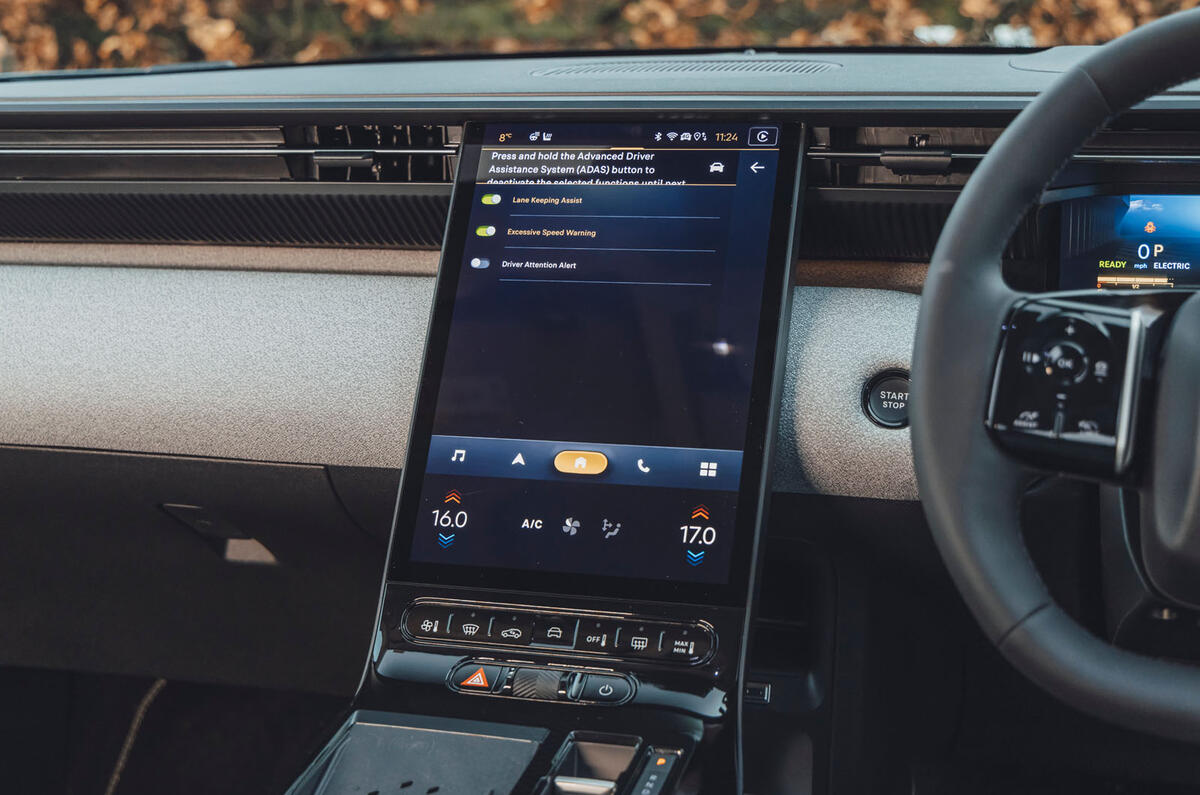
Stellantis has jumped on the ‘custom ADAS mode’ bandwagon, so the driver monitoring, lane keep assist (which works moderately well) and overspeed warning can be simply disabled by holding down the physical ADAS button.

MPG & RUNNING COSTS

8
Citroen C5 Aircross review 2026 001

The C5 Aircross costs a little more more than the car it replaces, but it's sufficiently bigger and higher-quality to be worthy of the premium.

Pricing starts at £30,495 for the hybrid in You trim. This model in mid-range Plus trim is £33,135 and tops out at £35,775 in Max form.

The C5 Aircross is available in six colours, including red, green and blue. Inside, there’s a choice of light grey and dark blue. Well done for offering some actual colours.

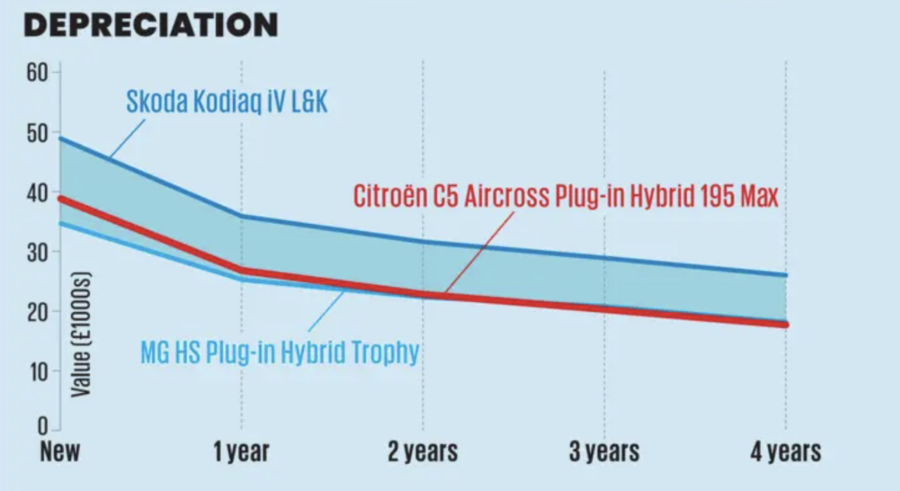
The car's entry price undercuts key rivals such as the Ford Kuga and Skoda Karoq. Trim-wise, even the base model gets the large central touchscreen that dominates so much of the interior design and around it. Value is one of the key selling points of the C5 Aircross overall, and it is undoubtedly a lot of the car for the money, backed up by an eight-year/100,000-mile warranty.

If you want a PHEV C5 Aircross, you have to splurge on top-level Max trim. That might seem problematic if it weren’t for the fact that even this fully loaded model is still cheaper than most entry-level versions of its European and Korean rivals. Of course, it can’t compete on price with the Chery Tiggo 7 or BYD Sealion 5, which are several thousand pounds cheaper. The gap narrows a bit on PCP finance, but the C5 Aircross is undeniably good value.
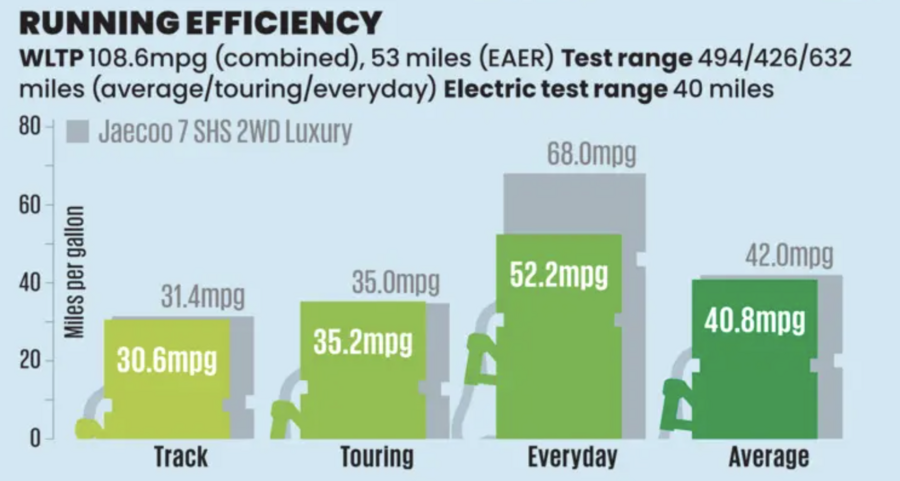
We found fuel economy and range to be less impressive. A claimed electric range of 53 miles is better than average, but we only got as far as 40 miles in EV mode before the engine fired up. Even in chilly test conditions, that’s a bit disappointing, but similar to what we found with the Jaecoo 7. Fuel economy with a depleted battery is again acceptable for a PHEV. Safe to say, if you can’t or won’t plug it in regularly, the much cheaper regular hybrid will yield lower running costs.

VERDICT

Citroen C5 Aircross review 2026 029

Citroën has sometimes wanted a little for a distinct identity and selling point, but this new C5 Aircross manages to home in on its modern-day strengths of value, comfort and mild quirkiness. It's still hampered by some of the shared Stellantis components and a few odd design decisions, though.

The hybrid powertrain and the ADAS suite are merely adequate, and although the ‘waterfall’ infotainment system looks modern, it could have been more cleverly designed. None of that stops the C5 Aircross from being a pleasingly individual sort of car, with a sense of purpose about its comfort-biased set-up. It’s also very spacious.

While evidently not a premium product, it disguises any cost savings quite elegantly and is offered at a price that makes it a genuine European alternative to a Chery or BYD.

Illya Verpraet

Illya Verpraet Road Tester Autocar
Title: Road Tester

As a road tester, Illya drives everything from superminis to supercars, and writes reviews and comparison tests, while also managing the magazine’s Drives section. Much of his time is spent wrangling the data logger and wielding the tape measure to gather the data for Autocar’s in-depth instrumented road tests.

He loves cars that are fun and usable on the road – whether piston-powered or electric – or just cars that are very fit for purpose. When not in test cars, he drives an R53-generation Mini Cooper S or a 1990 BMW 325i Touring.

Matt Saunders

Matt Saunders Autocar
Title: Road test editor

As Autocar’s chief car tester and reviewer, it’s Matt’s job to ensure the quality, objectivity, relevance and rigour of the entirety of Autocar’s reviews output, as well contributing a great many detailed road tests, group tests and drive reviews himself.

Matt has been an Autocar staffer since the autumn of 2003, and has been lucky enough to work alongside some of the magazine’s best-known writers and contributors over that time. He served as staff writer, features editor, assistant editor and digital editor, before joining the road test desk in 2011.

Since then he’s driven, measured, lap-timed, figured, and reported on cars as varied as the Bugatti Veyron, Rolls-Royce PhantomTesla RoadsterAriel Hipercar, Tata Nano, McLaren SennaRenault Twizy and Toyota Mirai. Among his wider personal highlights of the job have been covering Sebastien Loeb’s record-breaking run at Pikes Peak in 2013; doing 190mph on derestricted German autobahn in a Brabus Rocket; and driving McLaren’s legendary ‘XP5’ F1 prototype. His own car is a trusty Mazda CX-5.