From £25,7506

Fiat fleshes out the combustion options to make its most practical supermini as broadly appealing as possible

Find Fiat 600 deals
Other Services
Sell your car
84% get more money with

The Fiat 600 isn't all that it appears. At first glance, you could certainly mistake it for being a direct replacement for the old 500X crossover, but supposedly it isn’t.

This slightly smaller and lower hatchback sits slightly lower down in Fiat’s range, serving as a bigger, four-door sibling to the Fiat 500 – just as the original 600 of the 1950s did.

As such, Fiat is trumpeting this car as its return to the traditional European supermini market, in which it last offered a car back in 2018 when the Fiat Punto was withdrawn.

And so rumbles on Fiat’s now well-worn product strategy of copying the successful recipe of the smaller 500 and pasting it into as many parts of the car market as it possibly can, and giving 500 owners as many new and interesting reasons to come back and trade up as it can think of.

This time, owners of the 500e are in the crosshairs too, because the 600 is offered in electric, mild hybrid and petrol manual forms (the EV is covered in our separate 600e review).

So, for the first time in nearly a decade, Fiat has a full compliment of superminis to choose from. Read on to find out what the biggest of them is all about.

Advertisement

DESIGN & STYLING

7
Fiat 600 Hybrid 001

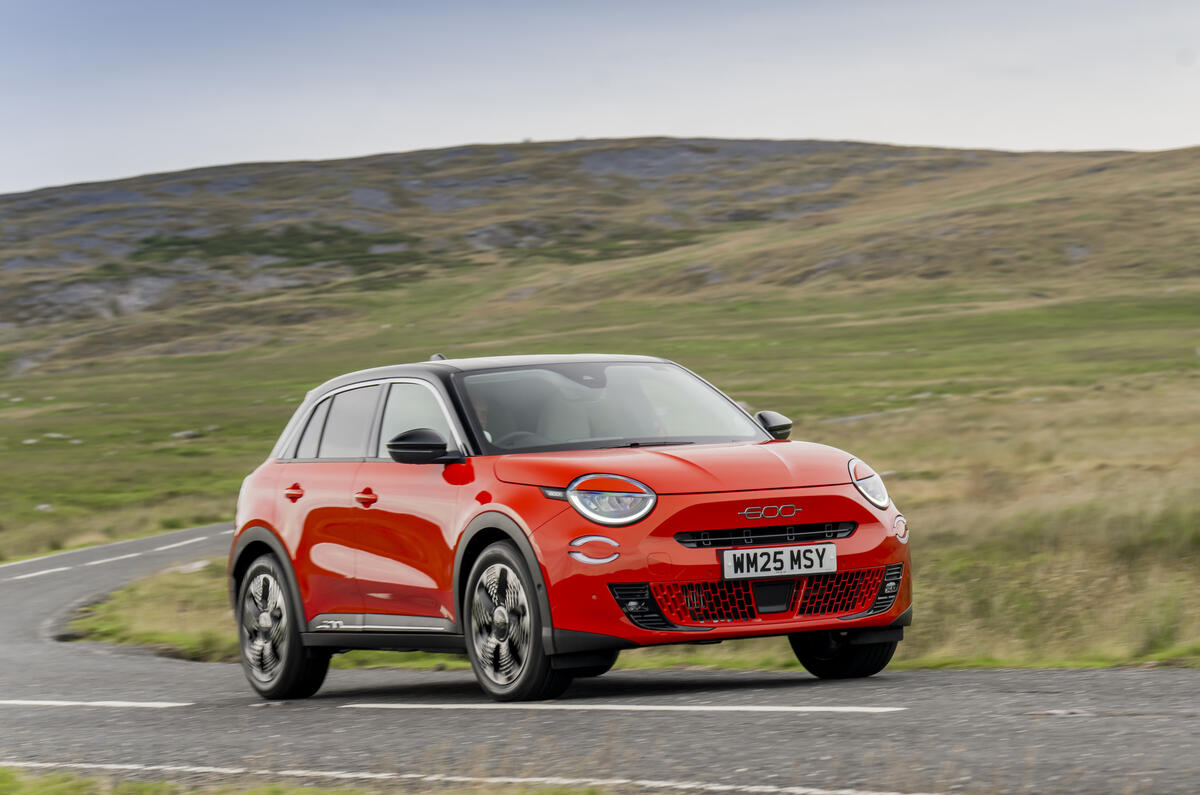
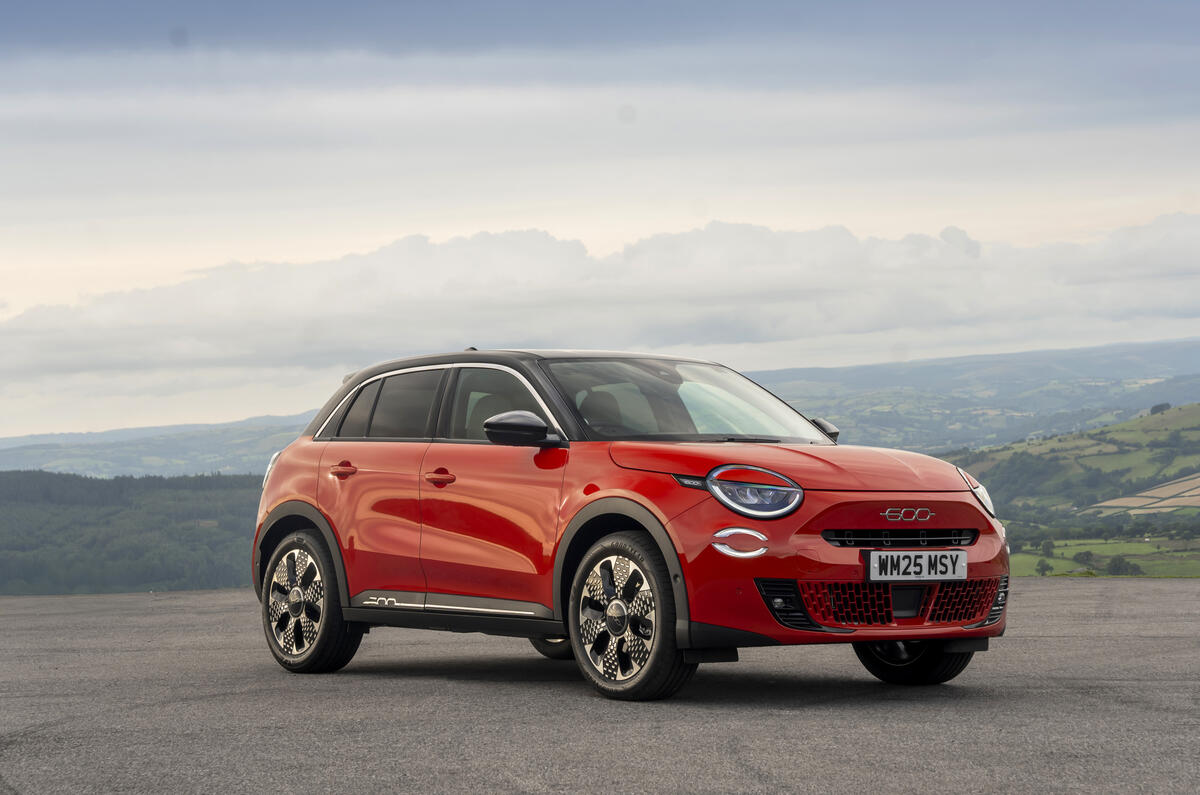
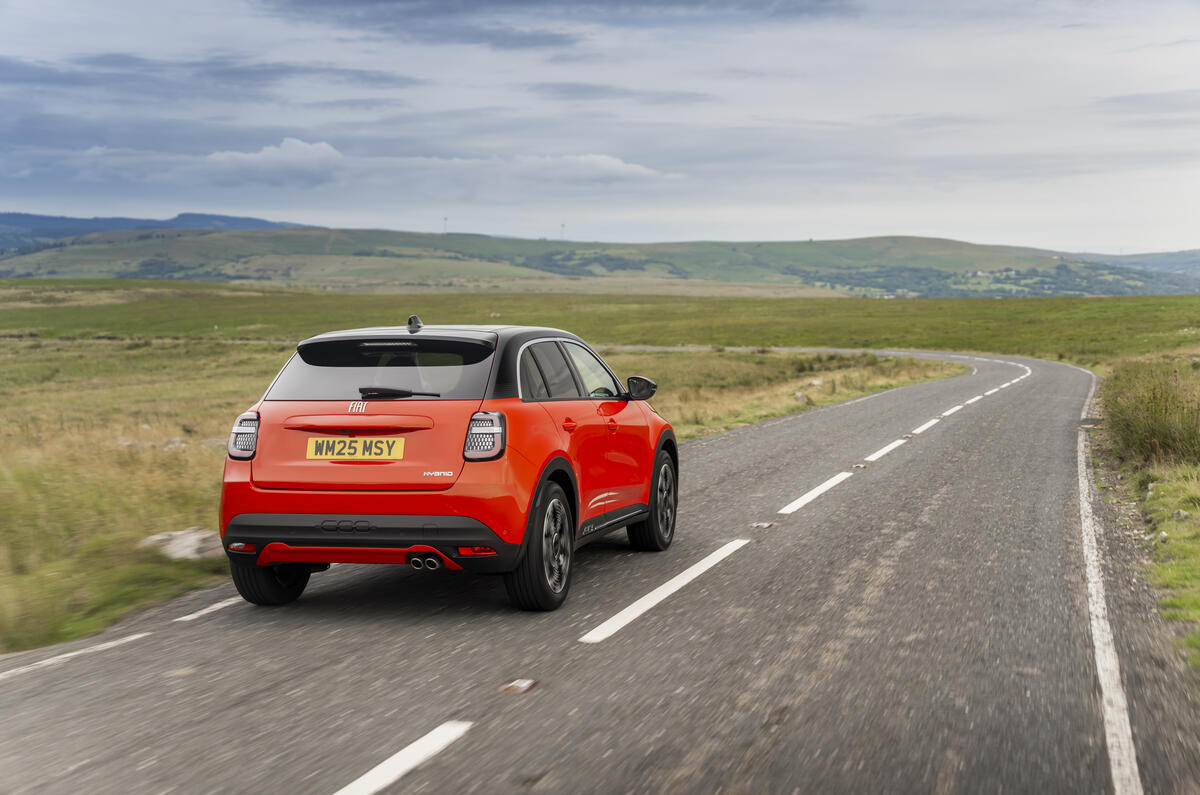
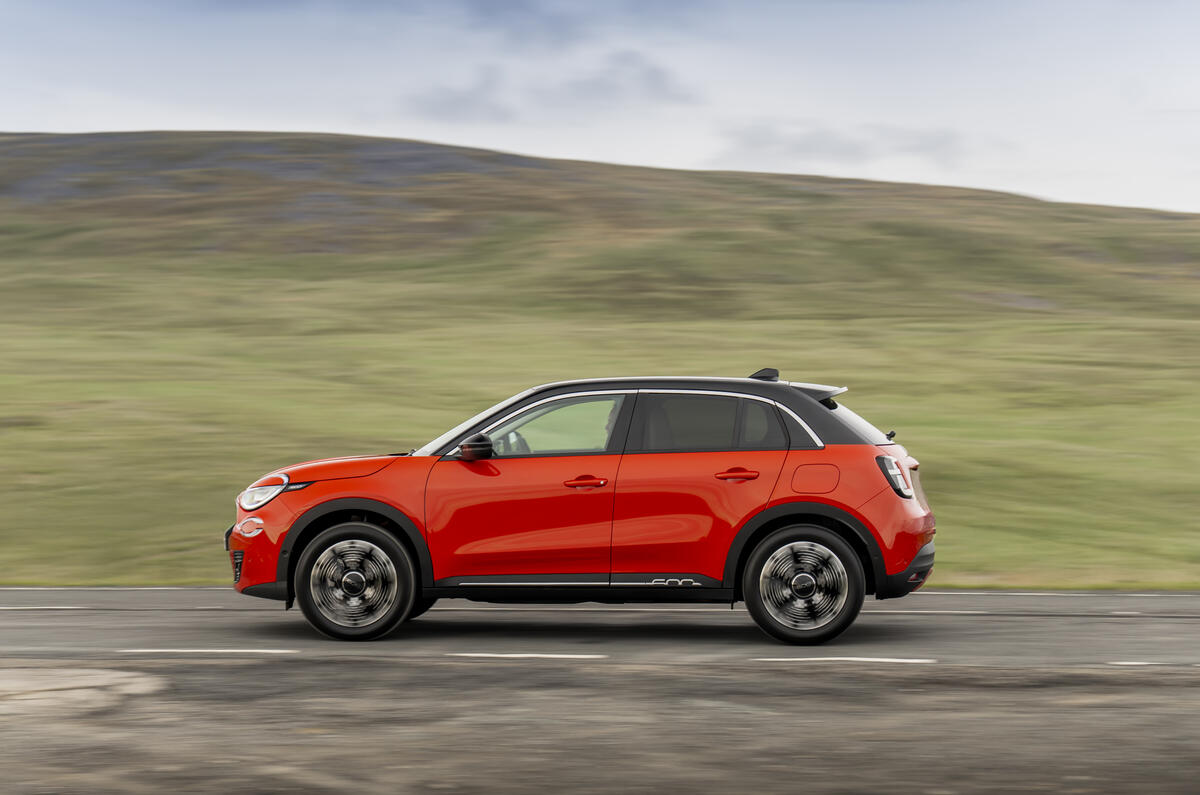
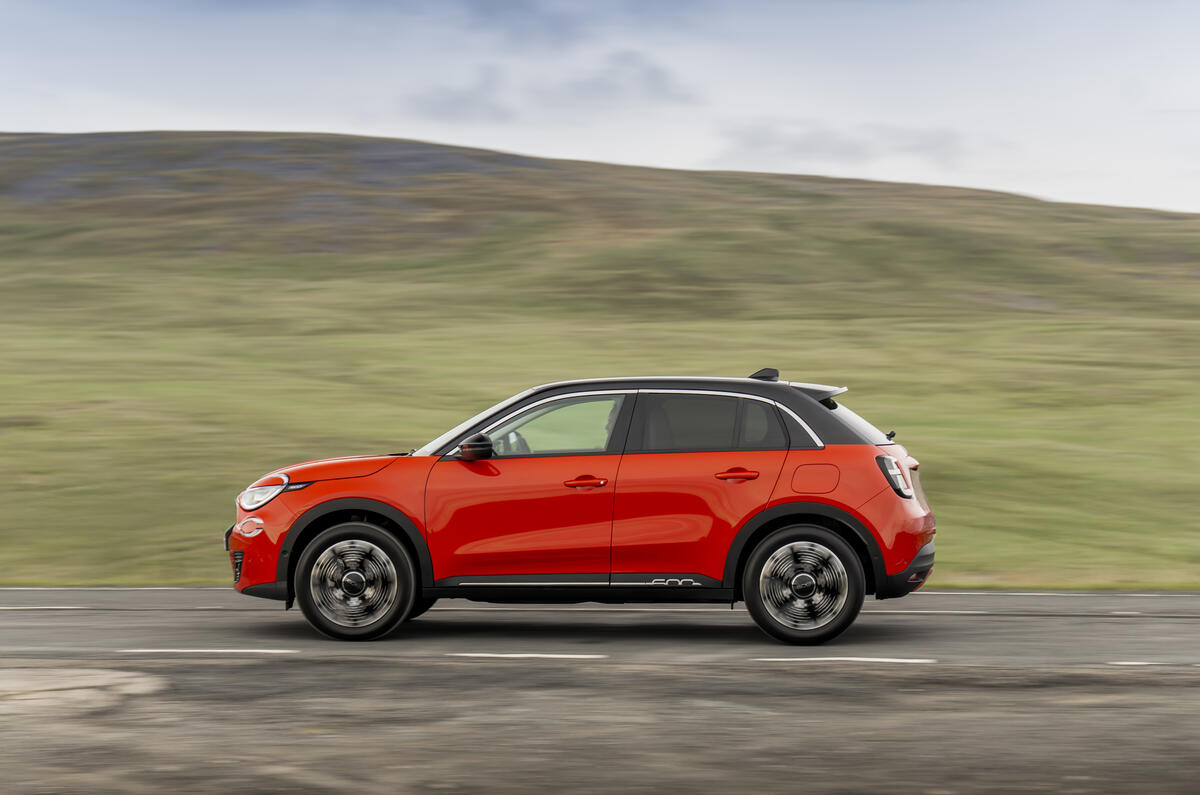
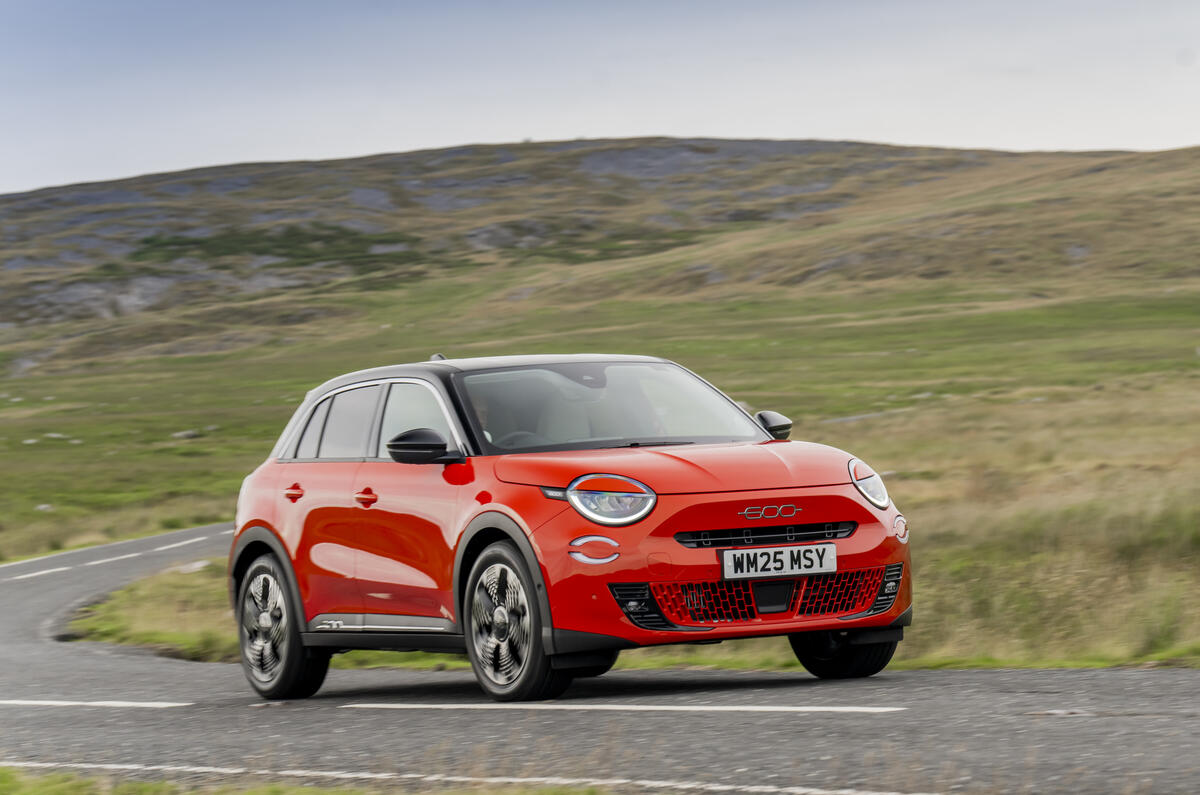
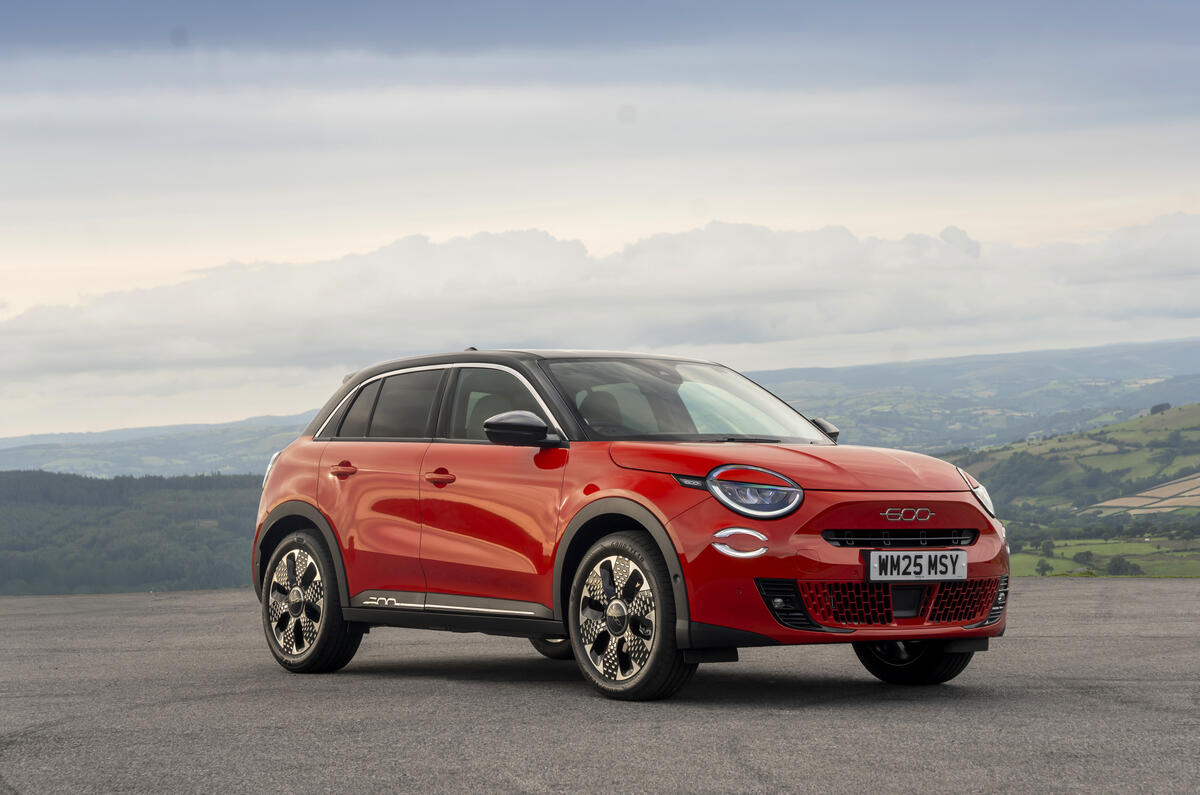
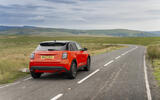
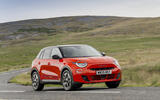
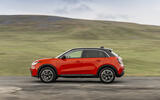
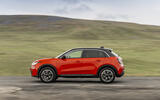
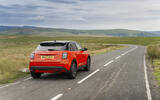
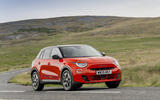
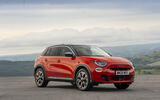
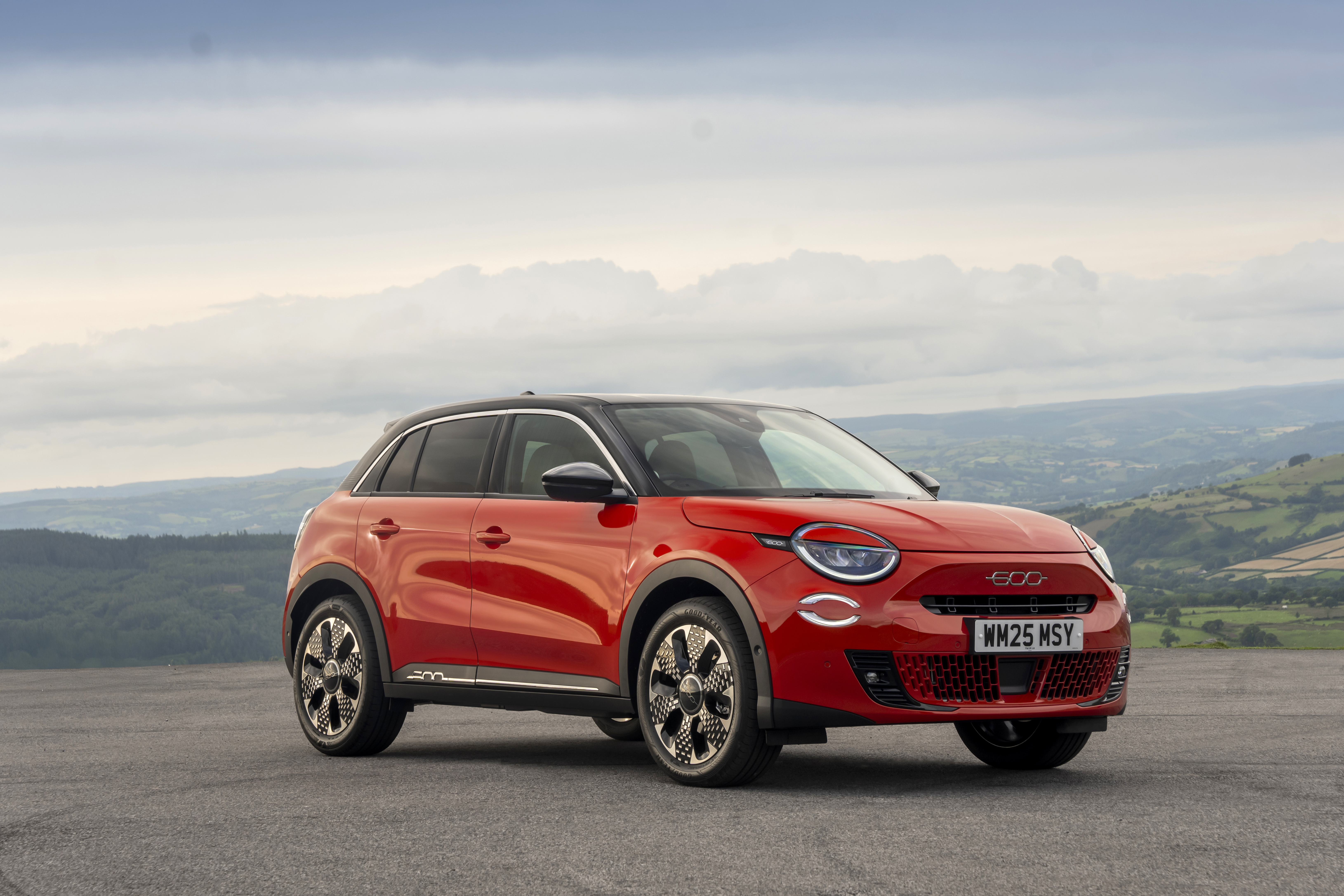
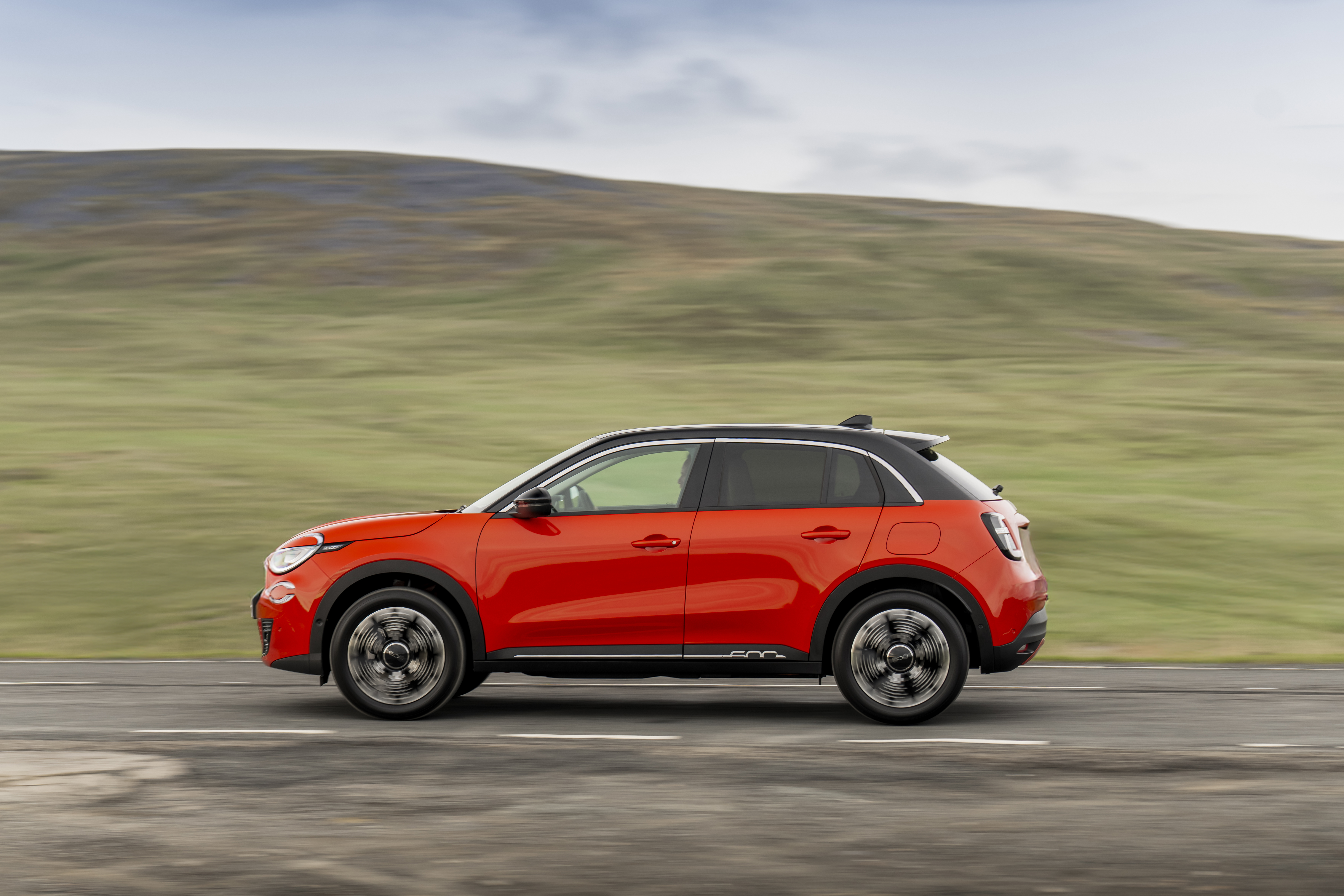
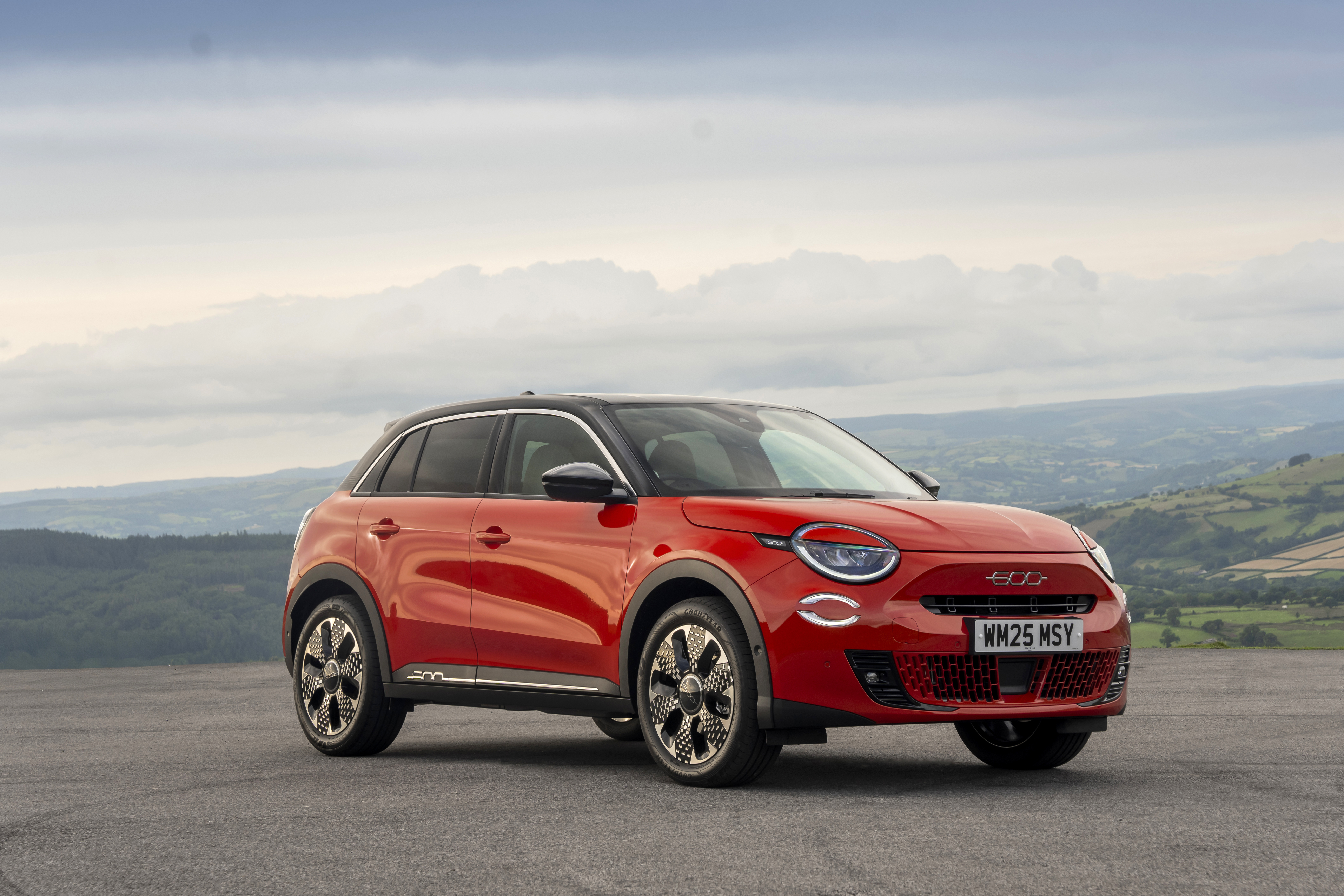
The 600 makes a large and tall supermini hatchback, measuring almost 4.2m long and more than 1.5m high.

And if you look at its measurements carefully, it most closely resembles not a Fiat but rather a different Stellantis model, built on the same architecture at the same Polish factory: the Jeep Avenger.

The wheelbase is an exact match; the roofline height and width are almost identical; and there are other resounding similarities between the two cars that we will come back to, not all of which put the 600 in the best position to thrive.

Combustion-engined versions of the 600 use Stellantis’s 1.2-litre three-cylinder turbo petrol engine. This produces 99bhp in the manual model (which does 0-62mph in a little over 10sec) and either 109bhp or 144bhp in the hybrid model (the more powerful version cutting the 0-62mph time to 8.5sec, making it quicker even than the 600e).

That means the 600 is spared the woeful 64bhp 1.0-litre 12V mild-hybrid engine fitted to the new 500 Hybrid, about which the less said the better.  

The 600's axle specification is class-typical: conventional struts at the front and a torsion beam with a Panhard rod at the rear.

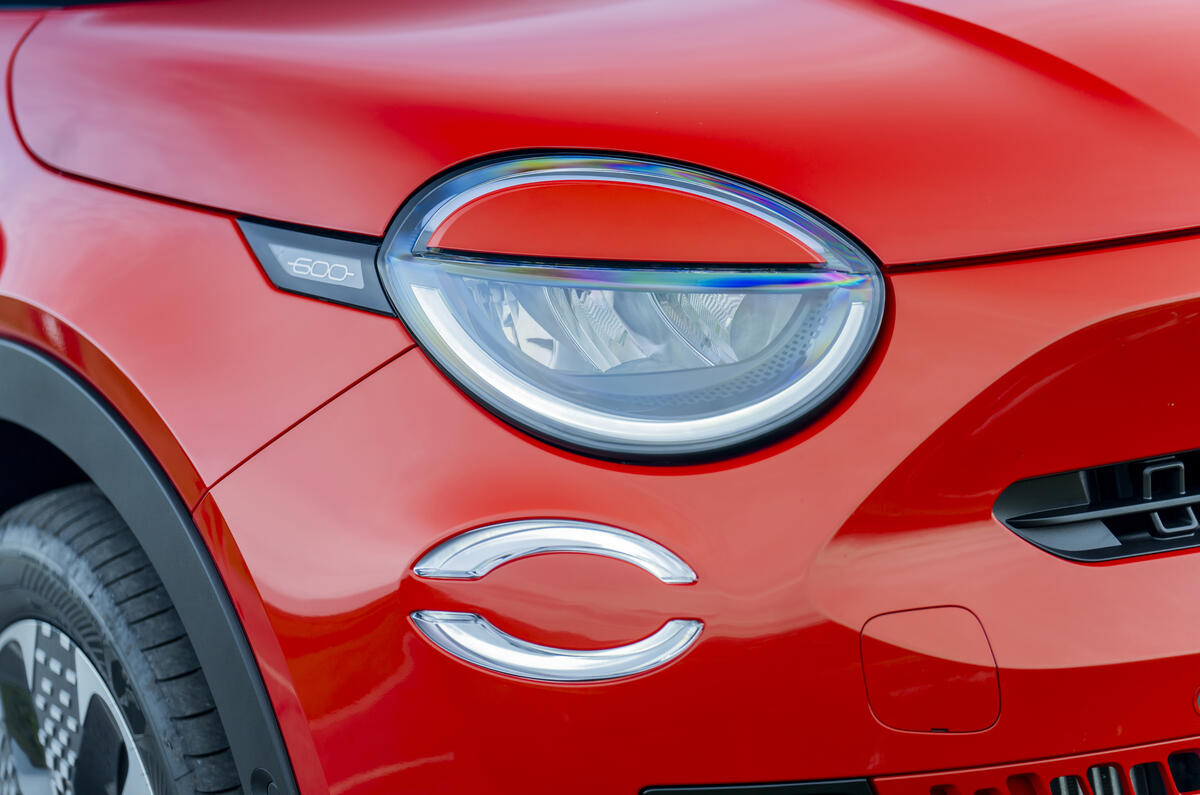
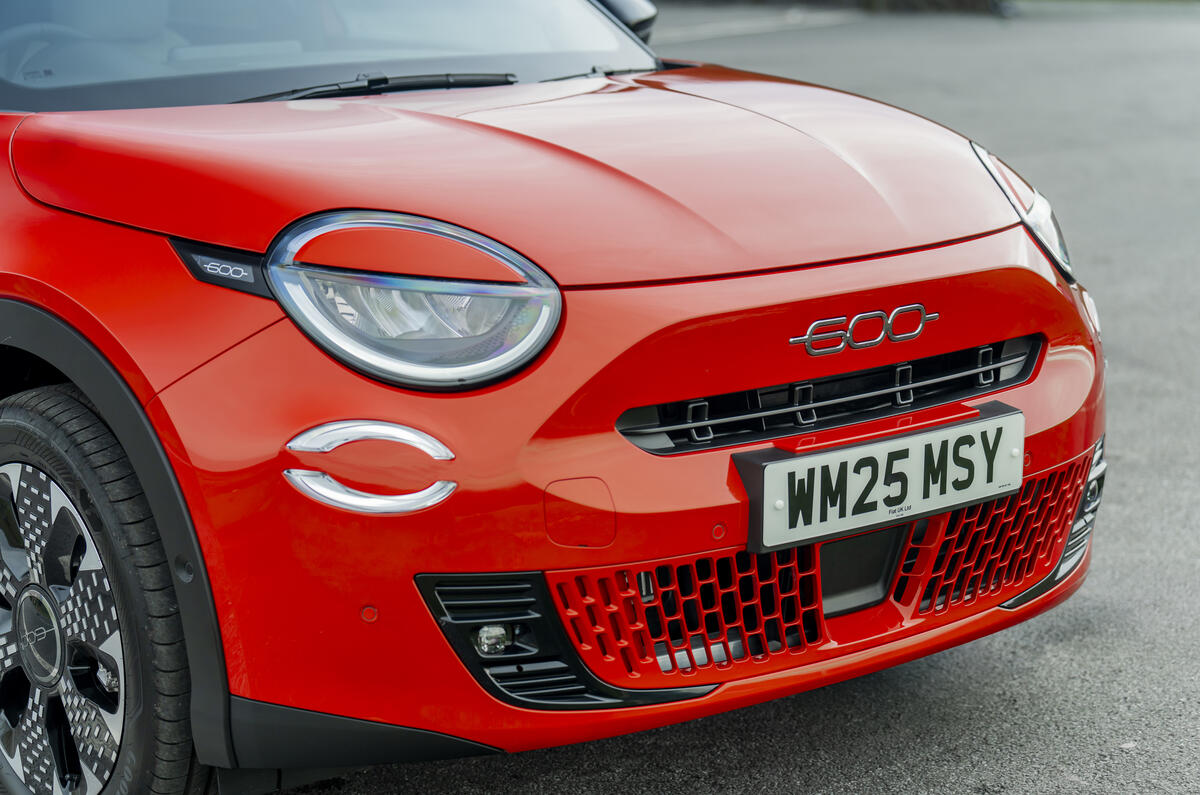
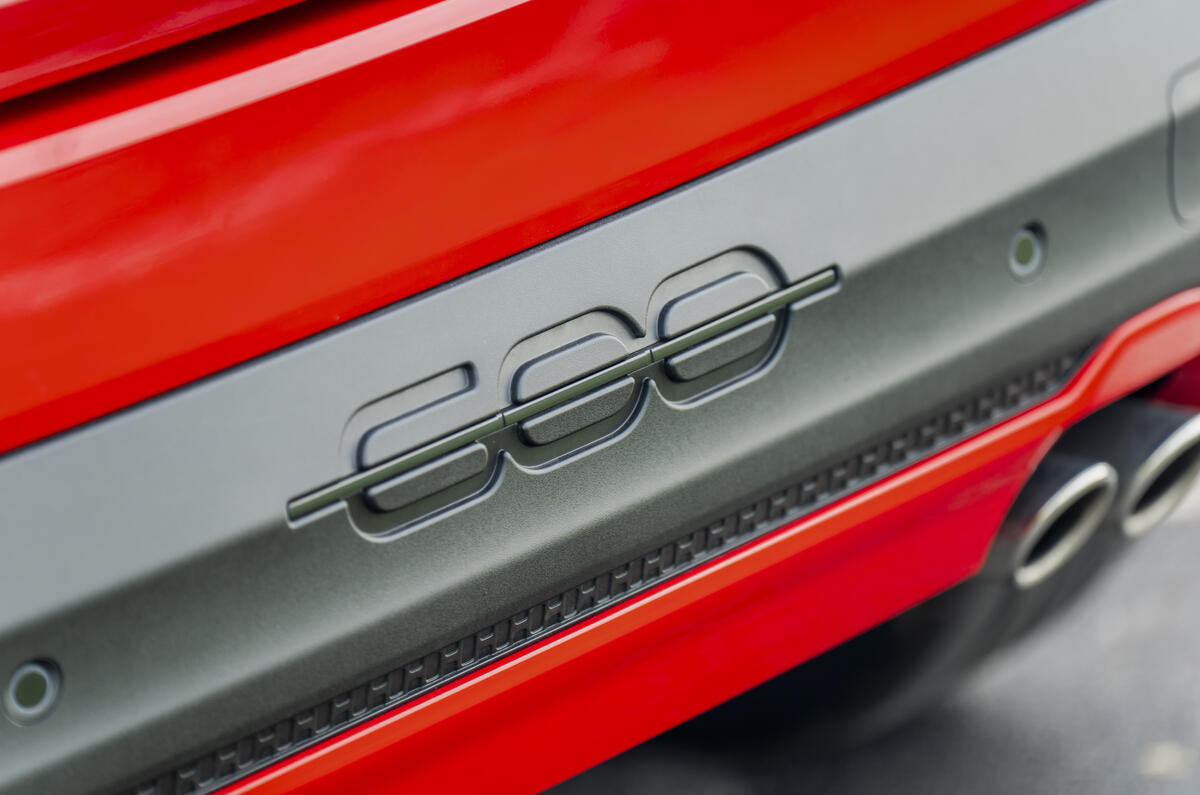
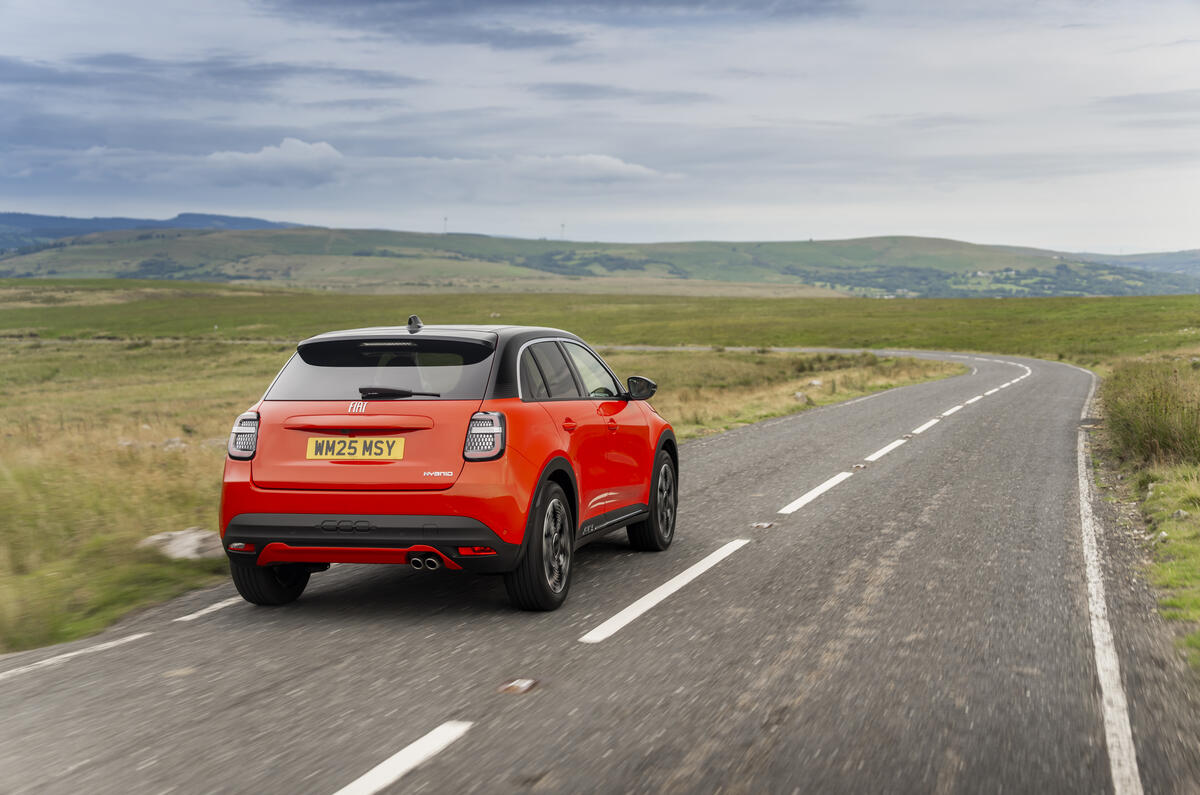
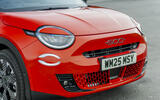
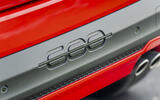
The exterior design is avowedly cute and cartoonish in its detailing but offers plenty of visual interest – although rather too many ‘600’ logos to actually count.

INTERIOR

6
Fiat 600 Hybrid 103

This car may be large by supermini class standards but, in some ways at least, you wouldn’t know as much on the inside.

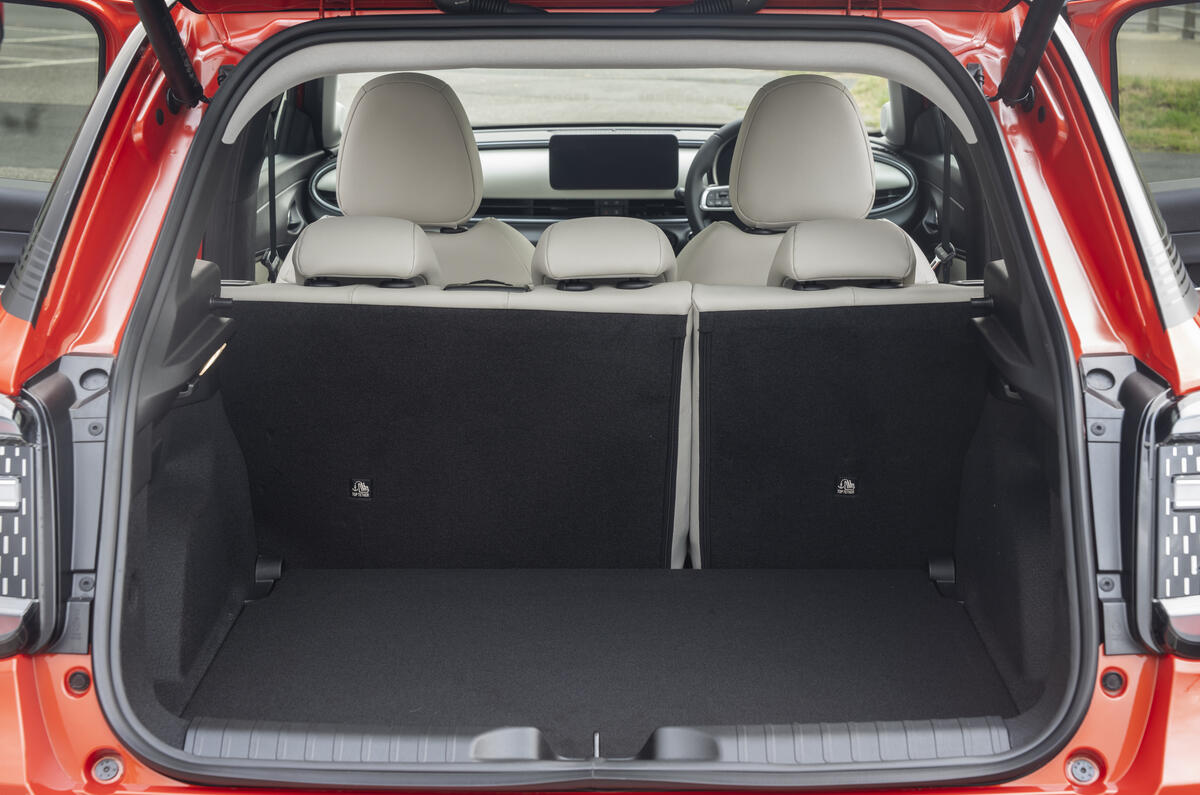
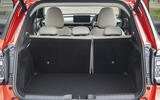
Although it feels wider across the cabin than is typical of a car in this class, offers quite generous front-row head room and has a 360-litre boot that is fairly roomy by the standards of its peers, its second-row passenger space is relatively mean. Plenty of smaller conventional superminis have better space for those travelling in the back.

Our Sport test car came with a powered tailgate (La Prima models do too), but it's both superfluous and annoying. The hatchback is so small that you could open it quicker the traditional way and the electric mechanism tends to resist you when you do.

Up front, you sit at a slightly raised hip point, and the way to enter – avoiding both a raised sill with your trailing heels – reminded testers of the access quirks of other related Stellantis cars.

But you sit comfortably enough, in smallish, firmish, slightly thinly padded but decently adjustable front seats embossed boldly with patterned Fiat logos, and in front of fairly well-placed and adjustable controls.

The only significant ergonomic disappointments are slightly shallow-feeling front footwells, and seat cushions that neither extend nor incline to support your thighs.

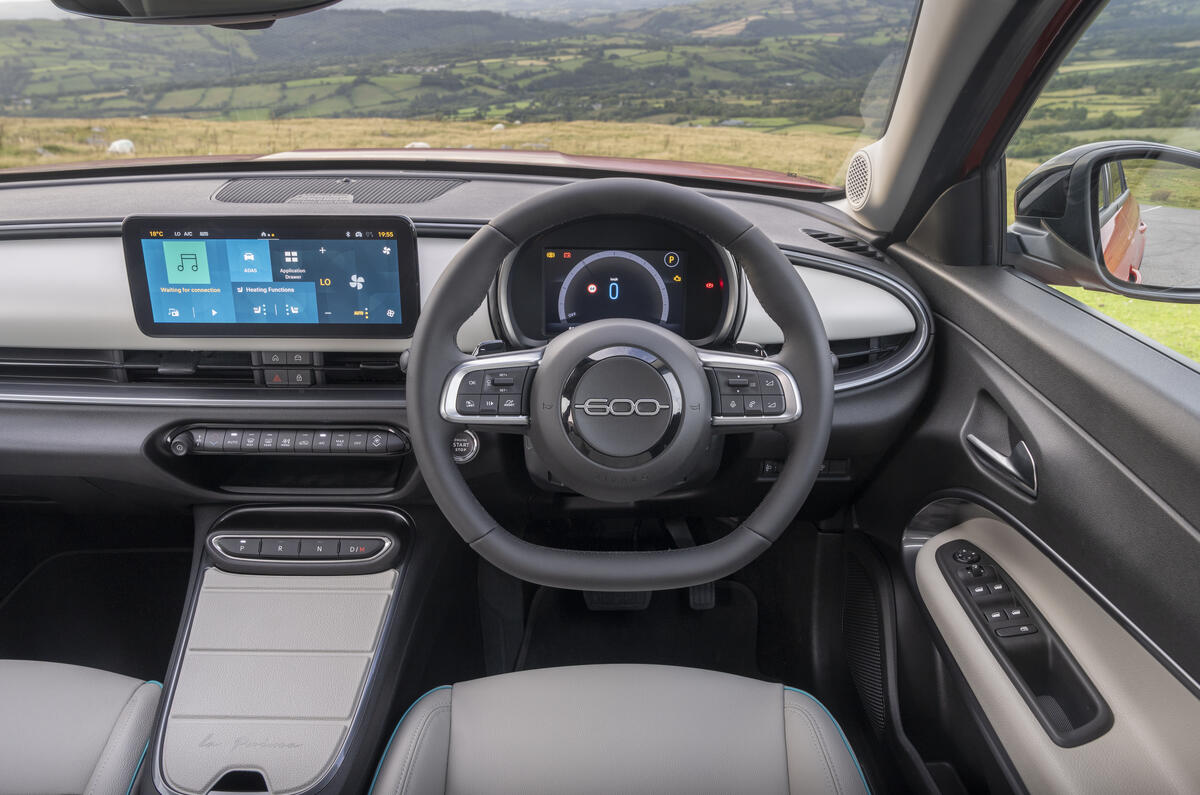
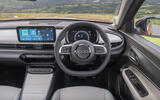
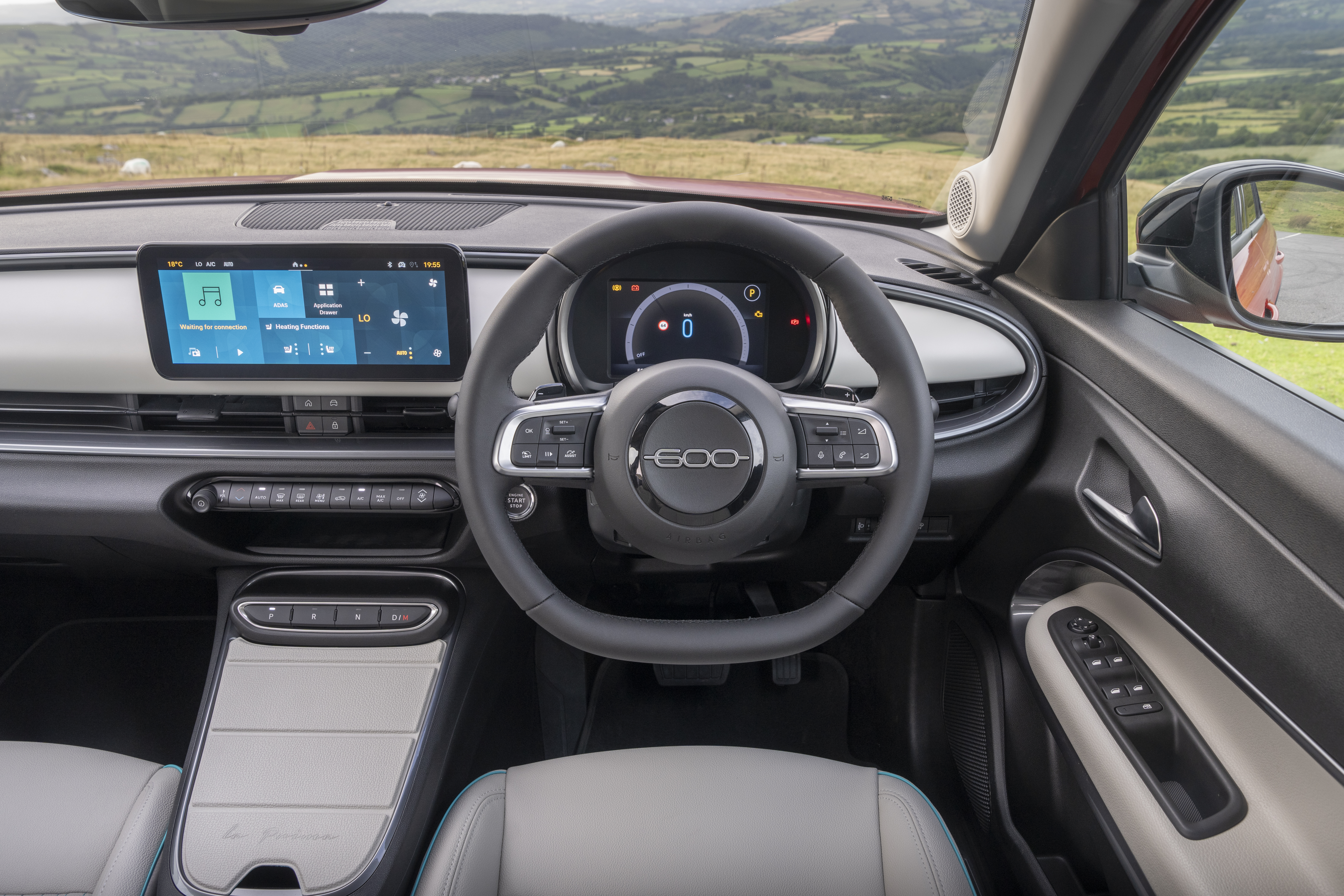
The promotional material crows about the charismatic Fiat charm of the car’s interior design, and how cleverly it references the smaller 500; but in actuality it was similarities with the Avenger that our testers universally noted.

While the 600 does get its own rounded instrument cowl and upper dashboard design, pretty much everything from the air vents down is shared with the Avenger, including the voluminous, accordion-lidded centre console storage cubby. The 10.3in touchscreen infotainment system is likewise the same in all but the veneer of its graphics, as are its ventilation controls, indicator stalks, steering wheel button consoles and more.

We’re not naive: making good product strategy for Stellantis brands means sharing parts. But the last time EVs from different group brands felt this closely related was probably when the current Vauxhall Corsa and Peugeot e-208 came along in 2020, and even they had better-differentiated interiors than this.

Granted, this is something a road tester is more likely to notice than an owner, but it’s nonetheless hard to take seriously Fiat’s claim to have made a uniquely Italian cockpit here.

Multimedia system

There are now four model grades of 600, and all get a 7.0in digital instrument screen and a 10.3in Uconnect touchscreen infotainment system. The version of the system on the base-level Pop doesn't include sat-nav but does offer wireless smartphone mirroring to compensate. The mid- and upper-tier models (Icon, La Prima and Sport) also get six-speaker audio and a wireless device charging pad.

Thanks to the presence of a few physical shortcut keys, it’s fairly easy to switch between native and mirroring modes, so most testers used their smartphones for navigation and music.

There are physical controls for heating and ventilation, plus a volume/on-off button, so top-level usability is good enough. Fiat has also rather cleverly turned one of the four physical shortcut keys at the base of the touchscreen into an ADAS shortcut. 

Hold down the button with the outline of the car and you access what is essentially an ADAS custom setting, in which the car's lane keeping and speed limit reminders can be set just as you prefer. This saves a lot of annoyance.

When you do need penetrate the touchscreen menus, however (to set the cabin pre-conditioning schedule or scan for new radio stations), there's still plenty of menu-hopping to contend with.

If you do want to use the factory navigation system, it will accept destination programming via voice command with dependable accuracy.

ENGINES & PERFORMANCE

6
Fiat 600 Hybrid 066

The 600 Hybrid uses the Puretech 1.2-litre 48V hybrid system first seen on the likes of the Citroën C4 and Peugeot 3008 and subsequently rolled out very widely indeed among other Stellantis models. It first emerged with either 99bhp or 134bhp but can now be had with either 109bhp or 144bhp.

This feels like a slightly quieter, better-mannered powertrain in Stellantis's bigger models than here, truth be told. Fiat's tuning of the 600's six-speed automatic gearbox is certainly a little less smooth than we've known in other applications, while the engine becomes slightly noisy when it begins to run and doesn't start and stop quite as smoothly as it might either.

Some of this may be to do with it being squeezed into a smaller, lighter platform than it in elsewhere but, as these things go, the hybrid system does feel slightly plonked in here, without a great deal of apparent attention to the finer details.

It has only limited engine-off running potential, while you're coasting or moving very slowly in traffic. It also has some slightly mannered drivability quirks. For instance, the hybrid system gives you quite a lot of motor regeneration on a trailing throttle whether you like it or not, and there's no way to turn it up and down, via the drive modes or anywhere else. Gentle braking blends this regen effect up a little but only while the motor is connected to the wheels via the six-speed automatic gearbox, which means there's an unwanted sort of ebb and flow in evidence when braking the car smoothly to a stop as the gearbox changes down the ratios.

We have thus far tested only the upper-tier Hybrid 145 model, but previous experience of the old Hybrid 100 suggested that it was noisier and had to be worked harder, at times, to make for an acceptable level of performance.

The Hybrid 145 is reasonably assured in its performance both on and off the motorway but can seem to get caught between gears and feel slow to change down at times.

RIDE & HANDLING

Fiat 600 Hybrid 032

Twenty-five years ago, Fiat had a knack for making fairly small cars with a certain directness and simplicity about their dynamic character, capable of delivering a little bit of fun in an unlikely package.

These are challenging times for superminis, of course, and people don’t buy the type they used to, but what the 600 shows you is how differently the firm is tuning and targeting its cars today than it once did.

It's suitability for modern life and the urban environment particularly that Fiat claims to be aiming for now. It’s an aim that makes the 600 fairly easy to drive and both manoeuvrable and broadly comfortable with it. Not especially memorable, characterful, agile or fun, though.

The car has medium-soft-feeling, longish-travel suspension; steers lightly and with consistent if mildly disinterested pace; has a grip level that’s only moderately high and is balanced to reassure; and betrays its priorities especially when rolling its way through corners in more pronounced fashion than you would probably expect from a small car.

Typically it doesn’t wallow – and nor does it heave excessively or pitch its way out of levelness with the ground over vertical inputs either. But it does feel in every sense a comfort-oriented vehicle intended to soothe and coddle its occupants, not stimulate them.

That's perhaps marginally less true of the Hybrid version, which is lighter than the 600e and has a less heavy-feeling gait, but it's something that probably sets the car apart quite nicely.
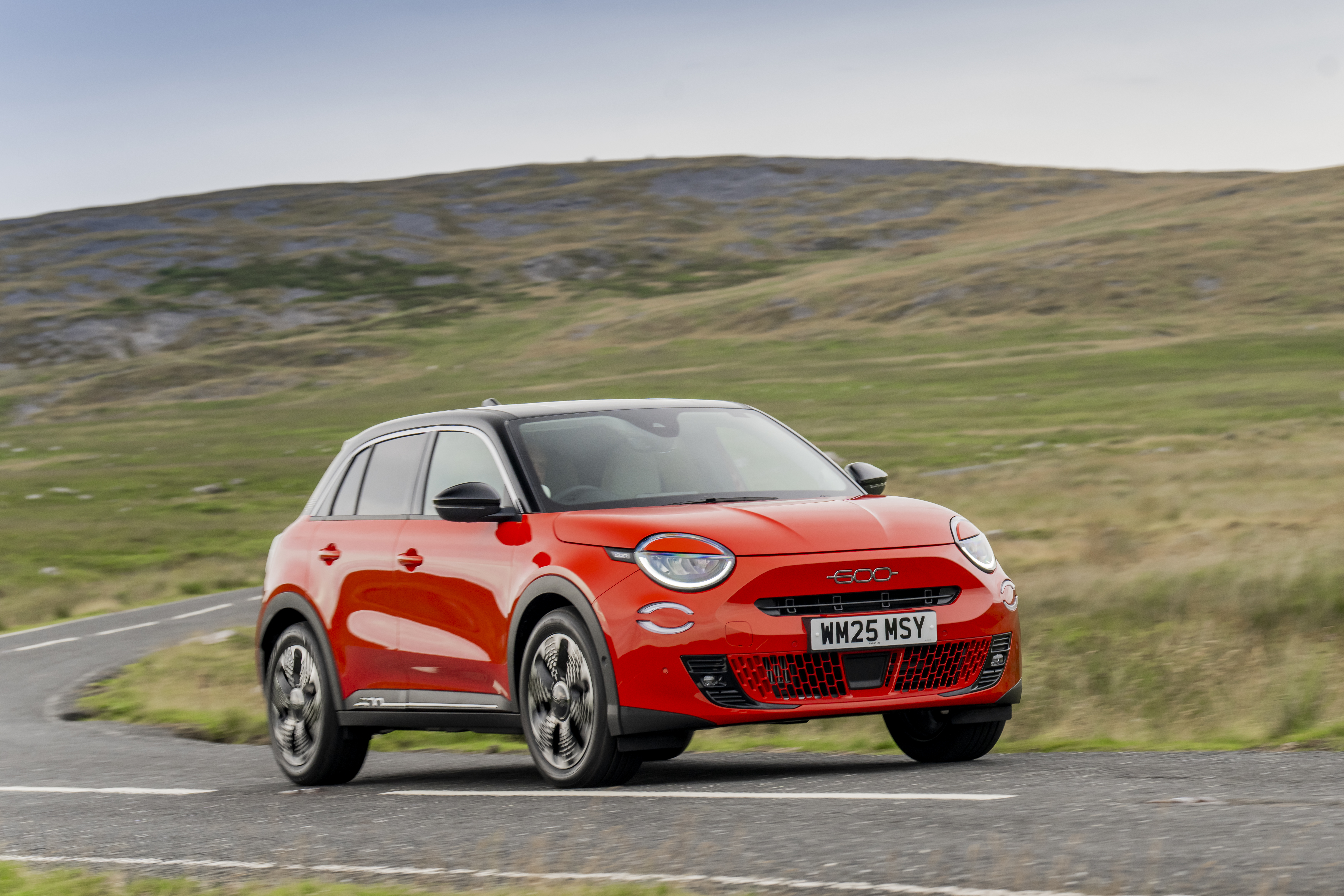
The 600 retains decent stability and a fairly settled gait on both cross-country roads and motorways, but the dynamic zip, poise and chutzpah of a small, Latinate supermini is conspicuously absent here.
Comfort & Isolation

While it doesn’t have the most comfortable front seats or the roomiest second row, the 600 does look after its occupants with pretty mild touring manners.

It handles bumps with suppleness both in town and out of it, and although it’s soft, it doesn’t loll around in such a way that might make you feel seasick over changing surfaces.

Visibility is good enough in all directions and the 180deg, plan-view reversing camera of our test car made parking easier than it might otherwise have been.

The 600 isn’t the most isolated or hushed in its class but, given its price position, you might not expect it to be. In this respect, the EV definitely has the edge over the Hybrid, however, with the engine of the latter becoming a little bit intrusive at times.

MPG & RUNNING COSTS

7
Fiat 600 Hybrid 037

The petrol 600 brings the entry price down to £23,995 – £2000 cheaper than for the cheapest hybrid and £1500 cheaper than for the 600e (even after the UK government's Electric Car Grant).

That makes the car around 10% cheaper than a like-for-like Ford Puma, although it doesn't approach the kind of value offered by budget Chinese-brand options like the Chery Tiggo 4.

If you can find the necessary cash to take a hybrid over a petrol, you will be hoping to be paid back through better fuel economy, but the 600 probably won't blow your socks off on that score.

Although Stellantis's 48V system would certainly return worthwhile urban efficiency savings versus a petrol manual, the circa-50mpg you'll get from it is a little underwhelming when compared with rivals.

Most 'full hybrid' alternatives will be more expensive still but not quite all.

VERDICT

6
Fiat 600 Hybrid 001

If the main mission of the 600 is to give owners of the 500 who have outgrown their cars something with better space and usability but a similar character to move into, it should certainly serve its purpose.

But even these customers might wonder how much Fiat-typical style and charm there is about this car, beyond its cutesy, Powerpuff Girl-style primary features, once they get past the brace of extra doors.

Because the truth is that this compact Fiat isn’t especially appealing in any cheery, subjective way – as some kind of design essential or fashion item – but nor is it really a sound, sensible, economical buy either.

Between its respectable if slightly mannered hybrid powertrain, its smallish-yet-tallish footprint and its derivative, averagely packaged interior, the 600 feels much less like the kind of car its designers and engineers really wanted to make and more like a stopgap that platform engineering made possible.

It's an entirely blameless and quite competent car for all that. It offers decent value and will be welcomed by supermini buyers who like the idea of choosing what kind of powertrain actually suits them. But from Fiat you might reasonably expect something livelier, more original and more innovative.

Matt Saunders

Matt Saunders Autocar
Title: Road test editor

As Autocar’s chief car tester and reviewer, it’s Matt’s job to ensure the quality, objectivity, relevance and rigour of the entirety of Autocar’s reviews output, as well contributing a great many detailed road tests, group tests and drive reviews himself.

Matt has been an Autocar staffer since the autumn of 2003, and has been lucky enough to work alongside some of the magazine’s best-known writers and contributors over that time. He served as staff writer, features editor, assistant editor and digital editor, before joining the road test desk in 2011.

Since then he’s driven, measured, lap-timed, figured, and reported on cars as varied as the Bugatti Veyron, Rolls-Royce Phantom, Tesla Roadster, Ariel Hipercar, Tata Nano, McLaren Senna, Renault Twizy and Toyota Mirai. Among his wider personal highlights of the job have been covering Sebastien Loeb’s record-breaking run at Pikes Peak in 2013; doing 190mph on derestricted German autobahn in a Brabus Rocket; and driving McLaren’s legendary ‘XP5’ F1 prototype. His own car is a trusty Mazda CX-5.