From £18,9958

Quasi-rugged retro throwback gains the option of a petrol-electric powertrain

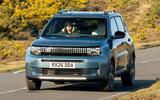
The Fiat Grande Panda, the Italian sibling to the Citroën C3 and Vauxhall Frontera, was nearly voted Car of the Year for 2026. It came fifth, behind the Mercedes-Benz CLA and the Skoda Elroq. But it seems that much of Europe has already made up its mind, because it’s reportedly so popular in left-hand-drive markets that the UK is having to wait until March before right-hookers reach our shores.

A left-hand-drive hybrid was in the country recently, though, which let us spend a bit more time with the giant Panda.

As is typical for a Stellantis brand, Fiat offers the Grande Panda with petrol, hybrid and electric power. This review is about the petrol and hybrid version; we've reviewed the Fiat Grande Panda Electric separately.

Advertisement

DESIGN & STYLING

8
Fiat Grande Panda review 2026 002

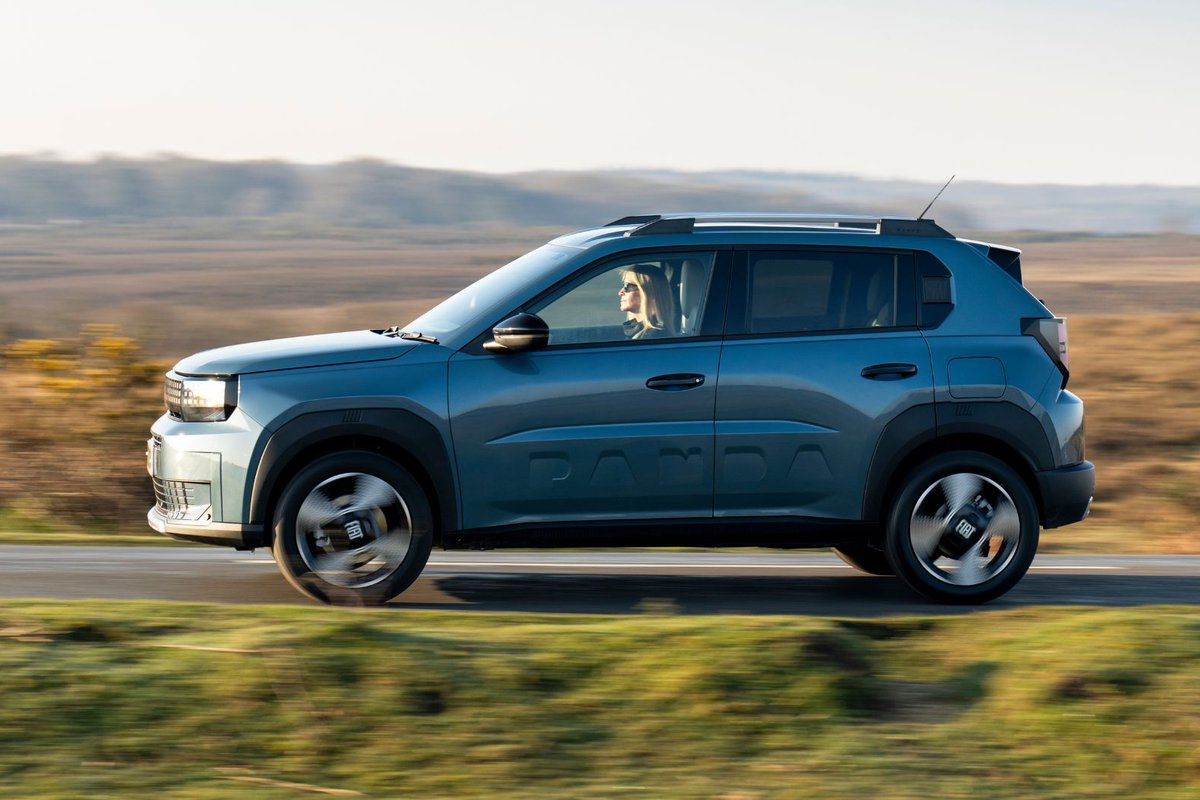
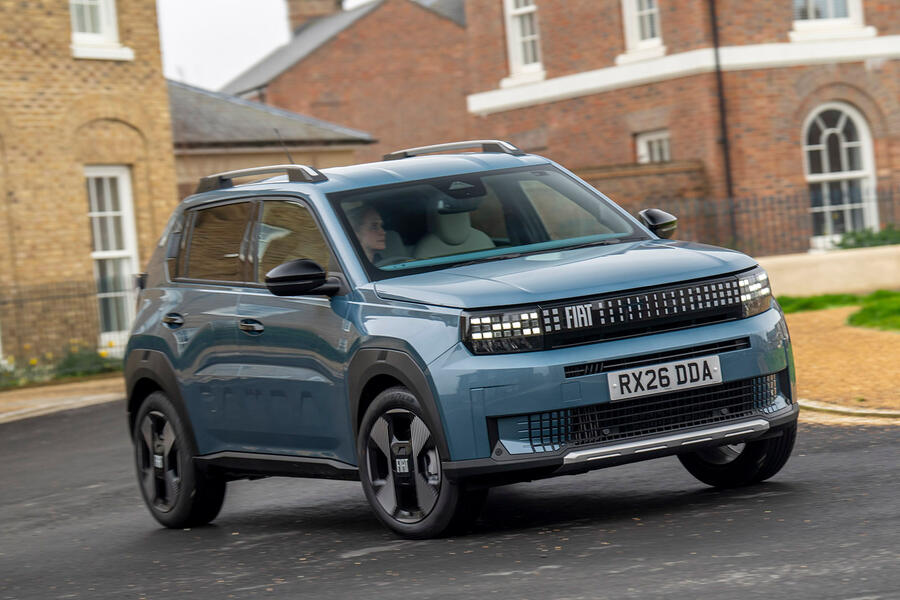
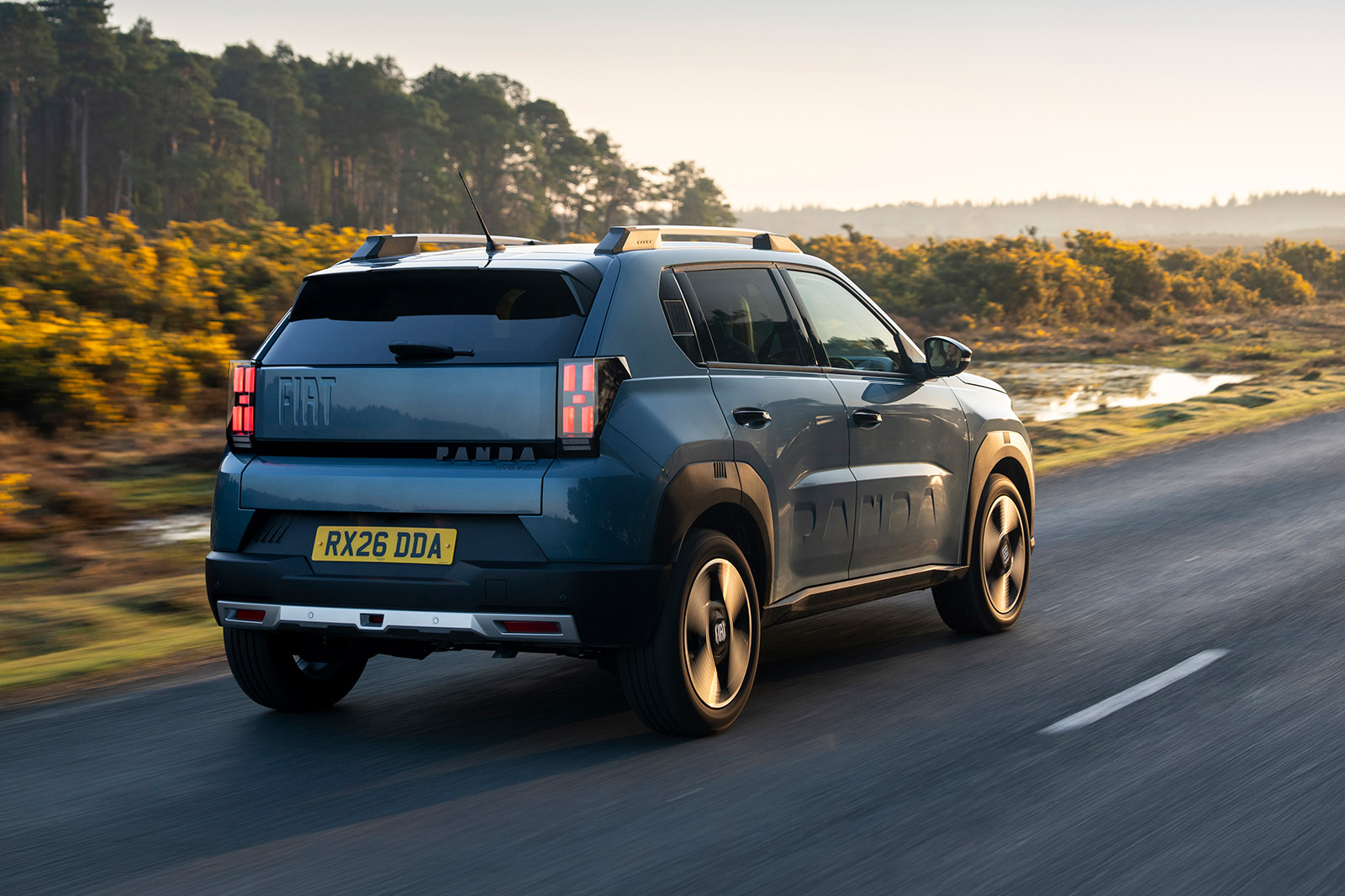
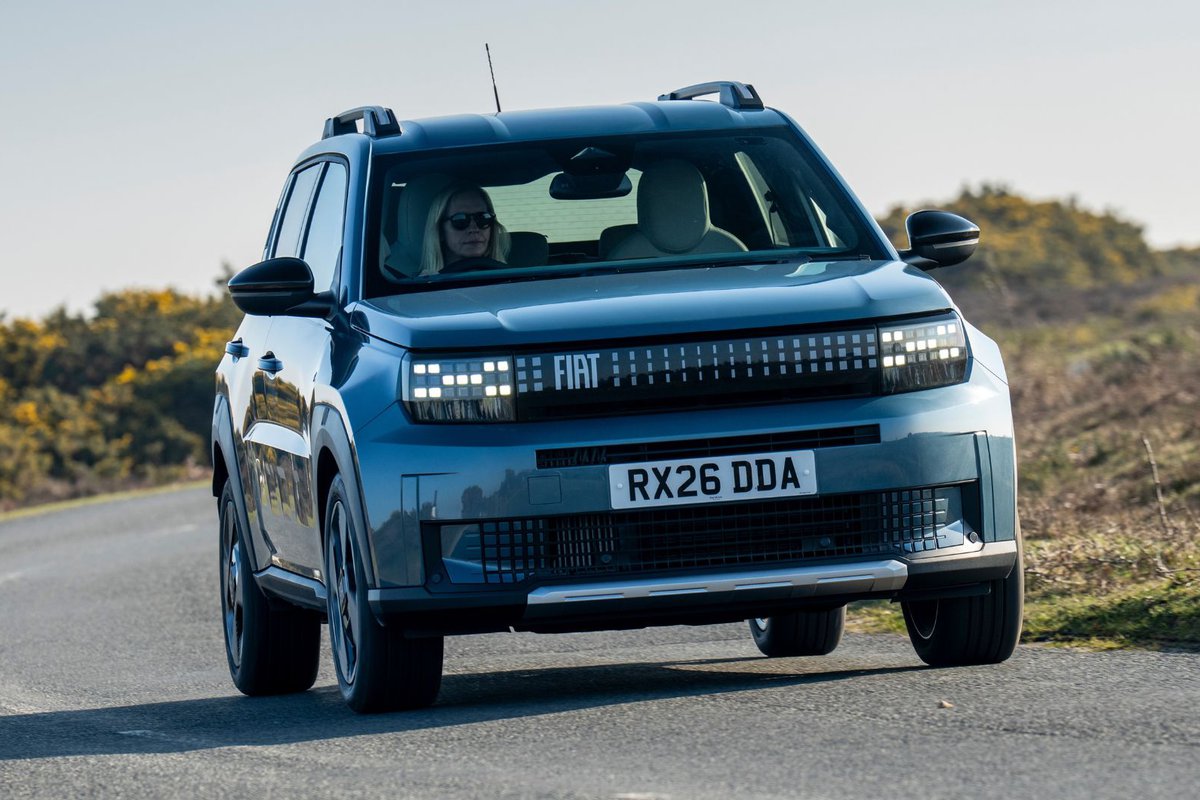
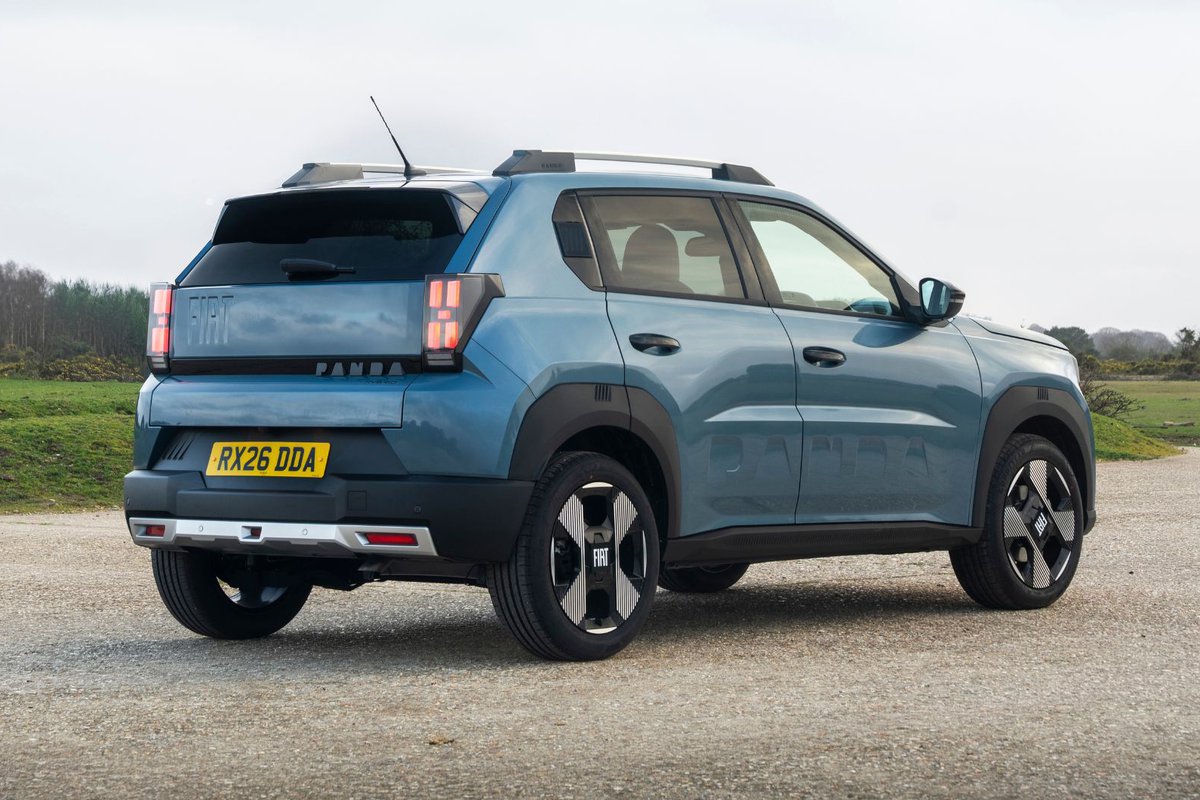
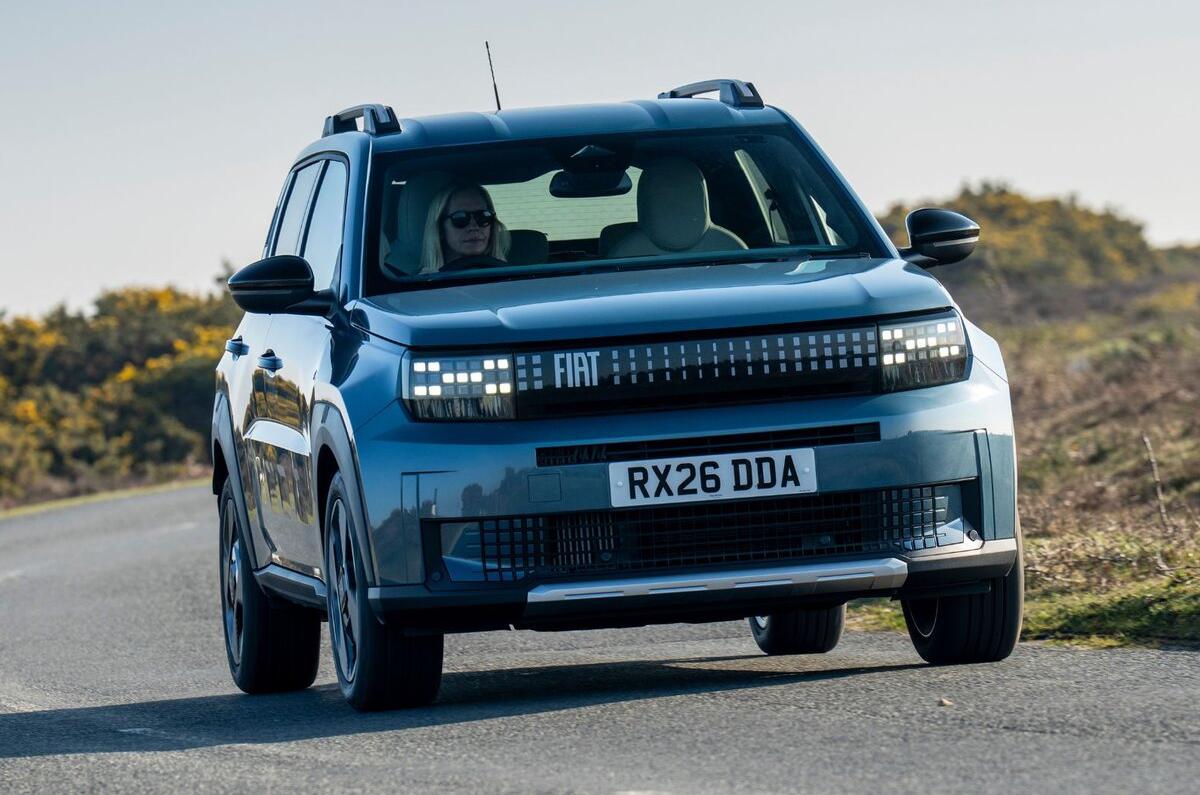
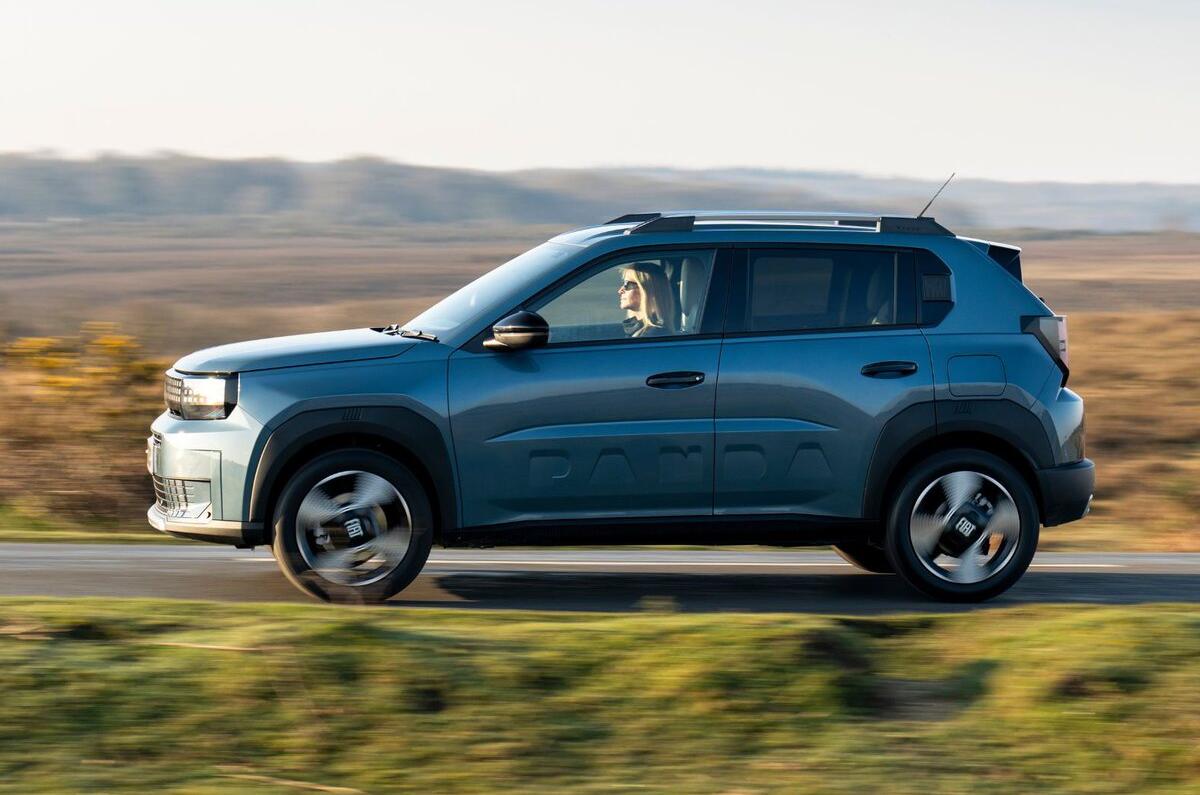
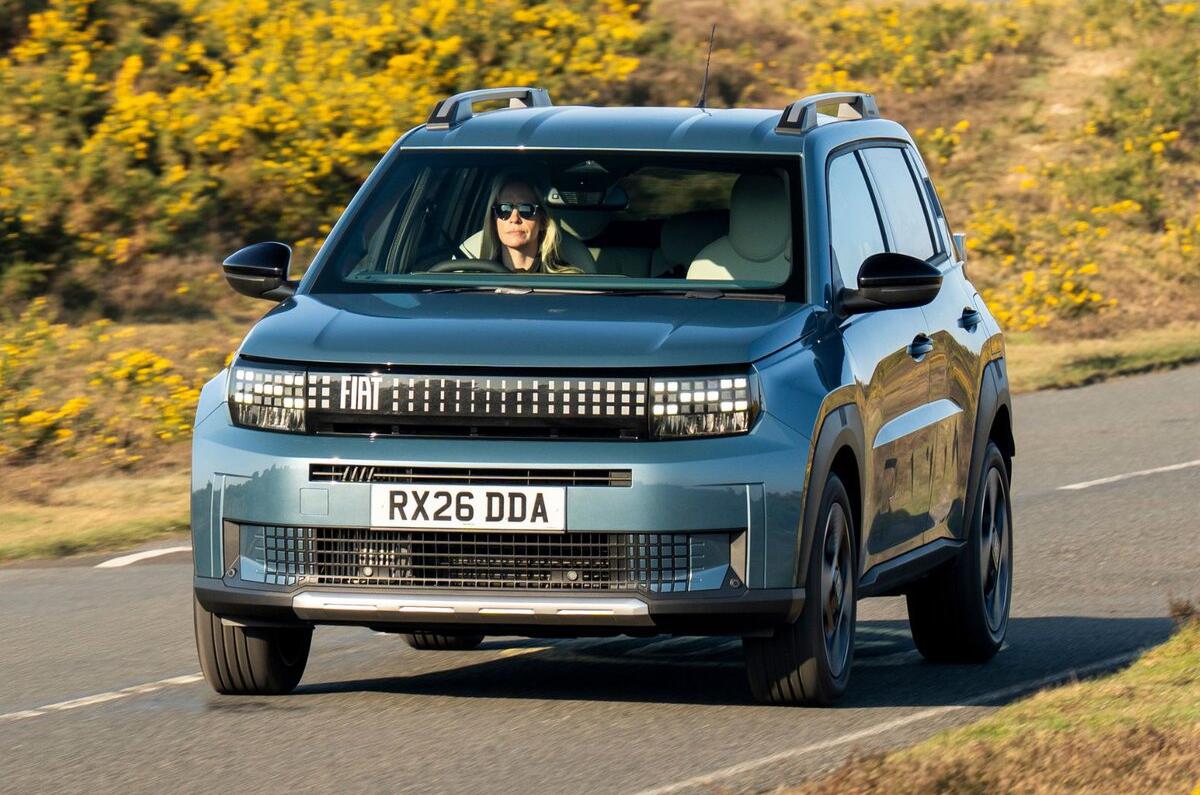
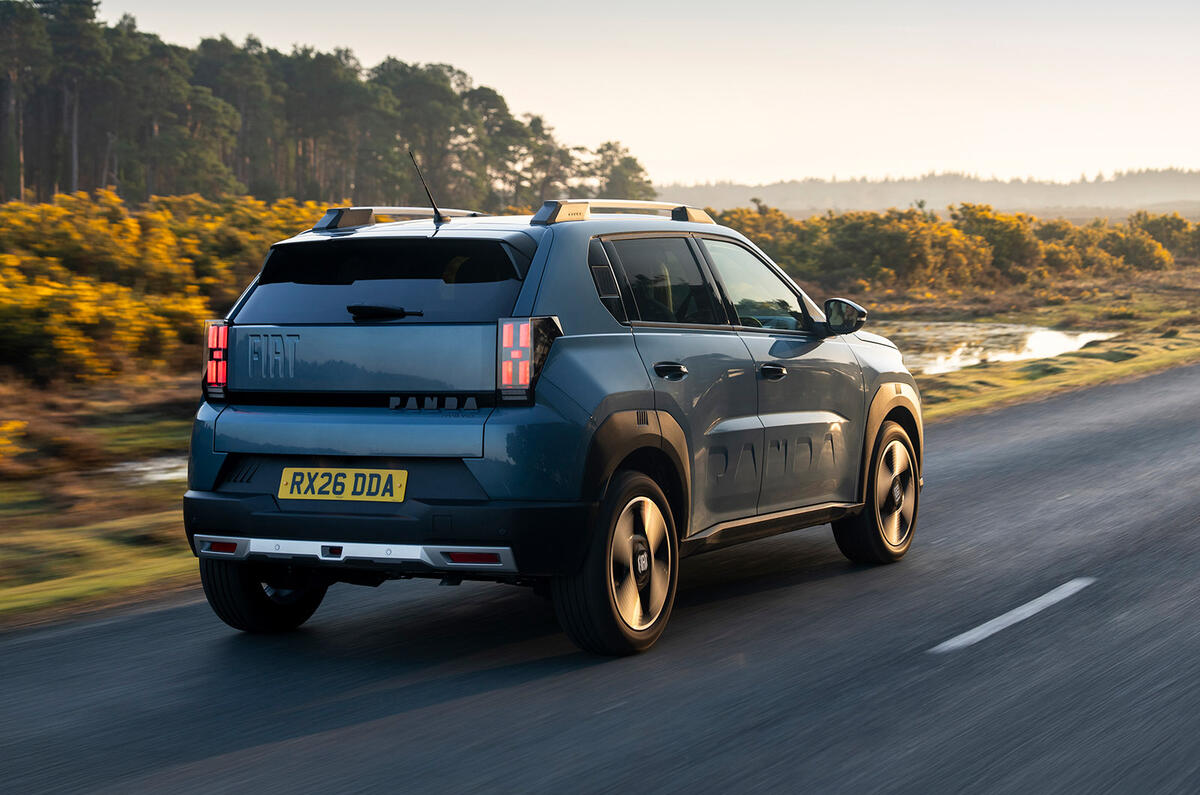
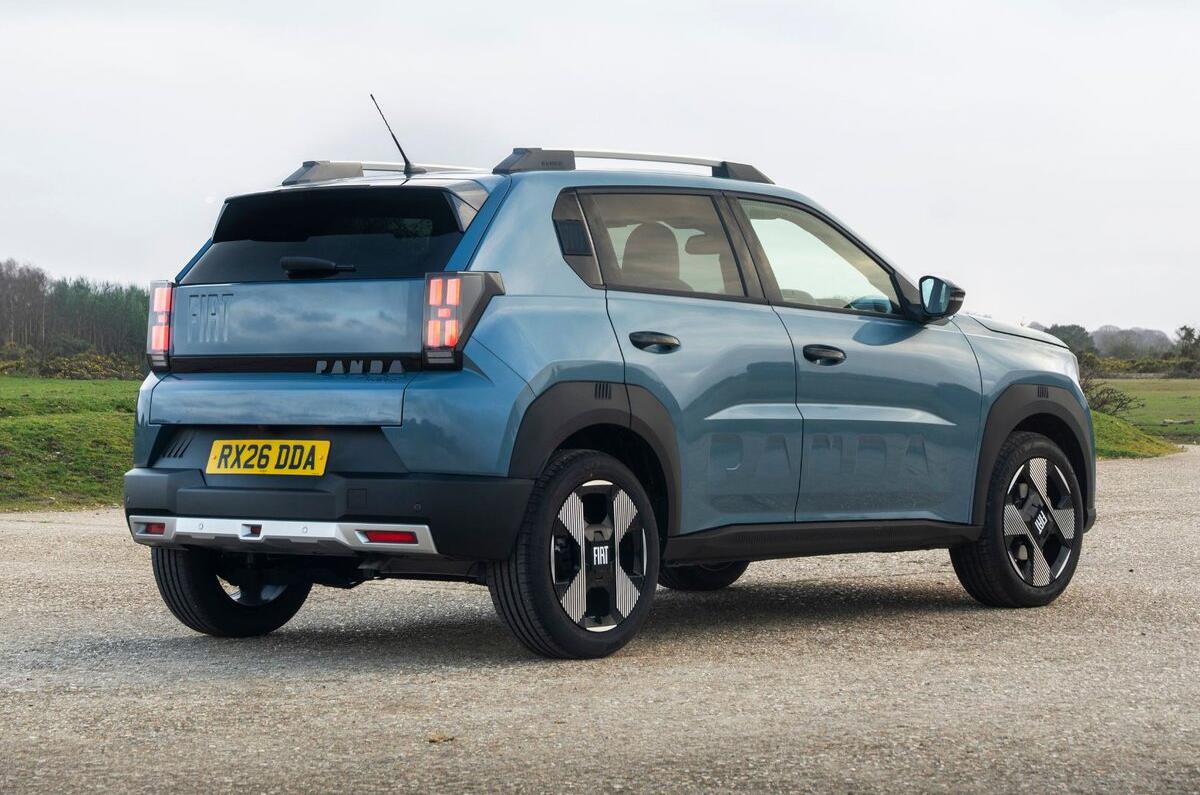
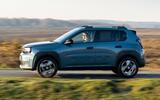
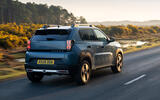
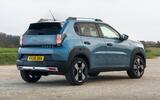
‘Grande’ is quite apt, because the Panda is no longer a tiny city car: it’s now effectively supermini-sized in terms of length and midway between the hatchbacks and ‘SUVs’ of the class in height.

Which is a bit of a shame, we feel, because there is real joy in wilfully small cars, which you can aim at gaps and trust that they will fit. With its raised ride height and 2017mm across the mirrors, the Panda doesn’t feel like a small car any more. Obviously it’s not a big car, just a normal-sized one.

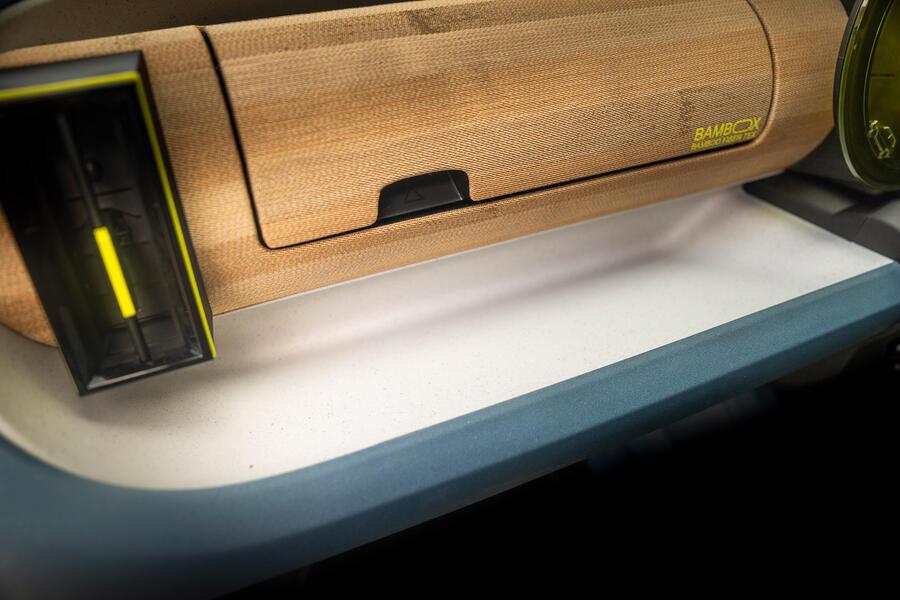
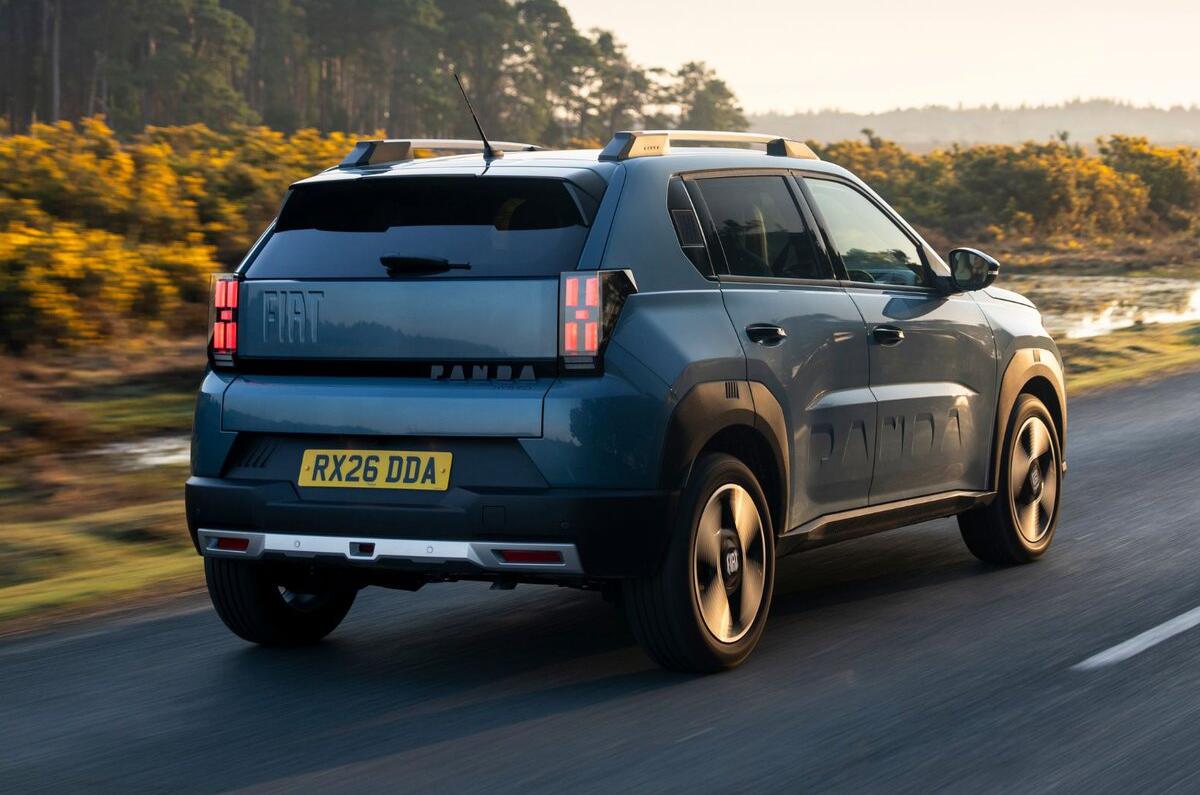
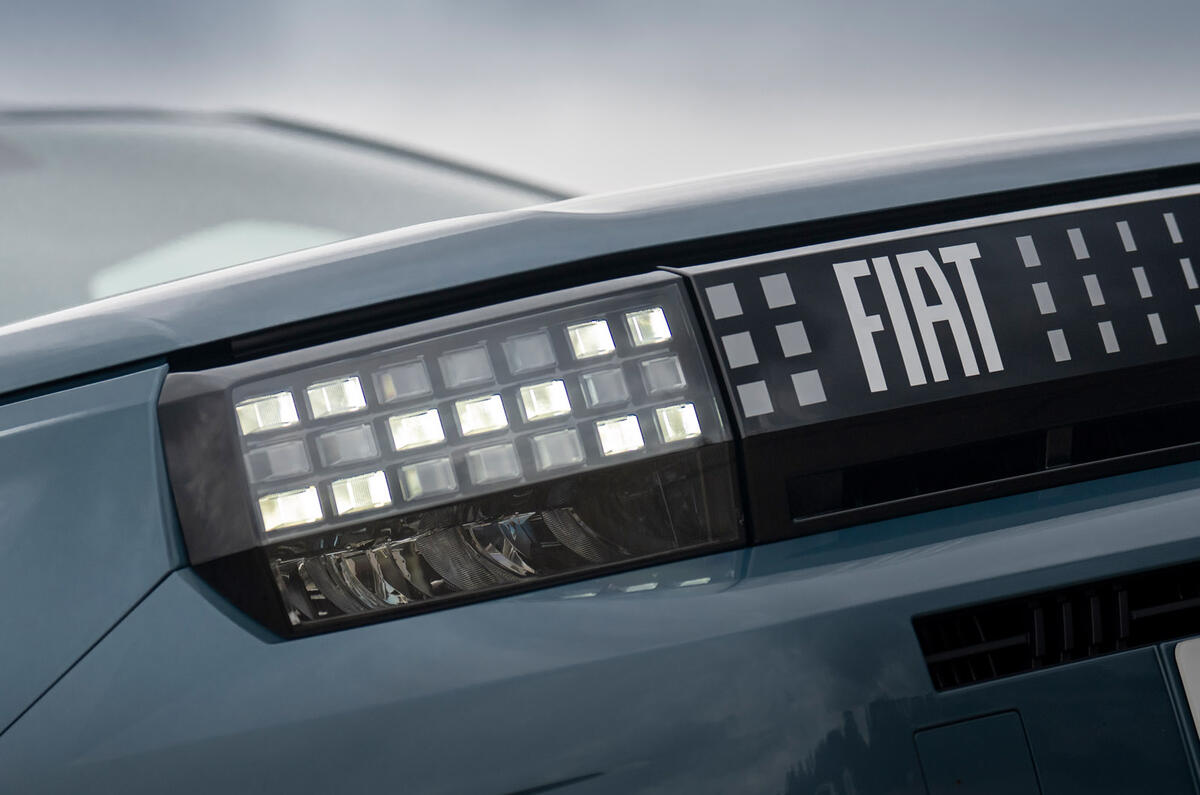
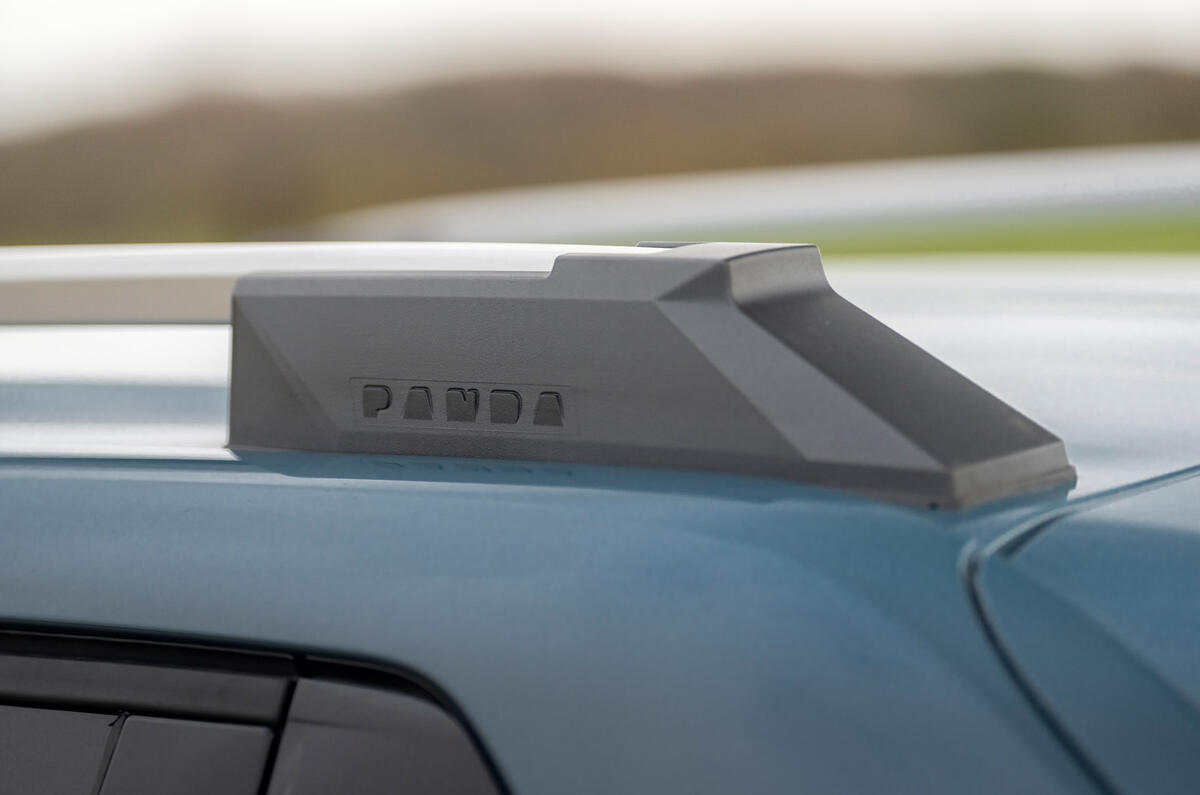
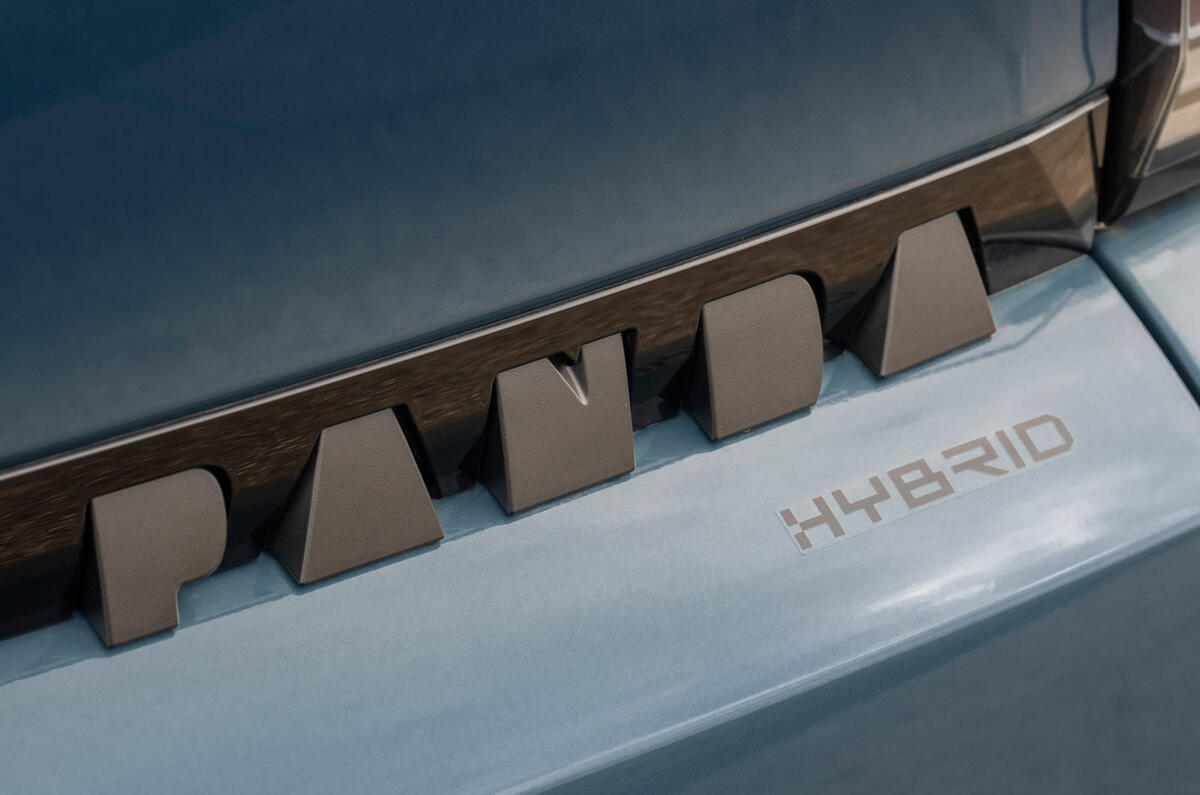
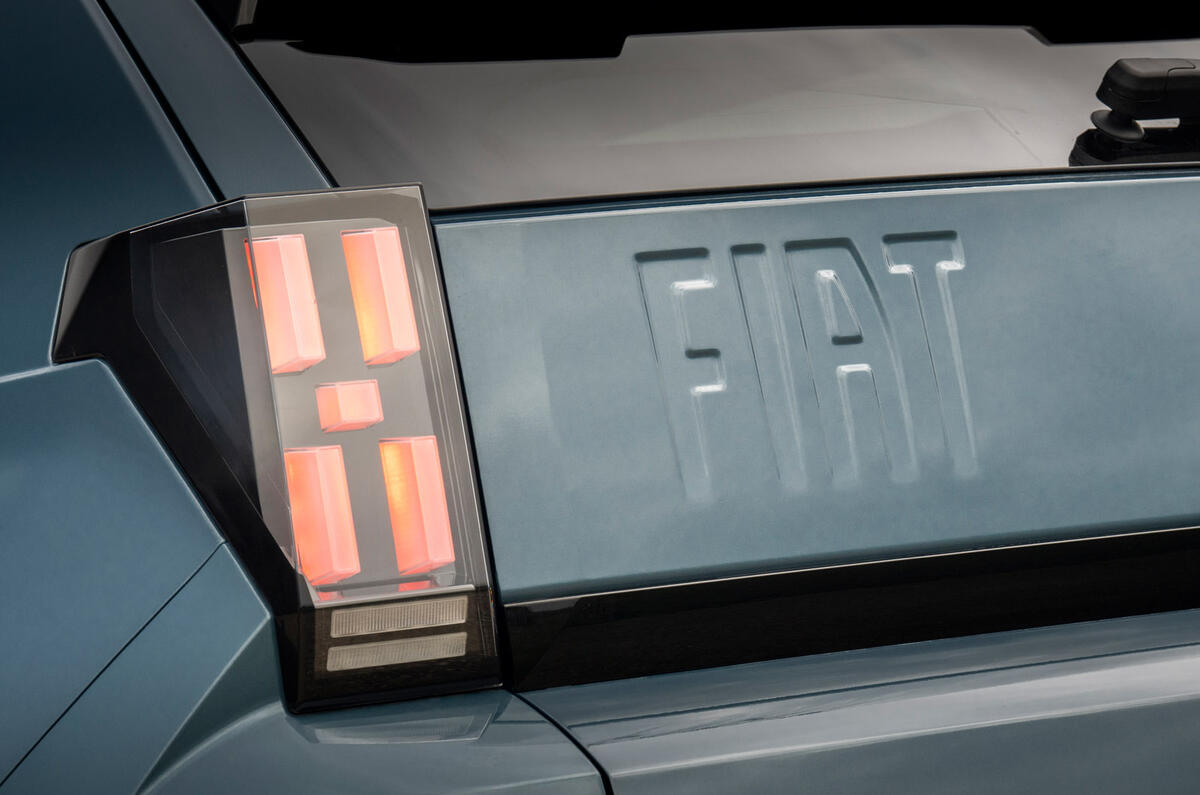
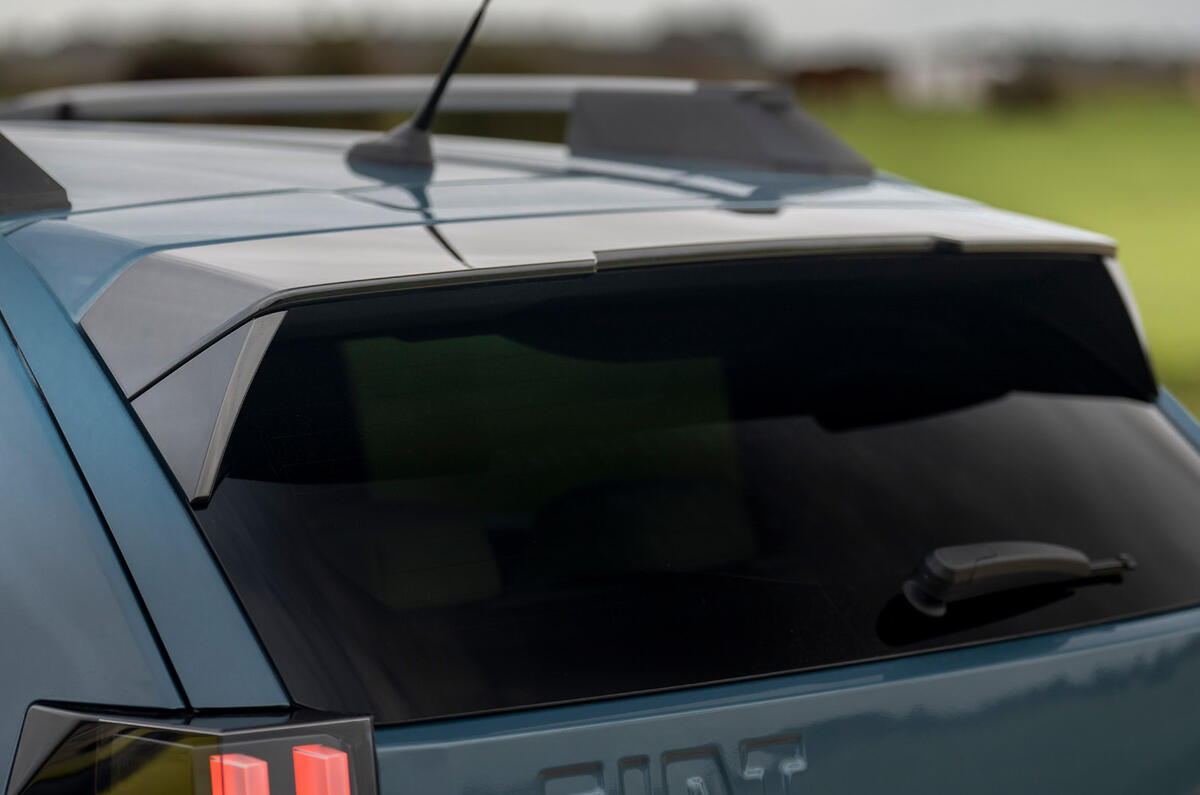
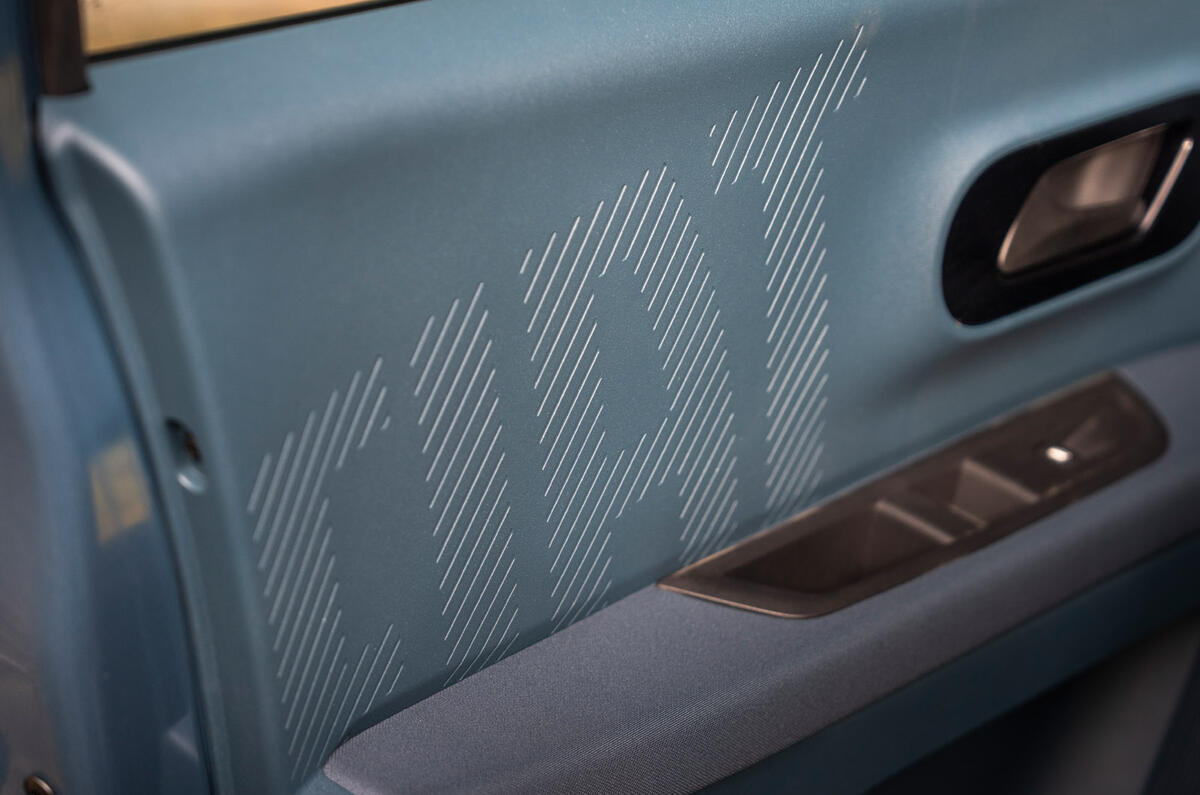
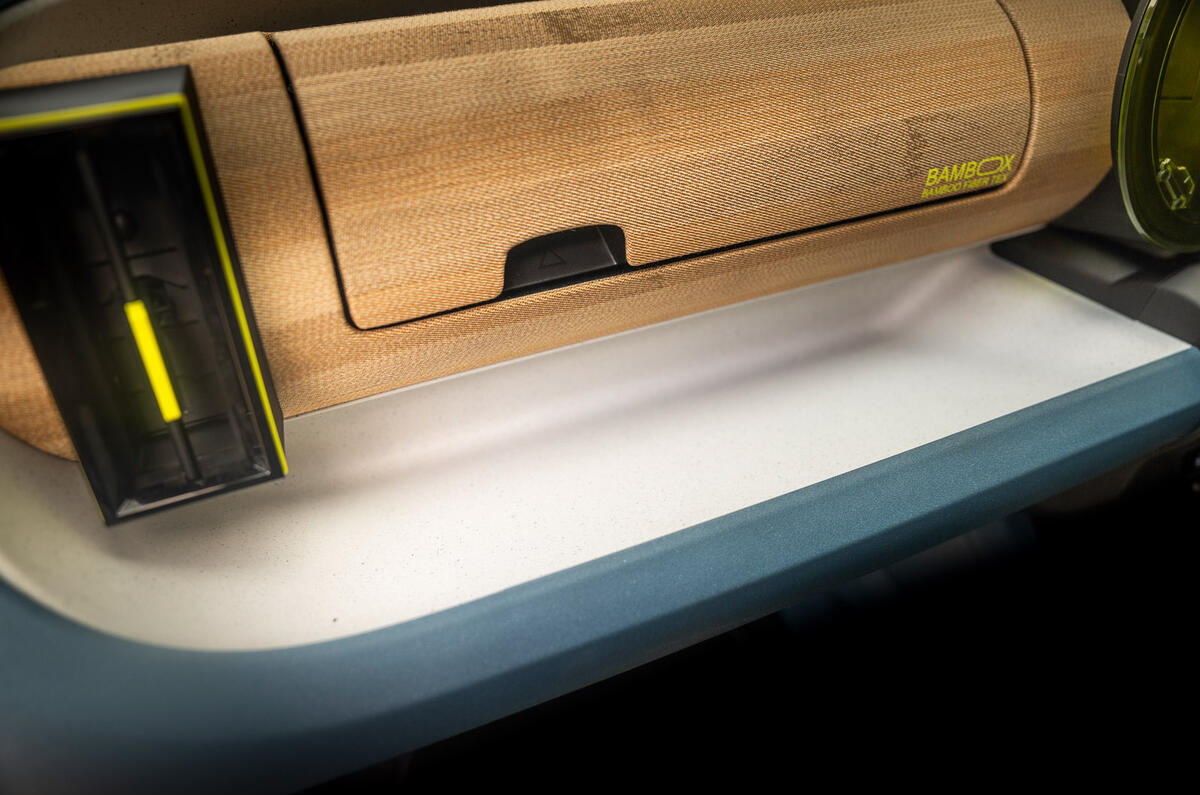
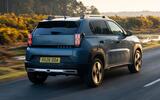
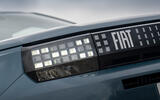
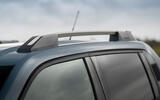
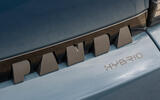
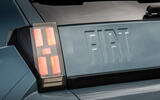
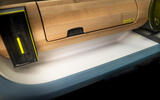
It does have plenty of small-car playfulness, at least. It’s bursting with delightful details, including the ‘bambox’, a glovebox but made from bamboo; the C-pillar trim that reads ‘FIAT’ if you look at it from one side and the old ‘////’ Fiat logo if you look at it from the other; and the ‘PANDA’ embossed on the tailgate.

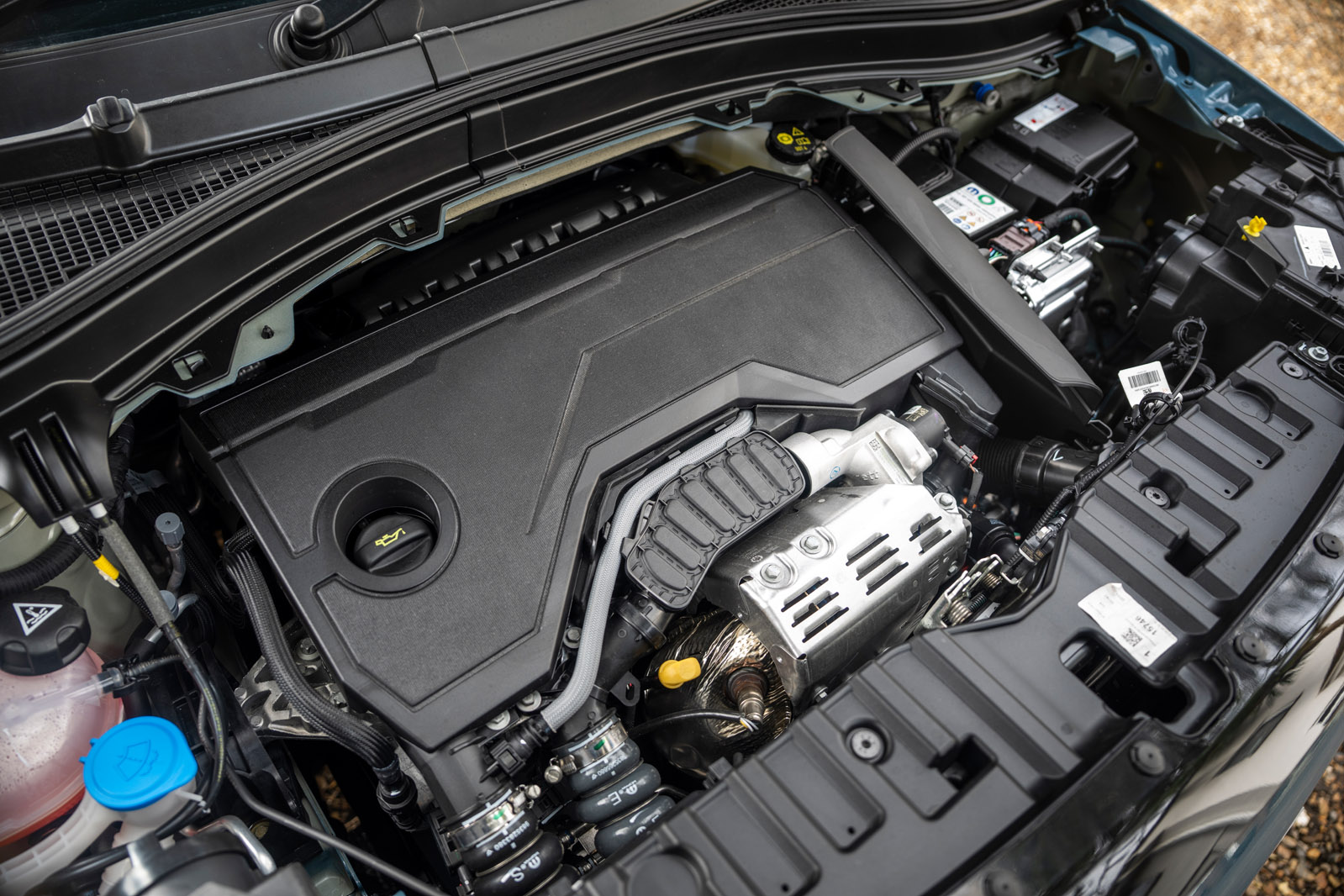
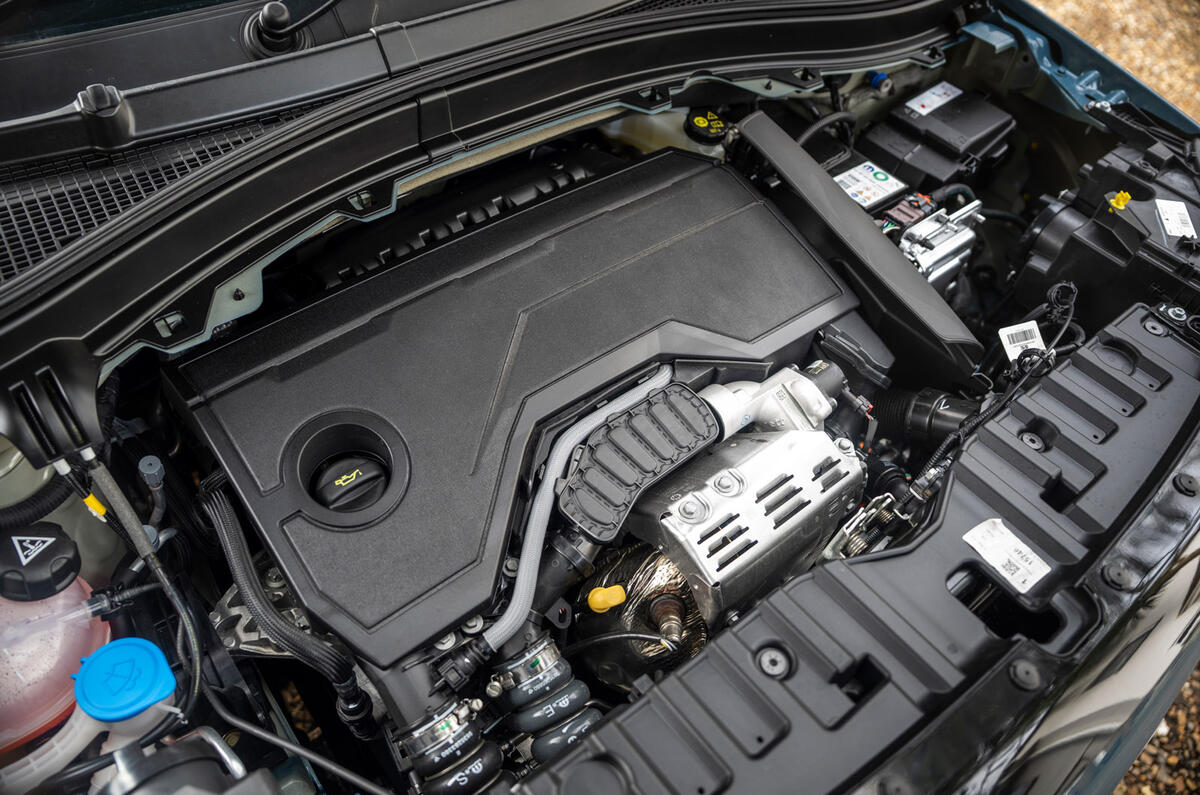
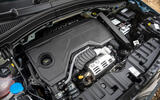
Petrol versions all use the familiar Stellantis 1.2-litre triple, either by itself with a six-speed manual gearbox and 99bhp and 151lb ft or as a hybrid with a 48V battery and a six-speed dual-clutch automatic transmission. A 29bhp electric motor is integrated into the e-DCT, along with an inverter and central control unit.

INTERIOR

9
Fiat Grande Panda review 2026 010

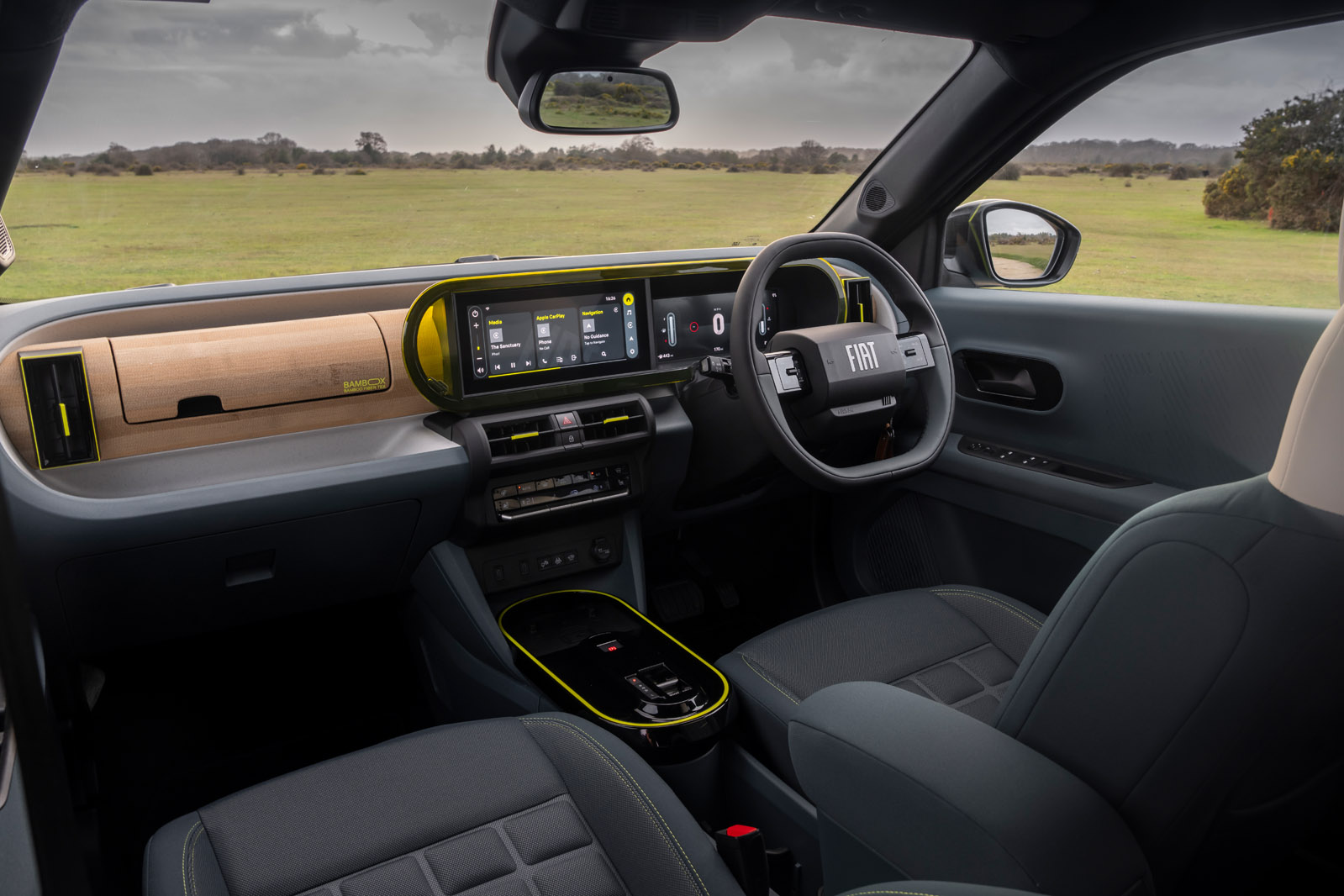
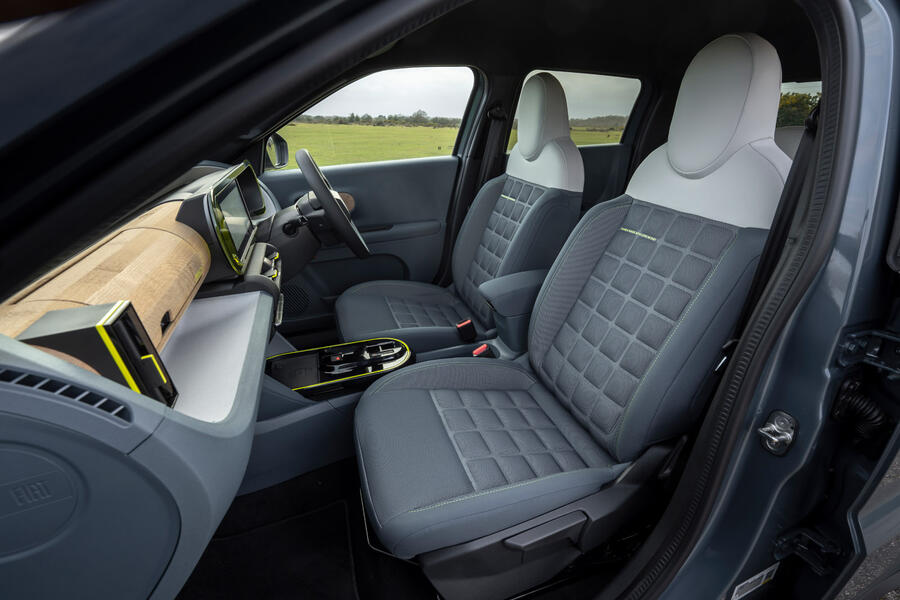
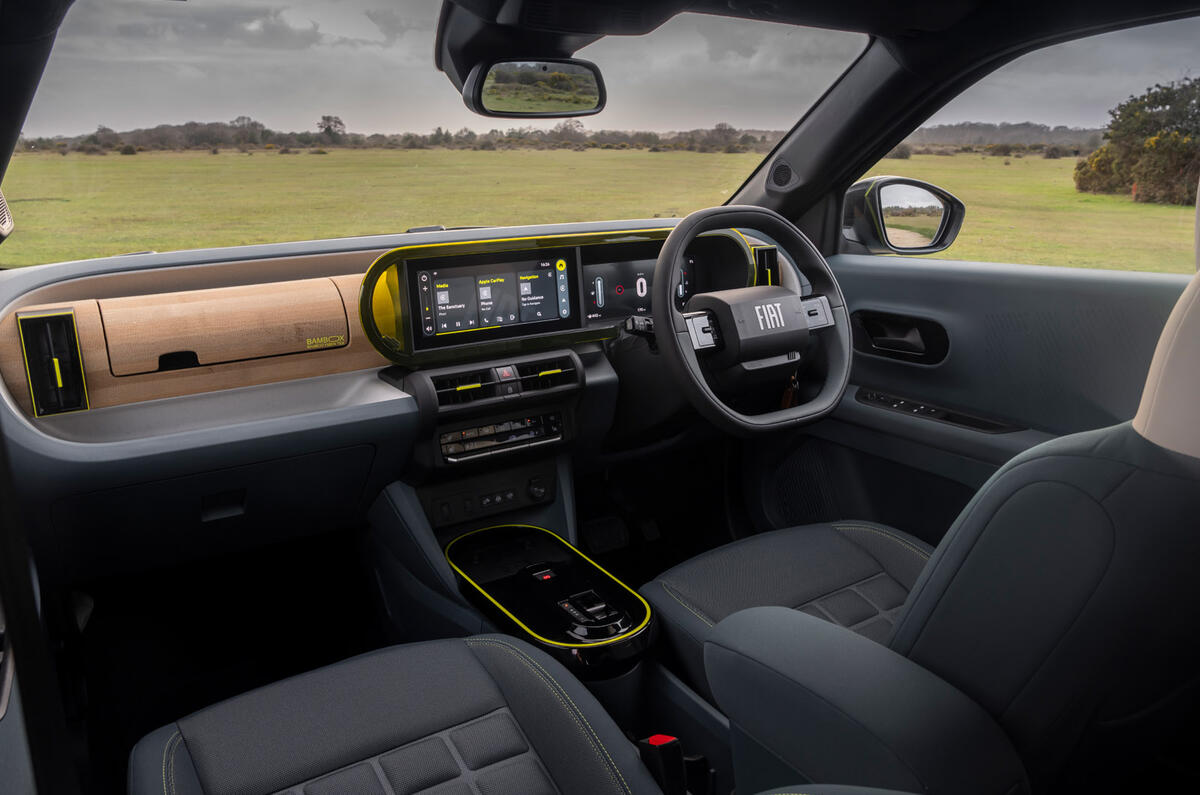
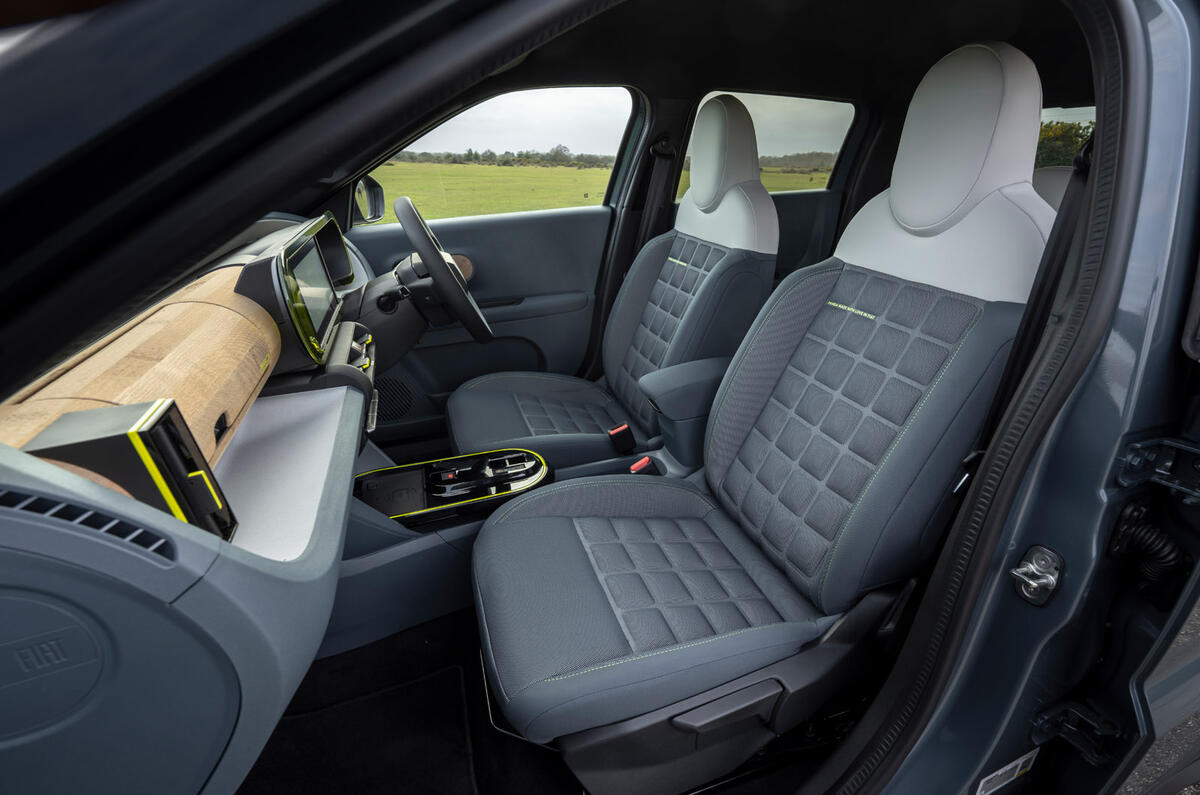
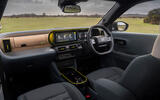
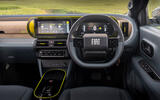
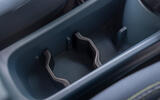
The interior is also largely unchanged from the Grande Panda EV and again mixes a high level of practicality with plenty of stylish design.

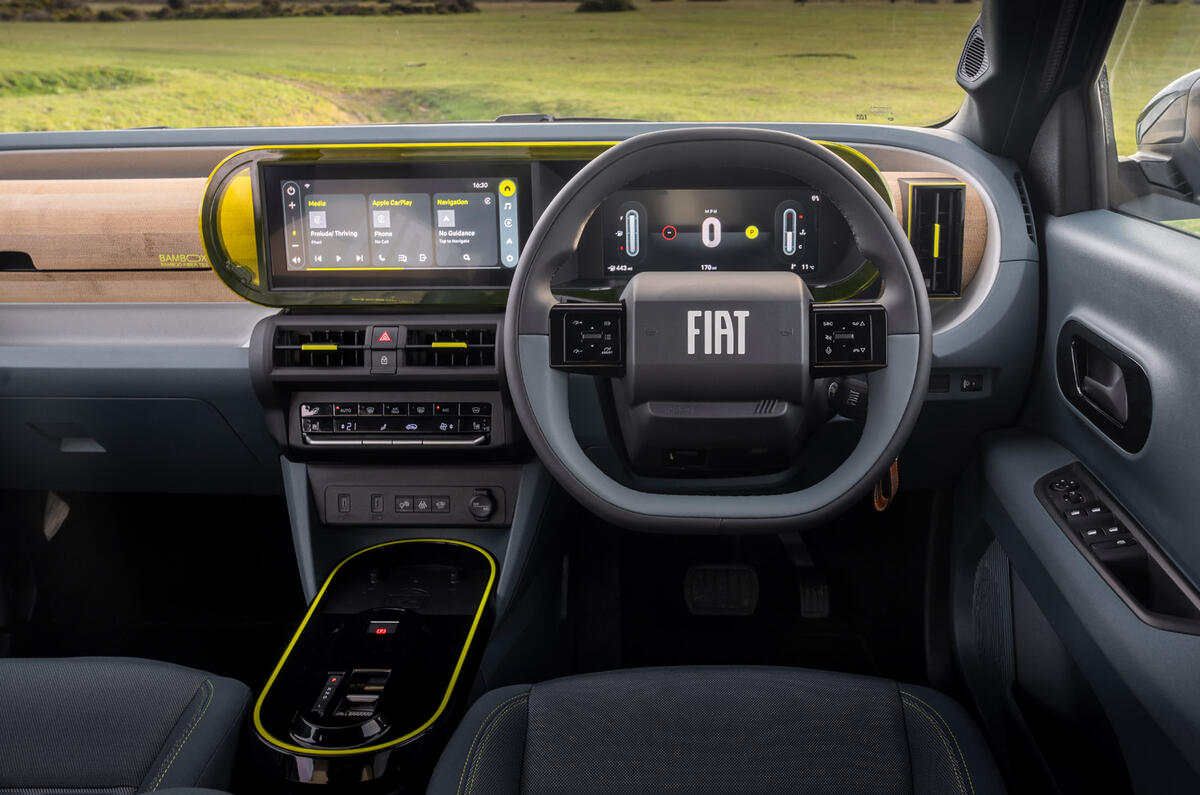
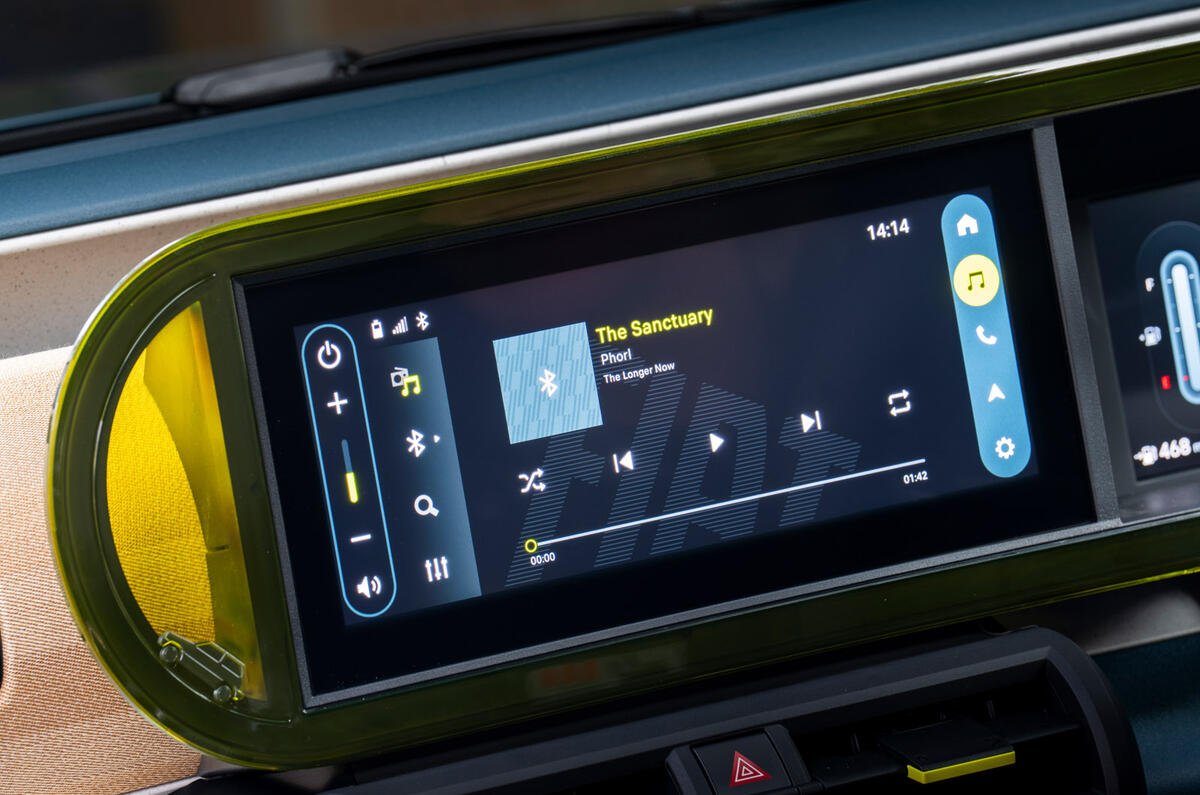
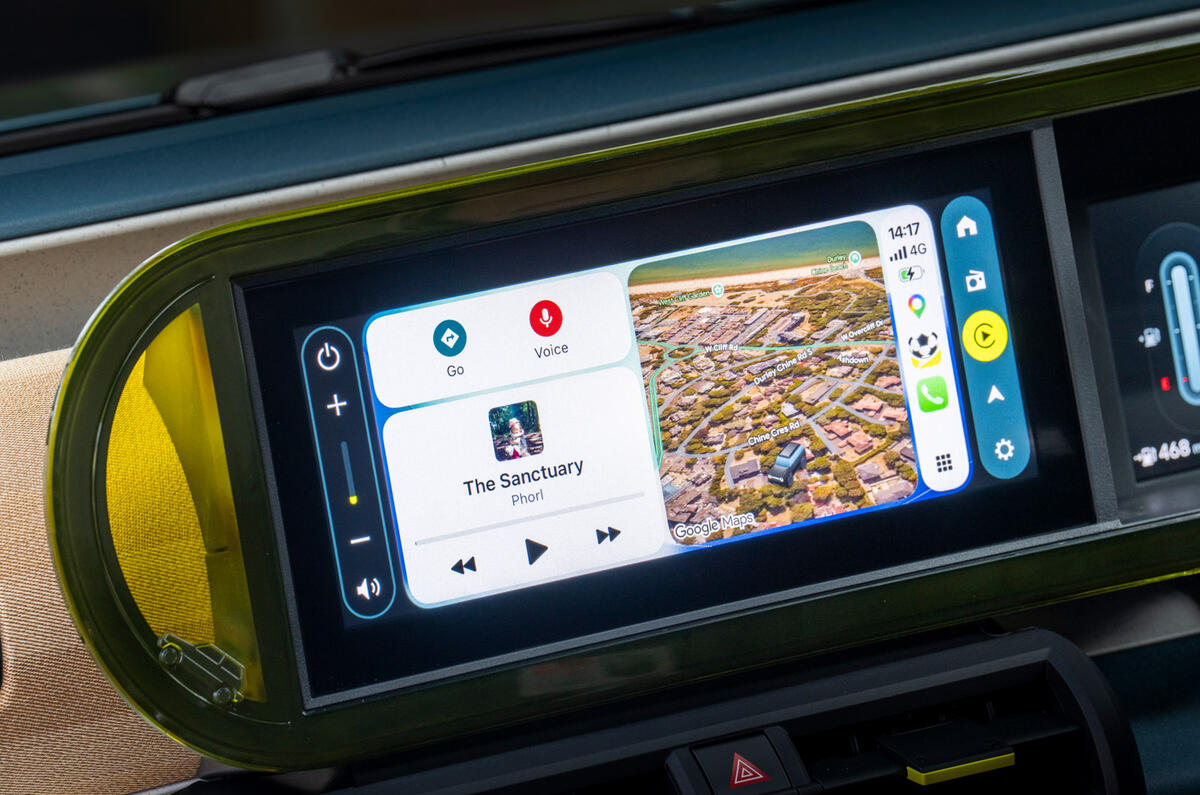
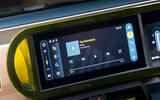
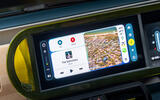
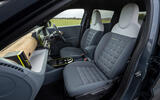
You will delight in spotting little details like the Lingotto-inspired infotainment surround, where a little Panda is driving around the 10.25in screen; the bright-yellow accents that help liven up the dashboard and seats; and other neat features.

The seats say "Panda made with love in Fiat". In Fiat? Really?

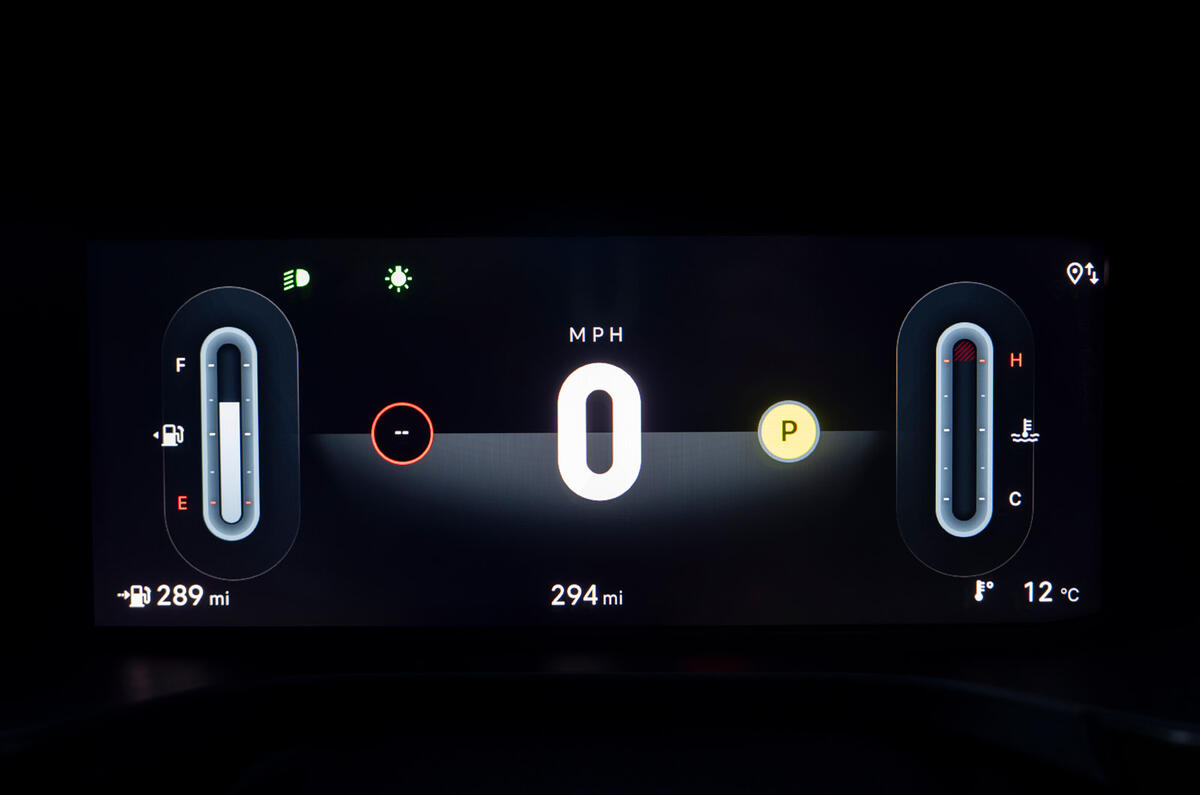
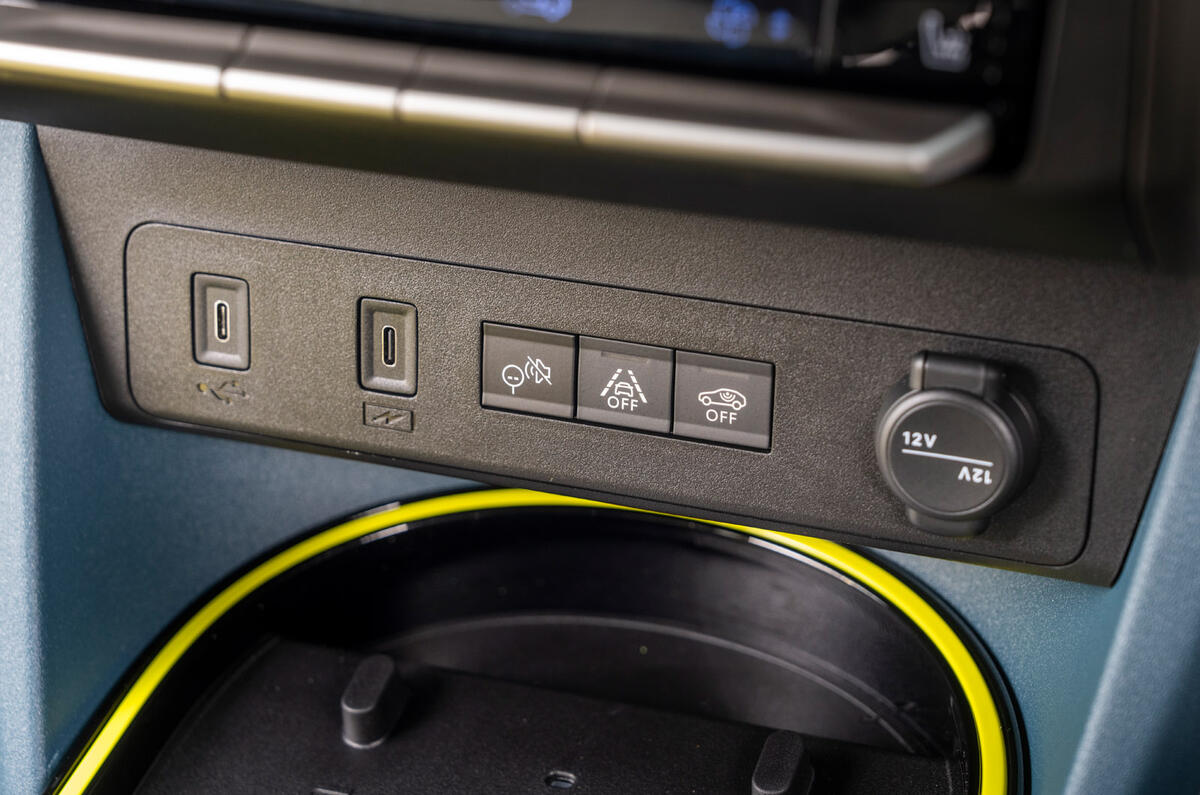
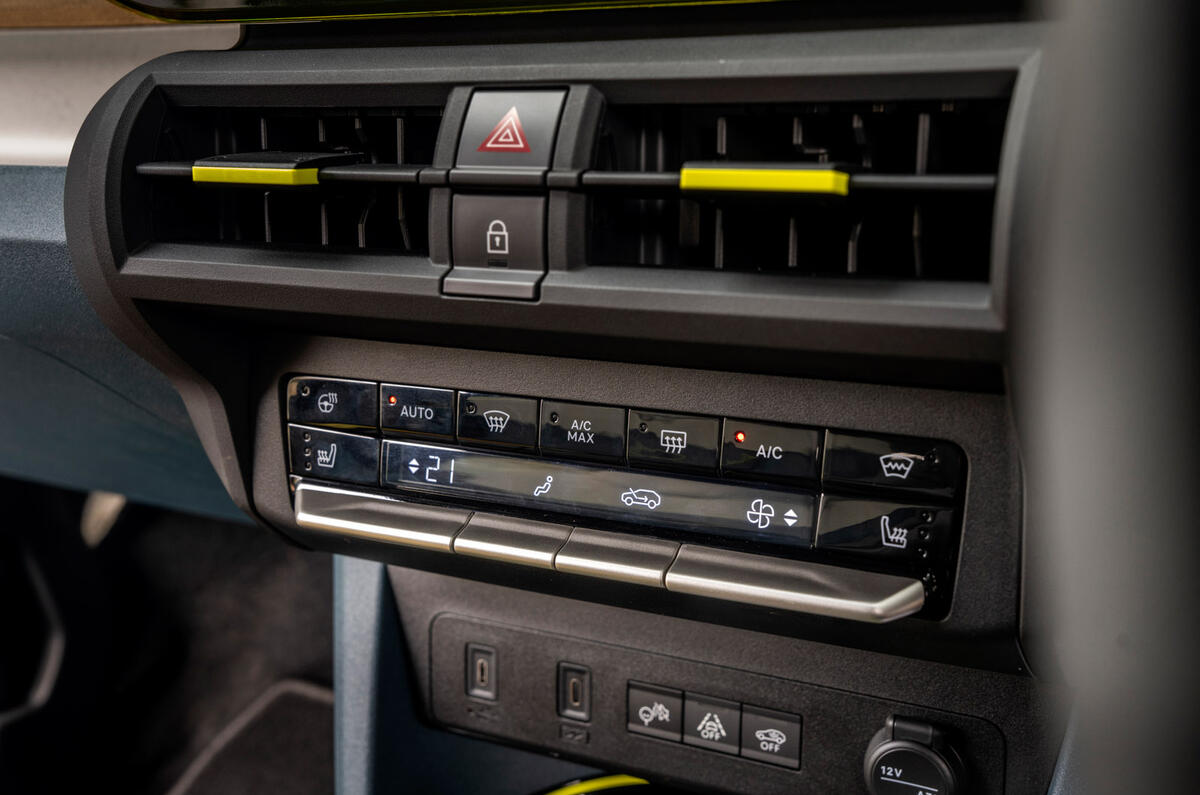
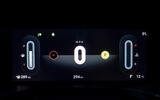
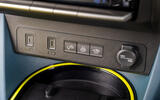
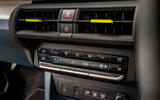
The screen interface itself is very basic, but that’s a good thing, because there are buttons for the important stuff (including the climate and the ADAS), so you can just connect your preferred brand of smartphone mirroring and ignore the native interface. The information in the driver's display is minimal to a fault, though, with not even a rev counter.

Our top-spec La Prima test car featured a Bambox dashboard, made from a fabric featuring 33%-recycled bamboo – because pandas like bamboo, obviously. It’s actually quite stylish and pleasant to touch, so it works beyond the tenuous link.

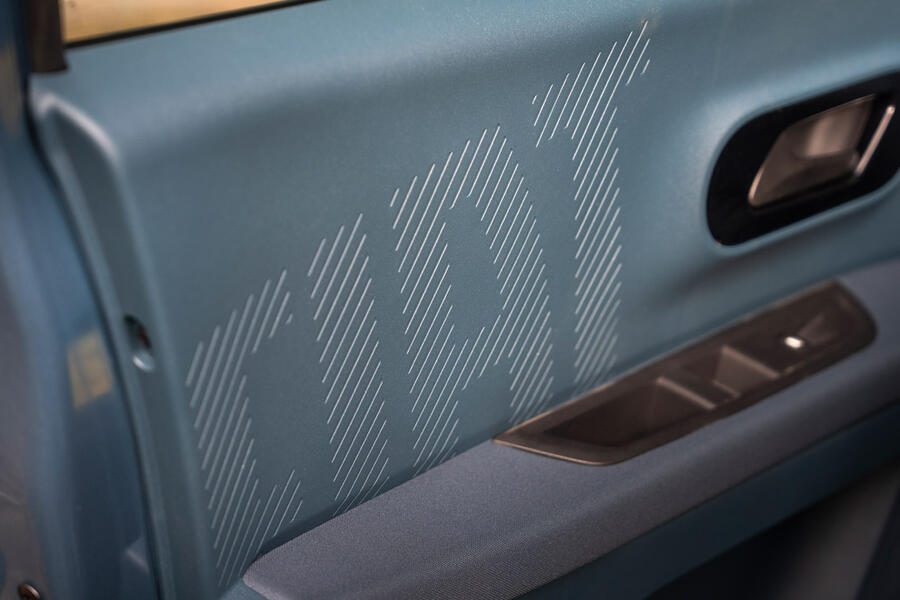
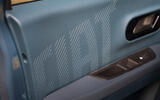
Sustainability has been a focus for the interior material choices of the Grande Panda. Fiat claims 140 recycled drink cartons are used in the making of each model for the Lapolen Ecotek blue plastic material that can be found throughout the interior.

With no underfloor batteries, the Grande Panda Hybrid is claimed by Fiat to offer slightly more rear leg room than the EV. For a sub-four-metre car, rear passengers should be happy enough.

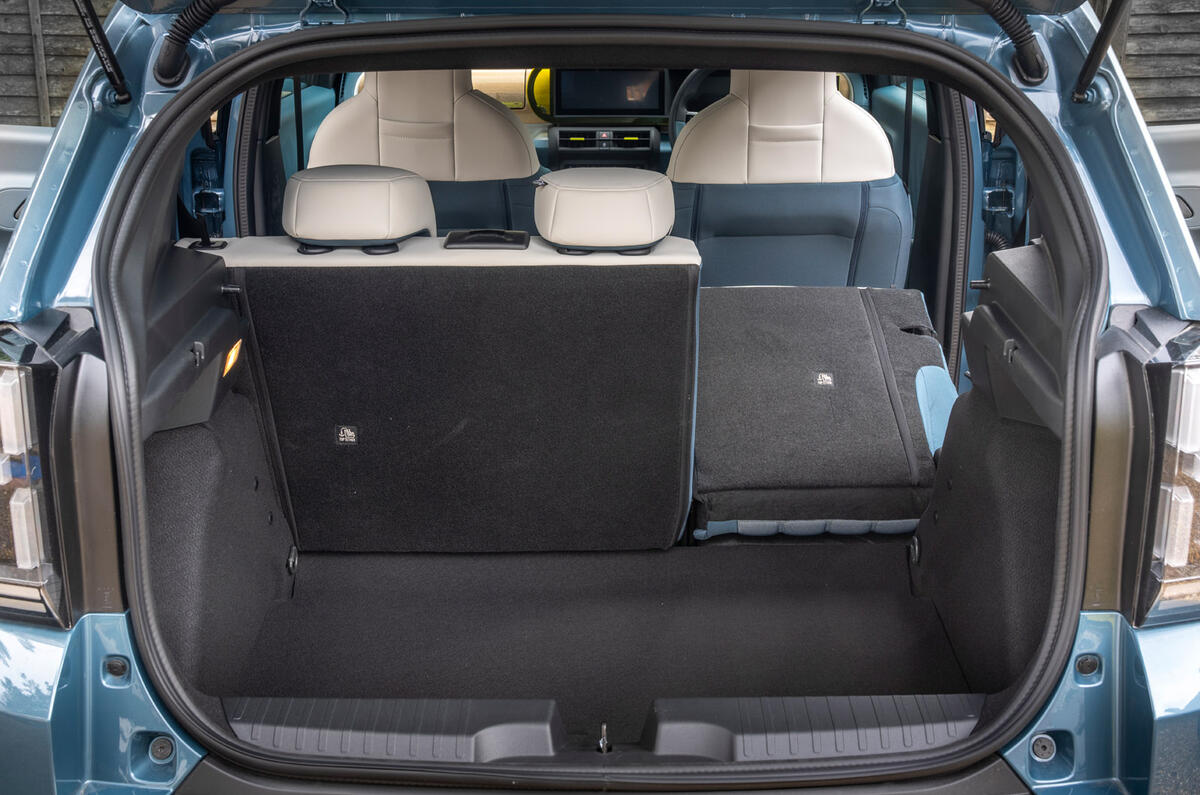
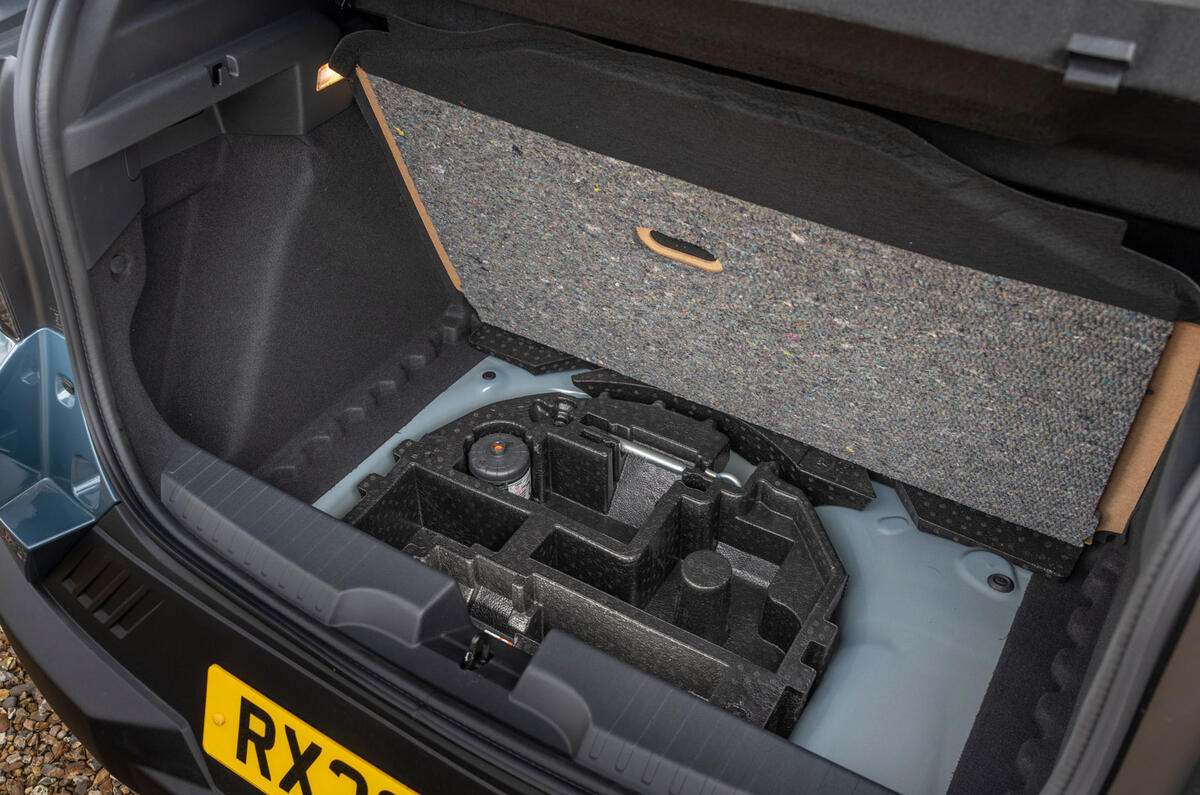
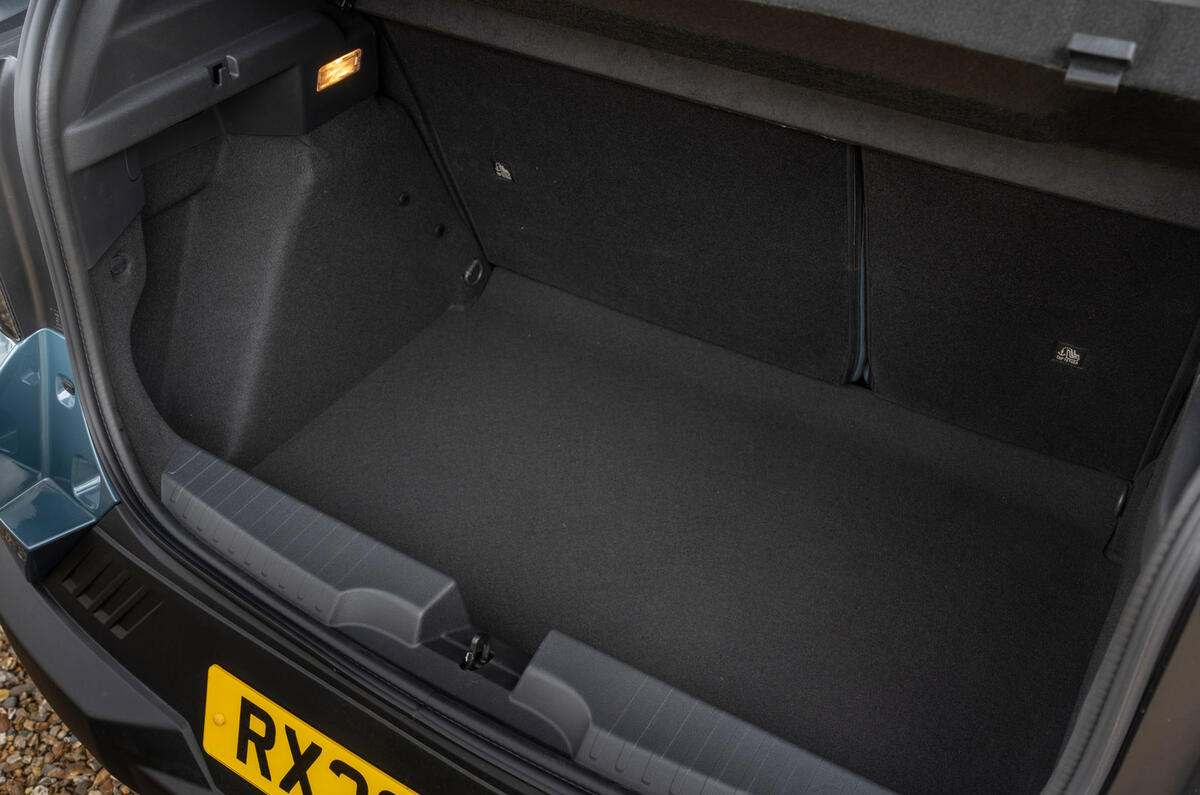
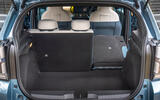
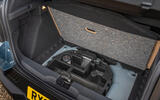
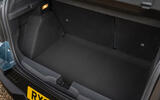
The boot has a capacity of 412 litres – spacious for a car in this category and a welcome 51 litres bigger than in the EV. It's a relatively shallow but deep boot, so you will need to think about doing some stacking to make best use of it.

Unlike in some small Stellantis cars, the front seats offer a reasonable amount of thigh support, but some testers found the accelerator pedal in our left-hand-drive test car too close to the side of the footwell.

ENGINES & PERFORMANCE

7
Fiat Grande Panda review 2026 016

Fiat will offer the Grande Panda with two ICE powertrain options: the hybrid automatic tested here and a pure-petrol version with a manual gearbox. Both have now been confirmed for UK sale.

With a relatively small battery and just 29bhp of electric power, the Grande Panda can’t do as much electric running as, say, the Toyota Yaris, but it is useful for inching forwards in traffic and giving it some extra pep in town.

This powertrain is underpowered when found in the Peugeot 5008, but it makes the relatively light Panda swift enough, with a good amount of mid-range punch.

It does have its share of annoying quirks, though. It can be clunky and hesitant at very low speeds and, even though this is not meant as a driver’s car, it is frustrating that it takes you away from the driving as much as possible. There’s no way to turn off the regen when you lift off the accelerator, there’s no rev counter and there's no manual override for the gearbox. You just get a D and an L mode, and we could hardly tell the difference.

We’ve not tried the petrol manual yet but, based on experience of this combo in other Stellantis cars, it should be fairly quiet and smooth, but with an indistinct gearchange. Even so, if you’re not averse to three pedals, we would suggest going for that.

RIDE & HANDLING

7
Fiat Grande Panda review 2026 017

It may have 108bhp, but a Panda 100HP this hybrid is not. The steering is a little vague but does give some feedback about available grip and on the somewhat sporty Goodyear tyres, there’s enough roadholding.

While it feels a little short on suspension travel over big bumps, it absorbs the sharp stuff well – for the front occupants, at least; rear passengers were less complimentary. The Grande Panda is not a dynamic sensation, but absolutely fine for the class.

The various driver assistance systems aren’t the best but are at least easy to disable using a set of physical buttons.

MPG & RUNNING COSTS

8
Fiat Grande Panda review 2026 001

The big thing to consider with the Grande Panda is the price. It costs from £18,995 for a 108bhp hybrid with an automatic transmission, and the petrol manual will be cheaper still.

The boggo Skoda Fabia is £2000 more and has 79bhp and a five-speed manual. Compared with almost any B-segment rival, it’s pretty good value, although there is always the £14,765 Dacia Sandero.

In Italy, Fiat sells the Grande Panda alongside the Pandina – the old Panda. It costs just €12,000 (£10,400), but that gets you 60bhp and no radio. Still, that sort of price might give it some appeal here.

The Grande Panda Hybrid will be offered in three trim levels: Pop, Icon and La Prima. It's also offered in seven exterior colours but, because Fiat is trying to be bright and cheerful, not grey.

The official fuel economy of our test car was 55.4mpg (that rises to 56.5mpg on the smaller wheels). We averaged around 50mpg over a day in the UK, which isn’t stellar for a hybrid supermini.

VERDICT

Fiat Grande Panda review 2026 019

The Grande Panda Hybrid is a thoroughly decent and solid city car wrapped up in an exceptionally stylish package. And if you're won over by the charming design, you won't find much in the way it drives or rides to put you off.

There are some slight annoyances and it's not the last word in performance or dynamic pep, but it's hard not to forgive such minor grumbles. Anyone tempted by the Grande Panda but not ready to go electric will find much to like with this hybrid version. 

It's well priced, reasonably efficient and cost-effective to run and offers a good level of practicality in a small package. Overall, the Grande Panda Hybrid provides enjoyable, affordable and upbeat motoring.

Illya Verpraet

Illya Verpraet Road Tester Autocar
Title: Road Tester

As a road tester, Illya drives everything from superminis to supercars, and writes reviews and comparison tests, while also managing the magazine’s Drives section. Much of his time is spent wrangling the data logger and wielding the tape measure to gather the data for Autocar’s in-depth instrumented road tests.

He loves cars that are fun and usable on the road – whether piston-powered or electric – or just cars that are very fit for purpose. When not in test cars, he drives an R53-generation Mini Cooper S or a 1990 BMW 325i Touring.

James Attwood

James Attwood, digital editor
Title: Associate editor

James is Autocar’s associate editor, and has more than 20 years of experience of working in automotive and motorsport journalism. He has been in his current role since September 2024, and helps lead Autocar's features and new sections, while regularly interviewing some of the biggest names in the industry. Oh, and he once helped make Volkswagen currywurst. Really.

Before first joining Autocar in 2017, James spent more than a decade in motorsport journalist, working on Autosport, autosport.com, F1 Racing and Motorsport News, covering everything from club rallying to top-level international events. He also spent 18 months running Move Electric, Haymarket's e-mobility title, where he developed knowledge of the e-bike and e-scooter markets.