
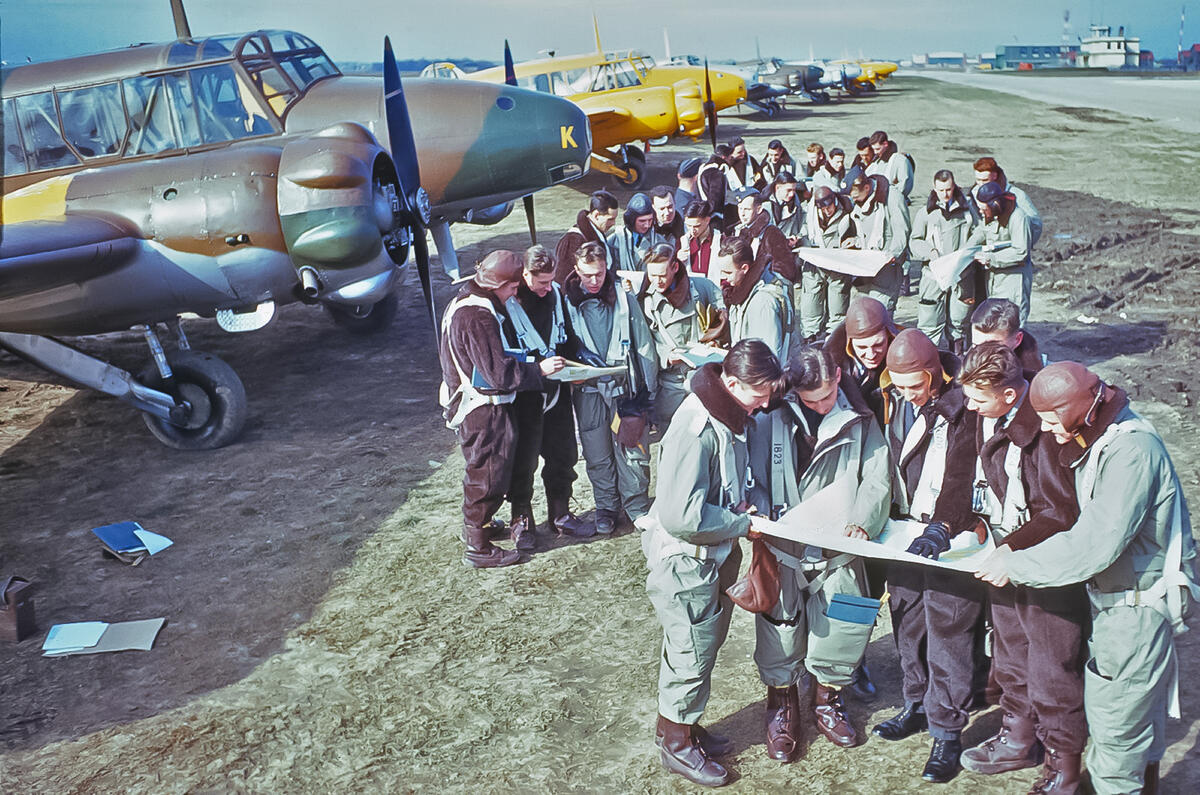

Many know the Spitfire, Hurricane, Lancaster, and Mosquito as the ‘A-listers’ of British aircraft of the Second World War.
However, many are unaware of the B-, C-, and dare I say, even D-list aircraft seriously worthy of attention. Aircraft enthusiasts and historians can take pride in seeing how many they already know. Here are 10 British Aircraft from the second world war that deserve to be much better known:
10: Westland Whirlwind
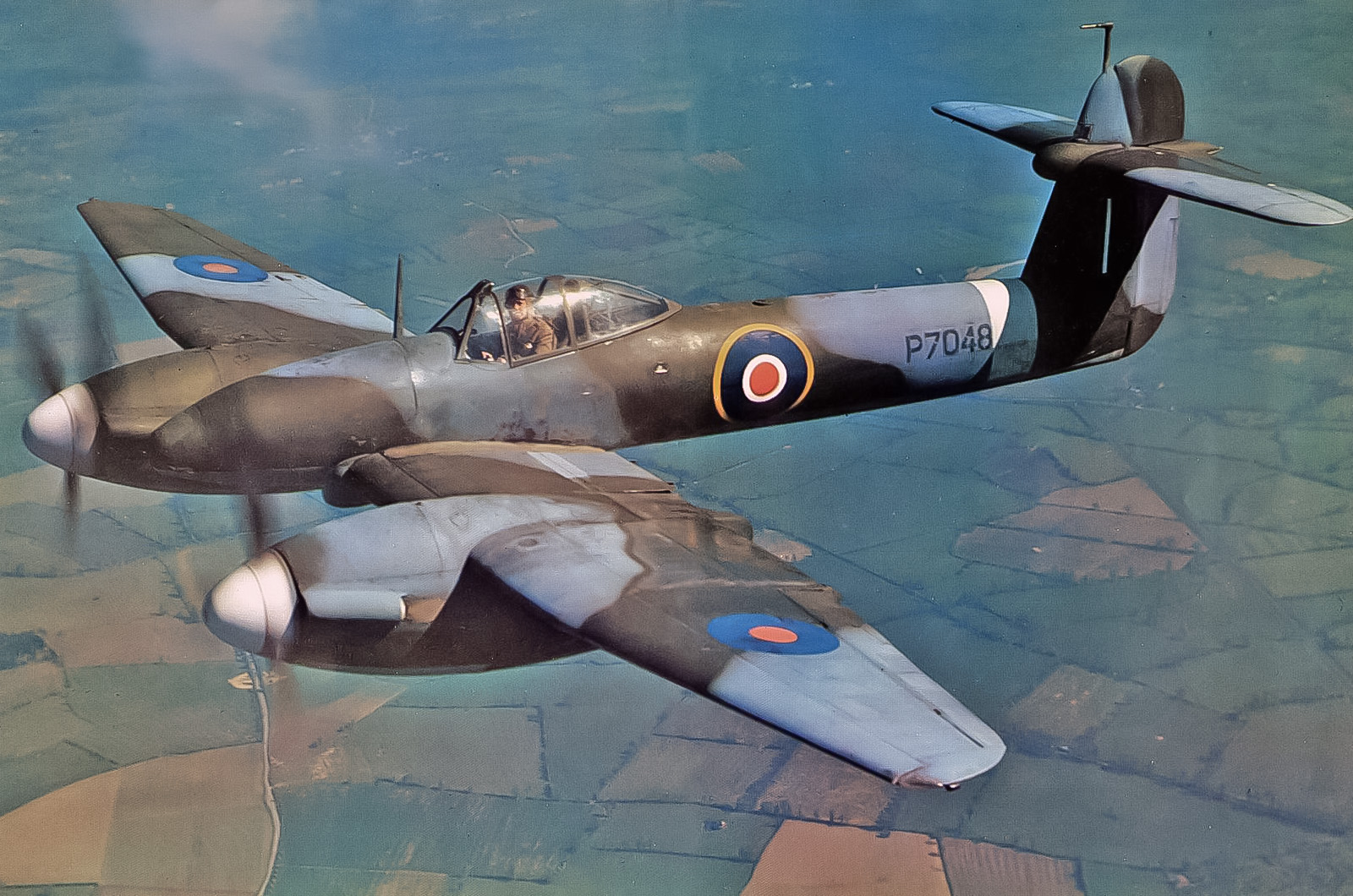
The sleek Westland Whirlwind, the fastest and heaviest-armed fighter at its inception, was a British twin-engine design that fought during the war. Technologically advanced and formidable, the only thing it lacked was good timing. It was only built in small numbers, but had fate been different, it could have been a decisive weapon.
It featured a wealth of advanced features, including a retractable tailwheel, tail acorn, Fowler flaps, slab sides, a bubble canopy, wing slats, leading-edge inlets, automatic cannon and a monocoque fuselage. Unfortunately, in a time when aero engines were in great demand, it had both too many (two) and the wrong type (Peregrines).
10: Westland Whirlwind
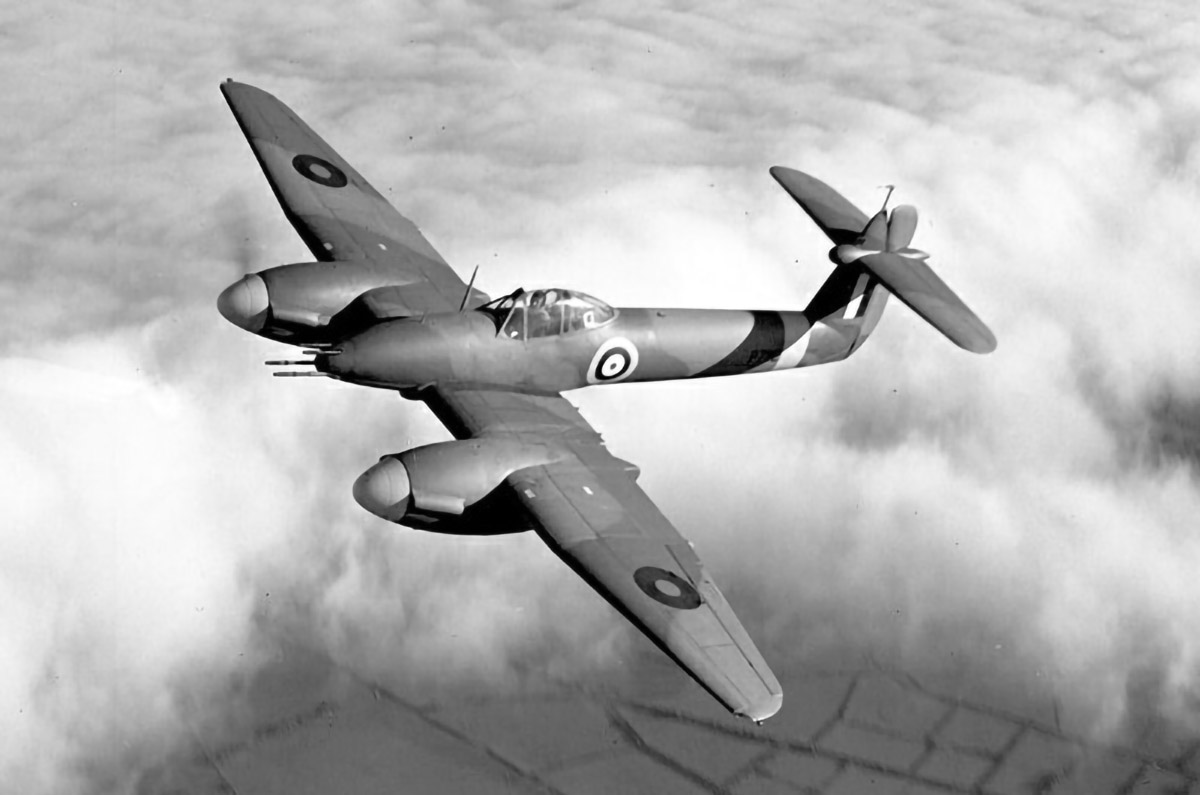
Though the Peregrine engine is often blamed for the Whirlwind’s less than stellar higher-altitude performance, more recent research points the finger of blame at the propellers. Writer Matt Bearman pointed out recently, “As the Whirlwind climbed, it started to experience shockwaves on the blades.”
“The higher it went, the draggier things got for the propeller. The constant speed unit, oblivious to the real cause of the drag, simply fined the blades in response, keeping up the revs. It wouldn’t stop until it had passed through a negative incidence, producing no thrust whatsoever.” Further development could have perfected the Whirlwind, but industrial efforts were devoted to proven Merlin-powered aeroplanes (and yes, a Merlin Whirlwind was considered).
9: Supermarine Walrus
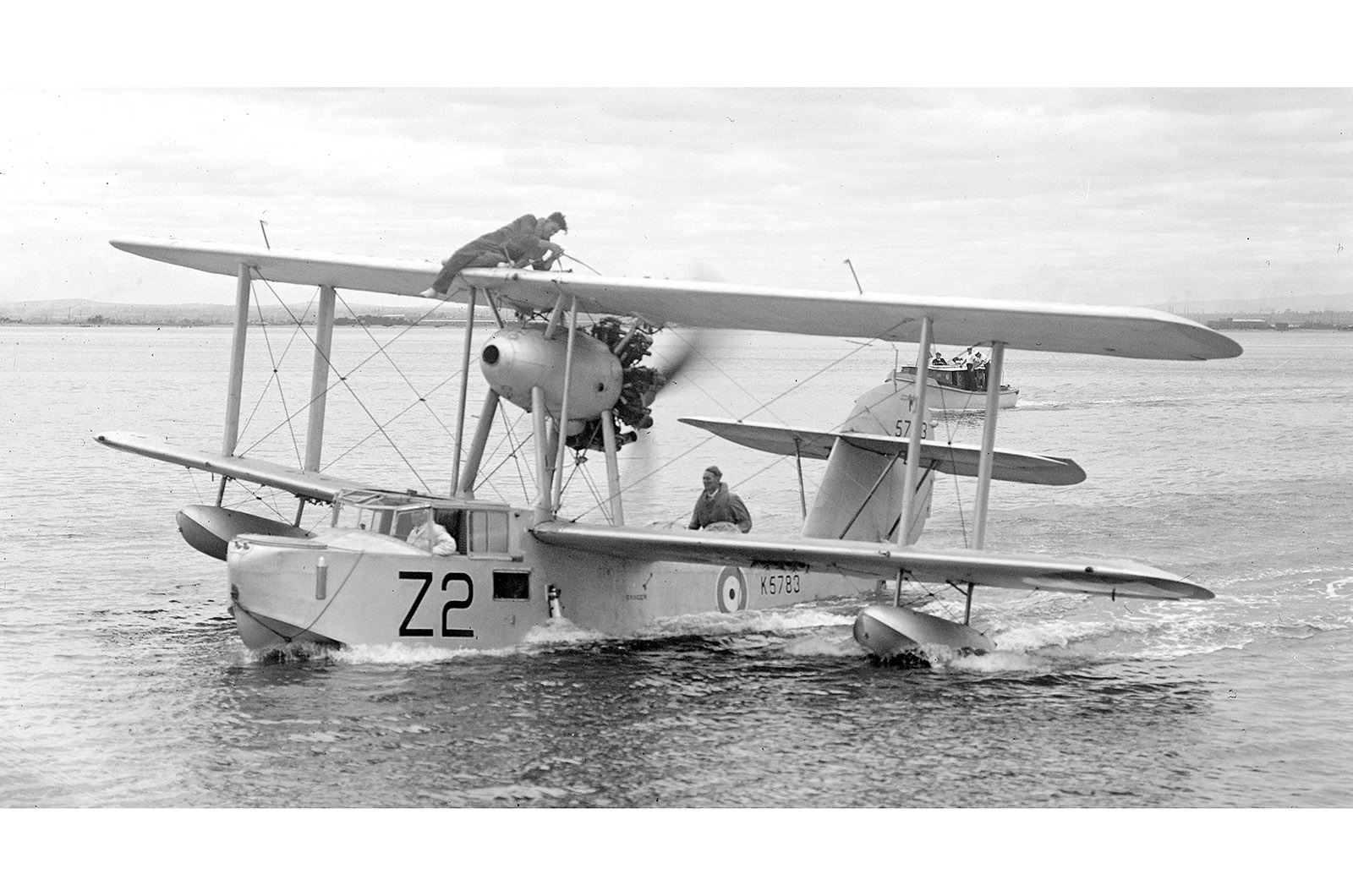
As the Walrus was an amphibious flying boat intended for catapult launch from battleships, designer RJ Mitchell built it like one. The Walrus was astonishingly robust, a fact demonstrated in several wheel-up landings. These incidents were learned from, and the Walrus became one of the first aircraft to have an automatic undercarriage position indicator (a horn would also sound should a pilot fail to notice).
As Jane Morton noted, “The Walrus doesn’t look like air is its natural element. It’s an amphibian, but even the wheels look like an afterthought. Is that surprising? It has a bilge pump, it carries an anchor. From its looks, you’d say its designer Reginald Mitchell spent his holidays on the Norfolk Broads and was inspired to graft bi-plane wings...onto a cabin cruiser.”
9: Supermarine Walrus
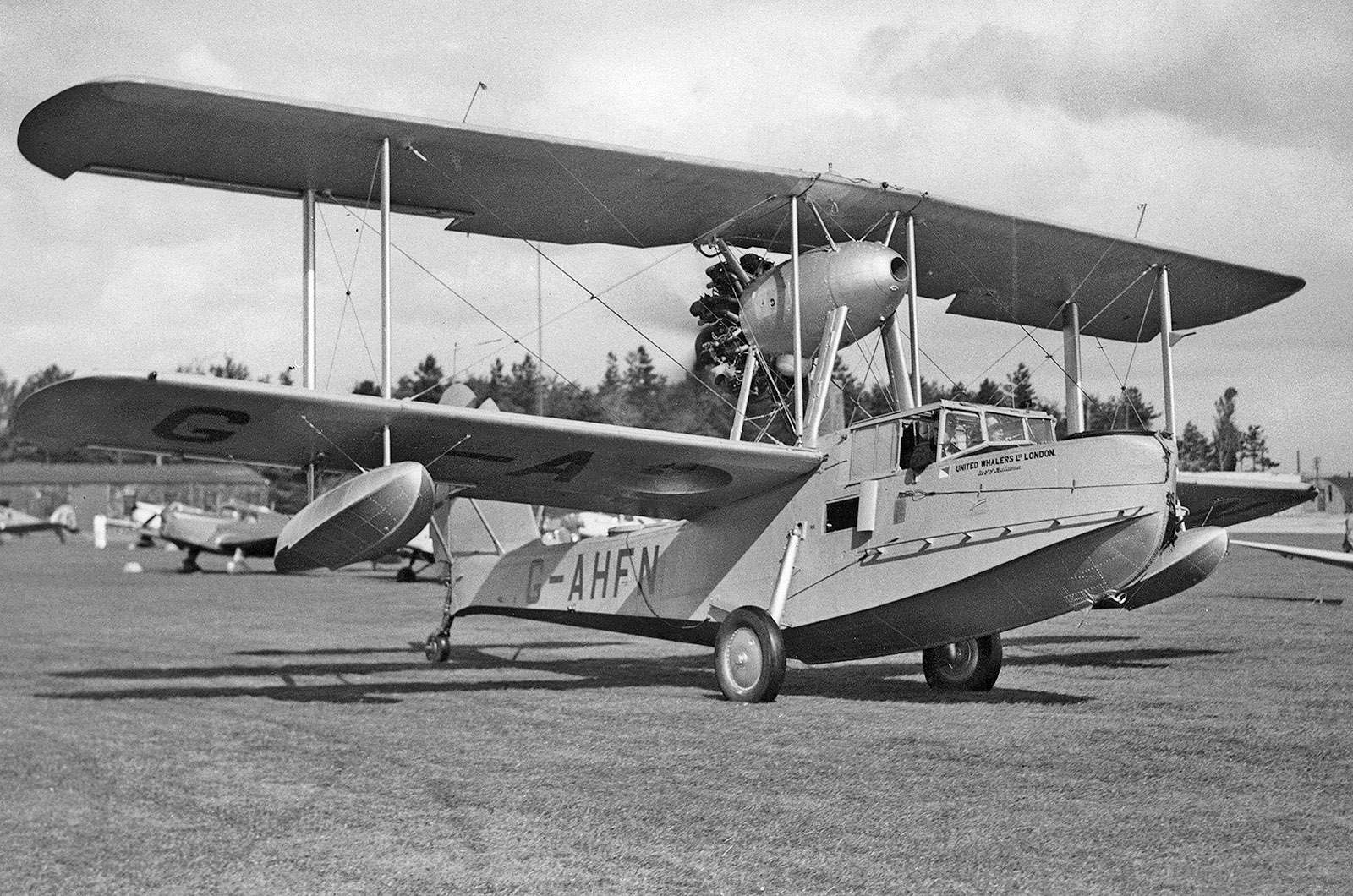
It did vital work in the roles of fleet gunnery spotting and observation. After catapult launch it was recovered from the water by crane. The small bomb load proved enough to sink a U-boat. But just as the Walrus was not quite a pure aeroplane, it was not quite a warrior. When the better, faster and meaner came along, it was given over to air-sea rescue. It found its true calling in saving, not killing.
For the half-drowned, who know hypothermia isn’t far off, it meant a blanket, a thermos of hot tea laced with rum, it was life. And when the weight of ten Americans from a ditched B-17 couldn’t be flown, the pilot just pointed the bow towards England, and taxied home by water. Not bad for an aircraft that can be looped.
8: Miles Master/Martinet
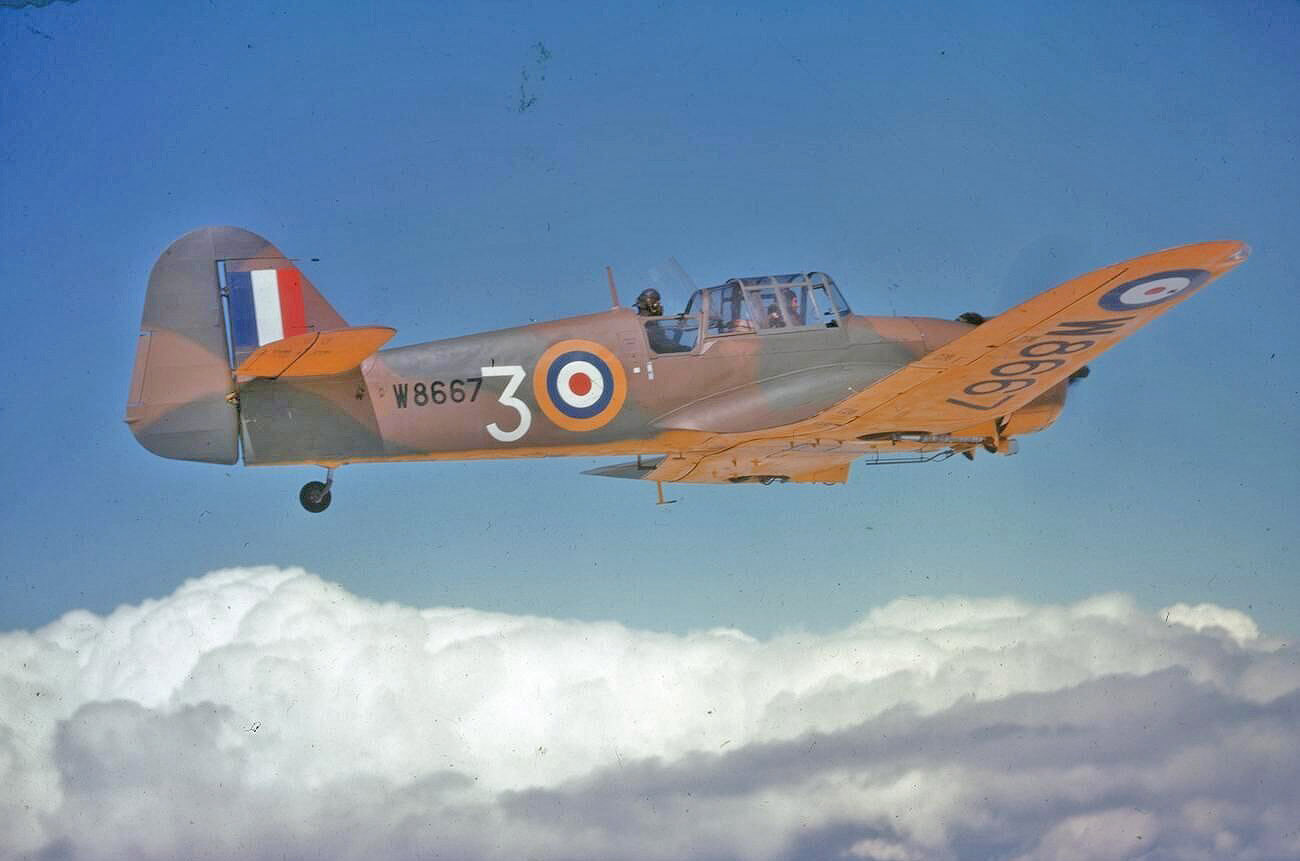
In magazine advertisements in 1942, it was boasted that ‘..the Master was being flown by every RAF fighter pilot-in-training.’ The Master was a vital training aircraft, helping to create tens of thousands of pilots at a time when fighter pilots were of the utmost importance. Over 60 squadrons were equipped with the Master, but it is virtually unknown today, and not a single one survives…
Had things gone worse for Britain, the Master may have got its ‘hands dirty’, for an ‘Emergency Fighter’ version was developed armed with six .303 machine guns. Miles rather liked Emergency Fighters, and also created the rather more formidable Miles M20, which shared some parts from the Master.
8: Miles Master/Martinet
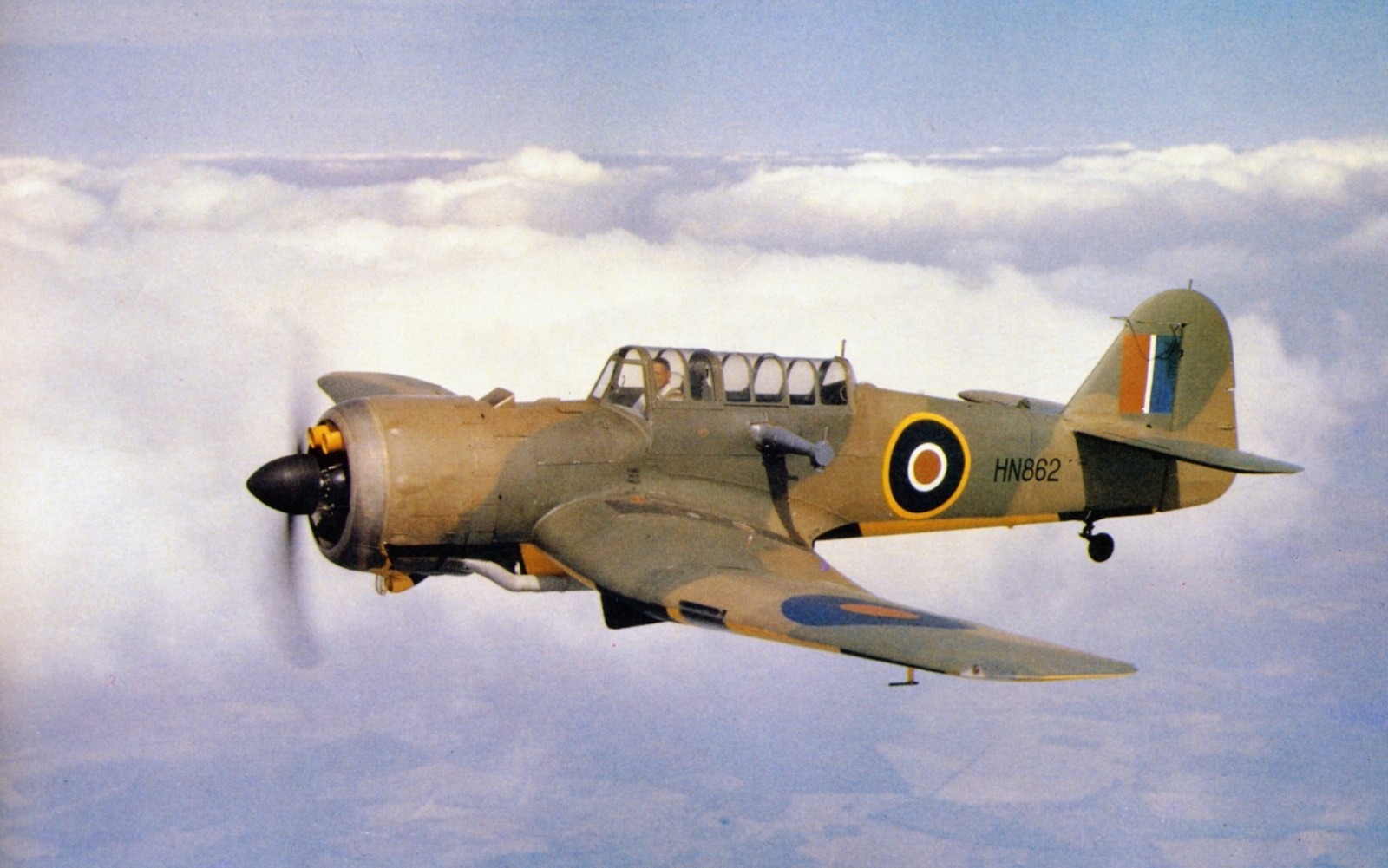
The Master’s construction was mainly wood, a non-strategic material, which made it cheaper to produce and removed the burden on desperately needed aluminium. 3249 Masters and 1724 Martinets were made. The Royal Air Force was only as good as their pilots, and the Master and Martinet were instrumental in creating well-trained pilots equally adept as marksmen.
A target tug aircraft has the somewhat perilous job of pulling a target for other aircraft to practice the vital skills of aerial gunnery. The Master, which had performed this role, was developed into the specialised Martinet target tug. The Martinet was developed into a secret aircraft radio-controlled target drone known as the M.50 Queen Martinet.
7: Fairey Swordfish
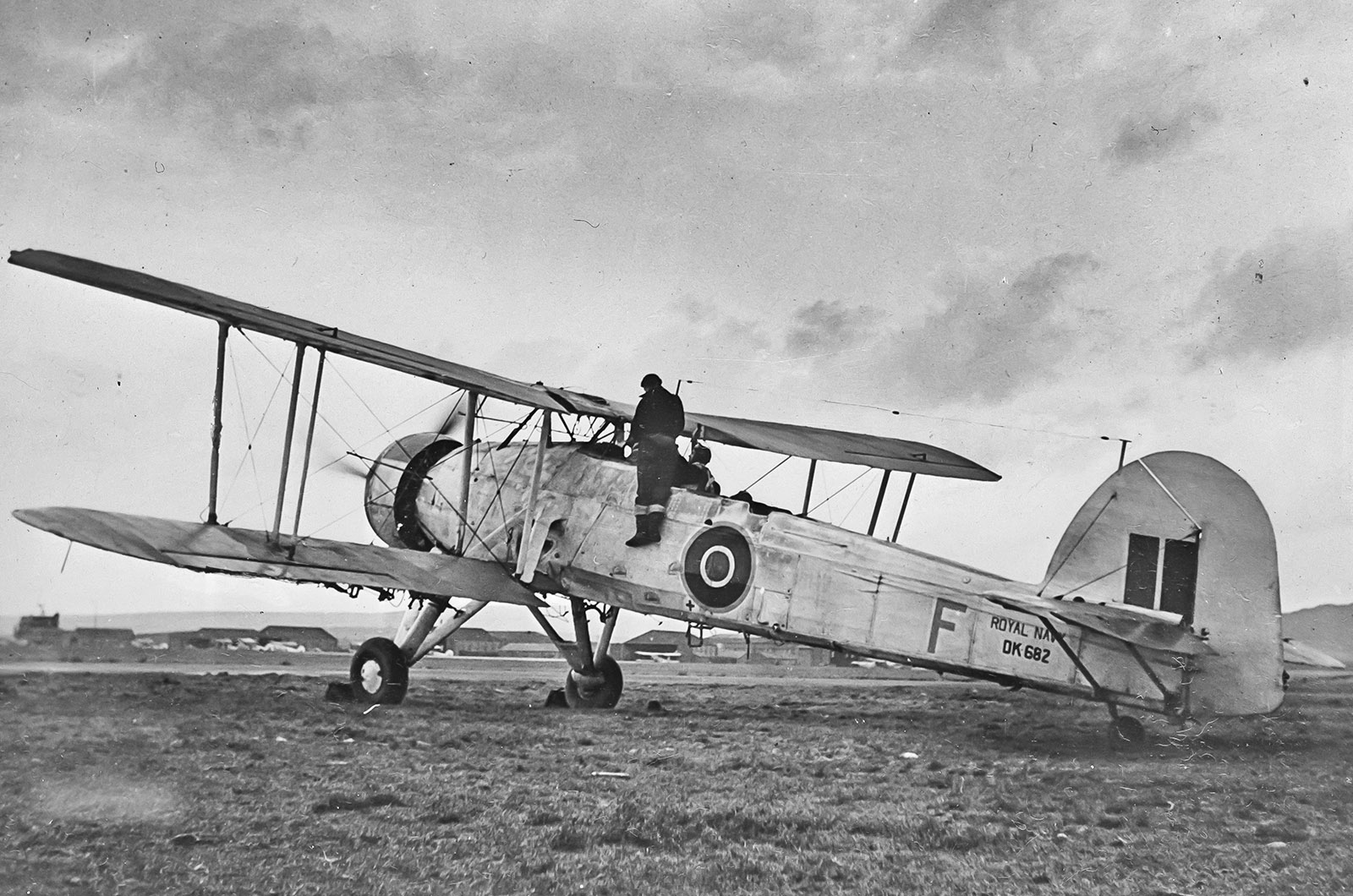
The Fairey Swordfish was a biplane fighting in the days of far faster and more advanced monoplanes. Despite seeming obsolete before the war even began, it became one of the greatest naval attack aircraft. The Swordfish torpedo bomber was easy to fly, with viceless handling characteristics and excellent controllability at very low speeds.
Somehow a small number of these slow, open-cockpit biplanes managed to deliver a crushing blow to the Italian Navy. The Battle of Taranto took place on the night of 11 November 1940. It was the first all-aircraft ship-to-ship attack in history, using 21 Fairey Swordfish from the aircraft carrier HMS Illustrious.
7: Fairey Swordfish
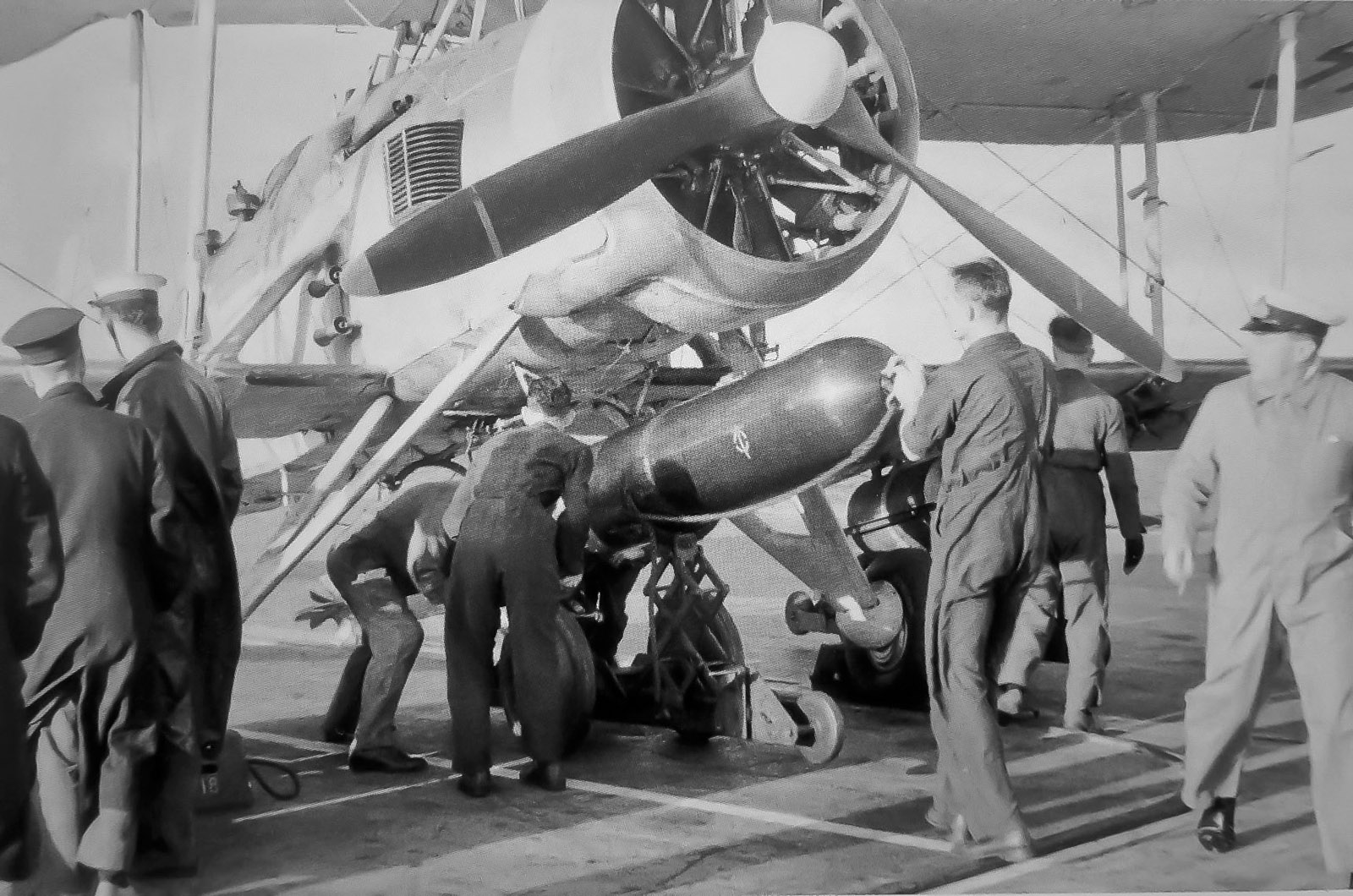
In this audacious raid, the British disabled three battleships, damaged one heavy cruiser and two destroyers and destroyed two fighters, for the loss of two aircrew. The Fairey Swordfish had exceeded all expectations. The raid had enormous implications, as it probably inspired the Japanese Pearl Harbor attack just over a year later.
One of the squadrons that had taken part in Taranto, No. 815, took part in the Battle of Cape Matapan five months later. Operating from Crete, two Swordfish contributed to the crippling of the Italian cruiser Pola. In May, they took part in the successful attack on the Bismarck. Famous in the war, the spectacular Swordfish is relatively obscure today outside those interested in military history.
6: Bristol Beaufighter
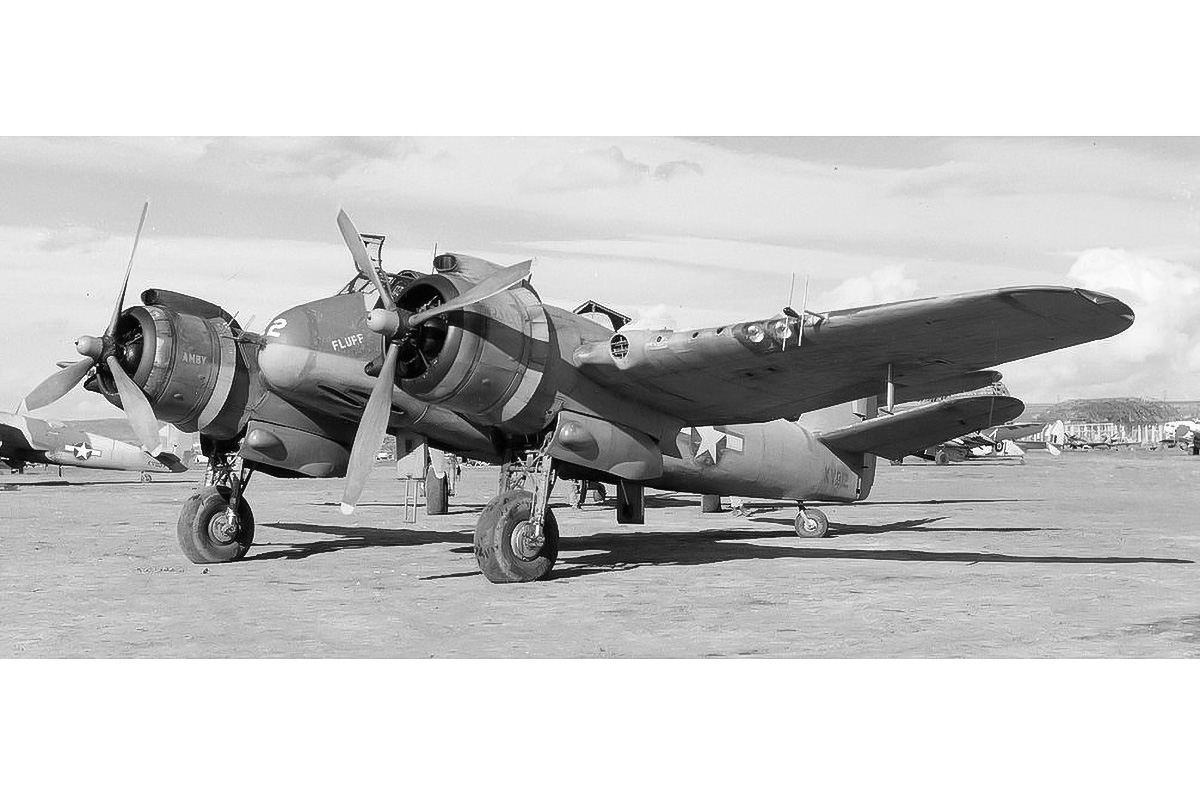
The Bristol aircraft company took its rugged twin-engine Beaufort torpedo bomber designer and from it created a formidable fighter, the Beaufighter. With a formidable arsenal, often of four 20mm cannons and six machine guns, combined with a stack of ammo, the Beaufighter was ferociously well-armed: the weight of ammunition carried was greater than that of any other in its class.
Though too slow for the day-fighter role, it excelled as a night-fighter and maritime strike aircraft. The Beaufighter was the best Allied night fighter until the advent of the Mosquito and operated at the time when the Luftwaffe was most active against the British Isles. On the 23 July 1940 a Blenheim (from which the Beaufighter was derived via the Beaufort) had achieved the first ever successful interception using the revolutionary technology of airborne radar.
6: Bristol Beaufighter
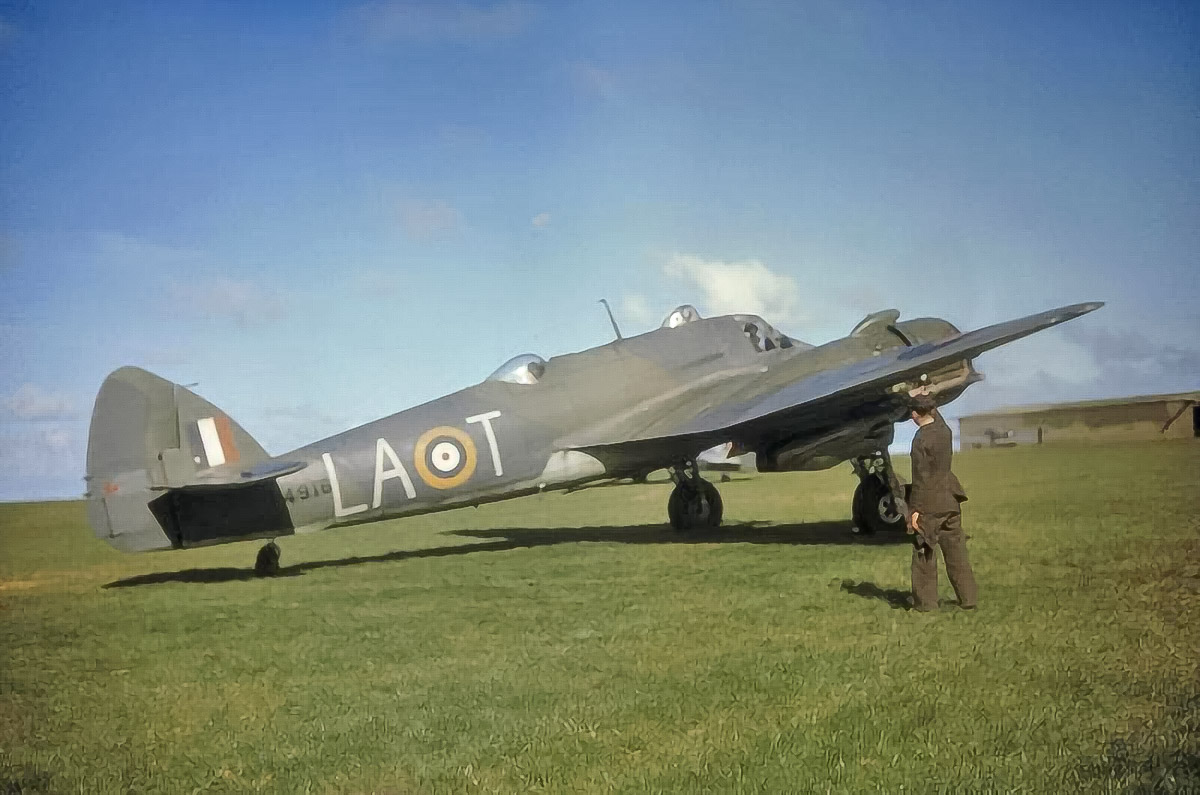
Whilst incredibly significant, the Blenheim was an ineffectual fighter, slower than many of the aircraft it was intended to intercept. Luckily within less than two months of that first interception Beaufighters began operating with airborne radar, although it would take until November for the first radar-assisted Beaufighter ‘kill’.
The Beaufighter was in a different league from the aircraft it replaced. Although no one would ever describe it as particularly fast, especially when compared to the superlative Mosquito that would largely replace it, the Beaufighter had the performance necessary to deal with all German bombers and was the best-armed British fighter of the war.
5: Fairey Fulmar
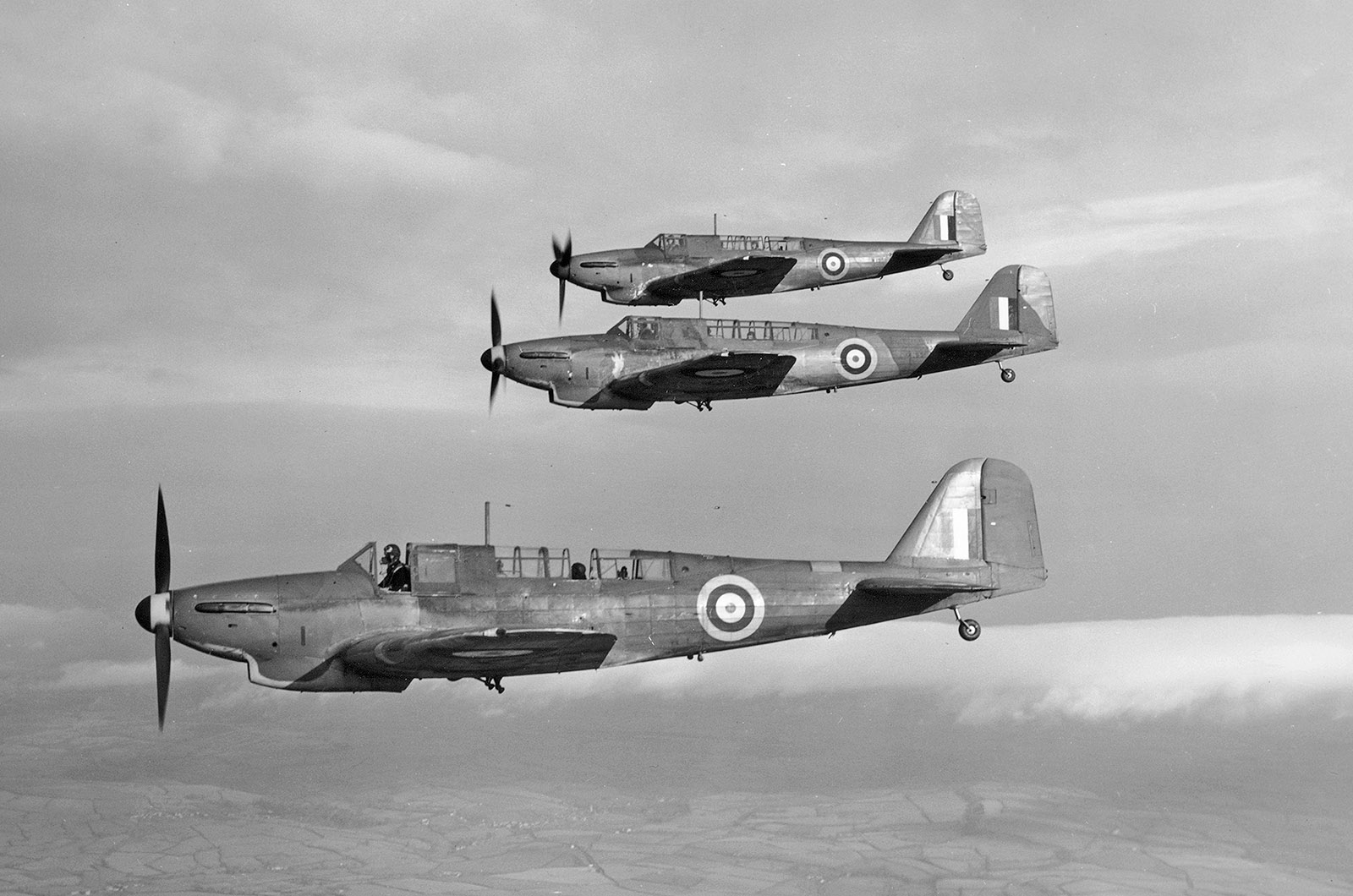
It is something of an anomaly that the Fleet Air Arm’s highest scoring fighter of the war was the relatively slow and staid Fairey Fulmar — with 112 kills (more than double the total achieved by the far more potent Corsair). Despite this, the Fulmar has never really caught the popular imagination.
As World War II loomed, the Admiralty was desperate for anything approximating a modern fighter aircraft. This need was met by a modified light dive-bomber originally intended for a cancelled RAF requirement. The resulting Fulmar shared the engine and armament with the Spitfire and Hurricane, but there though the similarity ended.
5: Fairey Fulmar
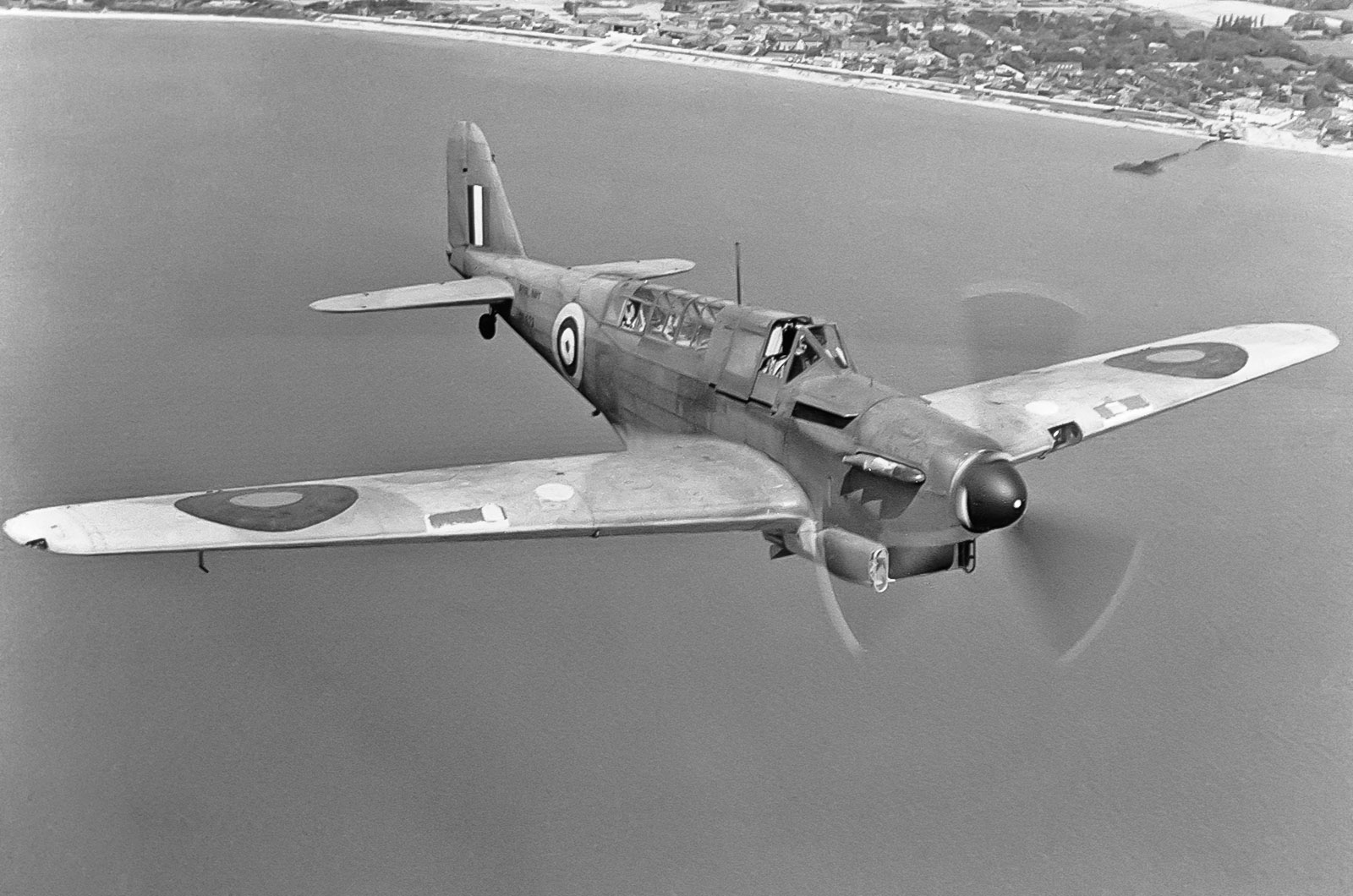
With a poor flat-out speed of 247mph and a feeble service ceiling of 16,000 feet, it was far inferior to its contemporaries. More worryingly, it was also 30mph slower than the Luftwaffe's Heinkel He 111 bombers. Fair to say that, as a fighter, it made an adequate cancelled dive-bomber. So how did it became the top Royal Navy fighter of World War II?
To understand this apparent contradiction of how such a sluggish machine was the Navy's best fighter, it is necessary to look to a then-new technology: radar. The Fulmar had shown that as a naval fighter her strengths of endurance and firepower, could make up for her disadvantage in outright performance when coupled with radar.
4: Avro Anson
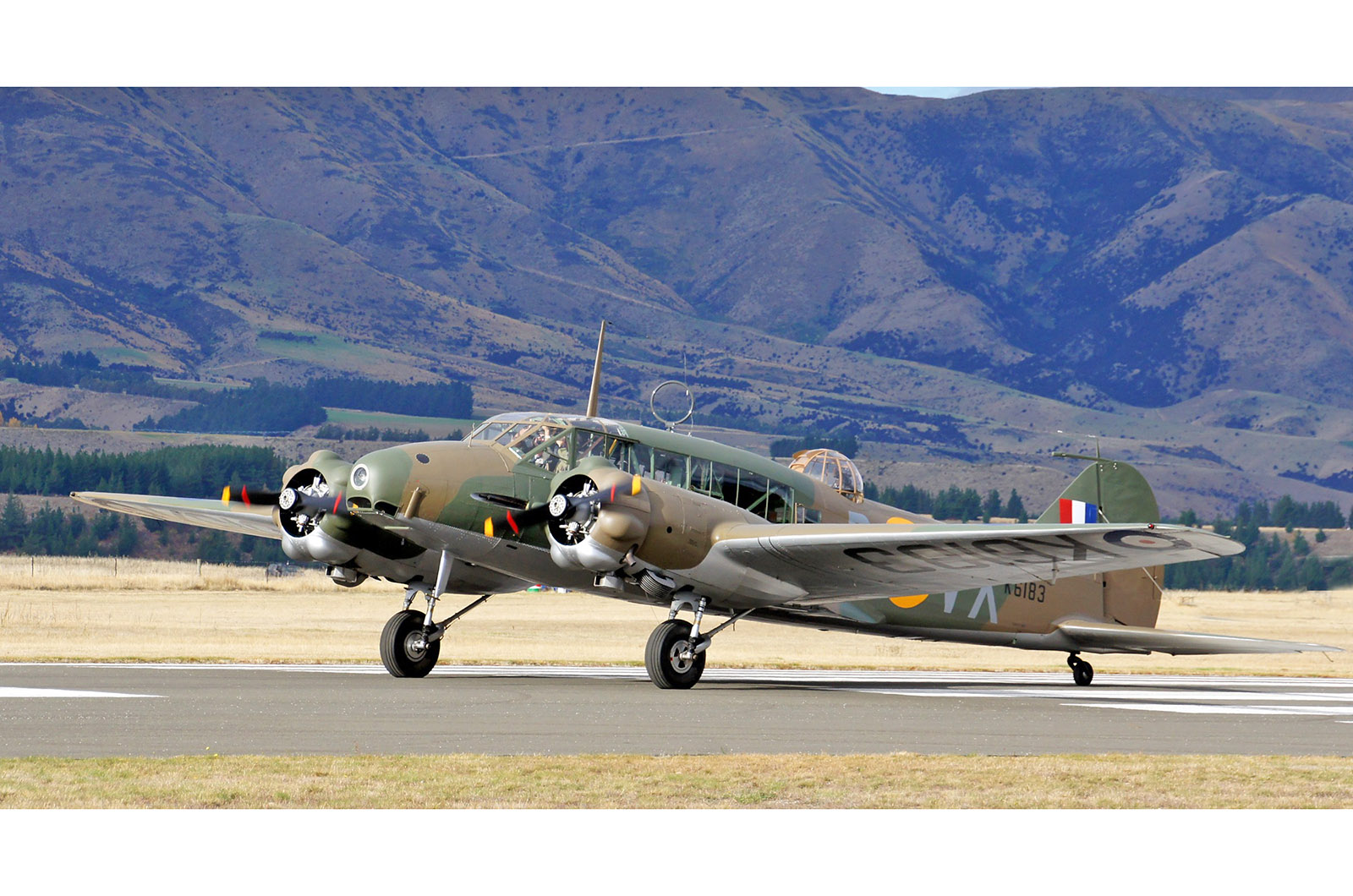
The only British Second World War aircraft produced in greater numbers than the Anson were the Spitfire, Hurricane and Wellington. Production did not end until 1952, by which time a staggering 10,996 Ansons had been built (not 11,020 as often quoted). ‘Faithful Annie’, as she was affectionately known, was of pivotal importance in the war, yet languishes in relative obscurity.
British aircraft designer Roy Chadwick (1893-1947) had a career that stretched from the canvas-and-wood days of the First World War to the origins of the Vulcan jet bomber. He is best known for the Avro Lancaster heavy bomber of World War II, but another of his designs was equally important to the war effort: the rather less belligerent Anson.
4: Avro Anson
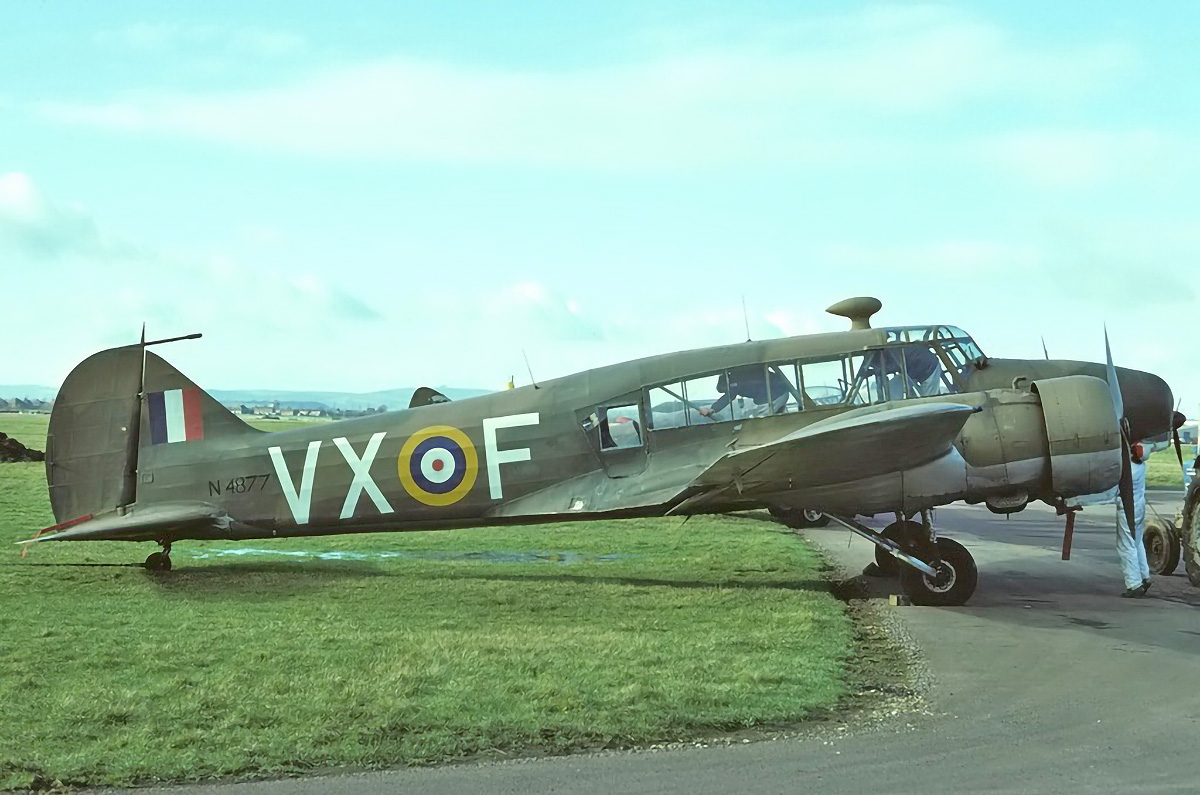
The Avro 652 airliner was created in response to a new generation of American low-wing aeroplanes with retractable undercarriage, and it first flew on 11 March 1935. While the 652 was in the design phase, the British Air Ministry identified this excellent design as a suitable basis for a new maritime reconnaissance aircraft.
But the Anson would find its defining role as a training aircraft. The Anson trained many pilots, navigators, wireless operators, bomb aimers, and air gunners for the multi-engine aircraft they would fight. Its chief operators were the Royal Air Force, the Royal Canadian Air Force, and the Royal Australian Air Force. Across its brilliant career, it would serve more than 36 air arms. We haven’t even got space to mention its vital part in the early development of the war-winning technology of radar.
3: Westland Lysander
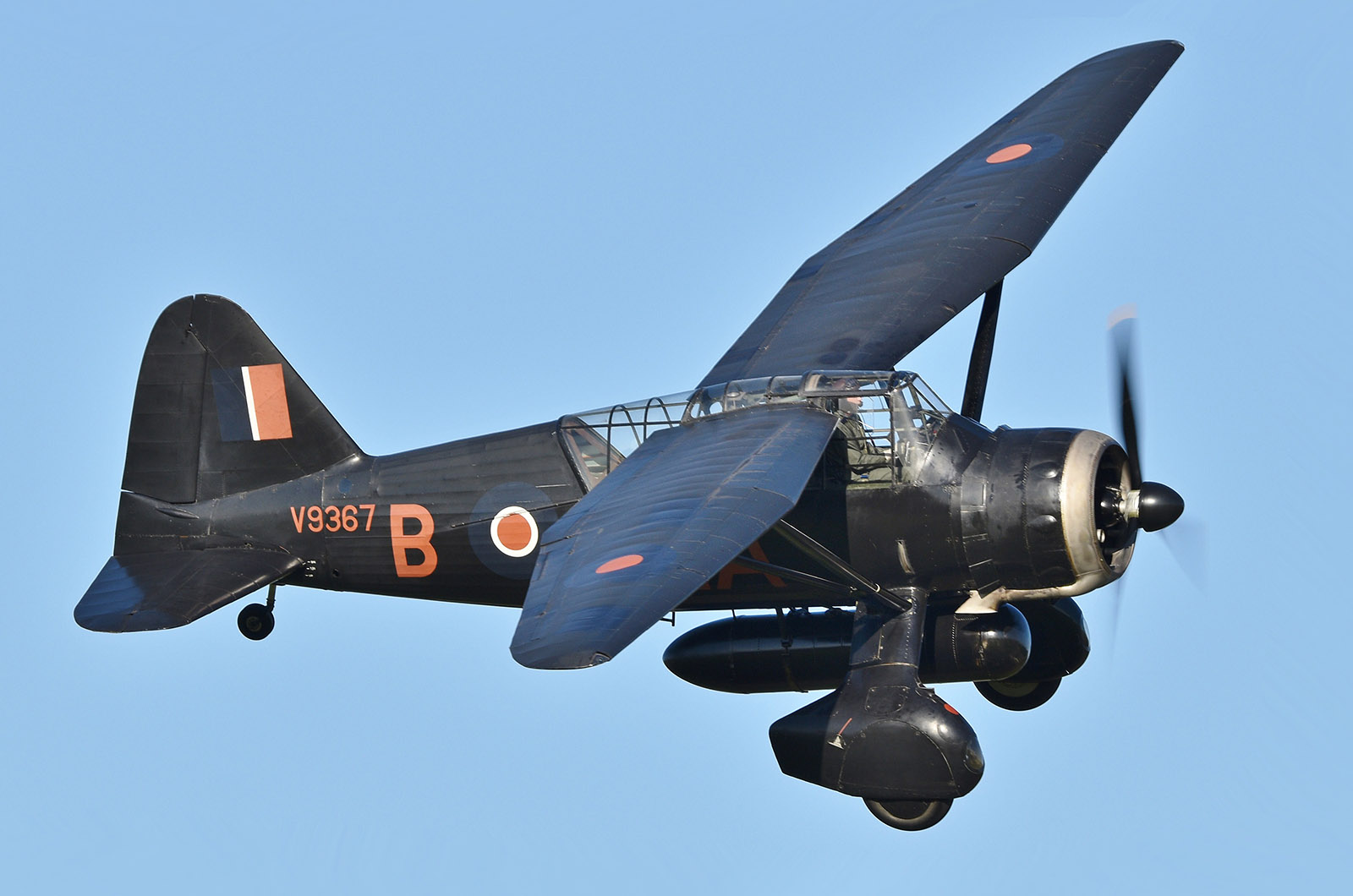
Designed by the genius Teddy Petter (1908-1968, whose other designs include the Whirlwind, Canberra, Gnat and Lightning), the Lysander was built, after much consultation with aircrew, to emphasise extremely short take-off and landing and good visibility from the cockpit. Though not elegant, it was an imposing aircraft with advanced features, and the rather stylish feature of machine guns mounted on the undercarriage.
The Lysander was designed for to co-operate with ground forces, which included artillery spotting and reconnaissance. Experience in France was brutal, of the 170+ Lysanders sent into battle in 1939, around 120 failed to return. After the fall of France in 1940, the Lysander was largely relegated to anti-invasion reconnaissance patrols in England.
3: Westland Lysander
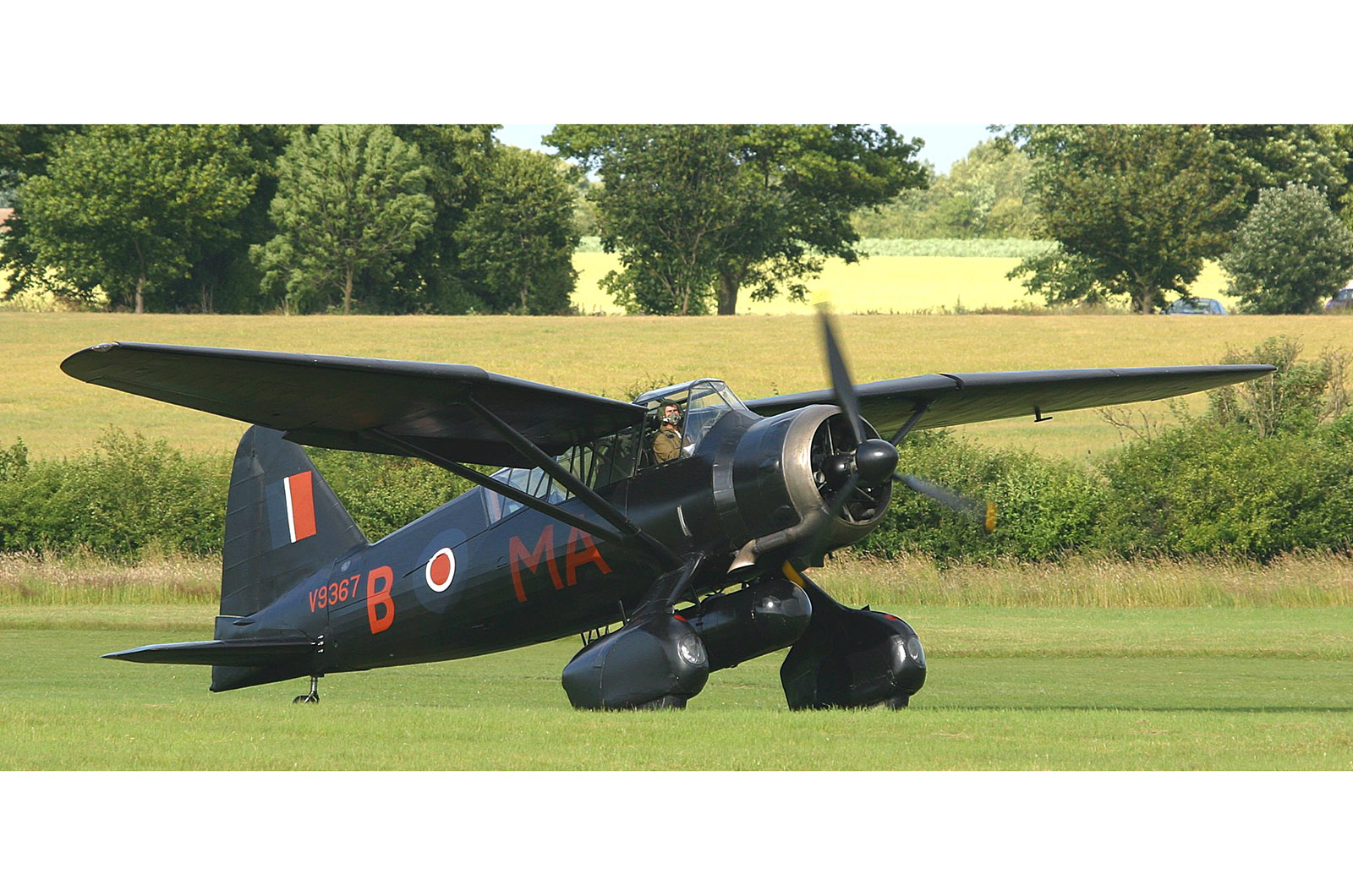
Though the Lysander proved less than ideal in its intended role, once it turned to the exciting world of running agents in and out of occupied Europe it proved excellent. Flying deep into occupied territory, often under cover of darkness, to insert or extract agents or equipment, the Lysander was truly the James Bond of Second World War aircraft.
No. 161 (Special Duties) Squadron was a secretive unit of the RAF; from 1942 to 1944 they used the Lysander. Their Lysanders (alongside Lockheed Hudsons) delivered and extracted agents on the ground. It’s impossible to calculate the full effect of agents on the war, but it was significant, and the Lysander was a key part of these special operations.
2: Gloster Gladiator
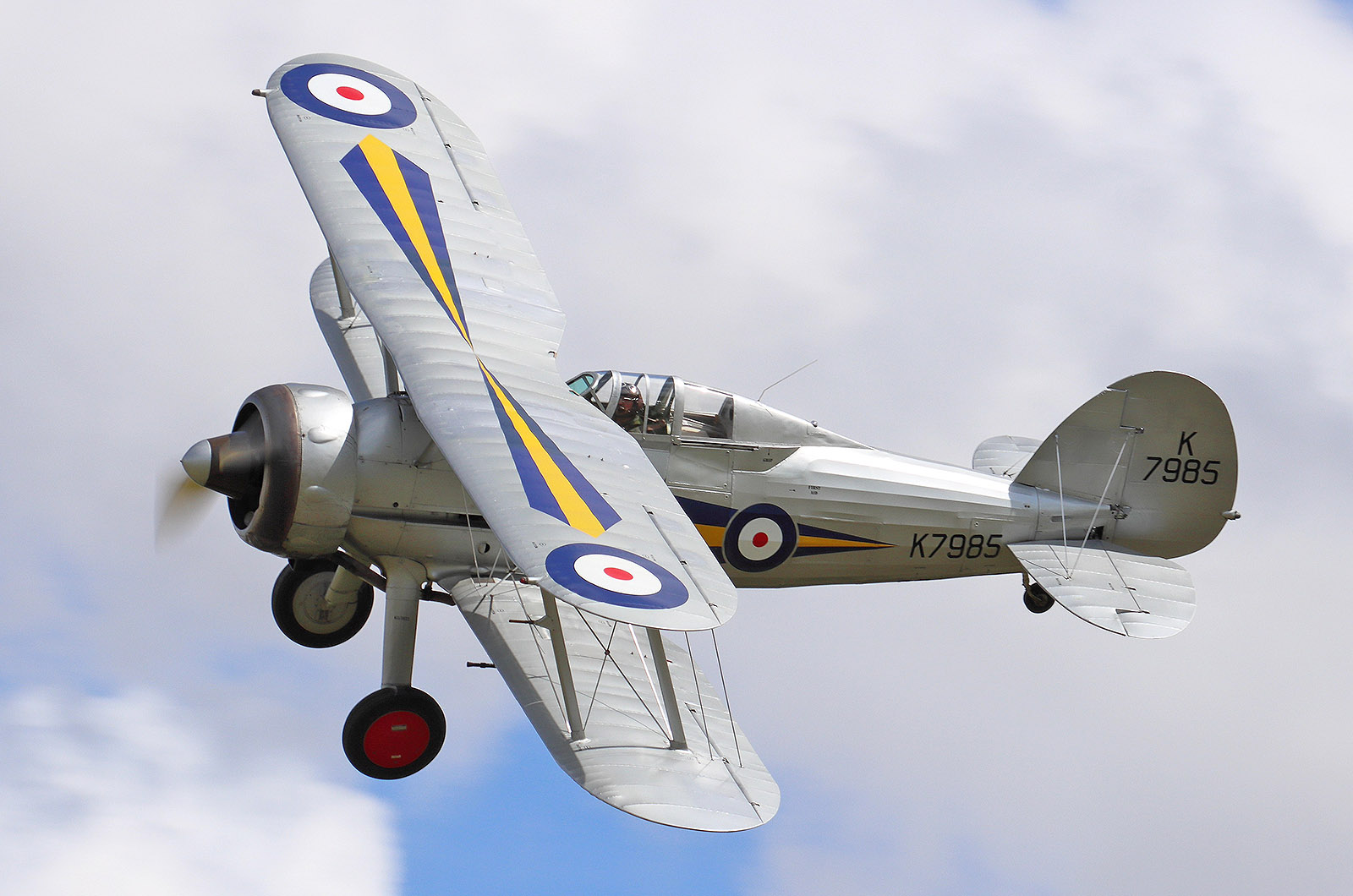
The Gladiator was from an earlier generation than the Spitfire and Hurricane, despite predating the latter by only 14 months. The biplane Gladiator was little more than a convenient stopgap to keep up the numbers until the Hurricane and Spitfire came on stream in sufficient quantity, so it was released for export at a fairly early date.
The Gladiator pops up in an unusual number of imbalanced conflicts far from its home where it was forced to operate in the face of numeric and technological superiority –thus well illustrating the general experience of the biplane fighter in the Second World War.
2: Gloster Gladiator
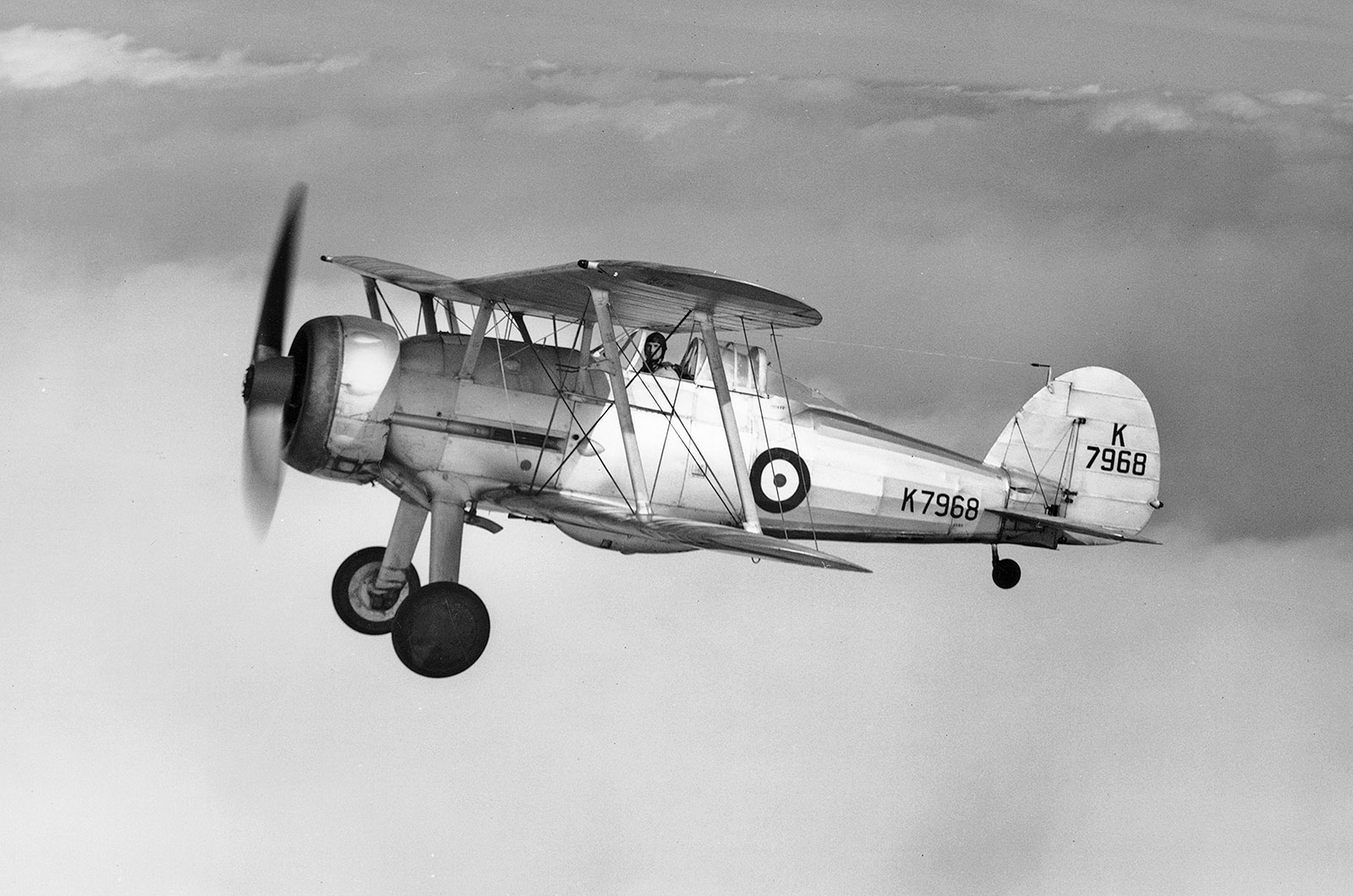
The Gladiator stoically defied the odds with the RAF against the Italians over Malta. More prosaically, when operated in numbers against a similarly equipped enemy it performed well; it clashed regularly with the Fiat CR.42 biplane, which, though slightly faster, did not handle as well as the Gloster.
Despite being the RAF’s last biplane fighter, it was also the RAF’s first fighter to have an enclosed cockpit. Not many aircraft have been simultaneously in the vanguard of development while also totally obsolete. Despite it being such a dated design, it shot down 304 enemy planes in RAF service.
1: Vickers Wellesley
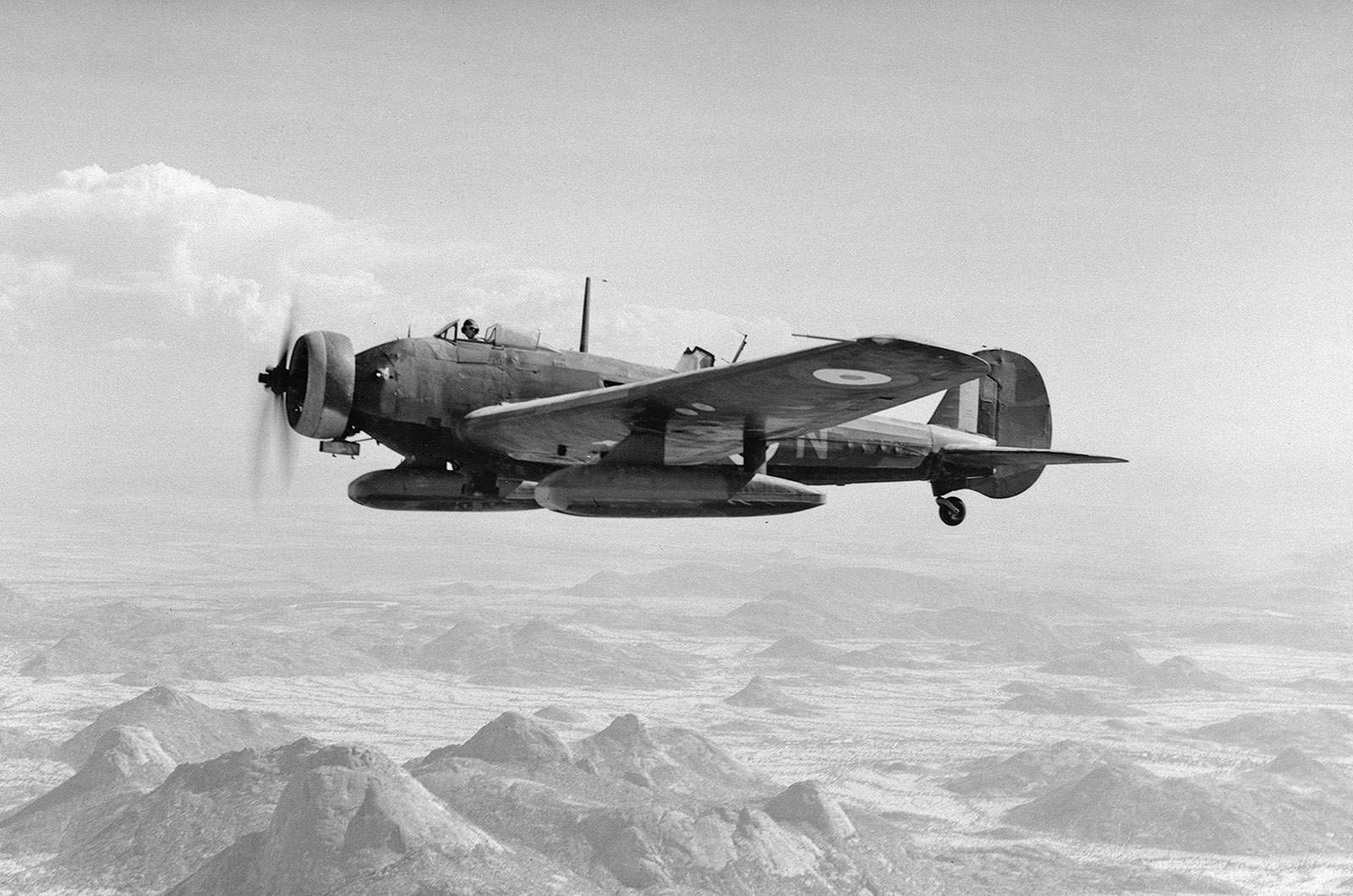
It is widely acknowledged that cracking Germany’s Enigma system was hugely important to the eventual Allied victory. Key to cracking the code was obtaining both a codebook and an Enigma machine, both of which were recovered from the German submarine U-559, thanks to a dramatic combined operation which featured an RAF Sunderland and four Royal Navy destroyers, and – of pivotal importance – a Wellesley.
At 12:34 p.m. on 30 October 1942, the 47 Squadron Wellesley spotted the periscope of the U-559 and attacked with depth charges. The submarine crew eventually surrendered without having time to destroy the coding equipment, providing the greatest intelligence windfall of the War.
1: Vickers Wellesley
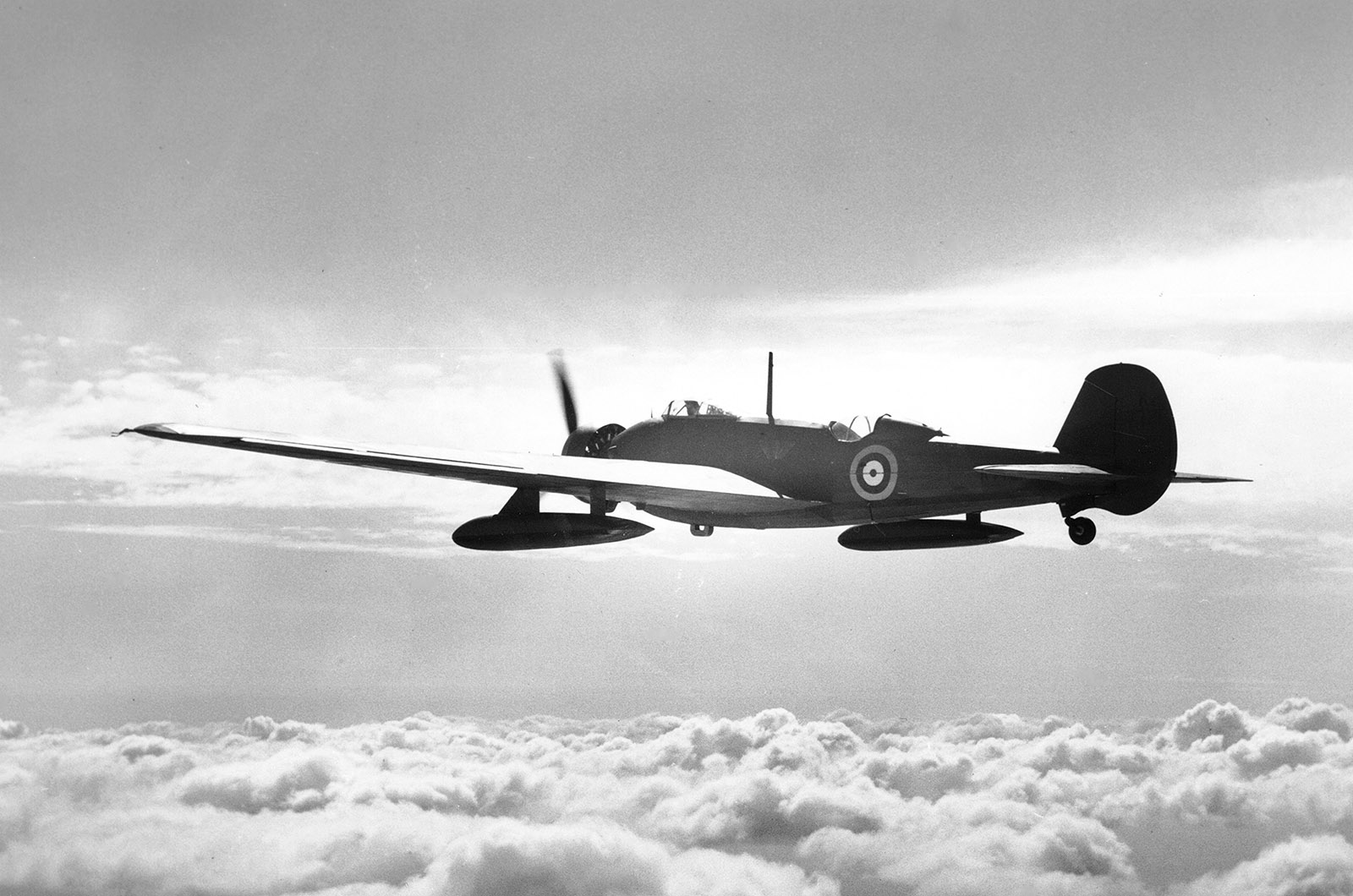
And that’s not all, two years earlier it had also performed a vital mission. When Italy declared war on Britain and France in 1940, it left Egypt extremely vulnerable. The Italians had an alarming local naval force which was composed of nine destroyers and eight submarines, as well as a squadron of fast torpedo boats.
Though the British lacked the most advanced warplanes in this region, there was a Wellesley force. On 11 June 1940 nine aircraft from No. 14 Squadron mounted an audacious raid against the Italian naval base at Massawa in Eritrea. The resultant fire destroyed an estimated 8000–10,000 tons of fuel. The nine plucky aircraft and their extremely brave crews achieved a great deal in their bold sunset raid on Massawa.
Follow Joe Coles on Substack, Twitter X or Blue Sky. His superb Hush-Kit Book of Warplanes is available here.
If you enjoyed this story, please click the Follow button above to see more like it from Autocar
Photo Licence: https://creativecommons.org/licenses/by/4.0/deed.en



Add your comment