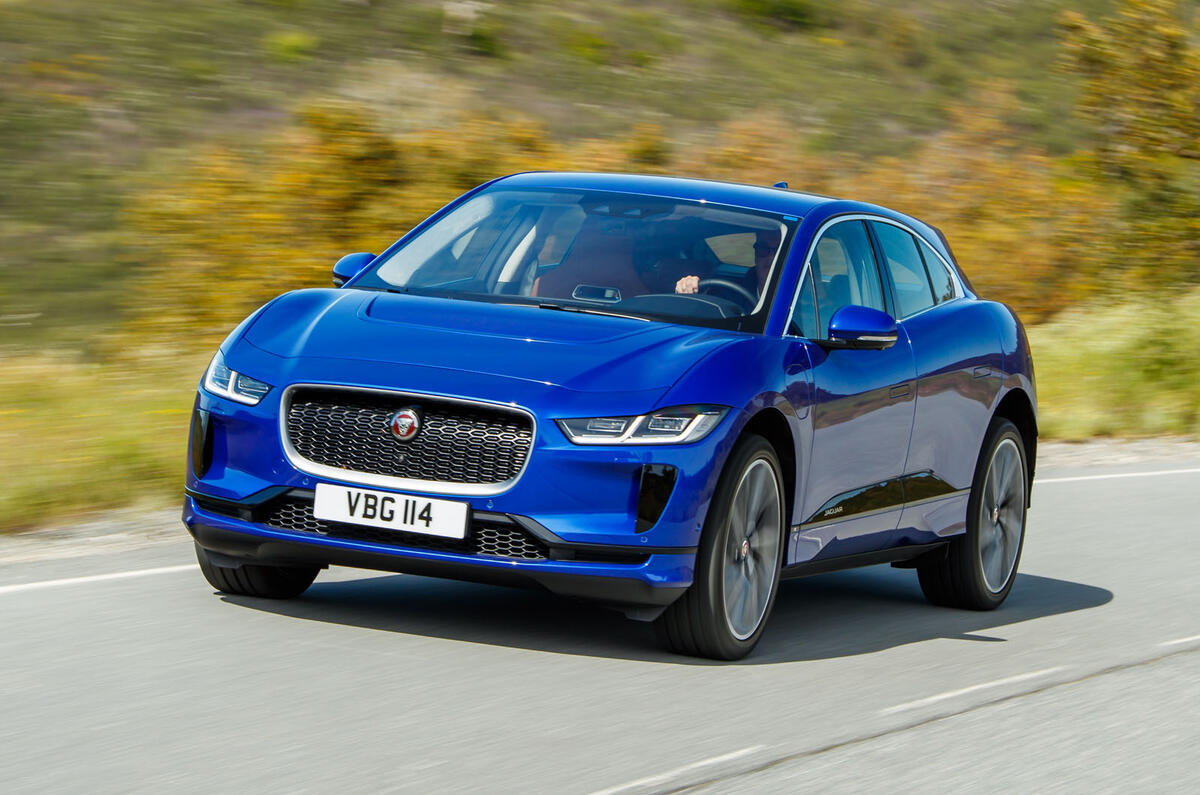

As the Government ponders how to tax electric cars, I’m surprised by how little debate is being directed at rewarding efficiency – a glaring omission, considering the industry’s focus (driven in part by customer demand) on prioritising both bigger and higher-riding cars, which in both cases are typically more profitable but more consumptive.
Why is this important? Achieving zero tailpipe emissions is merely a step in the right direction until our vehicles are powered entirely by green energy. Pretty obviously, burning coal to create the electricity to move a car creates large amounts of CO2, whereas using electricity from a wind turbine doesn’t. At the risk of forcing a utilitarian agenda, you might also argue that we should be seeking to conserve the energy that we create regardless of its source, too.