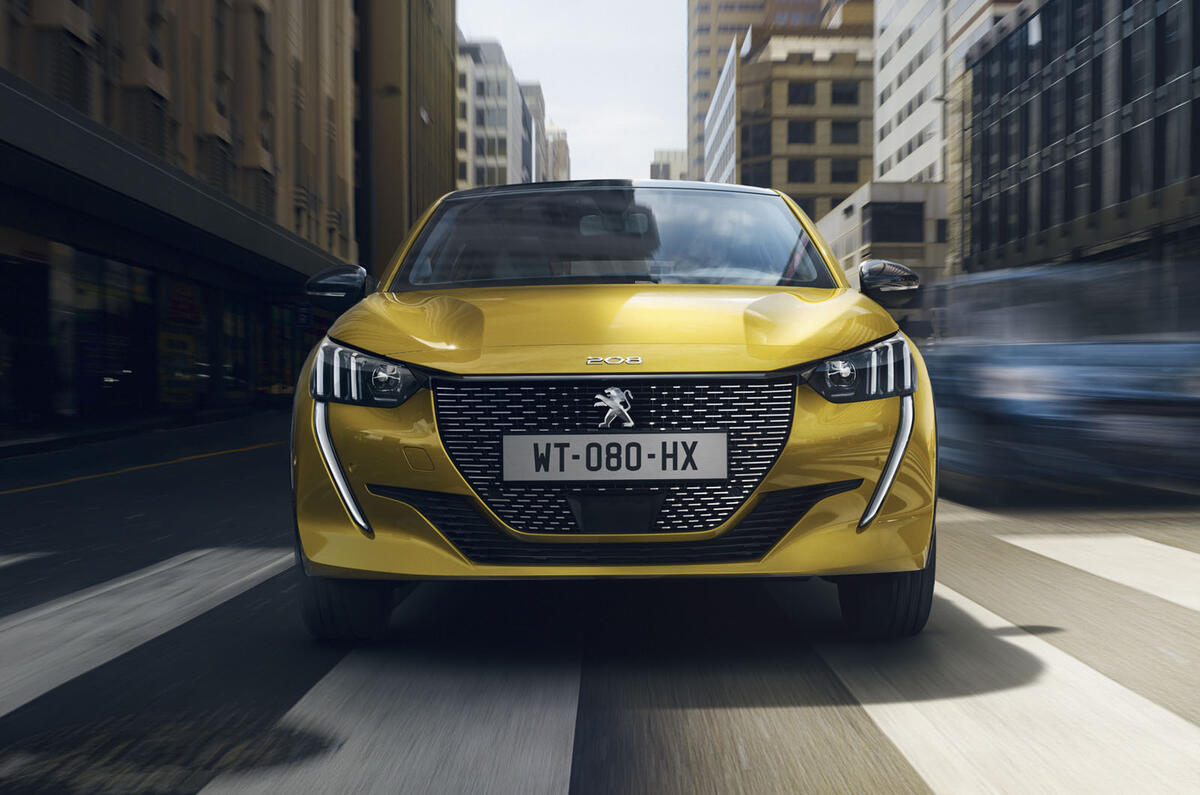

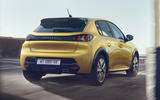

So it’s Peugeot that has beaten everyone to the punch by launching its best-selling supermini with an electric variant, hedging its bets by lauching it alongside conventional petrol and diesel engines.
EV evangelists might say the French brand should have committed to a mainstream car without any internal combustion engine, but let's get real. Plug-ins account for around 2.5% of European new car and van registrations, even taking into account the boom in popularity in Scandinavian countries.
Even with further looming emission regulation, most mainstream car makers predict it will still be a number of years before EVs make up a significant proportion of their sales, and manufacturers make a return on their tech expenditure.
Word on the grapevine is that Nissan, anticipating a much greater EV uptake in Europe by now, had originally designed the latest Nissan Micra to be EV-only, and backtracked some way into the car's development. So Peugeot's three-pronged powertrain choice for the 208 seems a smart move.
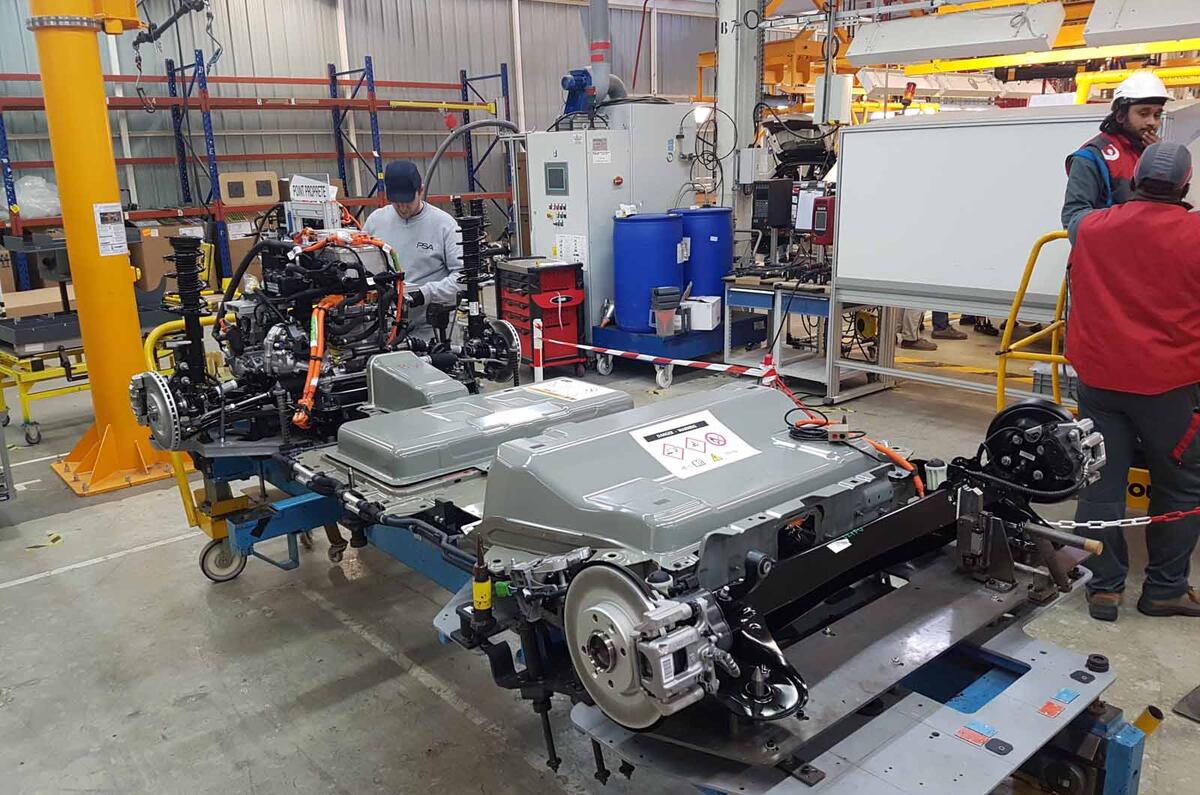
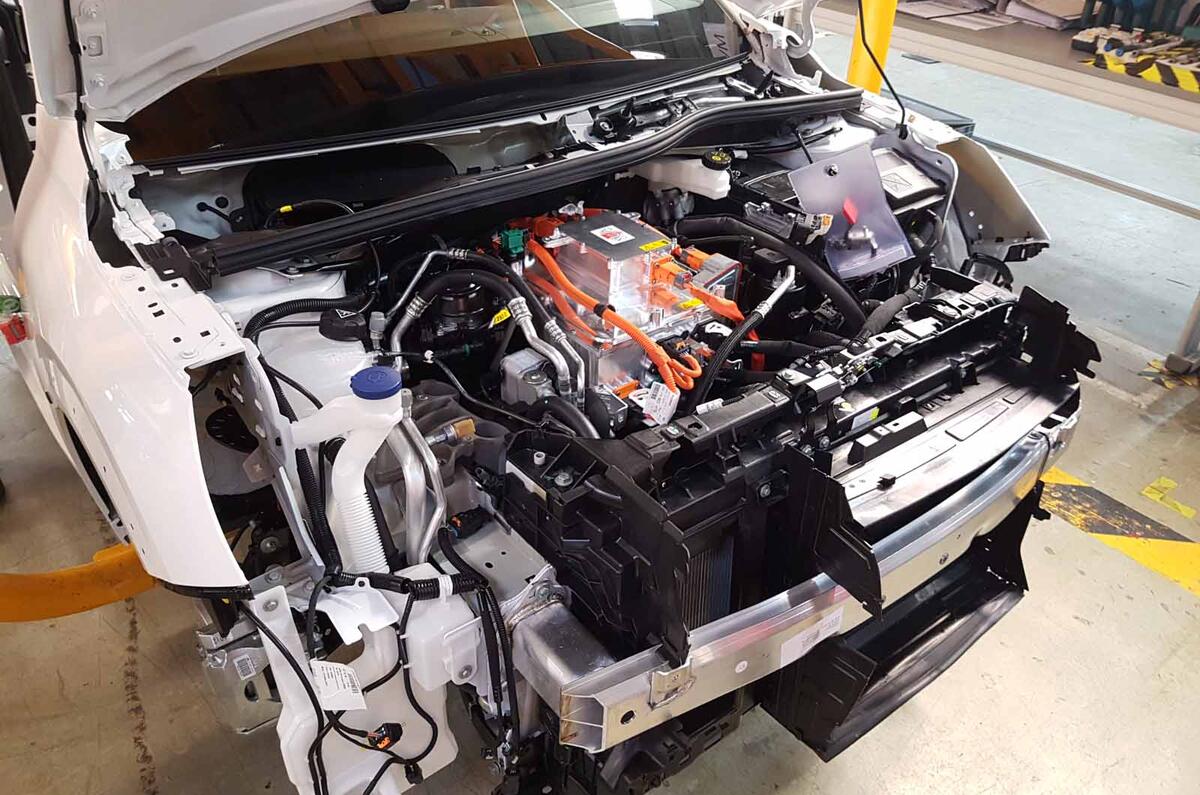
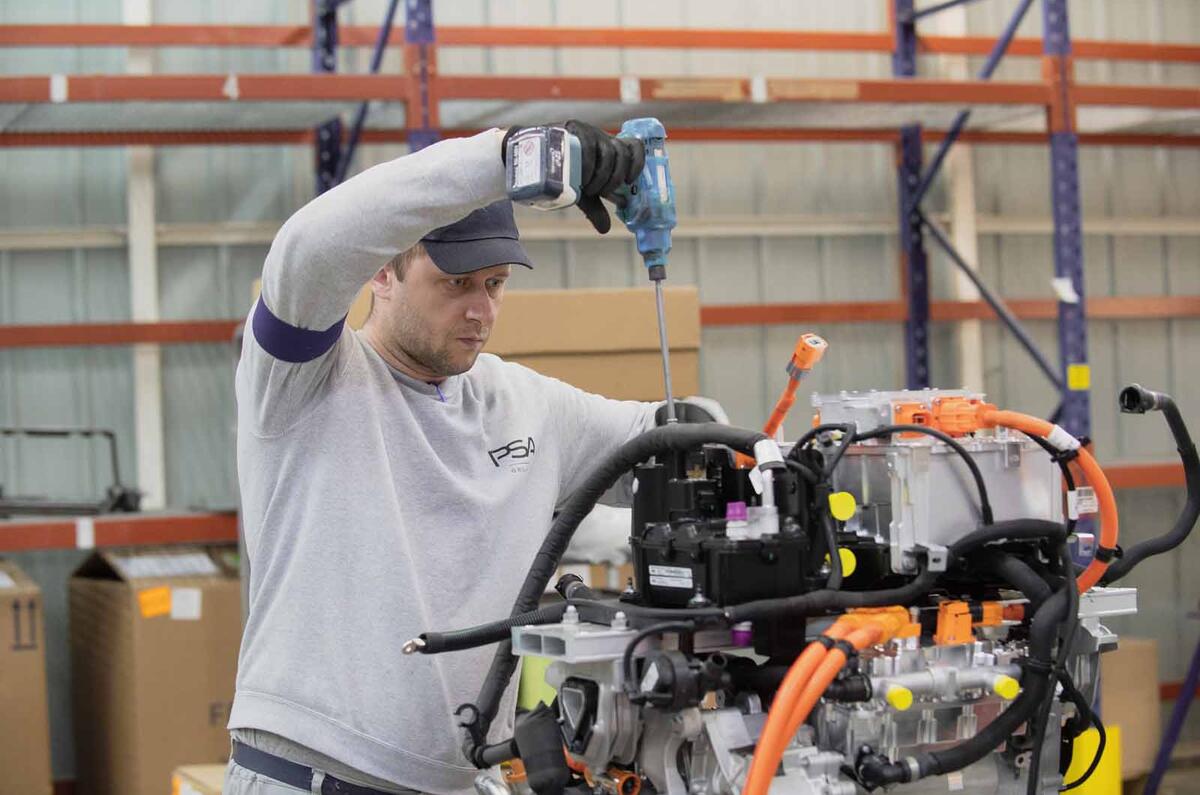
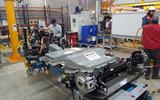
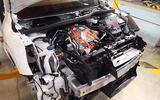
What’s most clever, though, is that the electric motor fits exactly where the combustion engine would sit, so the battery-powered 208 doesn’t need a bespoke bodyshell or platform, only some structural stengthening supports in the subframe to ensure the 350kg motor and battery pack doesn't adversely affect rigidity.
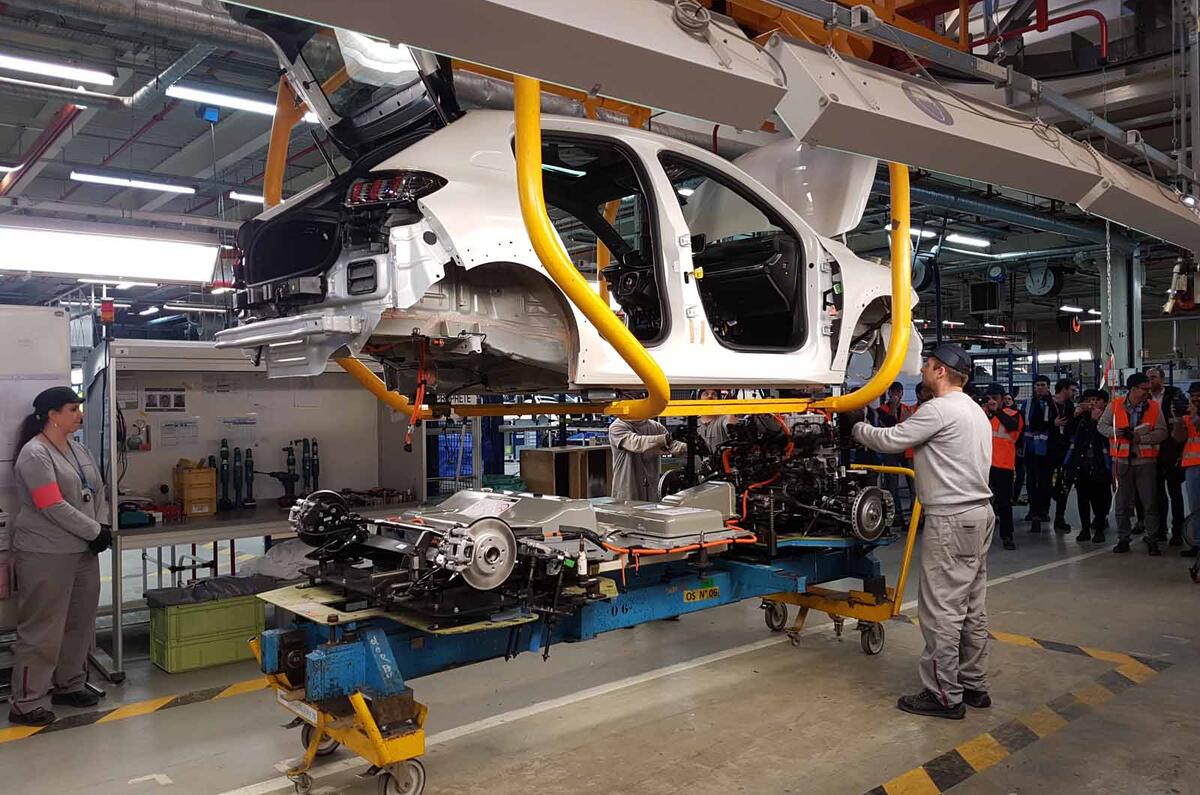
The battery pack is an unusual shape, filling space under the floor and where the fuel tank used to be, as this image below shows.
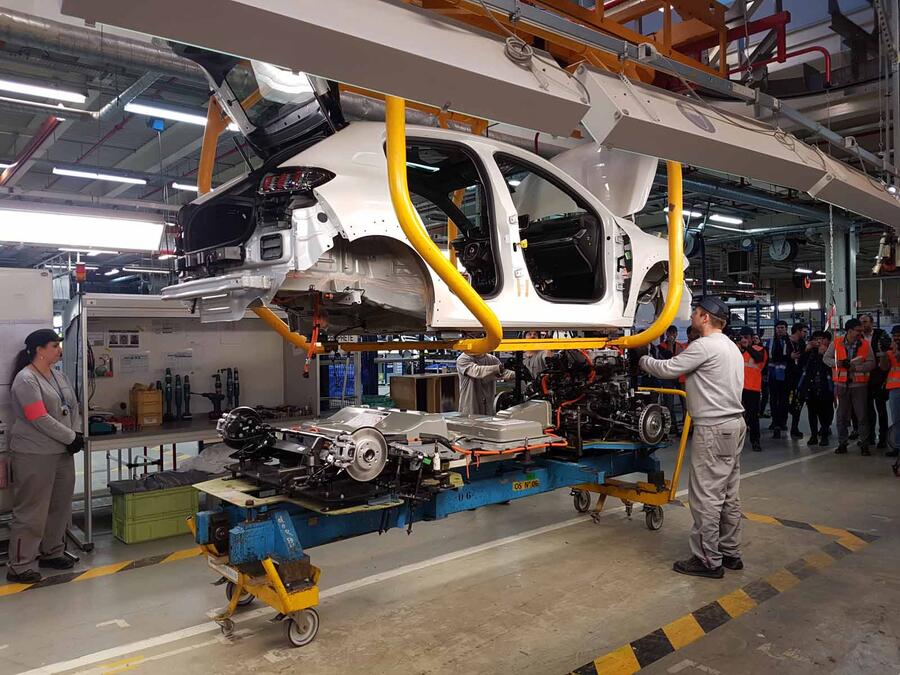
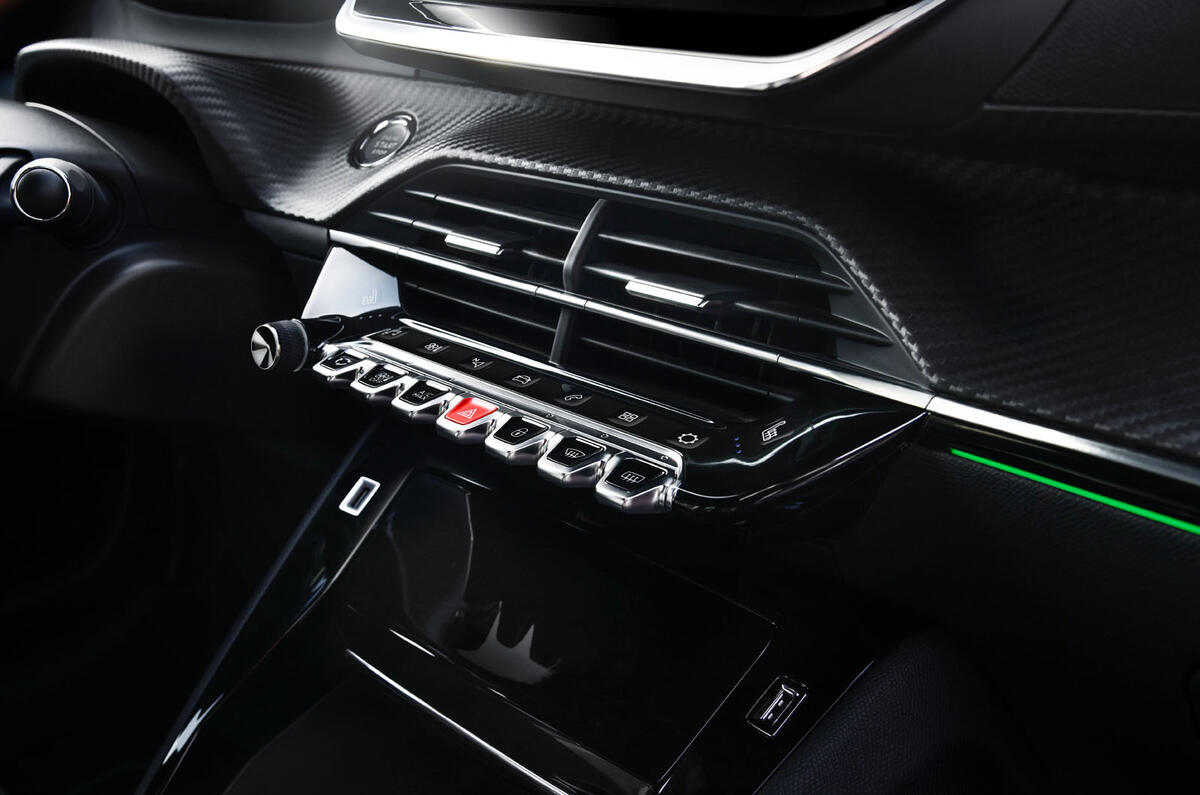
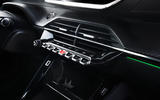
Not only does that mitigate any compromises (the petrol, diesel and electric variants look identical, feel largely identical inside and offer the same amount of space), but it also simplifies the production process.
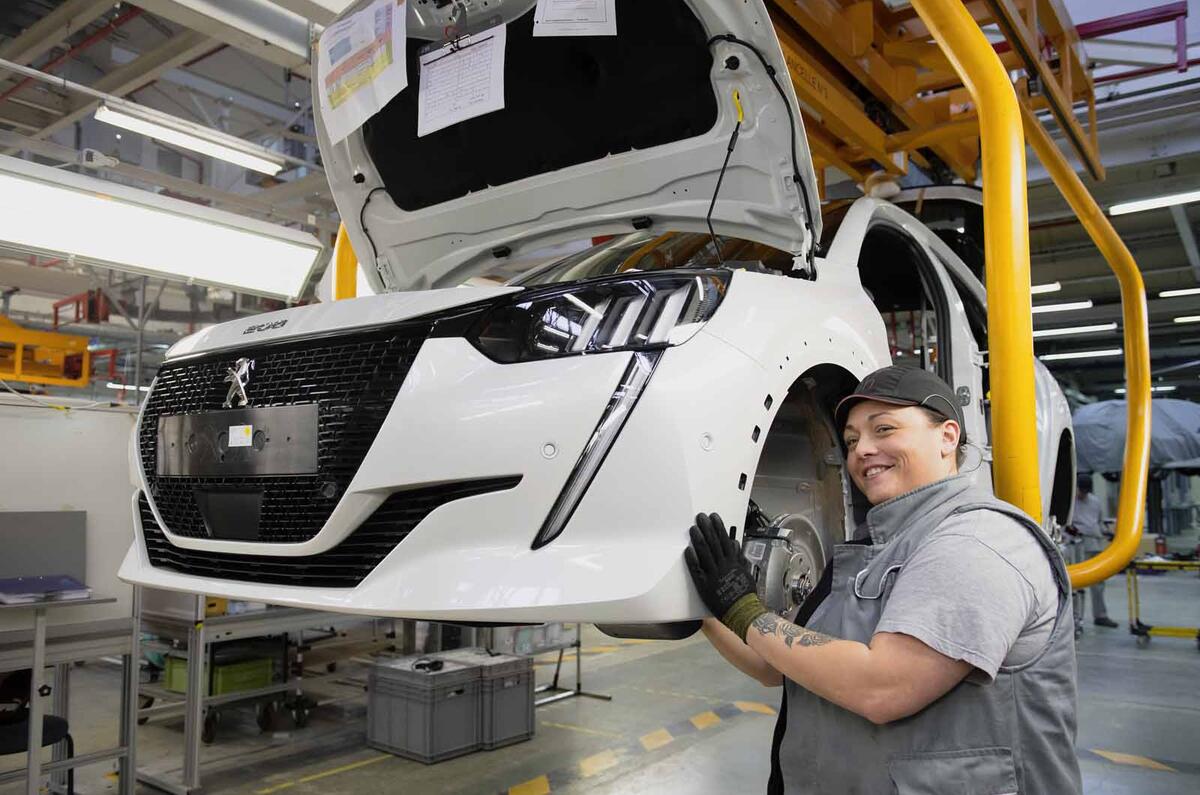
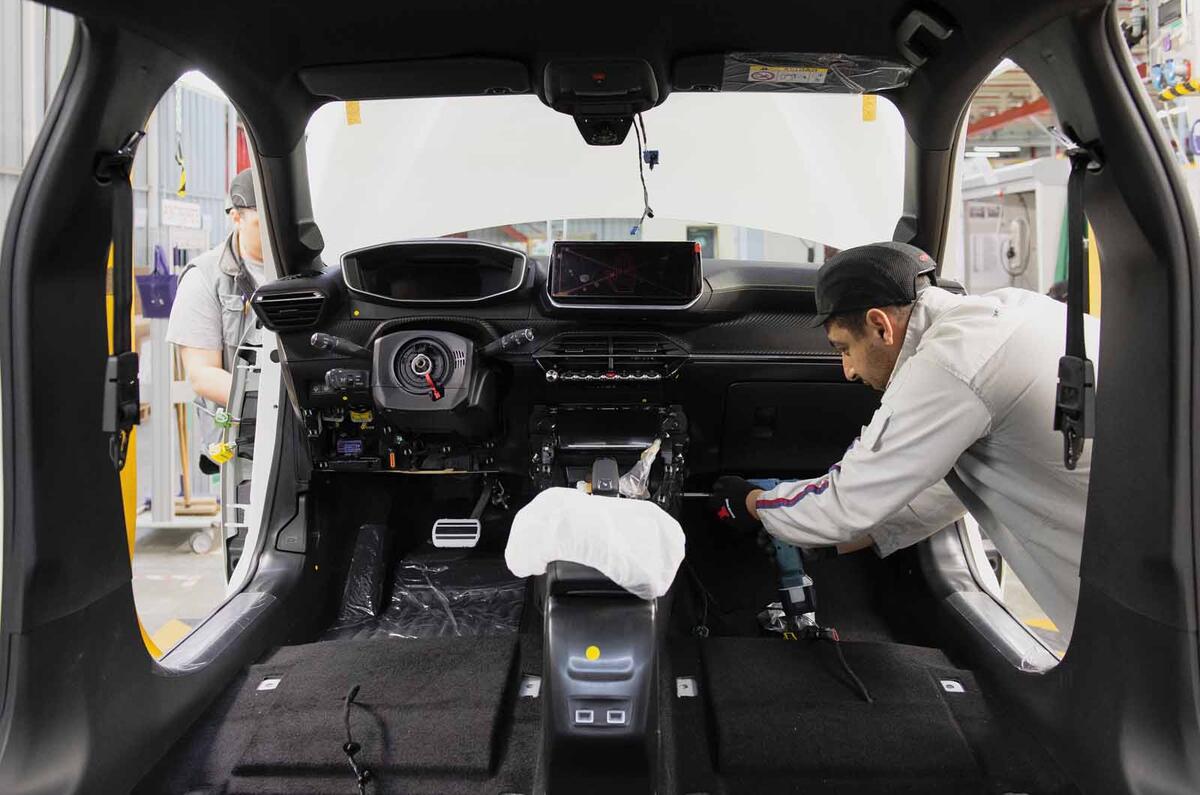
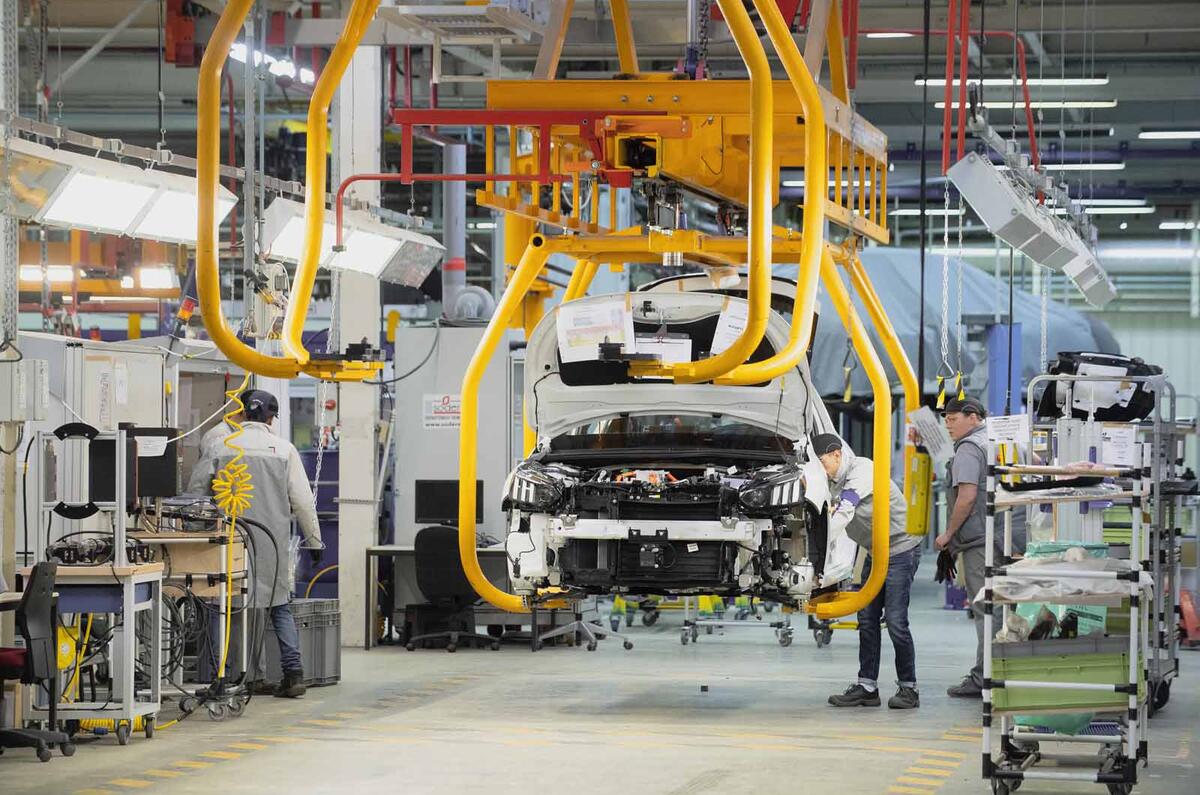
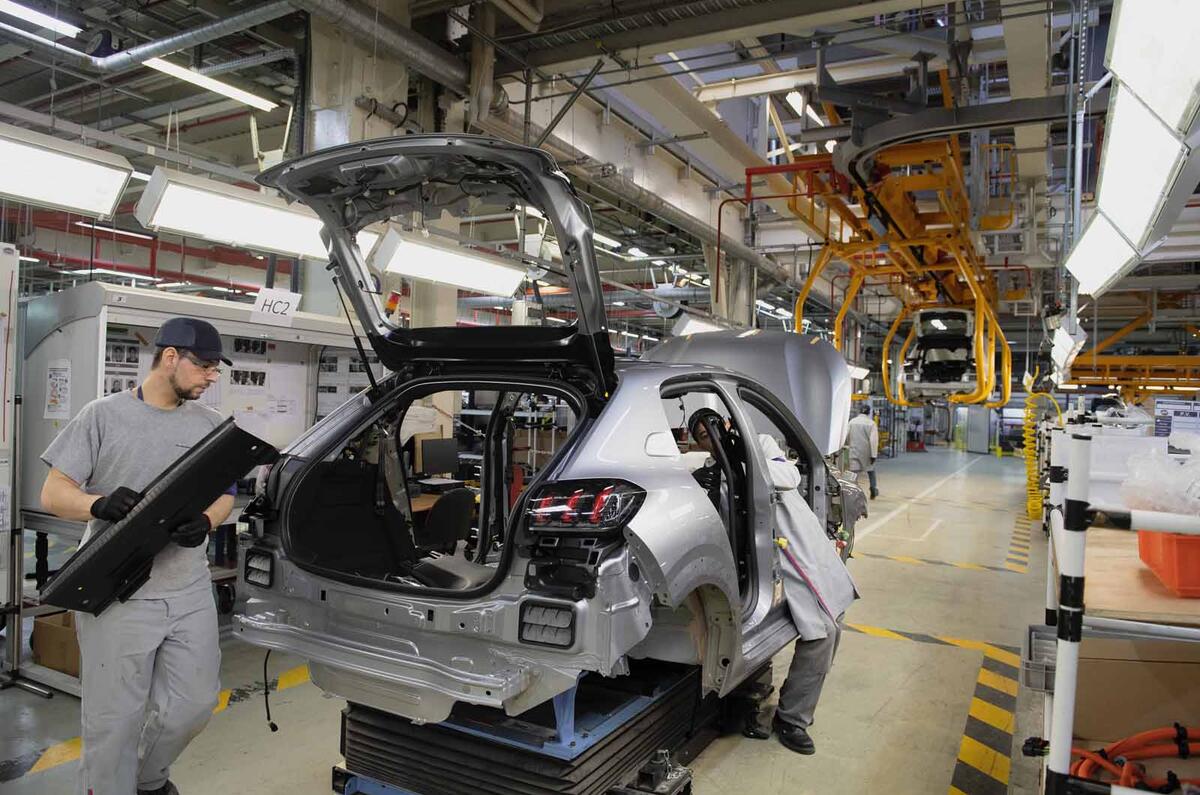
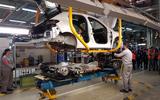
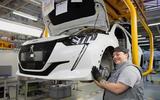
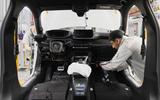
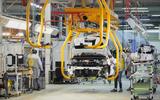
Peugeot will send the EV down the same production line as the petrol and diesel versions – something no maker has done on a mass scale before. It’s set up a mock 'pilot' production line at PSA’s technical centre, just outside Paris, where the firm's best and brightest engineers and assemblers will iron out any potential teething problems before the real factory opens its doors in Slovakia.