1000 Super Sports Petrol Manual (193 ps)
Submitted by dev_editor on
Submitted by dev_editor on


I've been driving a 90,000-mile, 21-year-old BMW 330Ci (E46) for several weeks thanks to online auction website eBay, which owns it.
The company paid just under £9000 for it and spent a few grand giving it a few modifications to bring it more up-to-date inside – and now I’ve given it a few more.
I wanted to give it a suspension refresh and stiffen the body without turning it into a harsh road racer. I buy quite a lot of parts from eBay already, and I'm not just saying this because this car belongs to the company.
I've got a couple of old cars and a motorbike stored in the 'My Garage' section of its website, which is near-essential because it limits searches to parts that will fit a specific vehicle from an otherwise overwhelming number of results.
So I added the 330Ci to my garage too. It's also useful because you know parts will fit and you can send them back for a refund if they don't.
I opted for a bush rebuild kit (£140) for the rear suspension and new bushes for the front (which all seemingly included control arms - £292), plus a brace for the rear struts (£103) that will sit across the boot, and one for the front struts (E81).
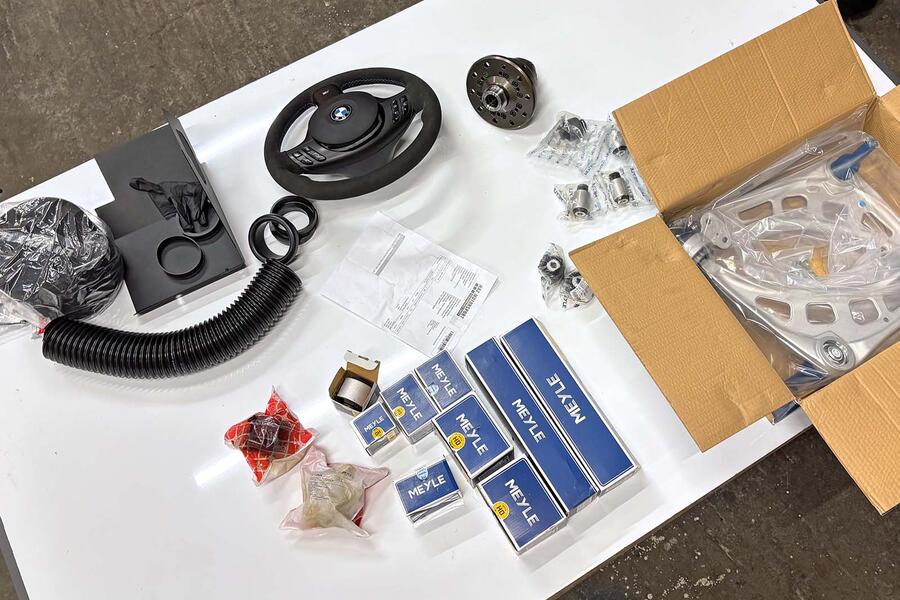
I haven't felt a massive problem with the BMW's traction but I do like a limited-slip differential so opted for one (£649) and thought/hoped that lot combined would tighten the handling without spoiling the ride.
The car has at some point had a decent exhaust put on it, which is a little boomy, so I thought a big air filter kit (£206) might add some induction noise to balance it. And then I opted for a new steering wheel (Alcantara-finished-£319).
Seven parts, then, for £1790, and to fit them I booked an appointment with a delightful man called Derek Drinkwater, an American-car specialist whose garage does a lot of telly work and who recently recreated Cadillac's 'Le Monstre' Le Mans racer and then toured around the US in it, pulling a tiny caravan. Also: very serious garage envy.
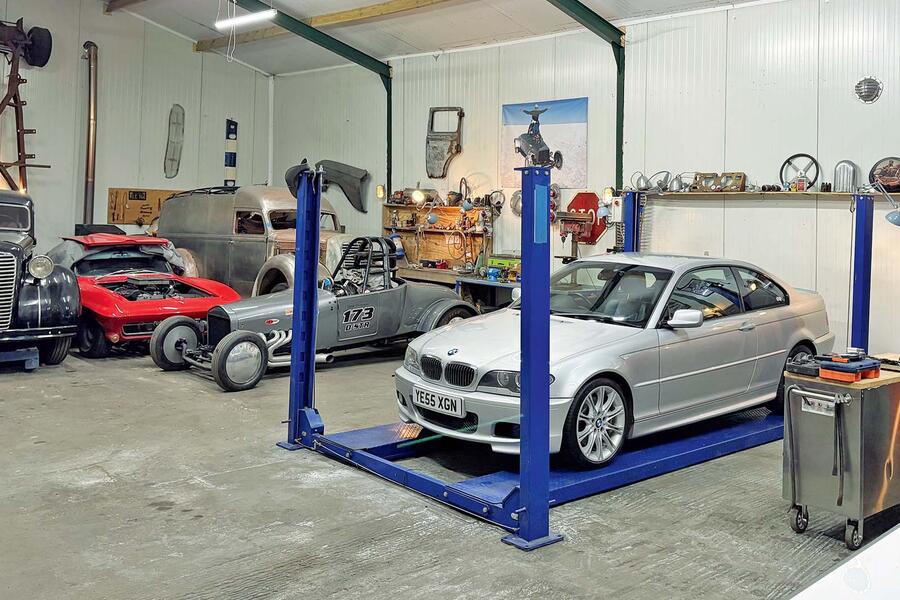
A few days later I got the car back, and... have I ruined it?
Thank heavens, I have not. It still retains much of the suppleness it seemed to have before, with just some of the softness and squidge that I thought was due to wear in the bushes and the body dispelled.
Its steering feels sharper too, even though it's wearing winter tyres, which usually move around more than regular tyres.
But it's better: tauter yet no less comfortable.
Downsides? A couple. Stiffening the shell has led to it occasionally creaking a bit in tight manoeuvres. And I think turn-in is slightly more reluctant, as is the way with a slippy diff. But traction is improved and it has a nicer corner exit stance, so I'm calling this a win overall. Trailing the brakes into a bend helps.
This is all noticeable at normal road speeds, by the way. I don't often drive like my trousers are on fire on the road. The car is giving subtle messages about stance that are palpable through its lovely new steering wheel.
The induction kit doesn't make a huge difference most of the time, either, but is a bit raspier at high revs, and it looks cool if, like me, you're childish.
So I'm happy, relieved and really enjoying the 330Ci as a daily. It's engaging, narrower than modern cars and plenty refined enough.
Soon there will be more to do: the differential oil needs changing after 500 miles and a service will be due shortly afterwards.
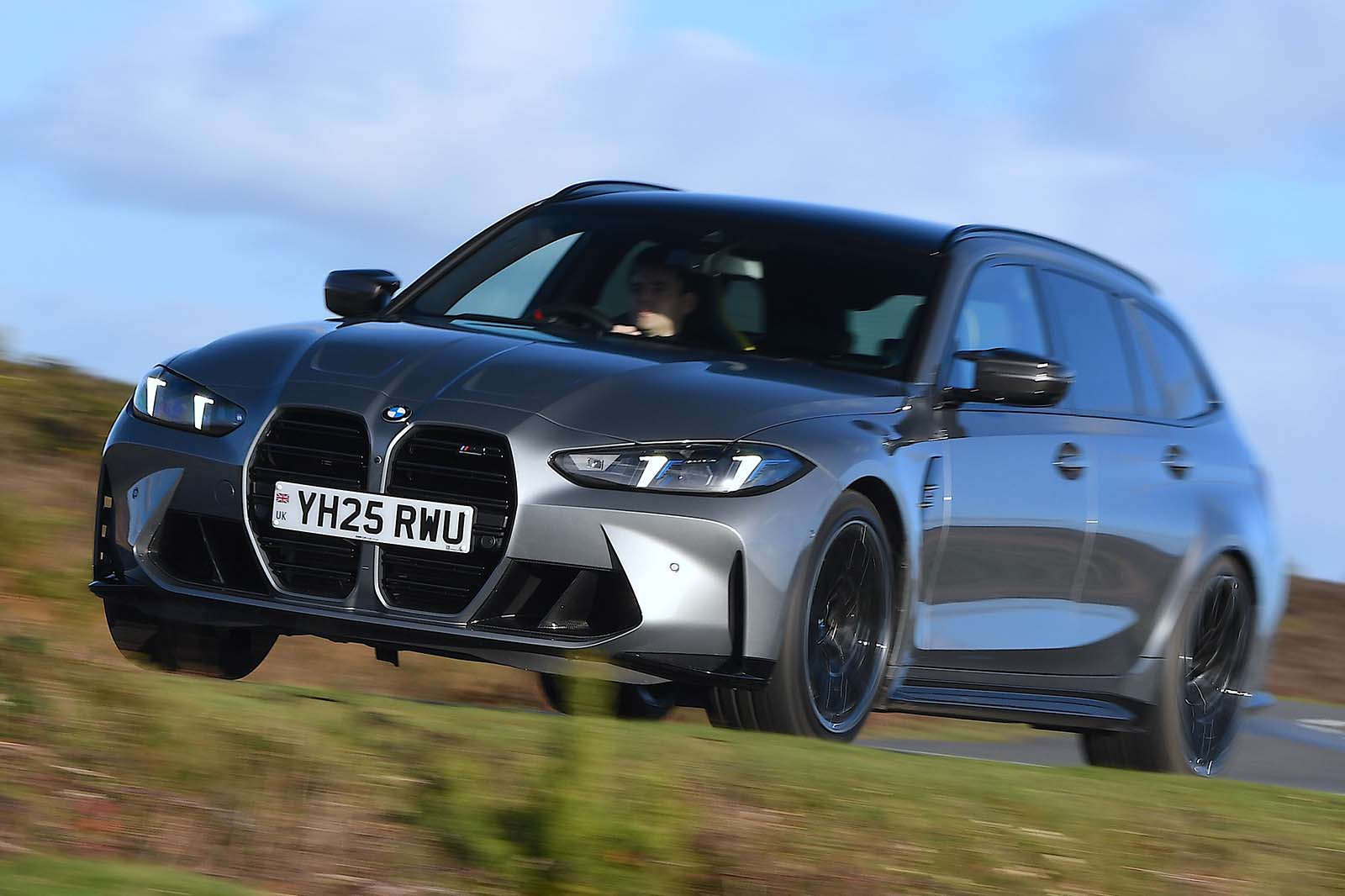
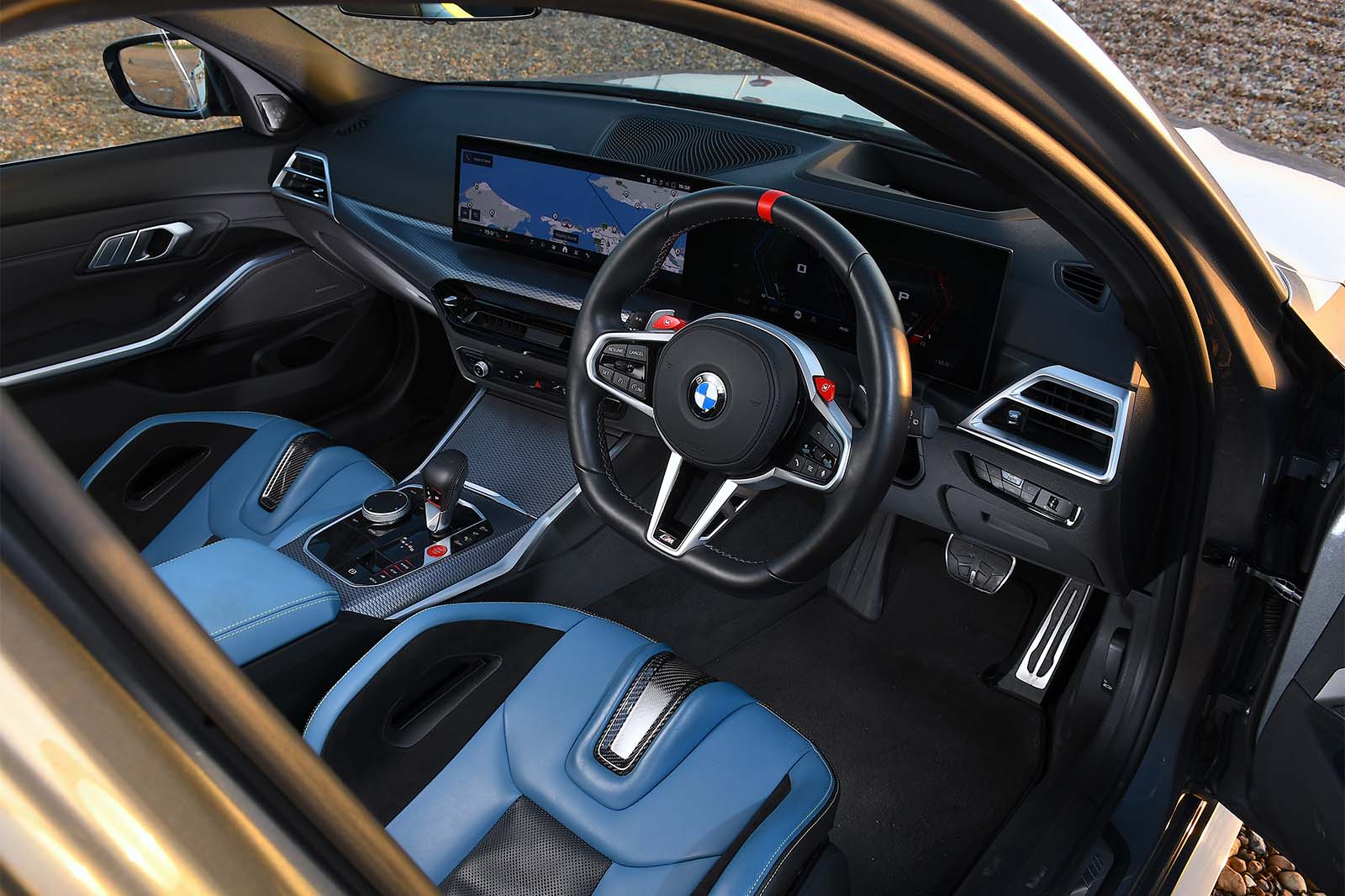
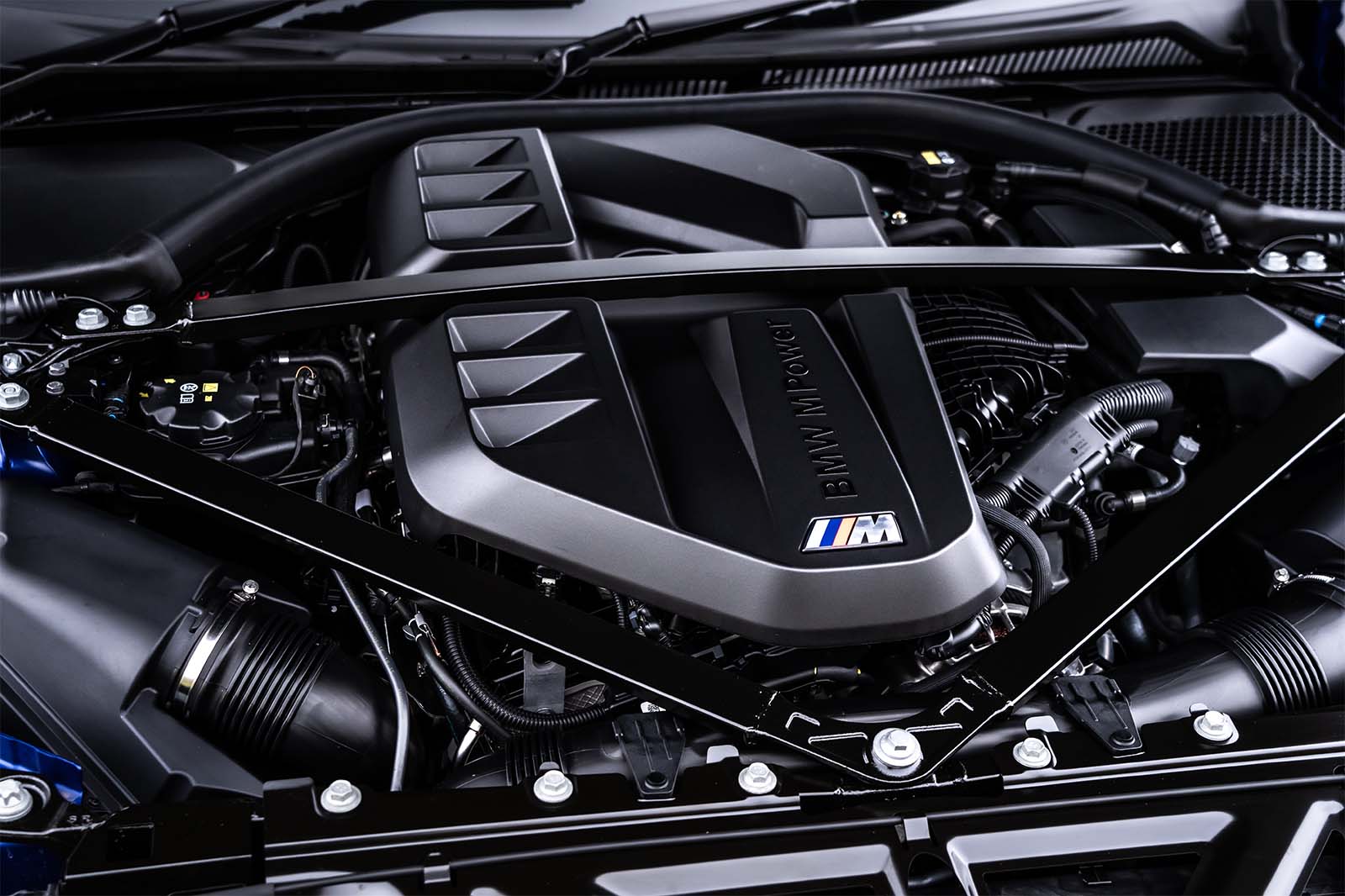
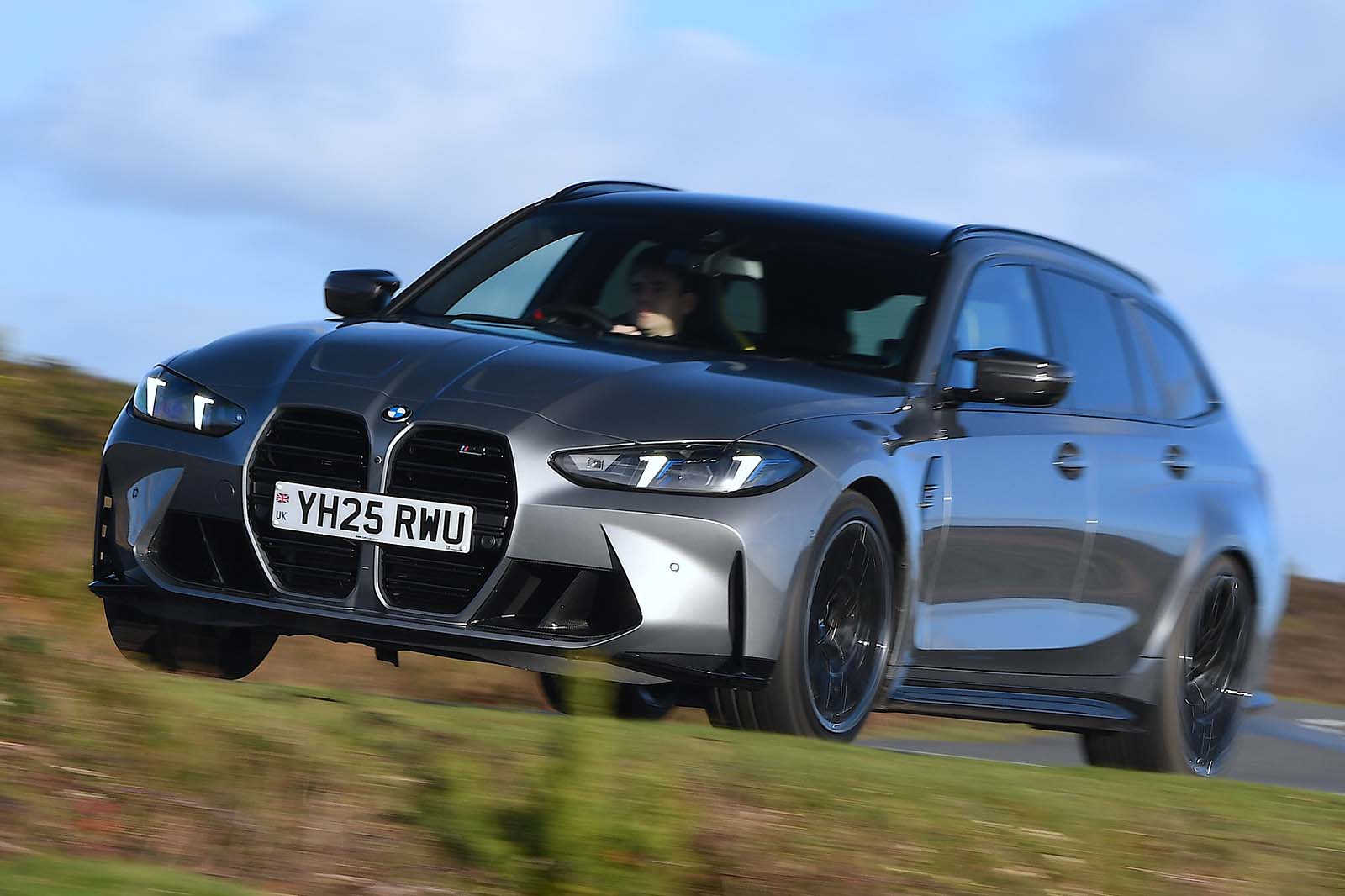
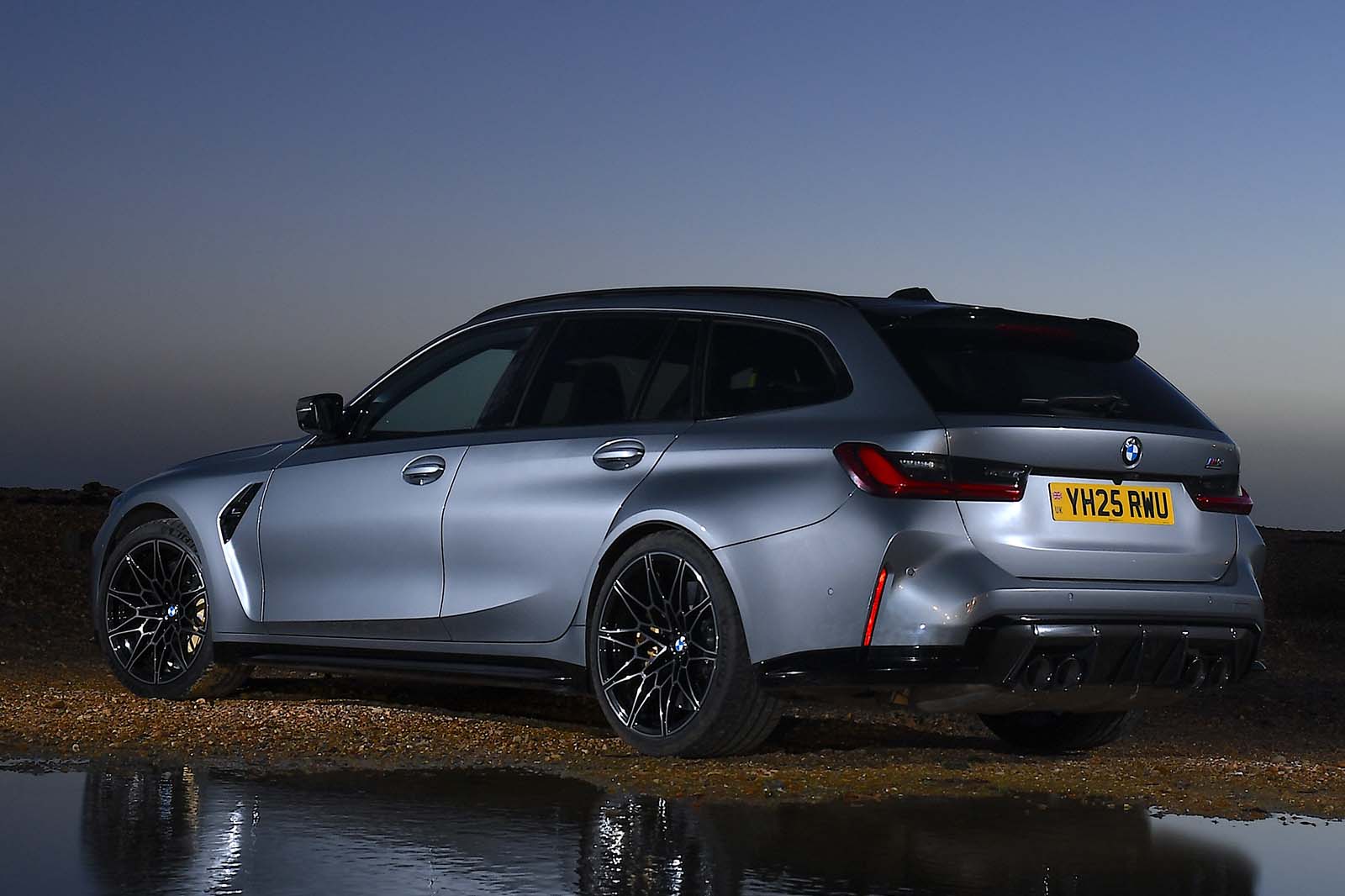
How did you celebrate 50 years of the BMW 3 Series? I may have taken it a bit far by buying this E30-generation 325i Touring from 1990.
Ever since selling my Porsche 944 four years ago, I've had a hankering to own an old car again. Something simple, light, moderately interesting and, above all, fun. The E30 ticked the boxes of being a relatively compact car (it's narrower than a current Mini Cooper C) with an interesting engine, rear-wheel drive and a manual gearbox.
It strikes that balance of being purer and more mechanical than modern cars but still comfortable and refined enough that you can take it on big trips quite easily. My parents got a 320i when I was two years old, so it was the first car I was really aware of, and my own first car was a 316i Touring too.
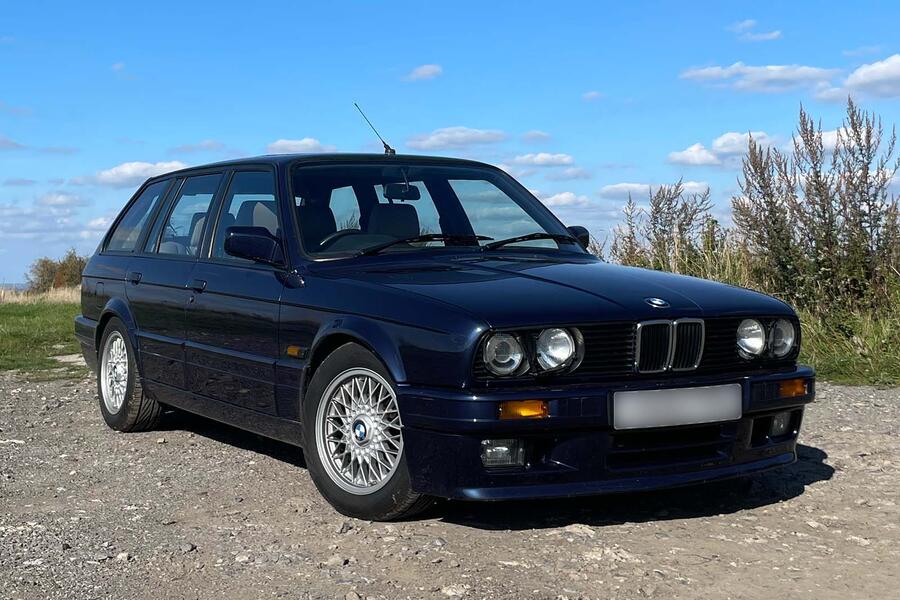
When I saw the ad, I immediately knew this was the one. It's a good colour combo and has factory air-con (which doesn't work, yet). It's also a manual car that's had a few choice performance upgrades over the years (a limited-slip diff and Bilstein dampers).
Some people say E30s are really expensive now. Compared with 10 years ago, when you could pick up a 325i for a few thousand pounds, I suppose they are.
On the other hand, this very nice example cost me less than a new Renault Clio. Just how nice is something I intend to find out soon by taking it to a classic BMW specialist to try, and hopefully fail, to poke holes in it.
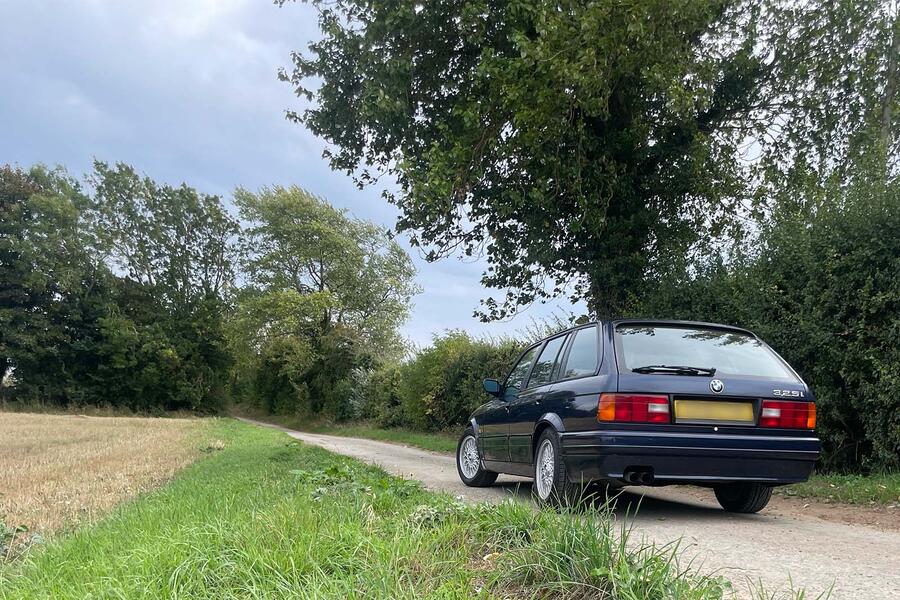
Almost any 35-year-old car will have lived a life, and even though 91,000 miles is relatively low for the age, that's still plenty of time for components to wear out and rust holes to form. You can read all the buying guides you want before you view a car, but in the end you can never know everything.
Very soon after buying my E30 BMW 3 Series, I booked it in with Classic Bahnstormers for one of their 'appraisals'. Initially I was a little startled at the cost (£456), but then this isn't just a superficial MOT. They take it for the day for both the mechanics and bodywork guys to dig into it, take parts off and do a test drive.
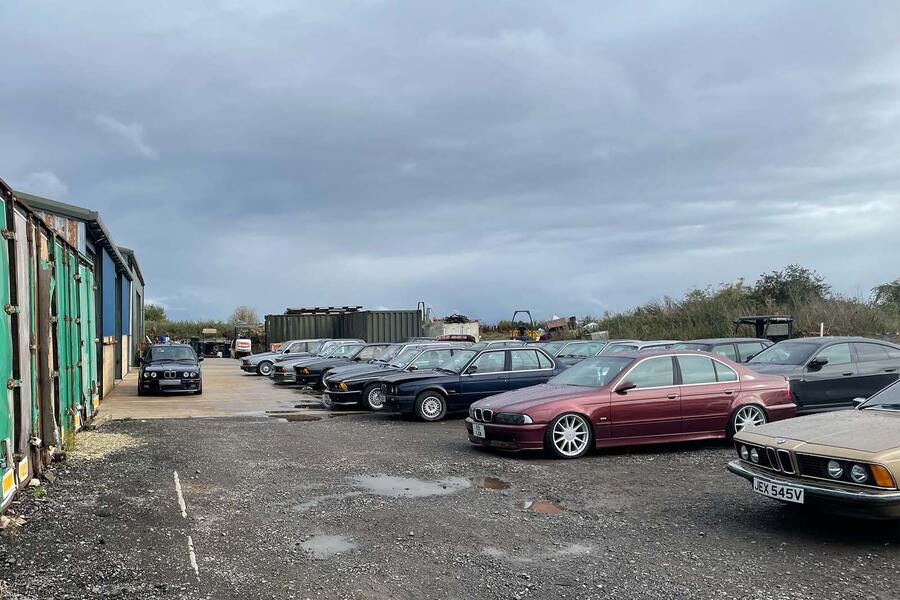
The result is six sheets of A4 listing absolutely everything you could do to restore it to showroom condition-from the major stuff (leaky radiator and perished fuel hoses-eek!) to impossibly minor stuff (no rear ashtray illumination) - and an hour-long phone call to come up with a plan.
The takeaway is that my car is a really good one with next to no rust and I could probably get away with just doing some essentials. The trouble is I'm permanently in road tester mode, finding every functional fault. I've kept old cars going with ad hoc repairs and just ended up frustrated.
This one is probably a keeper, so it has to be right. I can live without ashtray illumination, but the air-con, suspension and central locking all need to work perfectly. This might get expensive.
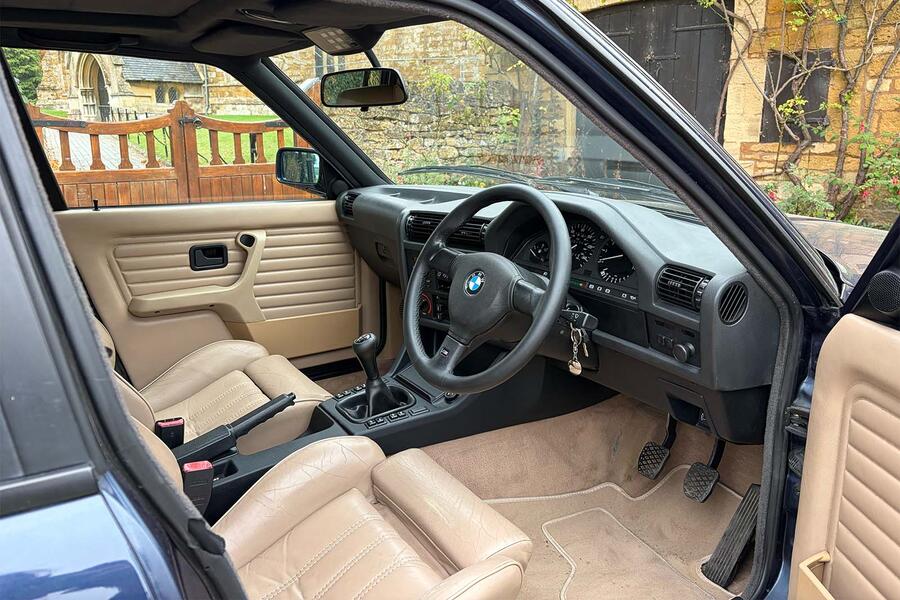
The trouble with old cars is that you’re never sure whether a particular attribute is down to design, or that particular example with 92,000 miles and a mix of old original, new original and aftermarket components.
If I’m honest, I’m slightly disappointed with the ride and handling of my 325i. It has a slightly lazy front end and a crashy ride. I had suspicions that the Uniroyal tyres (decent quality but not very sporty tyres) and the H&R lowering springs weren’t doing it any favours. I needed some A-B testing to know for sure.
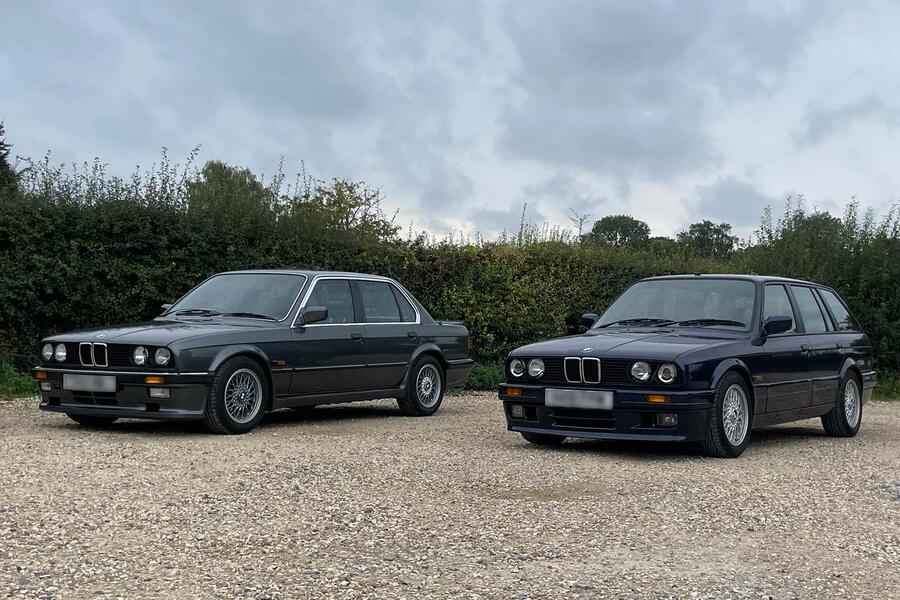
Fortunately, Autocar shares an office with Classic and Sports car, whose deputy editor Aaron McKay owns a very tidy 325i Sport, albeit a saloon from 1986. A plan was hatched for a car swap.
Aaron’s car has the same Bilstein B6 dampers as mine, but with standard M Technic springs, and rides much better, with no penalty in handling. The steering also feels a bit lighter but tighter and more incisive, and the gearchange is more precise.
It feels a bit quicker too, with less valvetrain noise (although it may just be masked by the naughtier stainless exhaust). Detail stuff, but all together, it really does tie the driving together.
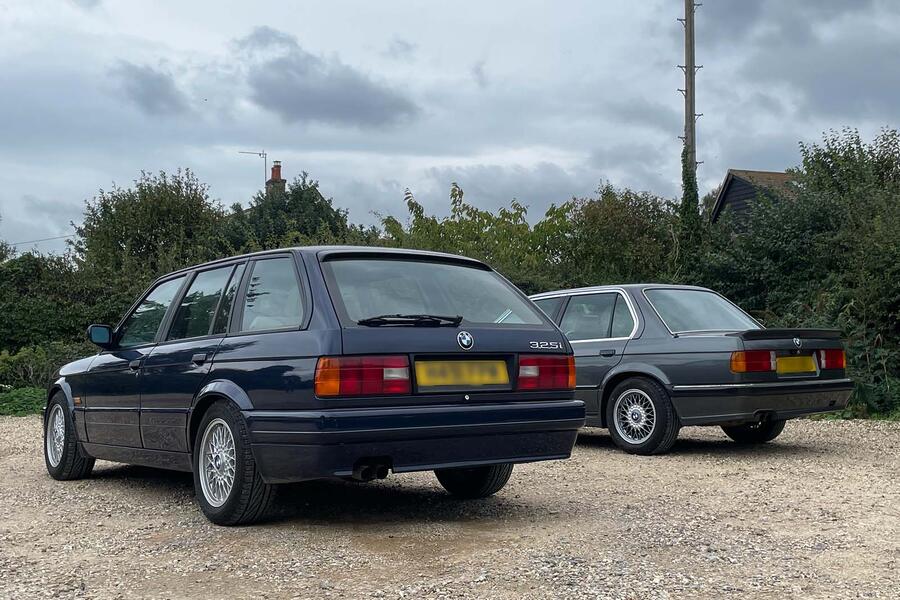
It was really interesting driving the two back to back, and reassured me that there are gains to be made with my car. Between the tyres, the springs, some suspension bushes that need replacing and an overdue service, I think my car can easily be lifted to the next level.
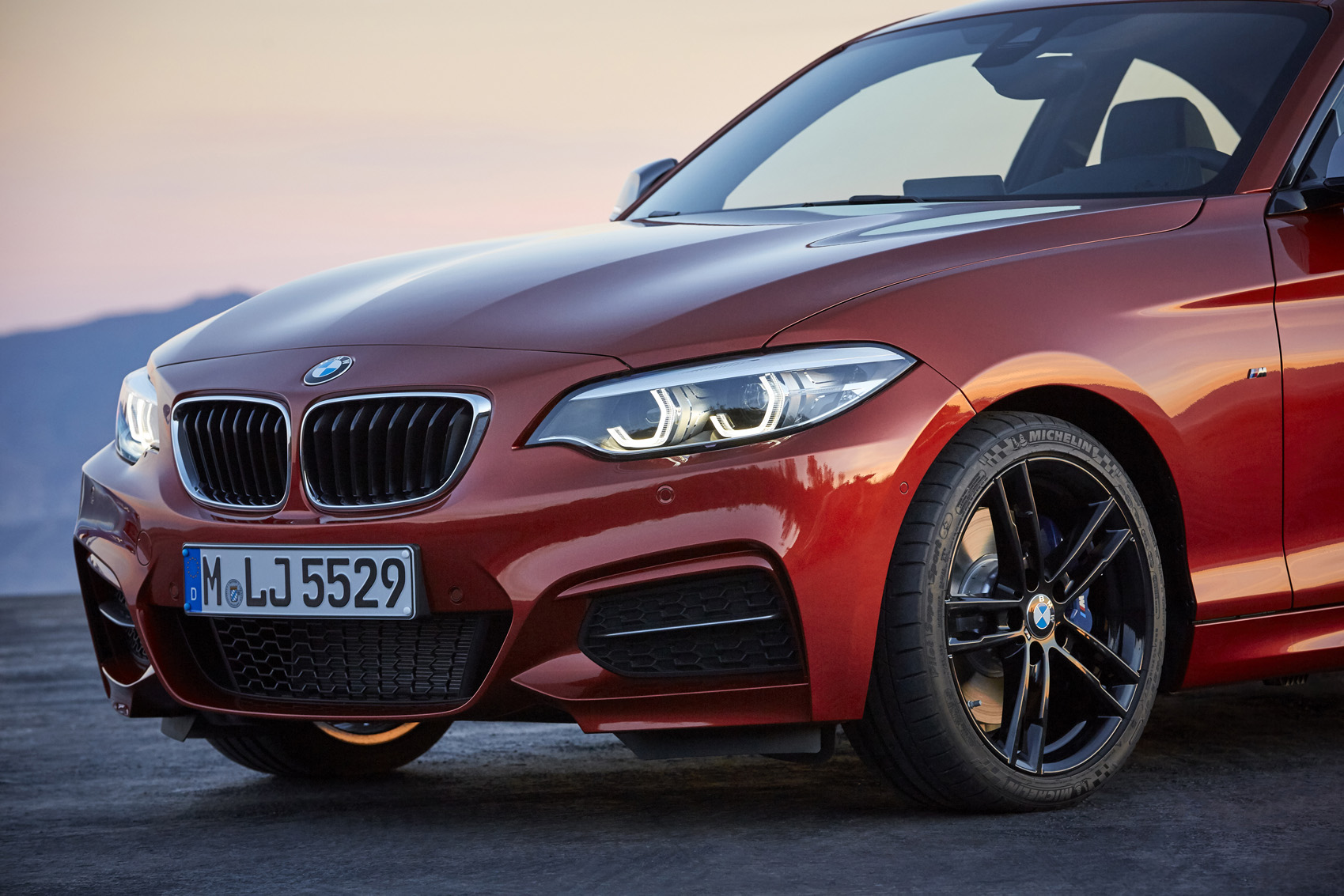
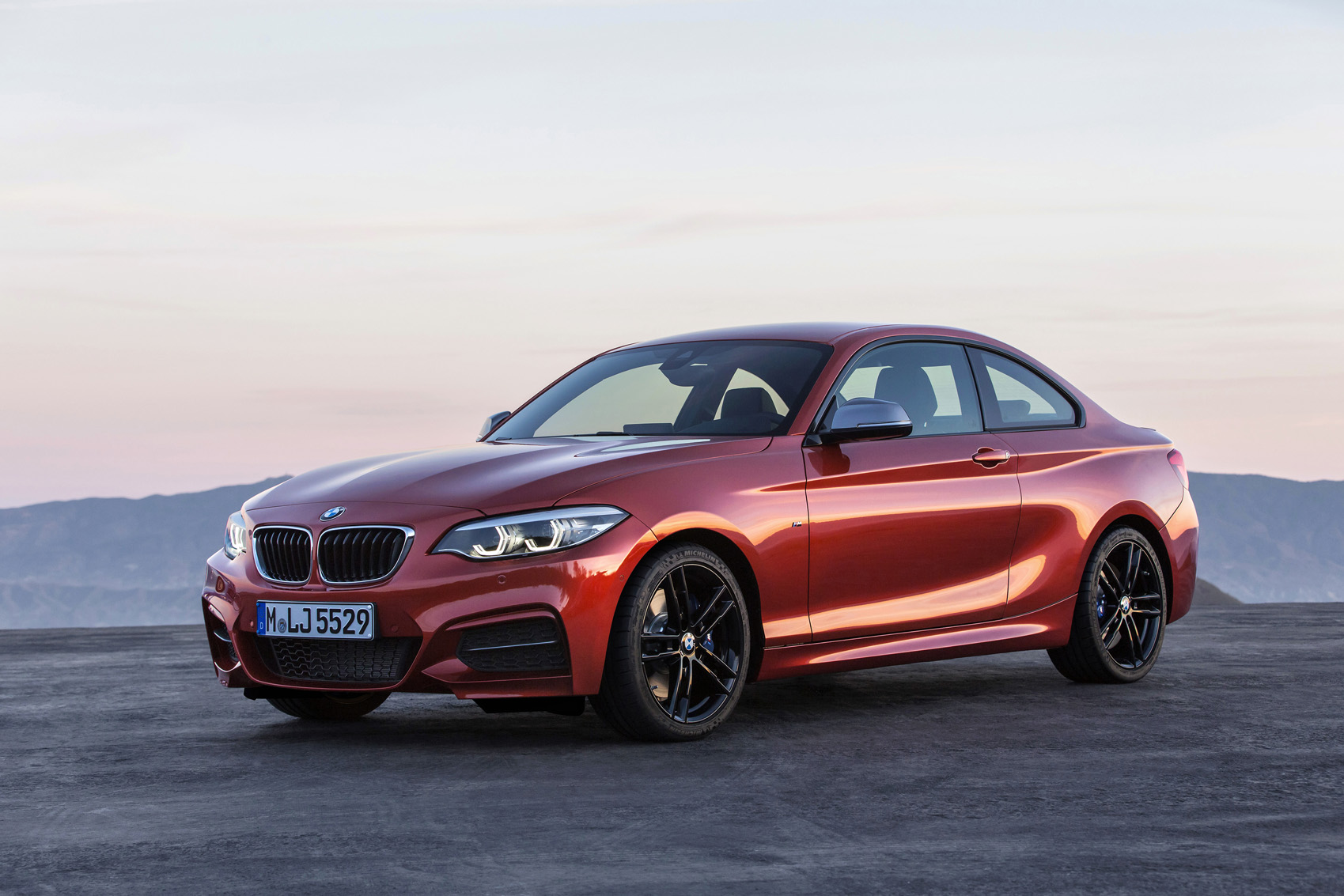
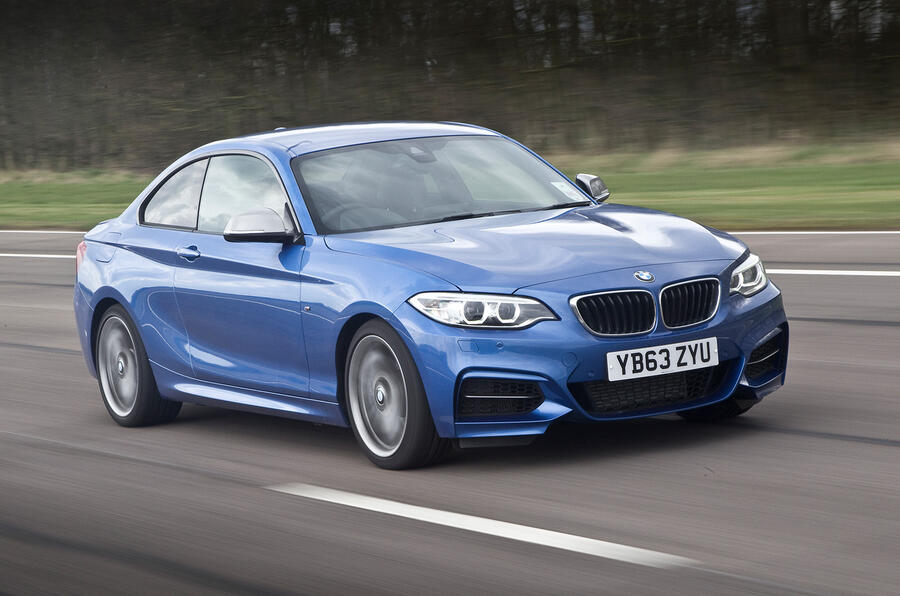
A baby 4 Series, or a big 1 Series? Whichever way you view the first-generation BMW 2 Series, it is good to drive, good to sit in and good to look at, and it went straight to the top of the class when it was launched in 2014.
Indeed, the chic successor to the BMW 1 Series coupé has aged well, and while this rear-driven two-door was priced from around £25,000 when new, you can snag a fairly tidy high-miler for no more than £3500 today.
The F22-generation 2 Series has a lot going for it, including size. At 4432mm, it is 72mm longer than the 1 Series coupé, instantly making it a more commodious proposition than its forebear.
So the cabin is far more habitable, with greater head room and generous levels of leg room in the rear. Sure, taller passengers might find the roofline to be less accommodating, but there's ample room for shorter trips.
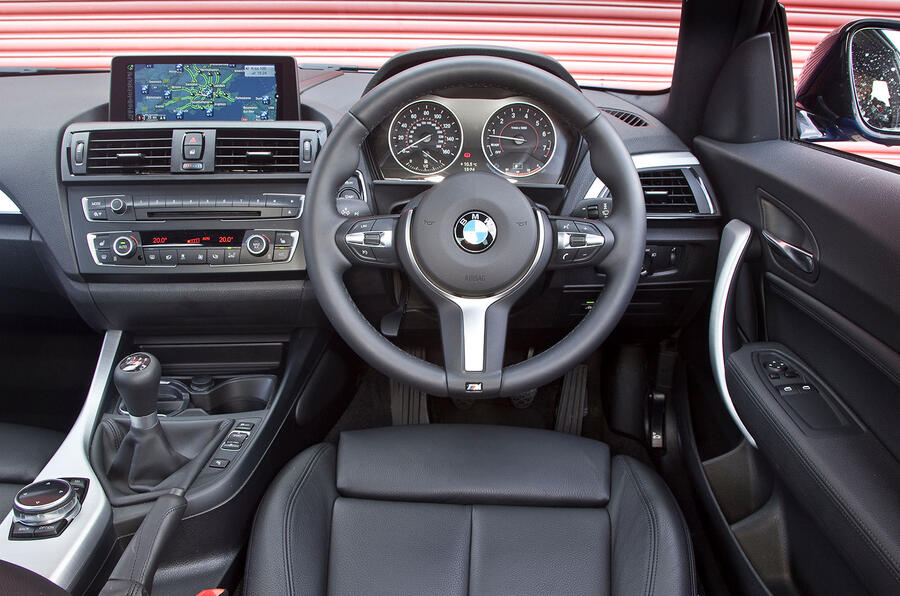
As you would expect of a BMW built in the mid-2010s, the fit and finish inside is excellent, with high-quality materials deployed throughout.
Even entry-level SE trim feels upmarket and refined. And while that may be the most basic version of the 2 Series, its kit roster is strong and its smaller, 17in wheels and comfort-biased suspension make it a solid choice.
You will find more desirable features in Sport, Luxury and M Sport variants, but be aware that M Sport is the sterner-riding coupé because of its M suspension tune and larger alloy wheels.
Much like the 3 and 4 Series, BMW's compact coupé is available with a broad range of petrol and diesel units, which means it can be a potent Mercedes A45 AMG slayer or a sedate oil-burning cruiser. The choice is yours.
Among the petrols, the 1.5-litre three-pot in the 218i is characterful and frugal, with close to 40mpg achievable on longer stints. The 181bhp four-cylinder 220i offers a little more flexibility.
And if you want one of the smaller petrol lumps with a bit more zeal, the 242bhp 228i and the 249bhp 230i are punchy, but you'll spend more time (and money) filling them up.
The diesel range is punctuated by the 2.0-litre four-cylinder 218d, 220d and 225d. The mid-rung 184bhp 220d is the best of these: it pulls well, has more than enough grunt for overtaking and won't drop below 45mpg.
On the motorway it will do closer to 60mpg, but make sure you opt for a post-2015 car, because the earlier models with the 'N47' four-pot can suffer timing chain problems.
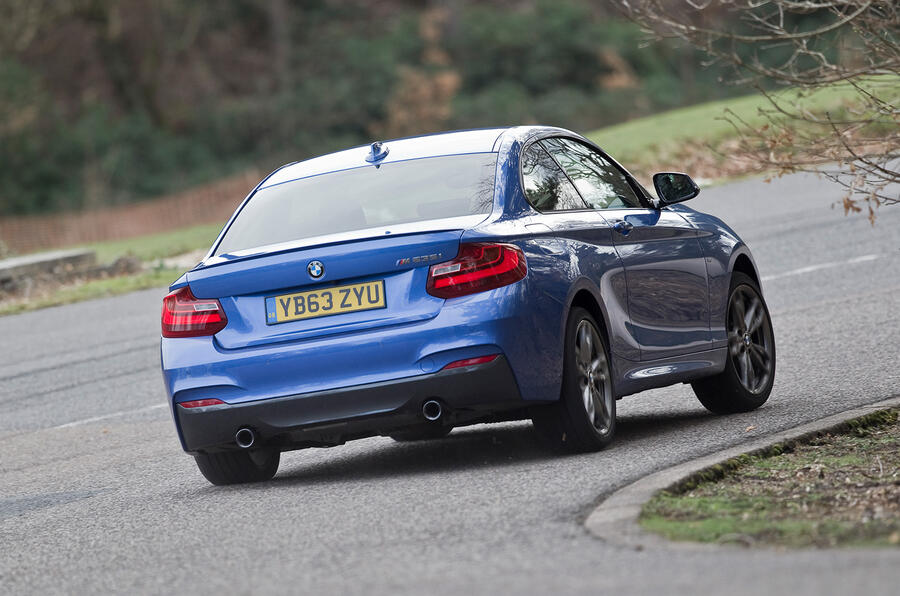
Whether you plump for petrol or diesel, the 2 Series is effortlessly agile and willing to be driven hard through a sequence of sweeps. But if you want to get the most out of the 2 Series' chassis, you'll want a six-cylinder one: the M235i or M240i.
"There isn't a compact coupé that provides the same blend of handling agility and driver engagement as this," we wrote of the M235i when we first drove it more than 10 years ago.
It corners flat and hard, and rides competently too, particularly with adaptive suspension fitted.
The 'N55' straight six in the M235i has a few mechanical niggles, so we would fork out the extra £3000-£4000 for the M240i that superseded it in 2017.
Faster, punchier and fabulous to drive, the M240i is the more polished of the two, and gets the sweeter 335bhp 'B58' six-cylinder engine, which is more reliable and fuel efficient.
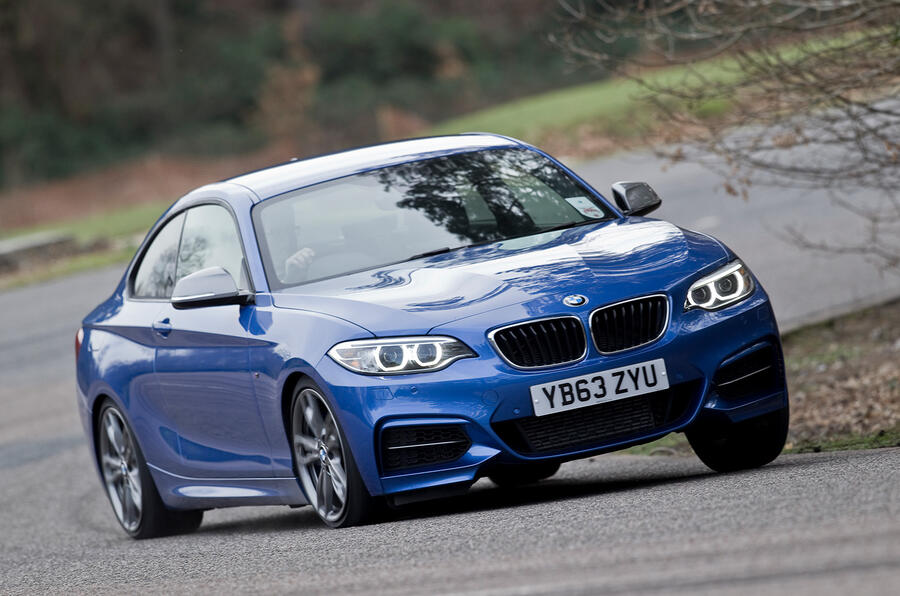
Engine: 'N47' diesel is known for timing chain woes. A lack of performance or a rattling from cold suggests that it's on its way out. It can cost between £1000 and £2500 to replace, depending on labour rates.
Valve-cover oil leaks and high-pressure fuel pump failure are common with the 'N55' engine in the M235i. Variable valve timing can also fail and cause carbon to build up in the inlet manifold but walnut blasting will cure it. The plastic turbo inlet pipe on the M235i is poor quality and can degrade over time. Replace it with an aluminium or silicone pipe. Overheating, coolant leaks under the engine and an unusual high-pitched whine are all signs of a failing water pump. It's best to replace it at around 80k miles. A faulty coolant tank cap can also cause leaks.
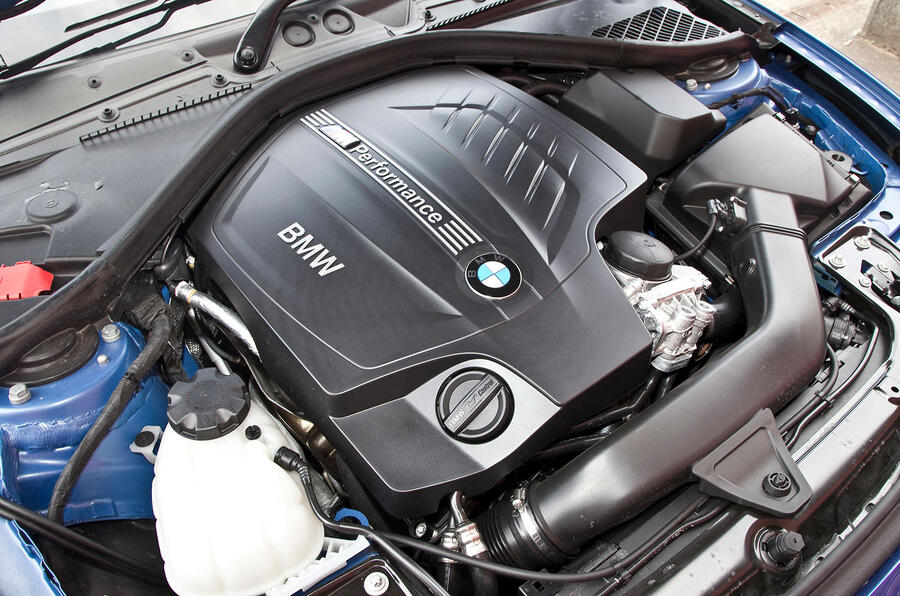
Gearbox: ZF transmission is generally reliable but watch for jerky or delayed shifts. Ensure the auto 'box fluids are changed every 50k-60k miles. Software glitches can also cause jerky shifts but updating the transmission control unit can cure it.
Body: On the cabriolet version a leaking or overheating hydraulic pump can stop the roof mechanism from opening and closing. So check the roof operates normally because the hydraulic pump is expensive to replace.
Infotainment: BMW iDrive is generally robust but can suffer software glitches. Turning the car off and on again can resolve it. Worst case, it will need an update from a dealer.
BMW made a convertible version, which arrived in early 2015. Today, they sell for roughly 20% more than their coupé equivalents.
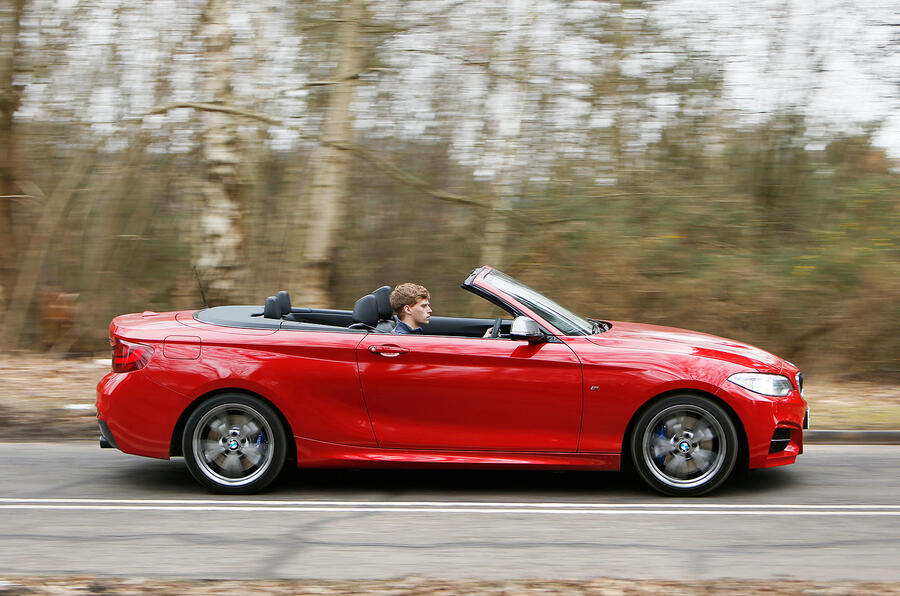
BMW fettler Birds Auto offers various upgrades for the M235i/ M240i performance models to enhance the car's ride and driver engagement. Popular mods include a Quaife limited-slip differential, Eibach springs, Bilstein dampers, a short-shifter kit and engine remap.
Adam McNamara: "I purchased my M235i in January 2022. My original plan was to buy an M135i but the looks and spec of the car available at the time were too tempting to ignore. The 3.0-litre six-cylinder engine gave it so much character and worked beautifully with the automatic transmission. I averaged around 25mpg and clocked up 10,000 miles. It ran faultlessly in my 15-month ownership, during which I spent £500 on a main dealer service. I did also chew through a set of rear tyres, but that was to be expected."
£3500-£7999: High-mileage 218d and 220d diesels dominate. M Sport and Sport models available too, with good levels of standard kit.
£8000-£12,999: Plenty of diesel models to choose from and a widening availability of petrol offerings such as the 218i. A few leggy M235is and M240is, but tread carefully.
£13,000-£16,999: Broad mix of engines and trims. Mileage varies but more facelifted examples to choose from. It's easier to find a tidy six-cylinder car at this price point.
£17,000-£19,999: Petrol power is more common here. Lots of very tidy cars with a low number of previous owners and a full service history.
£20,000-£25,000: Pristine, low-mileage M240is. Dealer cars only.