



Seat has revealed a raft of new quality control technologies to ensure that its cars are not only more trouble-free when they leave the factory but they also continue to look well made and well finished after a decade on the roads.
The Spanish company, which posted profits of £115 million in the first nine months of 2016 (some 11 times greater than in the same period in 2015), opened up its research and development facilities to Autocar last month.
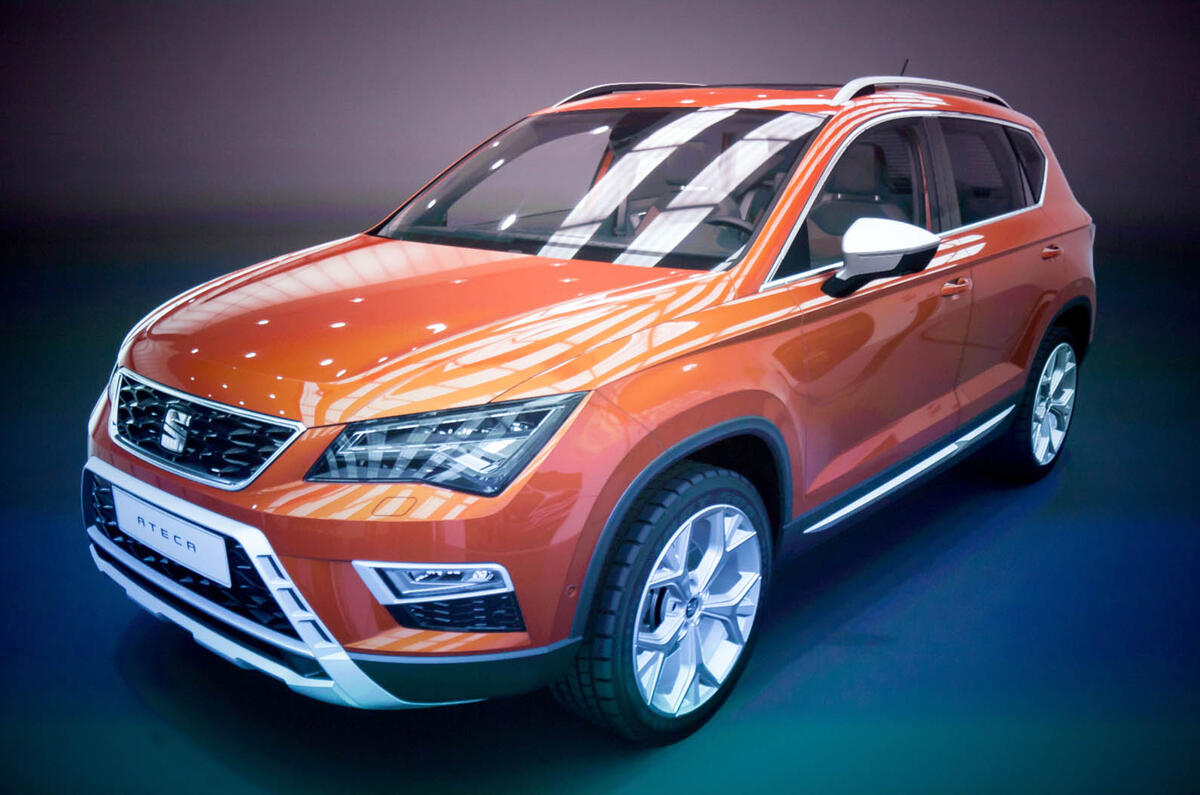
The laboratories are based inside Seat’s big Martorell facility, which is situated to the north of Barcelona and builds the Seat Leon, Seat Ibiza and new Seat Ateca SUV. The facility has also been building the Audi Q3 SUV and will make the next Audi A1 supermini when Q3 production moves to Hungary.
Seat sources say the company is rolling out new quality control techniques that reach both earlier into the development process and much later in the vehicle’s life, so that the investments are still paying off when a car is as much as a decade old.
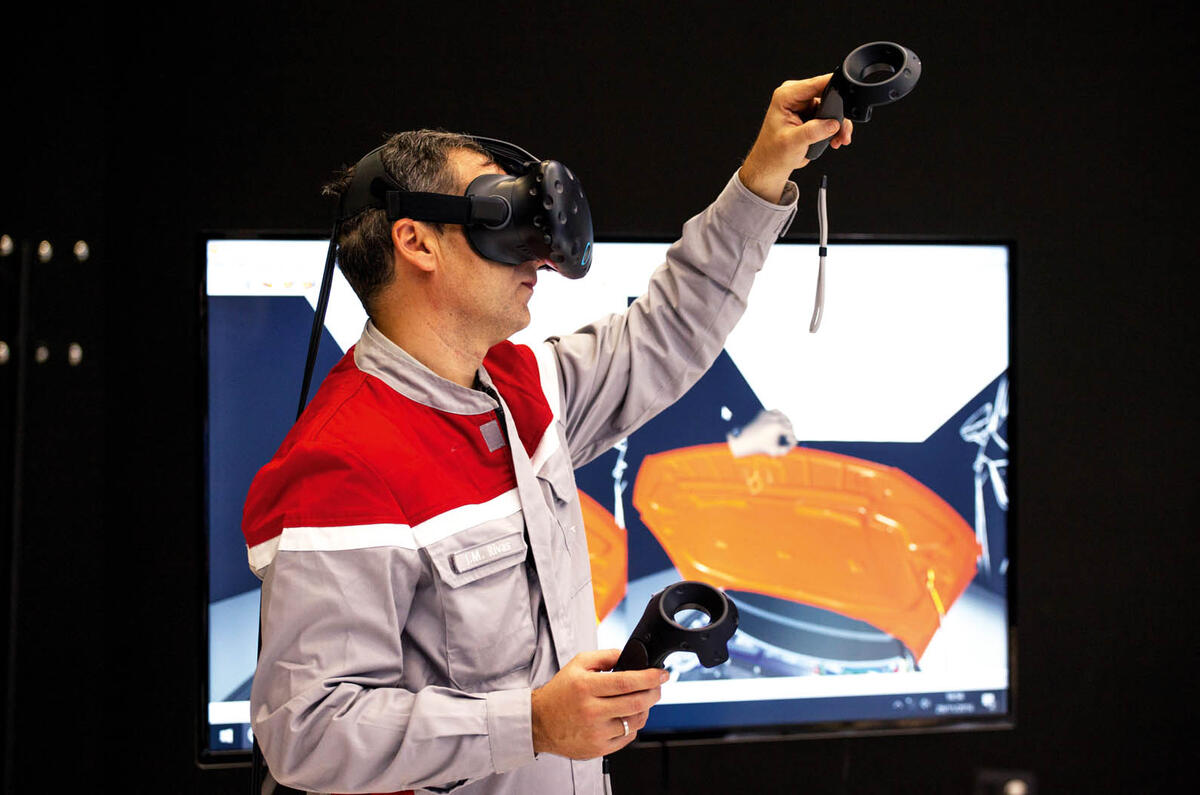
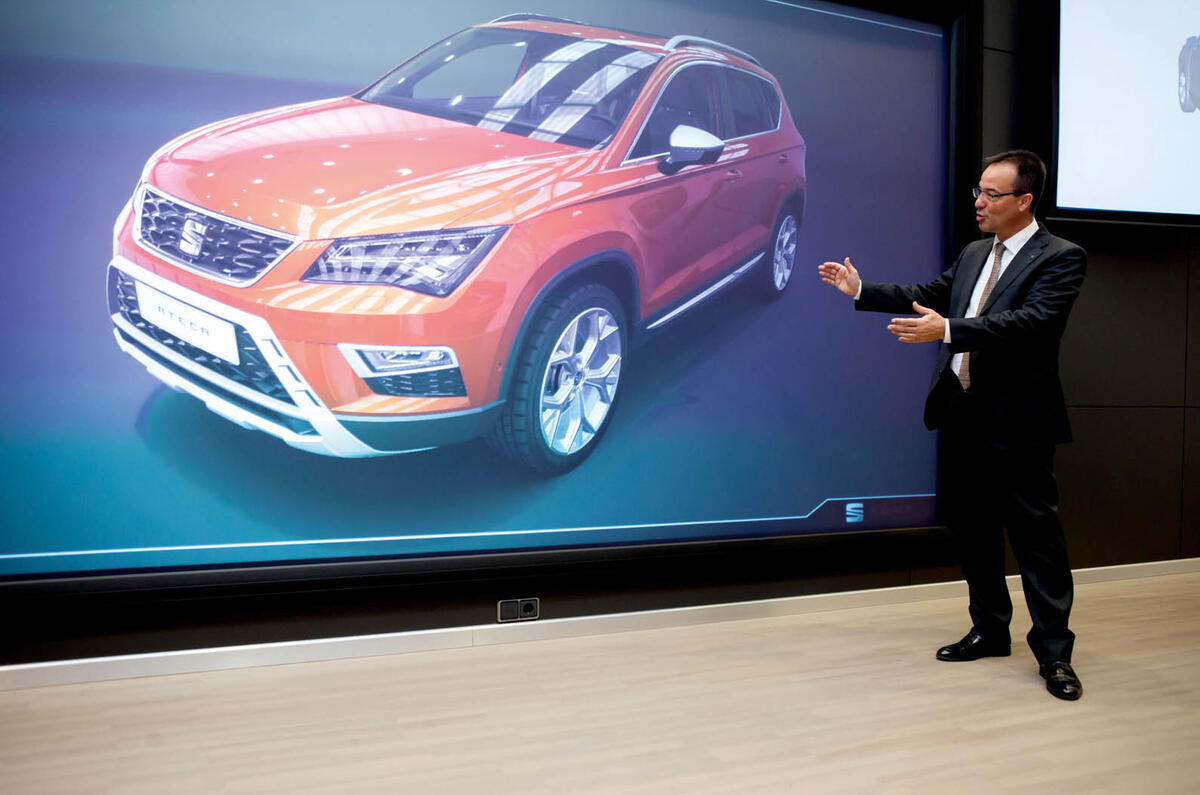
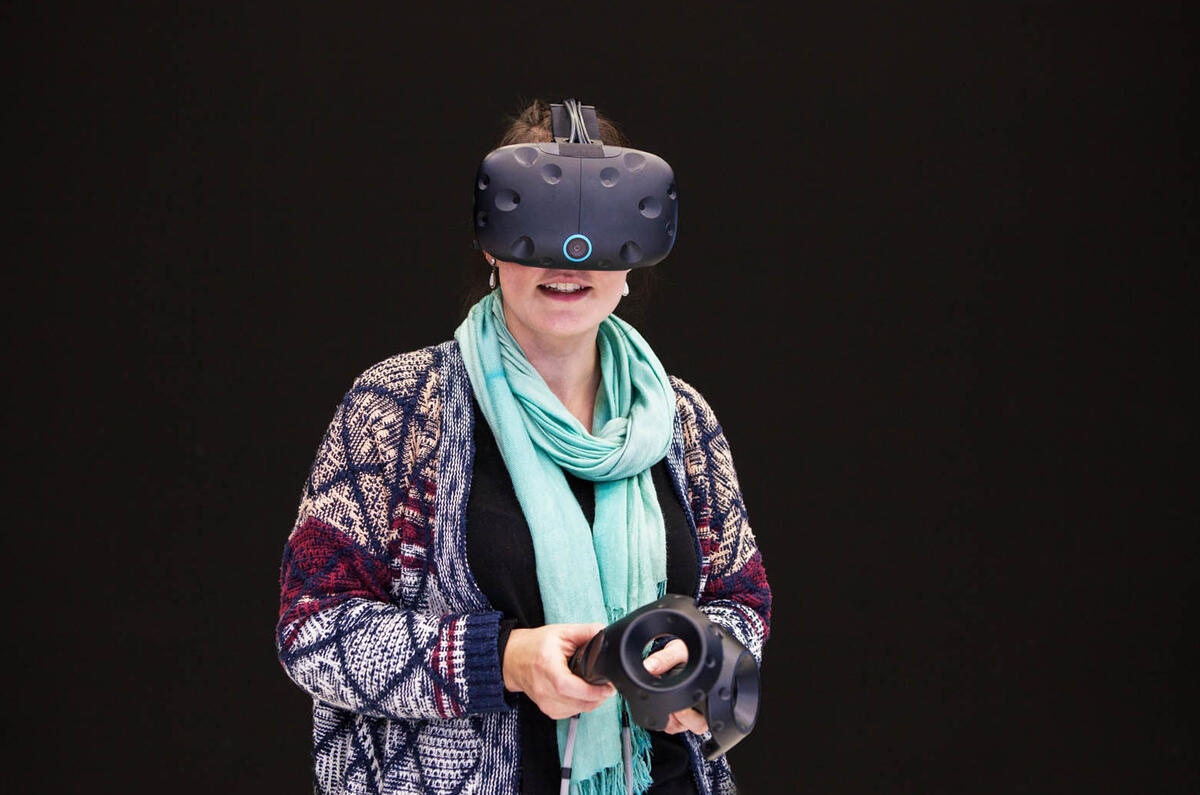
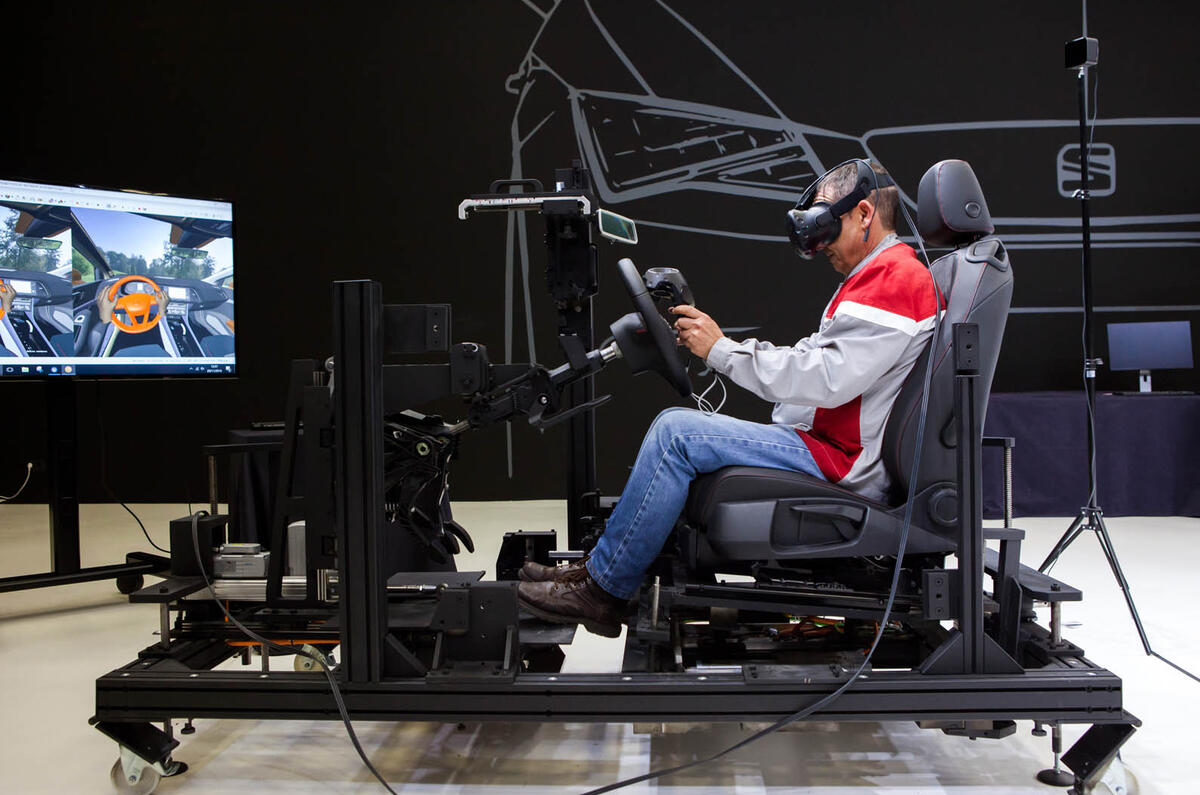
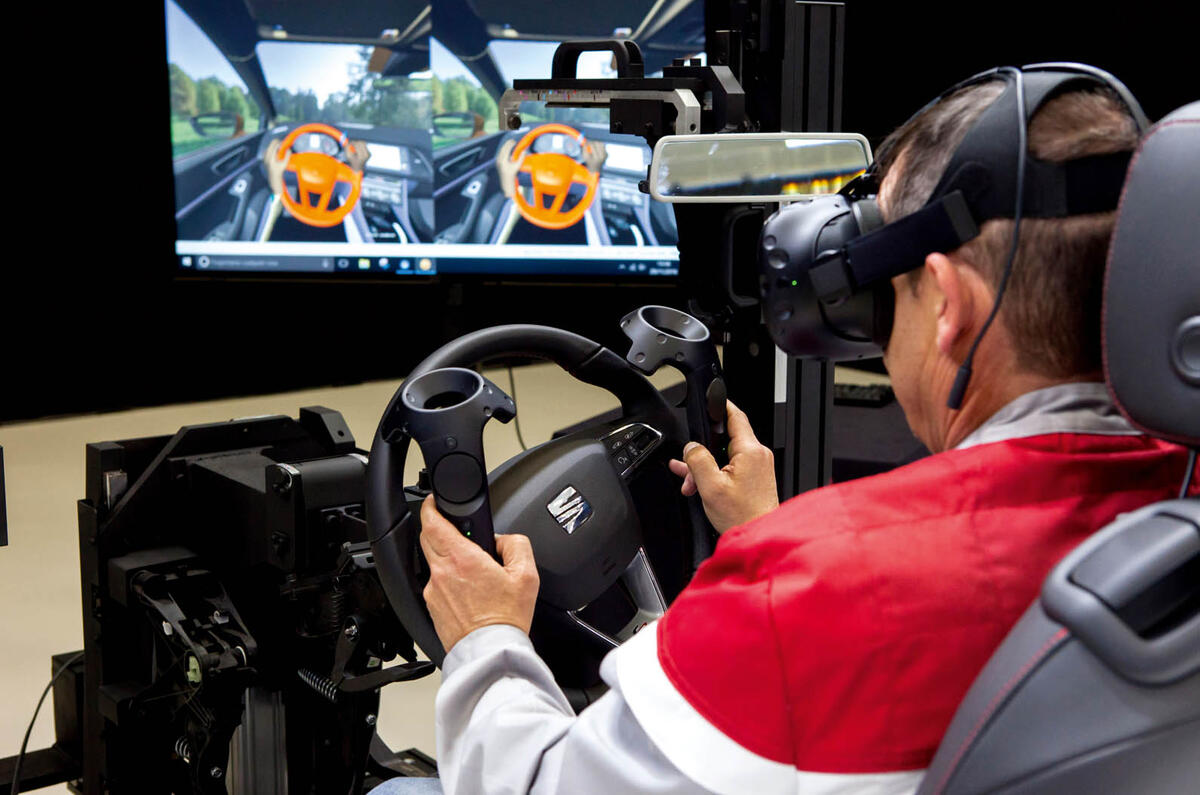
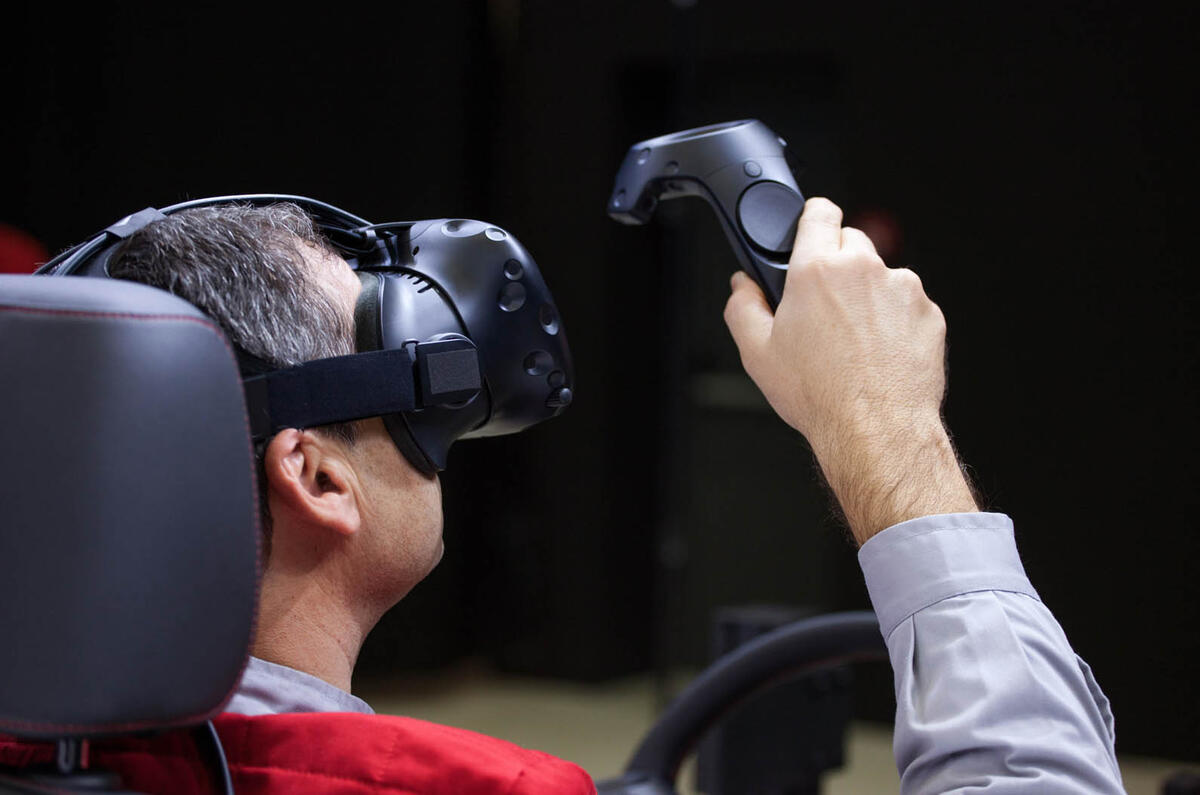
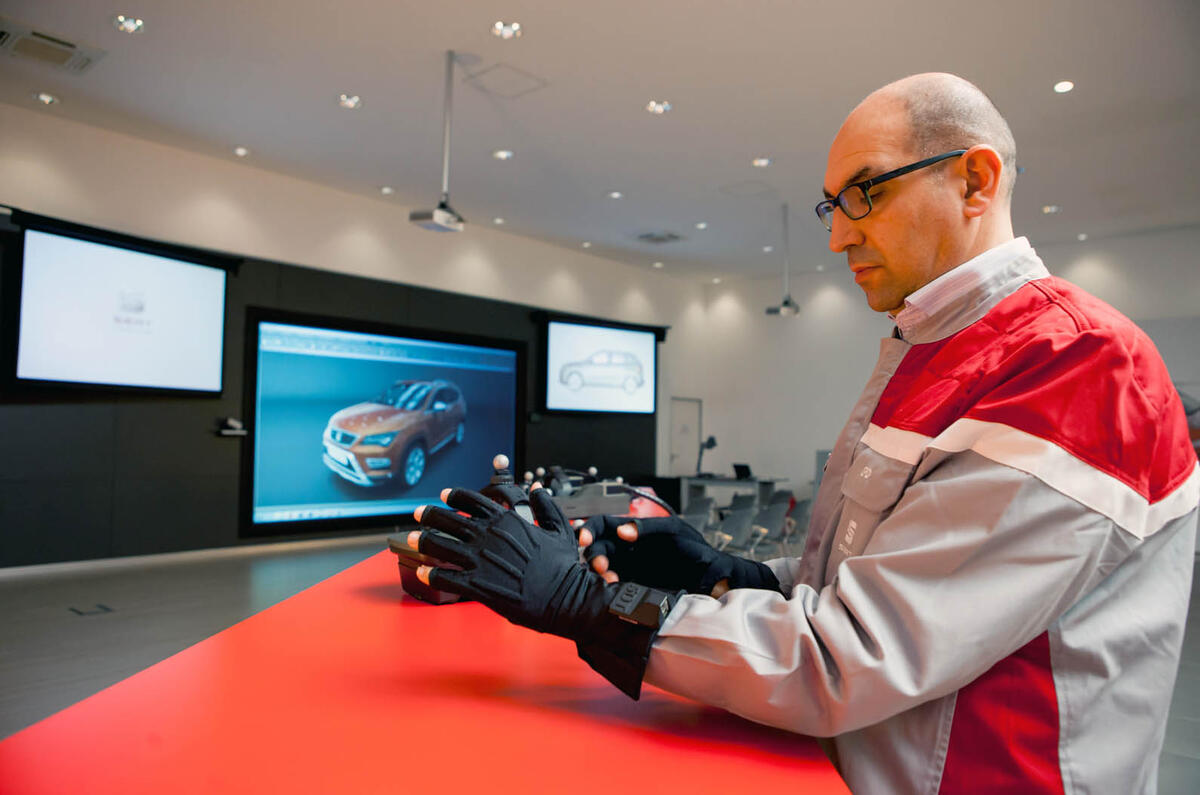
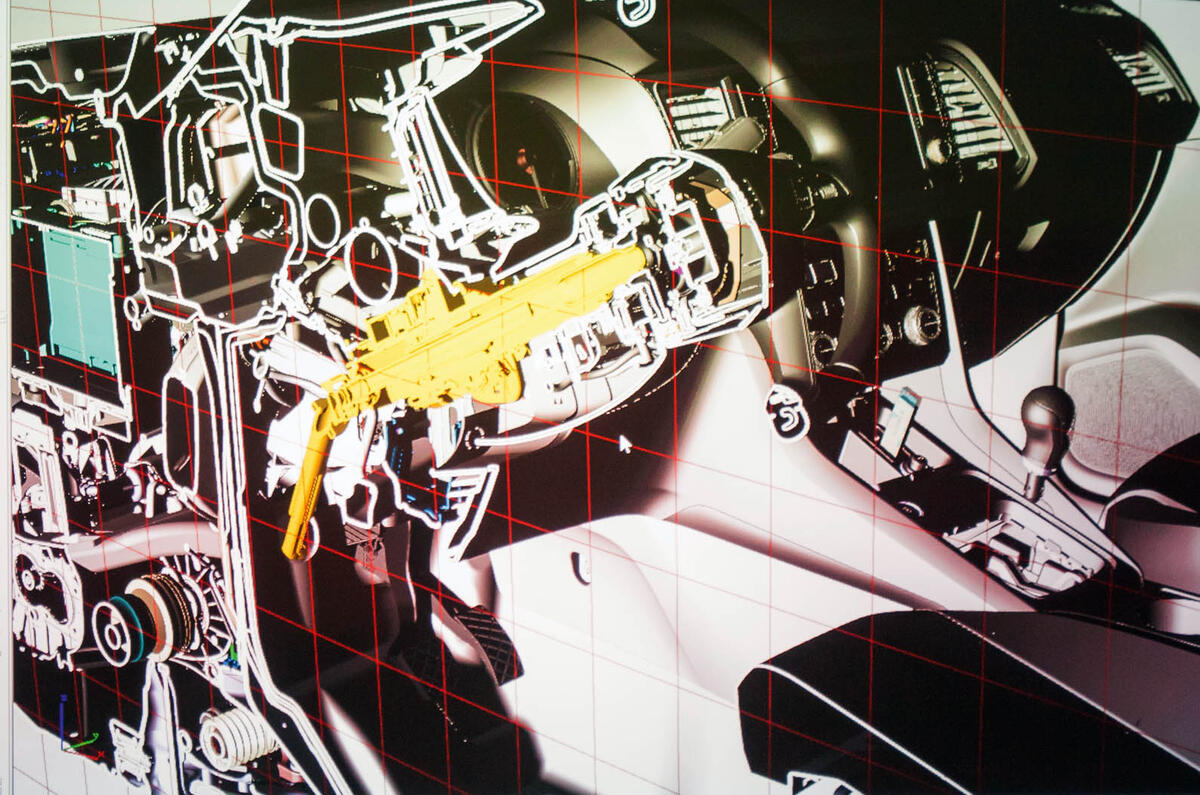
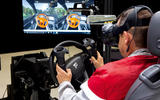
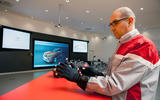
Without doubt, the most visually spectacular aspect of Seat’s quality drive is the virtual reality (VR) technology. The company demonstrated the VR tech’s potential on a socalled power wall in its factory prototype development centre.
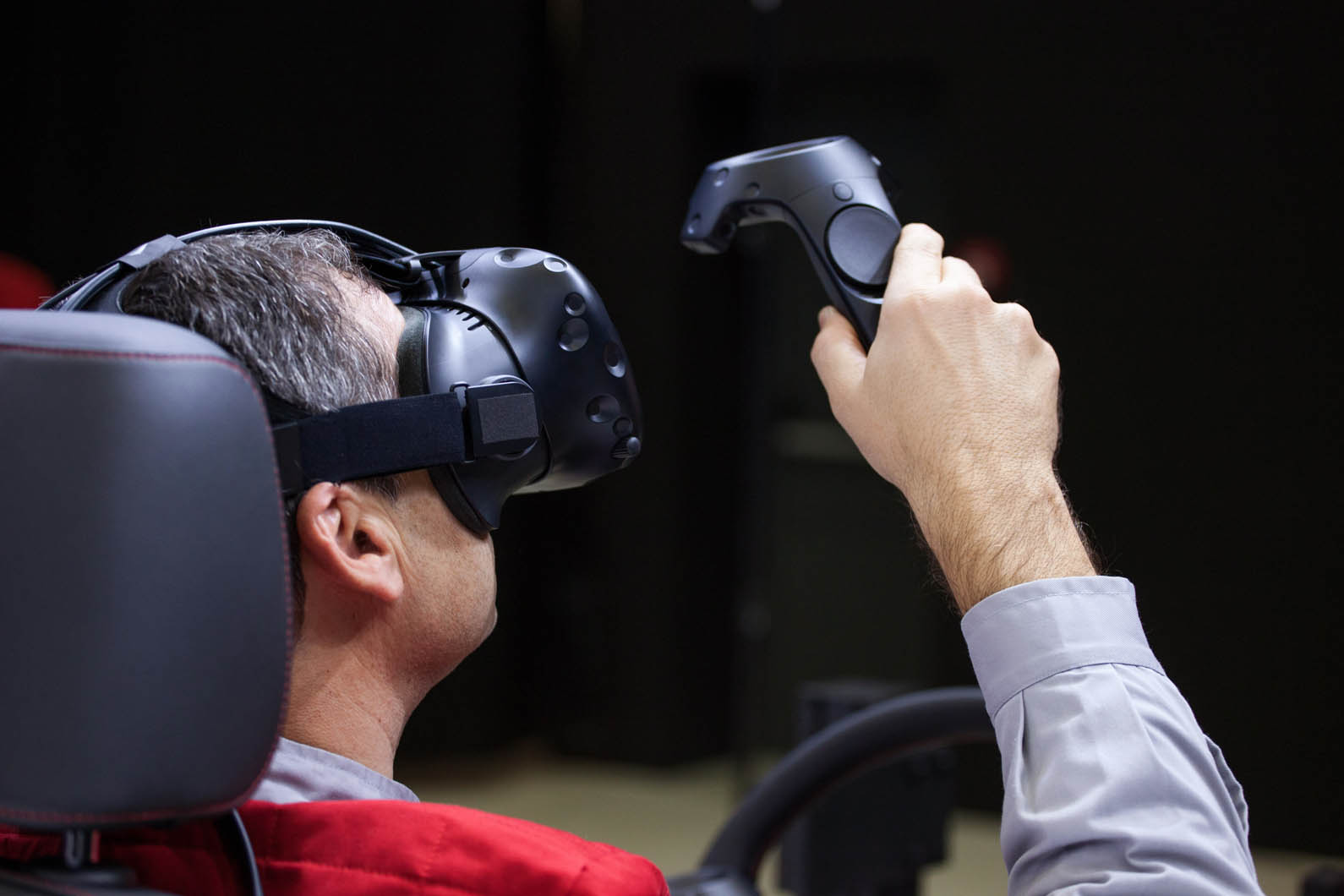
Seat engineers — led by development centre boss Javier Diaz — claim that the modelling of a new vehicle in extremely fine detail in virtual reality means that the development time can be reduced by as much as 30%.
This super-fine rendering in virtual reality means that not only can component positioning and packaging problems be seen in extraordinary detail, but the virtual 3D models can also be used to plan how the new vehicle might be constructed once it becomes a production line reality.
Diaz ran an animation, demonstrating how the VR creation of the new Ateca SUV was used to work out how the windscreen wiper linkages could be installed smoothly under the scuttle panel.
Rather than waiting until all the vehicle components have been designed and then manufactured using the first production tooling, Seat engineers say superdetailed VR allows many of the potential conflicts and fit issues to be worked out as much as three years before the start of production.
The upshot is that when pilot-build vehicles are eventually constructed, much of the complication of a wholly new design should have been ironed out nearly two years before.
Until you witness it first hand, it is hard to comprehend the way that it is possible to zoom through the virtual vehicle — as if you were slicing the vehicle up. Diaz zoomed in to the fine detail of the inside of the Ateca’s door construction. Small fastenings were rendered as being larger than his hand and the finest details of pressings and wiring looms were displayed in vivid high definition.