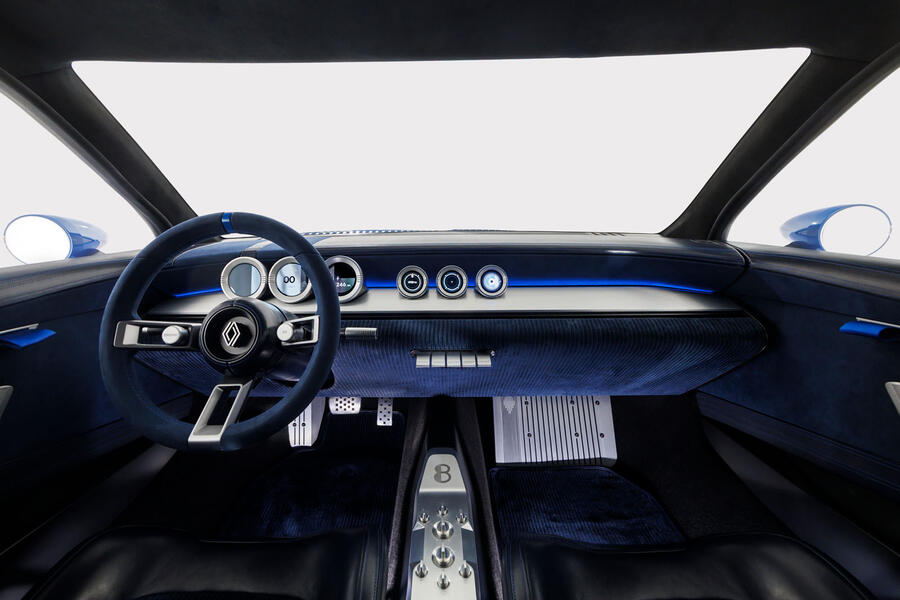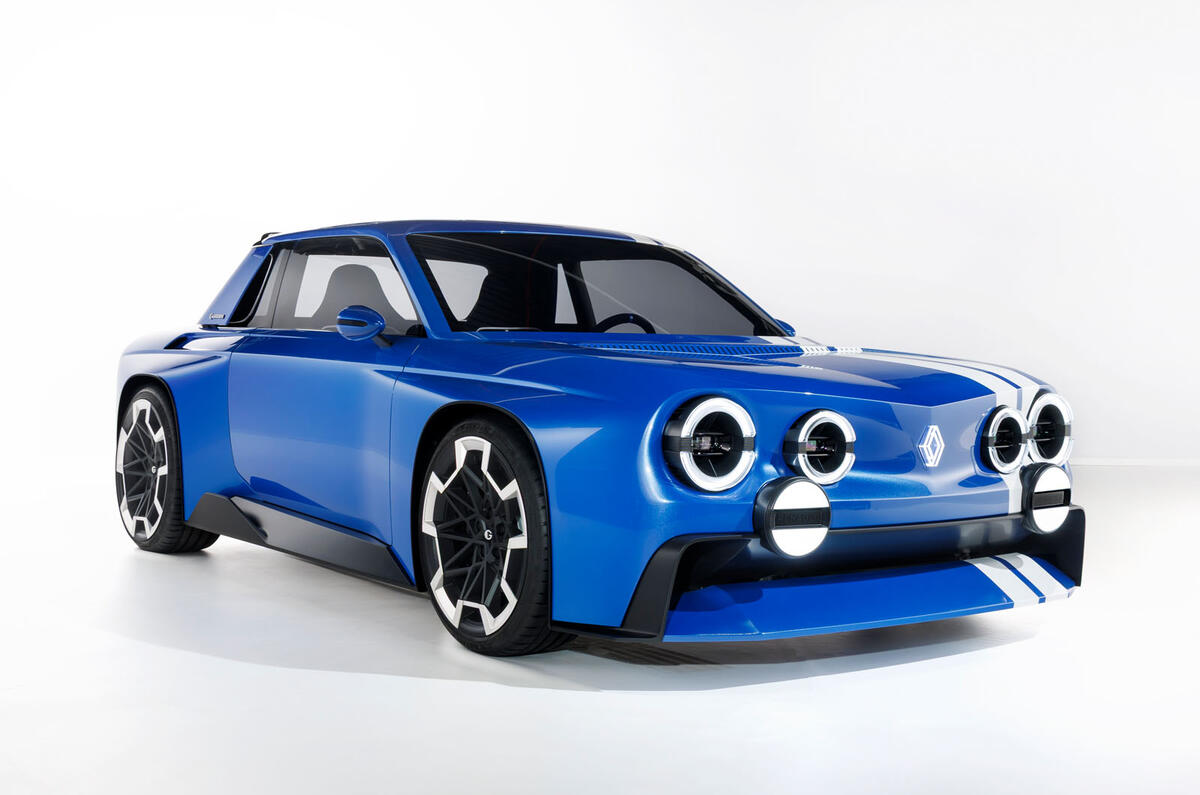
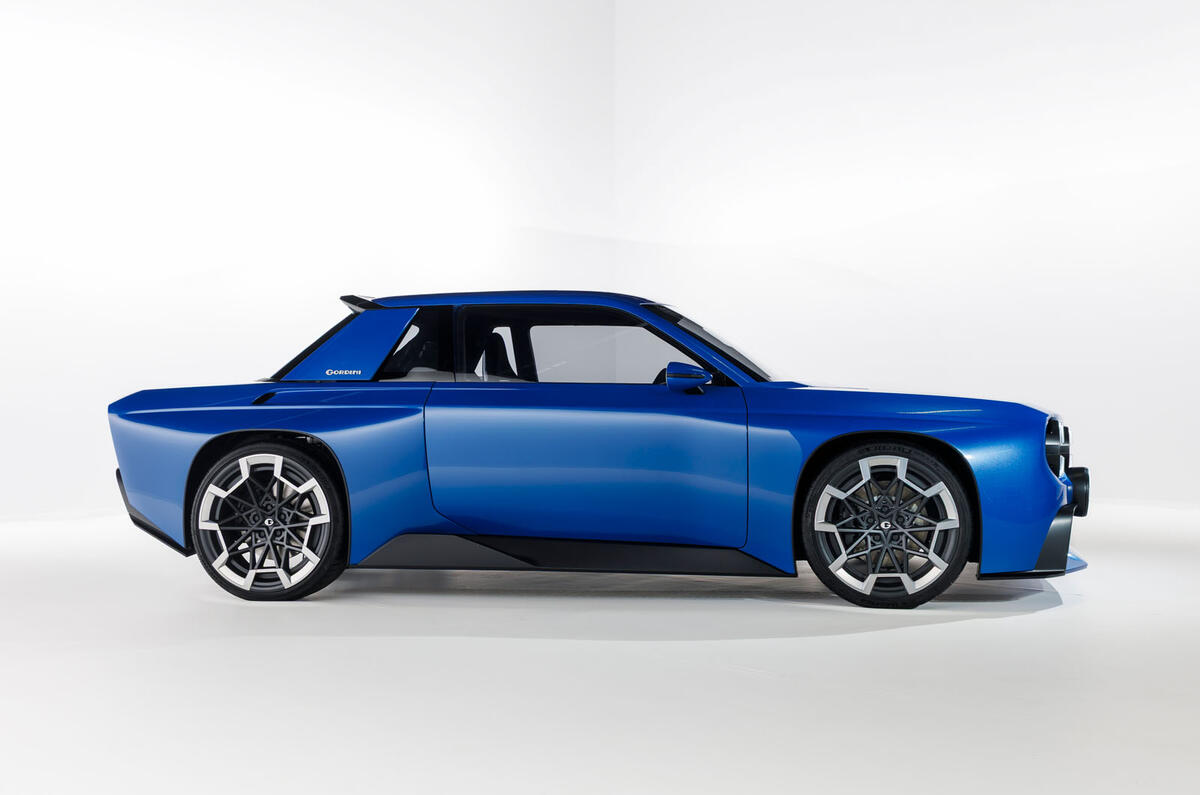
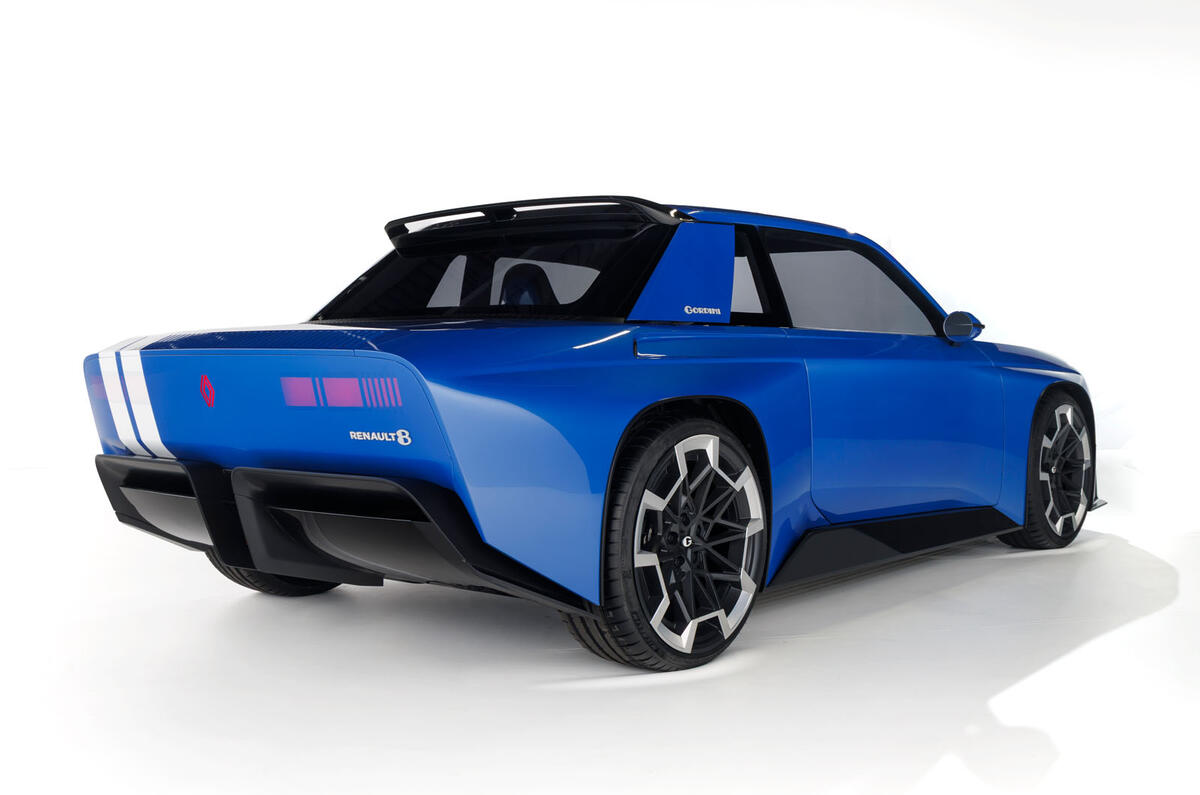
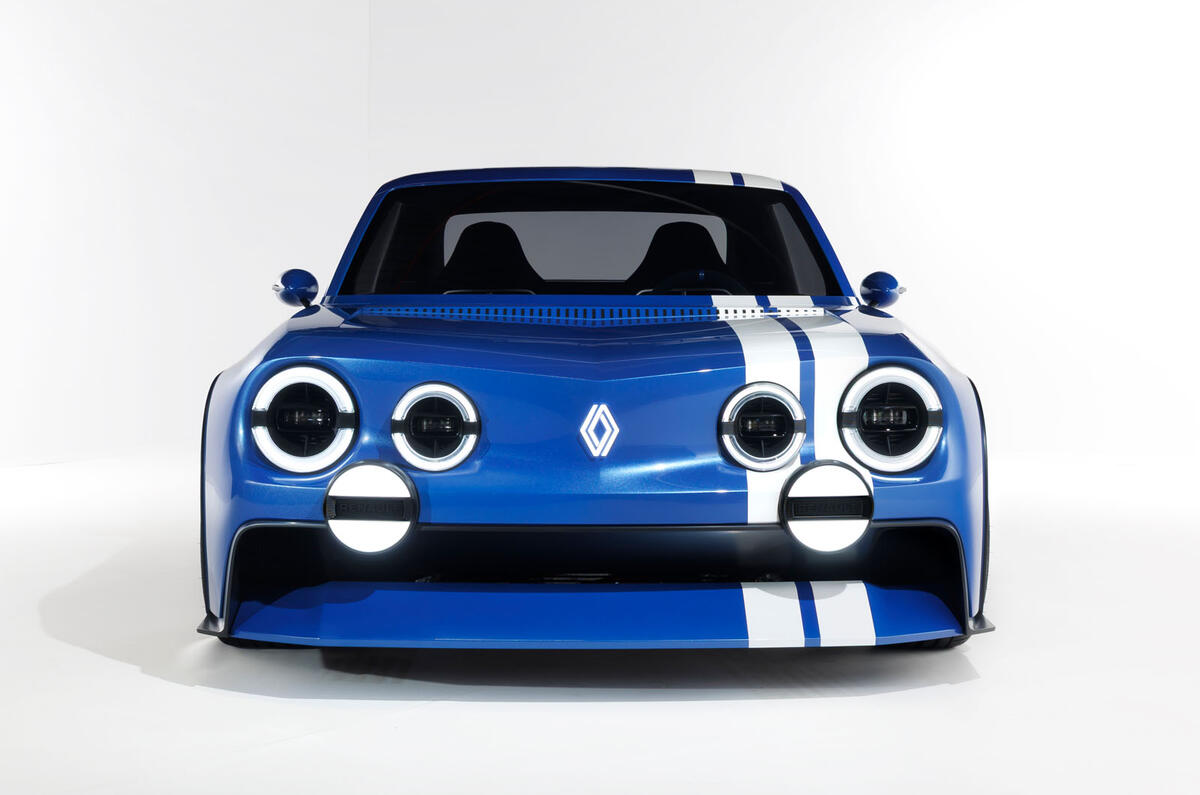
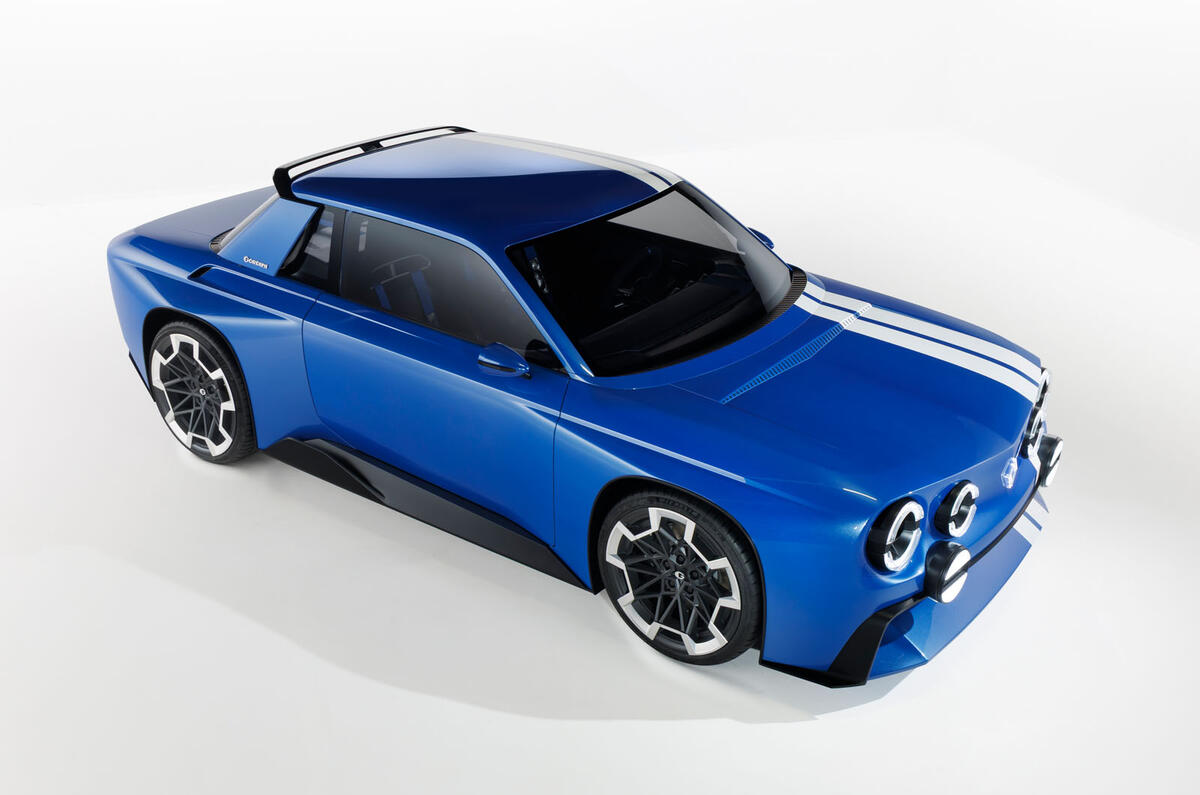
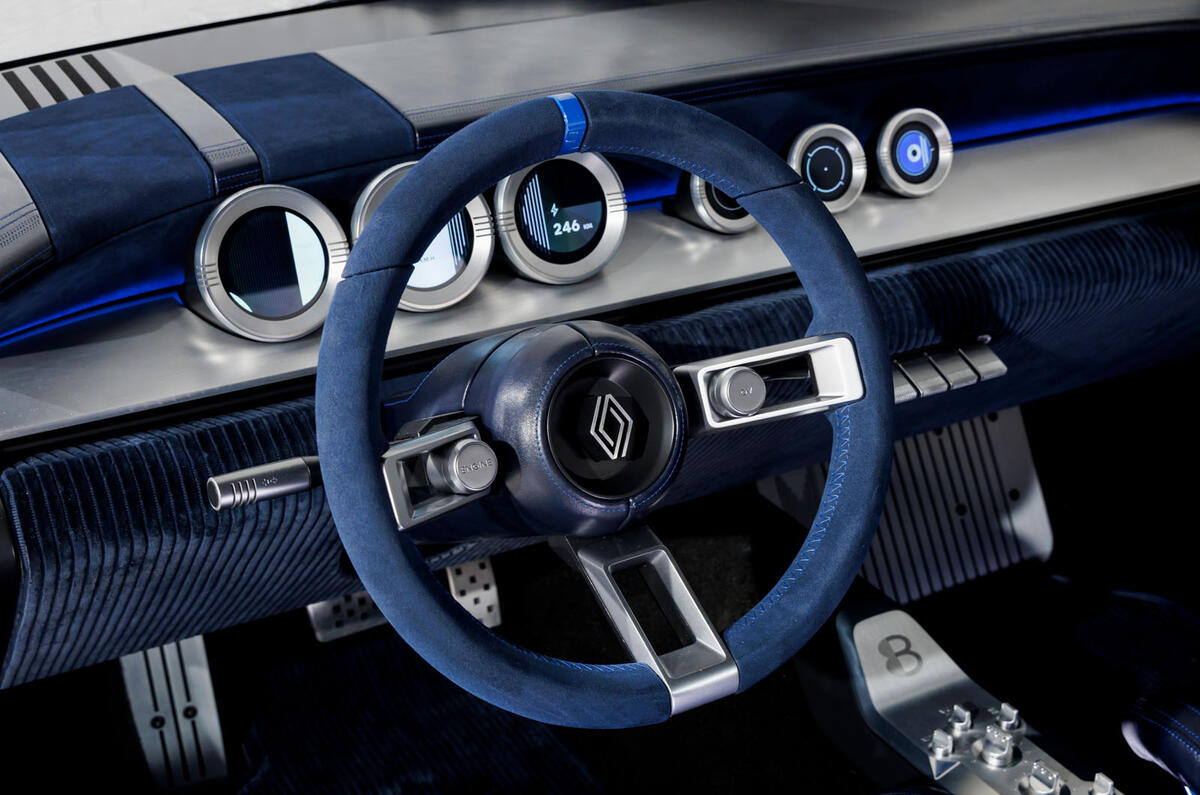
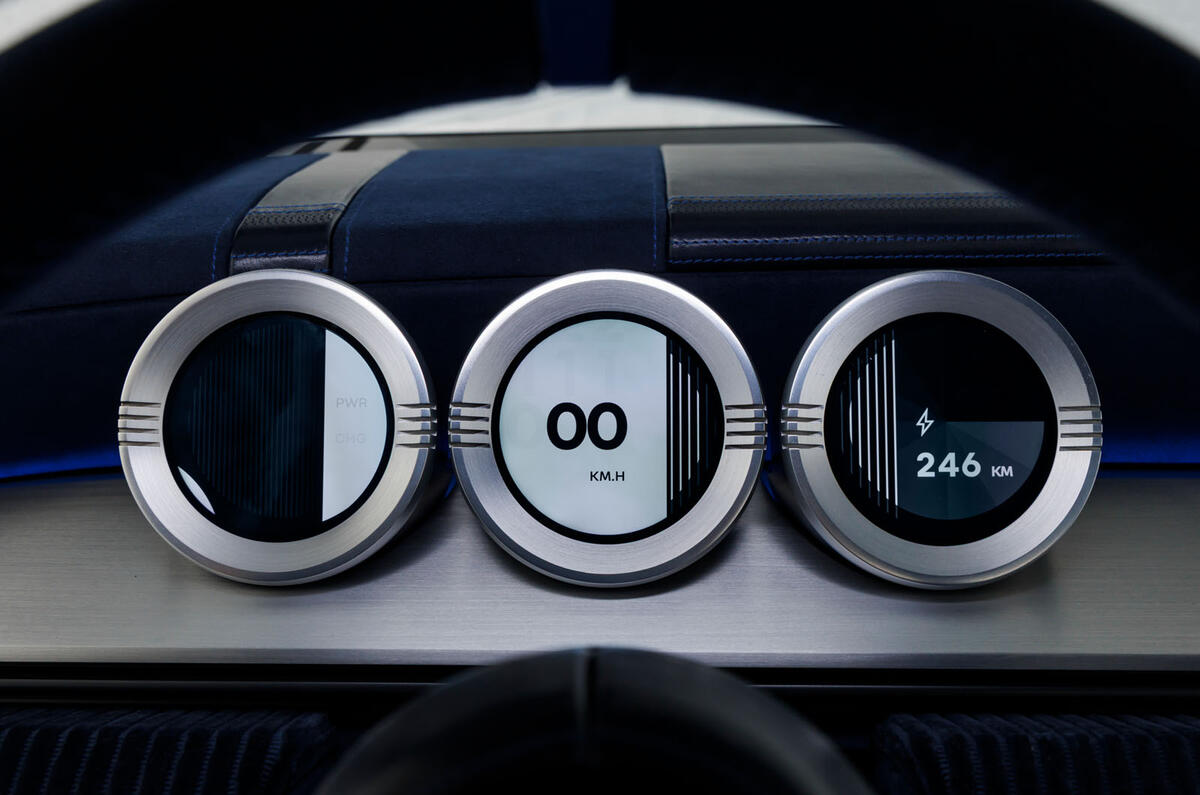
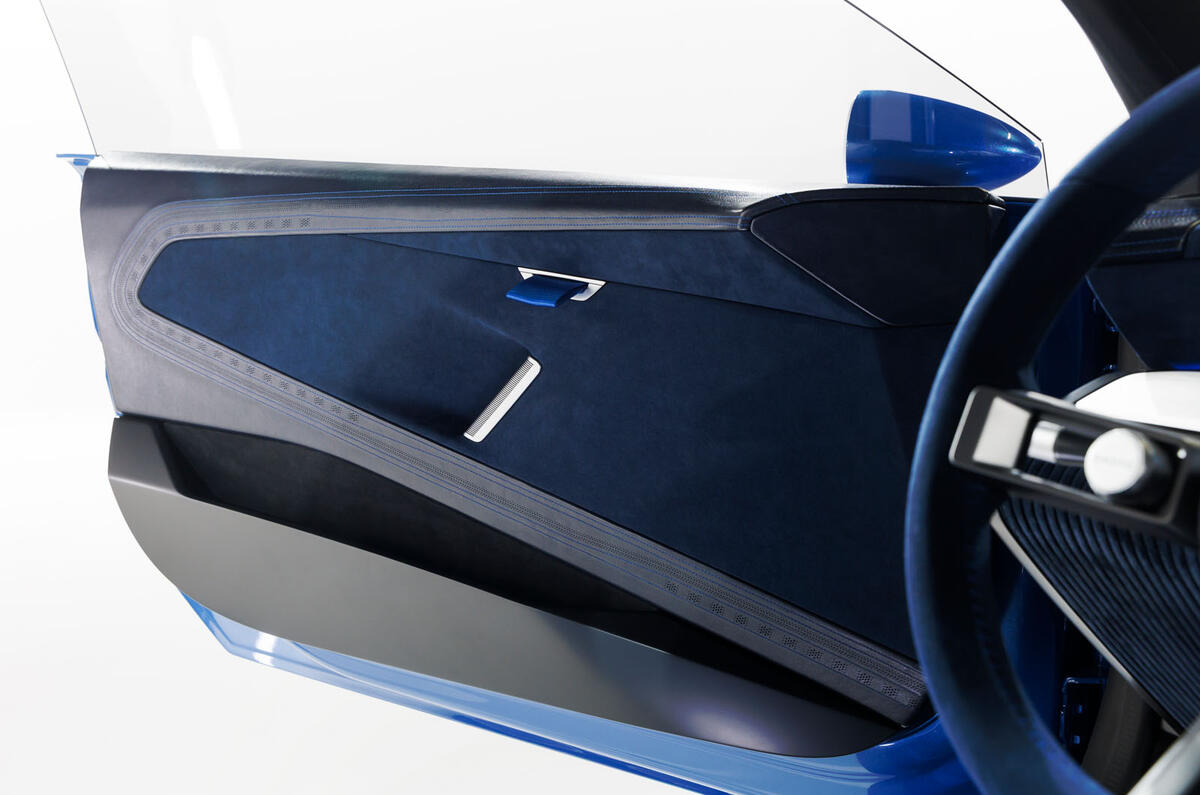
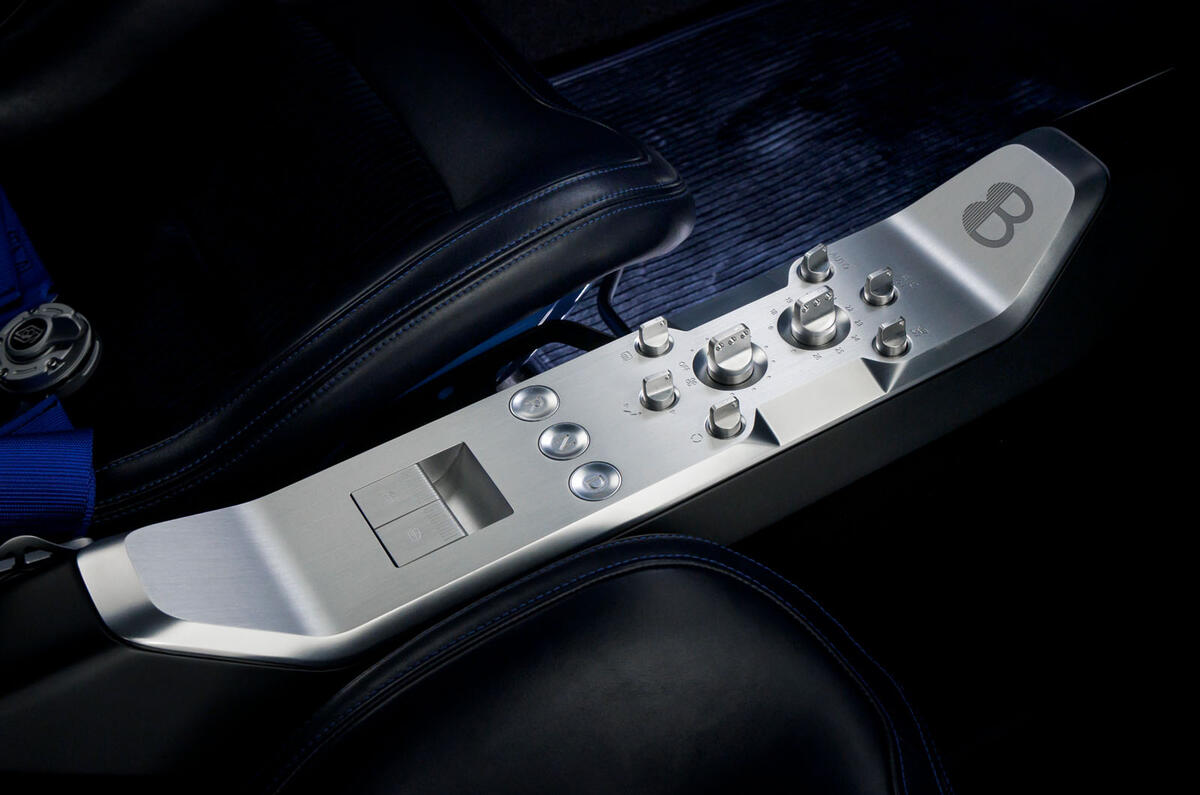
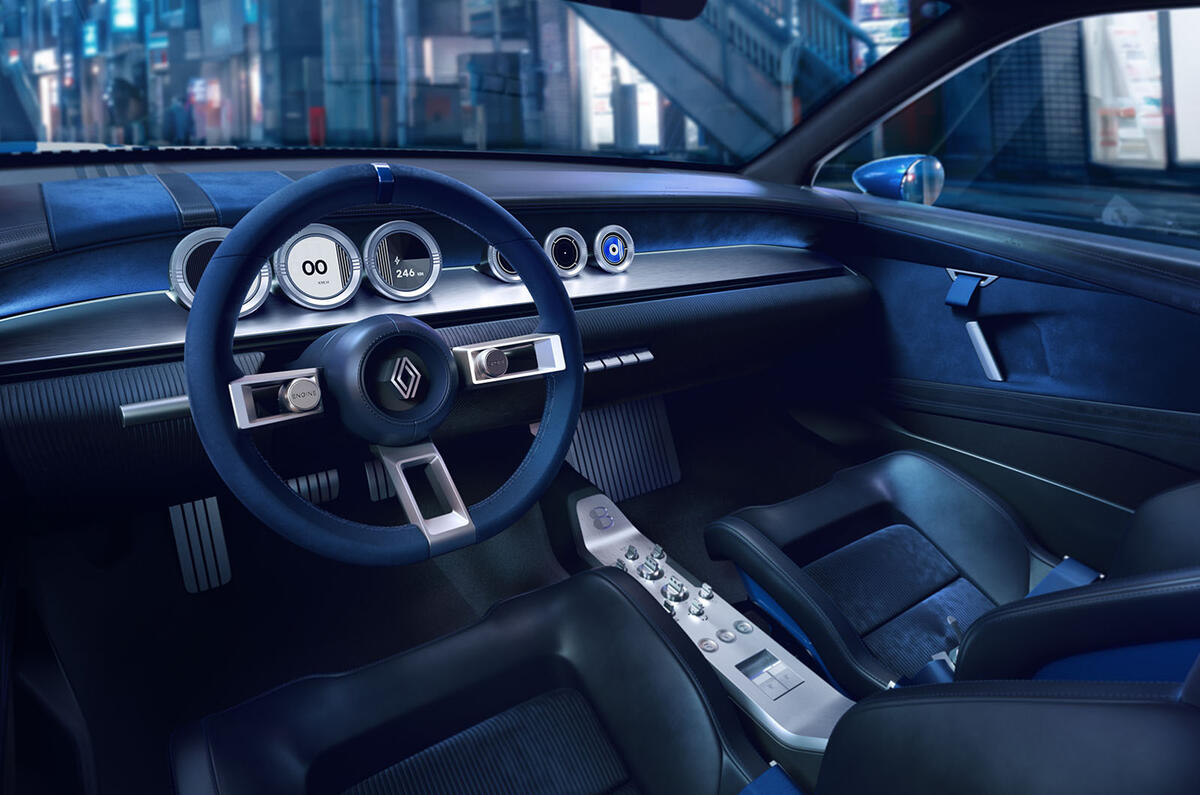
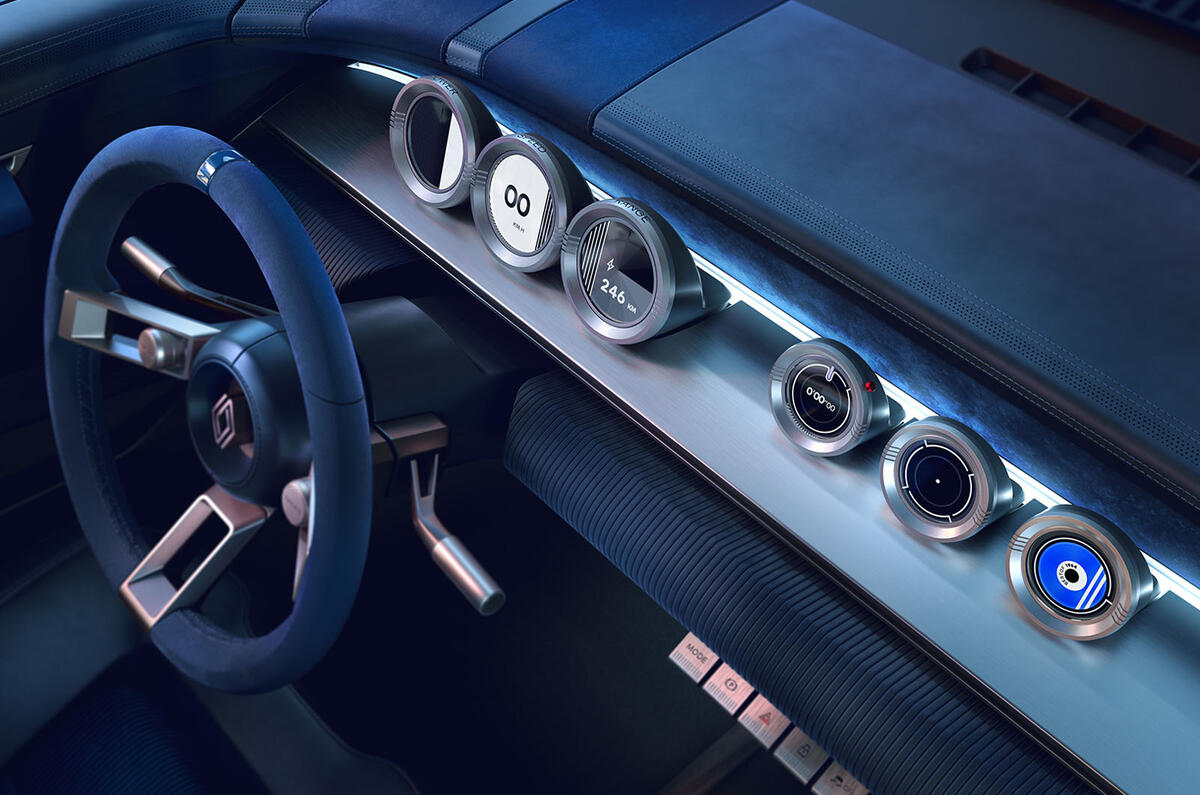
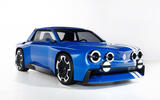
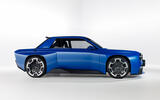
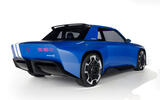
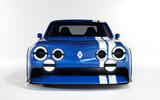
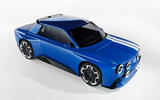
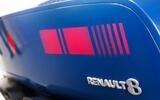
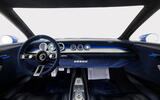
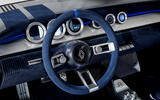
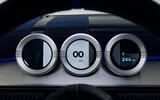
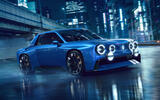
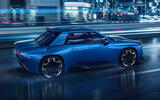
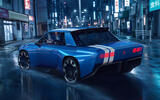
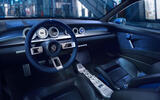
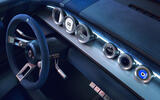
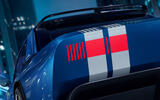

Renault has reinvented the cult-classic 8 Gordini as a stunning two-seat electric coupé for the modern era, providing clues to the look of future production models.
The reimagined version of the popular 8 saloon, first launched in 1962, is the first product to emerge from the French firm’s design studio since Alexandre Malval took over as design chief.
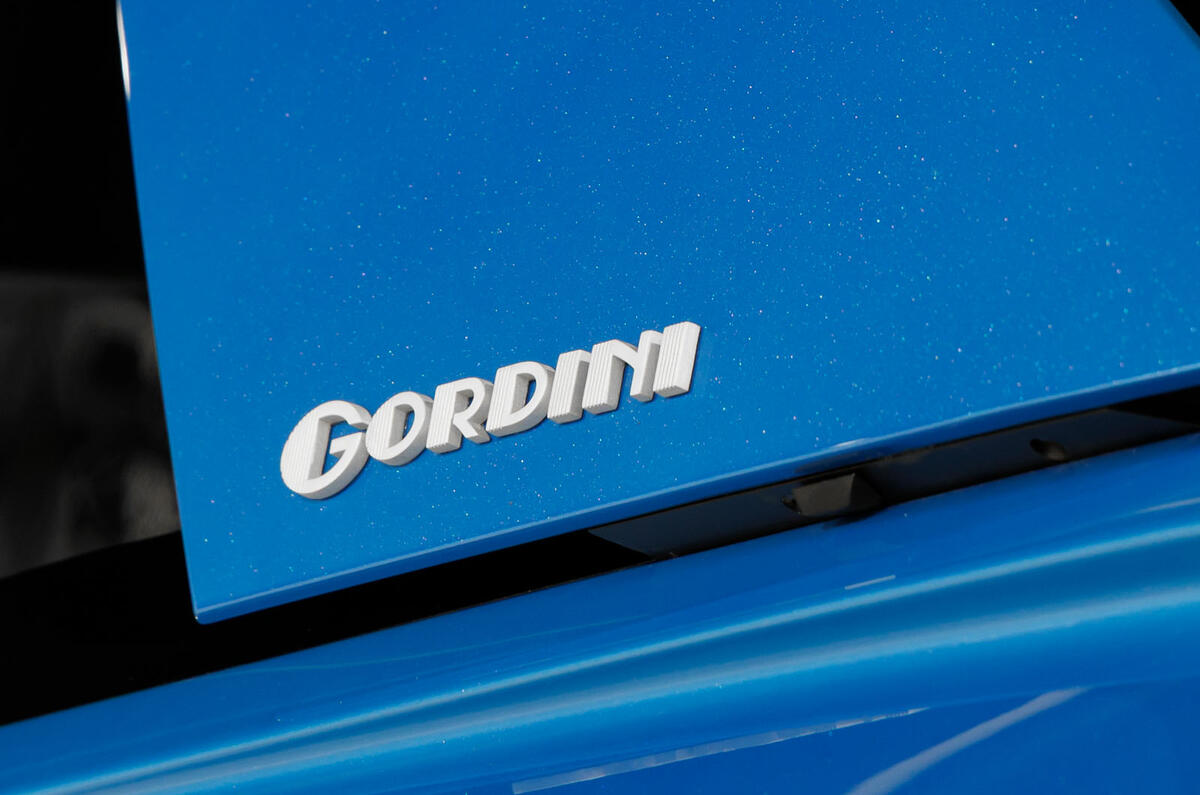
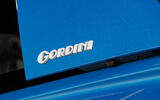
It also serves to celebrate Gordini, the performance firm that achieved success in racing and rallying with tuned Renault models, before eventually becoming part of Renaultsport.
While the 8 Gordini concept contains hints of design features that could be used in future models, Renault insists that it's intended strictly as a one-off that will eventually be displayed in the firm's new museum in Flins, France – where the 8 was originally manufactured.
“The original 8 was a very humble car, a sort of working class hero,” said Renault concept car chief Roman Gauvin. “We wanted to keep that honesty for this concept. It’s not a two-metre-wide, 1000bhp machine: it’s still approachable and makes you smile.
"It’s about how we position ourselves against sports car brands: for us, it’s the fun factor. We’re not here to design a car that’s going to shave half a second off a lap time at the Nürburgring; it’s fun, small, agile and nimble.”
Read more – The Gordini story: How legendary fast Renaults paved way for Alpine
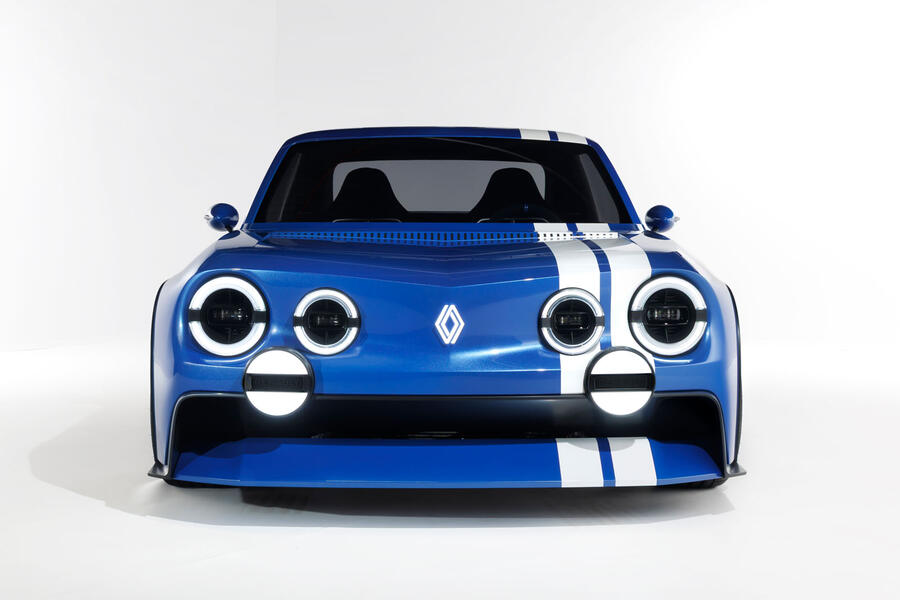
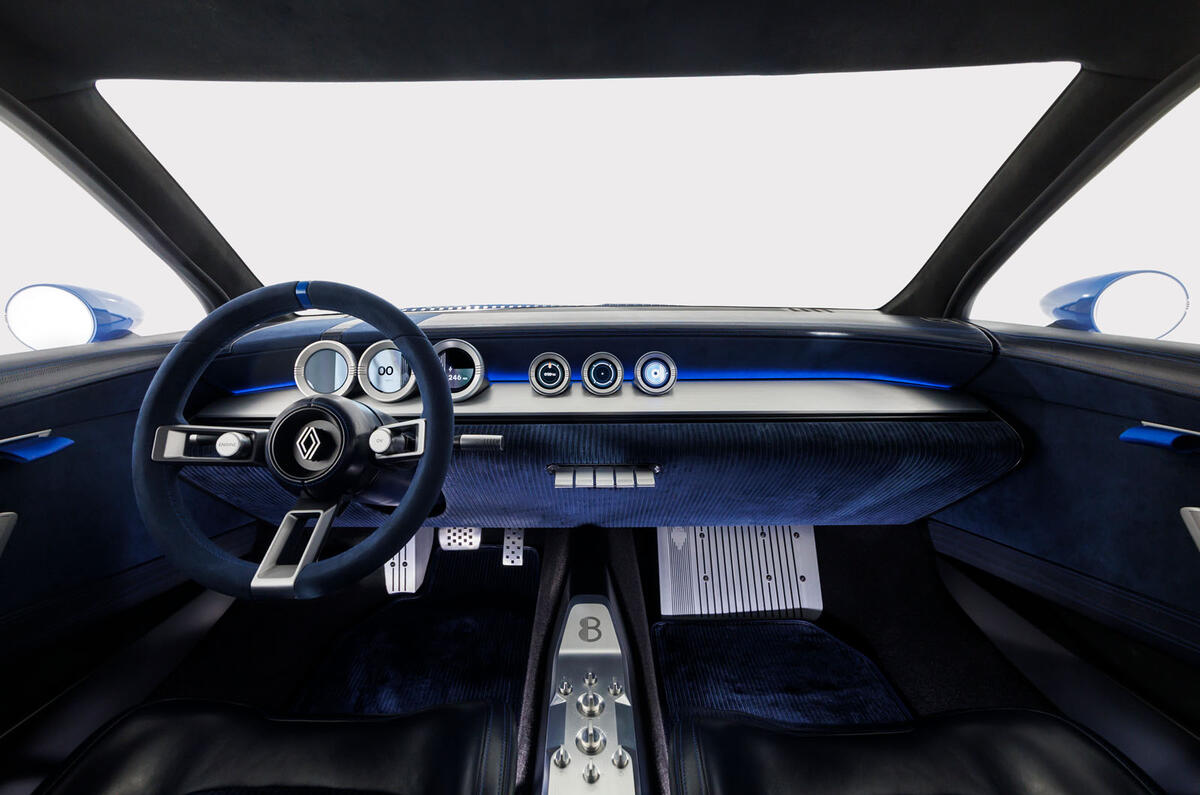
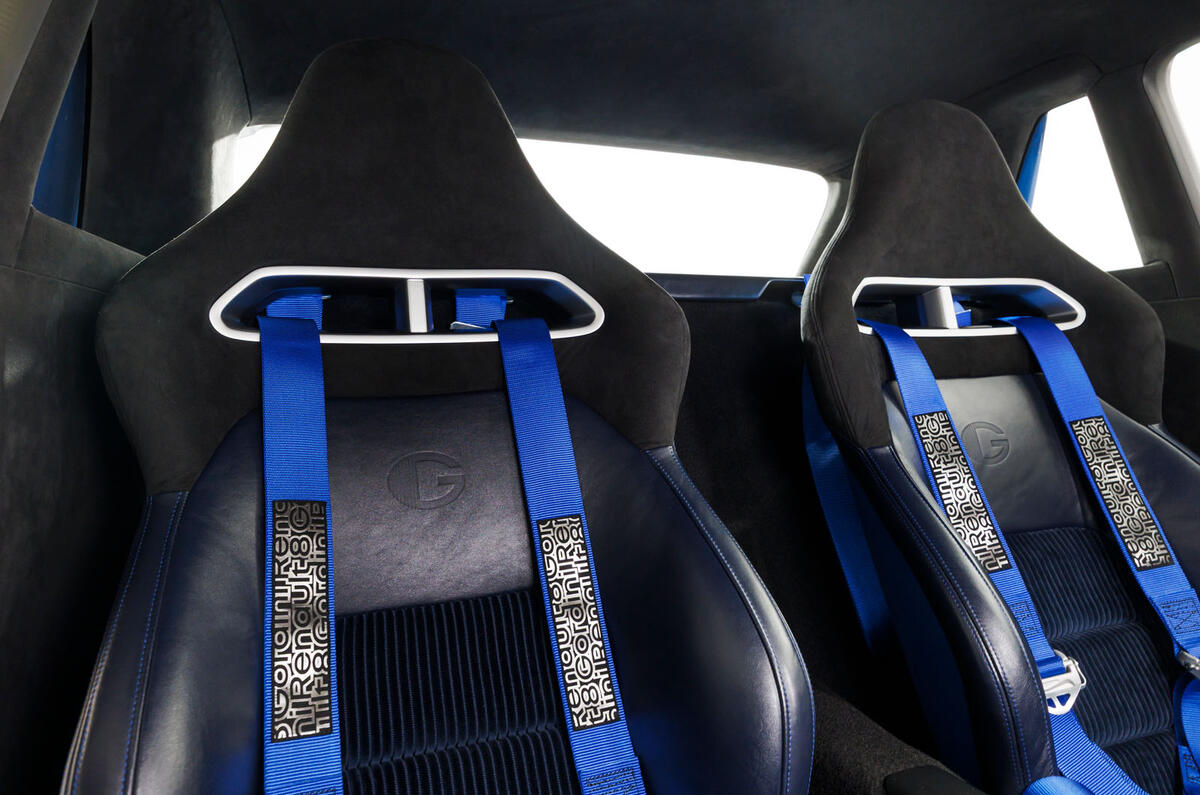
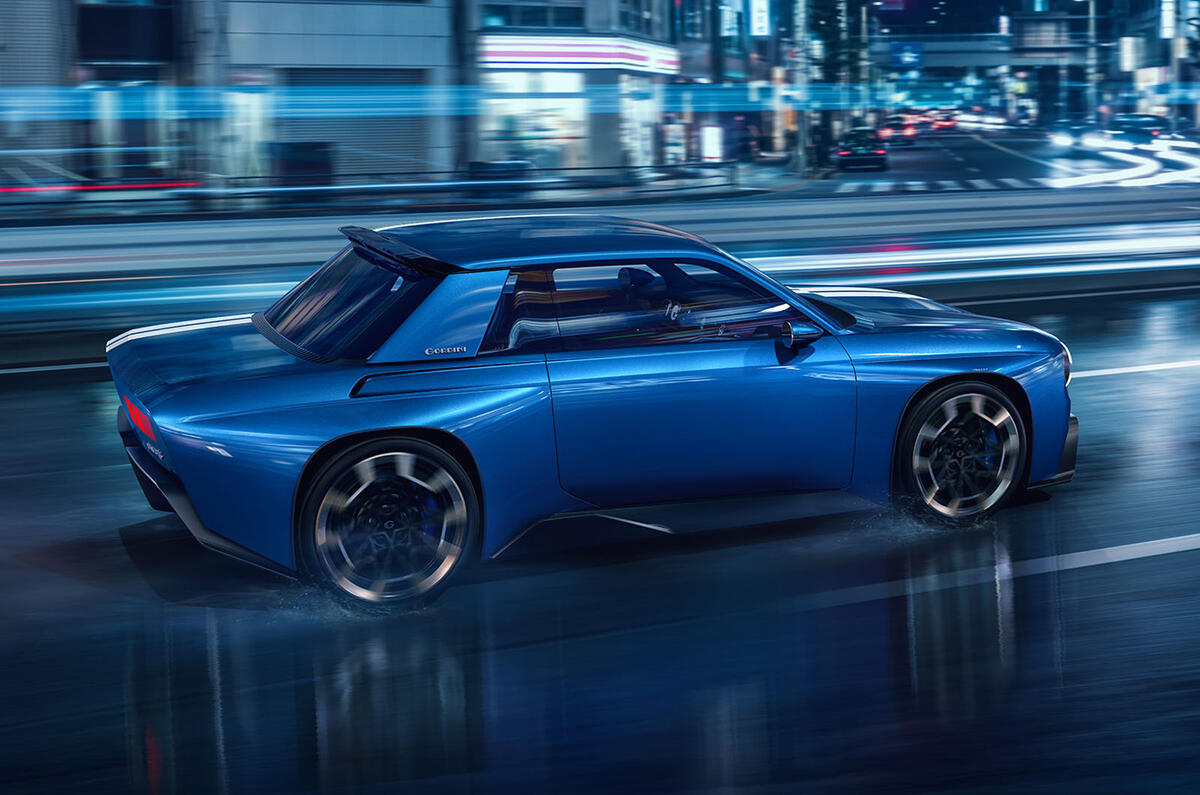
While the original 8 was a four-seat saloon with its engine at the rear, the new concept is a two-seat coupé that measures 4120mm long - slightly more than the Clio.
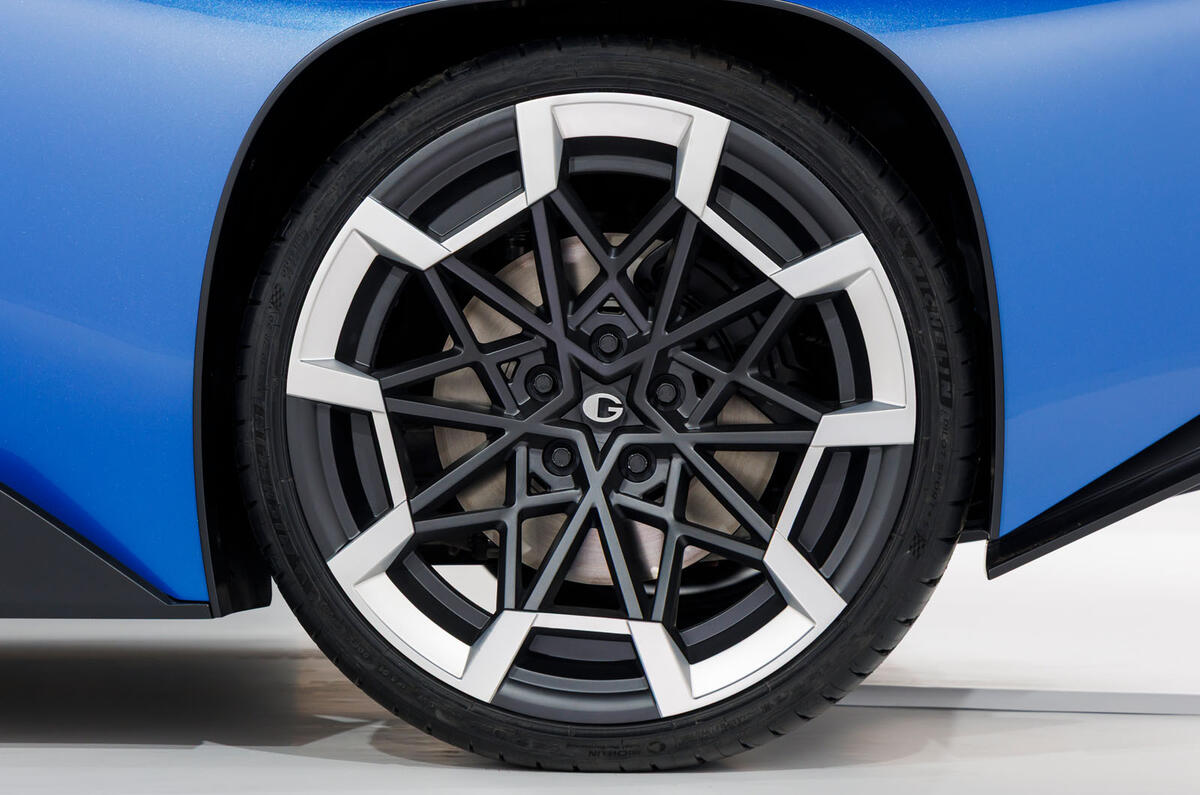
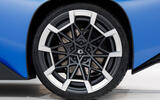
It sits on 19in wheels at the front and 20s at the rear, and while this is strictly a show car, Renault claims power comes from a 270bhp electric motor.
Asked about the decision to revive the for the concept, Gauvin said: "This car is less well known than other that we have, but it's very relevant. The Renault 8 was very honest: it wasn't trying to be the most powerful or expensive car in its segment, but it has approachable values that not many brands can tap into."
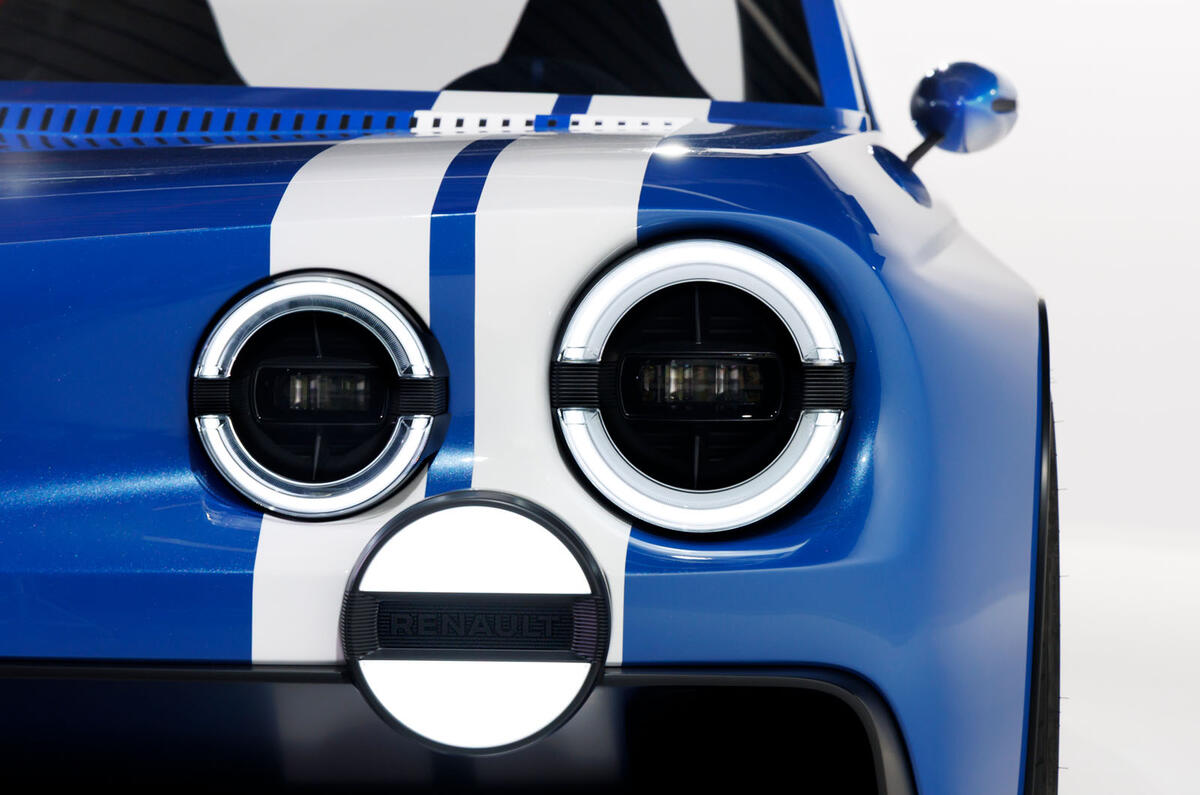
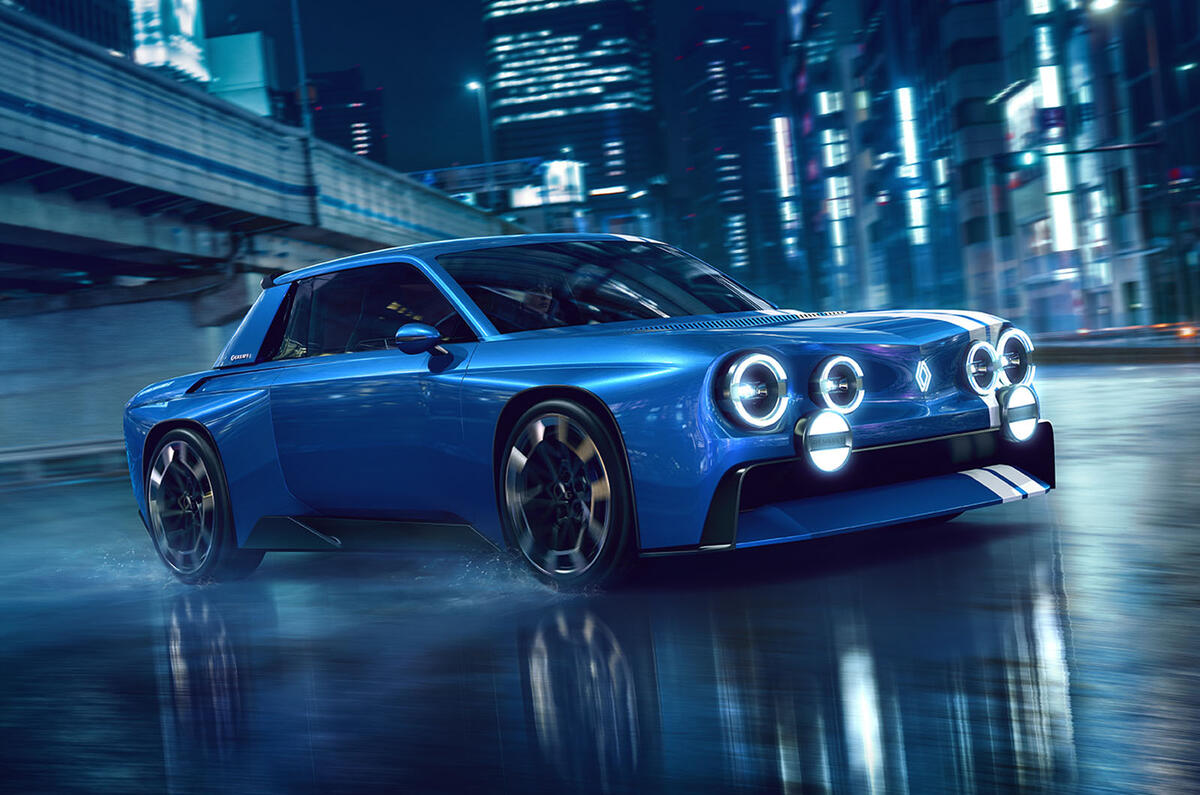
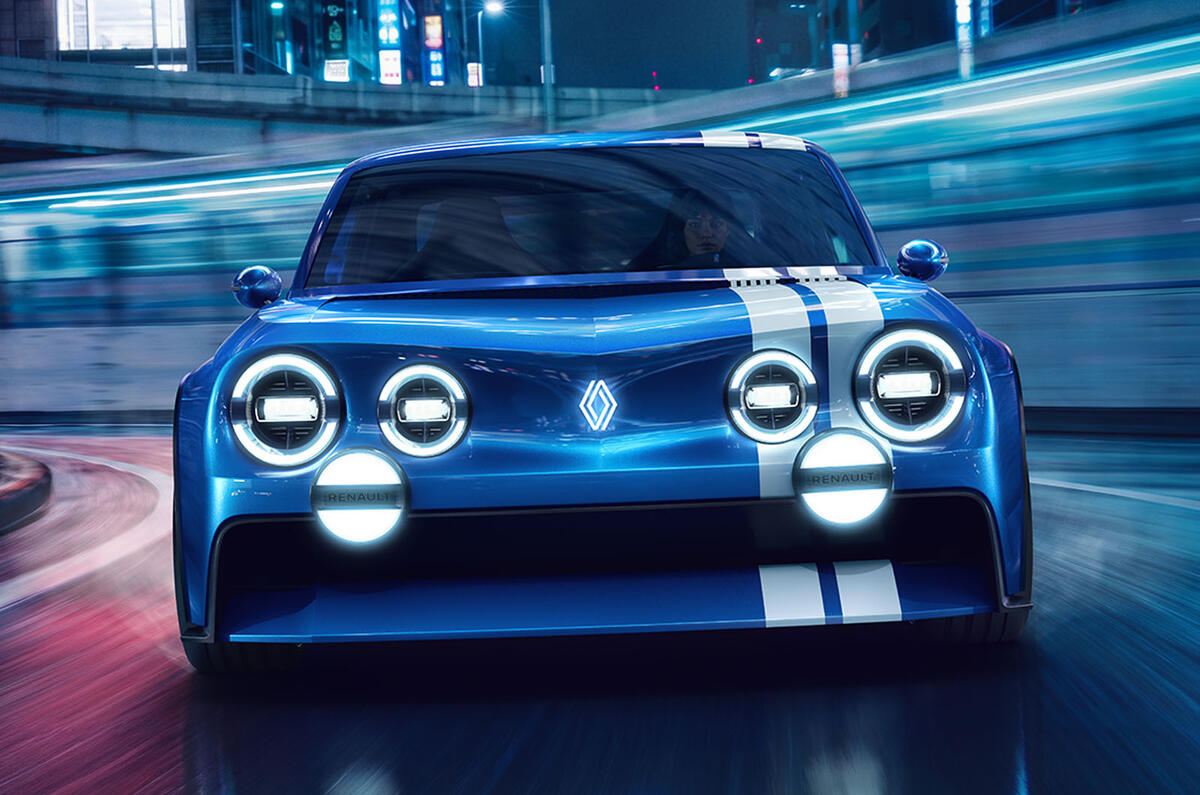
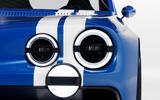
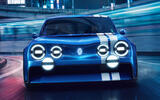
Styling-wise, the concept retains the original’s distinctive round headlights, while Renault’s design team has also added lower spotlights that nod to the Gordini version’s rallying heritage.
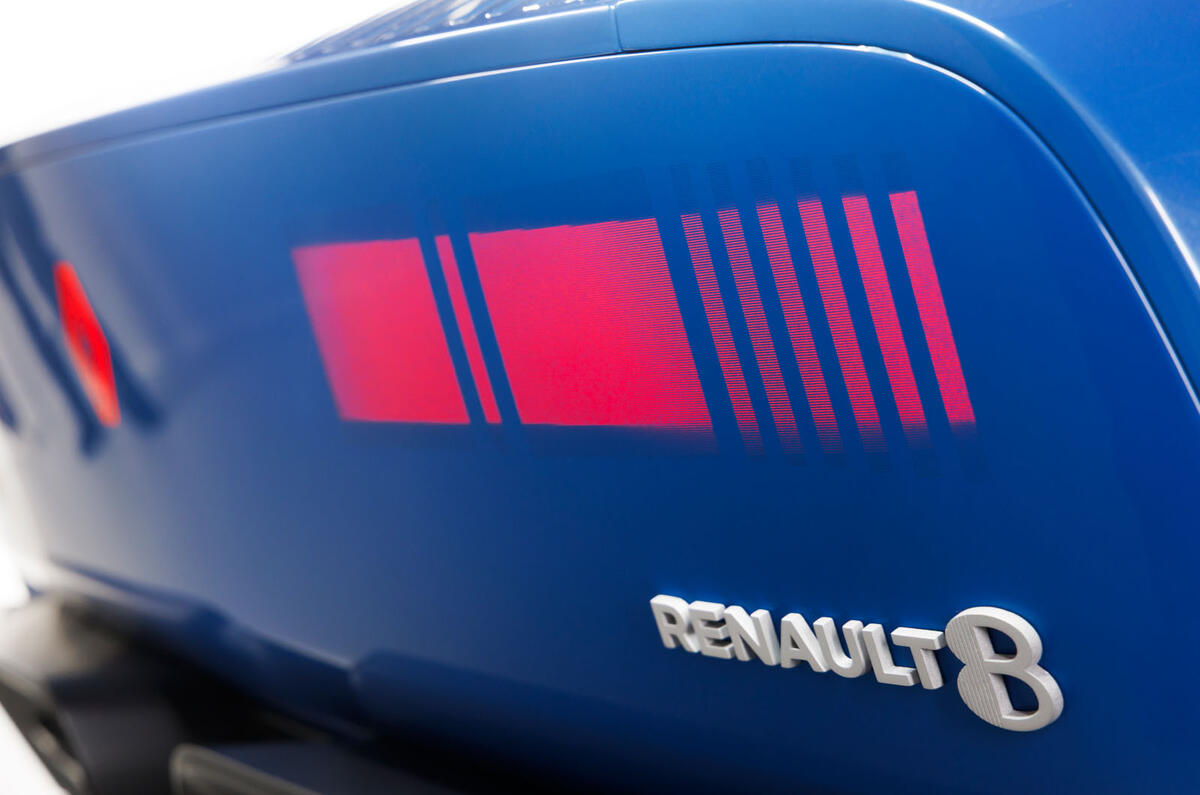
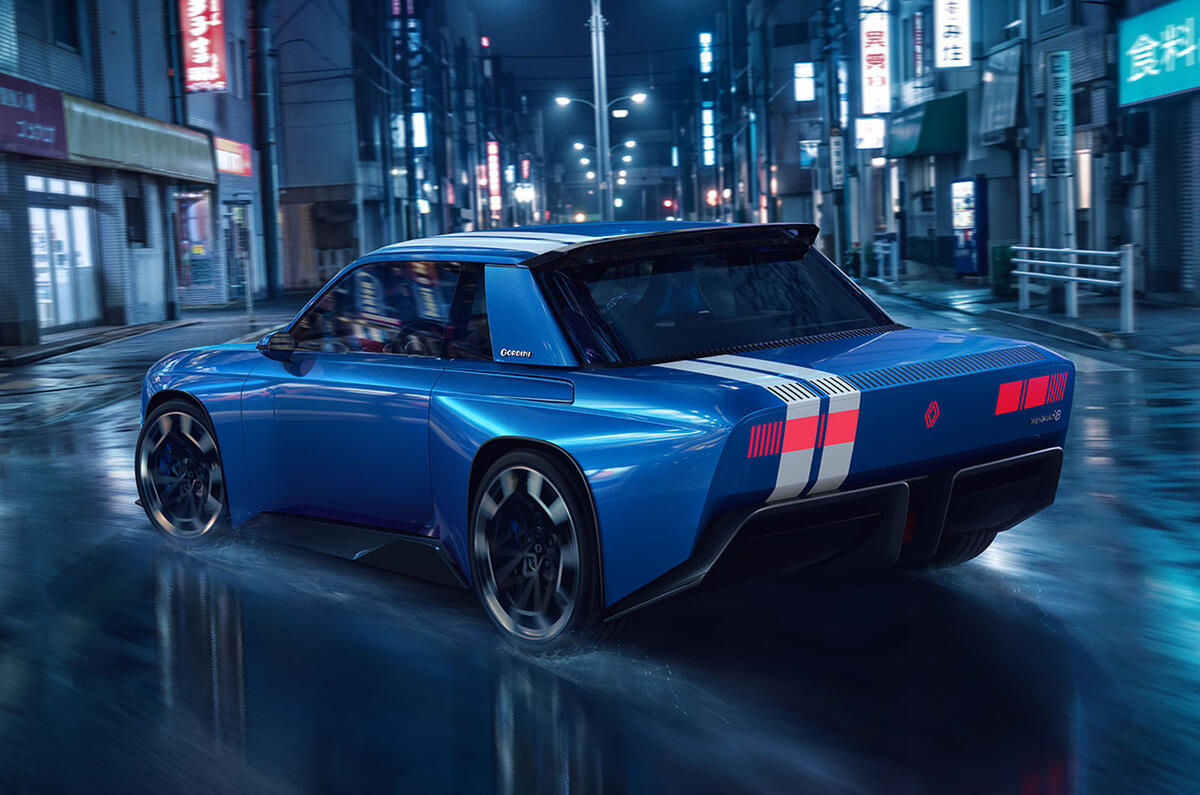
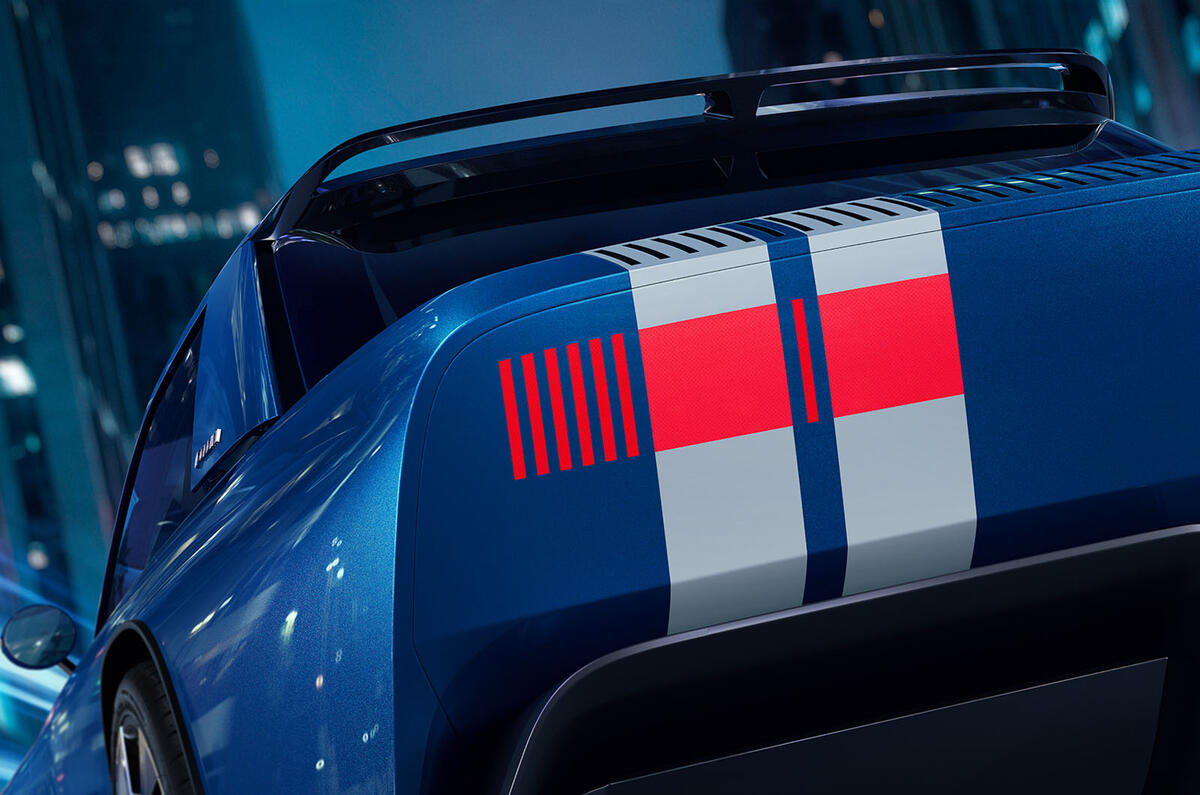
It's also finished in the historic performance brand’s traditional blue and white paint scheme, complete with racing stripes.