
Currently reading: Bentley goes electric: Torcal revealed as £173k Range Rover rival

Crewe's first EV brings supercar acceleration, 375 miles of range and its own orchestral soundtrack

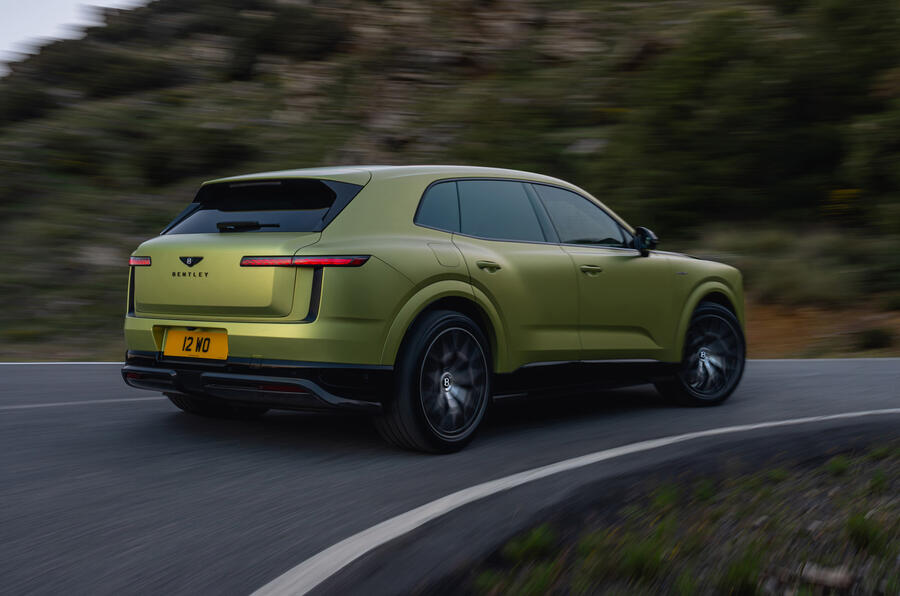
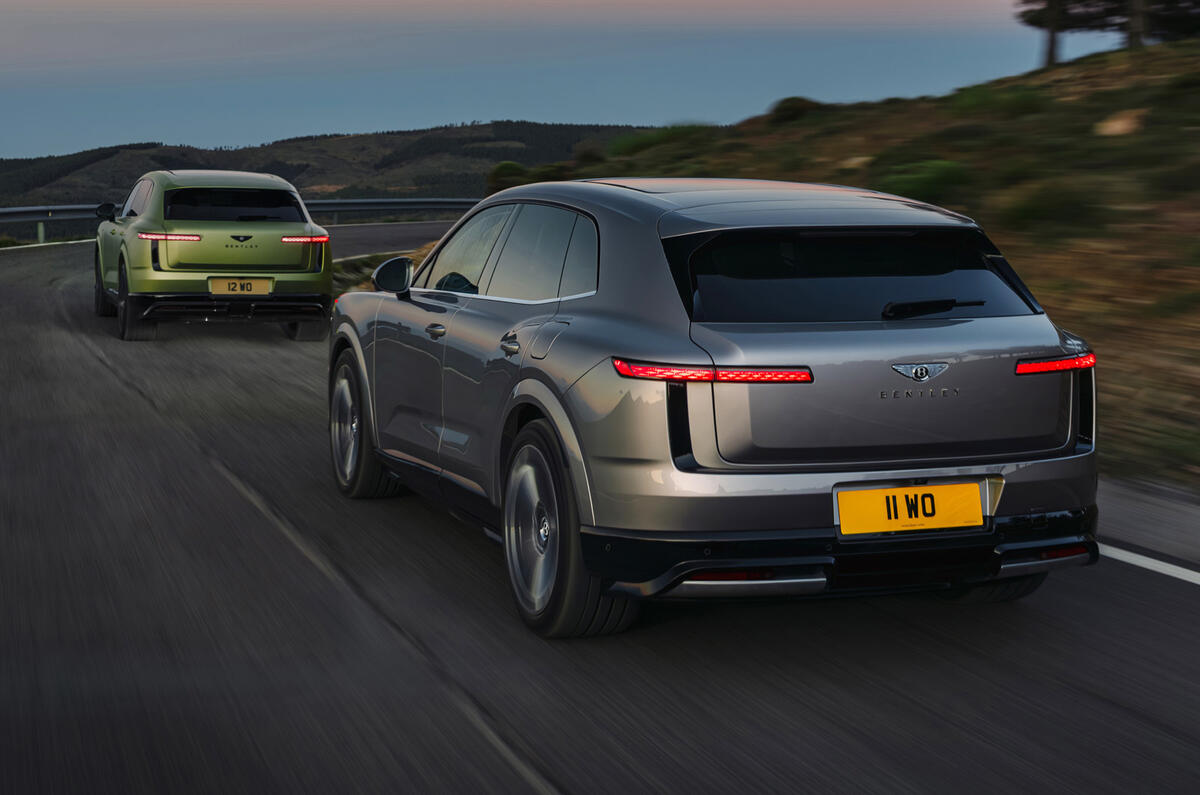
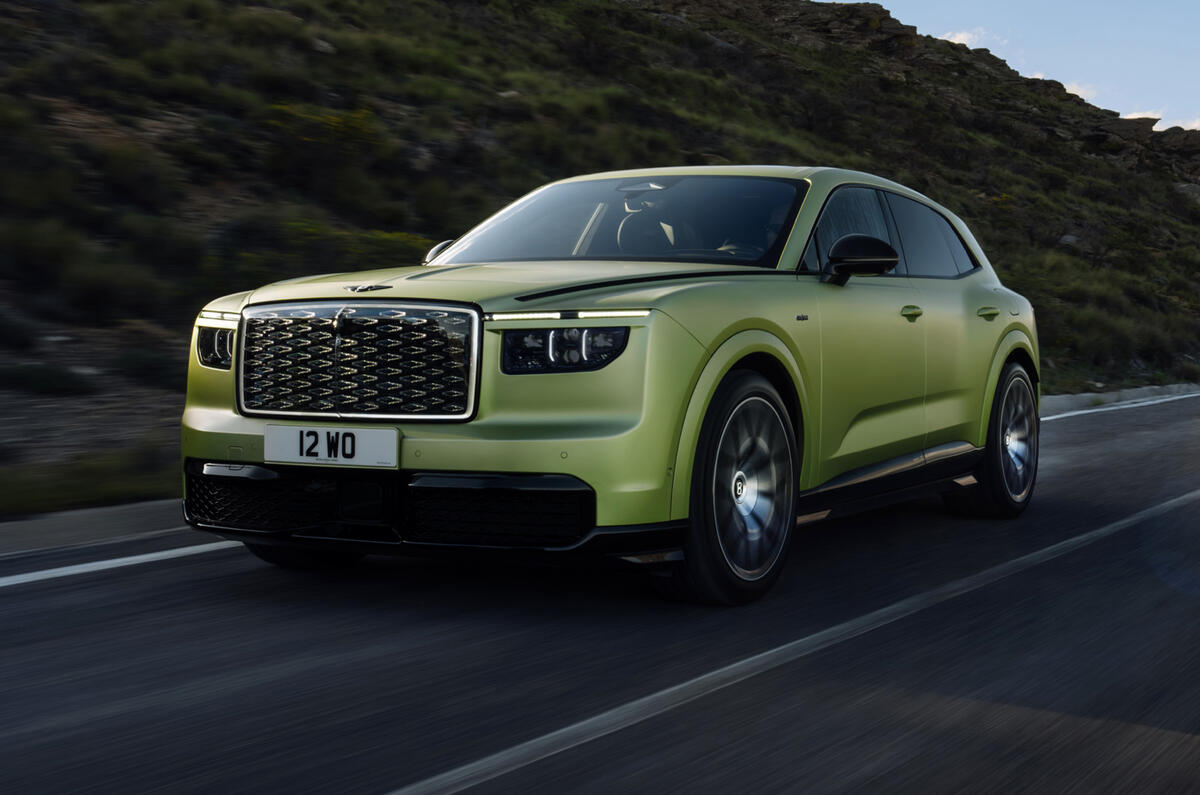
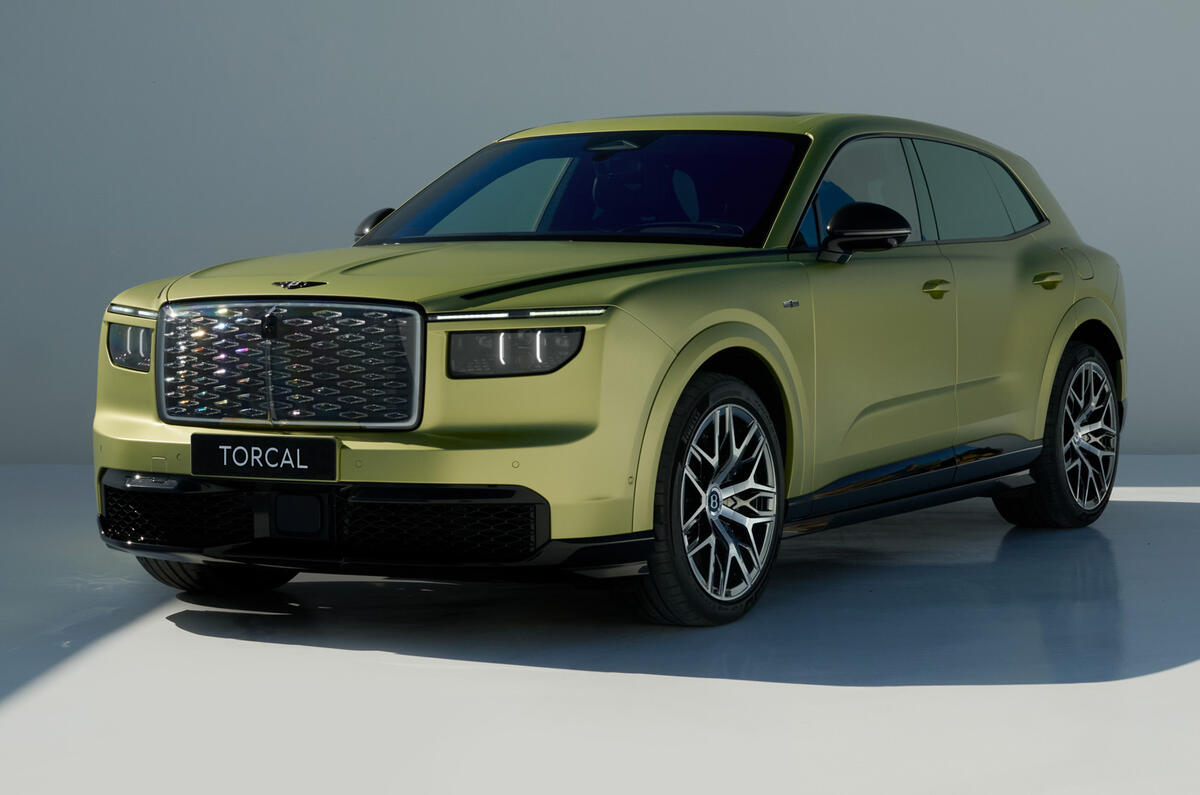
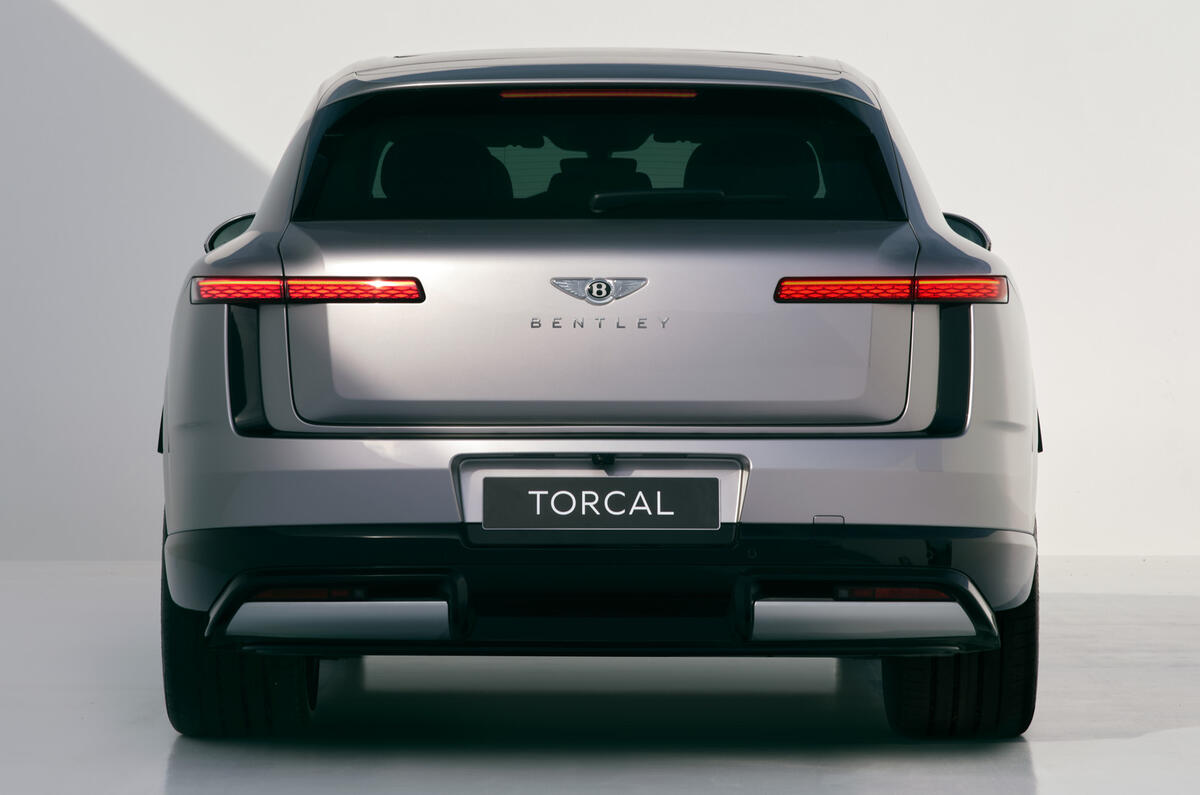
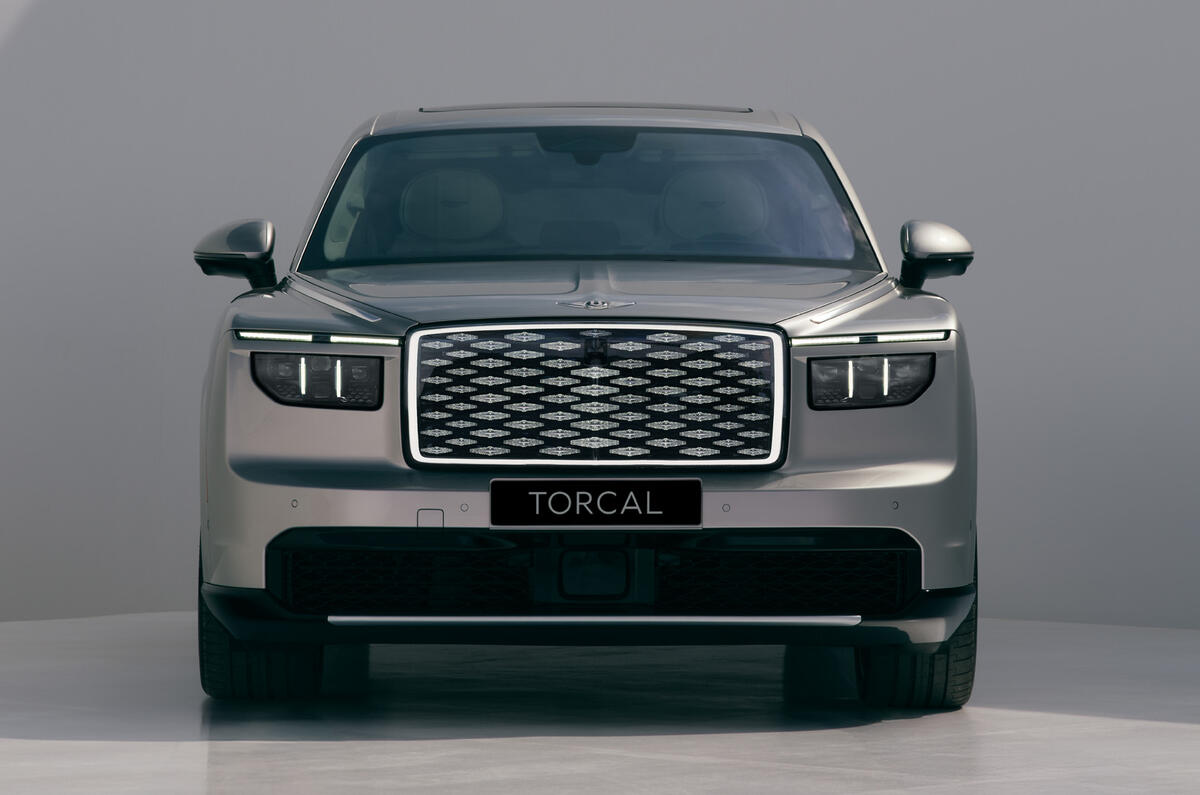
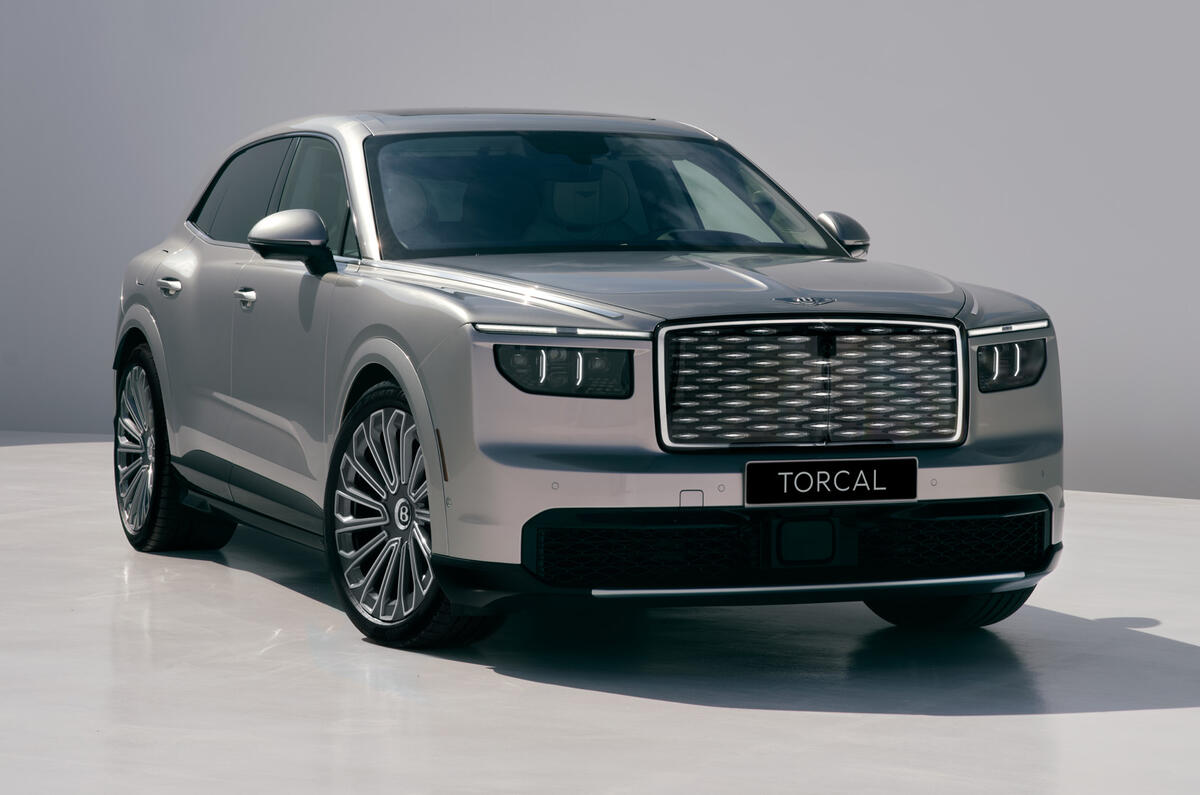
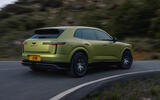
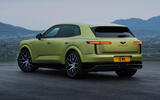
Bentley’s electric era begins with the unveiling of the new Torcal SUV, a Range Rover rival due in showrooms this year with supercar pace, a 375-mile range and an entry price of £173,300.

Arriving a year later than originally planned but in line with Bentley’s revised electrification strategy, the Torcal is a new, fourth model line for the brand, rather than an alternative to, or replacement for, an existing model.

It is the spearhead for a wave of new Bentley models due by 2030 but will be the only pure-electric car the firm launches this decade. Bentley has scrapped plans to go all-electric by 2030 and is instead developing a new generation of plug-in hybrid models in response to sustained demand for ICE power from luxury car buyers.

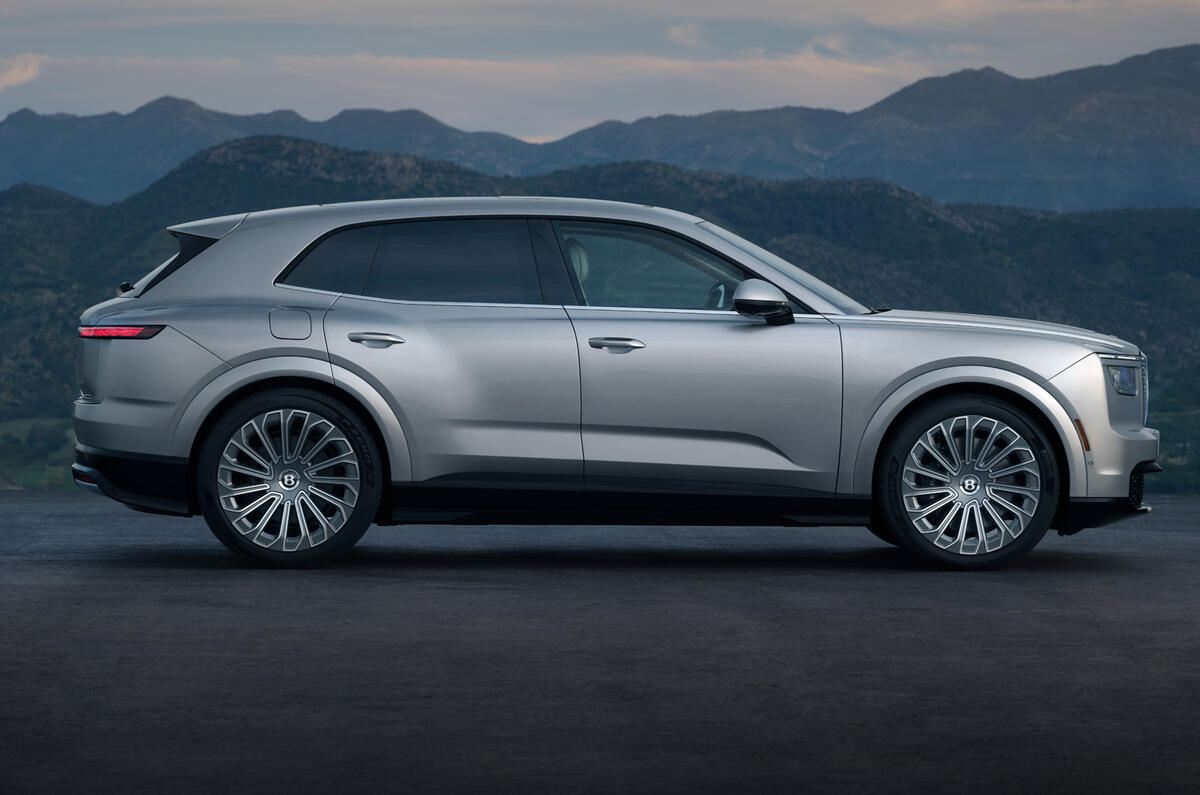
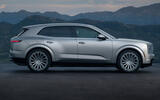
At five metres long, Bentley’s first EV is around 135mm shorter than the Bentayga, and is pitched as more of an urban proposition than its mile-munching range-mates.

It is based on the same PPE architecture as the Porsche Cayenne Electric and shares much of that car’s powertrain and interior technology, mirroring the relationship between the Bentayga and petrol Cayenne.

However, despite the commonalities, Bentley emphasises the significant investment it has made in ensuring the Torcal looks, feels and even sounds entirely bespoke. “The Torcal is a Bentley first and foremost, created by hand by people who care, using the best available materials and technology to blend heritage with cutting-edge innovation,” said CEO Frank-Steffen Walliser.

Revealed just a few weeks after its closest rival, the electric Range Rover, the Torcal will enter production at Bentley’s Crewe plant by the end of the year following a £350 million programme to adapt the site for building EVs and ICE models in sequence.

The Torcal will be offered in just two trims from launch, both with twin-motor powertrains and a 108kWh battery. The standard car starts at £173,300, while the 876bhp S – with more of a sporting bent – begins at £199,300, giving the Torcal rough price parity with the equivalent Bentaygas.
NEW LOOK FOR BENTLEY

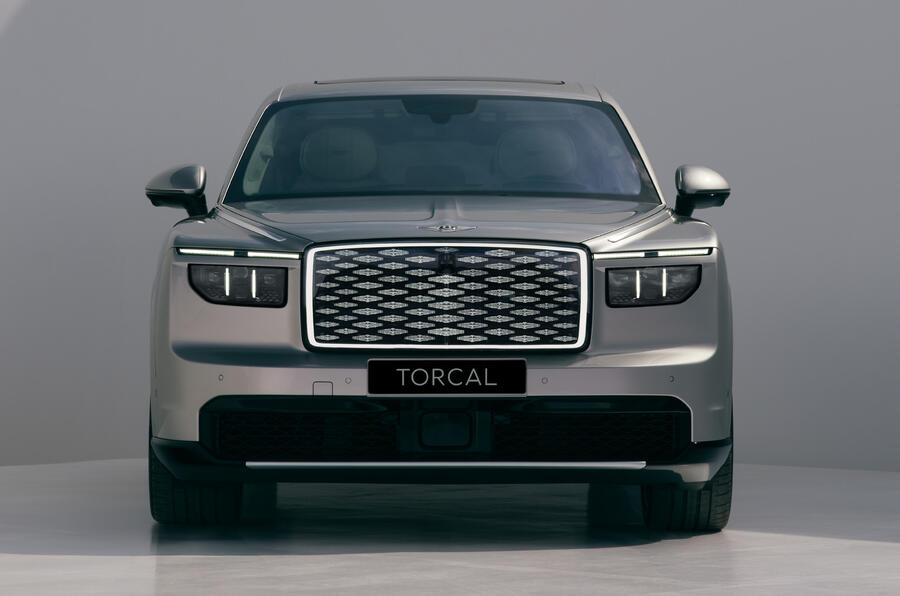
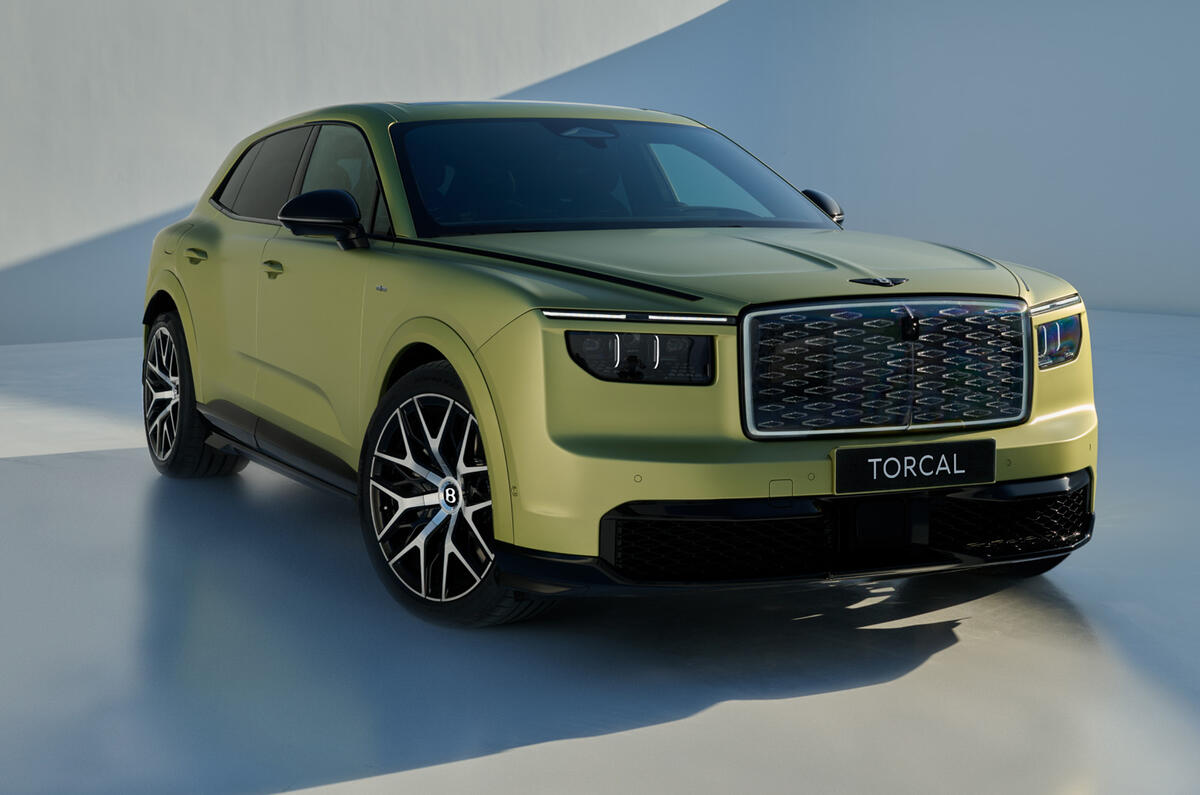
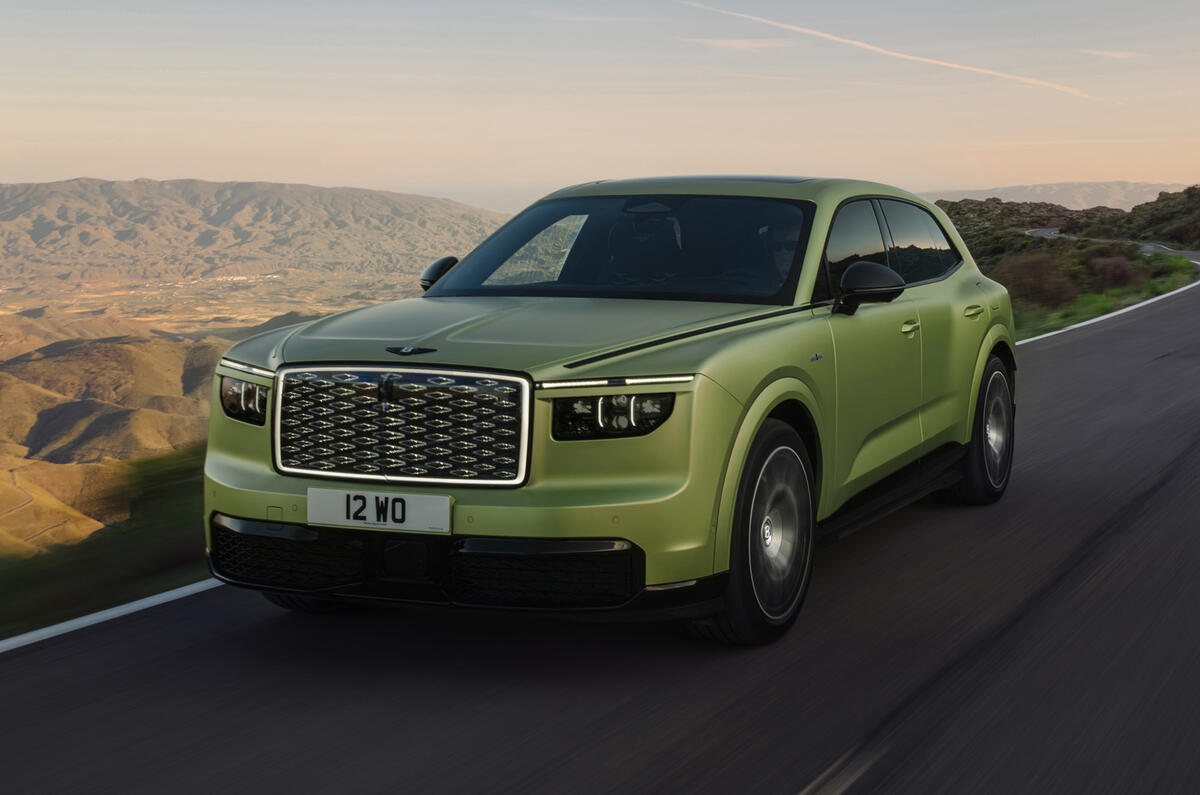
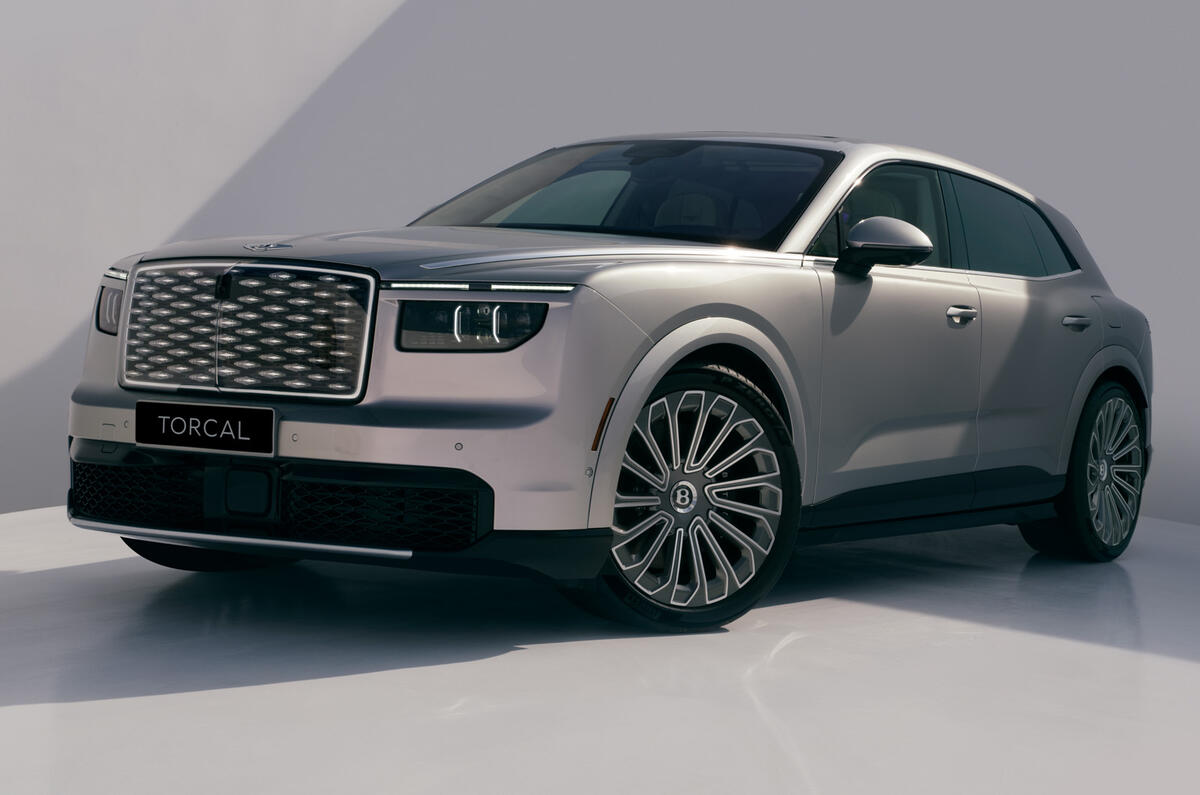
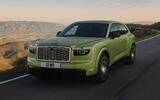
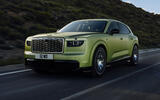
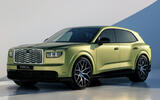
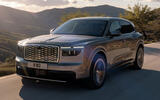
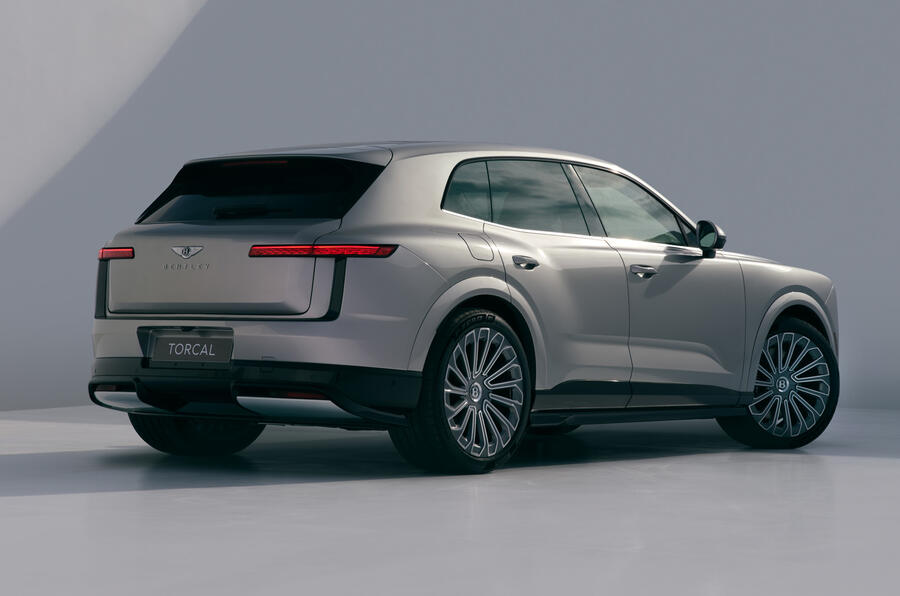
The Torcal introduces a bold new design language for Bentley, carrying through to production many of the cues from the radical EXP 15 concept that Bentley revealed last year.

Its defining visual features will be shared by all upcoming Bentley models, which will not be designed differently according to their powertrain technology, said design chief Robin Page. “Whether it’s electric or ICE, it’s a new form language – and I think that’s the difference: that we haven’t separated it,” he said.

Back to top

Bentley’s approach is in stark contrast to Ferrari’s, for example, whose debut EV – the Luce – has no visual links to its ICE-powered range-mates.

As a result, the Torcal gives strong clues to the styling of the second-generation Bentayga, which is due to land in 2028 with the new V8 PHEV powertrain from the Continental GT.

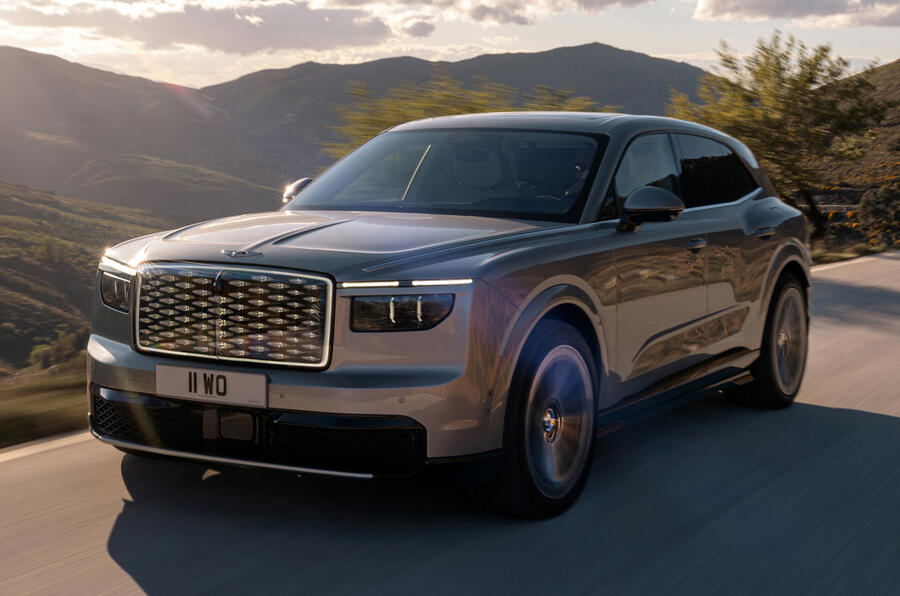
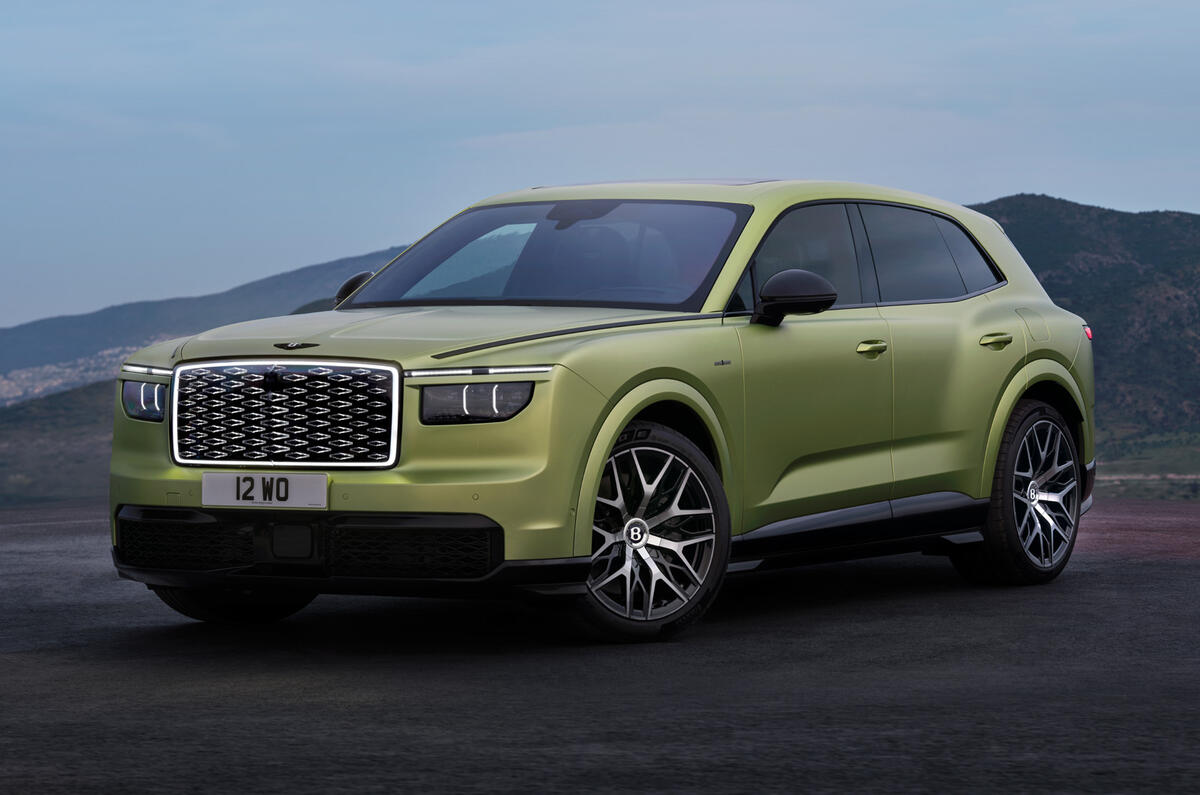
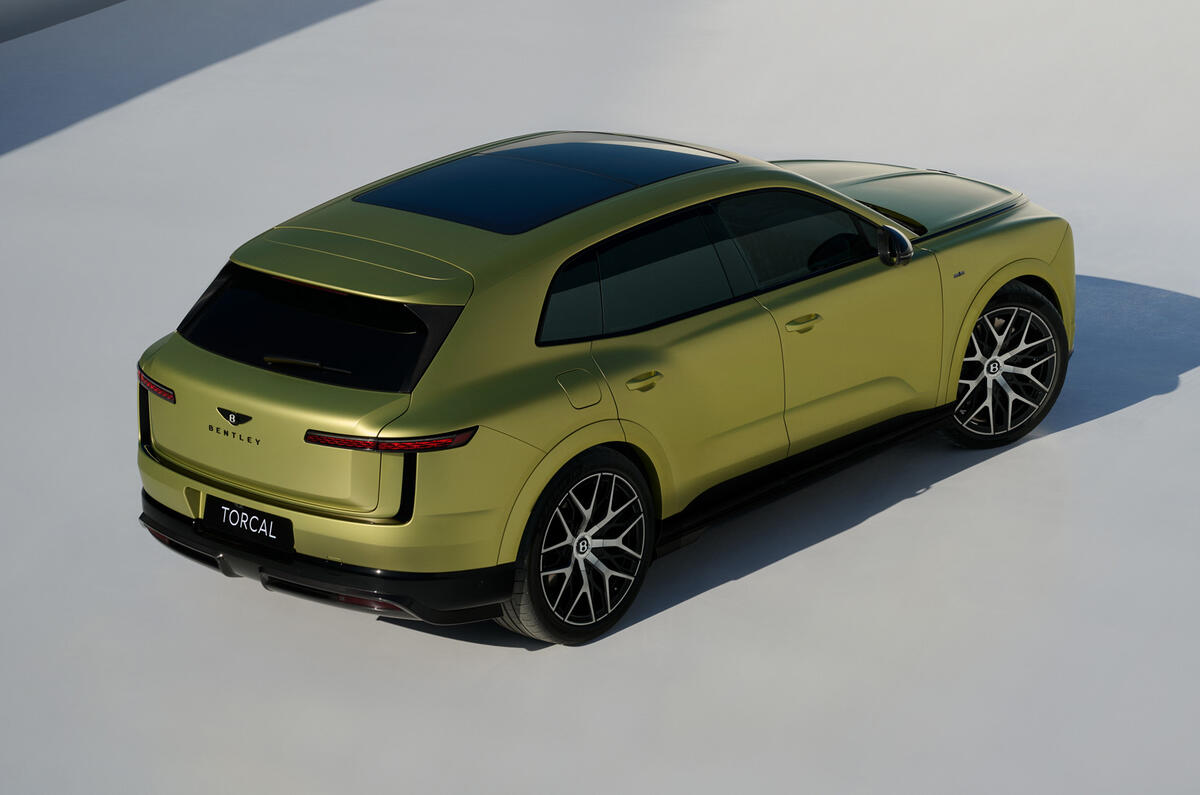
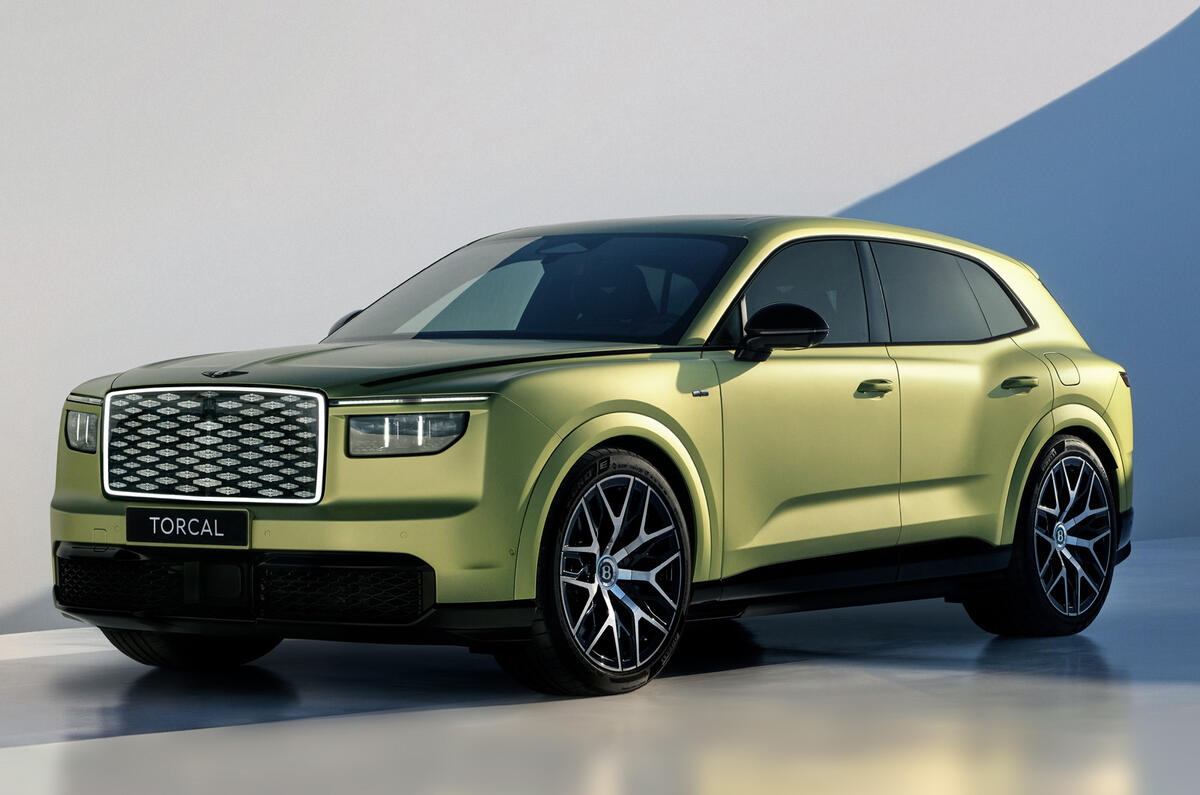
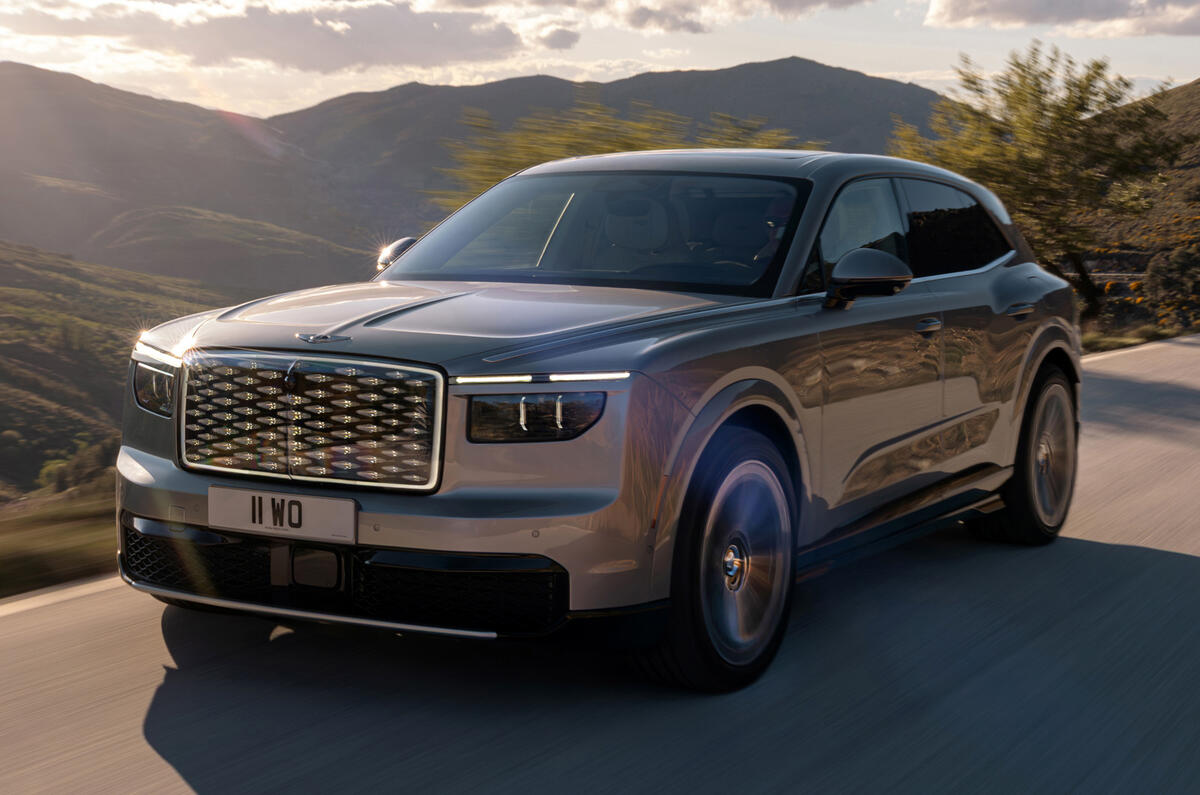
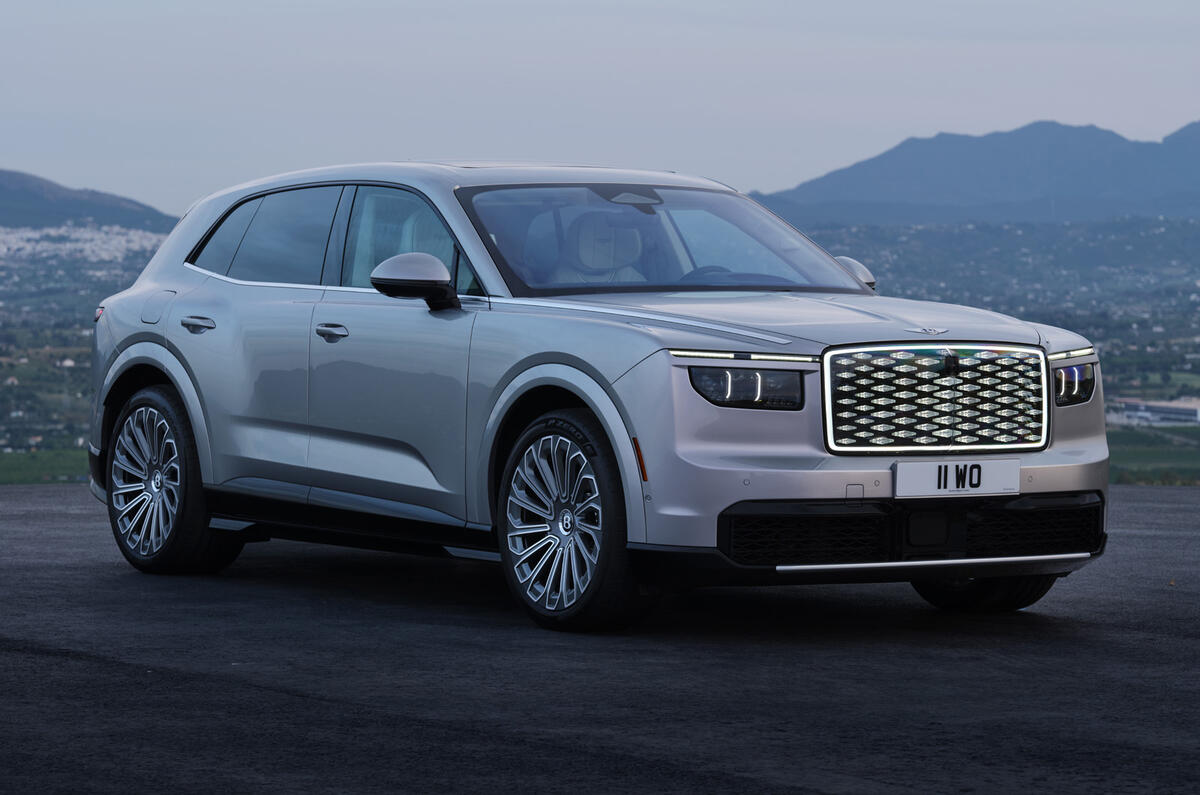
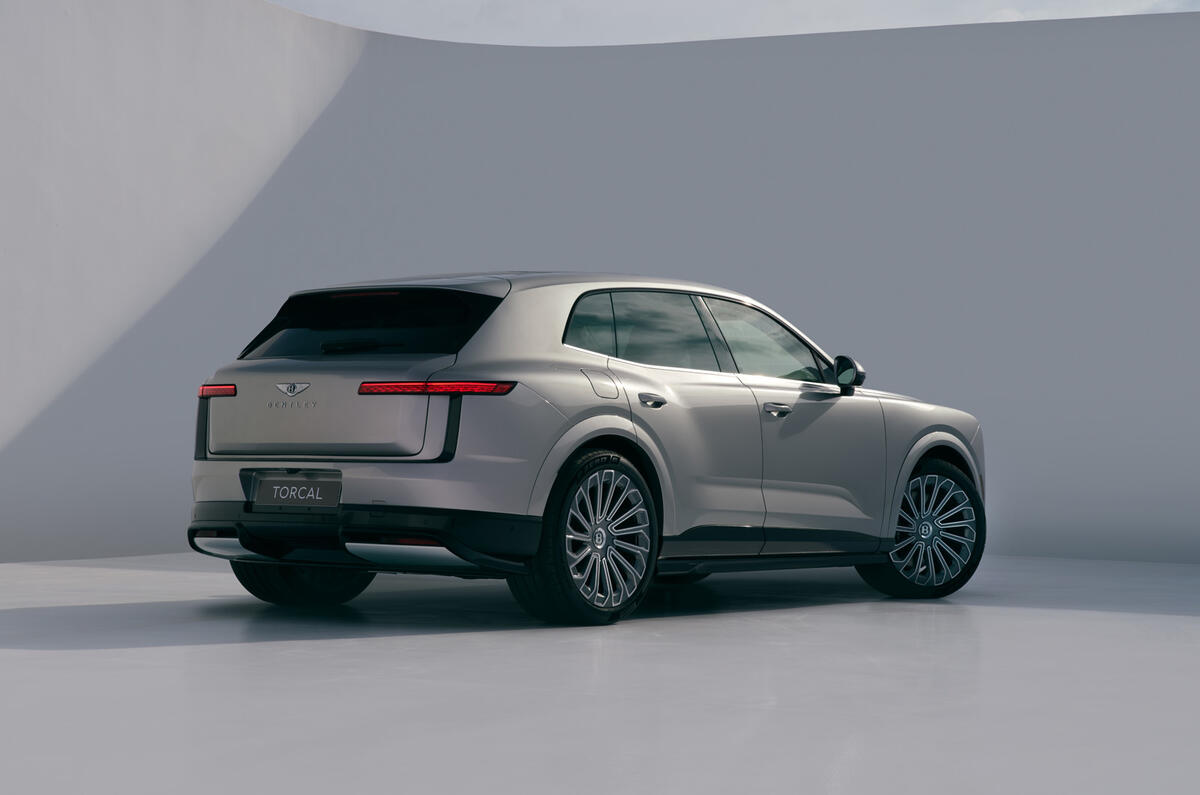
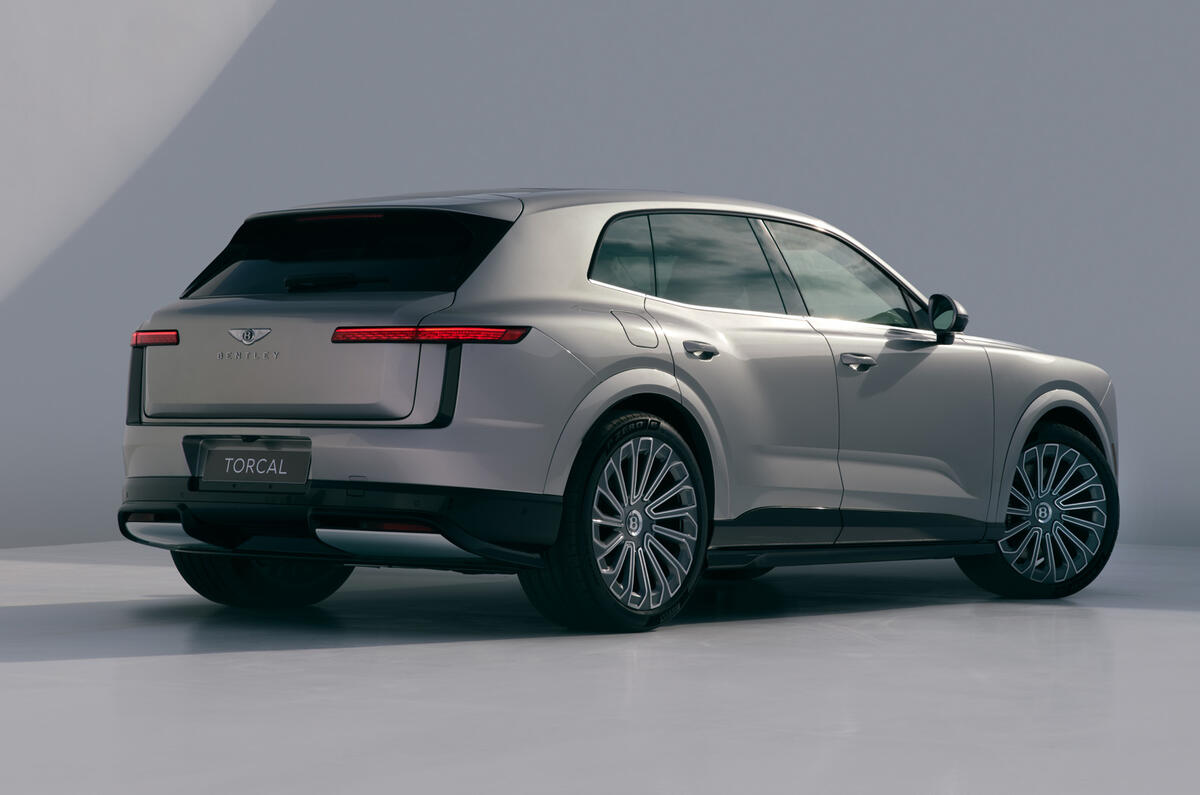
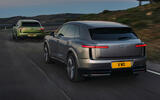
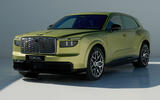
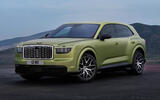
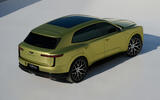
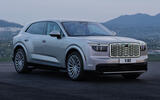
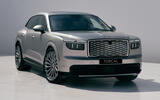
The Torcal is more obviously SUV-shaped than the high-riding EXP 15 fastback but maintains the concept’s sheer, upright front end, muscular proportions and distinctive lighting signatures – dramatically departing from Bentley’s current design language while nodding subtly to its past.

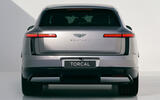
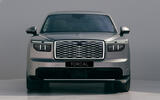
With reduced need for airflow, the trademark grille has made way for a huge panel housing a display of illuminated diamonds, which will become the new face of Bentley.

That’s joined by a new lighting signature that comprises ultra-slim, horizontal LED daytime-running lights and single-piece headlights, each with a pair of vertical LED strips that nod to the distinctive face of the 1980s Bentley Turbo R – one of the historic models that served as inspiration.

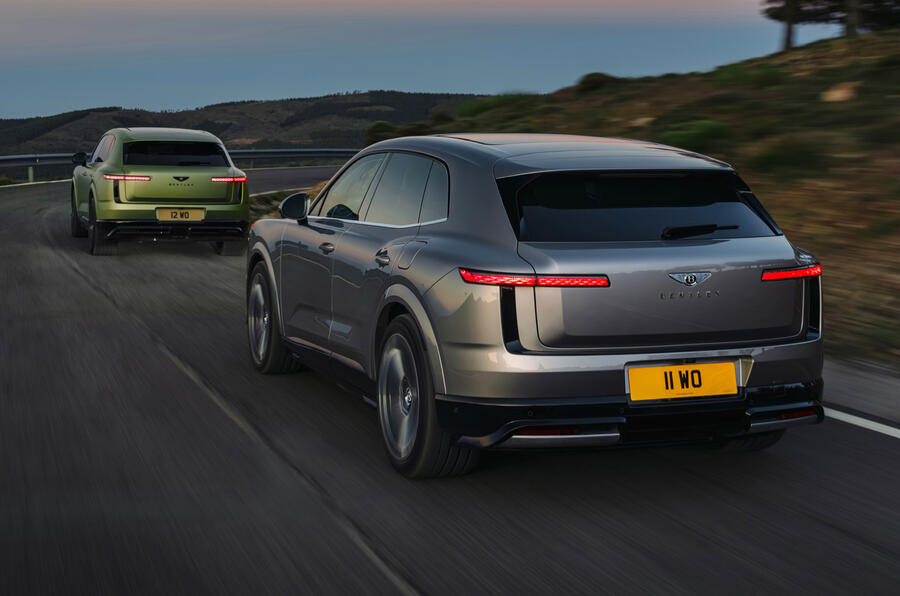
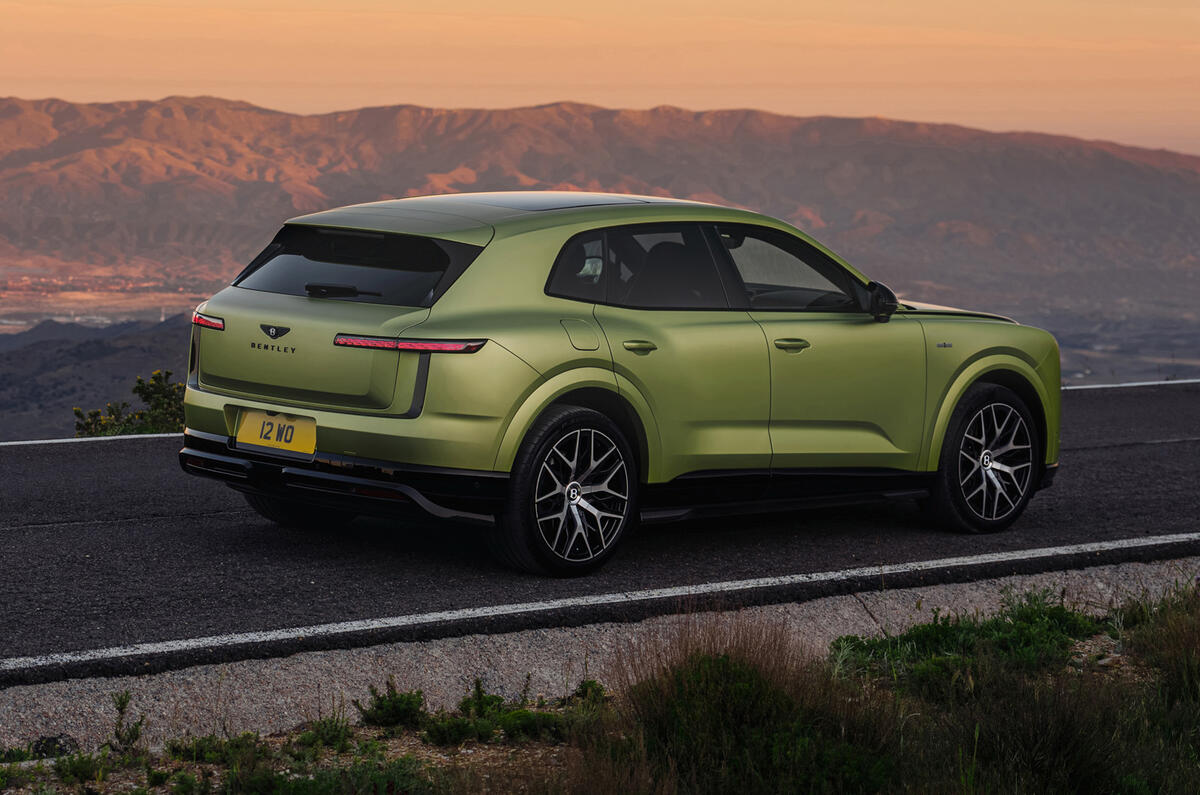
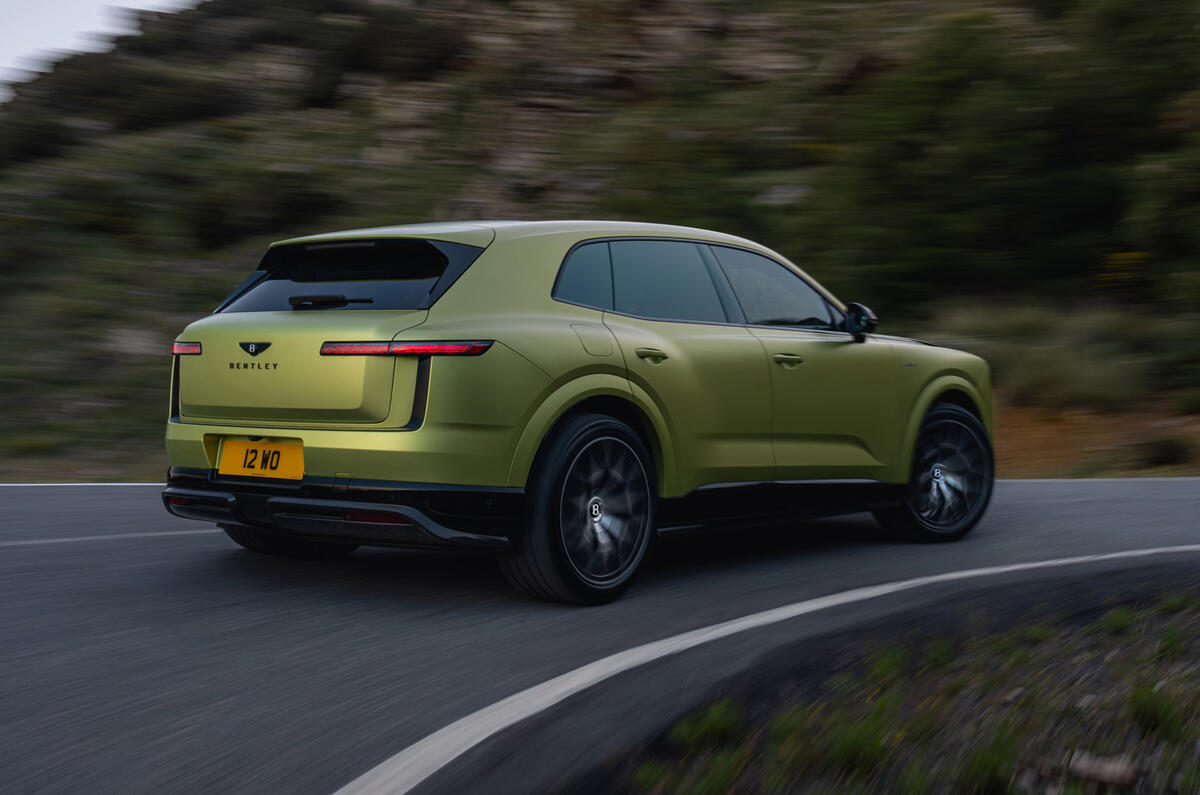
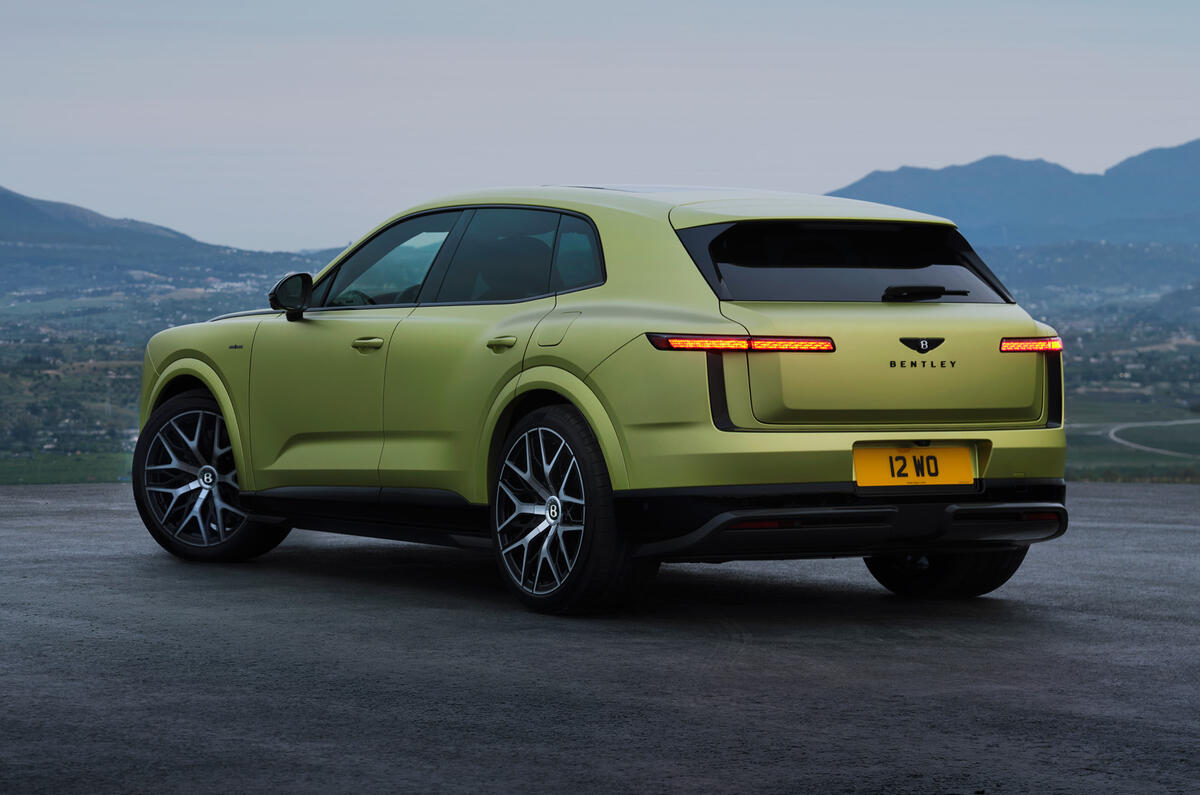
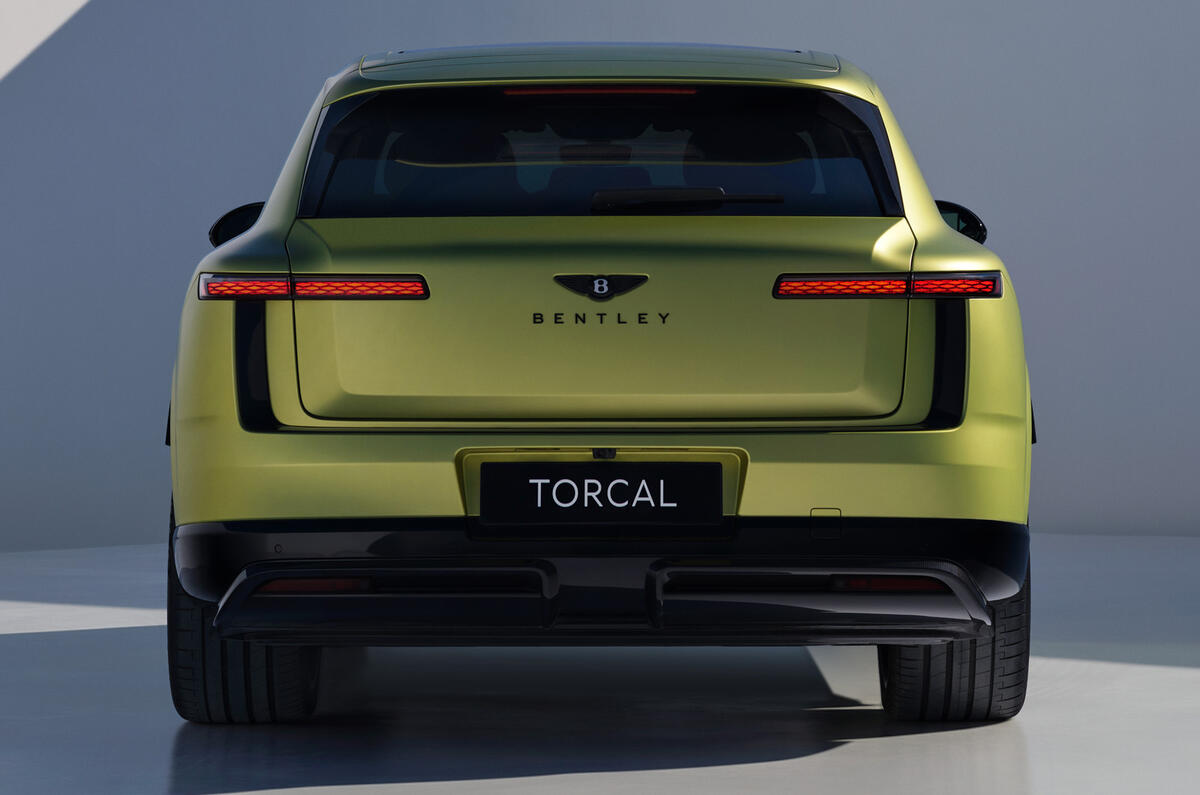
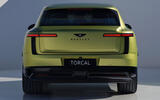
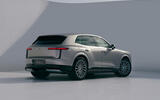
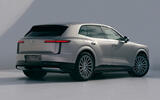
Page also referenced the swollen ‘prestigious shield’, the subtly extended bootlid that nods to the rear-mounted luggage carrier on vintage Bentley tourers, and the swollen arches and cab-rear profile that mimic the “resting beast” silhouette of ‘Bentley Boy’ Woolf Barnato’s Speed Six, in which he raced an express train from the south of France to London in 1930.

Back to top

“We think of a tiger that’s got that haunch, that visual power of the animal,” said Page, explaining the Torcal’s squatting silhouette. “Even when the car is stationary, you see that it’s got lots of power with this muscle at the rear – the resting beast muscle.”

PERFORMANCE IS SENSATIONAL BUT SENSIBLE

The Torcal will be exclusively dual-motored and four-wheel drive from launch. The standard car will pack 811bhp and the more sporting-oriented S will be boosted to a Taycan Turbo-baiting 872bhp – with a whopping 995lb ft of torque.

That’s enough to haul the 2795kg Torcal from rest to 62mph in just 2.9sec – as quick as a Ferrari 296 – and on to a top speed of 162mph.

However, Bentley says, despite possessing supercar levels of performance, the Torcal offers a driving experience that is “always accessible, progressive and sophisticated”. The powertrain has been tuned “with knowledge that most customers find acceleration more extreme than this to be an uncomfortable experience”.

Power is supplied by a 108kWh (usable) battery capable of charging at speeds of up to 400kW, and offering a maximum range of 375 miles in the longest-range Torcal variant. That’s significantly less than many much cheaper EVs, but Bentley says the figure is in line with customer requirements and boosting the Torcal’s range to a BMW iX3-matching 500 miles, for example, could have impacted its dynamic and performance characteristics.

Back to top

“The main objective for us is to try to create a vehicle that is authentic in the round. If we wanted to achieve those range figures, then we would have compromised on overall performance and power delivery, and therefore customer driving experience,” said Torcal product line boss Martin Page.

Bentley says that when charging at maximum speed, the Torcal’s battery can go from 10-80% capacity in just 16 minutes.

TUNED FOR MAXIMUM REFINEMENT

Much of the Torcal’s chassis hardware is shared with its Porsche relation but Bentley emphasises that a fundamental part of the development process was ensuring that it rides and feels obviously like a Bentley to drive.

“We have unique calibrations and unique components in nearly every element,” said Martin Page. He highlighted in particular the bespoke suspension set-up, which takes the Cayenne’s two-damper active ride system and retunes it for optimum refinement and distinct ‘Bentley’ characteristics.

The fully active dual-valve dampers offer what Bentley calls a “true ‘magic carpet’ ride”, with each corner adjusting on the fly in reaction to – and anticipation of – changes in road surface and driver input. So equipped, the Torcal can go without the Bentayga’s 48V active anti-roll bars.

Back to top

“The system is inherently soft. Every bit of stiffness we want to put in, we can calibrate in,” said Martin Page. “We found in the technology development that actually our engineers had taken this to the full extreme and calibrated a car that was supremely stiff and supremely dynamic, and we actually said: ‘Let’s tune that back out.’ We put some roll and some pitch in to give it that humanity, that customer-centricity that is traditional and in keeping with the Bentley DNA.”

That approach was taken with a view to emulating the luxurious attributes of other Bentley models but also to bolster the Torcal’s billing as a more urban-oriented proposition than its grand touring siblings.

In line with that, the Torcal also comes with rear steering as standard, which trims the turning circle to a Mini Cooper-rivalling 11.1m.

Stopping power, meanwhile is provided by iron discs as standard – 420mm up front and 370mm at the rear – or optionally by slightly bigger carbon-ceramic items.

NEW TECH DOESN’T DILUTE TACTILITY

Being based on the PPE platform means the Torcal brings a decentralised computing system, unlike its ICE-powered range-mates, which Martin Page said “allows us to bring in a significant number of additional customer features and demands”.

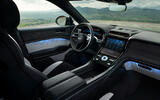
Among these is a new facial recognition function, which identifies a driver and automatically adjusts various settings – including the seat and climate control – to their preferences. There’s also an augmented-reality head-up display, and level-two-plus autonomous functionality for hands-free driving in certain conditions.

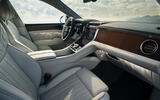
Other technical firsts for Bentley include the addition of heated and ventilated rear seats, a photochromatic roof that can be opacified in sections on demand, and a 28-speaker Dolby Atmos sound system that is “tuned to make sure that what you experience in the car is a true orchestral performance”, said Martin Page.

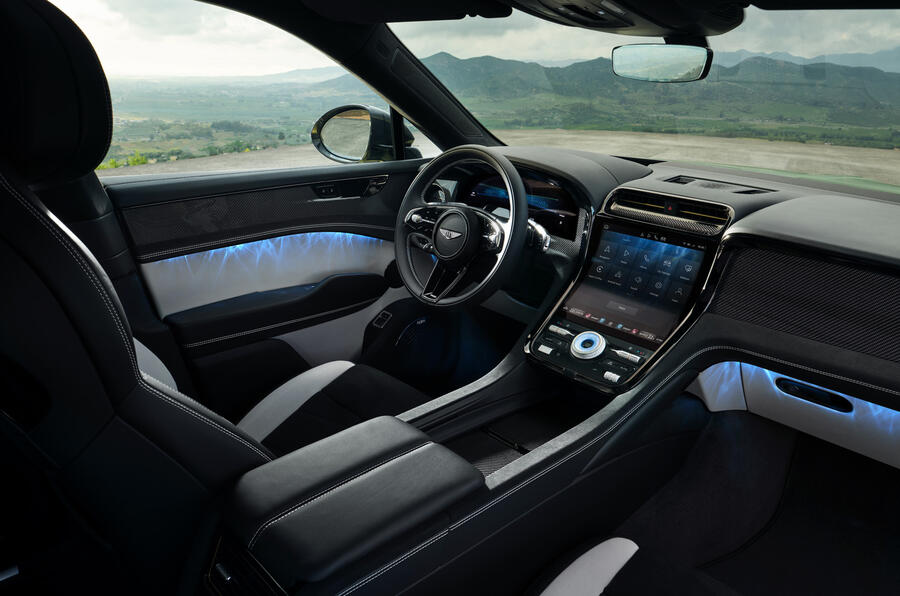
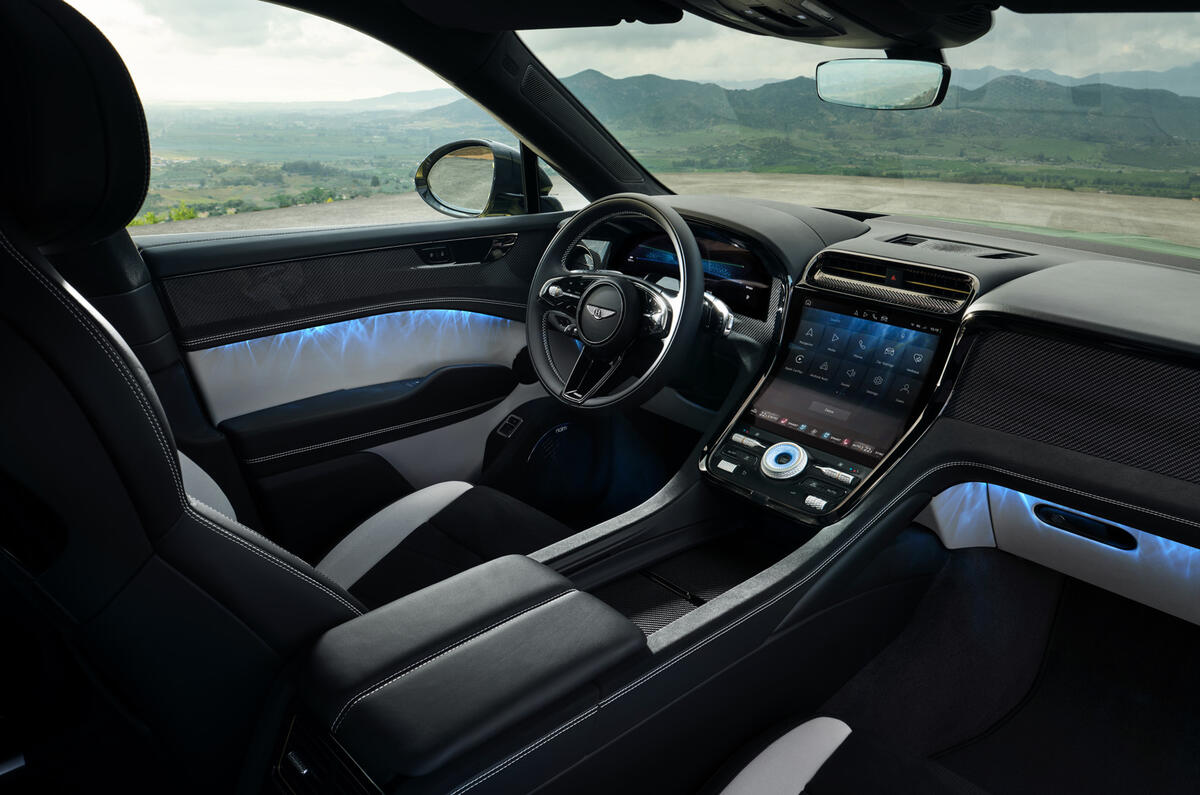
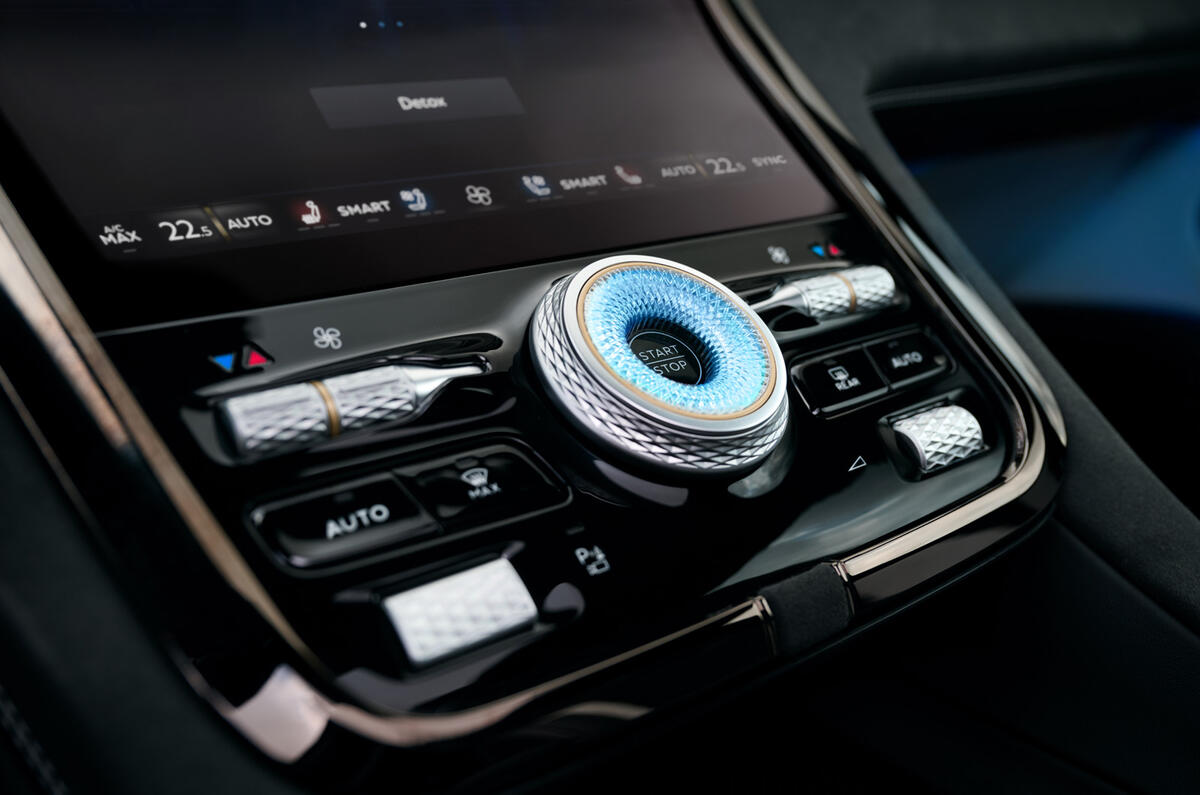
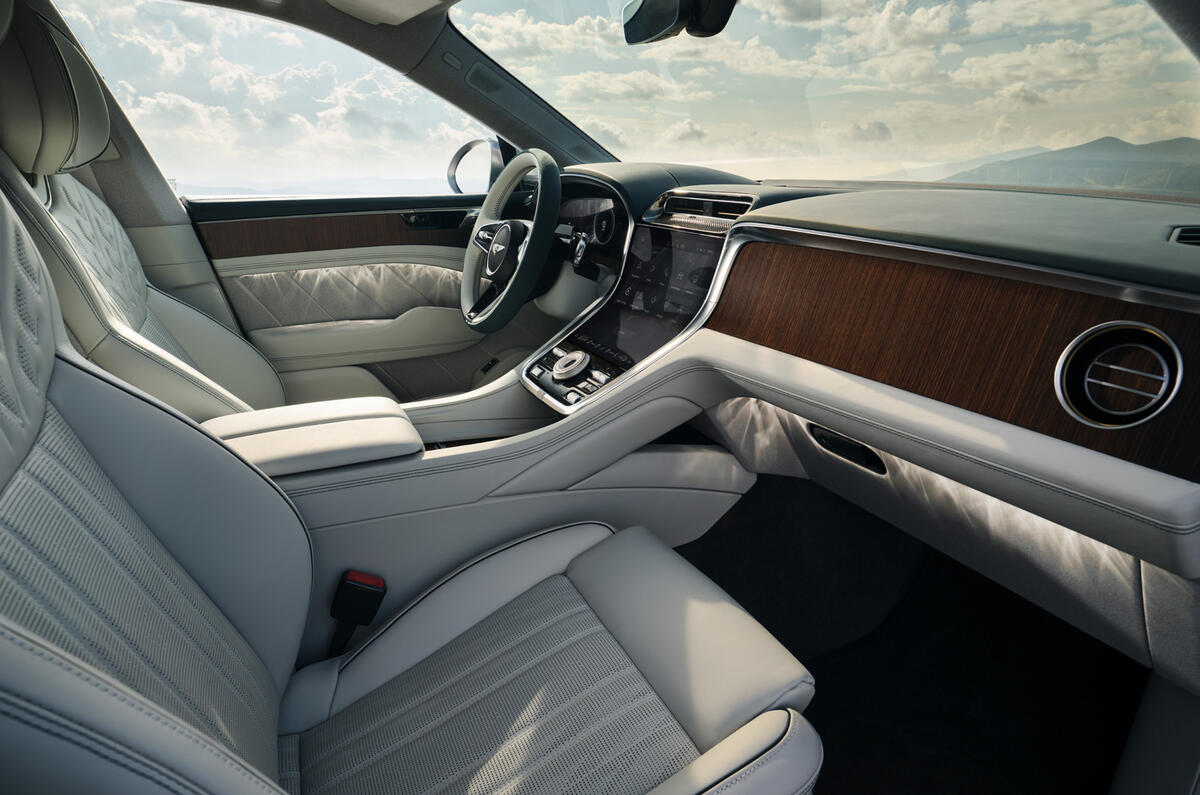
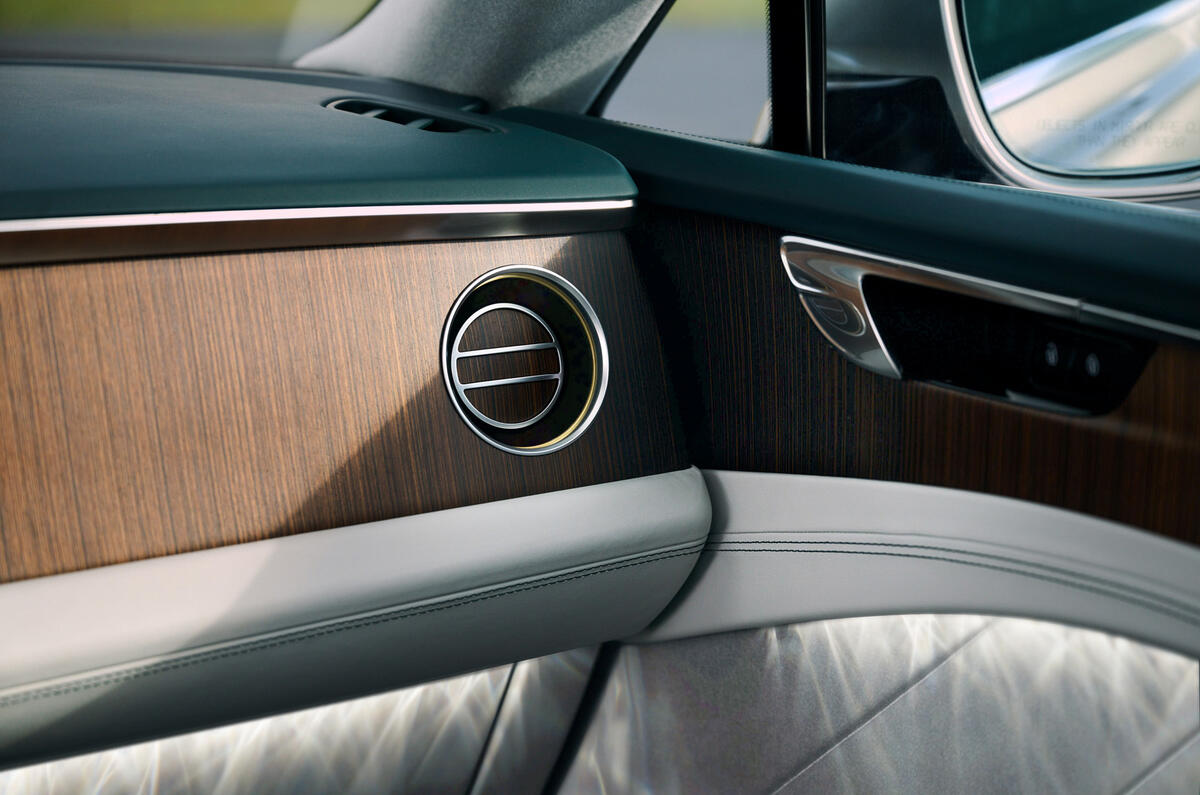
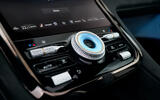
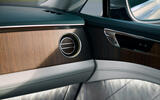
However, despite the significant technological uplift compared with existing Bentleys, the firm has retained a large number of intricately engineered physical switches and buttons, rather than relying on the large curved touchscreen – shared with the Cayenne – as the sole control interface. That’s part of a push to ensure new-era Bentleys continue to stand out from rivals for their enhanced ‘authenticity’ and tactility.

Back to top

“The decision we made early on was to have a combination of physical, beautiful jewellery switches with digital – so we didn’t go down the route of putting an iPad on the instrument panel and getting rid of all the switches,” said Robin Page.

Notably, the Torcal also diverges from its platform-mate – and bucks a wider trend towards digitisation – in forgoing a separate touchscreen for the front passenger. Martin Page said that is a “very conscious decision” and Bentley “will only add technology into the car where the technology adds a significant value to the customer experience”.

He added: “When we see the capability of passenger screens in the marketplace at the moment, that doesn’t offer an effect on the experience of occupants.

“I personally believe that passenger screens will really come into their own when we get to maybe level-four self-driving, and you can really sit back aircraft-style and watch a video.”

NEW TAKE ON ‘FAKE’ ENGINE

Rather than amplifying the noise of its EV motors (à la Ferrari Luce) or overlaying an artificial V8 soundtrack like the electric Cayenne does, the Torcal introduces a unique orchestral soundtrack to replace the noise of a combustion engine.

Back to top

Created using drums, violas and bass guitars, with an old Turbo R’s 6.75-litre motor on hand for inspiration, the ‘exhaust note’ has been conceived not necessarily to mimic Bentley’s trademark V8 growl but to match its cadence and rhythm in a bid to create a “similarly powerful sound connection” between car and driver.

It plays both inside and outside the car – unless deactivated – and increases in frequency as the car accelerates to ramp up the Torcal’s engagement and authenticity credentials.

Martin Page said: “The propulsion sound is fundamental to your ability to extract maximum performance and experience from the car.

“The subconscious capability of knowing the propulsion sound – and the value that adds to the handling and behaviour of the car, specifically at the limit – is fundamental,” he said, adding that an audio soundtrack can even mitigate motion sickness for occupants.

Join our WhatsApp community and be the first to read about the latest news and reviews wowing the car world. Our community is the best, easiest and most direct place to tap into the minds of Autocar, and if you join you’ll also be treated to unique WhatsApp content. You can leave at any time after joining - check our full privacy policy here.

Felix Page

Felix Page
Title: Deputy editor

Felix is Autocar's deputy editor, responsible for leading the brand's agenda-shaping coverage across all facets of the global automotive industry - both in print and online.

He has interviewed the most powerful and widely respected people in motoring, covered the reveals and launches of today's most important cars, and broken some of the biggest automotive stories of the last few years.