




It shouldn’t come as a great surprise that one of the most hotly debated automotive chassis technologies originated in Japan, a nation whose residents appear to be born with a fascination for high-tech gadgets and gizmos.
Active rear-wheel steering was introduced in 1985. Fittingly, it made its debut on the Nissan R31 Skyline, a car as synonymous with innovation as noodles are with ramen. However, the technology was popularised by the 1987 Honda Prelude, which was sold globally.
The benefits of active four-wheel steering were highlighted early on by American magazine Road & Track. In 1987, it took a Prelude 2.0Si 4WS, laid out a slalom course and pitched the Honda against sports cars from Chevrolet, Ferrari and Porsche. The humble Japanese saloon beat the lot of them.
As with so much innovation, the novelty value of four-wheel steering diminished as the years passed by. At the same time, insurers grew wary of repair bills – any car equipped with the costly hardware faced big repair bills if hit from behind. Rear steer systems faded away.
Until, that is, engineers realised that as cars of all shapes and sizes were getting larger and heavier, active rear-wheel steering systems could help make them more manoeuvrable, be it in a car park or around a race track.
Here are 10 highlights, past and present, of models that belonged to the rear steering committee.
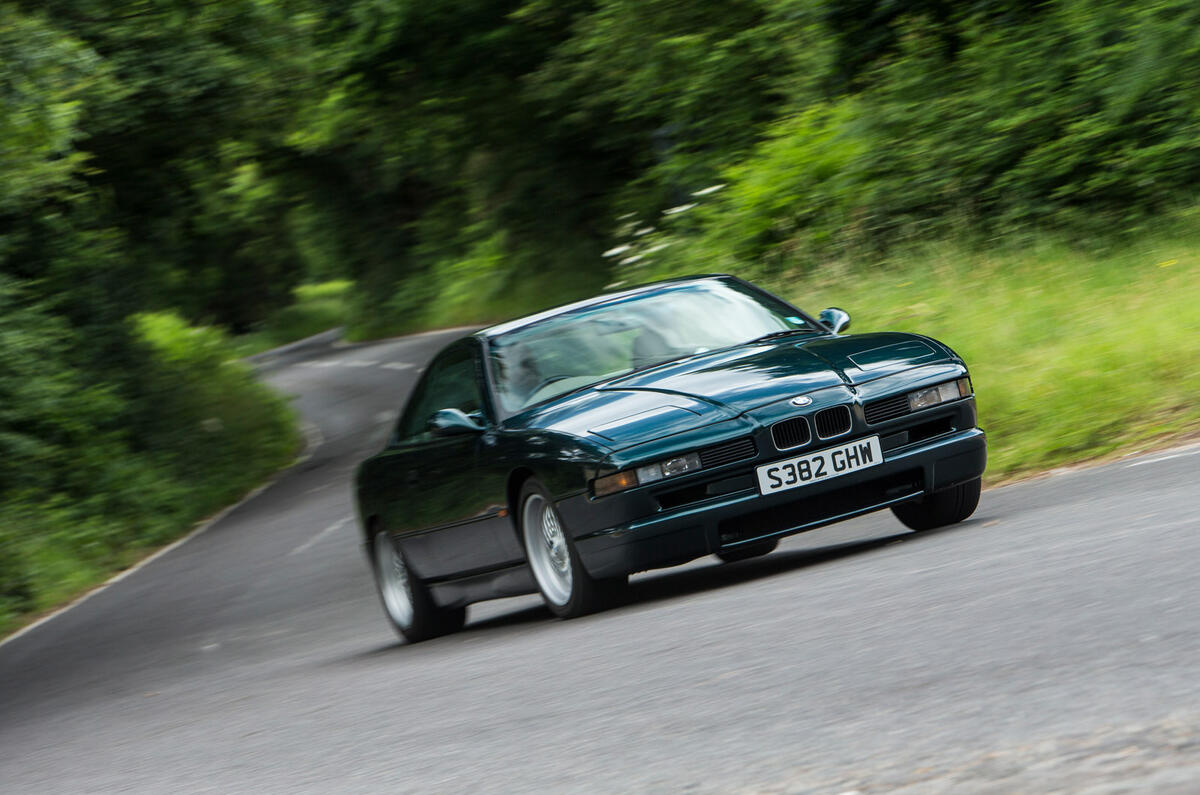
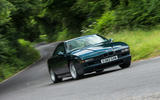
1 - BMW 850 CSi
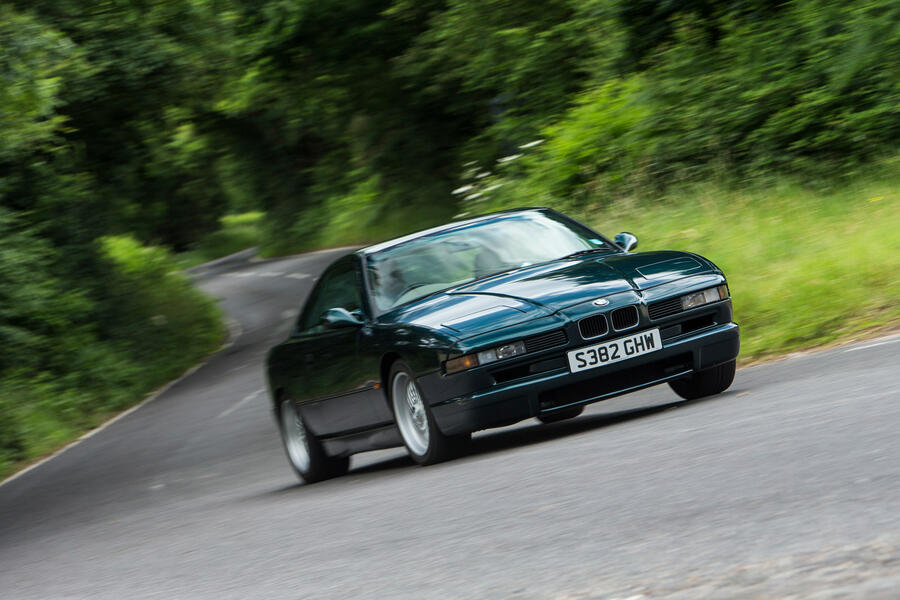
Want to know the reason why the flagship 850 CSi version of the E31 8 Series is so cheap these days? Its Aktive Hinterachs-Kinematik (AHK) system has a habit of going wrong and more often than not costs an eye-watering amount to fix. The car was powered by a 5.6-litre V12 with 375bhp and benefited from the input of BMW Motorsport. Trouble was, it came at a cost – almost £80,000, in the early 1990s.
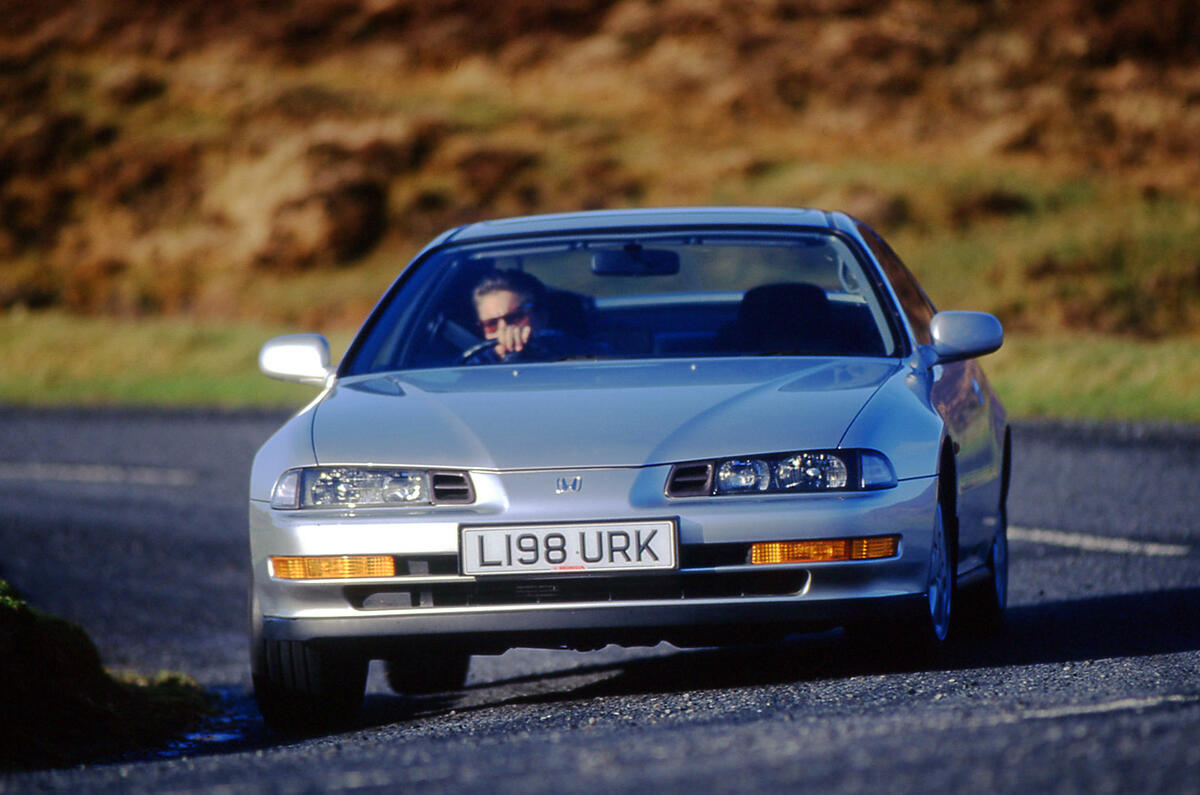
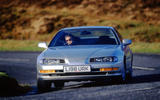
2 - Honda Prelude
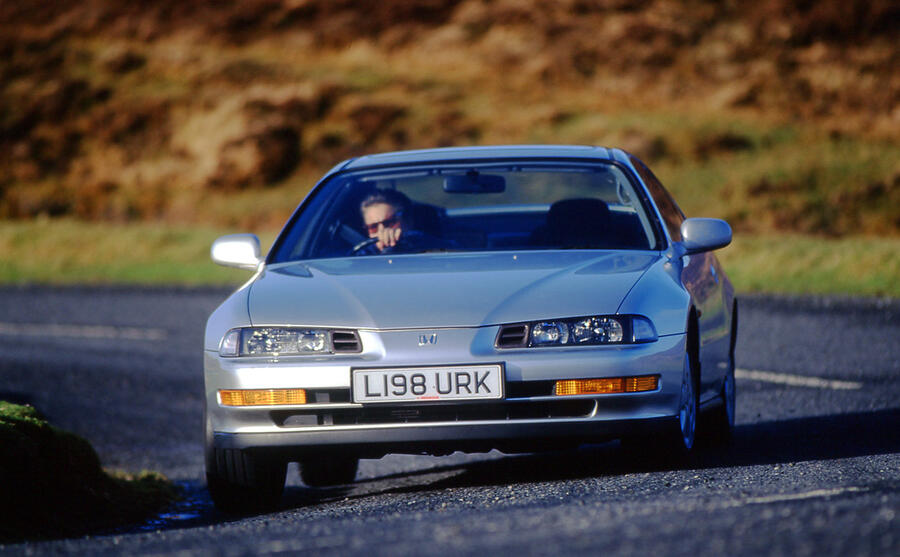
The Prelude was the car that brought four-wheel steering into the public eye. Its system was able to steer the back wheels the same way as the fronts, by 1.5deg and up to a steering input of 246deg. Apply more lock and the back wheels were able to point in the opposing direction by up to 5.33deg, giving the Honda a compact turning circle of just 10 metres, or 33 feet in old money. However, the cost of the complex steering gear didn’t go down well with insurers when a Prelude was hit from behind.
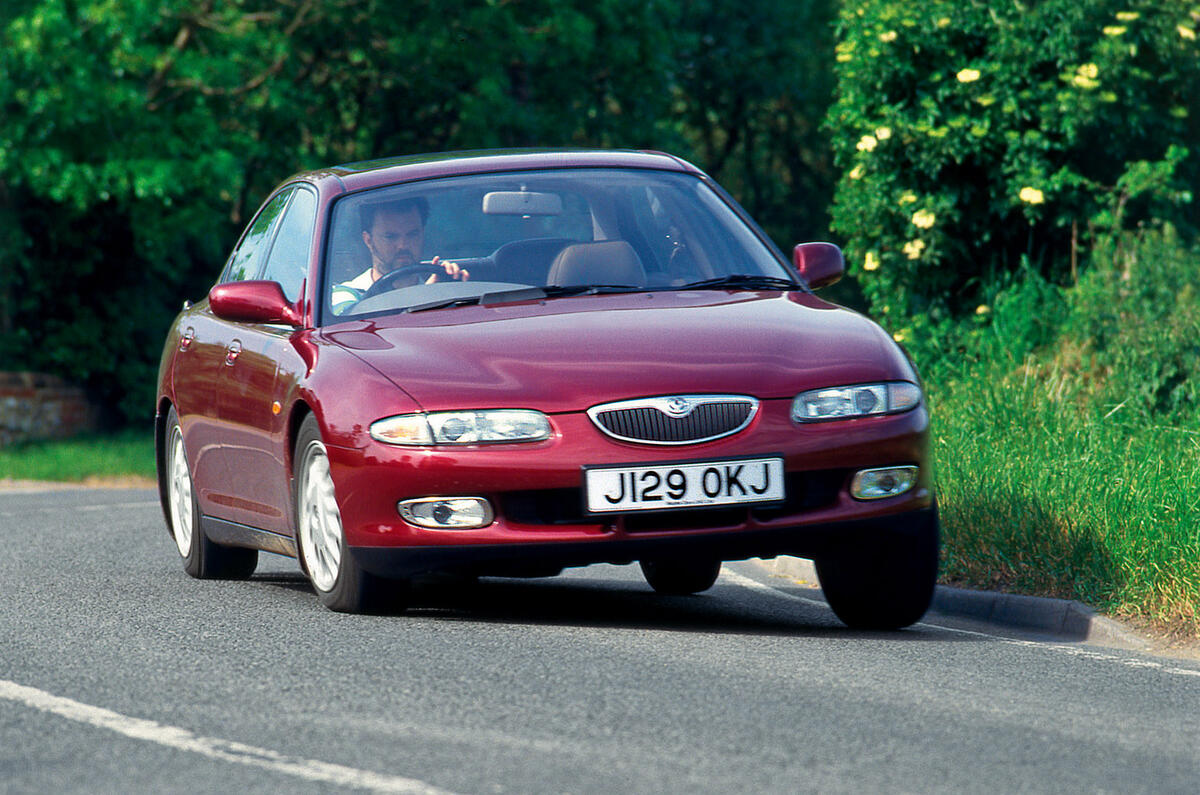
3 - Xedos 9
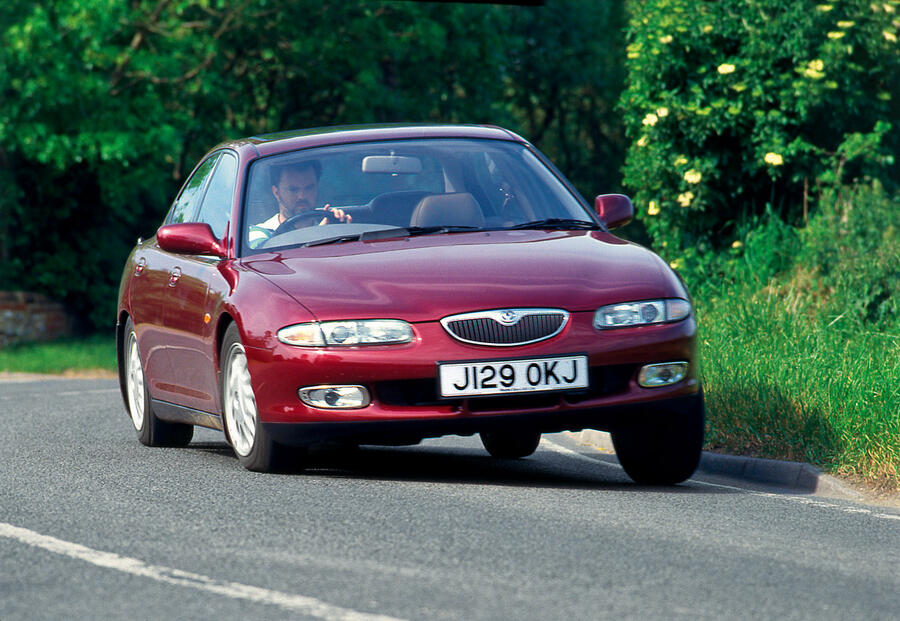
Hands up who remembers Xedos. The quasiupmarket Mazda spin-off enjoyed modest UK success with the 6, but the bigger 9 never really took off. Perhaps that’s because the UK version made do with the active four-wheel steering system made available on Japanese versions.
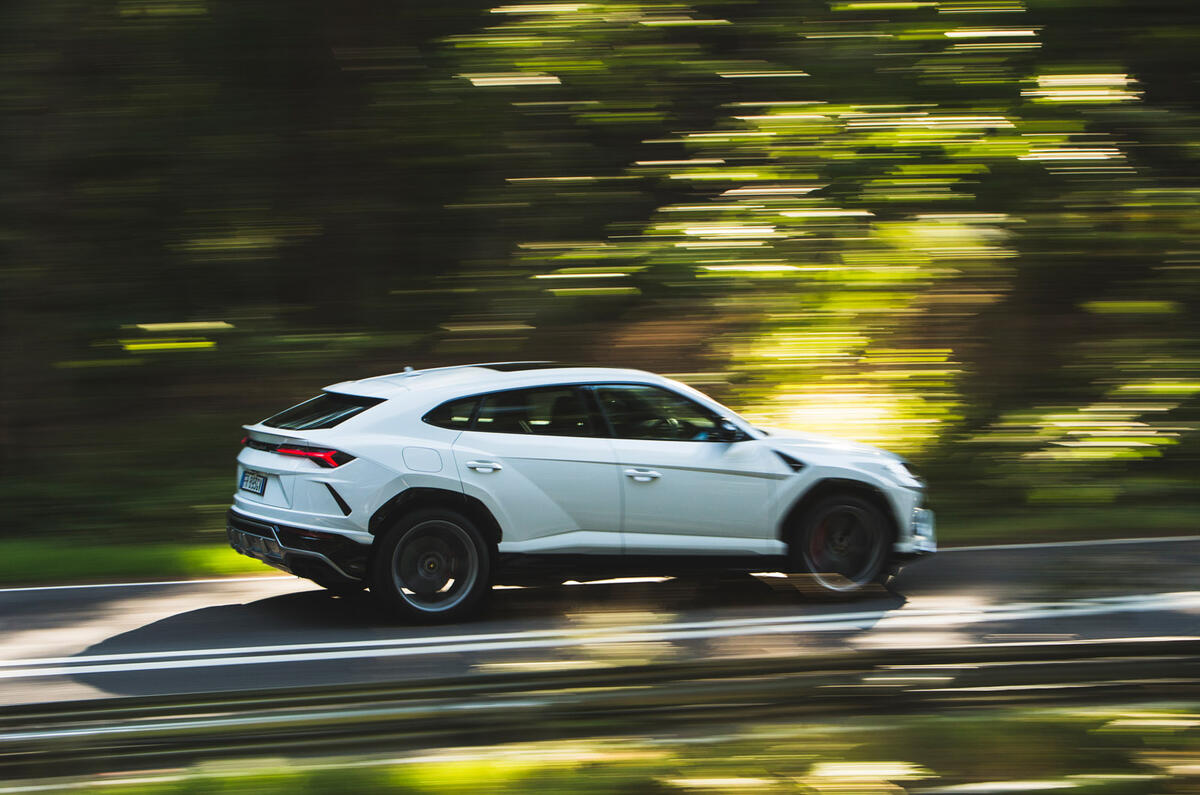
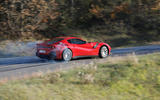
4 - Lamborghini Urus
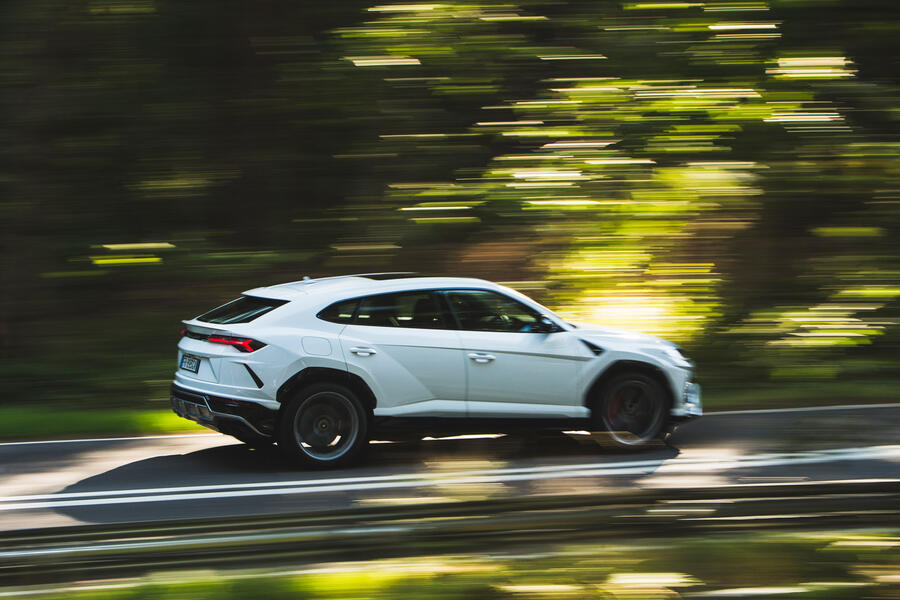
Lamborghini made great strides with the updated Aventador S, which came with a four-wheel steering system that then found its way onto the Urus. It was a key ingredient in creating a high-performance SUV that didn’t sully the reputation of Italy’s second-best-known sports car maker.
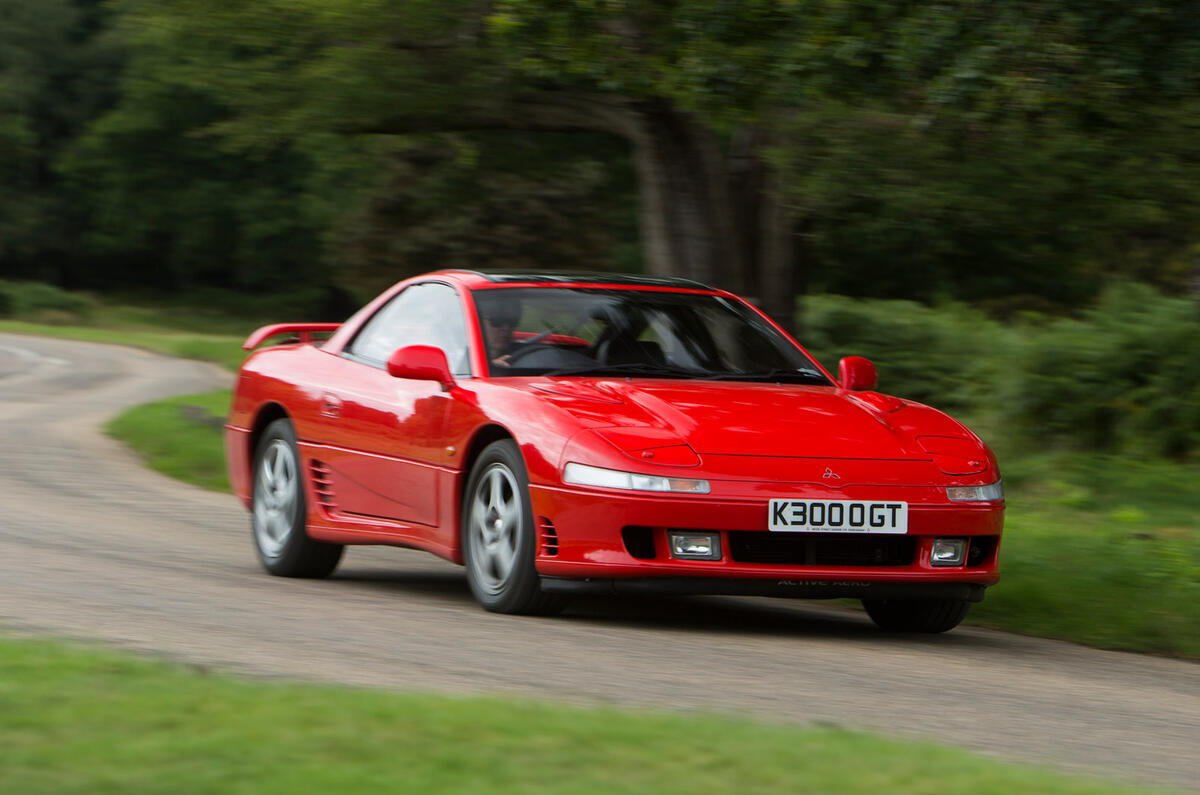
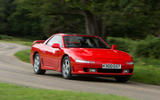
5 - Mitsubishi 3000 GT
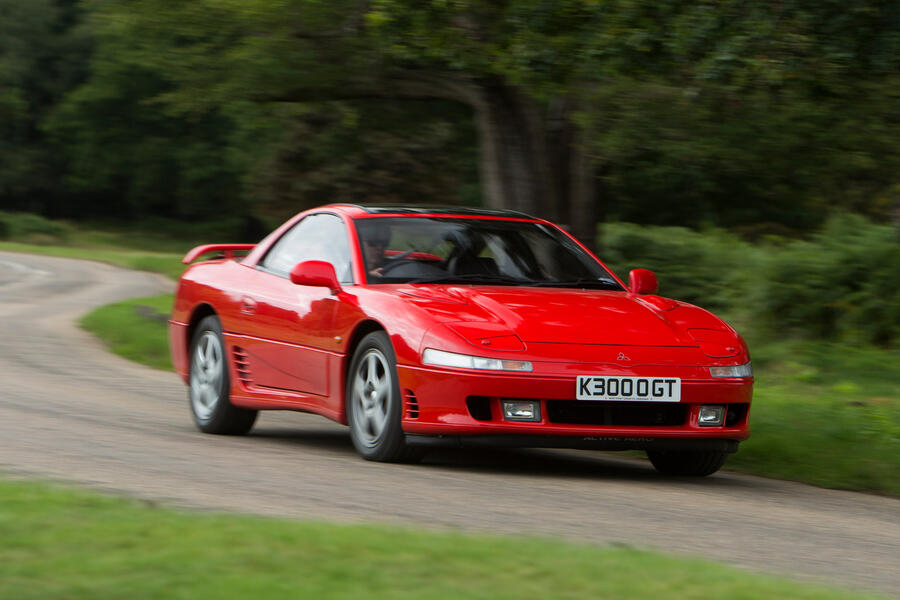
The 3000 GT was laden with nearly as many gizmos as Doc Brown’s DeLorean: active aero aids, all-wheel drive, adaptive suspension, two turbochargers and, of course, four-wheel steering. However, few of Britain’s drivers were drawn to it when they could have a BMW or Porsche instead.