

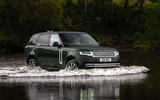


After four years of engineering, the seminal luxury SUV enters the EV era

Find Land Rover Range Rover Electric deals
Other Services
Sell your car
84% get more money with

You wait four years for a new car from JLR and then two come along at once. Well, three, actually. The Jaguar Type 01, revealed earlier this month, was the first new metal out of the Gaydon gates since the L461-generation Range Rover Sport of 2022, and now we’ve had our first chance to drive this new Range Rover Electric and its Range Rover Sport Electric sibling.

We’ll be kind and call the Range Rover Electric an all-new car, because there’s a case to be made for this being a derivative, a powertrain option to simply tick on the configurator. That’s largely how Range Rover will market it and push it in front of buyers, so keen is the brand for the car to be not defined by a powertrain and the experience to be consistent whatever the propulsion method.

At four years, the development time for the Range Rover Electric was more akin to that of an all-new model on a new platform, because JLR had to create the electric innards from scratch.

Whatever the buyers will be told, there's a serious engineering story to be shared in the Range Rover going electric. Little of what is underneath the vast amount of aluminium bodywork is familiar from the petrol, diesel and hybrid versions of the L460 Range Rover we’ve come to know. All the major electrical drive components, including the motors and battery, are home-grown and in-house designed and made, because nothing out there on the market could handle the breadth of ability needed for a Range Rover.

We’ve been talking about this EV for even longer than four years. So has JLR: it was a cornerstone of the company's Reimagine strategy of 2021, under which Range Rover was turned into a standalone brand in early 2023. We drove a near-production prototype more than a year ago off road and an even more finished version (not a technical term…) on a proving ground just a few weeks ago.

Advertisement
Back to top

With all that tinkering and ‘nearly there’ teasing, this finally finished version had better deliver.

DESIGN & STYLING

Range Rover Electric review 2026 092

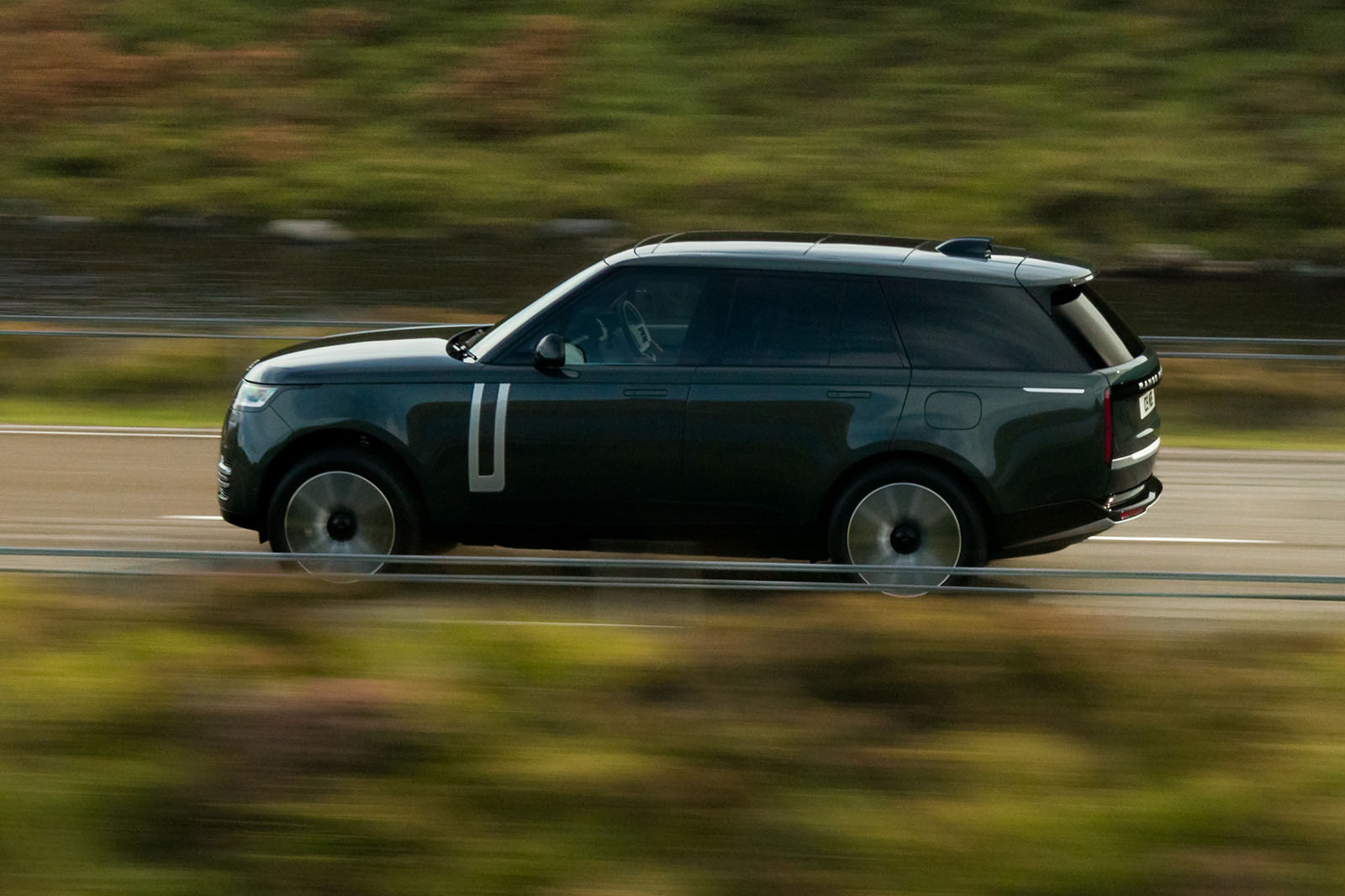
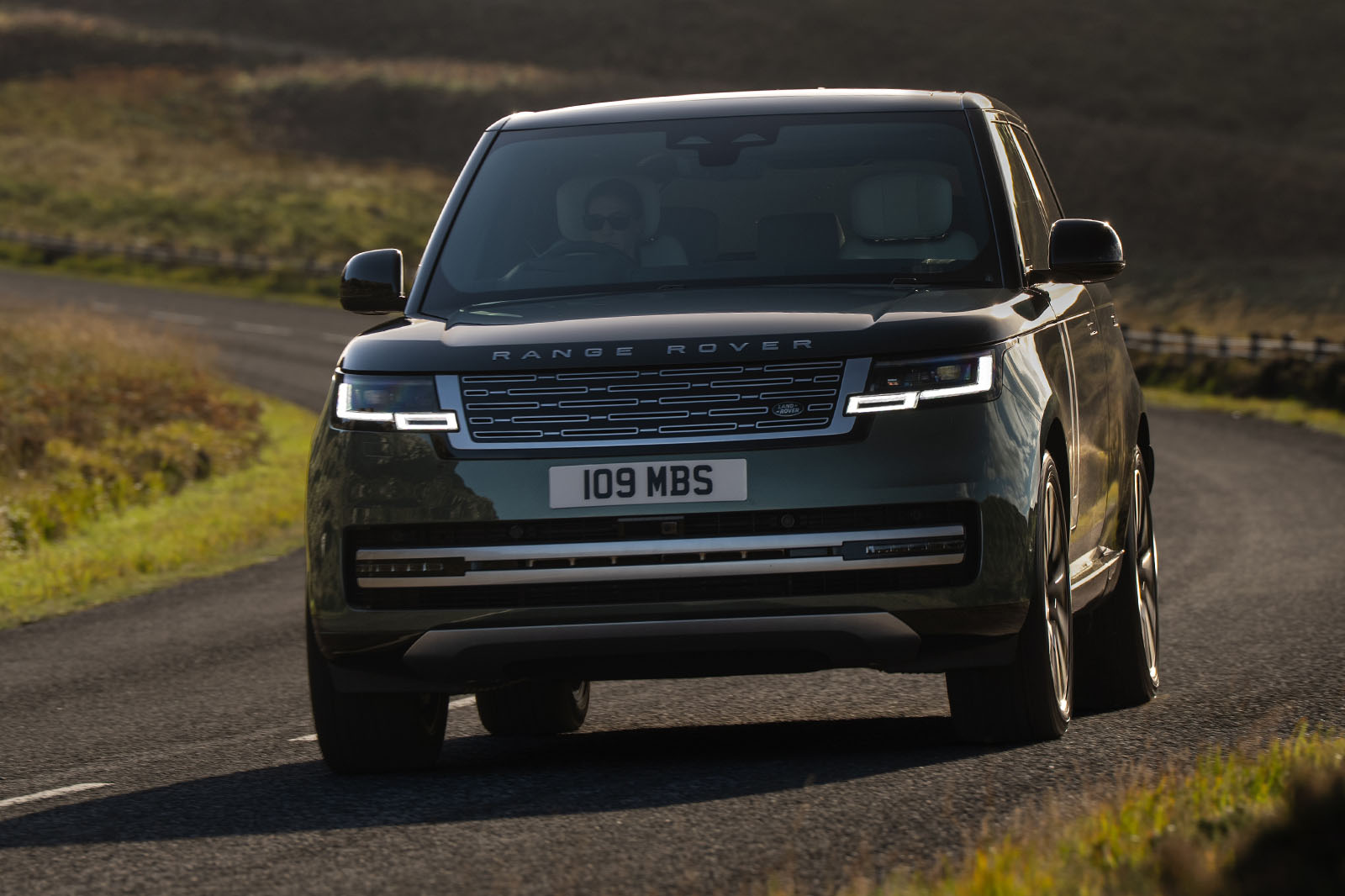
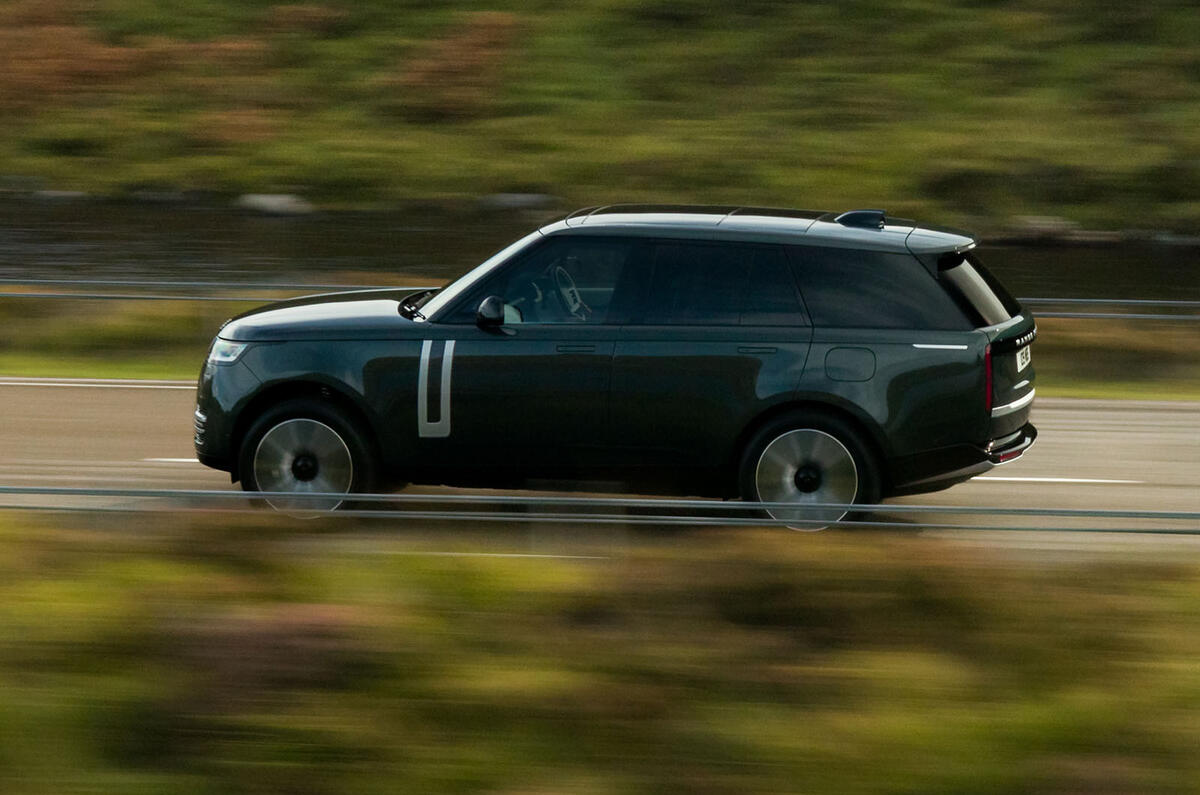
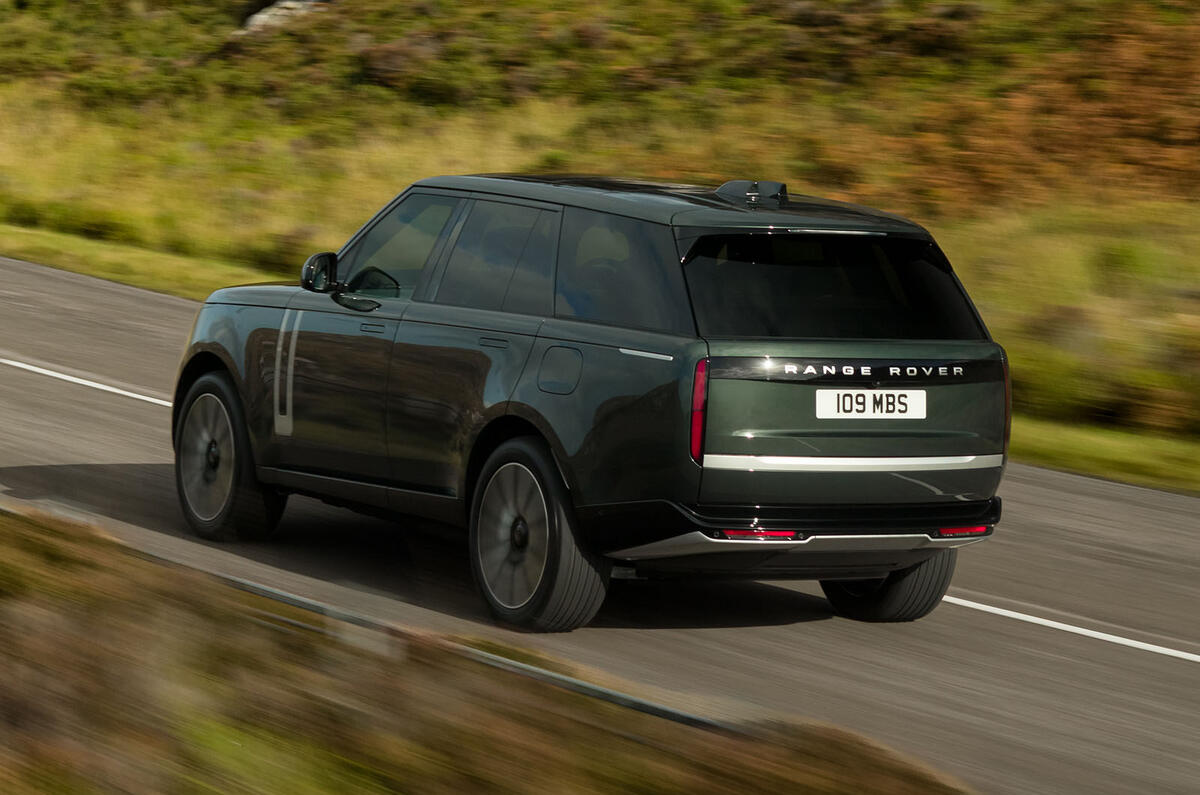
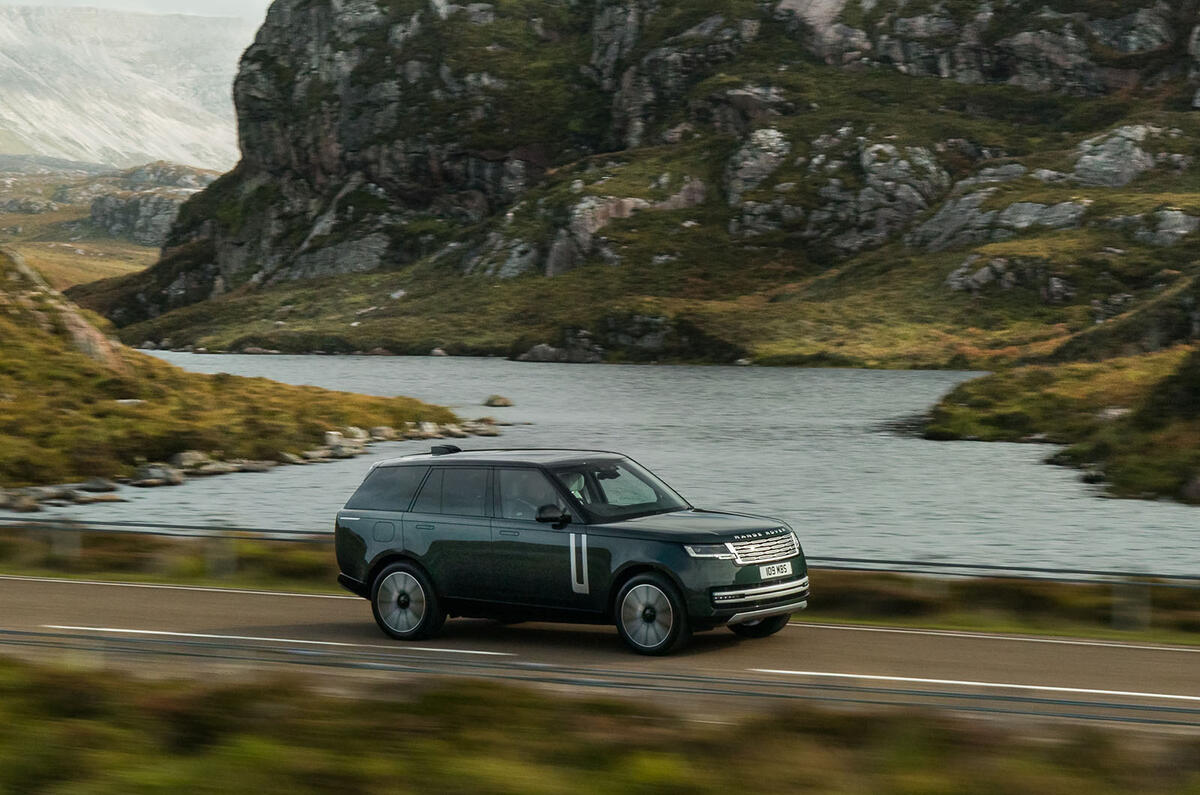
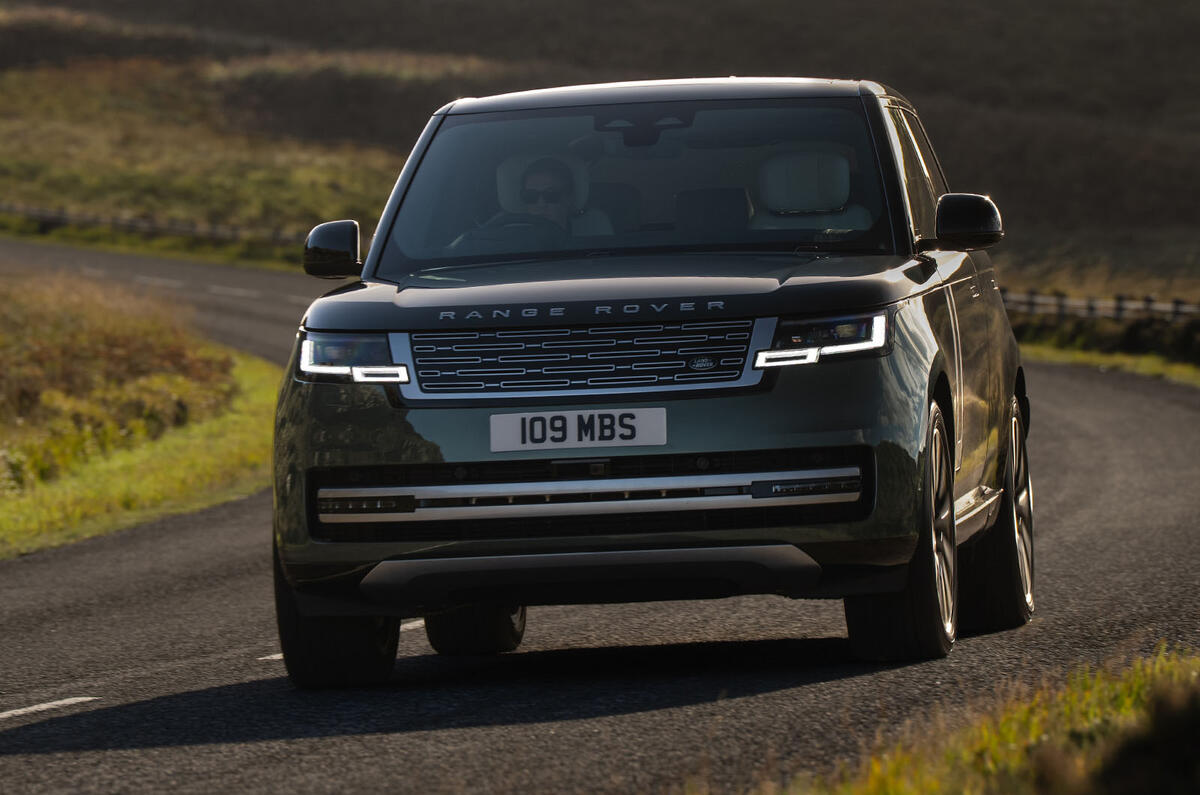
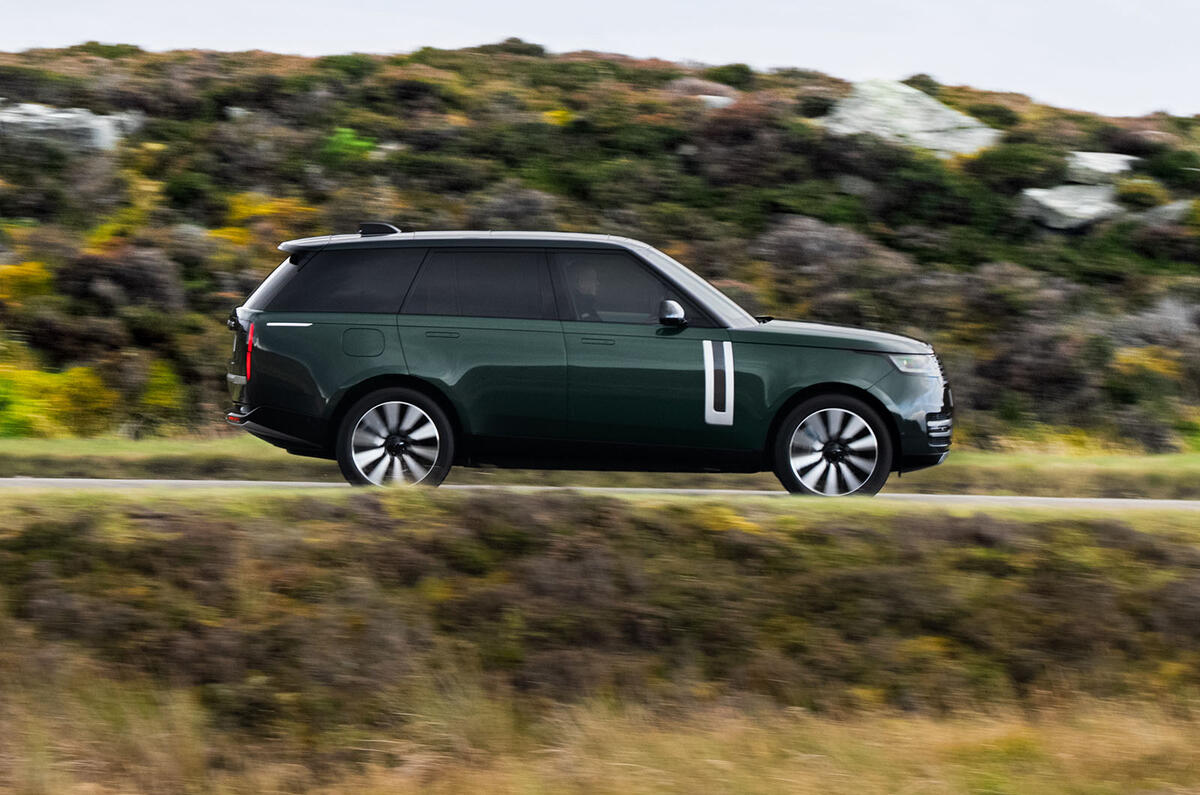
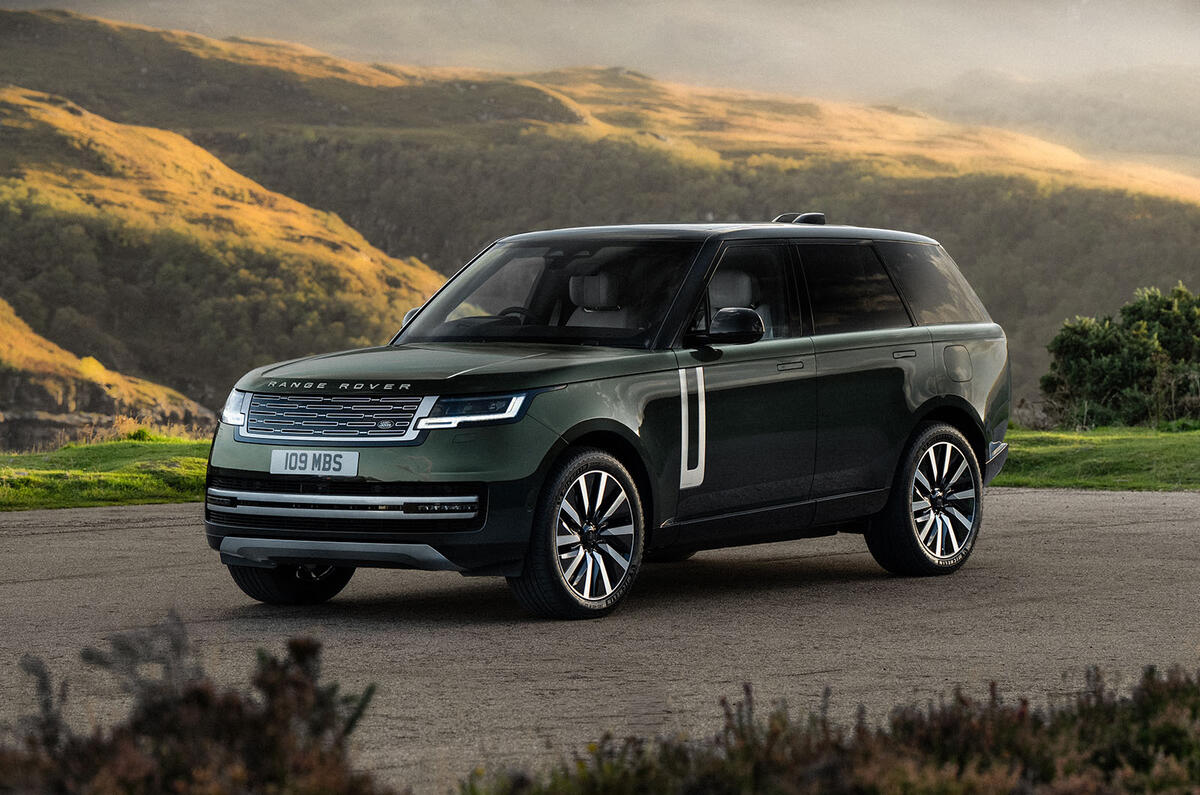
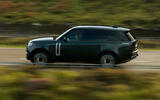
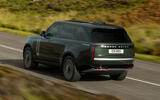
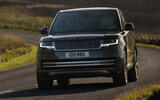
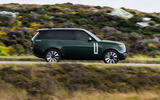
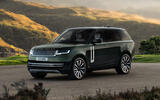
It’s fair to say that the engineering team did almost all the work in creating the Range Rover Electric, as the styling is identical to that of combustion and hybrid models.

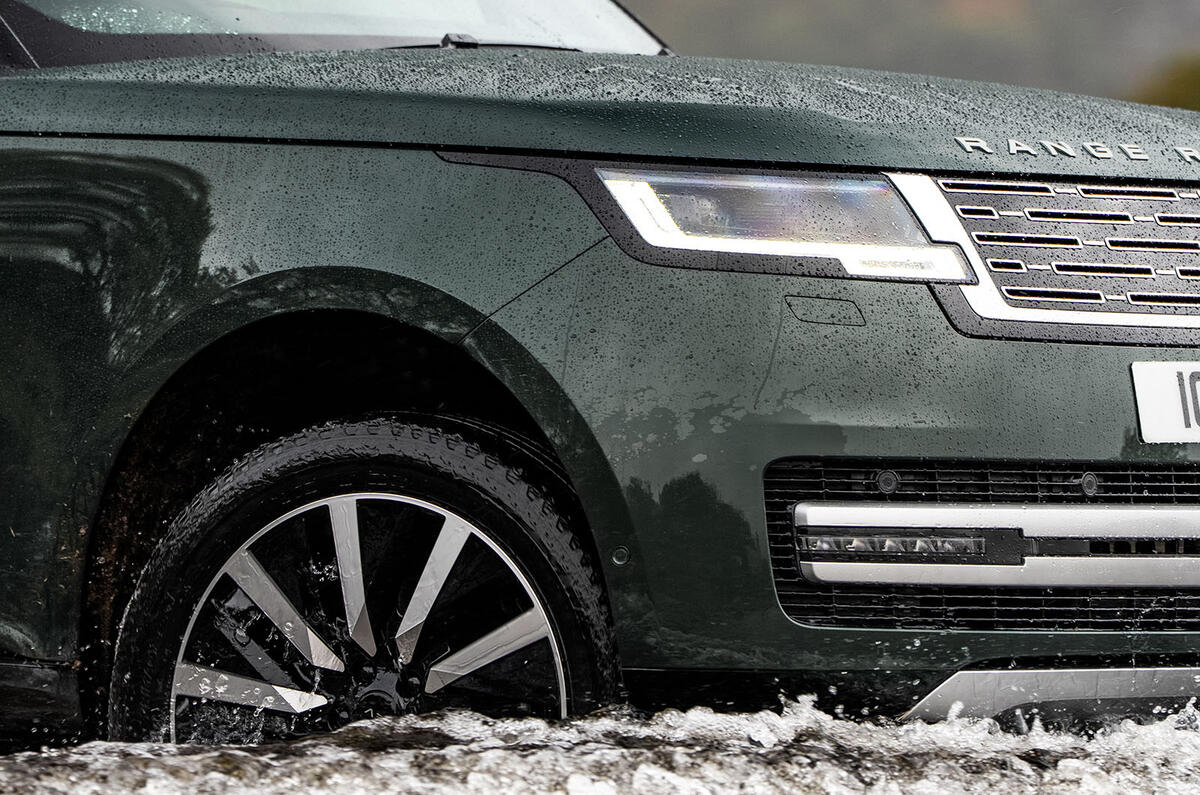
The styling team’s work of tweaking that front grille and wheel designs to improve aerodynamic efficiency and therefore maximise range was probably all tied up before the 2022 Christmas party.

The Range Rover's 3.5-tonne towing capacity drops to 2.5 tonnes in the EV. JLR has developed special software to effectively estimate range when towing – which will take a hefty hit.

Underneath the vast amount of aluminium bodywork, the L460’s MLA architecture was always designed with an electric version in mind.

There are two electric motors, one on each axle, each able to send all of its power to one wheel as needed on a given axle when the going gets tough off road. So long as they’re big enough and powerful enough, there’s no need for four motors or in-wheel motors, says Range Rover, because if you find yourself in a sticky situation off road, the need is to send 100% of drive to one wheel on each axle, and only one motor is needed for that. Four motors are just for showing off by turning on your own axis.

The motors produce combined peaks of 542bhp and 627lb ft, so a bit down on power of the V8 petrol version but considerably up on torque – the kind of way round that should suit the Range Rover.

INTERIOR

Range Rover Electric review 2026 097

JLR is offering both standard- and long-wheelbase versions of the Range Rover Electric, although even the former has a wheelbase equal to that of the previous-generation Range Rover in LWB form. 

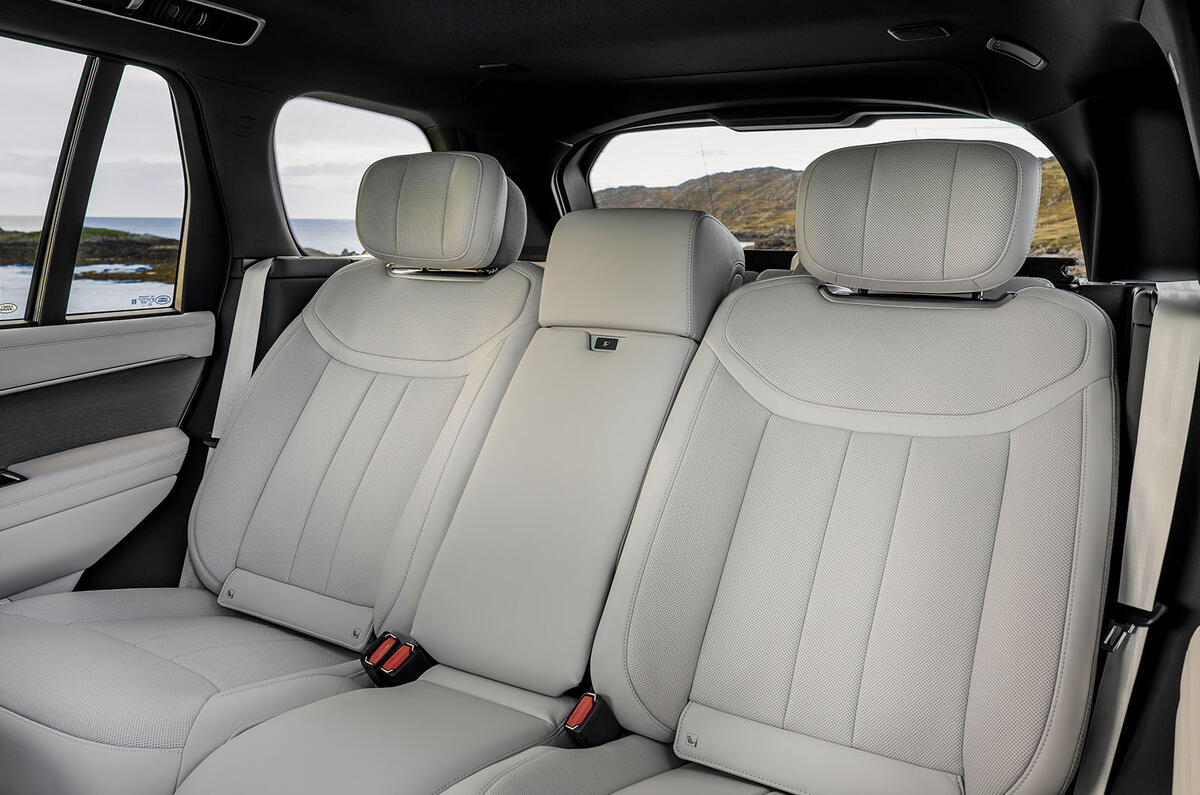
There won’t be a seven-seat cabin layout, with part of the electric drive system taking up the underfloor space in the boot that would have been needed. But above-floor boot space in the car is unaffected by the packaging of all that.

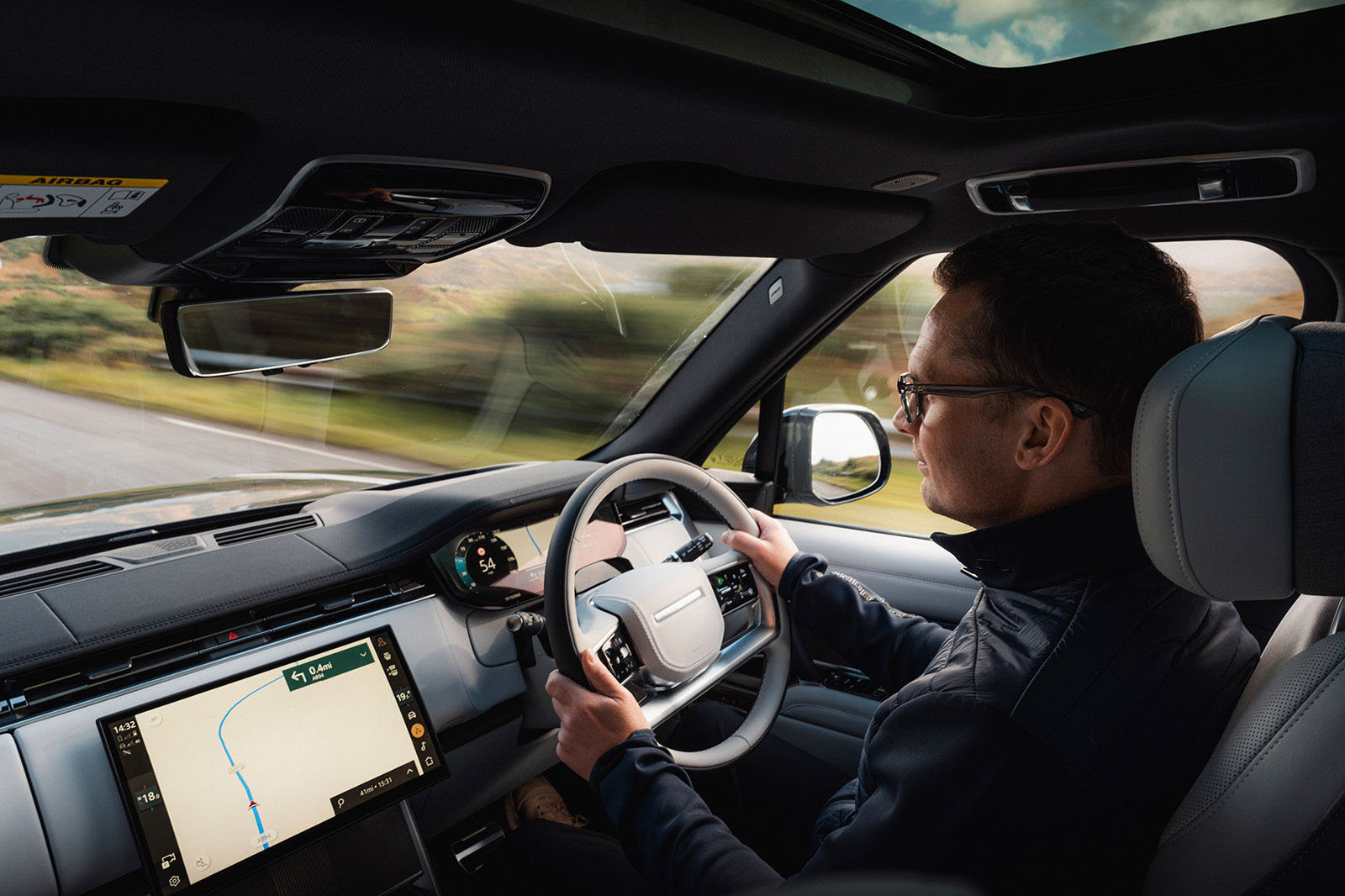
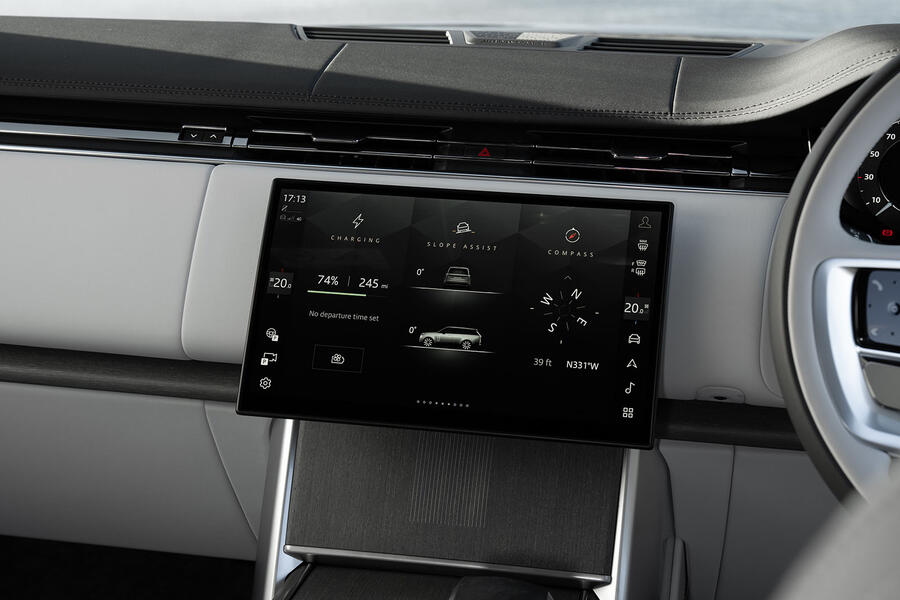
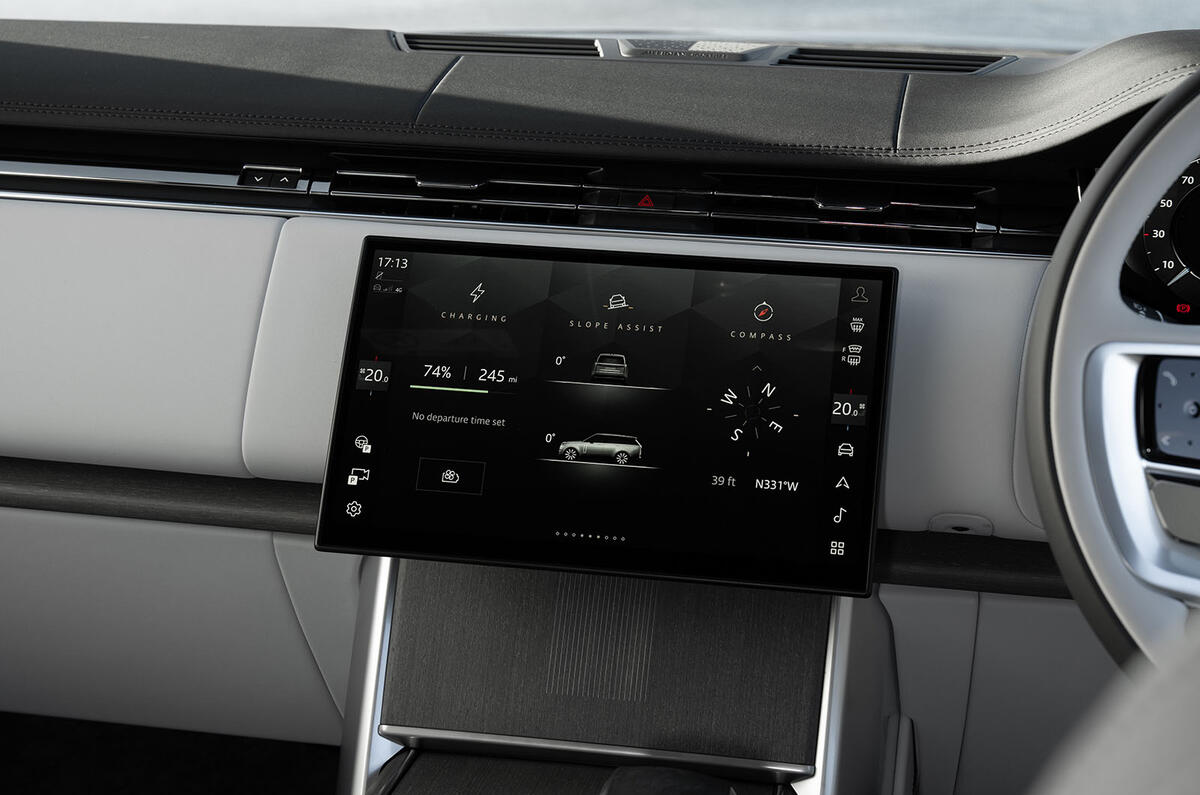
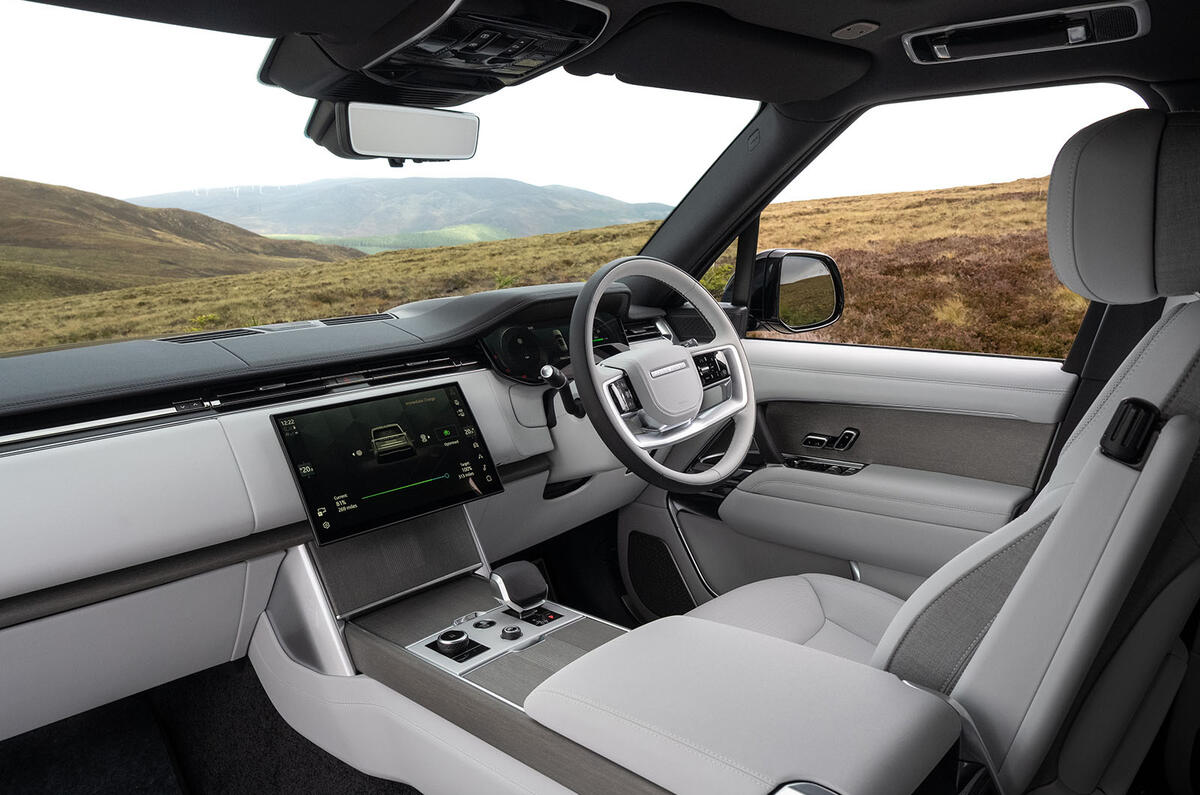
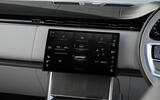
I still can’t get on with JLR's Pivi Pro operating system, which is feature-rich but makes you go hunting for stuff. It feels the kind designed in a lab rather than on the road. Also the iconography looks cheap: there’s nothing luxury about the heater control graphics, for example.

Range Rover will even sell you a car with a spare wheel, should you want one - as long as you don’t mind that it's carried above that boot floor.

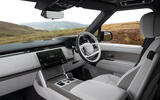
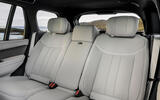
Space in both front and rear is expansive; although only the LWB version will really deliver the sybaritic second-row space necessary to take this car into Bentley or Rolls-Royce territory for sheer lounging space.

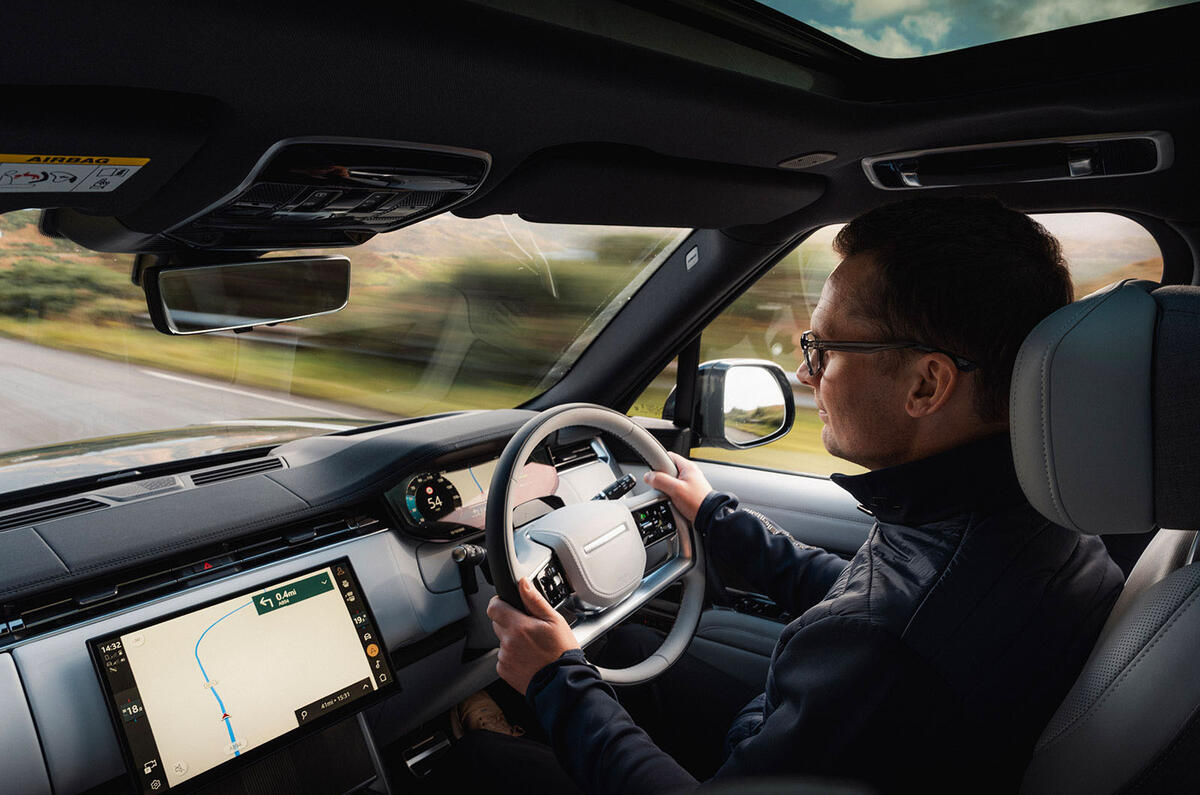
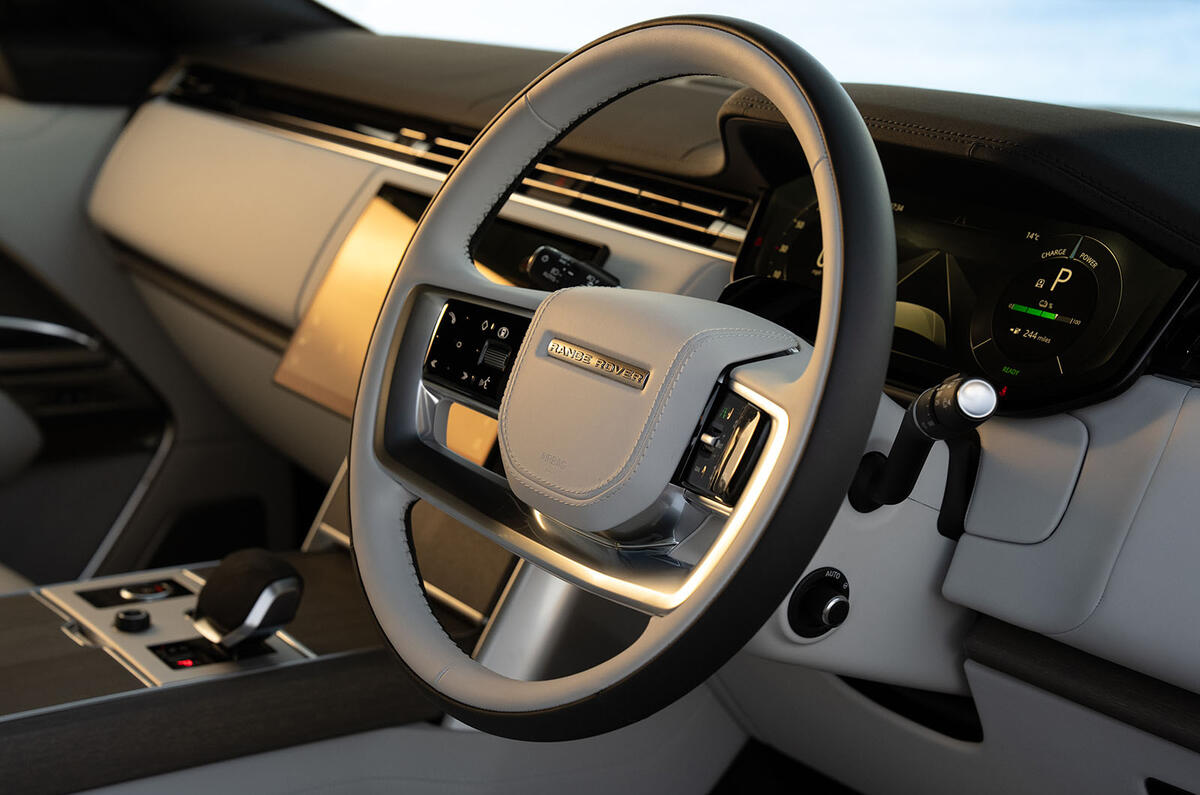
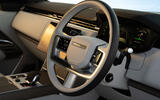
You sit high and quite upright at the steering wheel, with that famed ‘command’ vantage point. And the layout of physical controls and digital displays in front of you is identical to that of the regular Range Rover.

An update to the Range Rover in 2023 took away the physical heating and ventilation controls and the physical drive mode selector – all of which you may miss if you don’t like having to dive into the touchscreen to access every minor function and adjustment.

And if anything, the Range Rover Electric deserves bigger heating and ventilation controls than other derivatives, since it features a patented thermal management system called ThermAssist. Developed in-house by JLR, this was considered central to the vehicle’s ability to keep its occupants cool in the heat of the desert, warm in sub-zero environments and happy just about everywhere in between, as well as keeping its drive battery operating efficiently. 

It’s cracked up to be some 40% more efficient than the equivalent system on the old Jaguar I-Pace and is allegedly capable of scavenging heat from the battery with which to warm the cabin in temperatures as low as -15deg C.

ENGINES & PERFORMANCE

Range Rover Electric review 2026 103

This electric driveline makes for a better Range Rover at all speeds, particularly at low speeds. That low- speed hesitancy of combustion versions is gone and step-off is improved. There’s no jerkiness and this is backed up by better feel from the brakes to make stop-start driving far more relaxing.

You can have one-pedal driving by a second tug of the gear selector into drive, but this is one EV that's better without it, holding a more natural and steady momentum and best slowed down by improved graduation of the brake pedal. In short, it’s better at going slowly.

Dynamic mode turns on an artificial driving sound that seems styled on BMW’s Iconic Sounds. Sounds weird. Best left off.

Better on the move, too. More responsive at more speeds, able to respond quicker to your inputs and the available power never feels like it tails off up to the speed limit.

There are levels here: it's not that the ICE Range Rover is bad, just that this EV is better, electric power allowing for a more precise and responsive powertrain more in tune with what you want from it. It’s an EV with rare character from its drivetrain.

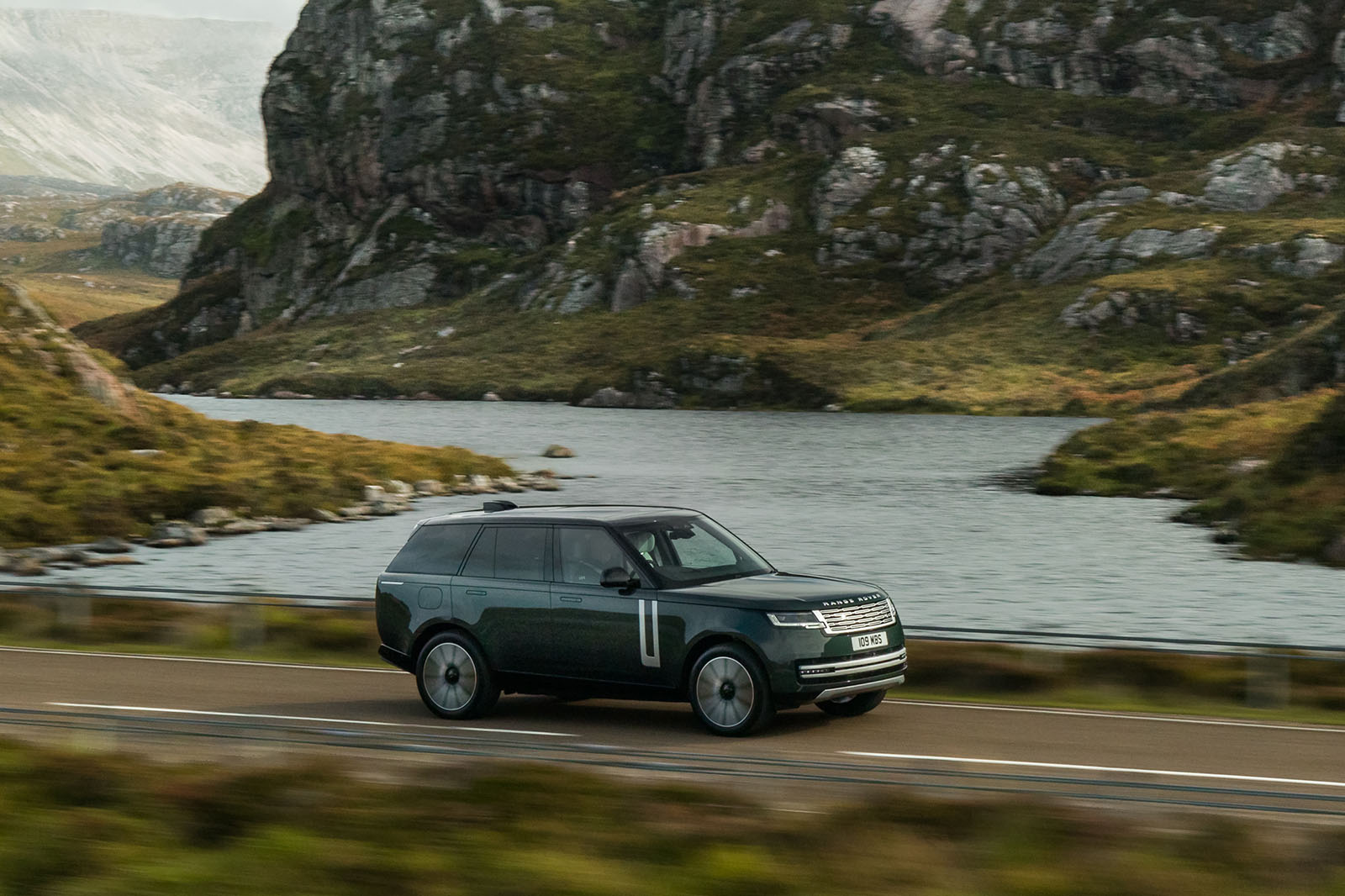
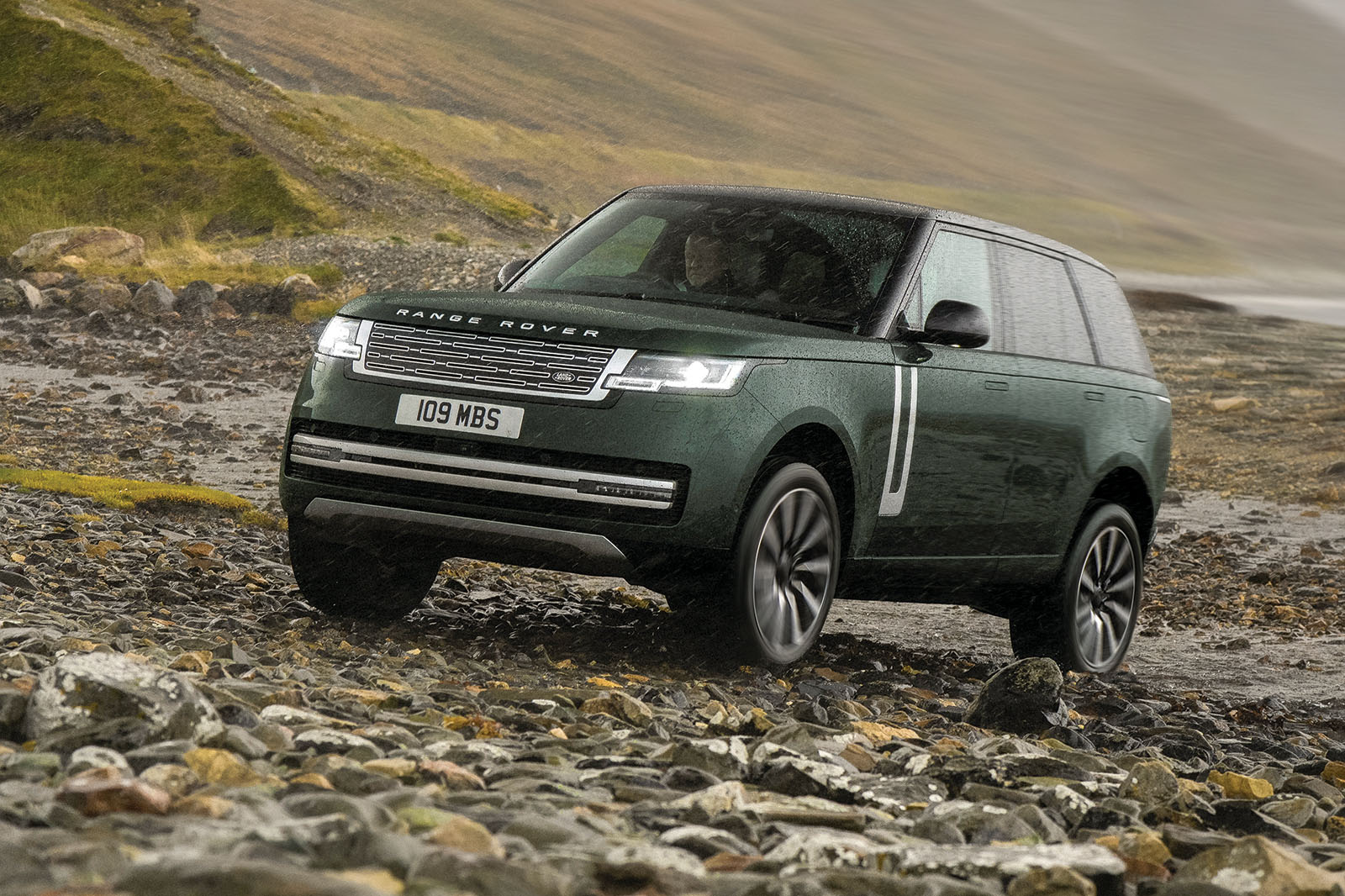
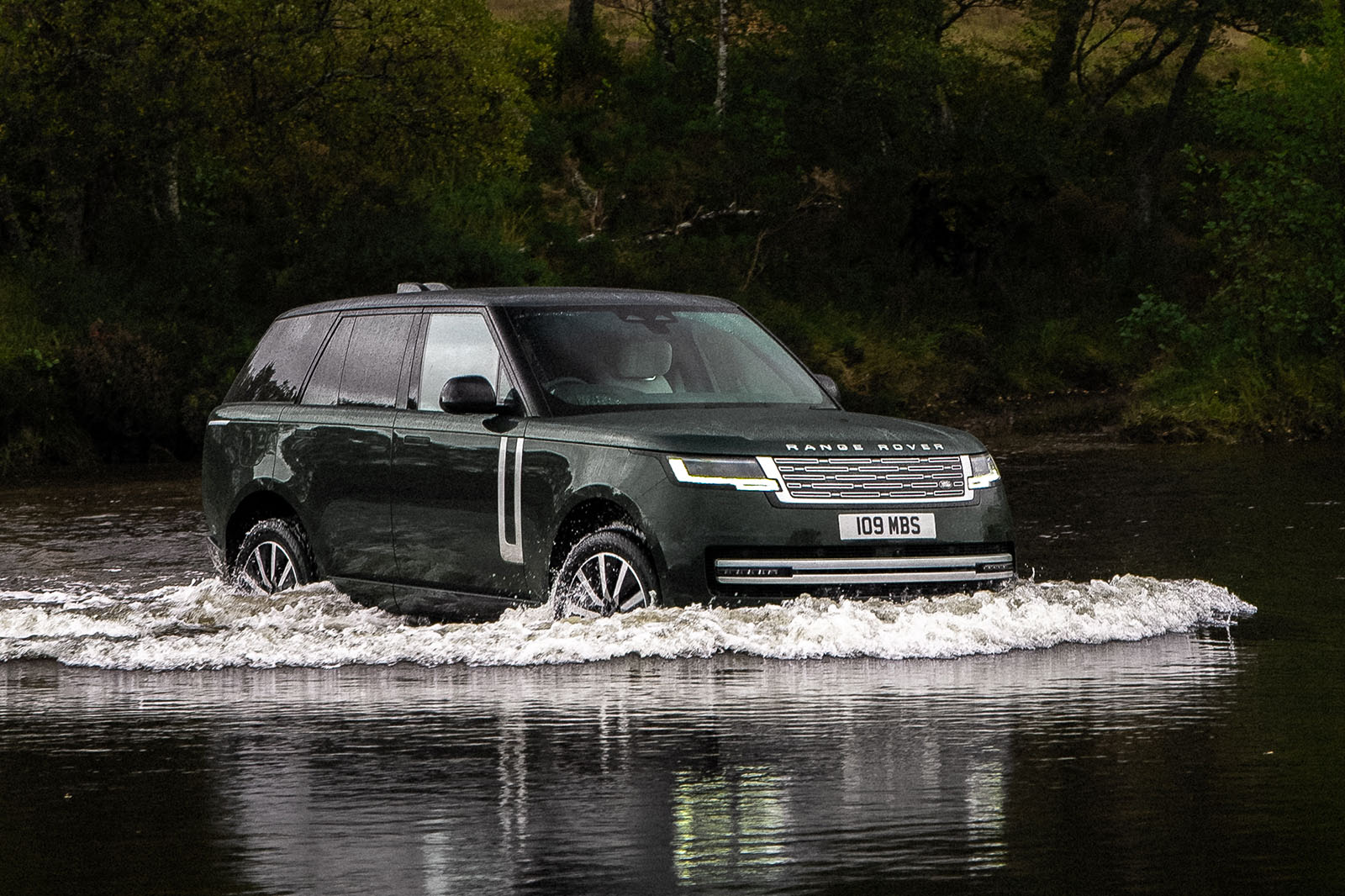
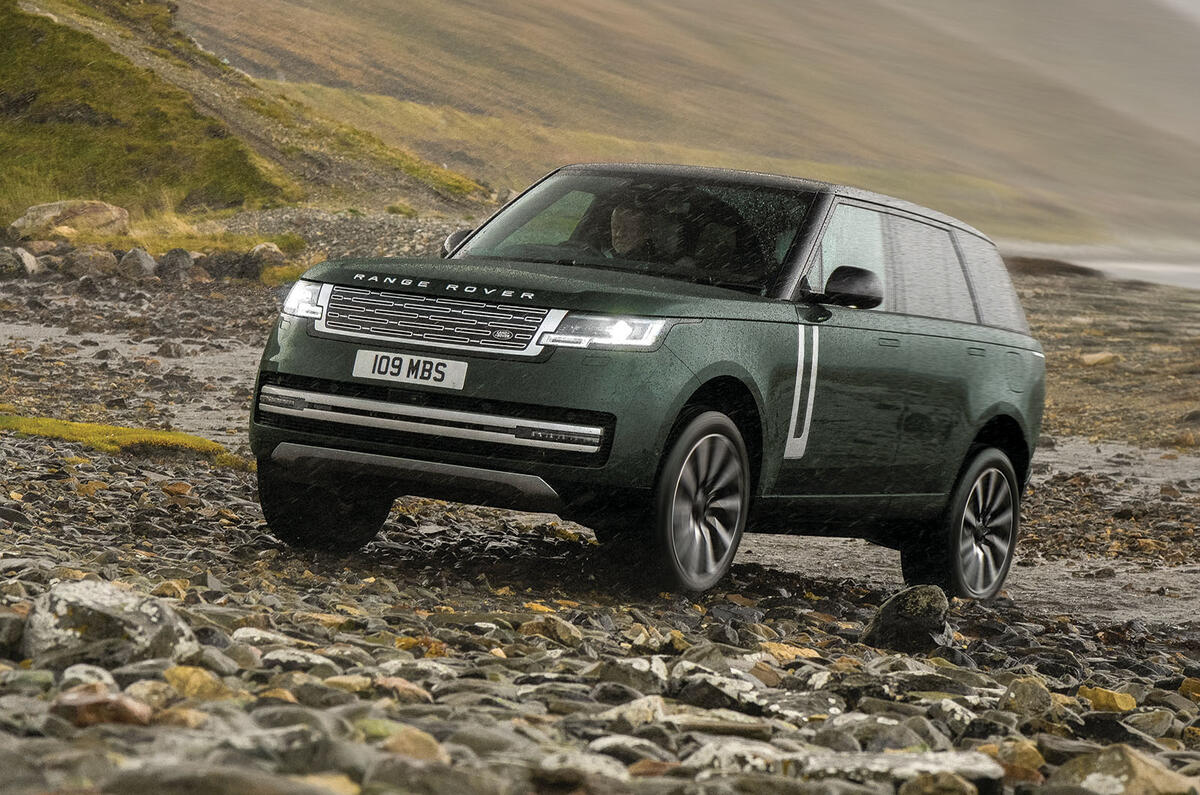
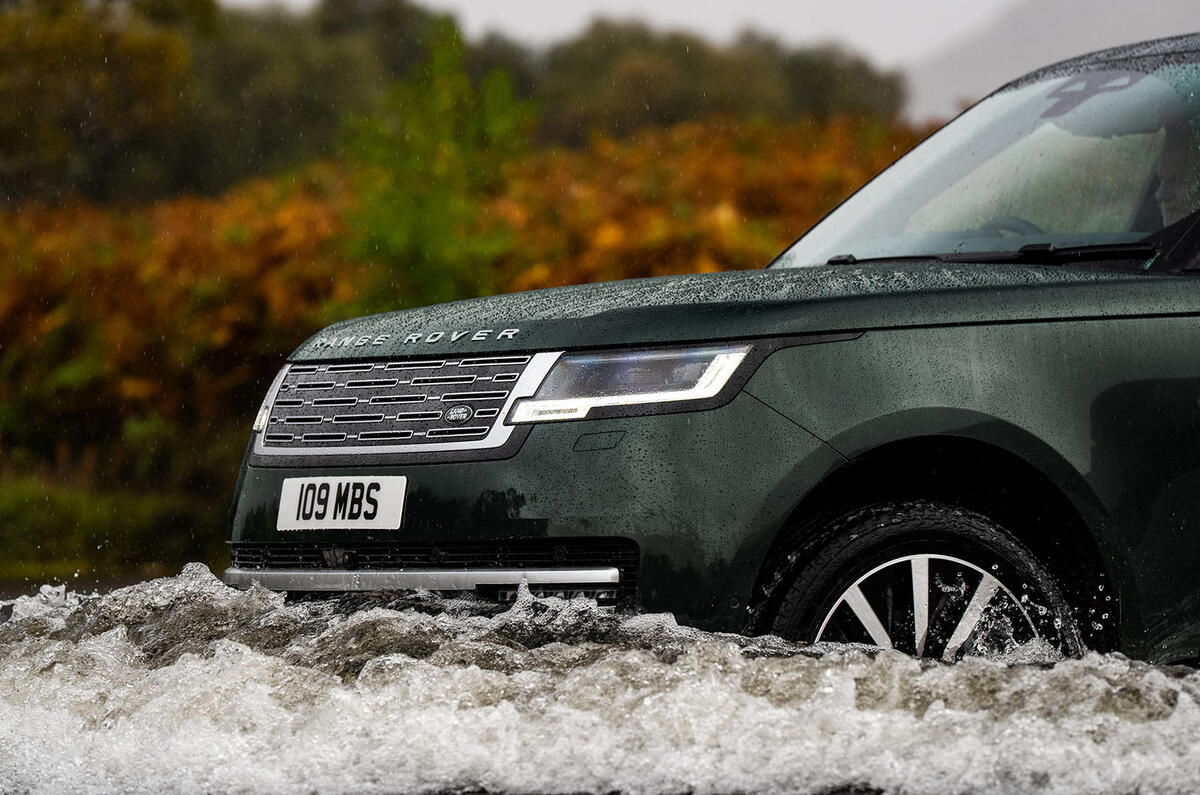
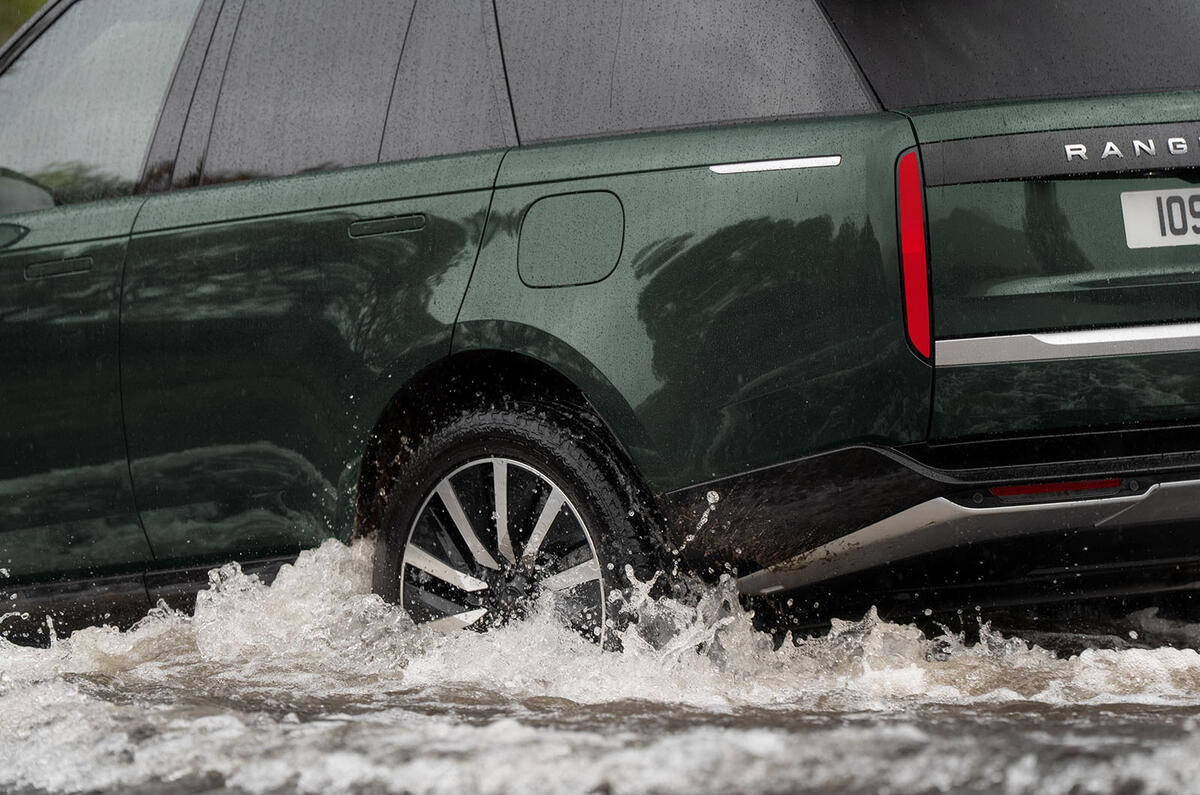
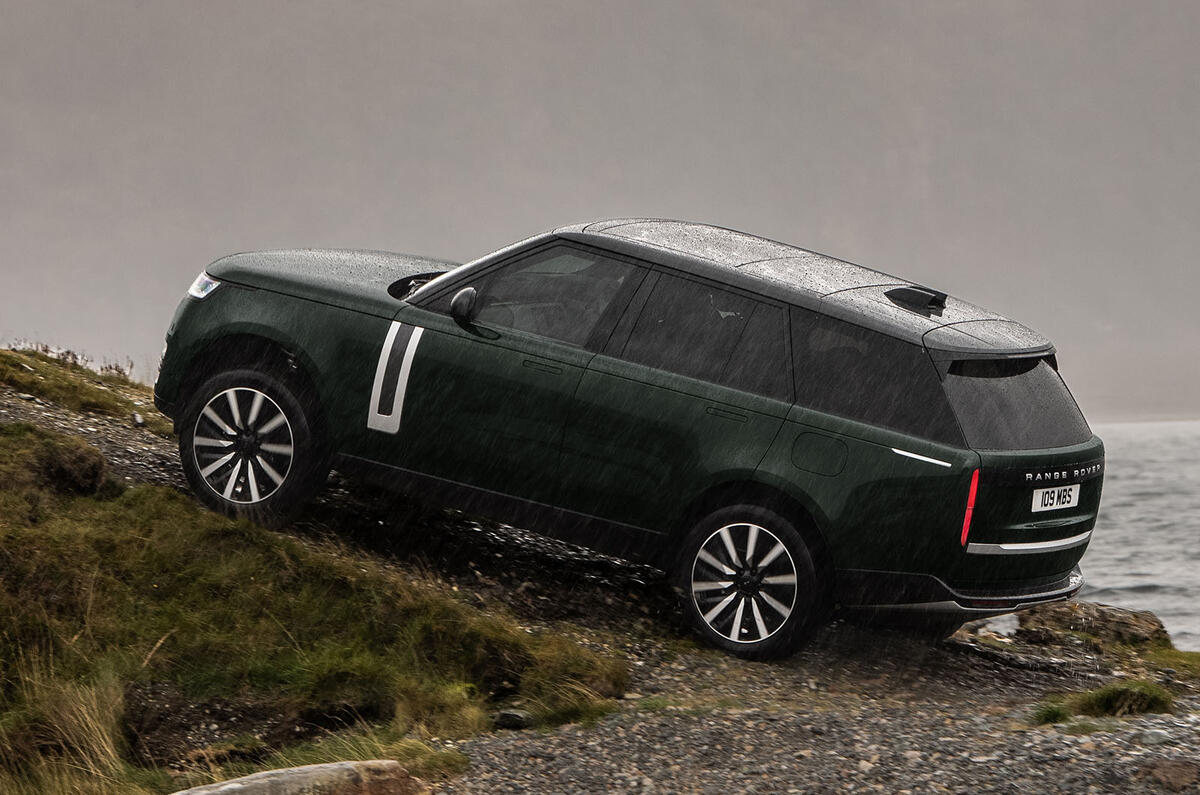
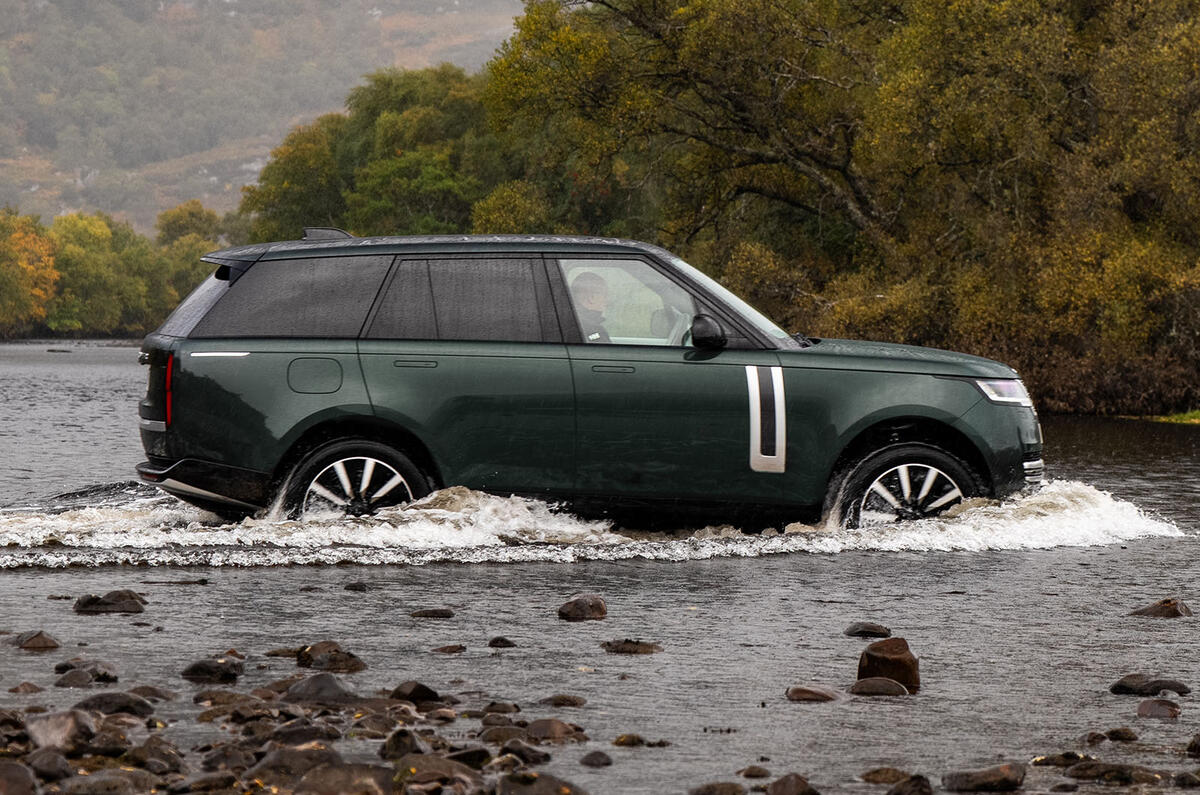
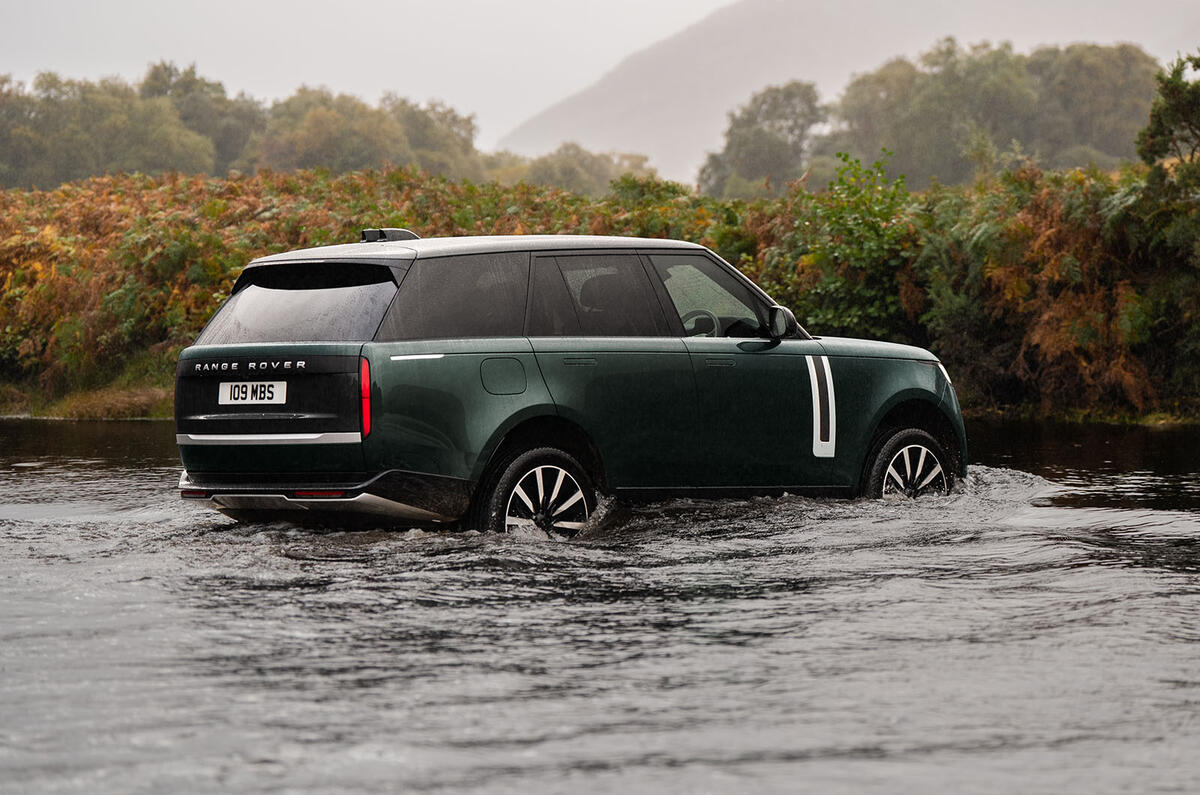
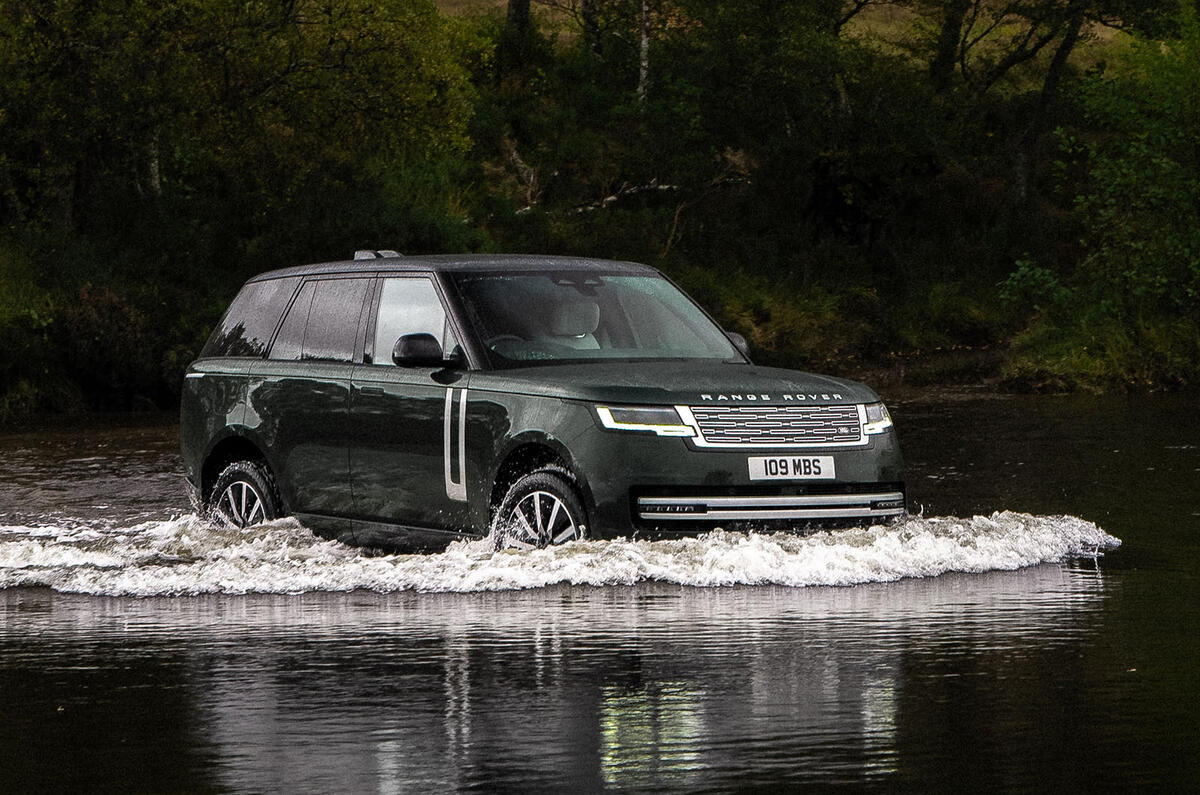
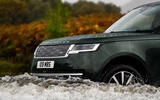
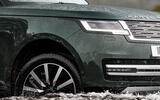
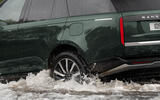
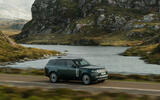
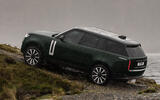
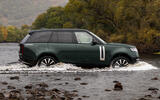
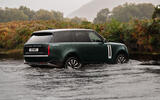
JLR is never afraid of showing its cars off to us in the most extreme of conditions, and so it proved again here, our test route including a savage off-road course with some sharp, slippery inclines and no mere river crossing but instead a small loch to show off the 90cm wading depth.

Its cars always make such things look easy and the Range Rover Electric did so, on a course the engineers rated as about a seven or eight out of 10 for difficulty.

It has the same Terrain Response 2 off-road system as other models and a first in that there’s no need to select low range for rock crawling.

Electric power has long been heralded as a way to make Land Rovers even better off road for the more precise torque control that can be offered by electric motors – but from behind the wheel, it didn’t feel like this Range Rover was doing anything a Land Rover Defender couldn’t.

The engineering team says the limiting factor of off-road performance of the Defender 110 versus the Range Rover is how after a while you will start scuffing bodywork and the Defender is better designed to handle that.

RIDE & HANDLING

Range Rover Electric review 2026 104

For all the class of the ICE Range Rovers, there are some obvious improvements that could be made. For one, the ride of this generation hasn’t been as peerless as possible.

In the past, we’ve included Range Rovers in best-riding car tests and it’s done well, but this one wouldn’t be on the shortlist.

Like the low-speed issues, it’s all relative: the car is excellent and above the class average here, but that’s not to say it couldn’t be improved.

Despite being heavier, the Range Rover Electric feels more nimble on the road than the ICE versions. It steers a bit better, handles a bit better and rides a lot better.

The EV adopts dual-chamber air suspension familiar from the Range Rover Sport, and this makes the ride more comfortable and less firm at all speeds while also improving body control. Body roll, pitch and dive are much better contained.

The improved steering comes from stiffer bushings and making greater use of the rear steering at more speeds. Again, it’s those levels and marginal gains again, but it’s all noticeable, making the EV a nicer car to drive.

Adopt Dynamic mode and the Range Rover Electric does a passing impression of the Range Rover Sport without any real comfort trade-off. It seems untroubled by undulating roads at faster speeds and is a nice car to be driven in briskly as well as to drive – a rare combination.

The weight is only up around 75kg on a plug-in hybrid version, the enormous battery pack adding back the weight of the petrol engine coming out, but it’s a bit of a beast, at close to three tonnes.

While there is better bite at the start of the brake pedal travel, you still need a slightly firmer shove to bring the EV to a quicker stop, such is the heft.

MPG & RUNNING COSTS

Range Rover Electric review 2026 091

The battery is a whopper, with a usable capacity of 118.5kWh, and another in-house design. Official WLTP range is 372 miles.. 

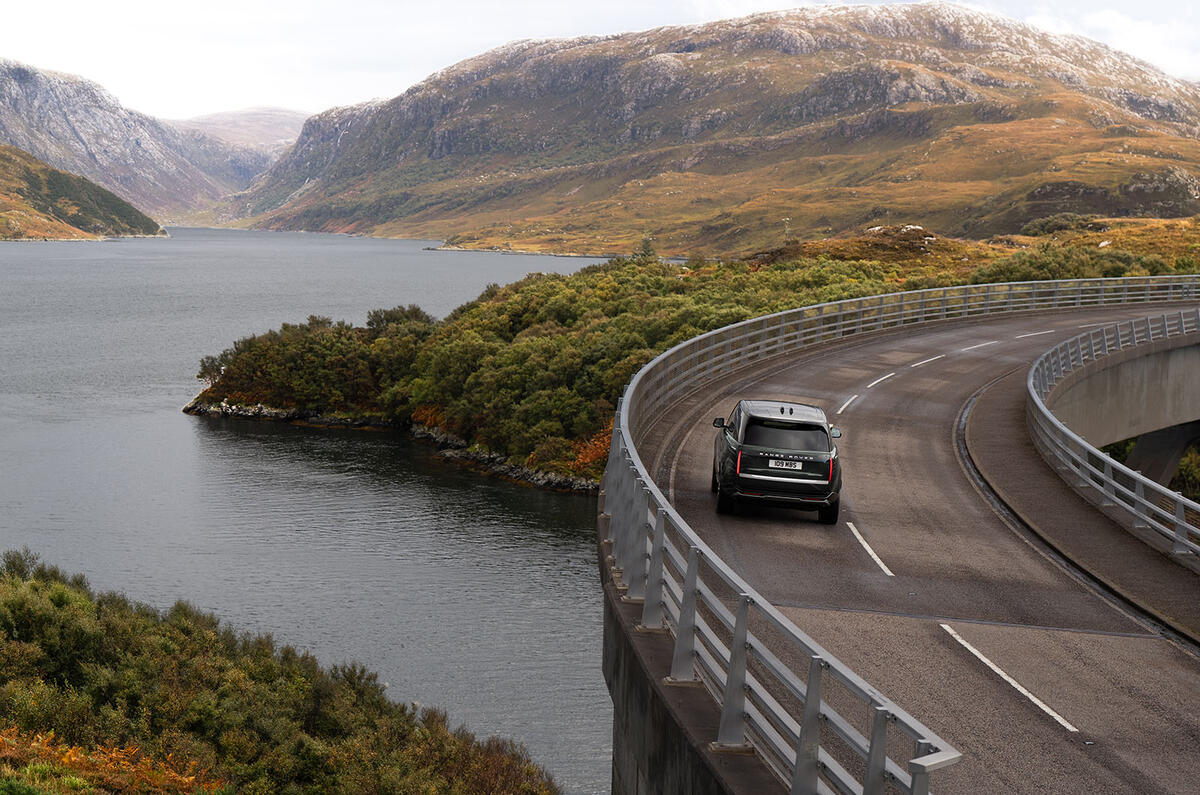
On a cold, wet day in Scotland with some really mixed driving conditions, we saw around 280-290 miles indicated, against a promised real-world range of 333 miles.

An 800V electrical architecture allows for rapid charging at up to 350kW, meaning a 10-80% charge can take as little as 20 minutes.

The EV commands a noticeable price premium over ICE Range Rovers, coming in at circa £22k more than a diesel, £13k more than a PHEV and £9k more than a V8 petrol.

A full range of trims across two wheelbase lengths are offered, largely mirroring the standard model in keeping with the notion that electric is simply another powertrain option.


VERDICT

Range Rover Electric review 2026 111

Electric power showcases the Range Rover at its very best. The car is simply more Range Rover: more refined, more effortless, with a more convincing air of luxury and even more assurance in its composure off road when the pressure is really on. And that can’t be a bad way to take a rather large technological step.

There are the usual compromises to consider regarding range and charging, but to plenty of Range Rover regulars making the switch to electric motoring, those will seem inconsequential or well worth the trade.

The only 'electric' badging on the car is some EV badges on the centre wheel caps. They can be deleted as a no-cost option.

This is ultimately a Range Rover that's more calm and assured, almost regardless of circumstance, than any in its 55-year line. Electrification sacrifices little but yields a lot.


Matt Saunders

Matt Saunders Autocar
Title: Road test editor

As Autocar’s chief car tester and reviewer, it’s Matt’s job to ensure the quality, objectivity, relevance and rigour of the entirety of Autocar’s reviews output, as well contributing a great many detailed road tests, group tests and drive reviews himself.

Matt has been an Autocar staffer since the autumn of 2003, and has been lucky enough to work alongside some of the magazine’s best-known writers and contributors over that time. He served as staff writer, features editor, assistant editor and digital editor, before joining the road test desk in 2011.

Since then he’s driven, measured, lap-timed, figured, and reported on cars as varied as the Bugatti Veyron, Rolls-Royce Phantom, Tesla Roadster, Ariel Hipercar, Tata Nano, McLaren Senna, Renault Twizy and Toyota Mirai. Among his wider personal highlights of the job have been covering Sebastien Loeb’s record-breaking run at Pikes Peak in 2013; doing 190mph on derestricted German autobahn in a Brabus Rocket; and driving McLaren’s legendary ‘XP5’ F1 prototype. His own car is a trusty Mazda CX-5.

Mark Tisshaw

mark-tisshaw-autocar
Title: Editor

Mark is a journalist with more than a decade of top-level experience in the automotive industry. He first joined Autocar in 2009, having previously worked in local newspapers. He has held several roles at Autocar, including news editor, deputy editor, digital editor and his current position of editor, one he has held since 2017.

From this position he oversees all of Autocar’s content across the print magazine, autocar.co.uk website, social media, video, and podcast channels, as well as our recent launch, Autocar Business. Mark regularly interviews the very top global executives in the automotive industry, telling their stories and holding them to account, meeting them at shows and events around the world.

Mark is a Car of the Year juror, a prestigious annual award that Autocar is one of the main sponsors of. He has made media appearances on the likes of the BBC, and contributed to titles including What Car?, Move Electric and Pistonheads, and has written a column for The Sun.