
The truth is that a car's mid-life facelift often runs so deep it's hardly a facelift these days. Especially when, often, a platform is carried over to what's badged as a complete new-generation model, like the Volkswagen Touareg.
The lines between generation and makeover blur. Recent ‘facelifts’? The Vauxhall VXR8 is barely recognisable from the car that preceded it. The Ferrari California T has the same chassis as the California, but to all practical purposes is a new model.
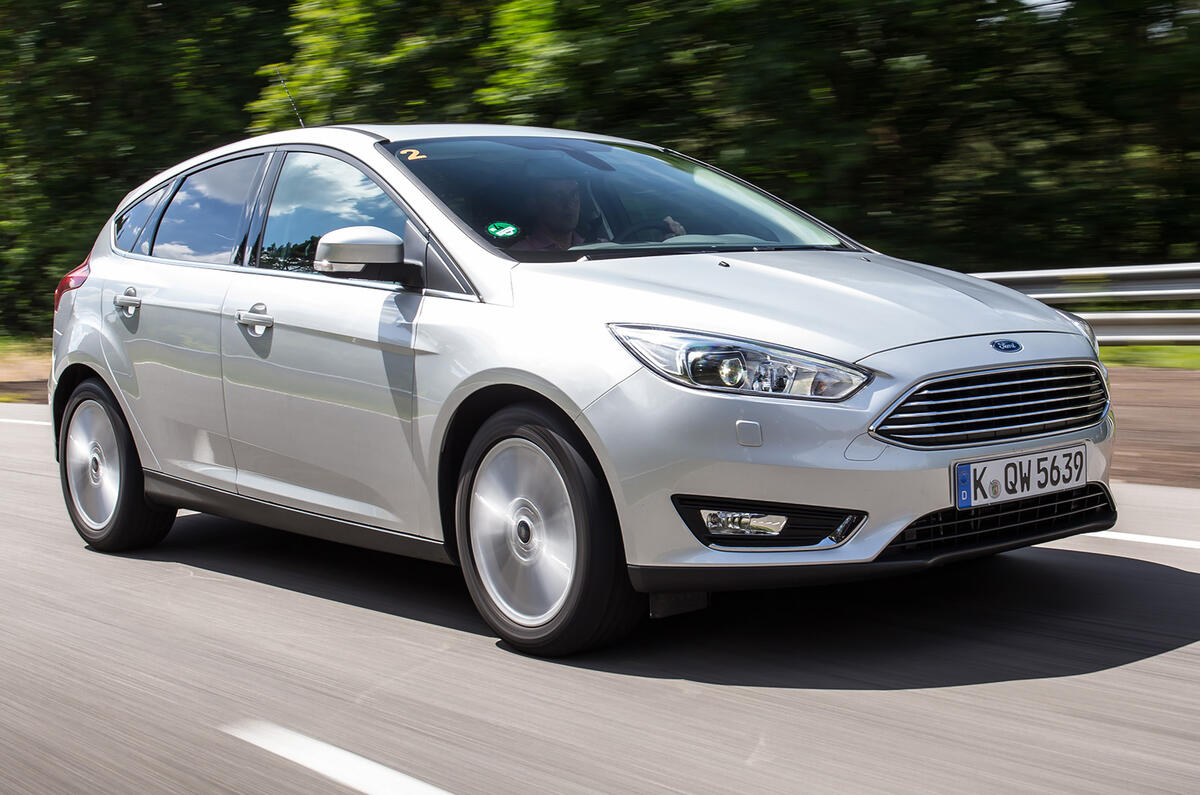
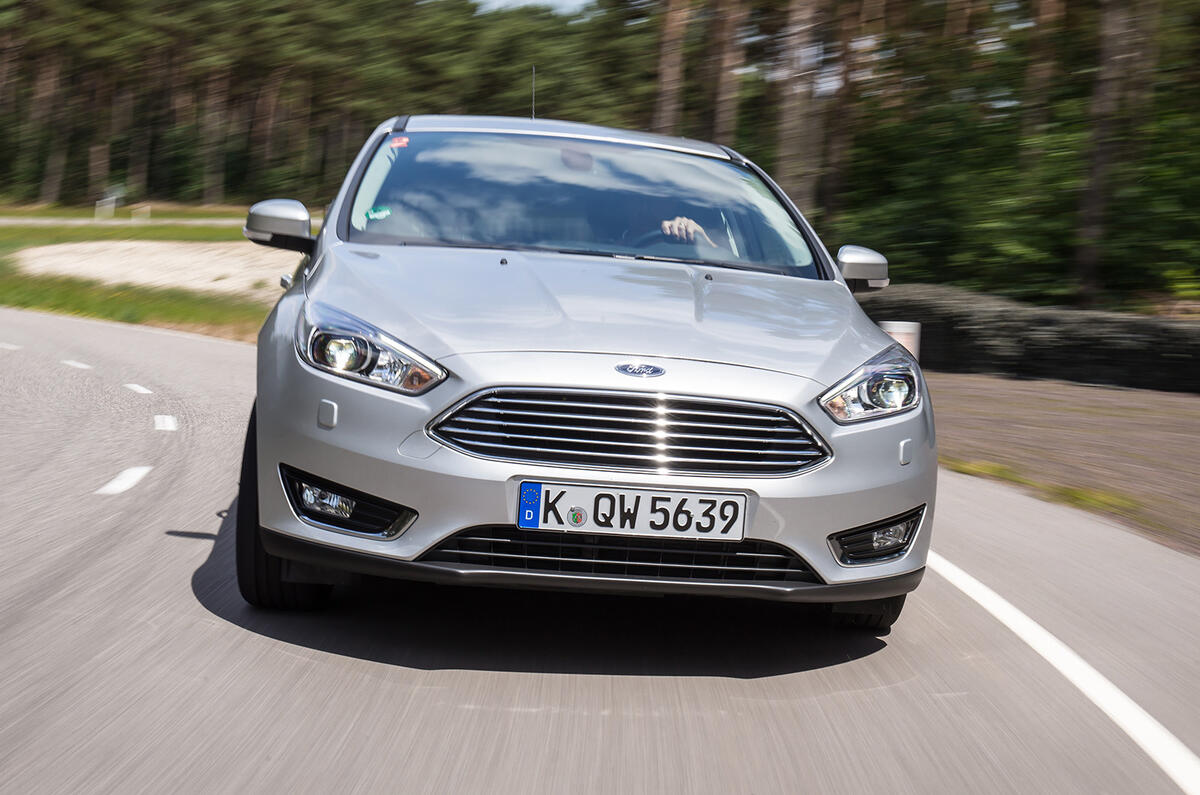
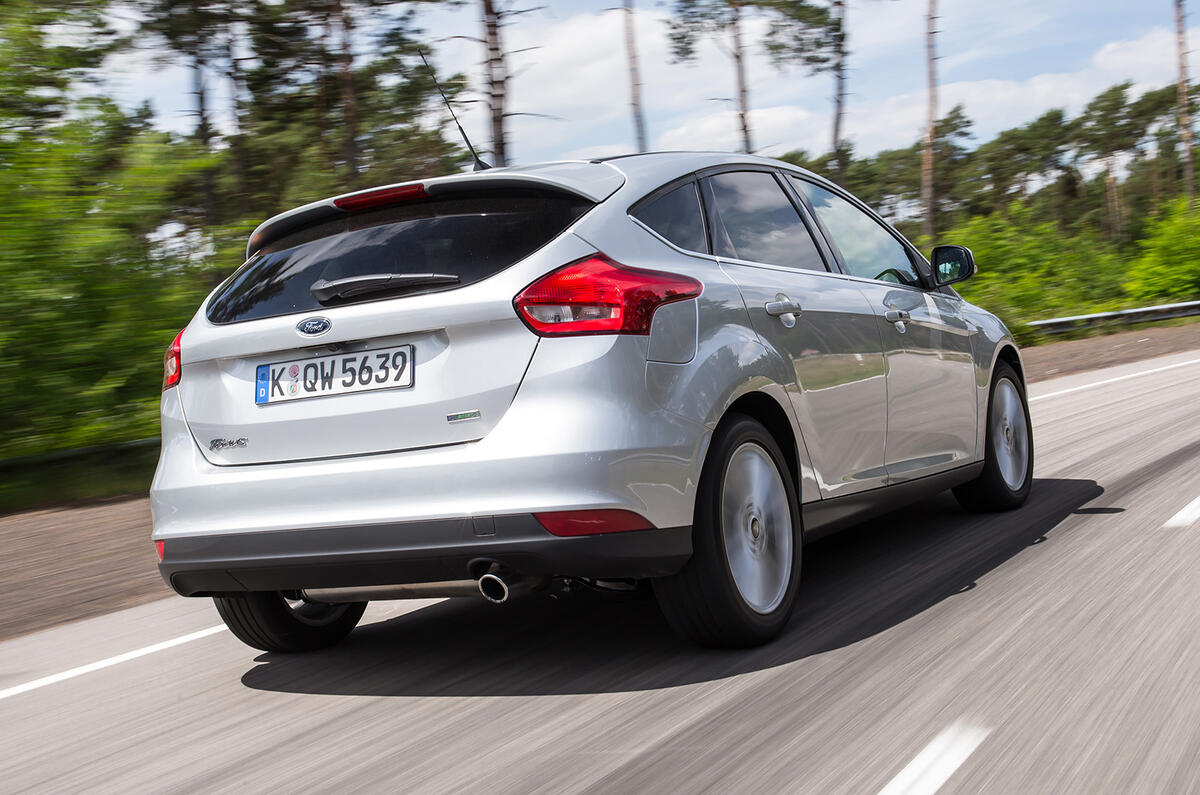
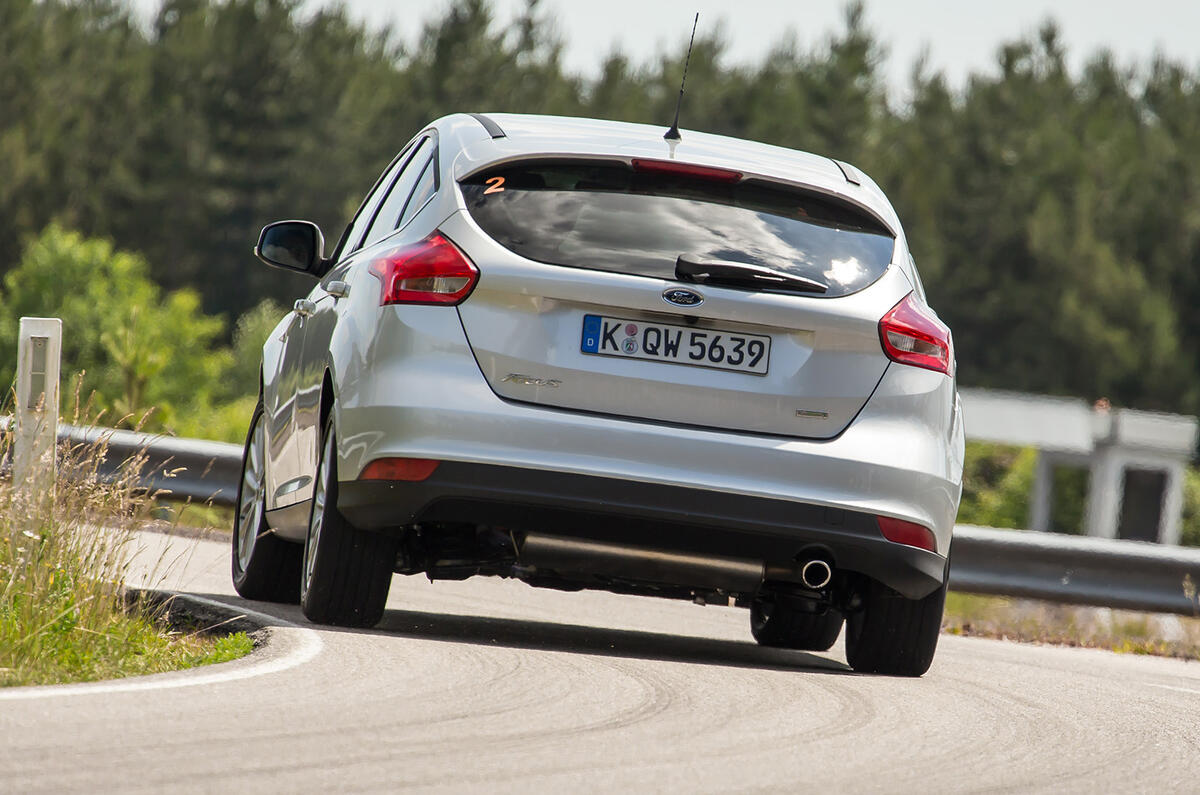
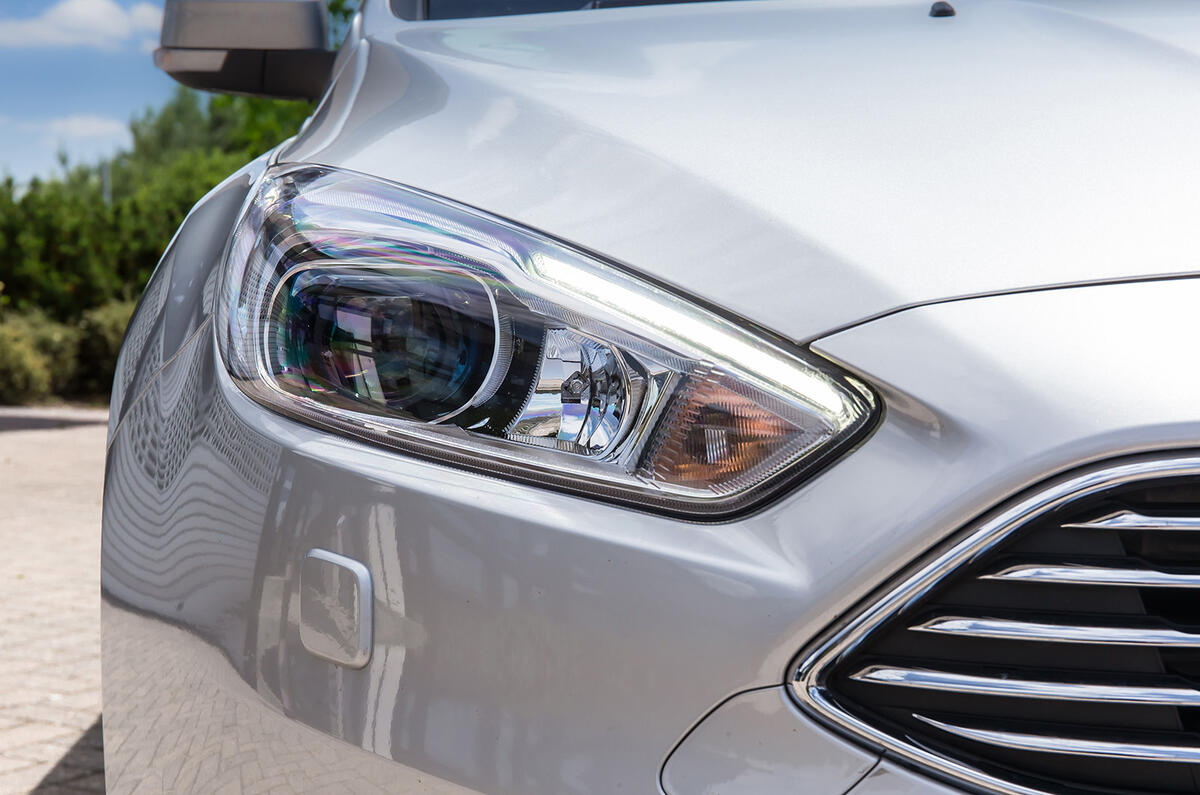
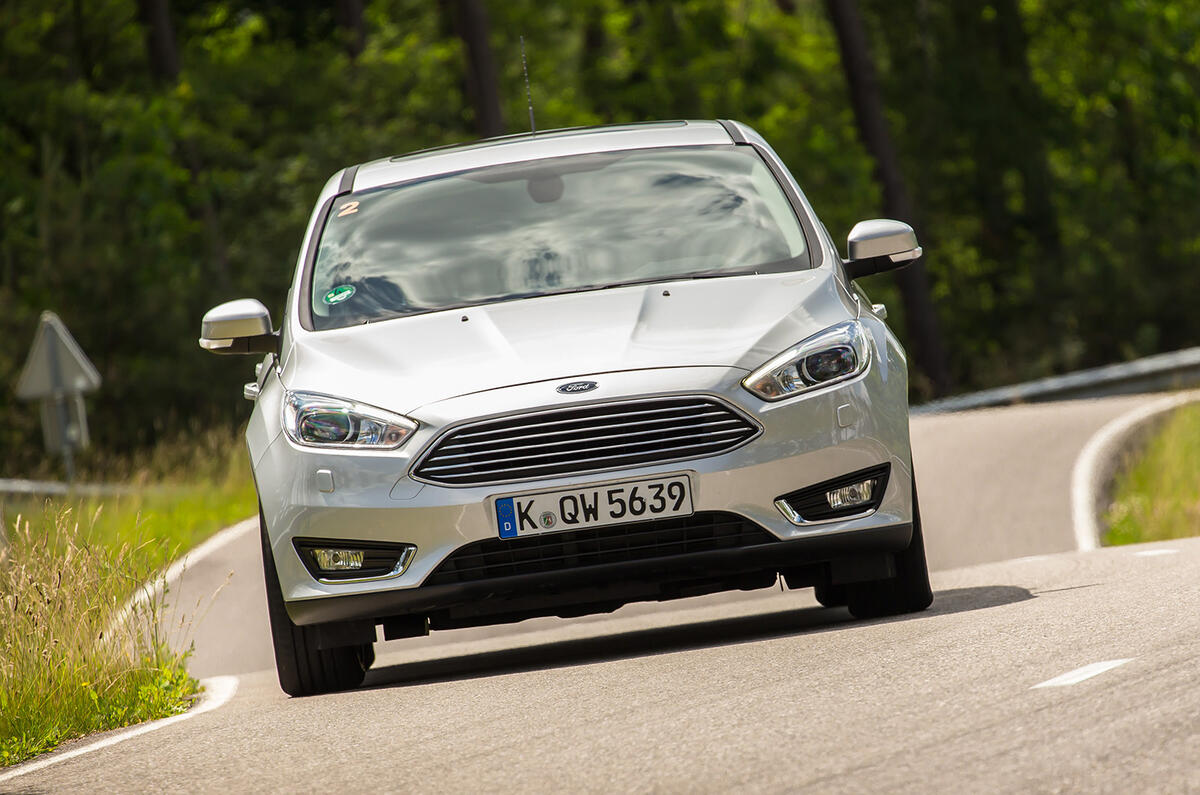
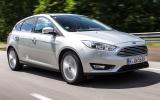
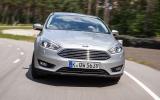
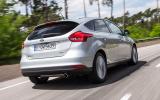
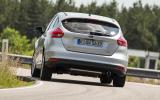
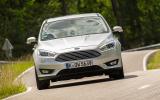
And even this new Ford Focus, a more obvious mid-life refresh, has been the recipient of more than a wash and brush-up.
Not that we thought it necessarily needed it in all areas. The Volkswagen Golf might lead the class for interior feel and cabin quietness (and overall, to most eyes, as a result), but the Focus is still, to our testers' hands and feet, the stand-out driver’s car in the class.
Ford has revised the dynamics anyway. And the rest. We've come to Lommel, Ford's proving ground in Belgium, to give it a look over and do that 'sit in the passenger seat' thing that tells you quite a lot, but frustratingly not enough, both at the same time.
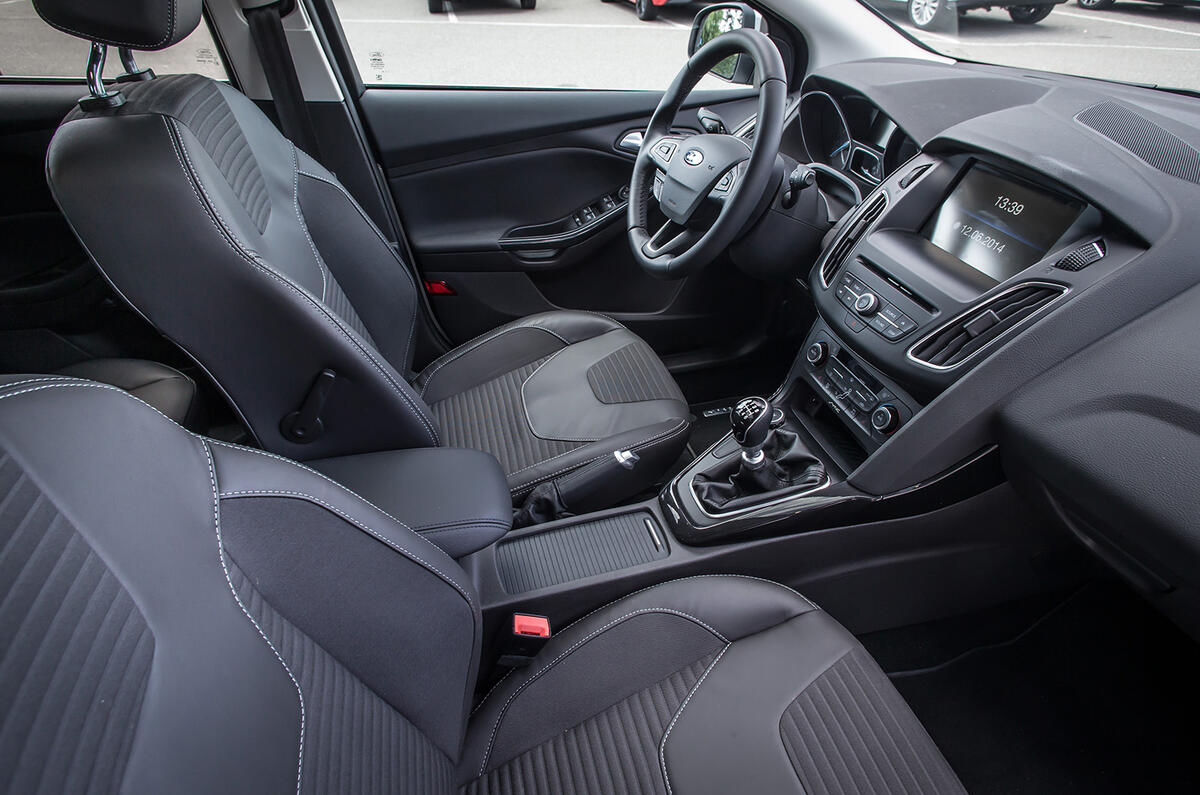
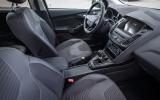
First, the essentials, then: the cabin has been revised. There's a new steering wheel design, similar architecture to before but a fresh façade on it, and a large touch-screen. A more 'cockpit'-like feel is the promise, as so often it is. And as it so often is, it doesn't look to me much like the interior of an aircraft.
Still , material surfaces are vastly improved in feel. Many are softer, and that's important, engineers will tell you, for reducing cabin noise. “Customers link quietness to quality,” says Stephan Presser, Ford of Europe’s vehicle engineering manager.
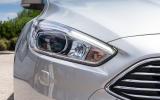
The Golf led in this area before, but now Ford thinks it does. Seats feel the same as before, and accommodation is unchanged. That, then, and on the outside (which has been given a mild tickle), is mild stuff.
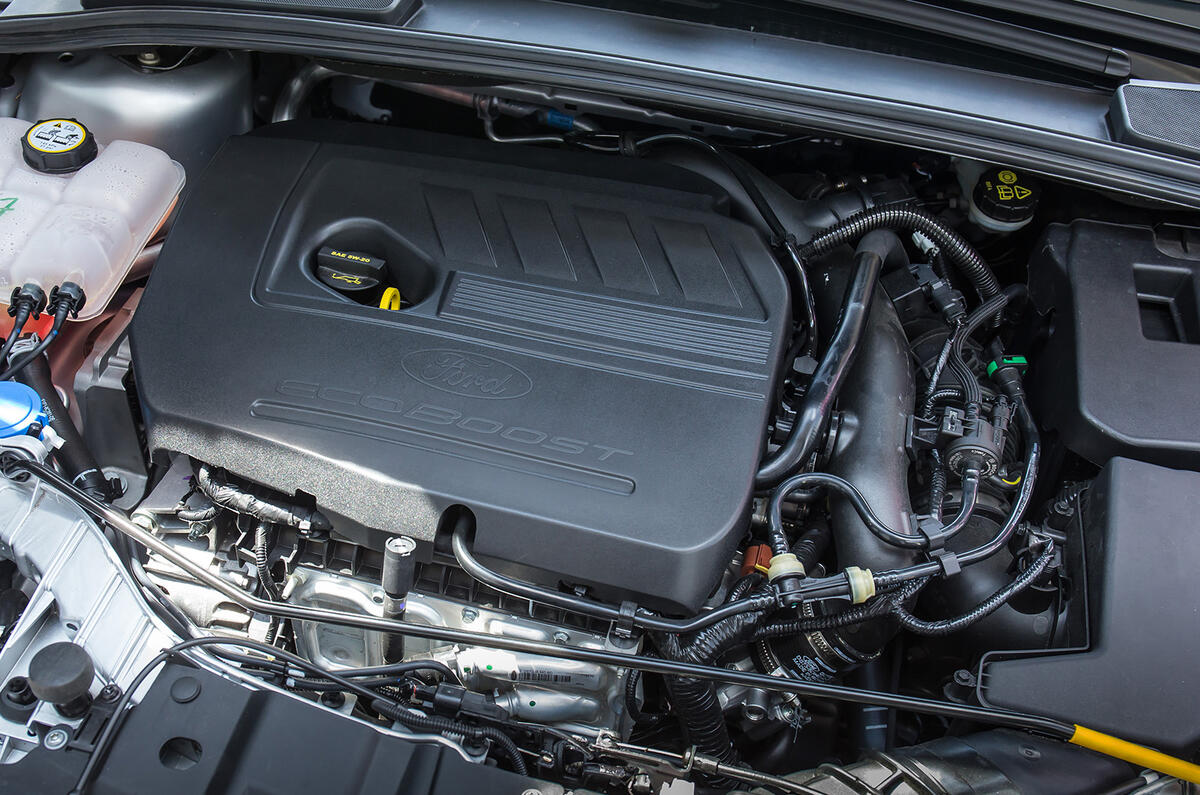
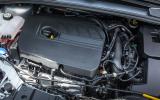
But the pace of CO2 change waits for no all-new model, and as is so frequently the answer, downsizing is king. Instead of the 1.6-litre petrol and the 1.6 diesel in the current model, then, there are 1.5-litre motors of each fuel type. The EcoBoost turbo petrols offer 148 and 178bhp. The 1.5 TDCi, offered in 94bhp and 119bhp forms, is “effectively a new engine”, according to Ford’s ‘Mr EcoBoost’, engineer Andrew Fraser.
Likewise if you want an auto, no longer is a 2.0-litre diesel or 1.6-litre petrol your chosen option - you can have a twin-clutch 1.5 PowerShift auto from 2015 (because European buyers like diesels and twin-clutch autos) or a 1.0 EcoBoost petrol with a six-speed torque converter auto (because the rest of the world doesn't like diesels or twin-clutch autos). There’ll also be a 99g/km Co2 1.0 EcoBoost.
Ford lists percentage improvements in fuel consumption here and there – the 2.0-litre TDCi is 19 per cent more efficient, for example. But hard emissions data is hard to come by because these engines haven’t all been certified yet. The news is as positive as you'd expect, though, given carmakers have to have a fleet average CO2 figure of 95g/km by 2021.
Dynamically, though, is where the Focus is most interesting to us. Its cooking models were already the most engaging in its class, we reckoned, but Ford says it has tweaked them significantly regardless. There's less friction in the suspension because of more rigid bushing mounts, which let the rubber do their job with less bending, and there's less 'compliance' (fewer components that bend, to you and me) in the system because suspension mounting points and front chassis rails have been strengthened.