




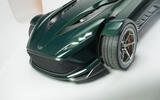
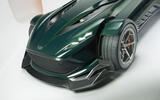
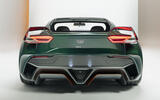
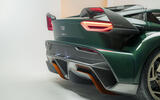
Currently reading: P24 RS is Donkervoort's most extreme model ever with 600bhp V6

Two-seat sports car's powerplant can be set in three varying tunes – and this can uniquely be altered on the fly

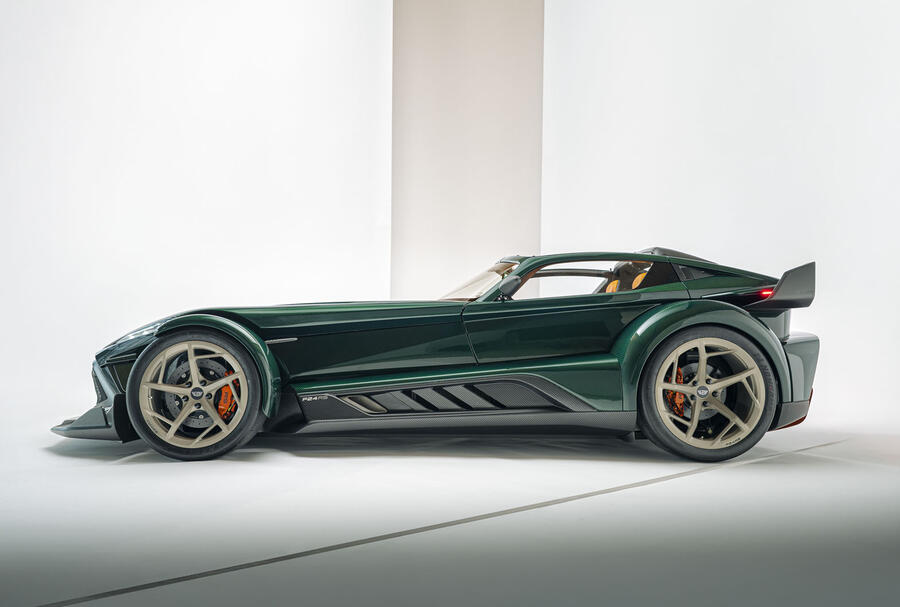
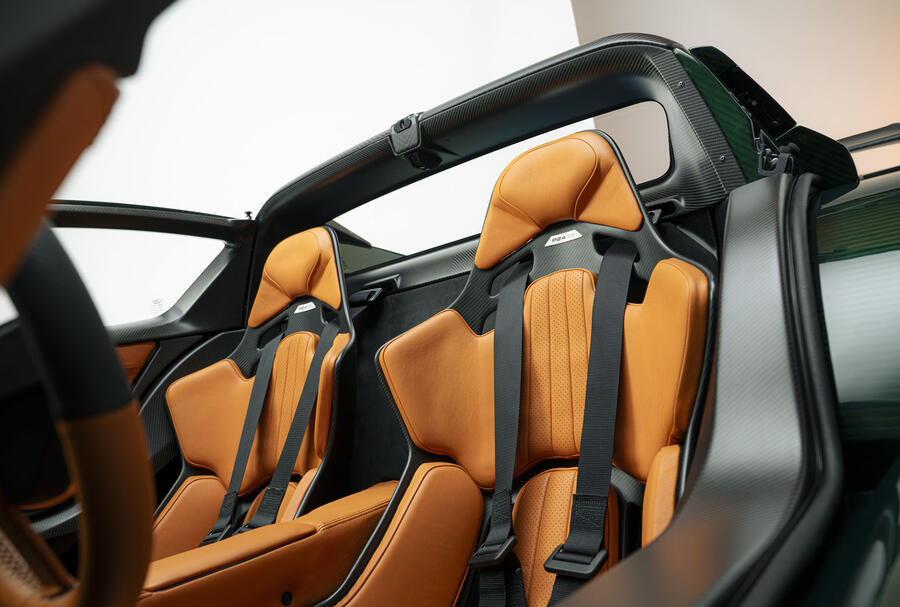
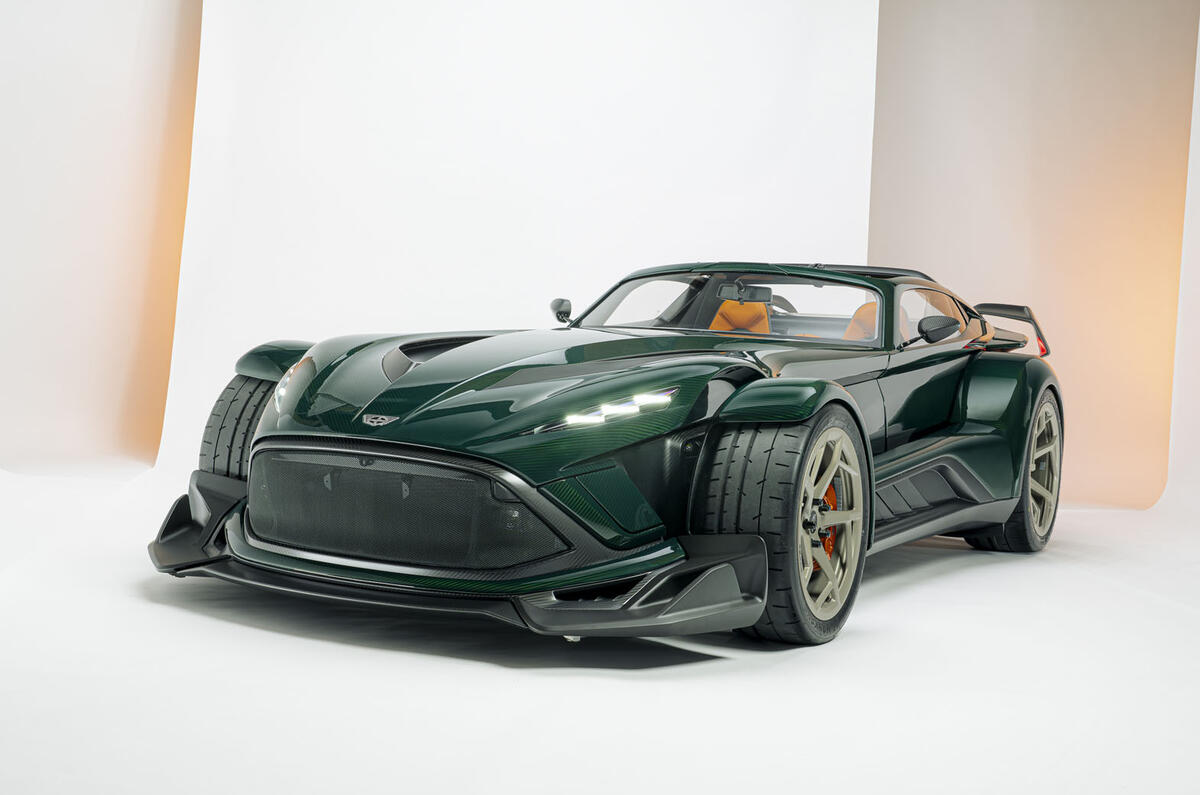
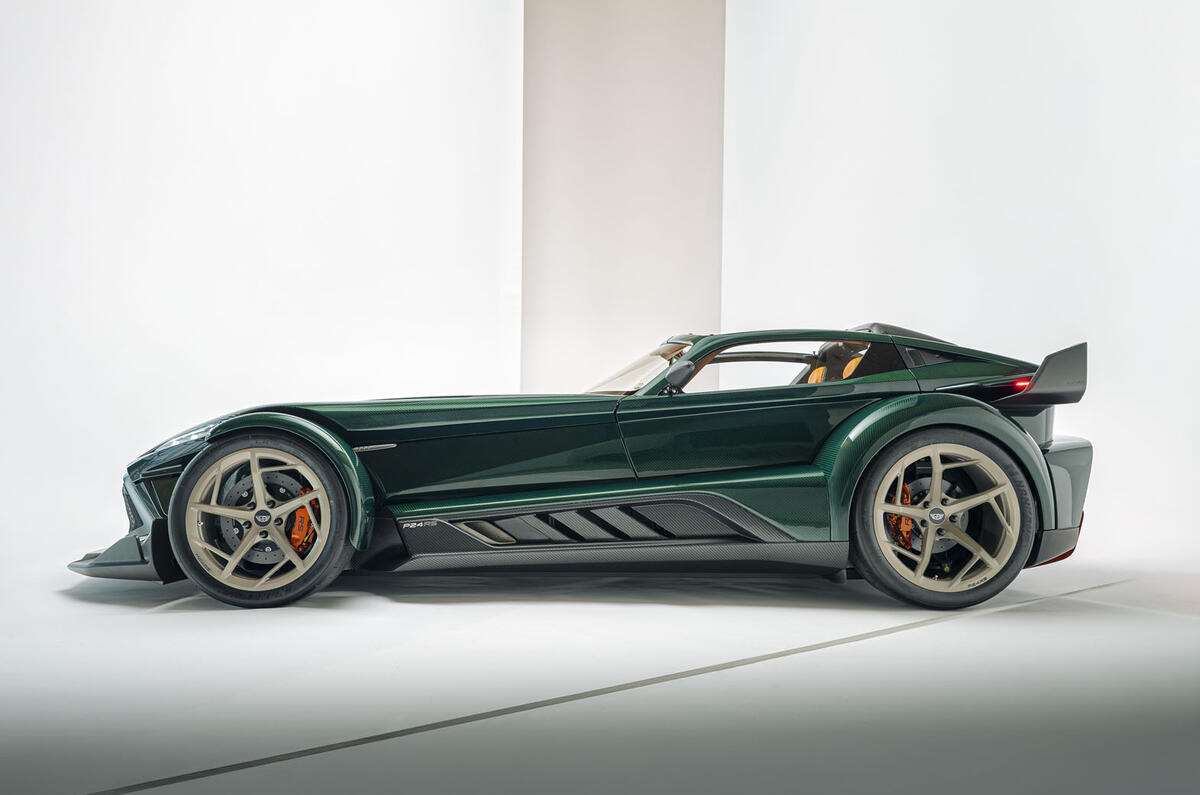
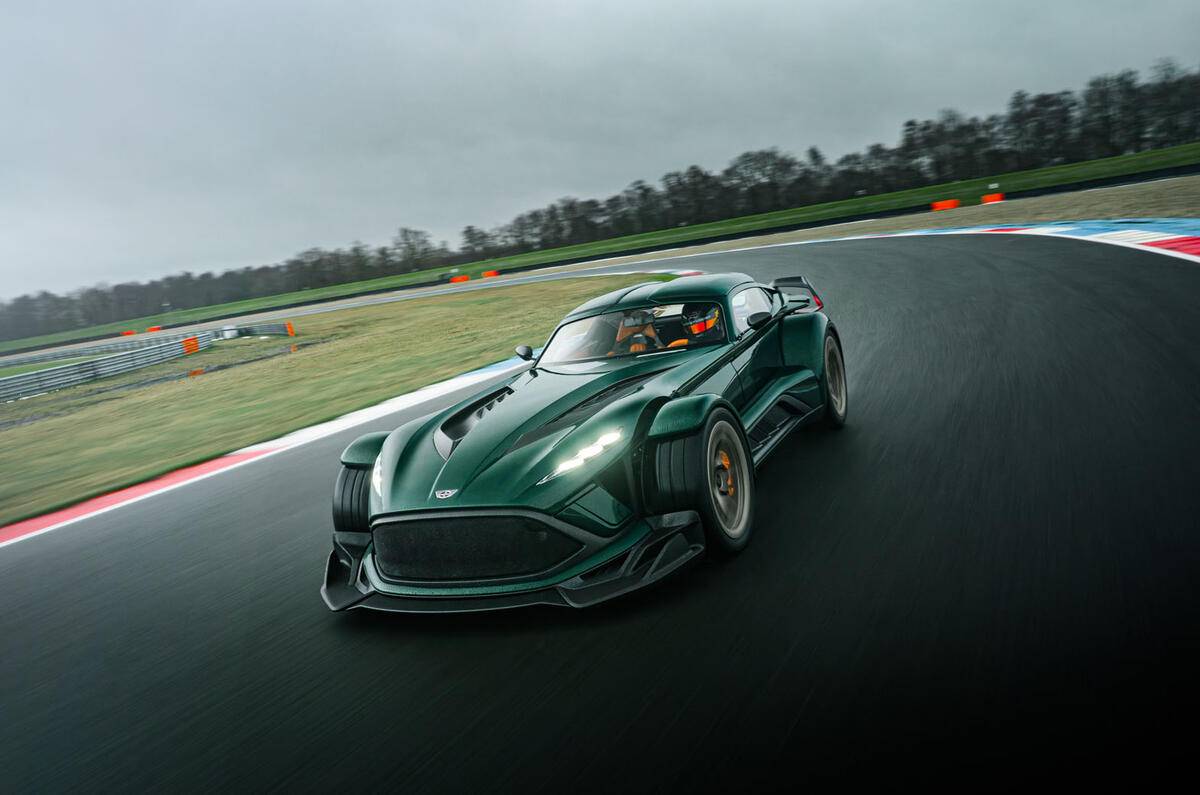
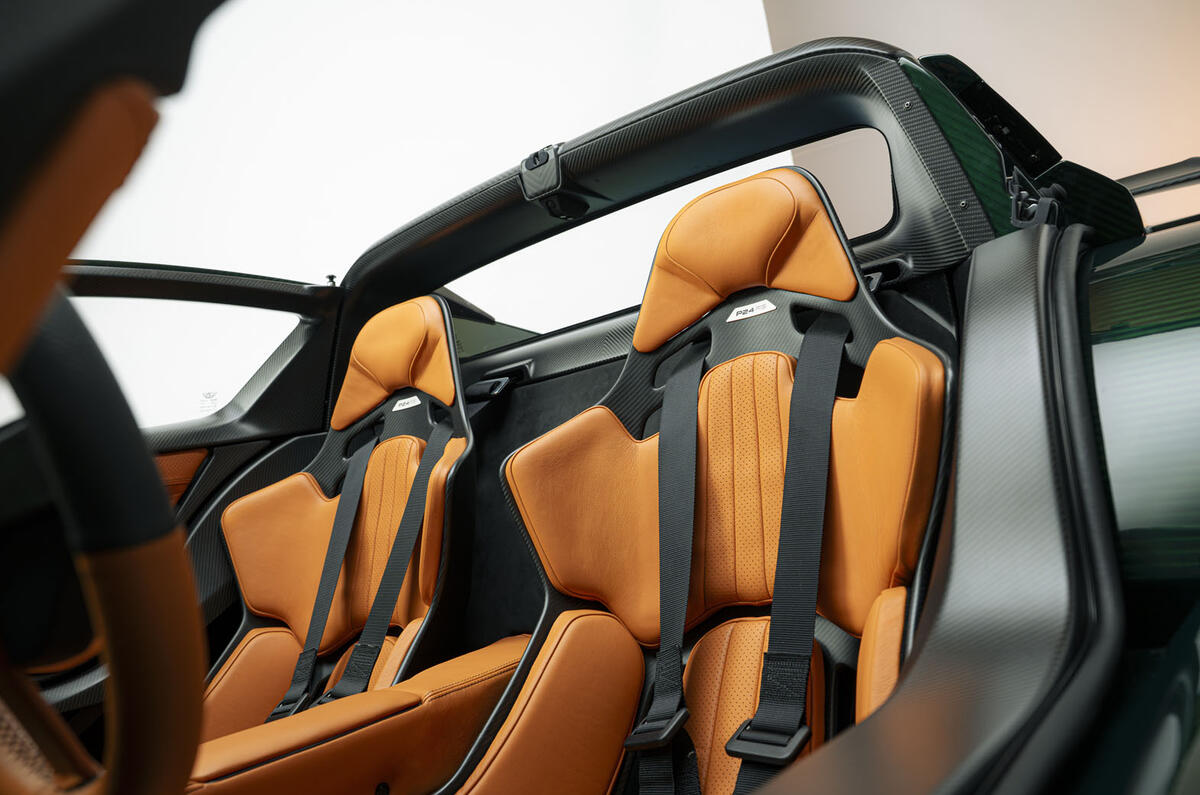
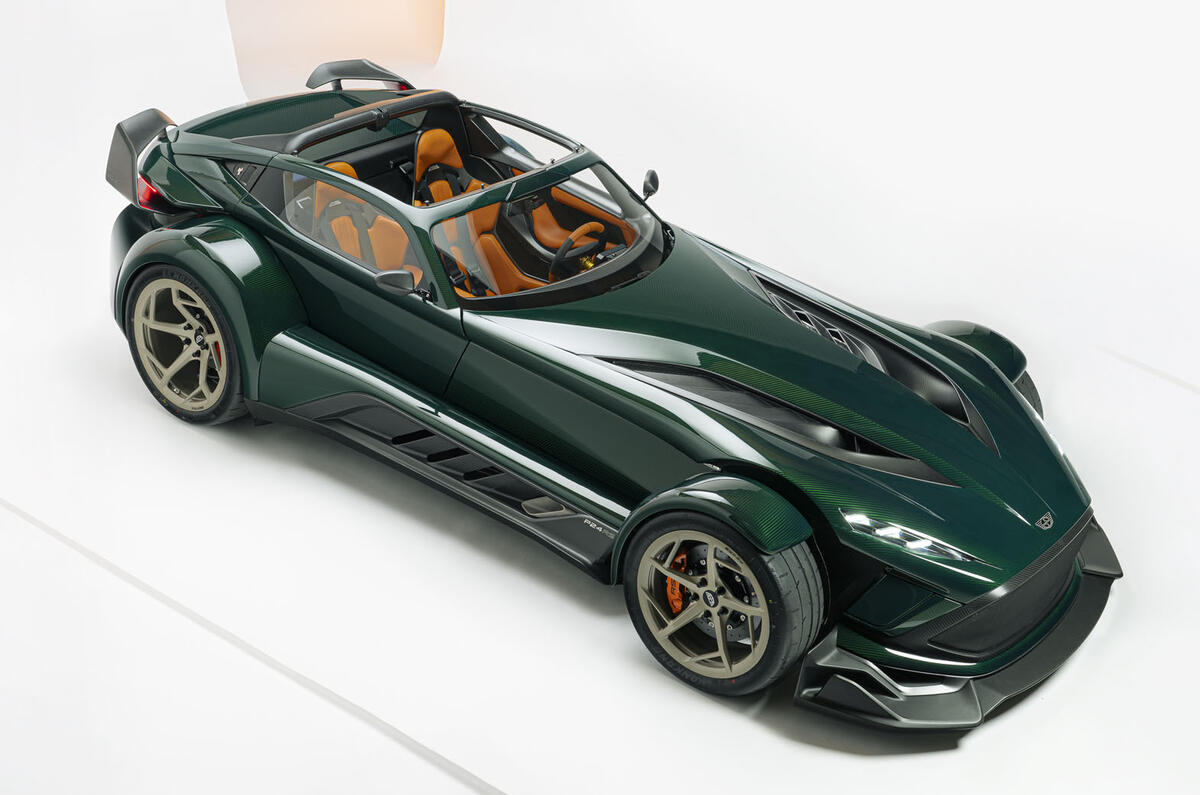
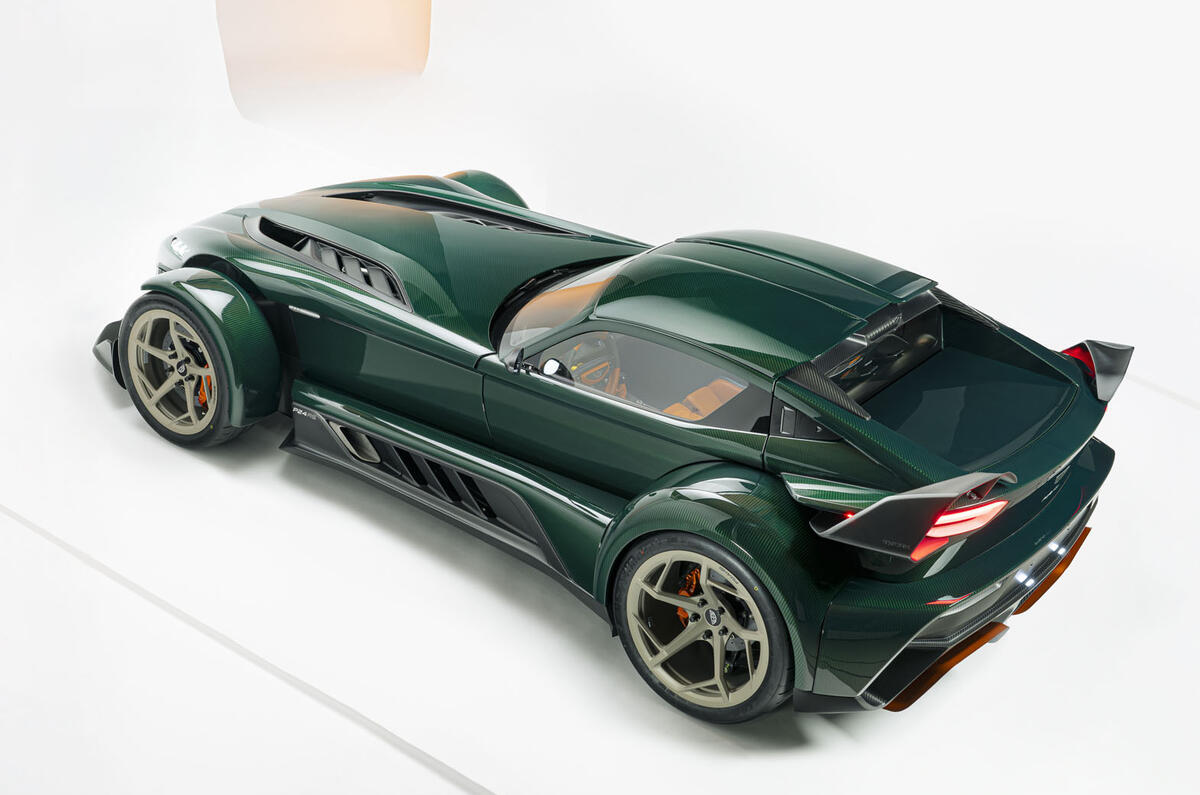
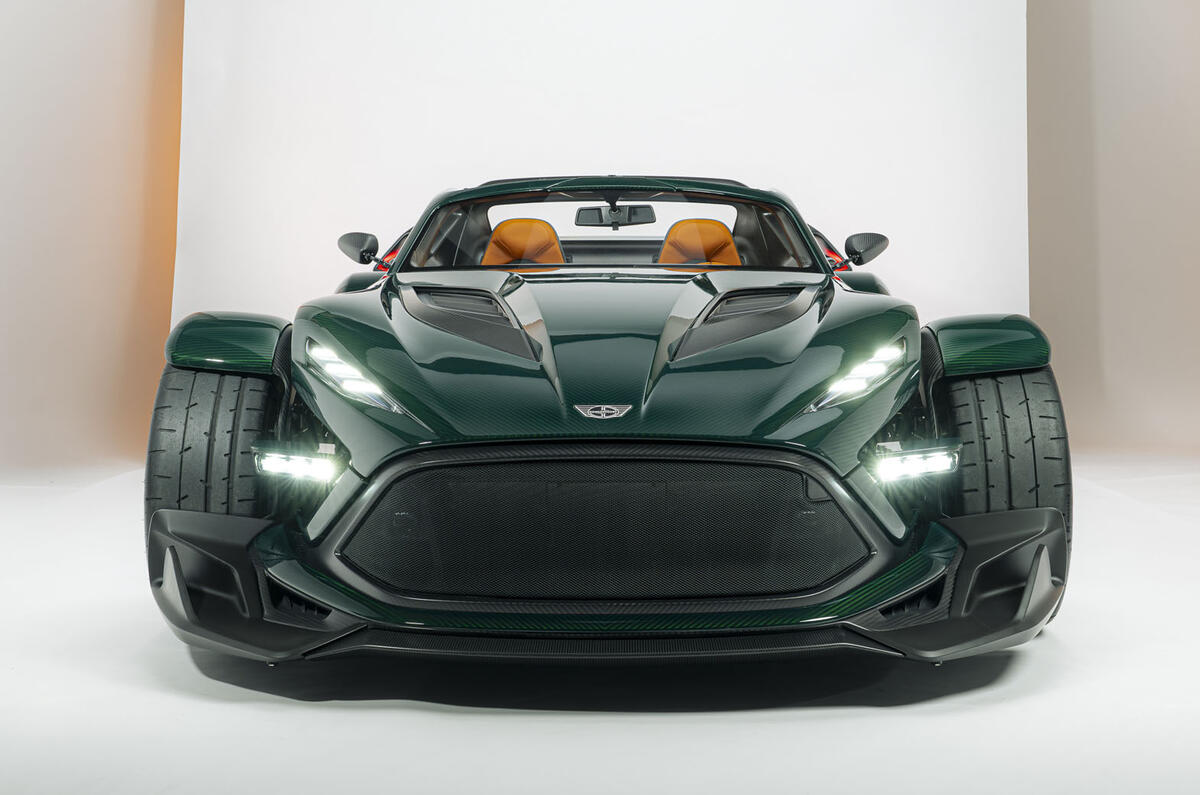
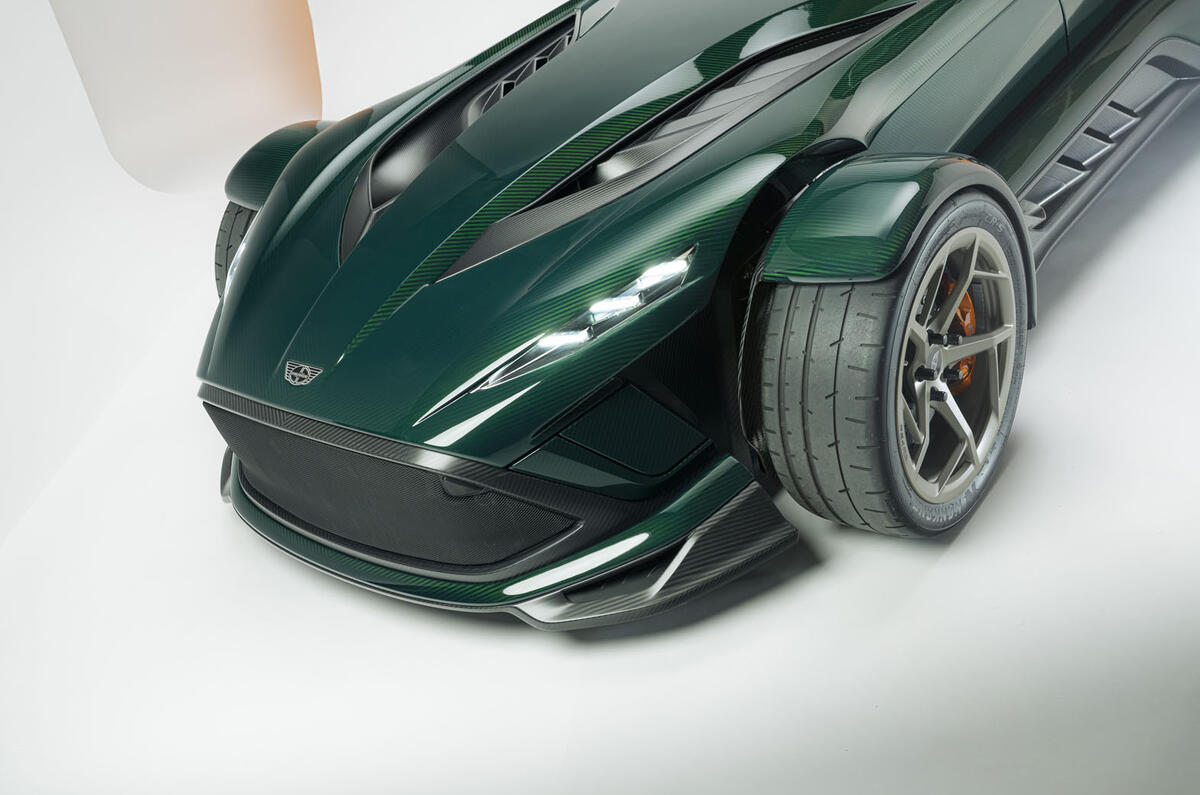
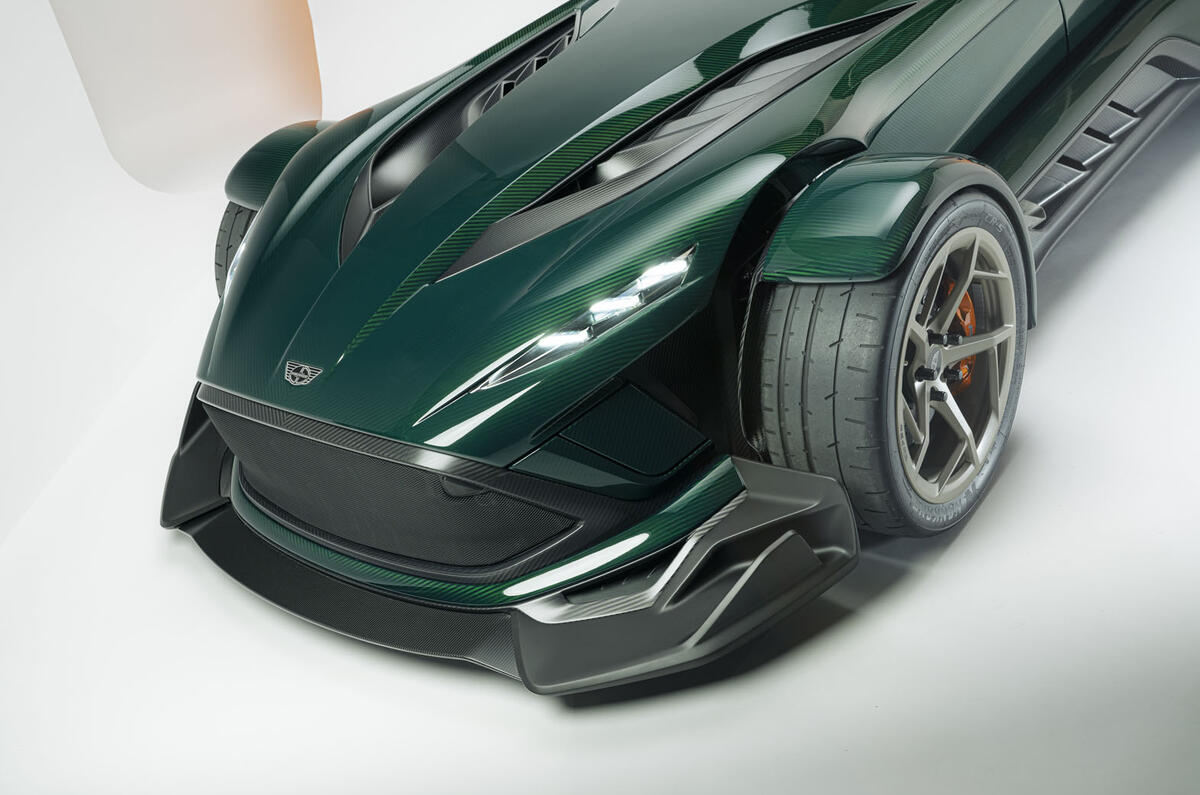
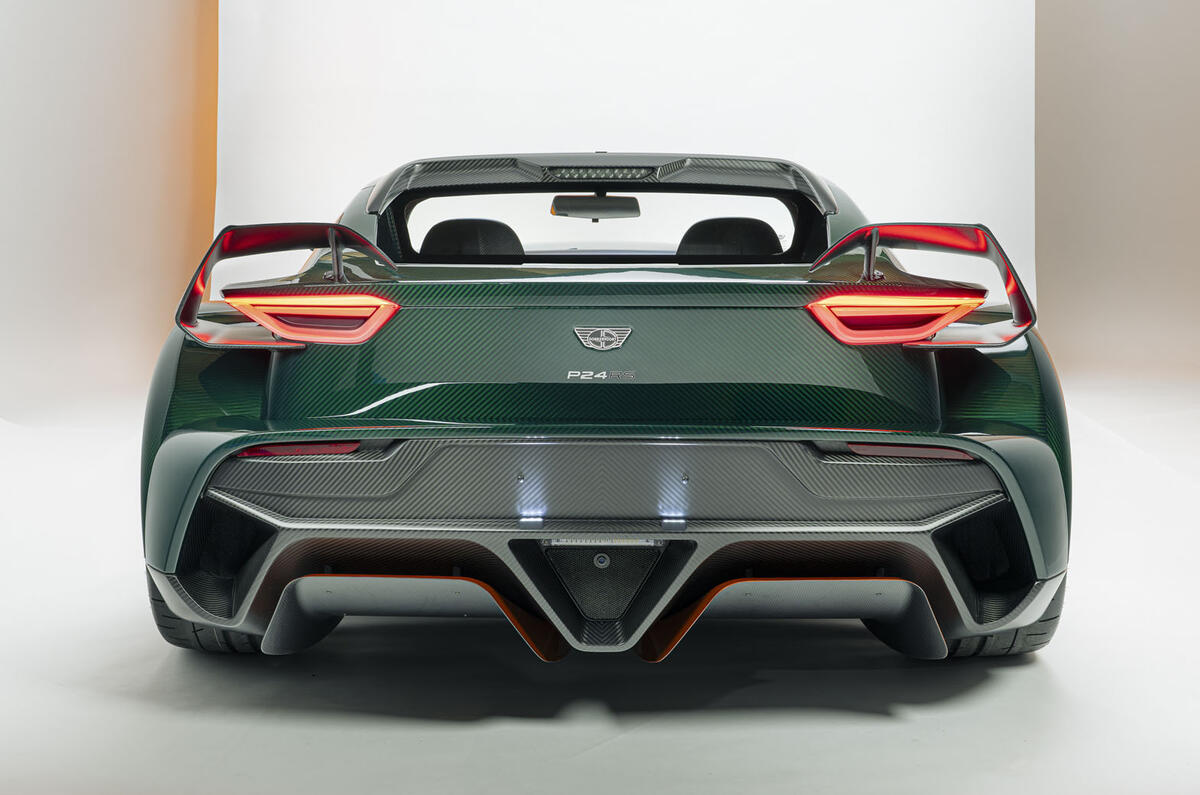
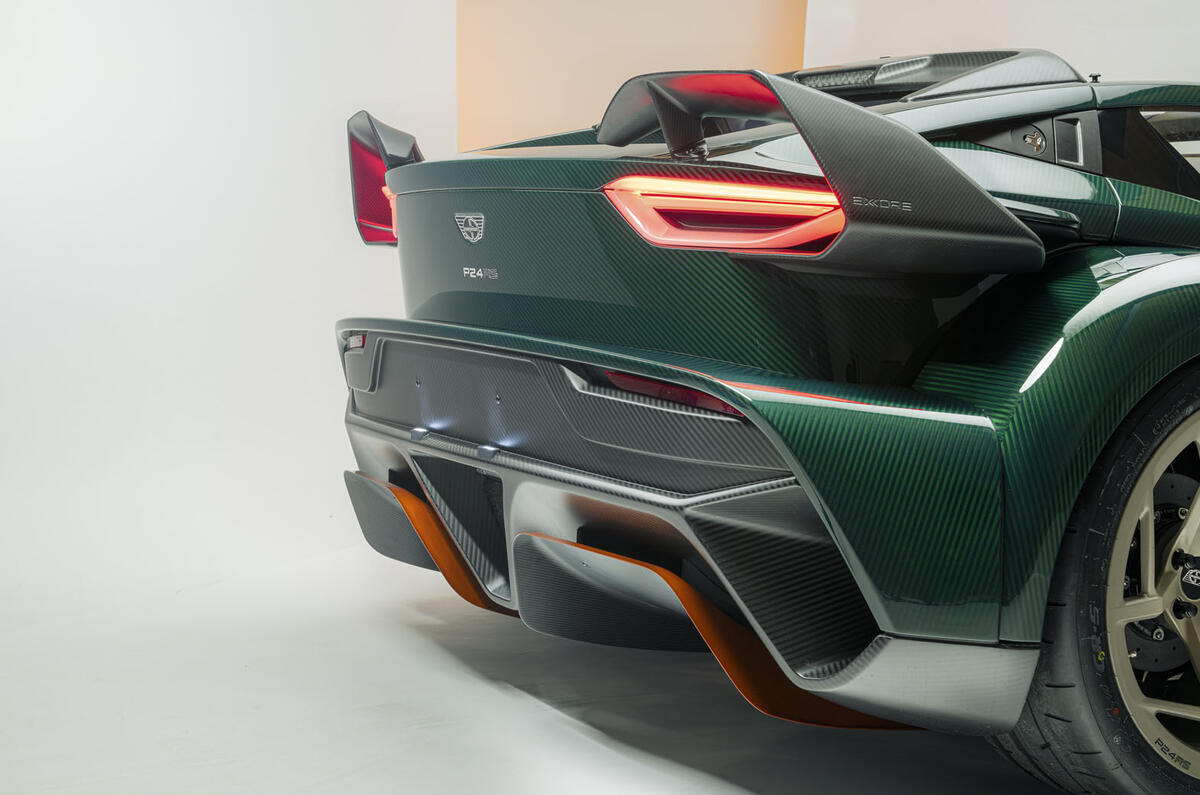
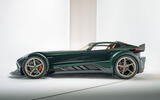
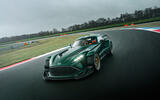
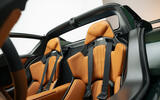
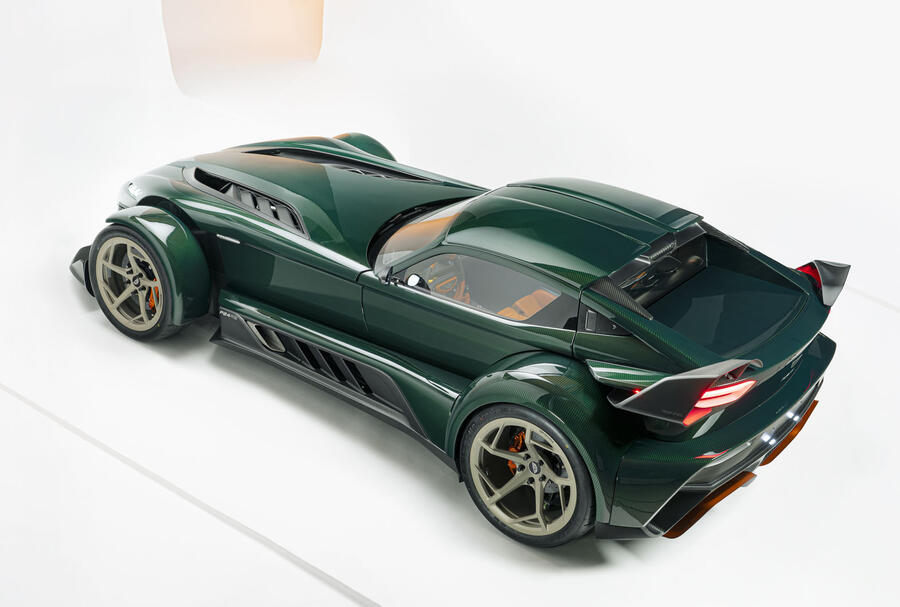
The stripped-back, aero-focused P24 RS is the latest creation from Dutch maker Donkervoort – and it is the most powerful model in its 48-year history.

As the follow-up to the F22 from 2022, the P24 RS is the firm’s 20th model and, while extreme, is billed as its most accessible car to drive yet. It could also be the first Donkervoort to be offered in a right-hand-drive configuration, althought a decision has yet to be made, the firm told Autocar.

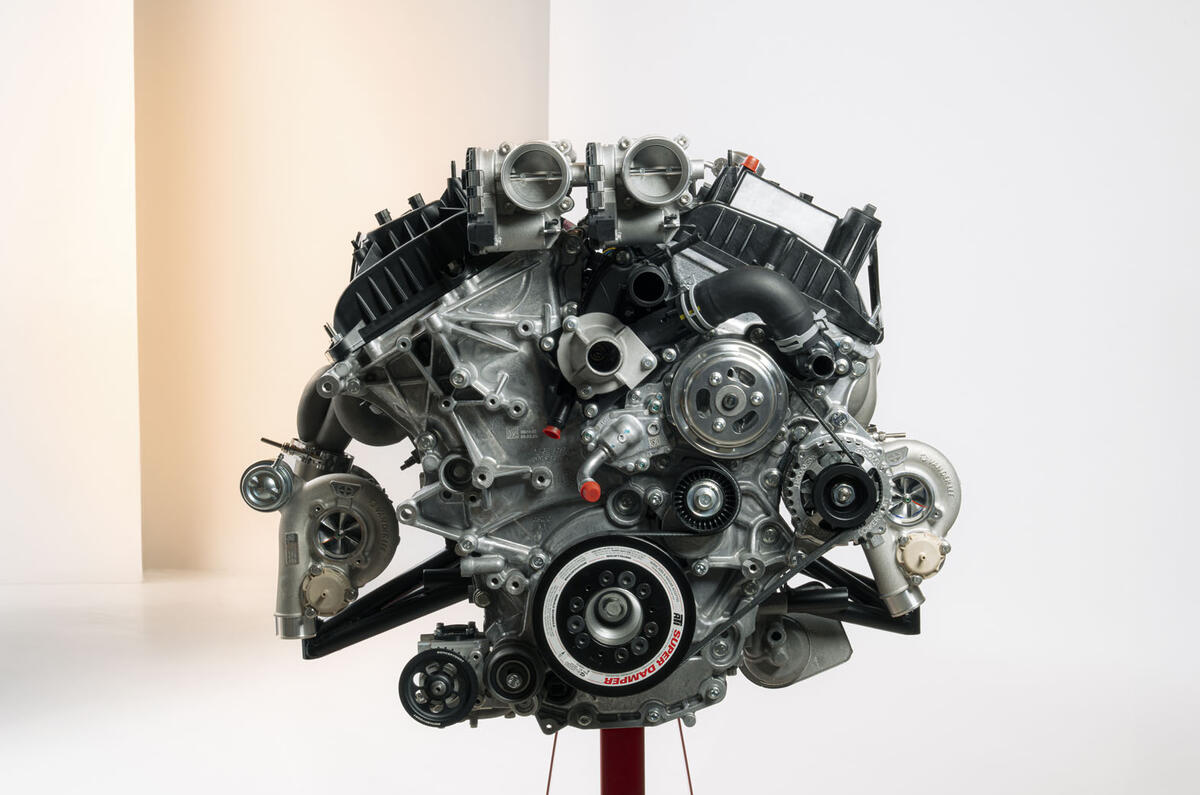
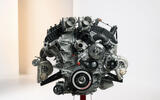
The 780kg two-seater is powered by a 3.5-litre V6 that was also used in the second-generation Ford GT. This new unit is the first Ford powerplant used by the Dutch firm since the 1995 D8 Cosworth – since then, all Donkervoorts have used Audi engines, with the most recent iterations drawing power from the German maker’s ubiquitous five-cylinder unit.

In this installation, the base V6 unit is unchanged but it gets new Donkervoort-made additions, such as turbos, a different intercooler, new software and 3D-printed exhaust extractors. In total the engine weighs less than 170kg, a key reason for the car’s sub-tonne kerb weight.
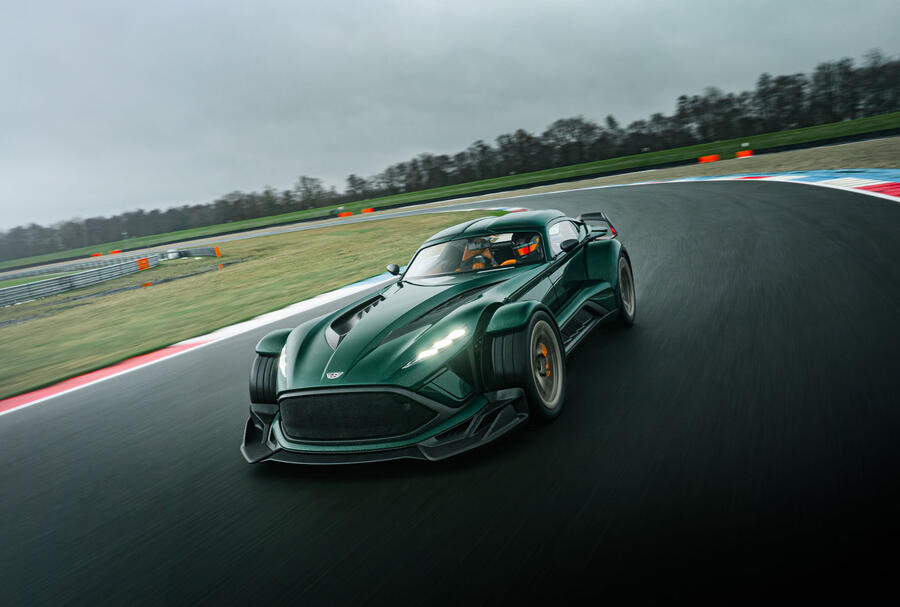
That powertrain is available in three stages of tune, from 394bhp to 591bhp, which at the top end is almost 100bhp more than the F22 produced.

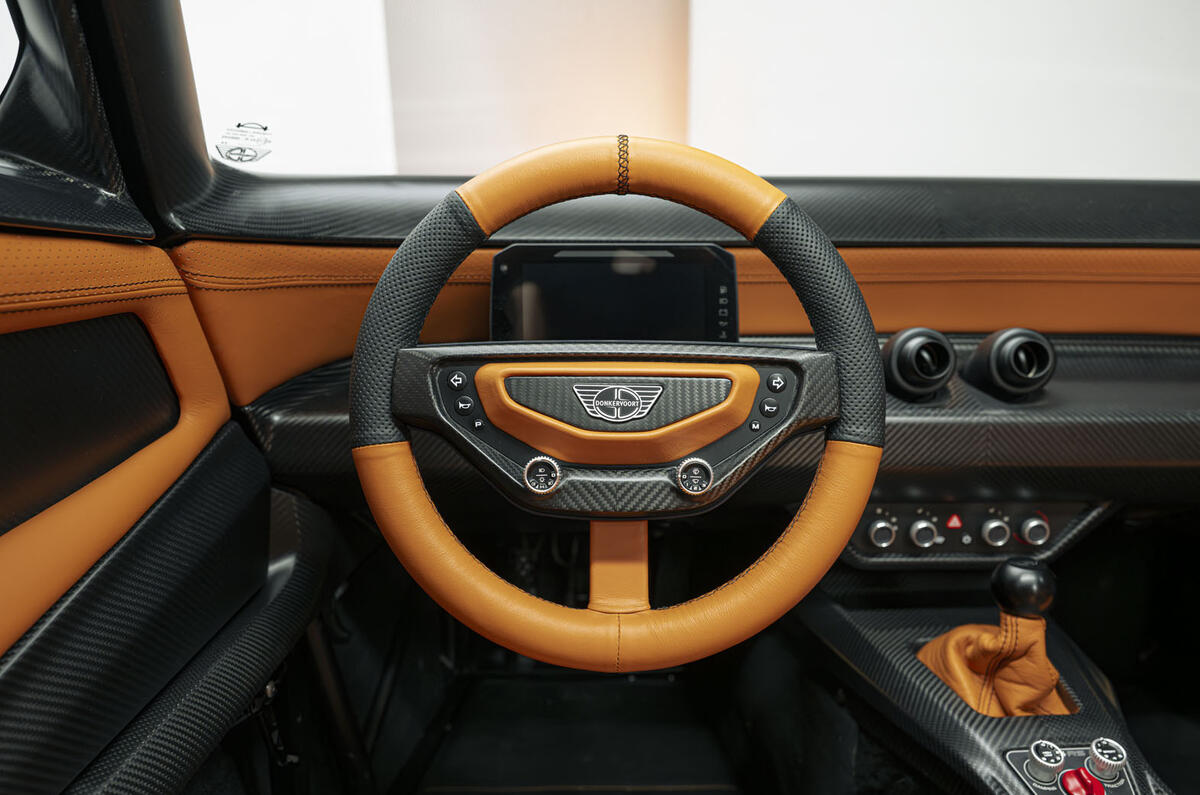
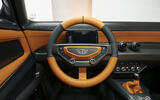
Uniquely for the road-going sports car segment, the peak power output is changeable on the fly via a dial within the cabin, in the same way as a traction control adjuster is used. CEO Denis Donkervoort told Autocar that this was part of “making the car as accessible as possible” so the car can be used – and enjoyed – in any condition, either on a track or on the road.

Nonetheless, with maximum power selected and the full 590lb ft of torque on tap, this is still an extreme machine, as the P24 RS can hit 124mph from rest in just 7.4sec. Although a 0-62mph time is not quoted, it is likely to surpass the F22’s 2.5sec time. Top speed is 186mph.
Back to top

Aided by extensive use of carbonfibre throughout, especially in the chassis (which, like most of the car’s components, has been created by the maker’s Ex-Core Technologies arm), the two-seater offers a power-to-weight ratio of 758bhp per tonne – and Denis Donkervoort said: “That’s the part I’m most proud of.”

The engine is the first V6 to be used in a production Donkervoort. Because it is more compact than the Audi five-pot, it can be positioned more centrally in the car, enabling a better weight distribution. It also means a lighter five-speed gearbox – one that happens to have longer ratios – can be fitted.

Speaking about how different the Donkervoort is with a V6 supplying the power, Denis Donkervoort said: “We are still learning a lot. Every mile you drive, you gain experience. To make it simpler, in the GTO (of 2011-2021), and F22 we had our [Audi] five cylinder. The difference [with this V6] is 80hp, but this 80hp meant a different turbo, a different intercooler, different software, and already, between those models, the character of the engine is huge. It's a new heart. It has its own character. 

“What I really like about [our] V6 is that we have put so much effort in throttle response and having no turbo lag, and that's, of course, on a car that has a weight of 780kg kilos and 600hp is essential.”

Back to top

He added: “So we are learning a lot. And if you can put these learnings into a new model, again, that is, of course, unique and something very exciting.”

The P24 RS majors on traditional, analogue driving appeal, with unassisted steering, no ABS and minimal driving aids (limited to the adjustable traction control and

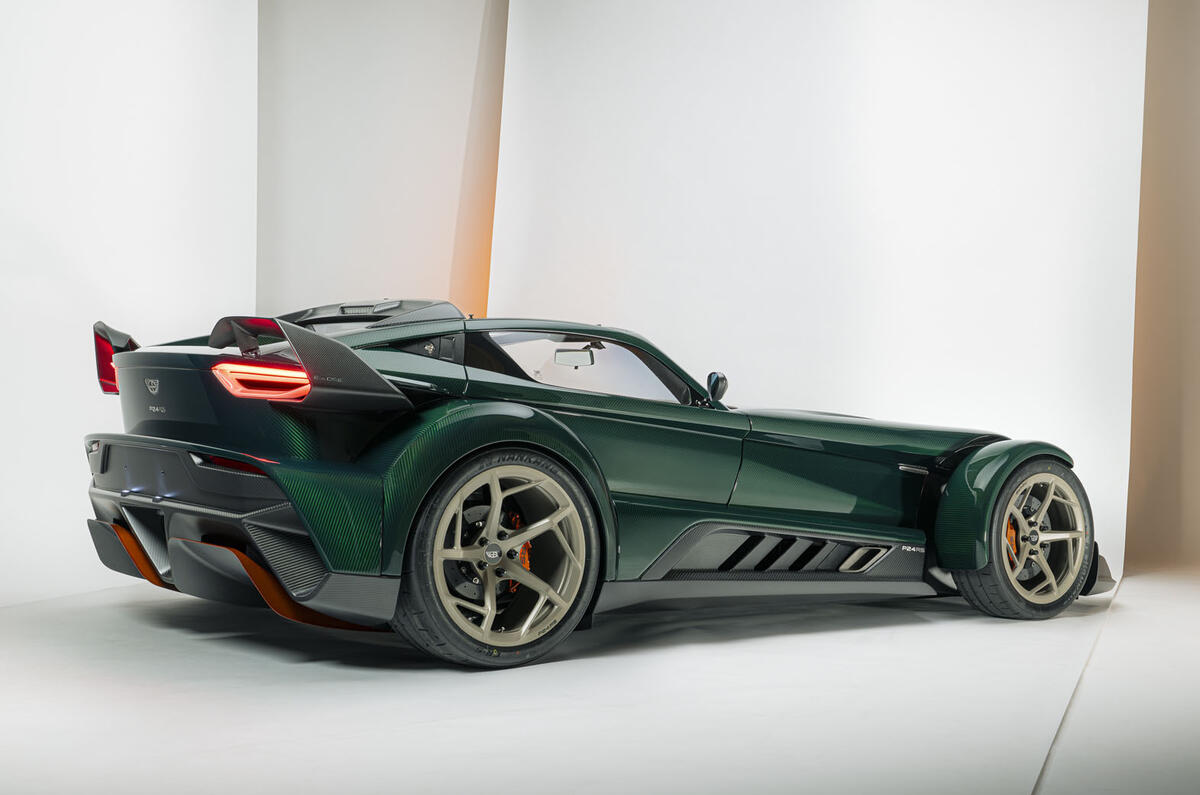
power output). With the full aero package fitted, it offers up to 90kg of downforce at 155mph.

Denis Donkervoort said the firm’s ambition was to make the P24 RS its most extreme model to date while also fulfilling the brief that it could “be used on the streets” too.

In pursuit of further accessibility, the car’s suspension stiffness and ride height are also fully adjustable. The car’s radical aero package can be fully removed easily too, something the brand says was influenced by Le Mans and Formula 1.

“We have never seen that in any other car,” said Denis Donkervoort. A key reason for that is because just 5% of buyers use their car exclusively on track.

Just 150 examples will be made, priced at €298,500 (£260,000), of which 50 are already accounted for.

Join our WhatsApp community and be the first to read about the latest news and reviews wowing the car world. Our community is the best, easiest and most direct place to tap into the minds of Autocar, and if you join you’ll also be treated to unique WhatsApp content. You can leave at any time after joining - check our full privacy policy here.

Will Rimell

Will Rimell Autocar
Title: News editor

Will is Autocar's news editor.​ His focus is on setting Autocar's news agenda, interviewing top executives, reporting from car launches, and unearthing exclusives.

As part of his role, he also manages Autocar Business – the brand's B2B platform – and Haymarket's aftermarket publication CAT.

Join the debate

Comments
1
Add a comment…
Dozza 24 January 2026

They haven't made it quite ugly enough. I'll take a nice specced 911 and keep the £100000 instead. 

Peter Cavellini 24 January 2026

Not a really daft price fir what the car offers,it's just I've never seen one, has Autocar tested their cars?