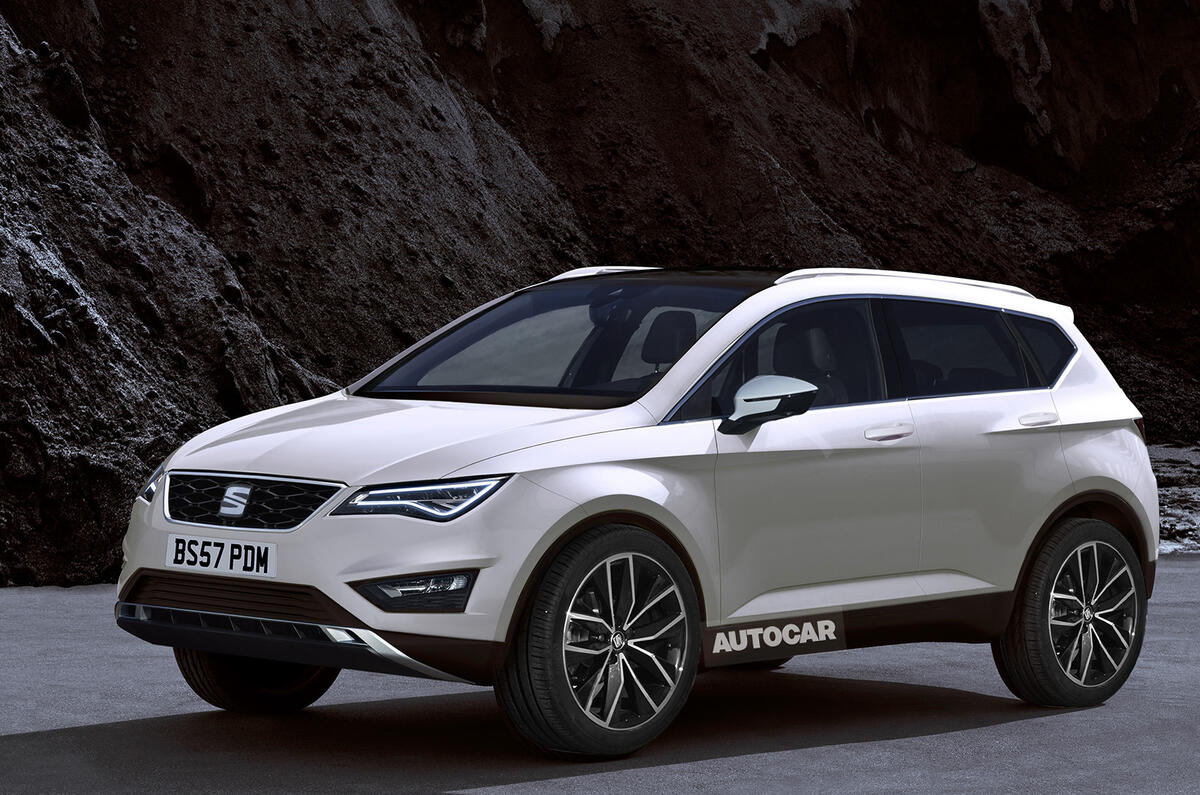
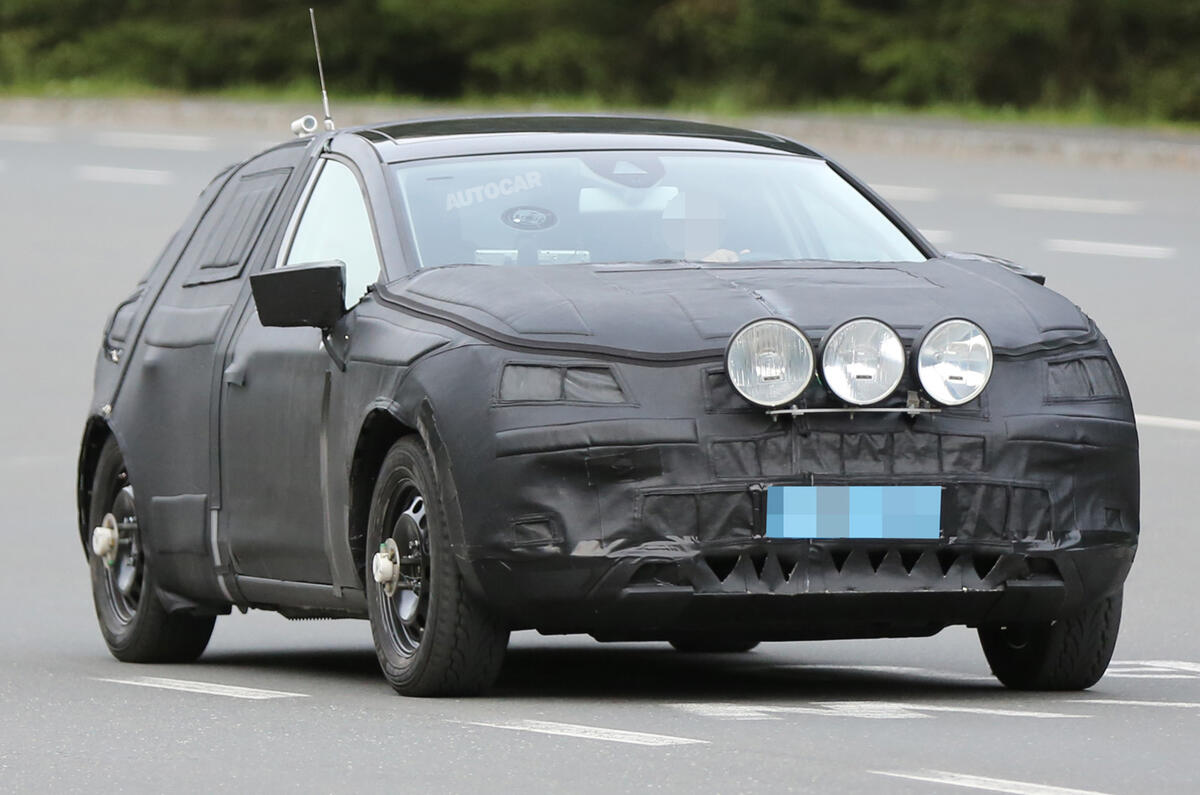


Seat has confirmed it will launch a small crossover to rival the Nissan Juke next year, with the model set to join the larger Ateca in its growing SUV lineup.
The car maker also revealed it had recorded a profit for the first time since 2008. The company achieved an after-tax profit of 6 million euros, which significantly contrasts the 66 million euro loss it recorded in 2014.
Read our review on the Nissan Juke
It now wants to continue this trend with the introduction of four new models over the next two years - the Ateca being the first, and today's announcement adding the second.
We know the new car will be based on the next-gen Seat Ibiza, which should also arrive next year, and it looks likely that it'll be offered in two-wheel-drive guise only.
We're a long way off from seeing it - insiders aren't expecting it to be shown until next year and sales won't start before mid-2017. However, thanks to the fact the car shares its MQB underpinnings with models like the new Audi Q2, we've a fairly decent idea of what it could look like as our image above illustrates.
Today's news backs up claims made by chief executive Jürgen Stackmann close to 18 months ago. At the 2014 Paris motor show, Stackmann confirmed the embryonic existence of the supermini-sized crossover, lightheartedly describing it as having the personality of Prince Harry, while comparing the mid-sized crossover as having the mature and predictable personality of Prince William.
"The 'William' SUV would follow the lines you might expect from us, while the 'Harry' car could push the boundaries a little bit more, and take a different approach," said Stackmann.
A hot Cupra version of the baby crossover has been mooted while the engine lineup for the rest of the range will closely follow the units offered in the Seat Ibiza.
“A small SUV will show where we want to take the brand," said Stackmann. "This segment is purpose made for Seat as it combines emotion and functionality. But it would be two-wheel drive only. A four-wheel drive version only adds infrastructure and complexity and our customers won't pay 2000 euros [extra] for it.”