8

MG switches to a next-gen front-drive platform for its latest value EV

It might have been wild, unfenced territory to begin with, but manufacturers of electric cars are slowly converging on certain important conventions. Having experimented here and there, they are now tacitly agreeing what the best routes are towards efficiency, drivability, driver appeal and more in a modern electric passenger car.

Fundamental drive layout is one area where difference still exists, however. Some brands started with front-motor, front-wheel-drive cars and later moved to rear-drive, finding efficiency gains on the way. Others have progressed in the opposite way and somehow found matching gains in the process.

And some car makers see a case for both front-motor, front-drive and rear-motor, rear-drive EVs. MG owner SAIC is one of them. While most of MG’s electric cars to date have had rear-axle drive, SAIC’s latest new platform – called E3 – switches the layout around.

The first car off that platform, the MG 4 EV Urban, is not a replacement for the popular MG 4 electric hatch, but a kind of sidekick for it. Yielding the packaging benefits of the latest battery technology and a front-drive layout, it dovetails with the regular MG 4 range, reaching downwards into value-car territory – and giving customers who thought they could only afford an electrified supermini something much more practical to consider.


Advertisement

DESIGN & STYLING

8
MG4 Urban review 2026 002

SAIC’s new E3 platform is set to bring a number of key packaging and efficiency gains to MG’s forthcoming EVs. It can accommodate both 400V and 800V architectures, which suggests that it’ll be deployed on more upmarket cars than the 4 Urban before long. 

But most significantly, it brings cell-to-body chassis construction to MG. This method cuts down on the amount of space that the MG 4 Urban’s lithium-iron-phosphate underfloor battery takes up. It also makes that battery pack a stressed part of the chassis structure, rather than an isolated structure within it – ultimately saving weight, boosting body rigidity, improving crash performance and more.

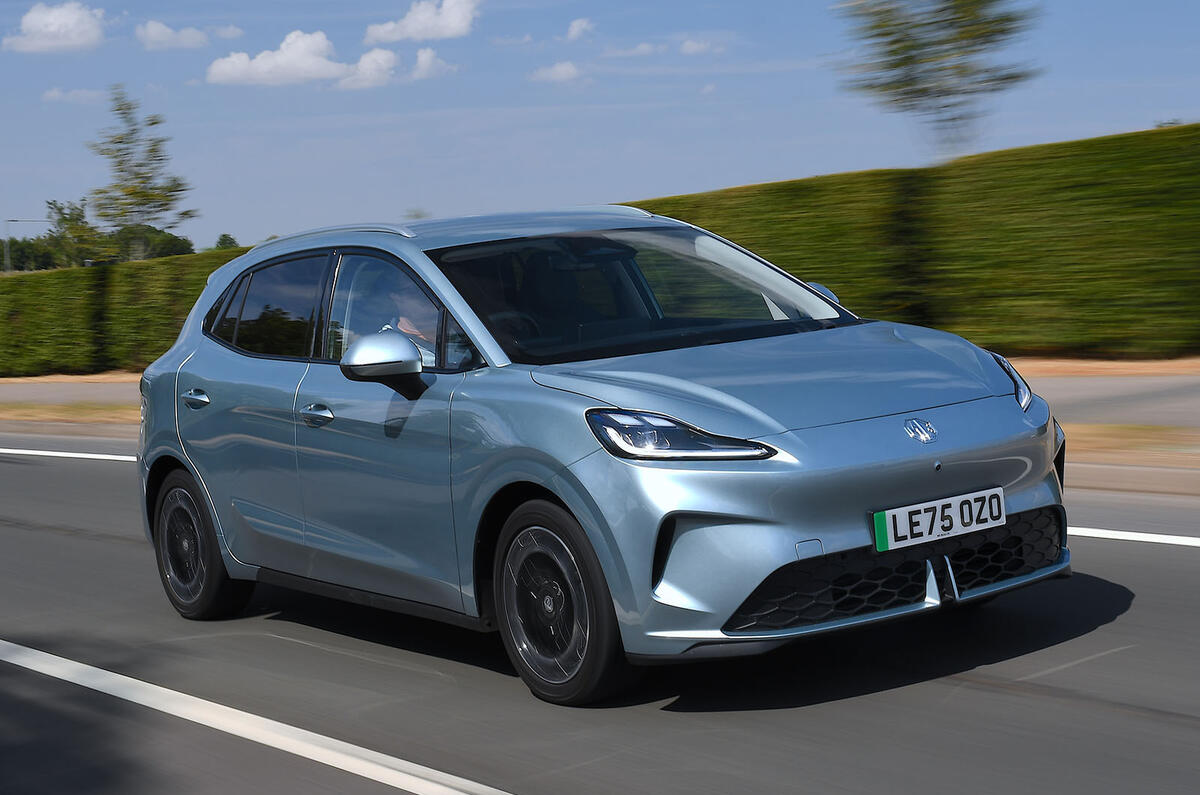
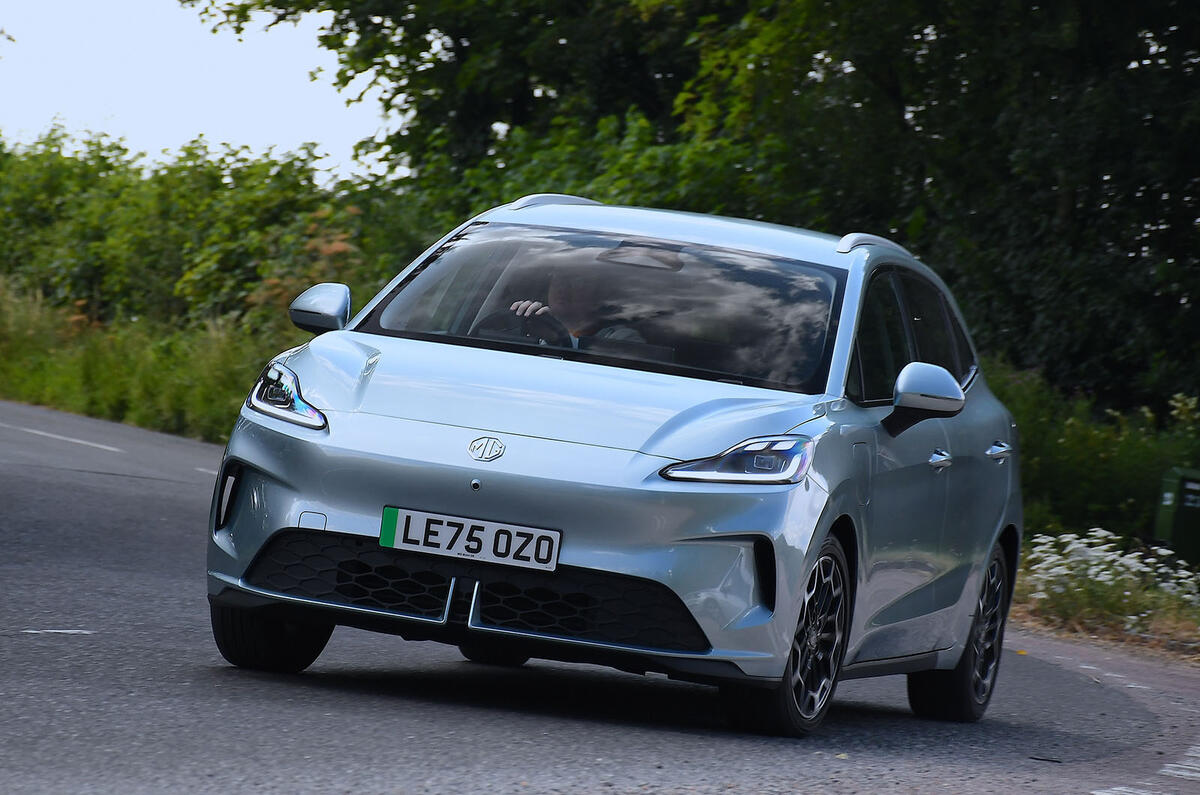
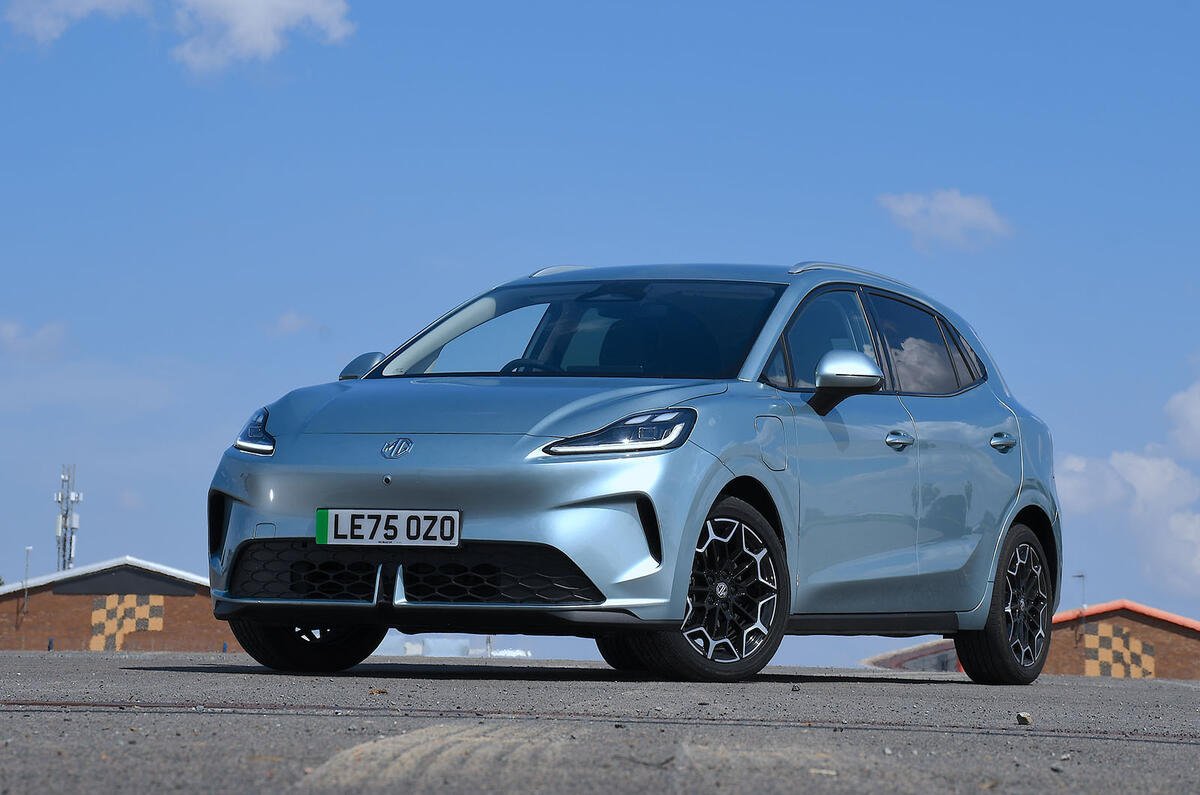
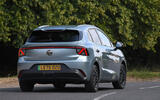
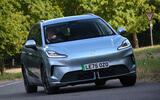
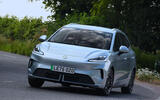
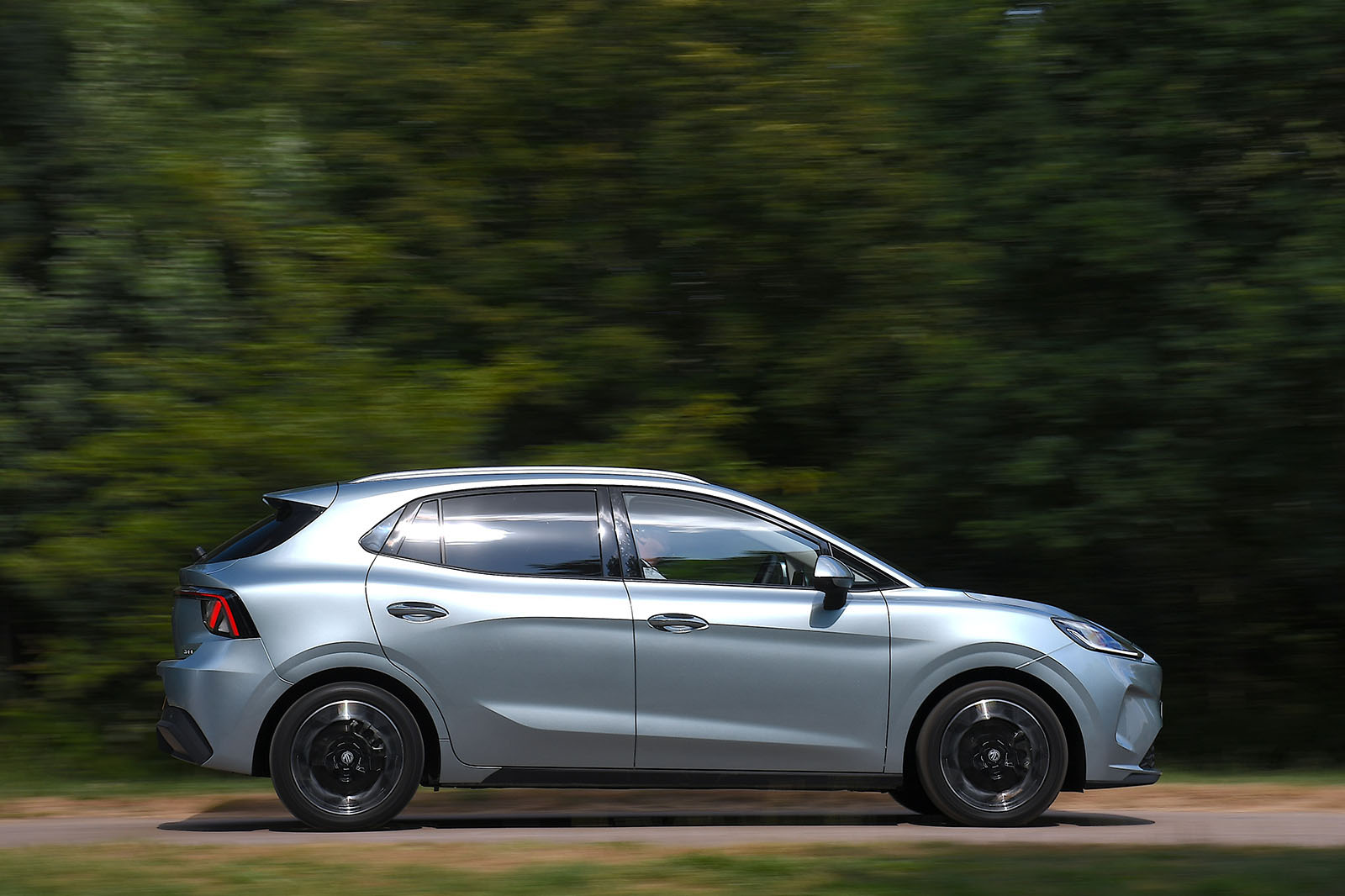
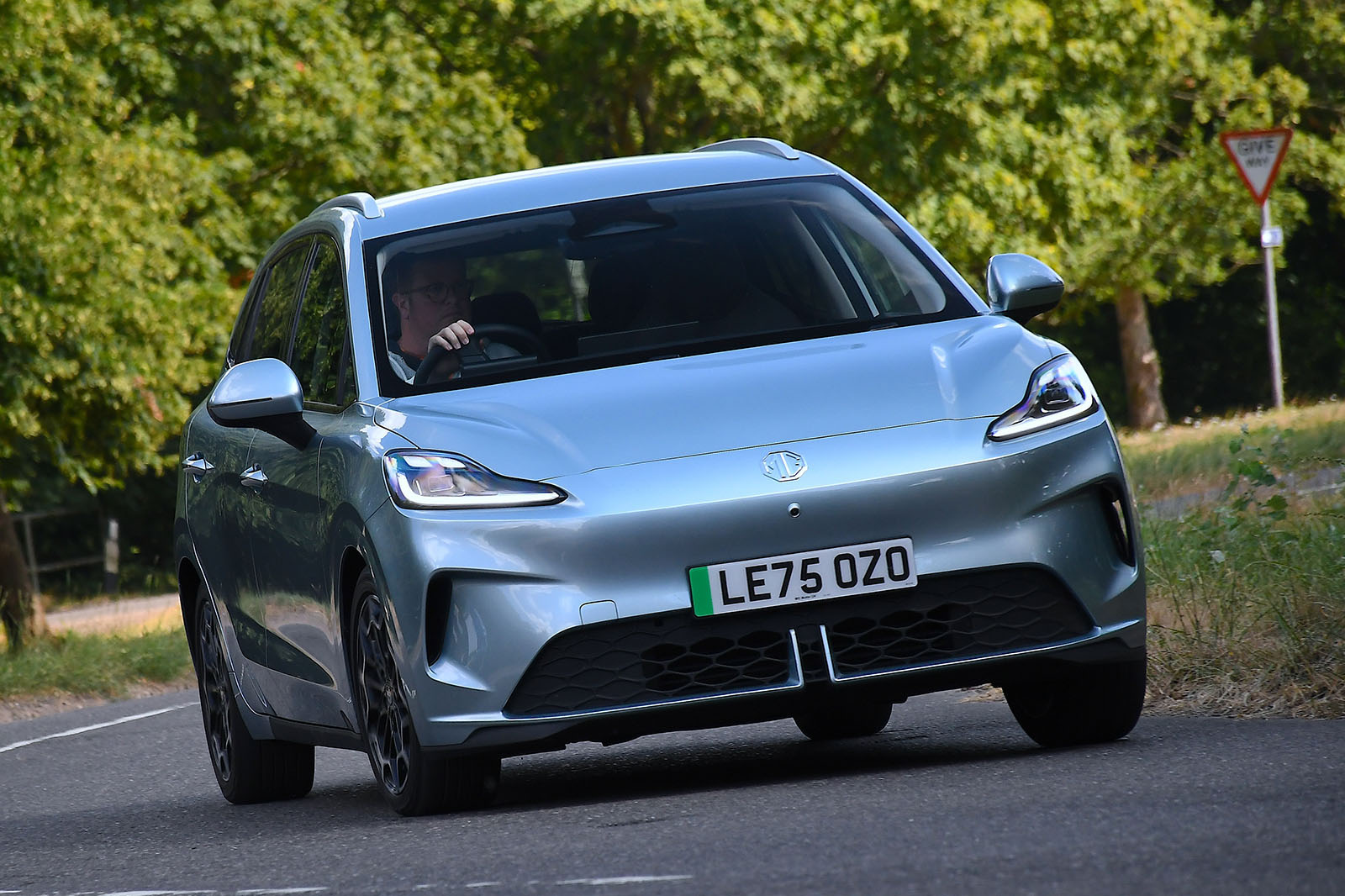
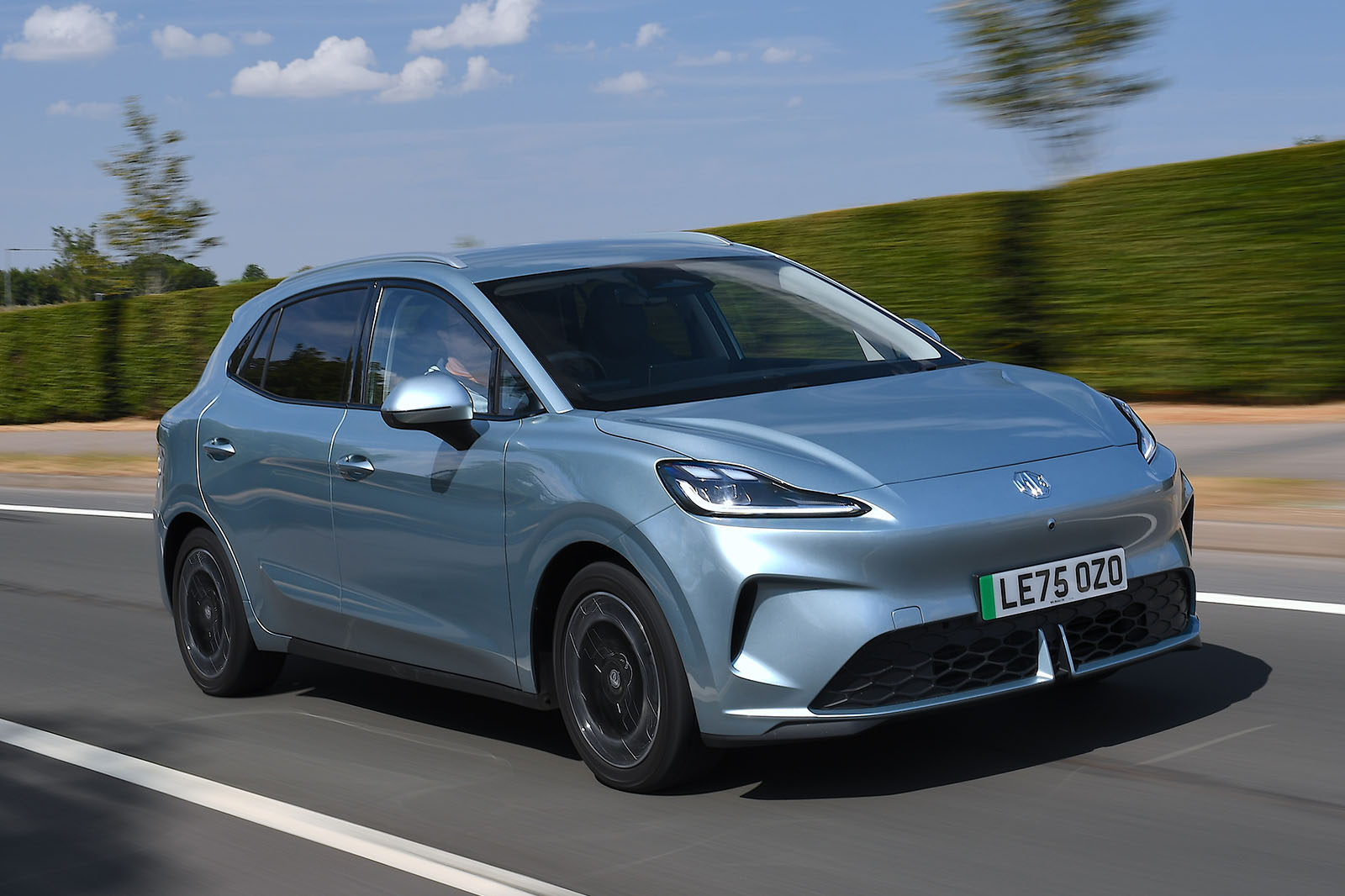
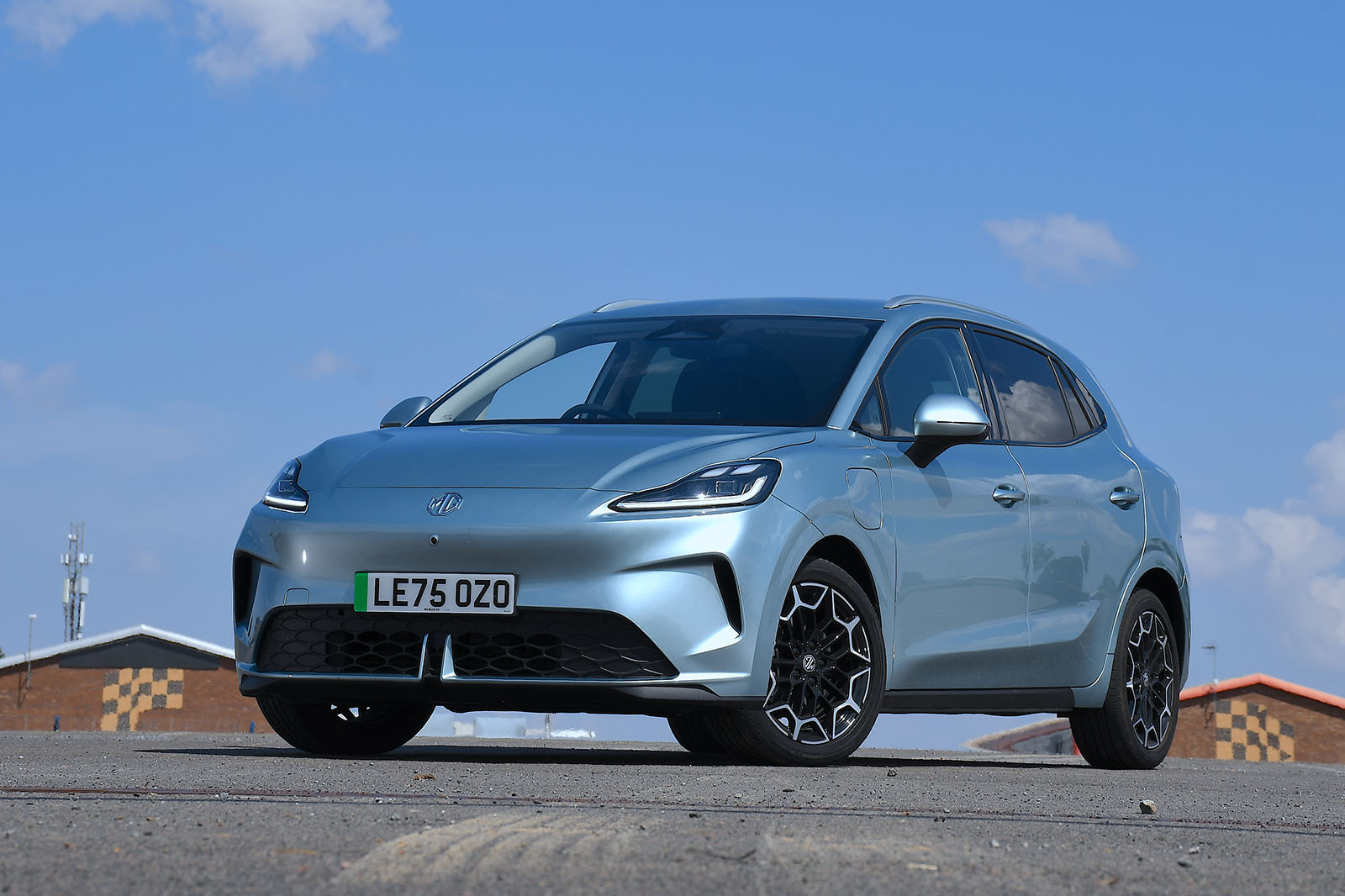
There’s a slightly spaceship-like, Tesla look to this car but it could still pass as ‘just another hatchback’. Which is crucial: because, at its heart, this car wants nothing more than to be ordinary. And you can’t help liking that about it.

The MG 4 Urban’s battery pack is, for now, of a fairly conventional LFP-chemistry type. But this car is, by early 2027, set to become the first MG model with what SAIC calls SolidCore battery technology: a battery pack that drives out liquid content and is 95% solid state, making it thinner than an equivalent conventional LFP battery pack and more energy dense.

At that point, the 4 Urban is likely to take significant strides on battery capacity and efficiency. For the time being, however, and with its introductory LFP battery packs, the car gets either 42.8kWh (Standard Range) or 53.9kWh (Long Range) of nominal capacity – and in both cases, usable capacity is within around 1kWh of that total.

Packaging the drive motor and high-voltage electronics entirely in the front of the car will have been more space-efficient for MG than a rear-drive layout. The MG 4 Urban is powered by an AC synchronous permanent magnet-style motor whichever version you buy. The Standard Range model gets 148bhp and 184lb ft, and the Long Range one (tested here) the same peak torque but 158bhp.

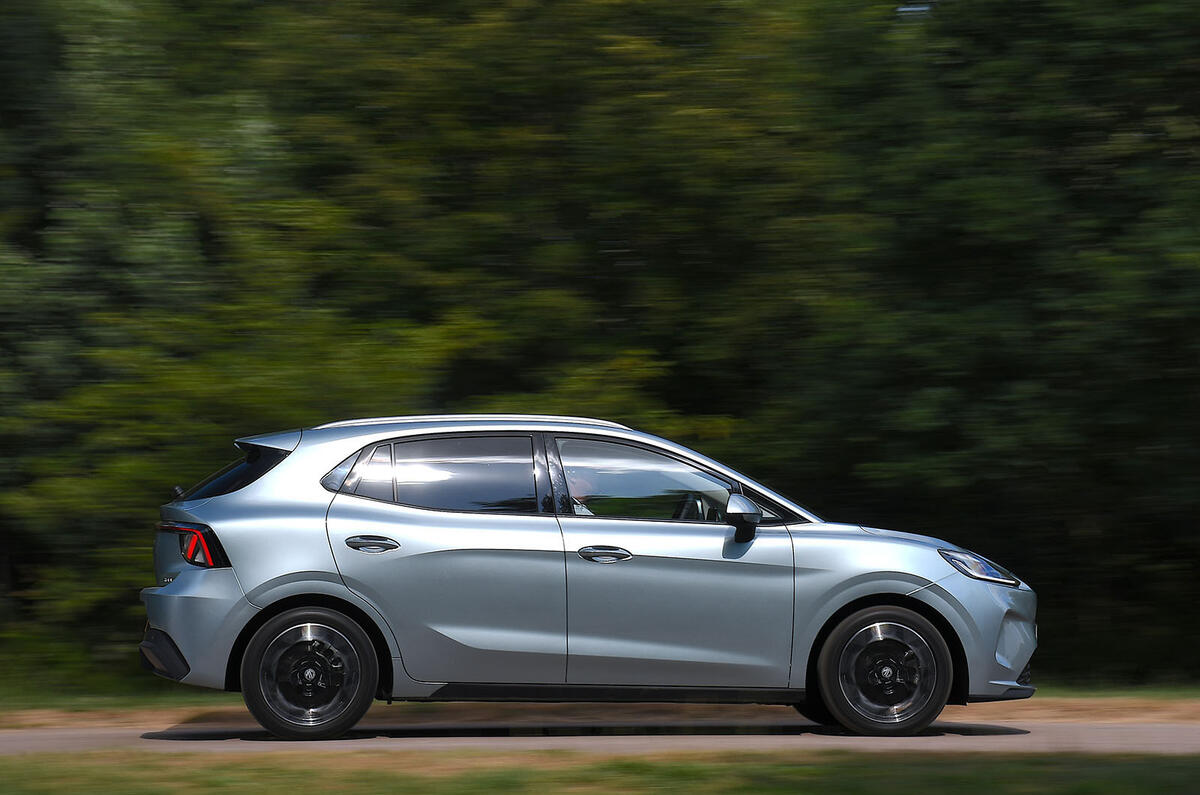
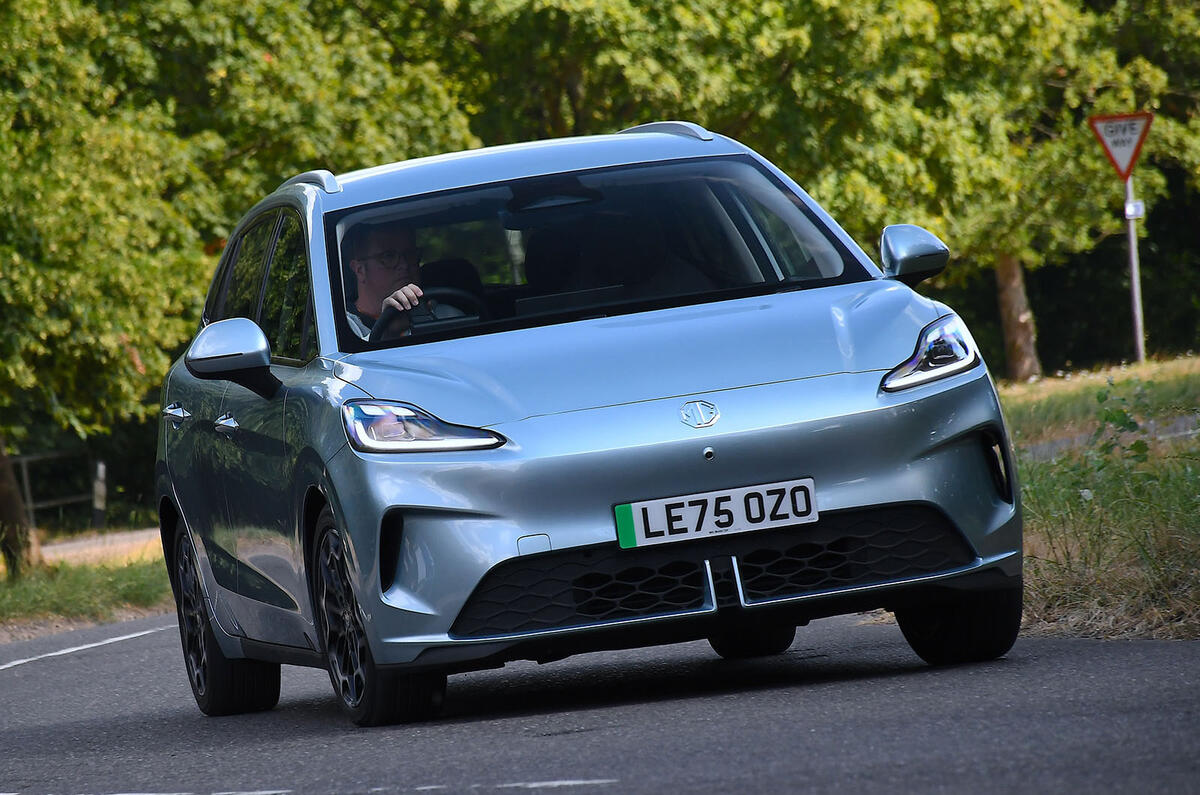
The MG 4 Urban is, in essence, a roughly Golf-sized, slightly high-roofed hatchback. You’d stop short of calling it a crossover but could probably argue it’s either a mid-sized C-segment hatchback or a larger B-segment SUV (Ford Puma, Renault 4 etc) if you wanted to. At just under 4.4m in length and 1.55m in height, it’s both longer and taller than the regular MG 4.

Our Long Range Premium test car weighed 1513kg on the proving ground scales – a very respectable figure indeed for an EV of its size (Renault Megane E-Tech tested in 2022: 1688kg; Volkswagen ID 3 58kWh in 2021: 1757kg). And it's possible that figure will come down in due course, when SAIC's new-generation battery pack is added.

Suspension is conventional, via steel coil springs all round, with MacPherson struts at the front axle and a torsion beam at the rear.

INTERIOR

8
MG4 Urban review 2026 008

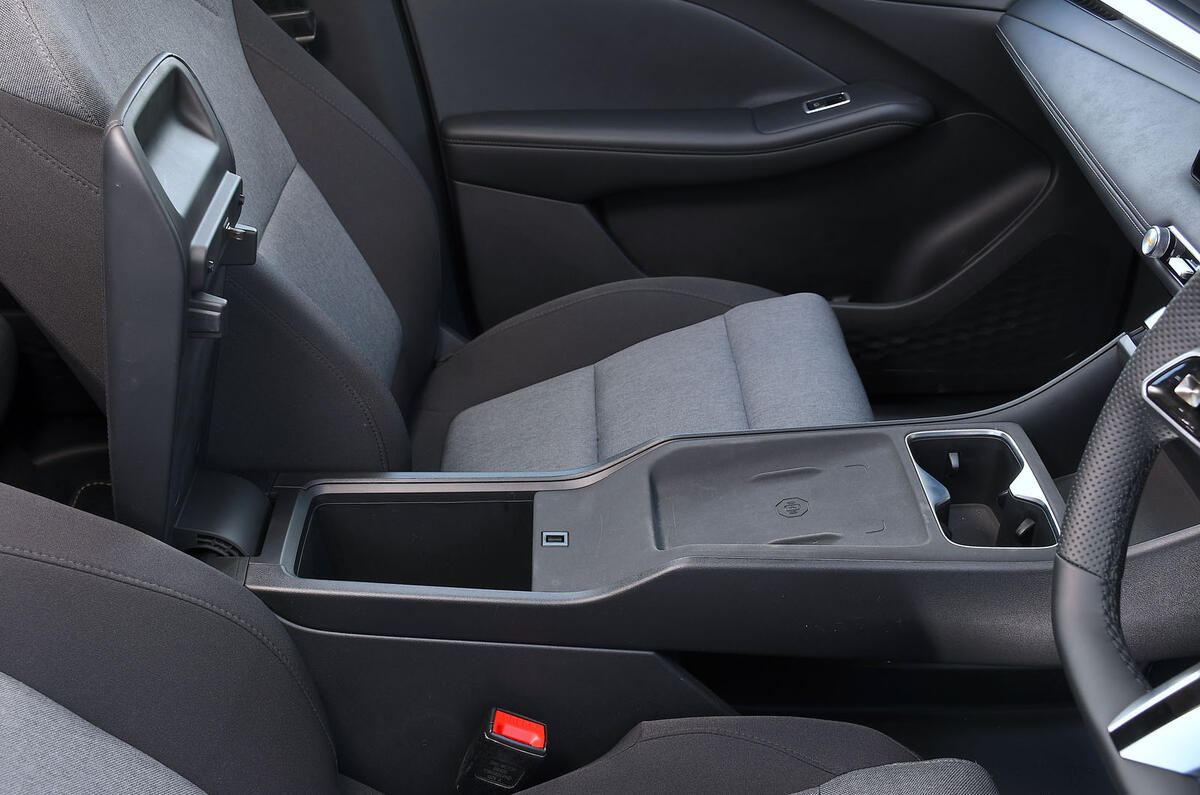
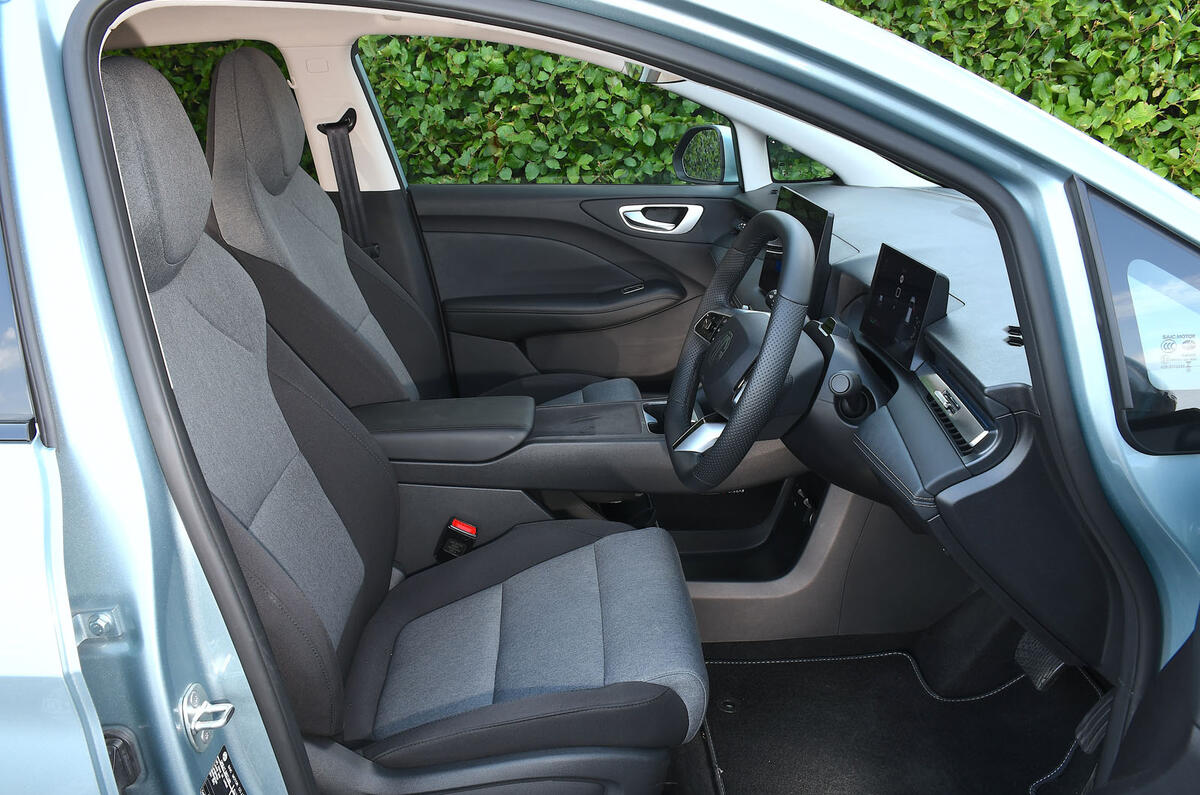
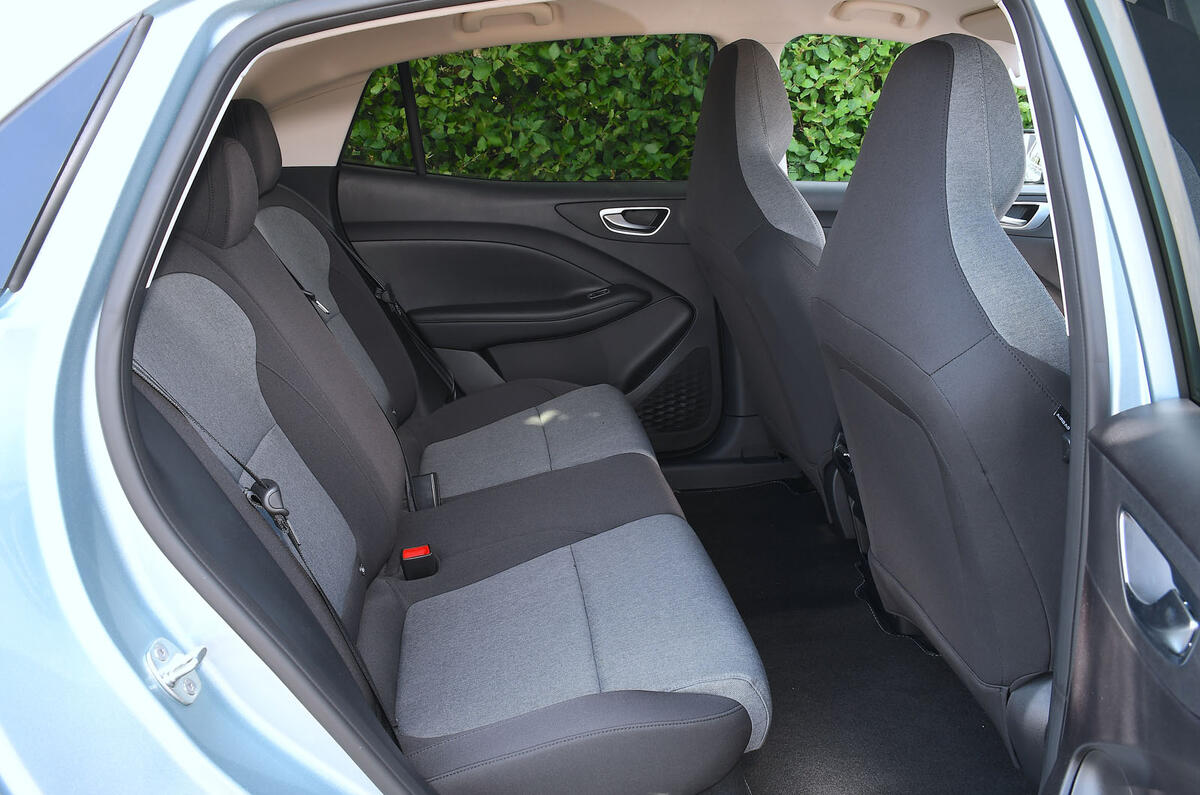
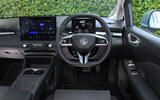
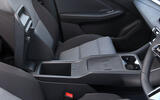
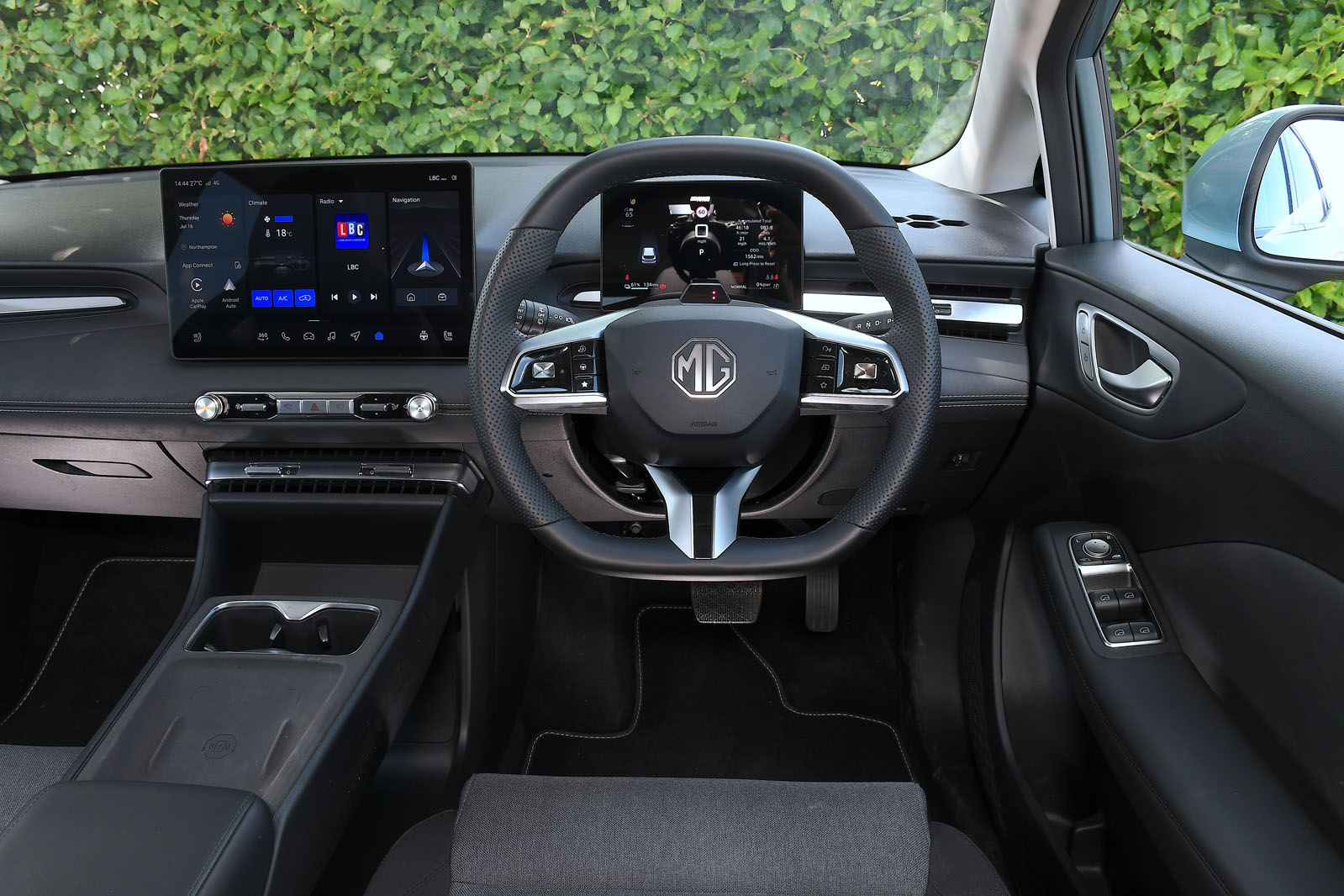
The MG 4 Urban’s no-nonsense, functional agenda is abundantly clear as you climb inside. Chunky, conventional exterior door handles: check. Roomy second row: present. Practical storage spaces are in generous supply too. 

The seats, though a little firm in the cushions and not exactly imaginatively trimmed, certainly pass muster. The front ones lack any adjustment for the cushion angle or lumbar support and have non-adjustable integrated-style headrests, but they remain supportive and comfortable enough. 

Most of the headlight controls are on the left-hand column stalk, with the wipers and indicators. But you turn the rear foglight on and off via a permanently displayed icon on the touchscreen. It’s odd. But might it make people less likely to leave their foglight on by mistake?

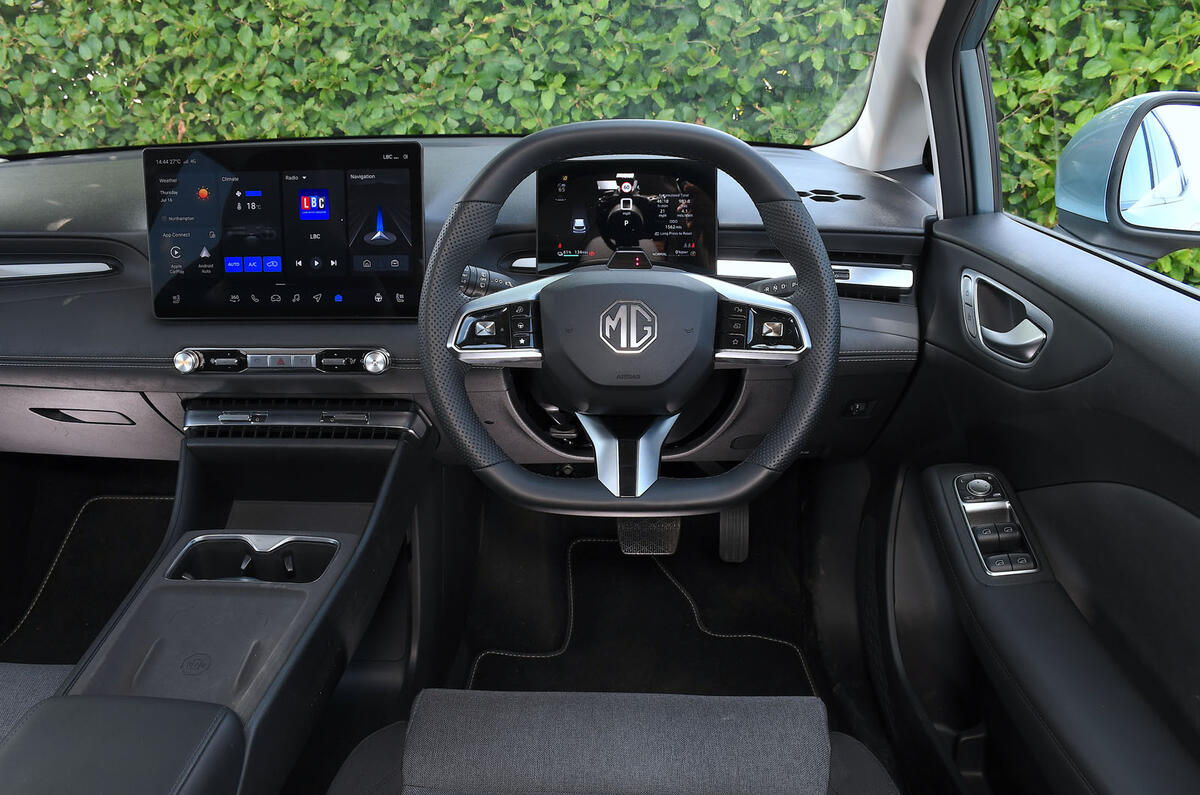
They locate you in front of a fascia that’s about as greyscale as the seat upholstery – and yet it isn’t without useful physical switchgear. There is refreshingly little pretence of a premium-brand ambience – even in the case of our Premium-trim test car, which adds an electrically adjustable driver’s seat, a heated artificial-leather steering wheel and some discreet ambient lighting features to the interior mix.

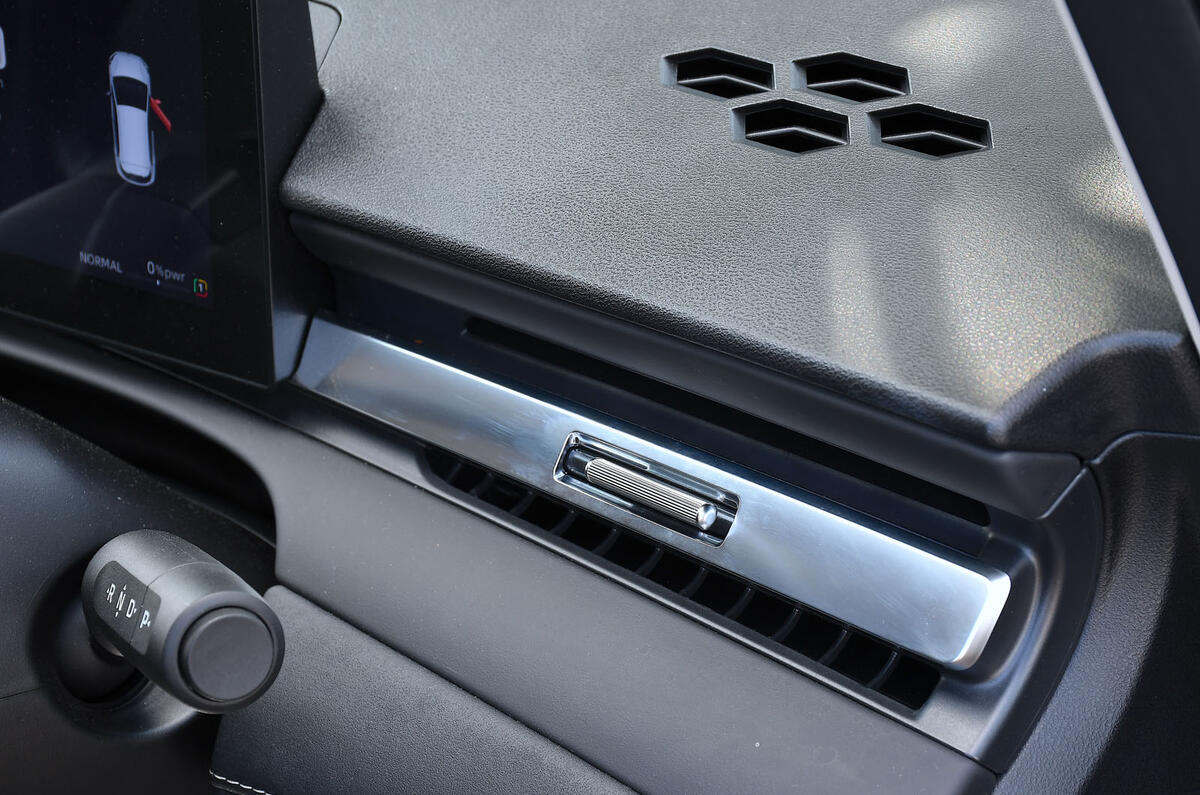
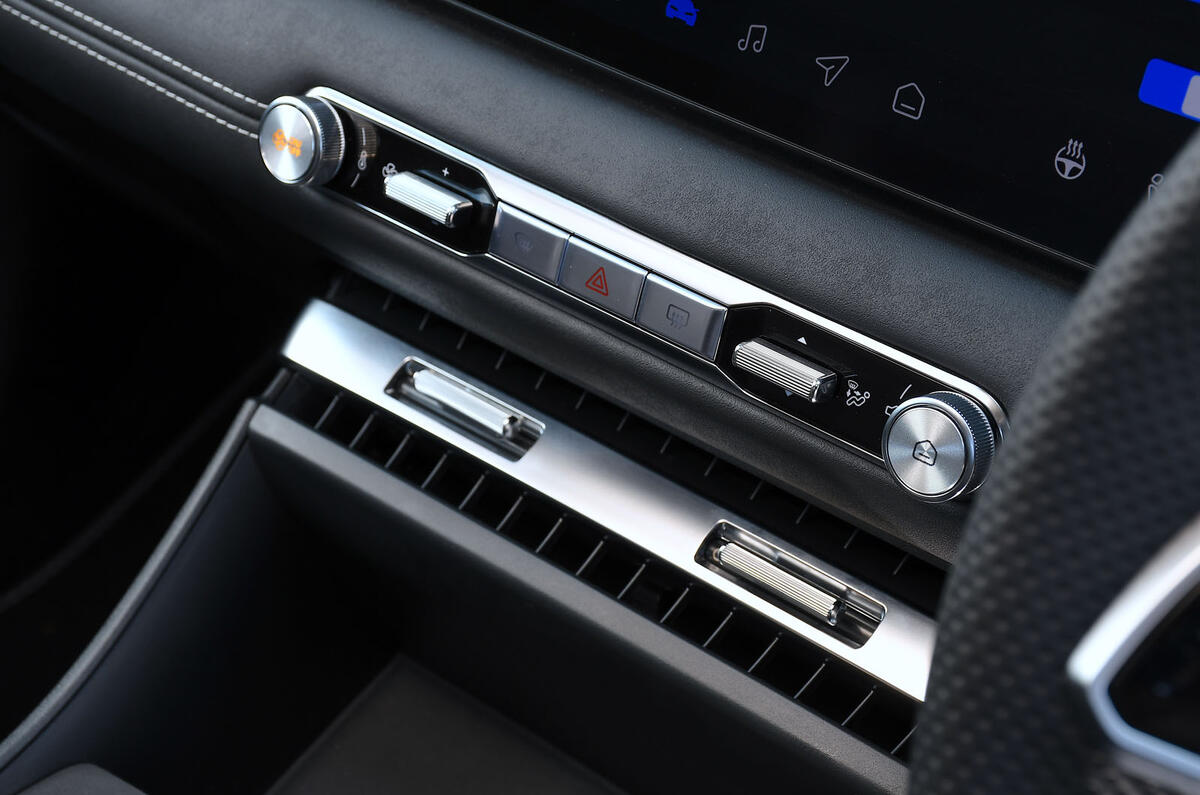
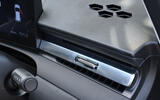
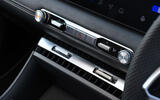
The dashboard has a thin strip of soft-touch padded suede at a convenient stroking height. There’s also some welcome padding for the armrests and door cards and some chrome decor for air vents, which matches the smart, solid-feeling chrome audio and heater controls. That apart, the car’s mouldings look like what they are: durable plastics that don’t reflect the light too harshly, don’t mark up or show the dirt, don’t wobble or creak when you prod them and, while somewhat plain, neatly avoid any telling semblance of cheapness.

Drive is selected using a column shifter stalk to the right of the steering column, with instrumentation conveyed quite neatly on a 7in digital instrument screen viewed through the orbit of the steering wheel (which is easily set so as to avoid obstructing it).

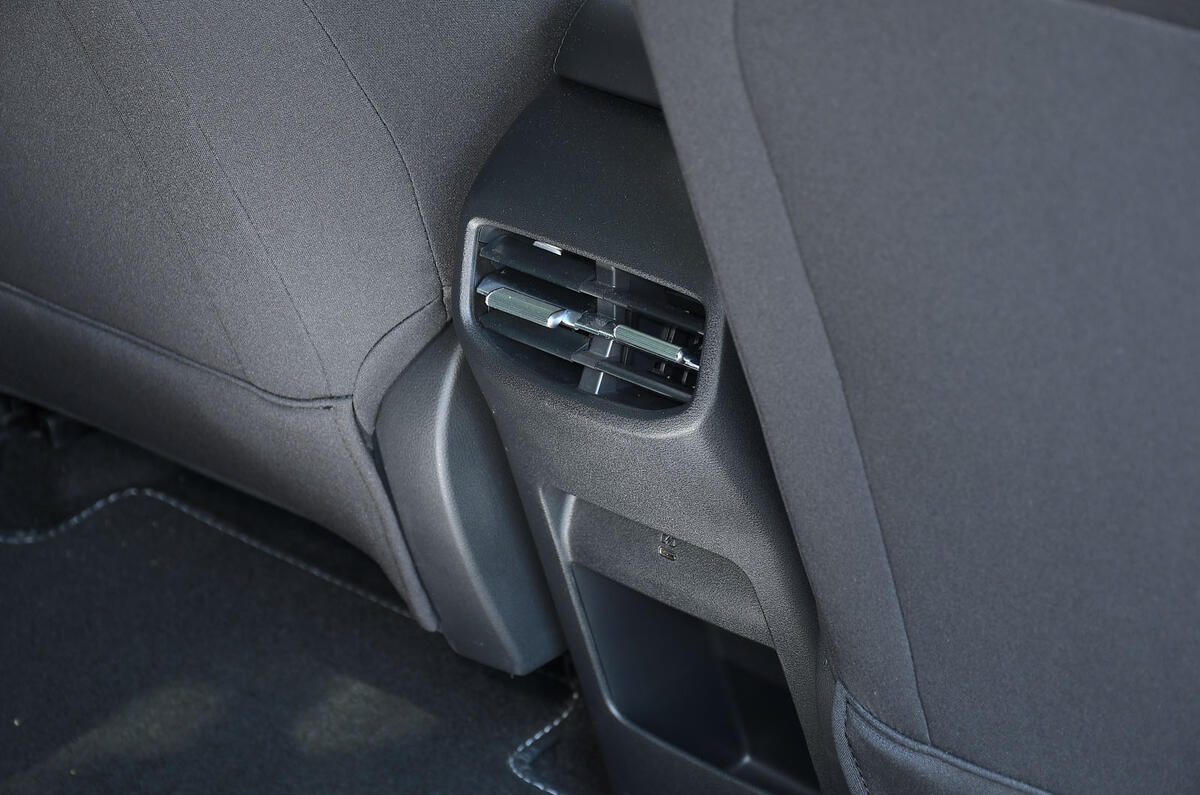
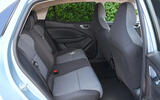
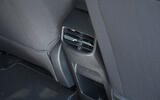
In the second row, passenger room is generous enough even for taller, longer-legged travellers. We measured 810mm of typical leg room (which beats a VW ID 3, levels with the much larger Honda Civic and trounces both a Ford Puma Gen-E and a Renault 4), and a respectable 920mm of rear head room. When sitting back there, you’re aware of a slightly raised cabin floor displacing your thighs upwards a little but to nothing like the same extent as you would be in many EV competitors.

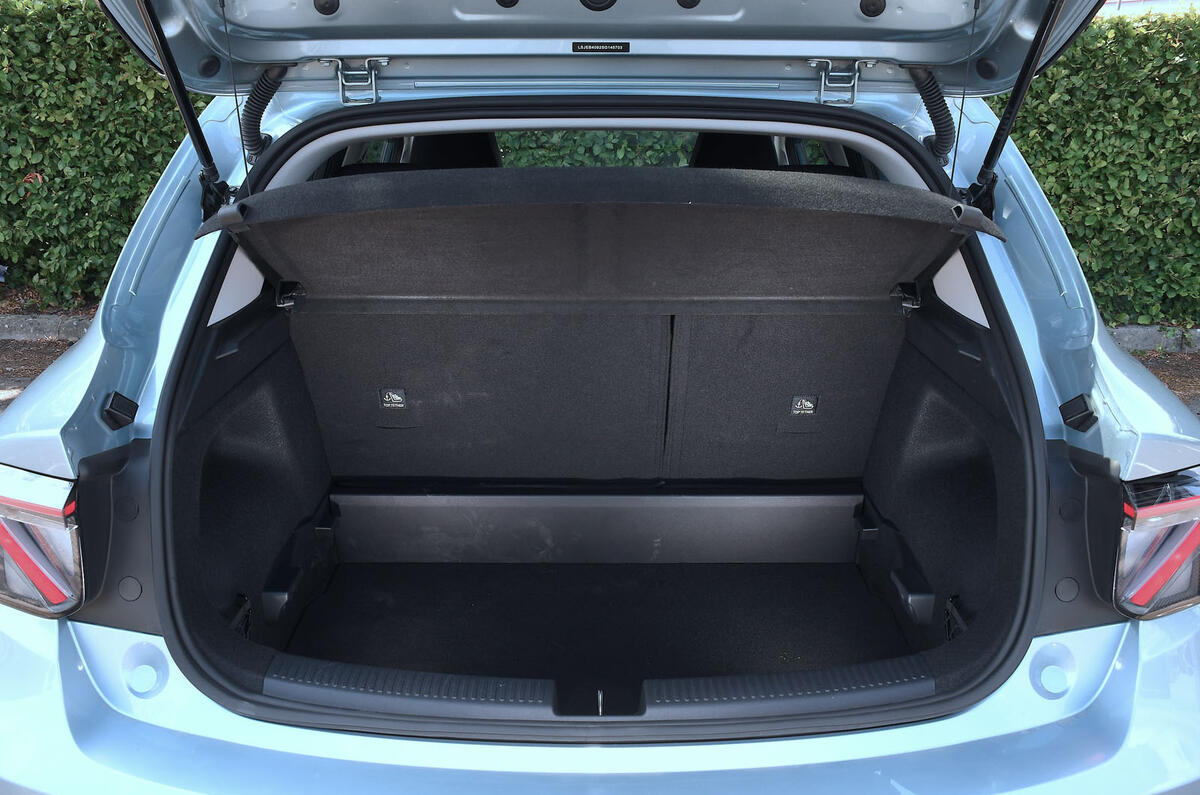
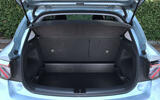
Boot space, meanwhile, is very generous indeed. A variable-height floor is provided, so you can create a loading level flush with the folded seatbacks. Or, by removing it entirely, removing the parcel shelf likewise and exposing a deep loading well in the boot floor, you can open up more than a metre of loading height – ideal for carrying golf clubs, potted plants and the like.

MG quotes up to 577 litres of cargo space, floor to roof but with the second-row seatbacks still in place. That’s about 10% more than Ford’s memorably titled Gigabox boot for the Puma Gen-E provides – and, you suspect, not by chance.
Multimedia - 3.5 stars

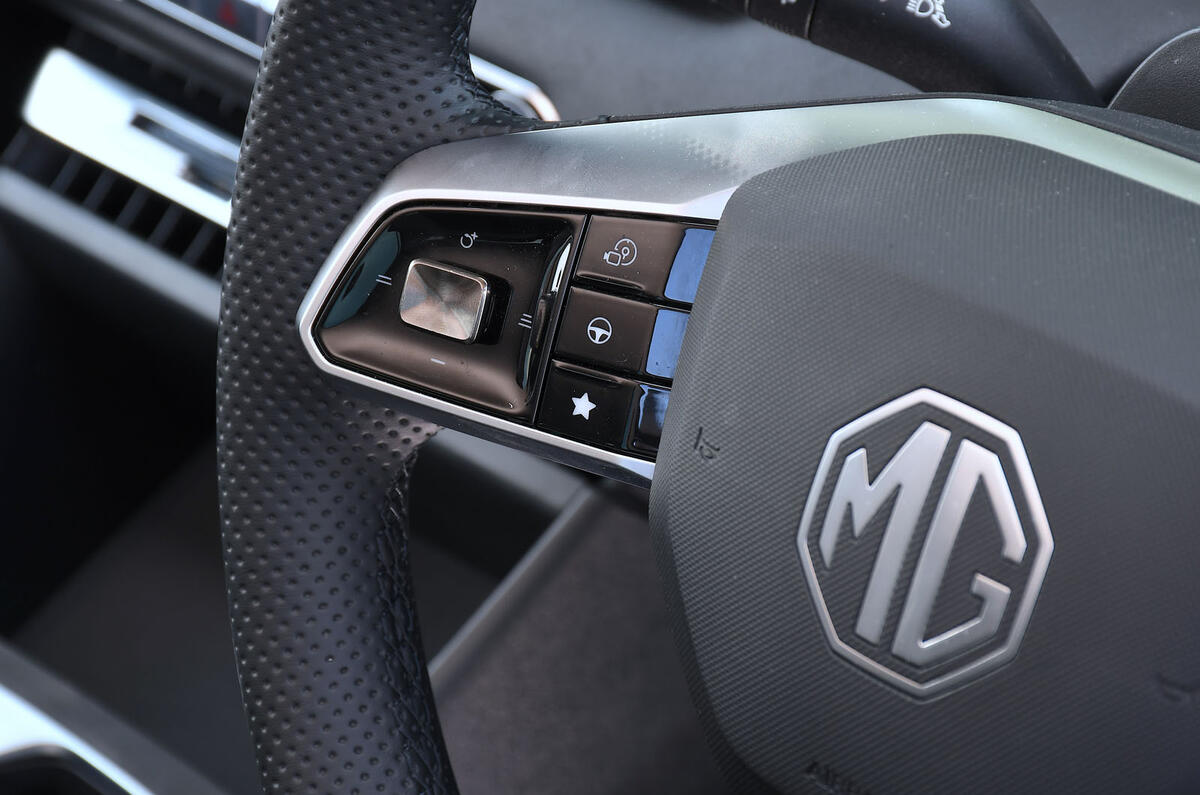
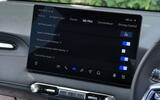
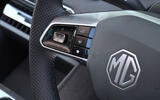
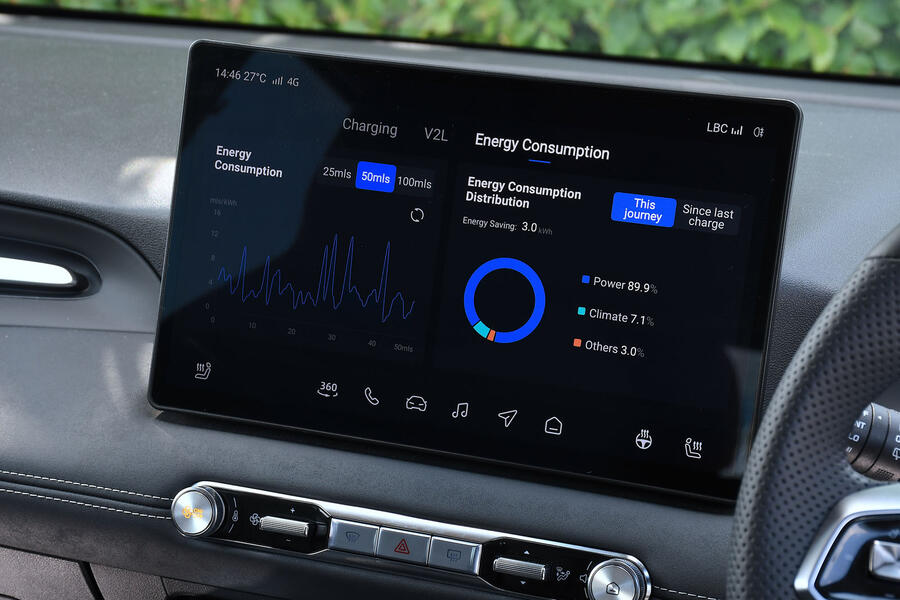
The MG 4 Urban’s iSmart, 12.8in touchscreen infotainment screen is fairly well featured and easy to use, without being so large as to dominate the dashboard. You can control the heater and audio system through it if you choose to but MG provides fixed physical controls just below the screen to give you the option not to. This approach makes the most frequent interactions (volume adjustment, blower and temperature setting) easy without taking your eyes off the road for more than a glance. (There are also audio system remote controls on the right-hand steering wheel spoke.)

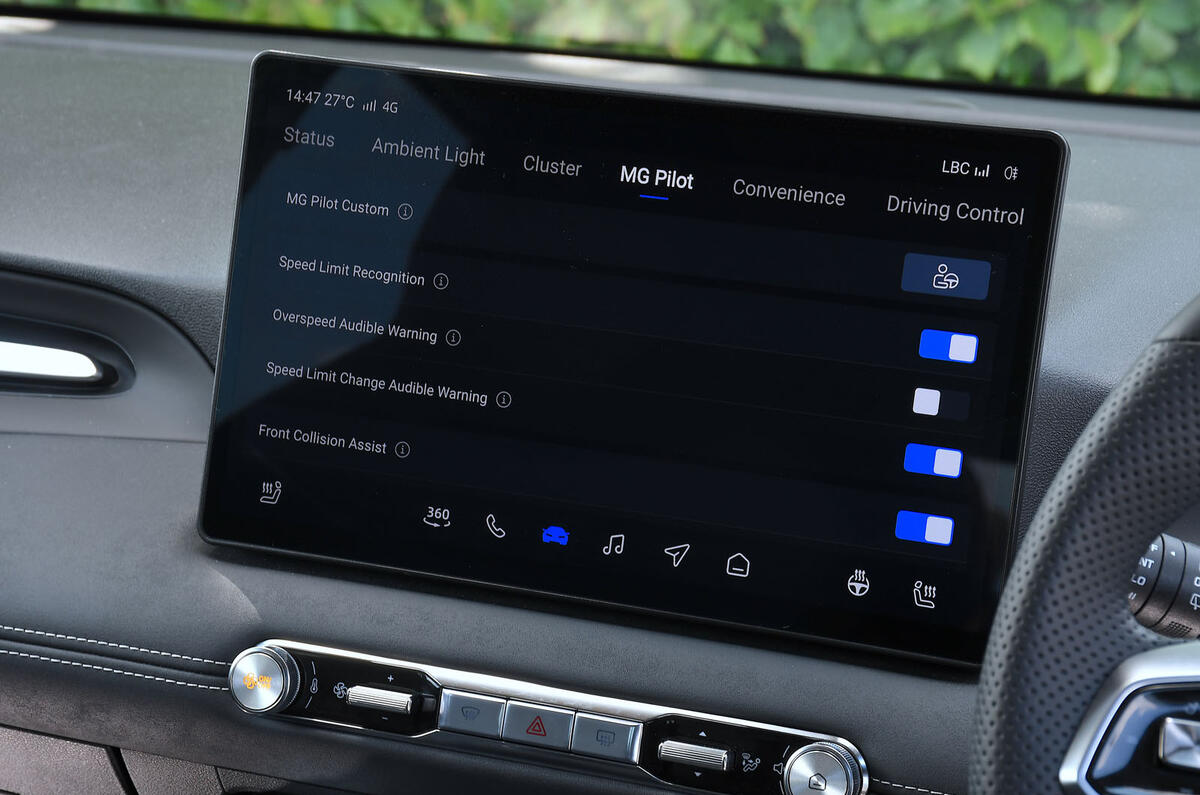
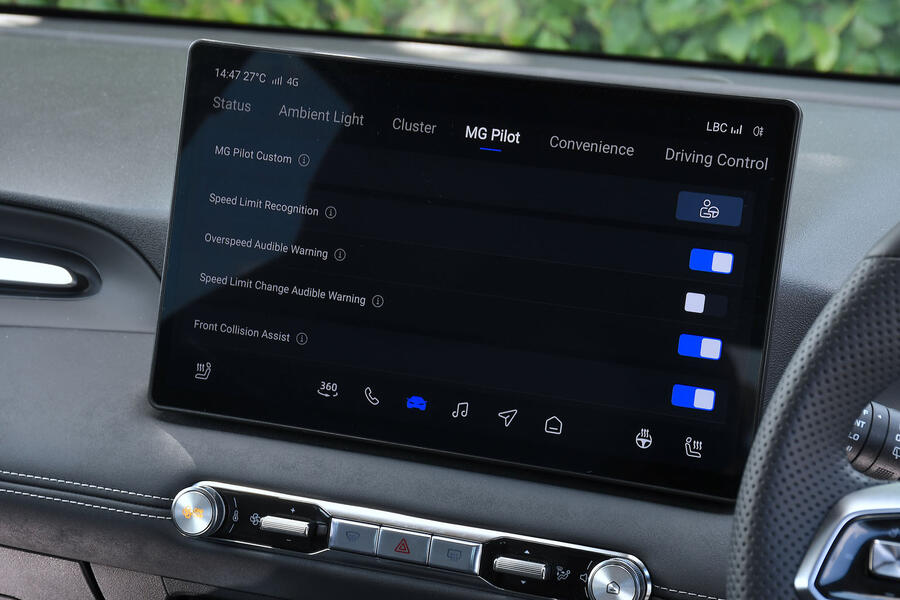
The main touchscreen can be a bit unresponsive but has a useful lower nav bar and a drop-down menu of configurable shortcuts. One of these toggles engages the MG Pilot Custom ADAS program, which is a welcome feature to which we’ll come in a moment (Assisted Driving).

The system mirrors your smartphone reliably but doesn’t always display an icon to easily jump in and out of mirroring mode, which is a bit of a faff for those who tend to default to their phone’s software. (You have to go via the home screen or assign one of the star-marked custom keys to the job.)

ENGINES & PERFORMANCE

8
MG4 Urban review 2026 019

The going rate for 0-60mph performance for a mid-sized, single-motor electric hatchback is probably somewhere between 7.0sec and 7.5sec. However, most of the cars that hit this standard (VW ID 3, Renault Megane E-Tech, Kia EV4) are considerably more expensive than the MG 4 Urban.
So if we concede that it’s up to the smaller, regular MG 4 to compete with the class’s more dynamic players (which it unquestionably does on paper), there’s considerably less pressure on our test car to fulfil any kind of energetic or sporting billing. It can simply be straightforward, easy-to-drive transport that’s assertive when it needs to be but not for the sake of it, as well as efficient, intuitive and uncomplicated to drive. Which, by and large, it is.

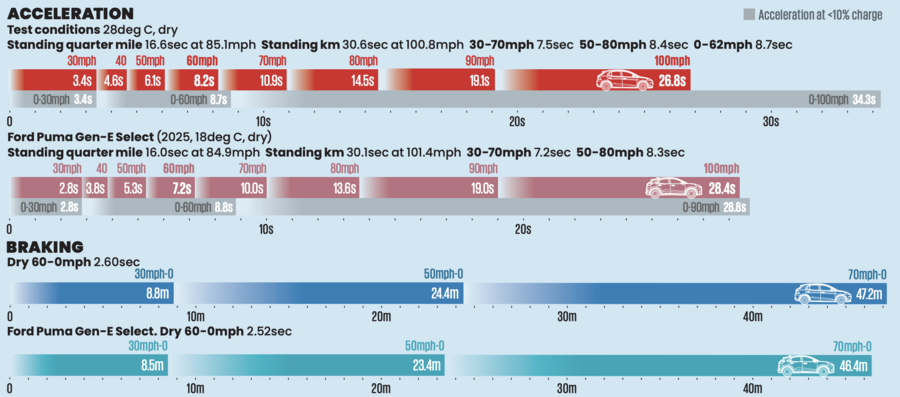
At the test track, the MG 4 Urban didn’t need much more than 7.5sec to hit 60mph from rest in any case. It came up in 8.2sec, and 30-70mph in 7.5sec – in both respects matching the performance of the pricier, smaller, slightly lighter Renault 4 E-Tech that we tested in 2025.

The car offers selectable drive modes via the vehicle settings menu on the touchscreen display, and has a true one-pedal driving setting. You can toggle regenerative braking calibration through the typical low, medium and high settings (using one of the mappable steering wheel buttons if you prefer) – or leave it in ʻadaptive’ mode, in which the car uses its forward sensors to decide for itself whether it should coast or regenerate. MG continues to resist our calls to put regen paddles on its EVs, to take drivability up that critical last notch, but the 4 Urban comes across as obedient and predictable in any case, as well as characteristically linear, responsive and more than adequately brisk.

The car runs on Maxxis Waltz tyres – which the Autocar road test hasn’t come across before – and has a slightly dampened, ramped delivery of torque off the line so as not to give those tyres too much to do to maintain traction.

We were unable to verify its wet-surface stopping performance due to MIRA’s relevant test facility being unavailable for use. But we did note some brake fade in our five-stop, dry-surface, 70mph-to-zero braking endurance benchmark test – a little more, at least, than most EVs of the MG 4 Urban’s size tend to evidence (2.7m between stop one and stop five, versus typically +/- 0.5m).

Warm test conditions could have influenced this, but they certainly don’t excuse it entirely. So we might conclude that if this car’s performance has a weakness, it may be its outright stopping power – if only in extremis.

RIDE & HANDLING

7
MG4 Urban review 2026 021

Just as the MG 4 Urban looks like a pretty normal, mid-market, everyday-use family hatchback, so it drives like one. 

There isn’t a great deal to remark upon here, save for a surprisingly tight 10.5m turning circle (which all that up-front motor packaging clearly hasn’t impacted upon much at all), and ride and handling manners that you’d call medium firm yet well balanced and adaptable. 

They make the car at once manoeuvrable in town; reasonably responsive, controlled and precise out of it; and settled and comfortable riding, with decent ride isolation and very little coarseness or harshness over choppier, broken surfaces. A well-tuned, easy-company, generalist sort of compact family car, then, which might sound slightly uninspiring but makes this precisely the car that MG needs it to be.

The car also escapes any impression that it’s in any way crude or basic on the road. This is a cheap car for its class undoubtedly but, for the most part, it drives as well as any European EV of similar size and brief.

It lacks only the ability that a Renault 4 or Ford Puma has to surpass your expectations for agility around town, or energetic grip and enthusiasm for direction change out of it, and to give you that dose of driver appeal that you hadn’t seen coming. The MG 4 Urban’s Maxxis tyres are the main factor putting paid to this, we suspect, because their mechanical grip level is moderate at best, although they do seem to deliver creditable efficiency, to which we’ll come.

Assisted Driving - 4 stars

The car’s ADAS features are only averagely intrusive compared with plenty we’ve tested this year – the driver monitoring system perhaps slightly less quick to alert than some, but the speeding monitoring system more insistent. There is, however, MG Pilot Custom ADAS mode, which is a bit of a godsend – provided you remember it’s there. 

This allows you to set all of the ADAS functions as you would have them and then save your preferences with one long press of the custom ʻbutton’, to call them up later quickly and easily.

But we have two gripes with it, which make it slightly less effective than, say, Renault’s equivalent ADAS custom workaround. Firstly, it’s not a physical button, so you have to navigate the touchscreen to find and activate it. Secondly, you can only activate it when the car is stationary and in ʻpark’; so if you forget to do it before departure, there’s a fair bit of binging and bonging to put up with until you come to rest at the next traffic light.

MPG & RUNNING COSTS

10
MG4 Urban review 2026 001

With the Standard Range version priced from £23,495 and the Long Range from only £2000 more, the MG 4 EV Urban really is bringing usable, practical electric motoring to new levels of affordability. 

It offers the sort of value you don’t need to qualify in any way at all. Very few brands offer either B-SUV or regular C-segment vehicles at lower prices in 2026 – however they’re powered. If you’re happy enough with a petrol or hybrid, the likes of Dacia and Chery do compete, but neither with a full EV. The Leapmotor B03X is likely to be the MG 4 Urban’s closest competitor and is due to arrive later this year.

The car’s group 23 insurance classification is a little higher than that of some value cars, but only marginally. It’s certainly in line with the cheapest EVs of similar size.

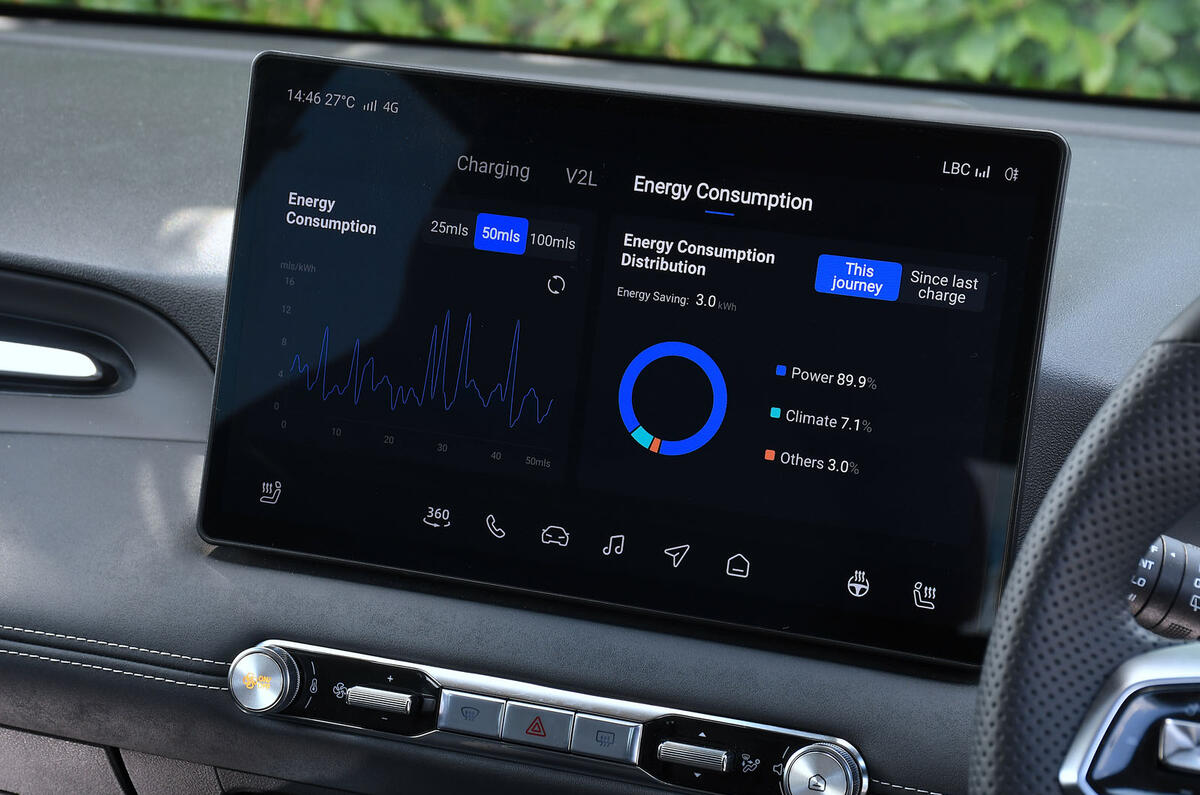
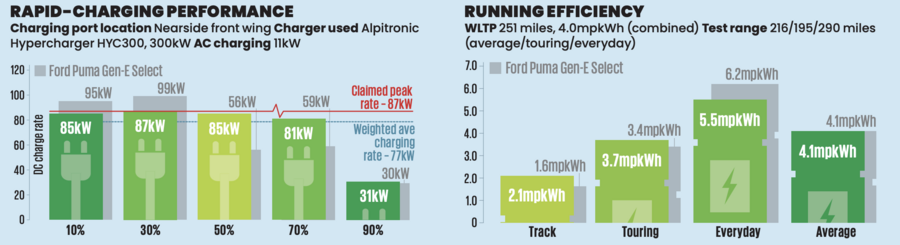
Our test car also hit very respectable standards for efficiency and electric range. A real-world motorway touring range just shy of 200 miles beats that of a Ford Puma Gen-E and Renault 4, and levels with a 58kWh VW ID 3. Meanwhile ʻeveryday’ efficiency (travelling at speeds of 20-50mph, with fairly frequent stops) of 5.5mpkWh is particularly strong.


VERDICT

8
MG4 Urban review 2026 024

While the UK government continues to throw subsidies at some EVs, many value brands are redoubling efforts to cut the cost of zero-emissions motoring.

Some are clearly struggling. But new platform tech and a sharper focus on what really matters to cash-strapped motorists has enabled MG to produce a car here that’s unpretentious and ordinary to its core, yet also very creditable for its efficiency, practicality and value.

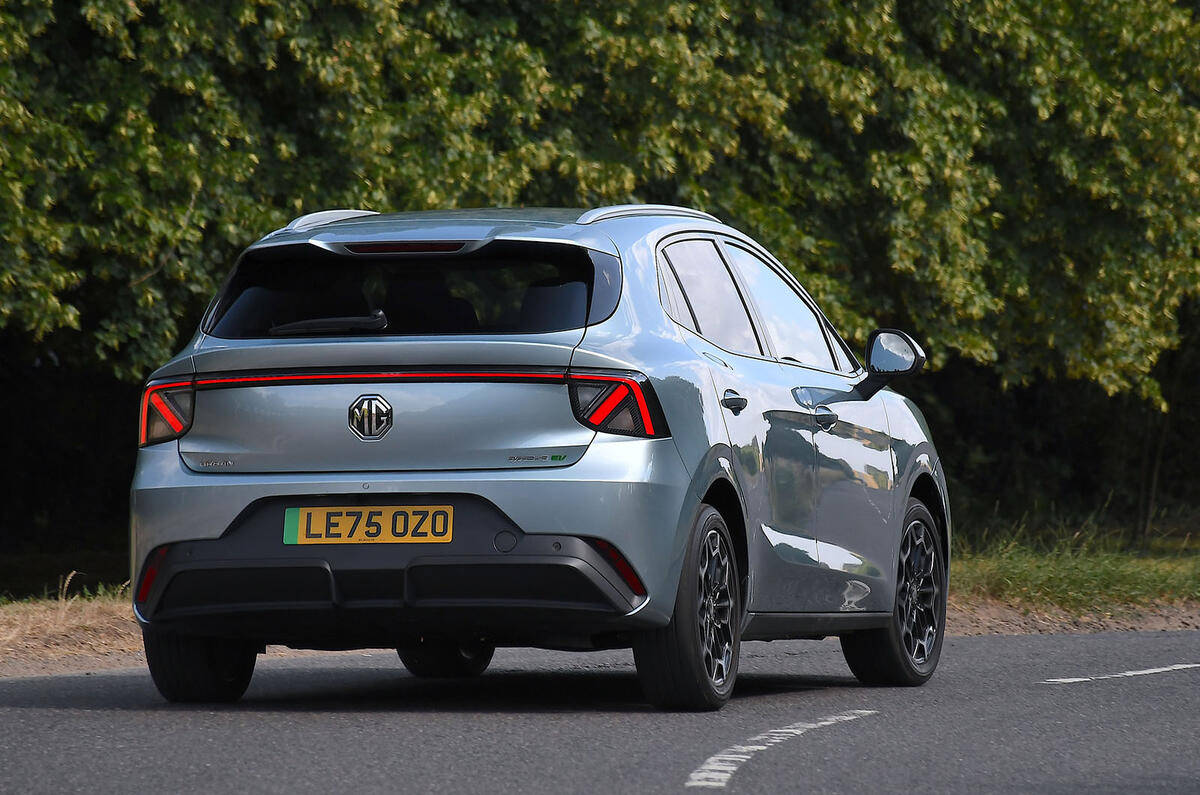
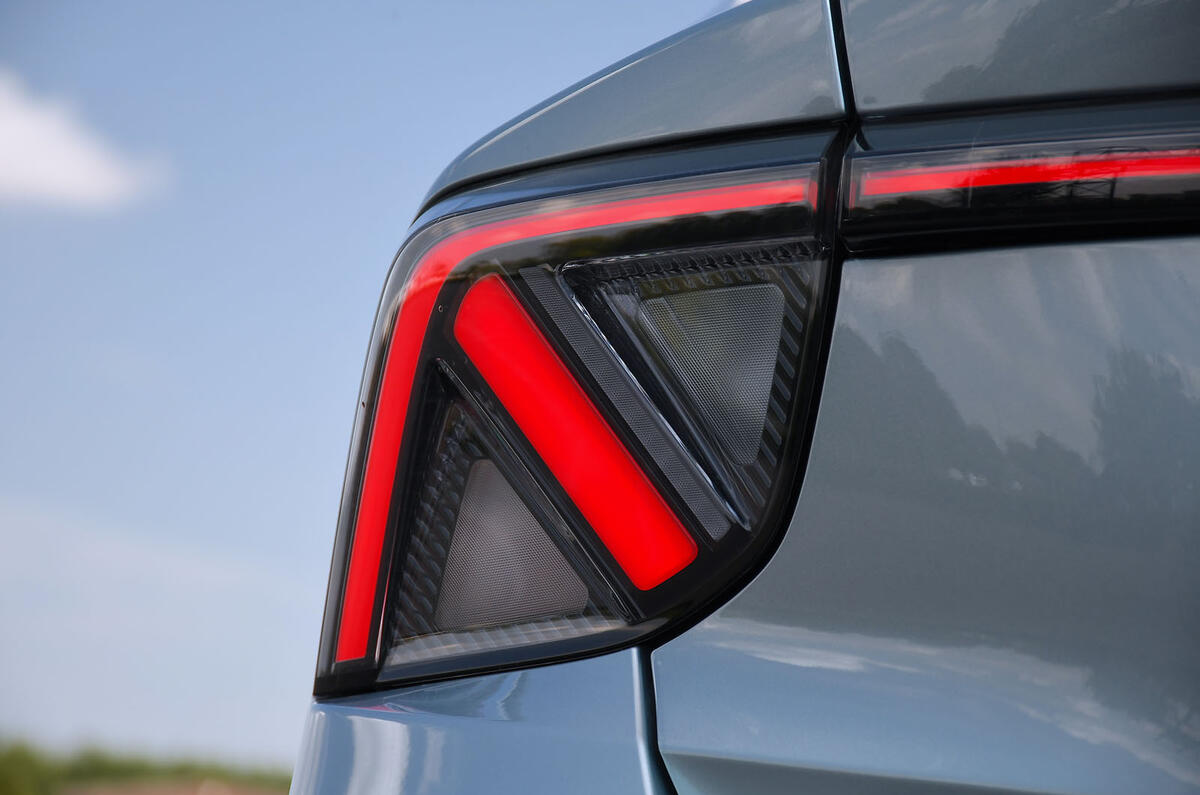
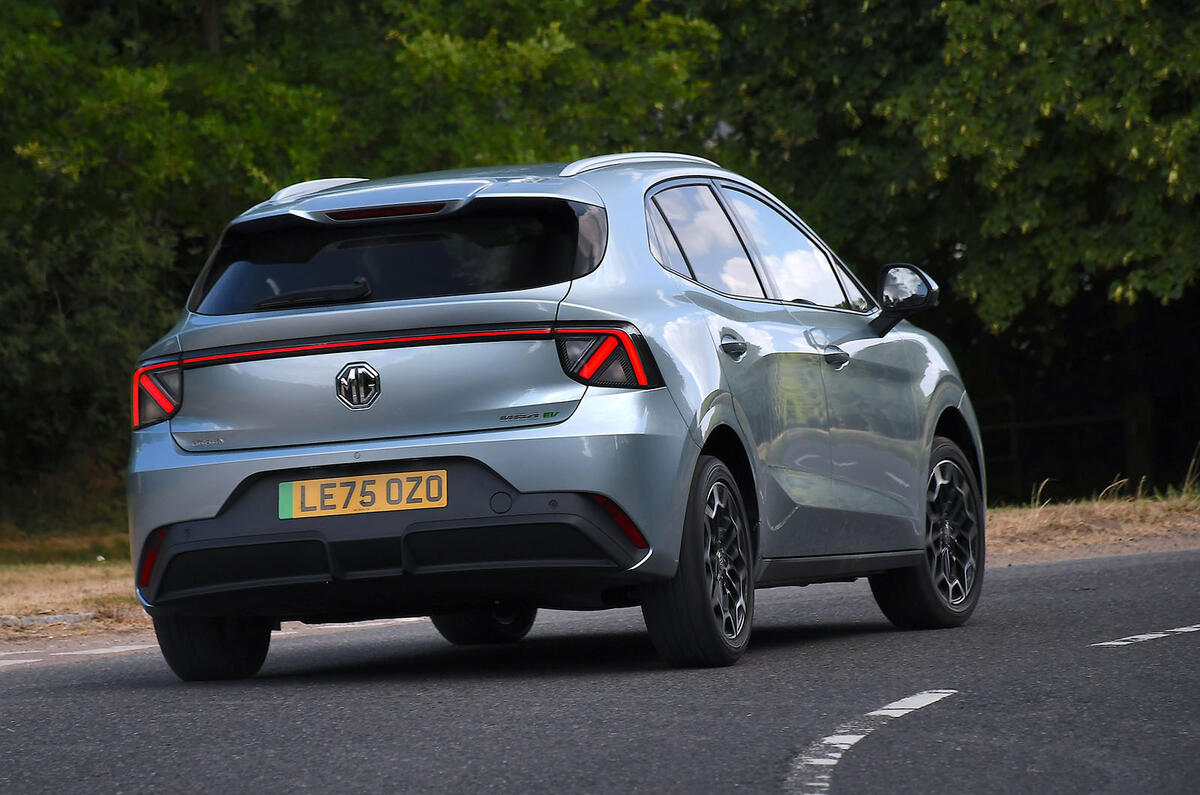
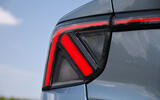
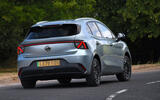
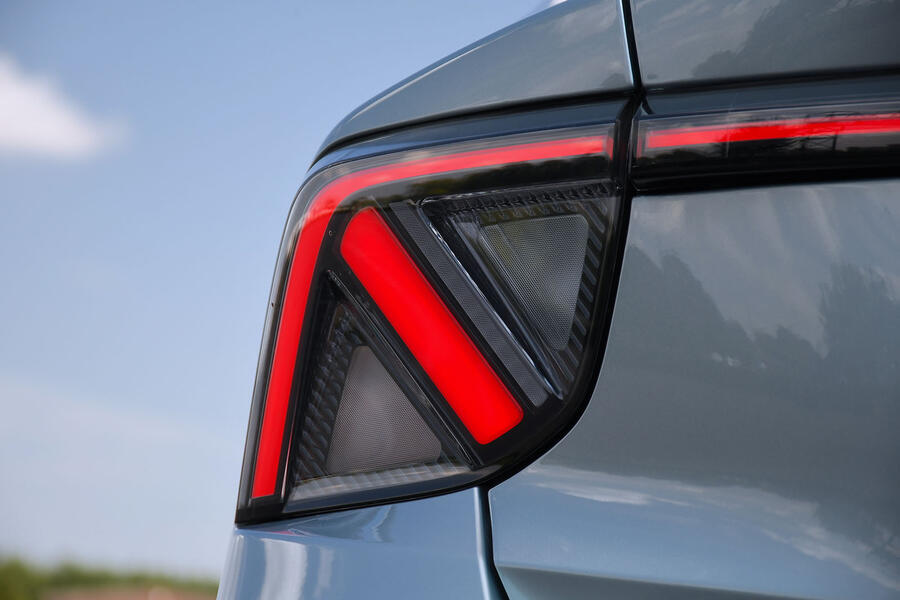
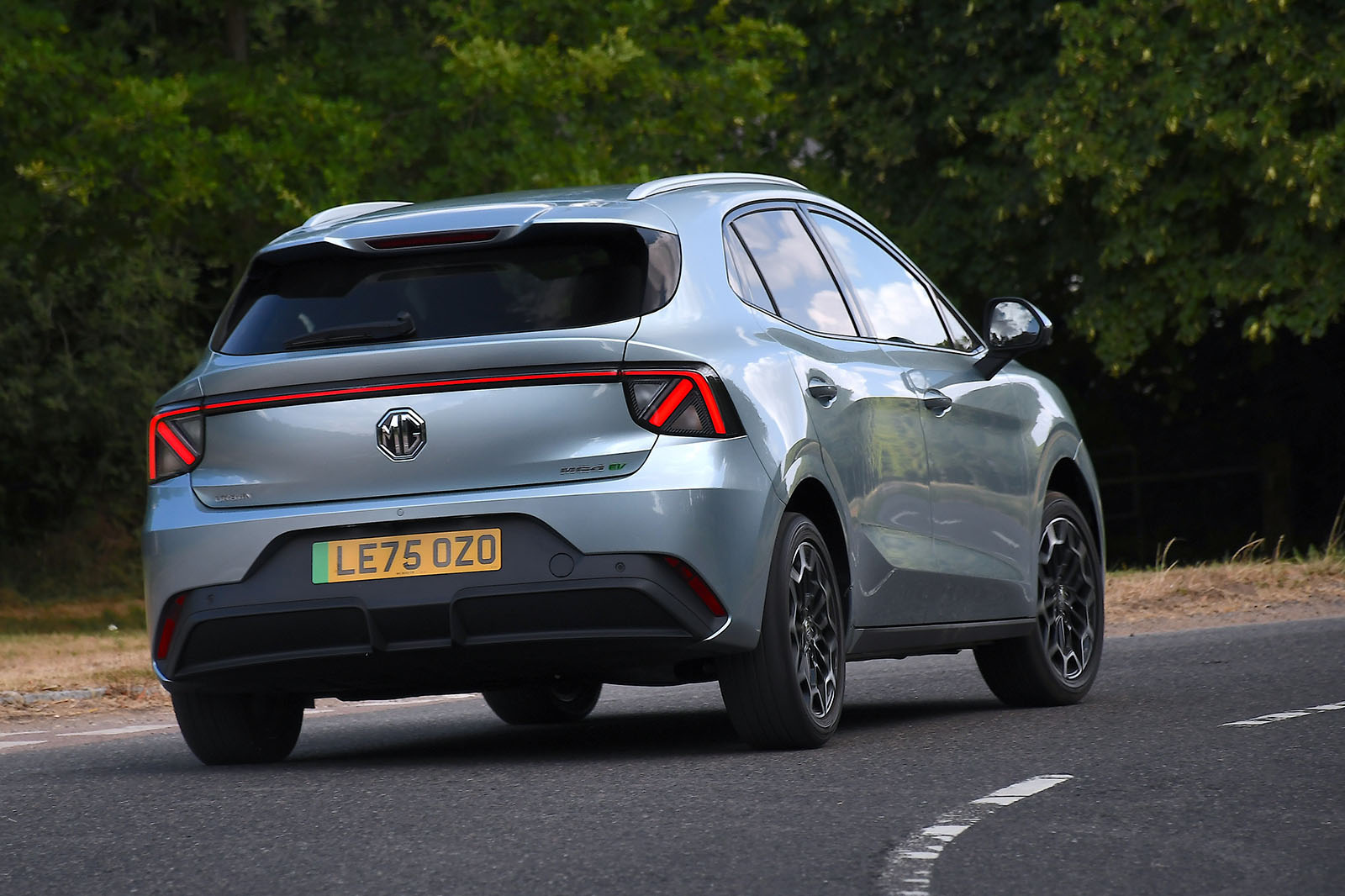
The cheery tail-lights have a distinct union flag look that MG could be accused of appropriating from Mini. Given the car was probably designed in London, it seems fair enough to me.

The MG 4 EV Urban is an entirely pleasant car to drive, too. It’s one that needn’t irritate or distract its driver, offers decent dynamic versatility, and could cope well with more varied use than you might anticipate from a value EV.

It’s a bit plain and unenticing, sure, but this simply feels like a better, more rounded and more usable electric family hatchback than you’d expect for £25,000 in 2026.


Matt Saunders

Matt Saunders Autocar
Title: Road test editor

As Autocar’s chief car tester and reviewer, it’s Matt’s job to ensure the quality, objectivity, relevance and rigour of the entirety of Autocar’s reviews output, as well contributing a great many detailed road tests, group tests and drive reviews himself.

Matt has been an Autocar staffer since the autumn of 2003, and has been lucky enough to work alongside some of the magazine’s best-known writers and contributors over that time. He served as staff writer, features editor, assistant editor and digital editor, before joining the road test desk in 2011.

Since then he’s driven, measured, lap-timed, figured, and reported on cars as varied as the Bugatti Veyron, Rolls-Royce PhantomTesla RoadsterAriel Hipercar, Tata Nano, McLaren SennaRenault Twizy and Toyota Mirai. Among his wider personal highlights of the job have been covering Sebastien Loeb’s record-breaking run at Pikes Peak in 2013; doing 190mph on derestricted German autobahn in a Brabus Rocket; and driving McLaren’s legendary ‘XP5’ F1 prototype. His own car is a trusty Mazda CX-5.