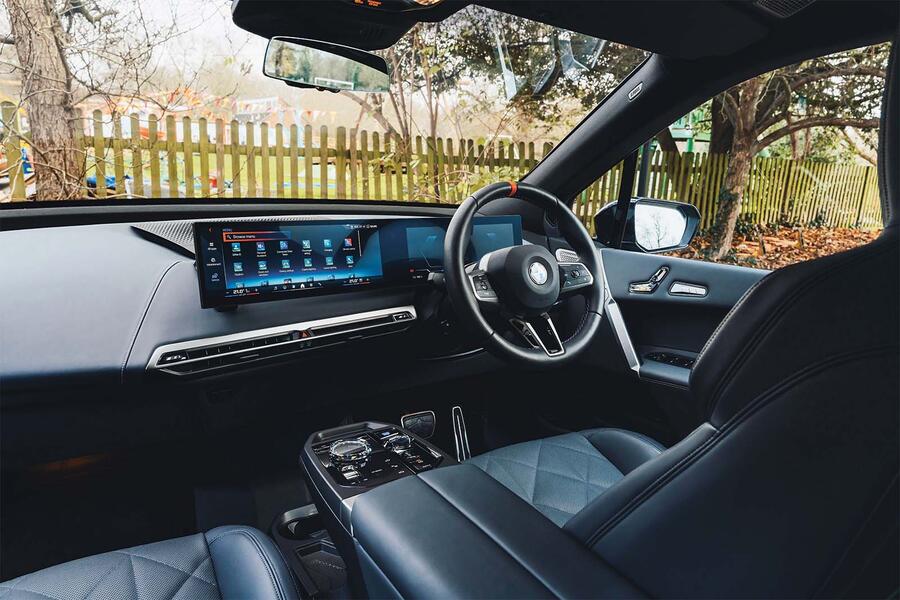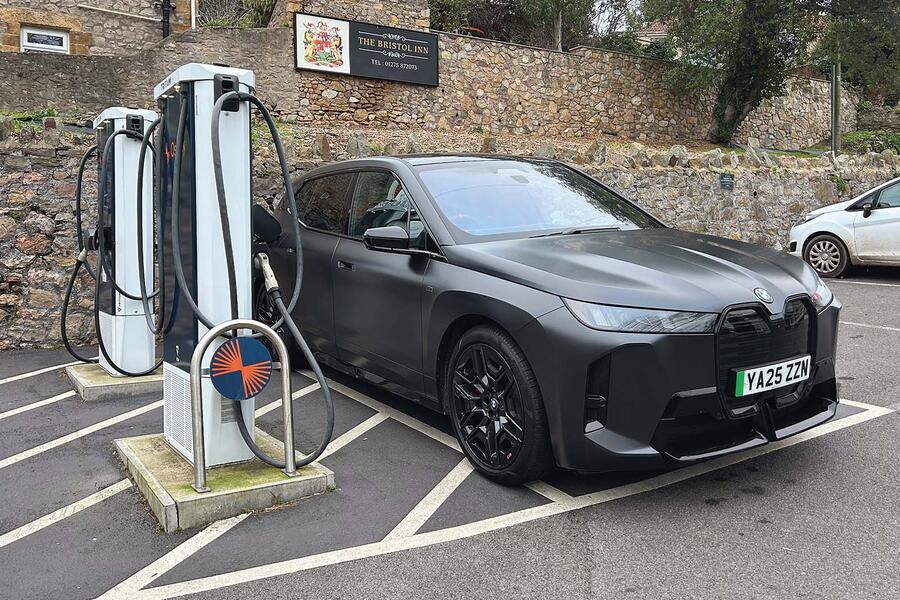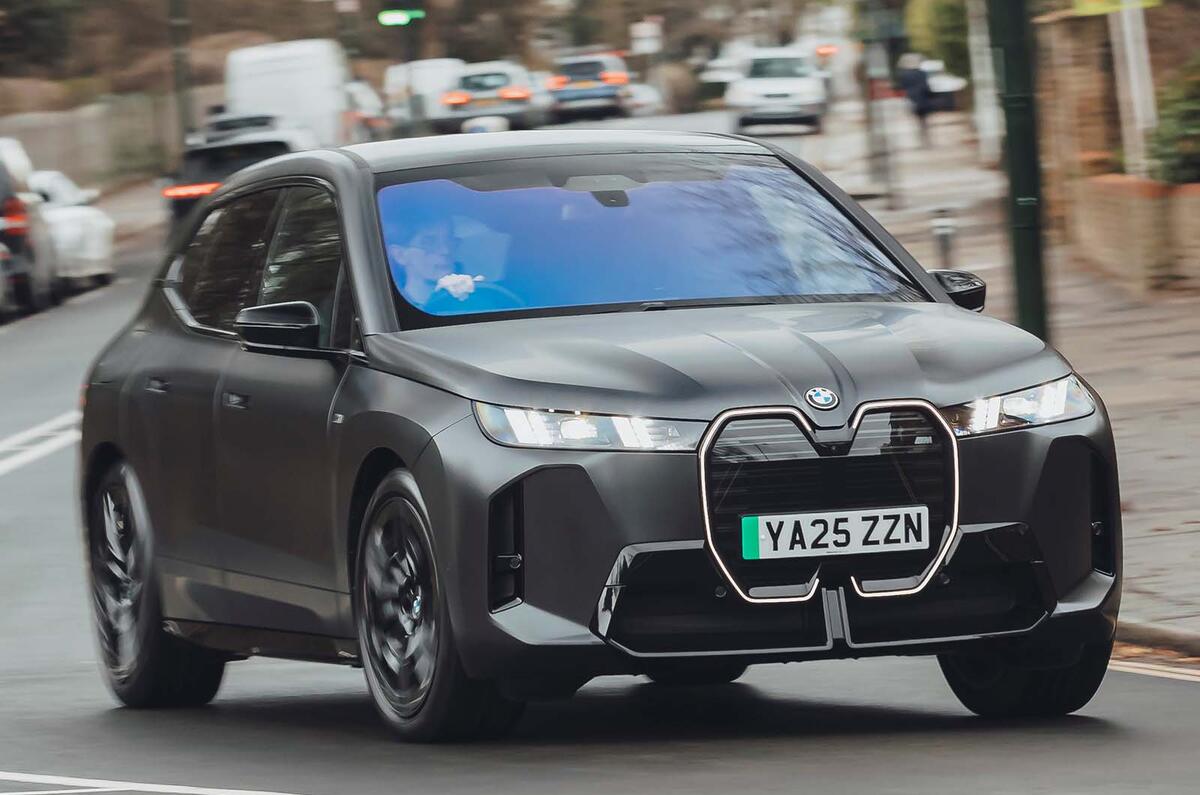

The descriptor 'flagship model' is used a lot in this industry and at a base level is really easy to understand. It's the top car in a brand's line-up—the biggest, fanciest and most luxurious option.
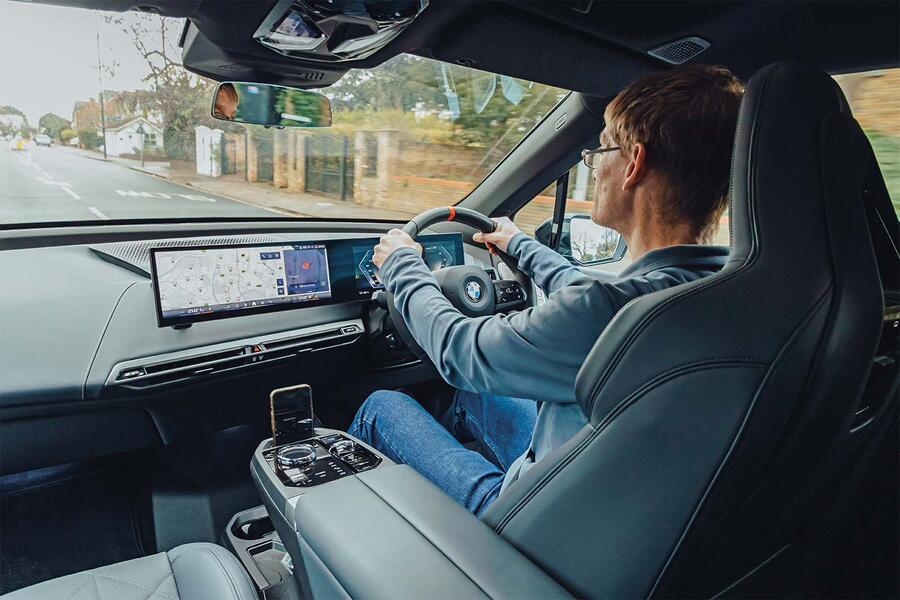
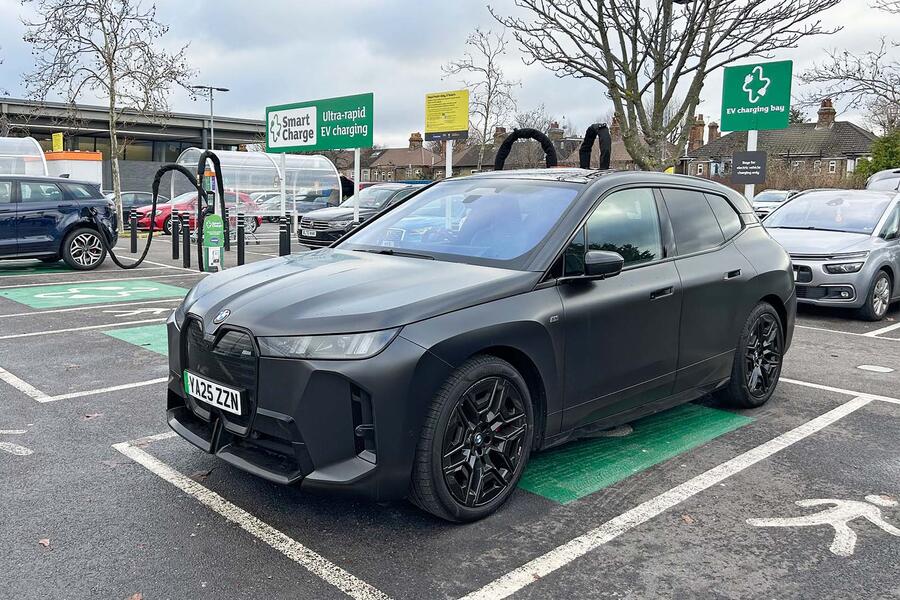
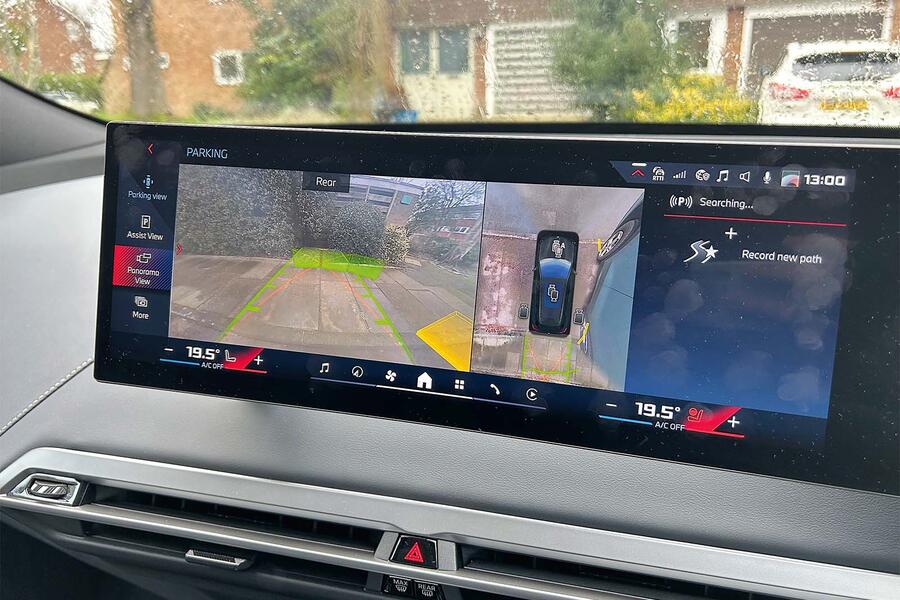
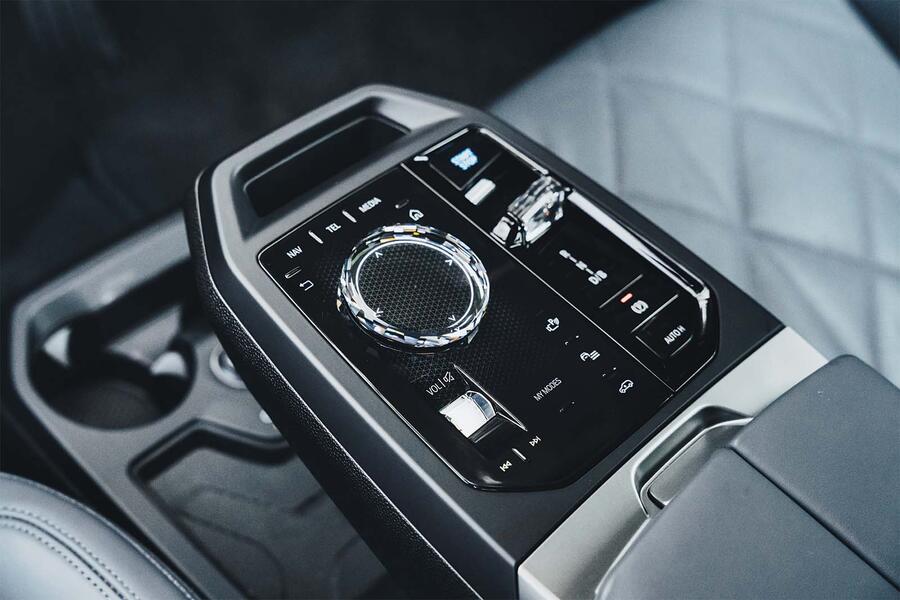
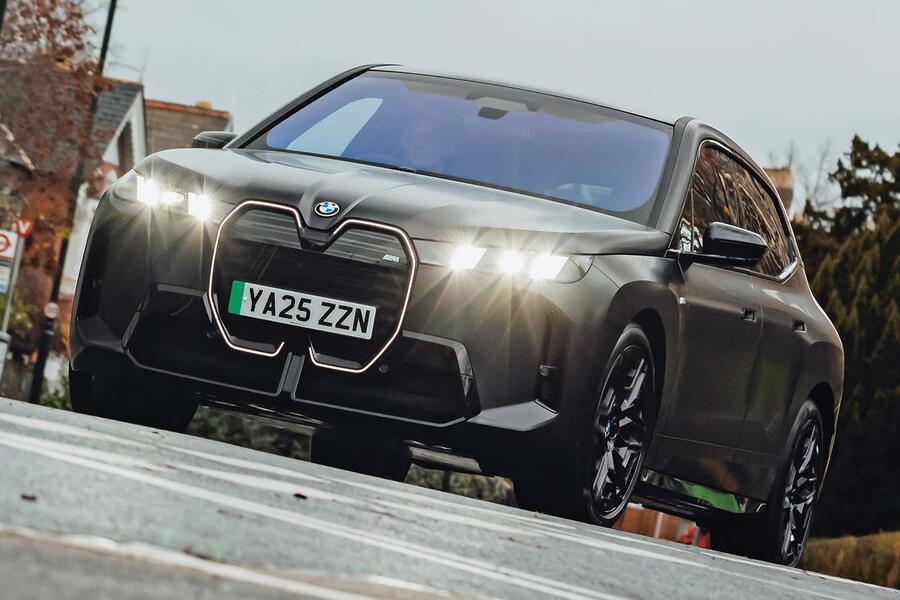
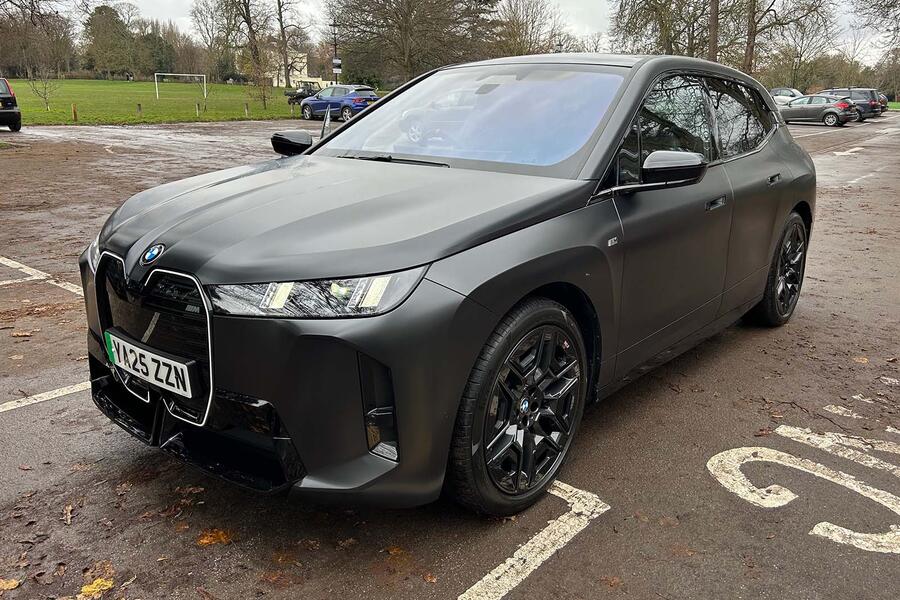
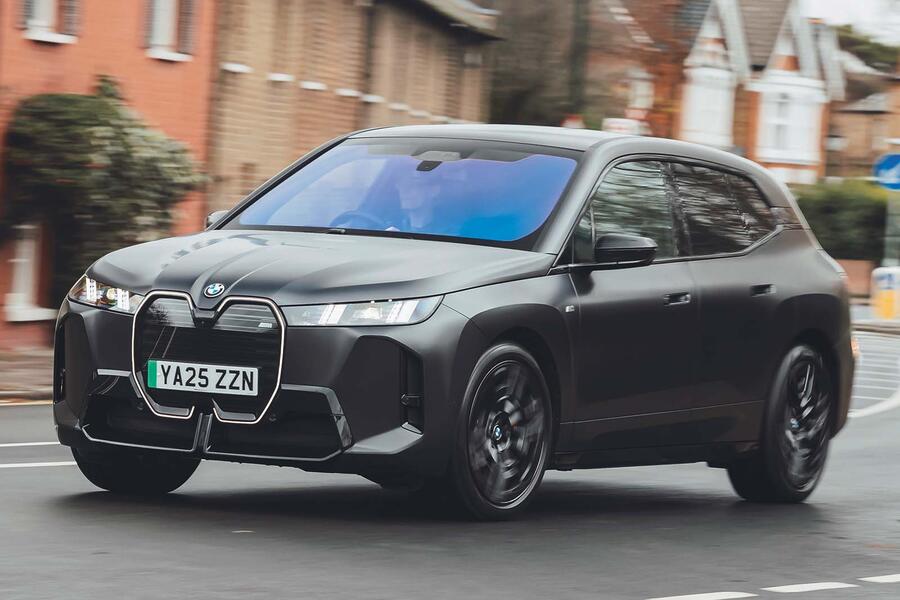
The BMW iX certainly fits that bill: it's the biggest, most expensive car in the brand's electric car line-up, loaded with tech and intended to push BMW into the true luxury sphere. But for BMW, its real flagship purpose was to push and develop its EV technology.
We ran an iX on our fleet in 2023, when editor Mark Tisshaw was won over by the car's ability to deliver true electric luxury to the point that he even forgave the styling of that grille. But much has changed in the years since then. Because while the iX has just had a substantial mid-life update, it's no longer the shiniest, newest EV in BMW's range.
That would be the iX3, which sits on an all-new platform, heralds a new design language and introduces a raft of new electric and digital technology—technology the iX was used to pioneer and develop. So while the iX remains BMW's most luxurious and expensive EV, in some aspects it's no longer a technological flagship.
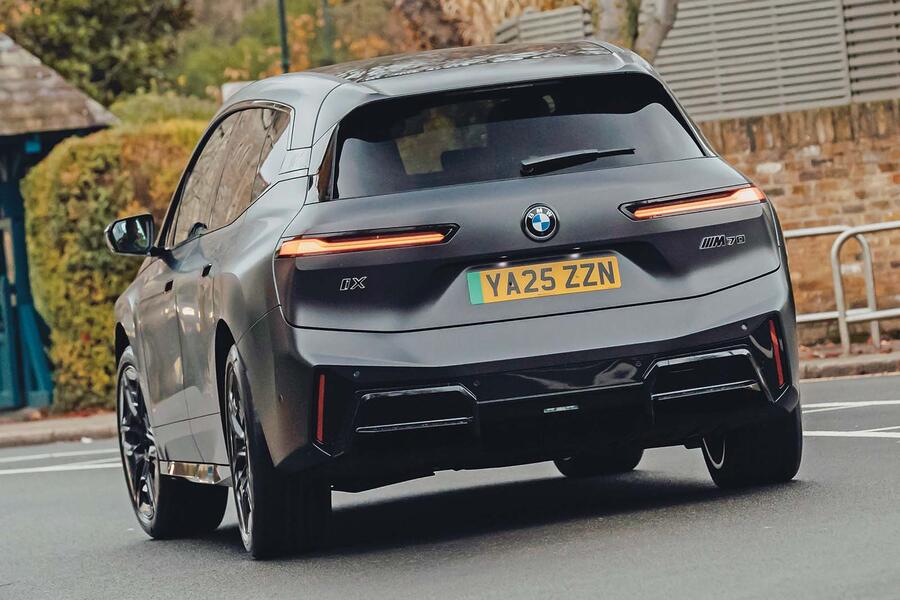
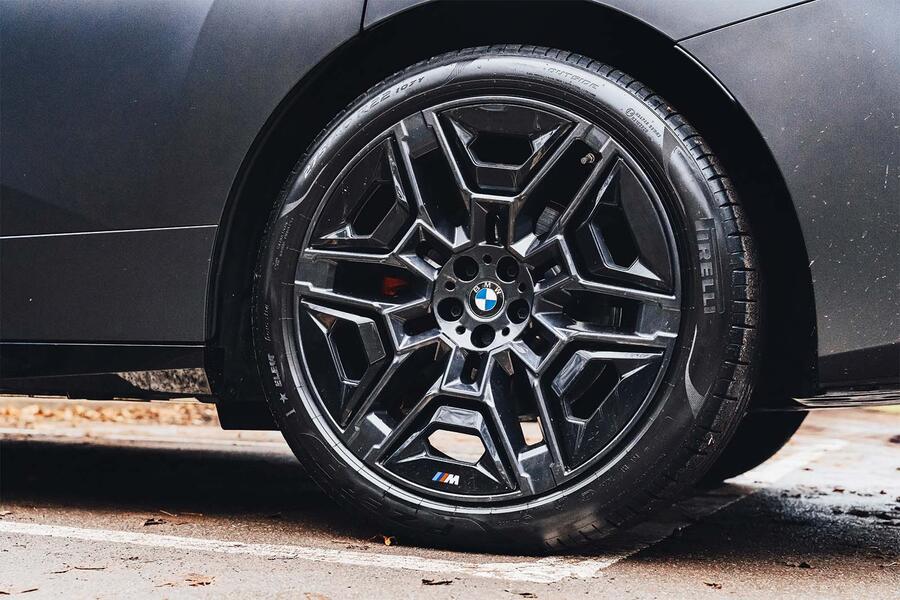
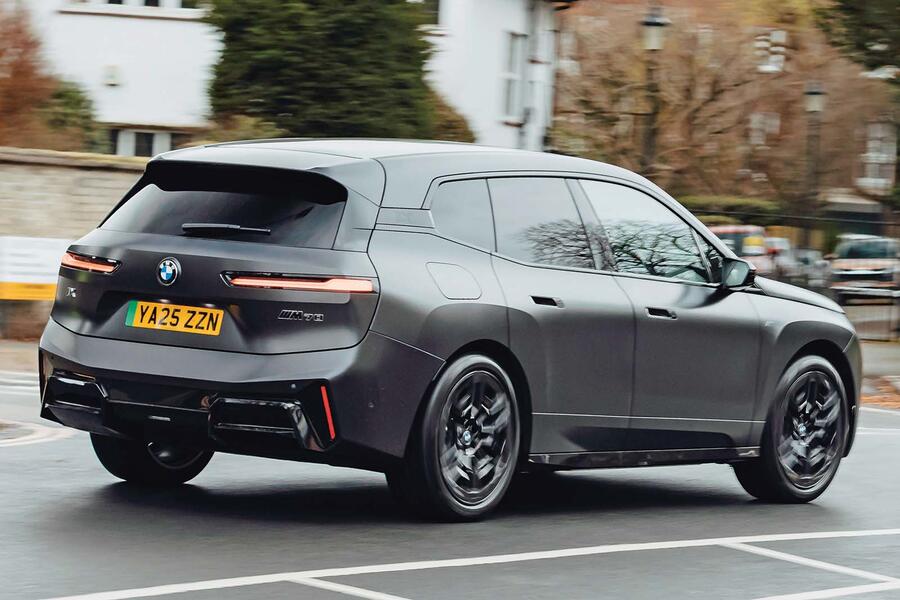
So what role does it now serve in BMW's line-up? That's what we're here to find out. And if we're going to see if the iX is still a true flagship, then it makes sense to run the top version. Last time we ran the mid-spec xDrive50, but this time we've opted for the full-fat, full-performance M70 xDrive.
If you follow your BMW model codes closely, you might note that's different from the previous range-topper. The change from M60 is a reflection that the M division's engineers have been working quite hard. Hard enough to make you wonder, really. Who, for example, looks at a 2.6-tonne electric SUV with a peak output of 610bhp and says: "You know what that needs? More power." BMW M engineers, that's who. Bless them.