5

Second EV in Japanese giant's line-up is a compact crossover – and actually a rebadged Suzuki

Find Toyota Urban Cruiser deals
New car deals
Nearly-new car deals
Other Services
Sell your car
84% get more money with

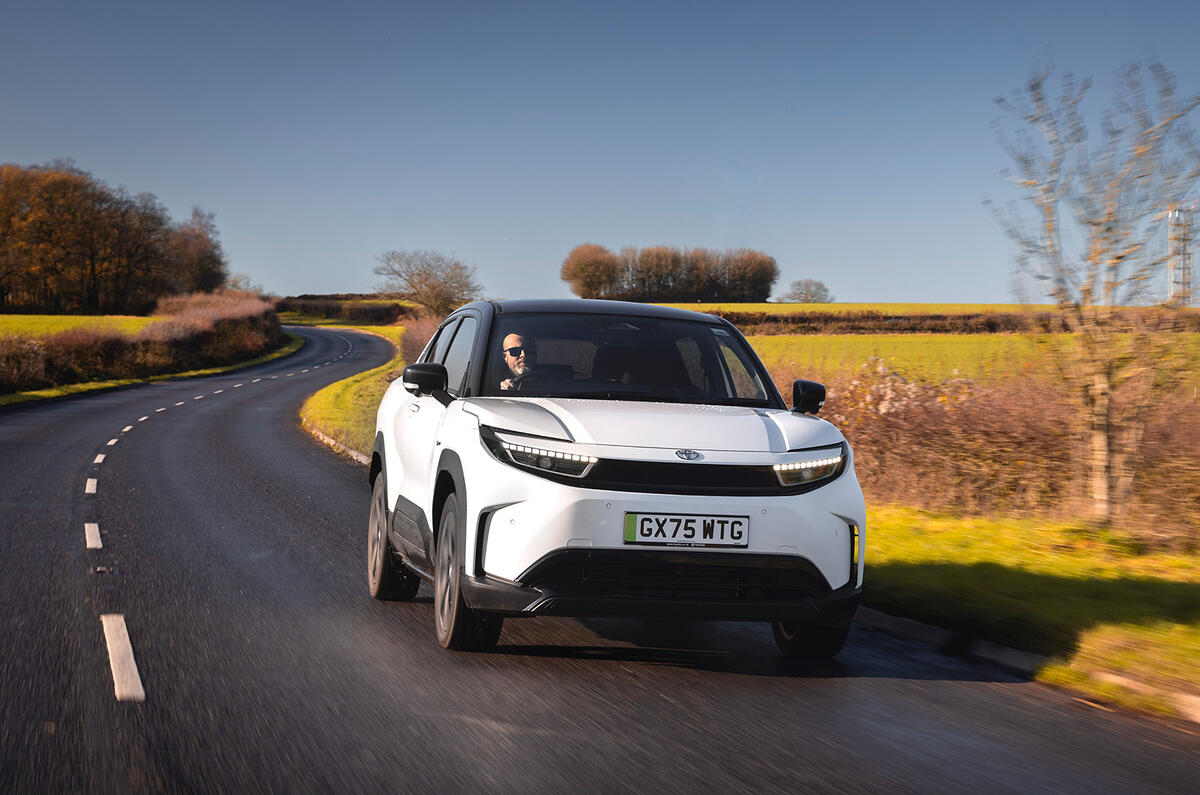
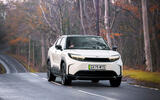
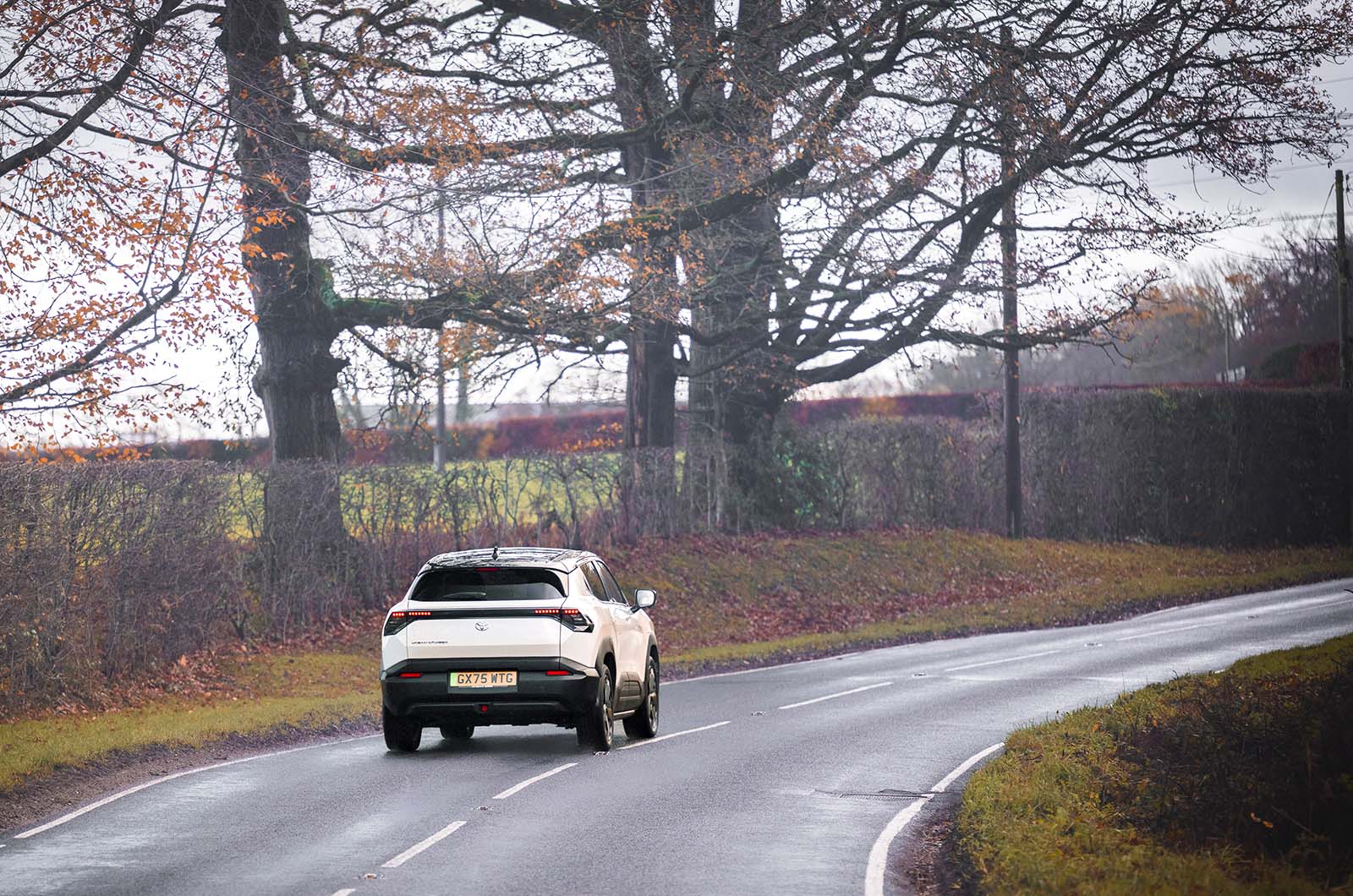
It’s not déjà vu: it’s the new Toyota Urban Cruiser. If this smaller stablemate of the bZ4X looks familiar, it’s because you may have seen the Suzuki eVitara, which is essentially the same car.

Suzuki has a habit of borrowing models from Toyota: its Swace and Across were plain rebadgings of the Corolla estate and RAV4. And now Suzuki has returned the favour, giving Toyota the e-Vitara to stick its badges on and provide a leg up in the all-important small electric crossover segment. 

The name Urban Cruiser might ring a bell. Back in 2008, Toyota applied it to an uninspiring, taller version of the Yaris. In a way, it was ahead of its time, because B-segment crossovers are now wildly popular, but we had some reservations about it.

It’s possibly the most crowded segment of the market at the moment, with rivals ranging from the budget Citroën ë-C3 Aircross through to the popular Renault 4, Kia EV3 and Ford Puma Gen-E, Chinese cars like the Jaecoo 5 BEV and BYD Atto 2 and premium offerings such as the Mini Aceman, Alfa Romeo Junior Elettrica and Volvo EX30

Toyota has boldly priced the Urban Cruiser at the top of the segment (at roughly £30k to £37k). Is it worth splashing your cash on?

Advertisement

DESIGN & STYLING

6
ubran cruiser

Most of the development work for the Japanese firms’ answer to the Kia EV3, Skoda Elroq and Renault Megane was done by Suzuki, with a bit of collaboration between the two on the base platform.

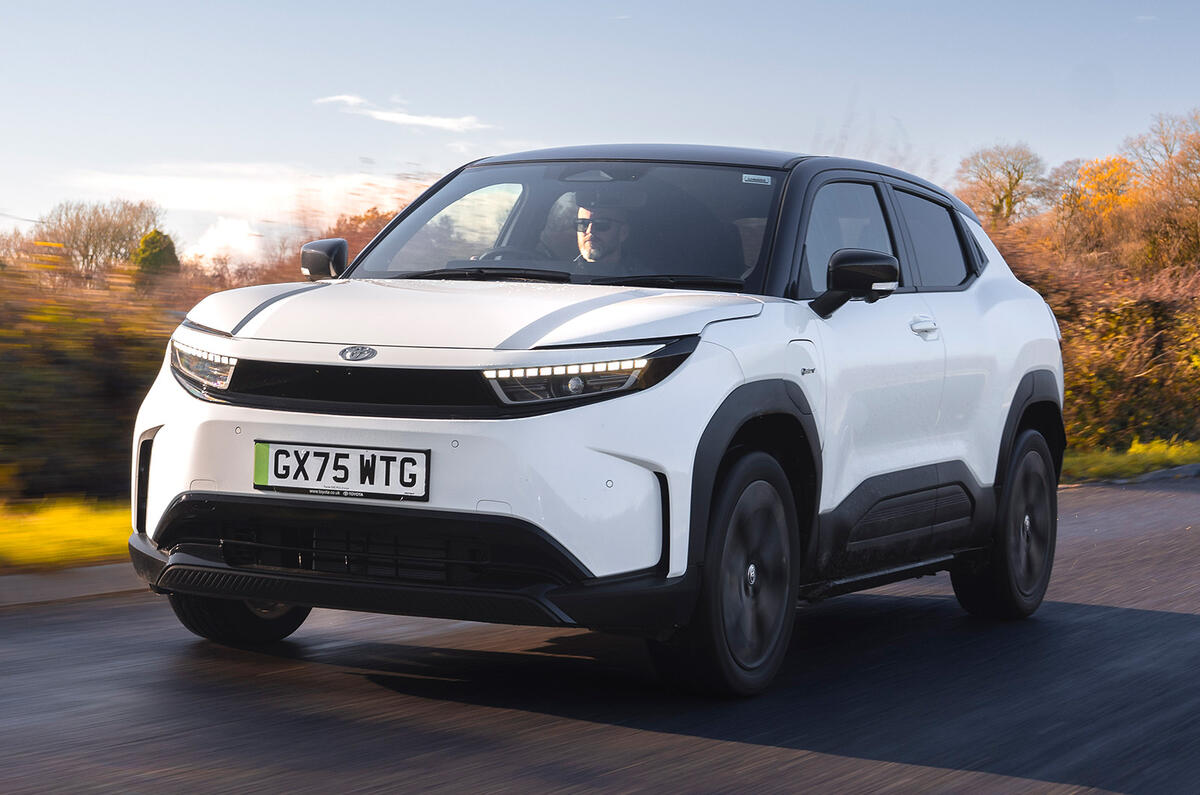
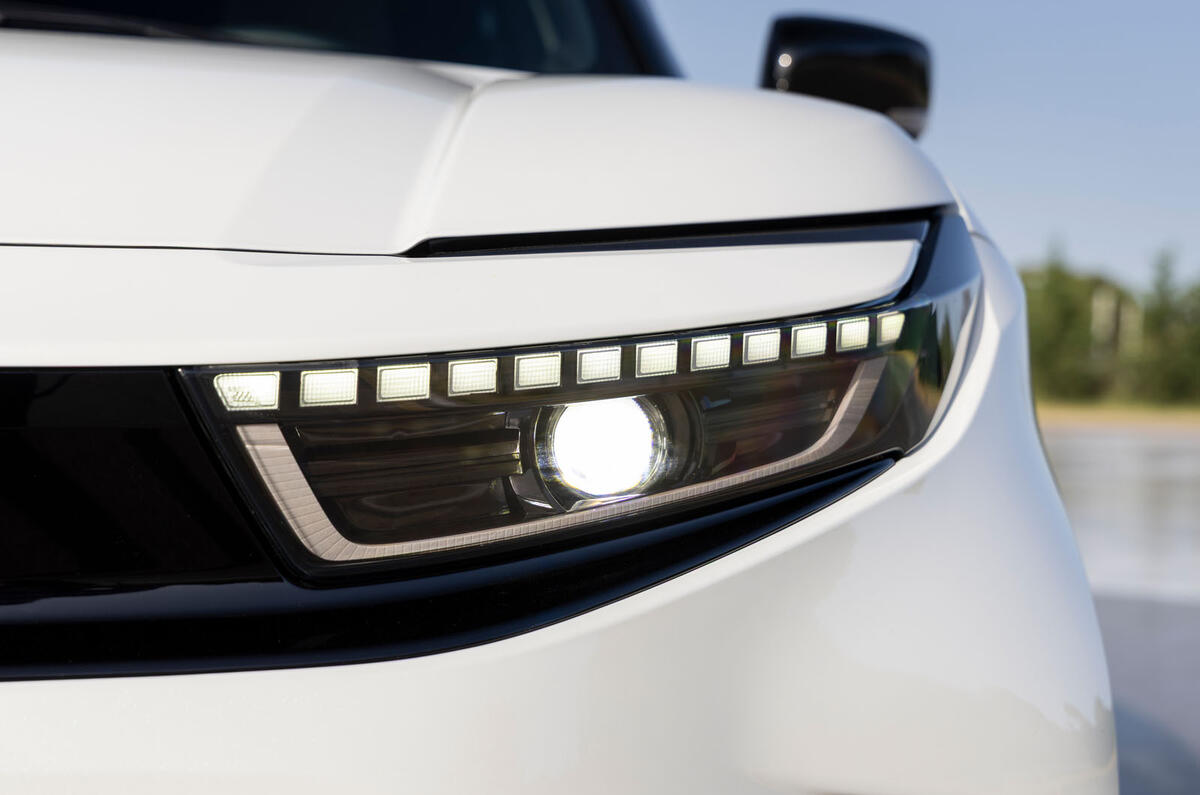
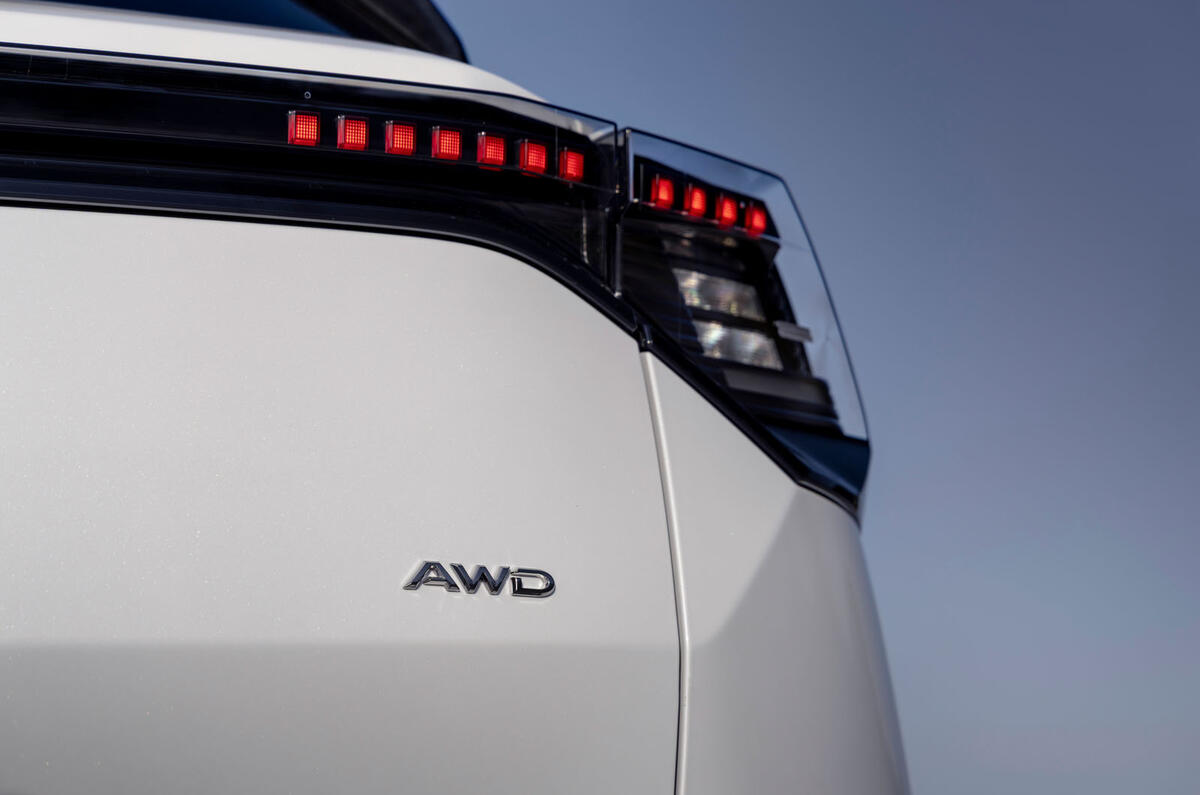
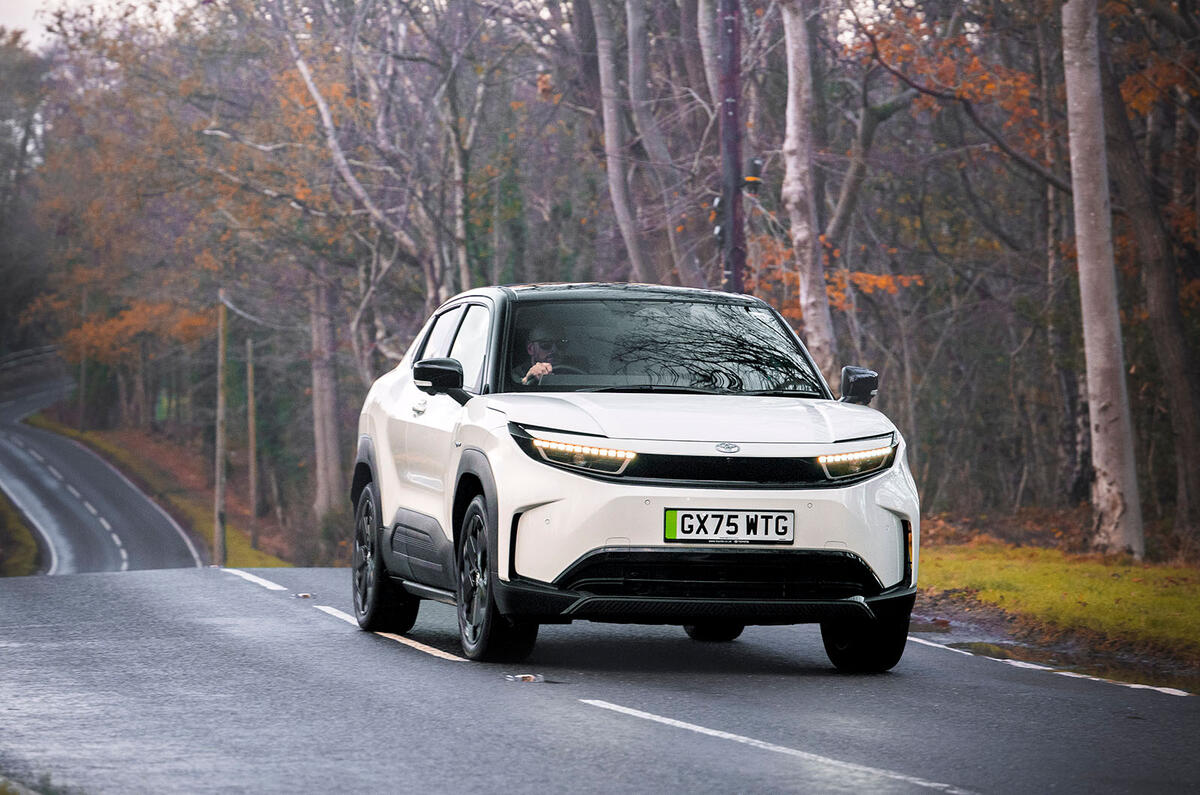
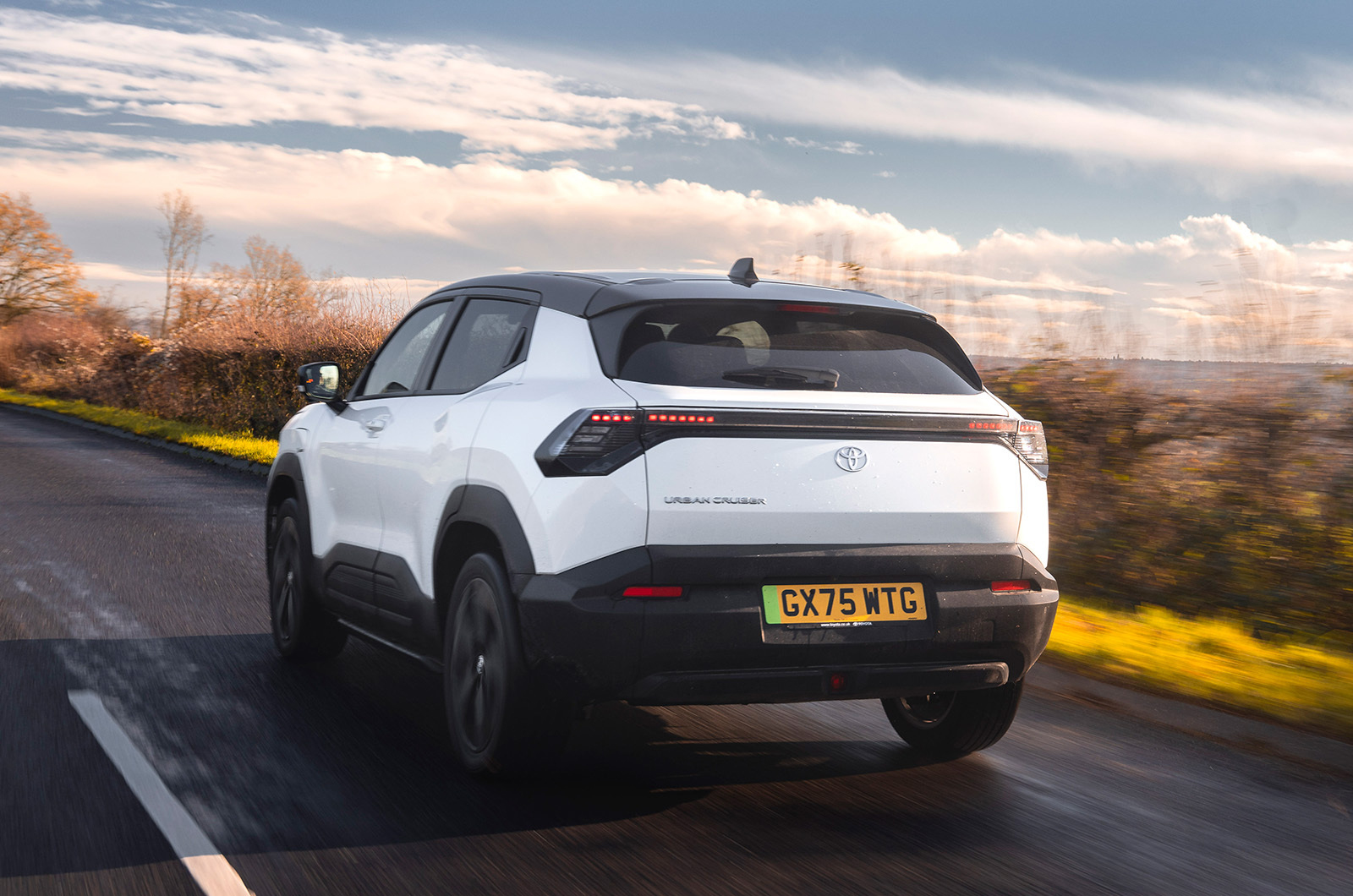
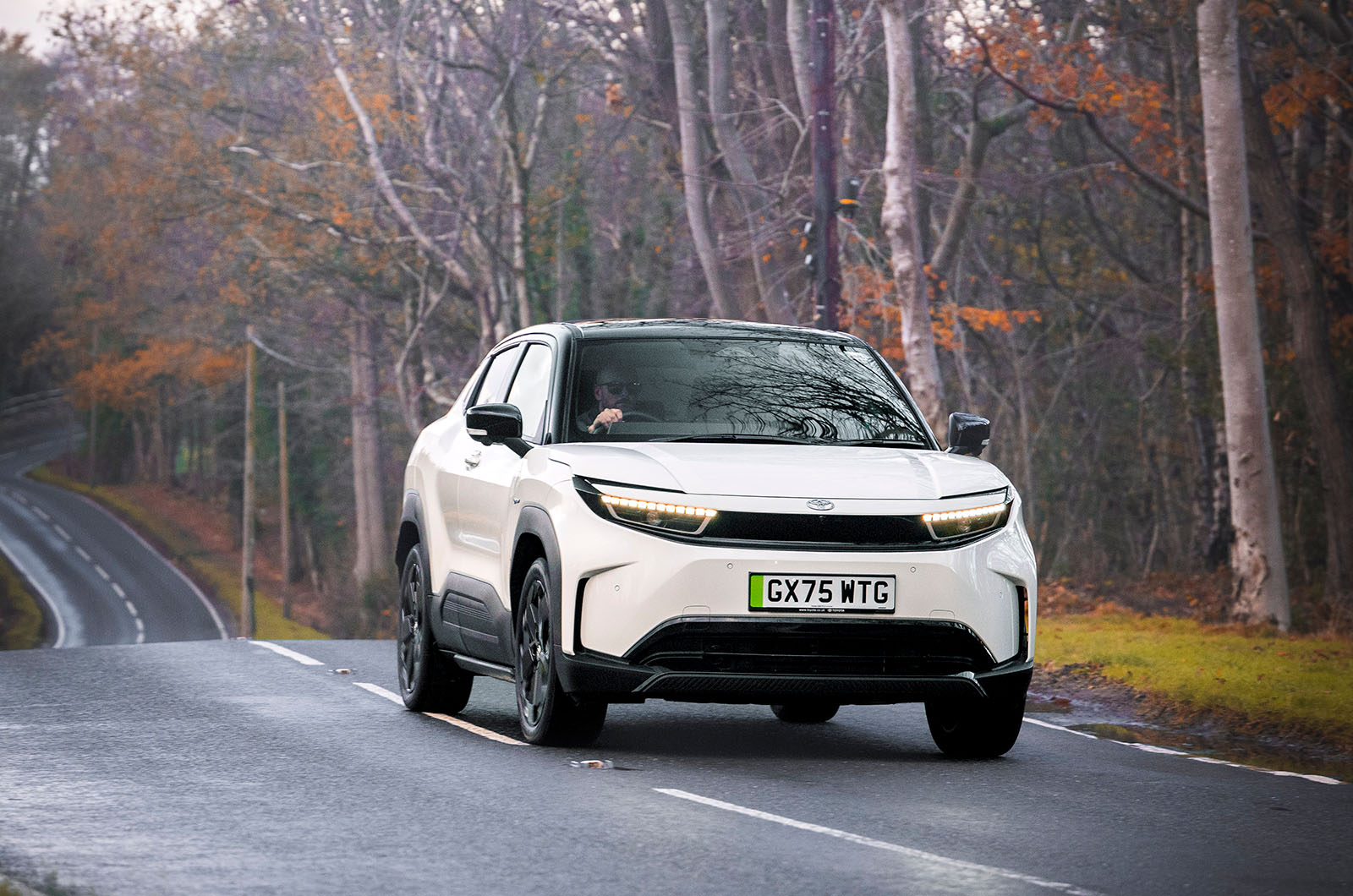
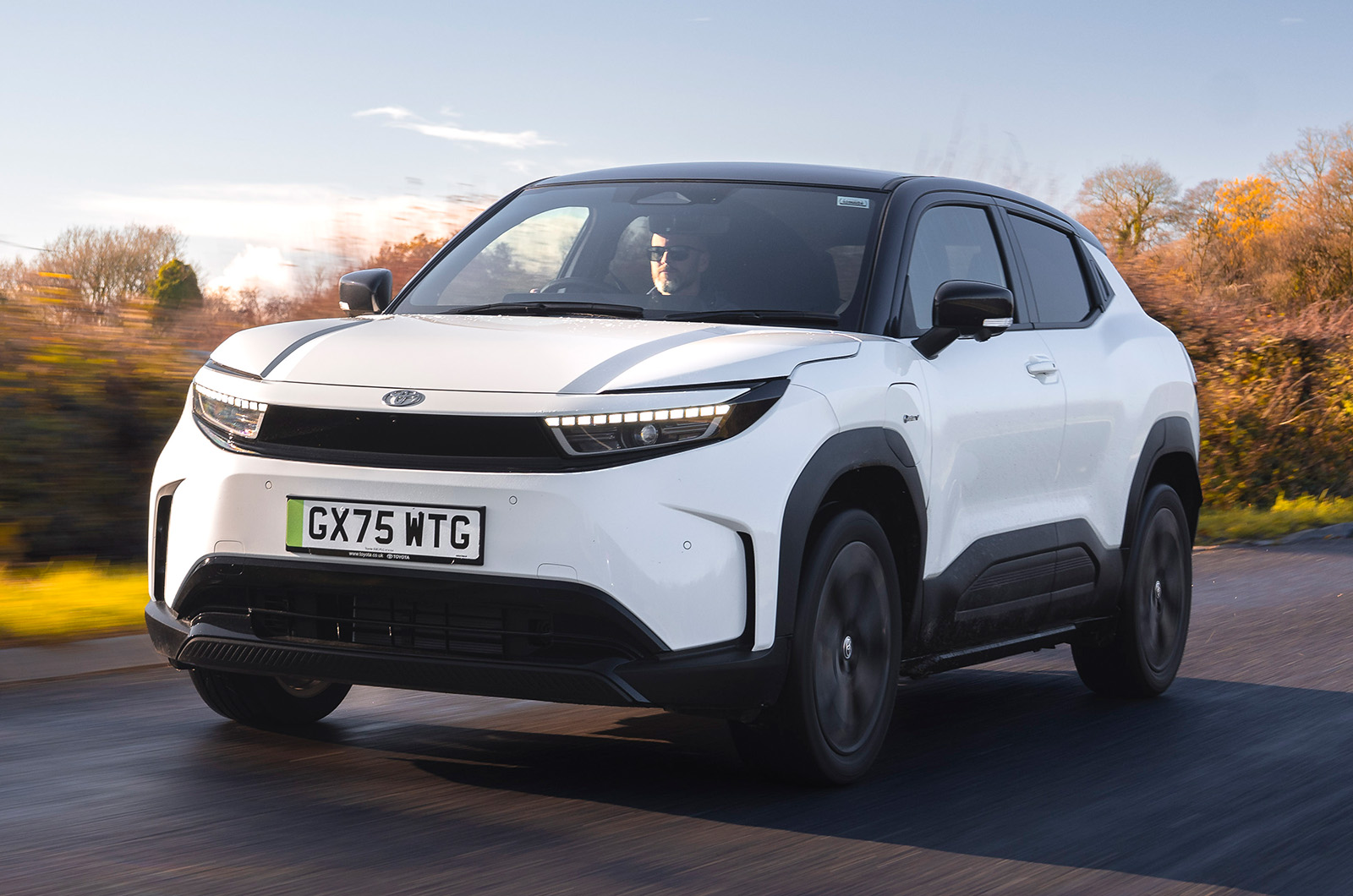
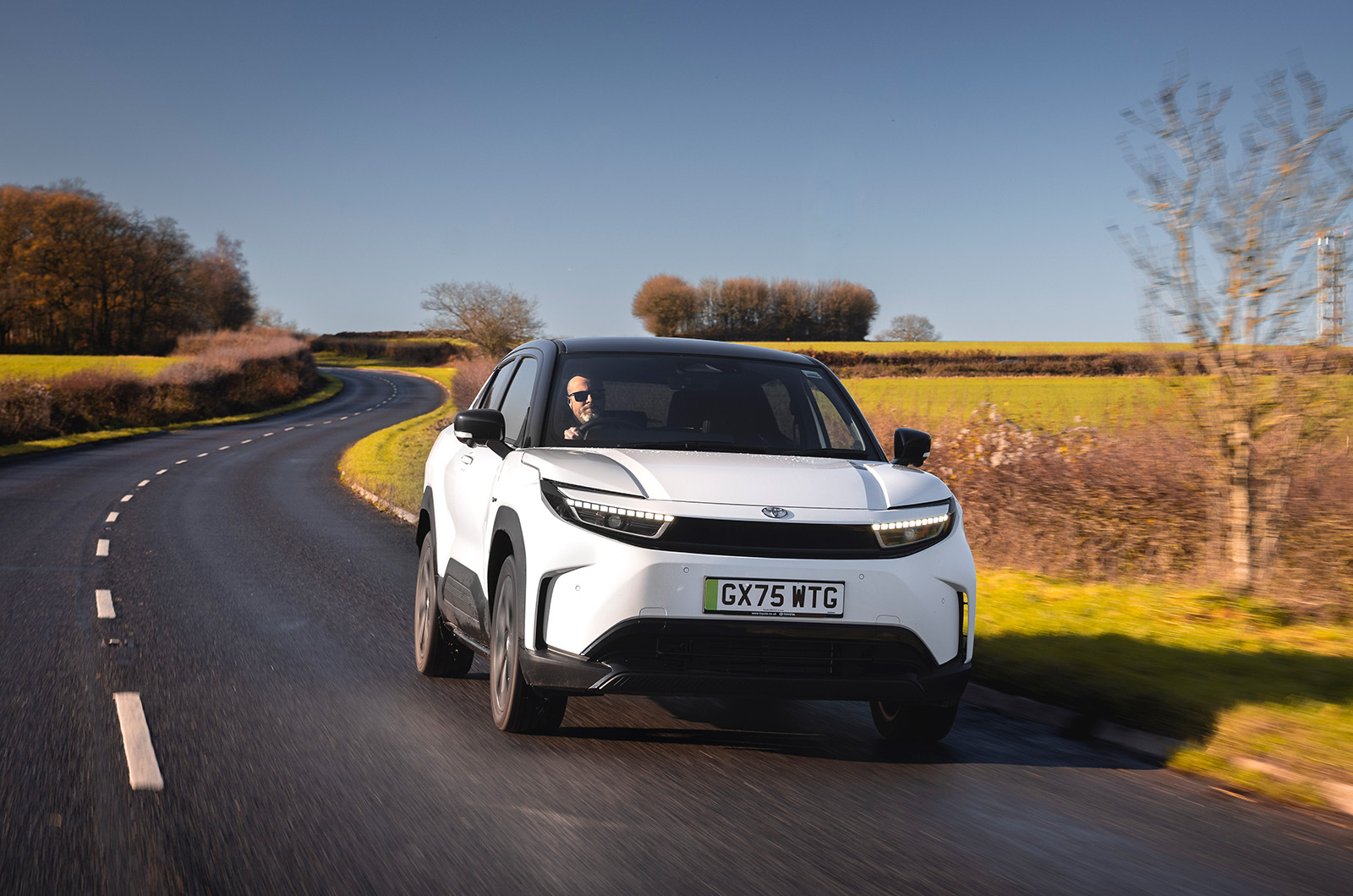
Mechanically, there are no differences at all, although the Urban Cruiser does get a slightly different face that has a bit of Toyota’s ‘hammerhead’ signature and some different materials inside. It’s an electric equivalent to the Yaris Cross but actually looks a bit more like a proper SUV

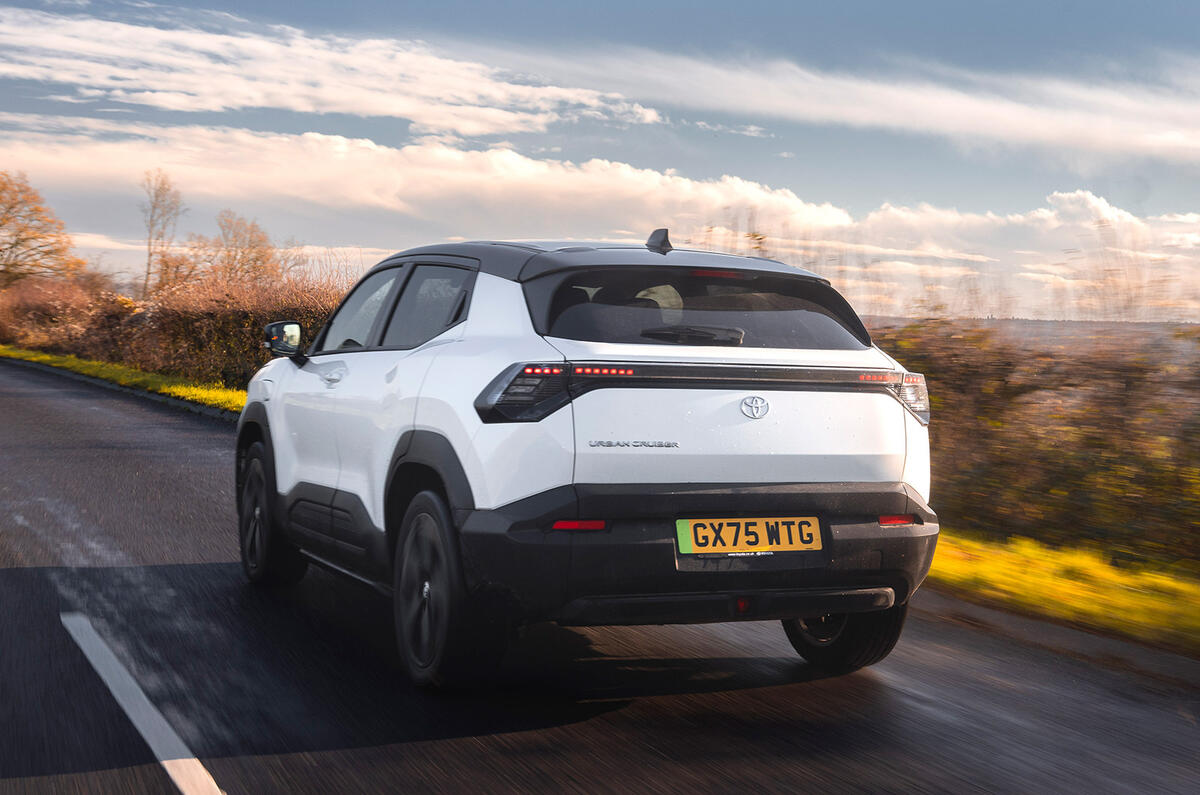
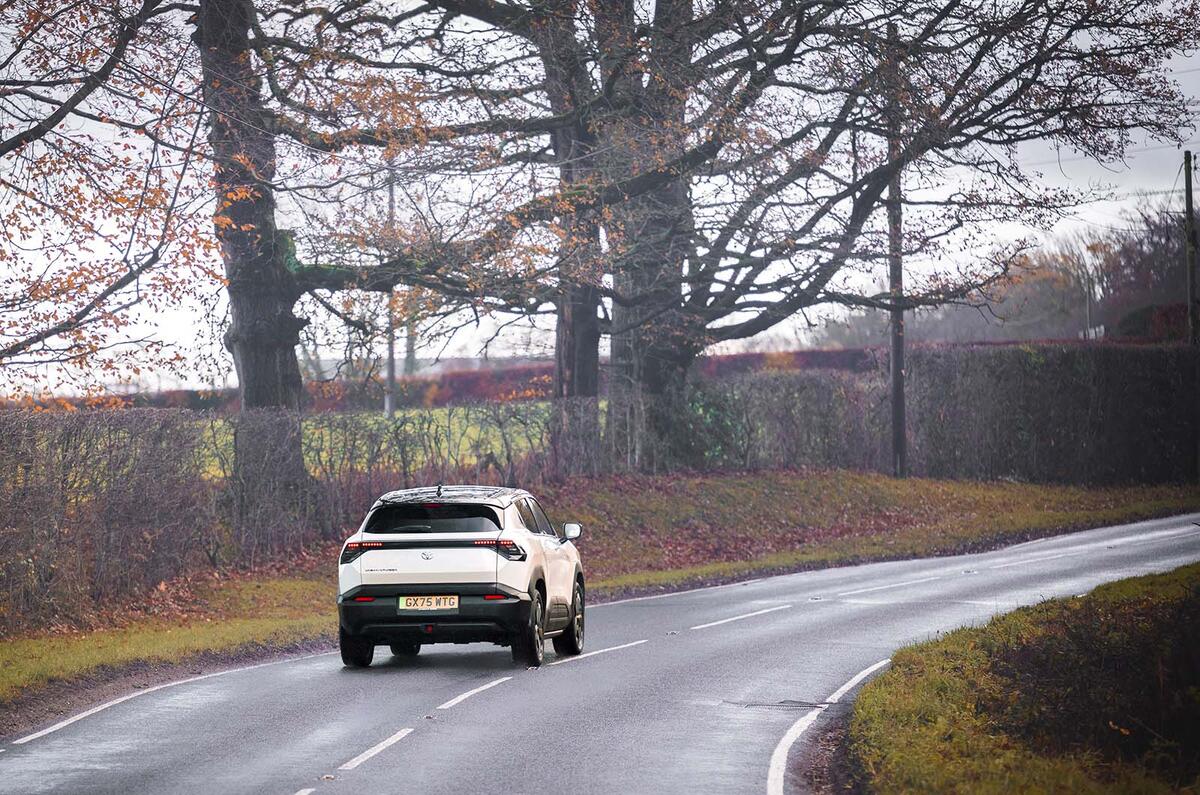
From the outside, it’s a butch-looking thing, with a tall bonnet and beltline and slab sides, looking like it could have been designed as a baby Land Cruiser and not a Suzuki.

In short, there are two batteries, both with lithium-iron-phosphate (LFP) chemistry; one is 49kWh (47.8kWh usable), the other 61kWh (59.8kWh usable). The smaller battery is exclusively available in the cheapest Icon trim with 214 miles of official range, the larger in Design and Excel trims with 265 miles of range.

Both versions are exclusively front-wheel-drive. The 61kWh model is expected to make up the vast majority of UK sales, so that's the one we’re focusing on in this review. A drive in the lighter 49kWh model may provide an opportunity for the Urban Cruiser to right some of its wrongs, though. 

INTERIOR

5
Toyota Urban Cruiser Interior 1

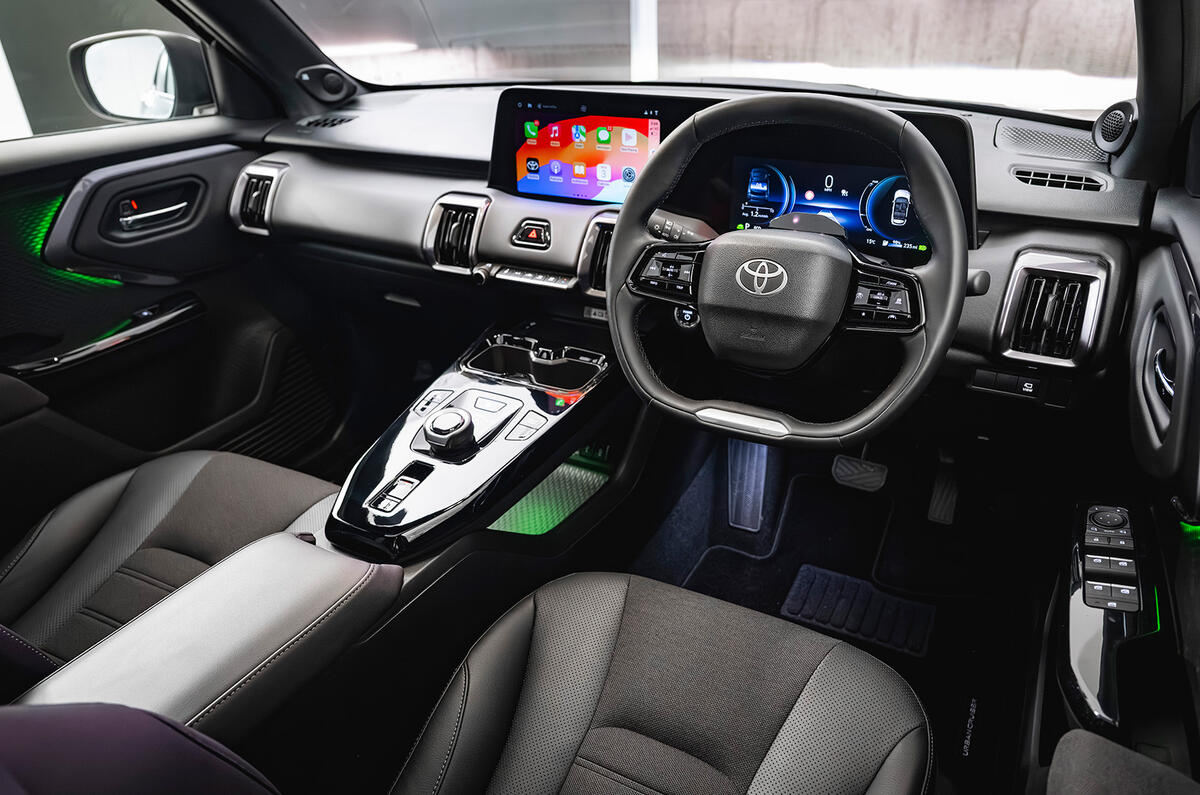
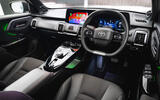
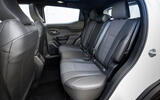
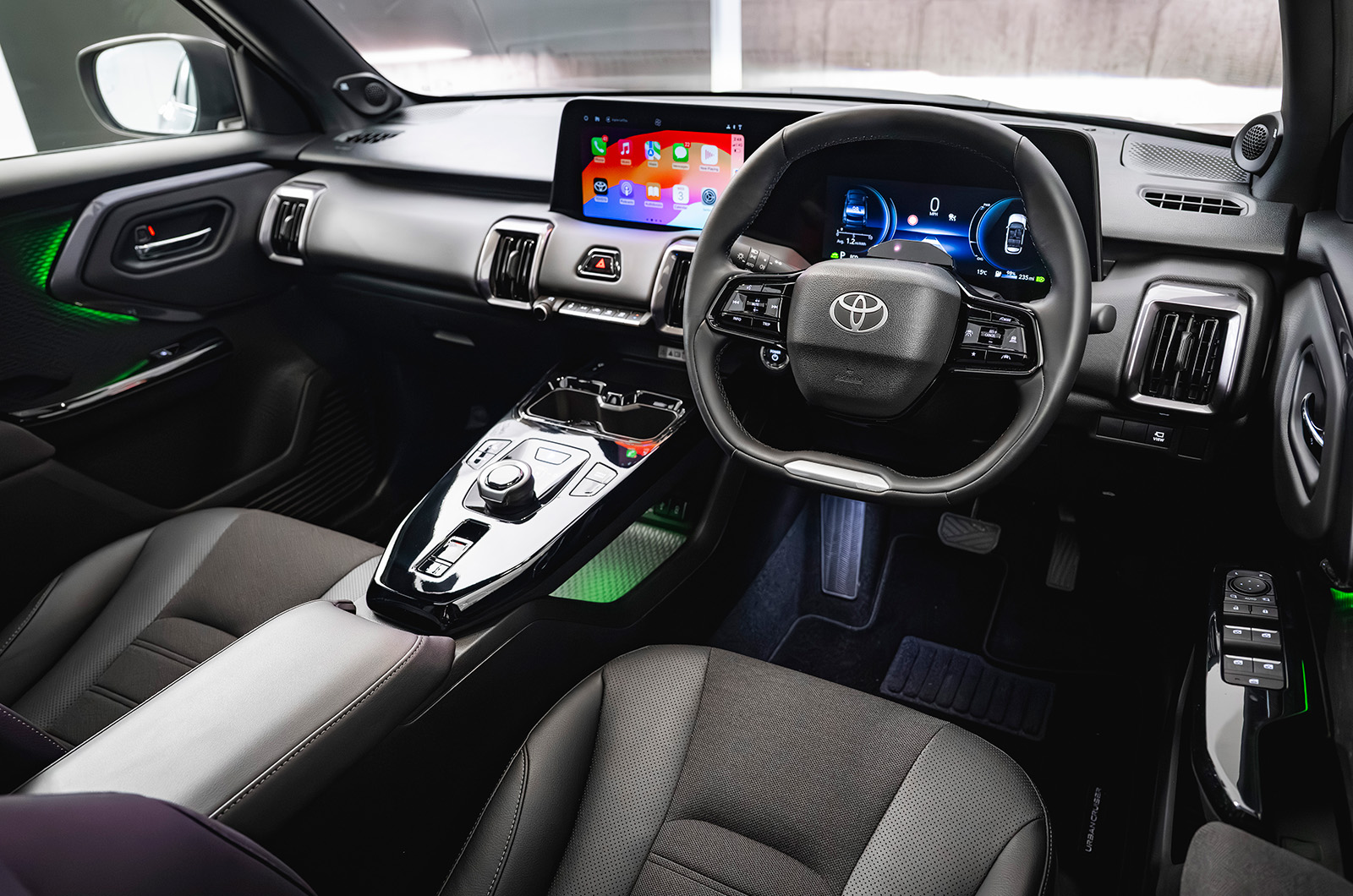
On the inside, the Urban Cruiser is awfully similar to the eVitara, although there are a few minor differences.

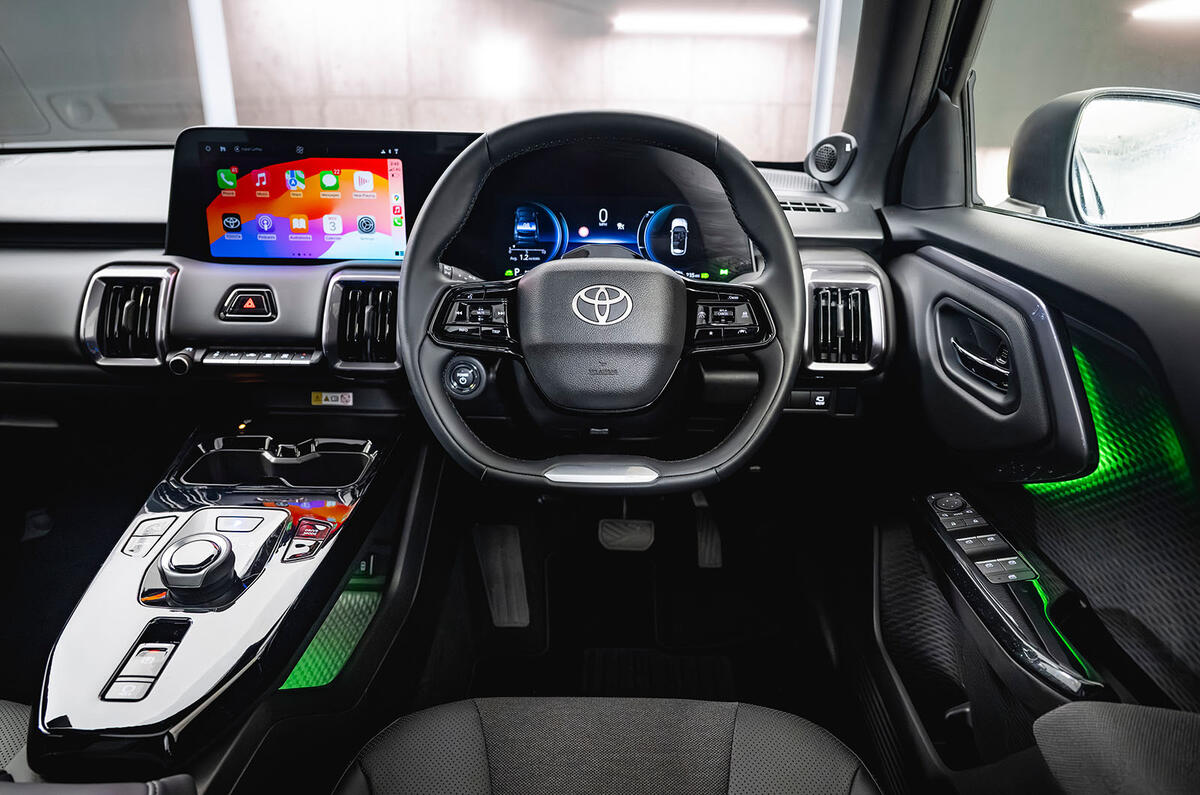
The colour scheme is always grey and black (was Suzuki’s brown dashboard too exciting?) which creates a slightly drab atmosphere. 

Leave the climate control in auto and it feels like it puts the heated seats on in the cold but doesn’t show it on the screen. Gaslighting?

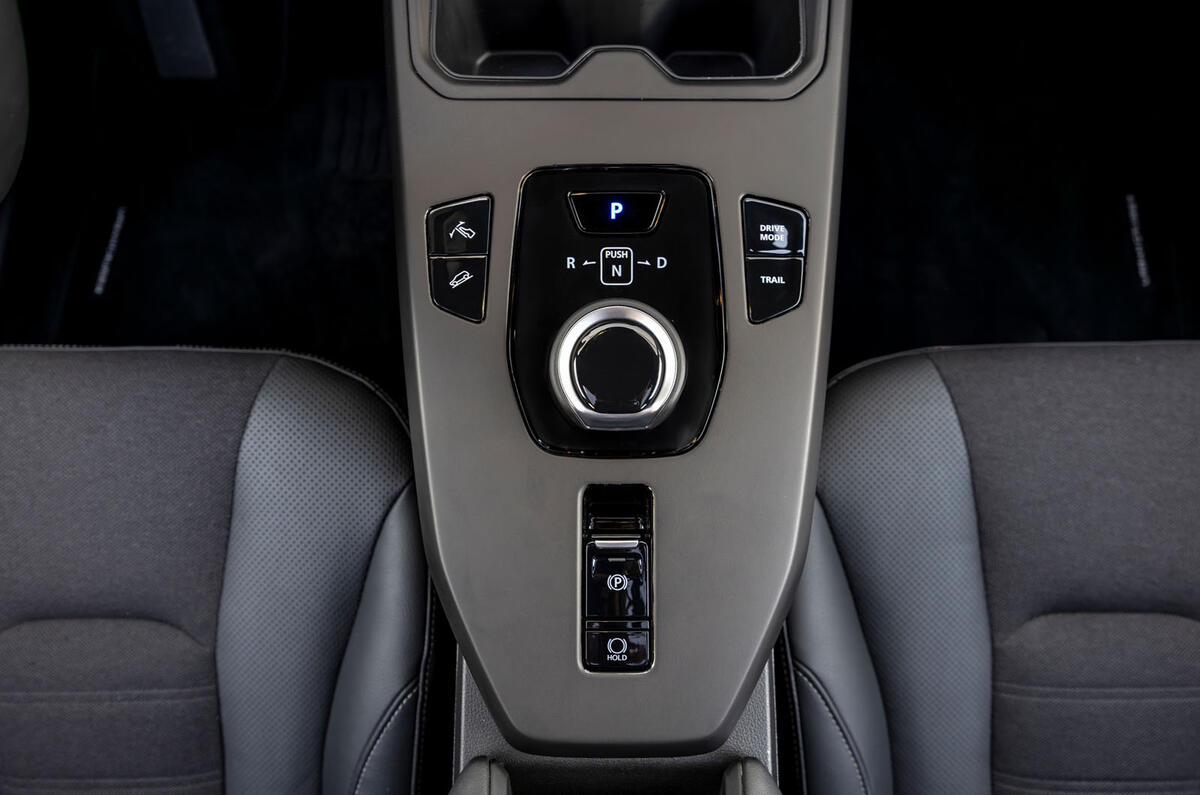
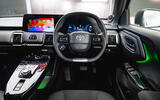
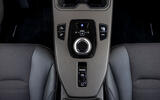
Luckily, the material quality is mostly good for the class, with the main touchpoints feeling well-screwed together. The massive expanse of gloss black on the centre console looks cheap and will scratch easily, however. 

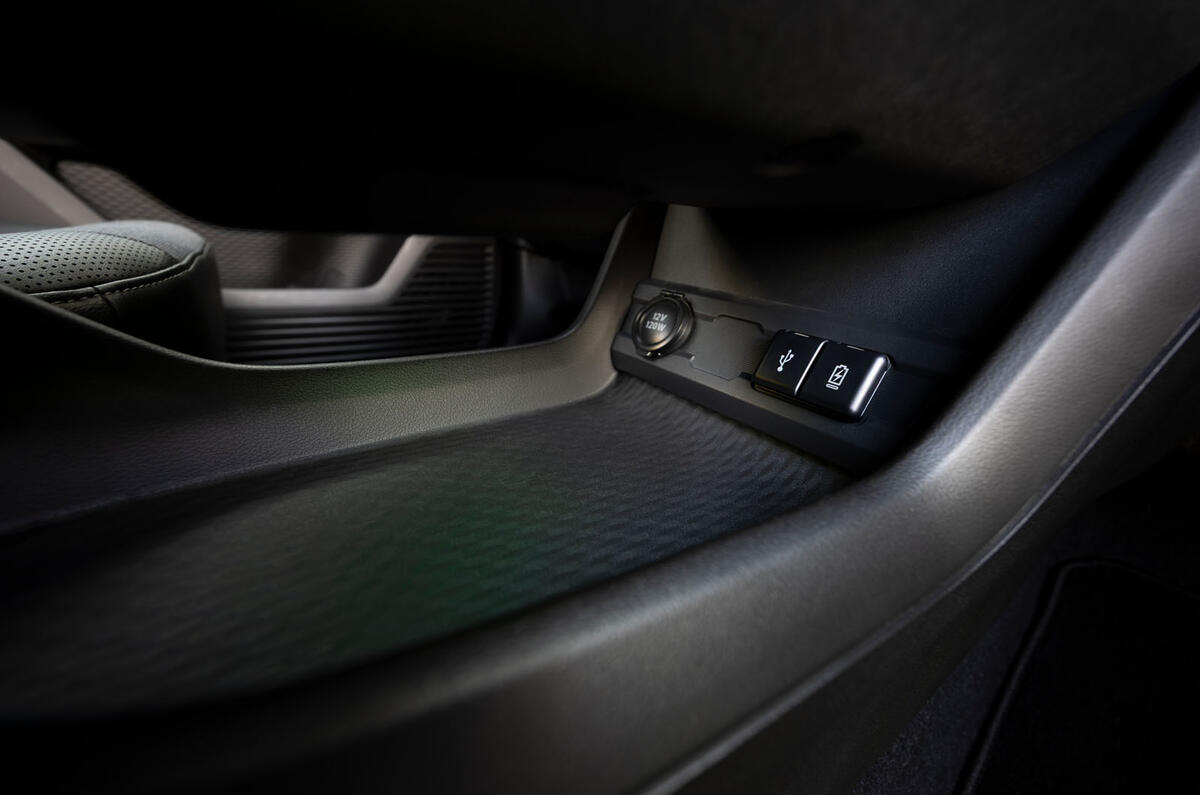
There’s a decent level of storage, with the cocooning floating centre console hiding a useful tray underneath.

The seats are comfortable, supportive and you sit up high for a good view out, so it’s a shame that the slightly off-centre steering wheel doesn’t offer nearly enough reach adjustment for tall drivers, making the driving position more uncomfortable than it should be. 

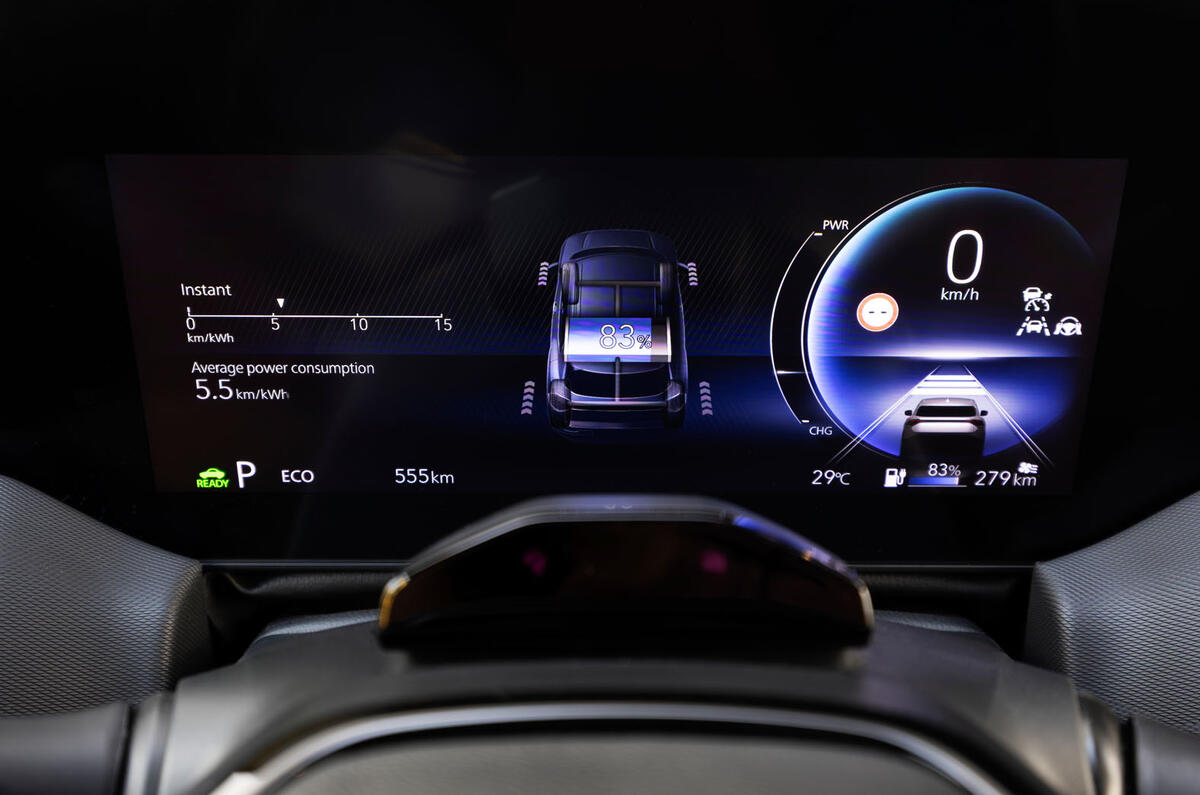
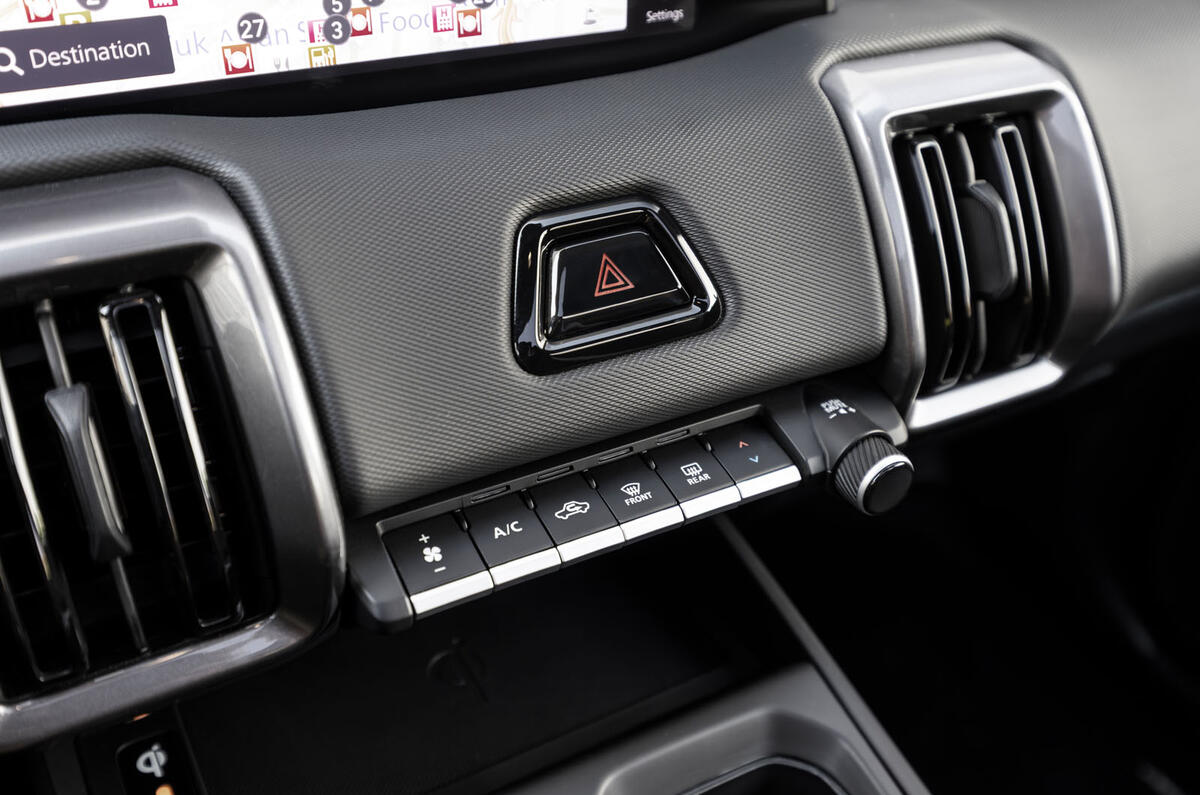
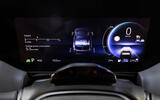
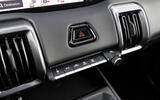
The infotainment system generally looks and feels unfinished. It's slow to respond, things that should be close to hand are buried in sub-menus and, in the case of the speed limit bonger and heated seats, a short animation plays before you can adjust them. The only saving grace is the small row of physical buttons for stuff like the temperature and the digital driver's display, which is intuitive and pleasing to look at. 

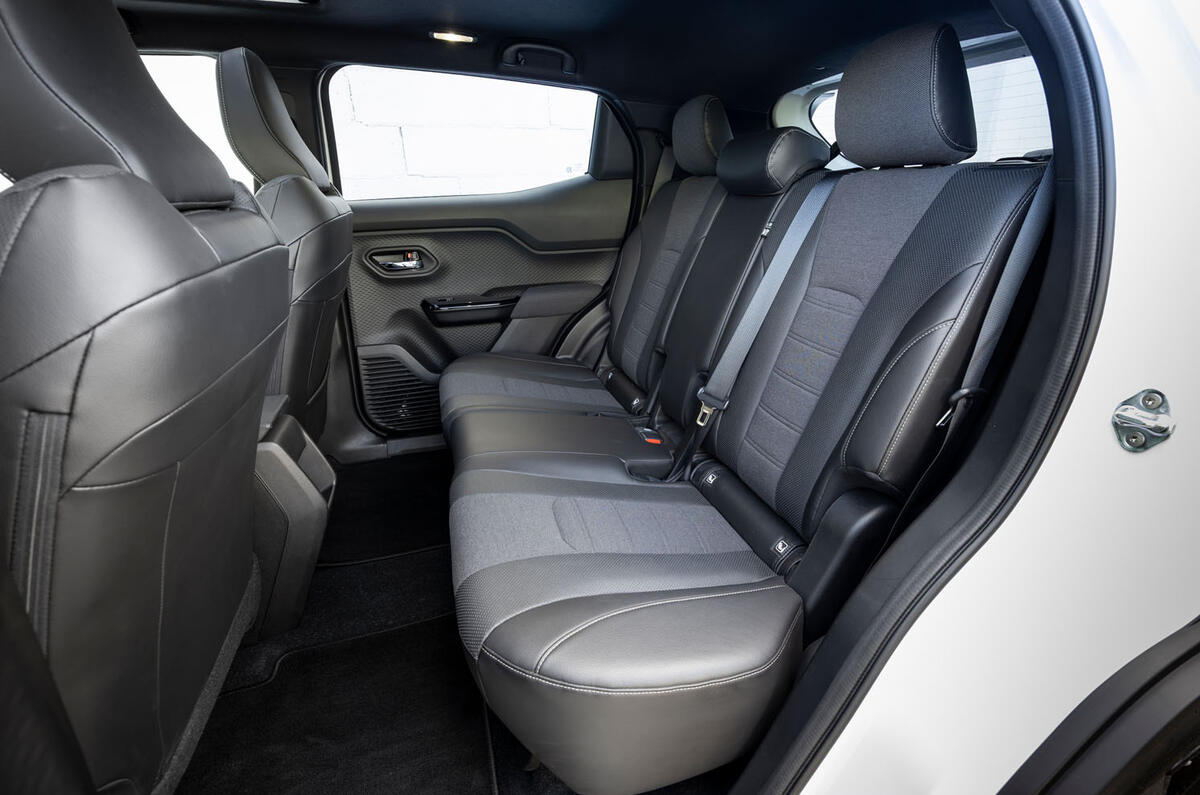
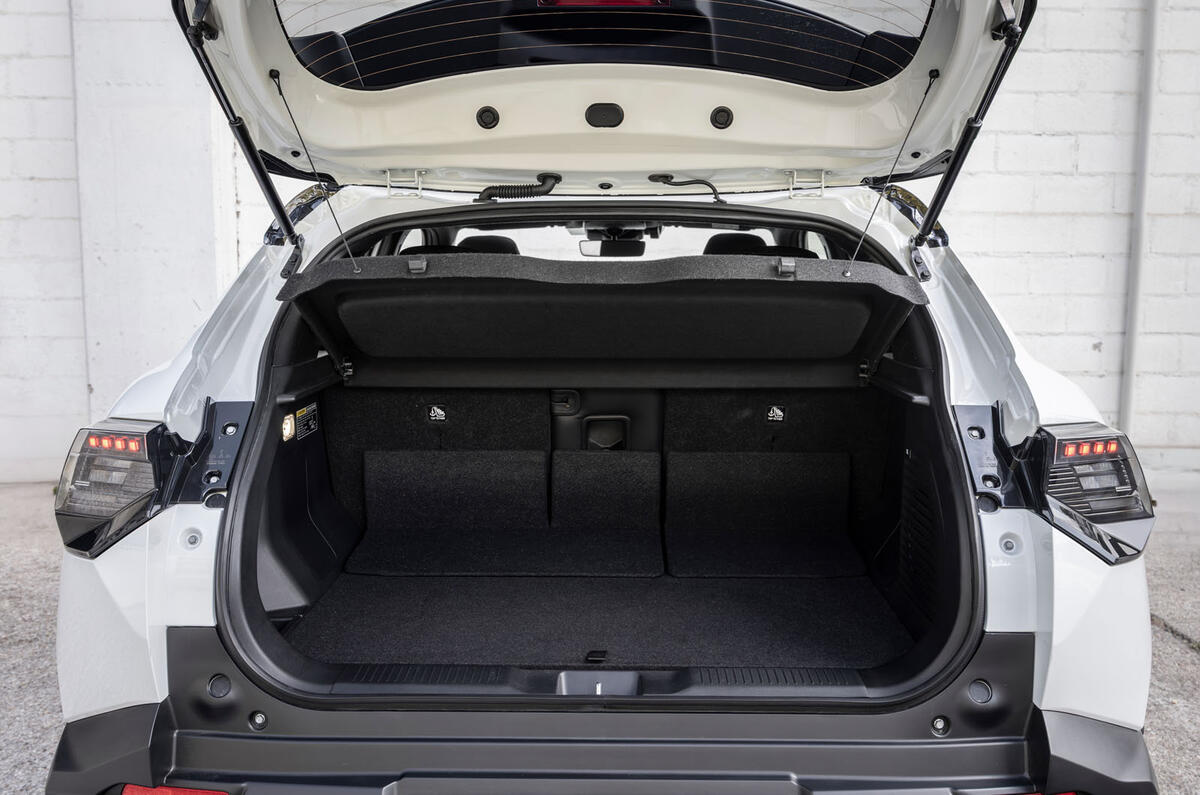
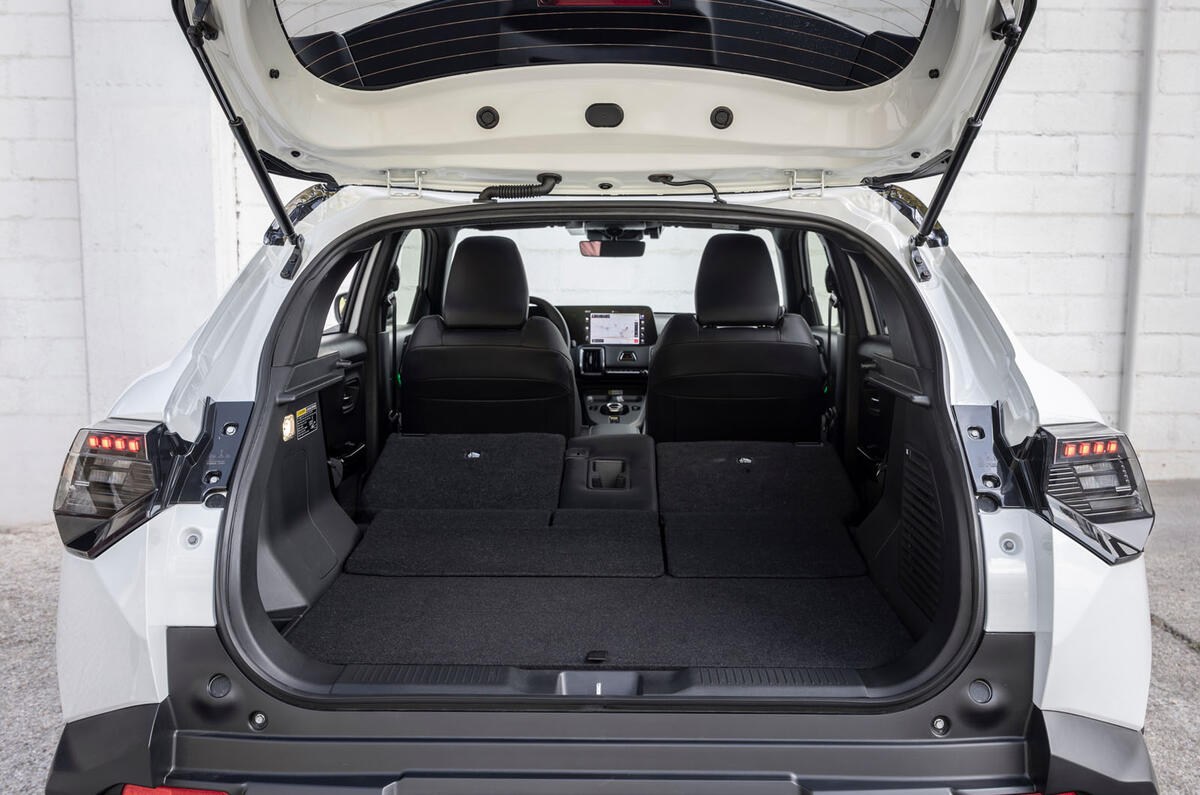
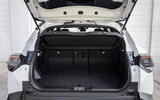
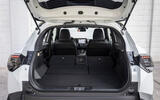
The 40/20/40-split folding rear bench slides back and forth to give you competitive rear seat space or boot space but not both. The boot is just 238 litres in size with the seats in their rearmost position, and while knee room in the back seats is good, head and foot room aren't great. 

Even in the seat’s foremost position there’s only 310 litres of boot capacity, and you would barely fit a toddler in the back at that point. There is a little underfloor storage and the middle seat is usable, however. There's no frunk to speak of.

It could be an ideal solution for a couple who use the boot and rear seats mutually exclusively, but as a family car it doesn’t really work, especially because the dark rear is likely to be sickness-inducing.

Standard equipment is quite good but not necessarily better than in cheaper rivals. A heat pump is standard, as is adaptive cruise control, a reversing camera, that flexible rear seat system and LED lights. 

Design trim adds the larger battery and more powerful motor, plus a heated steering wheel, heated seats and heated door mirrors. Excel adds a JBL sound system, a wireless pgone charger, a panoramic glass roof and a 360deg camera.

ENGINES & PERFORMANCE

7
Toyota Urban Cruiser performance 1

With 172bhp, the Urban Cruiser is usefully brisk for a mass-market electric crossover, which is slightly surprising, considering its hefty 1800kg kerb weight.

It’s a shame that in Normal and Eco modes there’s a noticeable delay to the throttle pedal. 

This is about as fast as a small crossover needs to be. I just wish the throttle were better calibrated and some of the performance potential were sacrificed for better efficiency.

We've not yet driven the entry-level, small-battery version with 142bhp, but its performance should still be fine for a car of this class.

The by-wire brake pedal is nicely progressive and there are three levels of regenerative braking available, although these don’t work quite the way you would expect. You pick your level of regen in a settings menu (which means an excursion into the touchscreen) and then you can toggle between that and free-wheeling using a button in the centre console. There's no one-pedal mode, however.

RIDE & HANDLING

4
Toyota Urban Cruiser Dynamic 1

Our mid-spec Design test car rode on 18in alloys, which give a great stance and still provide a chunky 55 tyre profile, so it was surprising how wooden the ride was, seesawing over expansion joints and crashing into potholes.

The primary and secondary ride were both poor, the car often feeling oversprung and underdamped, busying itself over imperfections without settling down before the next one.

It's never good when a small car designed for the city isn't most at home there.

It doesn’t bode well for the 19s on the Excel model. The lighter Icon might be better in this regard, but we’ve yet to test it. 

The grip on offer is good, and the steering is actually quite nice, feeling direct and making the car easy to place on the road, so it’s a shame the overworked suspension can’t keep the car as flat as you would like in corners, considering the low levels of comfort on offer. 

The ADAS are quite well integrated into the driving experience, not being overly loud or aggressive, but if you want to turn them off, doing it via a touchscreen that seems to have the processing power of a Nokia 3210 gets old very quickly.

On the motorway, the Urban Cruiser is much better. The suspension settles down (although it’s still not great) and the cabin is quiet for the class, while the seats remain comfortable for long periods of time.

It feels like you could go on for hours, except for the Urban Cruiser’s Achilles' heel…

MPG & RUNNING COSTS

2
Urban Cruiser review

Range, efficiency and charging all seem to come from a previous-generation EV: the long-range Urban Cruiser is only about on the level of the cheaper standard-range versions of the Elroq and EV3, and that's before you take into account the real-world efficiency.

The official mpkWh figures are fine, if unremarkable, but in practice it seems to be in the mid-threes in perfect conditions, which is what many rivals will deliver in the worst weather.

Toyota and Suzuki warranty the battery for 70% of its capacity for 10 years or 600,000 miles, so long as the car goes in for a service at a dealer every year. With most manufacturers, it’s eight years and far fewer miles.

On a rainy, 8dec C day in the UK, the Urban Cruiser managed an average of 2.3mpkWh, which is appalling for a car of this size. It was barely doing 2mpkWh on the motorway and around 2.5mpkWh in town. 

That puts real-world range at anywhere between 120 and 210 miles, which simply isn’t good enough compared to rivals. A heat pump comes standard on all trims, but it doesn’t seem to do anything for the efficiency. 

And even if the resulting short range doesn’t bother you, you will still be spending more on electricity than with a Puma Gen-E or Elroq.

A rapid-charging speed of 80kW for the 49kWh car and 125kW for the 61kWh car are off the pace too, as is Toyota’s predicted 10-80% charging time of 45 minutes.

The 49kWh model might be more efficient, but if not, the usability of the smaller battery will be even more compromised. 

This is disappointing from Toyota, because we know it has the technology to build a far more efficient EV: the larger bZ4X gets a longer range from a smaller battery.

The Urban Cruiser being built in India, there’s no UK government-funded Electric Car Grant to aid the expensive-looking list price (almost £10,000 more than the ë-C3 Aircross, £7500 more than the Renault 4 and a few thousand more than a like-for-like Elroq). 

It’s looking like it will be more than rivals on finance too, although that is subject to change.

VERDICT

5
Toyota Urban Cruiser verdict

Even though this new Urban Cruiser shares nothing with the one from 15 years ago, it seems destined to be similarly insignificant. 

Wading into battle with a small interior, a poor ride, dated infotainment and poor EV credentials, it will face an uphill battle that it can’t win by just being a Toyota.

Suzuki's eVitara is similarly unimpressive, although it has the differentiator of a slightly more interesting interior and the option of four-wheel drive.

With its various flaws, the Urban Cruiser is difficult to recommend. Competitive pricing may have compensated somewhat, but alas, an e-Vitara is almost £4000 less, and the Renault 4 and ë-C3 Aircross are cheaper still. 

In one of the most crowded segments of the market, the Urban Cruiser doesn’t live up to the standard we expect from Toyota. It’s a bit like your mate lending you their tux for an important work event, only to find they made it in their GCSE textiles class. It’s not going to cut it, and if we were Toyota, we would be sending it straight back to Suzuki. 

Alex Wolstenholme

Alex Wolstenholme
Title: Editorial Assistant

Alex joined Haymarket, the publisher of Autocar, in 2023. A car fanatic, he loves to delve into the spec-sheet, especially when it concerns something obscure or quirky. He currently drives a 2007 Alpina D3 estate but is often seen in his mum's Ford Fiesta (much to her annoyance). 

In his current position, as an editorial assistant, Alex mainly assists in managing Autocar's presence on MSN, but also writes features for the magazine.

Illya Verpraet

Illya Verpraet Road Tester Autocar
Title: Road Tester

As a road tester, Illya drives everything from superminis to supercars, and writes reviews and comparison tests, while also managing the magazine’s Drives section. Much of his time is spent wrangling the data logger and wielding the tape measure to gather the data for Autocar’s in-depth instrumented road tests.

He loves cars that are fun and usable on the road – whether piston-powered or electric – or just cars that are very fit for purpose. When not in test cars, he drives an R53-generation Mini Cooper S or a 1990 BMW 325i Touring.