Currently reading: Top 10: Best sleeper trains in Europe

Top 10: Best sleeper trains in Europe

In recent years, sleeper trains in Europe have seen something of a resurgence thanks to a number of factors.

This is not least an increase in interest in ‘slow travel’ and also greater concerns about the environmental impact of flying short distances. As a result, the fortunes of night trains have reversed: routes are being introduced – or in some case, brought back – with travellers increasingly opting to take advantage of the time-saving option: you can drift off to sleep in one town or city and wake up hundreds of miles – and often several countries away – the next morning.

Here we present a list of 10 of the best routes to take in Europe.


10. Nightjet network
10. Nightjet network

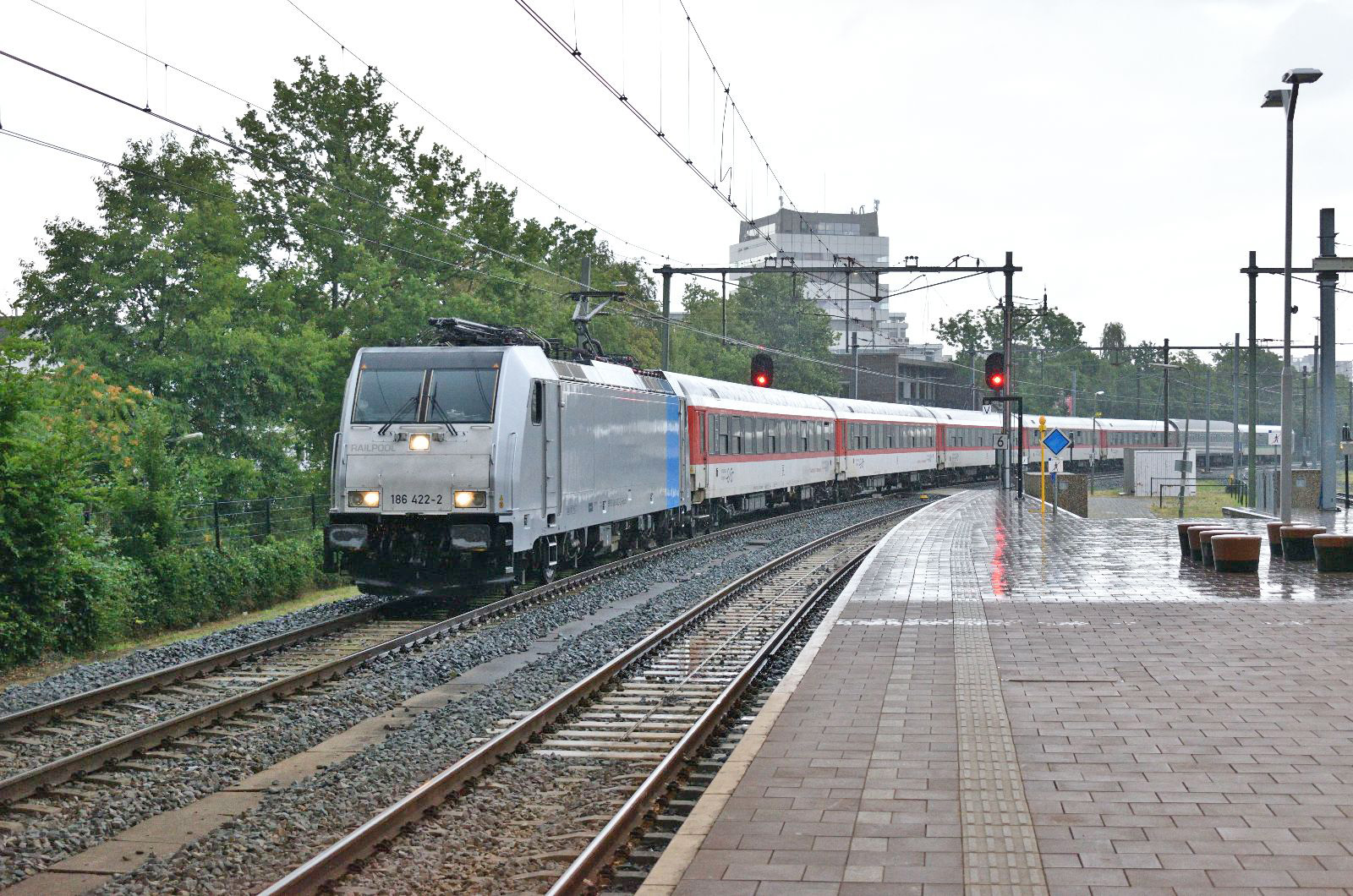
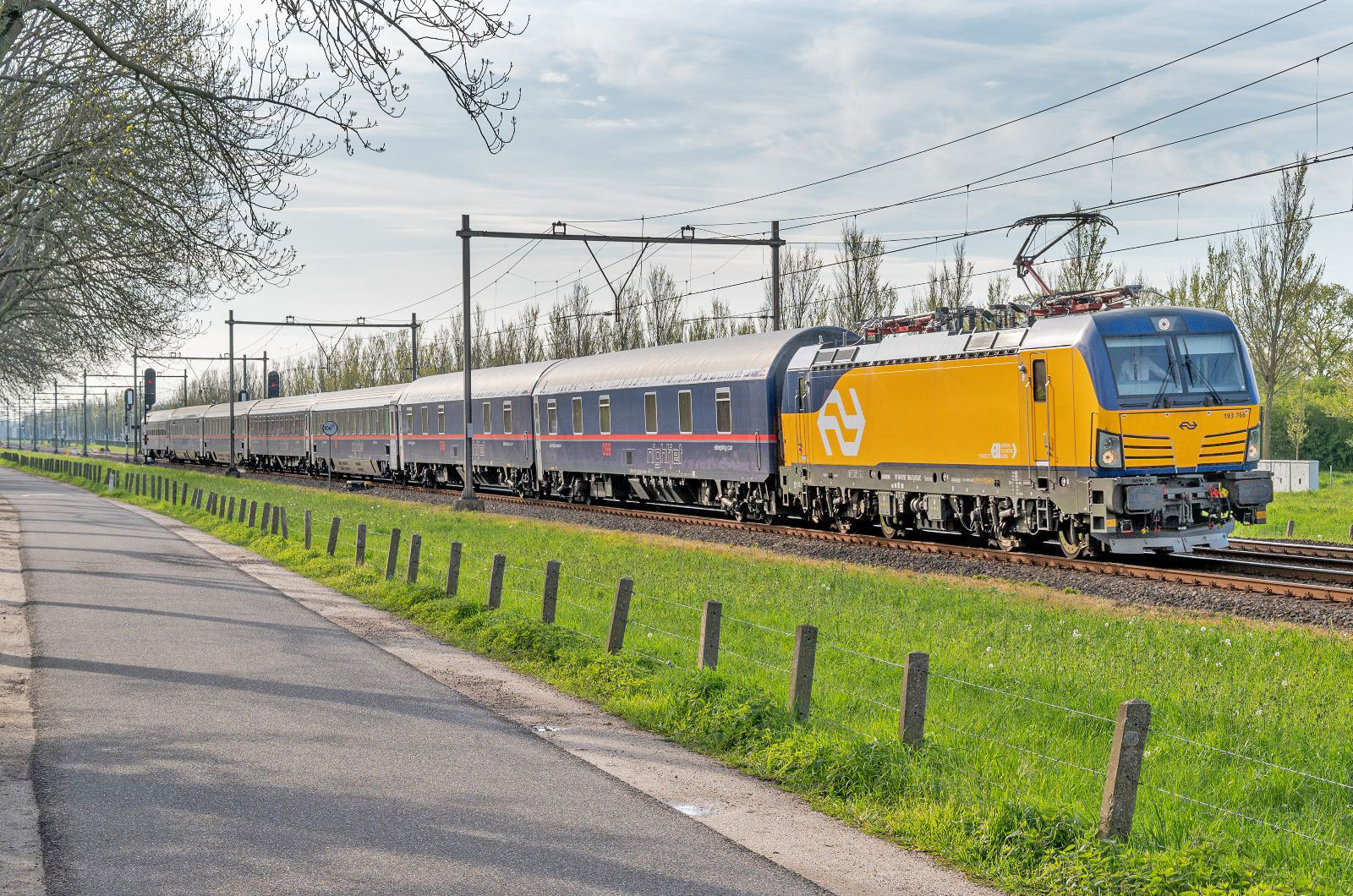
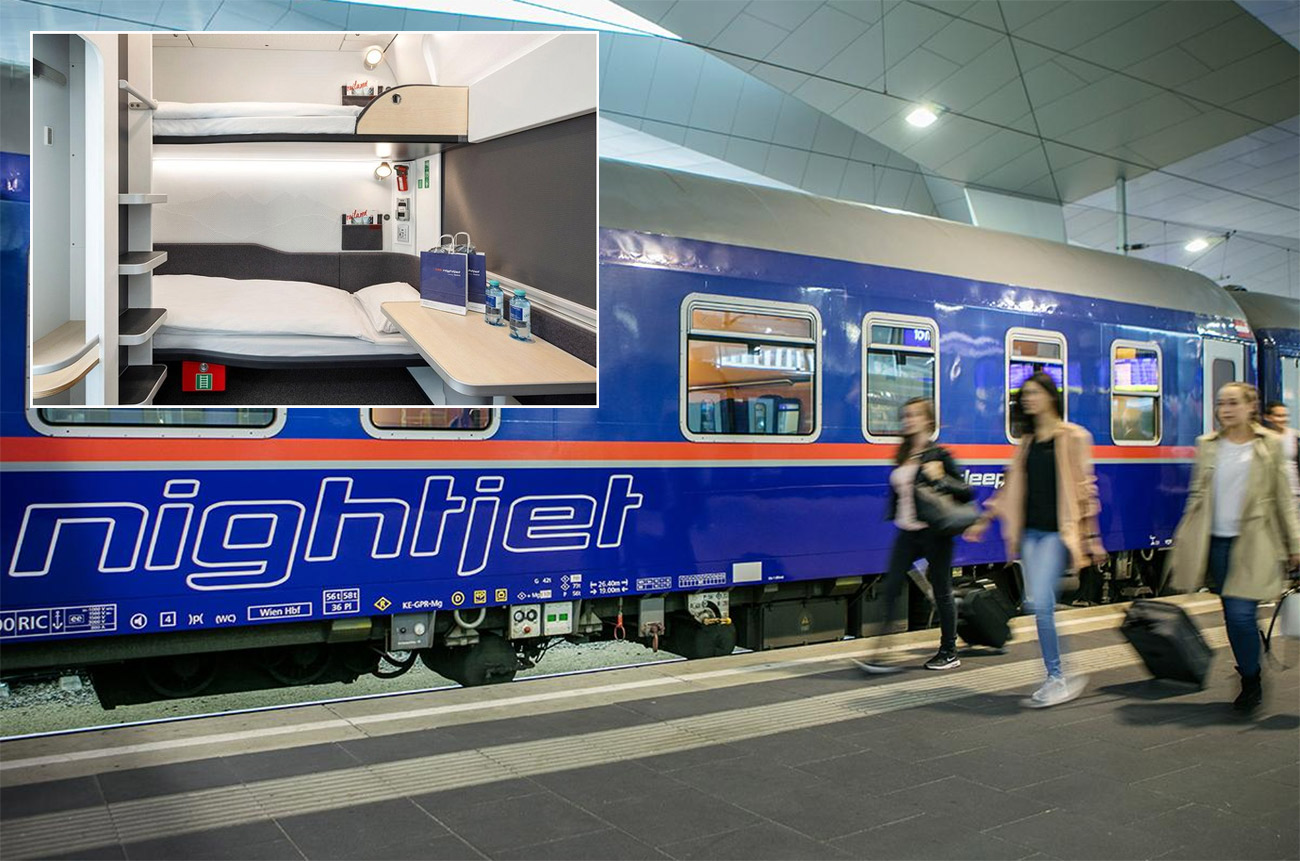
Along with the odd private enterprise, the resurgence in popularity of sleeper trains across Europe is largely thanks to the Austrian state-owned railway company, OBB, which launched its Nightjet brand in 2016.

If you look at the departure board at Vienna station in the early evening it more closely resembles an airport’s departure board than a railway station destination guide, with an abundance of trains running to places far and wide, mostly thanks to OBB investing in sleeper train services and partnering with other railway companies.


10. Nightjet network
10. Nightjet network

There isn’t enough room to list every route, but in essence, the Nightjet network helps to link the Netherlands, Belgium, Germany, Austria, Switzerland and Italy with comfortable and regular overnight trains from city centre to city centre.  At present, the company operates 19 trains under the Nightjet brand though this figure does not include various different portions or indeed its partnerships with other railway operators.

Furthermore, the company is investing in fleet: the ‘new generation’ of brand-new carriages built by Siemens have been introduced onto the Hamburg – Vienna / Innsbruck routes, with others to follow.

Journey time: varies, see https://www.nightjet.com/en/ for full list of routes.

Fares: From €49 (US$54, £41) with a couchette in 6-berth, €59 (US$66, £49) with a couchette in 4-berth, €89 (US$99, £74) with a bed in a 2-bed sleeper or €129 (US$143, £108) with a single-bed sleeper.


9. Vienna – Bucharest
9. Vienna – Bucharest

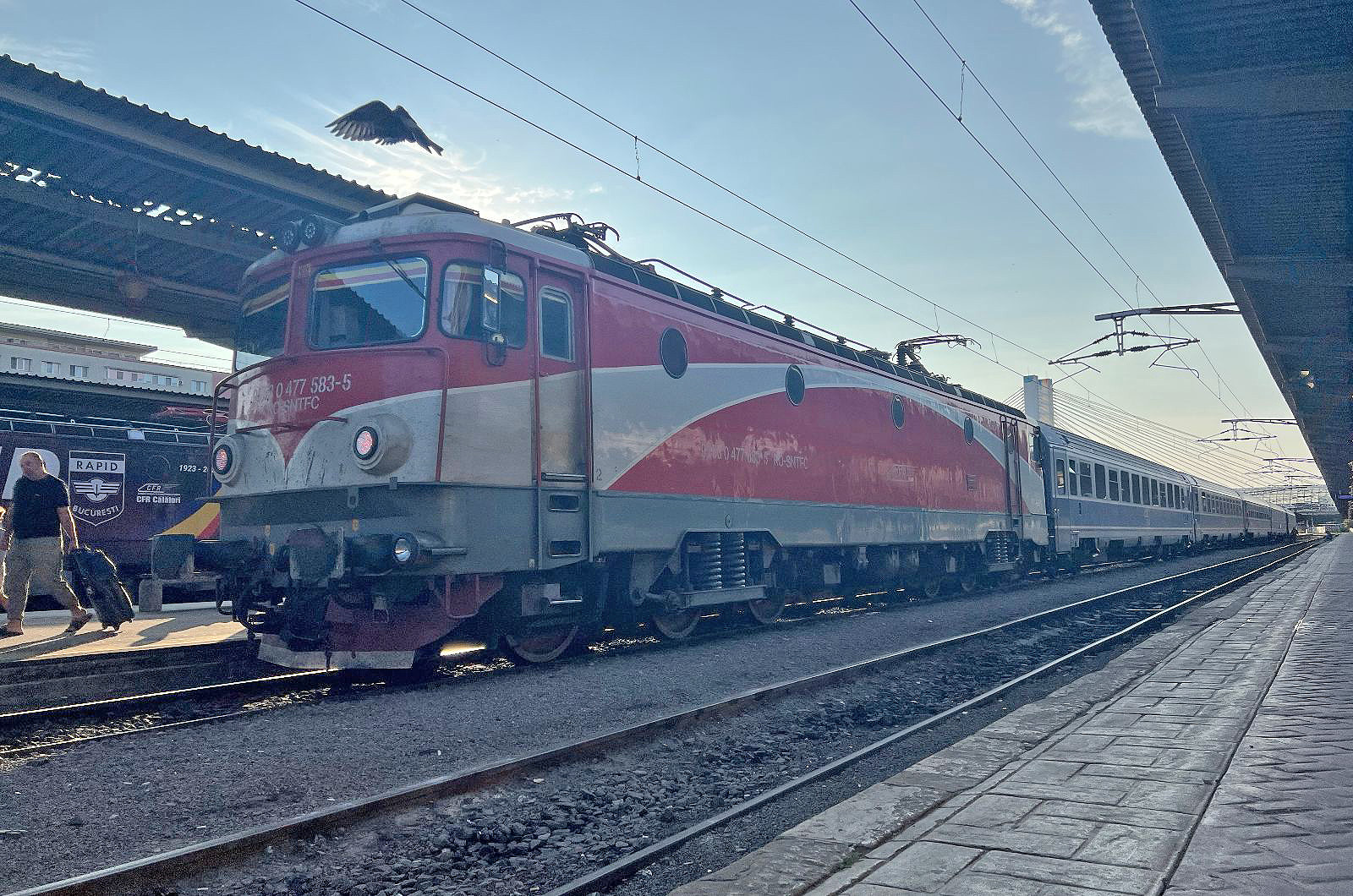
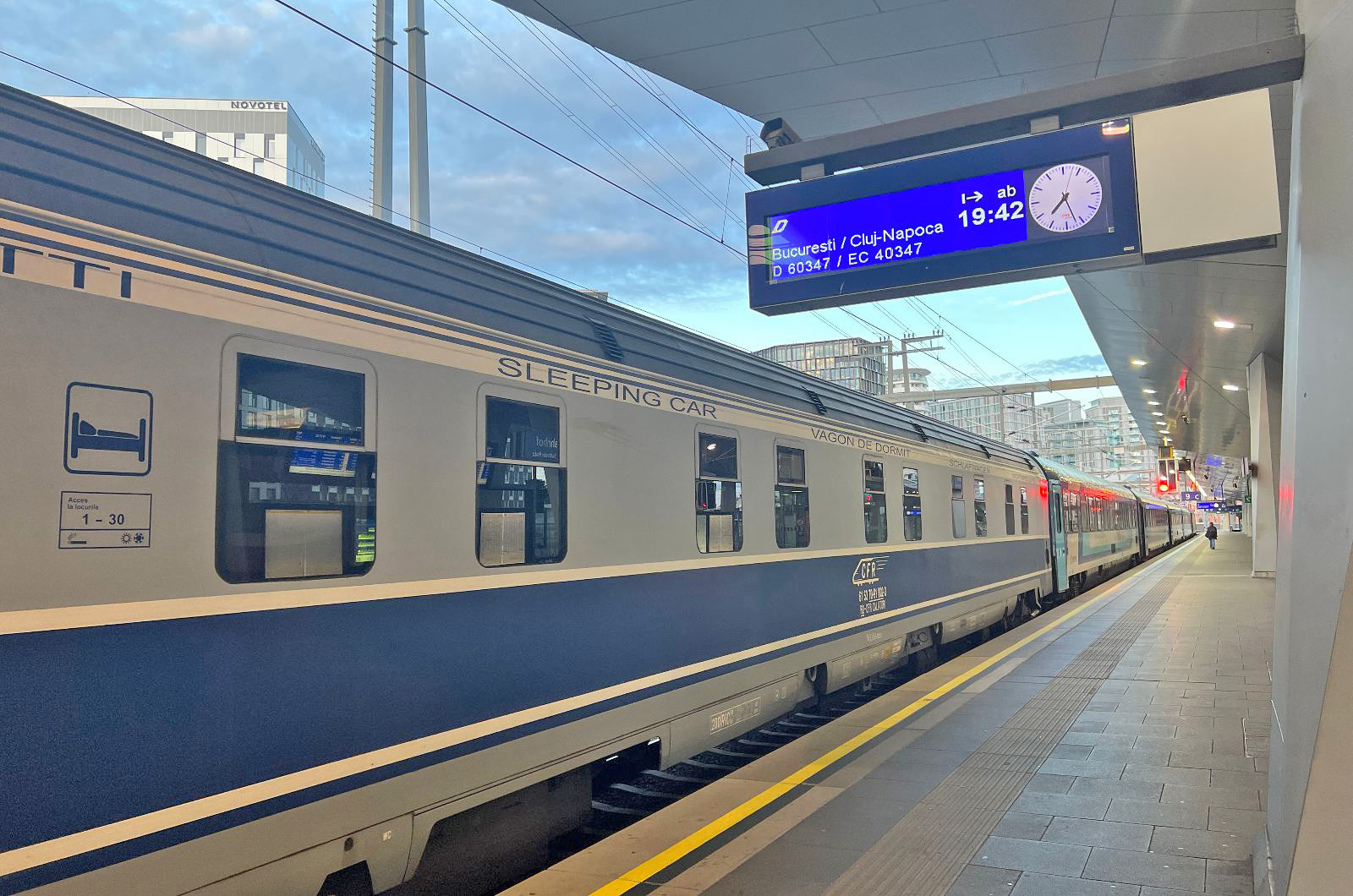
Had this piece been written in 2022 the Dacia Express would have ranked higher, however, at the end of December its restaurant carriage had been discontinued. A great shame, as tales of the food offerings – especially the mixed grill – lived in railway folklore. Alas, the train – which comprises solely of smart Romanian rolling stock – only has a small buffet carriage which only serves light refreshments during the 18-hour journey.

Back to top

Like the Corona, if you travel on the Dacia Express expect to be awoken during the middle of the night for passport checks as it crosses between Hungary and Romania.


9. Vienna – Bucharest

9. Vienna – Bucharest

However, you have plenty of time to catch up on any missed sleep during the morning. Having travelled on the Dacia Express it struck me that speed was not exactly a priority; for a lot of the journey the train barely travelled any faster than a heritage railway. The slower speed did afford a chance to take in the scenery out of the window though, the highlight of which was the sections travelling through Transylvania and the Carpathian Mountains.

Like the sleeper trains to and from Sicily, the Dacia Express, tourists are in the minority: when I travelled, a Dutch couple in the adjacent berth were travelling to a small village where they volunteer; they previously helped raise money to connect it to the main electricity and water networks.

Journey time: 18 hours

Price: From €59 (US$66, £49) with a couchette in a 6-berth compartment, €69 (US$77, £58) with a couchette in a 4-berth compartment, €79 (US$88, £66) with a bed in a 3-berth sleeper, €99 (US$110, £83) with a bed in a 3-berth sleeper or €159 (US$177, £133) with a bed in a single-berth sleeper.


8. Brussels – Berlin / Prague

8. Brussels – Berlin / Prague

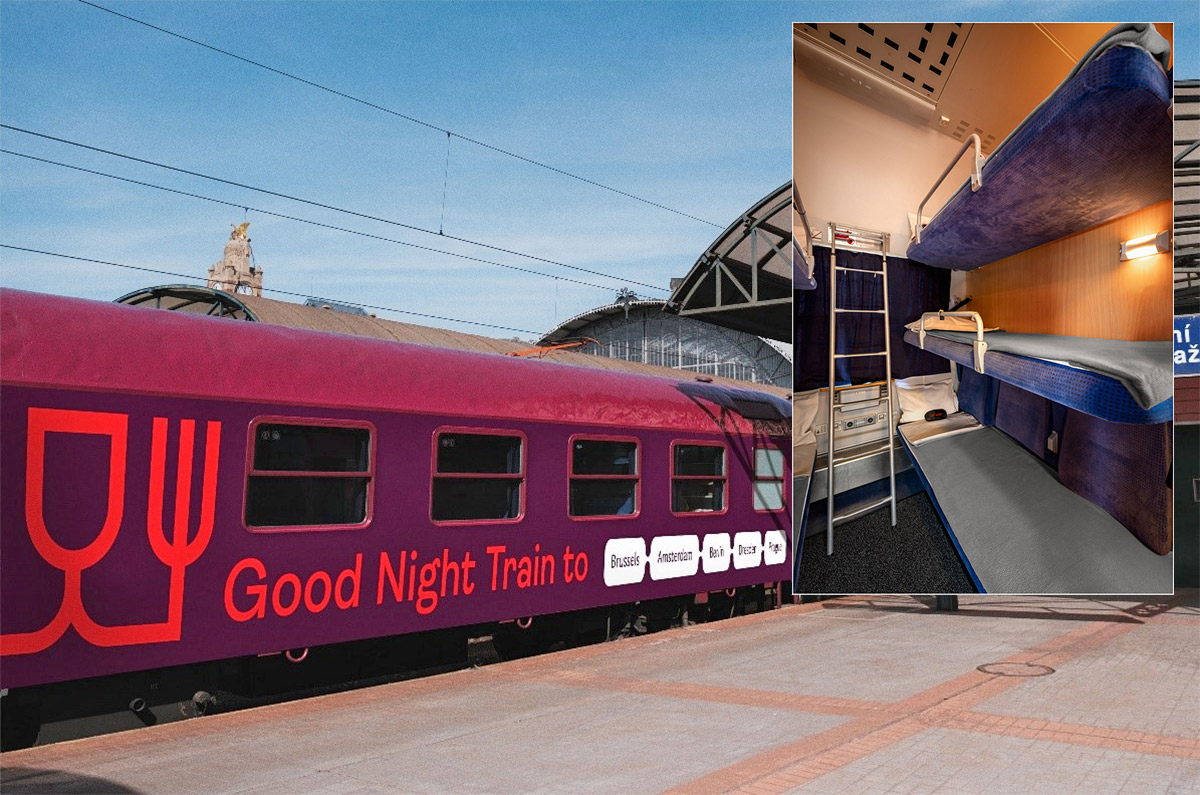
If you need further proof that sleeper trains are rising in popularity look no further than European Sleeper: founded in 2021, the open-access operator revived the Brussels to Berlin sleeper train route in 2023 and extended the service to terminate in Prague earlier in the year.

As a result, it means Prague is now just one change away from London: hop on a lunchtime Eurostar, swap platforms in Brussels, go to sleep on the train and wake up in the Czech Republic. The perfect embodiment of the advantages sleeper trains brings?


8. Brussels – Berlin / Prague

8. Brussels – Berlin / Prague

It’s generally accepted that sleeper trains require heavy subsidies – or have high fares – in order to prosper so it is only a positive that the open-access operator is able to offer an affordable and much-needed connection across Europe.

Back to top

At the moment, this is the company’s only route, but it has plans to offer journeys to Barcelona and into Scandinavia in the future. For fans of tucking into bed in one city and waking up the next morning hundreds of miles away, this can only be a positive development if the firm is able to put its plans into action.

Journey time: 15hrs 30mins.

Price: From €49 (US$54, £41) in a seat, €79 (US$88, £66) with a couchette in 6-berth, €159 (US$177, £133) with a bed in single-bed sleeper.


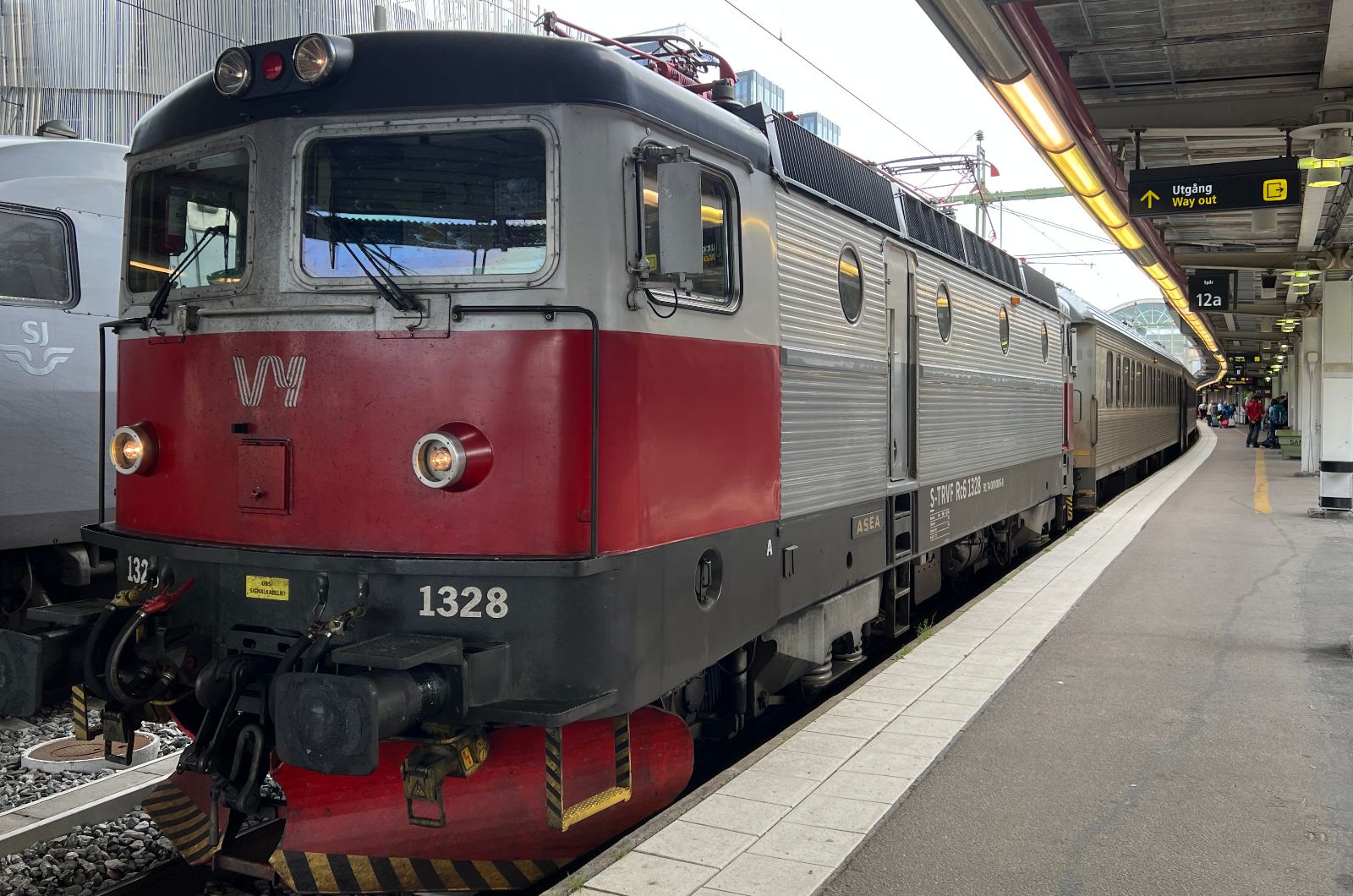
7. Stockholm – Narvik

7. Stockholm – Narvik

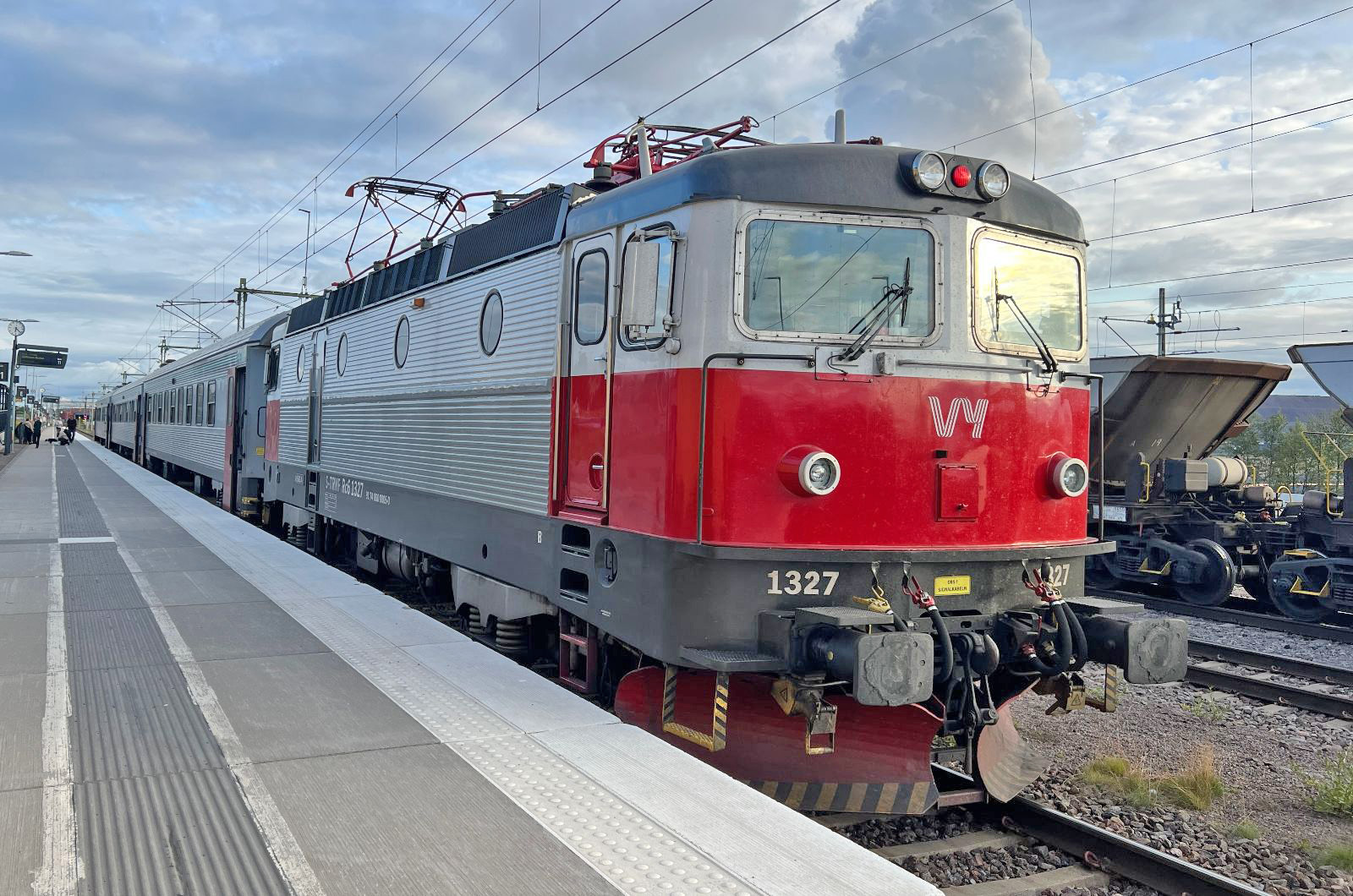
Running seven days a week, the 18-hour journey connects the Swedish capital with towns and settlements well inside the Arctic Circle, ultimately running to the world’s northernmost standard-gauge railway station.

As you would expect for a journey of this length, the views out of the window were ever-changing: I travelled on this train (albeit from Narvik to Stockholm) in 2023: the Norwegian mountains and fjords gave way to miles and miles of forestry either side of the Arctic Circle – the border of which is disappointingly not marked with a sign – and mining communities.


7. Stockholm – Narvik

7. Stockholm – Narvik

Waking up the next morning, I found myself passing a lot more civilisation before arriving into Stockholm in the middle of the morning – perfect timing for those may wish to spend a day in the capital, or in my case, an ideal time to arrive to connect with services continuing south. For those arriving into Narvik, there are bus connections to other points north, such as Tromso.

Given the nature of the route, a winter journey will be rather different to a summer trip: when I travelled in August 2023, the sun set at 11pm, while those undertaking a trip in the midst of winter might well find the majority of the journey will be completed in the dark.

Journey time: 18 hours

Prices from: 500 SEK (€50, US$56, £42)

Back to top

6. Villach – Edirne

6. Villach – Edirne

A handful of car-carrying trains still run in Europe and the Optima Express which connects Austria and Turkey – is perhaps the most useful of the remaining routes. Run by private company Optima Tours, the journey takes either two nights and one day or two days and one night, depending on which date you book. The train features covered car-carrying wagons and couchette carriages.


6. Villach – Edirne

6. Villach – Edirne

According to Optima Express’ website, the train can accommodate cars up to 270cm high – so if you have a larger vehicle, it might be worth consulting its dimensions before booking. The train also features a restaurant car which doubles up as a movie carriage and communal area outside of typical mealtimes.

Elsewhere in Europe, a car-carrying train runs between Hamburg and Villach and Hamburg and Innsbruck / Munich. These are run by Urlaubs Express.

Journey time: Two nights and one day or two days and one night

Price: €164 (US$182, £137) in a six-person compartment, €560 (US$622, £468) for sole occupancy, plus up to €560 (US$622, £468) for a car.


5. Budapest – Split

5. Budapest – Split

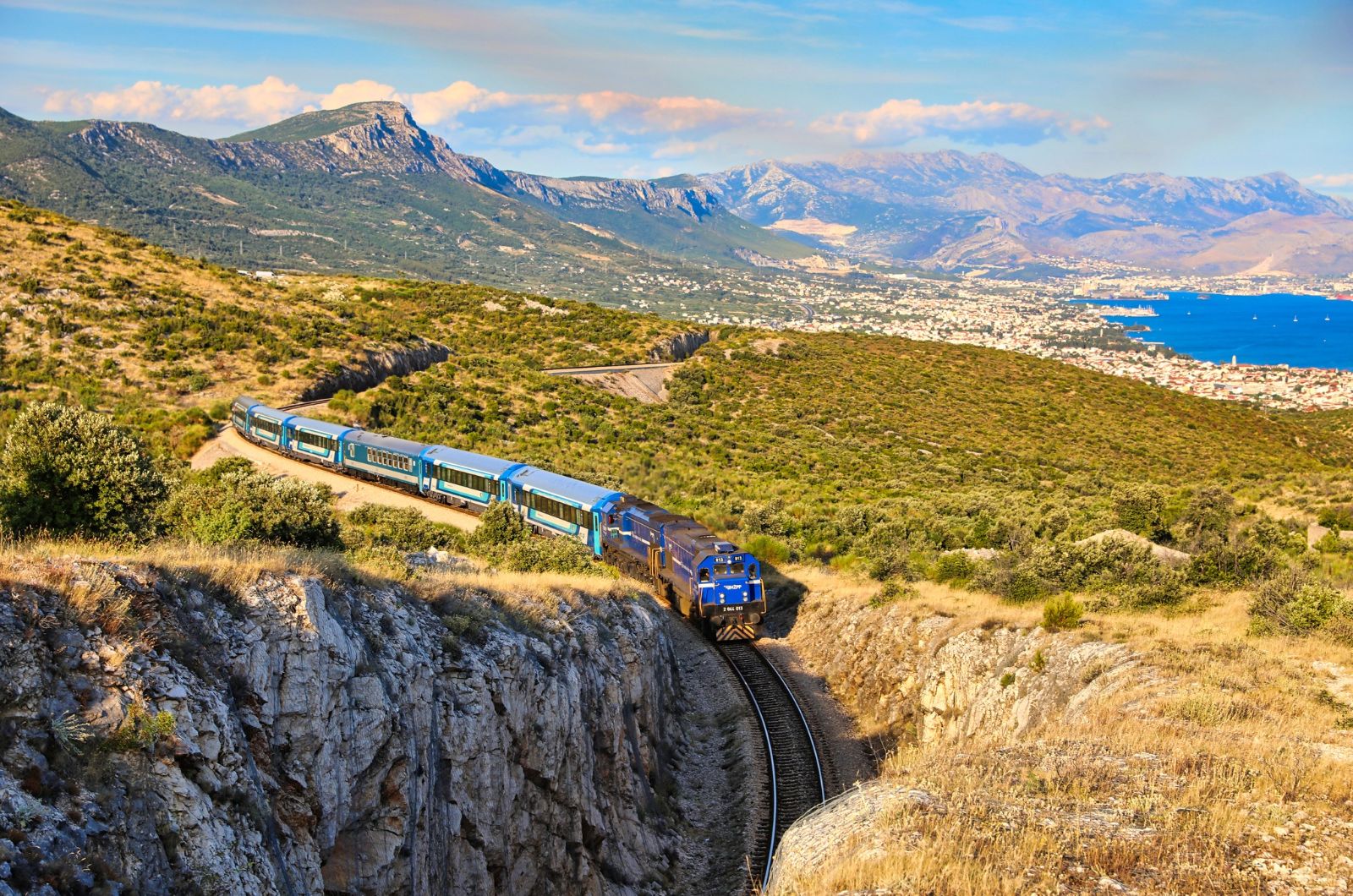
Yes, another Hungarian Railways (MAV) train is included in this list – and for good reason, as the Adria features many of the same qualities as the Corona.  The highlight is the restaurant car, which previously ran in the Hungarian governmental train, and like the counterpart that runs to Romania, it serves a wide variety of freshly cooked meals. What could be better than waking up with a freshly-cooked breakfast while getting glimpses of the Adriatic appearing through the hillside?

However, a word of caution, the train runs in the summer only and three times per week in each direction: Eastbound it runs on Tuesdays, Fridays and Sundays and westbound it runs on Mondays, Wednesdays and Saturdays.


5. Budapest – Split

5. Budapest – Split

Back to top

That being said, it is the civilised way to get to the Adriatic – as MAV’s website puts it, there aren’t any awkward airport transfers. Plus, how many other public trains feature restaurant carriages that were previously used in government trains?

Journey time: 15 hours.

Prices: From €49 (US$54, £41) with couchette in 6-berth, €59 (US$66, £49) with couchette in 4-berth, €64 (US$71, £54) with a bed in a 3-bed sleeper, €79 (US$88, £66) with a bed in a 2-bed sleeper or €119 (US$132, £99) in a single-bed sleeper.


4. London – Fort William

4. London – Fort William

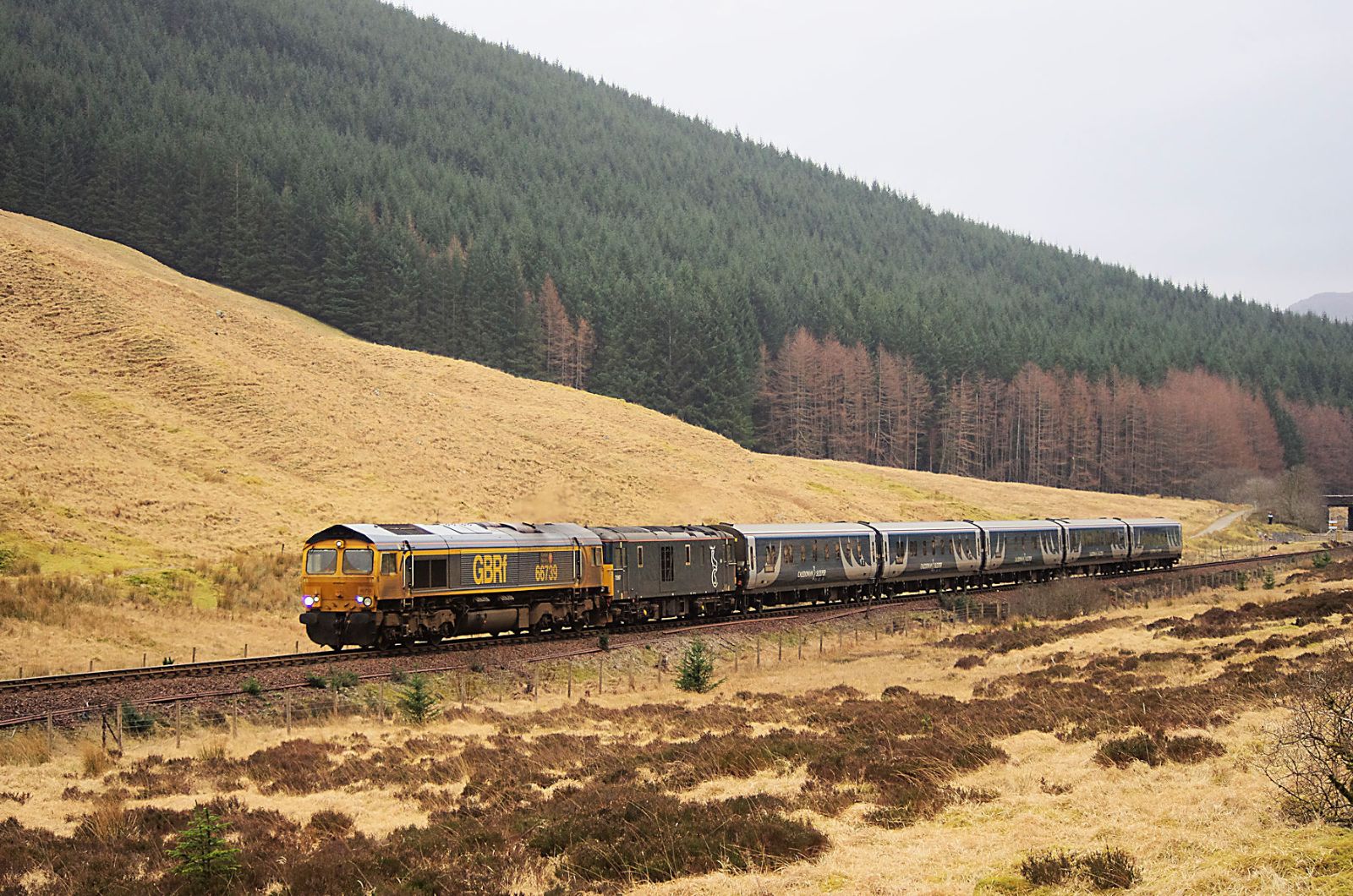
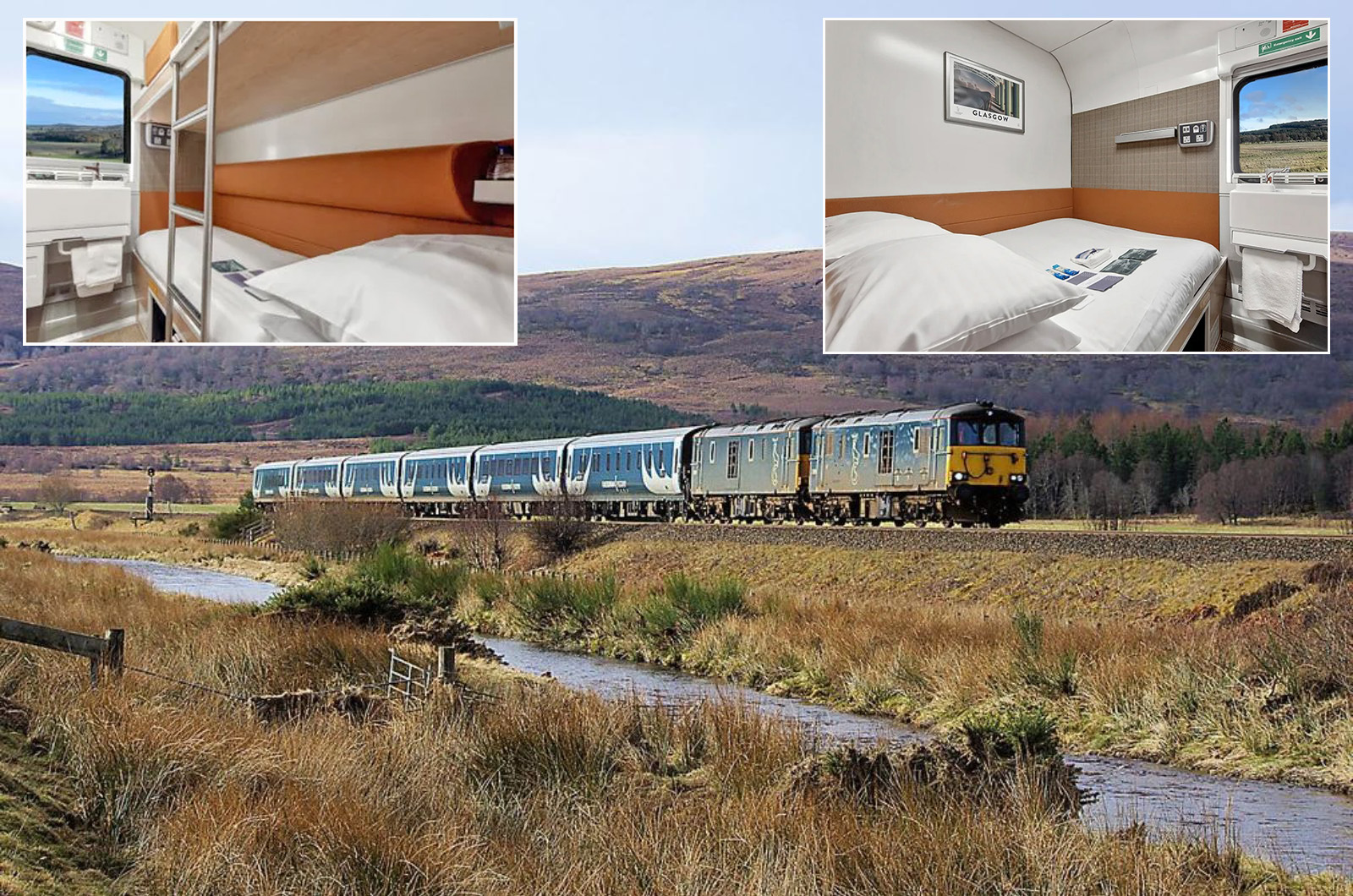
Just two core sleeper train routes exist in the UK today: the Night Riveria from London Paddington to Penzance and the Caledonian Sleeper from London Euston to Edinburgh, Glasgow, Aberdeen, Inverness and Fort William. The pick of the Caledonian Sleeper’s portions is the one that goes to Fort William: go to bed in the capital, wake up in the middle of nowhere in the Highlands where there is minimal mobile phone reception and you’re more likely to see a deer out of the window than a car.

The West Highland Line the route uses is one of the most scenic railway lines in the UK and the route passes through Corrour, Britain’s most remote railway station and also its highest. The Fort William portion stops here: an ideal place to get off if you fancy a hike as the nearest road is 10 miles away.


4. London – Fort William

4. London – Fort William

While it is a bit of a risky connection to book a ticket on the morning departure, the sleeper does connect with The Jacobite that travels along the world-famous West Highland Line extension to Mallaig.

The Jacobite has been running in various forms for the last 40 years, but the steam-hauled charter – and the Glenfinnan Viaduct it crosses en-route to the fishing village - rose to prominence when it was featured in the Harry Potter films. For fans of multi-modal transport, the station at Mallaig is ideally situated to the ferry port, which offers sailings to the Isle of Skye and other smaller islands in the area too.

Back to top

Journey time: 13 hours.

Price: from £40 (US$44, €48) (seat), £140 (US$155, €167) (berth)


3. Budapest – Brasov

3. Budapest – Brasov

There are a few different sleeper trains linking Hungary and Romania but by far and away the best one is the Corona sleeper train, operated by MAV. Designed to connect the Hungarian-speaking area of Romanian Transylvania with the Hungarian capital, the Corona is better than the competition thanks to the rolling stock that forms the service.

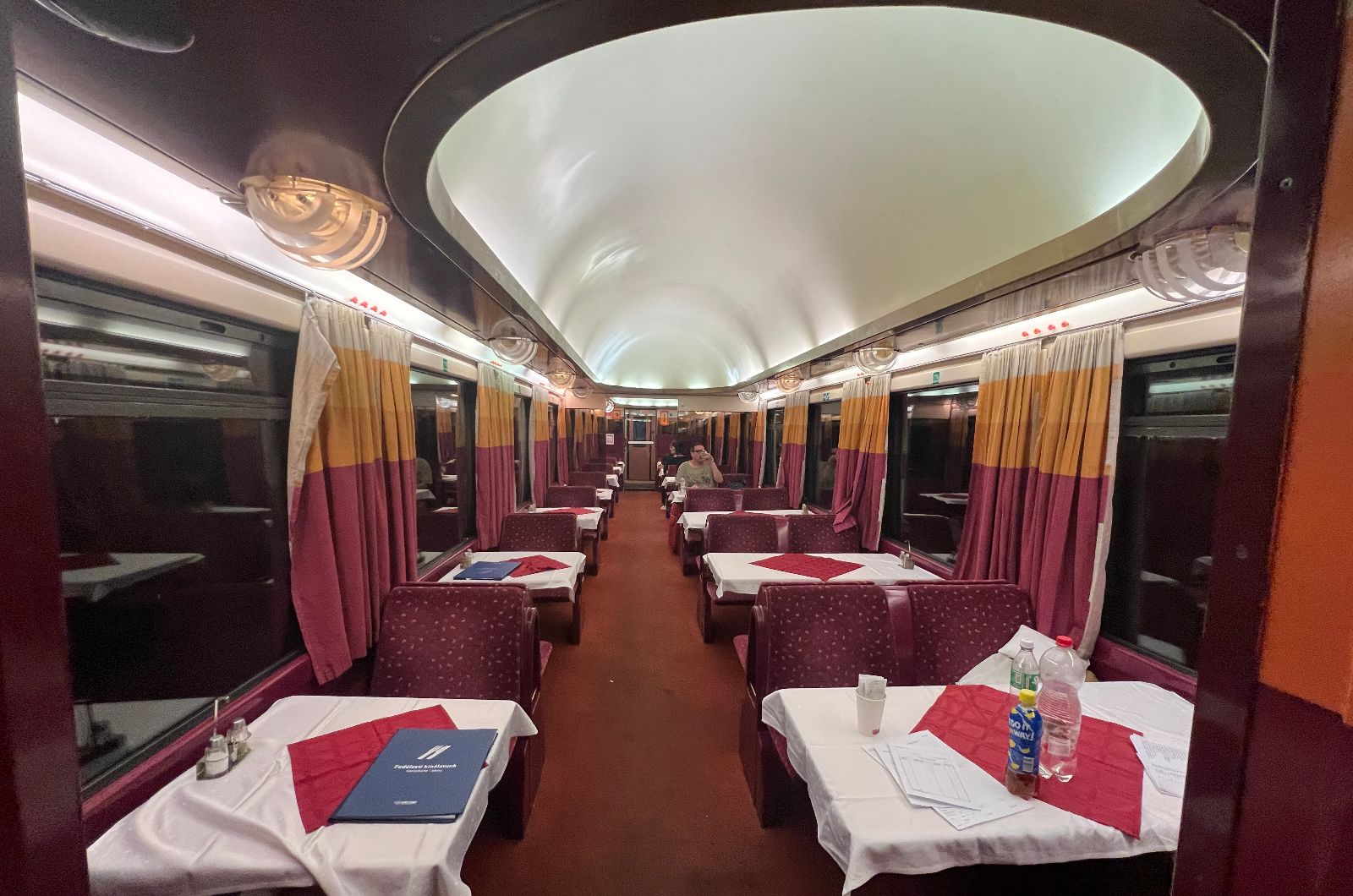
Normally, it is formed of incredibly well-kept Soviet-era wooden panelled sleeping vehicles, while the train also features an immaculate restaurant carriage where breakfasts and dinners are cooked to order and beer is on draught.


3. Budapest – Brasov

3. Budapest – Brasov

A word of caution – this also applies to other trains between the two countries, such as the Ista and the Vienna-originating Dacia Express - as Romania isn’t in the Schengen Area, manual passport controls take place at the border.

Eastbound, these take place at a civilised-ish time – at about 9.30pm Hungarian time – allowing you to have an interrupted night’s sleep, however, westbound this takes place at 4.00am, with two separate checks (one to stamp you out of Romana, one to stamp you into Hungary) about half an hour apart. Needless to say, a thump on the door and a shout of “PASSPORTS” from a border worker does wake you pretty quickly…

Journey time: 14 hours

Price: From €39 (US$43, £33) with a couchette in 6-berth, €46 (US$51, £38) with a couchette in 4-berth, €69 (US$77, £58) with a bed in a 3-bed sleeper, €84 (US$93, £70) in a single sleeper.


2. Milan to Sicily

2. Milan to Sicily

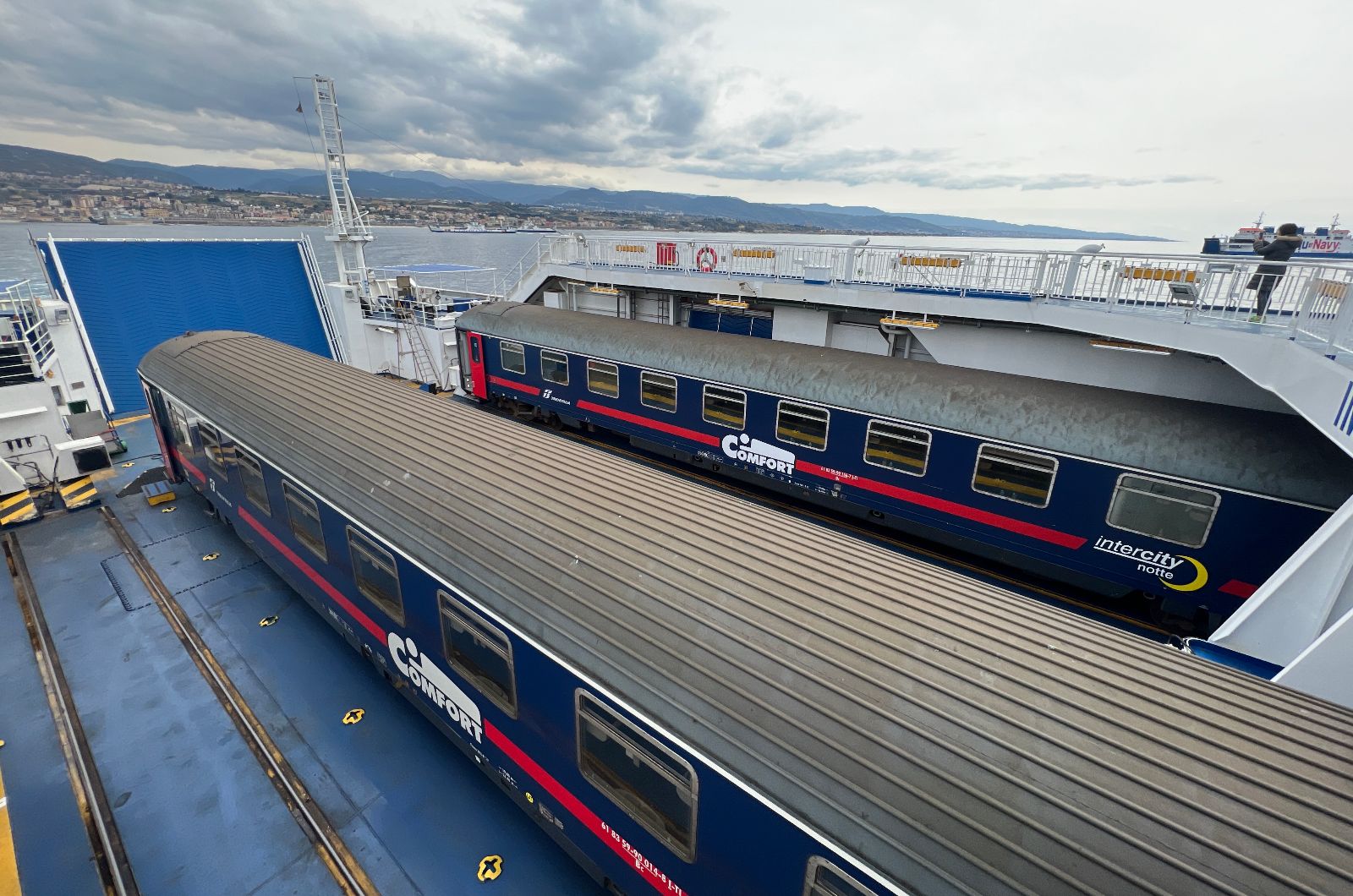
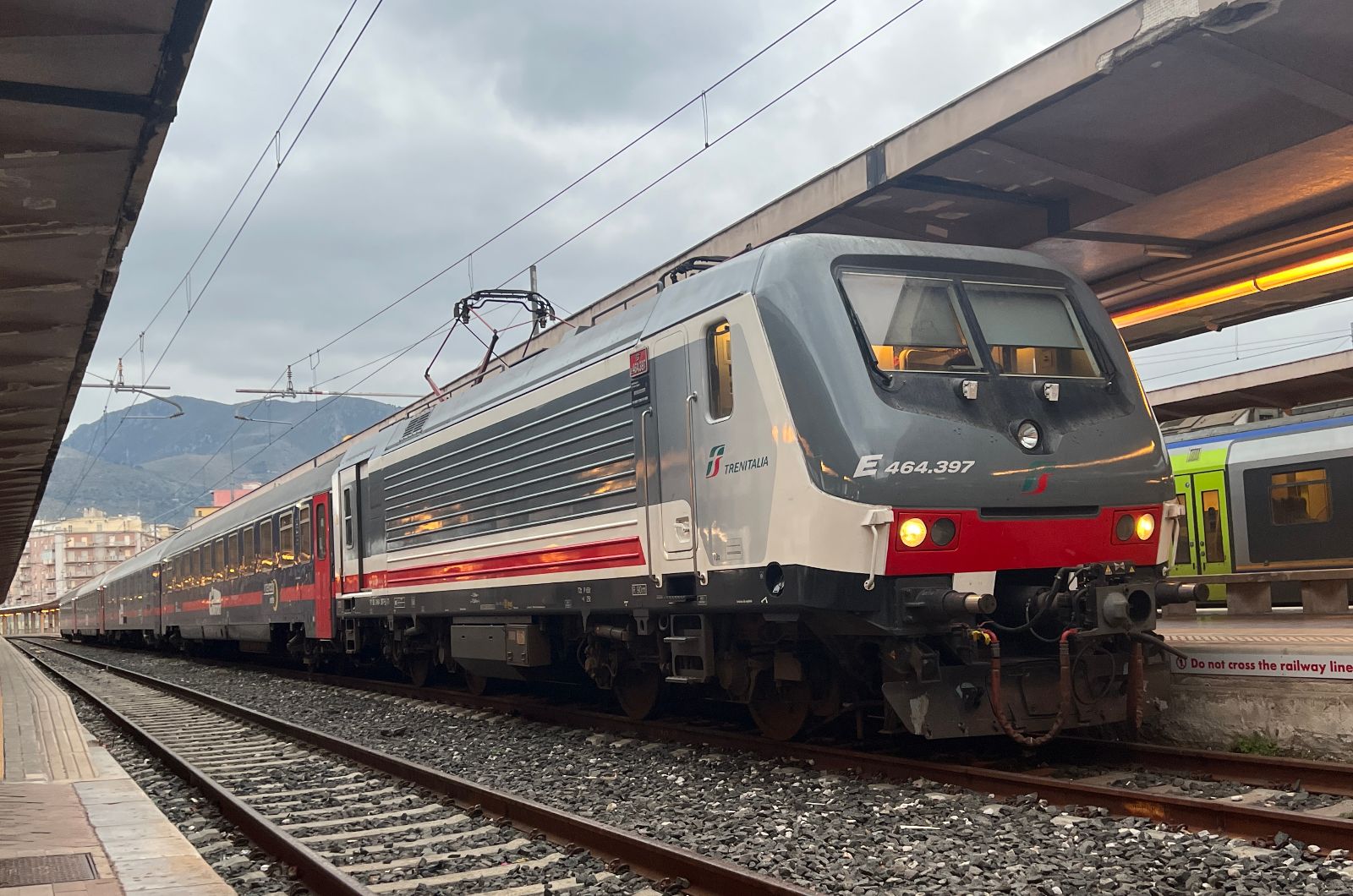
The main draw of the Milan to Sicily sleeper train to the island is how it crosses the stretch of water. In the absence of a bridge or tunnel, trains are loaded onto a ship, the last remaining train ferry in Europe. While the crossing itself only takes around 20 minutes, there is a fair amount of delays at either end, with portions of the train going to Palermo and Siracuse separately.

Back to top

For the enthusiast there’s quite a bit of operational interest: the yards and the ferry itself are not electrified, necessitating in the use of ancient diesel shunters to propel the stock on and off the ferry.


2. Milan to Sicily

2. Milan to Sicily

For many Sicilians, the sleeper trains represent a vital connection to the mainland and tourists are in the minority of passengers. When I travelled in February 2023, the people occupying next-door were returning to the island after working away and visiting a hospital for surgery and seemed confused by the arrangements to get on and off the ferry.

It’s worth noting that the southbound journey during daylight hours runs alongside the Tyrrhenian Sea for miles at a time and if you travel on the Siracuse portion you’ll be able to see Mount Etna, too.

Journey time: 21 hours (Palermo), 19hrs30min (Siracuse).

Price: From €39.99 (US$44, £33) in a four-person couchette, €84.90 ($94, £71) in a single-bed sleeper.


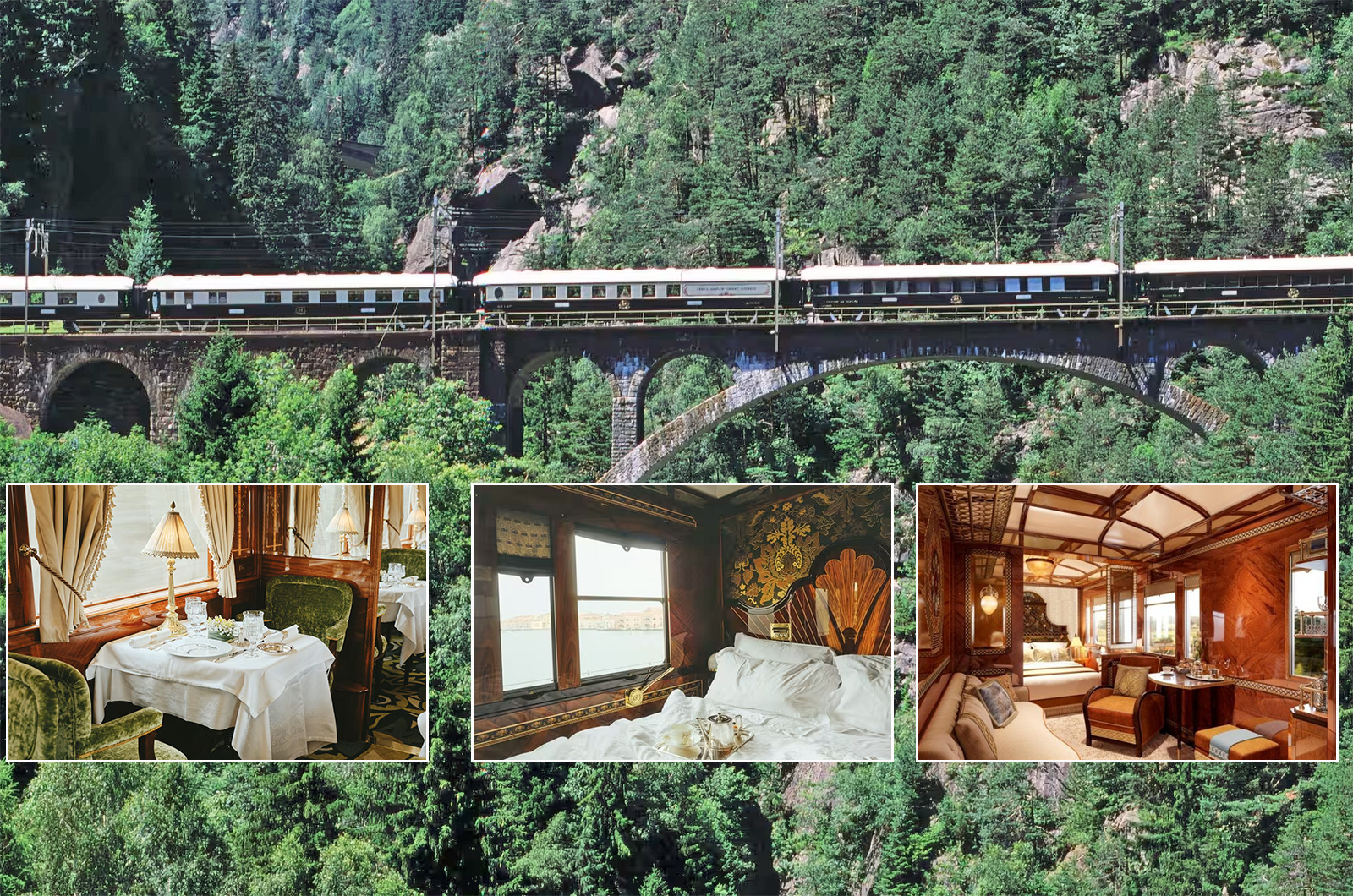
1. Venice Simplon-Orient-Express

1. Venice Simplon-Orient-Express

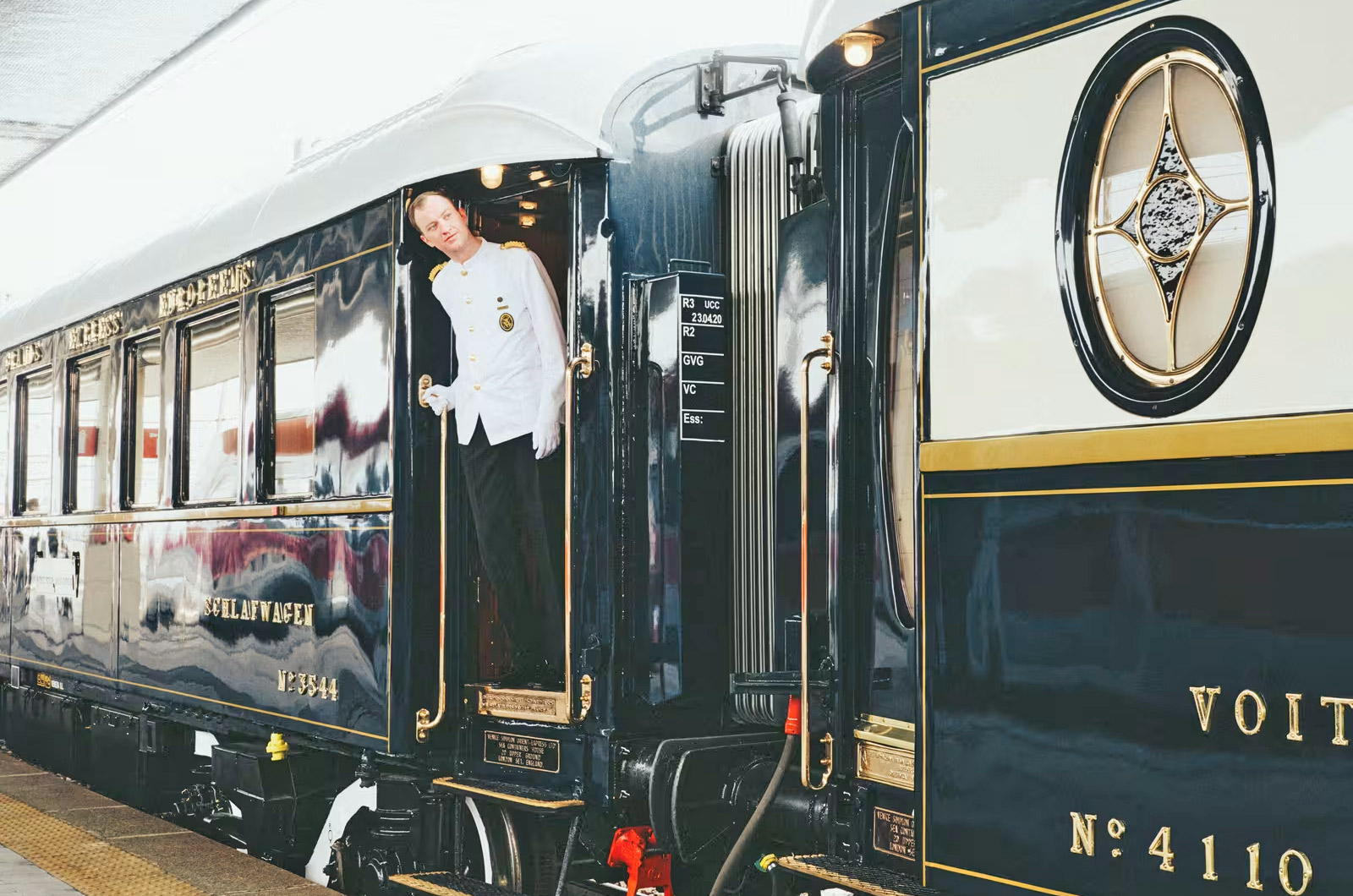
The Venice Simplon-Orient-Express is the most luxurious way to travel between London or Paris to Venice: it features wonderfully restored 1920s, 1930s and 1950s carriages and generally runs once a week.  Prior to 2024, passengers from London would board the Belmond British Pullman from London Victoria to Dover, then travel under the Channel Tunnel in a coach before joining the main train at Calais, however, from 2024, passengers take a Eurostar to Paris and then transfer to the luxurious train.

The train features a piano bar carriage and two restaurant carriages - all meals are included in the £3353 (US$4500, €4010) fare.


1. Venice Simplon-Orient-Express

1. Venice Simplon-Orient-Express

For many people – rail enthusiast or not – a trip on the Venice Simplon-Orient-Express is something everyone must do at least once, thanks in part to the name: if someone mentions the Orient-Express you instantly think of luxury on rails. However, there is no such thing as the original Orient Express.

Back to top

The Orient Express was a service, not one specific set of coaches.  The Orient Express used different rolling stock at different times in its long history, and at any given time it required more than one set of coaches to operate. That being said, the carriages are beautifully restored and have been in operation as part of the tourist-focused Venice Simplon-Orient-Express train since the early 1980s.

Journey time: 26 hours

Prices: From £3353 ($4500, €4010)

If you enjoyed this story, please click the Follow button above to see more like it from Autocar


Join our WhatsApp community and be the first to read about the latest news and reviews wowing the car world. Our community is the best, easiest and most direct place to tap into the minds of Autocar, and if you join you’ll also be treated to unique WhatsApp content. You can leave at any time after joining - check our full privacy policy here.

Add a comment…