
Another week, another Prime Minister, another new Government and another set of priorities.
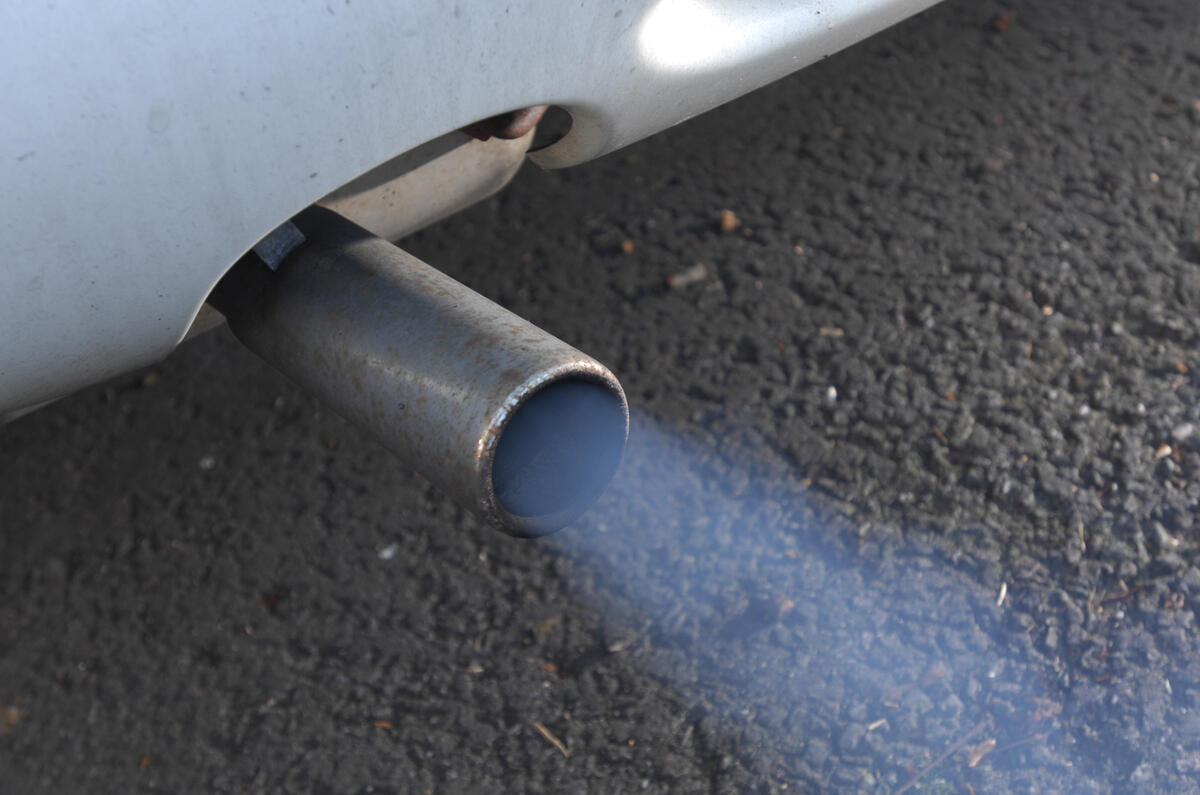
Rishi Sunak’s government is billed as being geared around building economic stability and tough decisions that go with it. Yet one decision taken by the government, the 2030 ban on the sale of non-electric cars, is having some unintended but entirely predictable consequences.

Join the debate
Add your comment
Good points, well made but it does tend to ignore the responsibilities that the car industry has in all this. They have known for some time about all of these issues yet appear to have taken no concrete steps to tackle them.
The chip shortage has meant that all new car sales lately have been biased towards the expensive end of model ranges. Car industry profits have been maintained by this but the effect has already been to push up used car prices and thus slowed down the transition to newer less polluting ICE vehicles. The transition to 2030 (and more particularly whatever the EU finally agrees) ought to be the period where the population of the best ICE cars is boosted to create a value buffer and to get old high polluting cars off the road. We dont need new model year / expensive iterations that require huge capital investments, we need to run out the maintained tooling to create inexpensive cars so that the ongoing population of ICE cars is the best it can be. That it may not have all the latest electronic bells and whistles is immaterial to the pollution issue and does in any case provide an incentive to spend a bit more on an electric car where that can be afforded. Financially, the sale of lower cost cars such as these (little capital or development cost) can subsidise the development of lower cost battery cars instead of the ridiculous situation at present where a normal family sized electric seems to cost £50,000, and all manufacturers seem to trip over themselves to spend their development budgets on even more expensive models.
Governments could get behind this by creating a list of the most polluting cars currently on the DVLA database and giving incentives to scrap them if they are replaced with a more modern less polluting ICE car. Or a bigger incentive if replaced with a battery car. It is counter productive at the moment to provide incentives to scrap newer less polluting cars to subsidise battery car sales. Lets not lose sight of why we are doing all this in the first place.