

Early autumn has a good claim to be the best time of year for a European road trip. The school-holiday traffic has gone, ferry and Eurotunnel prices tend to ease off, and there's still enough warmth in the air for an enjoyable coastal detour on the way home. Whether you're aiming for the Dordogne, the Dolomites or simply a long weekend in Bruges, driving your own car across the Channel remains one of the most flexible ways to see Europe – you set the itinerary, you carry what you like, and you're not tied to a departure gate.
But the rules of the road change the moment you roll off the ferry or out of the tunnel, and getting caught out by an unfamiliar law – or an unroadworthy tyre – is no way to start a holiday. Here's what to check, pack and know before you go.
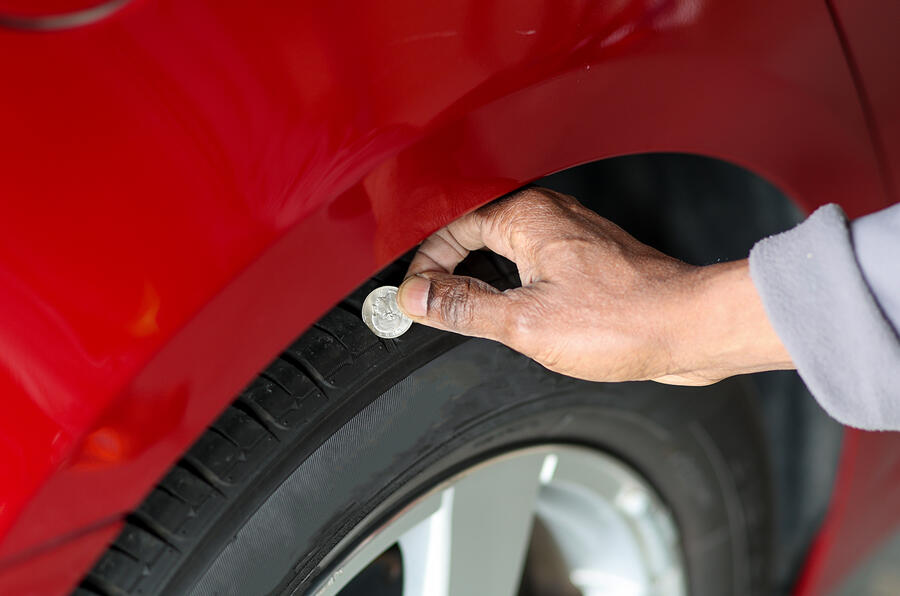
Get your car an all-round check before crossing the Channel
Sort your paperwork before you set off
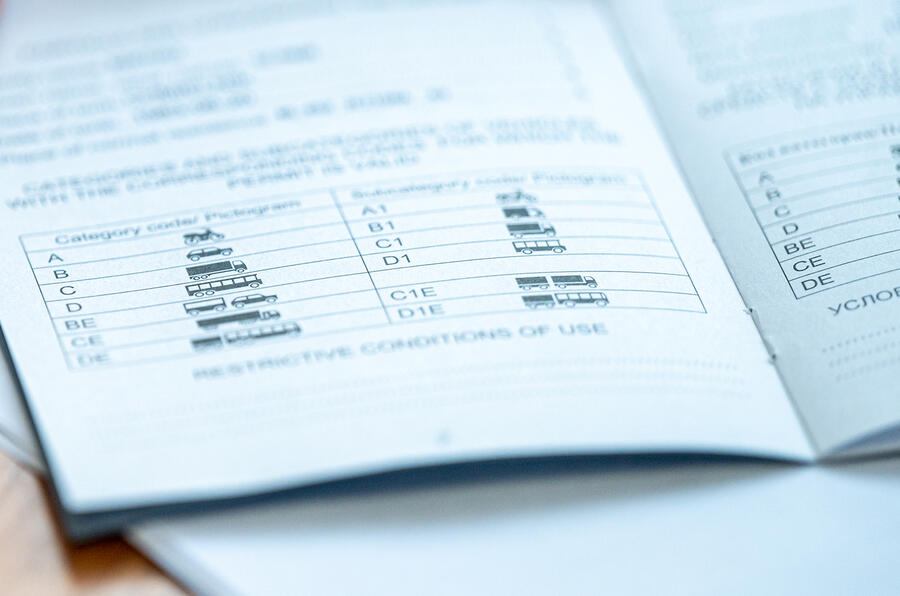
Start with the basics: a passport valid for your destination (most of Europe requires at least three months' validity beyond your return date, so it's worth checking before you book), your full driving licence, and proof of insurance. If you're driving a car that isn't registered in your name, carry the V5C logbook or, if you've borrowed or hired the car for under 12 months, a VE103 permission-to-drive form.
The good news is that the paperwork pile has shrunk slightly since Brexit's early years. You no longer need a green card to prove insurance cover in the EU, and an International Driving Permit is only required if you hold an old-style paper licence, or one issued in Gibraltar, Guernsey, Jersey or the Isle of Man. It's also worth packing a Global Health Insurance Card (GHIC) alongside your travel insurance – it's free to apply for and covers state-provided medical treatment while you're away.
Display the correct sticker and adjust your headlights

If your number plate already carries the UK identifier with the Union flag, you're covered. If it shows the older GB flag, or just letters and numbers with no flag at all, you'll need a UK sticker fixed to the rear of the car. Spain, Cyprus and Malta ask for the sticker regardless of what's on your plate, so it's worth carrying one anyway. You can also get reusable magnetic versions, but a word of caution – not all tailgates are constructed of steel nowadays, so it’s worth checking your car with a small magnet first to check it will stick.
Don't forget your headlights, either. The dipped beam is set up to dip slightly less towards the nearside verge, which means they'll dazzle oncoming traffic the moment you're driving on the right. Beam deflector stickers cost only a few pounds and take moments to fit – cheap insurance against a telling-off from an unimpressed gendarme. Some cars with adaptive headlights can also be switched to driving on the right within their settings.
Pack the correct safety kit to stay legal
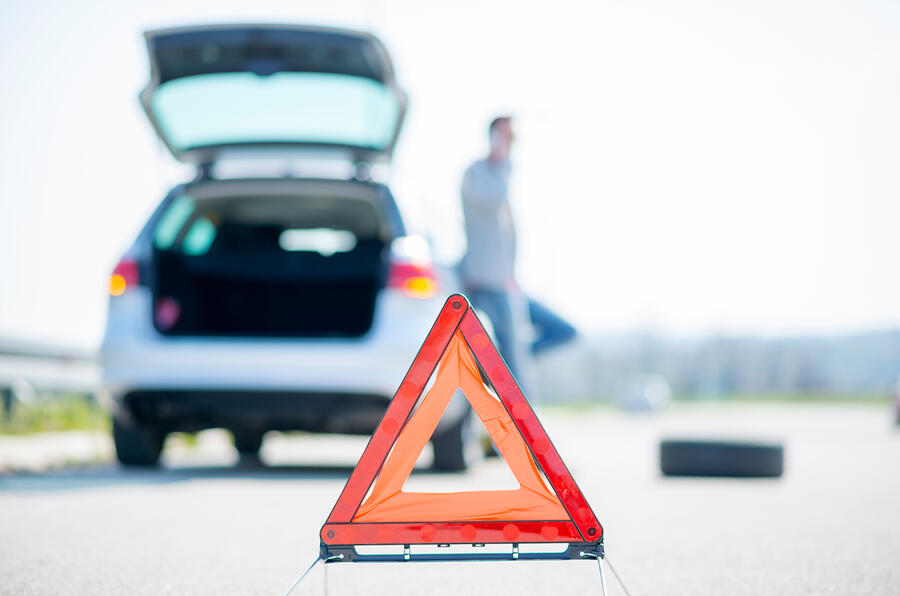
Most of Western Europe has rules saying you must carry a warning triangle and a hi-vis vest for every seat in the car, with the vests kept accessible in the cabin rather than the boot, so they're within reach if you break down on the hard shoulder. A first aid kit is compulsory in several countries too, and while breathalysers stopped being a legal requirement in France back in 2020, they're still a sensible thing to have given how strict French drink-drive limits are.