Currently reading: Aftermarket trackers key to stolen car recovery as factory tech fails

Subscription-service trackers nudge 99% success rate, highlighting weaknesses in OEM kit

Nearly three quarters of vehicles reported stolen in the year ending March 2025 were never recovered, according to the latest Crime Survey for England and Wales.

Yet tracker companies report that recovery rates for vehicles fitted with professionally monitored tracking systems are between 95% and 99%, which highlights serious shortcomings in factory-fitted locator systems.

Steve Launchbury, principal engineer for automotive security at Thatcham Research, said high recovery rates are exactly what he'd expect from approved stolen-vehicle recovery systems.

"I think with all data, there is a degree of how you read it," he explained. "But certainly in terms of Thatcham's certified tracking products, they have a really good recovery rate on them, and that's why we often communicate the necessity for some of these devices, particularly on highly targeted models."

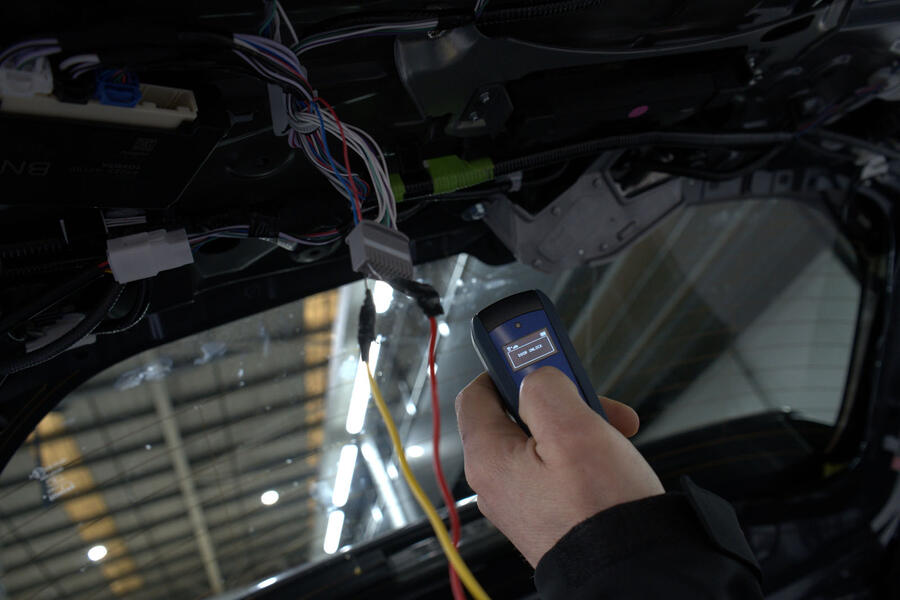
According to Launchbury, pictured below, experienced thieves know exactly where manufacturers fit the embedded SIM card used by connected vehicle services. One of their first jobs after stealing a car is to rip out components such as the infotainment unit to gain access to the tracking hardware.
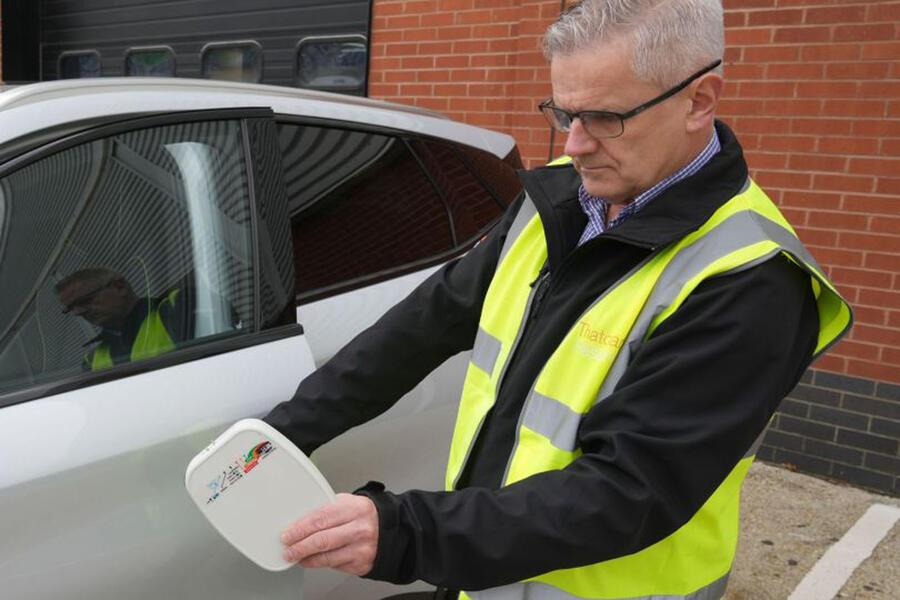
"Ultimately, you can't locate the vehicle," he said.

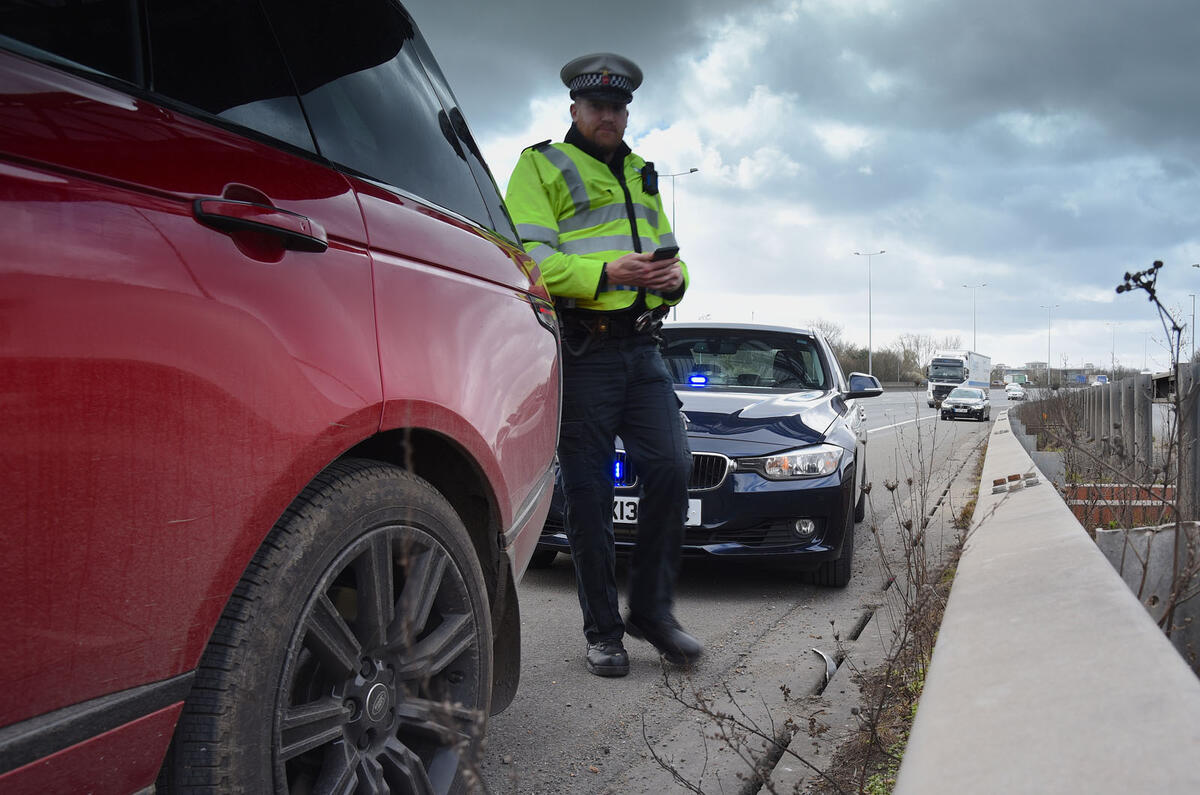
Detective chief inspector Kate Brummell agrees: "Vehicle crime has become increasingly sophisticated and technology-enabled, and what was once perhaps considered a petty crime is now far more likely to be linked to organised crime."

Neil Thomas, director of investigative services for Inn-Track, said that's exactly what his company sees. The stolen vehicle recovery specialist finds that more than 90% of the vehicles it recovers have already had their factory-fitted connected technology compromised or disconnected.

Launchbury added: "That's where the covertness of the retrofit aftermarket systems comes into their own, because obviously [the criminals] weren't aware there was another product in the vehicle."

Thomas said the difference is that dedicated recovery systems "are designed to remain hidden". He explained that, unlike factory-connected systems, they have their own battery and remain dormant until activated. This, he said, makes them much harder for thieves to detect electronically.

"Most tracking devices report a signal constantly," he explained. "With ours, it doesn't report until we tell it to. So it can't be electronically 'wanded' - and because it's small and hidden away and not hidden in the same place every time, it can't be found either."

Back to top

Not all trackers are equal

Launchbury also cautioned against relying on Bluetooth tags such as Apple's AirTag or Samsung's SmartTag to recover a stolen vehicle. Unlike dedicated stolen-vehicle recovery systems, he said, such devices were designed to help people find lost or mislaid property, not recover stolen cars.

"You're going to be telling the criminals where it's located shortly into the journey," he said. "It's going to go 'beep, beep, beep' and they're going to locate it and throw it away."

Instead, Launchbury said drivers shopping for a dedicated stolen-vehicle recovery system should look for one that is certified to Thatcham's S5 or S7 standards, or the latest S5-2E products that include an immobilisation feature.

However, Launchbury believes that even the best tracking system will only work if drivers ensure that the monitoring service is kept active. He said many car owners assume the tracker will continue to work after the initial subscription expires.

He said trackers are frequently purchased out of necessity rather than desire, with owners having them installed to either protect high-value models or to meet their insurance requirements. The problem, he said, comes later down the line, when the subscription expires.

"Often people own a car for three to five years and then just dismiss the email. At that point, if the vehicle is stolen, often these tracking systems will not be able to be woken up."

So what happens if the monitoring subscription has lapsed? Tracker said vehicles without an active monitoring subscription "do not form part of the business recovery statistics". However, it added: "In many cases, it is technically possible to reactivate a Tracker UK device, depending on the type of unit installed."

Every case is reviewed individually, though, and if a subscription has expired, it is "not automatically reactivated following a theft".

Thomas said he has "never experienced this" when asked whether an expired subscription has prevented the recovery of a stolen vehicle reported to Inn-Track. He explained that Inn-Track's battery-powered devices are no longer monitored once a contract has expired, because "under data protection rules, tracking companies should not be monitoring the movements of the cars, especially if the car has been sold to a new owner". He added. "Most of our customers renew or when they change their cars have a new device."

Back to top

But do they work in the real world? The recovery data suggests so. Tracker said it recovered more than 1700 stolen vehicles in 2025, with half recovered within four hours and 80% recovered within 24 hours.

Inn-Track said it recovered more than 99% of vehicles reported stolen to it, with more than 90% recovered within 24 hours.

Those first 24 hours are crucial. If the vehicle isn't found during that time, it may never be recovered.

"That is why police refer to it as the golden hour of arresting somebody in possession of a stolen vehicle," said Launchbury. "The sooner the alert can come through, the better."

Trackers lead police to criminals

Trackers don't just recover cars but also have wider policing benefits, said DCI Kate Brummell.

She said police work closely with "a number of tracking companies that share data around the final destinations of stolen vehicles".

She explained: "This approach has enabled us to locate chop shops, sites where vehicles are loaded for export, and cooling sites, where vehicles are left for a period while criminals try to establish if it is being tracked."

She added that recent periods of operational intensification have yielded positive results, with 20 chop shops shut down during Operation Alliances and 10 during Operation Bumblebee.

"And these operations are not a one-off," she continued. "Those involved should know that it's only a matter of time until we're raiding their operations and bringing them to justice."

While dedicated trackers aren't magic bullets, Thatcham's Steve Launchbury said they can dramatically improve the chances of getting a stolen car back. As he puts it: "It's only when you have been a victim of crime that you wish you had paid for such a product."

Most stolen cars in 2025

DVLA figures show that a car is stolen in the UK every 10 minutes, with nearly 55,000 reports last year - 11% down on the previous year but still more than twice the rate of 2015. These were the most commonly pinched models:

1: Ford Fiesta, 3511

2: VW Golf, 1625

3: Ford Focus, 1474

4: Toyota RAV4 1319

5: BMW 3 Series. 1249

6: Nissan Juke, 1200

7: Toyota C-HR, 967

8: Lexus NX, 951

9: Range Rover Evoque, 895

10: Vauxhall Corsa, 874

Join our WhatsApp community and be the first to read about the latest news and reviews wowing the car world. Our community is the best, easiest and most direct place to tap into the minds of Autocar, and if you join you’ll also be treated to unique WhatsApp content. You can leave at any time after joining - check our full privacy policy here.