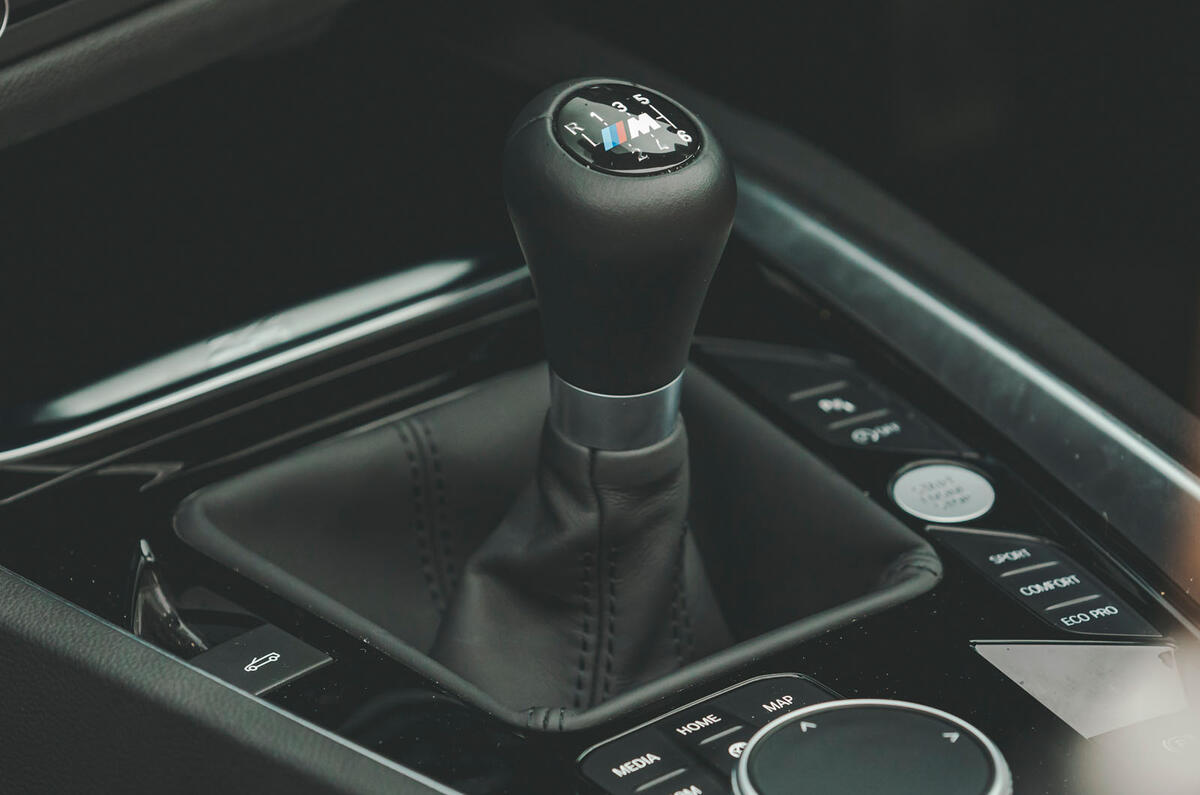
Should drivers who pass their test in an automatic car be required to sit another practical test if they later want to drive a manual? The AA believes it’s time to begin discussing the question.
As automatic cars become increasingly common, it says the UK's licensing system, which dates back to 1903, may eventually need to change. The AA believes drivers who pass their test in an automatic should be able to drive a manual after additional training and an assessment, instead of having to take another full practical test.
Germany has already introduced a similar conversion system.
Why now? Last year, according to the SMMT, four out of five new cars registered in the UK were automatic – and AA president Edmund King doesn't put that all down to increasing hybrid and electric car sales.
"The technology in cars has got much better," he says. "Early automatics were really pretty rubbish; they were clunky."
The way people are learning to drive is changing too. According to AA analysis of DVSA figures, automatic cars accounted for 29.4% of practical driving tests in 2025/26, while the automatic pass rate has risen to 44.6%, which is much closer to the manual pass rates than it once was.
"The pass rate for automatic tests used to be far lower," said King. "Quite often somebody who couldn't pass a manual test would switch to an automatic, so the results were always skewed."
Jon Sutcliffe, chief operating officer of RED Driver Training, one of the UK’s largest driving schools, believes there are "far more swim lanes to this issue than just tests".
"The latest government figures are that around 26% of tests are taken in an automatic-transmission vehicle. That's not people, that's tests. If you then start to look at the figures in more detail, you ask whether the pass rates are the same for automatic and manual. They're not: the automatic pass rate is around six percentage points lower."
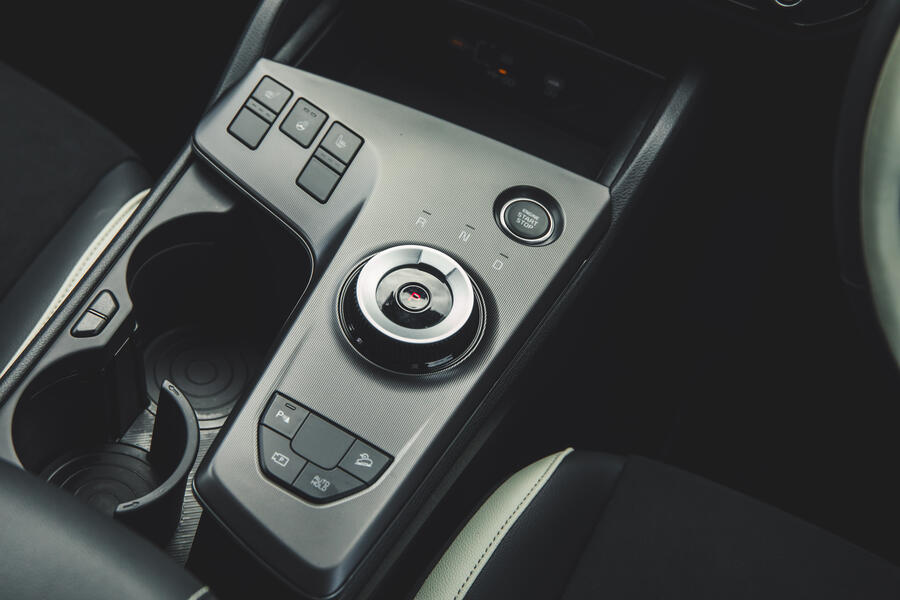
How would it work?
So what is the AA actually proposing? King points to the system in Germany, where automatic licence holders take ten 45-minute lessons followed by an assessment, as one example Britain could learn from. However, he believes any UK version should be different.
"We're proposing a more thorough assessment than the ADAC," he said. "And from talking to driving instructors, we think the number of lessons could actually depend on the individual. Some might need less than ten and some may need more."