




















Currently reading: New Mercedes-AMG GT SUV revealed as 1153bhp family supercar

Tri-motor set-up gives hypercar-grade pace and torque vectoring - and makes this world's most potent SUV

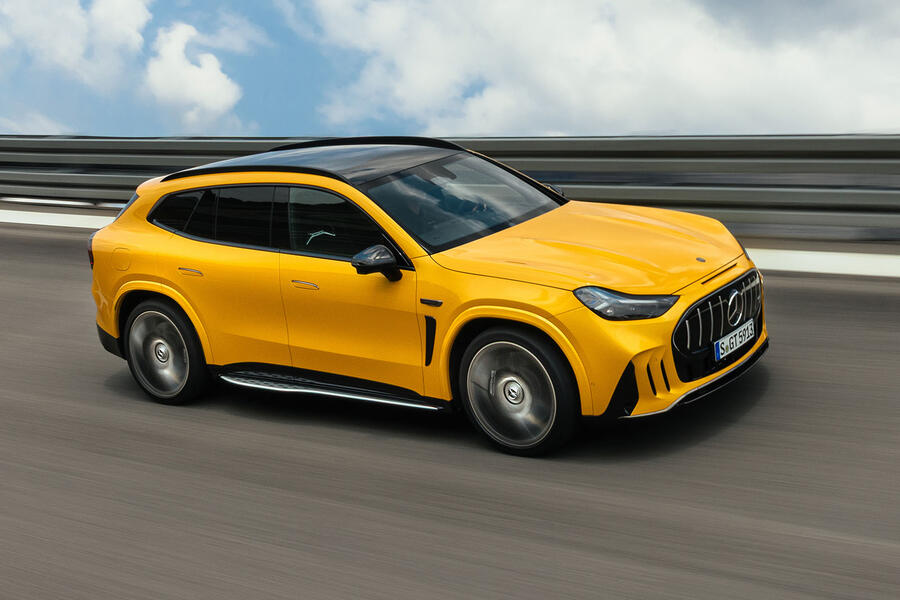
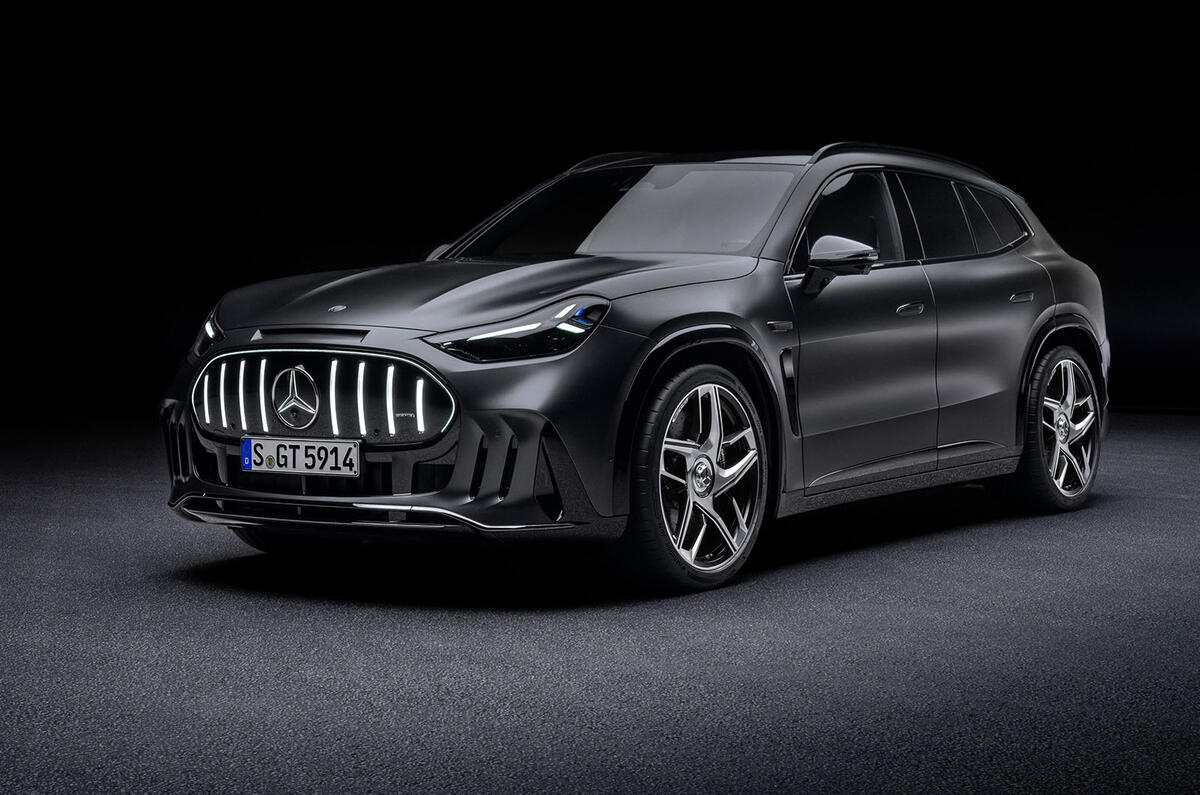
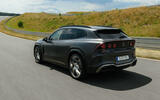
The new Mercedes-AMG GT SUV is the world's most powerful production SUV, outpunching the Lotus Eletre and Porsche Cayenne Electric with up to 1153bhp and 1475lb ft of torque.

The new five-seat EV is the first SUV to be developed entirely in-house by AMG and will be sold in three model variations in the UK.

In range-topping 63 guise, the GT SUV is claimed to accelerate from 0-62mph in 2.7sec and reach 124mph from rest in 7.2sec, making it AMG's fastest-accelerating SUV yet. Its electronically limited top speed is raised to 168mph with an optional AMG Driver's Package.
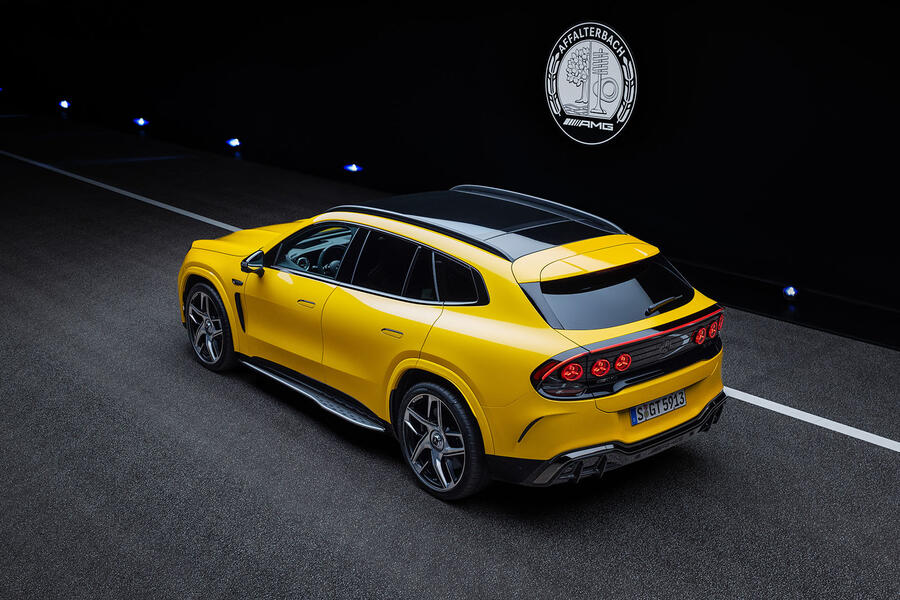
The performance figures are all the more notable given the GT SUV's weight, which ranges from 2585kg to 2695kg depending on the model and battery capacity.

With the same peak power as the recently introduced electric GT 63 4-Door Coupé, the GT SUV surpasses the 1048bhp produced by the AMG One hybrid hypercar - and packs nearly twice the punch of the V8-powered GLE 63 S, which has 603bhp.

The GT 63 SUV crowns a line-up that also includes less powerful 55 and 53 models. The GT 53 SUV is now on sale in Germany, priced from €113,050 (£95,863). The 55 and 63 are set to follow in April 2027 and UK prices will be confirmed in the coming months.

AMG also plans to extend the GT SUV range with a more rakish coupé variant, which is scheduled to make its debut early next year.

Drivetrain

Underpinning the performance division's second bespoke EV is the new AMG.EA electric car platform, which it shares with the GT 4-Door Coupé along with a drivetrain that uses three axial-flux electric motors from Mercedes-owned UK firm Yasa, an 800V electrical system and a battery featuring oil-cooled cylindrical cells.

AMG said this set-up has been developed with sustained performance in mind, addressing the tendency of high-powered EVs to reduce output as electric motor and battery temperatures increase during repeated hard acceleration and prolonged high-speed driving. So while its 1153bhp maximum output is the headline figure, it is more significant in regular use that the GT SUV is rated to deliver a continuous 711bhp, which means it can maintain performance over extended periods.
Back to top

The drivetrain uses two axial-flux motors at the rear and a third motor at the front, which disconnects when not needed. Each of the rear motors operates through its own single-speed gearbox, enabling full torque-vectoring functionality.

The GT 55 SUV reduces the system's peak output to 805bhp and 1372lb ft but still reaches 62mph in 3.1sec.

The entry-level GT 53 SUV adopts a different drivetrain, with two conventional permanent magnet synchronous motors one on each axle - producing a combined 536bhp and 590lb ft to give a 62mph time of 4.2sec.

Two usable battery capacities are available, 106kWh and 128kWh, which give maximum ranges of 364 and 435 miles respectively, depending on the chosen specification.

The maximum charging speed is put at 600kW for the smaller battery and 710kW for the larger one. AMG claims the 128kWh battery can add 280 miles of range in 10 minutes, while a 10-80% charge is said to take 12 minutes under ideal charging conditions - although most chargers in the UK are capped at much lower speeds.

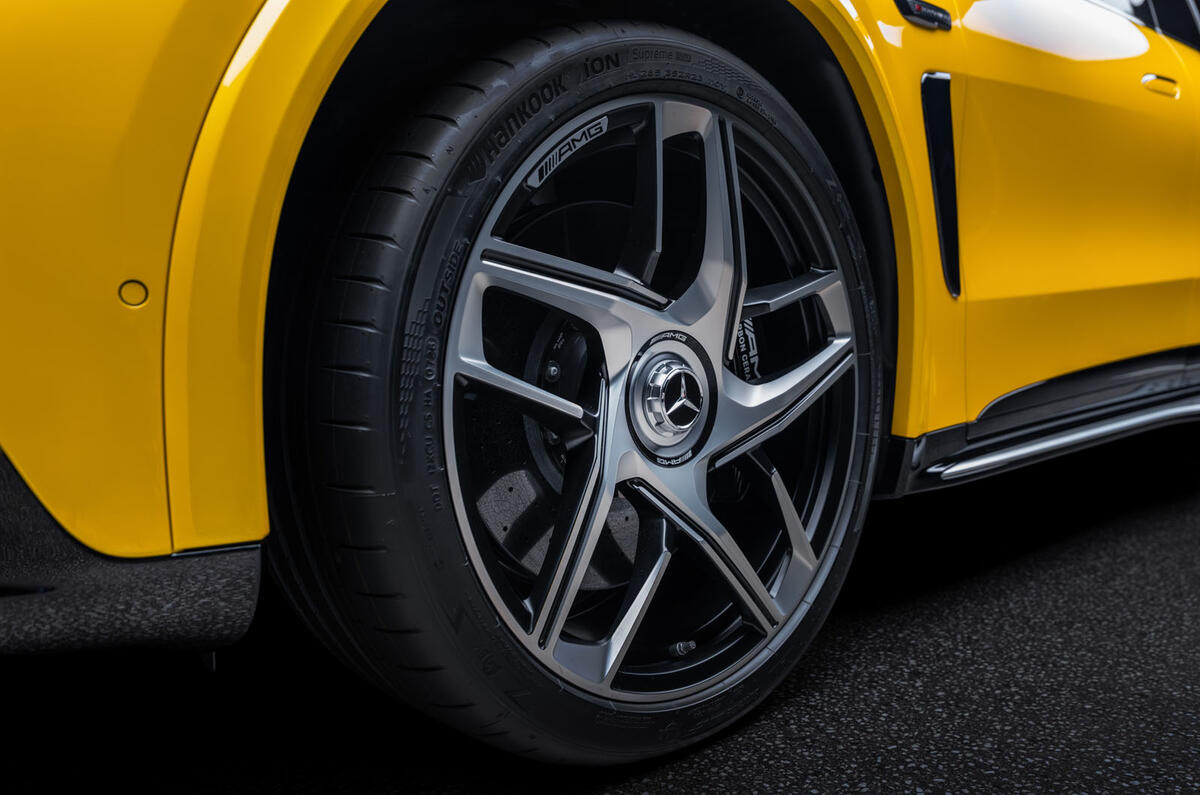
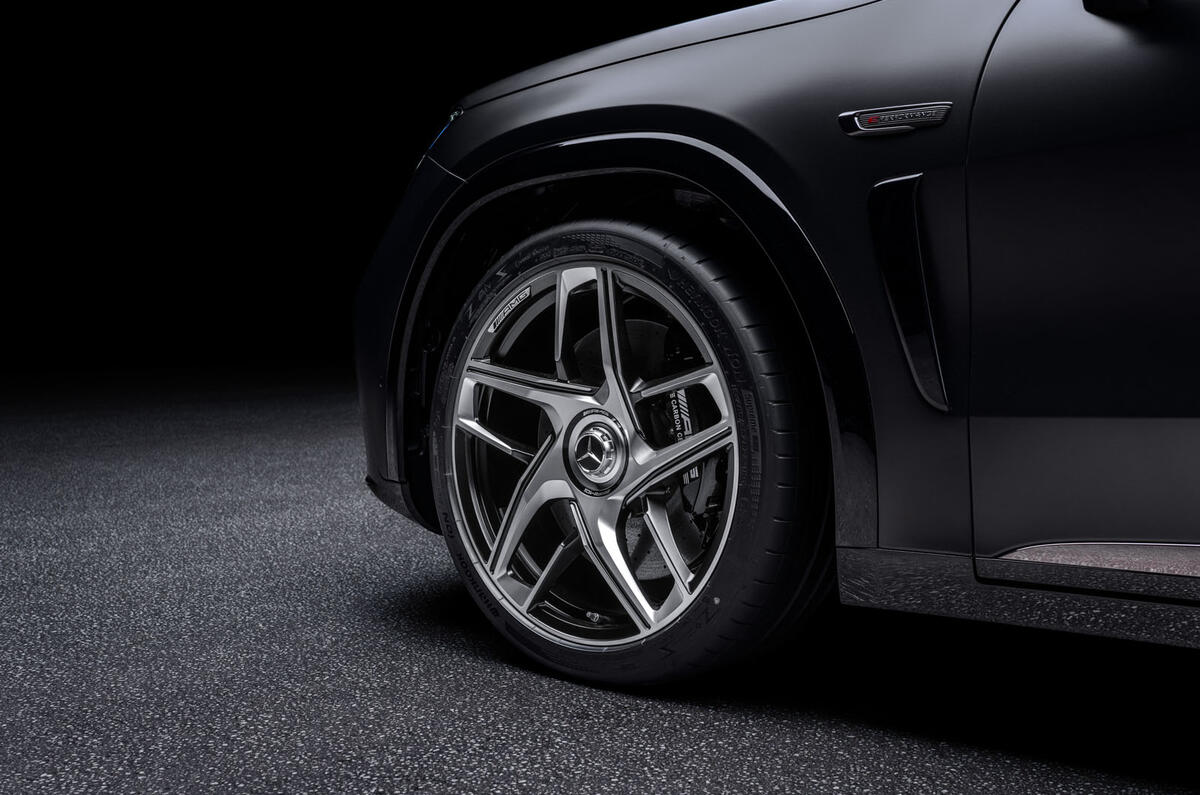
The GT SUV also offers AMG's Active Ride Control+ set-up, which combines air springs with hydraulically interconnected dampers to control body roll, pitch and dive without conventional anti-roll bars. It's standard on the GT 63 SUV and optional on the GT 55 SUV, as are carbon-ceramic brake discs.

Back to top

Design

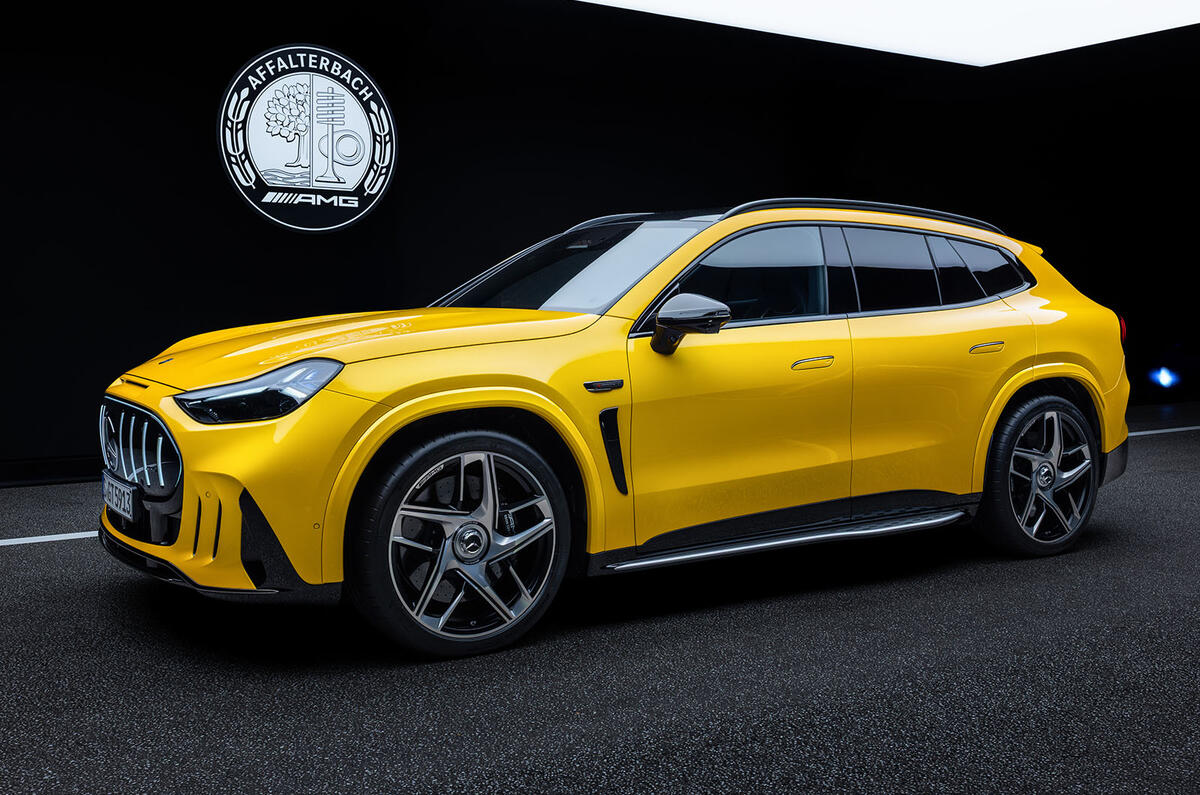
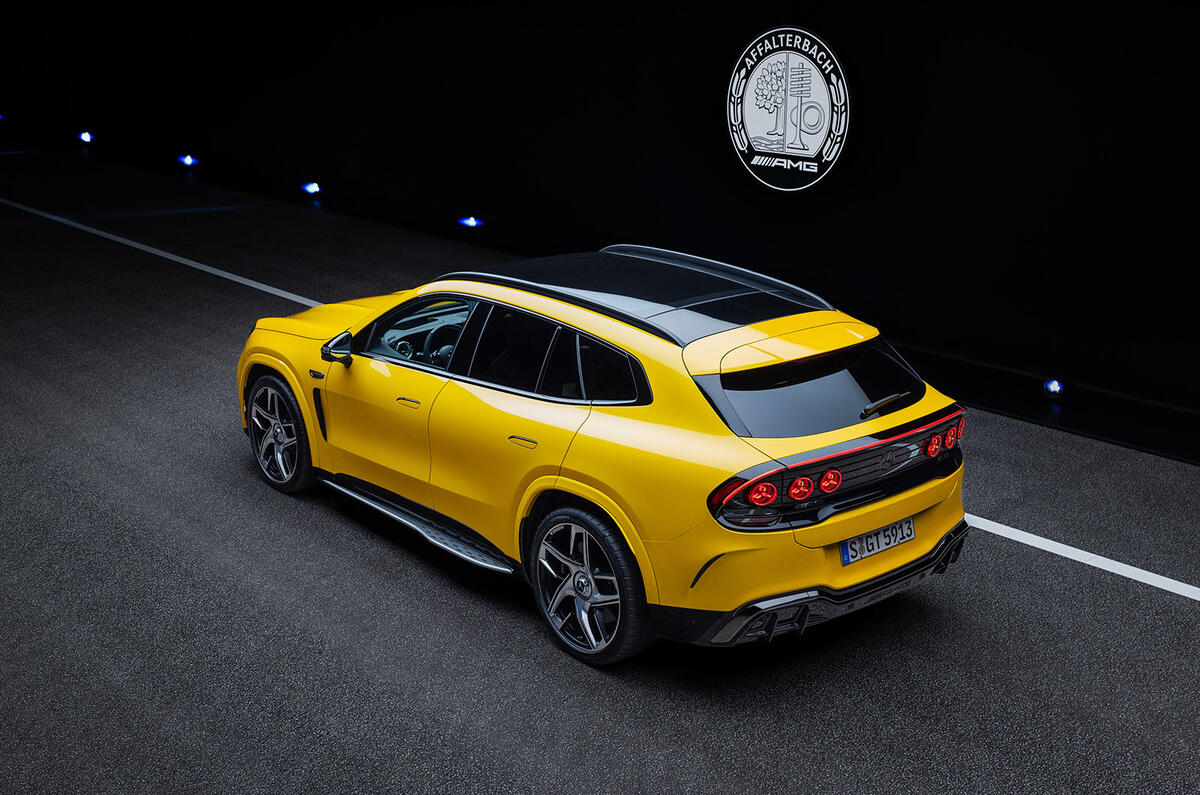
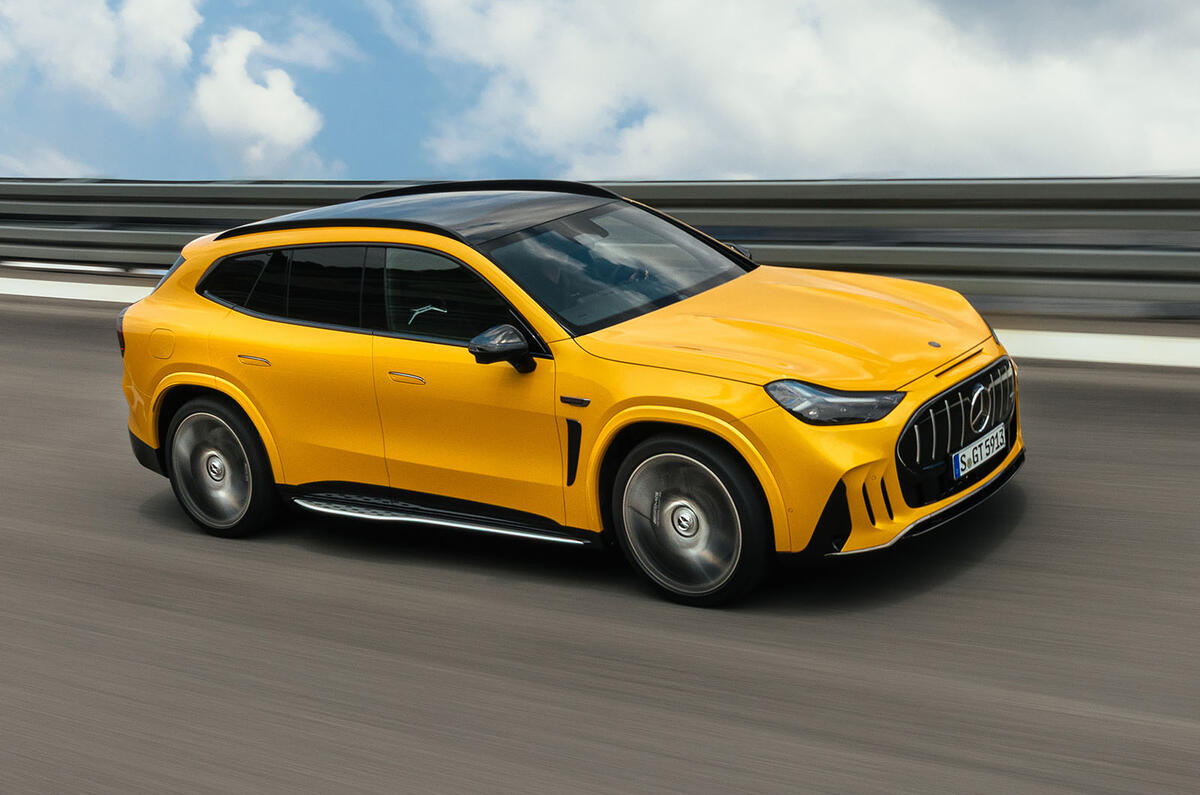
AMG's first entirely bespoke SUV adopts an individual design that's far removed from that of its ICE-powered range-mates.

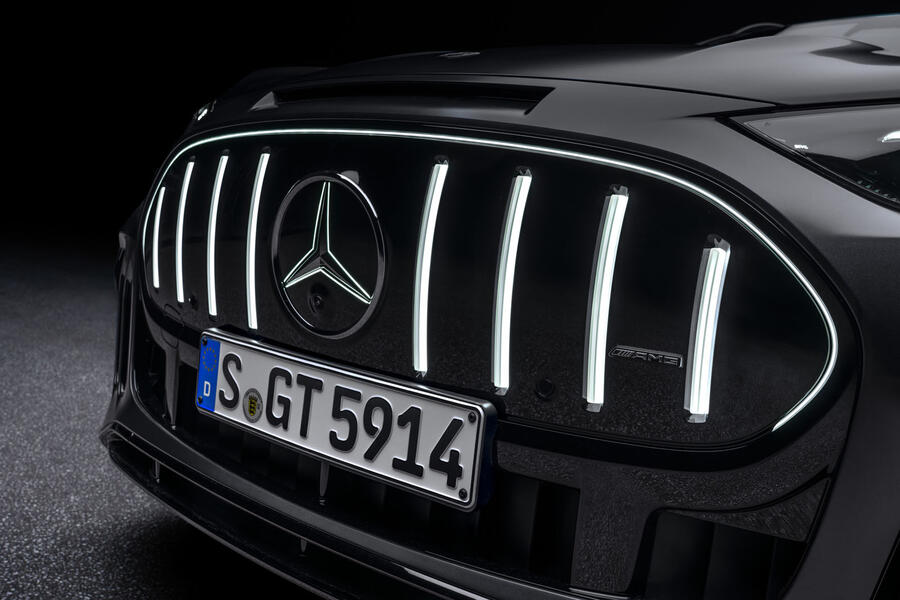
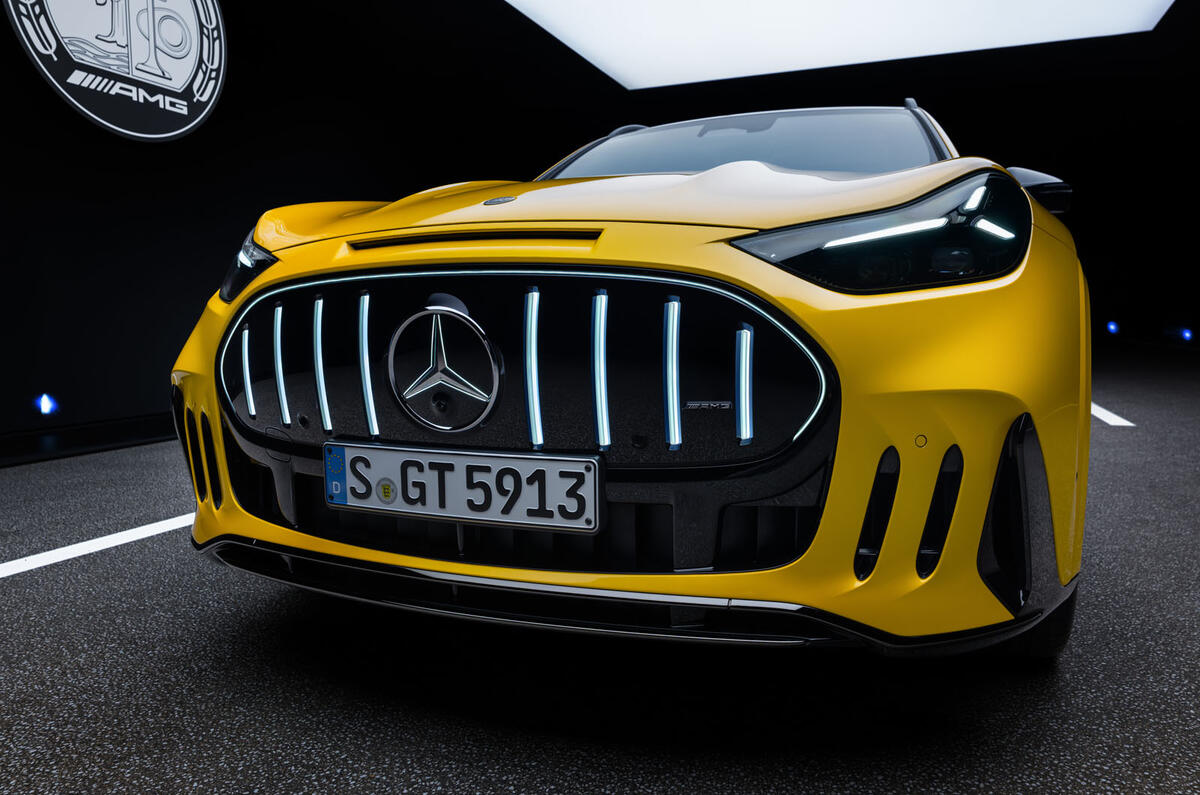
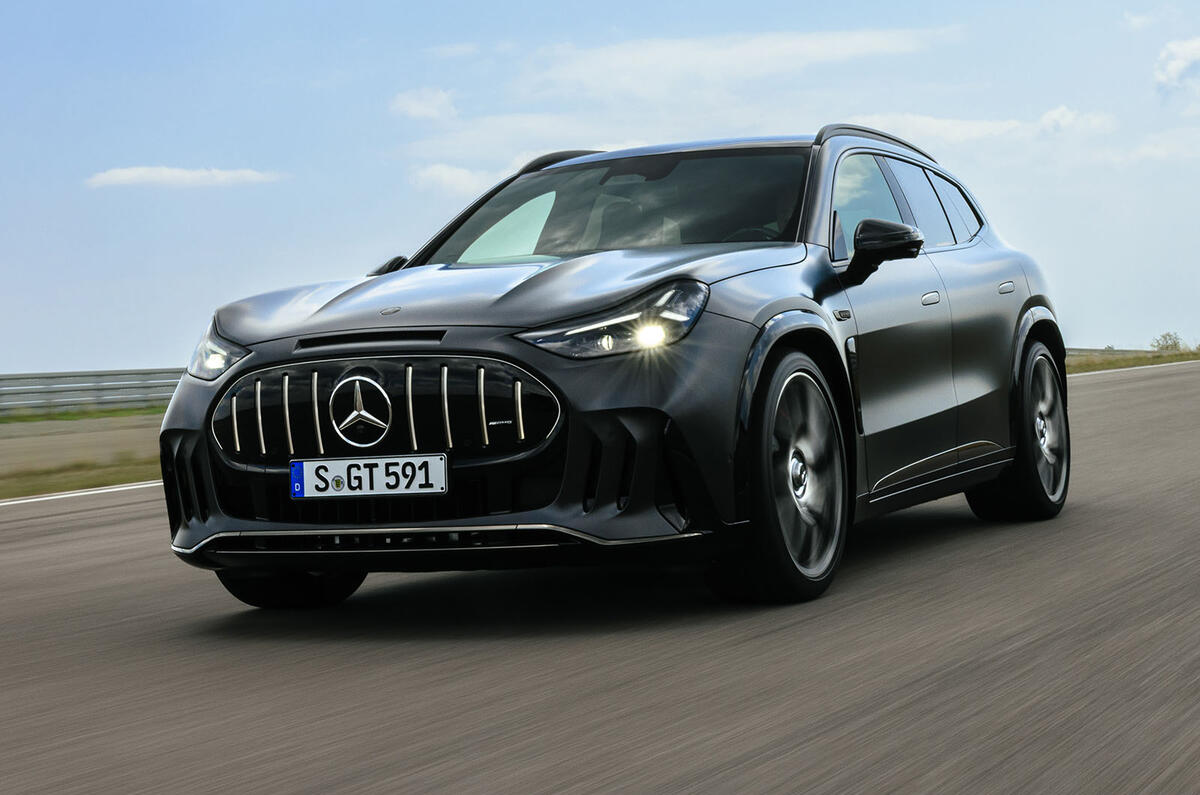
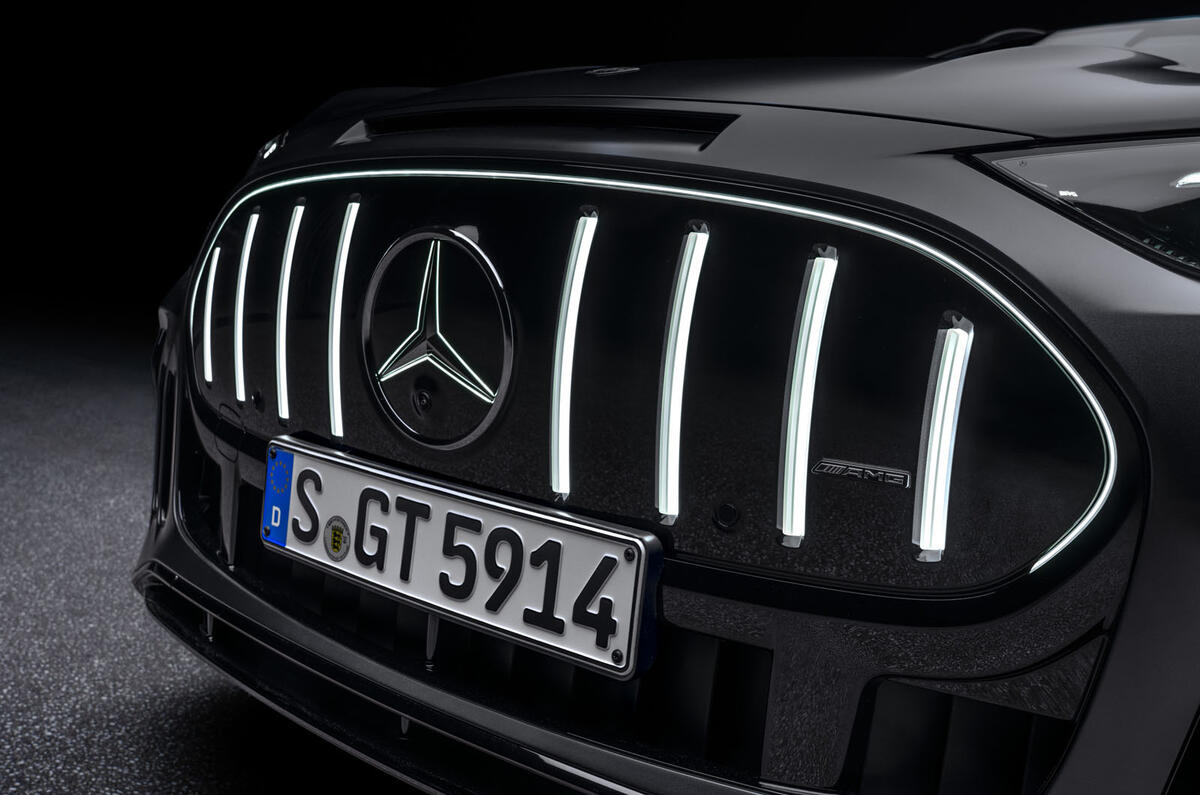
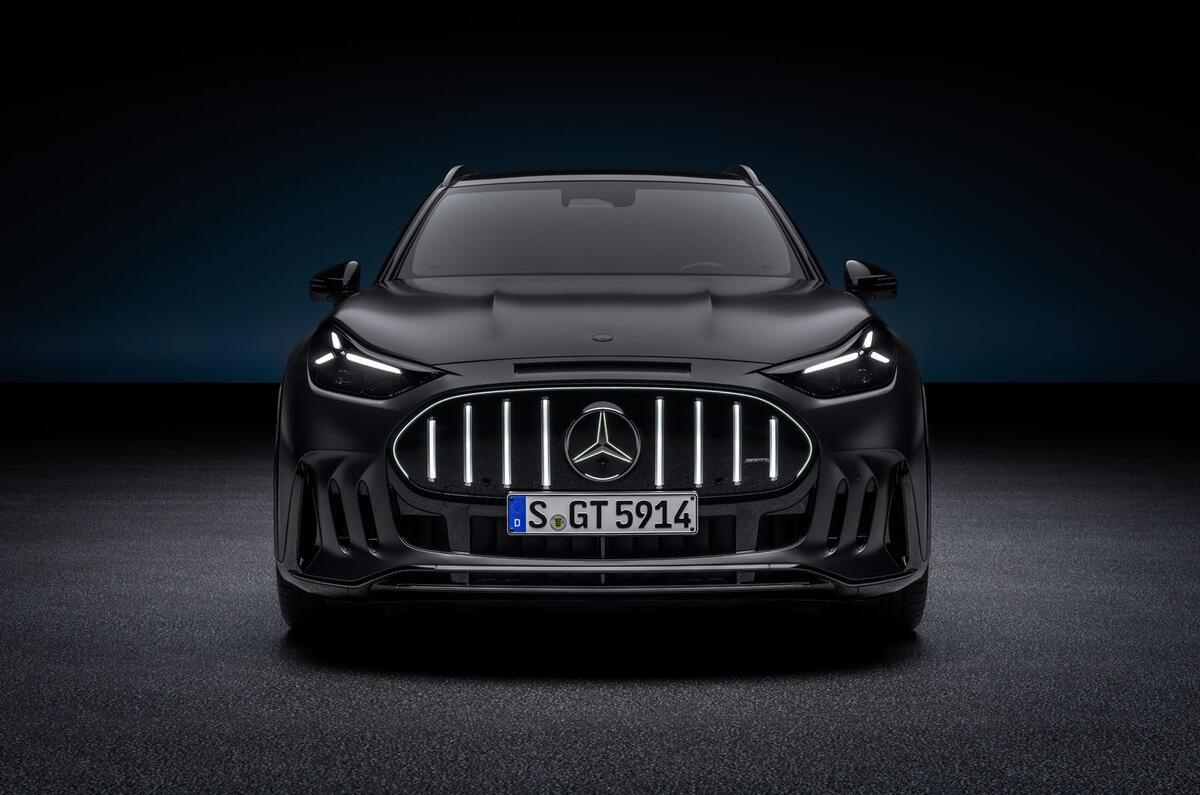
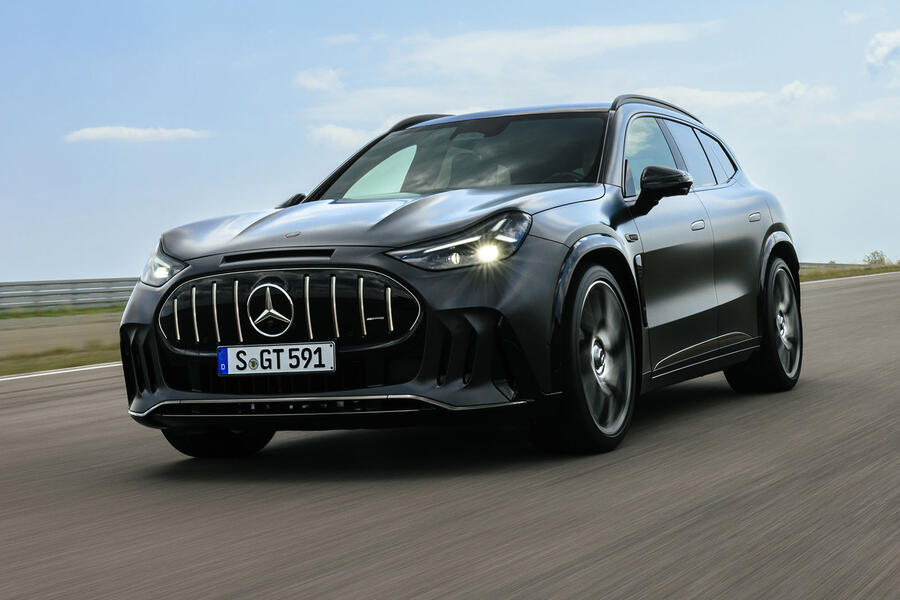
Key exterior elements include a bold-looking front end featuring a blanked-off grille with an illuminated surround and eight vertical elements. As on the GT 4-Door Coupé, the three-pointed star at the front will be lit up in markets where regulations permit it.

Additionally, the GT SUV has a heavily structured front bumper with multiple cooling ducts, including horizontal openings above and below the grille and vertical openings to each side.

The headlights continue the three-pointed star design theme with three elongated individual elements, which form the daytime running light signature. Between them, the bonnet features two power domes and raised sides over the front wheel arches.

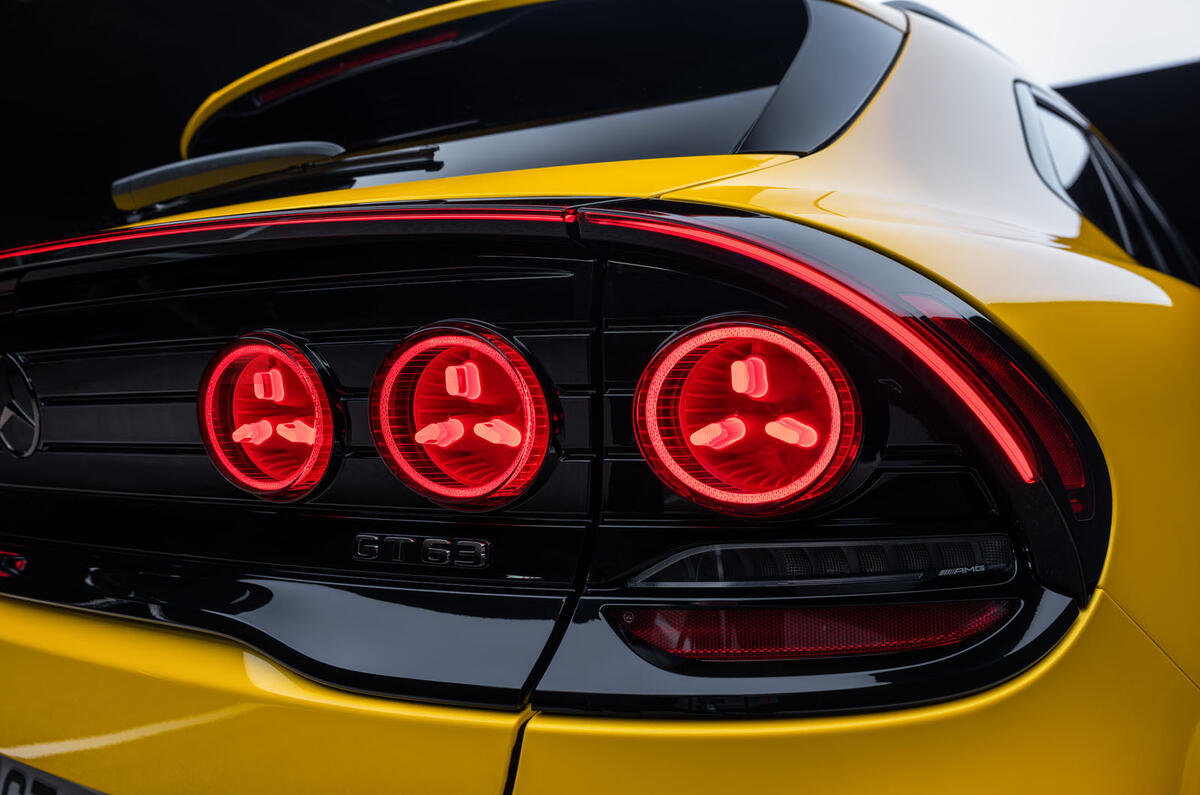
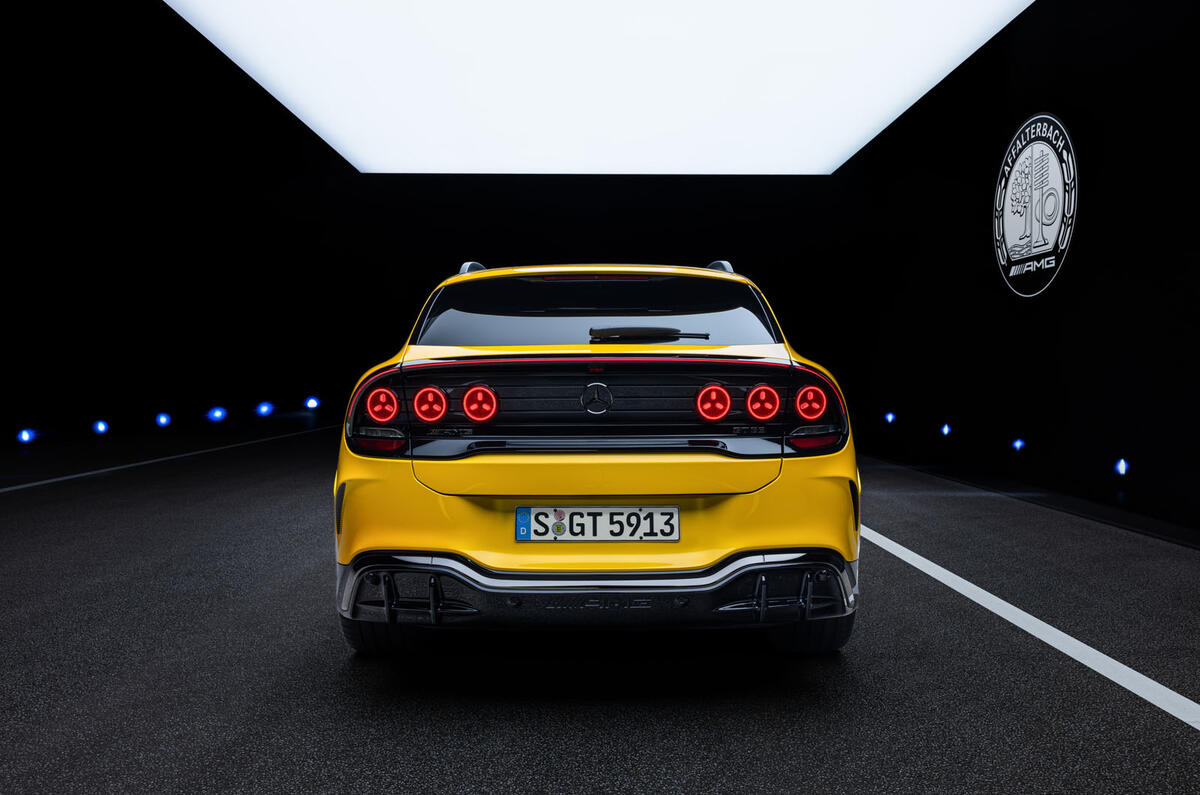
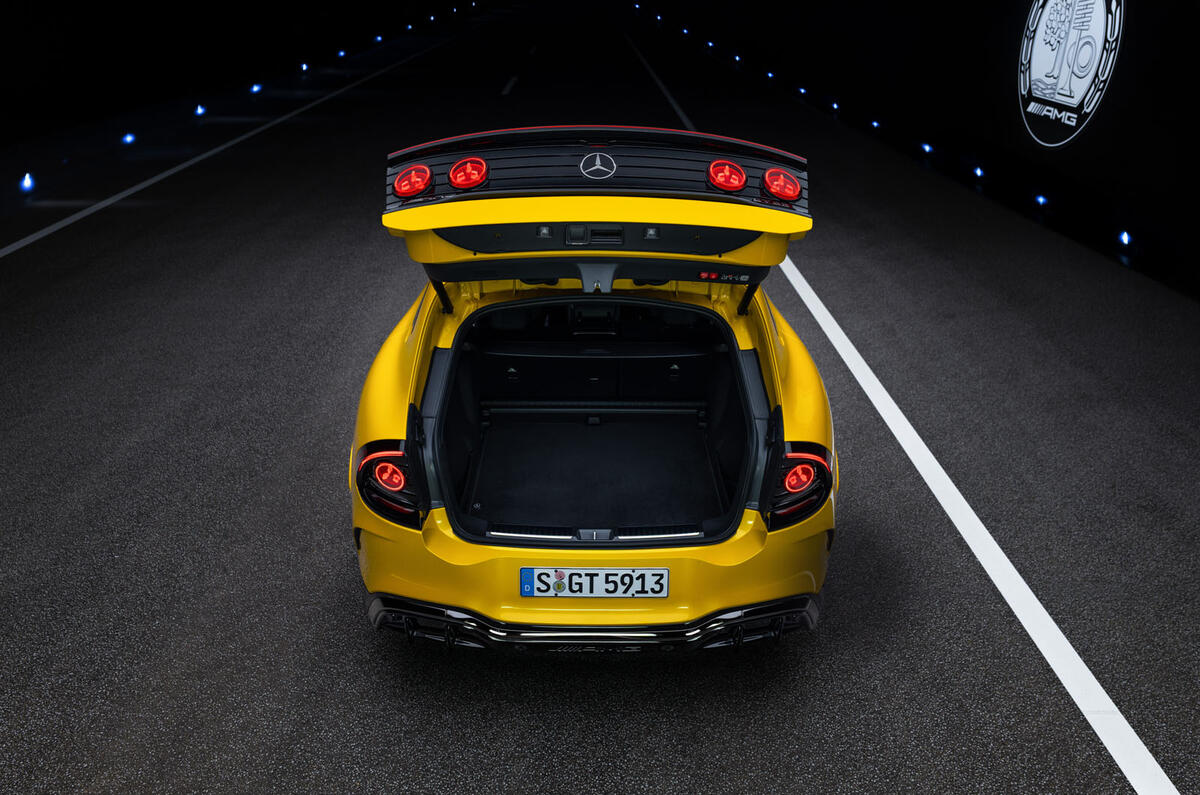
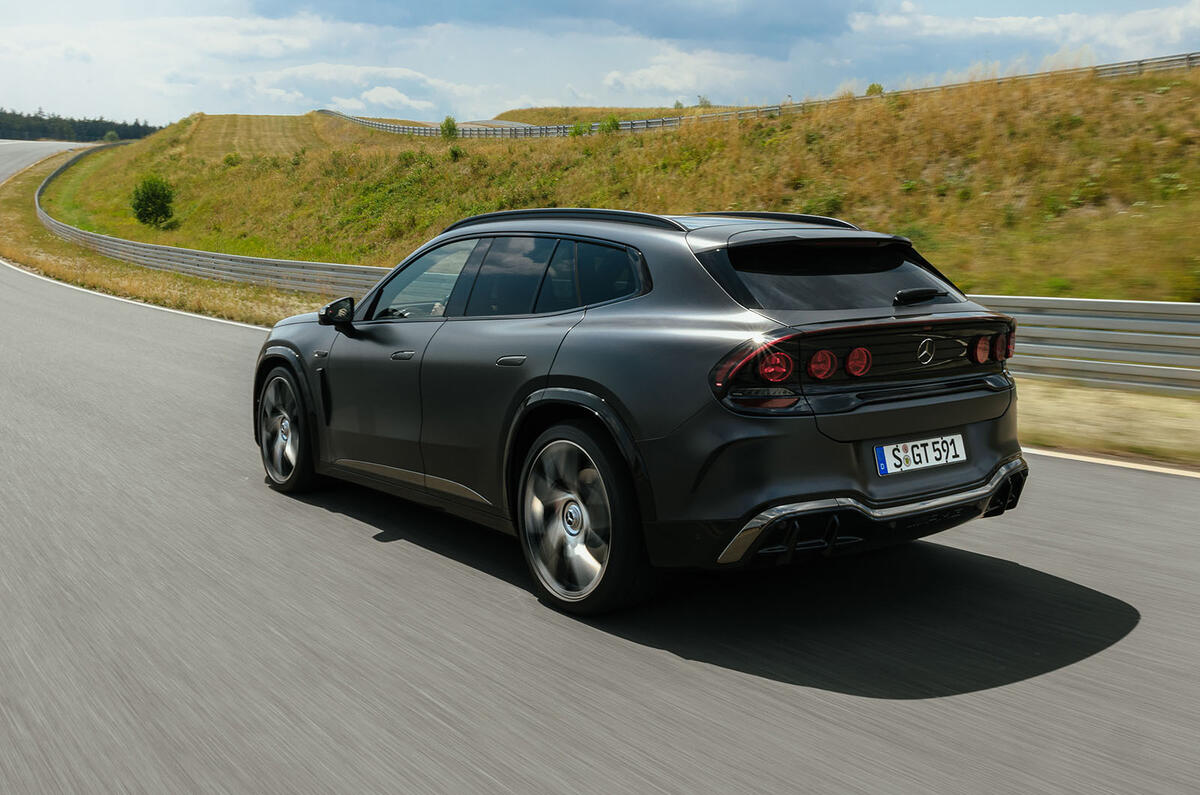
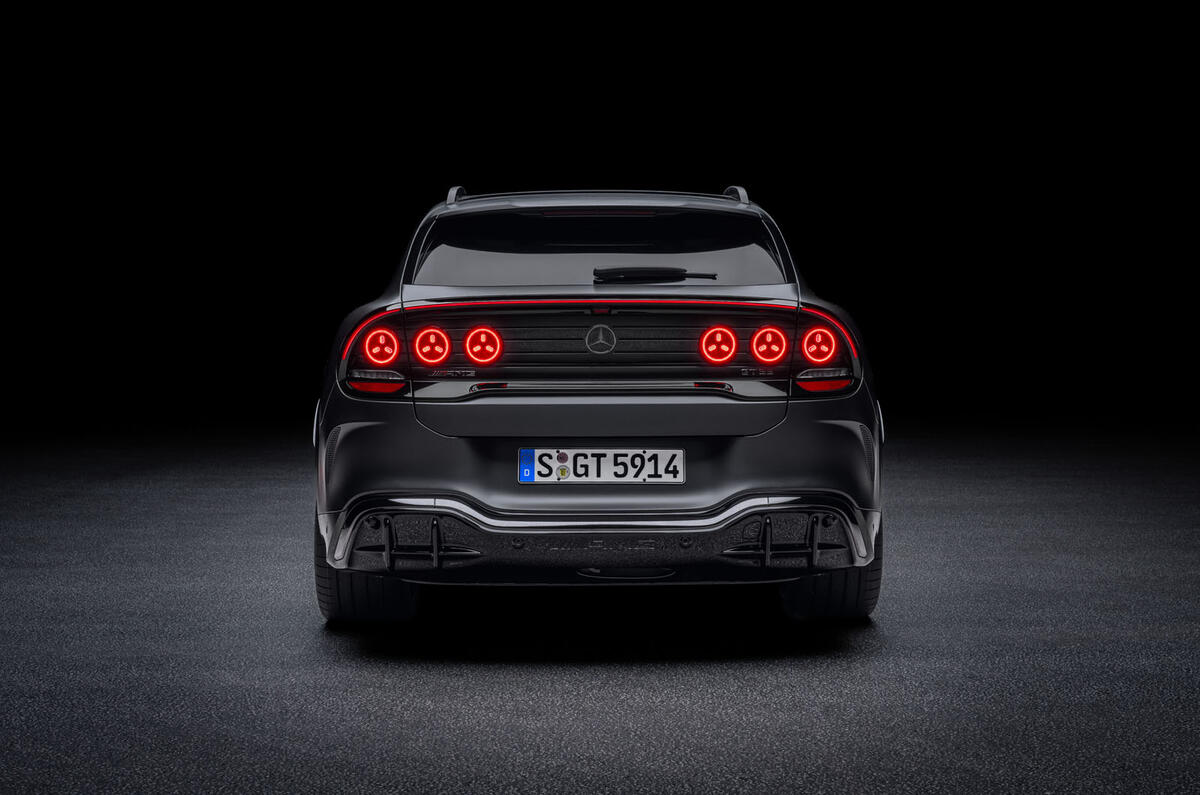
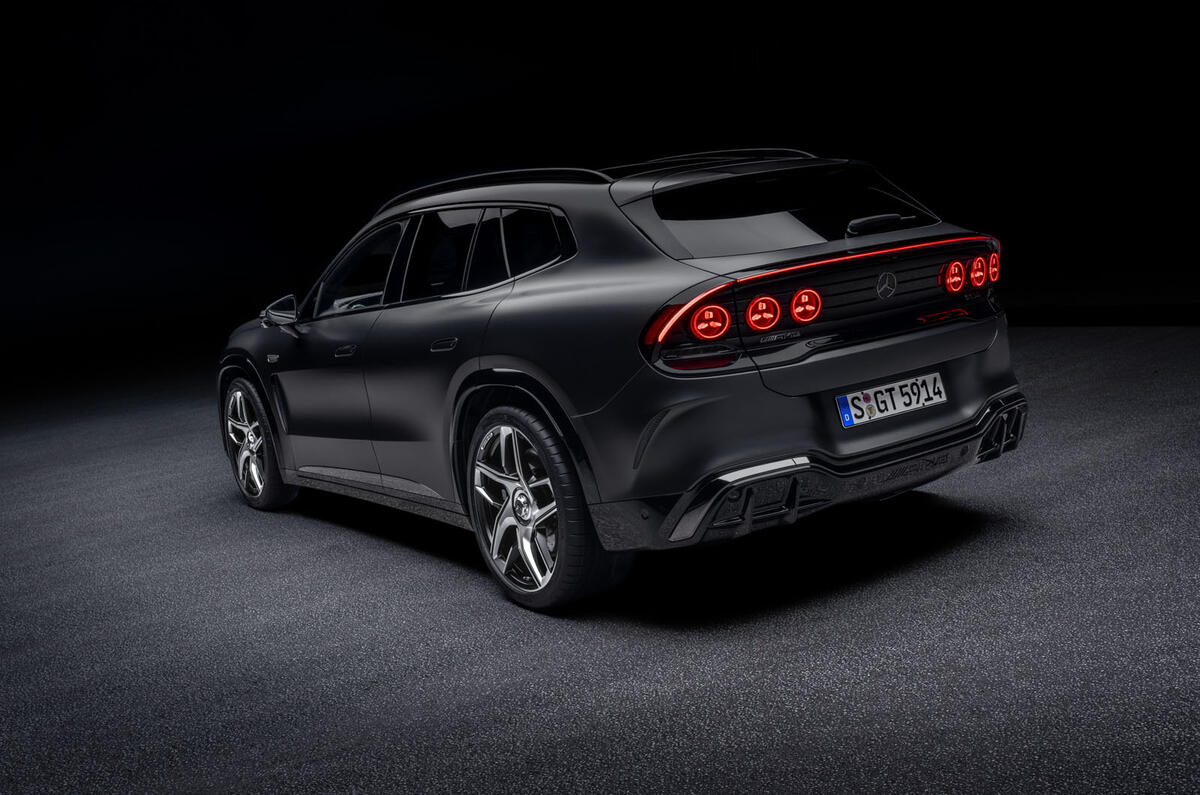
The tailgate receives an extensive spoiler element to smooth airflow around a heavily angled rear window. Below it sits a distinctive black panel similar in style to that used by the GT 4-Door Coupé, incorporating an optional, thin, full-width light element and six round tail-lights with three-pointed star graphics.

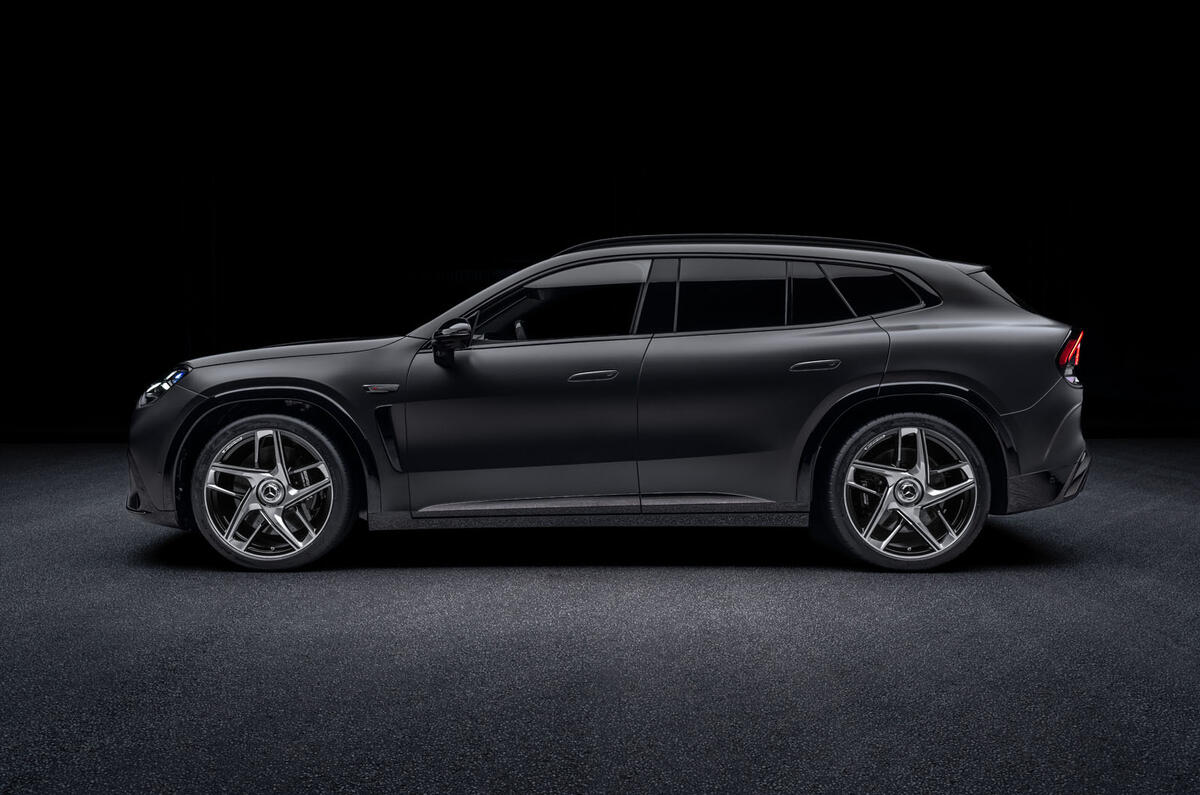
At 5084mm in length, 2001mm in width and 1656mm tall, the GT 63 SUV is 130mm longer, 17mm narrower and 126mm lower than the GLE 63 S SUV and its 3040mm wheelbase is 45mm longer.

Back to top

Interior

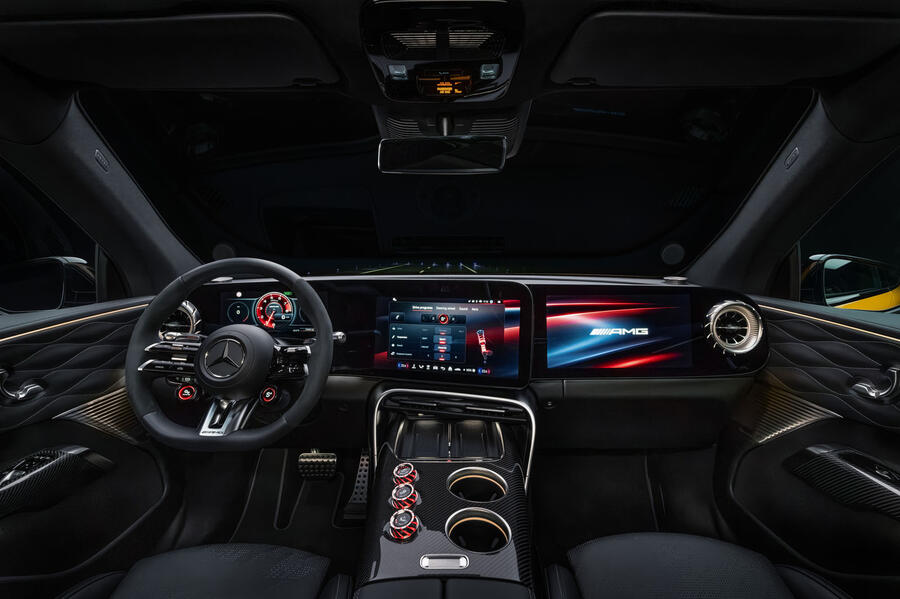
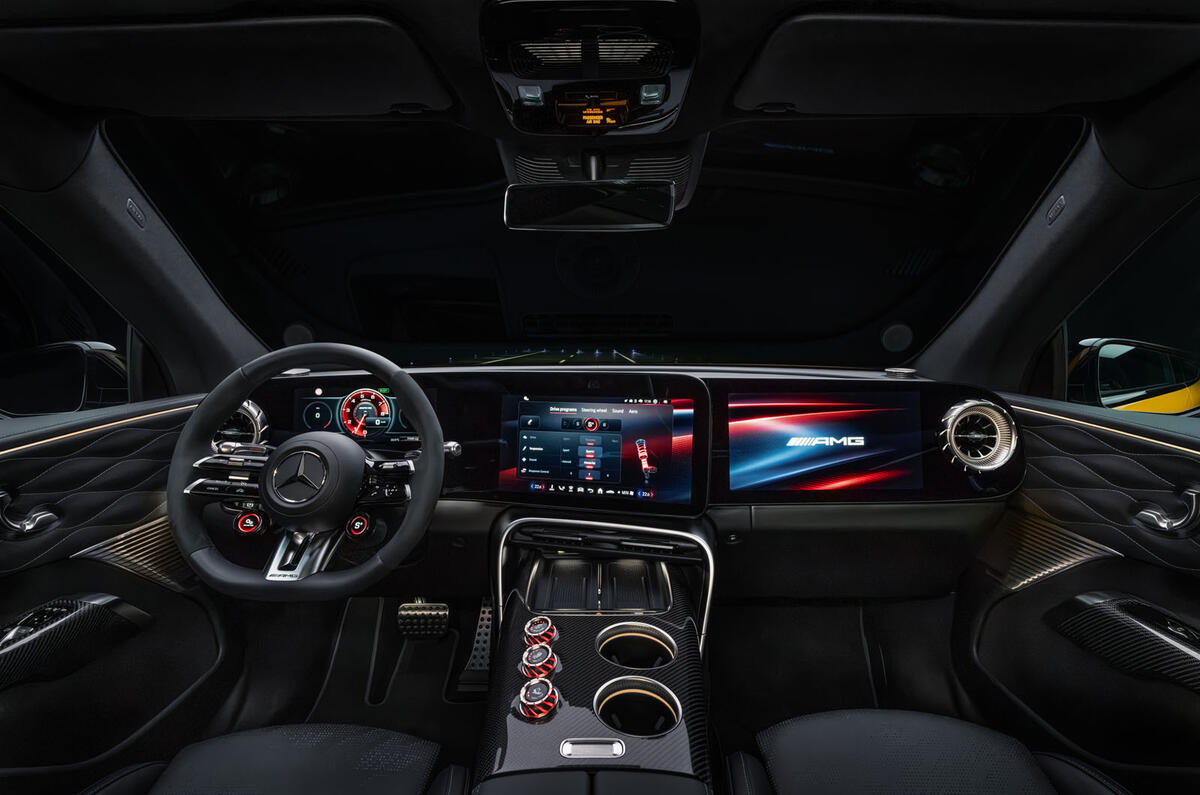
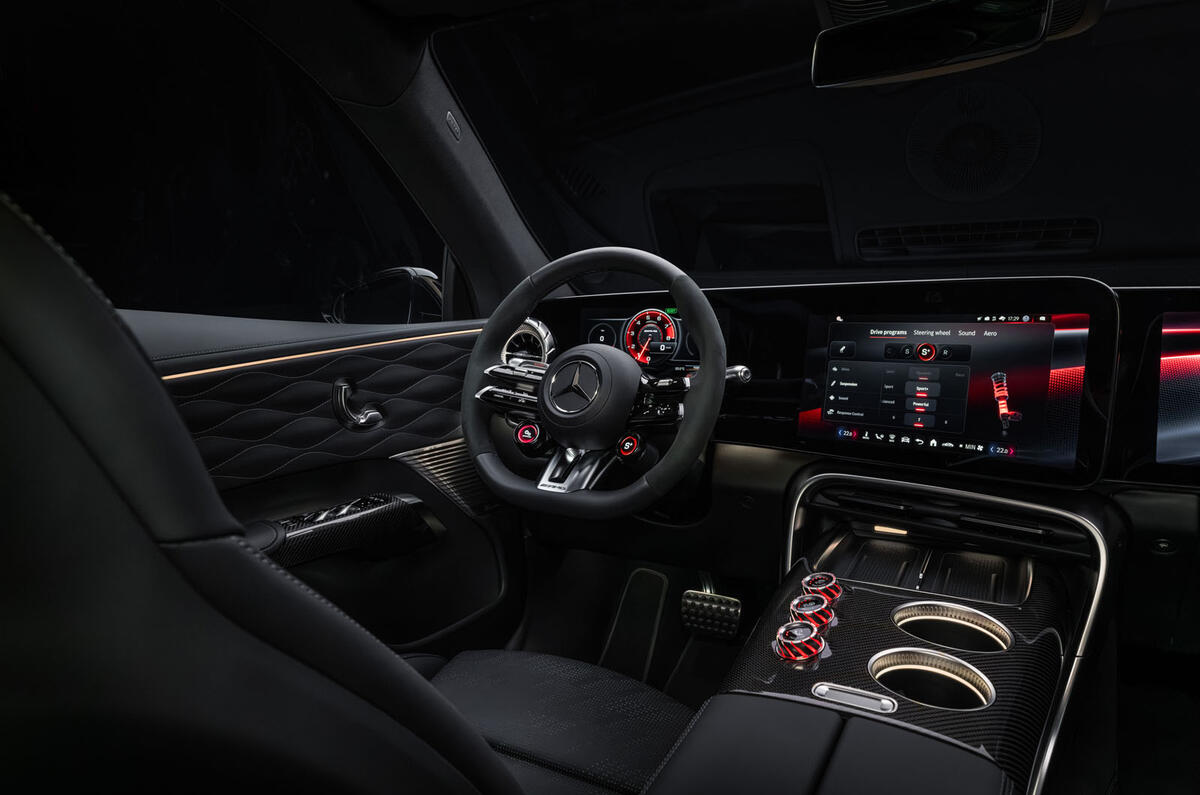
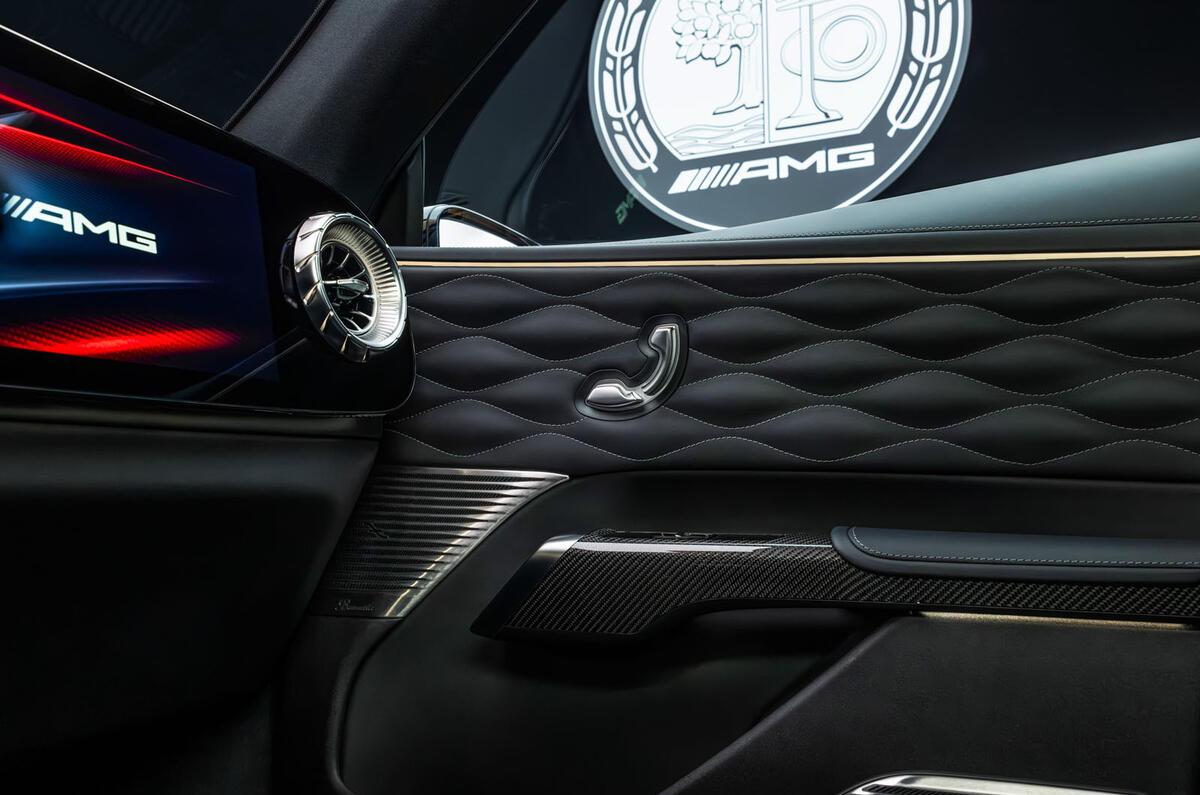
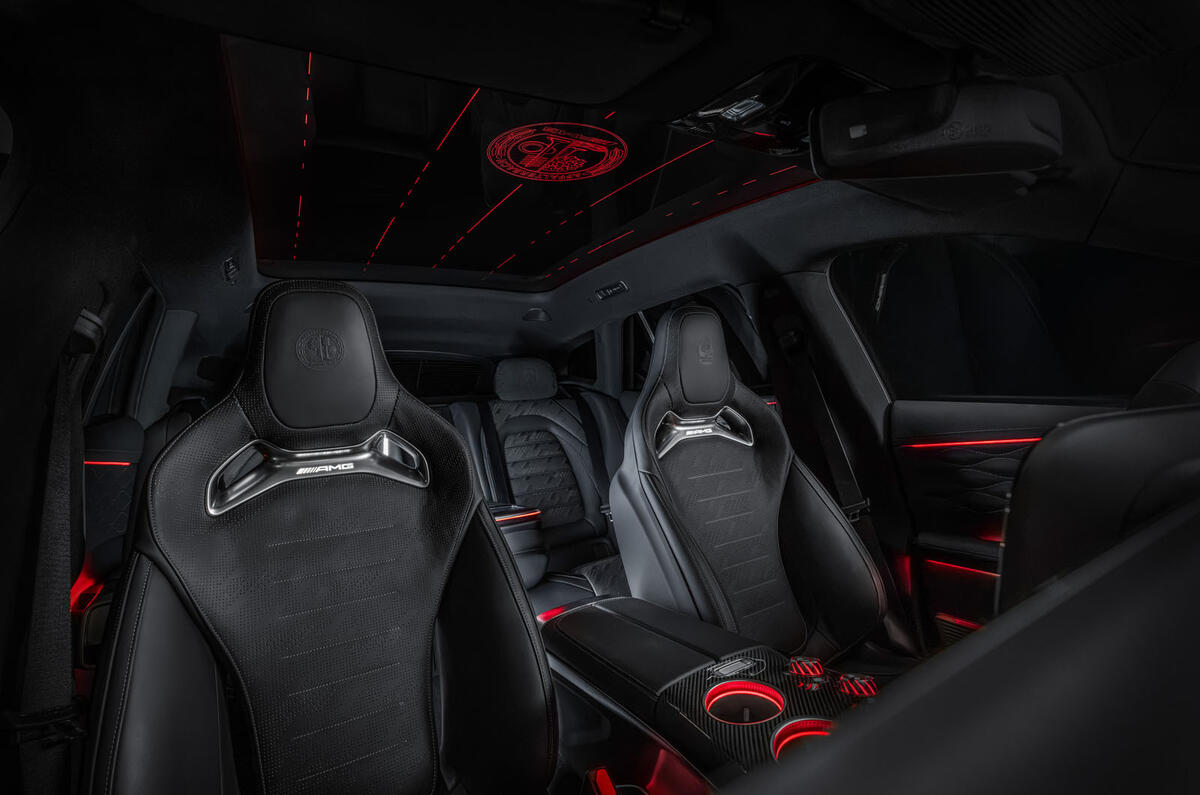
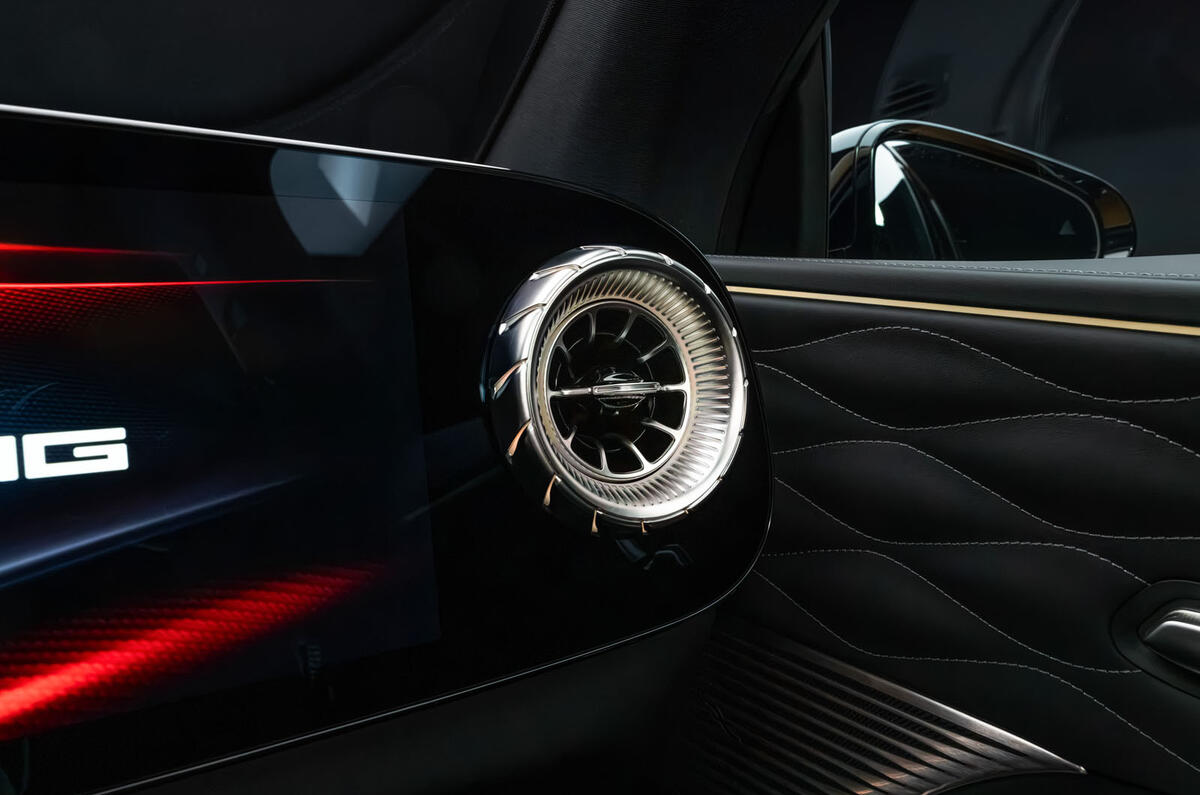
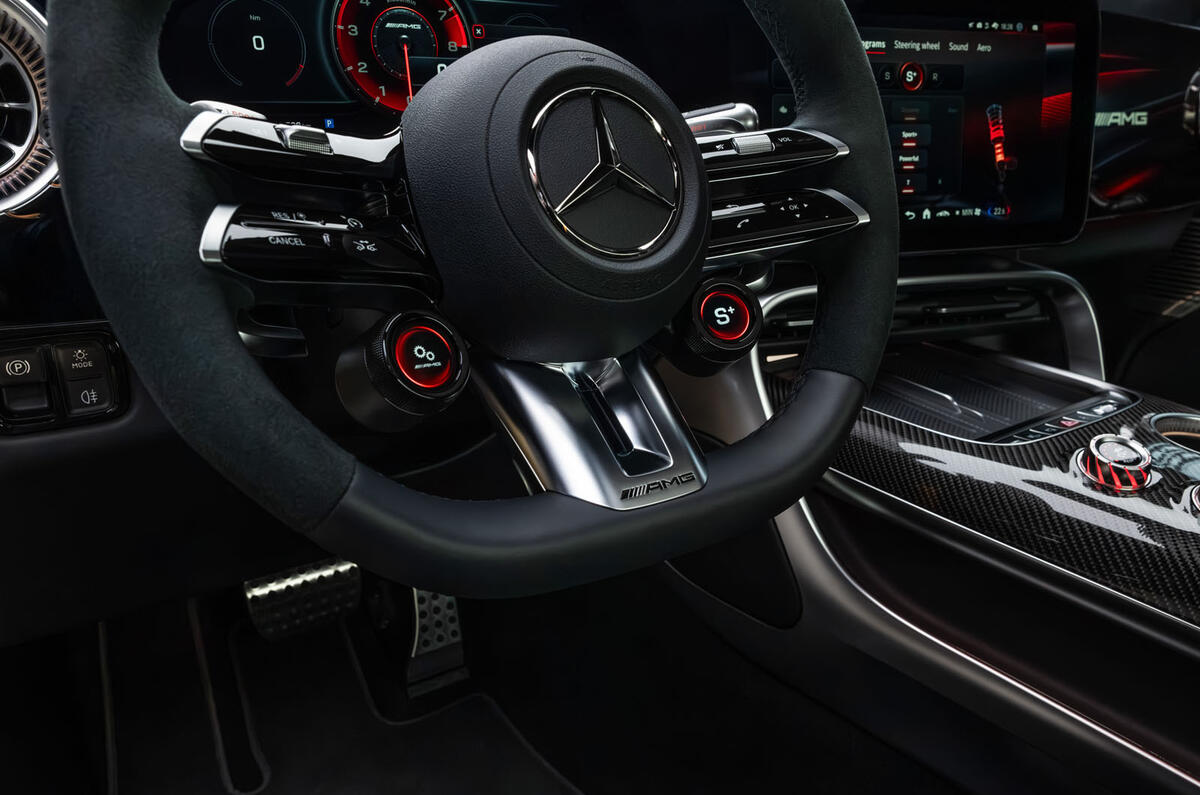
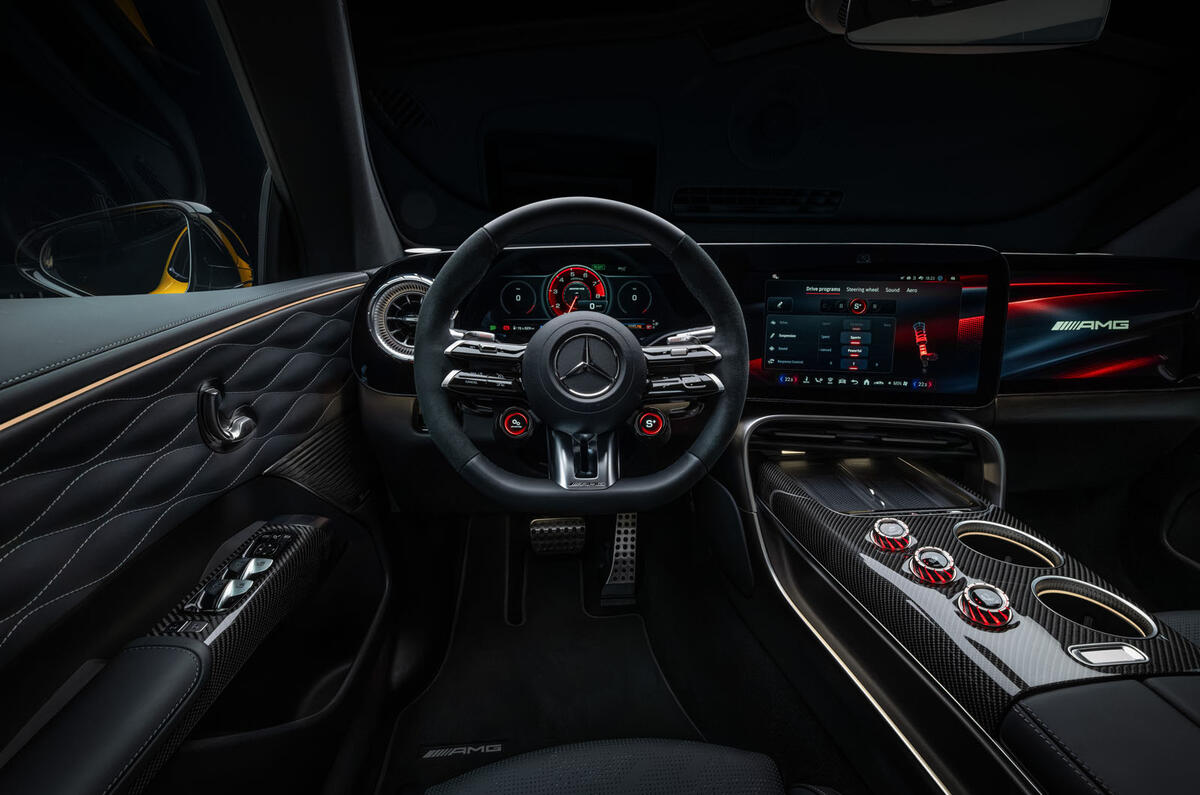
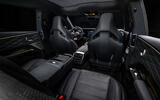
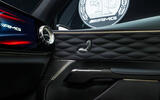
Inside, the GT SUV shares its saloon sibling's driver-centric dashboard, with a 10.2in digital instrument display, a 14.0in central touchscreen and an optional 14.0in passenger touchscreen among other key elements.

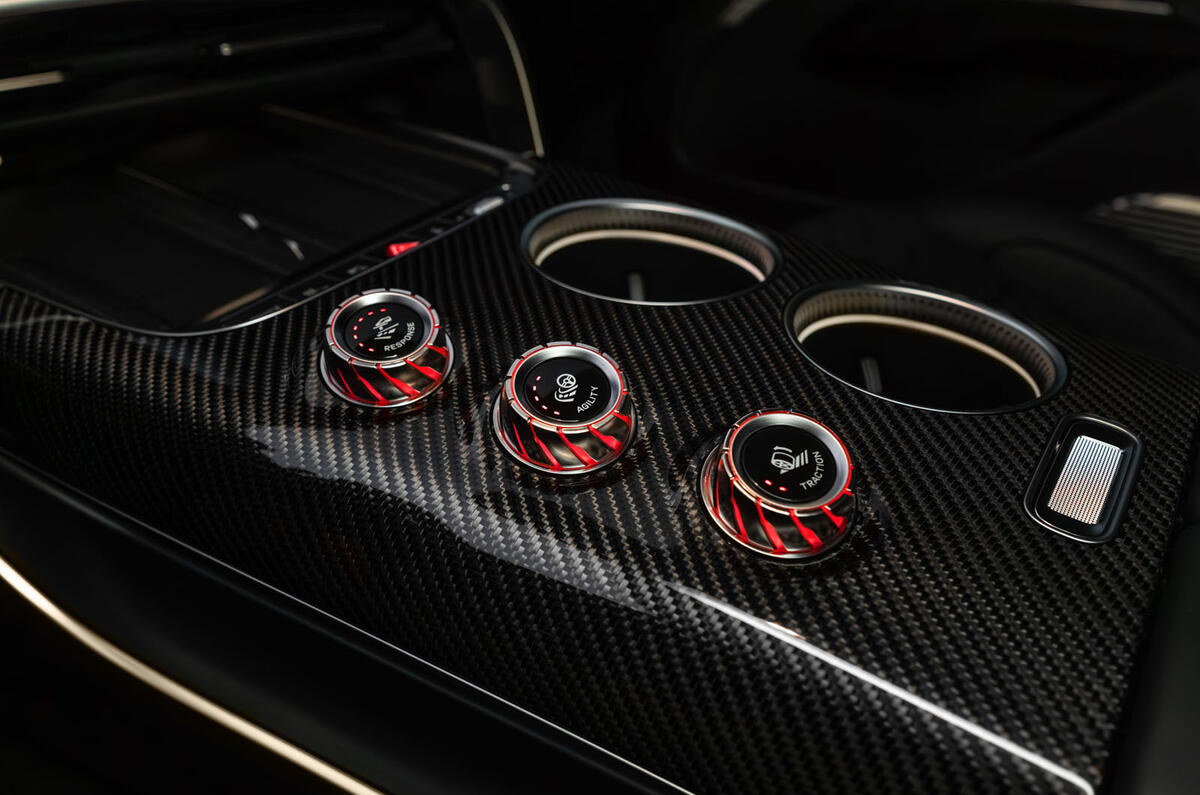
The 63 and 55 feature three rotary controls for adjusting throttle response, cornering behaviour and traction control intervention.

Although it shares its underlying architecture with the GT 4-Door Coupé, the GT SUV uses a different battery packaging arrangement.

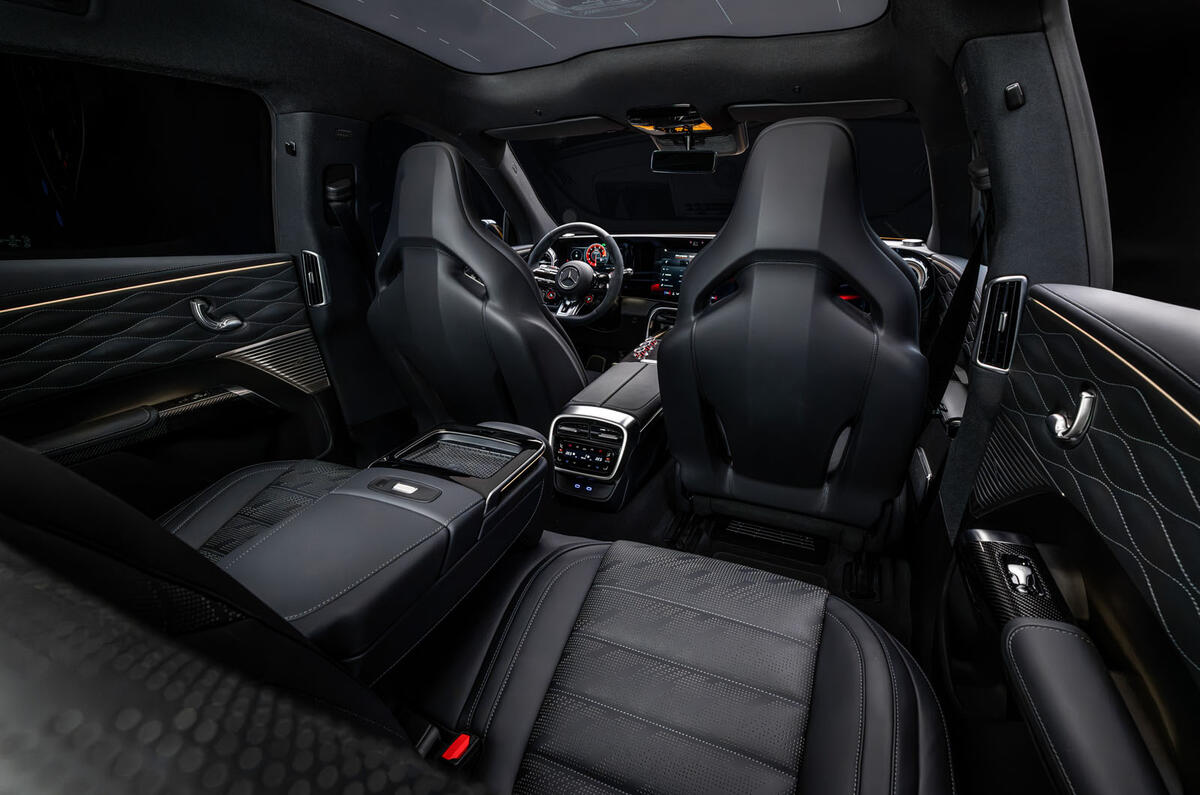
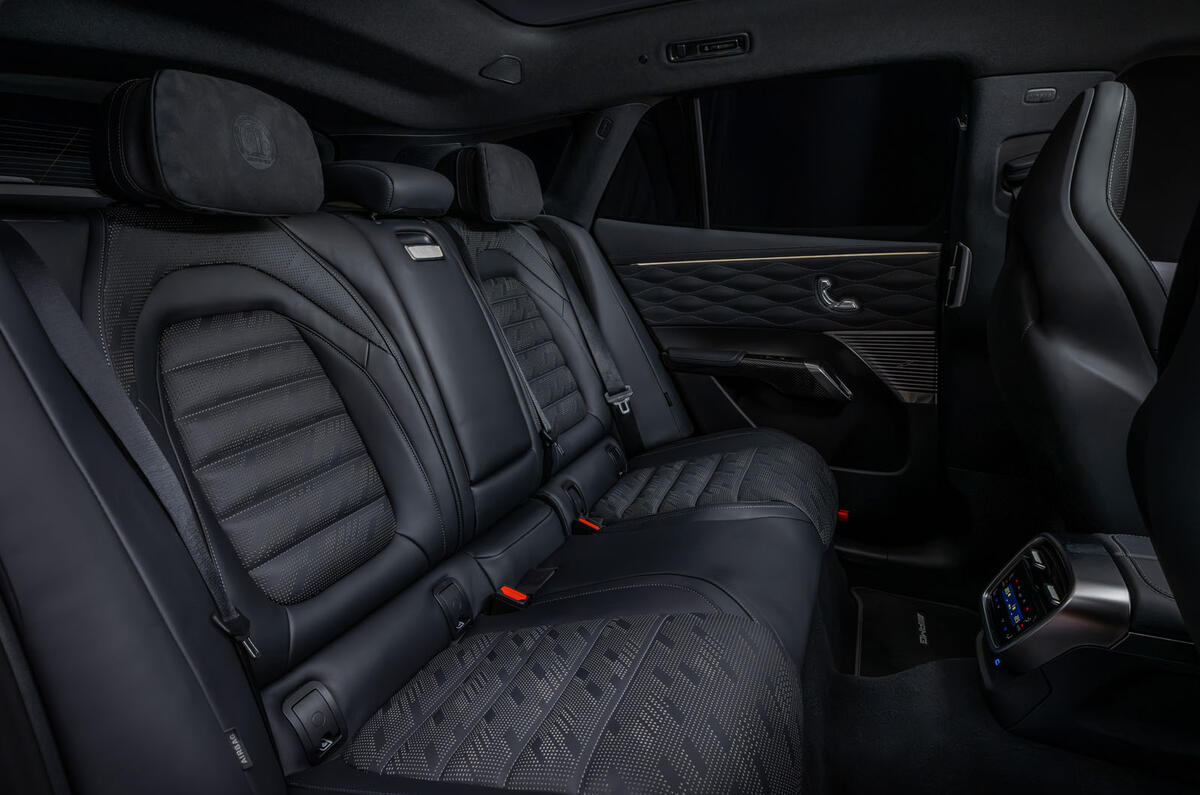
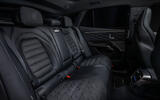
Unlike the low-slung four-door, which has cut-outs in the battery pack for the rear footwells in order to keep the roofline low, the GT SUV features a completely flat rear floor, made possible by its taller body.

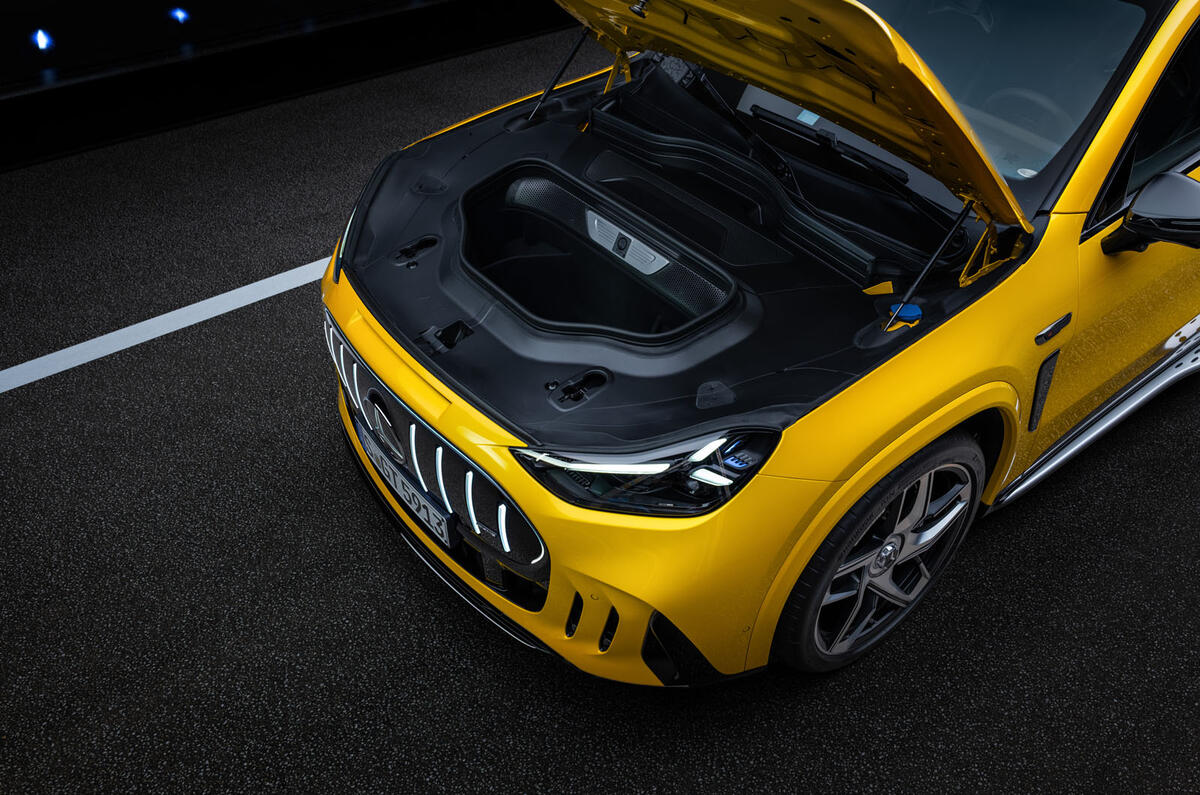
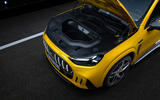
AMG quotes 607 litres of luggage capacity behind the rear seats, increasing to 1740 litres with the rear backrests folded. There is also a front luggage compartment offering up to 111 litres of space.

Join our WhatsApp community and be the first to read about the latest news and reviews wowing the car world. Our community is the best, easiest and most direct place to tap into the minds of Autocar, and if you join you’ll also be treated to unique WhatsApp content. You can leave at any time after joining - check our full privacy policy here.