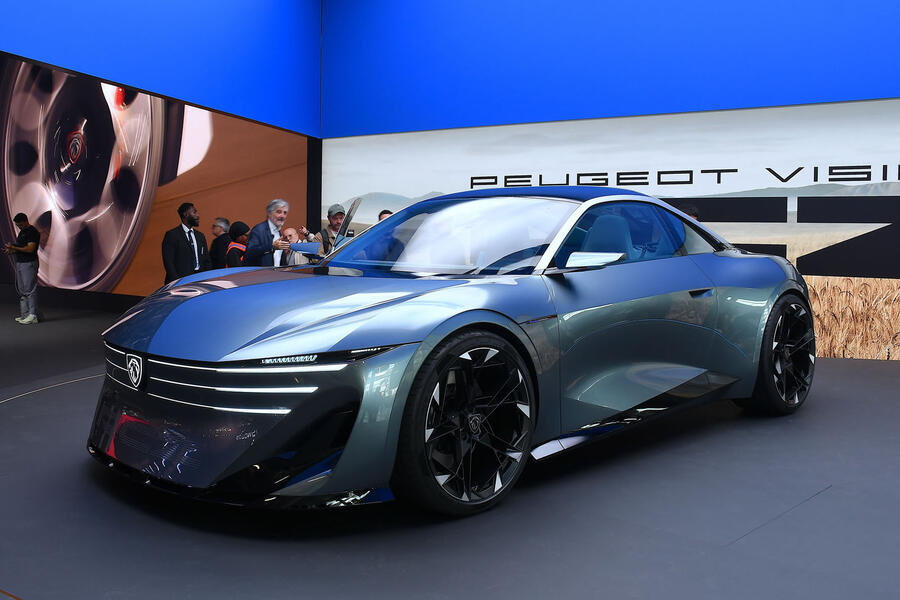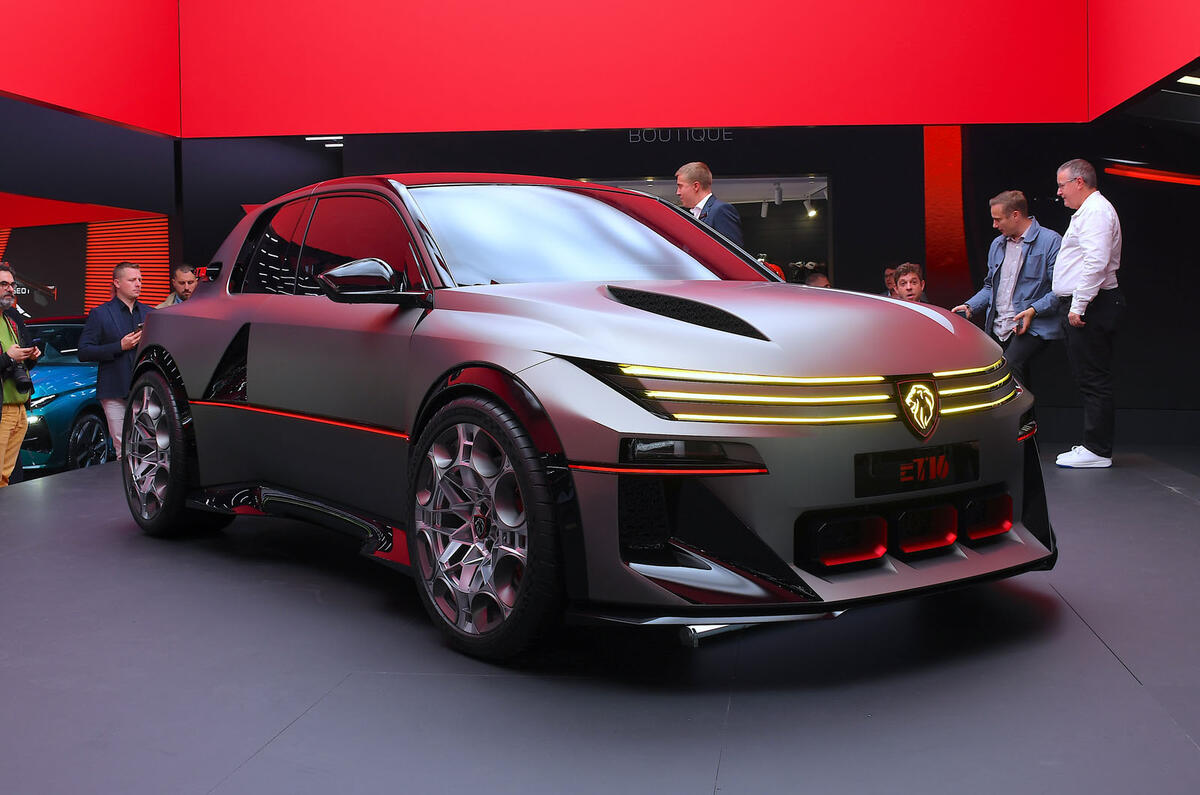
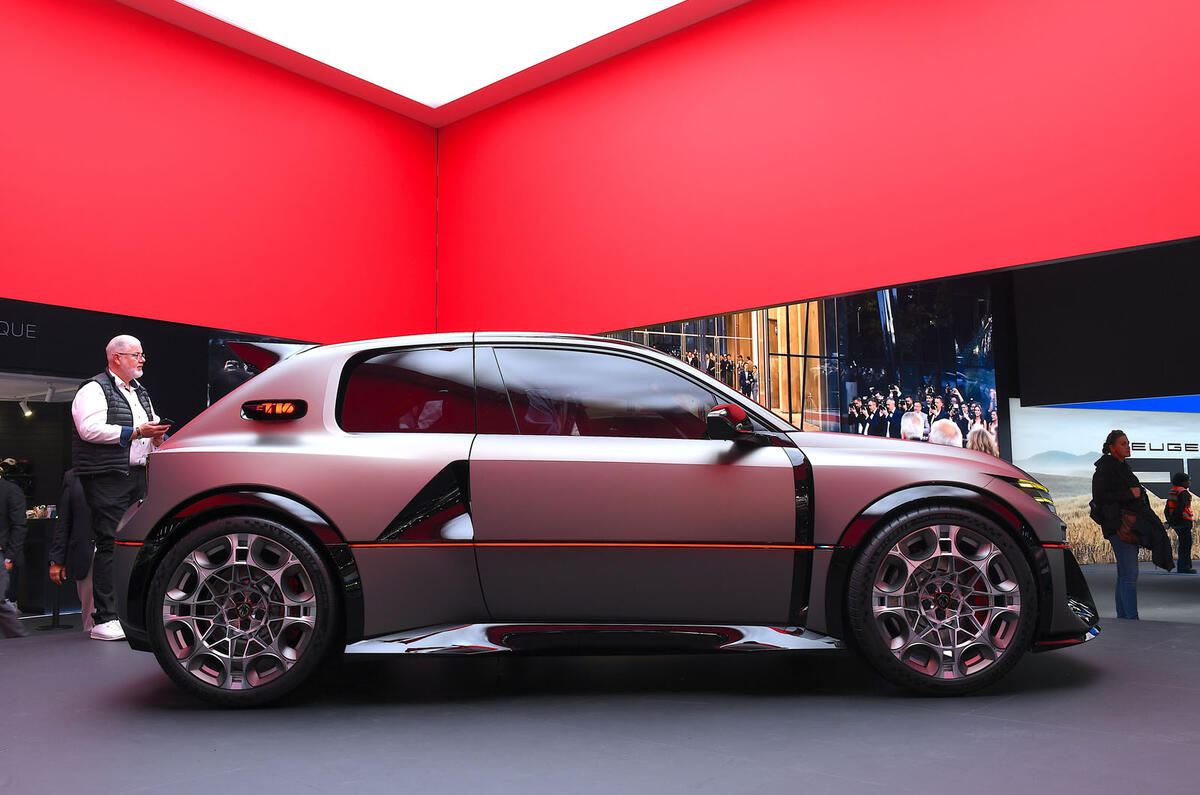
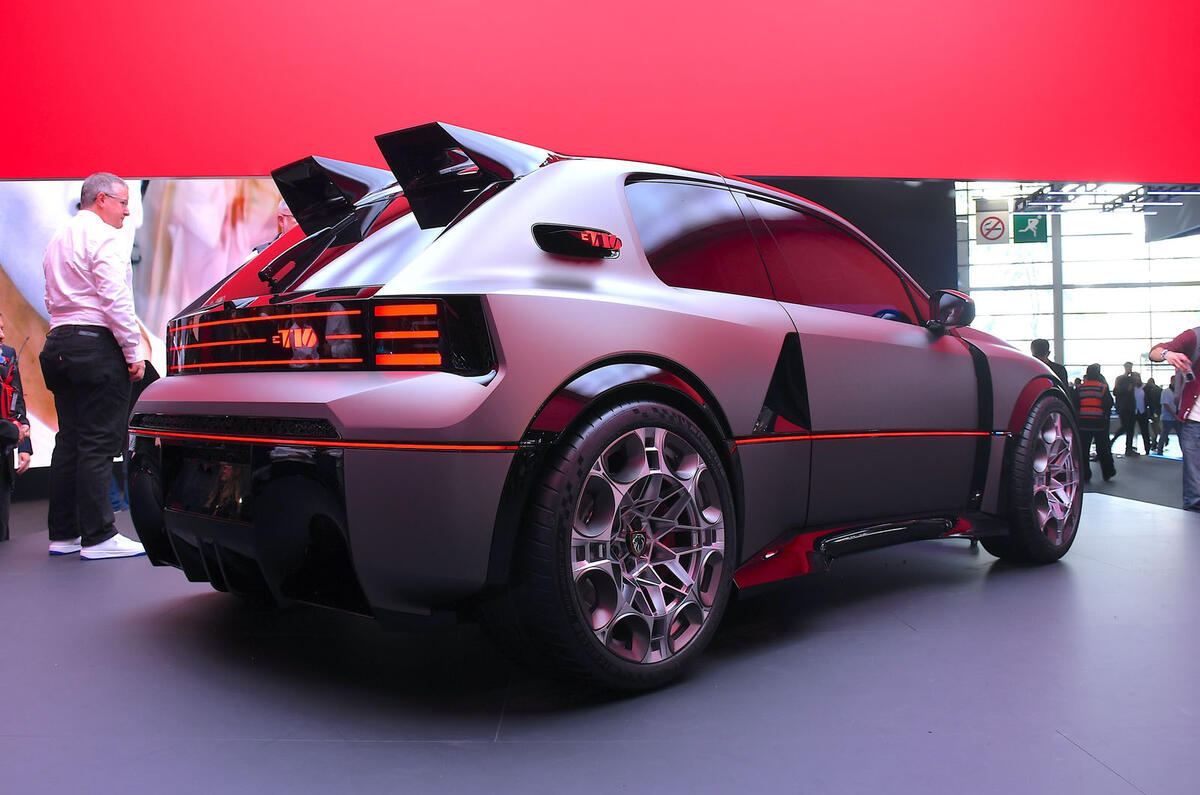
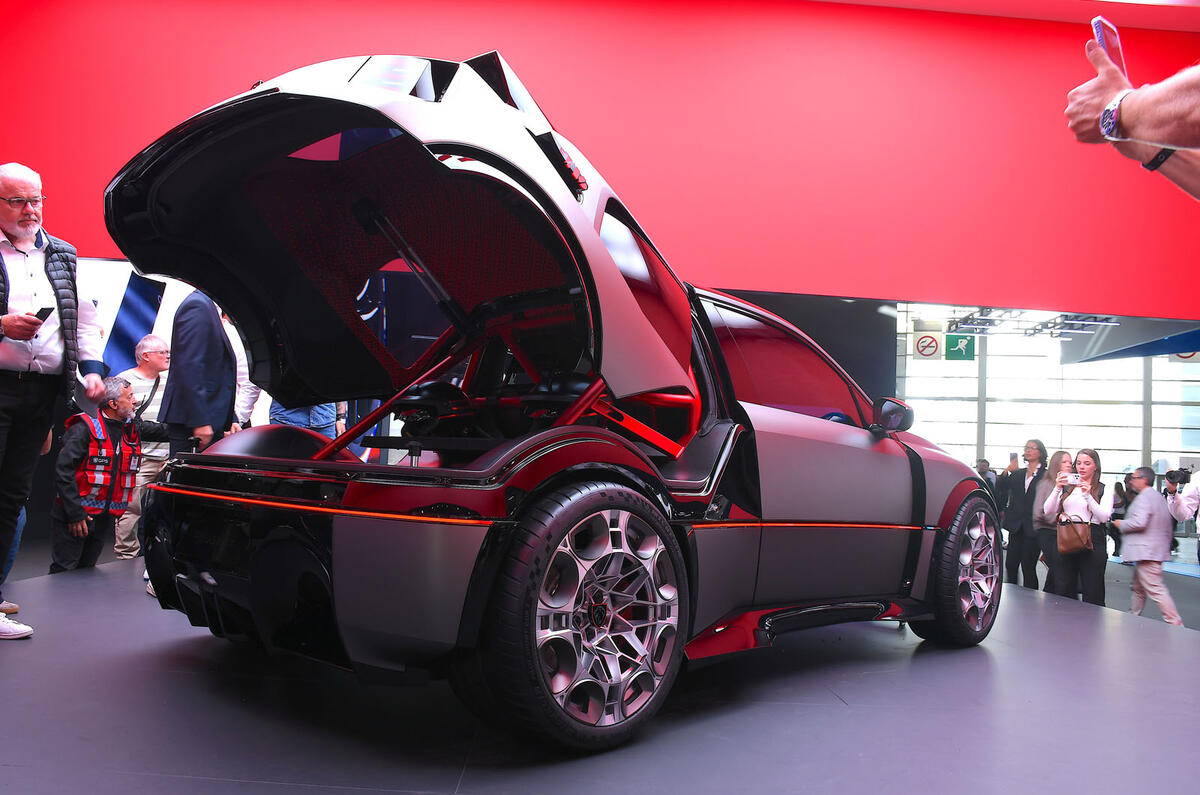





Peugeot wants to make the dramatic e-T16 and RCZ Vision concepts a production reality – and the former could be ready as soon as “next year”, according to CEO Alain Favey.
The e-T16 was unveiled at the Paris motor show as a first look at the next generation of the e-208, hinting at that supermini's general shape and lighting signatures. But with an 805bhp dual-motor powertrain and striking wide-arched bodywork inspired by the 1980s homologation-special 205 T16, it seemed unlikely to be up for production consideration.
Yet Favey told Autocar that “it is technically feasible”, pointing to the concept being underpinned by Stellantis's new STLA One platform as proof of its viability.
Favey said: “We can make it. The car is based on STLA One. We have a lot of elements from the new e-208. We can make it as it is, as you see it here. We can make this car next year. Let's see.
“That’s an easier exercise in a way, to say ‘let’s make a car that makes you dream but at the same time a car that we can make'. It’s at least a car we can make. It's technically feasible.”
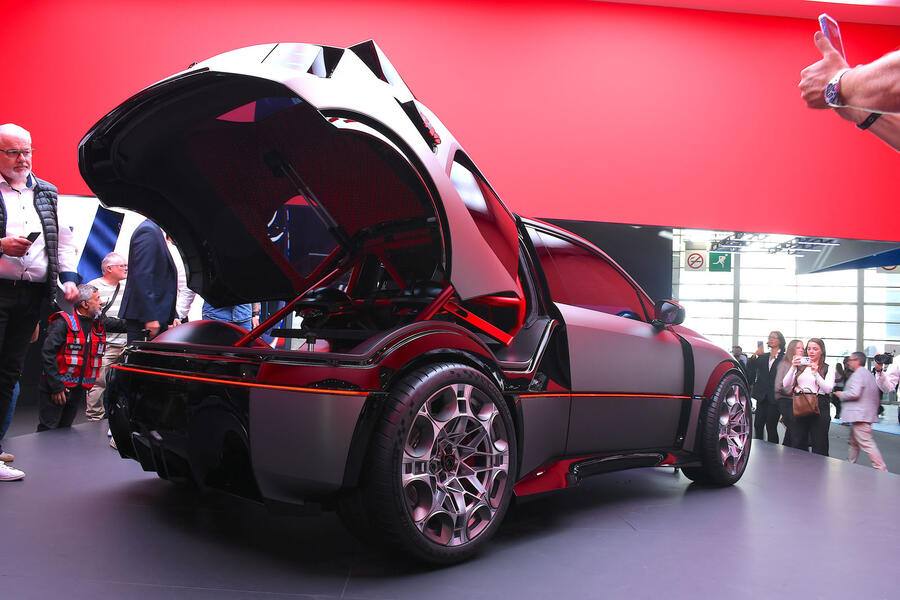
Favey pointed to the involvement of motorsport arm Peugeot Sport in the e-T16’s development as proof of its feasibility, adding that its technical specification wasn't just dreamed up for the sake of grabbing headlines.
“[805bhp], this and that and the other, they are real facts,” he said. “If we make this car, we can make it. That’s the performance we can get to.”
A production version of the e-T16 would likely be a low-volume, high-cost halo product for Peugeot, in the same sense as the similarly conceived Renault 5 Turbo 3E.
Favey didn't discuss pricing, but the £140,000-£220,000 figures mooted for the 5 Turbo 3E indicate what Peugeot could charge for the four-wheel-drive “hyper-hatch”.
Together with the new RCZ coupé, it would spearhead Peugeot’s push further upmarket with “sporty”, design-led cars that are crucial to its wider growth aspirations.
Favey said the brand is looking to increase its annual sales volumes from 1.1 million to 1.5 million cars, targeting “profitable growth”.
RCZ could take 'five or six years'