Currently reading: Renault mulls building 8 Gordini as follow-up to 5 Turbo 3E

CEO says rally-inspired retro coupé "could be one of the opportunities" in Renault's sporting push

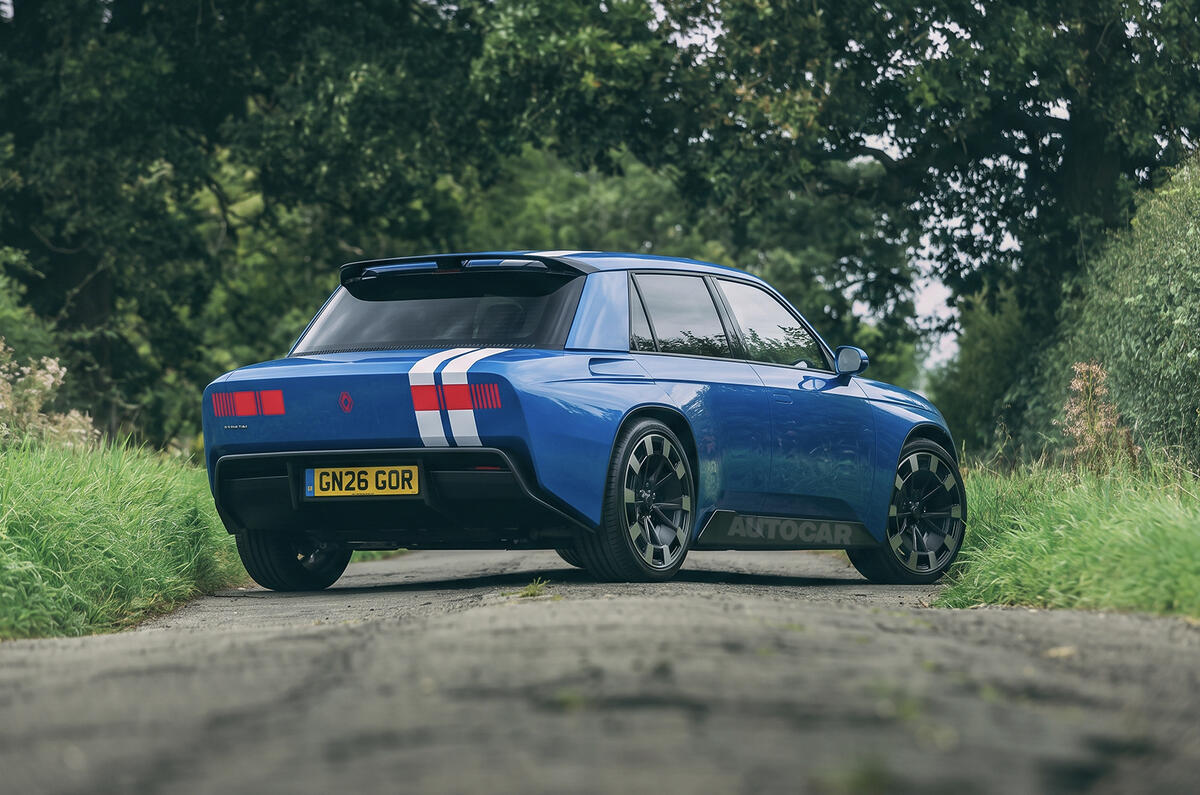
Renault could follow up its 5 Turbo 3E with a limited-run, high-performance sports car based on the new 8 Gordini concept, boss Fabrice Cambolive has confirmed.

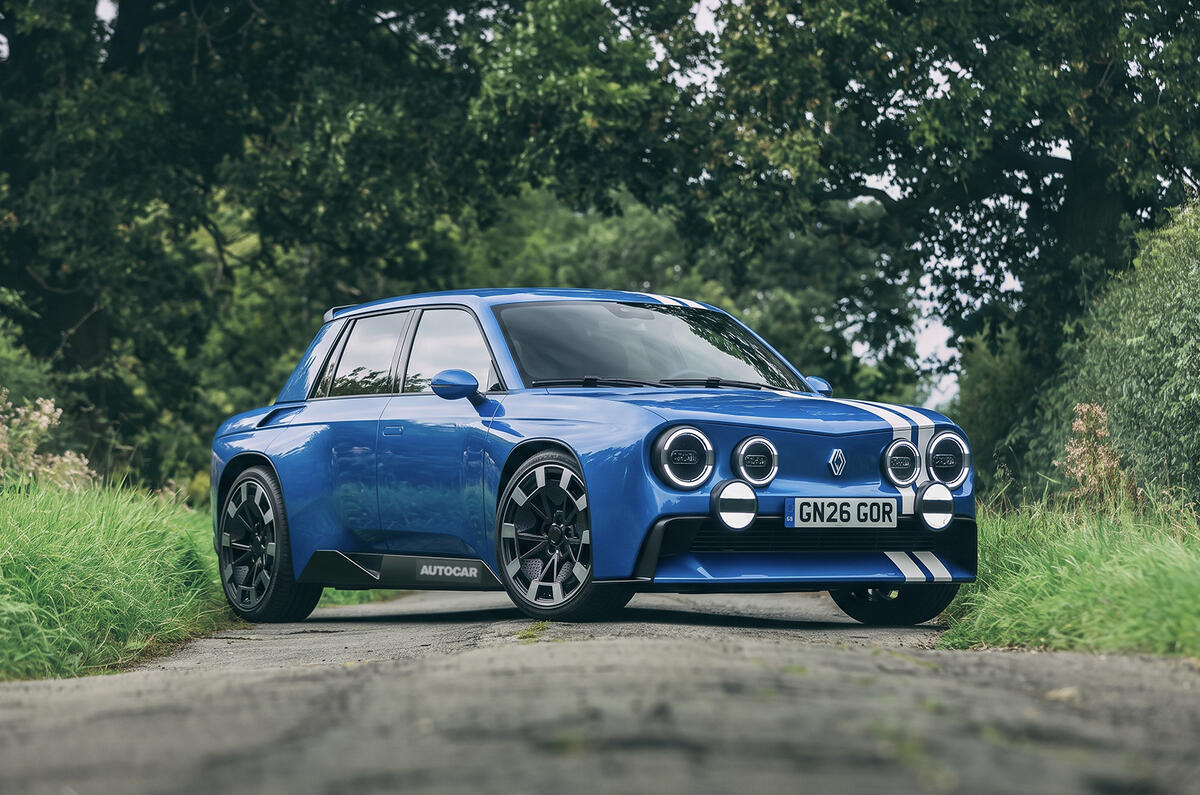
The 5 Turbo 3E is based on the new Alpine Performance Platform (APP) developed by Renault’s performance brand for its next-generation A110 sports car, but also features bespoke in-wheel motors that produce combined 533bhp.

The hyper hatch, which will enter production in 2028, is limited to 1980 units, with prices starting from around £135,000.

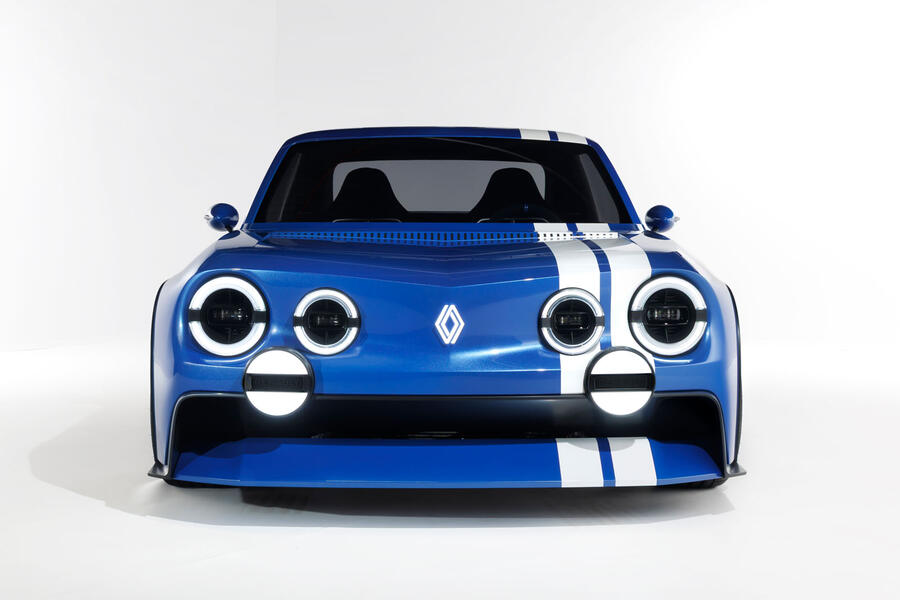
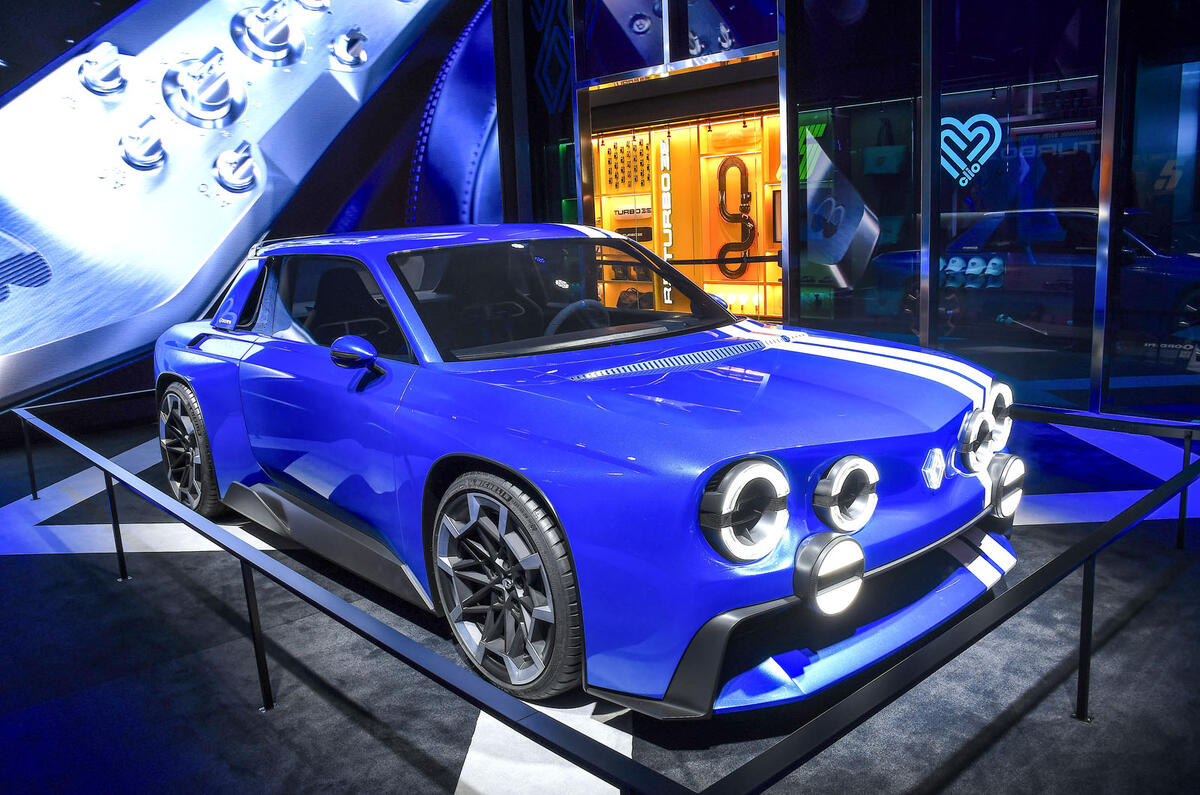
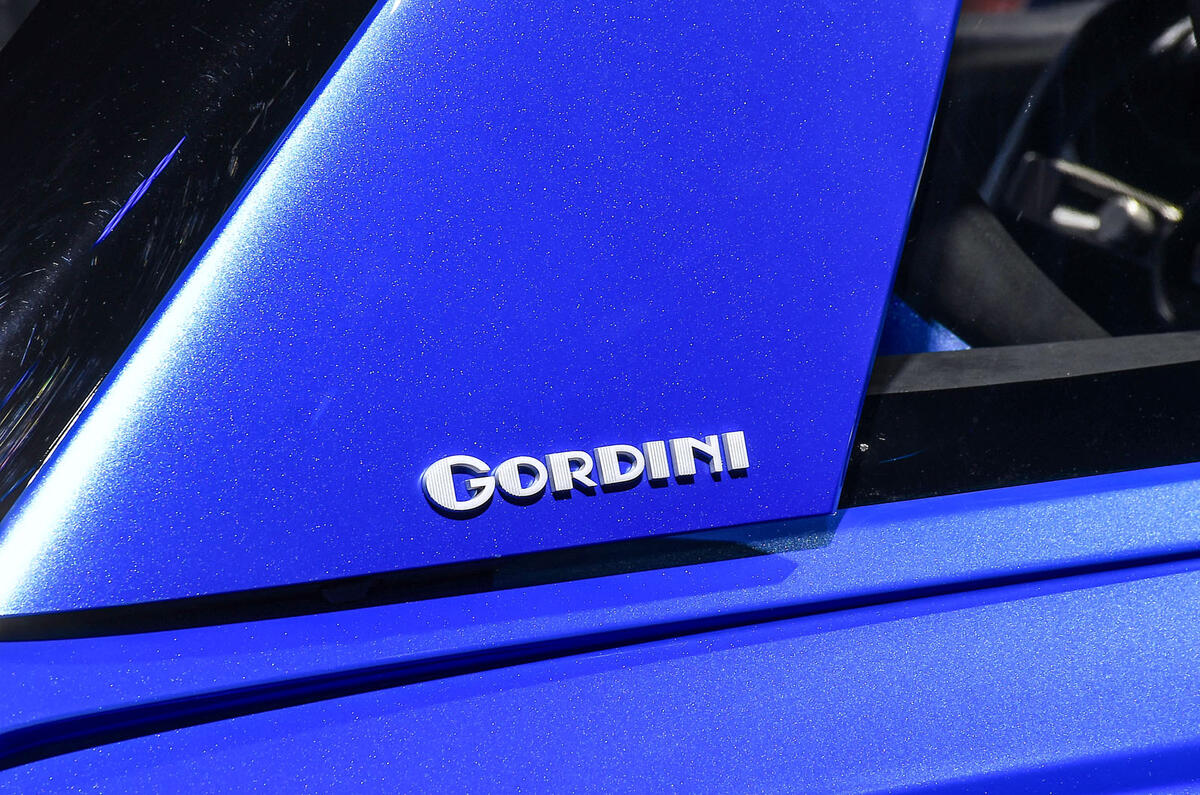
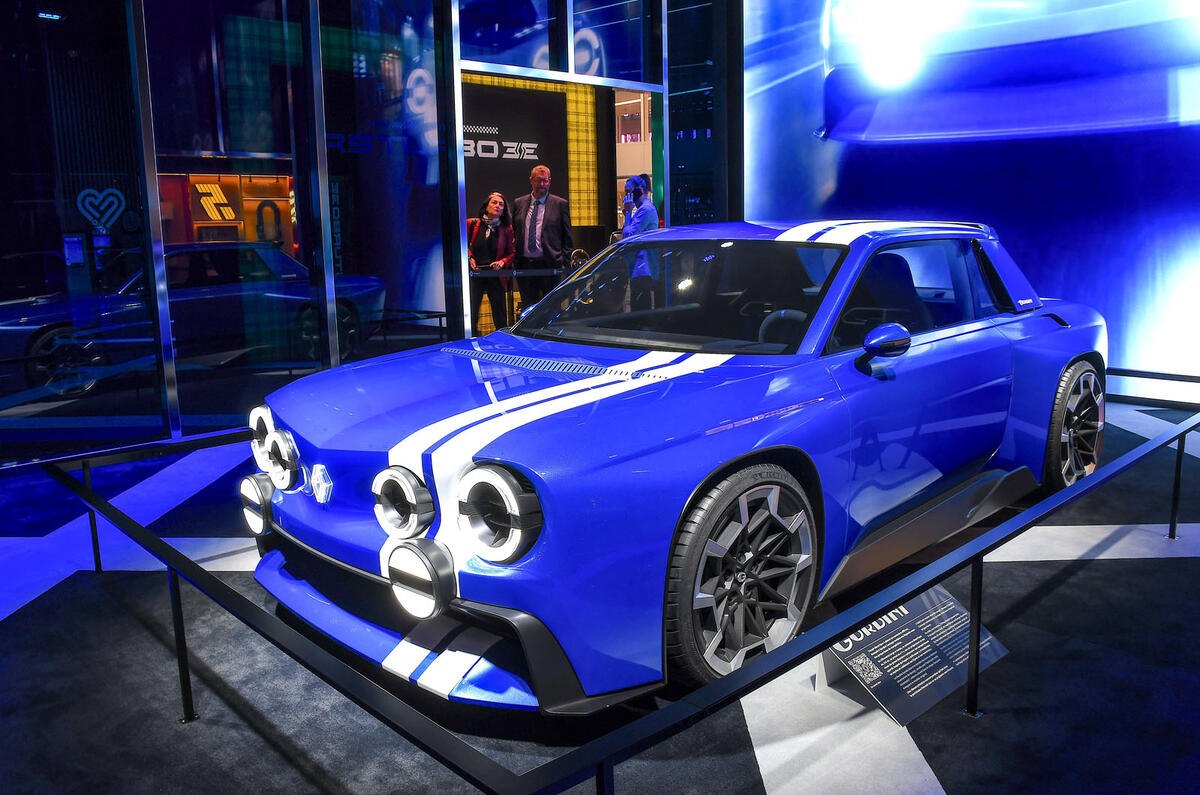
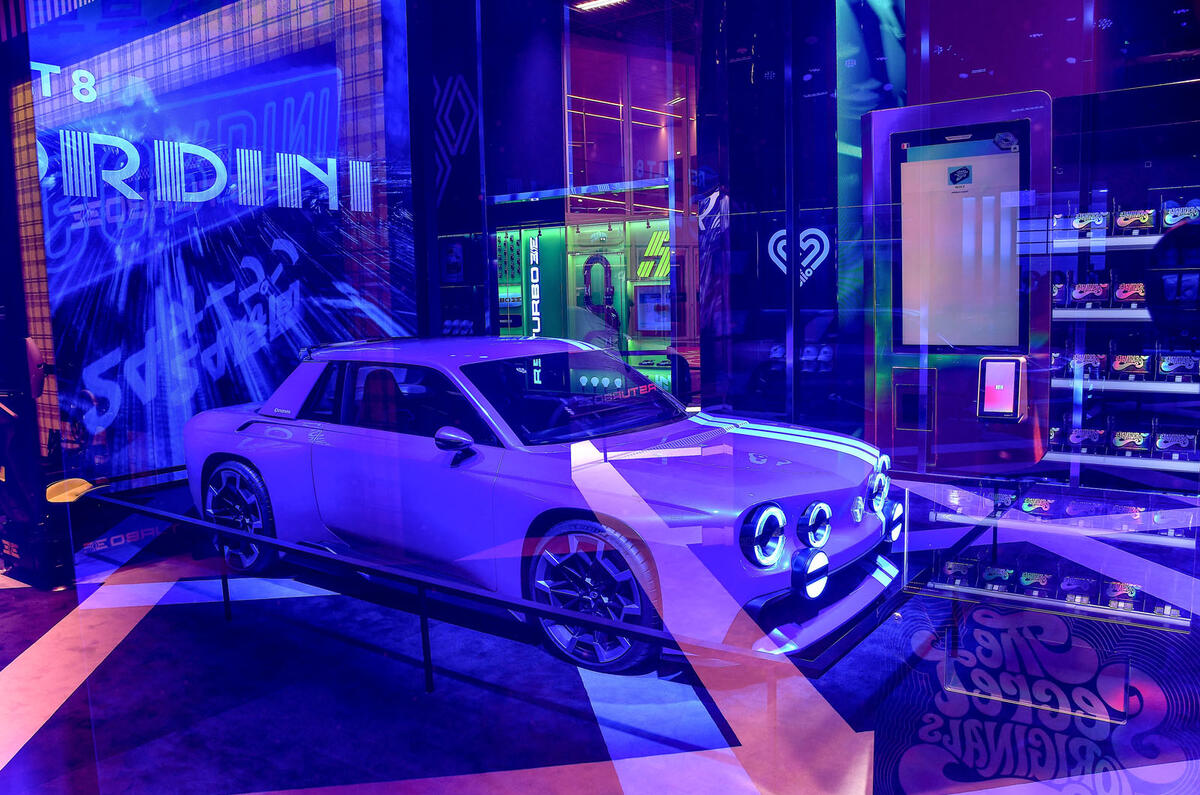
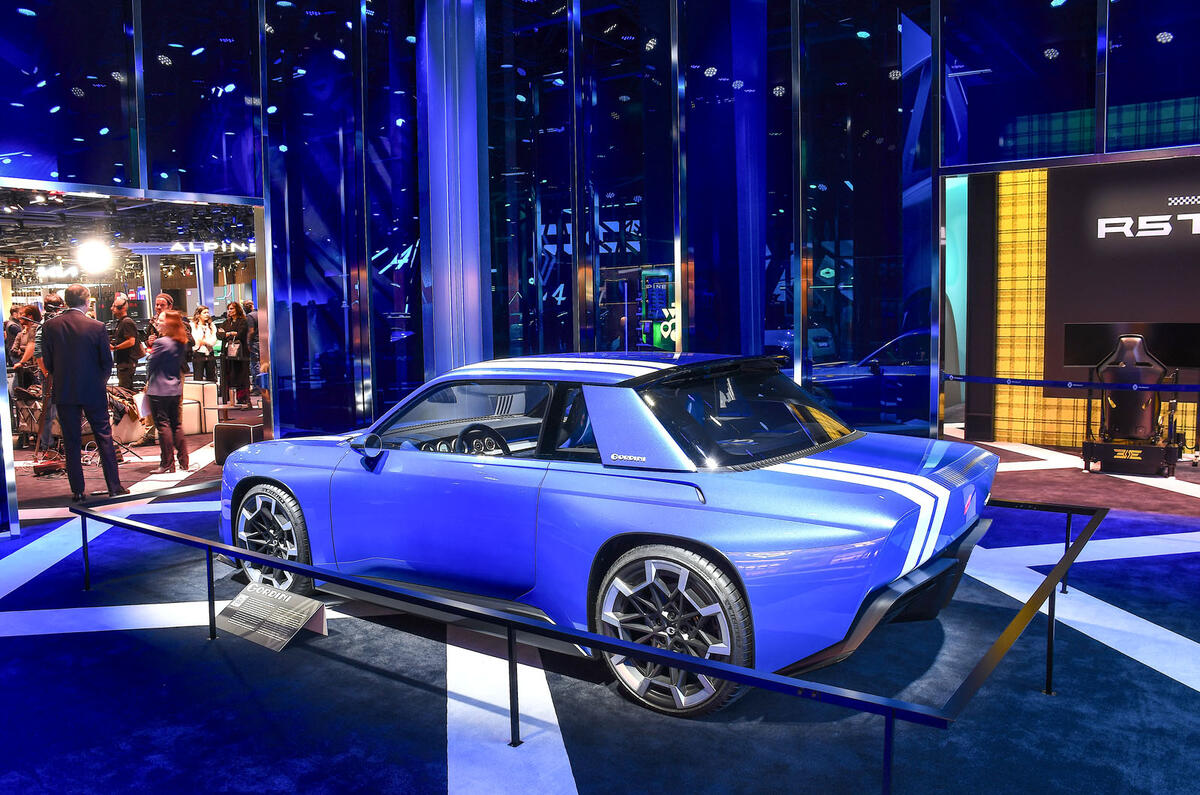
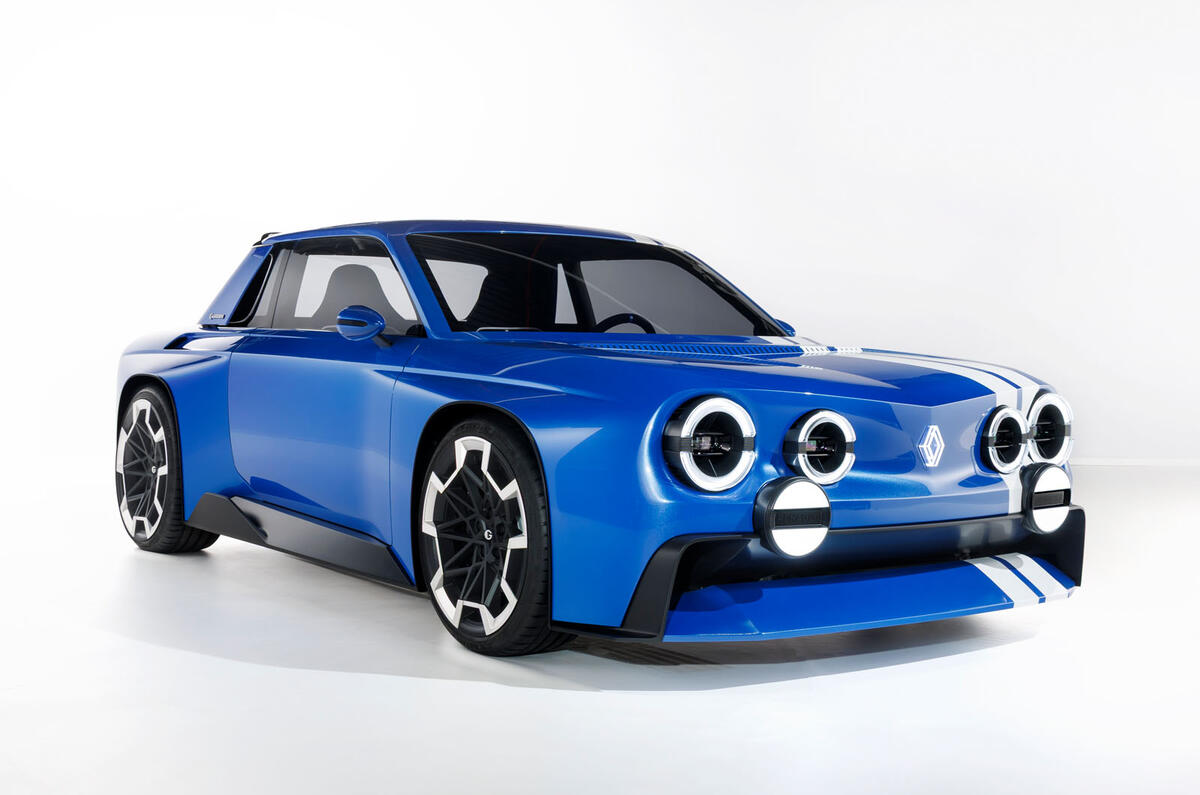
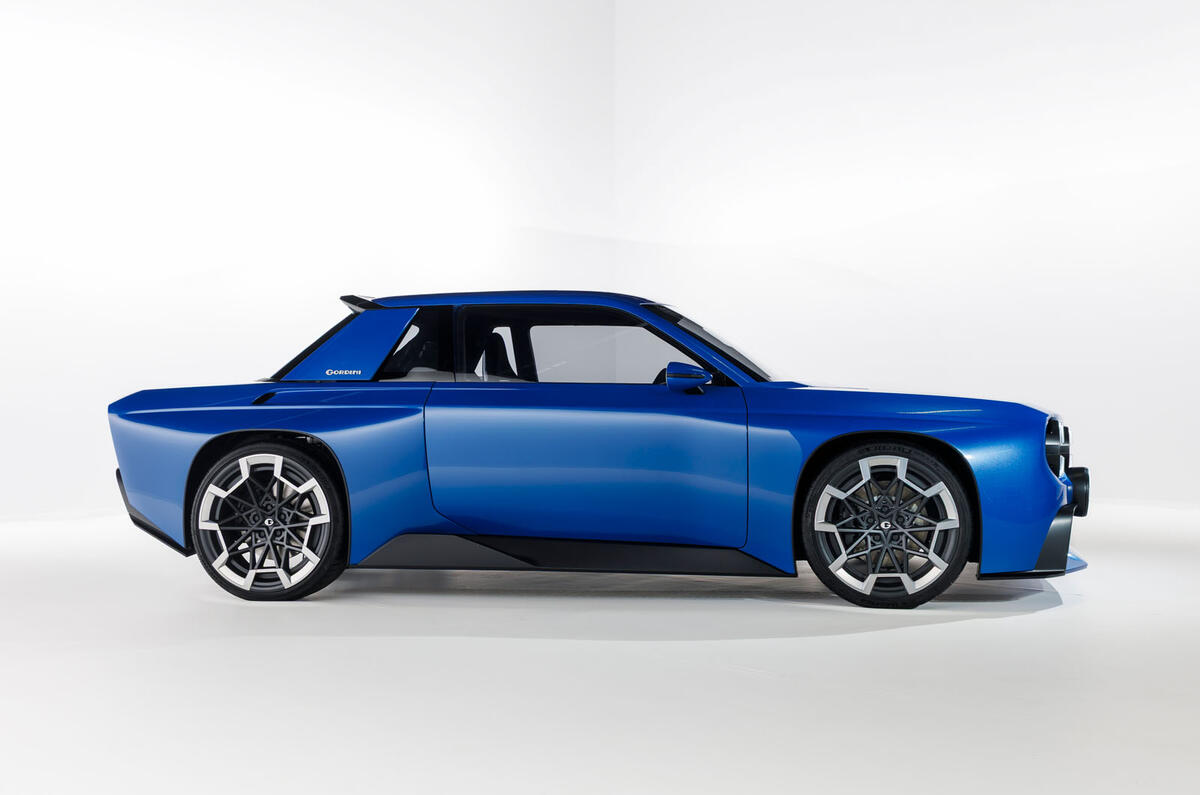
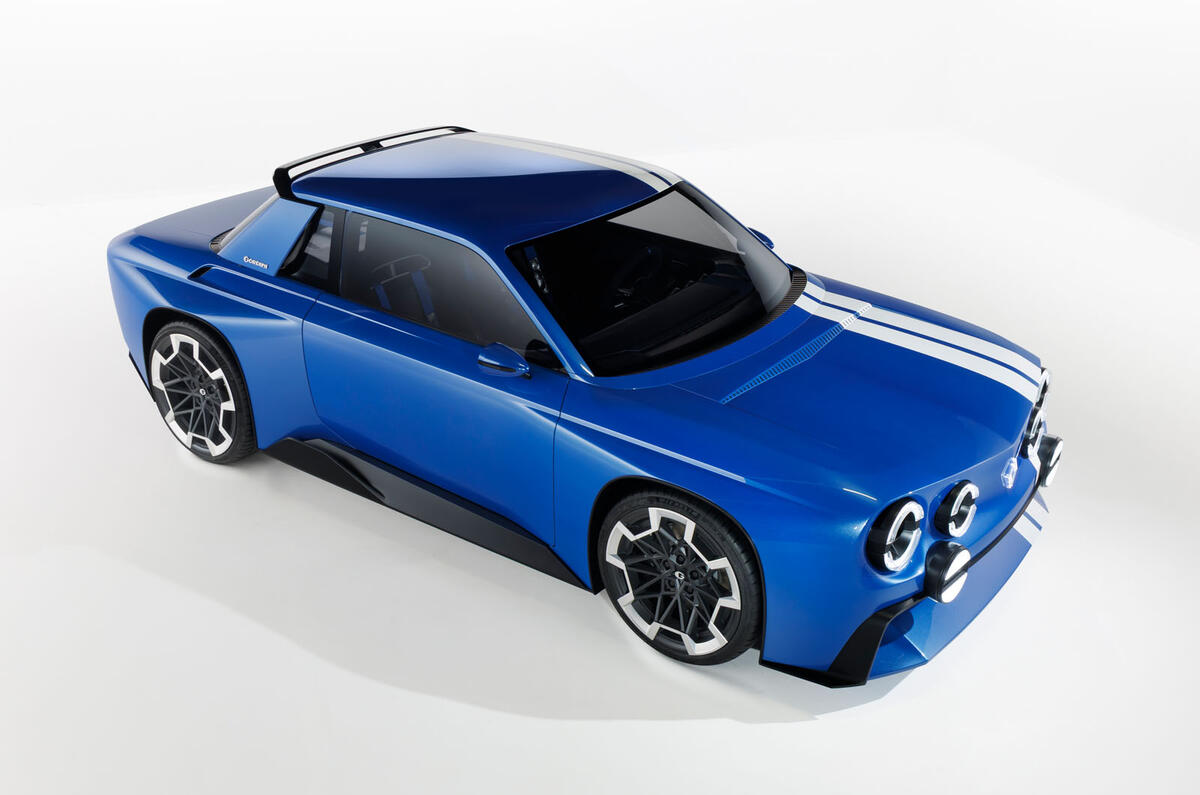
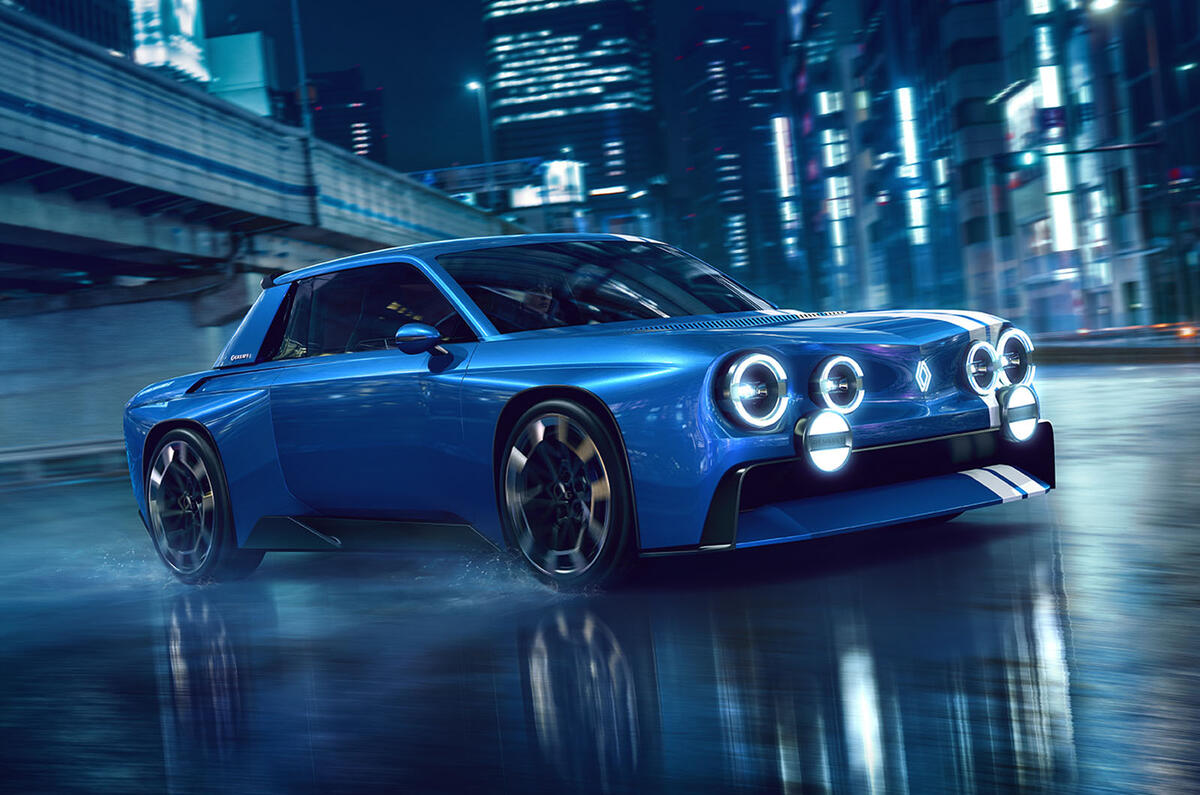
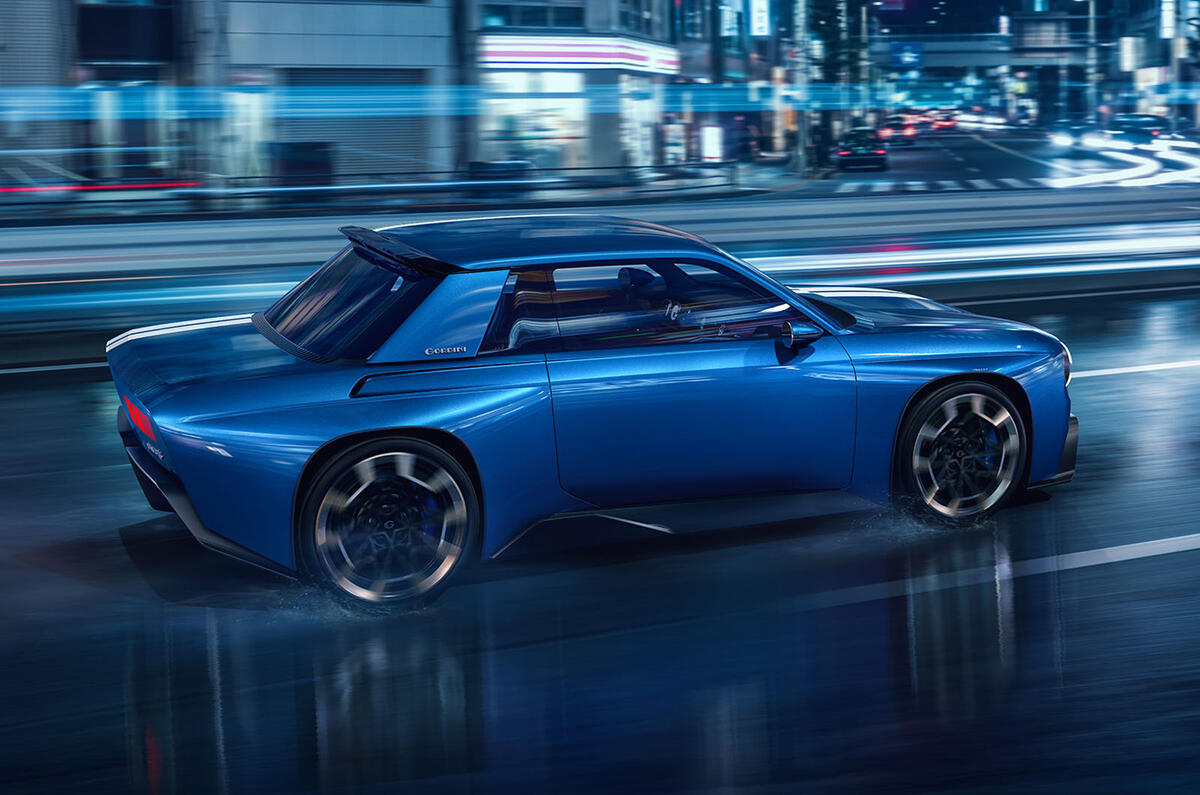
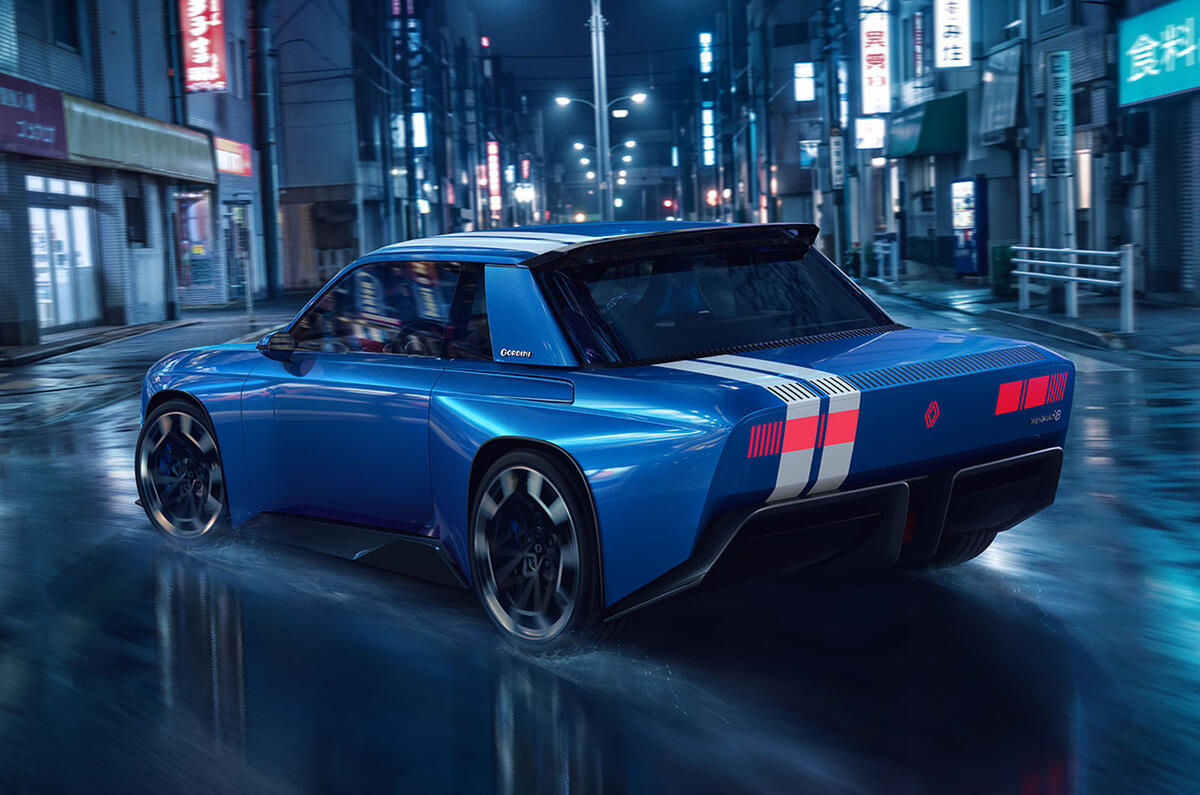
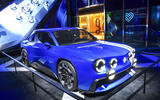
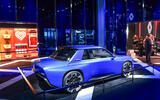
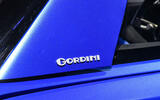
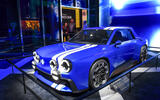
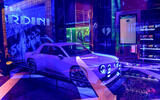
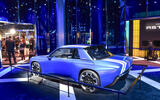
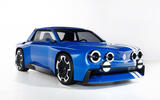
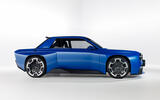
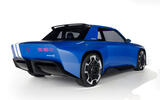
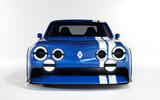
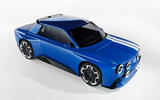
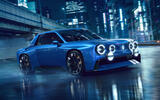
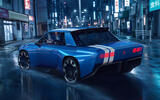
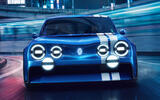
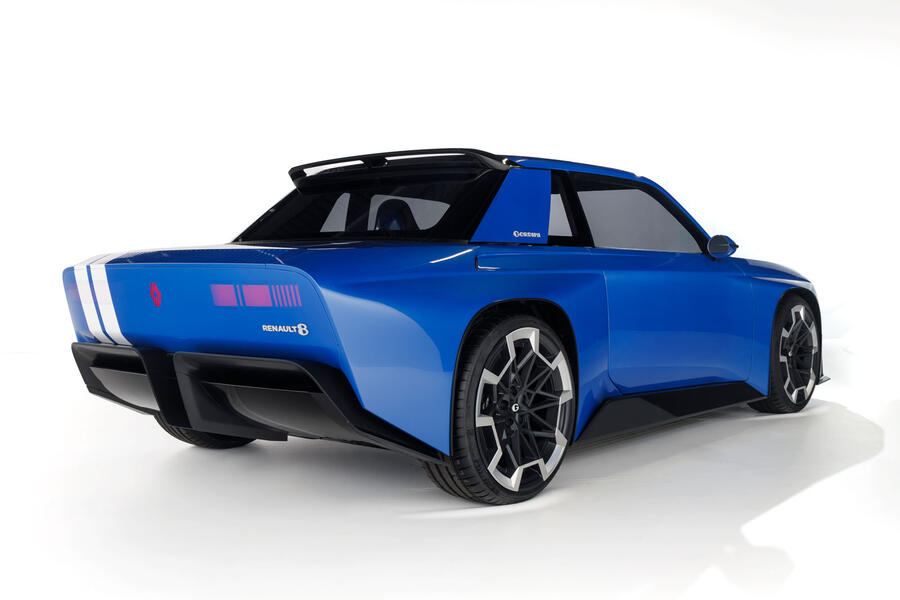
The 8 Gordini on display at the Paris motor show is a concept that revives Renault’s classic saloon as a two-door coupé, with styling that pays tribute to the fabled Gordini tuning firm.

“With the R5 Turbo 3, we wanted to show that Renault has the capacity to be sporty and fun with an EV," said Cambolive. "And when when we discussed Gordini, we wanted to show we could do an electric car with a lot of emotions, sportiness and desirability. And nobody told me ‘ah, it's electric, I don't like the car’.

“Frankly speaking, shifting to electric is a big move if you take the legacy of Gordini. So what does it mean for the future, then? It means in the future we have to give confidence to our people that we are capable to create a small series of sporting cars focused on electric fun-to-drive.”
Asked by Autocar if the 8 Gordini could follow the 5 Turbo 3E as a limited-run special on the APP, Cambolive said: “First we have to sell the R5 Turbo 3E, and then deliver the first examples. After the Turbo 3E, the Gordini could be one of the opportunities.”

The reimagined version of the popular 8 saloon, first launched in 1962, is the first product to emerge from the French firm’s design studio since Alexandre Malval took over as design chief.

It also serves to celebrate Gordini, the performance firm that achieved success in racing and rallying with tuned Renault models, before eventually becoming part of Renaultsport.

While the 8 Gordini concept contains hints of design features that could be used in future models, Renault insists that it's intended strictly as a one-off that will eventually be displayed in the firm's new museum in Flins, France – where the 8 was originally manufactured.

“The original 8 was a very humble car, a sort of working class hero,” said Renault concept car chief Roman Gauvin. “We wanted to keep that honesty for this concept. It’s not a two-metre-wide, 1000bhp machine: it’s still approachable and makes you smile.

Back to top

"It’s about how we position ourselves against sports car brands: for us, it’s the fun factor. We’re not here to design a car that’s going to shave half a second off a lap time at the Nürburgring; it’s fun, small, agile and nimble.”

Read more – The Gordini story: How legendary fast Renaults paved way for Alpine

Renault 8 Gordini

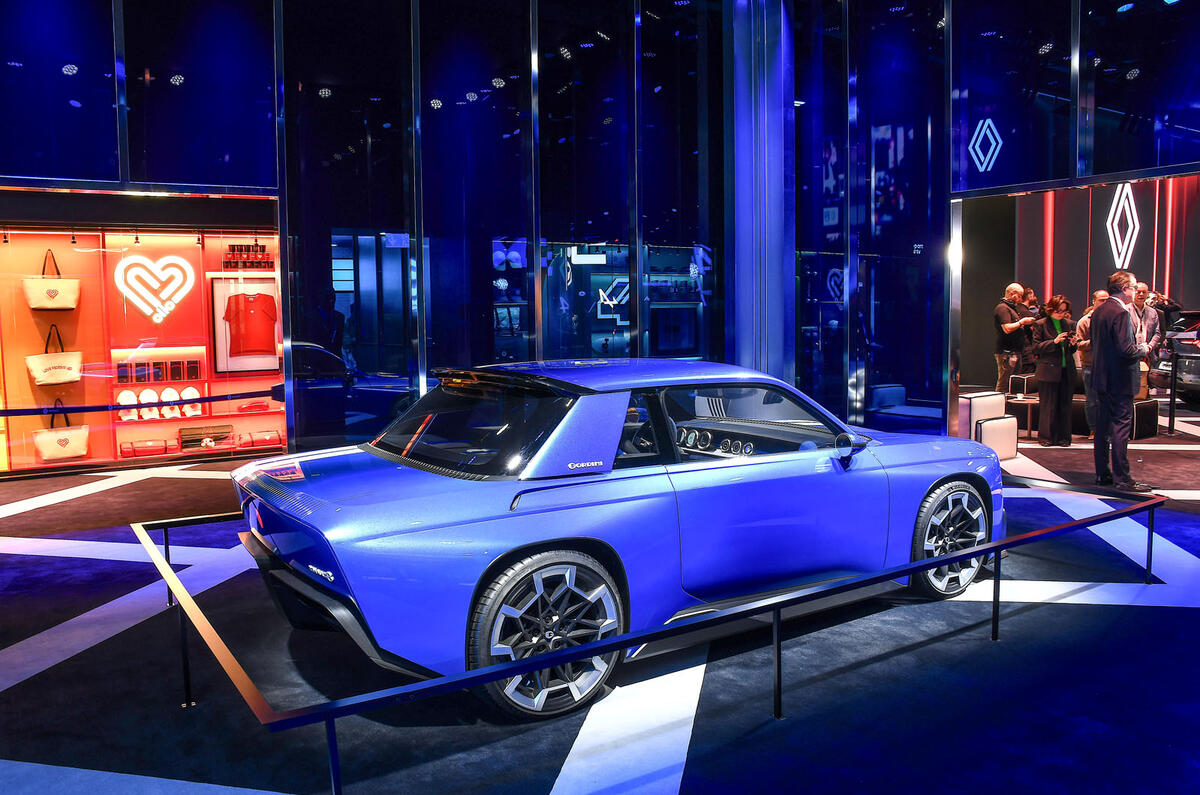
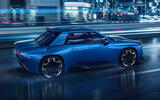
While the original 8 was a four-seat saloon with its engine at the rear, the new concept is a two-seat coupé that measures 4120mm long - slightly more than the Clio.

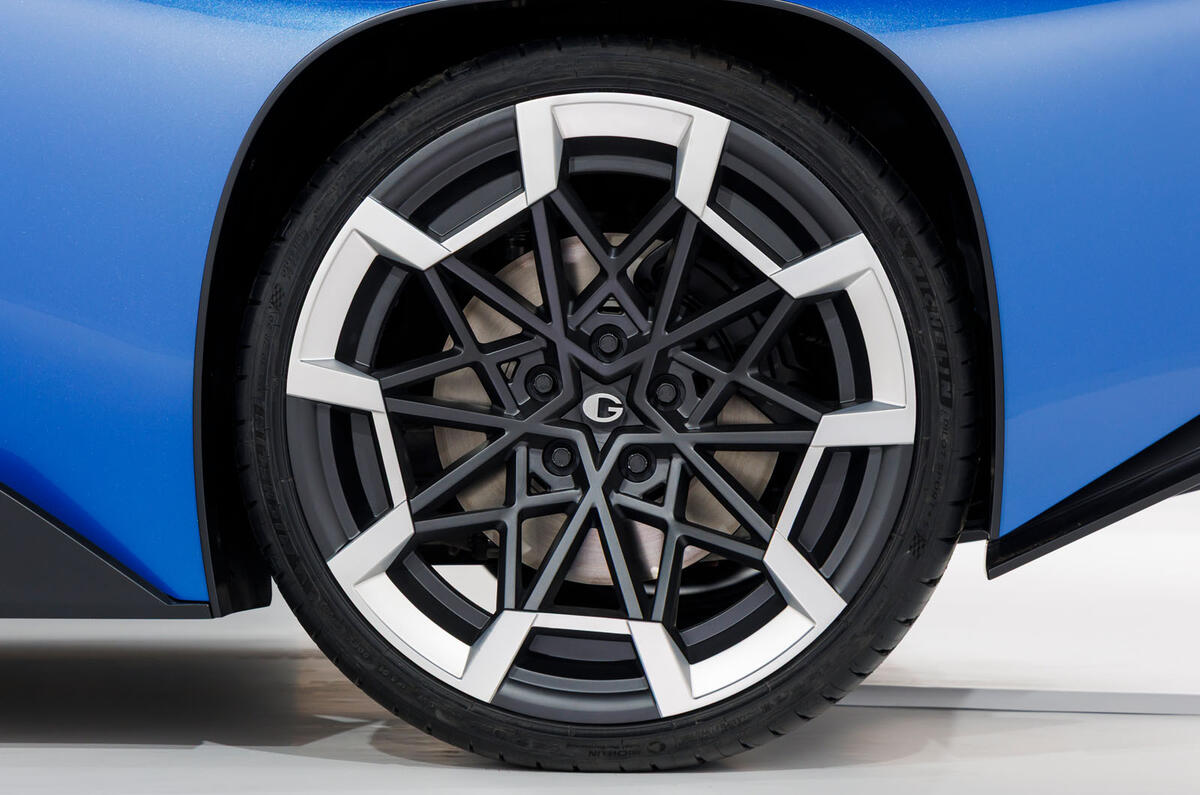
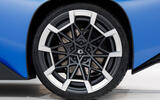
It sits on 19in wheels at the front and 20s at the rear, and while this is strictly a show car, Renault claims power comes from a 270bhp electric motor.

Asked about the decision to revive the for the concept, Gauvin said: "This car is less well known than other that we have, but it's very relevant. The Renault 8 was very honest: it wasn't trying to be the most powerful or expensive car in its segment, but it has approachable values that not many brands can tap into."

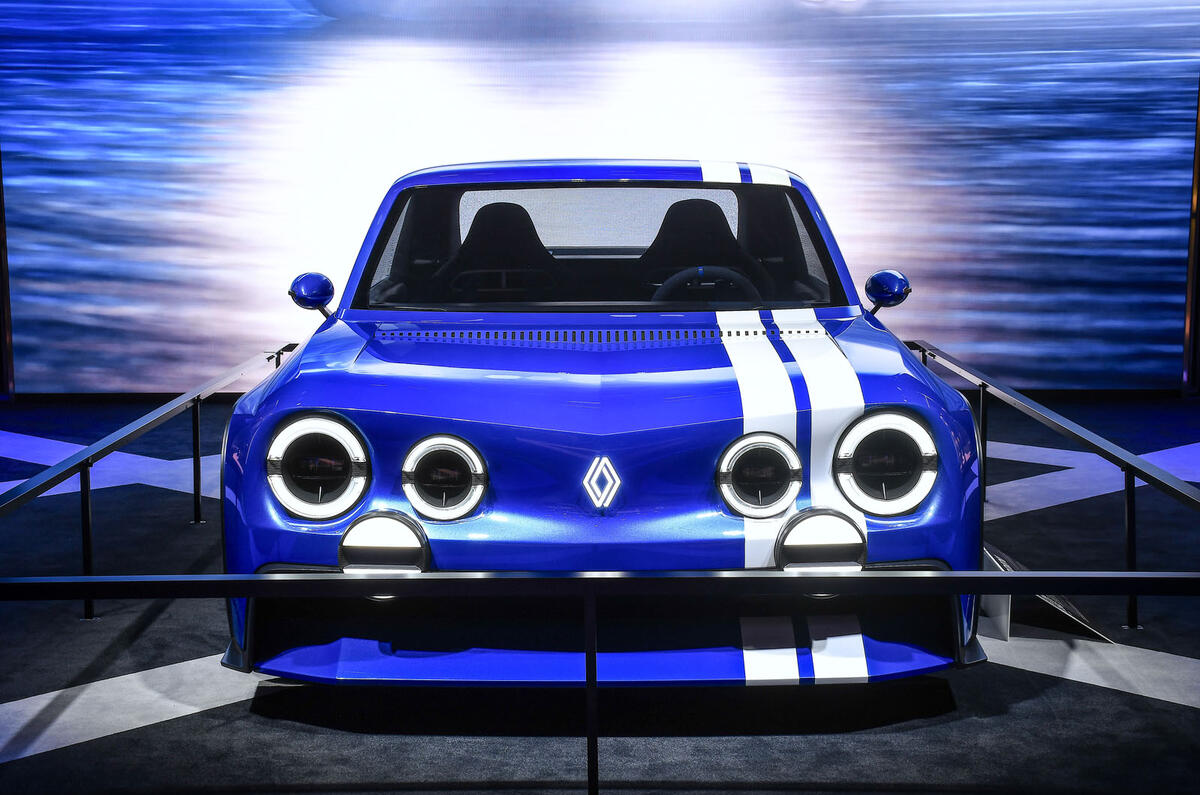
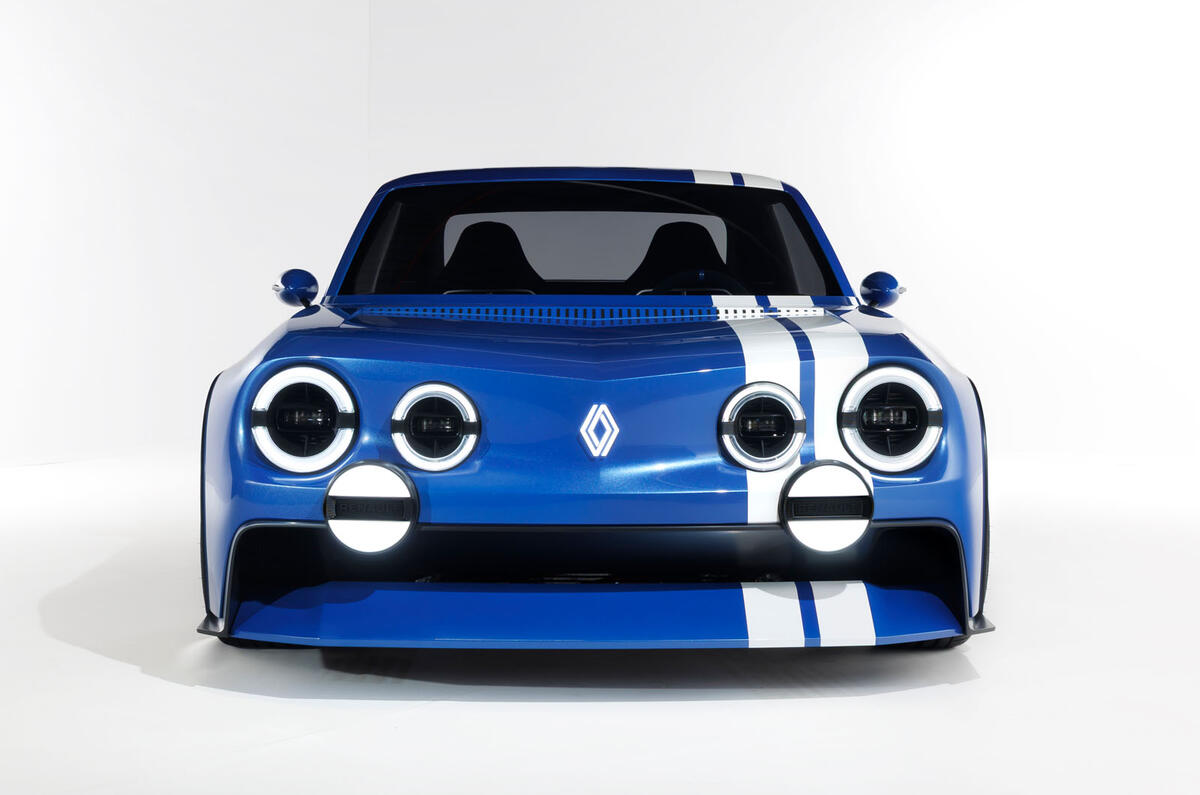
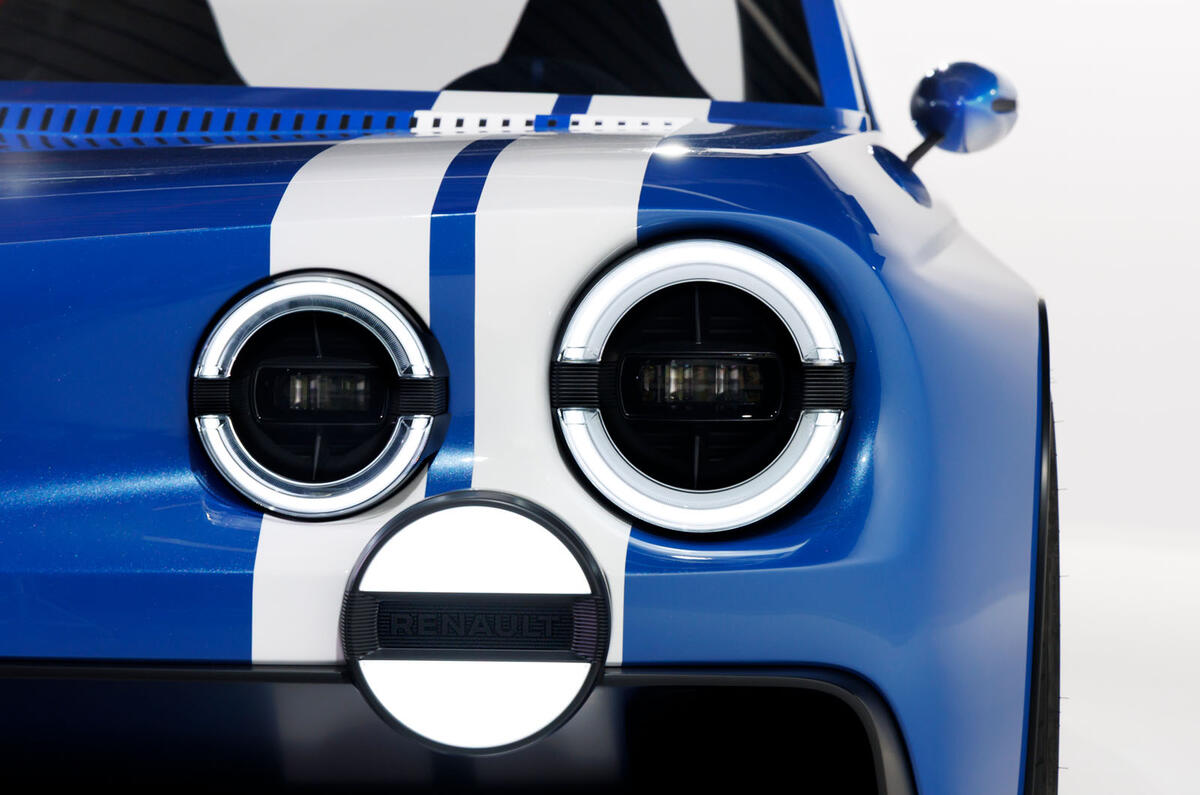
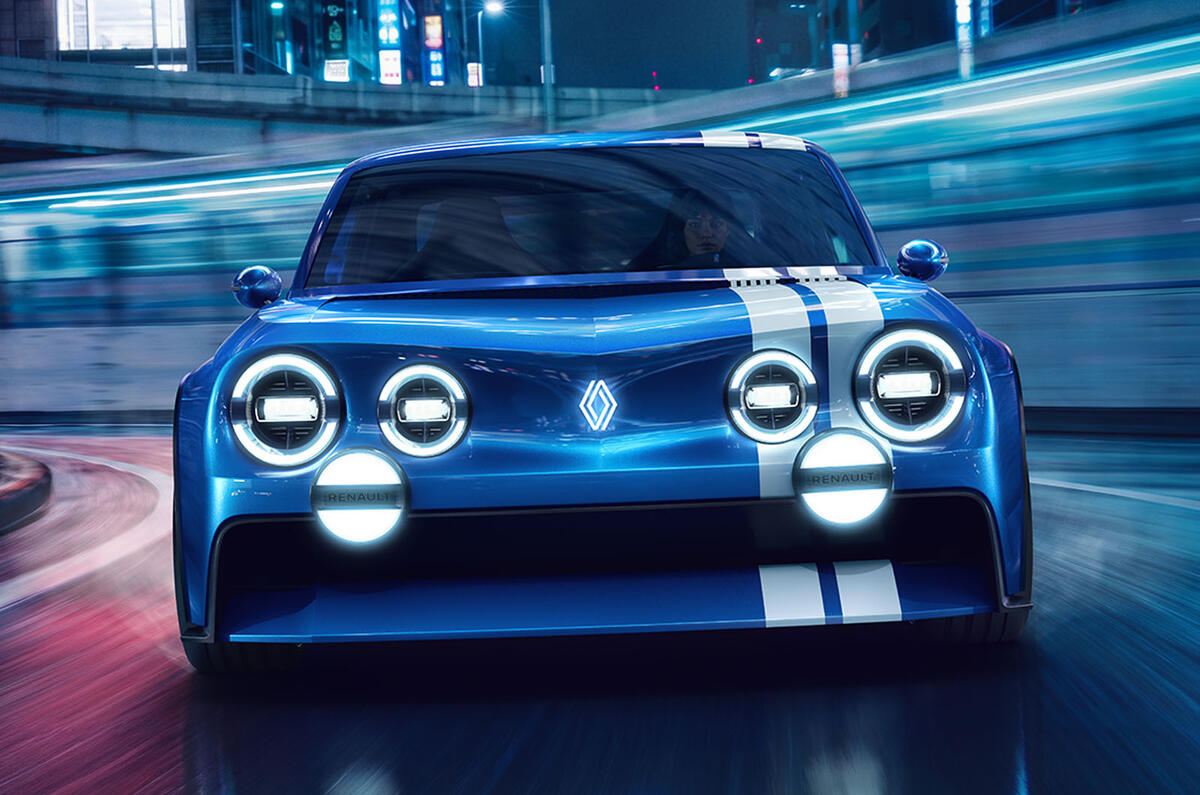
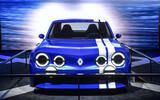
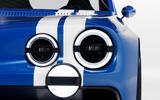
Styling-wise, the concept retains the original’s distinctive round headlights, while Renault’s design team has also added lower spotlights that nod to the Gordini version’s rallying heritage.

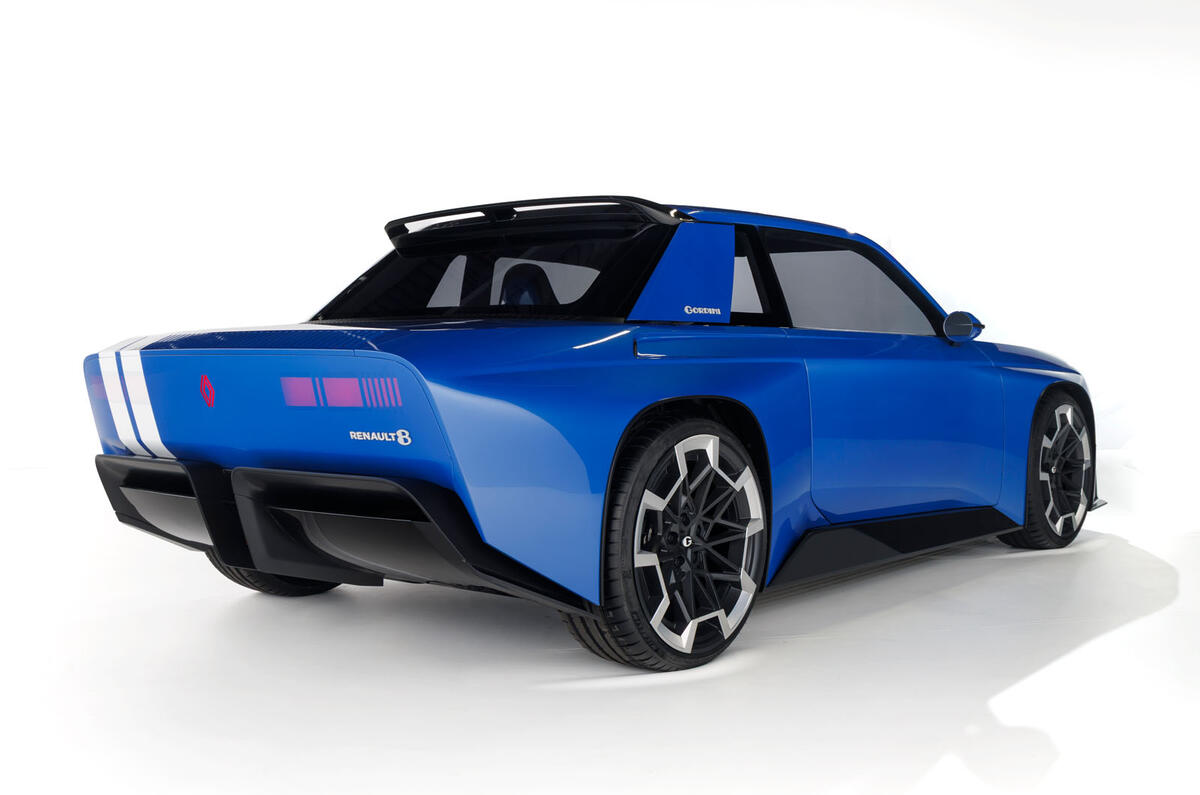
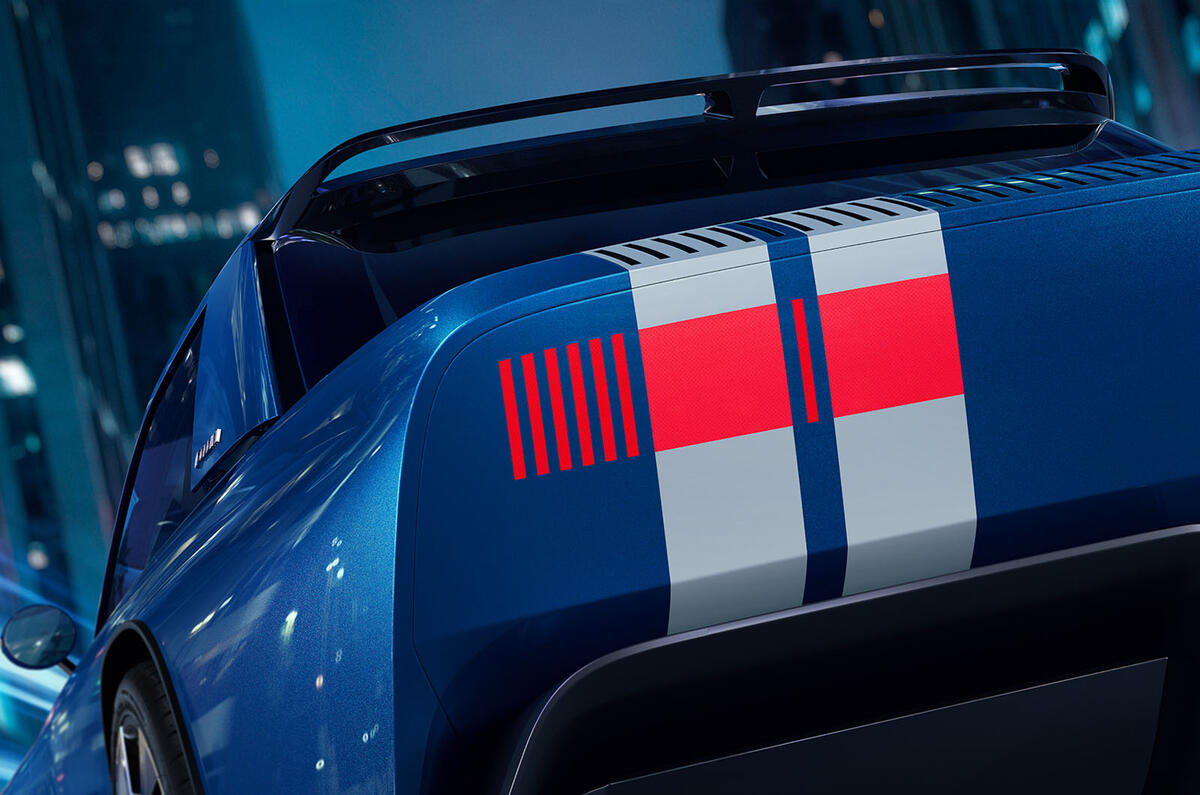
It's also finished in the historic performance brand’s traditional blue and white paint scheme, complete with racing stripes.

Back to top

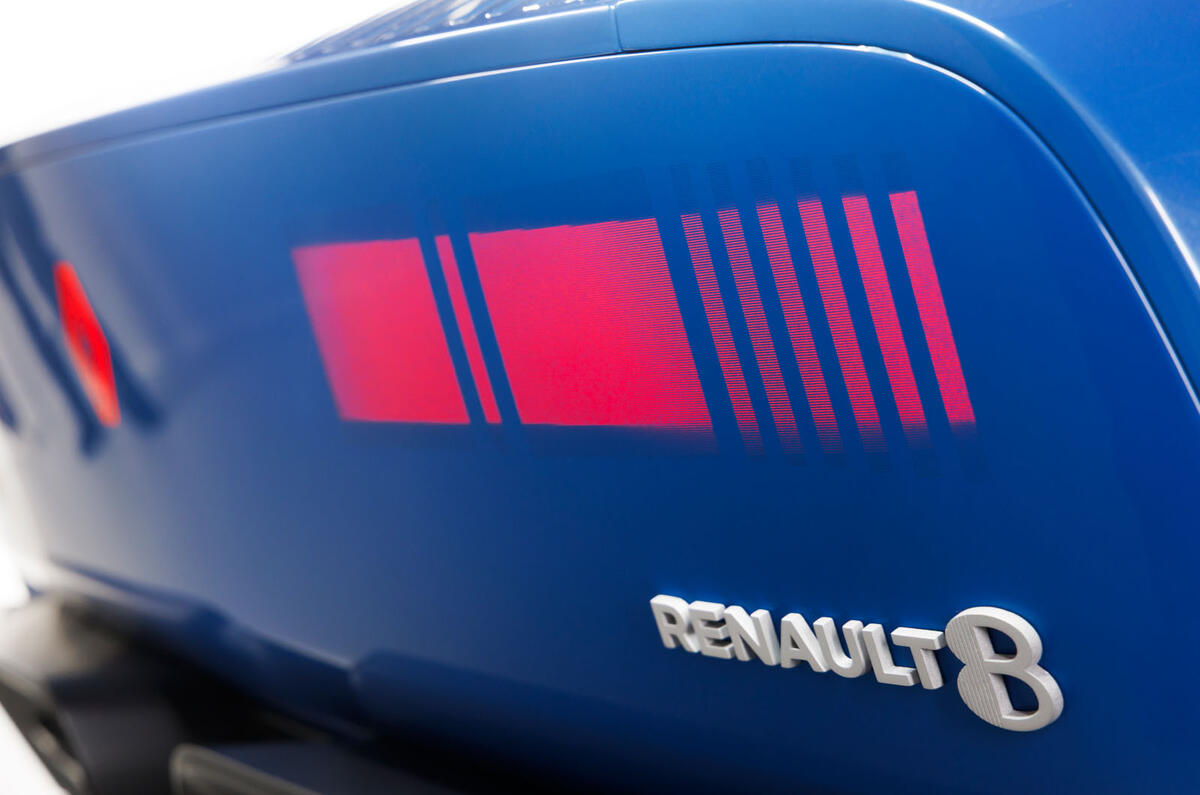
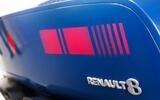
At the back, the lights are integrated into the bodywork and become invisible when the car is turned off – a technology that Renault claims could be used on future production cars.

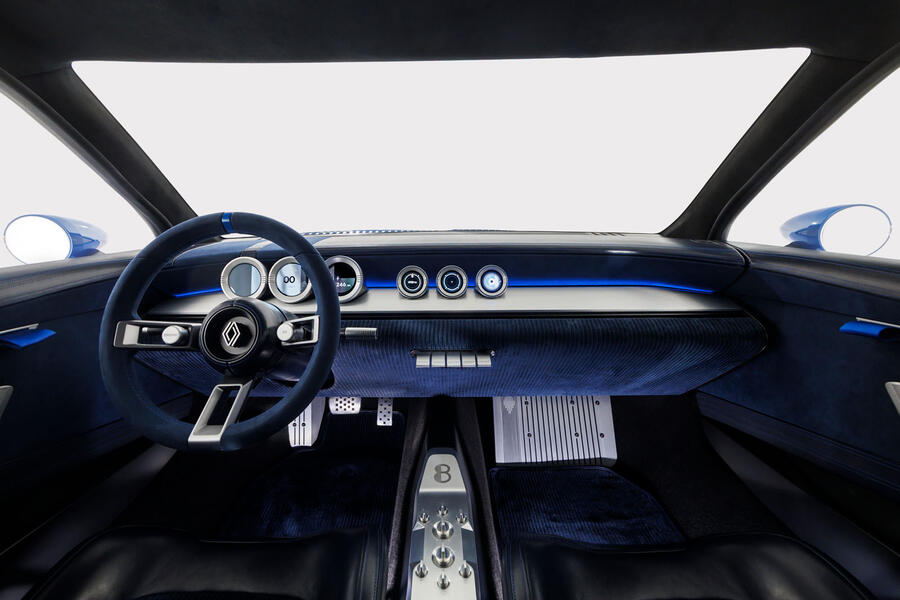
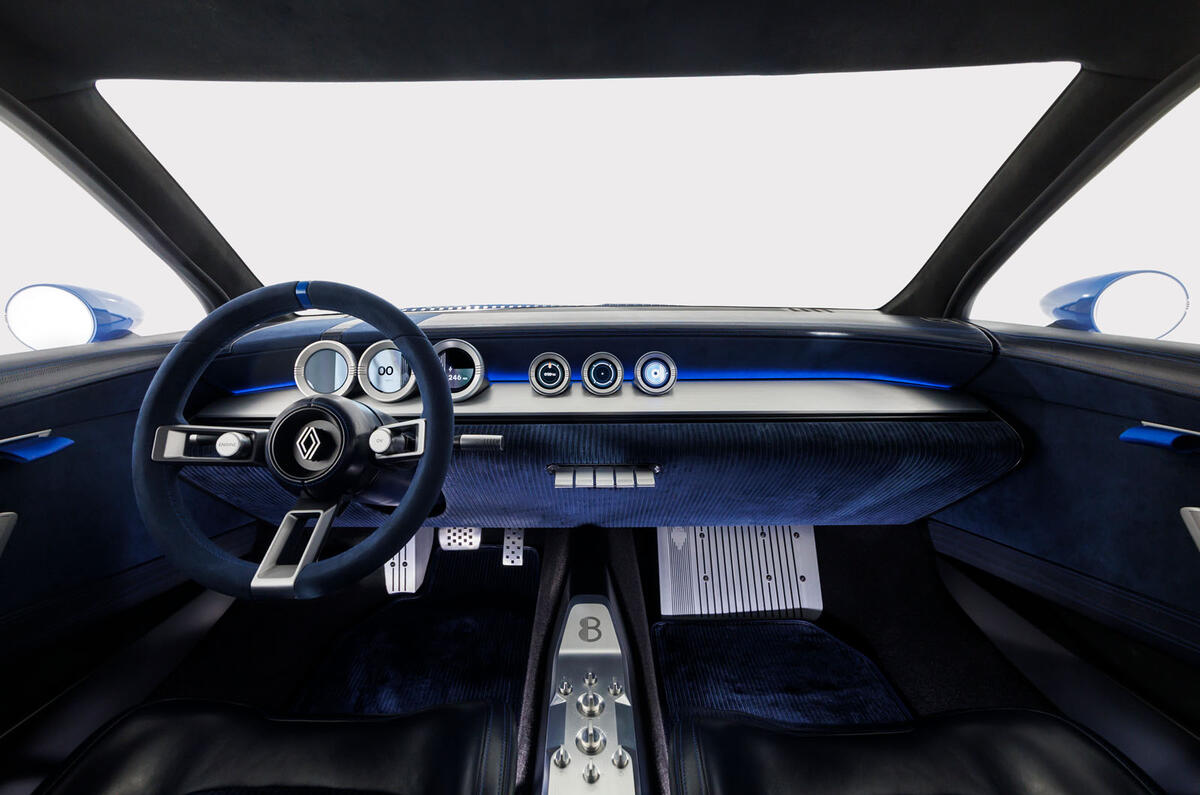
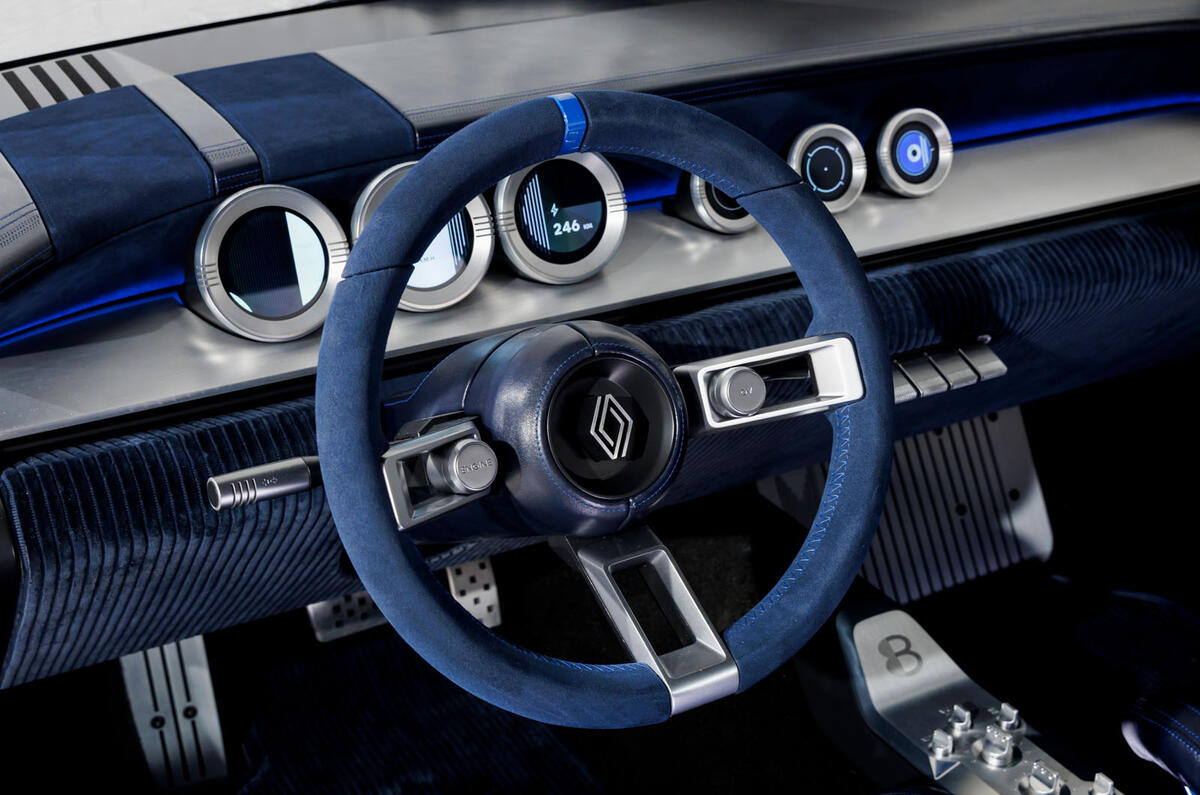
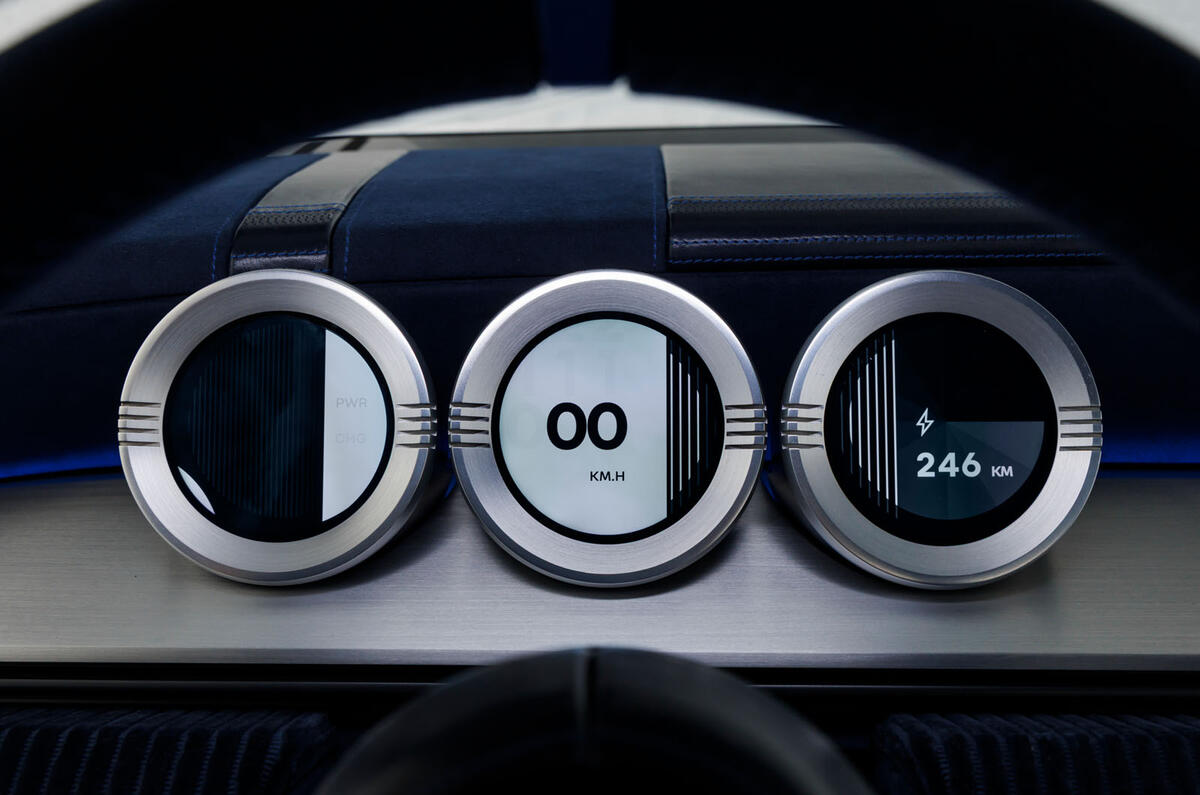
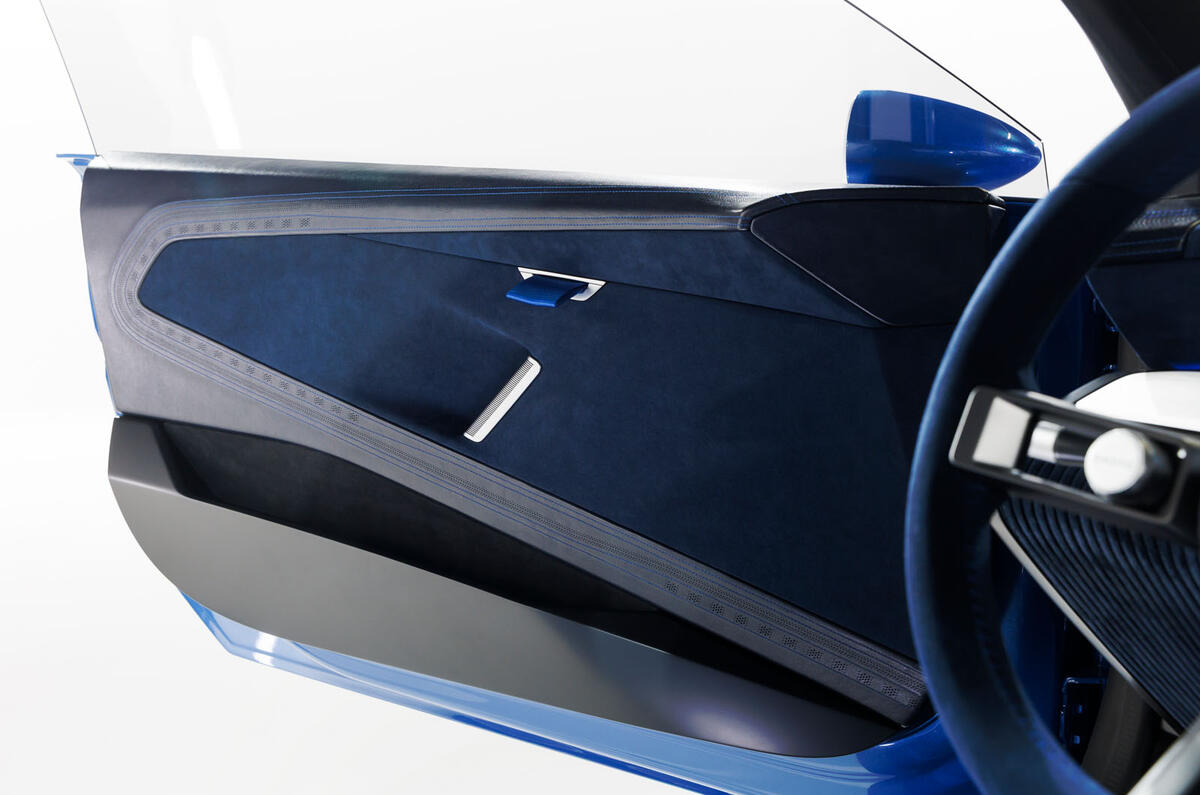
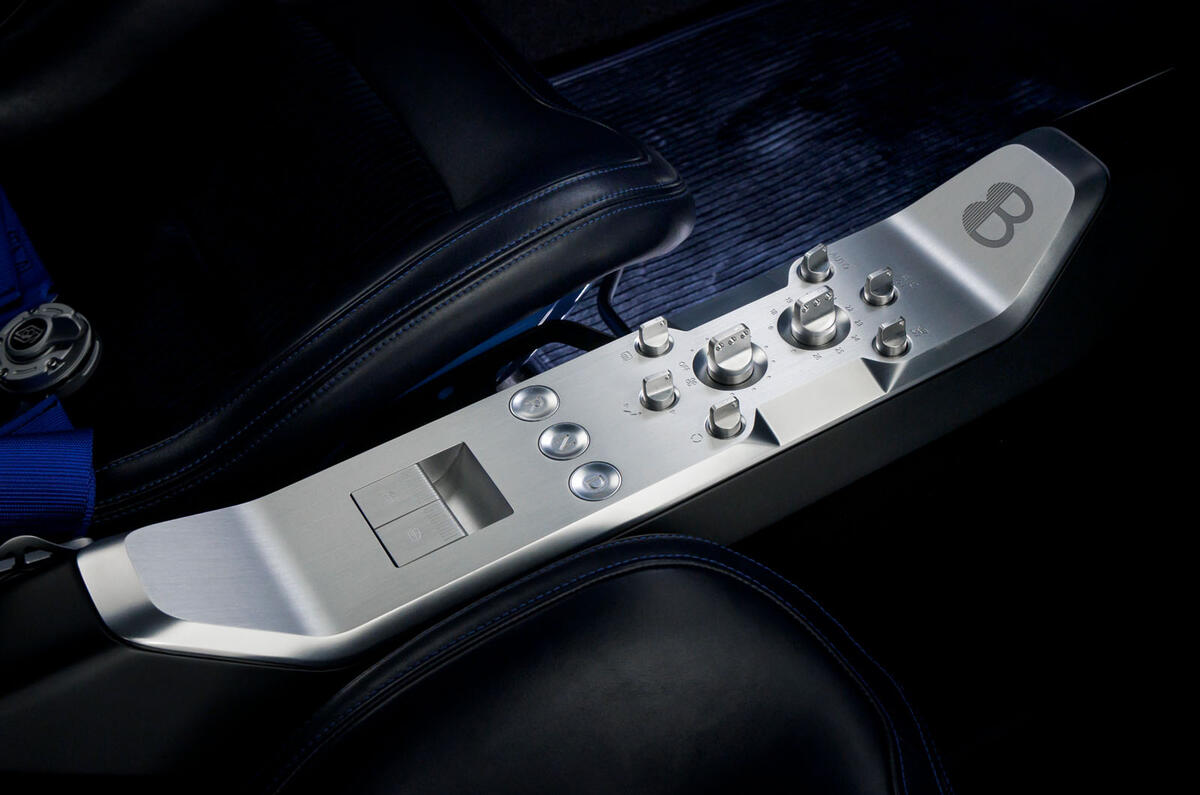
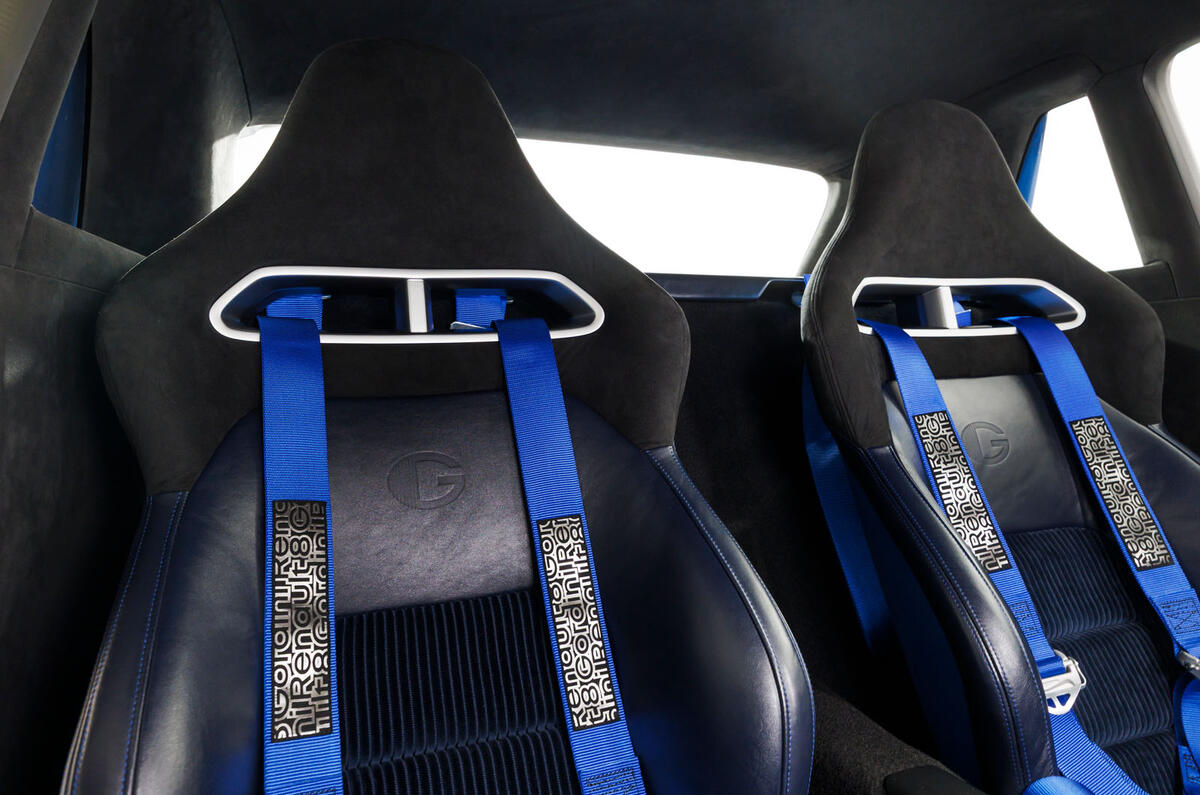
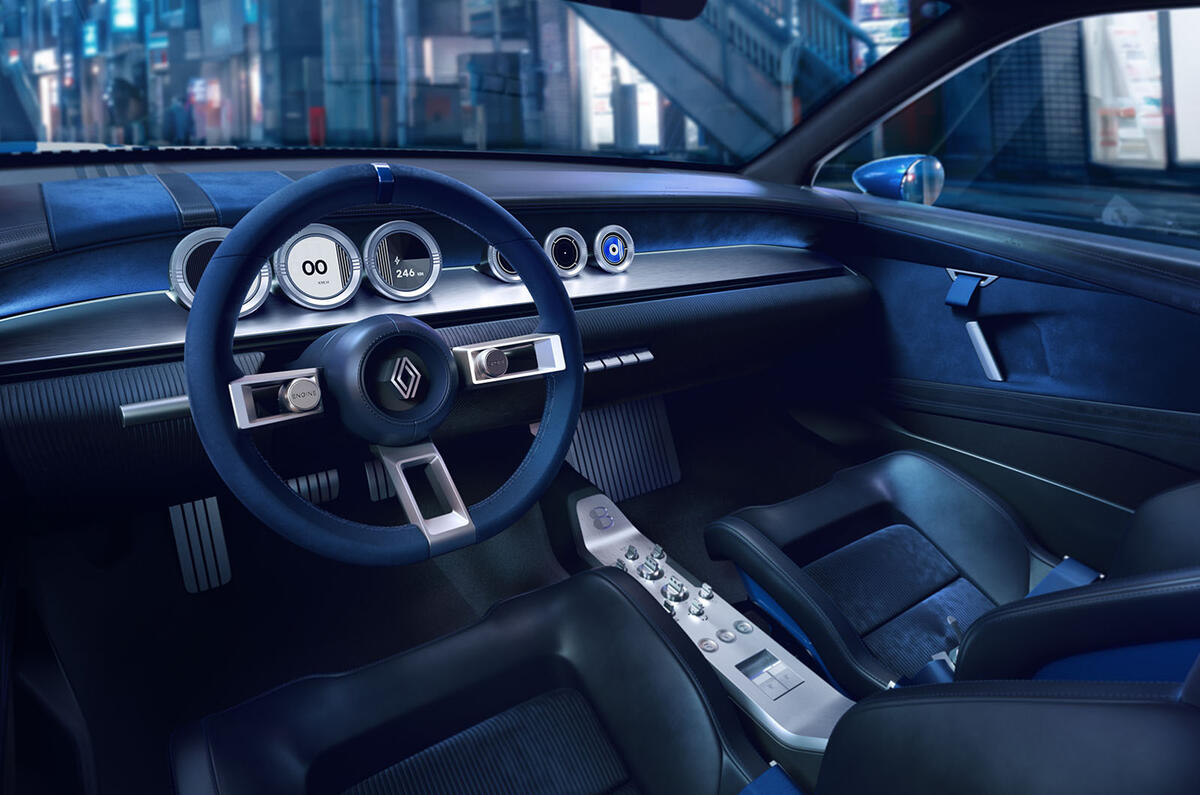
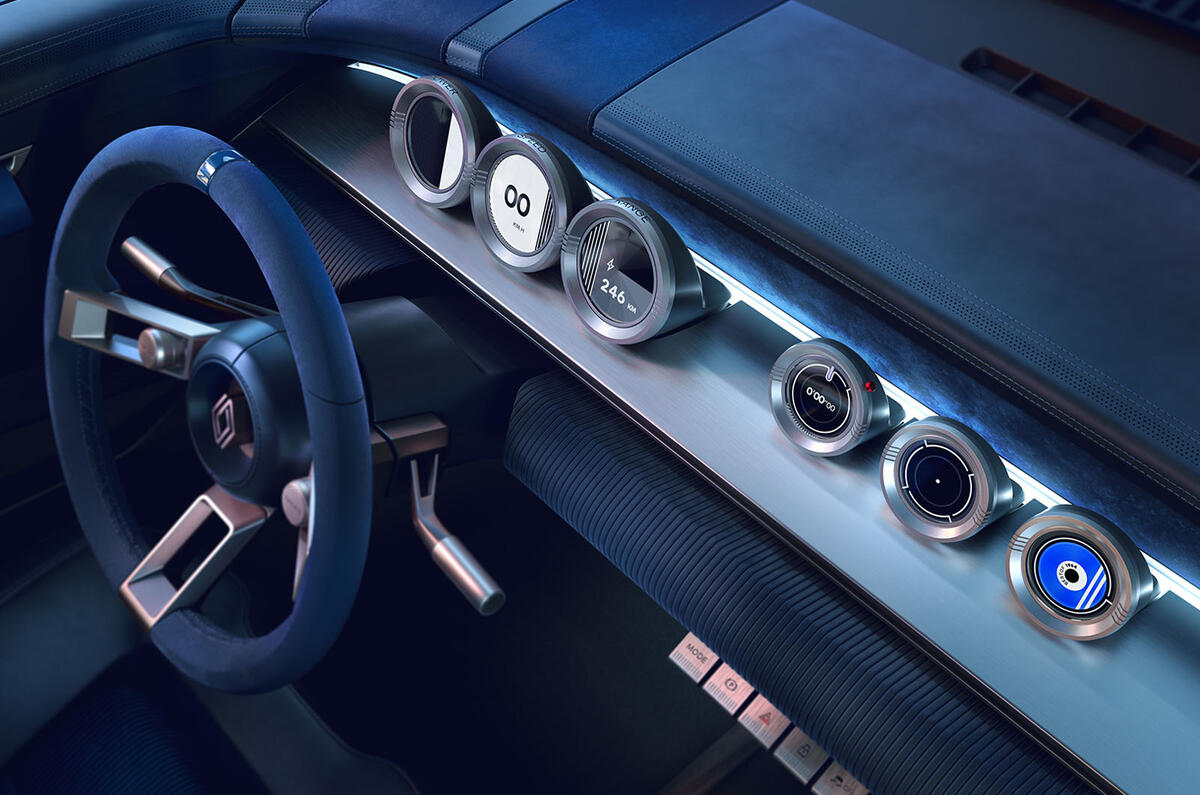
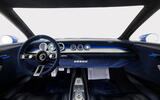
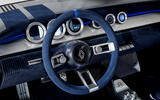
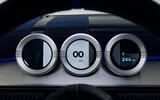
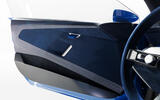
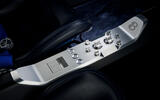
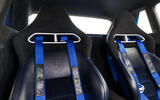
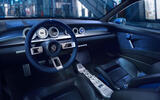
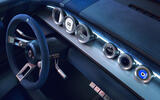
The concept has a motorsport-inspired interior, complete with bucket seats and an aluminium dash featuring round digital dials. Soft fabrics are used on the dashboard; the aluminium centre console feetures a number of toggles; and there are a few other physical button controls and even a rally-style footplate in the passenger footwell.

Renault 8 Gordini interior

Asked which elements could reach production cars, Gauvin said: “I think we’ve found the balance between looking dynamic but not aggressive, and that’s something I’m very interested in using for future Renault cars. That’s something very Renault.”

Gauvin highlighted the 'disappearing' rear lights as being one technology that could have particular relevance to future models, adding: "I will try to work with the engineering team on the solution to those. It's possible [to put into production], but we need to go all the way to feasiblity. But the fun part of my job is to come up with problems to solve.

"An engineer needs something to fix. As concept car creators, we are useful in coming up with crazy ideas with problems, and then they have something to work on."

Back to top

Asked outright if Renault had any plans to revive the 8 saloon in the future, Gauvin replied: “No. Today it’s just a concept car and we don’t see a future. The purpose was more to celebrate Gordini.”

Asked if that could change depending on the public reaction, he said: “I know some people you can send emails to.”

Join our WhatsApp community and be the first to read about the latest news and reviews wowing the car world. Our community is the best, easiest and most direct place to tap into the minds of Autocar, and if you join you’ll also be treated to unique WhatsApp content. You can leave at any time after joining - check our full privacy policy here.

James Attwood

James Attwood, digital editor
Title: Associate editor

James is Autocar’s associate editor, and has more than 20 years of experience of working in automotive and motorsport journalism. He has been in his current role since September 2024, and helps lead Autocar's features and new sections, while regularly interviewing some of the biggest names in the industry. Oh, and he once helped make Volkswagen currywurst. Really.

Before first joining Autocar in 2017, James spent more than a decade in motorsport journalist, working on Autosport, autosport.com, F1 Racing and Motorsport News, covering everything from club rallying to top-level international events. He also spent 18 months running Move Electric, Haymarket's e-mobility title, where he developed knowledge of the e-bike and e-scooter markets.