
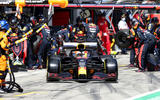
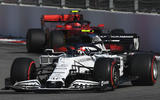

Honda will quit Formula 1 at the end of next season, citing the need to focus its resources and spending on the development of battery electric and hydrogen fuel cell technology.
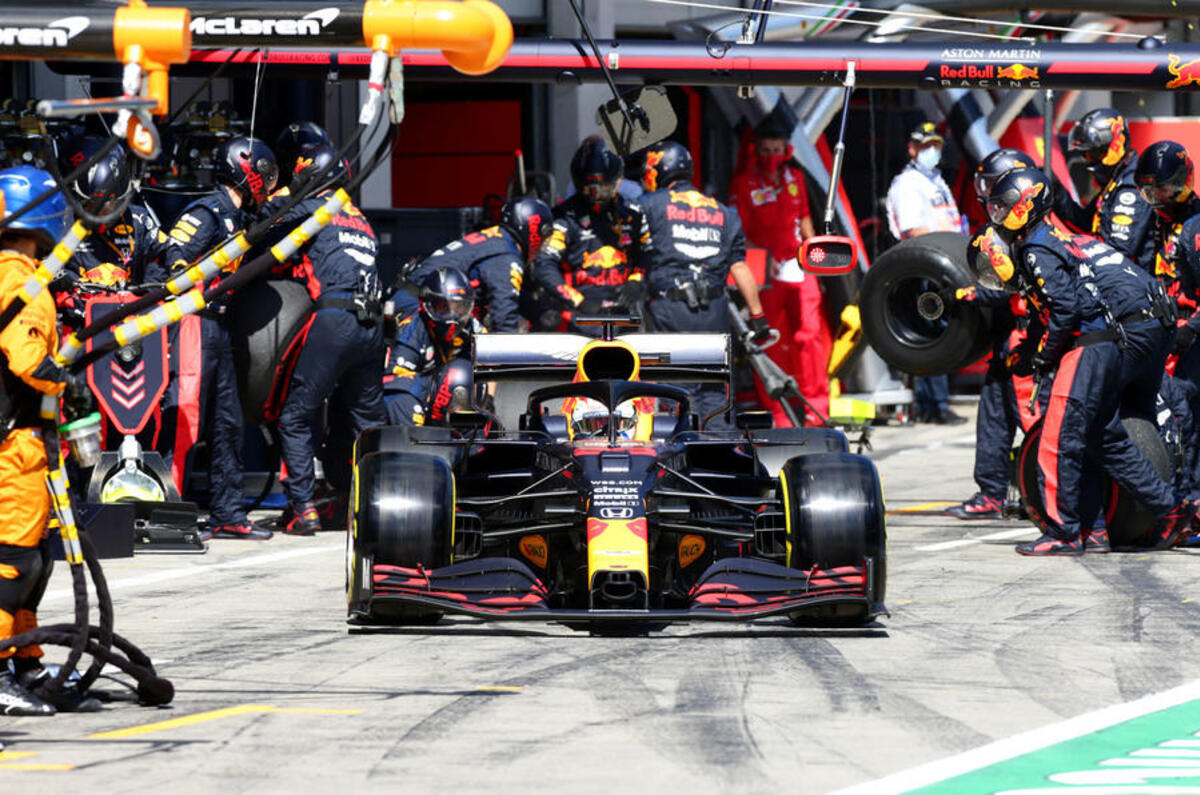
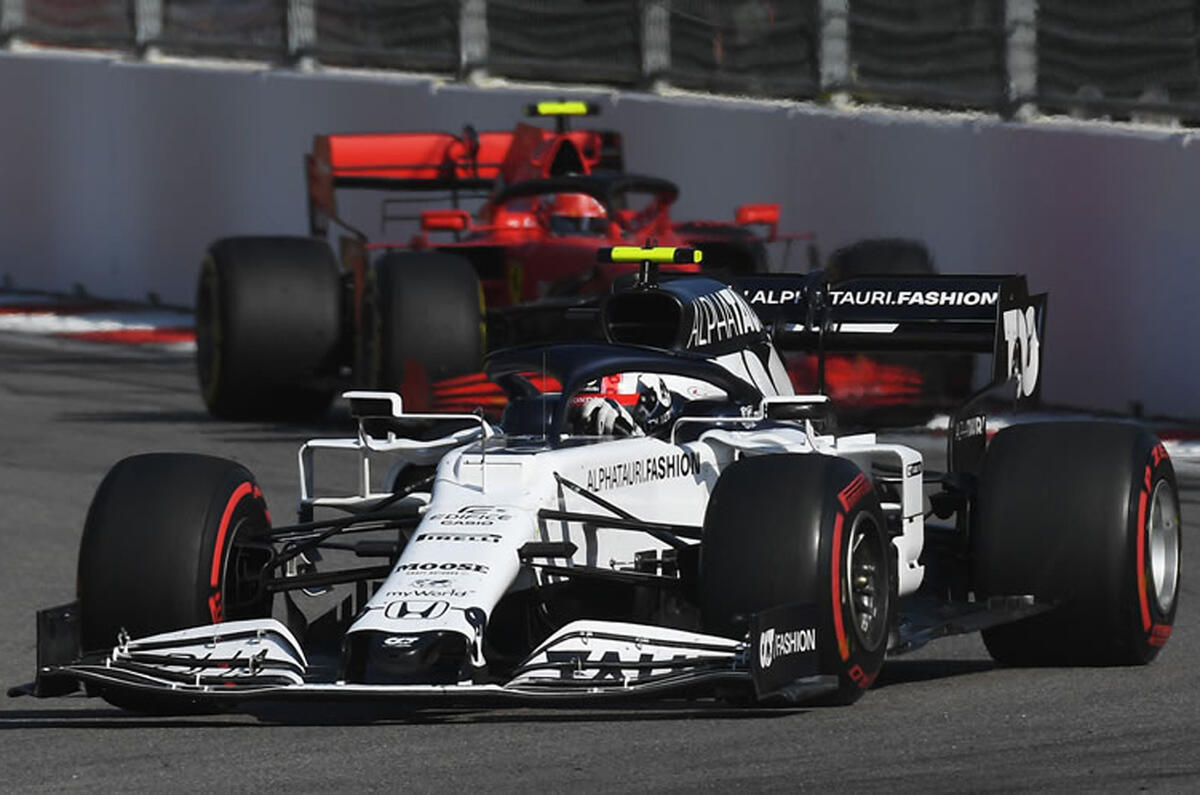
The shocking news means that Red Bull Racing and AlphaTauri – the only two teams other than Mercedes-AMG to score race wins so far in 2020 – will be looking for a new engine supplier for the 2022 season.
The Japanese firm returned to F1 as an engine supplier in 2015 with McLaren. That relationship ended after three tough seasons, with Honda spending a year supplying Toro Rosso (now AlphaTauri), before starting to supply Red Bull as well from 2019. Honda has scored five wins in the past two seasons.
But the firm will now quit the sport at the end of the 2021 season, the final year of the current technical regulations. Noting that the car industry is undergoing a “once-in-100-years period of great transformation”, Honda said it “has decided to strive for the ‘realisation of carbon neutrality by 2050’.”
It added: “Towards this end, Honda needs to funnel its corporate resources in research and development into the areas of future power unit and energy technologies, including fuel cell vehicles and battery EV technologies, which will be the core of carbon-free technologies.”
Honda recently launched its first electric car, thHonda E E supermini, and added that the learnings it has made developing the 1.6-litre hybrid powertrain used in F1 will benefit its new Innovative Research Excellent, Power Unit and Energy centre.
The news will be a major blow to Red Bull and its AlphaTauri junior team, with major questions over a future engine partner. Honda’s withdrawal leaves just Mercedes-AMG, Ferrari and Renault as F1 engine manufacturers.
Mercedes-AMG would be unlikely to be keen on supplying engines to its closest current rival, while Ferrari would likely want to focus its efforts on its works team.
Red Bull achieved its greatest success using Renault engines, with the partnership dominating the sport from 2010 until 2013. But the relationship grew fractious in its final years, with Renault feeling its contribution to the success wasn’t appreciated.
Red Bull team boss Christian Horner said that the team “understand and respect the reasoning” behind Honda’s decision. He said: “Their decision presents obvious challenges for us as a team, but we have been here before, and with our strength in depth, we are well prepared and equipped to respond effectively, as we have proven in the past.”
He added: “As a group, we will now take the time afforded to us to further evaluate and find the most competitive power unit solution for 2022 and beyond.”
AlphaTauri team boss Franz Tost said: “It’s unfortunate that Honda has decided to stop their commitment in F1, because their power unit’s performance has been improving constantly and dramatically to become one of the best engines on the grid.”
The decision also raises questions about the long-term future of F1, with car manufacturers increasingly focusing their resources towards electric and alternatively fuelled cars. F1 bosses have committed to continuing with the current 1.6-litre turbocharged hybrid powertrains for the immediate future, which could make it harder to retain and attract manufacturers eager to promote their non-combustion engine technologies.