Currently reading: Diesel's demise nears as Volkswagen axes diesel Golf after 50 years

Golf was a diesel frontrunner for decades, but the fuel's market share has all but evaporated

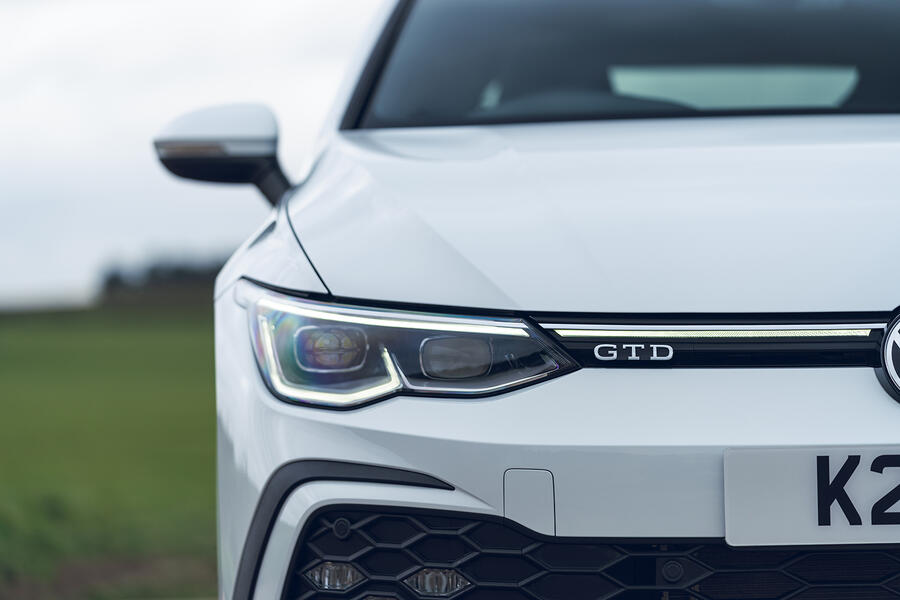
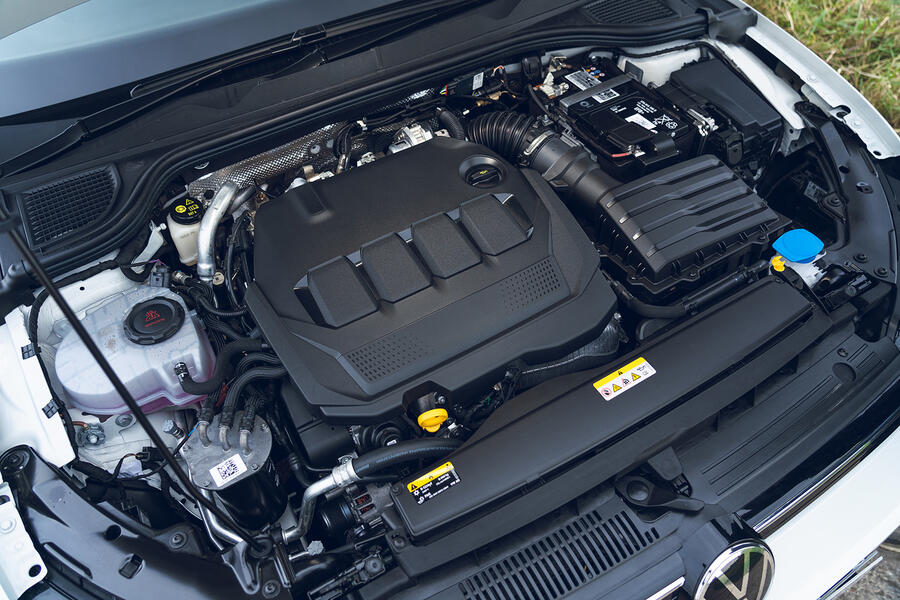
The diesel car has moved one step closer to extinction with the announcement that Volkswagen has taken the diesel Golf off sale in the UK.

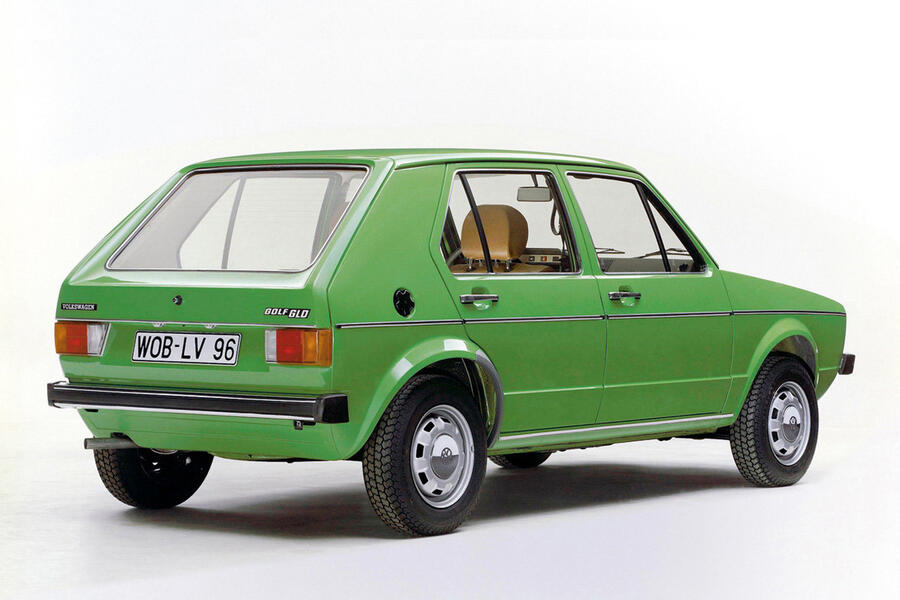
The Golf was one of the first mainstream cars available with a diesel engine. It was initially offered as a powertrain option in 1976, just two years after the model's launch. For many in the UK, the Golf was the car in which they had their first experience of this initially clattery but undeniably frugal choice of engine.

The Golf was regularly crowned Britain's best-selling diesel. It was a mainstay of the fleet market, where its economy credentials, tax-friendly low CO2 output and (more latterly) punchy performance figures were a hit. More than eight out of 10 new Golfs handed to company car drivers in 2015 were so-called oil-burners.
 

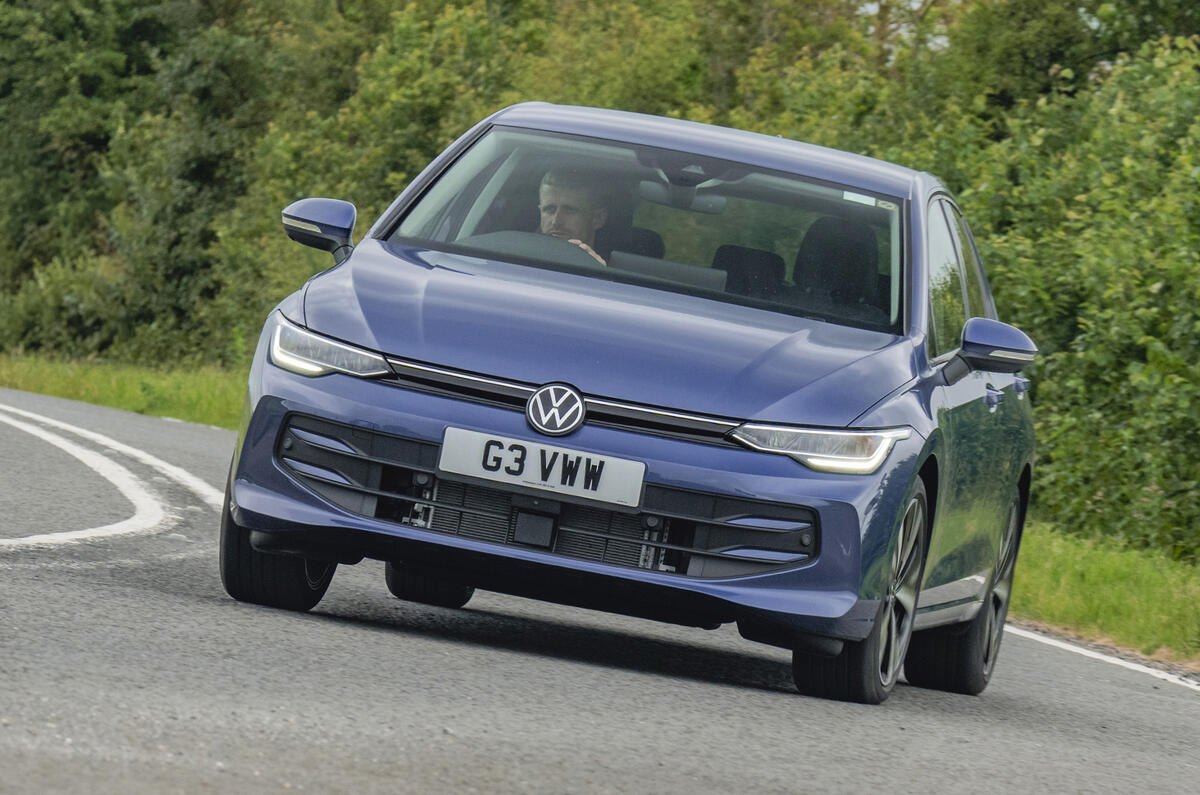
But now the model is gone for good, its maker told Autocar in a statement. "Volkswagen UK continually evaluates customer demand and in this case has chosen to focus on increased petrol and upcoming hybrid powertrains for the ever-popular Golf model," it said.

Volkswagen arguably sparked the decline of diesel when the emissions-cheating scandal blew up in late 2015, but the wider Volkswagen Group has never relinquished its diesel lead, accounting for four out of every 10 diesels sold across Europe this year.

The UK, however, was quicker to wave goodbye to diesel than other European countries such as Germany and Italy. Diesels accounted for just 4.8% of UK sales from January to May, dropping another 7% year on year at 44,449 units, according to figures from the SMMT.
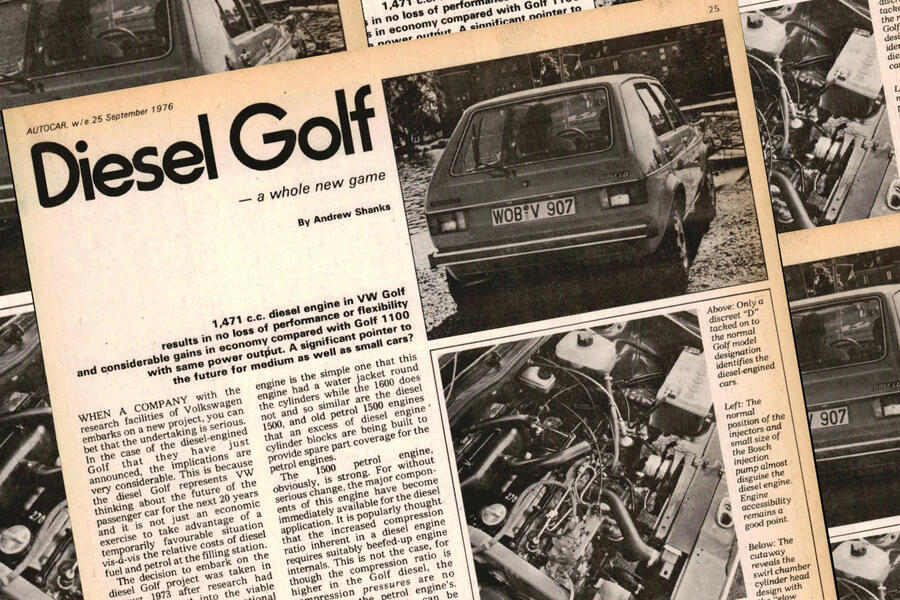
The diesel Golf, once the corporate driver's favourite, has accounted for just 5.5% of the model's overall sales in the UK so far this year. As Volkswagen mentioned in its statement, electrified drivetrains have taken diesel's place. The new full-hybrid Golf will arrive in winter to sit alongside mild-hybrid, plug-in hybrid and petrol models.

Back to top

Diesel has been cast aside, even though the engine will still be available on the continent, where it remains particularly popular with autobahn-storming German buyers.

So what is propping up the diesel market in the UK? The answer is Land Rover. The company now dominates diesel sales here, accounting for 43% of the total in the first five months, according to the SMMT, and taking the top six diesel positions.

Buyers don't have a lot of choice when it comes to the Defender. The cheapest model is a straight-six diesel with good range and decent economy. The plug-in hybrid has more power on paper, but once the smallish 19.2kWh battery runs out of charge, officially after 30 miles, the two-litre petrol engine is doing all the work. Small wonder that Defender PHEV sales are minuscule in comparison, at just 625 units.

Speaking to Autocar, Berlin-based auto analyst Matthias Schmidt said: "PHEVs should theoretically be very large in this sector, but presumably consumers are cottoning on to the fact that for long journeys diesel still leads the way, with real-world ranges well in excess of 1000km [620 miles] possible without plugging in or topping up with traditional fuel, and not just on paper."

PHEVS are improving, though: once JLR upgrades the Defender PHEV, perhaps with the 38kWh battery from the Range Rover and Range Rover Sport, diesel sales are likely to go down. UK sales of the Range Rover Sport PHEV, for example, far outweigh those of the diesel, at 3937 versus 2353 to the end of May.

Back to top

Better electric technology with long ranges and fast fill-ups will increasingly convert diesel holdouts at the top end. Later this year, for example, Land Rover will launch the Range Rover and Range Rover Sport electric models with a 118kWh battery. The new BMW iX5, meanwhile, comes with a whopping 140kWh battery, which lines it up as a viable mile-munching alternative to the old straight-six diesel. A range approaching 400 miles and beyond coupled with sub-15-minute fast charging will be a "game-changer for corporate drivers", said Schmidt.

Diesel is increasingly moving into the rear mirror, hastened by high taxation and the recent jump in fuel prices sparked by the US-Iran conflict that pushed diesel to £1.80 per litre and beyond before easing in recent weeks.

The amount of diesel cars left on the road is still high, at 9.6 million as of the end of 2025, according to government figures. But the numbers are falling: they dropped below 10 million for the first time since 2013 in the first quarter of last year and now account for a 29% share of the total UK car parc, against 38% in 2015.

Diesels are not dead yet, with premium marques including JLR committing to offering the drivetrain in new models. They also live on in passenger vans, which is another tough bodystyle to electrify.

But with the Golf out of the game, diesel is no longer a mainstream choice. It now resides in the niches and will remain there until electric can prove it can take over long-haul duties.

Join our WhatsApp community and be the first to read about the latest news and reviews wowing the car world. Our community is the best, easiest and most direct place to tap into the minds of Autocar, and if you join you’ll also be treated to unique WhatsApp content. You can leave at any time after joining - check our full privacy policy here.