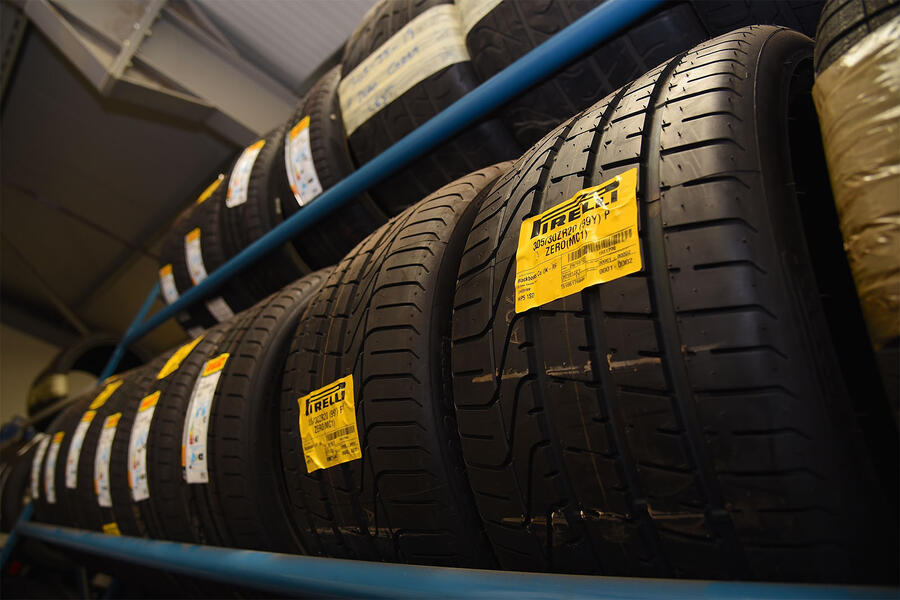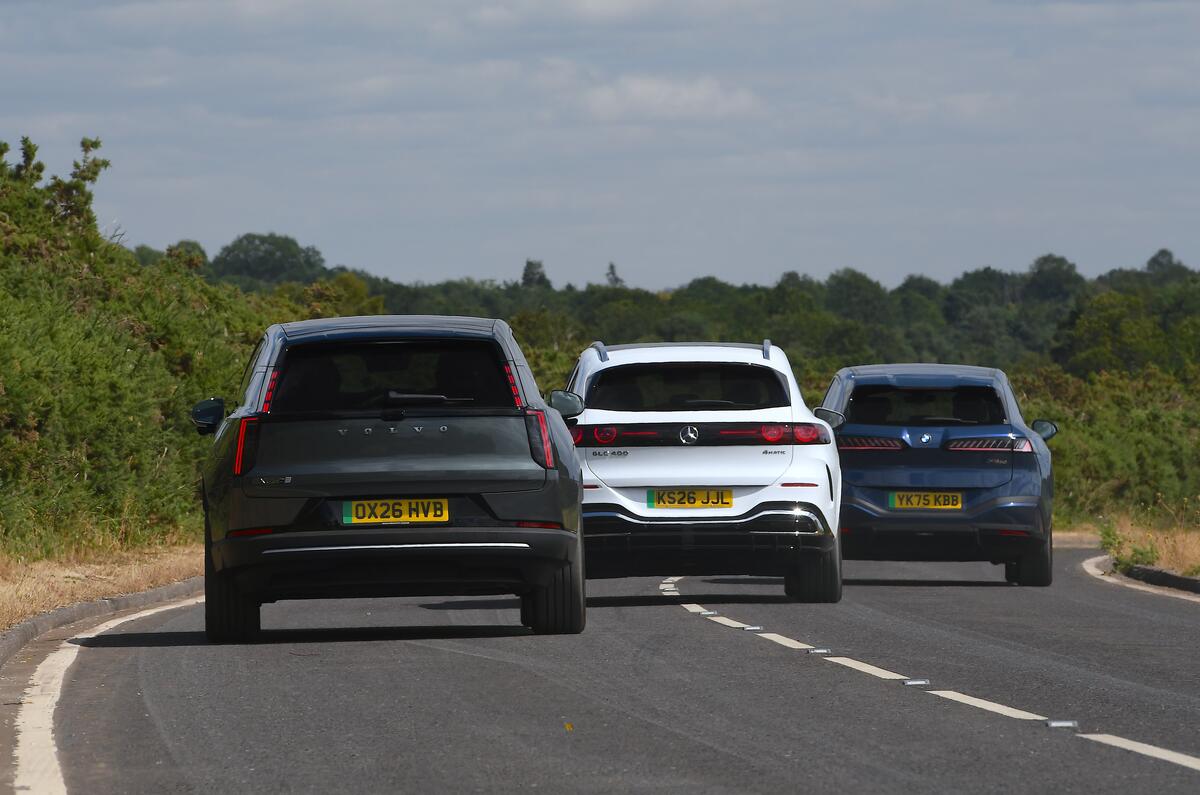


New research shows that increased weight and neglected maintenance cause EVs to suffer more tyre defects than combustion-engined cars - but experts say faster tyre wear won't erase their overall climate advantage.
According to a report by analyst New Automotive, for every 1000 MOT tests on cars three to eight years old, about 26 EVs recorded tread below the legal limit, compared with 18 petrol cars.
Cuts reaching the cords were recorded in approximately 30 EV tests, compared with 14 petrol cars. The comparison covered 1.6 million EV tests and 17.9 million ICE car tests.
"For a per cent extra weight of car, you get a percentage extra in tyre abrasion," said Nick Molden, founder of Emissions Analytics, calling it "a rough rule of thumb".
He added: "An EV would typically be 20% heavier than an ICE car. Before fitting specialist tyres, you're looking at 20% or so more wear on an EV."
The British Tyre Manufacturers Association (BTMA) has also found a higher tyre failure rate among EVs. Its latest figures put the failure rate for EVs at 6.0%, compared with 4.7% for diesels and 4.3% for petrol cars.
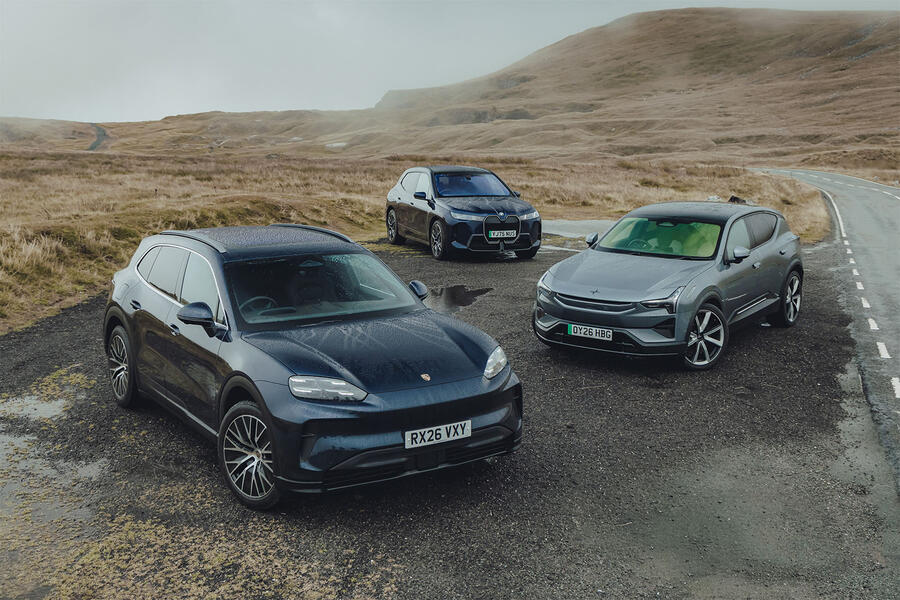
The BTMA points to greater weight and instant torque wearing tyres more quickly.
Darren Lindsey, head of the BTMA, said driver behaviour and maintenance are also part of the problem, explaining: "People tend to drive and forget now."
He argued that because EVs need less routine servicing, tyres can be overlooked.
Lindsey warned that the higher reported defect figure - roughly 80% higher than for ICE cars - shouldn't be interpreted as a direct measure of wear.
"That's probably down to how people are treating the vehicle," he said, pointing out that a defect could be "a cut in the sidewall", "a small bulge" or another problem that isn't simply down to tread wear.
Maintenance aside, Jon Andersson, Ricardo's global technical expert on emissions measurement and standards, pointed to several reasons why EV tyres wear more quickly.
"Mass is definitely an important factor - perhaps the most significant," he said. "But speed, braking, tyre characteristics, alignment, maintenance and driving style can all play a part."