














Currently reading: Hennessey Blackbird brings 850bhp, manual 'box and no screens

New atmo V8 supercar promises focused driving experience and long range, inspired by famed spy plane

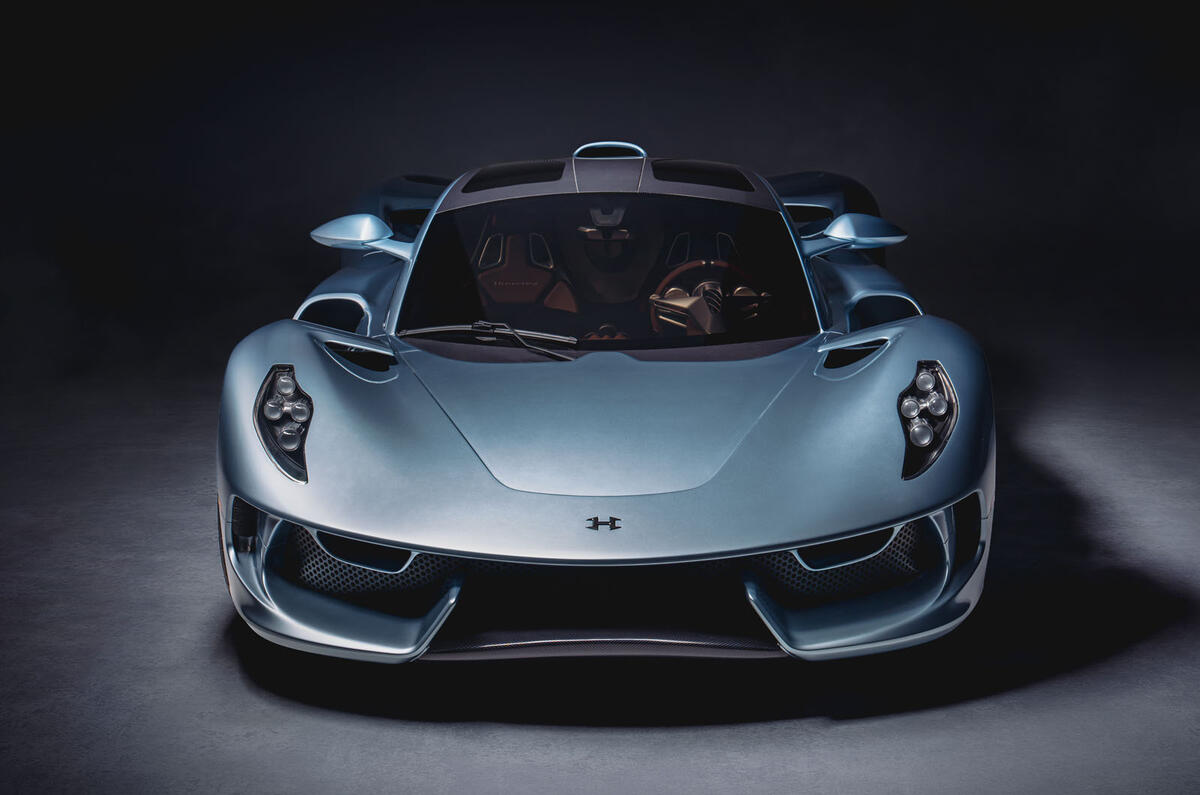
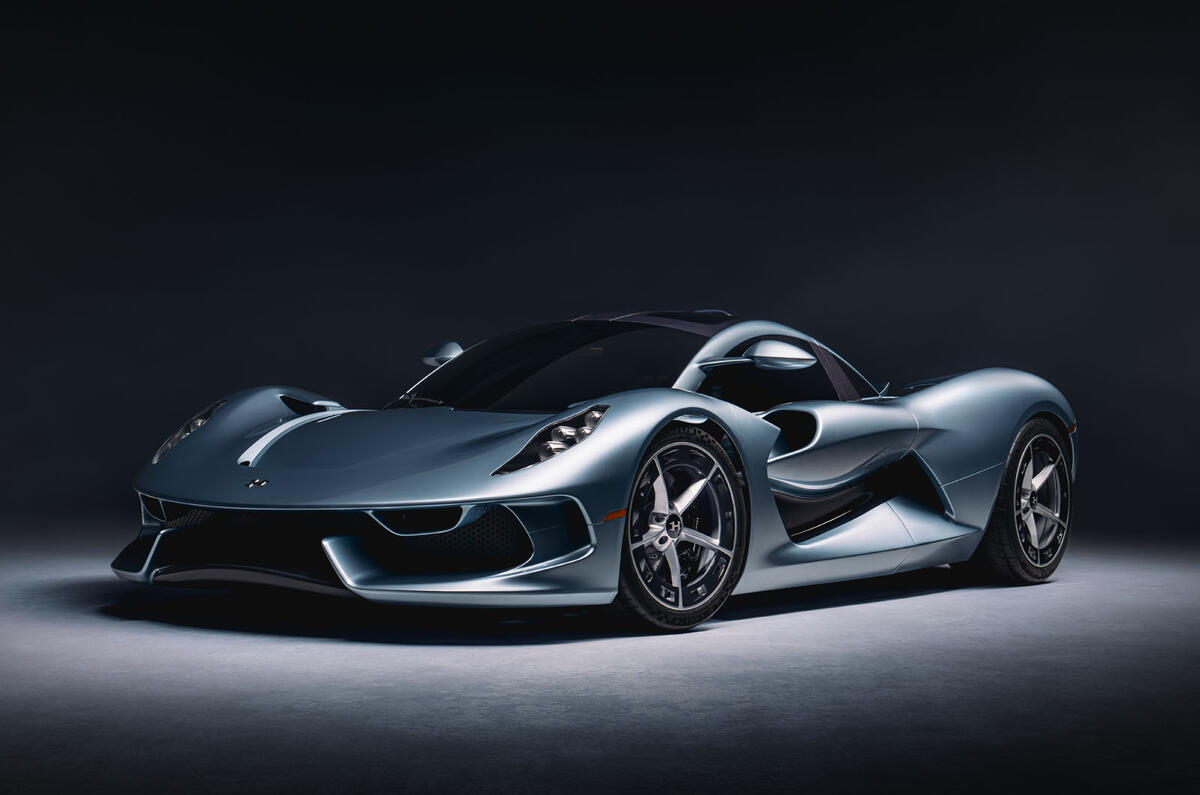
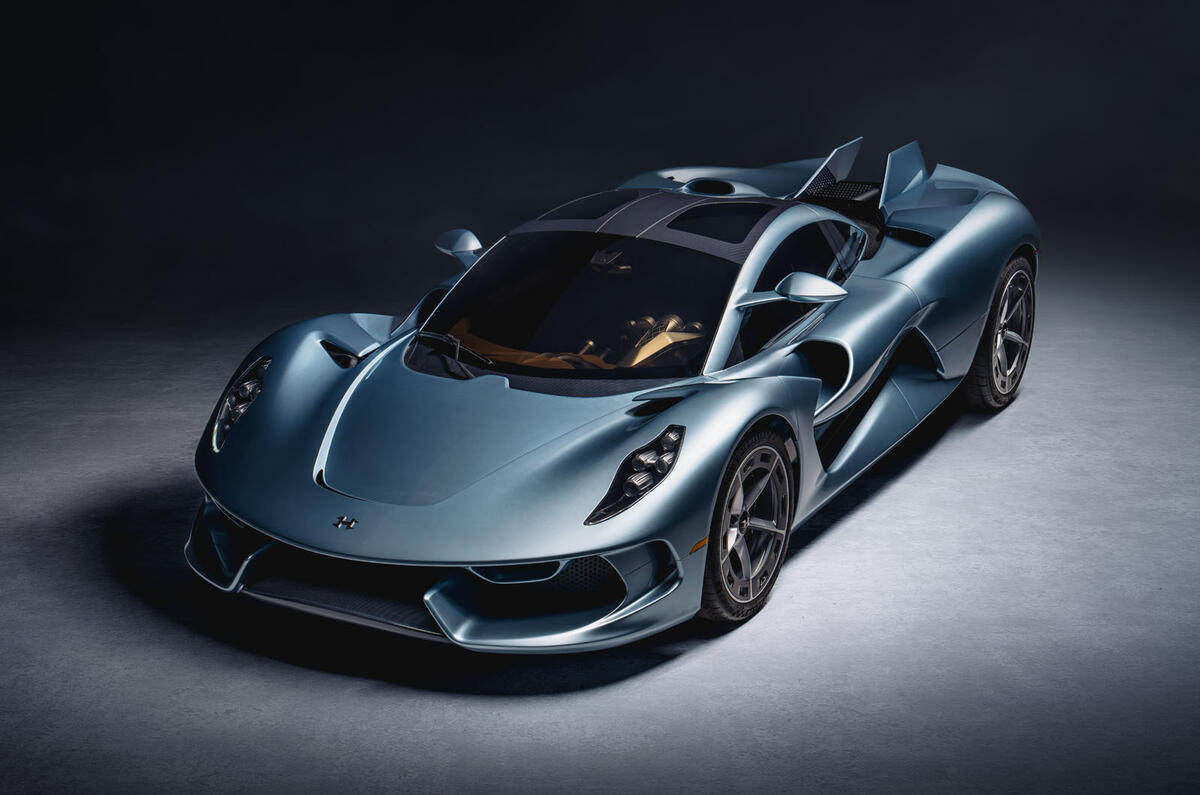
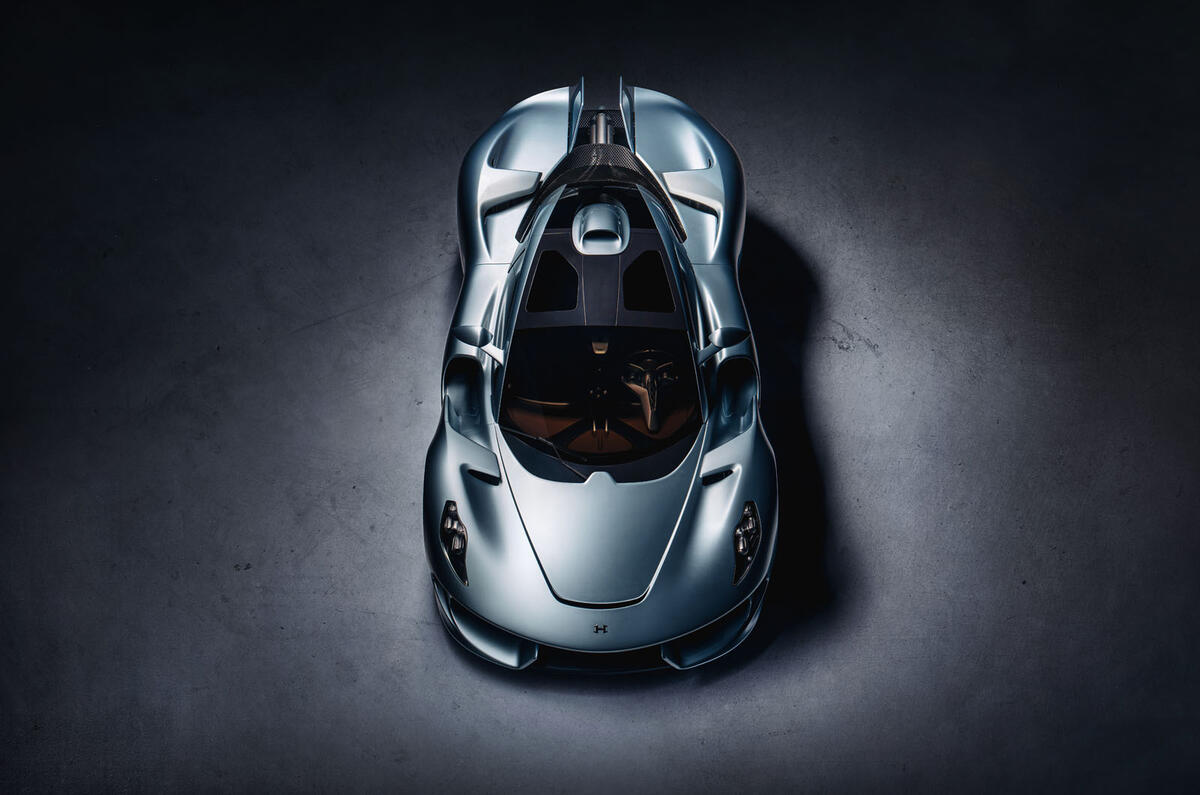
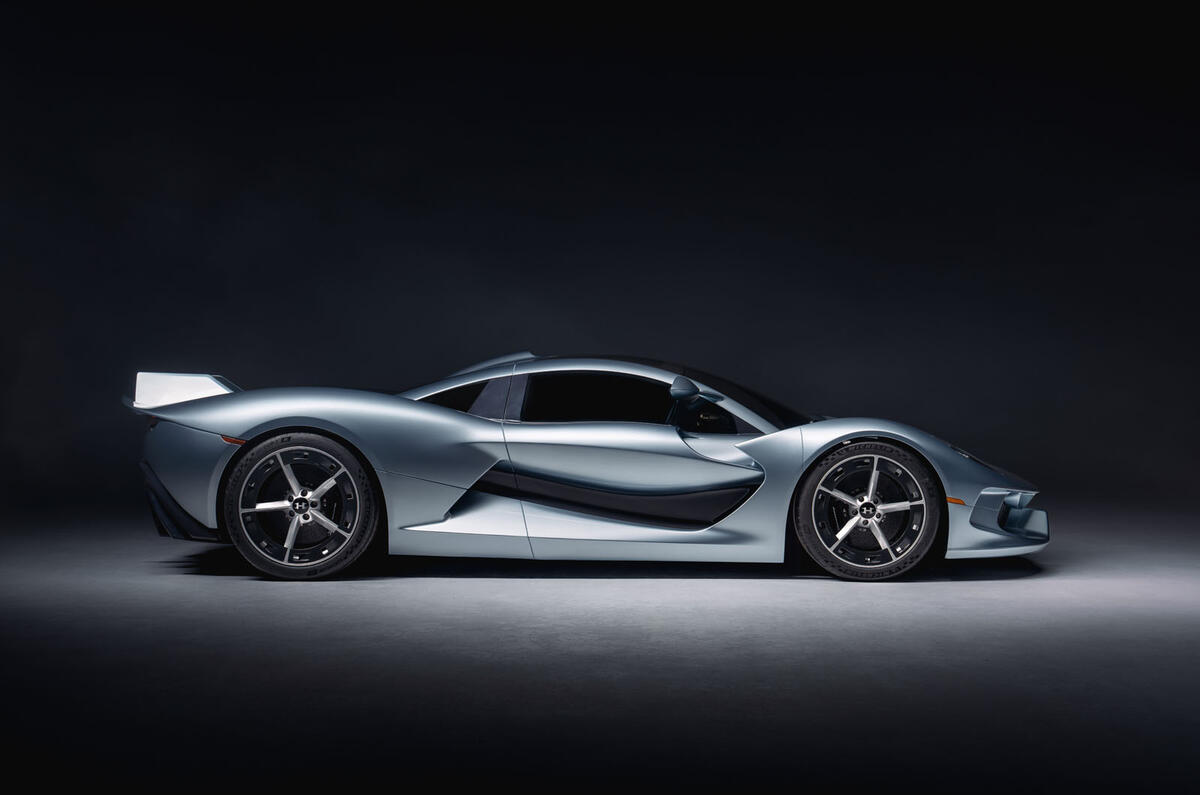
American supercar maker Hennessey has revealed the wild Blackbird as its third all-new model, replacing the Venom F5 with a clear and rather different mandate: “maximum man-machine connection”.

Although it places a greater emphasis on driver engagement, its targeted statistics pitch it at the top of the supercar set: 800-850bhp, 0-60mph in less than 3.0sec and a 220mph top speed.

Hennessey has touted a dry weight below 1360kg (3000lb) with the help of a bespoke carbonfibre tub and carbonfibre bodywork.

At its heart is a high-revving, naturally aspirated V8 engine developed alongside Ilmor Engineering of Nascar fame and with a targeted red line of 9000rpm.

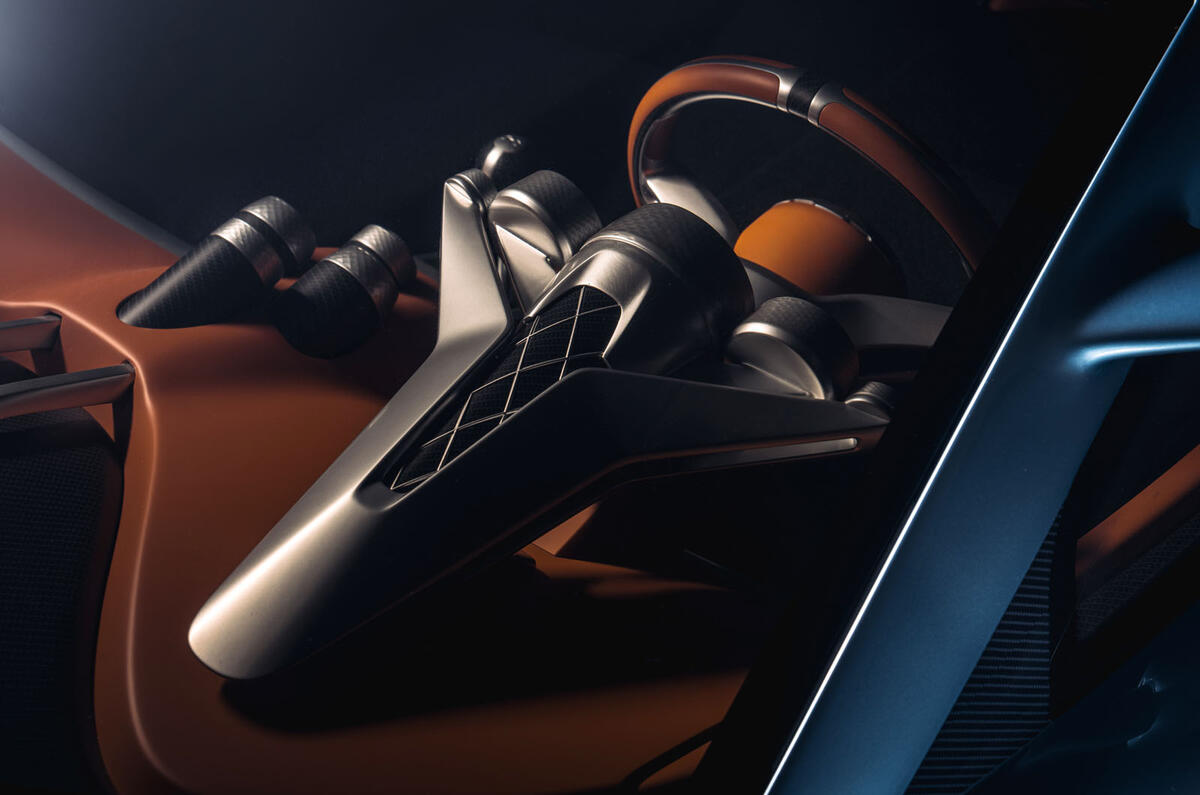
It sends its reserves to the rear axle via an open-gate, exposed-linkage, six-speed manual gearbox.

While there are electronic aids including active suspension, anti-lock braking and traction control, Hennessey pledges that the driver will be placed in the thick of the action.

As well as offering a more analogue alternative to the similarly priced McLaren W1, the supercar has been conceived as a tribute to the 1960s Lockheed SR-71 Blackbird spy plane, not only in its design cues and name – Hennessey has acquired the rights to use the latter – but via its long range.

It's first and foremost as a road car, with its development programme prioritising refinement, visibility and luggage space to “comfortably cover more than 800 miles in a single day”.
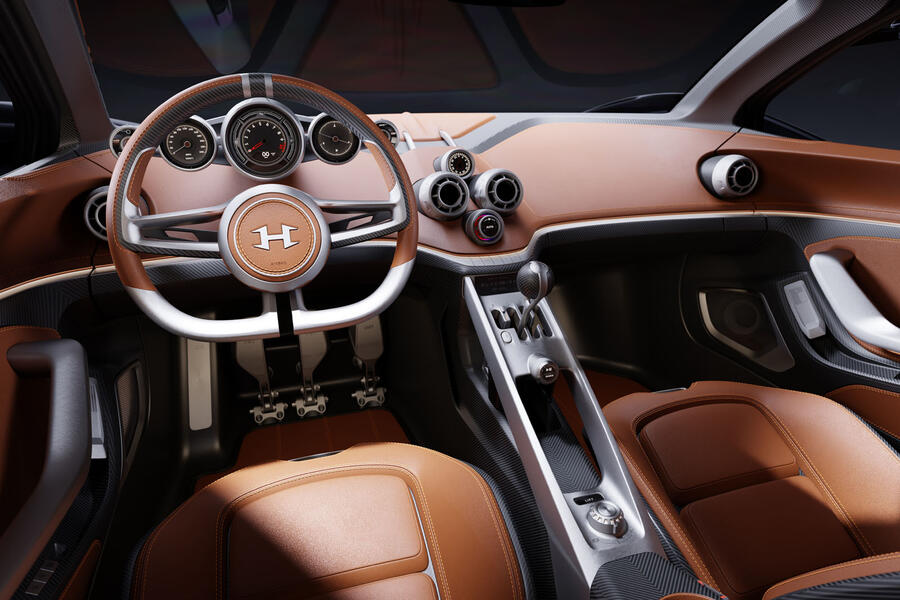
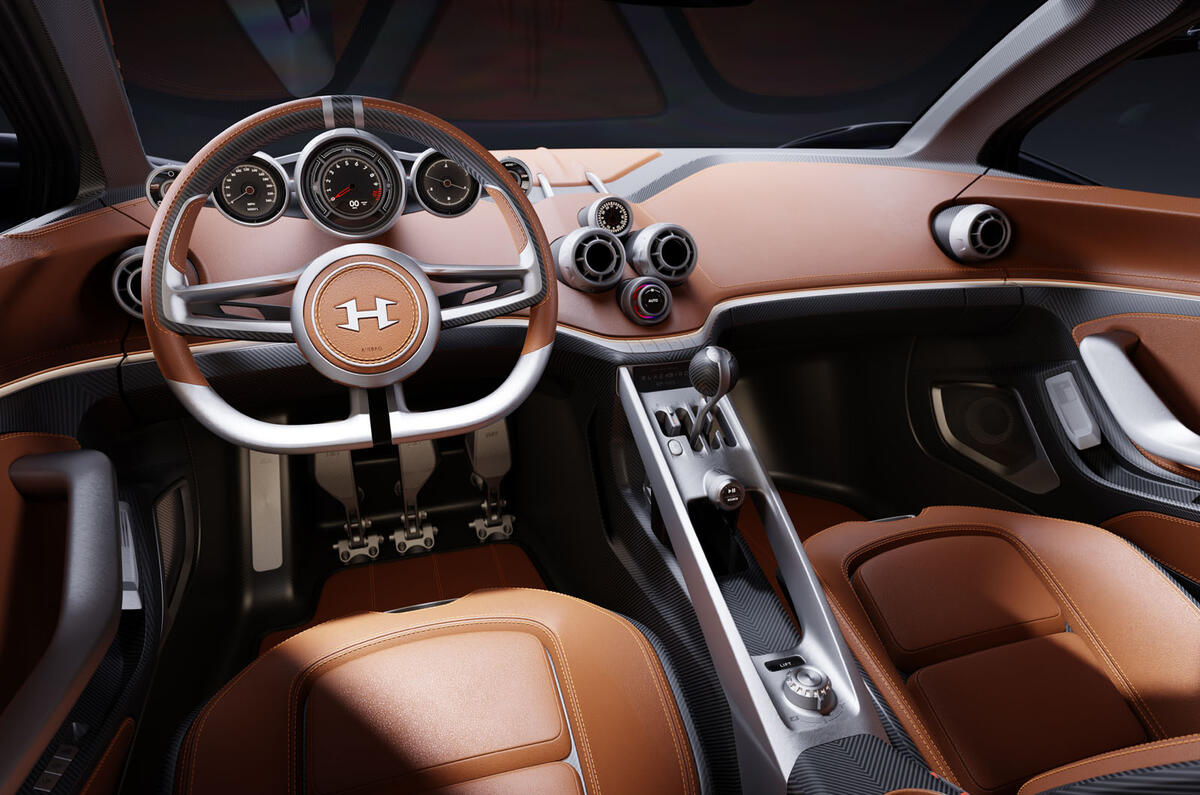
Hennessey Blackbird interior

There’s more cabin space than its Venom F5 forebear and enough luggage capacity for “two full-size carry-on bags”, Hennessey said.

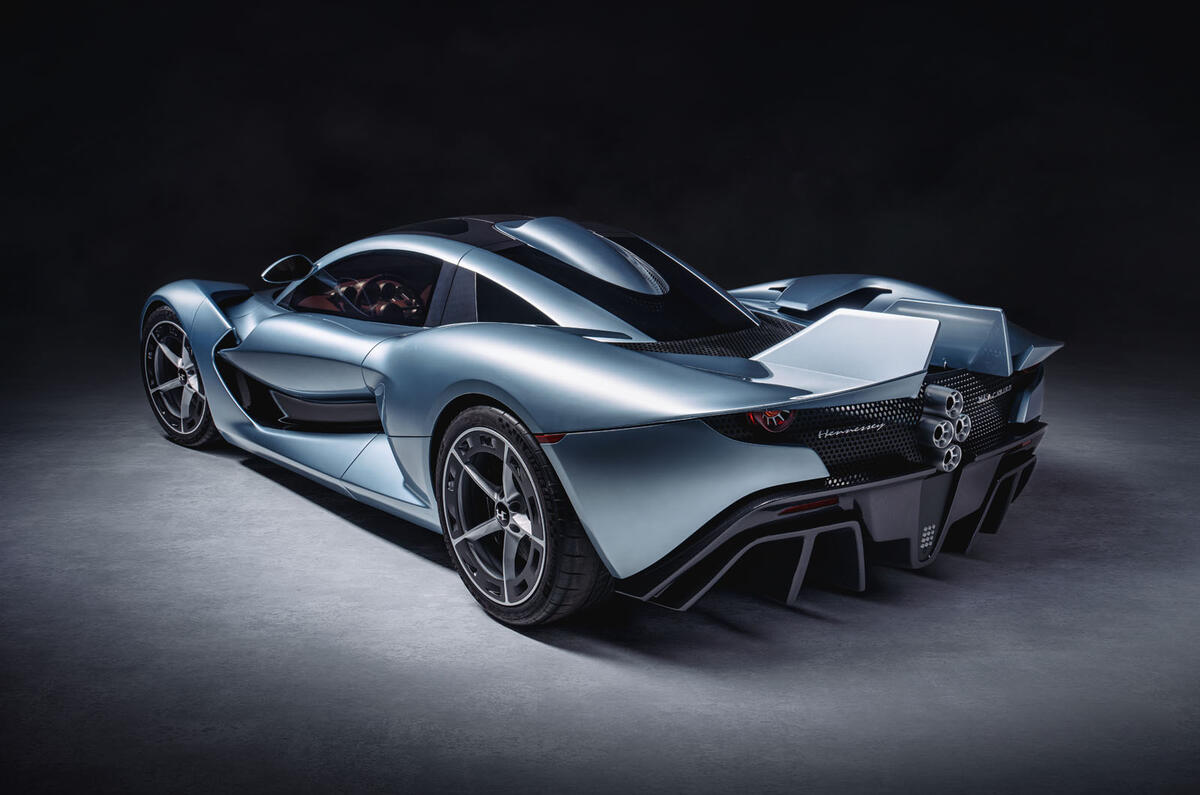
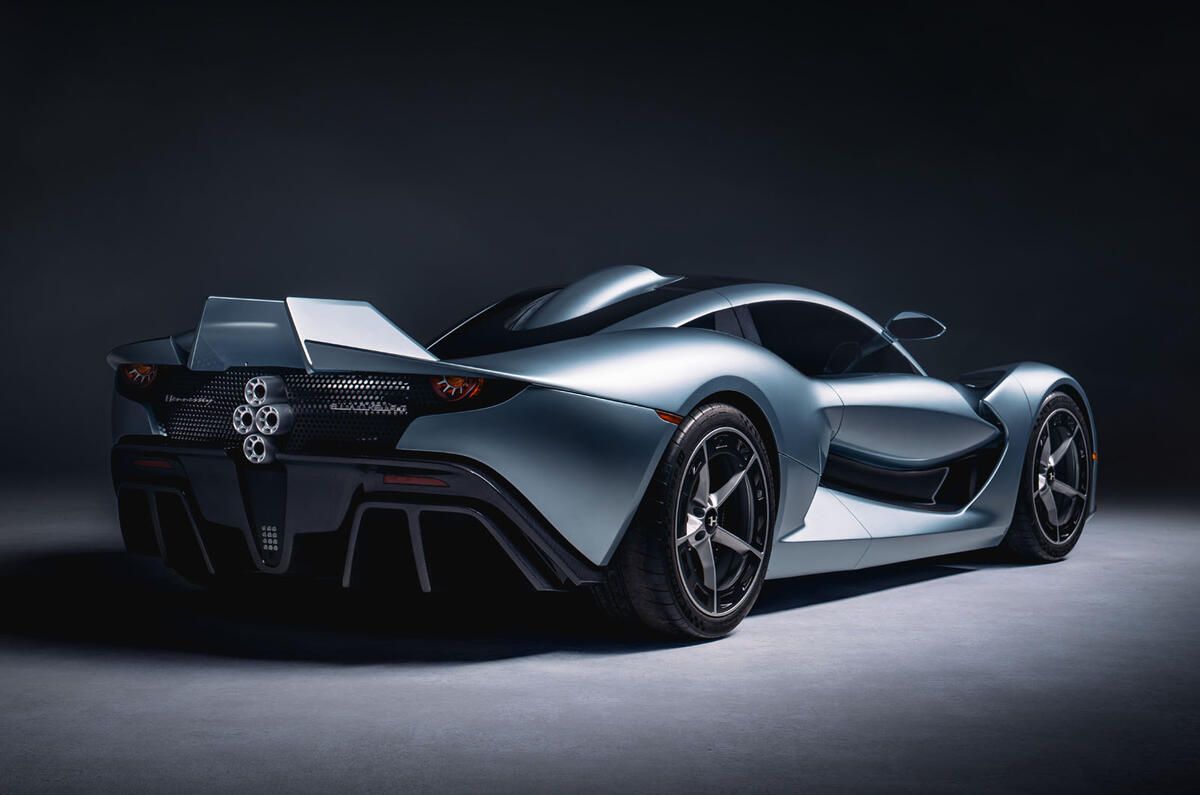
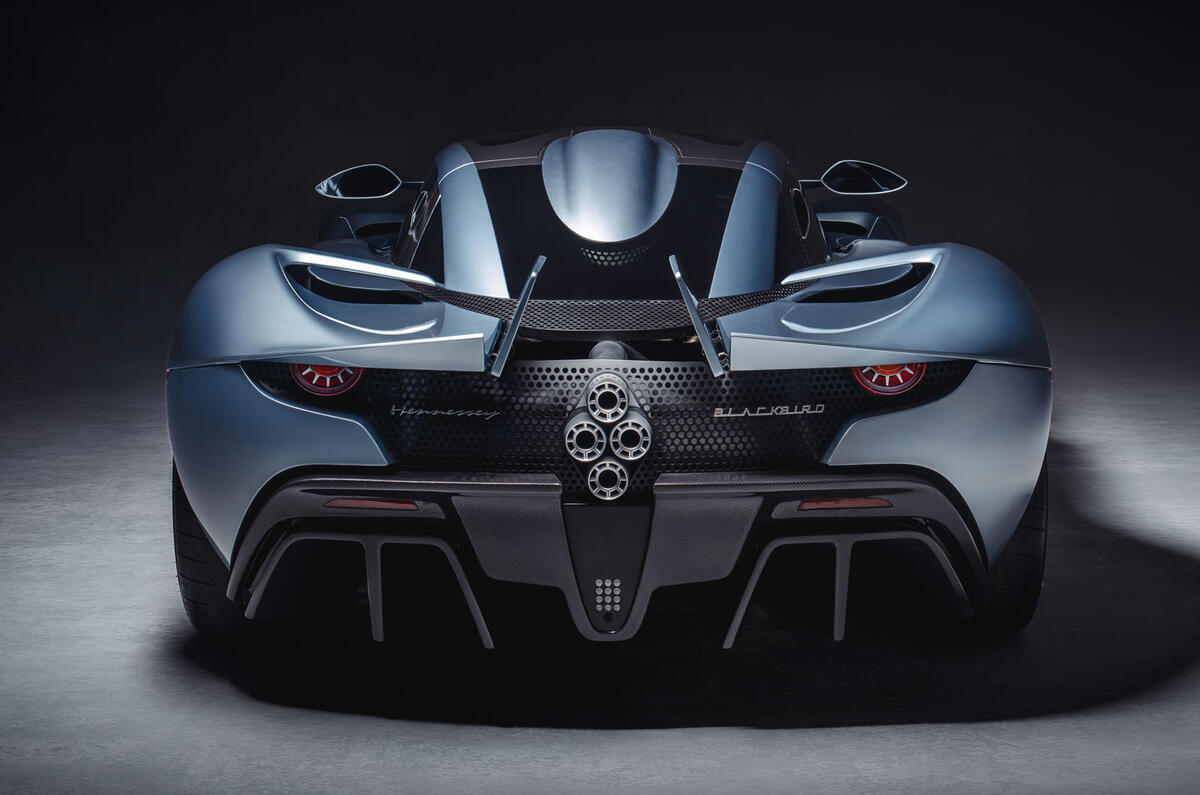
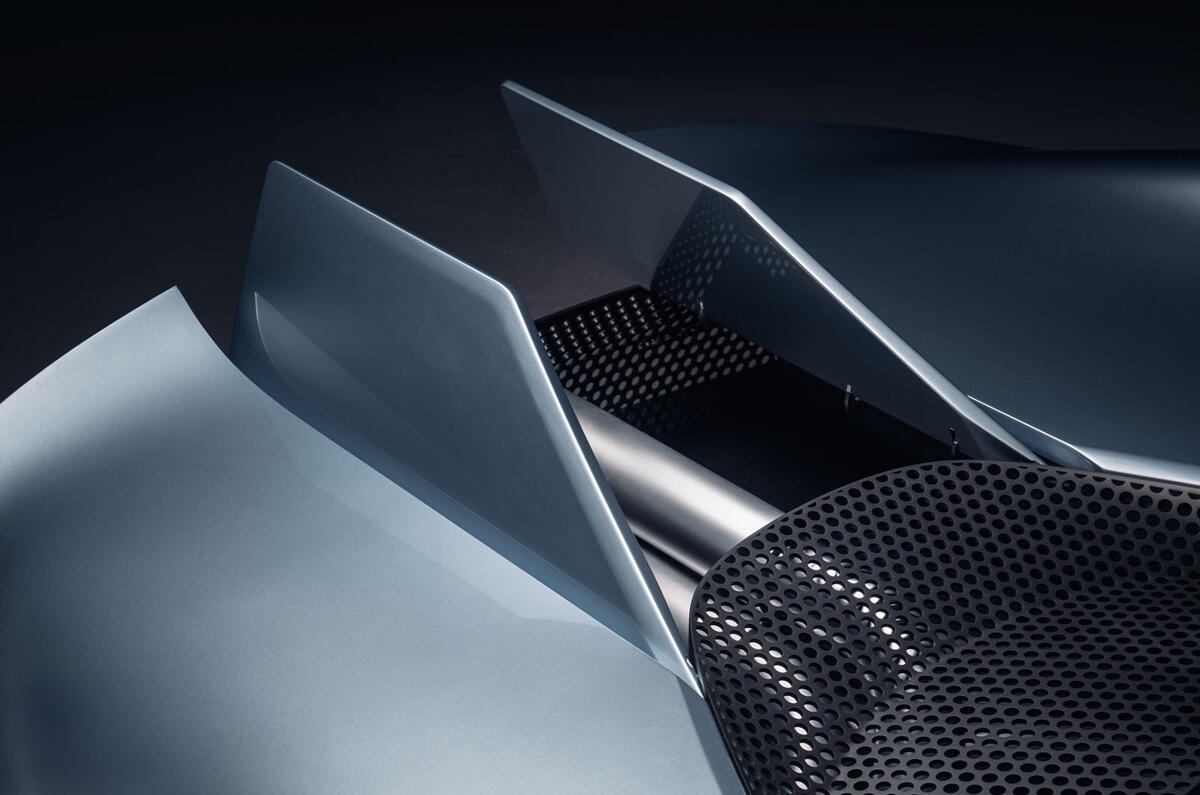
Aerodynamics still play a significant role: the active rear stabilisers, modelled on the SR-71's tail fins, tilt up to 71deg at speeds above 71mph to maintain downforce and the creases alongside the sidepods are an obvious link to its airborne inspiration.

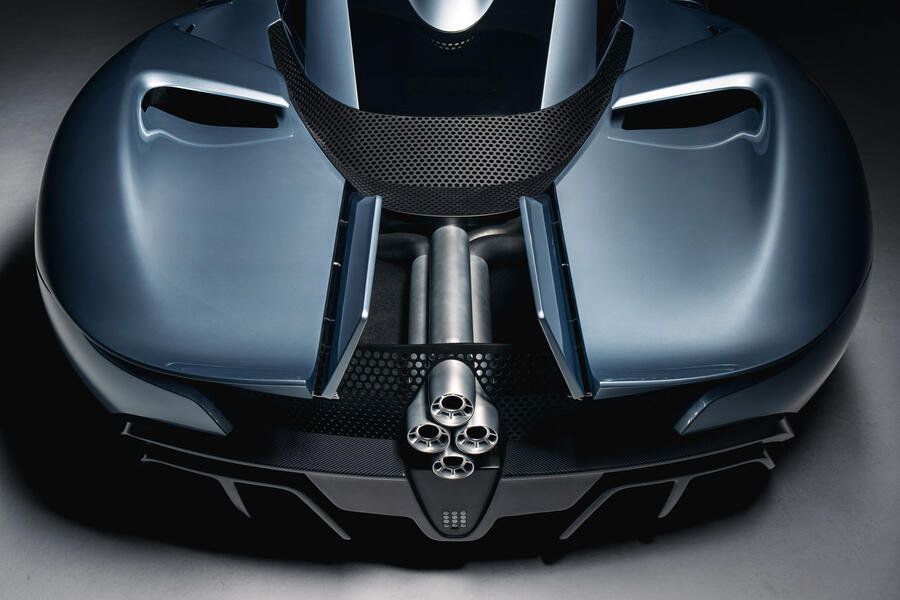
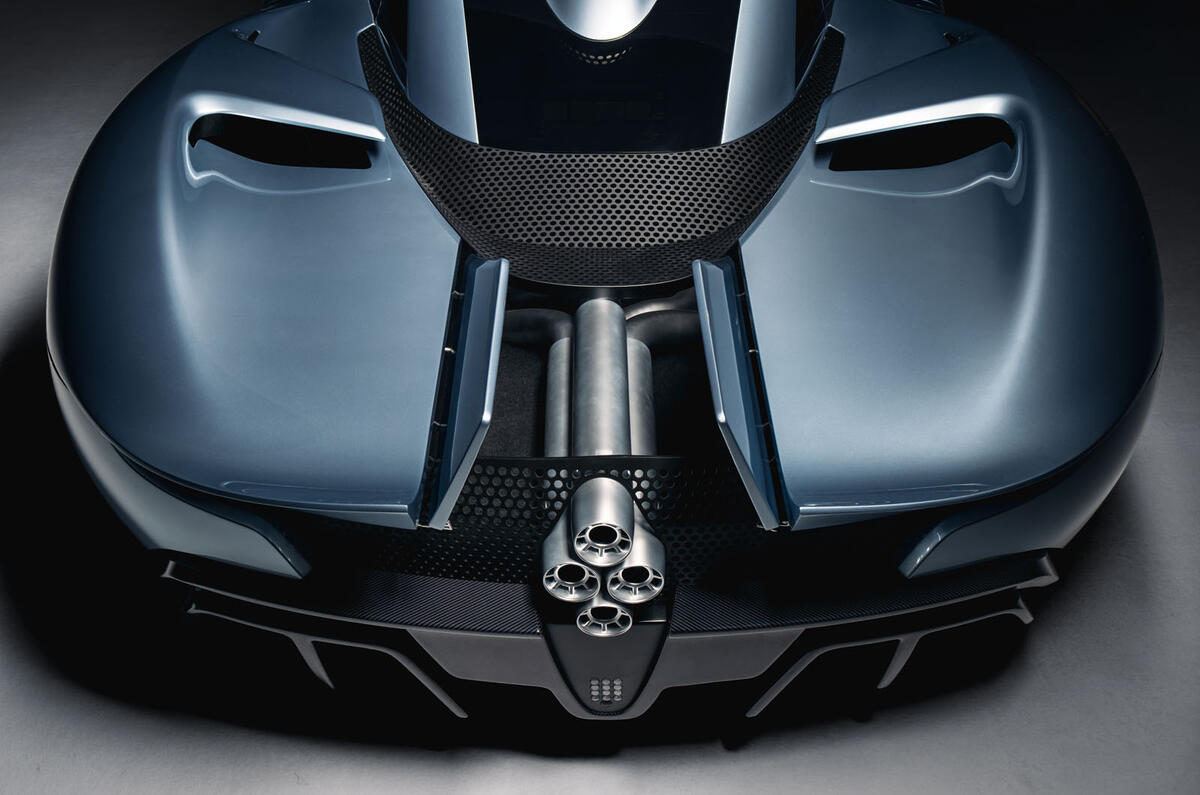
The quad exhaust layout is a nod to the rocket-engined Bell X-1, the first aircraft to break the sound barrier back in 1947.

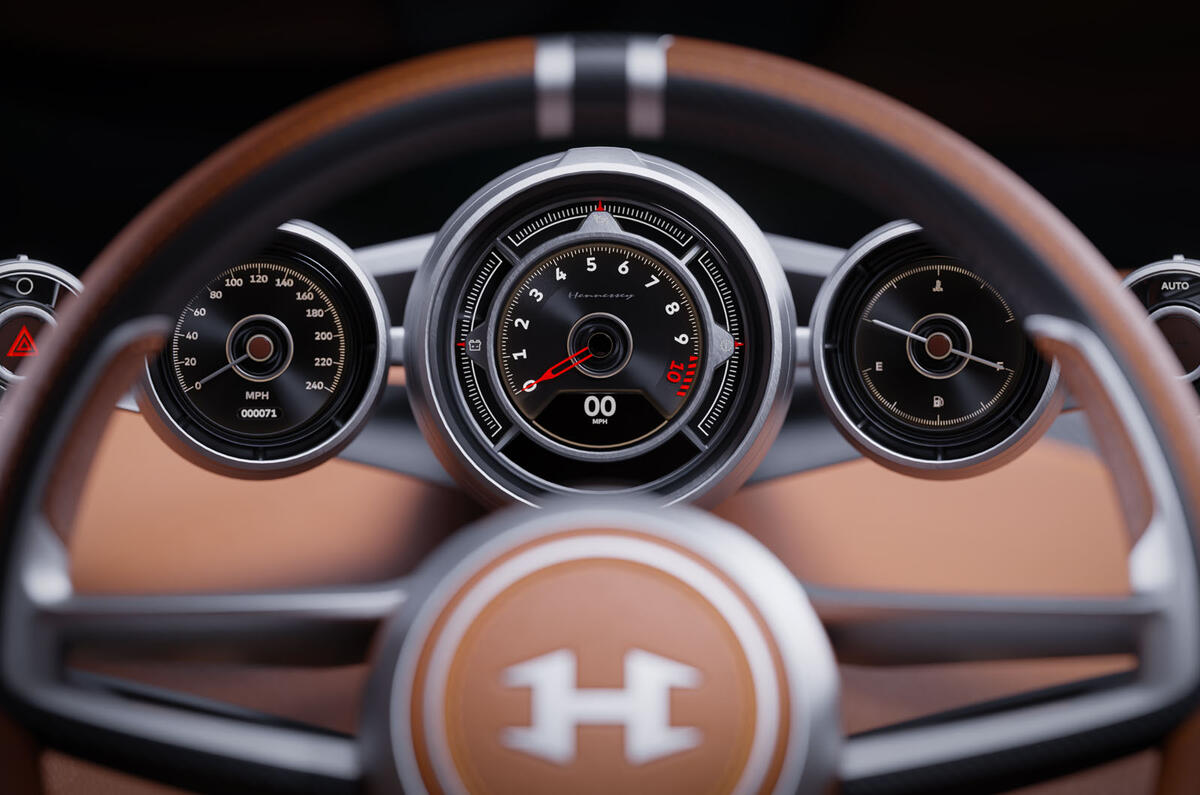
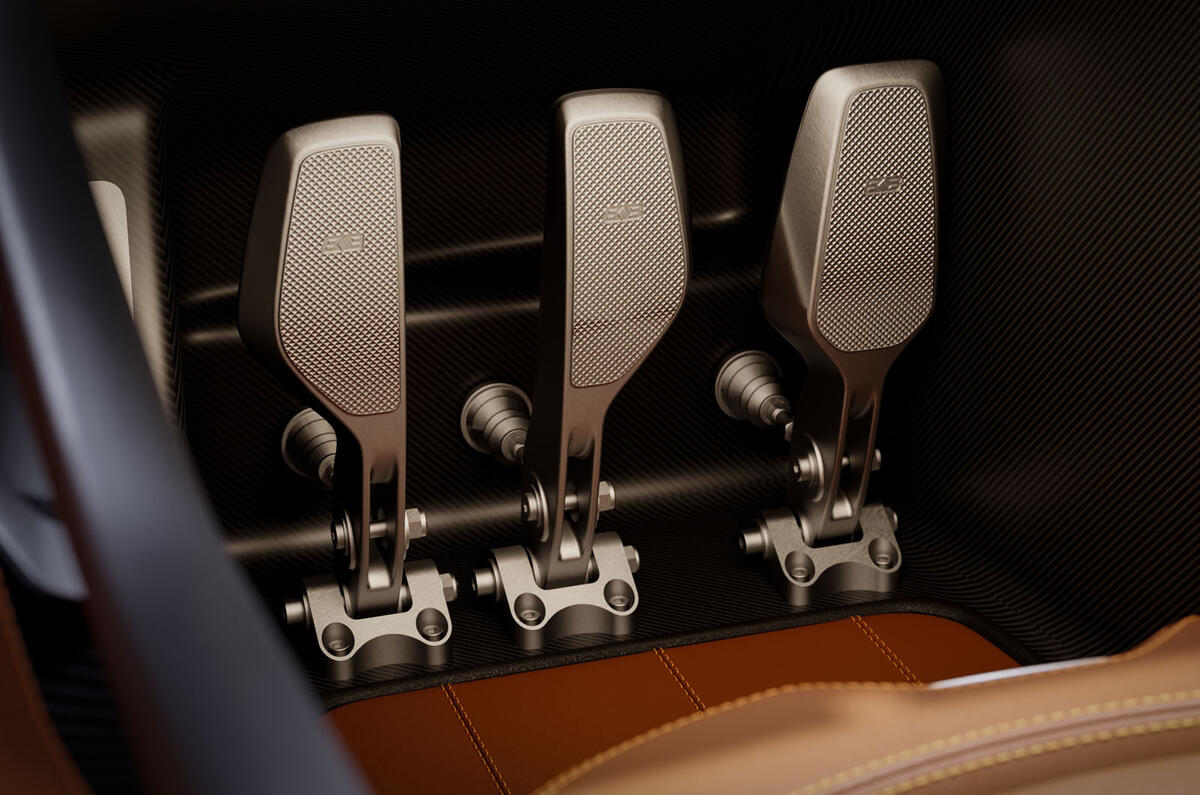
The aviation theme carries over to the functional, driver-focused cabin, which features an abundance of exposed carbonfibre, visible pedal linkages and a suite of clearly presented dials and clocks in place of a digital driver display.

The focus on simplicity extends to the use of a smartphone mount for infotainment, rather than a central touchscreen, and the eradication of any buttons or switches from the steering wheel.

Back to top

The minimalist arrangement also places greater emphasis on the gearlever, which sits pride of place on the 'floating' centre console.

Equally atypically for a modern supercar, the Blackbird also features a traditional ignition key.

Hennessey Blackbird exhaust

“A big concern with our customers is driving something that is dated the minute that it lands,” Hennessey design director Nathan Malinick told Autocar. “Not only are these objects of desire to drive and enjoy, but for a large body of our customer base they are also driveable assets. You could still drive this in 75 years and not have a blank and unusable screen that is now broken and no one can find parts to.”

Malinick cited the cockpit of the 1960s Ferrari 250 GTO as among his all-time favourites.

Production of the 71 customer Blackbirds is touted to begin in Texas in 2029, priced from $2.5 million (£1.9m) before taxes.

The Blackbird is expected to live a similarly long life to its forebears, with further spin-offs and specials almost guaranteed. “We are not even thinking about what's going to be next,” said Malinick.

Join our WhatsApp community and be the first to read about the latest news and reviews wowing the car world. Our community is the best, easiest and most direct place to tap into the minds of Autocar, and if you join you’ll also be treated to unique WhatsApp content. You can leave at any time after joining - check our full privacy policy here.

Stephen Dobie

Stephen Dobie

Stephen has been feverishly writing about cars since graduating with honours in Journalism Studies from his hometown university, Sunderland, in 2008. After packing his bags, moving south and putting in lengthy stints at evo and Top Gear, he chose to roam the freelance plains in 2022 to further explore his diverse automotive interests. He loves nothing more than writing adventure, interview and review stories which highlight the brilliant cars, people and innovations that push this brilliant industry ever forward.His own taste in cars varies wildly, often favouring an underdog. Some of his career highlights include driving the Renault Megane R26.R, an ex-McRae Impreza rally car and the spectacularly under-appreciated Volkswagen XL1.

His car ownership history is entirely made up of light, feisty hatches, from a Mk1 Fiat Punto immediately after passing his driving test (‘a superb piece of car design’) through a Ford Puma 1.7 and Clio Williams to the Hyundai i20 N he drives now.