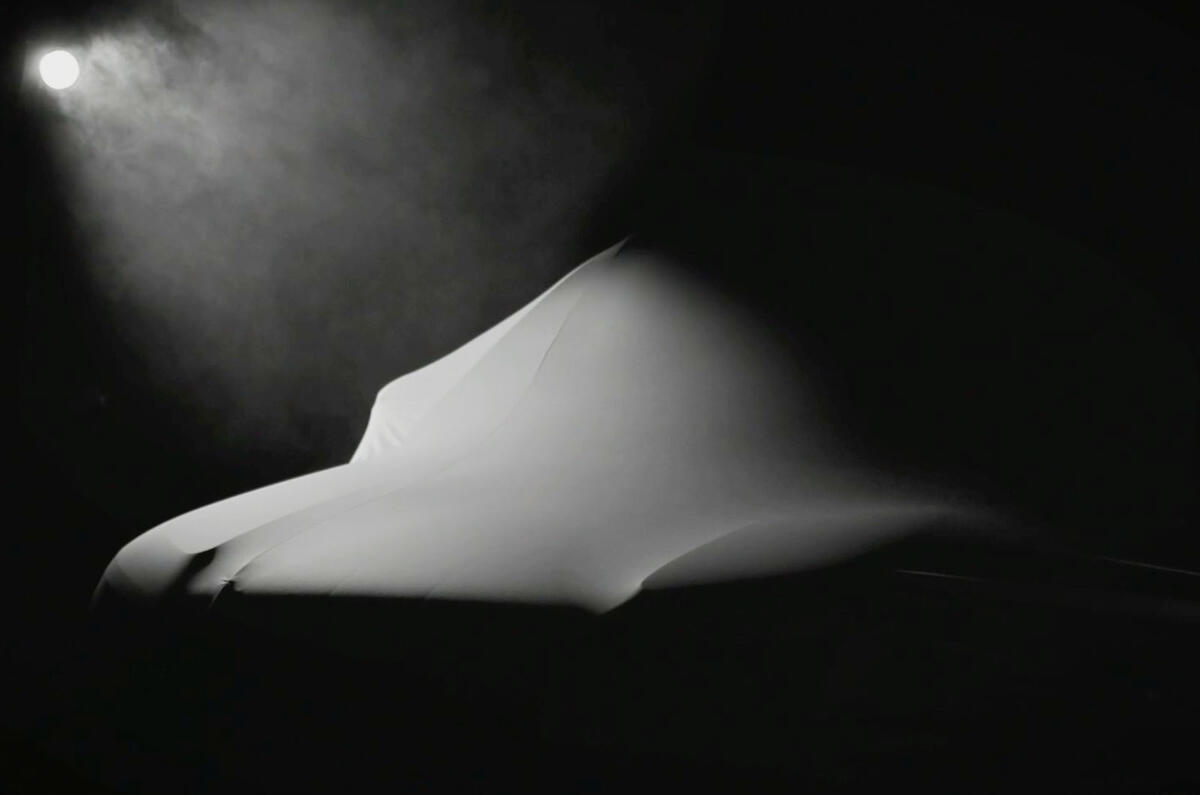

Volvo will preview the styling of its next-generation models with a concept timed to mark the firm's 100th anniversary – and design chief Thomas Ingenlath has vowed that future models will reintroduce more physical controls.
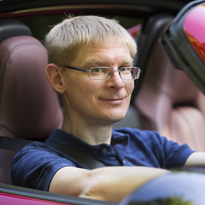
Ingenlath returned to Volvo as its head of design earlier this year, after a stint as CEO of spinoff firm Polestar. He will introduce a revamped design language for the Swedish brand, which plas to launch 13 new models worldwide by the end of 2030.
During Volvo's global strategy update, Ingenlath confirmed that the first sign of his new design would be a new concept being shown in 2027. While he wouldn't give any details, he did suggest that the design would build on Volvo's history and heritage.
"The brands that have heritage have a strong history," said Ingenlath. "The foundation of how a Volvo is recognised first glance is the iron mark, a diagonal slash that supports that iron mark, and the surrounding of a grille that has framed our cars and the the logo for a long, long time."
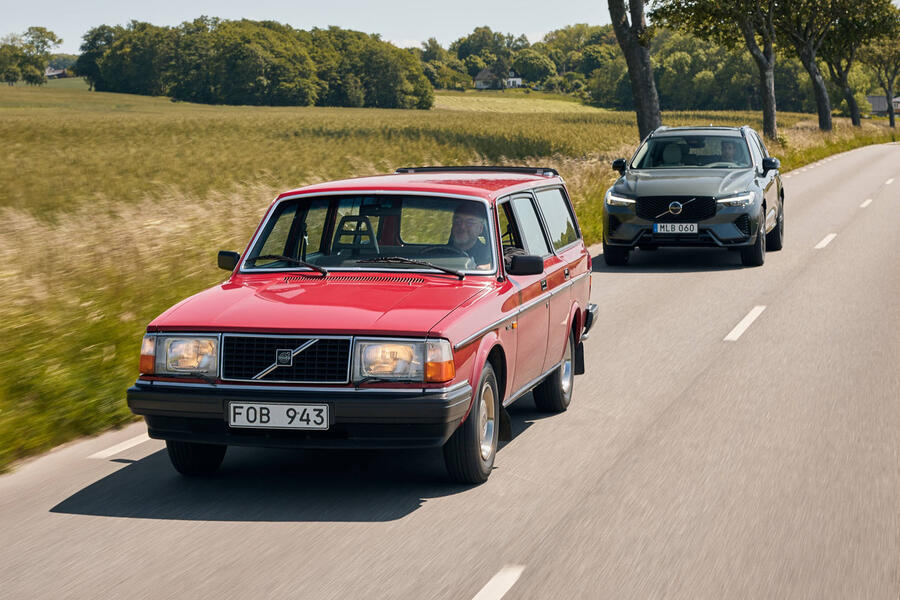
Ingenlath added that it was a "big, big task" for design departments to "identify a way forward" and said it was a task "still ahead for us at Volvo to define for the future".
He also said that he was looking at rethinking the interior user experience of Volvo models. At Polestar he was a leading proponent of minimalist interiors that featured few buttons and moved most controls to the touchscreen, but he said that Volvo and other firms "have to listen to our customers and recognise that how the interaction is in cars today is, to say frankly, not appreciated".
"The over-emphasis of screens and the interaction with the screens is something customers and journalists heavily criticize, and we have to aim for a better harmony, a better balance between the interaction that we have with our digital device and the physical interaction."
Citing the example of a Leica camera, Ingenlath said that Volvo "will not just go and introduce rows and rows of buttons" but "will be embracing what a physical interaction can do for you in a positive way as a customer".
"We're not going away from touchscreen, it's just to use the screen for what it's good at. My dogma is any function you display all the time on the screen should not be on the screen. The screen is about flexibility and displaying what you don't need to display all the time. So it's use the touchscreen for what it's good for and the reintroduction of a couple more buttons than in today's cars."