
During the late 1980s, Porsche entertained thoughts of building a four-seat saloon, named the 989, but the marketing people began to feel uneasy about the idea midway through 1991.
Even if Porsche could make a saloon that drove and handled like a sports car, a 989 was always going to be a risky strategy, and the more they crunched the numbers, the less the volumes added up. The entire saloon programme was eventually aborted at an estimated cost of at least £100 million.
Instead, Porsche decided on a radical change of direction: back to small ‘low-cost’ sports cars. That set in motion a chain of events that yielded the Boxster, first seen as a concept at the Detroit show in 1993, to much acclaim.
More than three years later, the first all-new Porsche in nearly 20 years reached production. Having followed the Boxster’s development from the early stages, Autocar’s Europe editor Peter Robinson was one of the first journalists to drive it.
He wasn’t disappointed. “We can all stop worrying,” he wrote. The Boxster is all Porsche, all sports car and, quite simply, bloody marvellous. At once, Porsche has given us the most dynamic and exciting of all the new-generation two-seat roadsters.
“This awareness, the knowledge that Porsche’s engineers, free at last to start with a blank sheet of paper, have focused on giving the Boxster true excitement, to create a tactile link between car and driver, lifts it above all the obvious rivals. No Porsche before has so effortlessly, so precisely and intensely engaged the driver, without demanding great skill or sparking doubts about its predictability near the limit.”
Porsche developed a totally new flat six engine for the Boxster. The aluminium 24-valve 2.5-litre dry-sump engine pumped out 204bhp at 6000rpm and 181lb ft at a peaky 4500rpm.
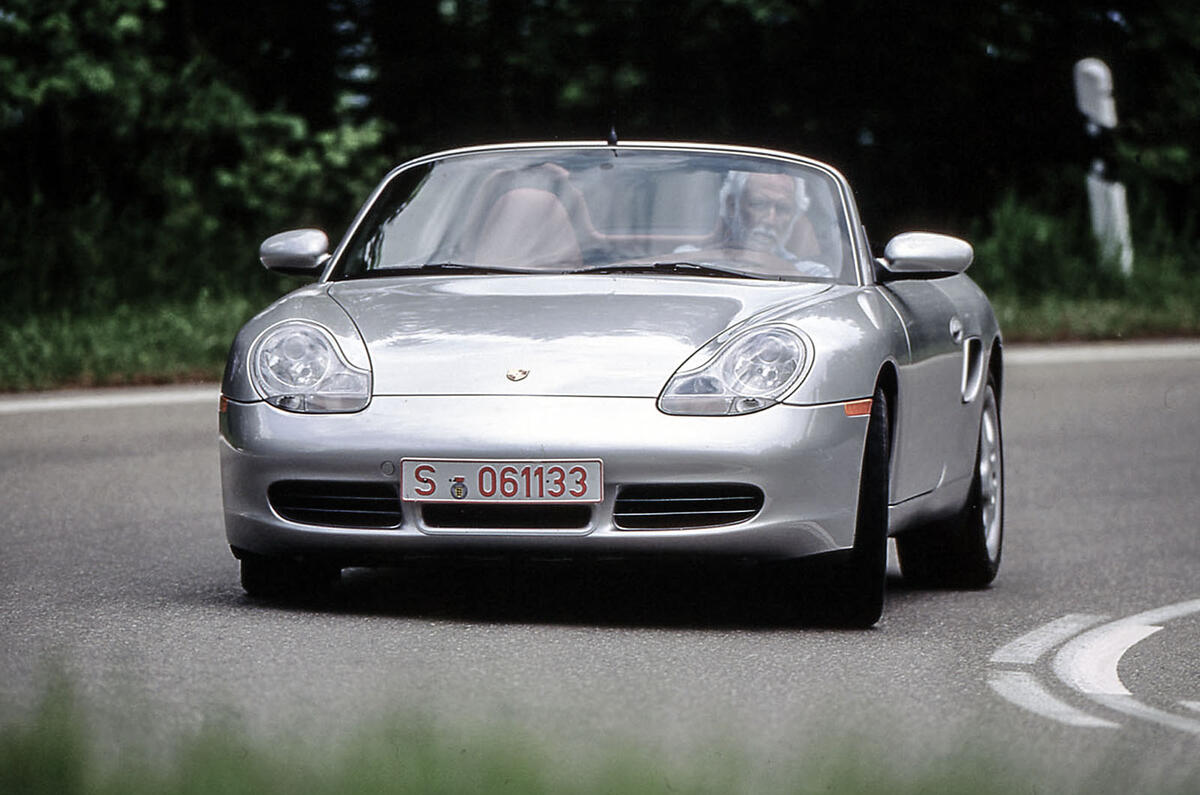
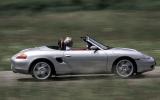
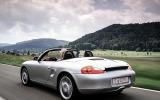
Robinson was impressed by how faithfully the production Boxster had retained the visual impact of the concept. If anything, it improved on it.
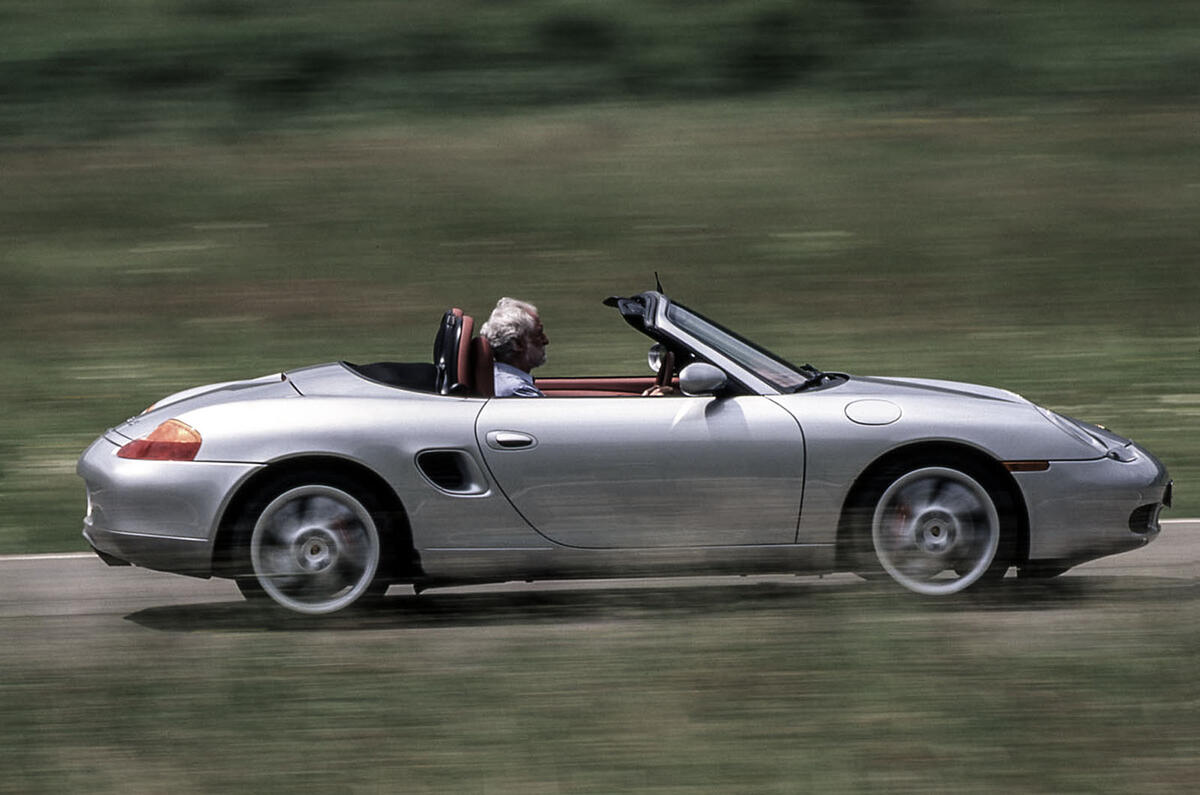
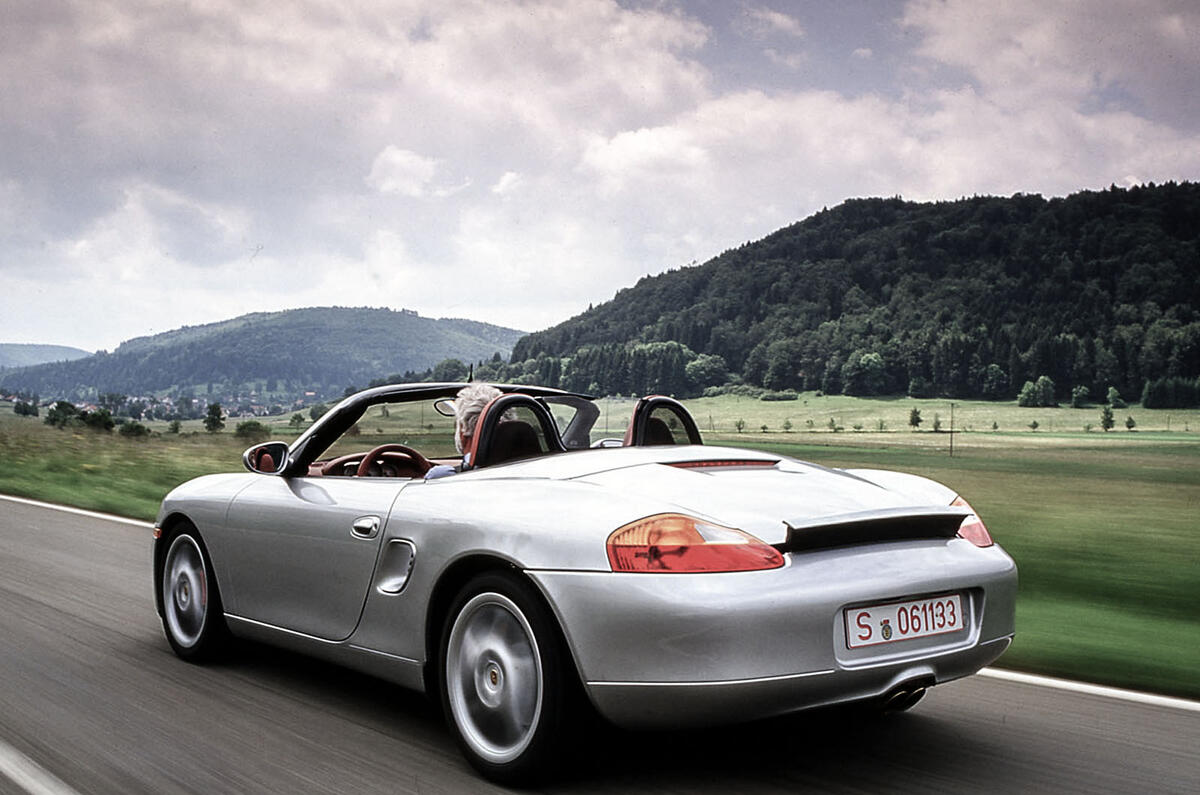
“The production Boxster isn’t a disappointing dilution of the beautiful Boxster concept,” he wrote. “It looks longer, flatter, almost symmetrical and somehow more professional than the hurriedly completed concept car.
“Porsche had no intention of building the Boxster as anything but a pure two-seater. The cabin, incredibly roomy and superbly finished, positions the driver’s seat, steering wheel and pedals in perfect alignment, something no other Porsche has achieved.”
Pragmatic Porsches are one thing, but where the Boxster really needed to deliver was on the road. And it did so, brilliantly.
“Each run, faster than the preceding one, increased my admiration for the car,” wrote Robinson. “Yet even as the extent of the Boxster’s remarkable grip and brilliant dynamics became ever more apparent, all this objective evaluation was being eclipsed by the overpowering joy of driving a car utterly dedicated to the creation of driving heroes. Every corner an event, every drive, no matter how short, an affair to savour.
“The Boxster, then, is a proper Porsche, a return to the company’s original philosophy, wrapped in an entirely contemporary design. No other roadster offers the same dazzling blend of performance, handling, ride and refinement.”