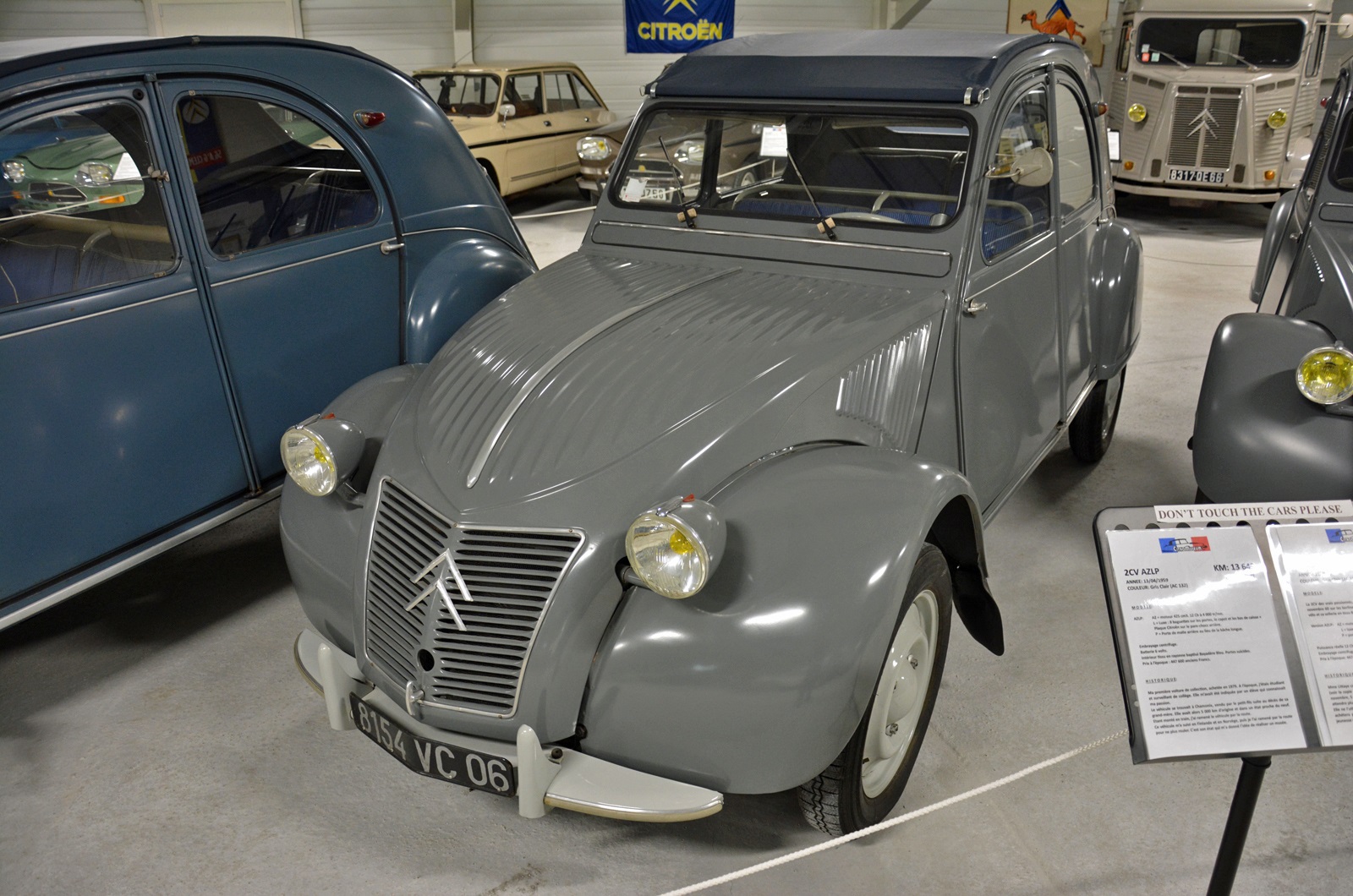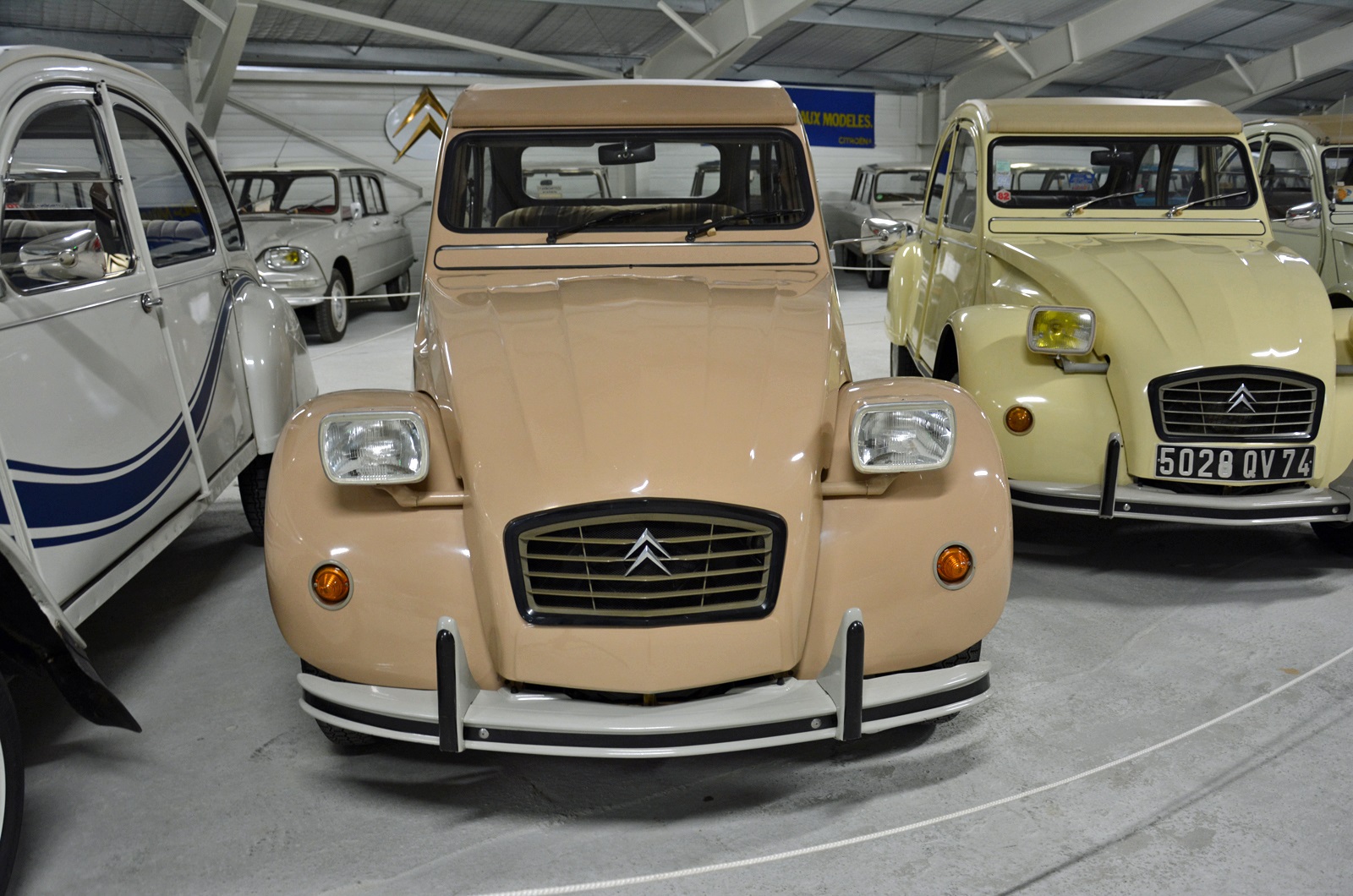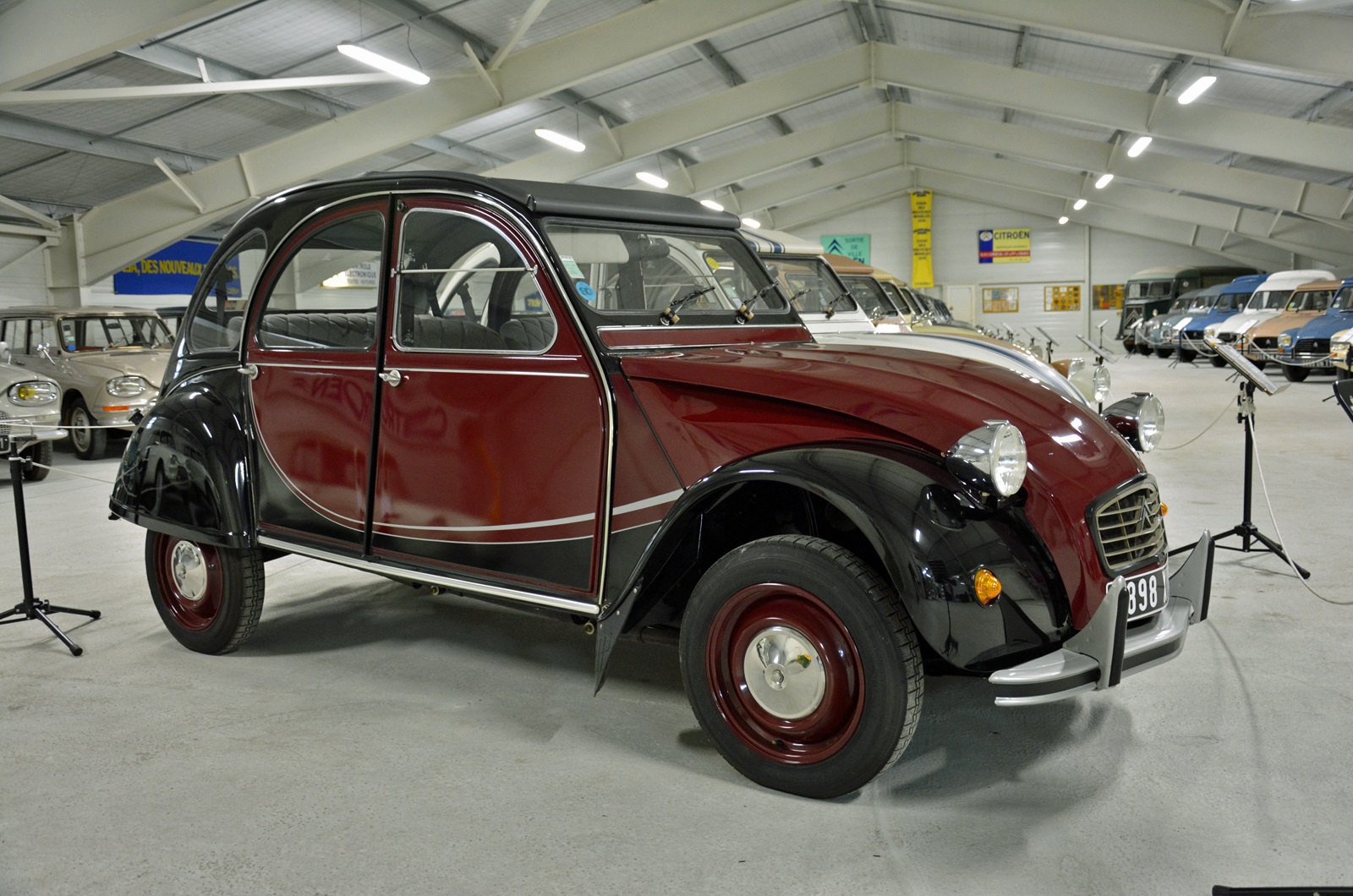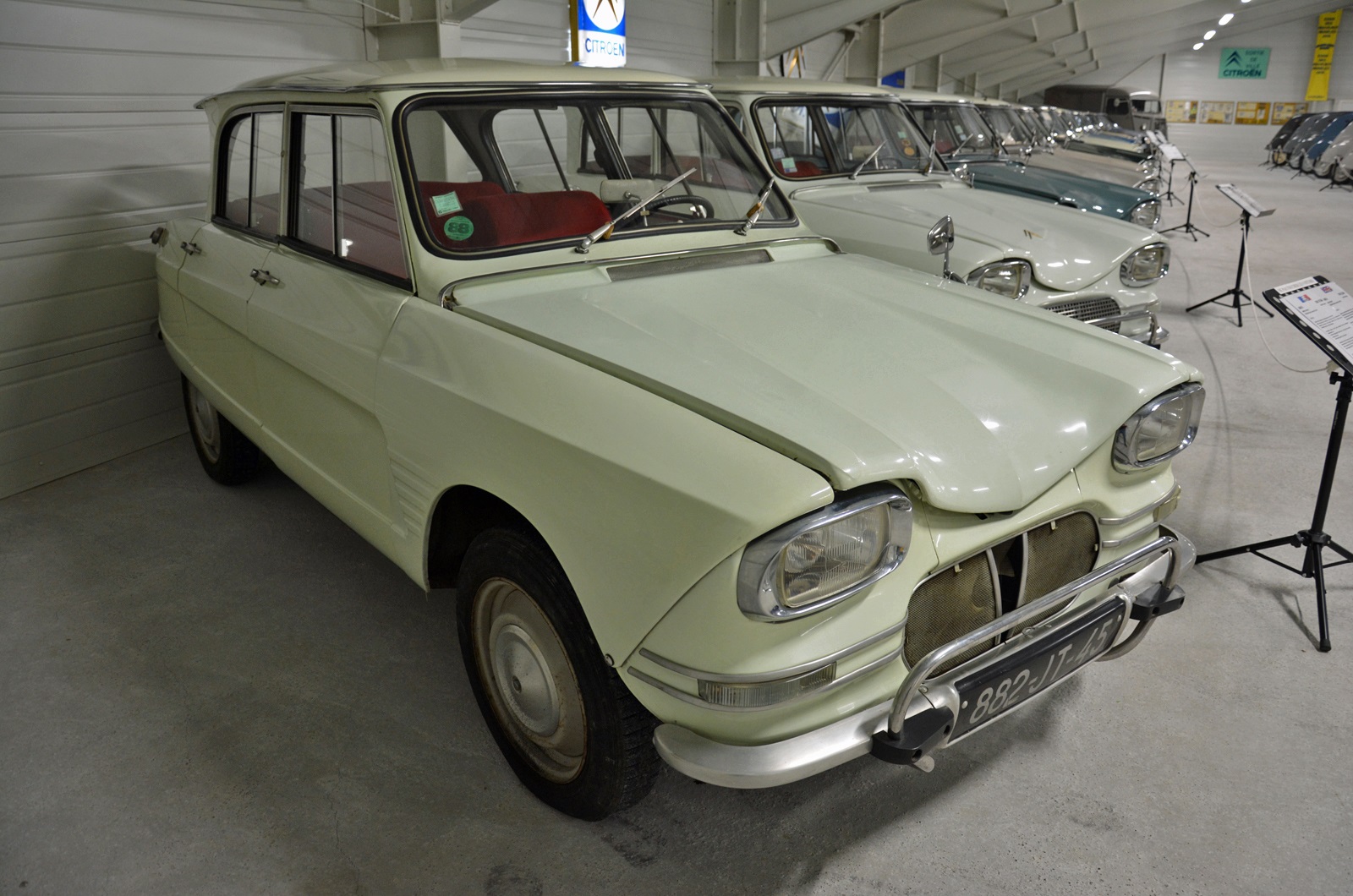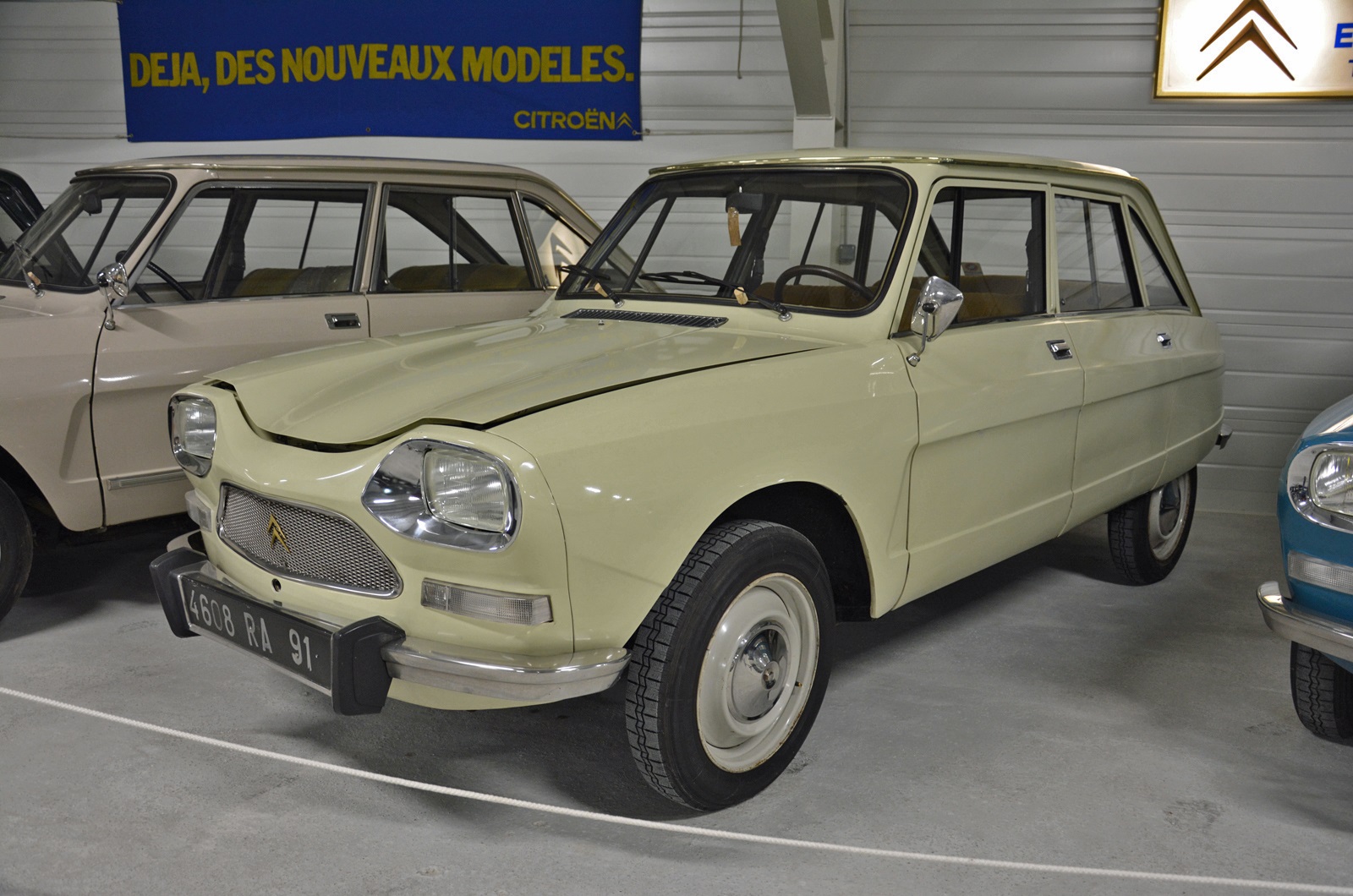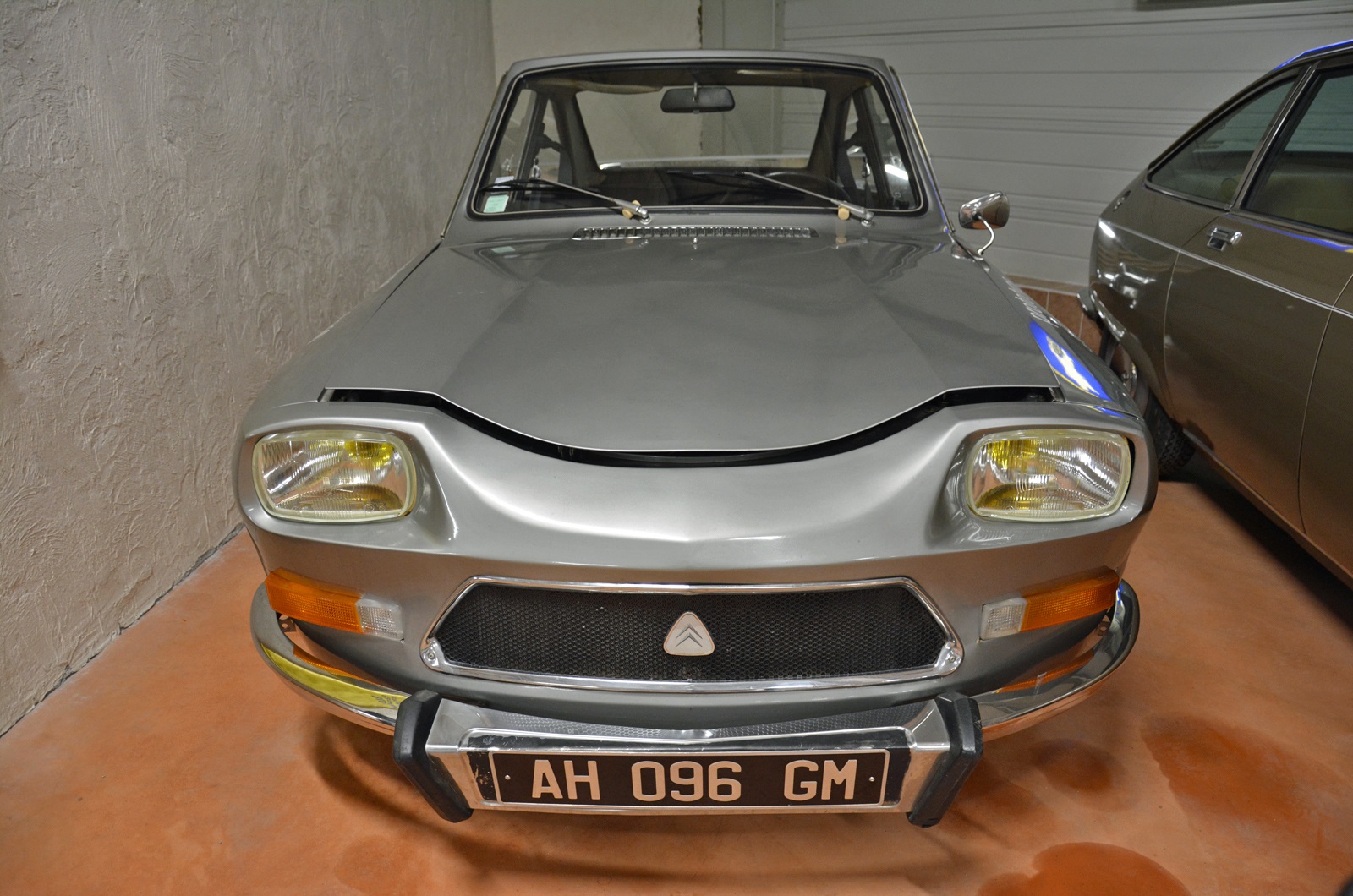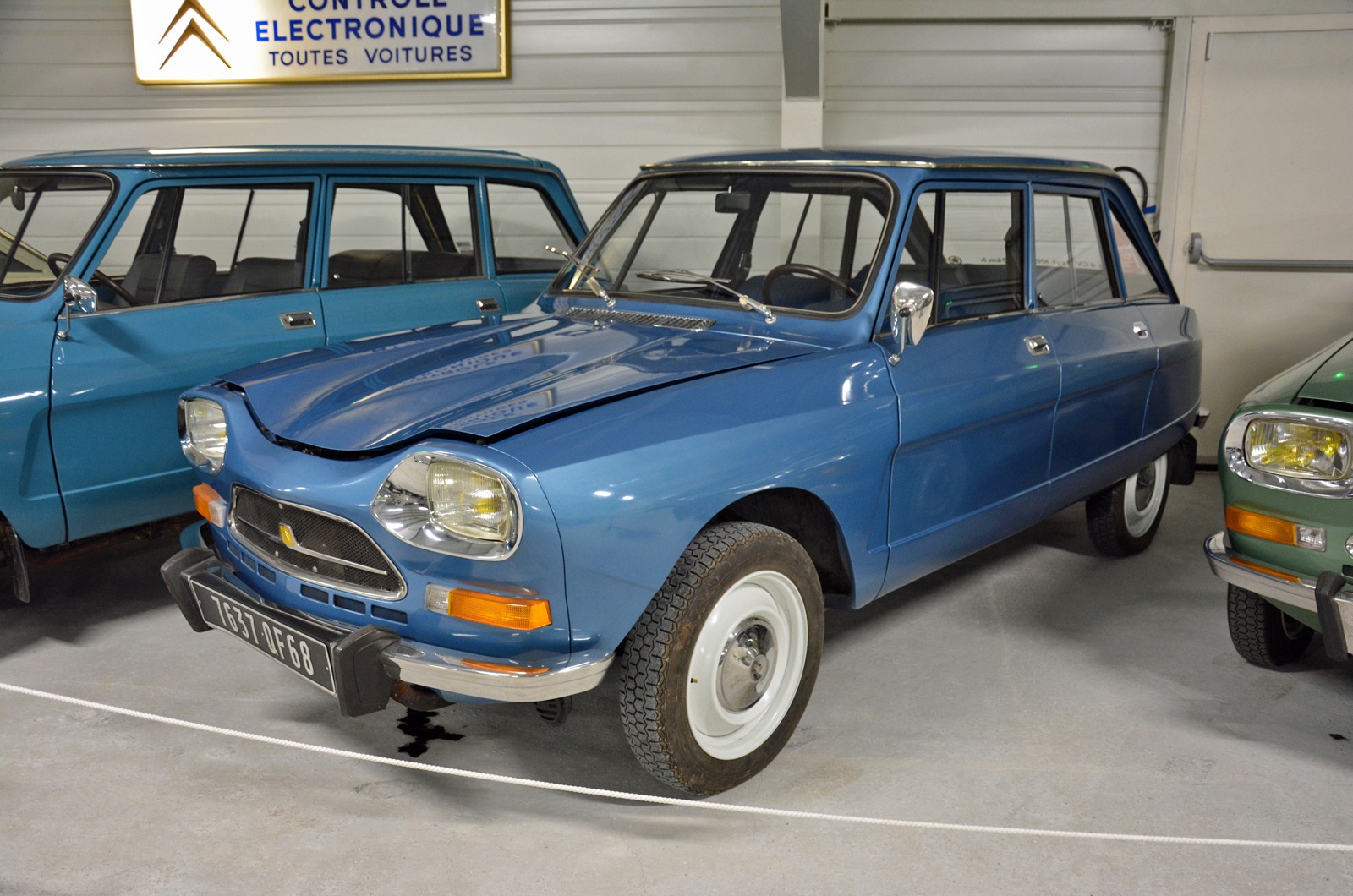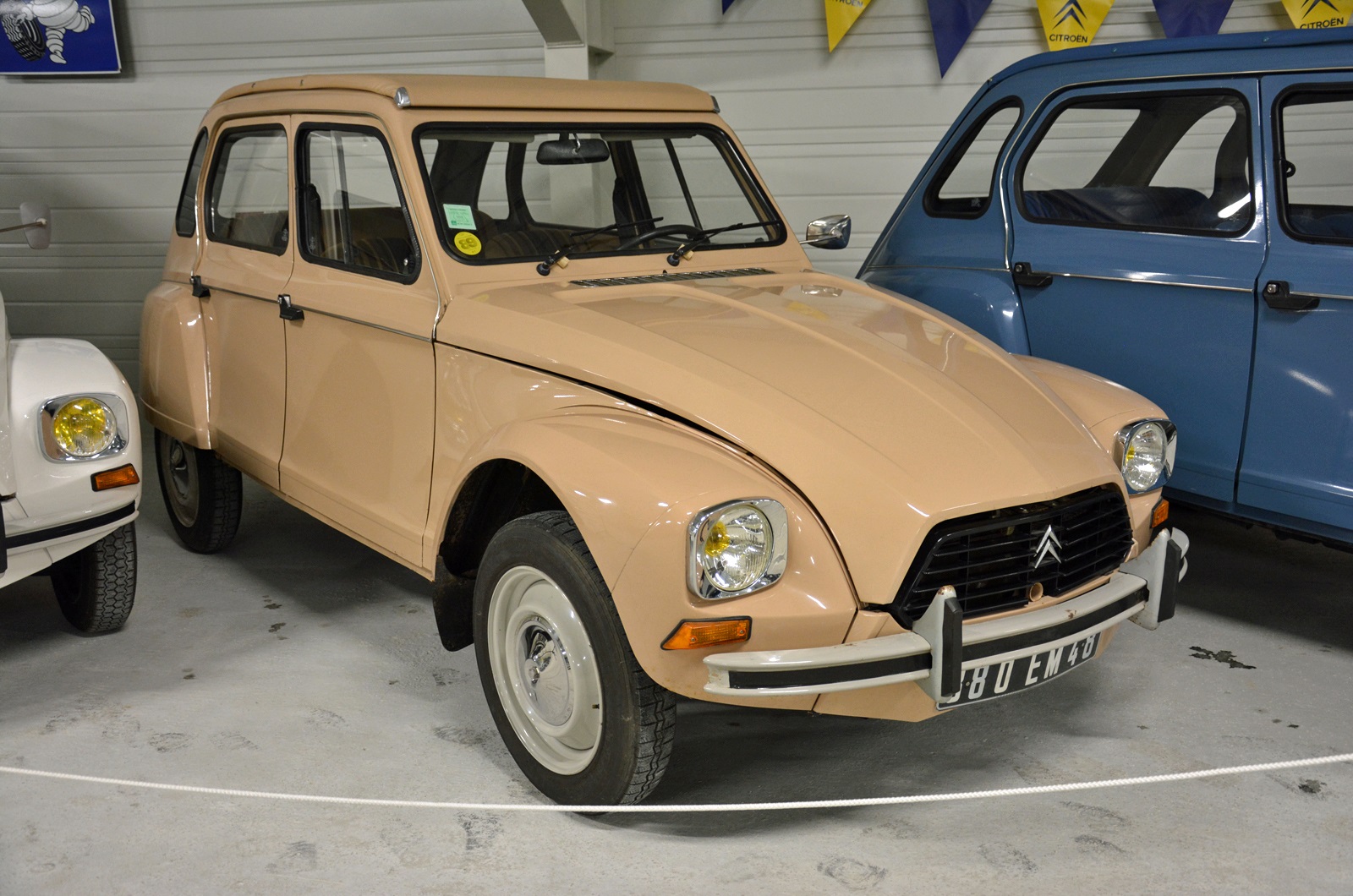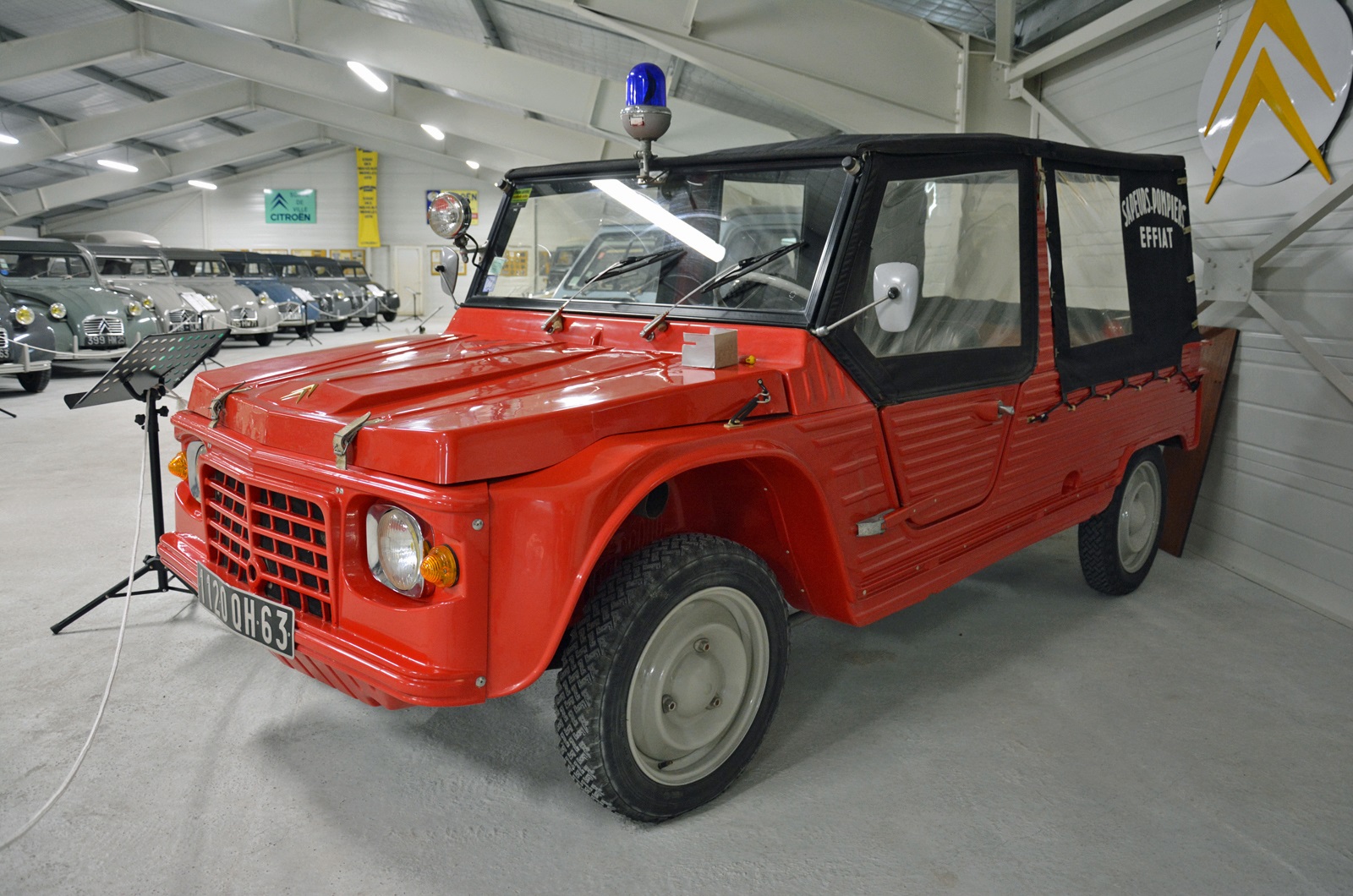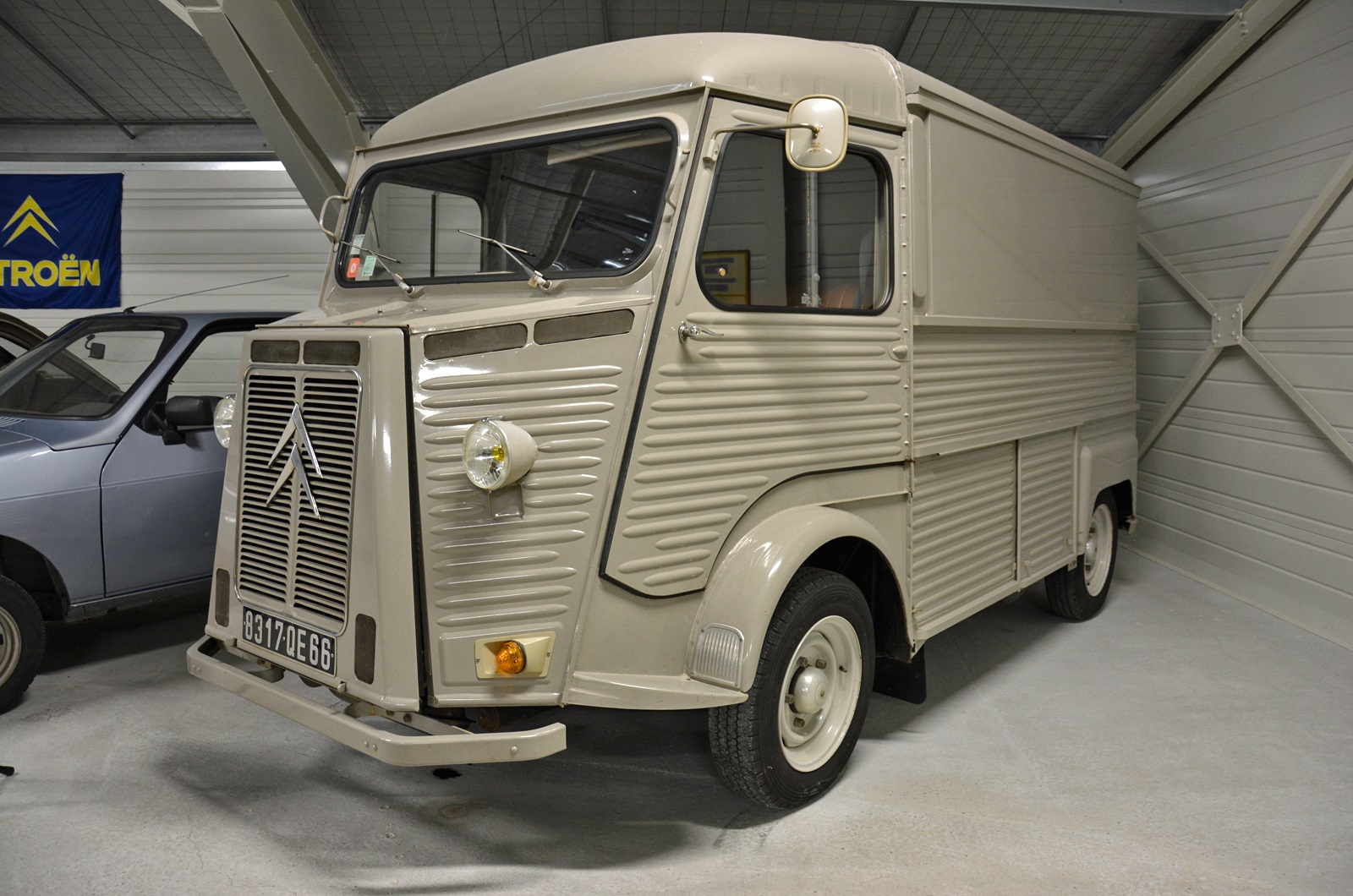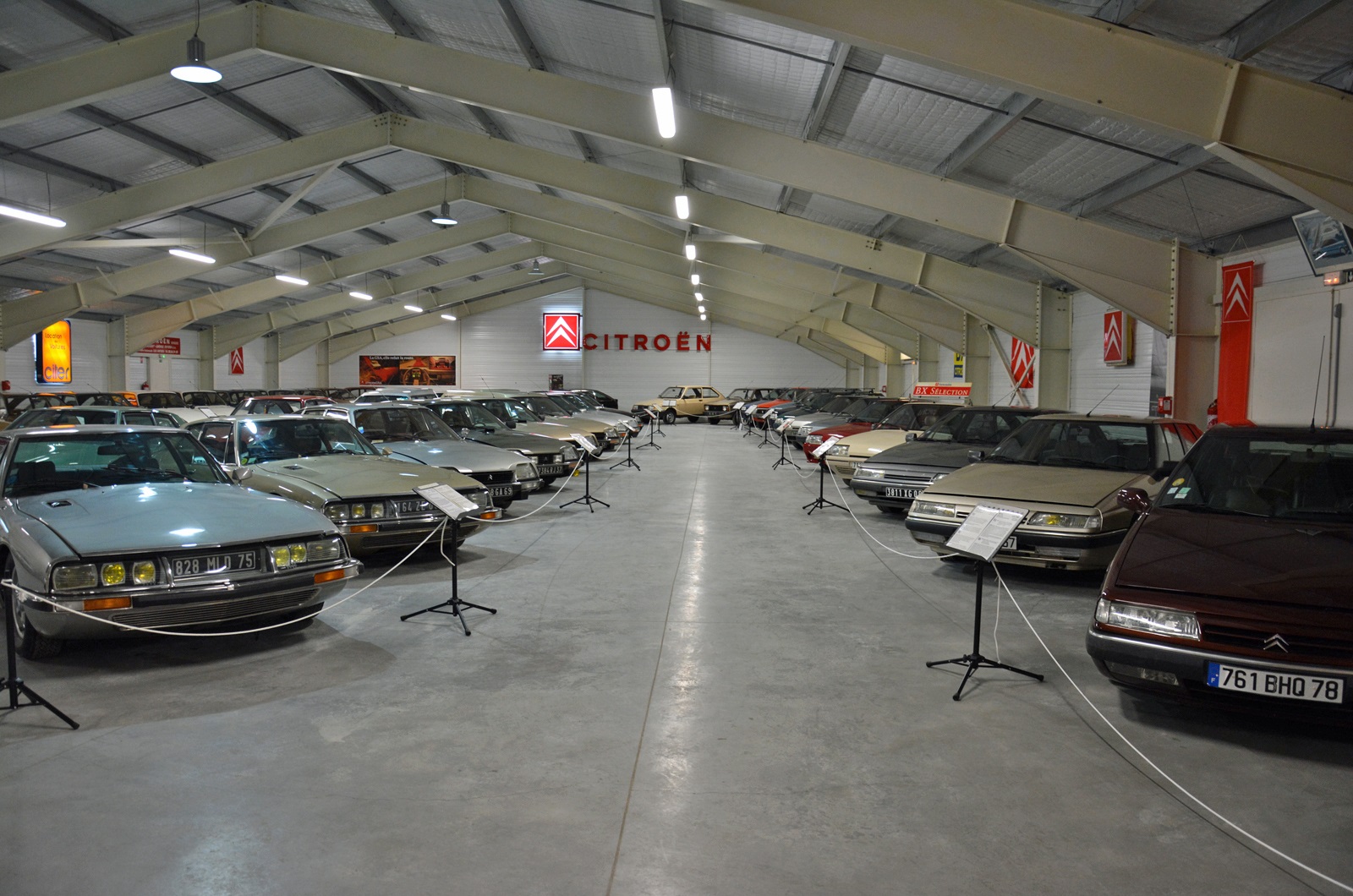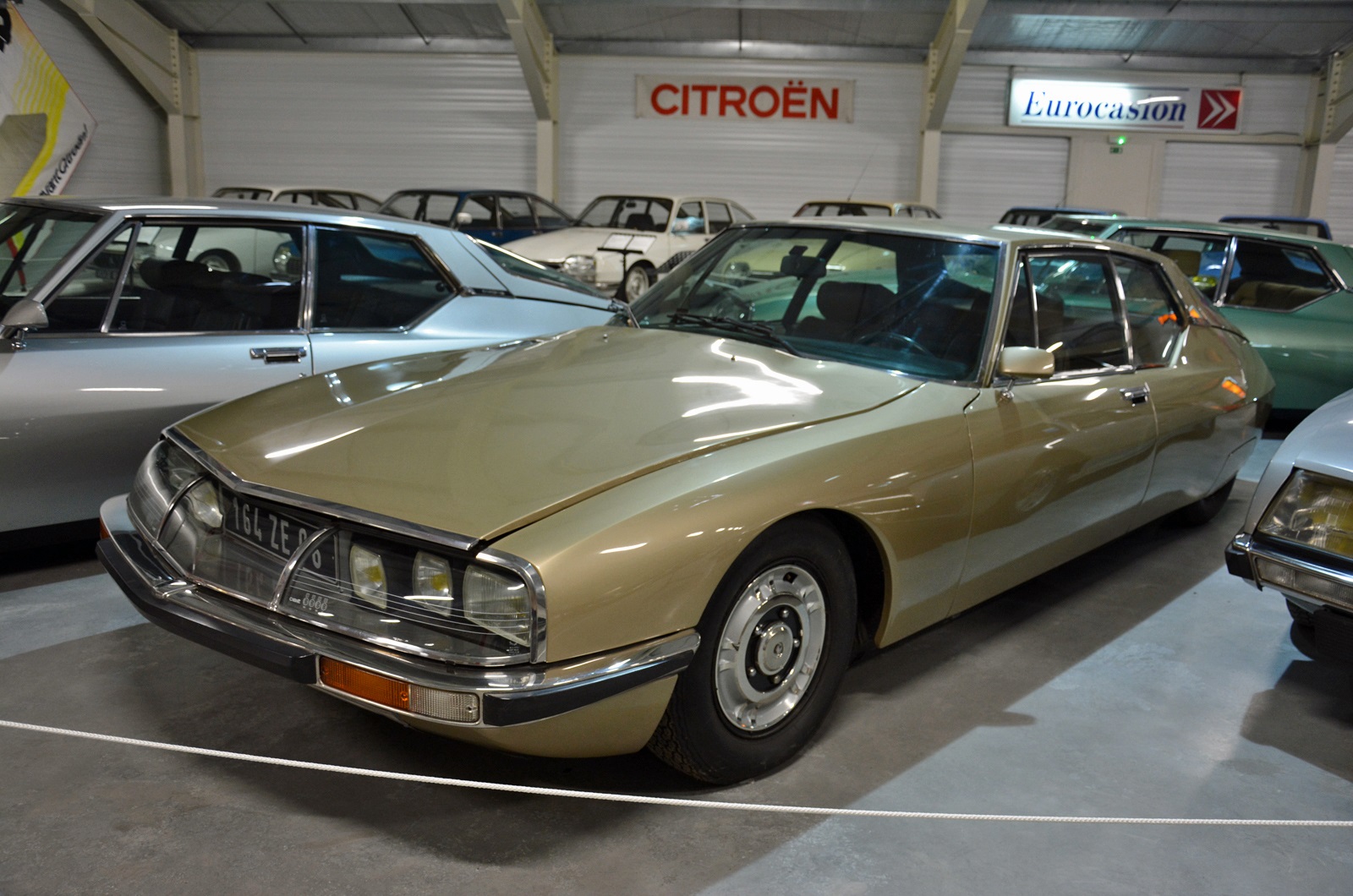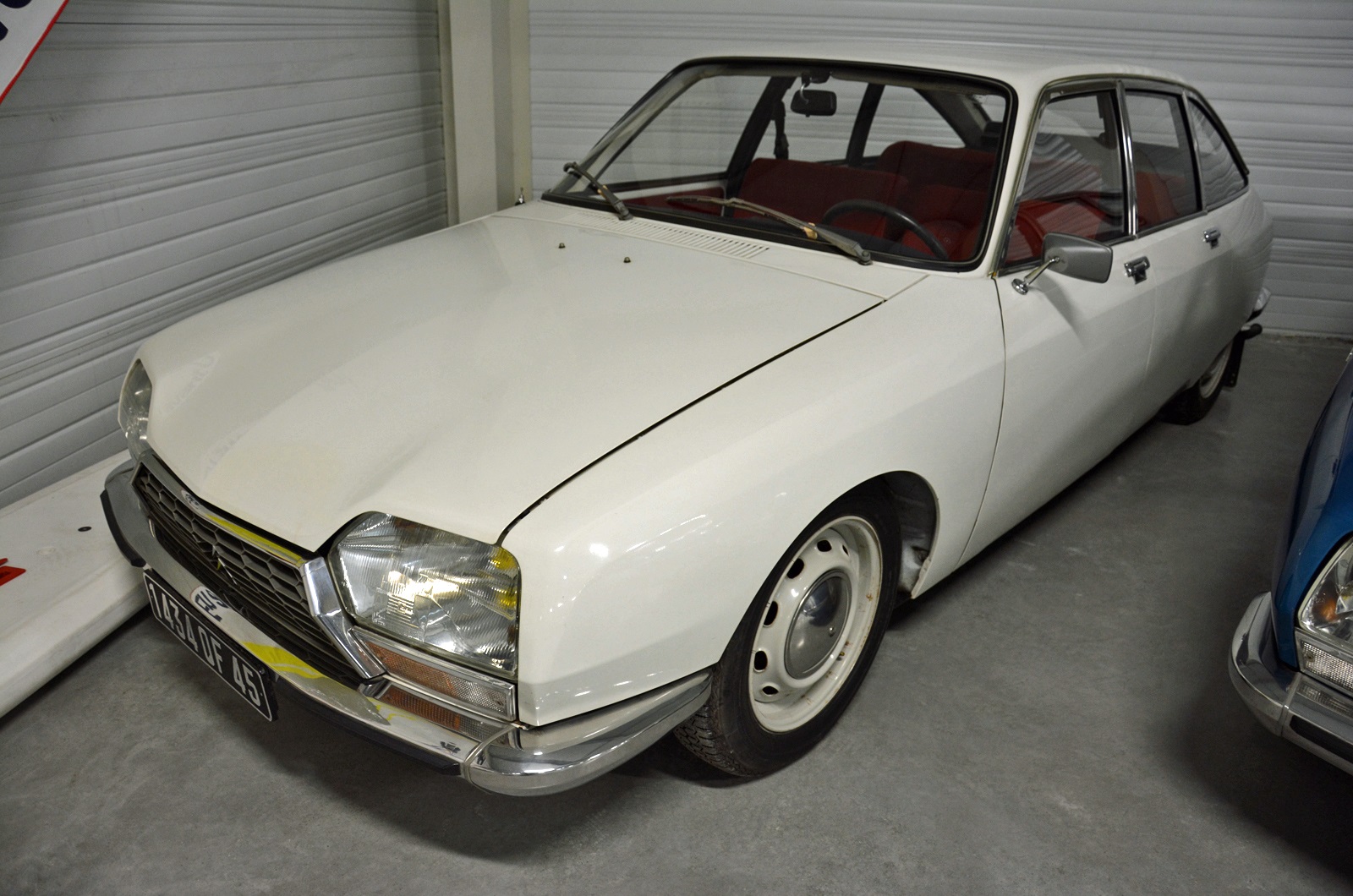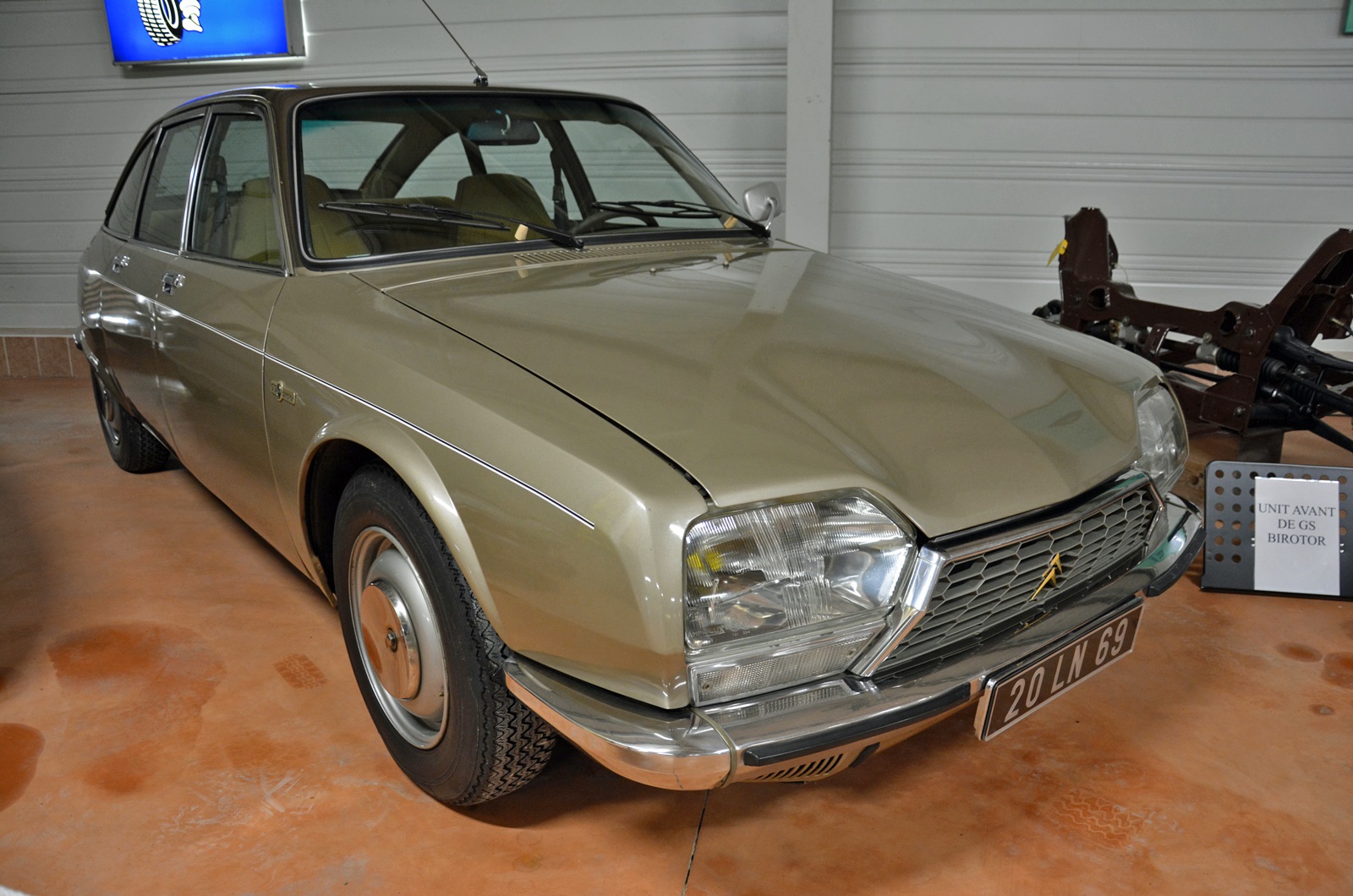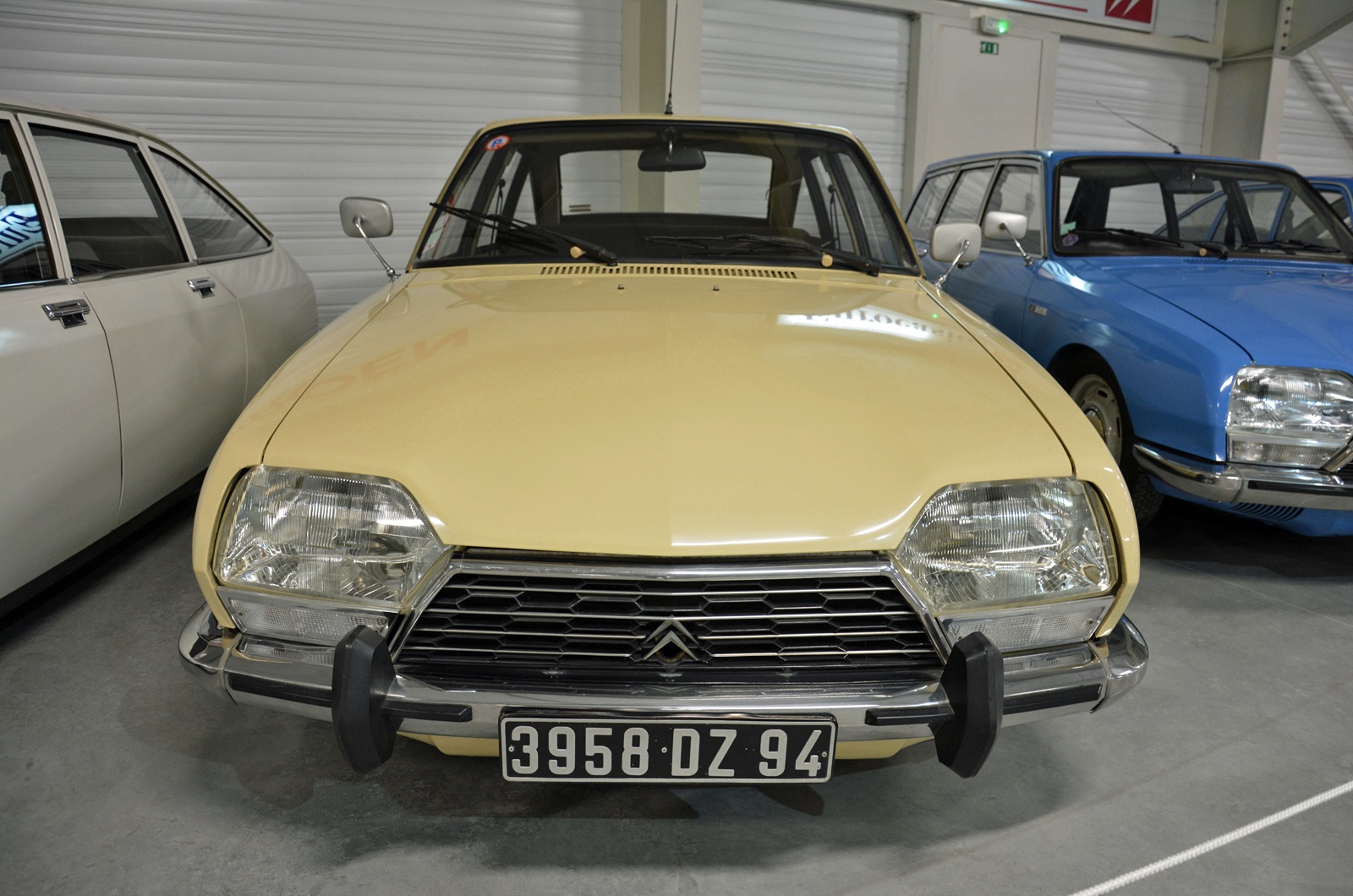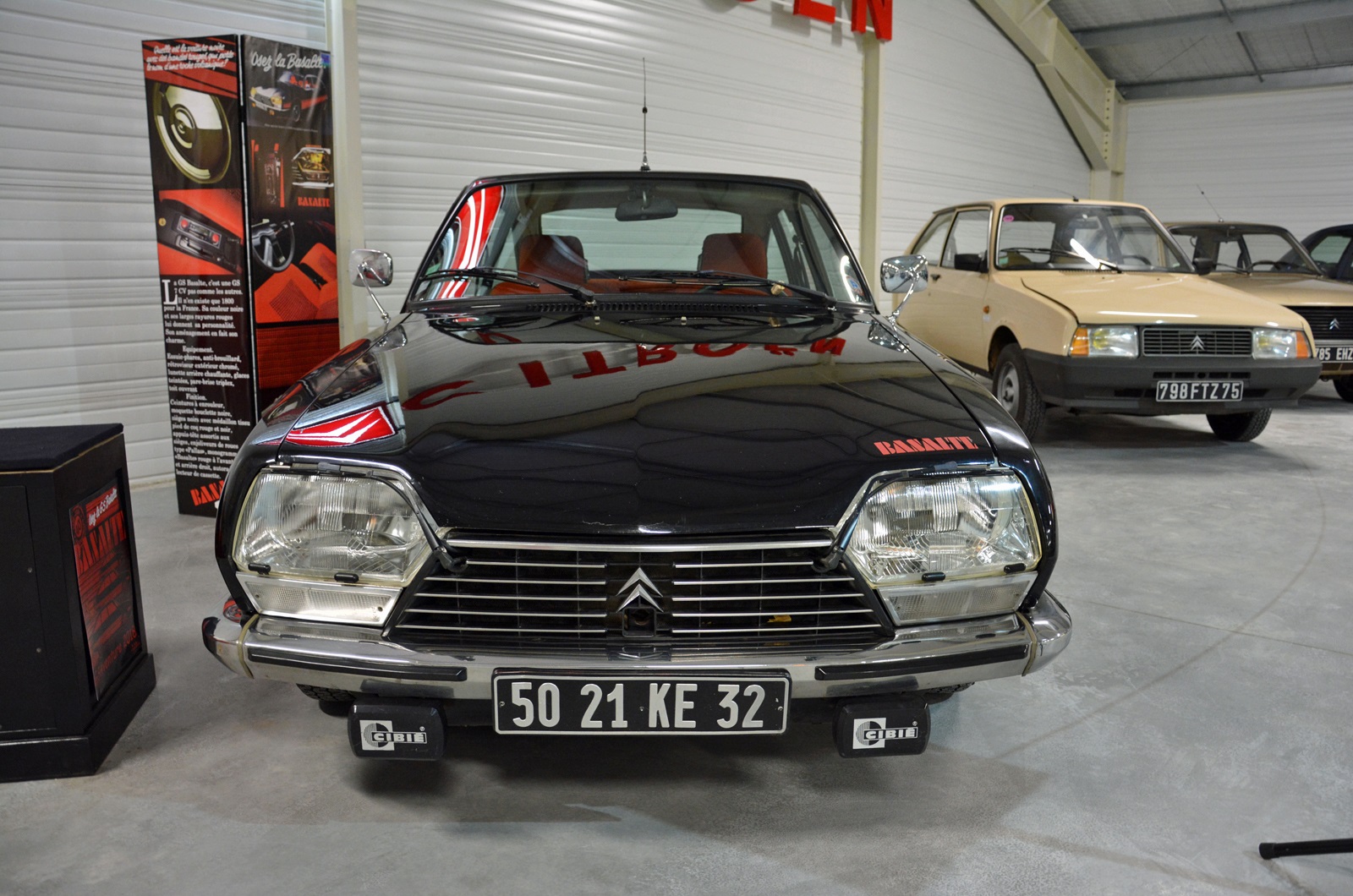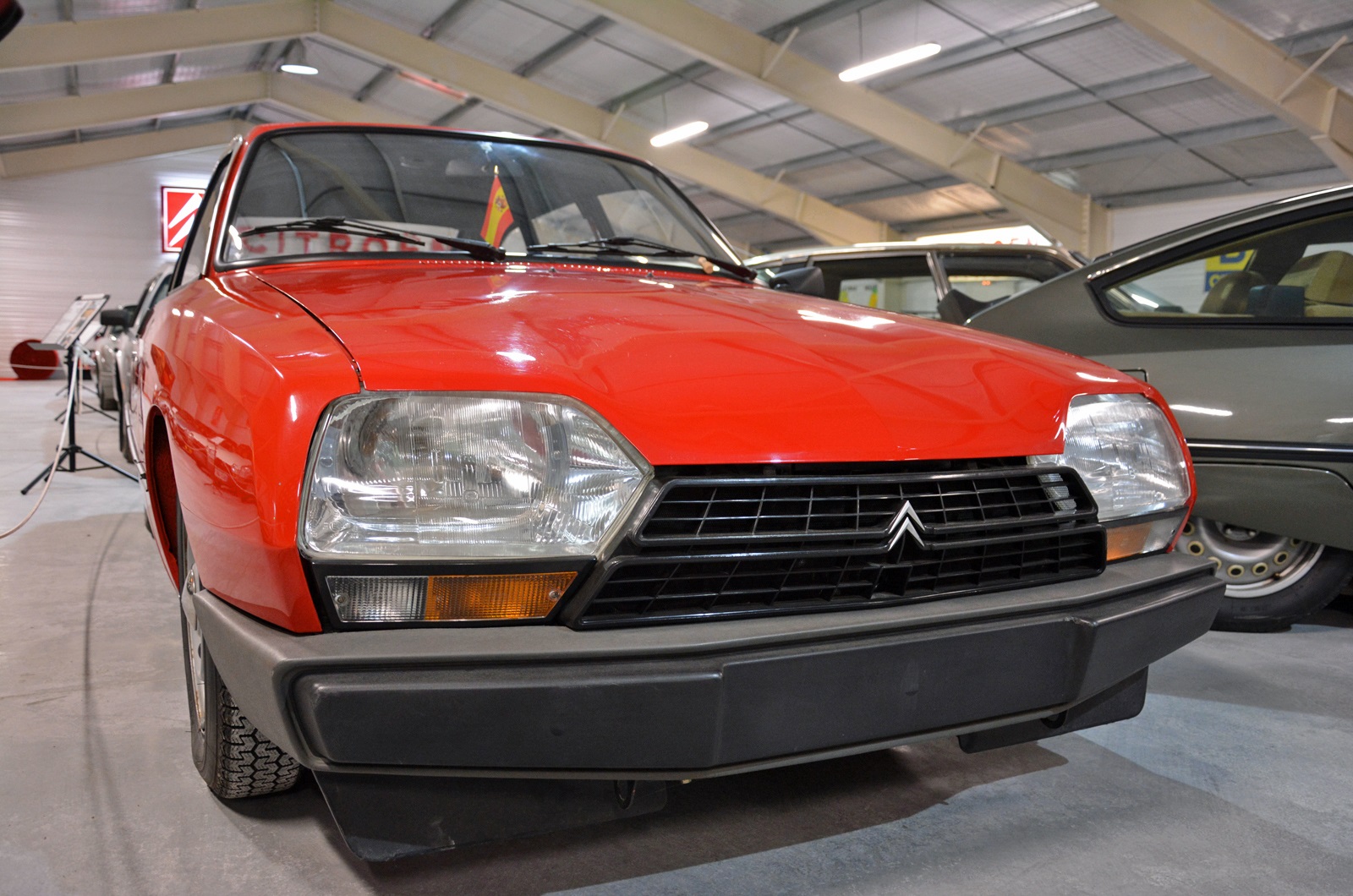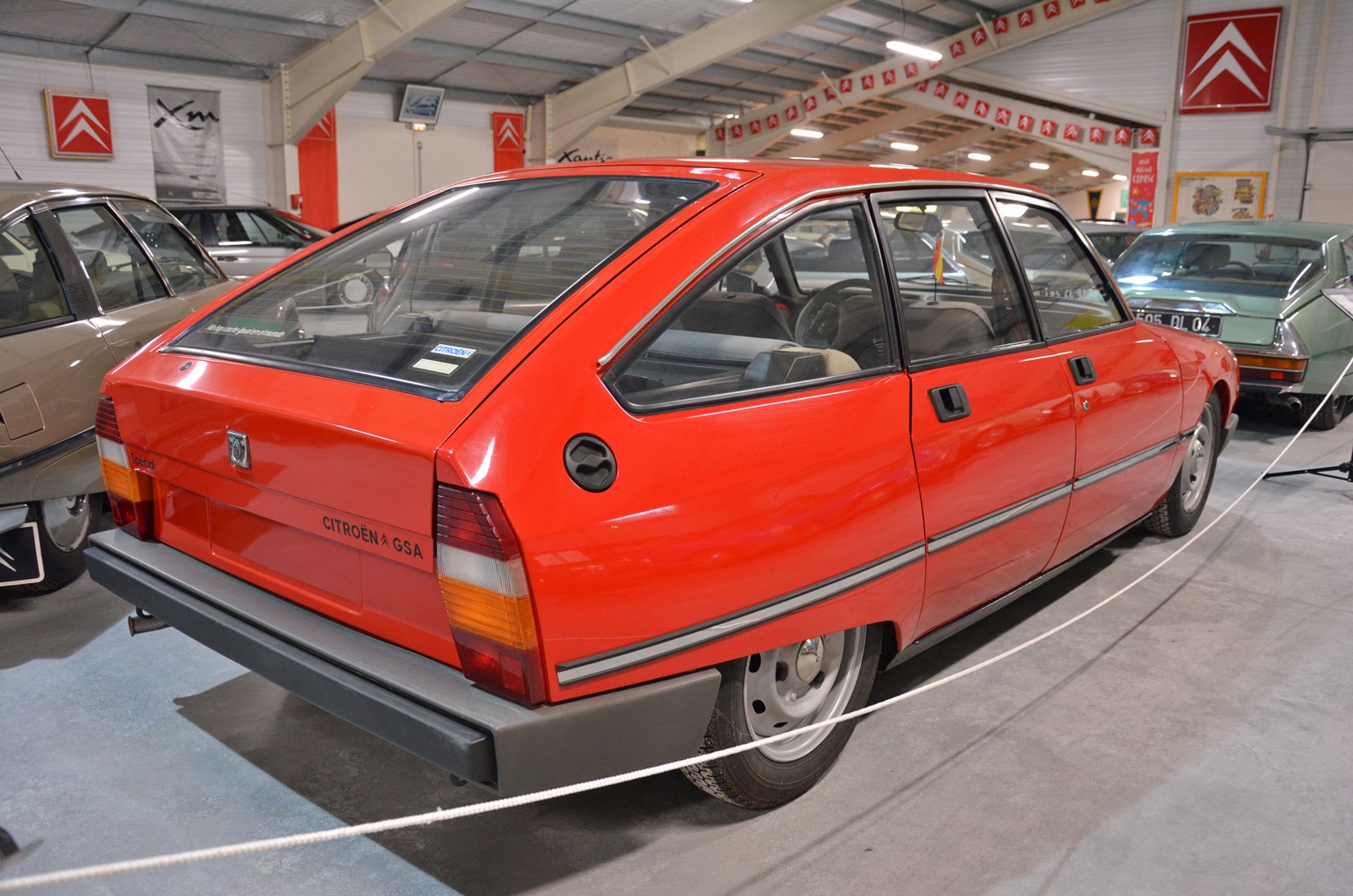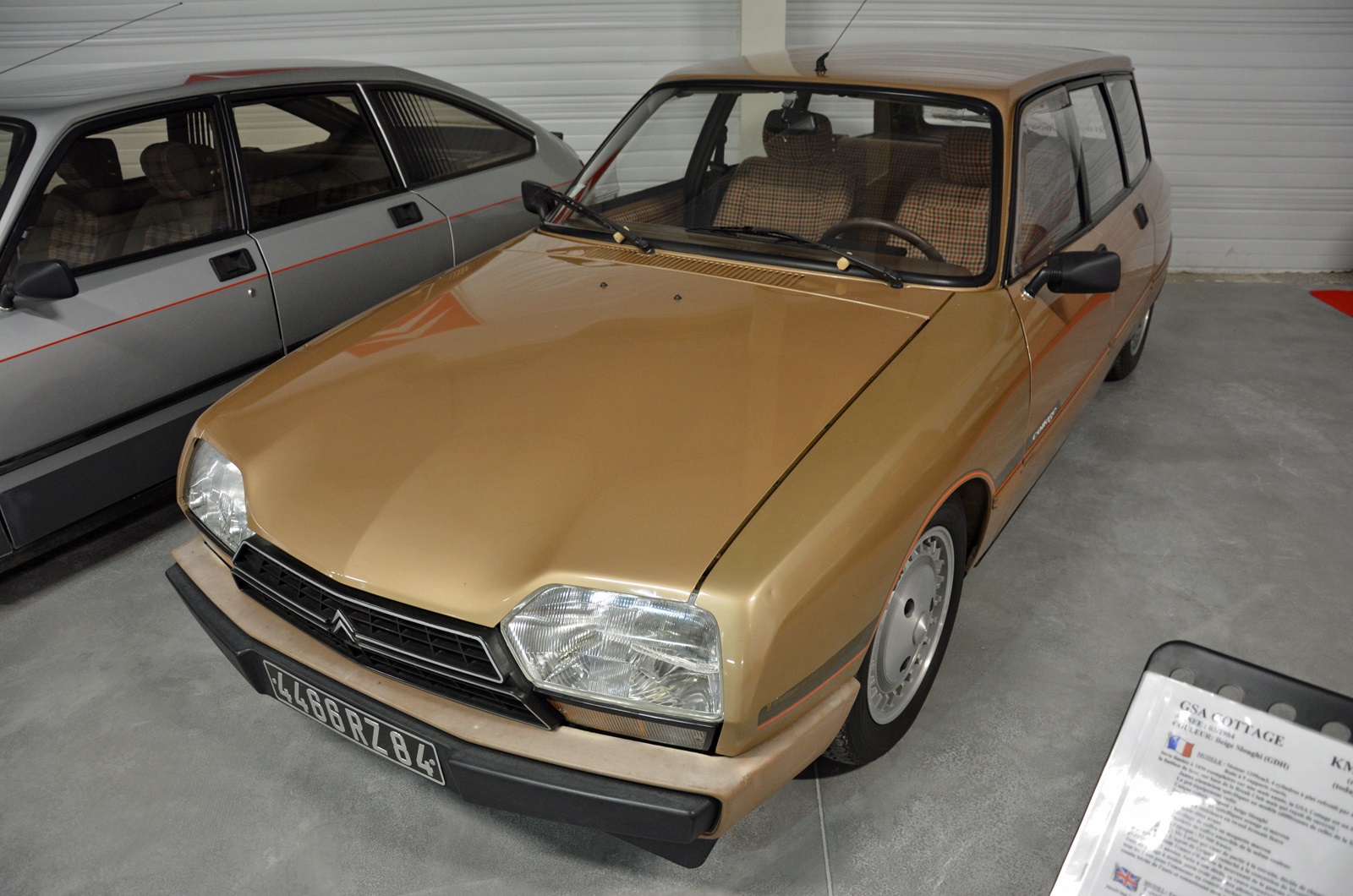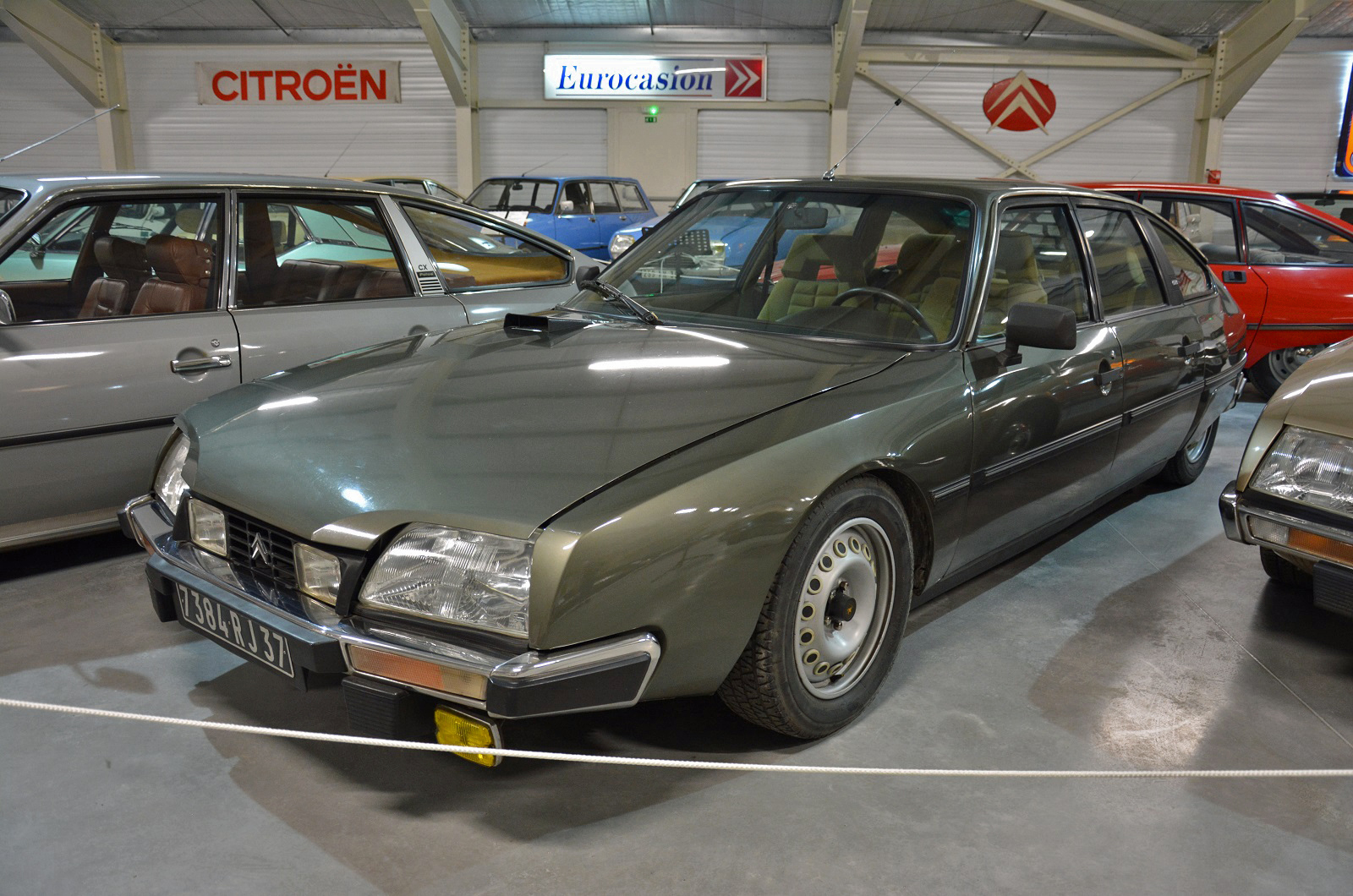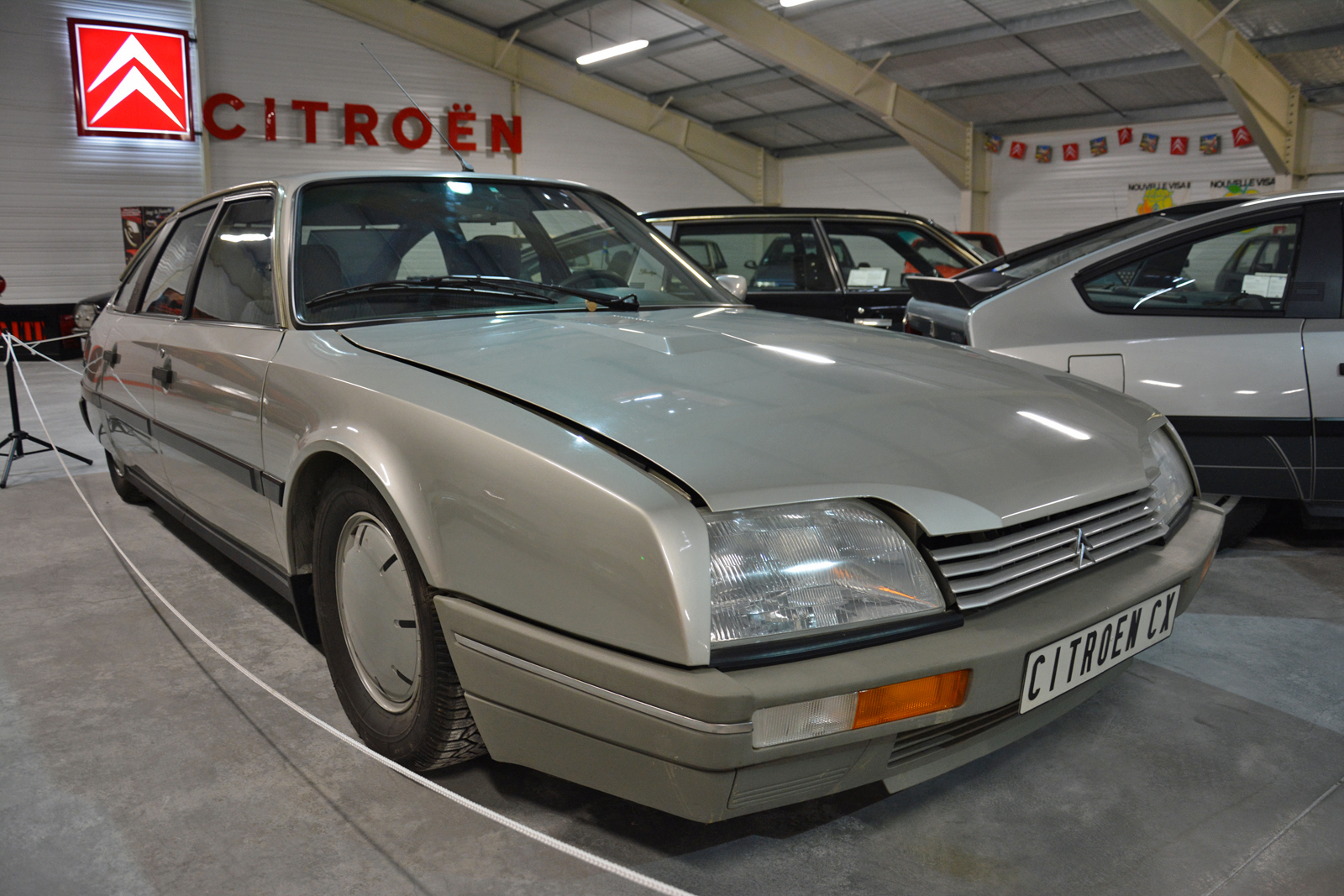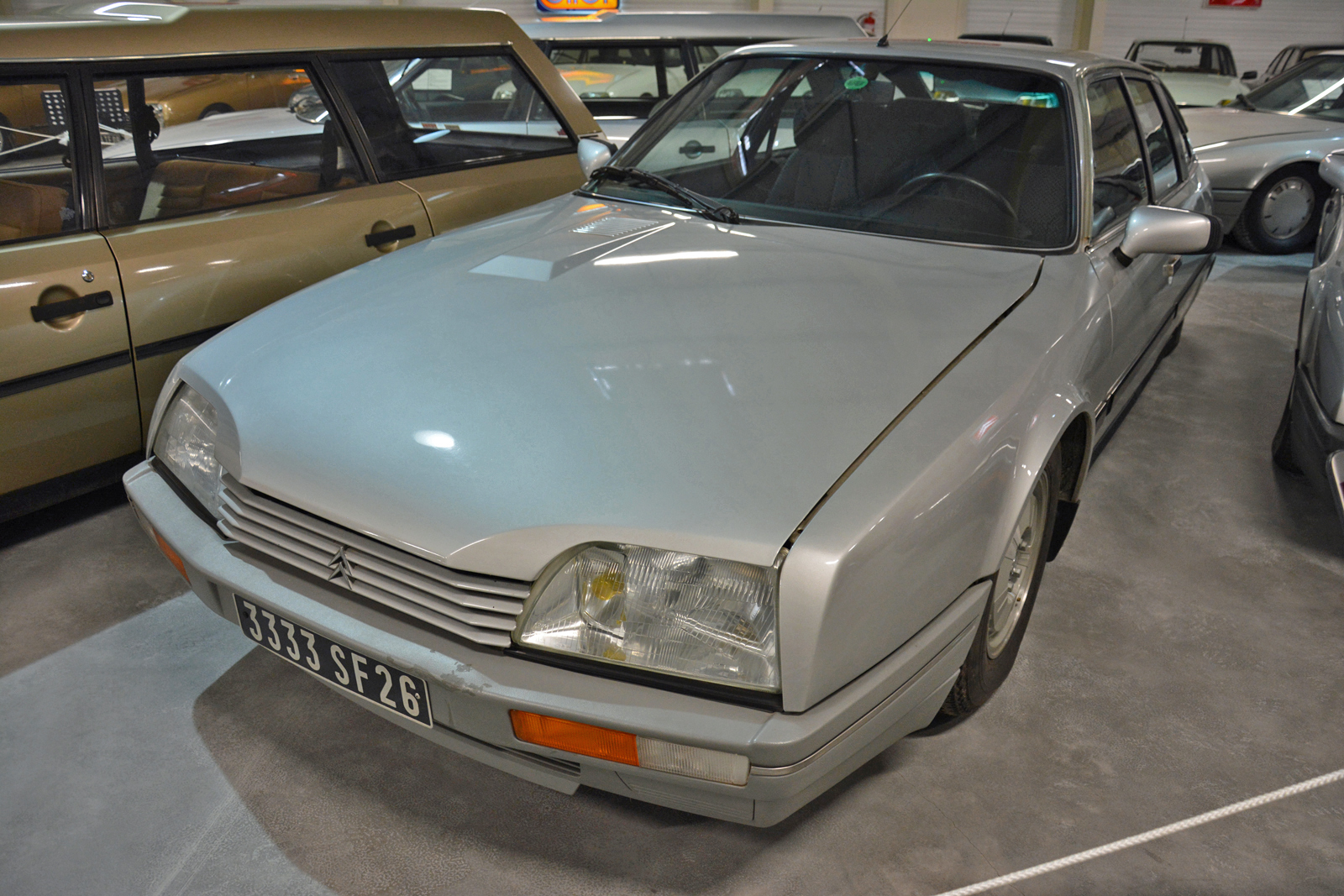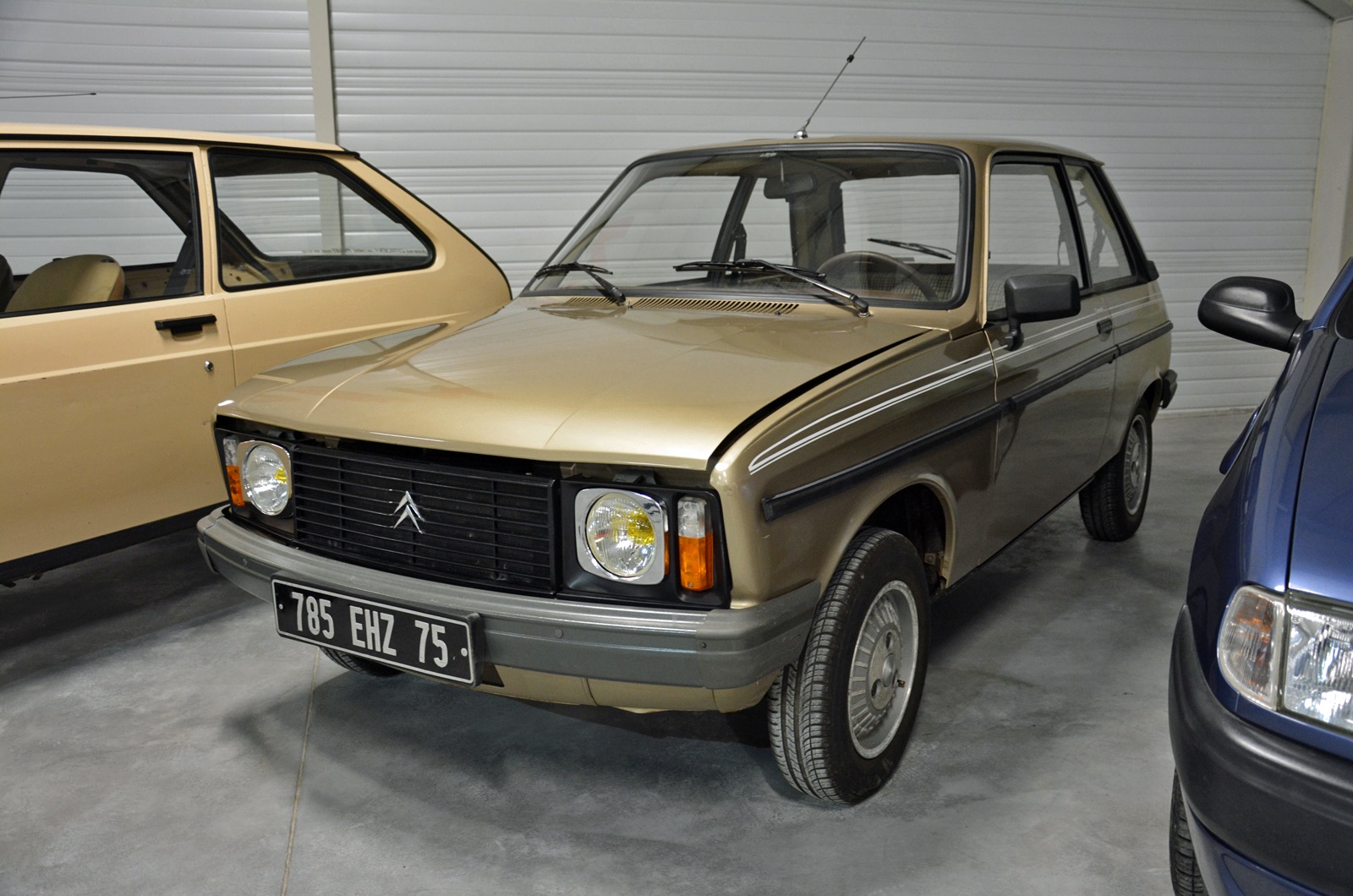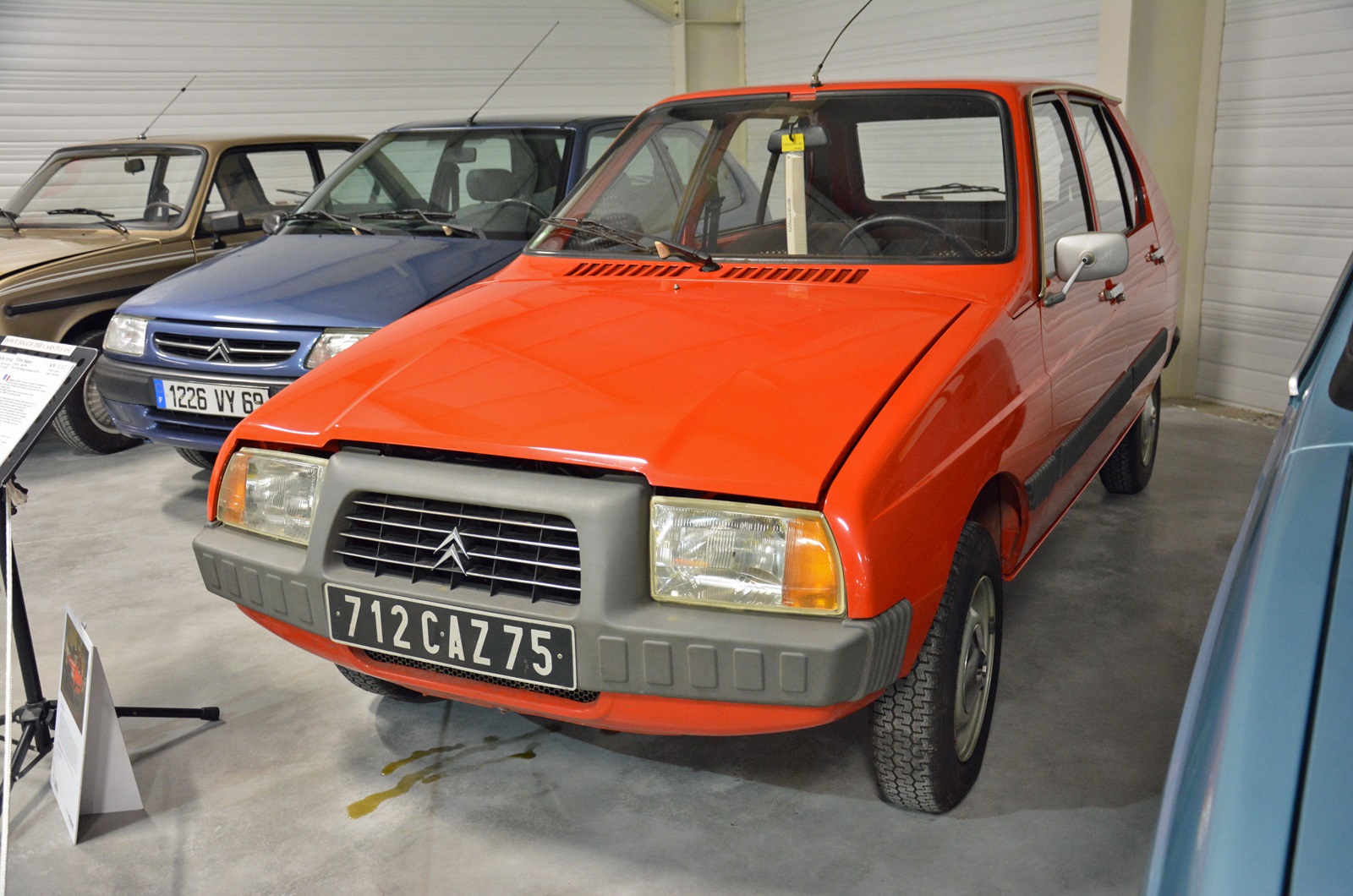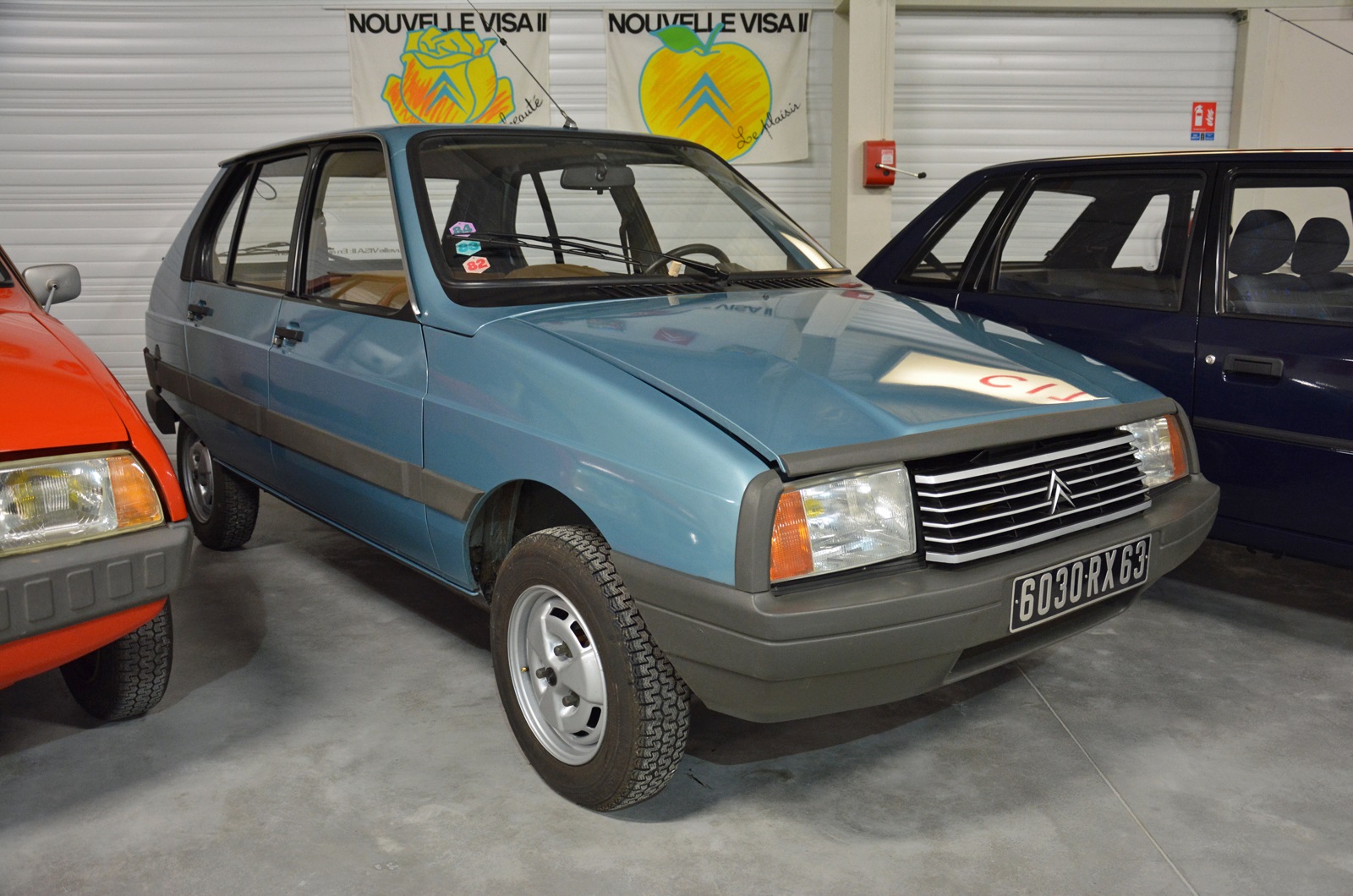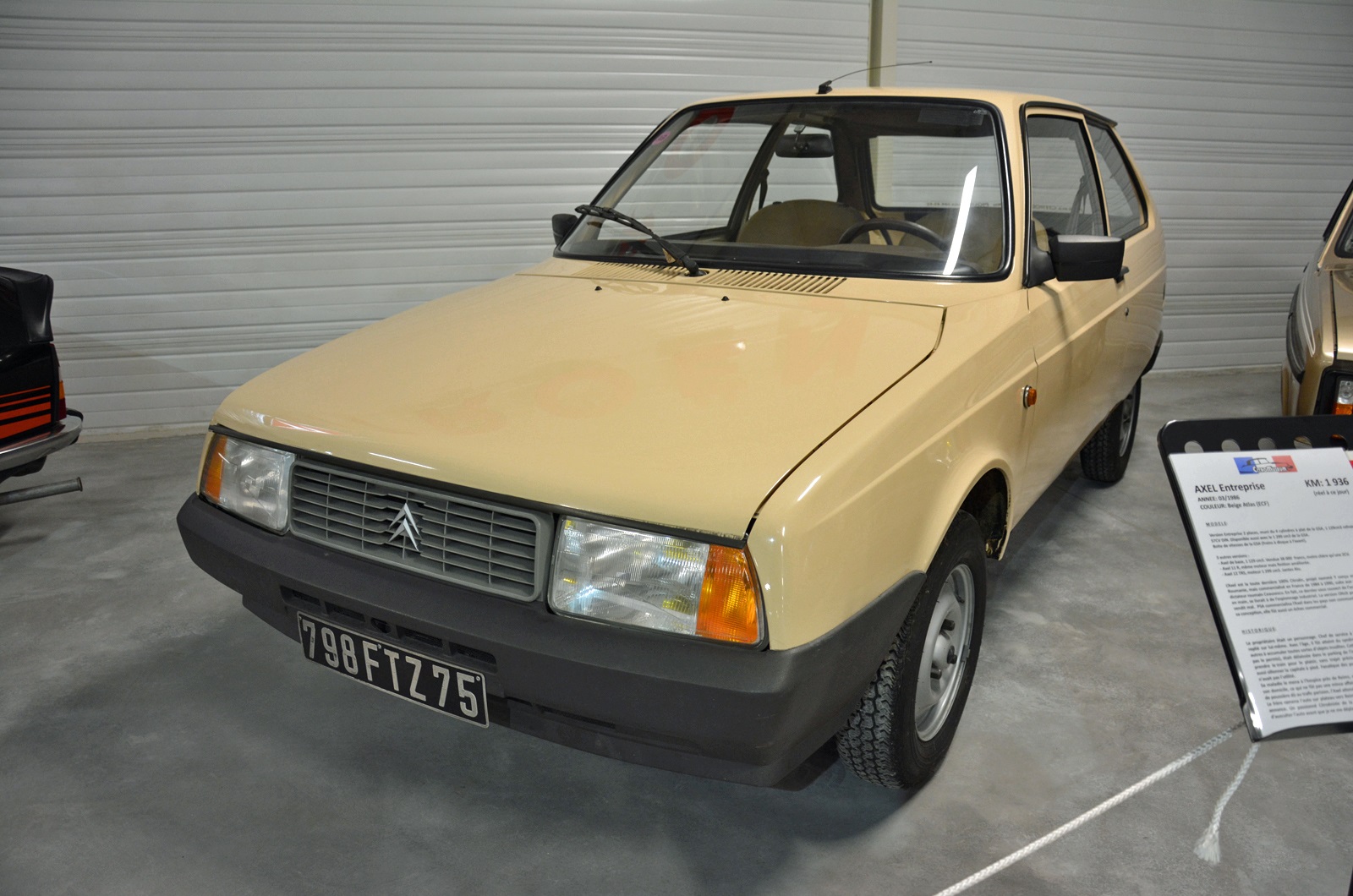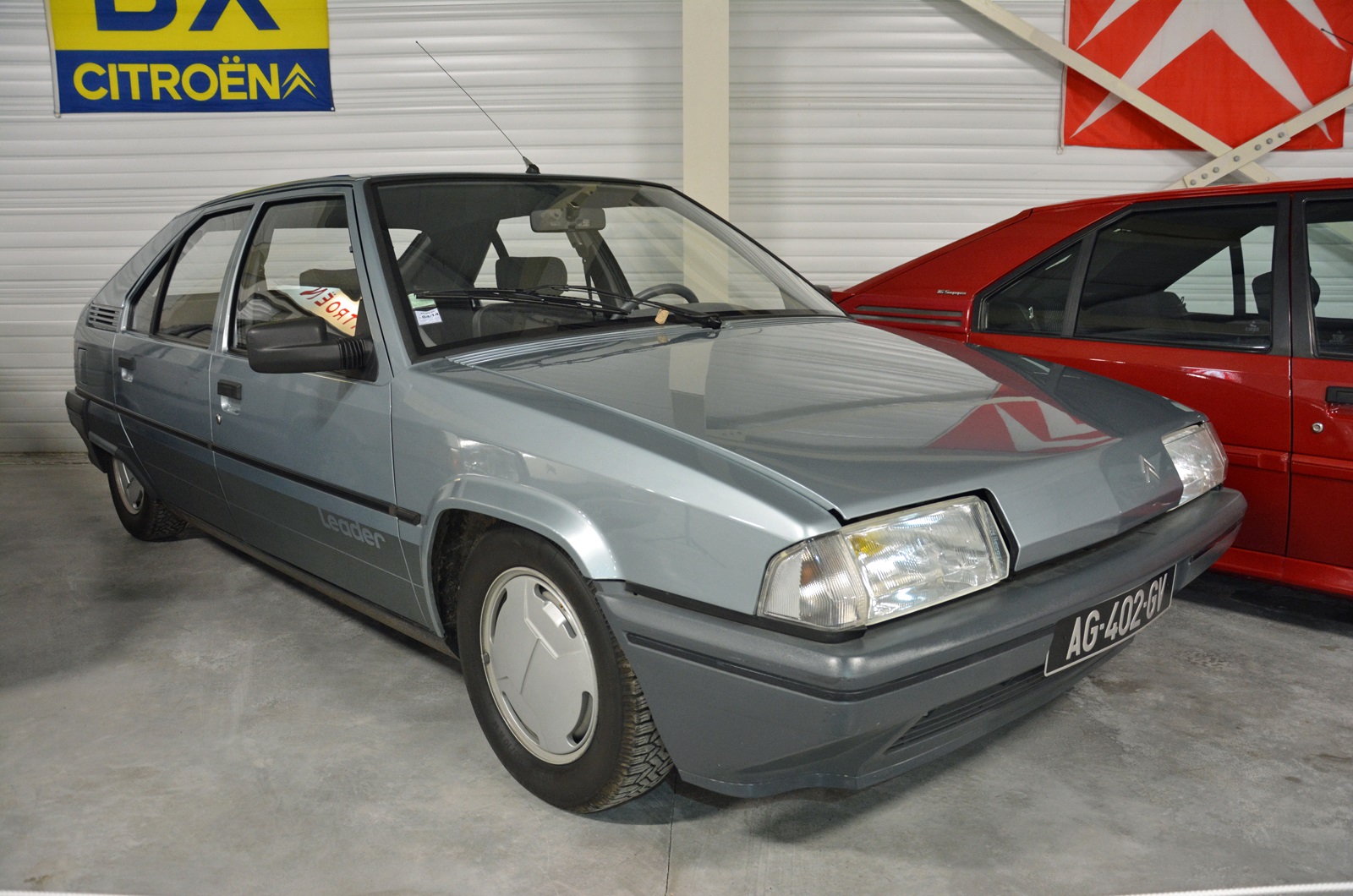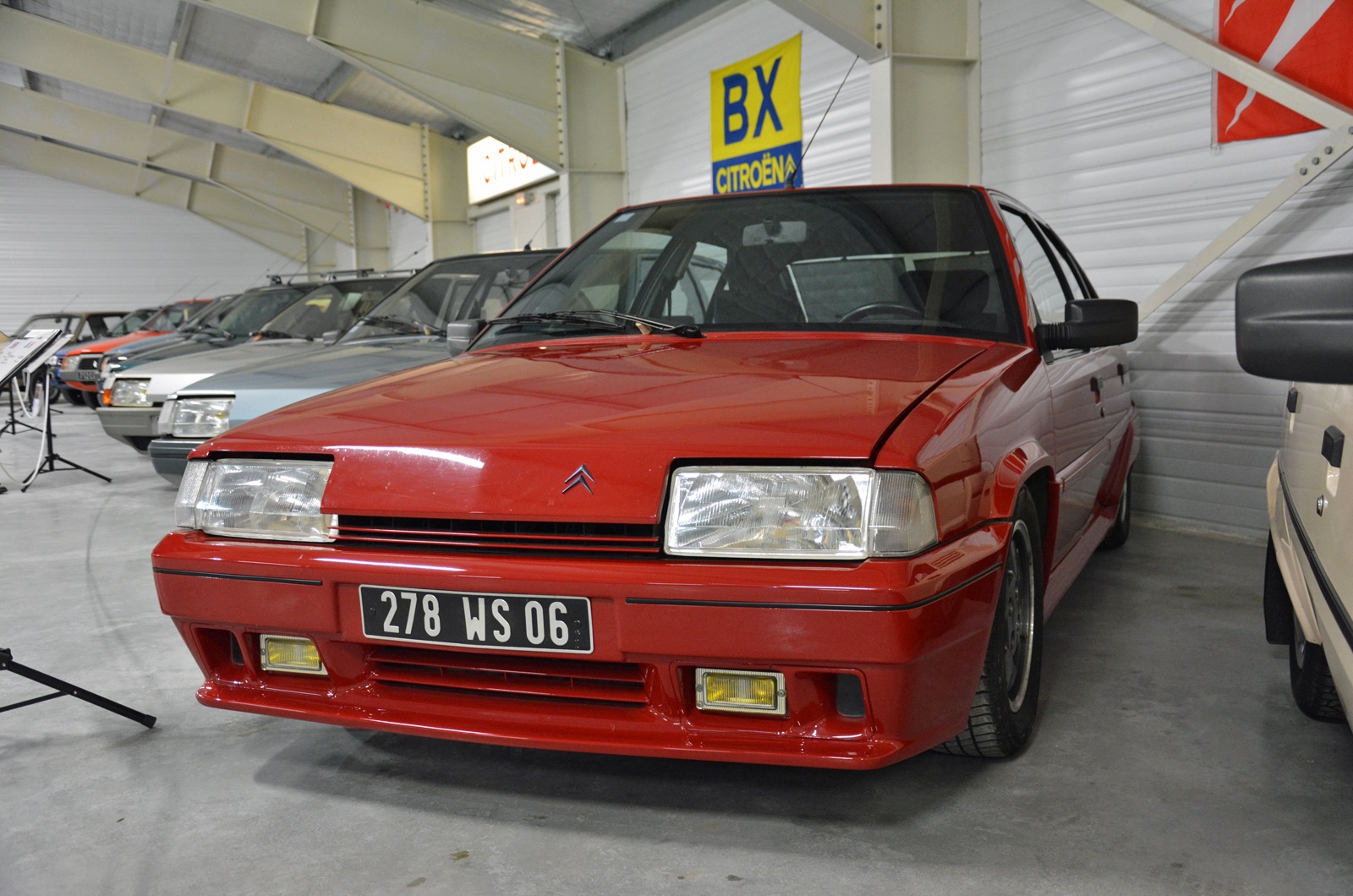

The company-owned Citroën Conservatoire in Paris has serious competition.
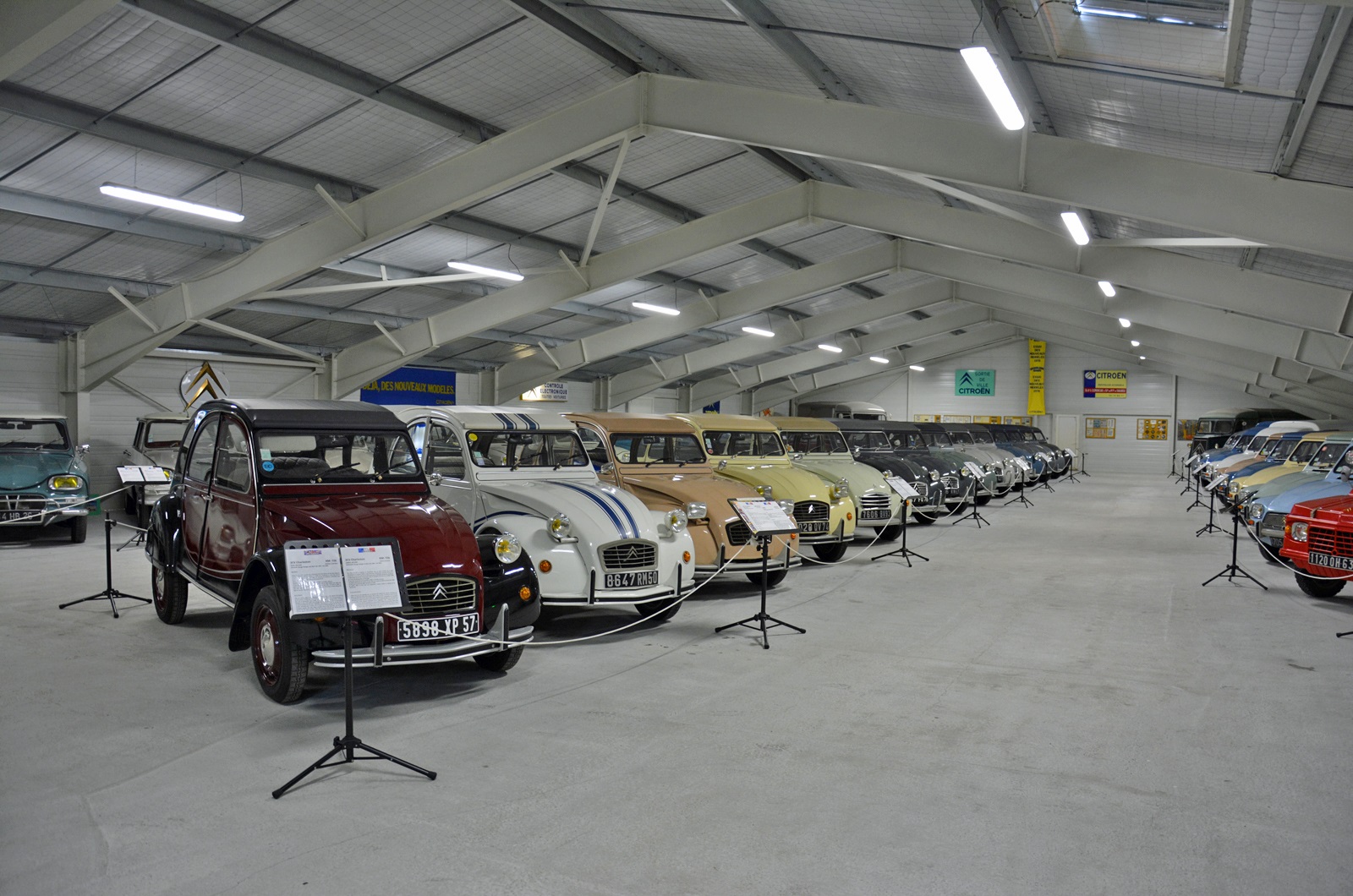
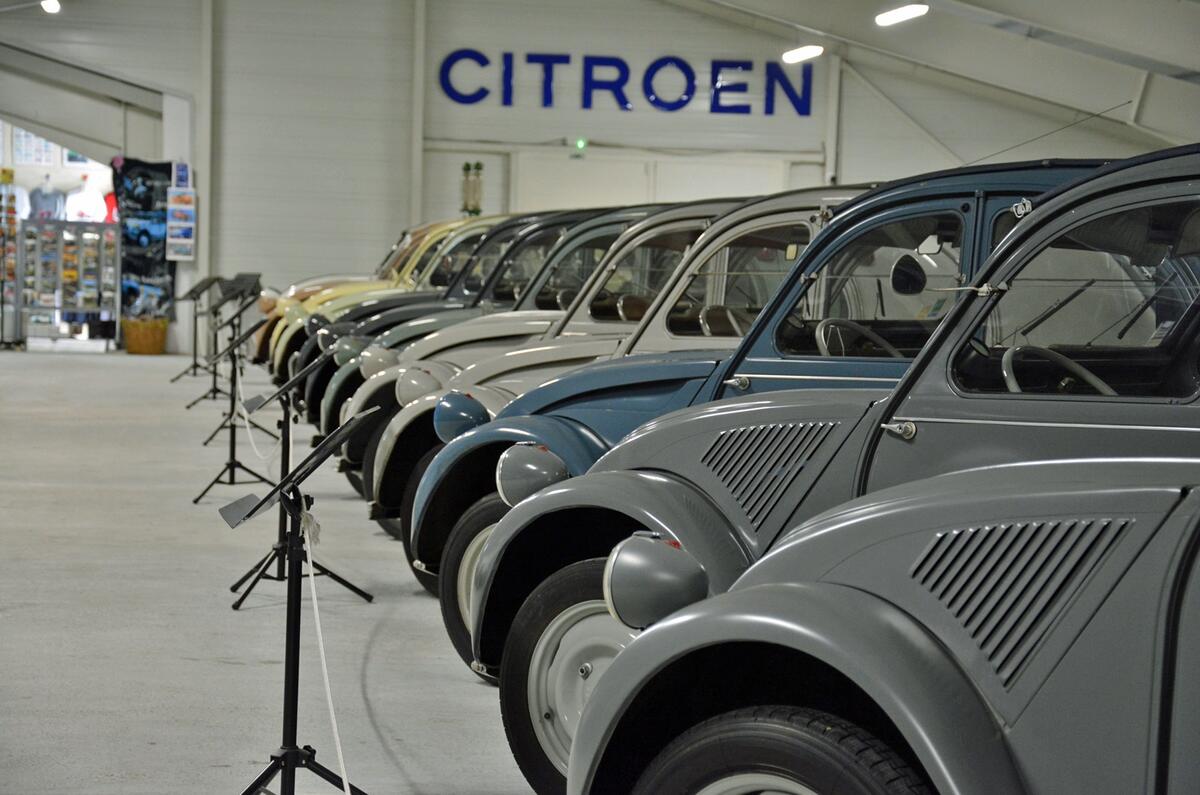
Over the course of 40 years, French enthusiast Henri Fradet has patiently and diligently put together a spectacular collection of over 120 post-war Citroën models. They’re housed in a museum named CitroMuseum located in Castellane, a small town in southern France.
Fradet prefers low-mileage, unrestored cars and he has traveled all over France to track down the best examples left. Follow along as we trek out to the scenic French Alps and travel through time:
The three Citroën chambers
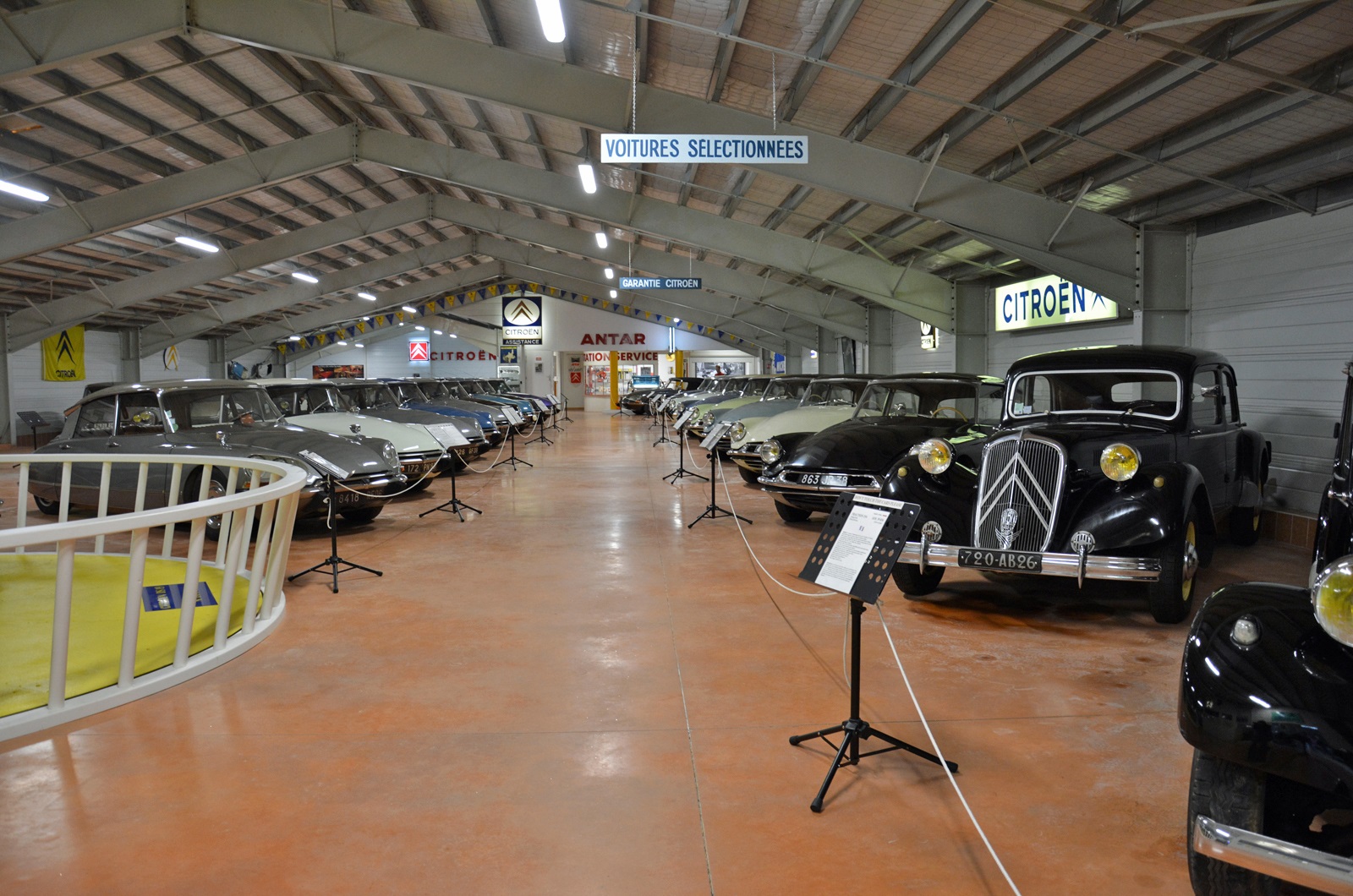
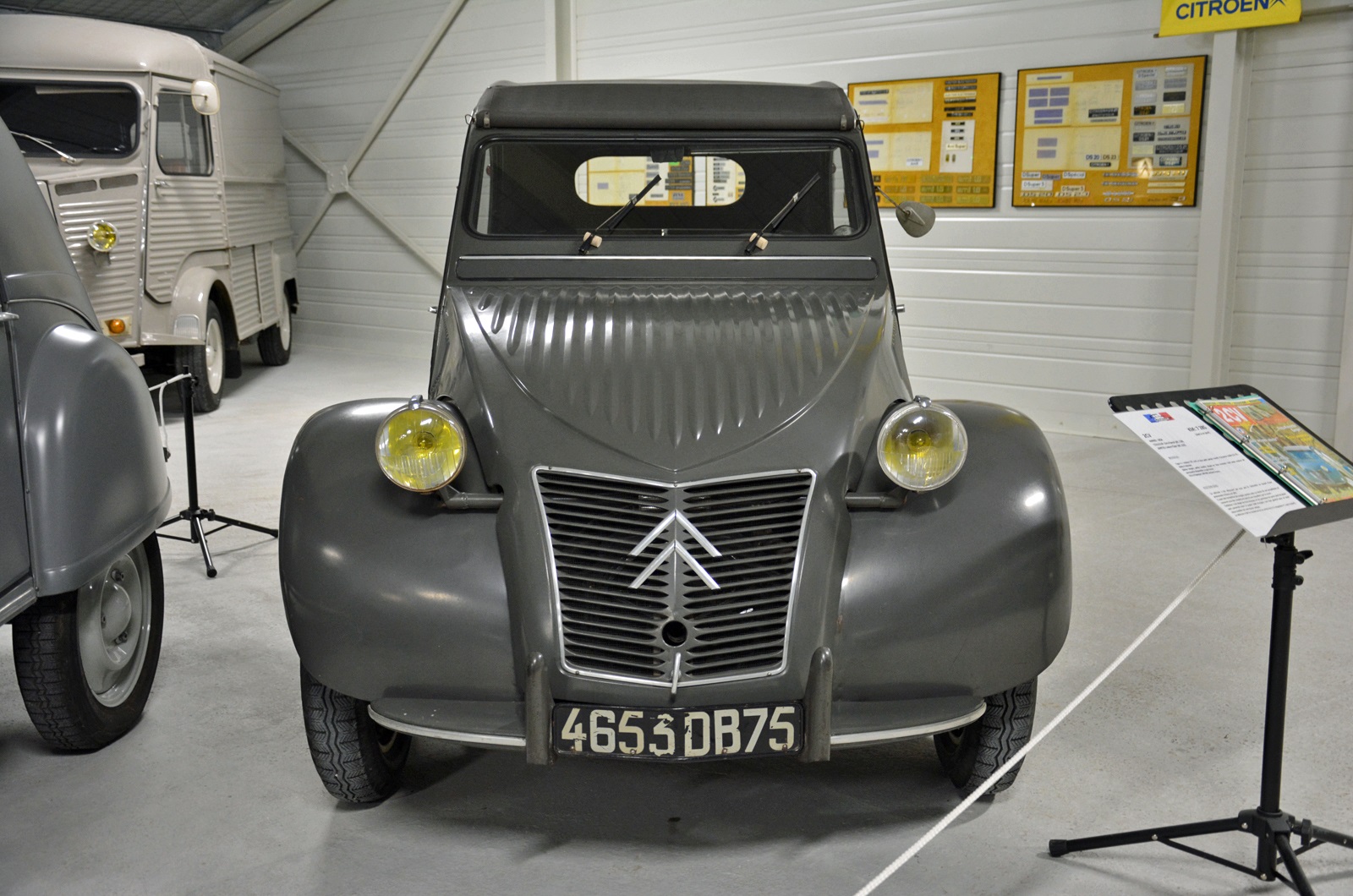
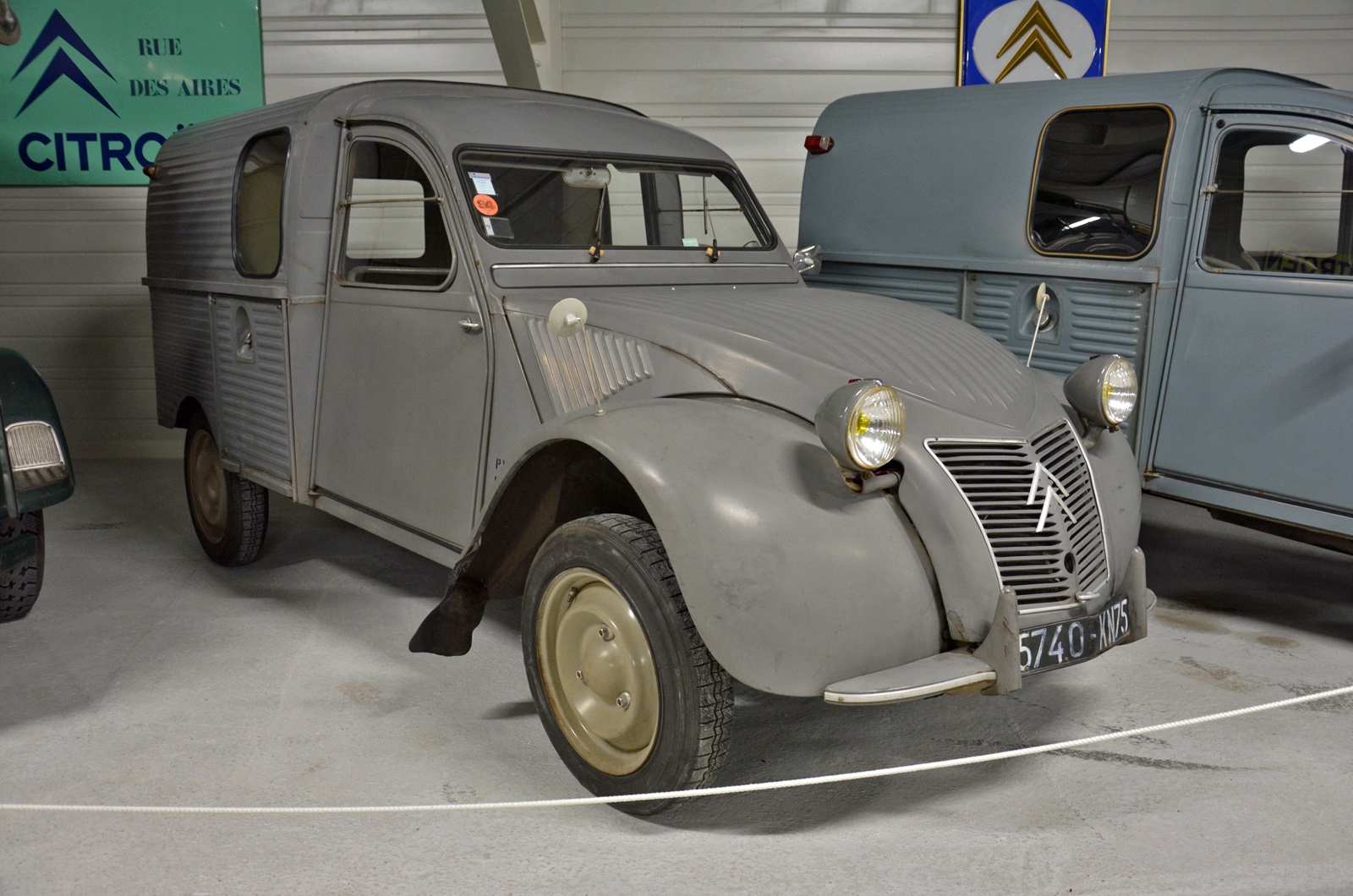
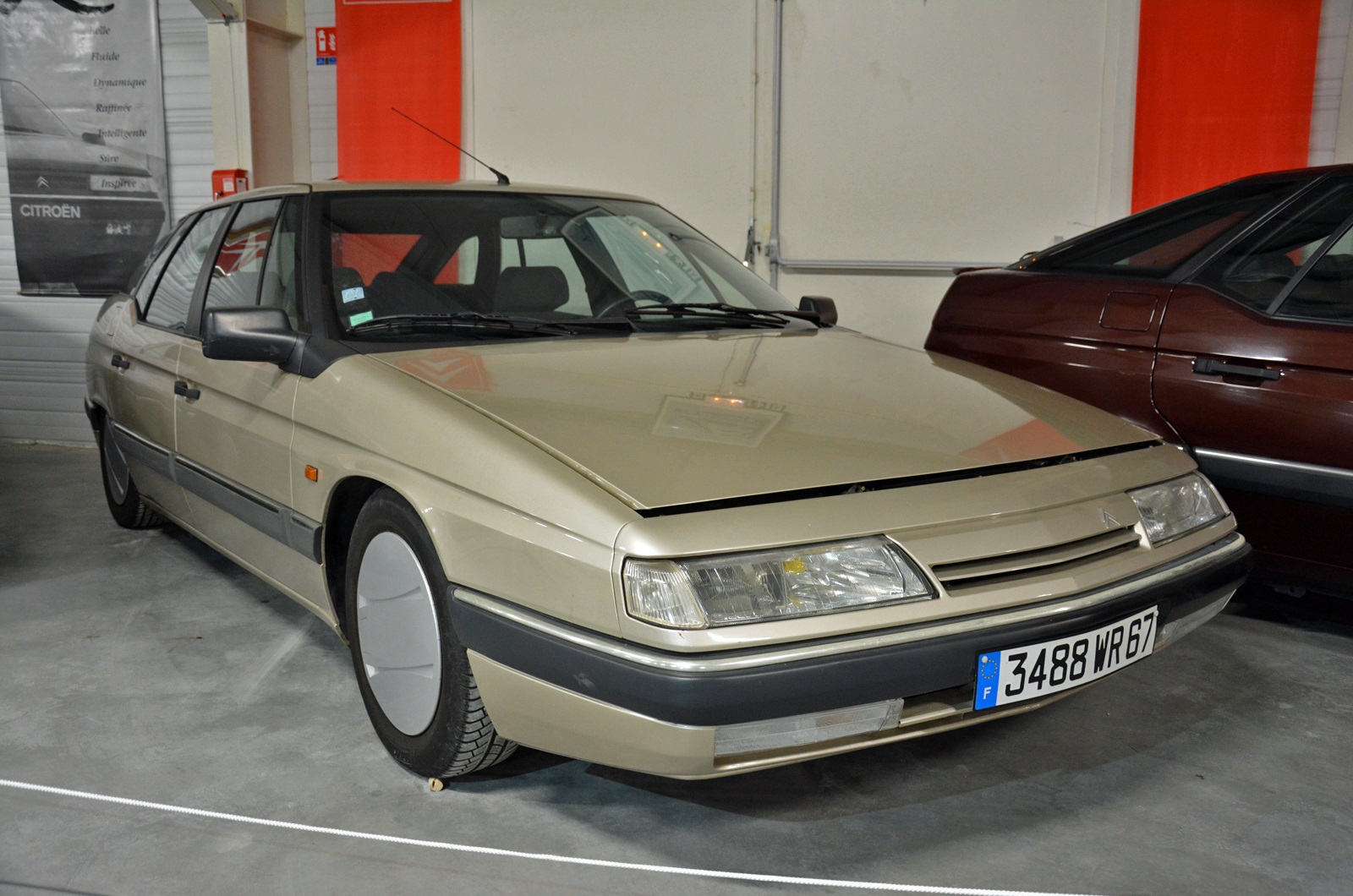
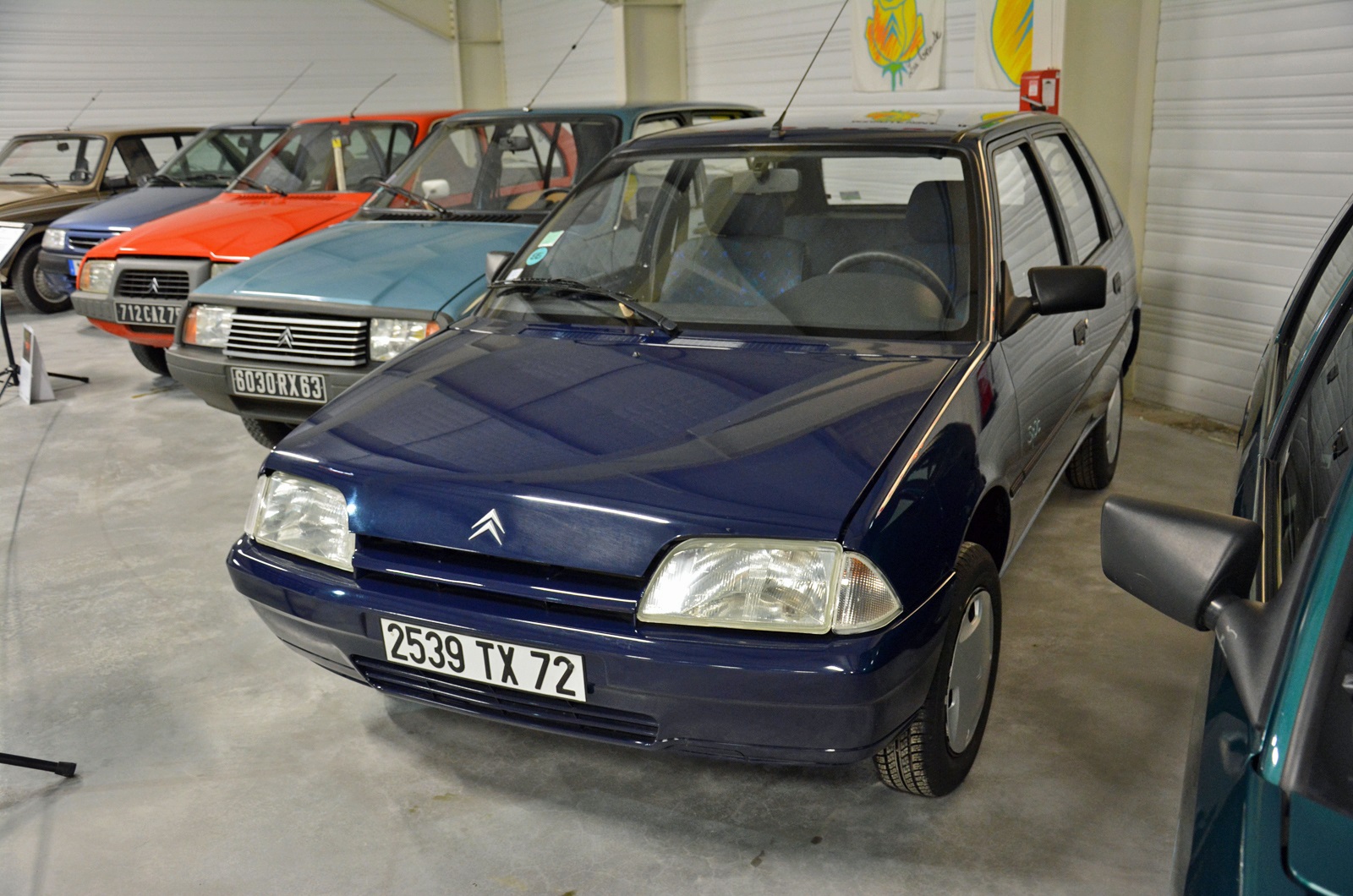
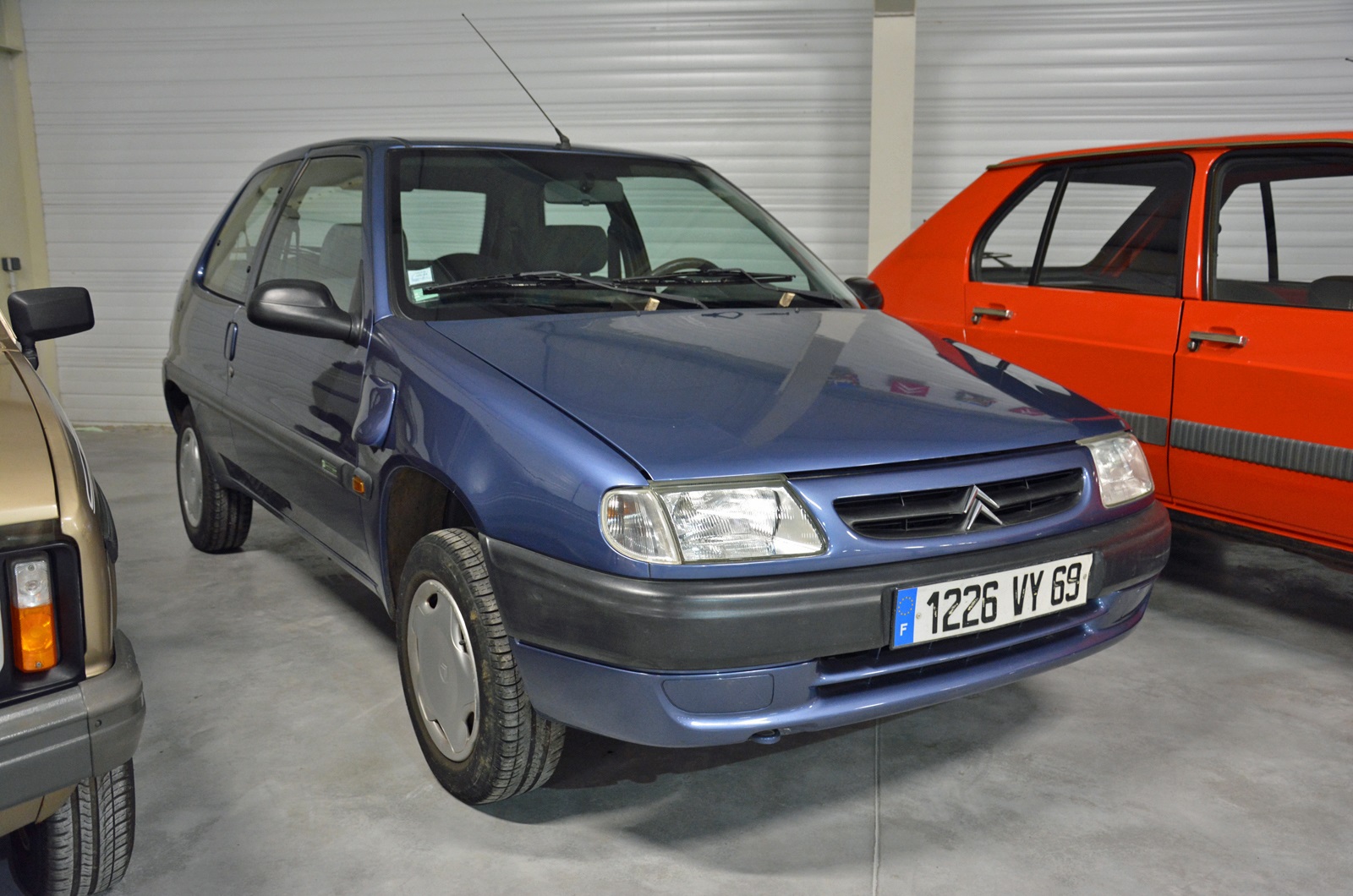
The museum is split into three distinct sections. The first highlights the Traction Avant and variants of the DS/ID. The second is dedicated to the 2CV and its numerous derivatives. Finally, the third – and most recent – wing houses cars made between the 1970s and the 1990s.
Fradet wasn’t content with simply parking his cars in a warehouse and calling it a day. Every section contains a treasure trove of Citroën memorabilia like original documents from the company’s research and development department, model cars and vintage dealer signs.
Traction 15/6 (1952)
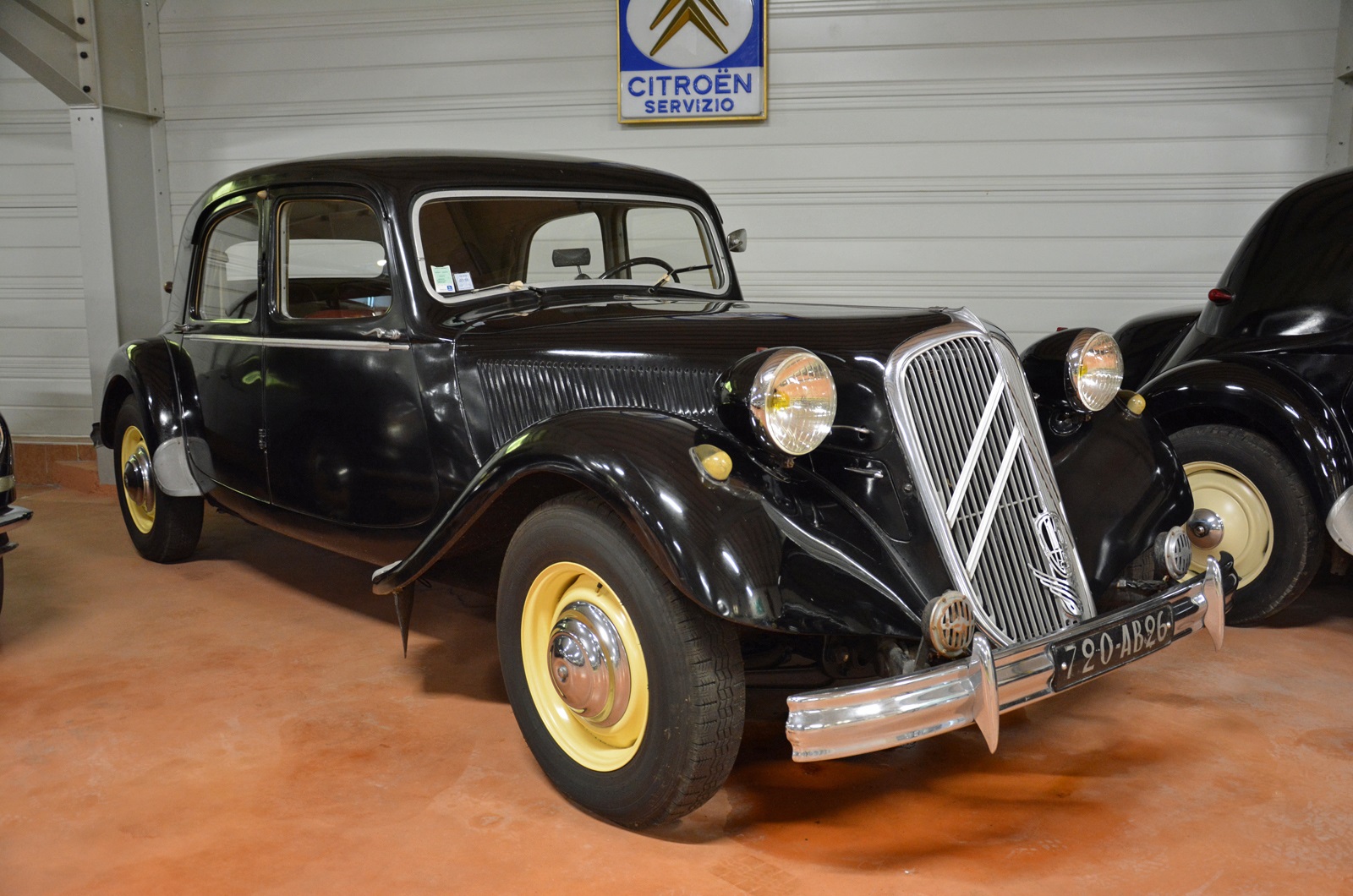
Citroën released the Traction Avant in 1934, so it doesn’t fully qualify for post-war status, but the model’s unusually long production run is its saving grace. The last examples were built in 1957.
Powered by a 2.9-liter straight-six engine rated at 77hp, this 1952 example has covered approximately 40,000 km (25,000 miles) since new. It was purchased from the original owner in 1973 by a collector who cherished it and always stored it indoors. It joined the CitroMuseum in 2016.
DS (1955)
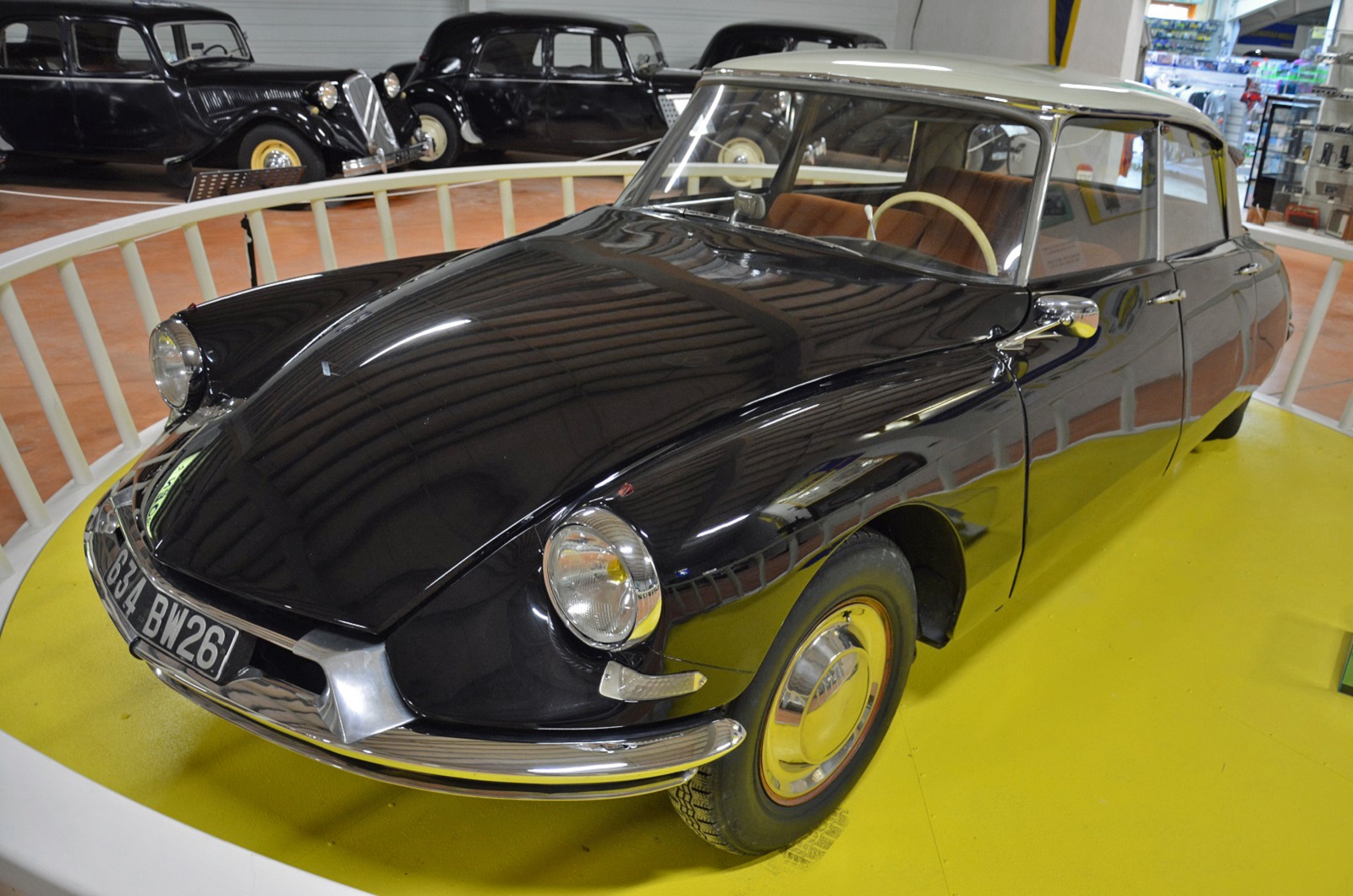
The CitroMuseum houses several examples of the DS/ID but this black 1955 model is unquestionably the most historically significant one. Wearing chassis number 32, it’s the 14th DS ever sold and the oldest series-produced example remaining. The first 13 cars were most likely destroyed well before they became sought-after by collectors.
Citroën didn’t begin mass-producing the DS until February 1956 so the 175 cars registered in 1955 were made entirely by hand. Number 32 was delivered to a Citroën dealership in Valence, France, and used as a demonstrator. It should have been returned to Citroën’s headquarters but the owner of the dealership instead sold it to one of his most loyal customers. It subsequently went through the hands of several owners, covering about 69,000 km (43,000 miles), and spent 13 years parked in a museum in Holland before joining the CitroMuseum in 2004.
ID 19 (1963)
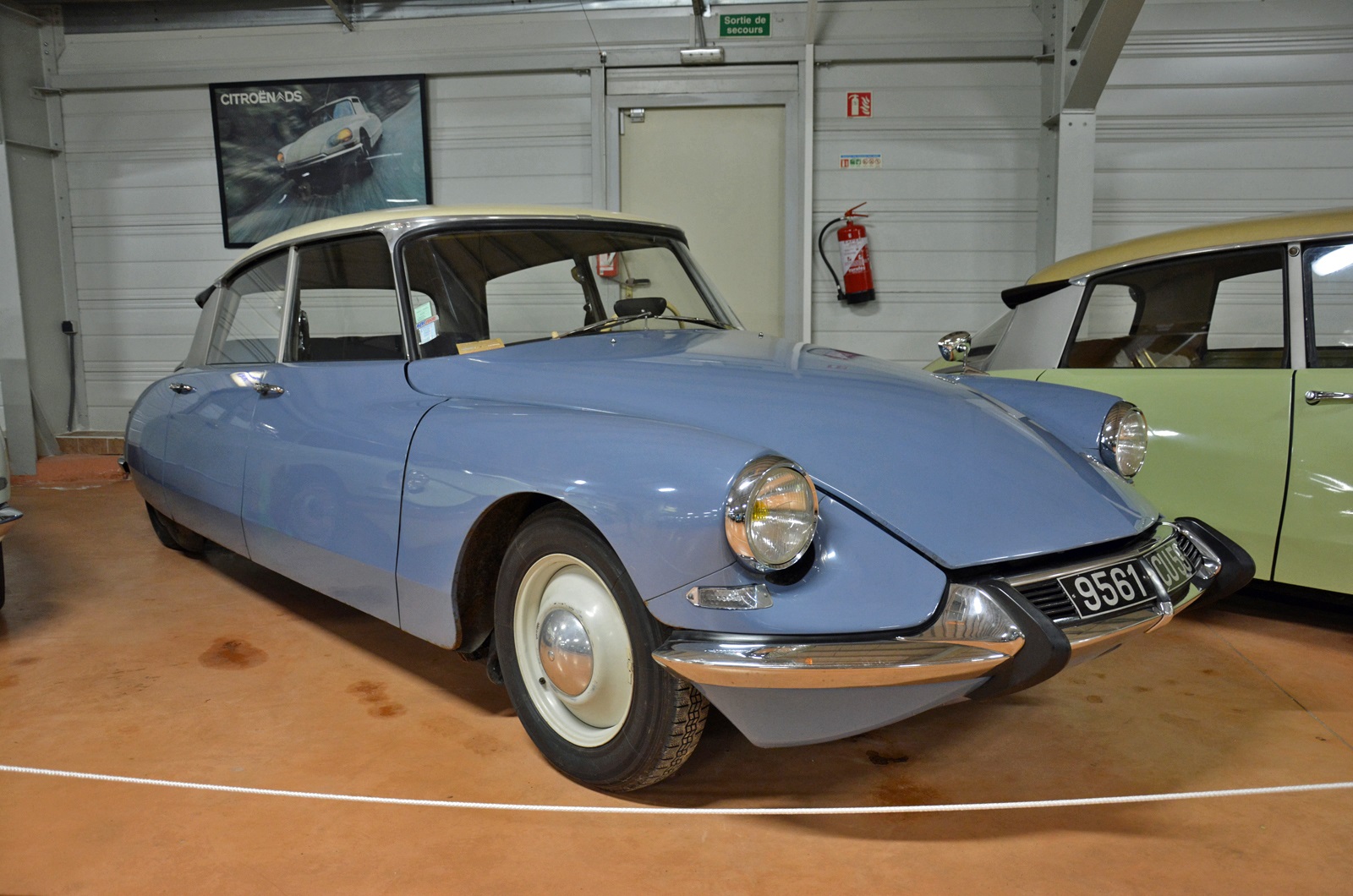
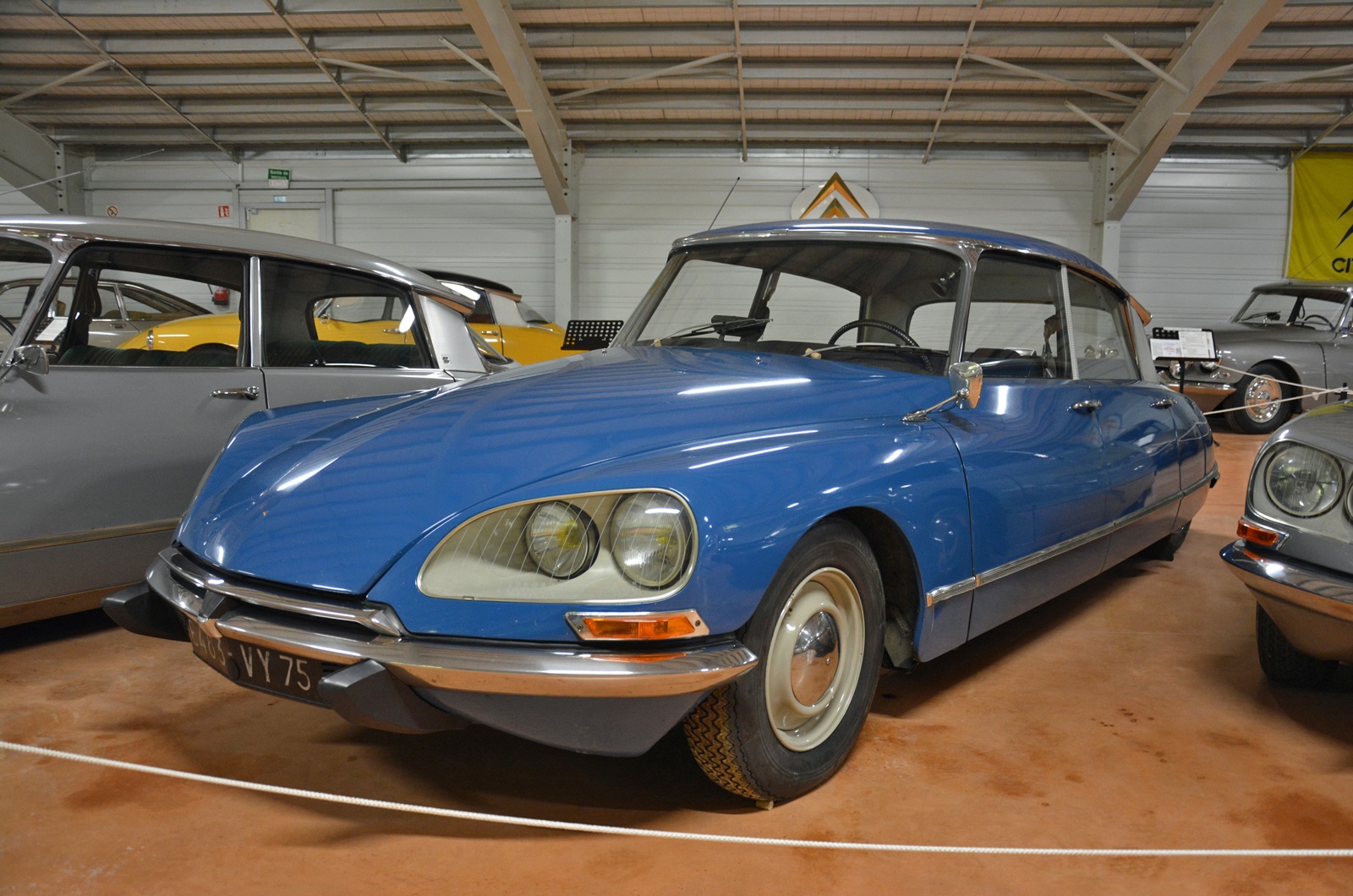
The ID 19 was a cheaper, more basic alternative to the DS 19. Finished in an unusual shade of blue called Bleu de Provence, this 1963 example has covered 27,000 km (18,000 miles) since new. Fradet bought it from the second owner and drove it to Norway, where he was living when he purchased it, after removing the hydraulic system’s high-pressure pump on the side of a Belgian road to loosen a stuck valve.
DS 21 Cabriolet (1966)
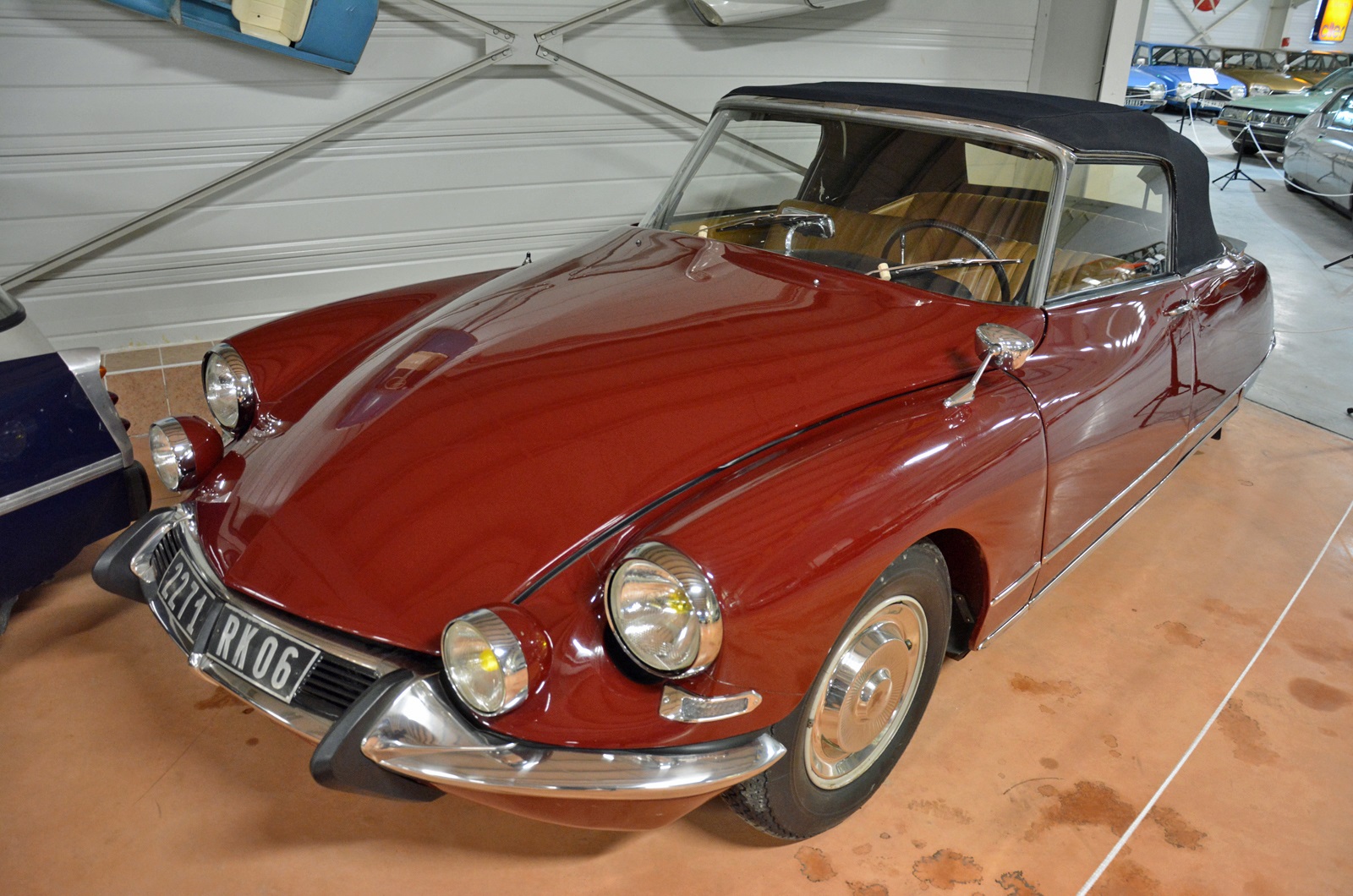
Many coachbuilders transformed the DS into a convertible; it was an irresistible foundation on which to build. One of 1365 units made, this 1966 example was manufactured by French coachbuilder Henri Chapron using blueprints provided by Citroën. It was a factory-authorized conversion that shared its front sheet metal and all of its mechanical components with the standard four-door model.